Vanished civilizations we’ll never fully understand
Lost civilizations have always fascinated historians and enthusiasts alike. Their mysterious cultures, advanced technologies, and unexplained disappearances leave us with more questions than answers.
These societies, once thriving, are now silent, leaving behind intriguing clues about their existence. As we delve into their histories, we uncover fascinating insights into human innovation and resilience. The allure of these civilizations lies not just in their grandeur, but in the secrets they keep hidden from us.
The Enigmatic Maya: Masters of the Jungle
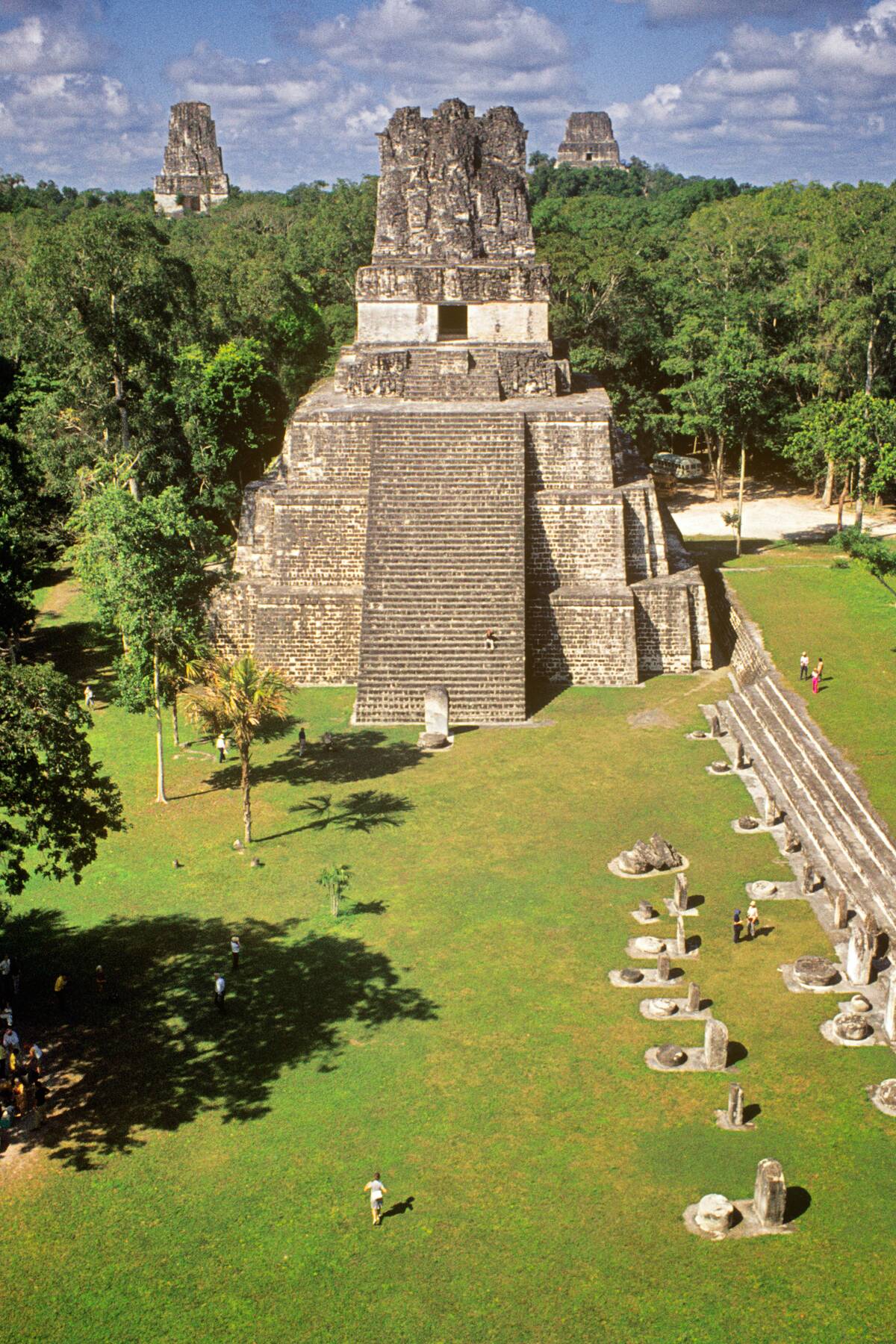
The Maya civilization flourished in Central America, known for their impressive architectural feats and sophisticated understanding of astronomy. They built sprawling cities like Tikal and Chichen Itza, with temples that aligned with celestial events.
Their calendar system was incredibly precise, predicting solar eclipses and the movements of planets. Many major Maya cities in the southern lowlands declined around the 9th century likely due to a combination of factors such as drought, warfare, social upheaval, and environmental stress
The Indus Valley Civilization: The Silent Innovators
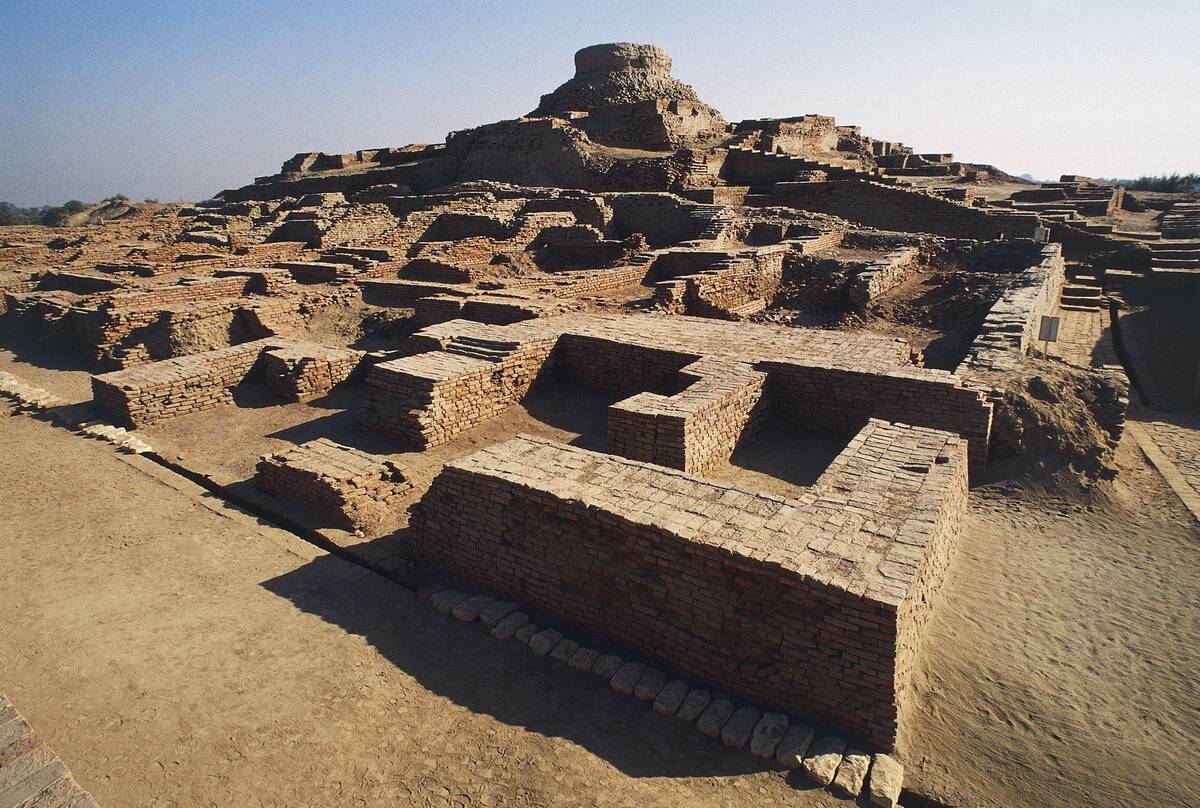
The Indus Valley Civilization, located in present-day Pakistan and northwest India, was one of the world’s earliest urban cultures. Known for their advanced urban planning, they built cities like Harappa and Mohenjo-Daro with grid layouts and sophisticated drainage systems.
Their script remains undeciphered, adding to the intrigue of this civilization. Despite their innovations, the civilization declined around 1900 BCE, possibly due to climate change or shifting river systems.
The Mysterious Builders of Stonehenge
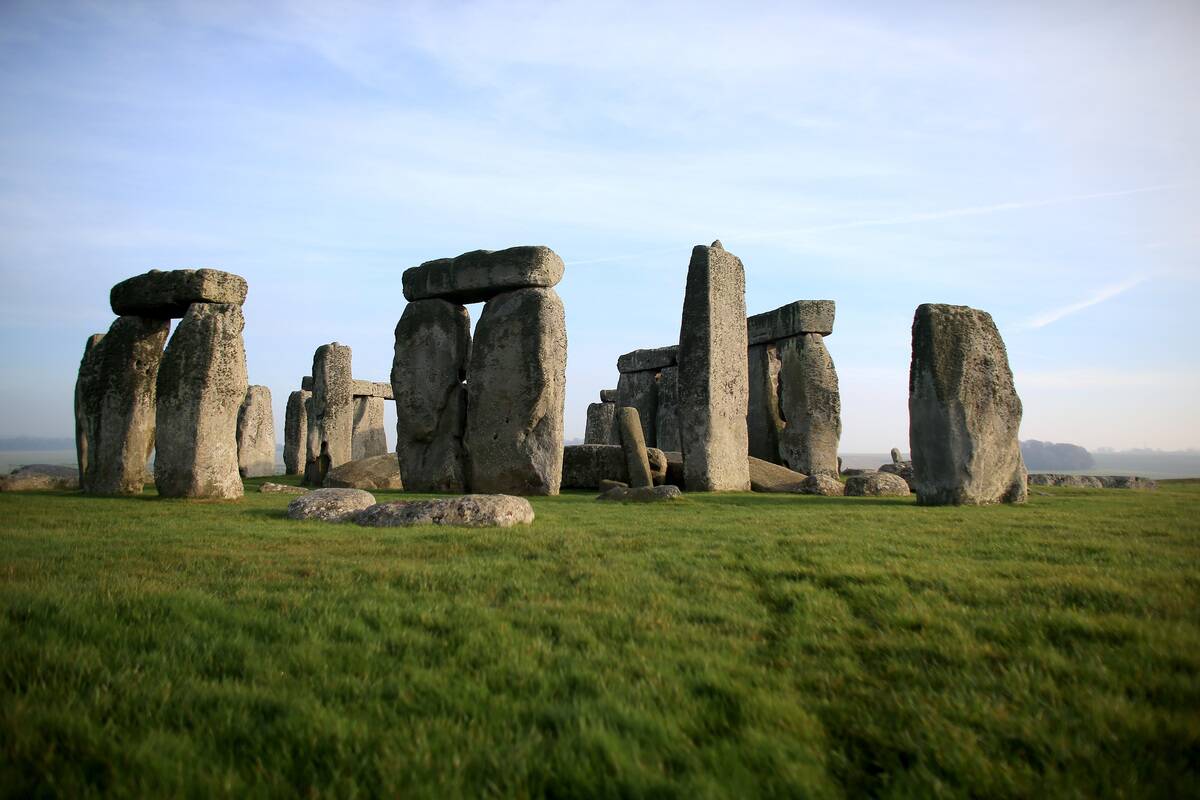
Stonehenge, located in England, is one of the most iconic prehistoric monuments. Constructed between 3100 and 1600 BCE, its purpose remains a mystery, with theories ranging from astronomical observatory to religious site.
The stones, some weighing up to 25 tons, were transported from miles away, showcasing the builders’ incredible engineering skills. Recent excavations suggest it was part of a larger sacred landscape, hinting at its significance to the people who built it.
The Olmec: Giants of Ancient Mesoamerica
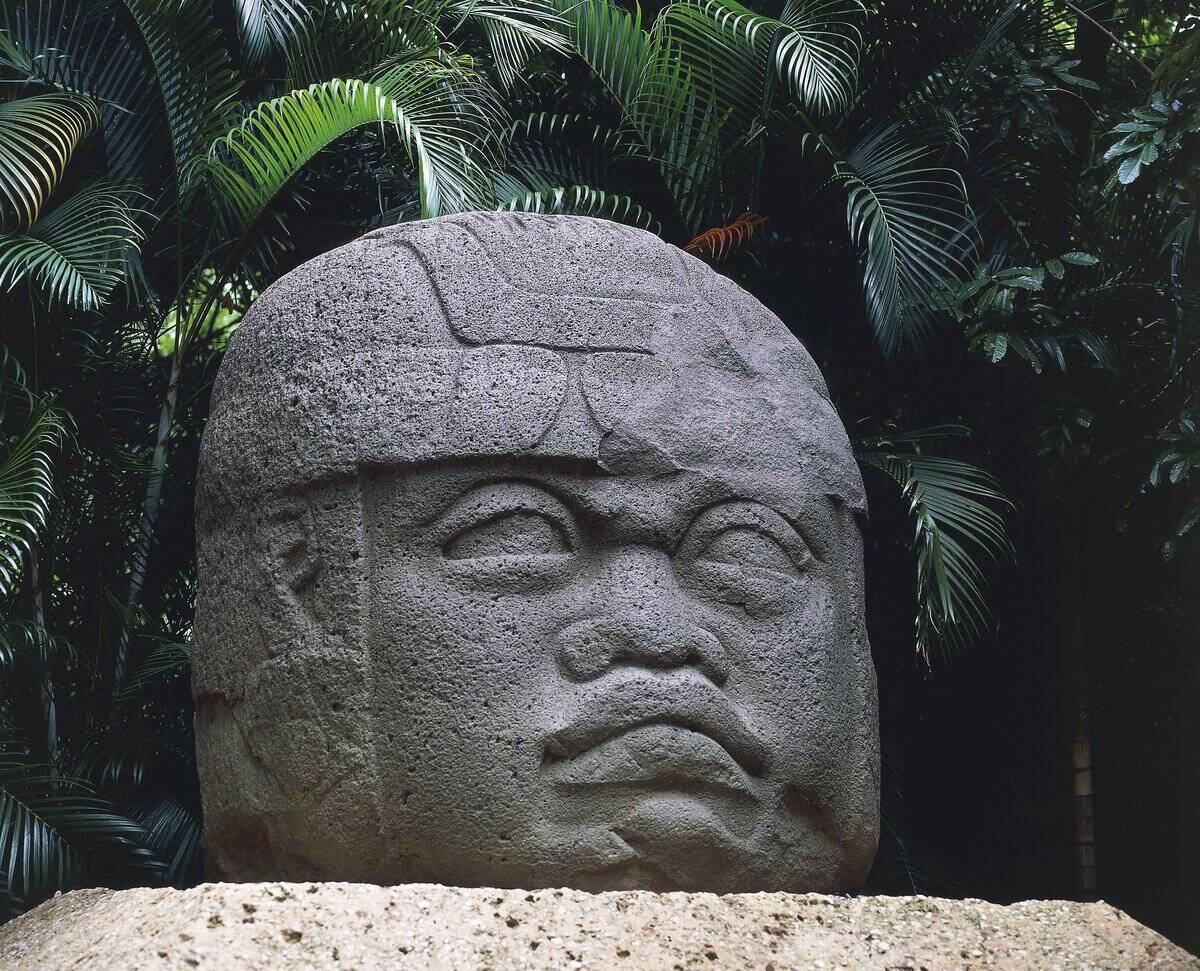
The Olmec civilization, often regarded as the ‘mother culture’ of Mesoamerica, thrived around 1200 to 400 BCE. They are best known for their colossal stone heads, each weighing several tons, believed to represent their rulers.
The Olmecs laid the foundations for later Mesoamerican cultures, contributing to developments in writing, urbanization, and religious practices. Yet, much about them remains a mystery, as their civilization faded without leaving extensive written records.
The Intriguing World of the Anasazi
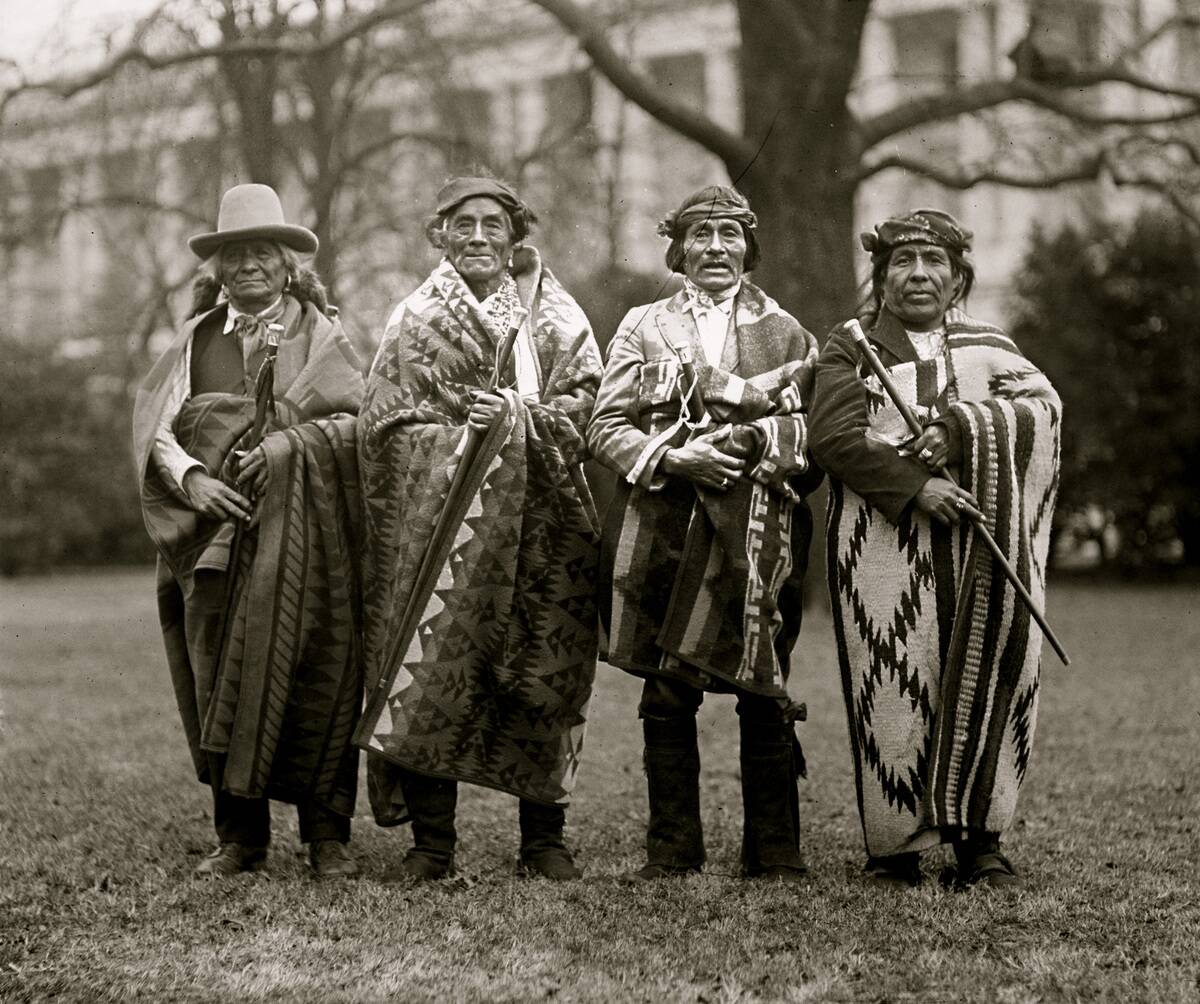
The Anasazi, or Ancestral Puebloans, inhabited the Four Corners region of the United States. Famous for their cliff dwellings and kivas, they developed complex societies with intricate road networks and trade routes.
Their mysterious disappearance around 1300 CE could be linked to prolonged droughts or social upheaval. Despite this, their descendants, the Pueblo people, continue to preserve their rich cultural heritage and traditions today.
The Etruscans: Italy’s Forgotten People
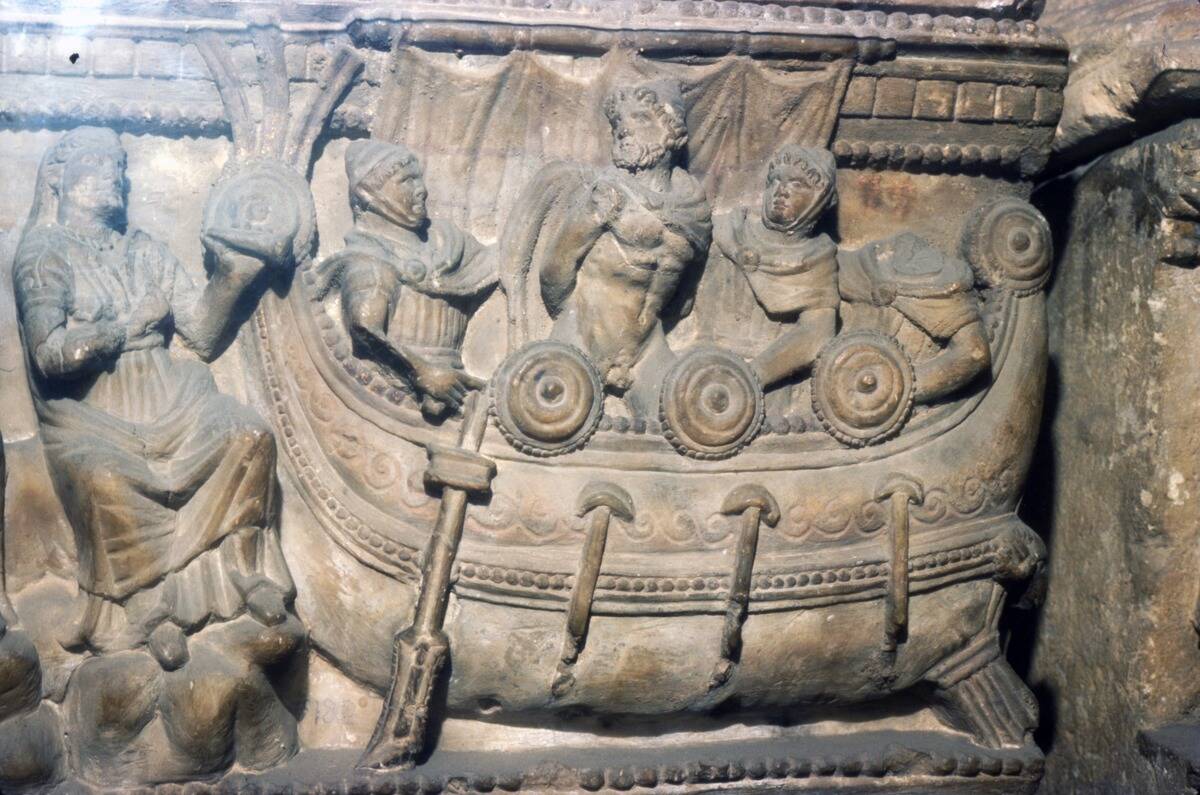
The Etruscans, predating the Roman Empire, were a powerful civilization in ancient Italy. They left behind exquisite art, advanced metallurgy, and a rich cultural legacy that influenced Roman society.
Their language remains partially understood, hindering a complete understanding of their history. The Etruscans eventually assimilated into Roman culture, but their contributions to art, architecture, and religion continue to be recognized as foundational to the development of early Rome.
The Nabataeans: Architects of the Desert
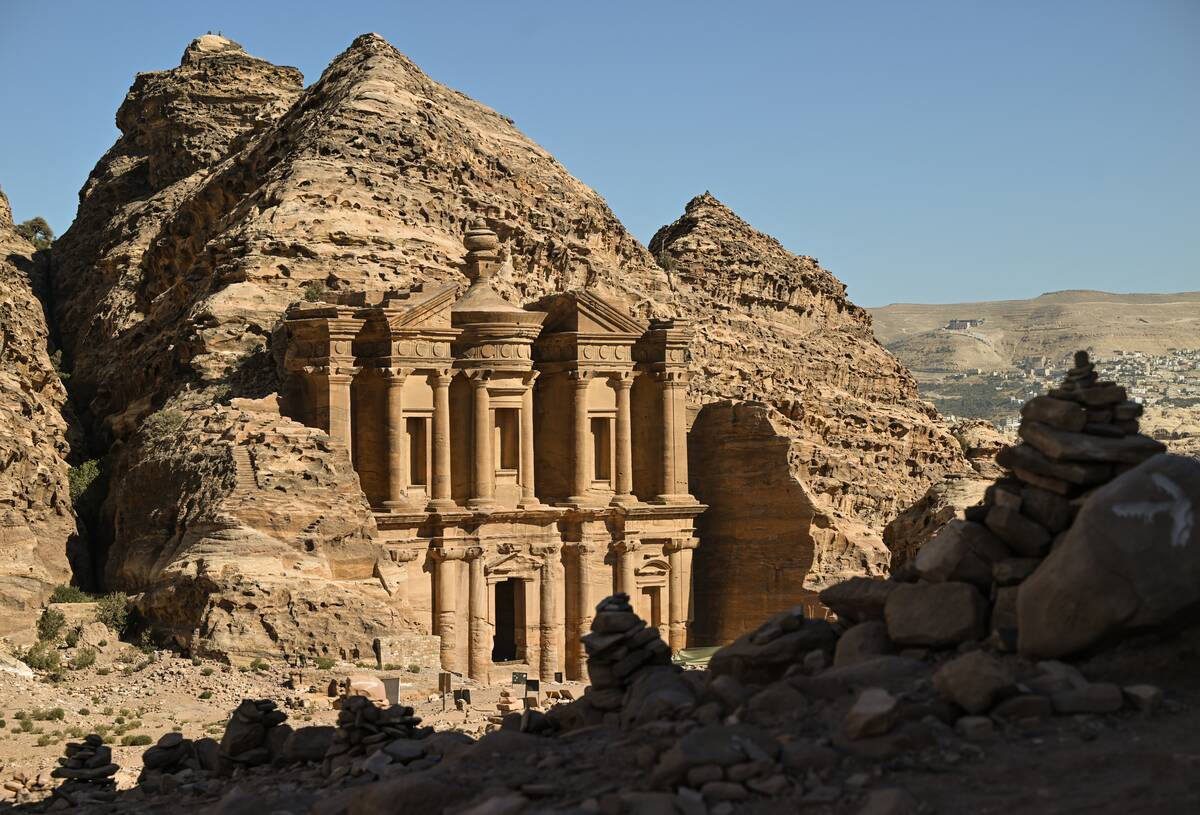
The Nabataeans, an ancient Arab people, are best known for their rock-carved city of Petra in present-day Jordan. Flourishing as a major trading hub, they controlled crucial trade routes that connected the Roman Empire to Asia.
The Nabataeans developed advanced hydraulic engineering to manage water in the arid desert. Petra’s intricate tombs and temples, carved directly into rose-red cliffs, continue to awe visitors with their beauty and ingenuity.
The Rapa Nui of Easter Island: Statues and Secrets
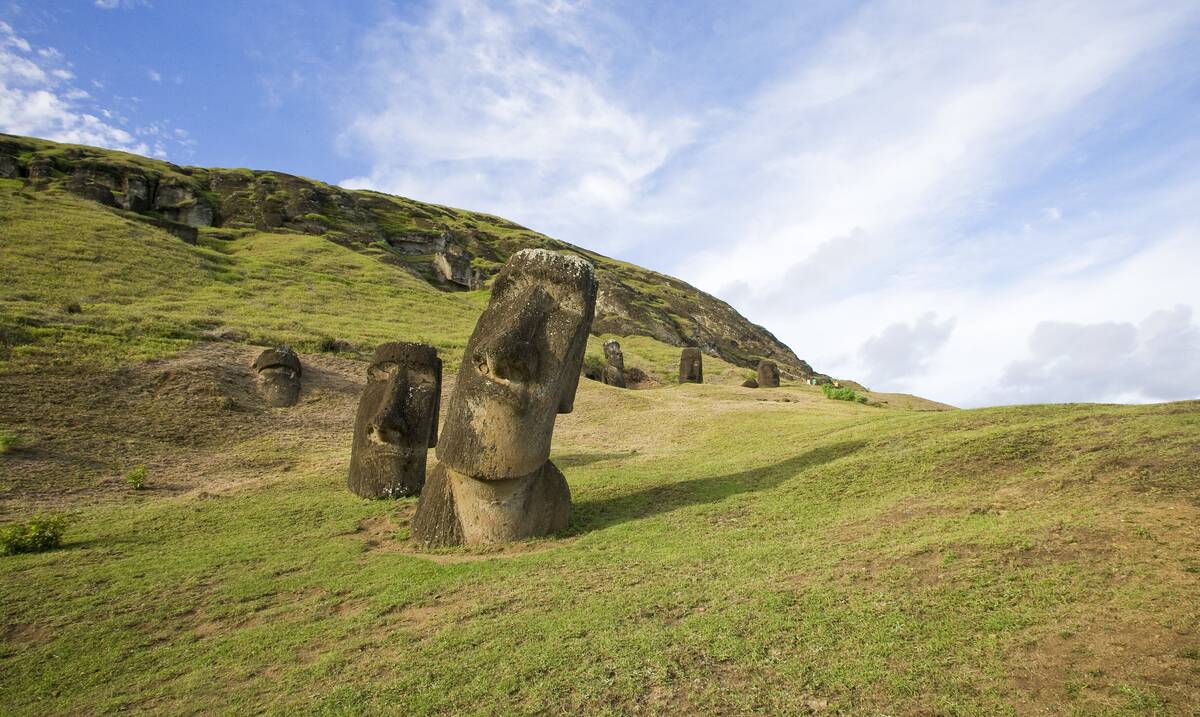
The Rapa Nui people of Easter Island are renowned for their massive moai statues, carved from volcanic rock. These statues, some standing over 30 feet tall, are believed to represent deified ancestors.
Despite the island’s remote location, the Rapa Nui developed a complex society with a unique script known as Rongorongo, which remains undeciphered. The reasons behind the statue construction and the society’s decline around the 17th century continue to puzzle researchers.
The Ancient City of Cahokia: America’s Forgotten Metropolis
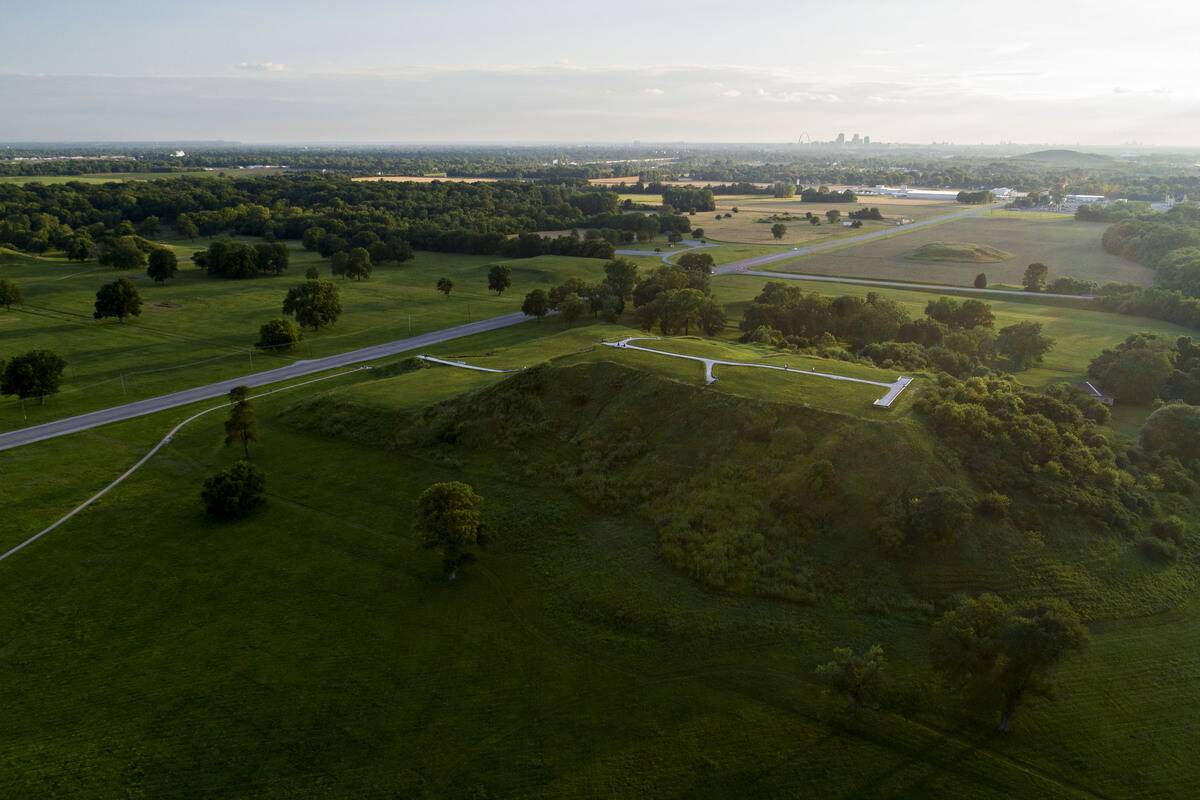
Cahokia, located near present-day St. Louis, Missouri, was the largest pre-Columbian city north of Mexico. At its peak around 1100 CE, it was home to tens of thousands of people and featured massive earthen mounds, including the famous Monk’s Mound.
Cahokia was a center of trade, culture, and religious activity, yet it was abandoned by the 14th century for reasons still debated by archaeologists. Today, it stands as a testament to the sophistication of Native American societies.
The Kingdom of Kush: The Nubian Legacy
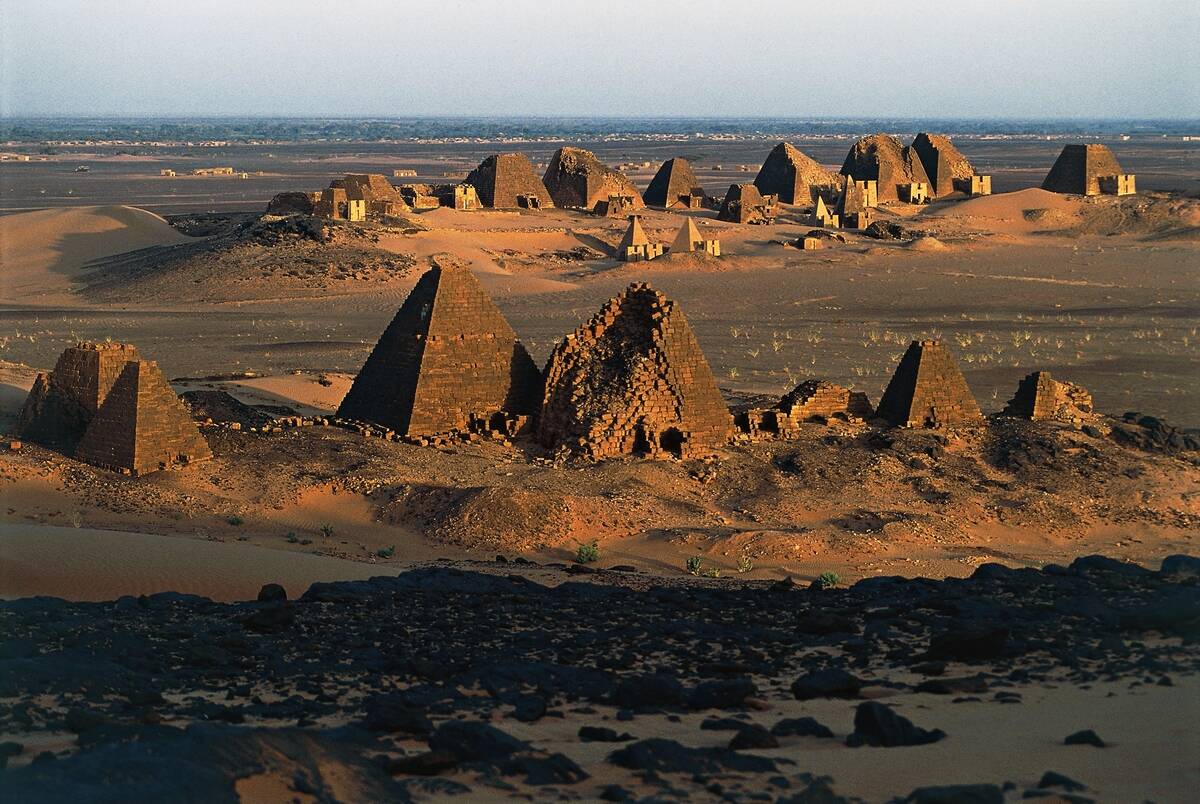
The Kingdom of Kush, centered in modern-day Sudan, was a powerful African civilization that rivaled ancient Egypt. Known for its unique pyramids and rich mineral resources, Kushite kings once ruled as Pharaohs of Egypt during the 25th Dynasty.
The kingdom thrived on trade and had its own writing system called Meroitic, which remains partially deciphered. Despite its decline around the 4th century CE, the legacy of Kush is still evident in Nubian culture and history.
The Celts: Warriors and Druids of Europe
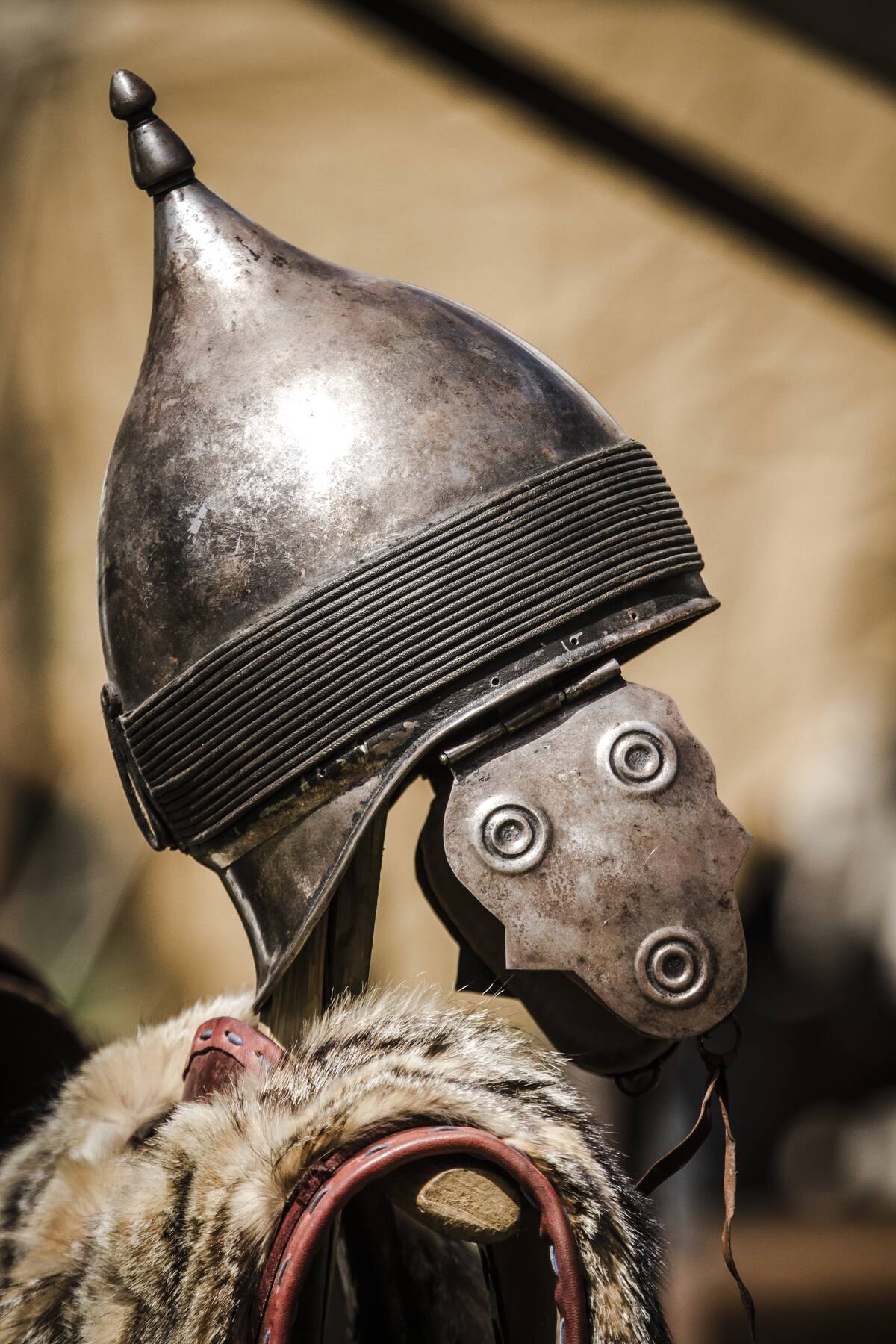
The Celts were a diverse group of tribal societies that spread across Europe from the British Isles to Anatolia. Known for their fierce warriors and skilled artisans, they left a lasting impact on European culture through their art, mythology, and language.
The Celts practiced a polytheistic religion led by druids, who held significant social and religious influence. Despite Roman conquest and assimilation, Celtic traditions and languages continue to thrive in regions like Ireland and Wales.
The Mysterious Sea Peoples: Raiders of the Bronze Age

The Sea Peoples were enigmatic maritime raiders who appeared in the late Bronze Age, around 1200 BCE. Their origins remain uncertain, with theories suggesting they came from regions like the Aegean or Anatolia.
They are credited with contributing to the collapse of several ancient civilizations, including the Hittites. Despite their impact, little is known about their society or what ultimately happened to them, making them one of history’s enduring mysteries.
The Kingdom of Axum: Africa’s Ancient Powerhouse
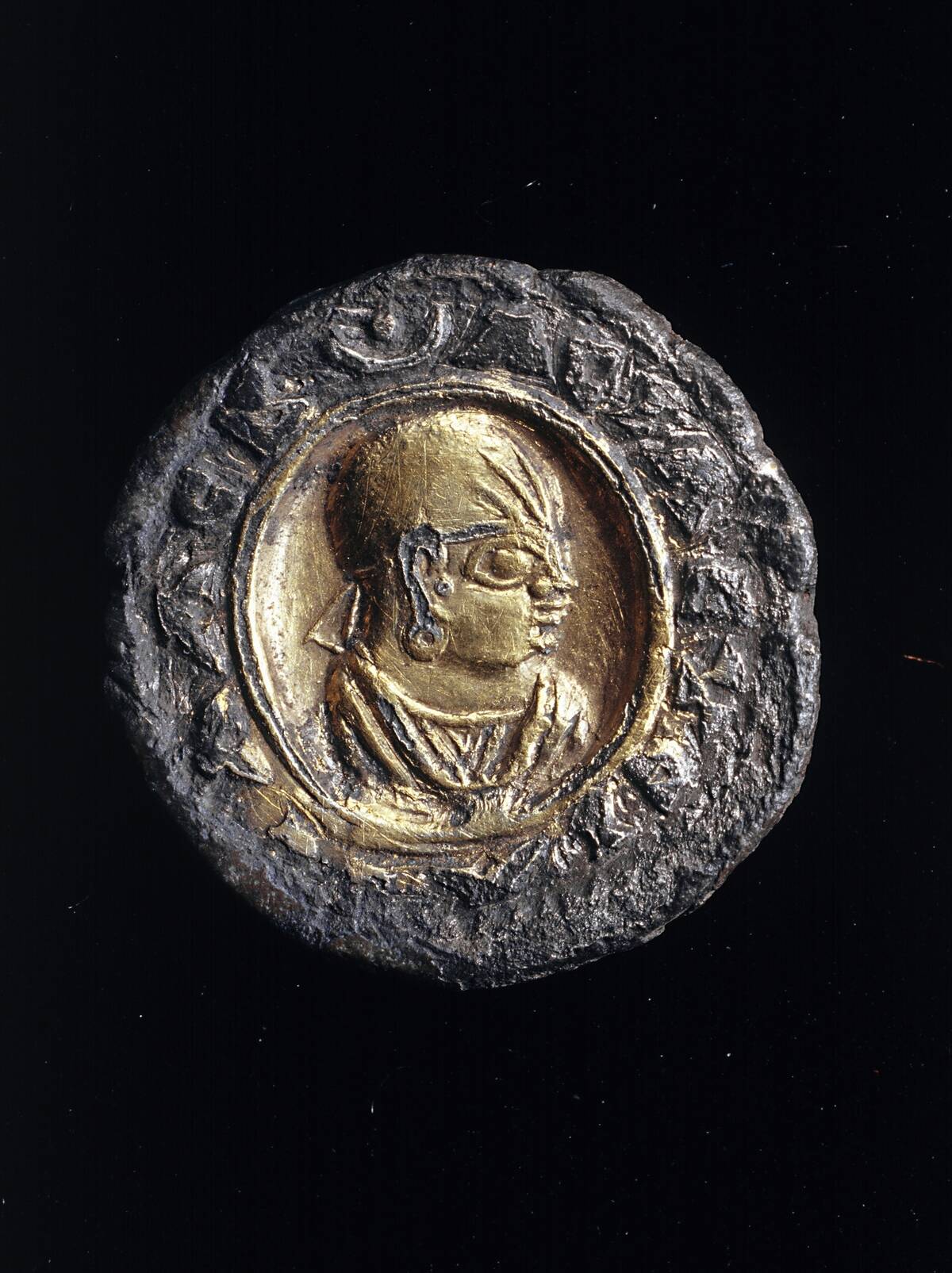
The Kingdom of Axum, located in present-day Ethiopia, was a major trading empire from the 1st to the 7th centuries CE. It was one of the first African kingdoms to embrace Christianity and was known for its impressive obelisks and coinage.
Axum controlled trade routes connecting Africa, Arabia, and Asia, making it a significant cultural and economic hub. Although its influence waned after the rise of Islam, Axum’s legacy remains a vital part of Ethiopian heritage.




