Some of the deadliest earthquakes that shaped civilizations
Throughout history, earthquakes have left indelible marks on human civilization, shaping cultures and societies in profound ways. From ancient times to the modern era, these tremors have not only altered landscapes but have also influenced the course of human events.
As we delve into the stories of some of the most significant earthquakes, we gain insight into their impact on our world, reminding us of both nature’s power and human resilience.
The 1556 Shaanxi Earthquake: The Deadliest Quake in Recorded History

On January 23, 1556, the Shaanxi province in China experienced the deadliest earthquake in recorded history, with an estimated death toll of 830,000. This catastrophic event, known as the Jiajing earthquake, leveled entire cities and changed the course of Chinese history.
Most casualties were attributed to the collapse of traditional cave dwellings carved into loess cliffs, highlighting the need for safer construction practices in earthquake-prone regions.
Lisbon 1755: The Quake That Changed Enlightenment Europe

The Lisbon earthquake of November 1, 1755, struck on All Saints’ Day, devastating the Portuguese capital with a magnitude estimated between 7.7 and 9.0. It led to fires and a tsunami, resulting in the deaths of tens of thousands.
The disaster had far-reaching effects on European thought, influencing philosophers like Voltaire to question the nature of evil and the role of divine intervention, thereby shaping the Enlightenment era’s intellectual landscape.
The 1906 San Francisco Earthquake: Shaping Modern California

On April 18, 1906, San Francisco was rocked by a massive earthquake with a magnitude of about 7.9, followed by widespread fires. The catastrophe destroyed over 80% of the city and claimed around 3,000 lives.
This disaster prompted significant changes in building codes and urban planning, laying the groundwork for modern earthquake-resistant structures and transforming San Francisco into a resilient and innovative city.
Tangshan 1976: A Tragedy That Sparked Change in China
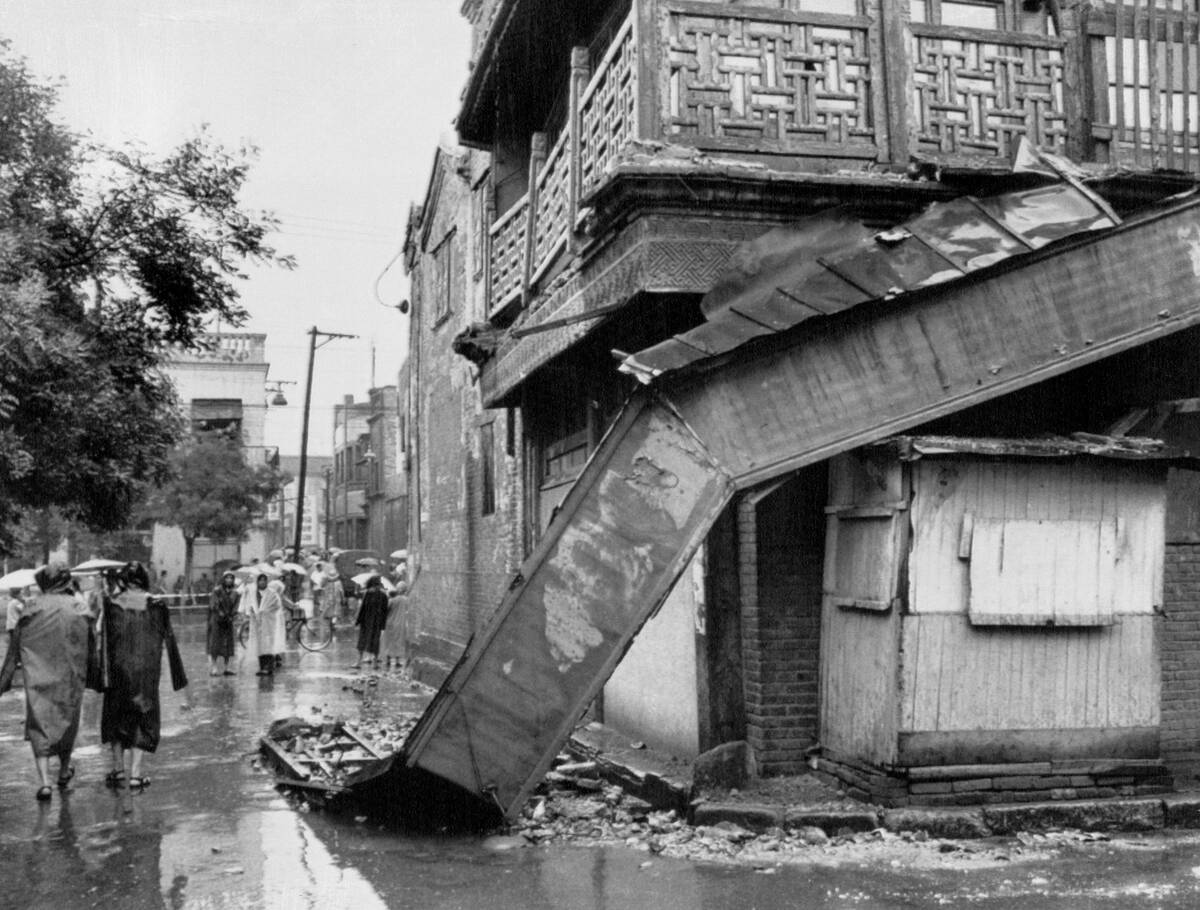
The Tangshan earthquake, striking on July 28, 1976, is one of the deadliest of the 20th century, with an official death toll of 242,469.
This magnitude 7.6 quake razed the industrial city in northeastern China to the ground, highlighting the need for improved emergency response and infrastructure. The tragedy spurred the Chinese government to invest in better seismic monitoring and disaster preparedness, ultimately saving countless lives in future events.
The 2010 Haiti Earthquake: A Nation’s Struggle to Rebuild
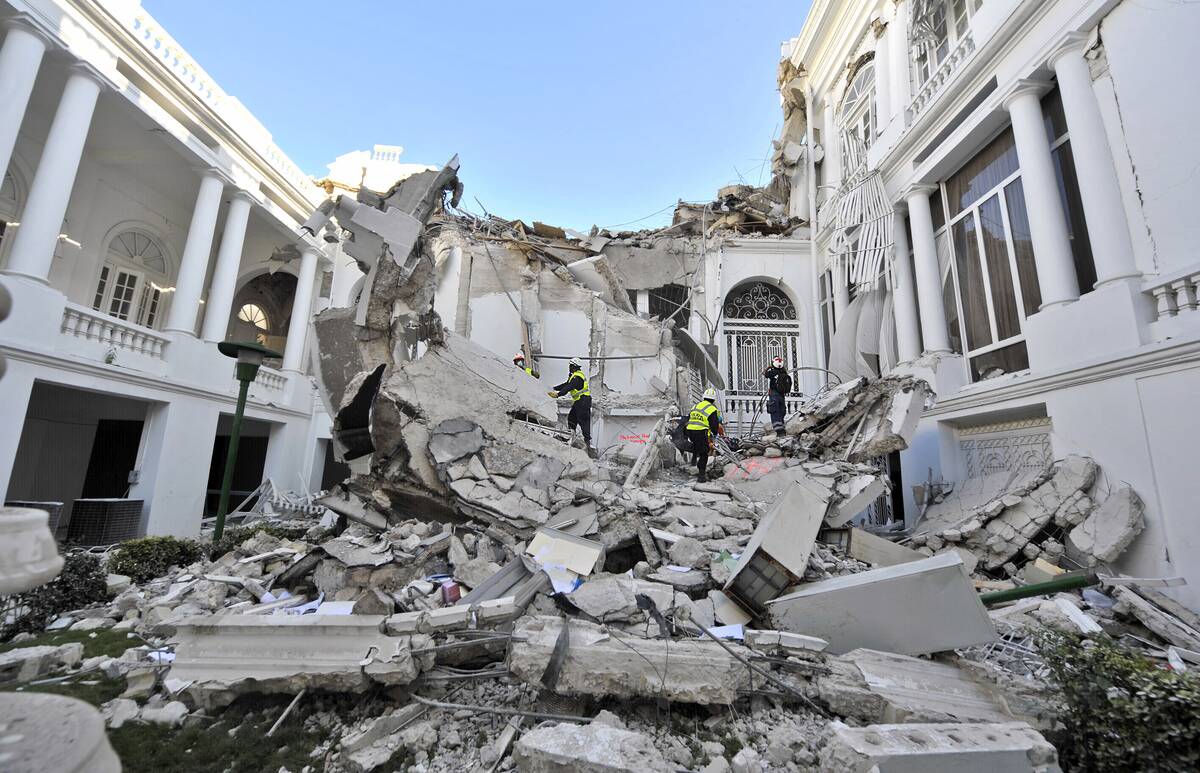
On January 12, 2010, a catastrophic magnitude 7.0 earthquake struck Haiti, one of the poorest countries in the Western Hemisphere. The disaster killed at least 160,000 people and displaced hundreds of thousands, exposing the nation’s vulnerabilities.
International aid poured in, but the recovery has been slow, hindered by political instability and limited resources. This tragedy underscored the importance of sustainable development and infrastructure resilience in vulnerable regions.
Ancient Disasters: The Role of Earthquakes in the Fall of Civilizations

Throughout history, earthquakes have been implicated in the decline of several ancient civilizations. For instance, the Minoan civilization on Crete is thought to have been significantly impacted by seismic activity, contributing to its decline around 1450 BCE.
Similarly, earthquakes have been linked to the fall of cities like Mycenae and Troy, suggesting that these natural disasters can accelerate societal collapse, particularly when compounded by other factors such as invasions or economic decline.
The 1923 Great Kanto Earthquake: Transforming Japan’s Urban Landscape

On September 1, 1923, the Great Kanto Earthquake struck the Tokyo-Yokohama area with a magnitude between 7.9 and 8.2, causing widespread destruction and fires. With over 140,000 casualties, this disaster prompted Japan to rethink urban planning and construction practices.
The city’s rebuilding efforts emphasized fire-resistant materials and infrastructure improvements, setting a precedent for modern urban development and paving the way for Tokyo’s rise as a leading global metropolis.
2004 Indian Ocean Earthquake and Tsunami: Global Impacts and Lessons Learned
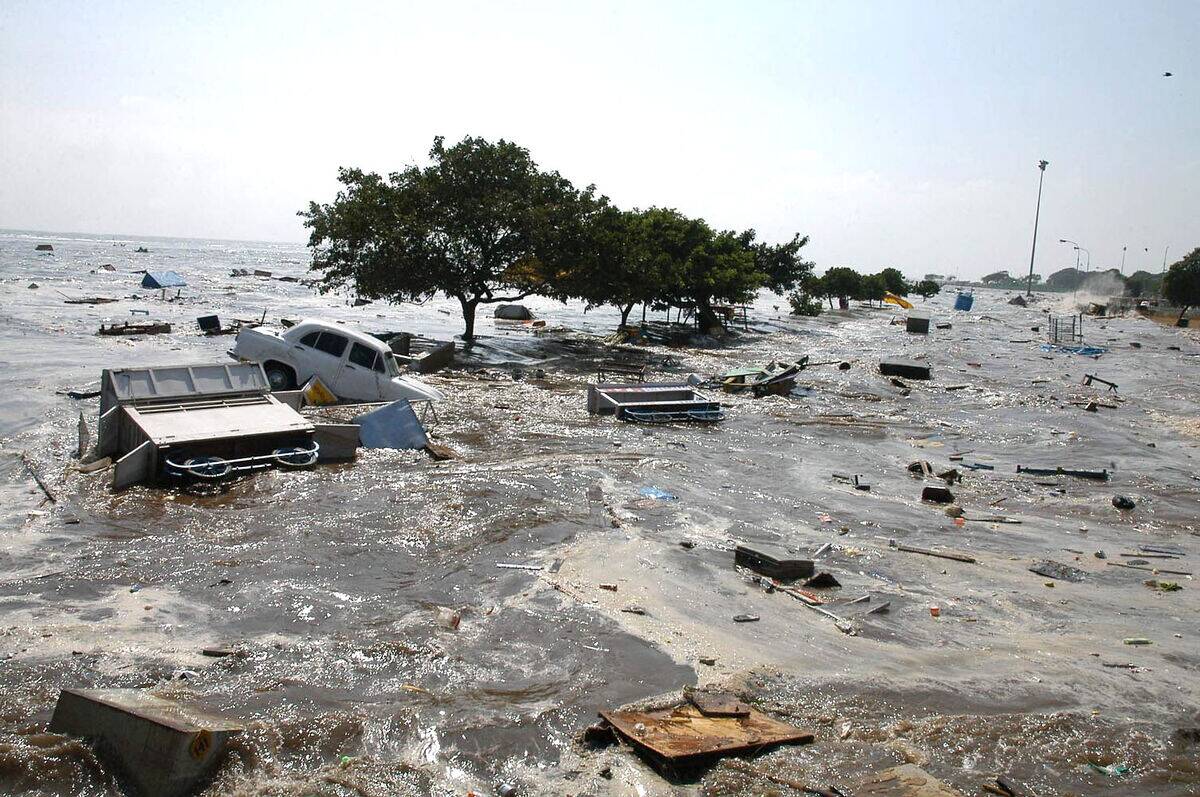
On December 26, 2004, a massive undersea earthquake with a magnitude of 9.2 triggered a devastating tsunami across the Indian Ocean, affecting 14 countries and killing over 225,000 people.
This tragedy highlighted the need for an international tsunami warning system, leading to the establishment of such systems in the Indian Ocean and beyond. The disaster also brought attention to the importance of global cooperation in disaster response and the need for education on tsunami preparedness.
Messina 1908: The Quake That Altered Italy’s History
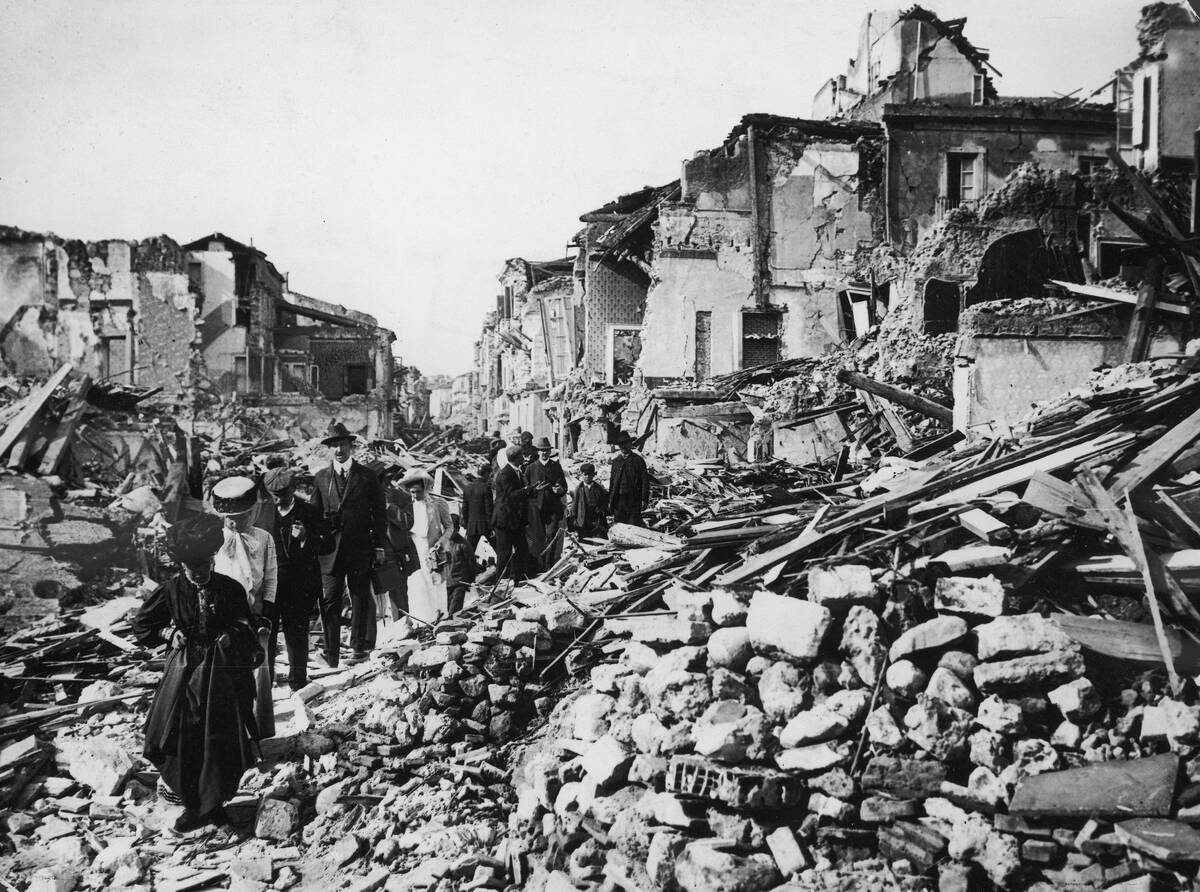
On December 28, 1908, the city of Messina in Sicily was struck by a powerful earthquake followed by a tsunami, resulting in the deaths of approximately 120,000 people.
This disaster led to significant changes in Italian society and government, including the establishment of decrees for rebuilding and the development of early seismic design principles. The tragedy also fostered a sense of national unity and prompted advancements in scientific research on earthquakes.
The 1994 Northridge Earthquake: Advancements in Seismic Safety
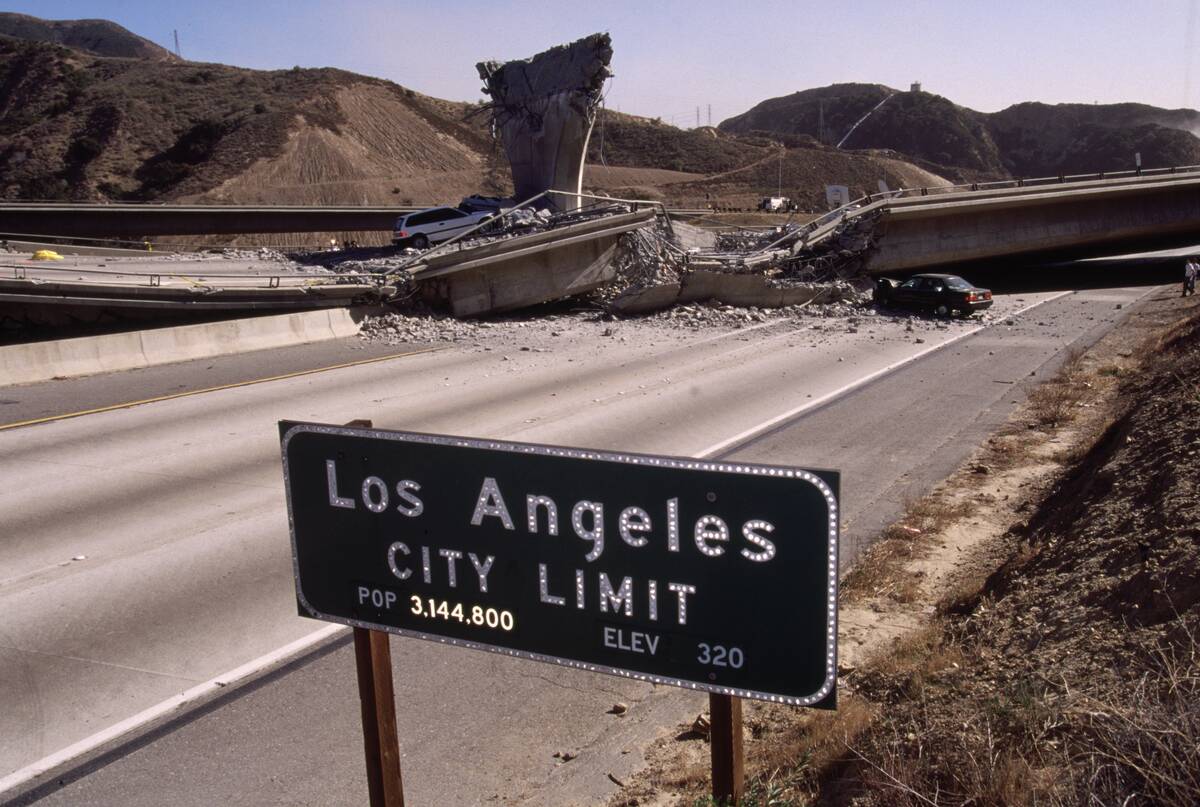
The Northridge earthquake, which struck Los Angeles on January 17, 1994, had a magnitude of 6.7 and caused extensive damage, particularly to freeways and buildings. Despite the relatively low death toll of 57, the event resulted in significant financial losses.
It spurred advancements in seismic safety, leading to stricter building codes and the development of new technologies to enhance the resilience of infrastructure, ultimately improving California’s preparedness for future earthquakes.
Christchurch 2011: Earthquakes in the Modern Era
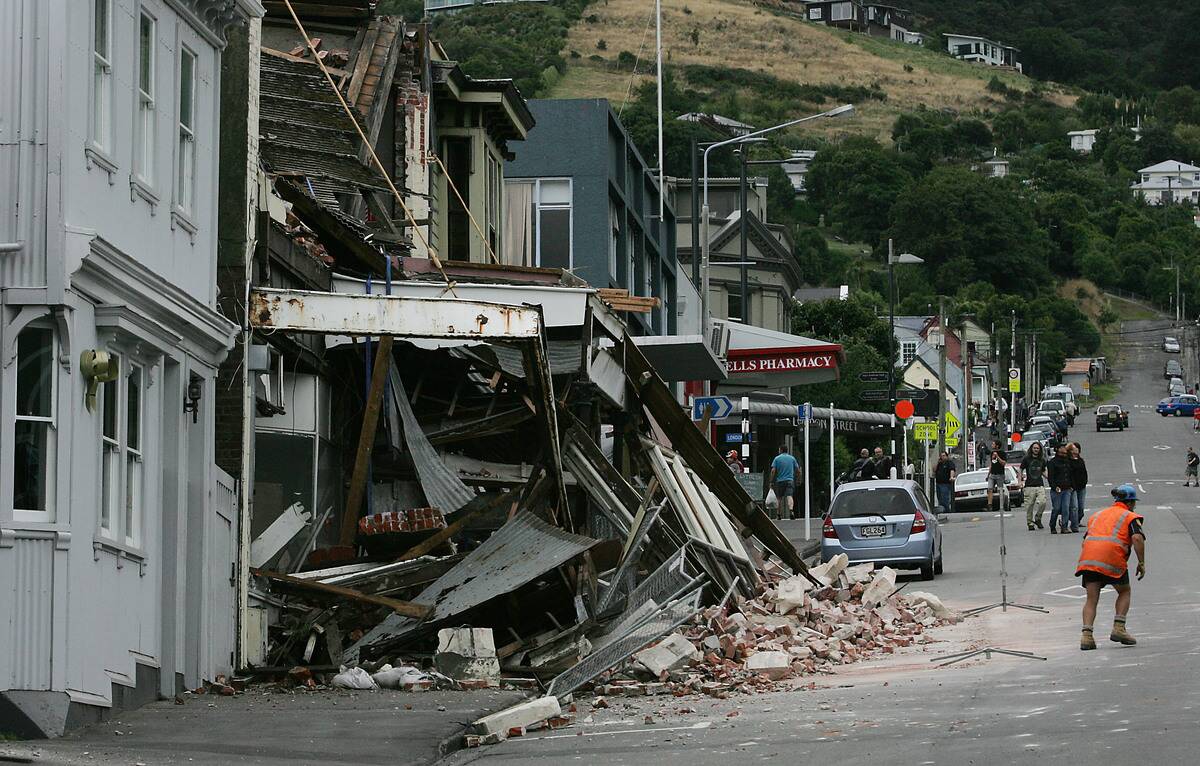
On February 22, 2011, a magnitude 6.2 earthquake struck Christchurch, New Zealand, causing widespread damage and the loss of 185 lives. This disaster highlighted the vulnerability of older buildings and the necessity for stringent building regulations.
The city’s recovery has been a testament to modern engineering and community resilience, with significant investments in rebuilding efforts and urban planning designed to withstand future seismic events.
The 1985 Mexico City Earthquake: A Catalyst for Urban Development
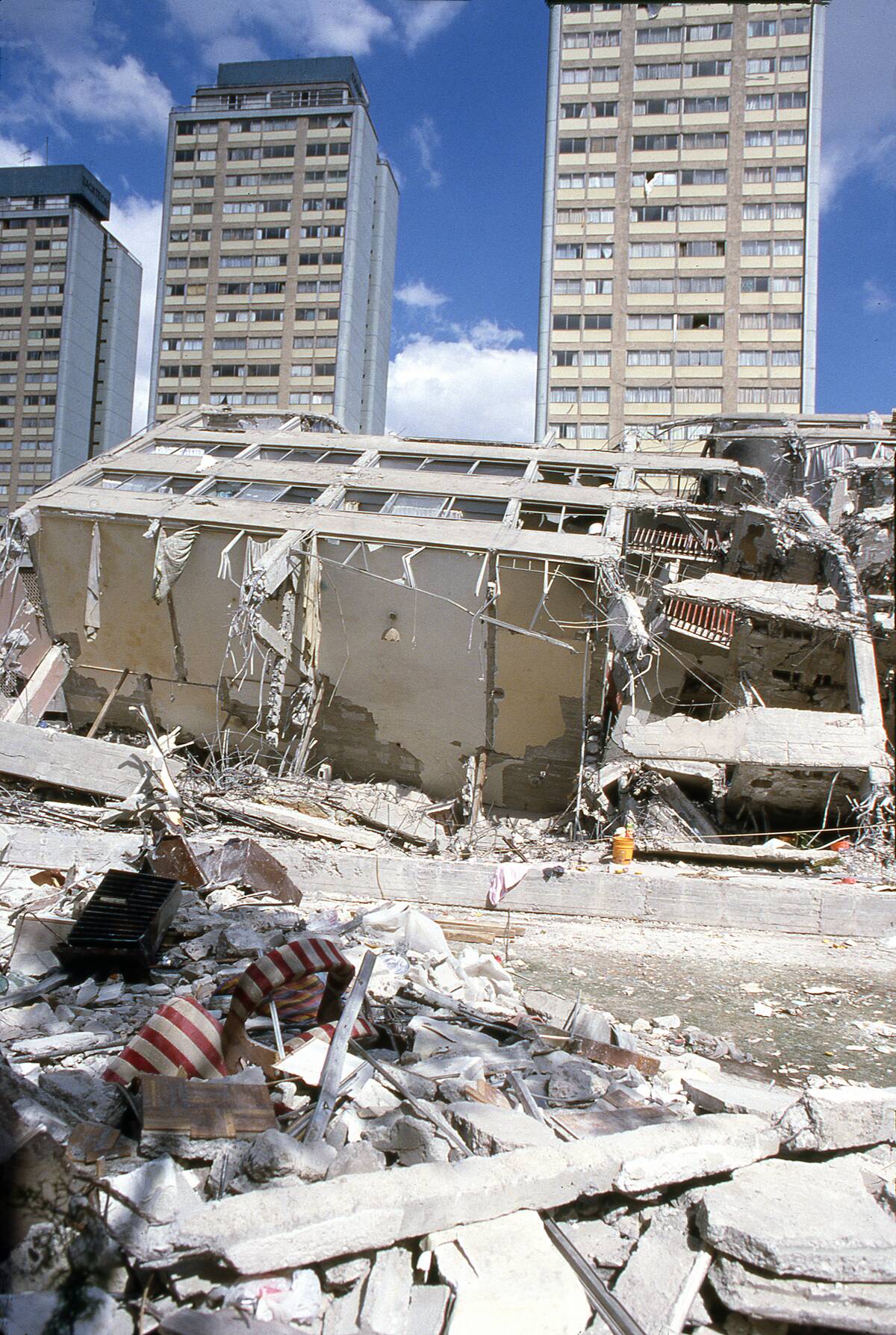
On September 19, 1985, a powerful magnitude 8.0 earthquake struck Mexico City, causing significant destruction and claiming thousands of lives. This event exposed the city’s vulnerabilities, particularly in poorly constructed buildings.
In response, Mexico implemented comprehensive seismic building codes and established a national civil protection system. These measures have been instrumental in enhancing the city’s resilience and have set a precedent for earthquake preparedness in urban centers worldwide.




