The origins behind the names of months
Have you ever wondered why our months have the names they do? Each month name carries with it a rich tapestry of history and myth, tracing back to ancient civilizations.
From gods and goddesses to Roman emperors, our calendar is a fascinating blend of stories that reflect cultural beliefs and historical milestones. Let’s embark on a journey through time and unravel the tales behind the names of the months in our modern calendar.
January: Honoring Janus, the Two-Faced God of Beginnings

January is named after Janus, the Roman god of beginnings and transitions. Known for his two faces, one looking to the past and the other to the future, Janus embodies the spirit of reflection and new starts. The Romans held Janus in high regard, believing he could ensure a prosperous year ahead. His dual-faced image graced many Roman structures, symbolizing the passage from old to new.
February: From Purification Rituals to a Short and Sweet Month
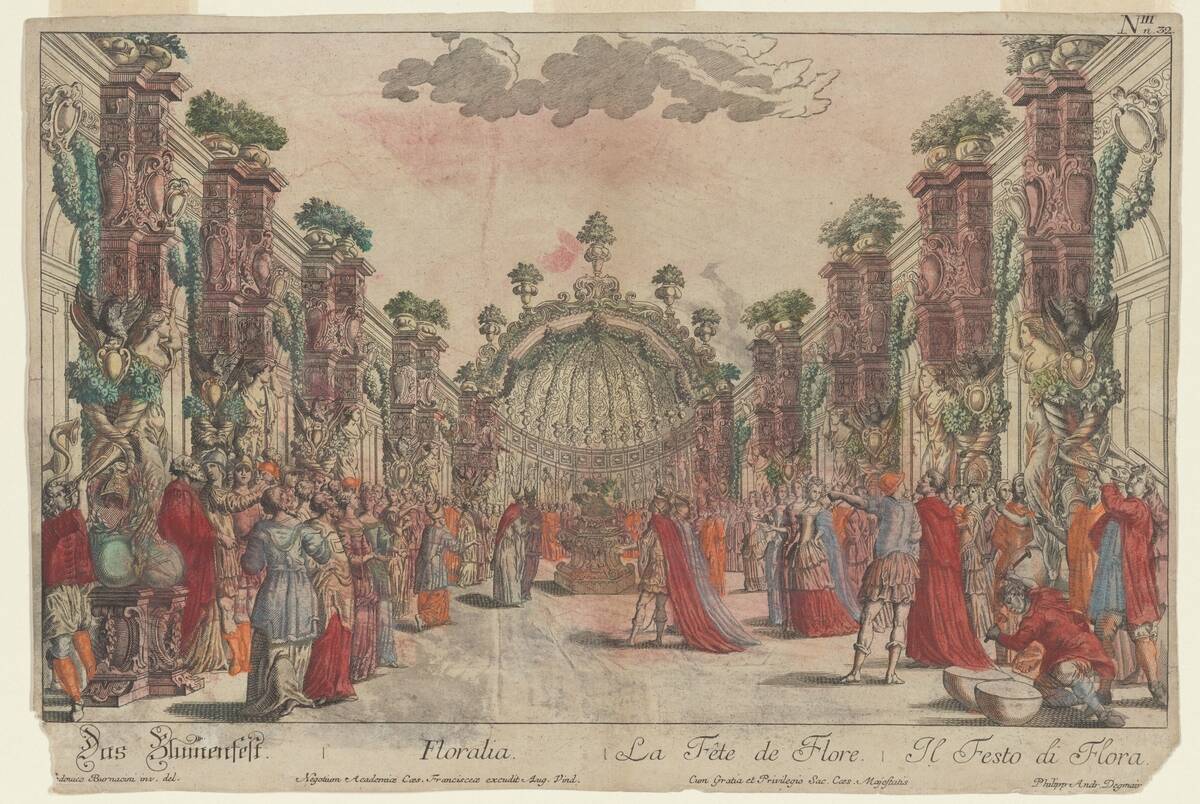
February gets its name from ‘Februa,’ an ancient Roman purification festival. Held on the 15th of February, this festival was a time for cleansing and renewal, marking the end of the Roman year. The month’s length has an interesting backstory too. Julius Caesar’s calendar reform initially made February 30 days, but later adjustments left it as the shortest month, with 28 or 29 days in leap years.
March: Marching into Spring with Mars, the God of War

March is named after Mars, the Roman god of war and agriculture. As the first month of the ancient Roman calendar, March signaled the start of both the military campaign season and the agricultural year. The connection to Mars reflects the Romans’ warrior culture and their reliance on agriculture. Fittingly, March is a time when nature awakens, echoing the vigor of its namesake deity.
April: Blossoming with Aphrodite – Or Maybe Not?

April’s origins are a bit murky. Some suggest it’s linked to Aphrodite, the Greek goddess of love and beauty, marking the blossoming of flowers and love. Another theory posits that April comes from ‘aperire,’ Latin for ‘to open,’ symbolizing the opening of buds and the earth. Whichever origin you lean towards, April is undeniably a month of renewal and vibrant life.
May: Maia’s Month of Growth and Nurture

May is named after Maia, an earth goddess associated with growth and fertility. Celebrated in Roman and Greek cultures, Maia represents the nurturing aspect of spring, fostering the growth of plants and animals. The ancient Romans honored her with festivals and rituals to ensure bountiful harvests. Today, May continues to evoke images of blooming flowers and the promise of summer.
June: Celebrating Juno, Goddess of Marriage and Wellbeing

June derives its name from Juno, the Roman goddess of marriage and wellbeing. As the protector of women and a symbol of marital harmony, Juno was revered by Romans, making June a popular month for weddings. Her influence extends beyond marriage; Juno was also seen as a guardian of the state, embodying the well-being of its people. June thus carries connotations of protection and prosperity.
July: A Tribute to Julius Caesar – The Calendar Reformer

July was originally called Quintilis, meaning the fifth month, but it was renamed in honor of Julius Caesar. Known for his significant reform of the Roman calendar, Caesar introduced the Julian calendar in 46 BC, aligning it more closely with the solar year. His legacy lives on in July, a month that marks not only his birth but also his contributions to timekeeping as we know it.
August: Augustus Caesar’s Personal Touch to the Calendar

August, once called Sextilis, was renamed to honor Augustus Caesar, Julius Caesar’s successor. Augustus made his mark on the calendar by adding extra days to August, ensuring it matched July in length, a subtle nod to his desire for equal recognition. This renaming was not just about vanity; it reflected Augustus’s profound impact on the Roman Empire and its traditions.
September: The Numerically Confusing Seventh Month

Despite being the ninth month, September’s name comes from ‘septem,’ Latin for seven. This numerical discrepancy harks back to the original Roman calendar, where September was indeed the seventh month. The shift occurred when January and February were added to the calendar. Despite the change, September retained its original name, a reminder of the calendar’s evolution over centuries.
October: Eight-Legged Facts about the Tenth Month
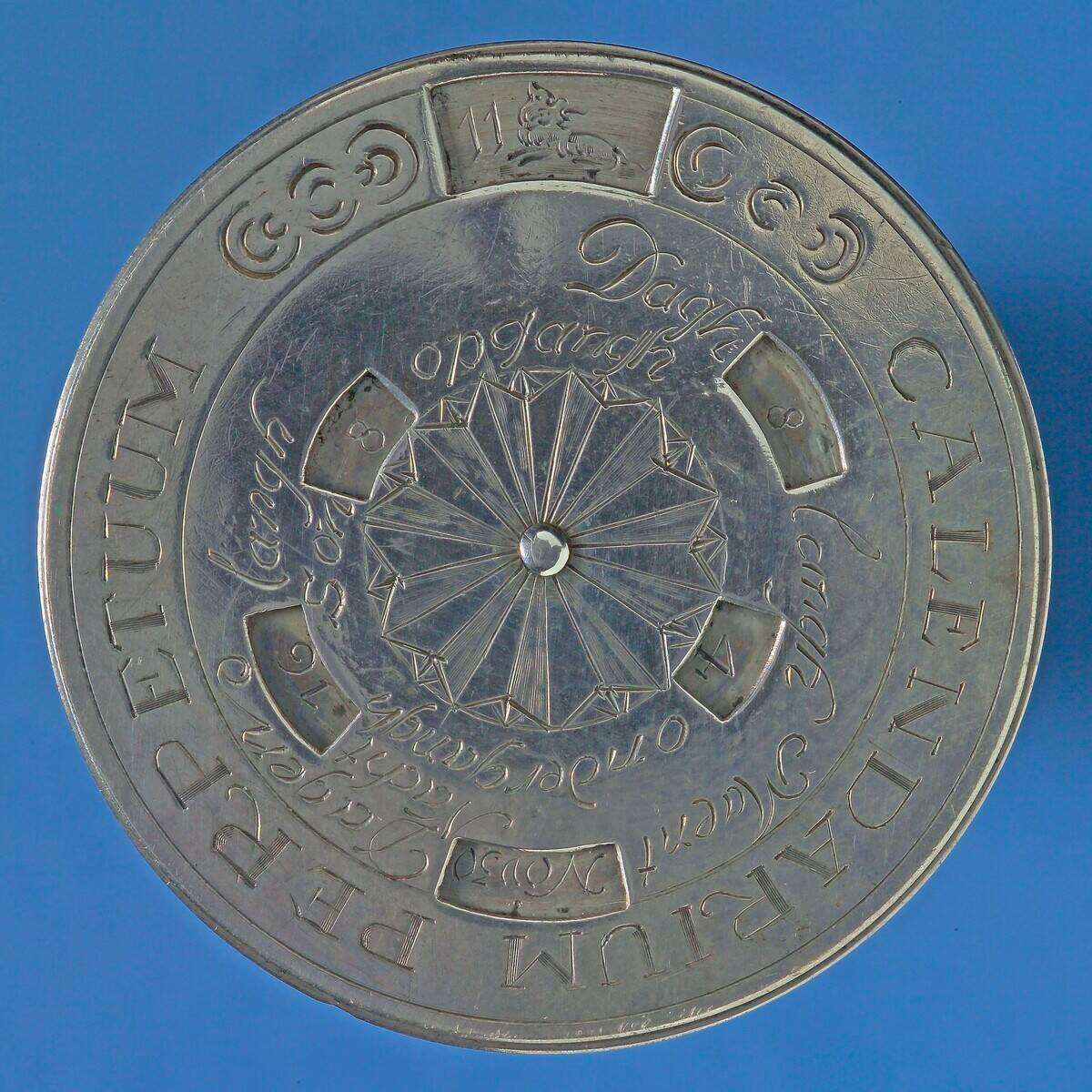
October, derived from ‘octo’ meaning eight, is another example of the calendar’s numerical quirks. Originally the eighth month, October became the tenth with the addition of January and February. Known for its autumnal charm, October is steeped in traditions like Halloween. This month also marks the start of the fiscal year for many countries, blending its historical roots with modern significance.
November: From Ninth Month to Thanksgiving Celebrations

November’s name comes from ‘novem,’ Latin for nine, reflecting its place as the ninth month in the early Roman calendar. Today, November is synonymous with Thanksgiving in the United States, a holiday rooted in gratitude and harvest celebrations.
Though its name points to a bygone calendar system, November remains a time for reflection and community, bridging ancient traditions with contemporary customs.
December: Wrapping Up the Year with the Tenth Month

December, from ‘decem’ meaning ten, was the tenth month before calendar reforms shifted it to the twelfth. As the year draws to a close, December is a time of festivities and reflection, with holidays like Christmas and Hanukkah celebrated worldwide.
The month’s name serves as a historical marker, reminding us of the calendar’s evolution and the passage of time from one year to the next.
A Dive into the Roman Calendar: The Pre-Julian System

Before the Julian reform, the Roman calendar was a lunar one with only ten months, starting in March and ending in December. This system, attributed to Romulus, the legendary founder of Rome, left a gap of winter days unaccounted for.
The lack of synchronization with the solar year led to numerous adjustments, prompting the eventual overhaul by Julius Caesar, giving birth to a more consistent calendar.
Transitioning from Lunar to Solar: The Gregorian Shift
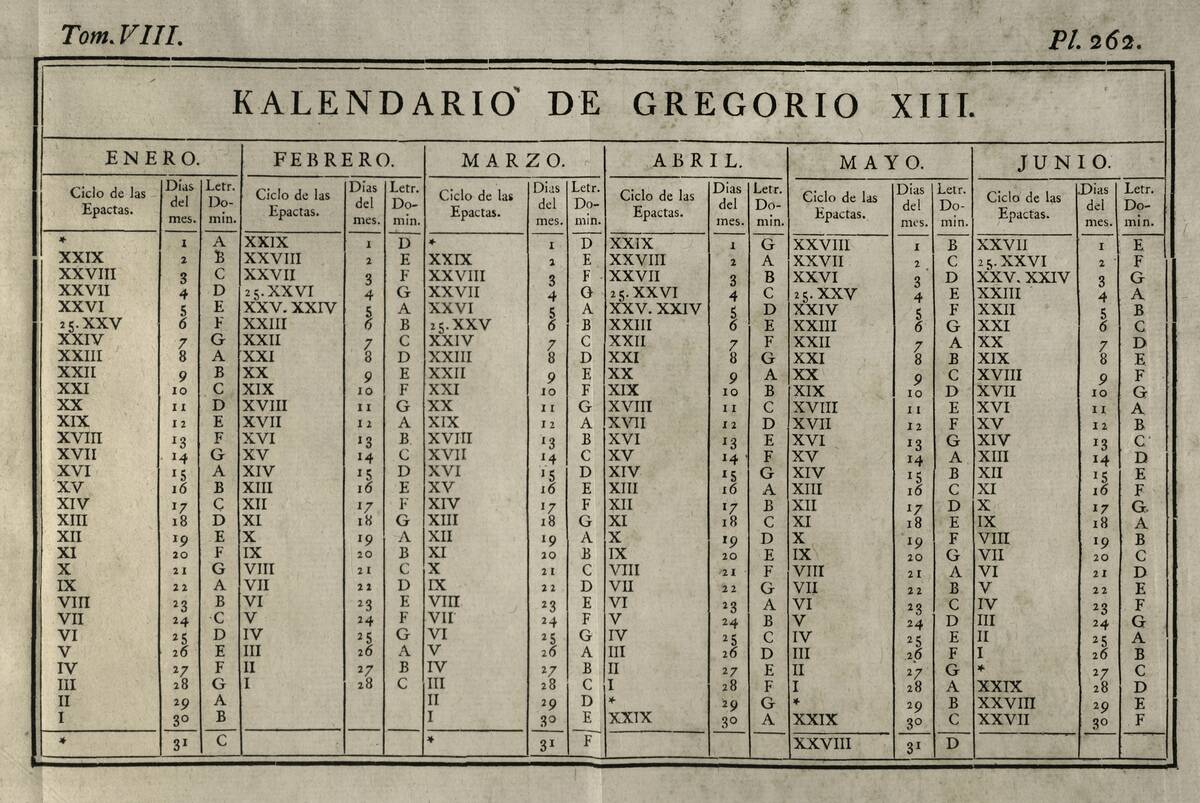
The Gregorian calendar, introduced by Pope Gregory XIII in 1582, refined the Julian calendar’s inaccuracies. By omitting leap years in certain century years, it realigned the calendar with the solar year.
This change corrected a drift that had displaced important dates like the spring equinox. Today, the Gregorian calendar is globally recognized, highlighting the enduring quest for precise timekeeping.
Fun Facts: Quirky Traditions and Celebrations Worldwide

Months are celebrated differently around the world, each with unique traditions. In Japan, March heralds the Doll Festival, a celebration of girls and family. Meanwhile, November in Mexico brings Día de los Muertos, a colorful tribute to ancestors.
These global festivities show how months, beyond their names, are infused with cultural significance, offering a kaleidoscope of customs and celebrations.
Beyond the Romans: Other Cultures and Their Month Names
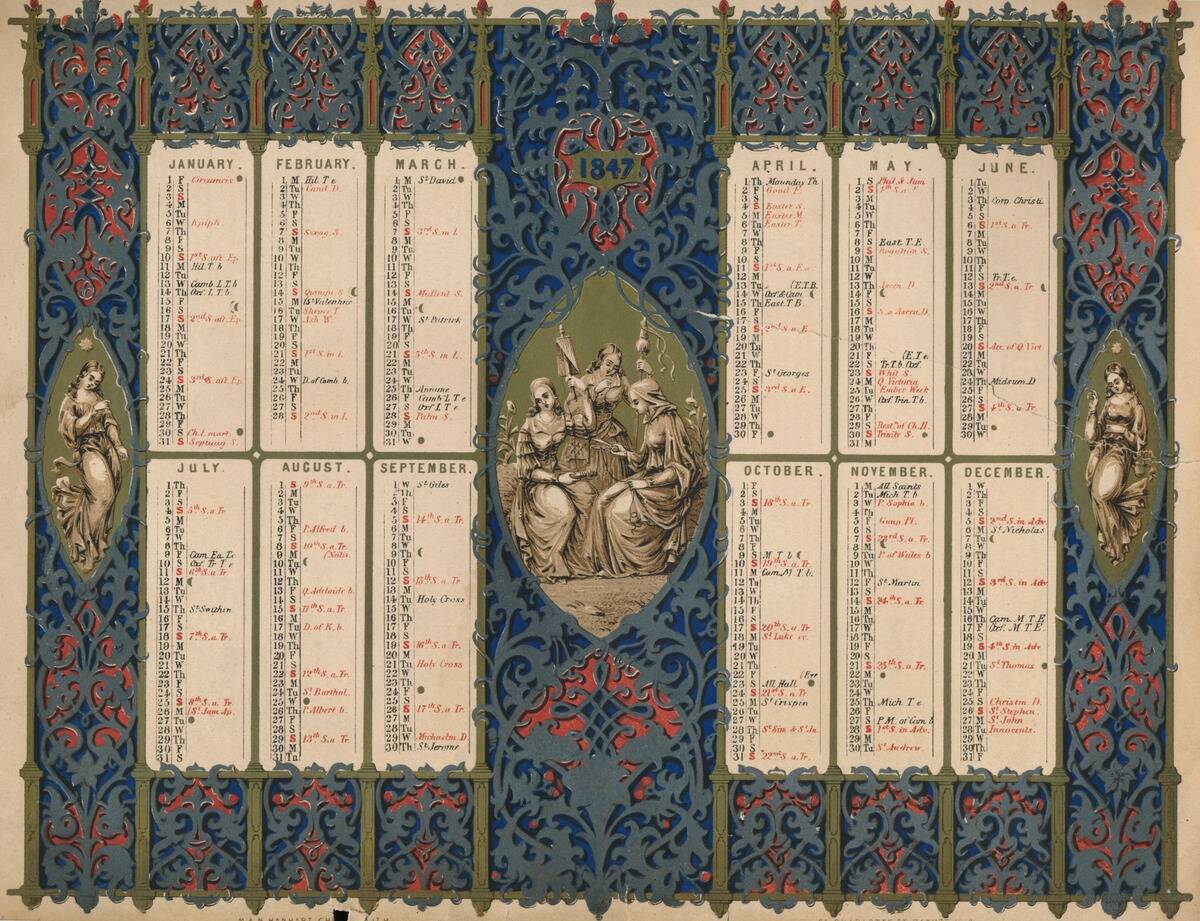
While Roman influence is evident in our calendar, other cultures have their own unique month names. The Hebrew calendar features months like Tishrei and Nisan, tied to religious observances.
In the Islamic calendar, months like Ramadan hold spiritual significance. These diverse naming traditions highlight the rich tapestry of cultural beliefs and practices, offering a broader perspective on how time is measured globally.
The Astrological Angle: Zodiac Signs and Monthly Influences
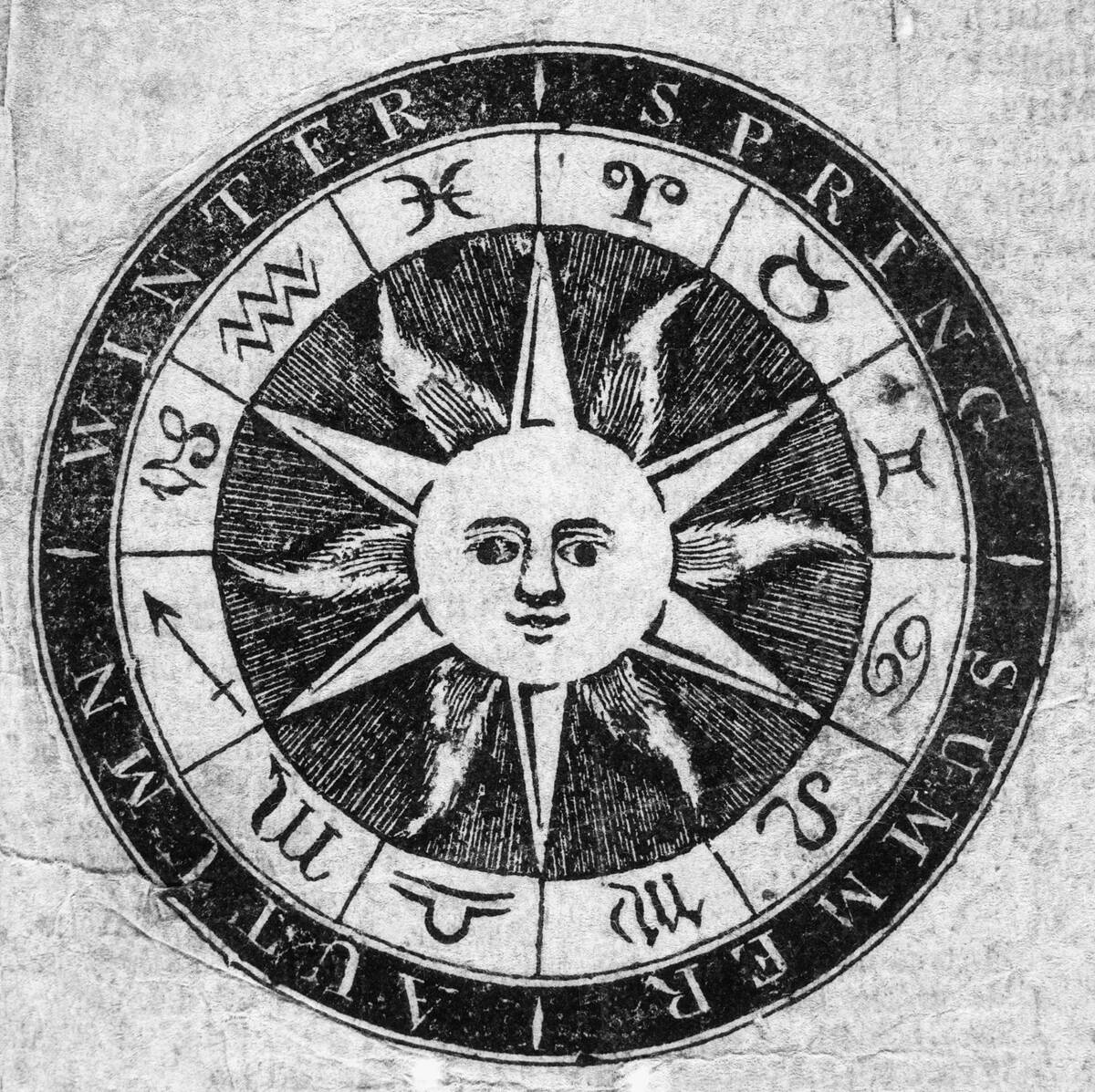
Astrology ties each month to zodiac signs, attributing unique characteristics and influences. For instance, March is associated with Pisces and Aries, signifying creativity and ambition.
These astrological connections have fascinated humans for centuries, influencing everything from personality traits to daily decision-making. Whether you’re a firm believer or a curious skeptic, astrology adds another layer of intrigue to the months we live by.
Modern Uses: Branding and Marketing with Month Names

In the world of marketing, months are powerful tools for branding and promotions. Companies launch ‘Christmas in July’ sales, tapping into the festive spirit during summer. Subscription boxes often bear month-themed names, creating anticipation and relevance.
By leveraging the emotional and cultural associations of months, brands can connect with consumers, turning time into a strategic asset for engagement and storytelling.
Calendar Curiosities: Leap Years and Other Anomalies

Leap years are a fascinating quirk of our calendar, occurring every four years to align with the Earth’s orbit around the sun. This adjustment prevents calendar drift, ensuring seasonal consistency.
Another curiosity is the ‘leap second,’ occasionally added to synchronize atomic time with astronomical time. These anomalies reflect our ongoing efforts to measure time accurately, balancing the celestial dance with human-made systems.




