Things humans believed in the past that were completely wrong
History is a treasure trove of fascinating ideas and beliefs, some of which have been debunked with the advance of science and technology. From the notion of a flat Earth to the imaginary canals on Mars, these misconceptions reflect our evolving understanding of the world.
Let’s take a lighthearted journey through these intriguing misconceptions, exploring how they came about and why they persisted for so long. Buckle up, as we delve into the quirky side of human history!
The Flat Earth Theory: A Globally Misguided Belief
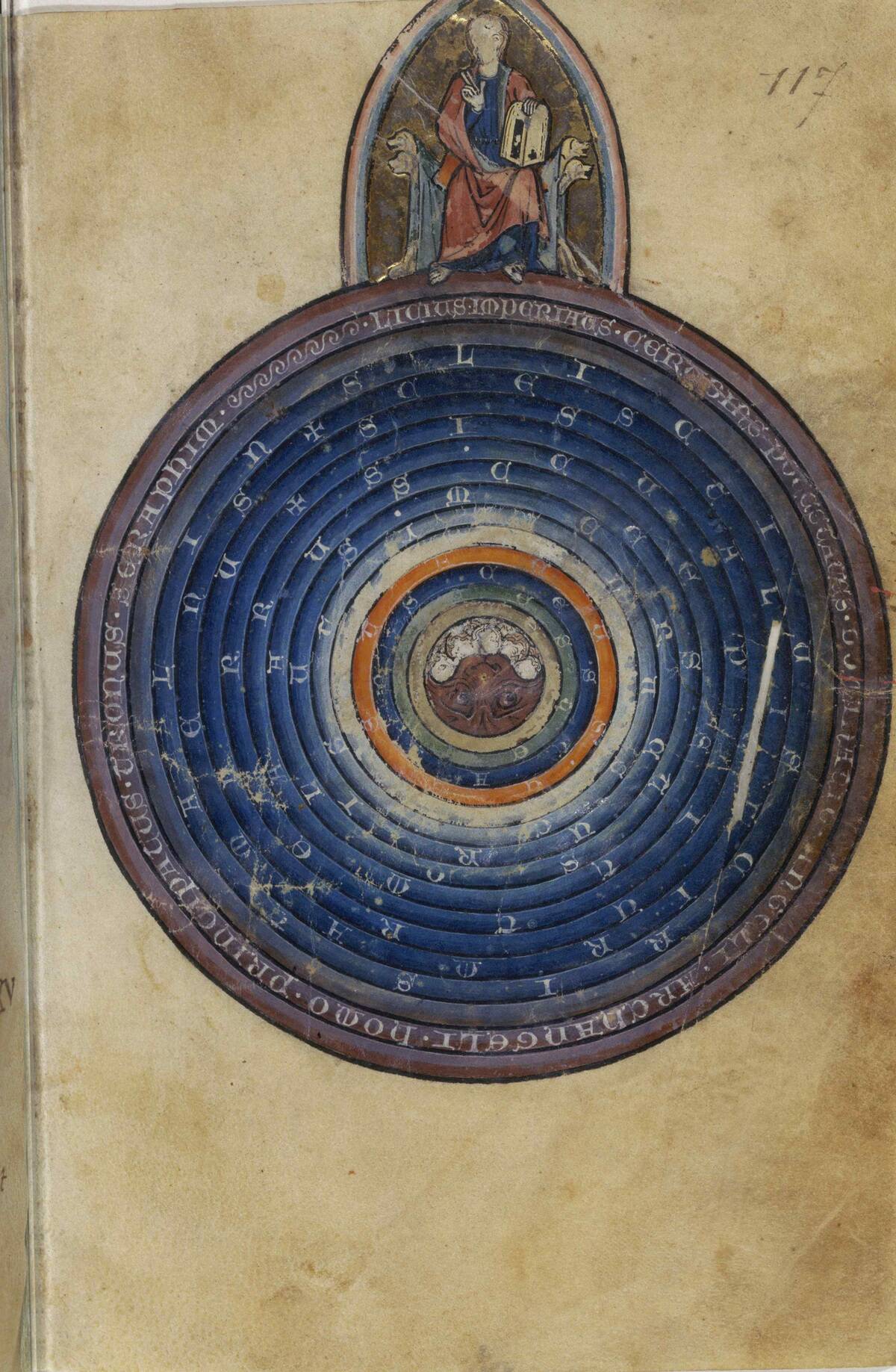
The Flat Earth theory is perhaps one of the most enduring misconceptions, despite being debunked centuries ago. Ancient cultures like the Greeks and Egyptians already suspected the Earth’s roundness, with Eratosthenes calculating its circumference around 240 B.C.
Yet, the idea of a flat Earth persisted into the Middle Ages and even resurfaces today in some circles. It’s a testament to how compelling simple explanations can be, even in the face of overwhelming evidence to the contrary.
The Geocentric Model: When Earth Was the Center of the Universe
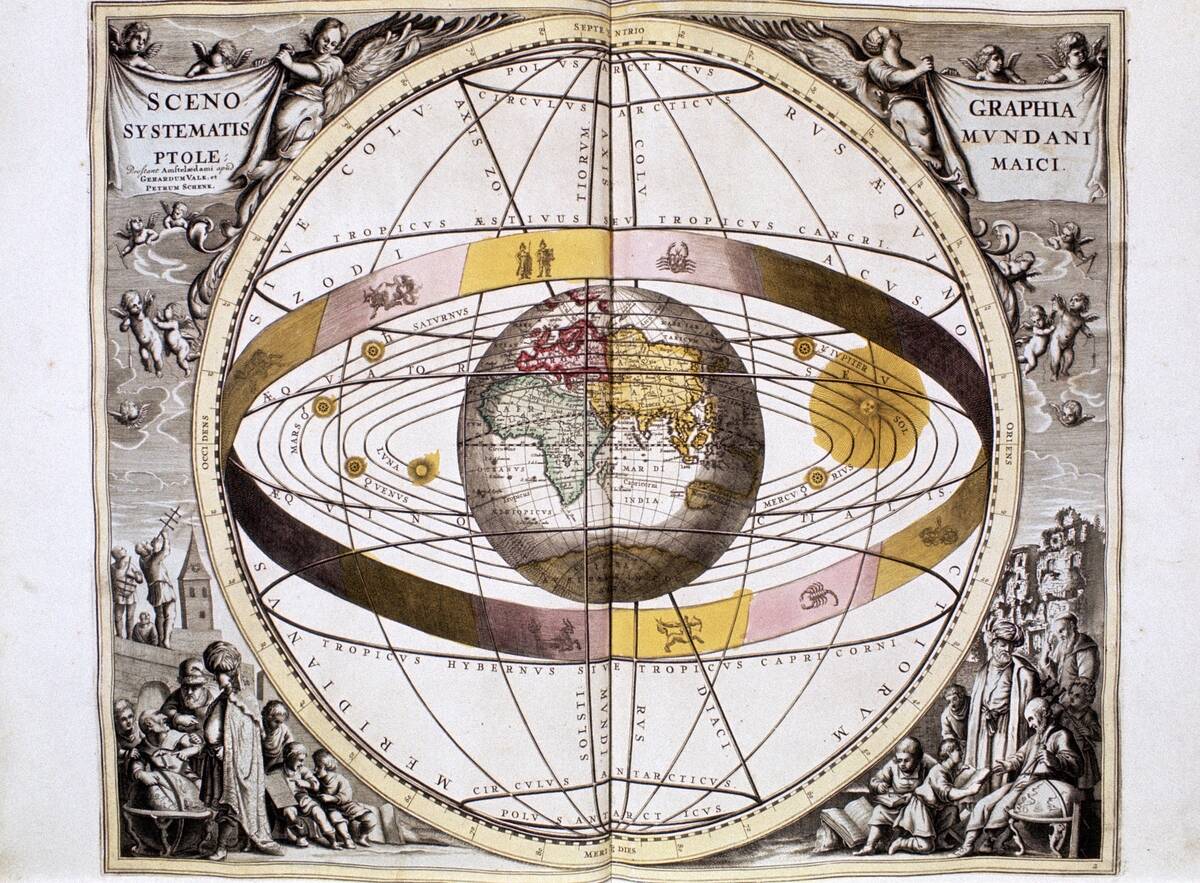
The geocentric model, popularized by Ptolemy, placed Earth at the center of the universe. This notion was widely accepted until the 16th century when Copernicus introduced the heliocentric model, proposing that the planets revolve around the Sun.
The shift from geocentrism to heliocentrism was a monumental change in our understanding of the cosmos, sparking further exploration and discovery. It’s a classic example of how scientific revolutions can reshape our view of the universe.
Spontaneous Generation: Life Popping Up Out of Nowhere
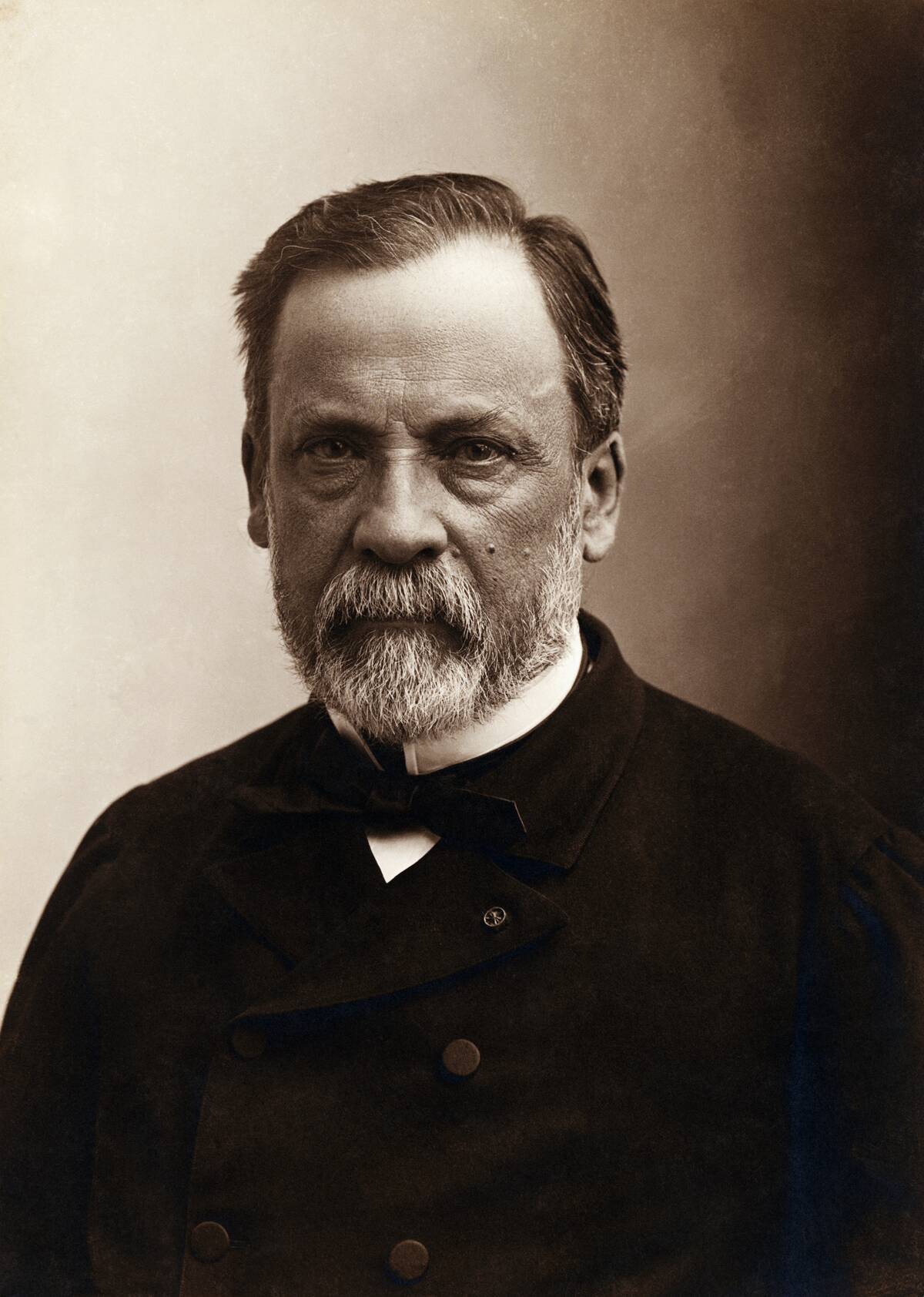
Spontaneous generation was the belief that life could arise spontaneously from non-living matter. This idea was prevalent until the 19th century when Louis Pasteur’s experiments demonstrated that life comes from existing life, leading to the development of germ theory.
Pasteur’s work was pivotal in advancing microbiology and medicine, ultimately saving countless lives. It’s a reminder of how scientific inquiry can dismantle long-held myths and pave the way for progress.
The Four Humors: Balancing Bodily Fluids for Health

The theory of the four humors was a cornerstone of ancient medicine, proposing that human health depended on the balance of four bodily fluids: blood, phlegm, black bile, and yellow bile. This belief influenced medical practice for centuries, with treatments like bloodletting aimed at restoring balance.
It wasn’t until the advent of modern medicine and a better understanding of biology that the four humors theory was abandoned. It’s a fascinating glimpse into the complexities of early healthcare practices.
Phrenology: Feeling the Bumps on Your Head to Determine Personality
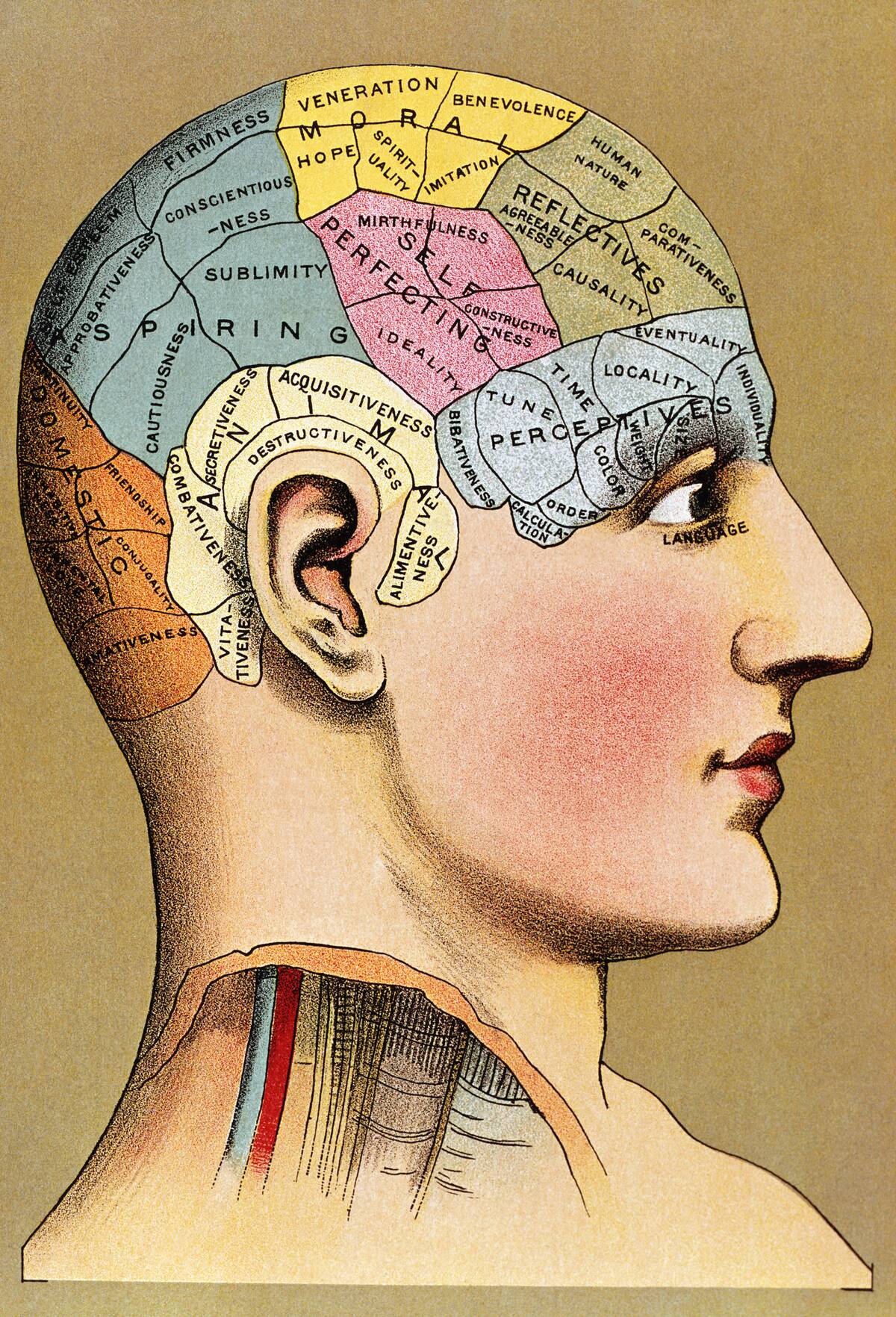
Phrenology was a pseudoscience that attempted to link the bumps on a person’s skull to their personality traits. Popular in the 19th century, phrenology claimed to provide insights into character and mental abilities.
Despite its eventual debunking, phrenology played a role in the development of neuroscience by prompting interest in brain function. It serves as a quirky chapter in the history of psychology, highlighting the human desire to understand the mind’s workings.
The Miasma Theory: Blaming “Bad Air” for Diseases
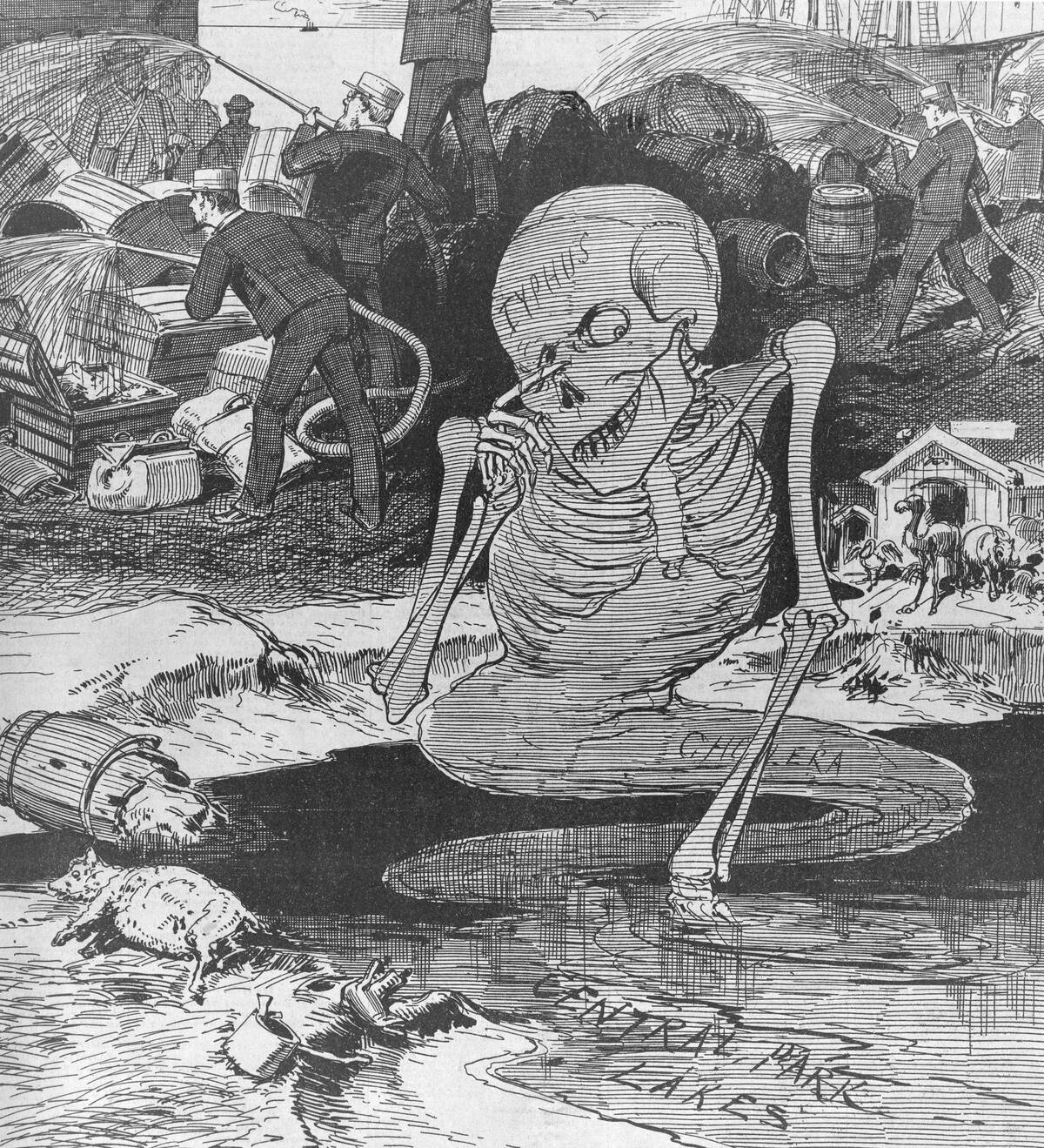
The miasma theory posited that diseases were caused by ‘bad air’ emanating from decaying matter. This belief was prevalent until the late 19th century when germ theory and the work of scientists like John Snow and Robert Koch provided evidence for the microbial causes of disease.
The transition from miasma to germ theory marked a significant turning point in public health and sanitation. It’s a testament to the power of scientific investigation in transforming our understanding of disease.
Alchemy: The Quest to Turn Lead into Gold
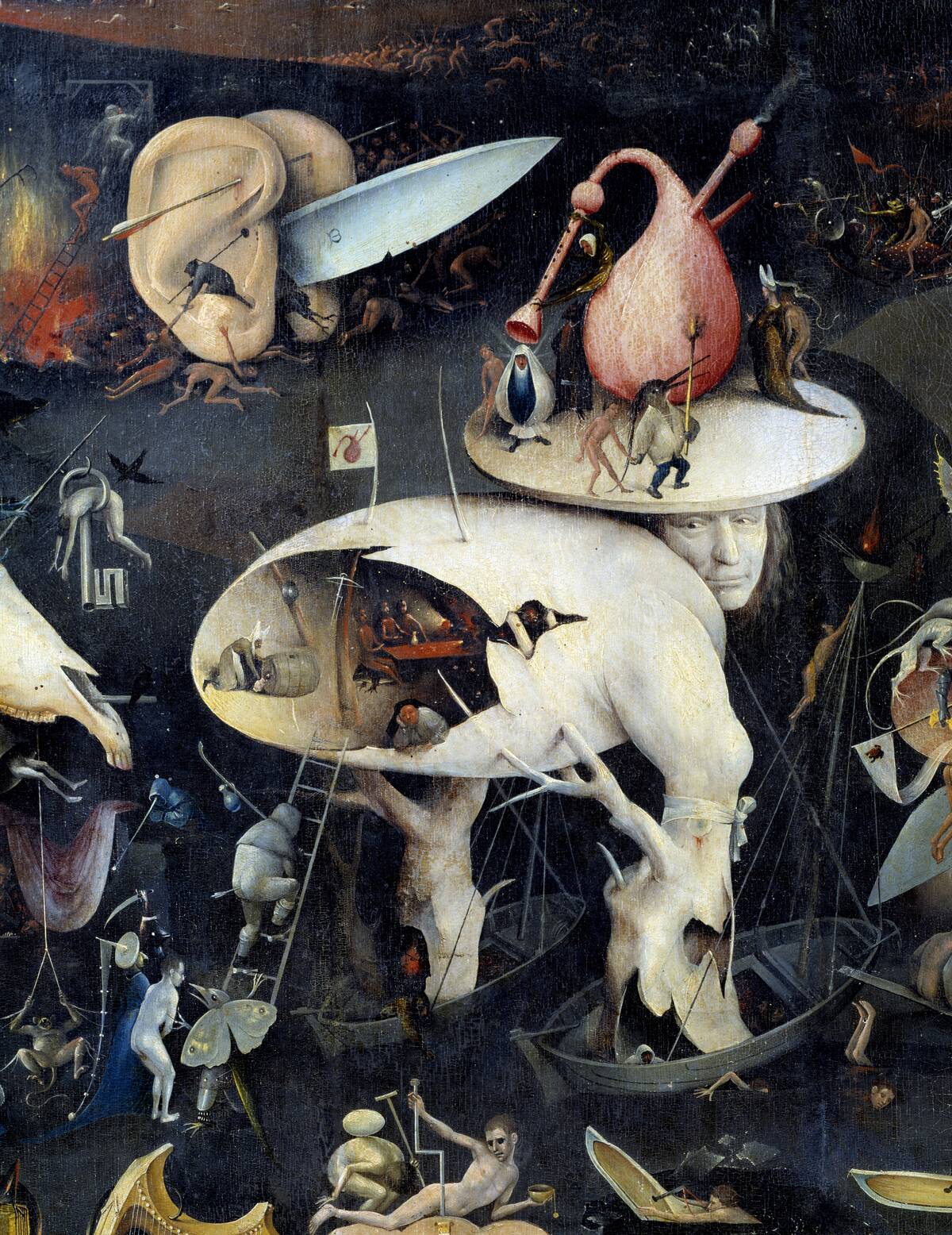
Alchemy was an ancient practice aimed at transmuting base metals into gold and discovering the elixir of life. While alchemy never achieved these goals, it laid the groundwork for modern chemistry. Alchemists’ experiments contributed to the development of laboratory techniques and the study of chemical substances.
It’s intriguing how a pursuit shrouded in mysticism and secrecy eventually evolved into a legitimate scientific discipline, showcasing the unpredictable paths of scientific advancement.
The Hollow Earth Theory: A World Inside a World

The Hollow Earth theory suggested that our planet is hollow and possibly inhabited by advanced civilizations. While this idea captured the imagination of some in the 17th and 18th centuries, it has been thoroughly debunked by modern geology and physics.
Yet, the concept of a hollow Earth continues to inspire fiction and theories. It’s a fascinating example of how imaginative ideas can persist in popular culture, even when science has moved beyond them.
The Divine Right of Kings: Rulers by God’s Will
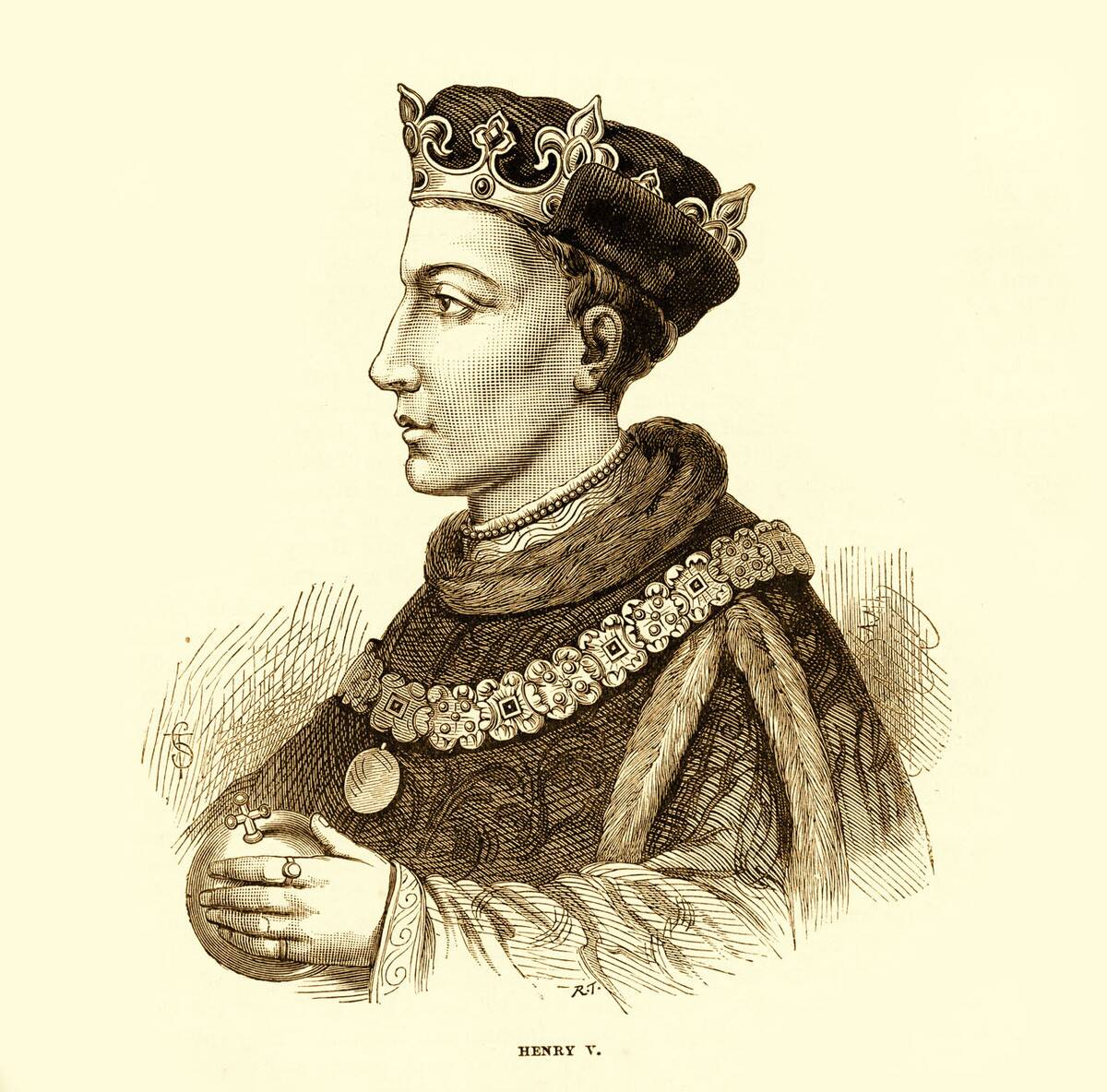
The divine right of kings was a political doctrine asserting that monarchs derived their authority directly from God and were not accountable to earthly authorities. This belief was used to justify absolute monarchy and resist challenges to royal power.
It began to decline with the rise of constitutional government and Enlightenment thinking. The divine right of kings serves as a historical reminder of how religious and political ideologies can intertwine to shape governance.
Bloodletting: Draining Blood to Cure Ailments
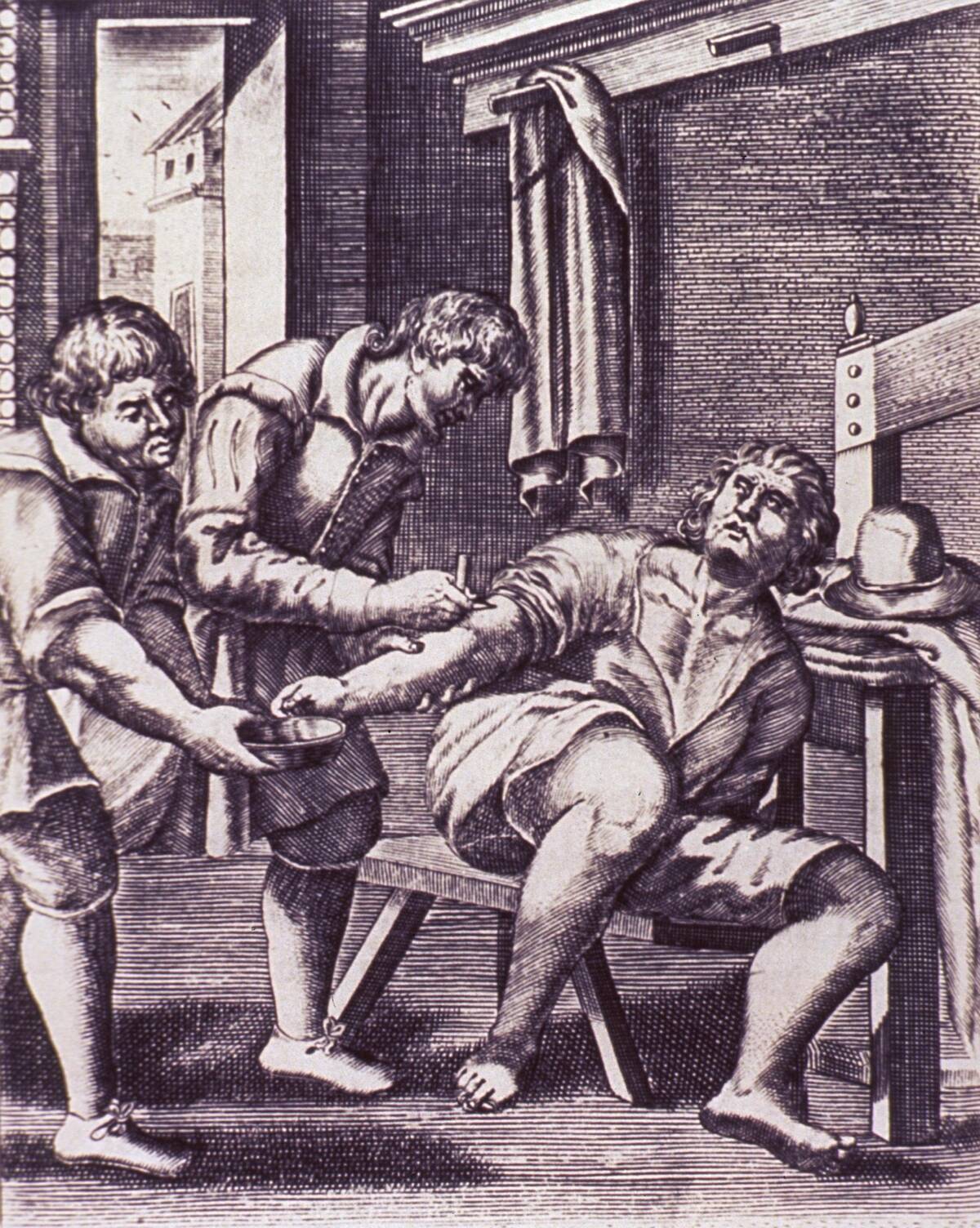
Bloodletting was a common medical practice aimed at treating various ailments by removing blood from a patient. It was based on the belief that diseases were caused by an imbalance of bodily fluids. Bloodletting persisted for centuries, despite often doing more harm than good.
The practice fell out of favor with advances in medical science and a better understanding of human physiology. It’s a stark example of how medical practices can endure despite lacking scientific support.
The Great Wall Visible from Space: A Myth of Monumental Proportions

The belief that the Great Wall of China is visible from space with the naked eye is a popular myth. In reality, astronauts have stated that the wall is difficult to see from low Earth orbit without aid.
This myth likely persists due to the wall’s iconic status and impressive scale. It’s a reminder of how perceptions and reality can diverge, even when it comes to something as awe-inspiring as the Great Wall.
The Myth of the Missing Half: The Tale of Brain Hemispheres
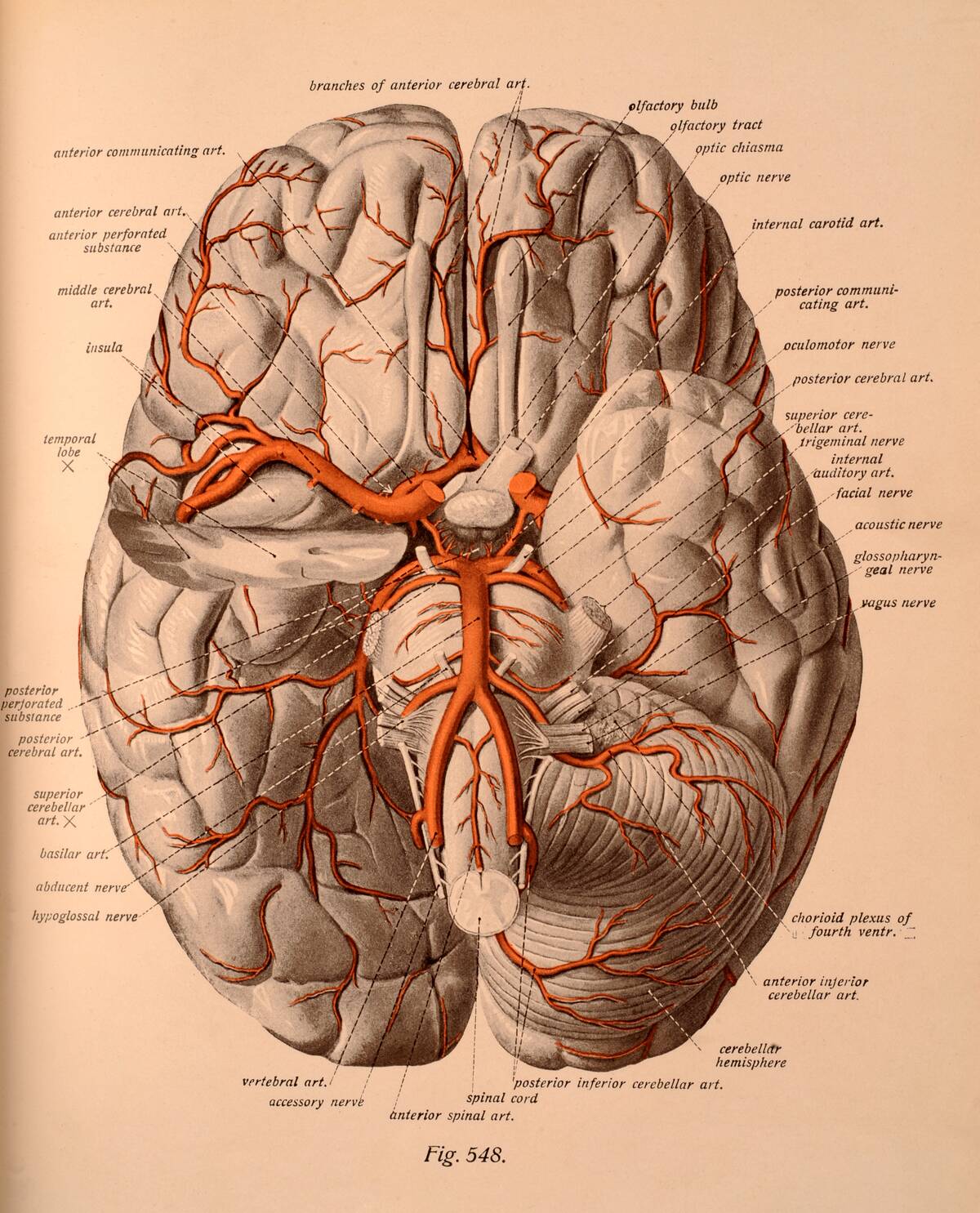
The myth that people are either ‘left-brained’ or ‘right-brained’ is a simplistic interpretation of brain function. While certain cognitive processes are lateralized, both hemispheres work together in complex ways.
The myth originated from early studies of brain function but has since been debunked by neuroscientific research. It’s a fascinating case of how scientific findings can be misinterpreted and oversimplified in popular culture, highlighting the importance of accurate science communication.
The Piltdown Man: The Greatest Hoax in Anthropology
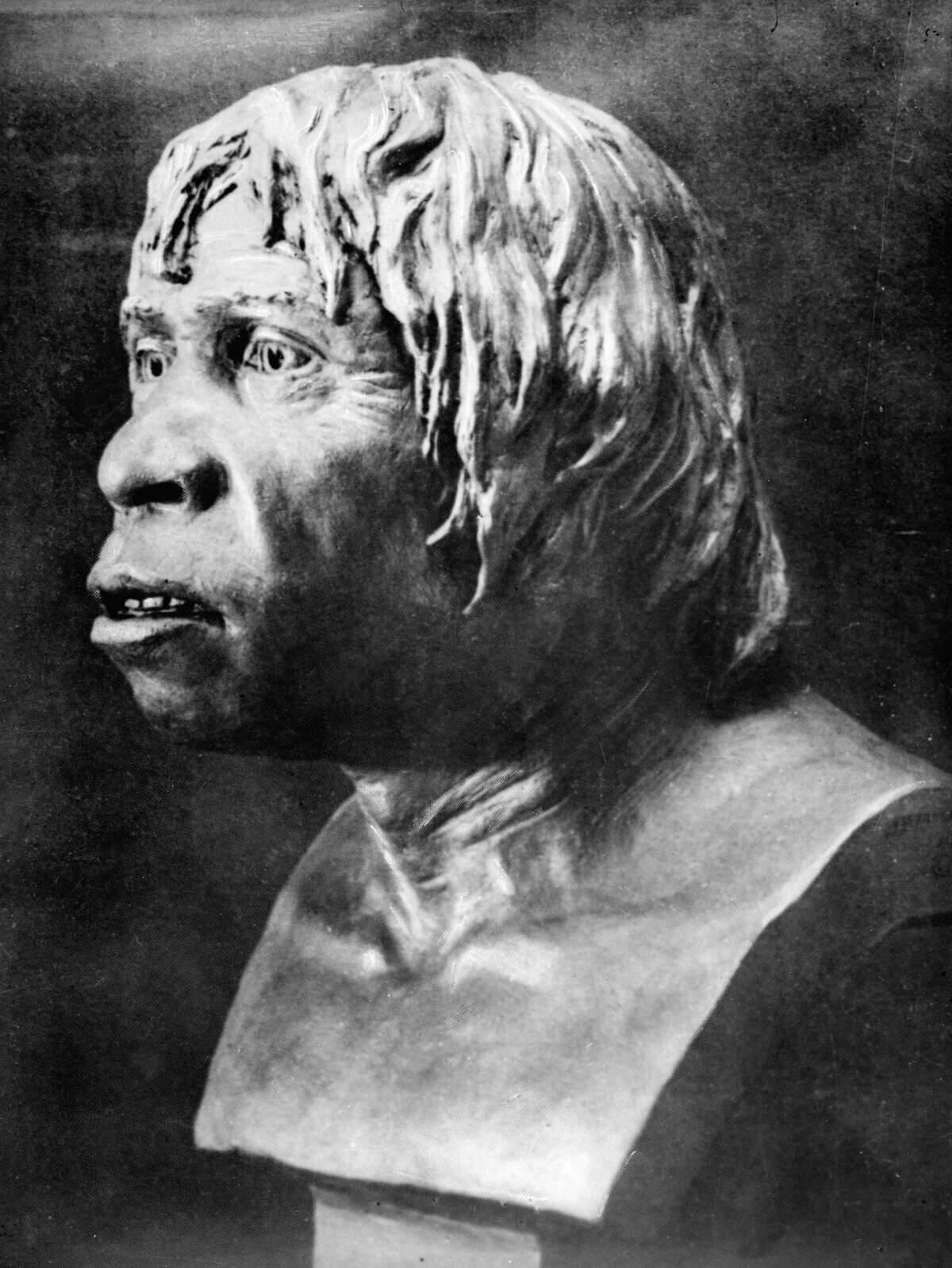
The Piltdown Man was a fraudulent fossil discovery in the early 20th century, presented as the ‘missing link’ between apes and humans. It was later exposed as a hoax, with the skull pieces belonging to a human and an orangutan.
The Piltdown Man hoax delayed the acceptance of genuine fossil discoveries and serves as a cautionary tale about scientific integrity. It’s a reminder of the importance of skepticism and rigorous validation in the pursuit of knowledge.
The Martian Canals: Imaginary Waterways on the Red Planet
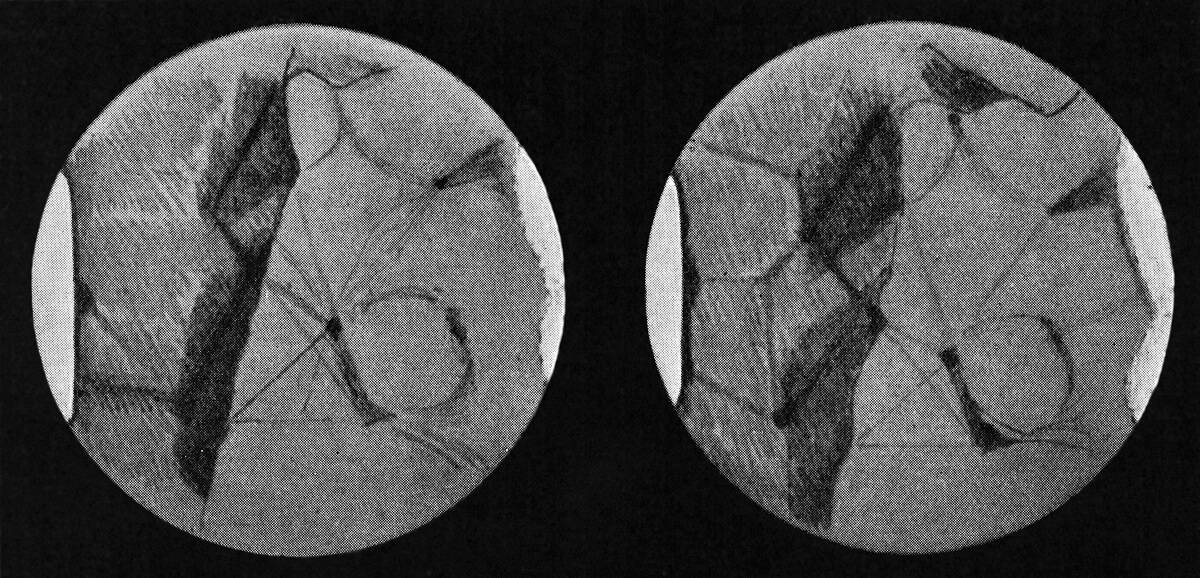
The Martian canals were a network of linear features observed on Mars by astronomers in the 19th century. Initially believed to be artificial structures, further observation revealed them to be optical illusions.
The canals sparked interest in the possibility of life on Mars and inspired science fiction narratives. It’s a captivating example of how initial observations can lead to imaginative interpretations, fueling both scientific inquiry and creative storytelling.
The Immovable Ladder: A Symbol of Stubborn Tradition

The immovable ladder at the Church of the Holy Sepulchre in Jerusalem is a symbol of religious and historical complexity. The ladder’s position is part of a status quo agreement among different Christian denominations, preventing its removal.
This curious artifact has remained in place for centuries, embodying the challenges of maintaining peace and tradition in shared sacred spaces. It’s a tangible reminder of how seemingly small objects can become powerful symbols of cultural heritage.
The Myth of the Female Hysteria: Misunderstood Emotions in History
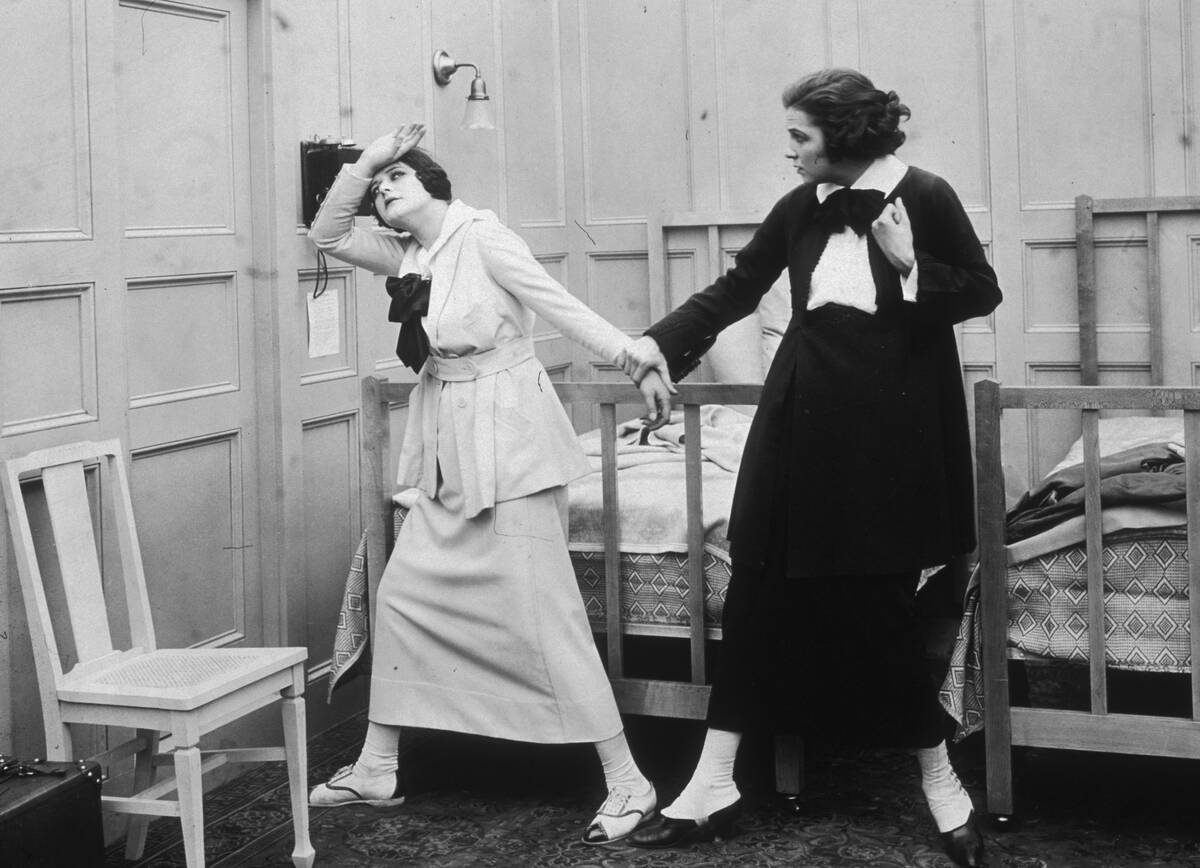
The notion of female hysteria was a medical diagnosis used to pathologize women’s emotions and behaviors, often attributed to a wandering womb. This diagnosis was prevalent until the 20th century when psychology and feminism challenged its validity.
The myth of hysteria reflects societal attitudes towards women’s autonomy and mental health. It’s a poignant example of how gender biases can shape medical understanding and reinforces the need for inclusive and equitable approaches in healthcare.




