Facts about the ocean that will keep you up at night
The ocean, covering over 70% of our planet’s surface, is a vast and mysterious frontier that beckons explorers and dreamers alike. Its depths hold secrets and wonders that have fascinated humanity for centuries, from the vibrant coral reefs teeming with life to the shadowy trenches where light never penetrates.
As we journey through the ocean’s enigmatic realms, prepare to be awed by the beauty and complexity of this underwater world.
The Unfathomable Depths: How Deep Does the Ocean Really Go?
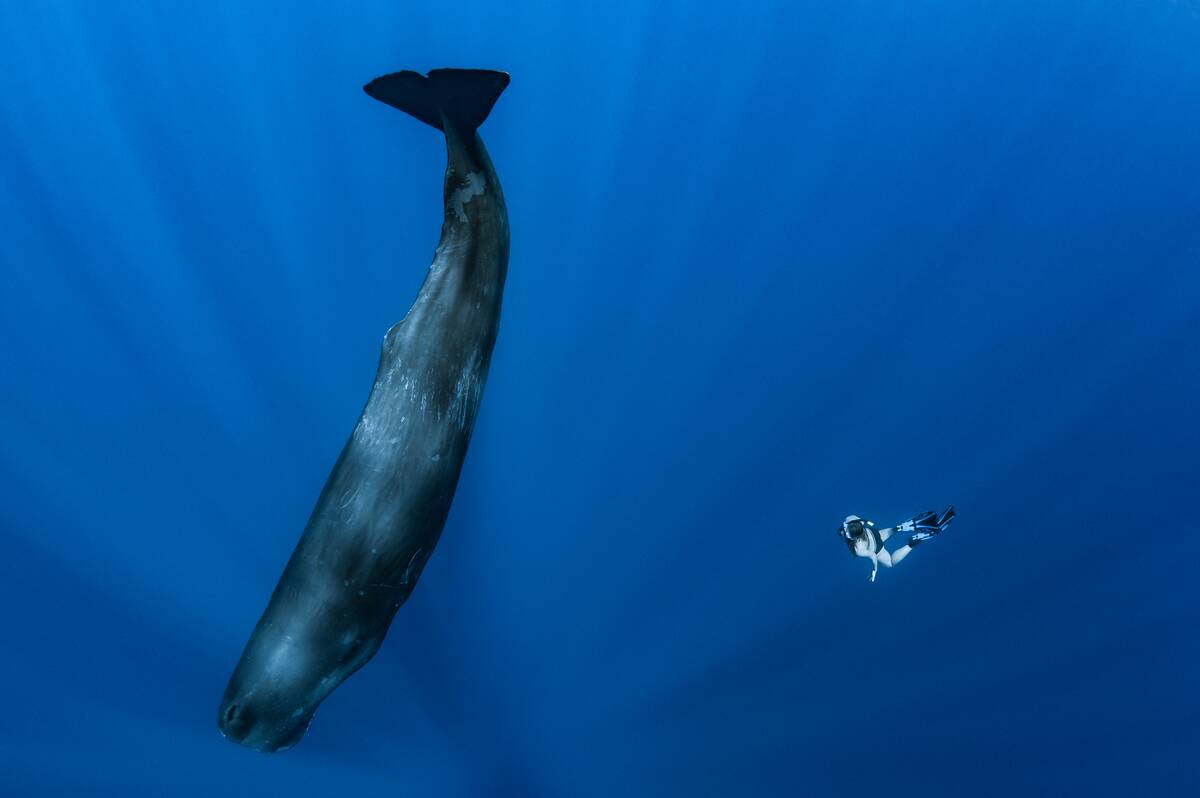
The ocean’s depths are truly mind-boggling, with the deepest point, the Challenger Deep in the Mariana Trench, plunging to about 36,070 feet. To put this in perspective, if Mount Everest were submerged here, its peak would still be over a mile underwater!
These incredible depths are home to unique and resilient creatures, adapted to the extreme pressure and darkness that characterize these abyssal zones.
The Midnight Zone: A World of Darkness and Wonder

The Midnight Zone, or the bathypelagic zone, stretches from 3,300 to 13,100 feet below the ocean’s surface and is shrouded in perpetual darkness.
Here, sunlight is nonexistent, and the creatures that inhabit this region have evolved fascinating adaptations, such as bioluminescence, to survive. This zone is a world of mystery, where bizarre and alien-like life forms thrive in the shadows.
The Great Blue Abyss: What Lies Beneath?
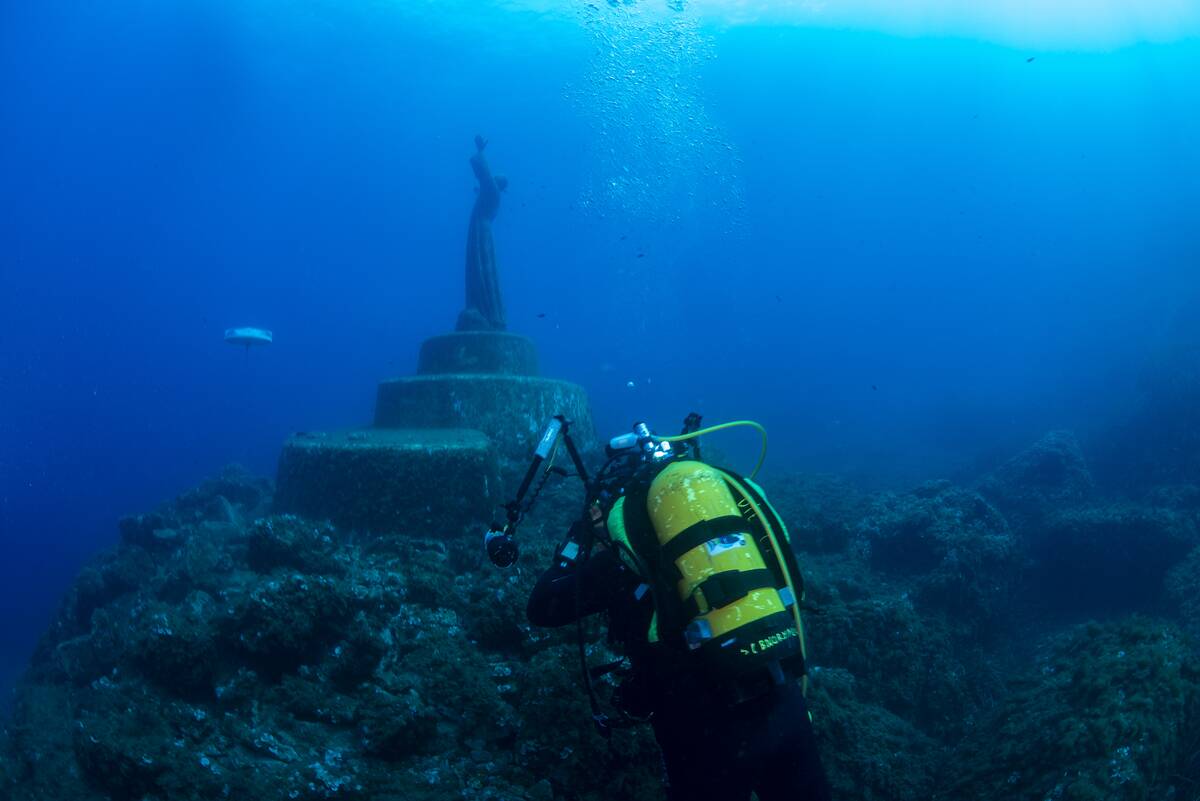
Beneath the ocean’s surface lies the great blue abyss, a place where geological wonders such as hydrothermal vents and underwater mountains are found.
These vents, often dubbed ‘black smokers,’ spew mineral-rich waters that support unique ecosystems, independent of sunlight. The diversity of life here challenges our understanding of biology and the limits of life on Earth.
Ocean Giants: Creatures Bigger Than Your Imagination
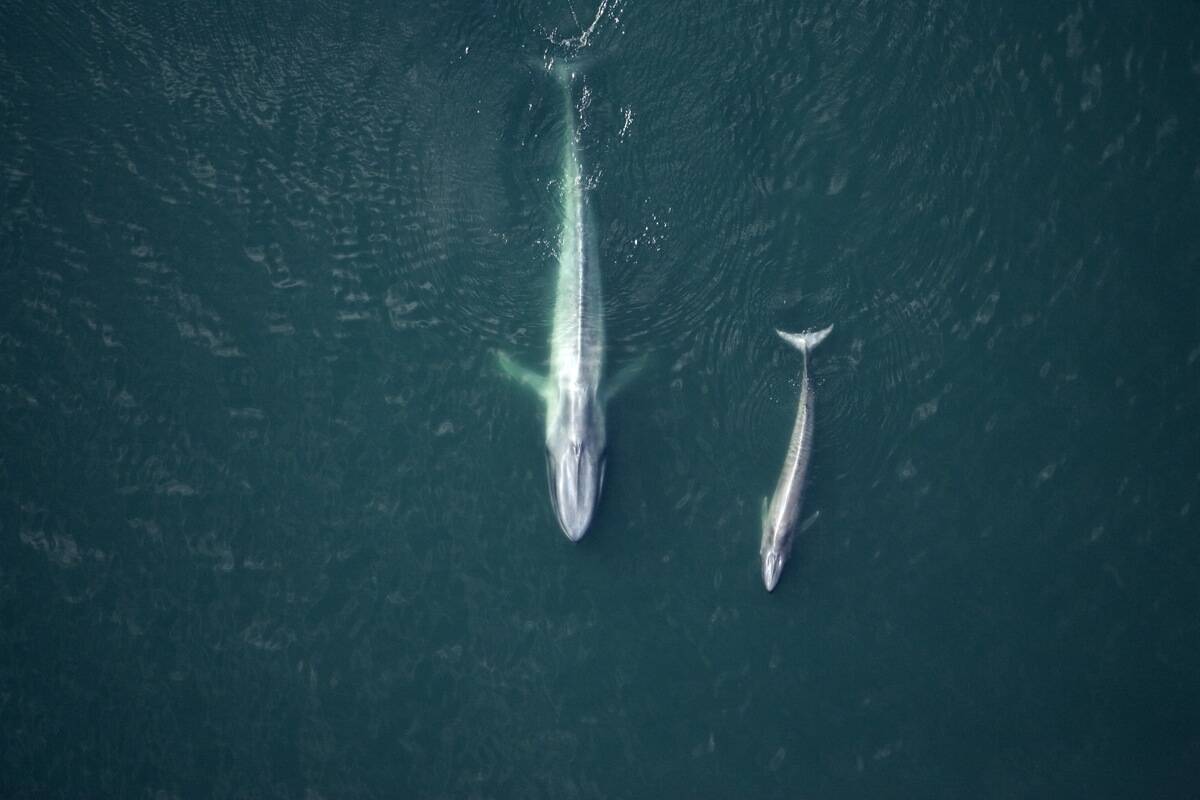
The ocean is home to giants that dwarf anything on land, from the colossal blue whale, the largest animal ever to have lived, to the giant squid, with eyes the size of dinner plates. These magnificent creatures roam the vastness of the deep blue, embodying the majesty and mystery of our oceans.
Their presence reminds us of the incredible scale and diversity of life beneath the waves.
Bioluminescence: Nature’s Nightlights Under the Sea
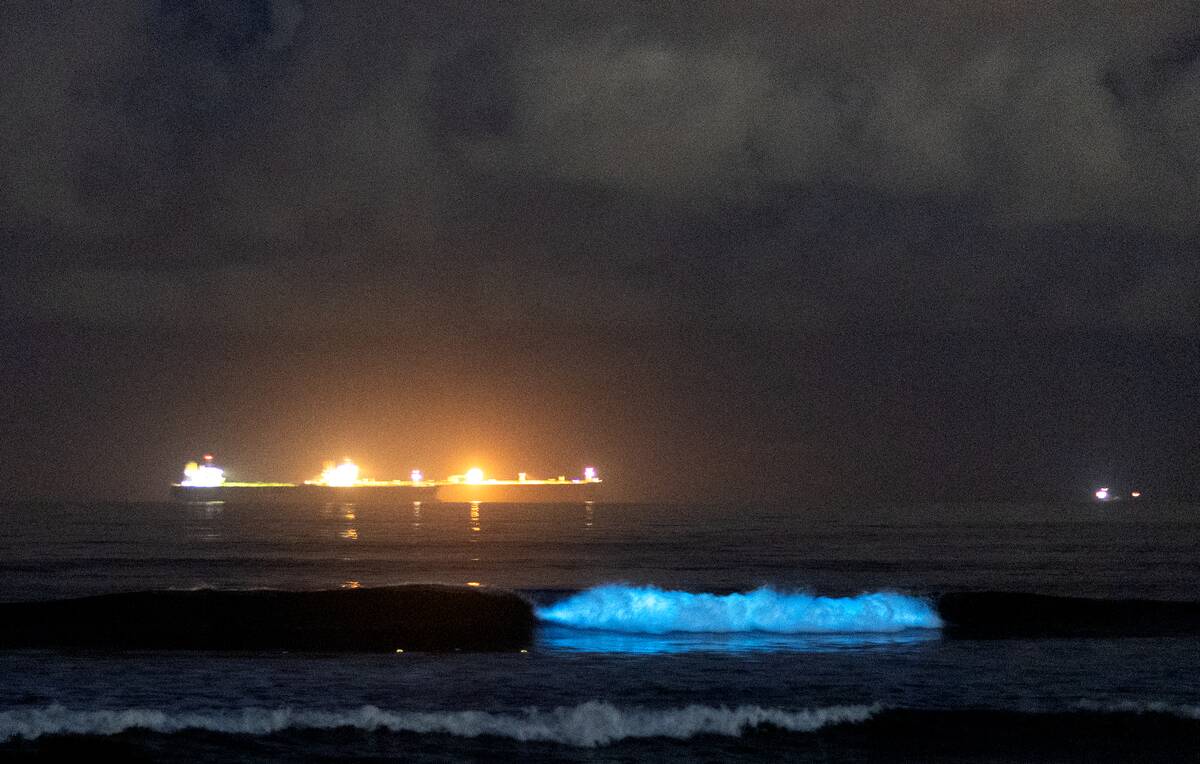
Bioluminescence is nature’s way of lighting up the dark ocean depths, with organisms like jellyfish and certain fish species emitting a mesmerizing glow. This phenomenon is not just for show; it serves various purposes, from attracting prey to deterring predators.
The ethereal glow of bioluminescent creatures adds a touch of magic to the underwater world, making the ocean a living, breathing galaxy of lights.
The Bermuda Triangle: Fact or Fiction?
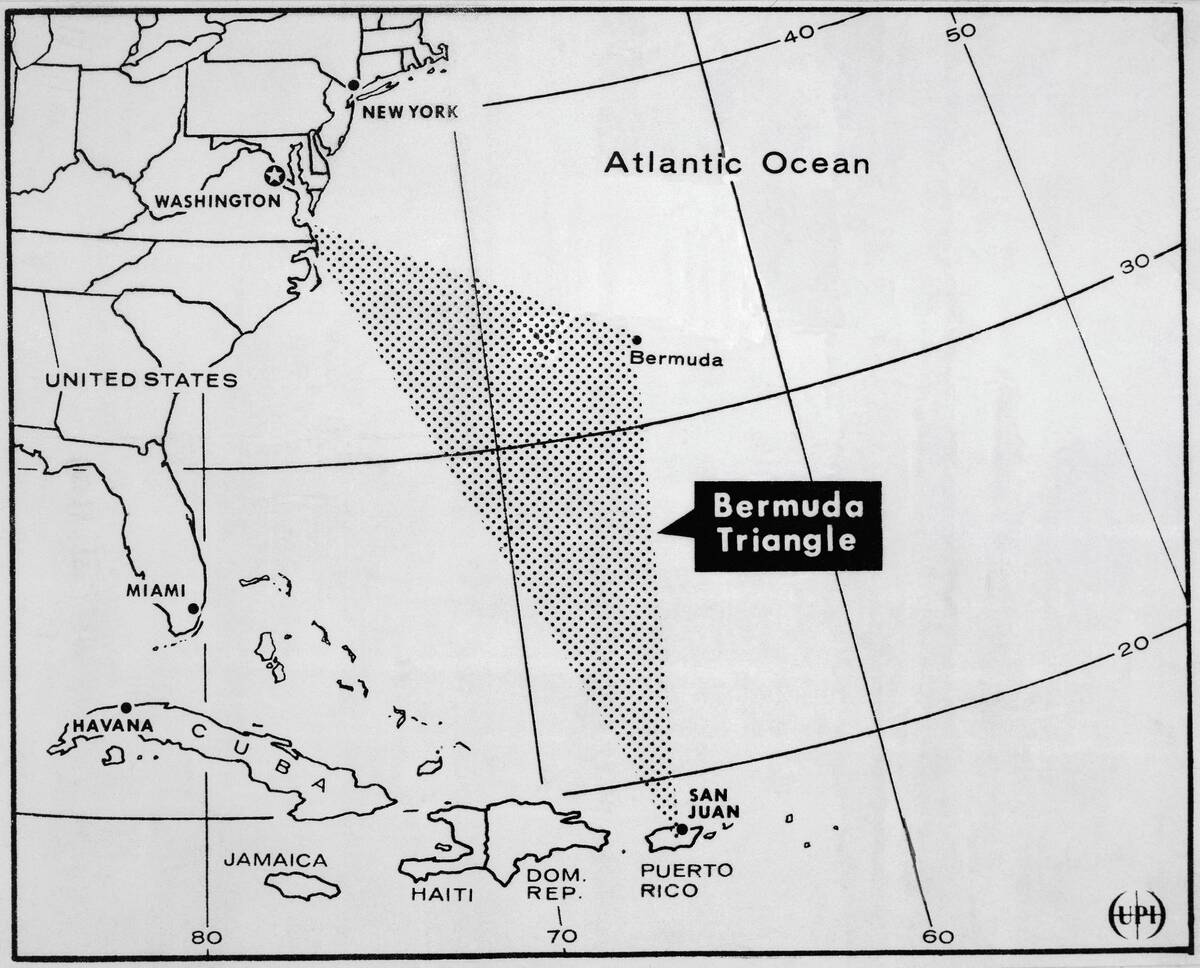
The Bermuda Triangle, a region in the North Atlantic Ocean, has been the subject of intrigue and speculation for decades. Known for the mysterious disappearances of ships and aircraft, many theories have been proposed, ranging from magnetic anomalies to underwater gas eruptions.
While much of the mystery has been debunked, the Bermuda Triangle continues to captivate the imagination of those fascinated by the sea’s unexplained phenomena.
The Sound of the Sea: Oceanic Echoes and Mysterious Noises
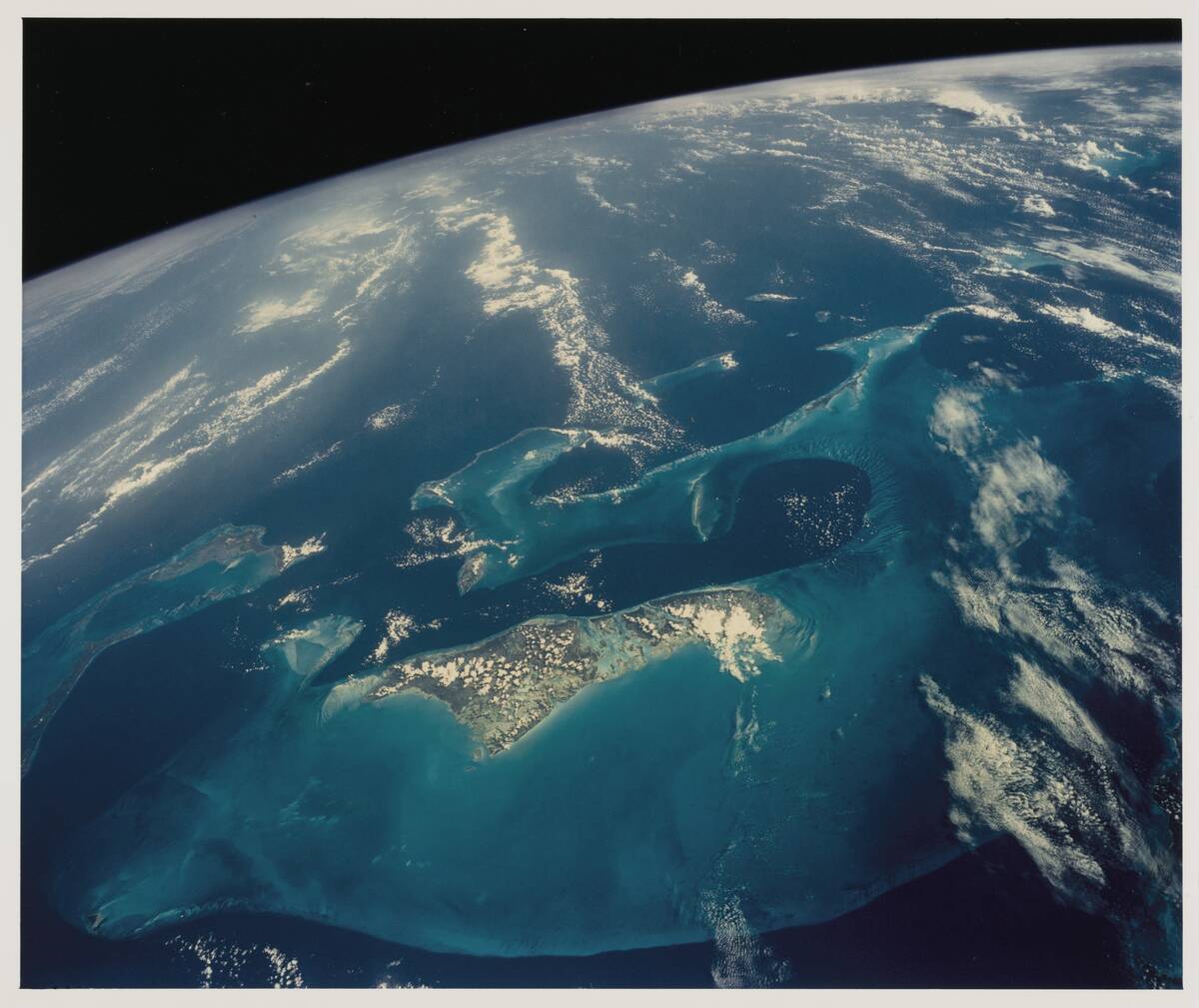
The ocean is alive with sound, from the songs of humpback whales to the eerie noises captured by underwater microphones. Some sounds, like the mysterious ‘Bloop,’ have puzzled scientists, sparking debates about their origins.
These aquatic echoes remind us that the ocean is not a silent world but a dynamic environment filled with the symphony of life and natural phenomena.
The Lost City of Atlantis: Myth or Reality?
The legend of Atlantis, a prosperous and advanced civilization said to have sunk into the ocean, has intrigued storytellers and explorers for generations. While Plato’s writings are the primary source of this myth, no concrete evidence of its existence has ever been found.
Despite this, the allure of discovering such a city fuels the imagination and keeps the legend of Atlantis alive in popular culture.
Shipwrecks and Sunken Treasures: Secrets of the Deep

The ocean floor is a graveyard of shipwrecks, each with its tale of adventure, tragedy, or mystery. From the Titanic to sunken pirate ships laden with treasure, these underwater relics offer a glimpse into history and the maritime legacy of bygone eras.
Modern technology allows us to explore these wrecks, uncovering stories long forgotten and treasures hidden beneath the waves.
The Alien-Like Creatures of the Deep Sea
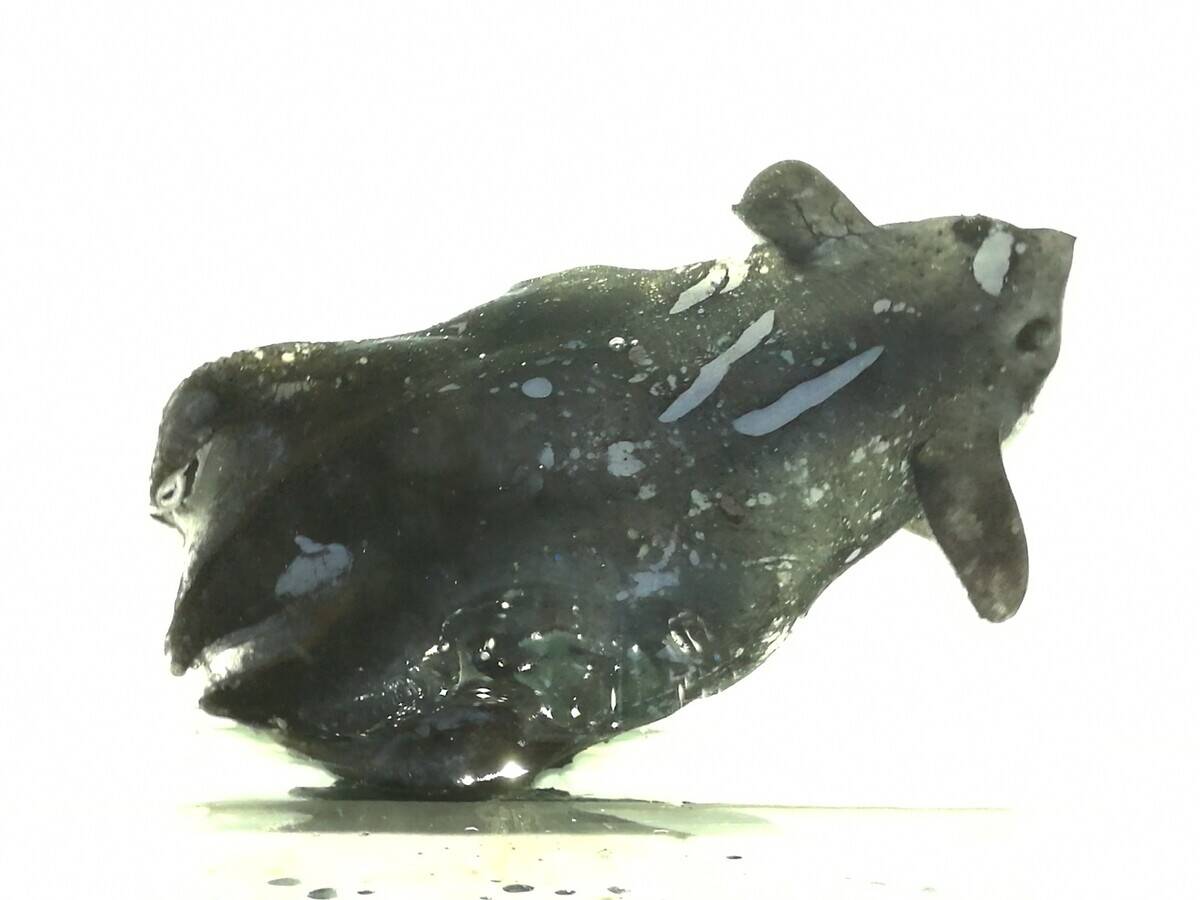
The deep sea is home to creatures so strange and otherworldly that they seem to belong to a different planet. From the vampire squid to the anglerfish with its bioluminescent lure, these bizarre animals have adapted to the extreme conditions of their environment.
Their unique appearances and survival strategies continue to fascinate scientists and challenge our understanding of life itself.
Ocean Currents: The Invisible Force That Shapes Our World
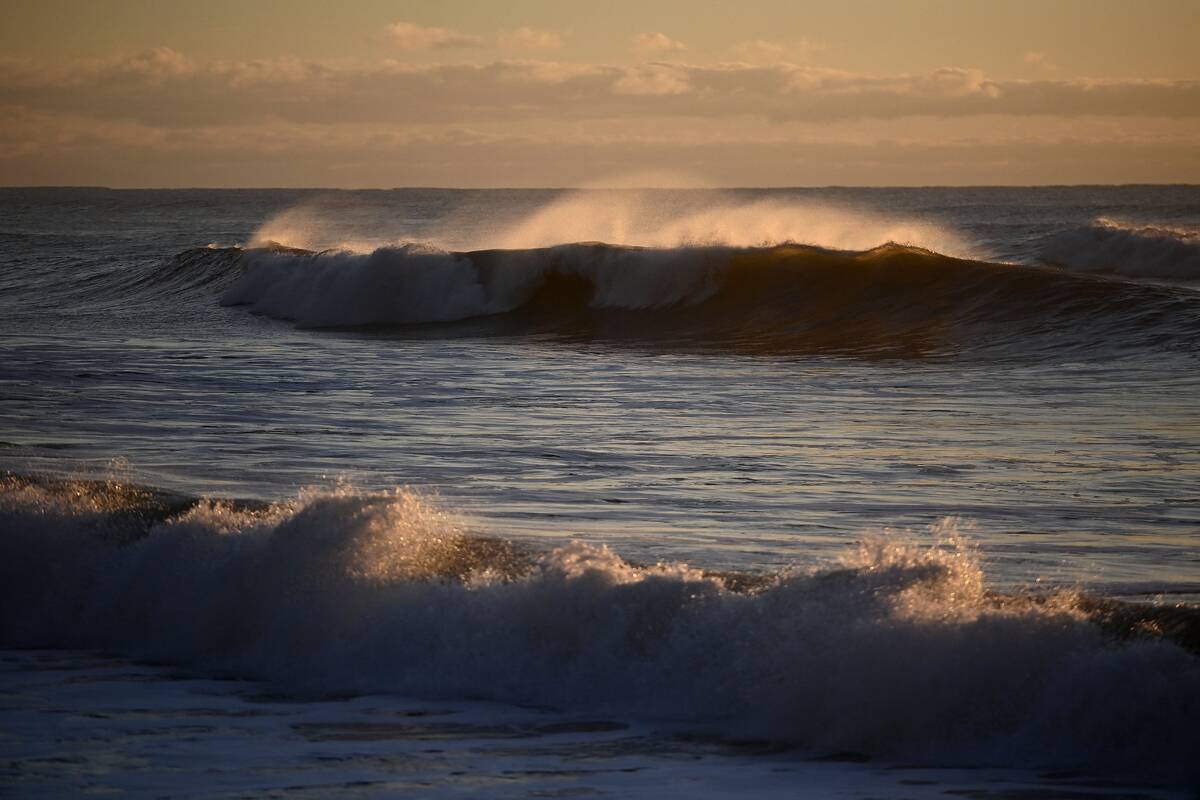
Ocean currents, driven by wind, water density, and the Earth’s rotation, are powerful forces that influence climate and weather patterns. Currents like the Gulf Stream transport warm water from the equator toward the poles, affecting temperatures and ecosystems along their path.
Understanding these currents is crucial for predicting climate change and its impact on our planet’s future.
Tsunamis: The Ocean’s Unpredictable Fury

Tsunamis are massive waves generated by underwater earthquakes, volcanic eruptions, or landslides. These powerful forces of nature can travel at speeds of up to 500 miles per hour, causing widespread destruction upon reaching land.
The 2004 Indian Ocean tsunami is a stark reminder of their devastating impact, highlighting the need for early warning systems and preparedness to mitigate their effects.
The Ocean’s Role in Climate Change: A Silent Witness
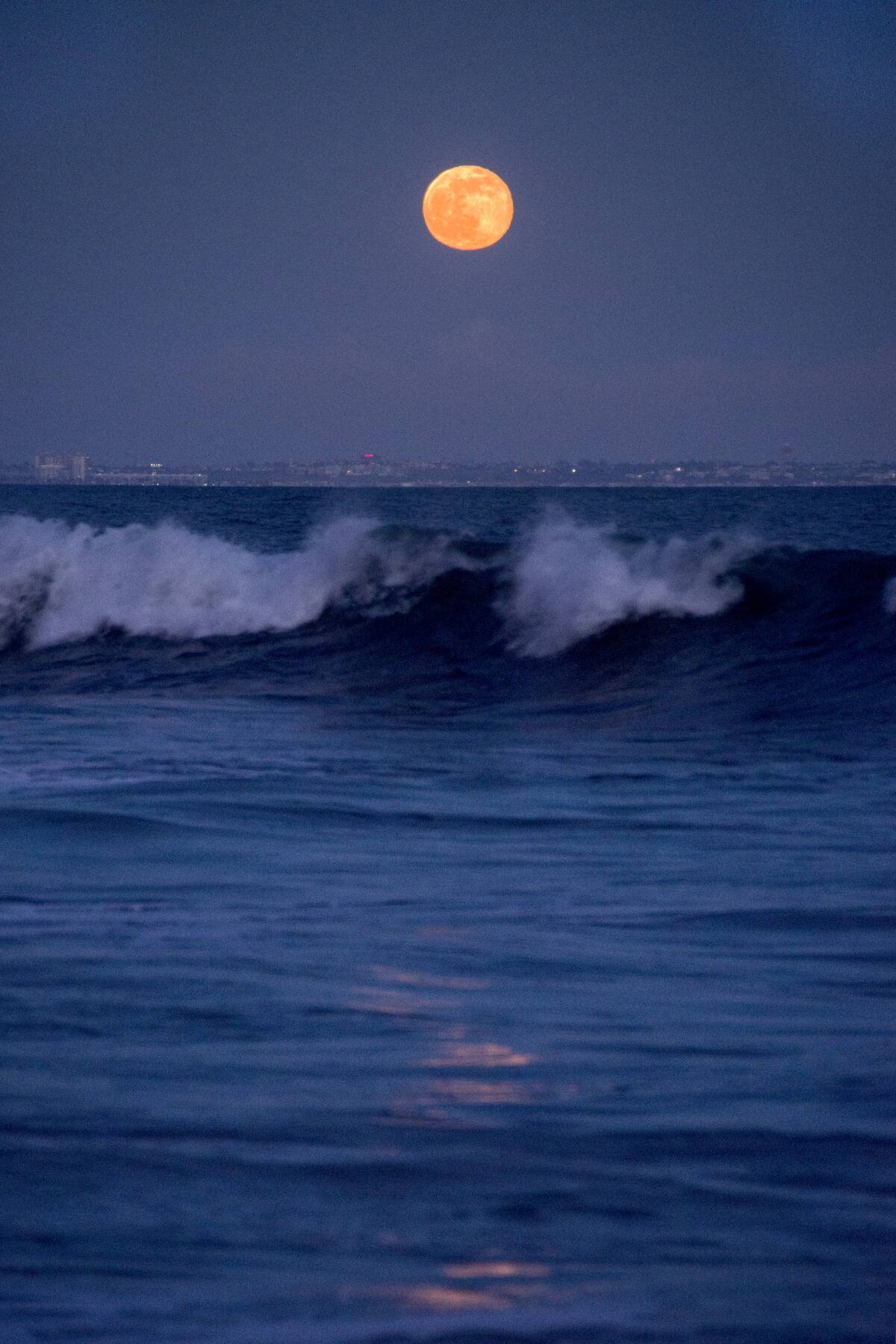
The ocean plays a critical role in regulating Earth’s climate by absorbing carbon dioxide and heat from the atmosphere. This process helps buffer the effects of climate change but also leads to ocean acidification and warming.
As a silent witness to human-induced changes, the ocean’s health is vital to the planet’s future, underscoring the importance of protecting marine ecosystems and reducing emissions.
The Great Pacific Garbage Patch: An Oceanic Dumpster

The Great Pacific Garbage Patch, a massive area of marine debris in the North Pacific Ocean, symbolizes the growing problem of plastic pollution. Comprised mostly of microplastics, it affects marine life and food chains, posing a significant environmental threat.
Efforts to clean up this floating ‘island’ highlight the urgent need for global solutions to reduce plastic waste and protect our oceans.
The Unknown Species: New Discoveries in the Deep

The deep ocean remains one of the least explored areas on Earth, with new species being discovered regularly. Recent expeditions have uncovered fascinating creatures, like the ghostly Dumbo octopus and the giant isopod, adding to the biodiversity catalog.
These discoveries emphasize the importance of continued exploration and the potential for finding life forms that could offer insights into evolution and adaptation.
The Titanic: A Tragic Tale Beneath the Waves
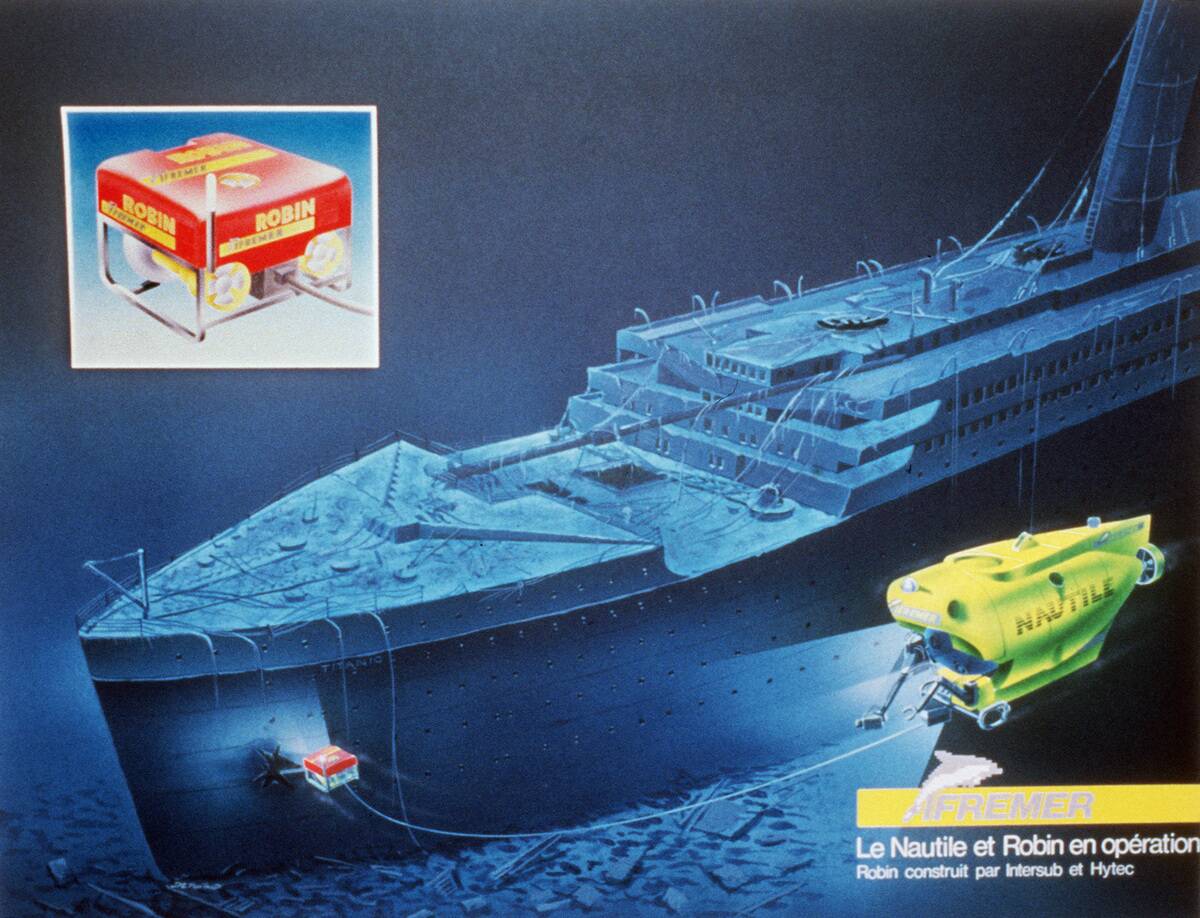
The Titanic, once the largest ship afloat, met its tragic fate on its maiden voyage in 1912 after striking an iceberg. Now resting on the ocean floor, the wreck is a somber reminder of human ambition and vulnerability.
Exploration of the site has provided valuable historical insights, while also raising questions about preservation and the ethics of disturbing such a significant maritime grave.
The Haunted Waters: Ghost Ships and Oceanic Legends
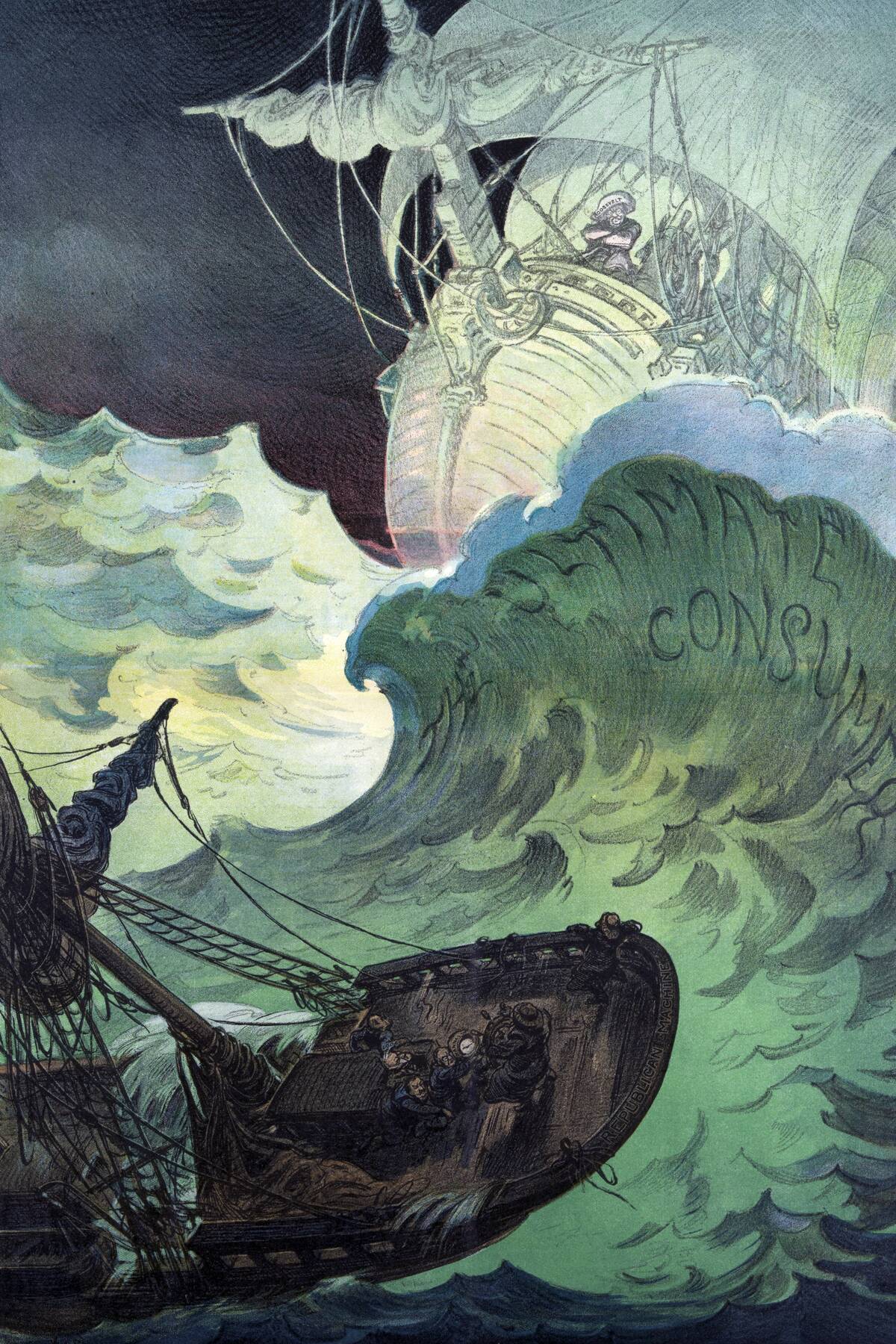
Tales of ghost ships like the Flying Dutchman have long captured the imagination of sailors and storytellers. These spectral vessels, often seen as omens, add a supernatural element to maritime lore.
While many stories are rooted in fiction, the ocean’s vastness and mysteries continue to inspire legends of cursed ships and otherworldly encounters on the high seas.
The Threatened Beauty: Endangered Marine Life
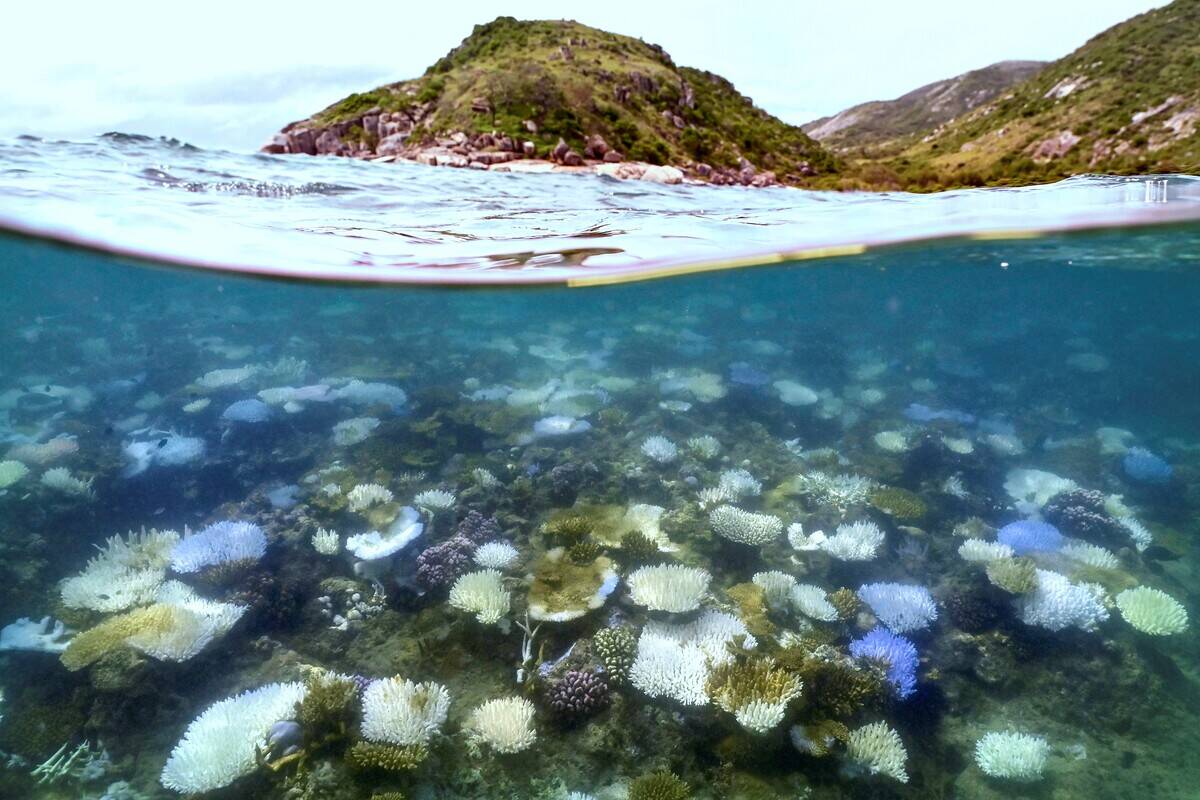
Marine life faces numerous threats, from overfishing and habitat destruction to climate change. Iconic species like sea turtles and coral reefs are at risk, highlighting the urgent need for conservation efforts.
Protecting these fragile ecosystems is vital for maintaining biodiversity and ensuring the ocean’s health for future generations. Collaborative global initiatives aim to safeguard these treasures and restore the ocean’s natural balance.
The Ocean’s Memory: Sea Levels and Ancient Climates
The ocean is a repository of Earth’s climate history, with sea levels reflecting past temperatures and ice volume. By studying sediment cores and fossilized remains, scientists reconstruct ancient climates, offering insights into future trends.
Understanding these patterns is key to predicting the impacts of climate change, as rising sea levels threaten coastal communities and ecosystems worldwide.




