The story and photos of the first airplanes used in WWI
The skies were once a domain untouched by the ravages of war, but the dawn of the 20th century changed that forever. The invention of the airplane opened a new chapter in military history, ushering in the era of aerial warfare.
It was a time when daring pioneers took to the air, transforming the way battles were fought. The thrill of flight captured the imagination, with aviators quickly becoming the new knights of the sky.
The Role of Aircraft in World War I
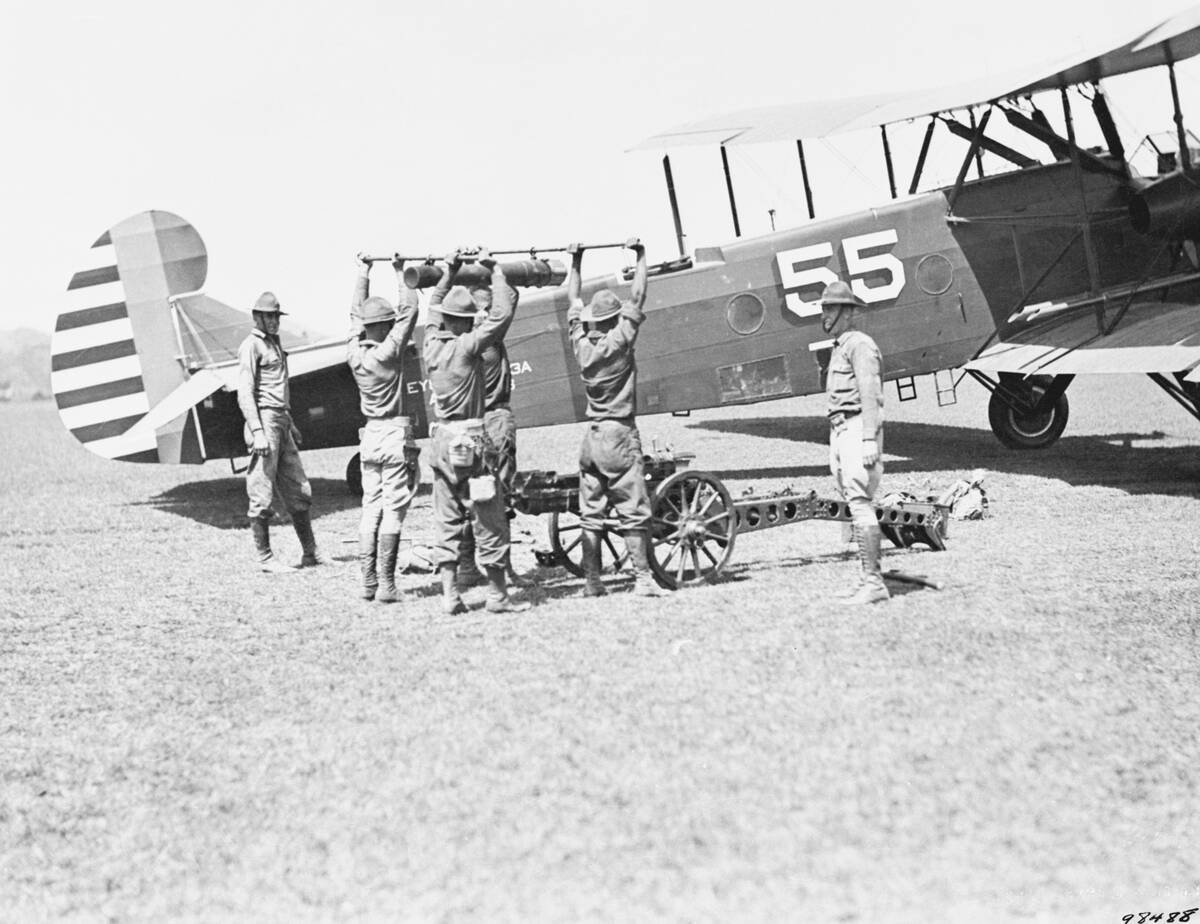
Aircraft in World War I were initially used for reconnaissance, providing crucial intelligence that ground forces couldn’t obtain. As the war progressed, their role expanded to include direct combat and support missions.
By the end of the war, planes were conducting bombing raids and engaging in dogfights, proving their strategic importance. This evolution marked a seismic shift in military tactics, highlighting the aircraft’s potential to influence the outcome of battles.
The Wright Brothers’ Legacy in Military Aviation
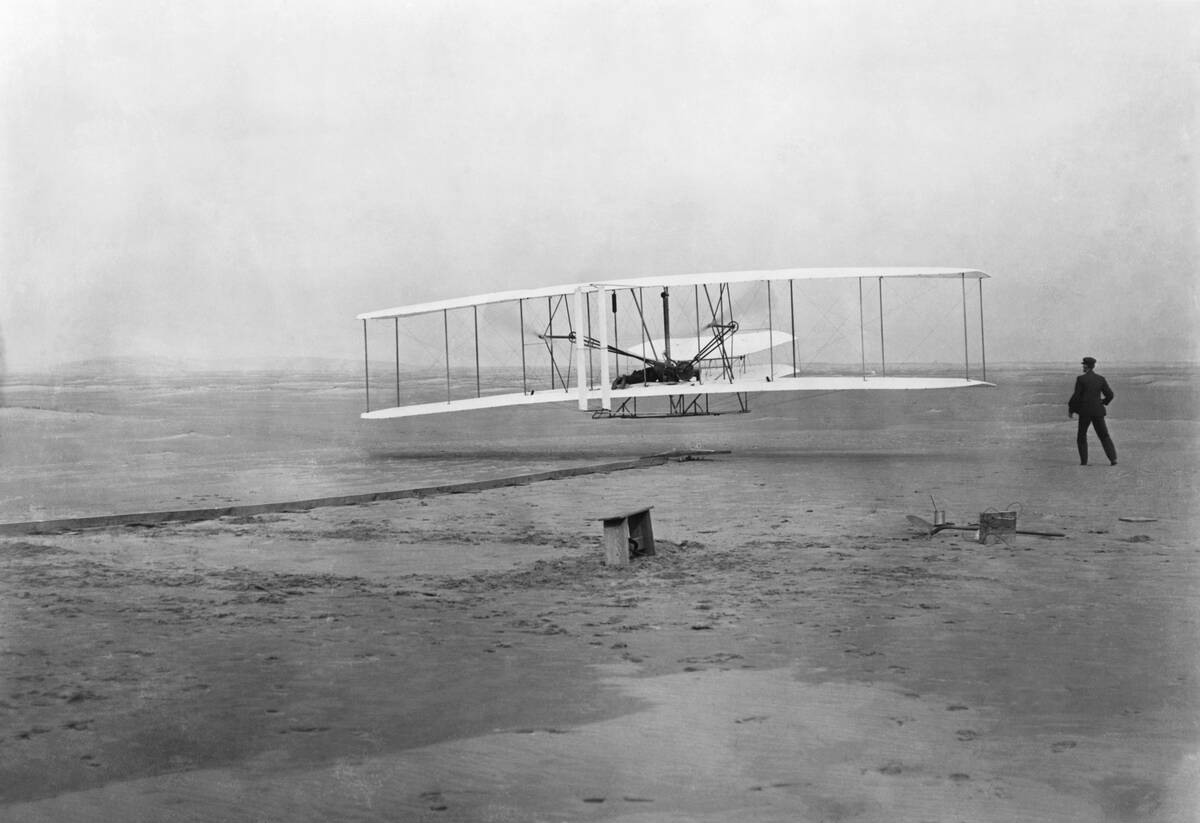
The Wright Brothers are celebrated as the pioneers of powered flight, and their innovations laid the groundwork for military aviation. Their 1903 Flyer demonstrated controlled flight, sparking interest from military forces worldwide.
By 1909, the U.S. Army had purchased a Wright aircraft, marking the beginning of aviation’s military use. Their legacy is seen in the advanced aircraft of today, which owe their existence to the brothers’ early breakthroughs.
The First Reconnaissance Missions
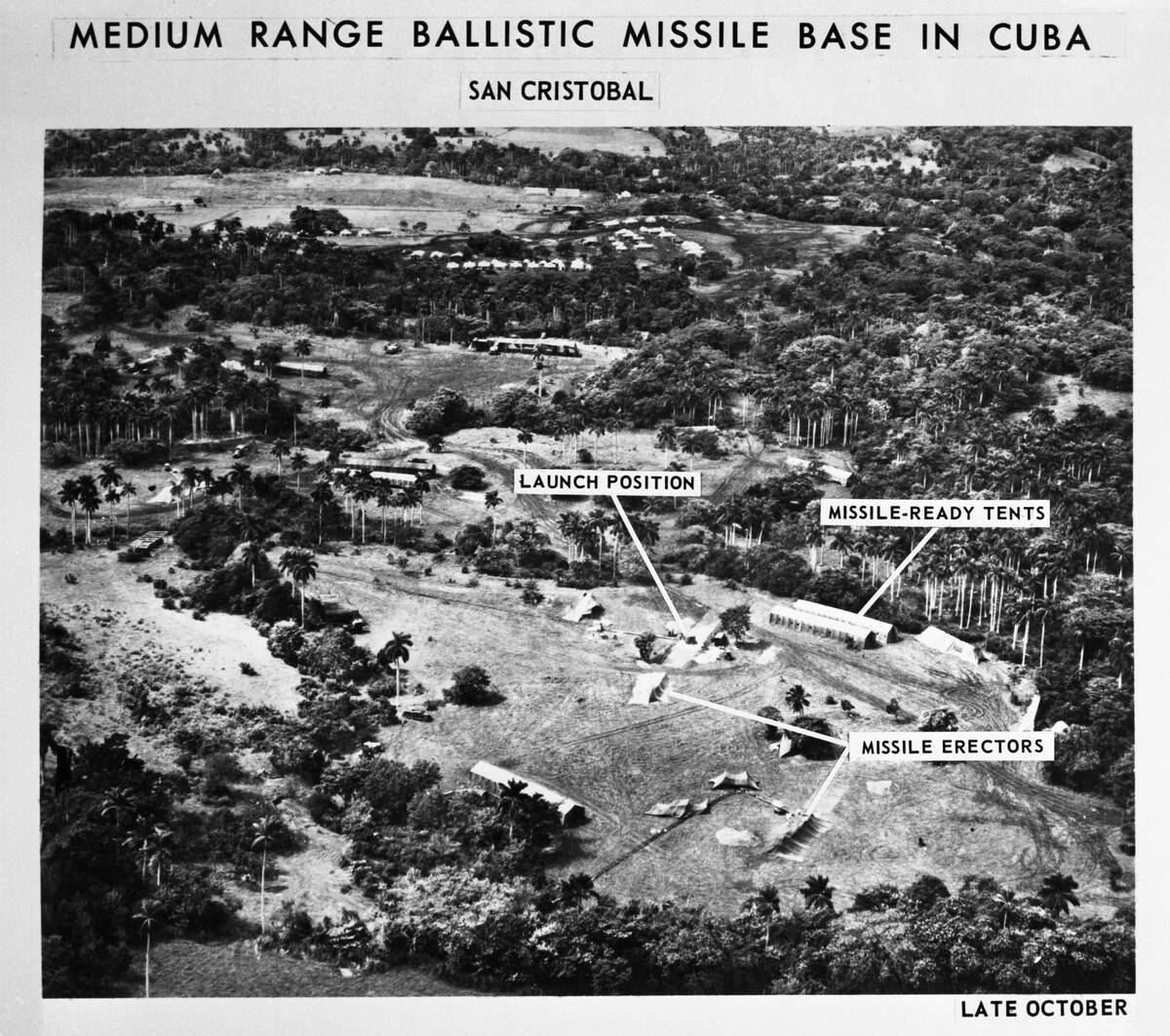
Reconnaissance was the first military role for aircraft, and it quickly proved invaluable. In 1914, during the Battle of the Marne, aerial reconnaissance helped the Allies identify a gap in the German lines, leading to a crucial victory.
These missions provided commanders with a bird’s-eye view of enemy positions and movements, a perspective that was previously unattainable. This new intelligence-gathering method revolutionized warfare, making aircraft indispensable to military operations.
A Glimpse at the First Fighter Planes
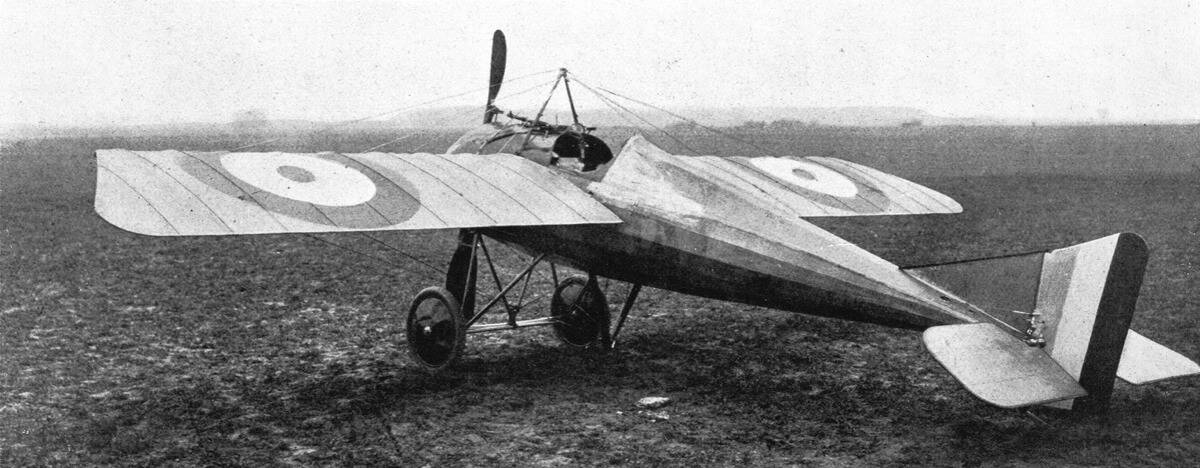
The introduction of fighter planes marked a significant evolution in aerial combat. Early models, like the French Morane-Saulnier and the British Bristol Scout, were equipped with forward-firing machine guns.
These innovations allowed pilots to engage in aerial battles, known as dogfights. The success of these early fighters demonstrated the potential for air superiority to influence ground warfare, leading to rapid advancements in aircraft design and tactics.
The Rise of Aerial Dogfights
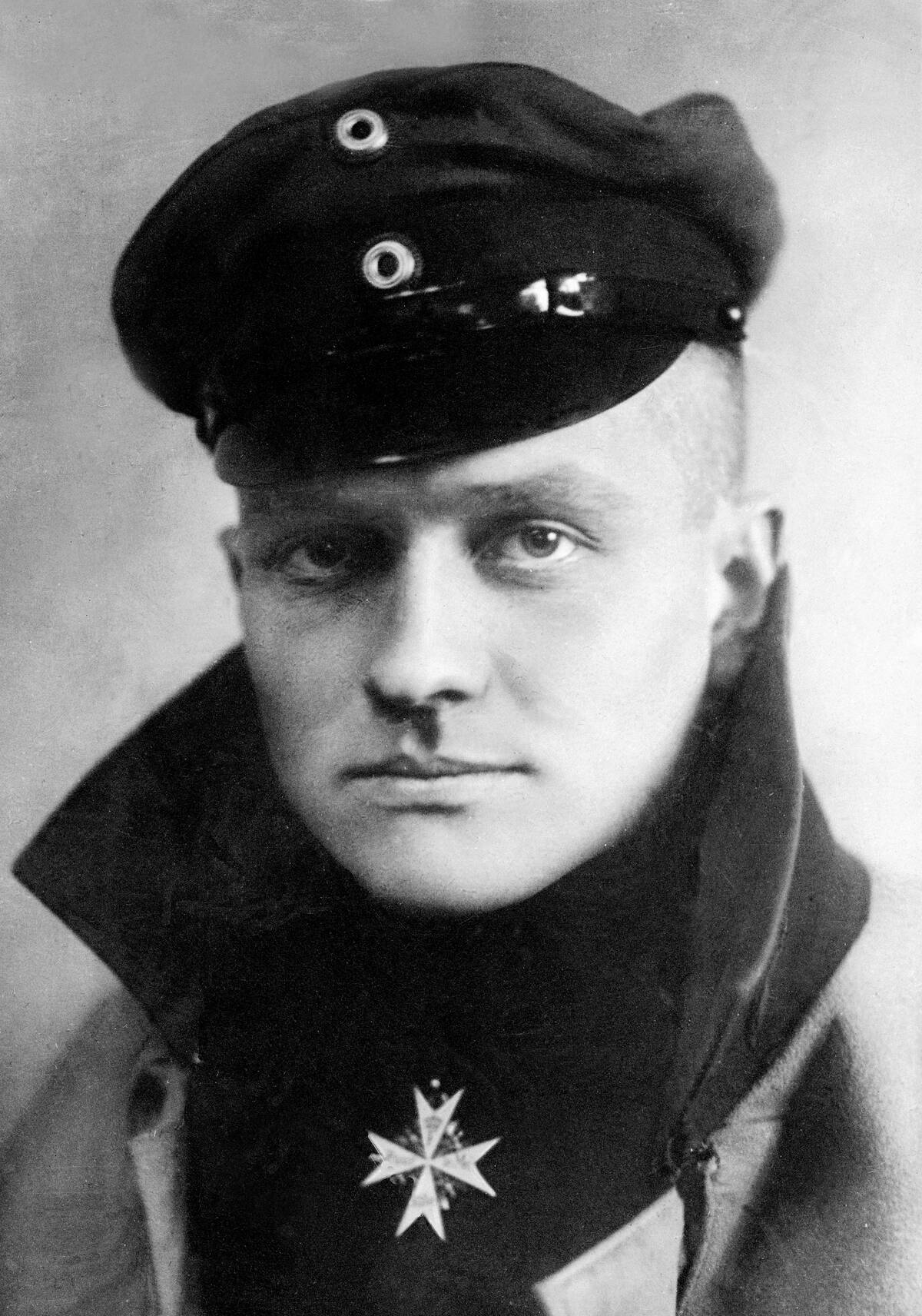
Aerial dogfights became the epitome of air combat during WWI, capturing the public’s imagination. Skilled pilots, such as Germany’s Manfred von Richthofen, the ‘Red Baron,’ became legends. These engagements were often a test of both pilot skill and aircraft capability.
The development of synchronized machine guns, allowing pilots to shoot through the propeller arc, was a game-changer. This innovation intensified the deadly dance of dogfighting, making it a critical component of air warfare.
Iconic Aircraft of WWI: The Fokker Eindecker
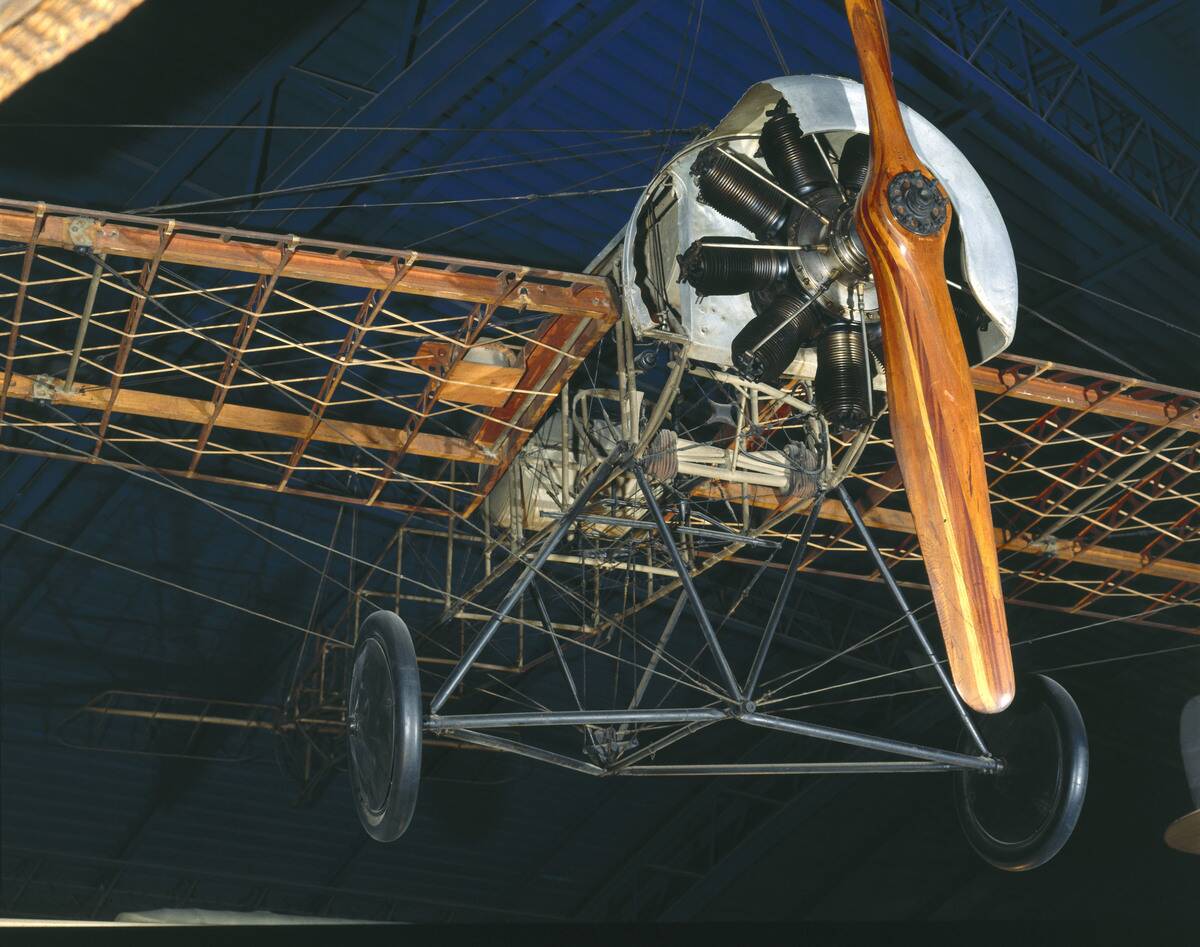
The Fokker Eindecker was a revolutionary aircraft that changed the dynamics of aerial combat. It was the first plane to be fitted with a synchronized machine gun, allowing pilots to shoot without damaging their propellers.
This German fighter dominated the skies in 1915 and 1916, earning the nickname ‘Fokker Scourge.’ Its success prompted the Allies to develop their own synchronized weaponry, sparking a technological race in aviation.
The British Contribution: The Sopwith Camel
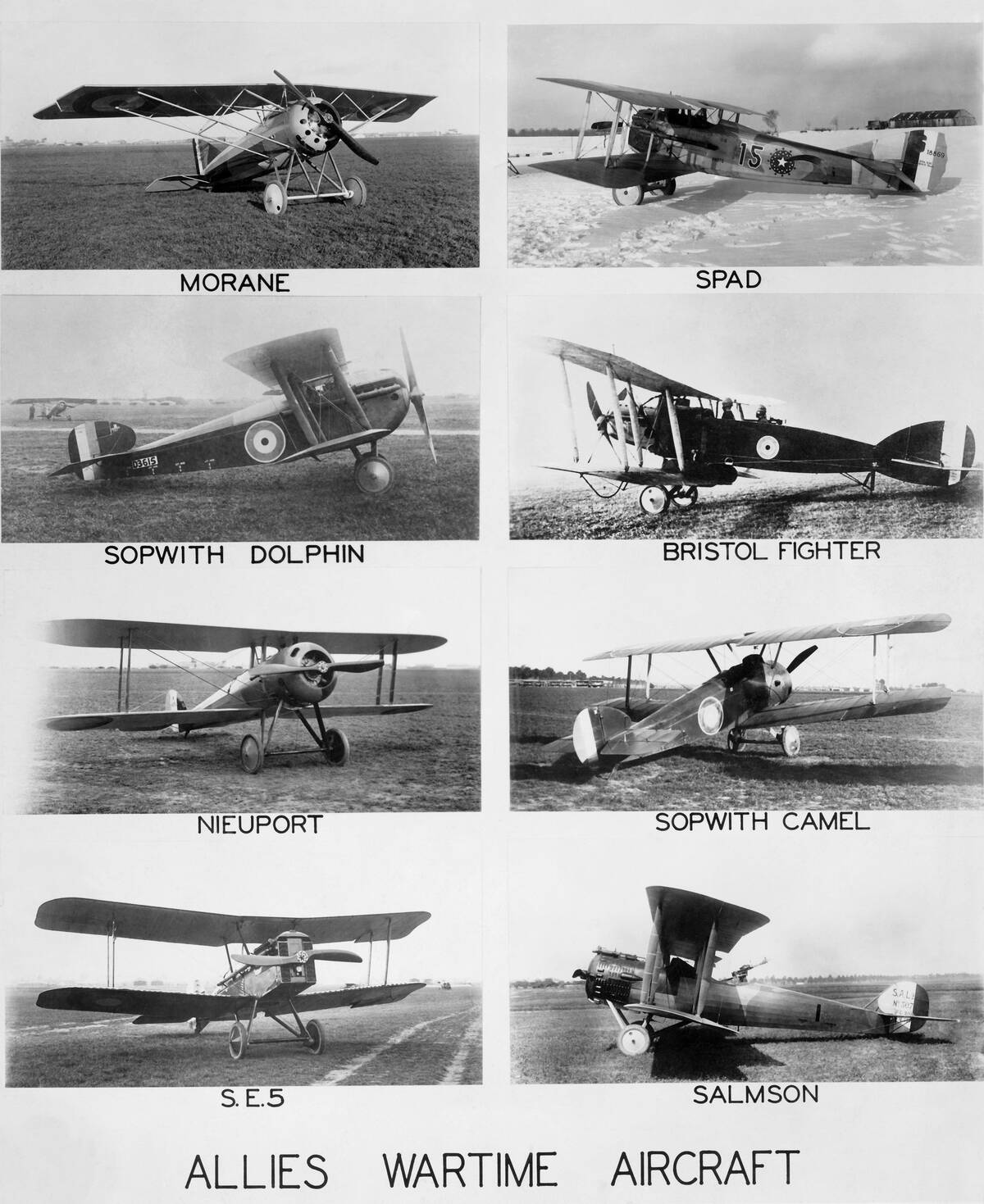
The Sopwith Camel was a standout British fighter aircraft, renowned for its maneuverability and firepower. Introduced in 1917, it boasted twin synchronized machine guns and a powerful rotary engine.
Pilots found it tricky to handle, but its agility made it a formidable opponent in dogfights. The Camel was credited with shooting down 1,294 enemy aircraft, more than any other Allied fighter, solidifying its place in aviation history.
French Flair: The Nieuport Series
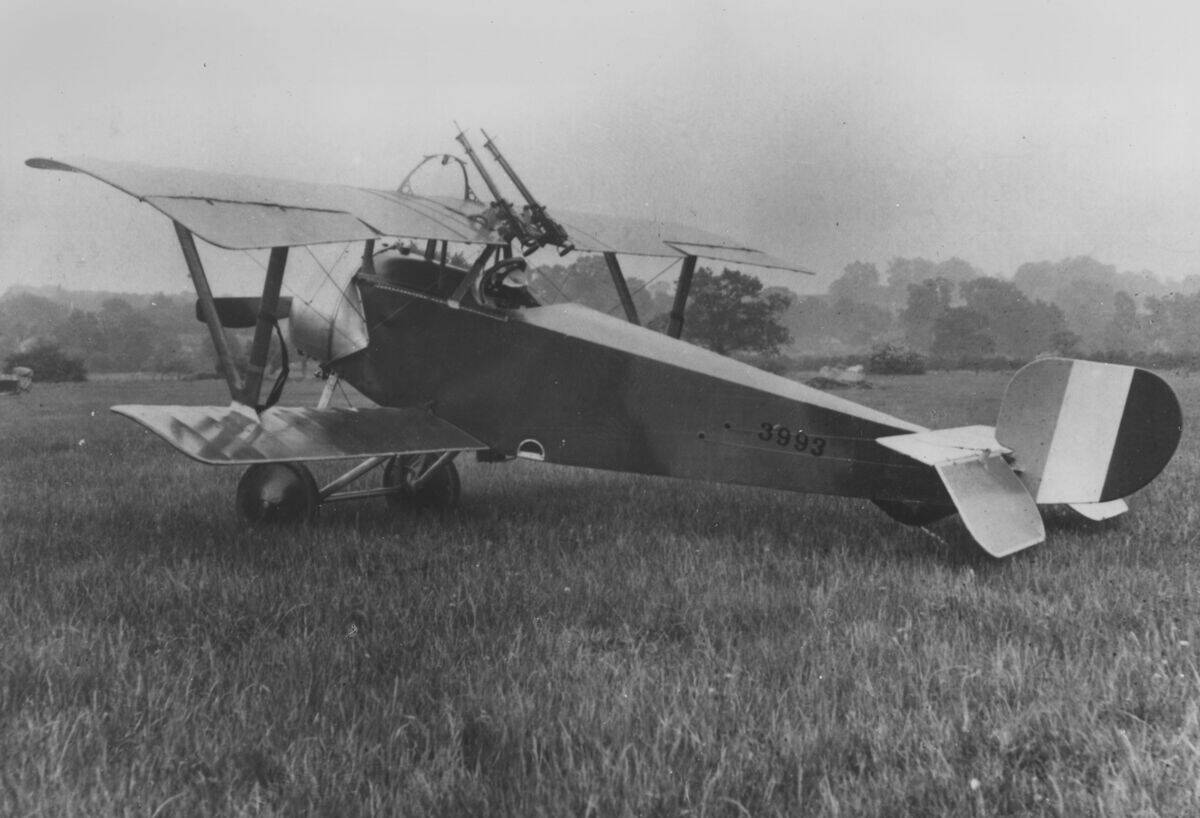
The French Nieuport series was a line of biplanes that played a crucial role in WWI aviation. Known for their speed and agility, these aircraft were favored by aces like Georges Guynemer.
The Nieuport 11, nicknamed ‘Bebe,’ was pivotal in countering the Fokker Scourge, providing the Allies with a competitive edge. The success of the Nieuport series underscored France’s significant contribution to aviation technology during the war.
The German Giant: The Gotha Bomber
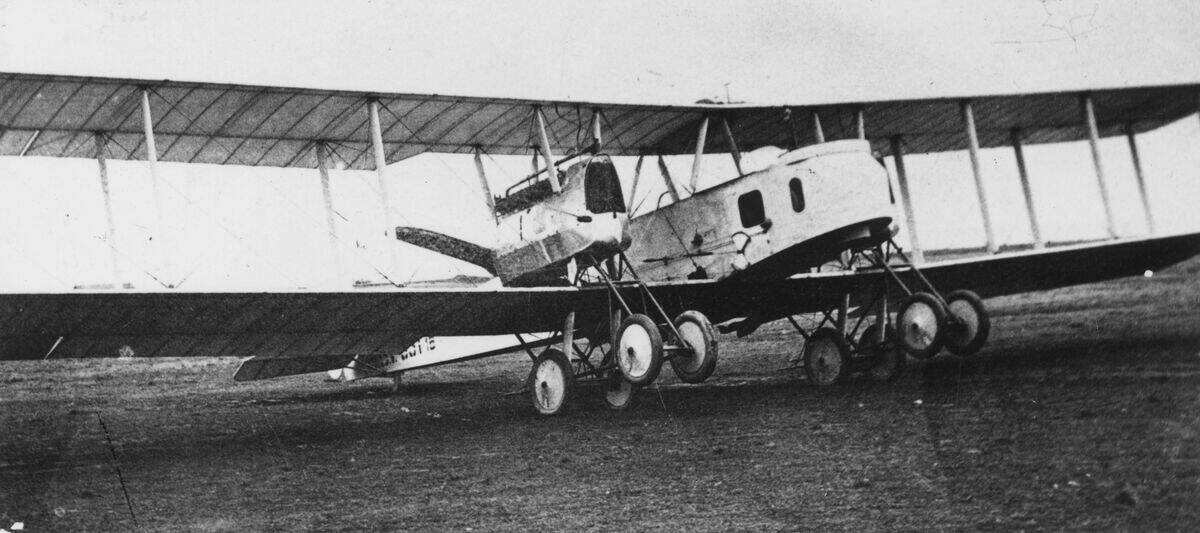
The Gotha G.IV was a formidable German bomber that brought the war to Britain’s doorstep. Capable of long-range missions, it was used in strategic air raids, including the infamous “Gotha Raids” on London.
Its ability to deliver substantial payloads made it a serious threat, compelling Britain to strengthen its air defenses. The Gotha’s impact revealed the potential of aerial warfare as a strategic tool, a concept that would be further developed in later conflicts.
Italian Ingenuity: The Caproni Bombers
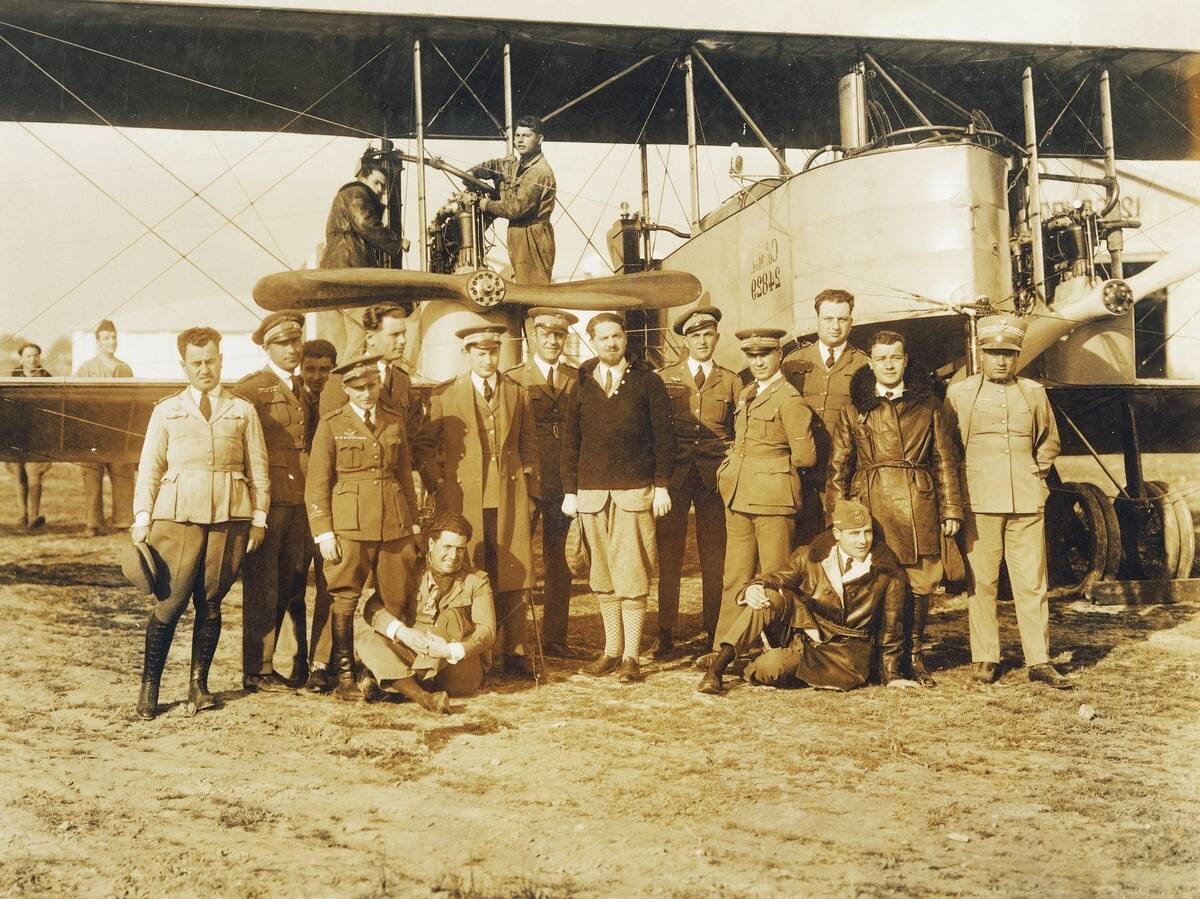
Italy’s Caproni bombers were among the first true heavy aircraft used in warfare. Designed by Gianni Caproni, these three-engine planes served in both strategic and tactical air operations.
The Caproni Ca.3, in particular, earned recognition for its reliability and effectiveness. Italian crews carried out daring raids on Austrian targets, showcasing the value of long-range air attacks in disrupting enemy supply lines and infrastructure.
The Role of Zeppelins and Airships
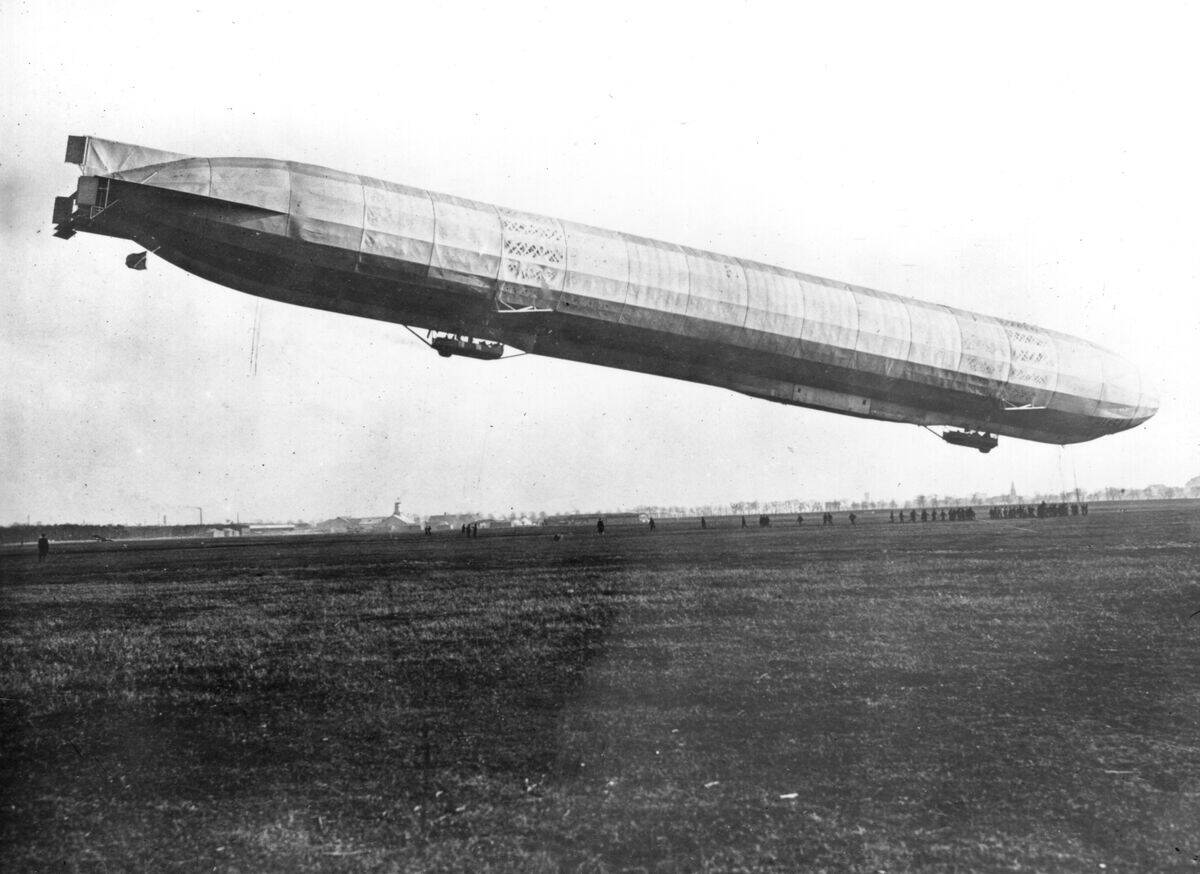
Zeppelins and airships played a notable role in WWI, primarily used by Germany for reconnaissance and air raids. These massive, hydrogen-filled airships could travel long distances and loiter over targets. However, their vulnerability to anti-aircraft fire and the development of more effective fighter planes diminished their effectiveness.
Despite these challenges, the psychological impact of Zeppelin raids on civilian populations was significant, highlighting the potential of aerial terror.
The Evolution of Aerial Strategy
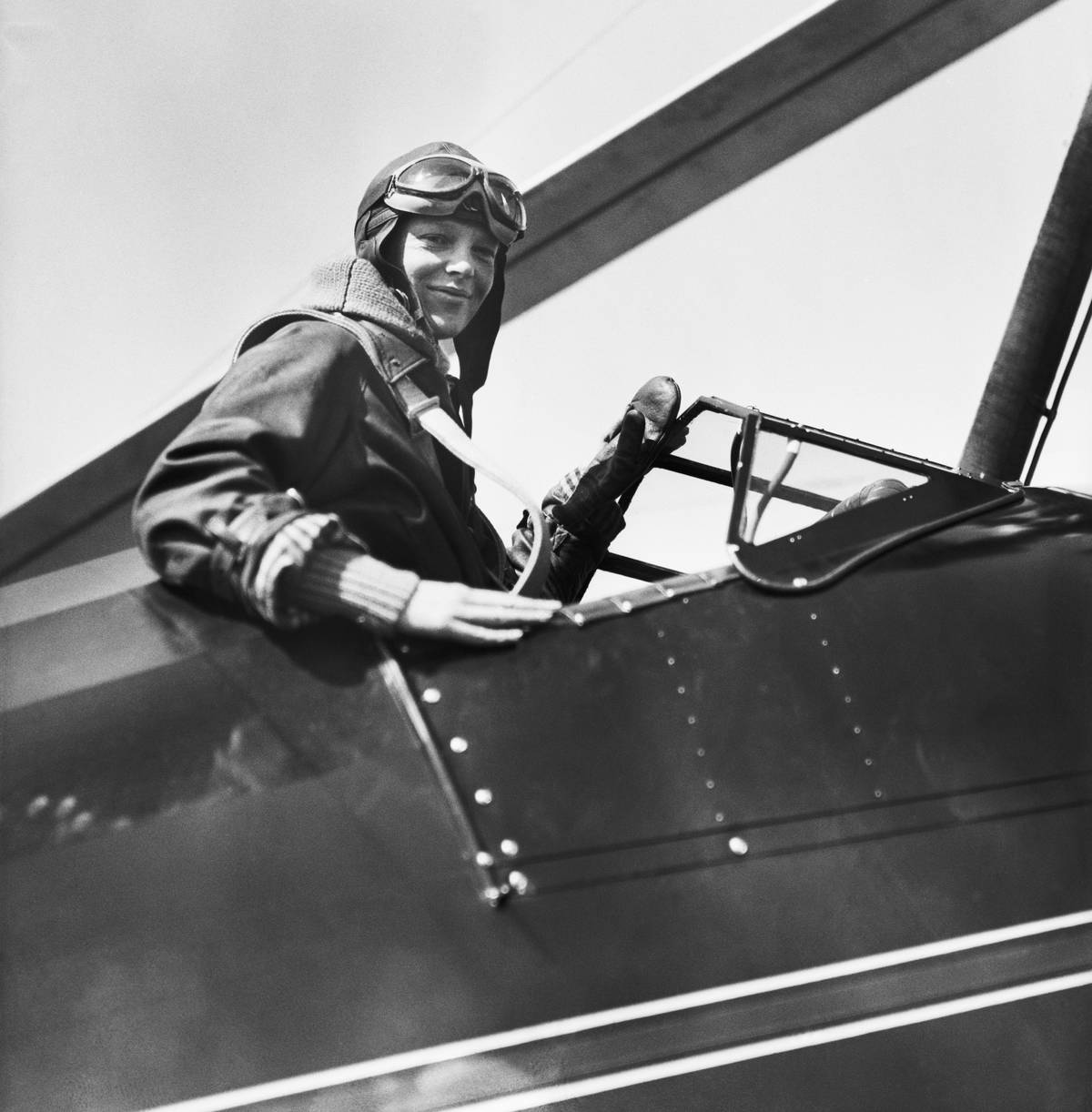
WWI saw rapid advancements in aerial strategy as military leaders recognized the potential of air power. Early in the war, aircraft were primarily used for reconnaissance, but their roles expanded to include ground attack and strategic air raids.
The development of fighter escorts and formations improved mission success rates. These evolving strategies laid the foundation for modern air warfare, where air superiority and precision targeting are crucial elements of military planning.
Challenges Faced by Early Aviators
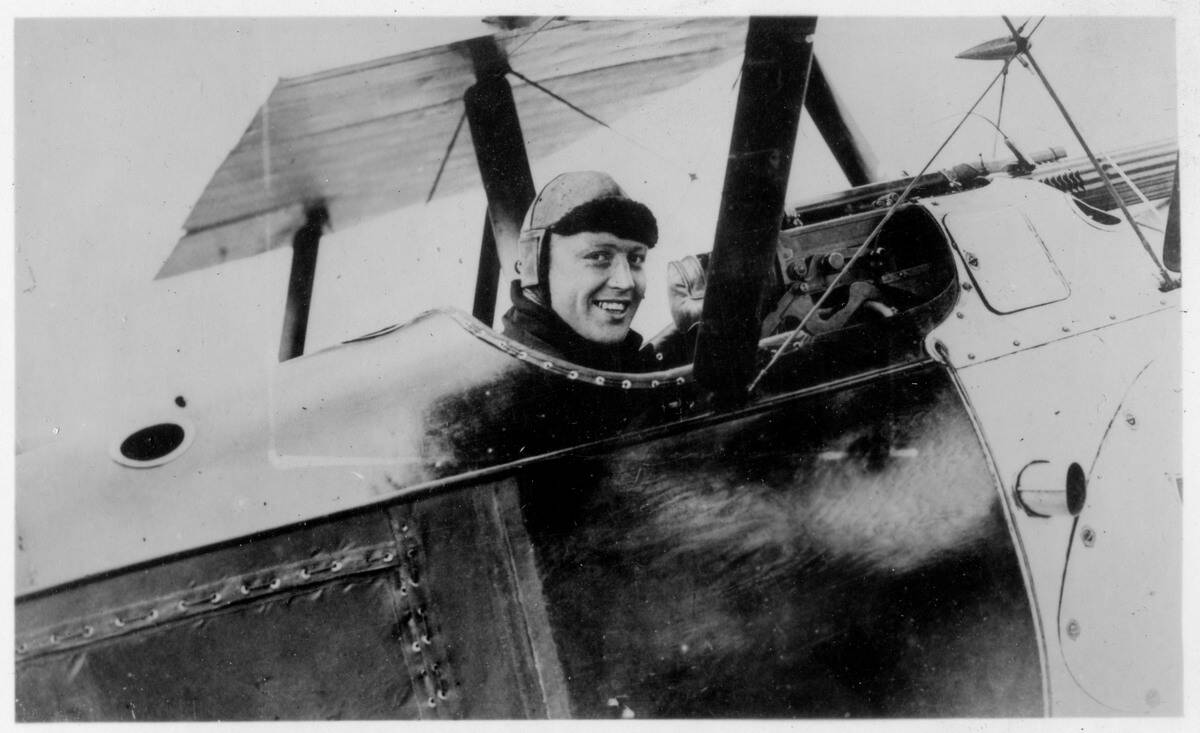
Early aviators faced numerous challenges, from unreliable aircraft to the lack of proper navigation tools. Mechanical failures were common, and the open cockpits exposed pilots to harsh weather conditions.
Despite these hardships, pilots displayed remarkable bravery and resilience. Their experiences paved the way for advancements in aviation technology and safety, ultimately leading to the sophisticated aircraft and systems we see today.
The Legacy of WWI Aviation in Modern Warfare
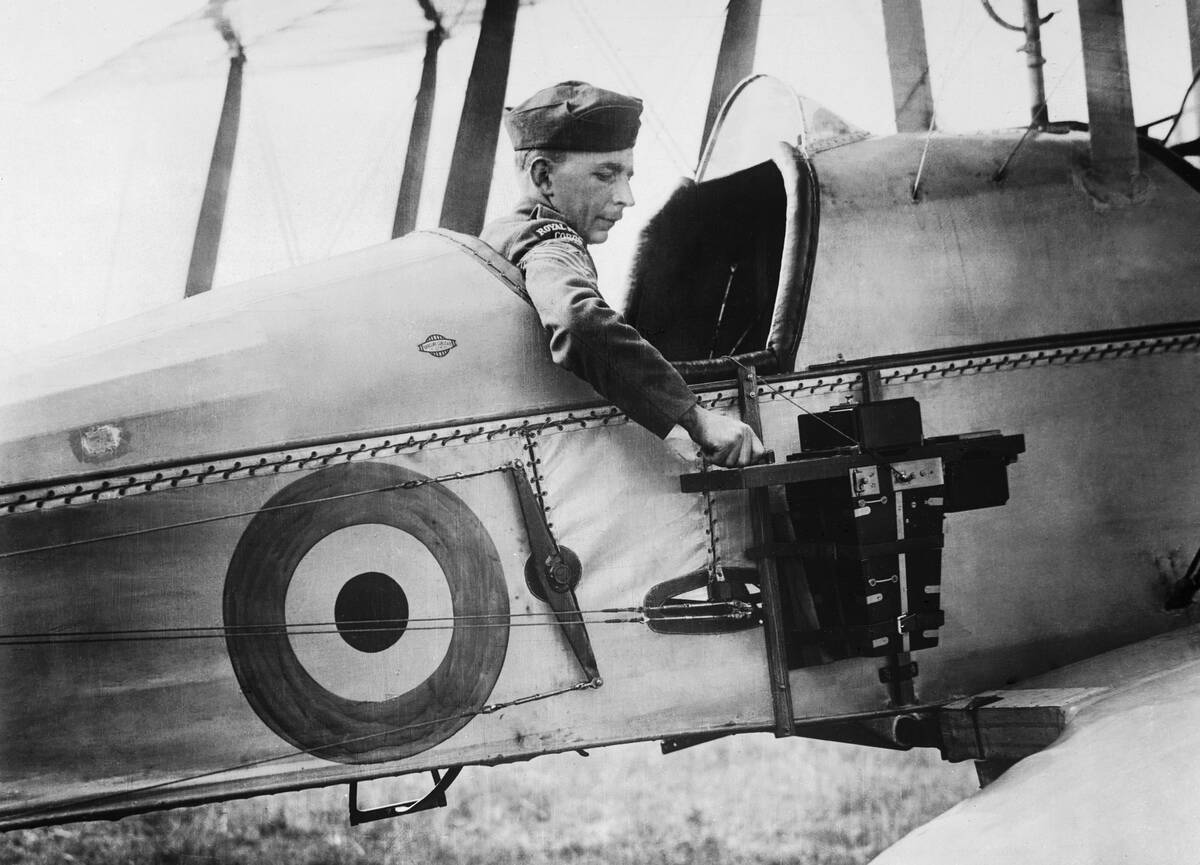
The legacy of WWI aviation is evident in today’s military operations, where air power is a cornerstone of strategy. The innovations and tactics developed during the war laid the groundwork for modern air forces.
Technologies like synchronized machine guns and strategic bombing have evolved but remain integral to air combat. The bravery and ingenuity of WWI aviators continue to inspire, reminding us of the transformative power of flight in warfare.




