Generals who are famous for losing
In the grand tapestry of military history, not every general is remembered for their victories. Some are celebrated for their failures, which offer lessons as valuable as their successes.
From strategic miscalculations to unfortunate circumstances, these generals have left an indelible mark on history. Let’s embark on a journey to explore the art of losing, where the stories of these famous generals unfold with both courage and caution.
The Infamous George Custer: A Lesson from Little Bighorn
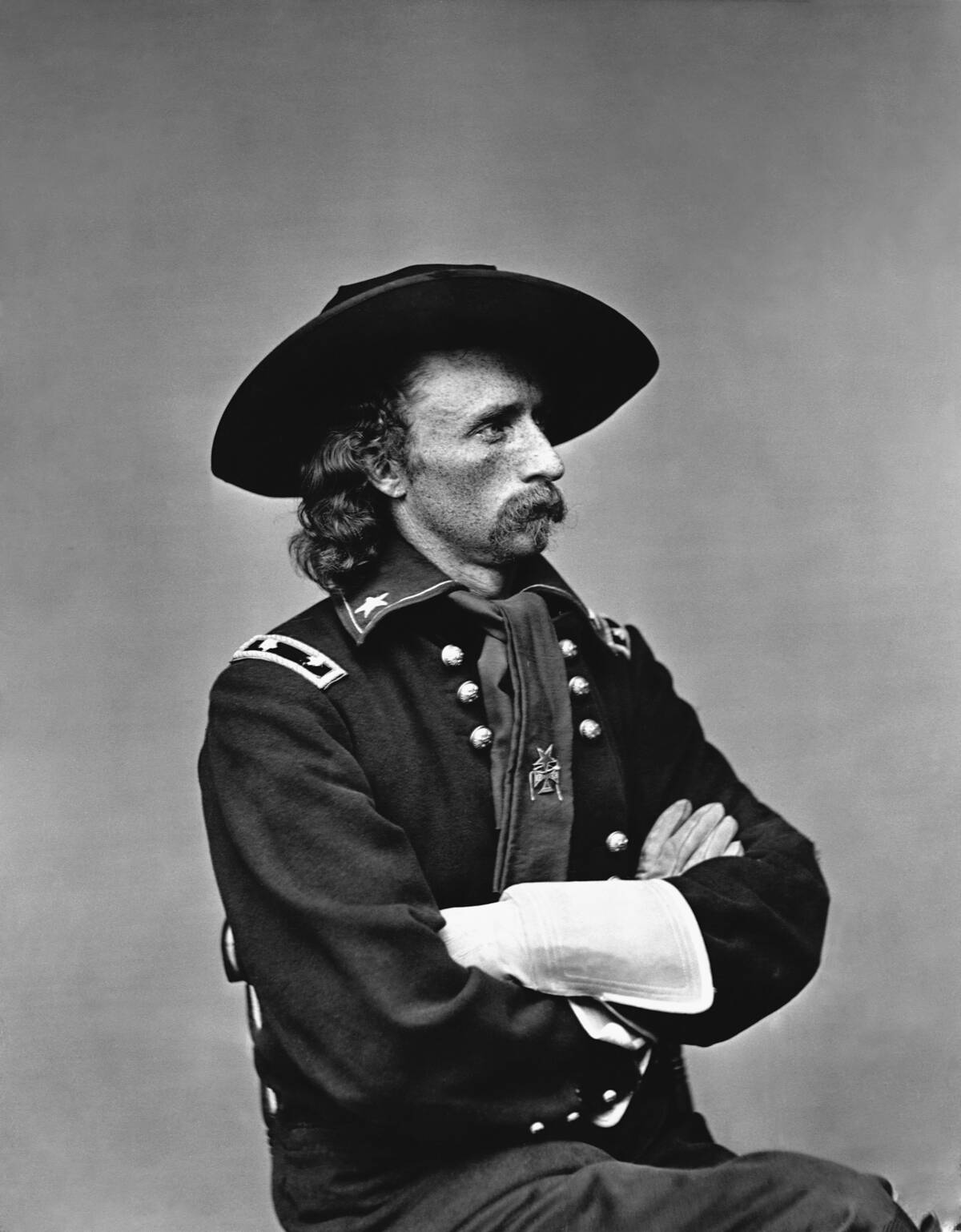
George Custer’s name is synonymous with the Battle of the Little Bighorn, where he met his infamous defeat. Underestimating the strength of the combined Native American forces, Custer’s decision to engage without full reconnaissance led to his downfall.
After the devastating loss, this battle highlighted the importance of understanding enemy capabilities. Custer’s failure serves as a cautionary tale for commanders worldwide, emphasizing the necessity of gathering intelligence before engaging in combat.
Napoleon Bonaparte: A Strategic Genius with a Waterloo Slip
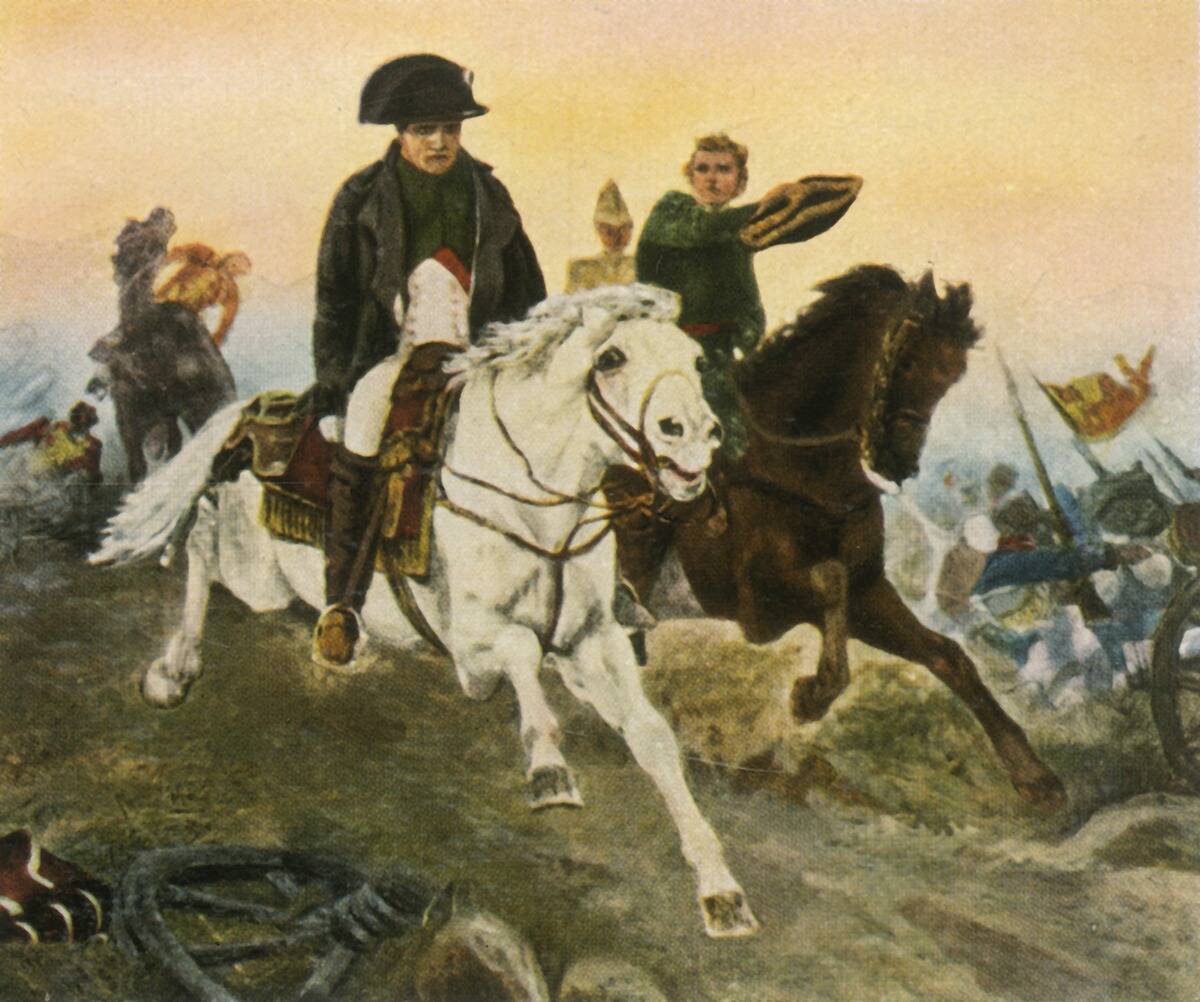
Napoleon Bonaparte, despite his unparalleled strategic prowess, faced his ultimate defeat at the Battle of Waterloo. A combination of adverse weather, delayed coordination with his forces, and the formidable coalition against him contributed to his downfall.
This crushing defeat ended his reign and reshaped the political landscape of Europe. Napoleon’s missteps at Waterloo (and during his earlier ill-fated invasion of Russia) remind us that even the greatest tacticians can falter, underscoring the unpredictability of warfare.
Robert E. Lee: The Defeat at Gettysburg That Changed History
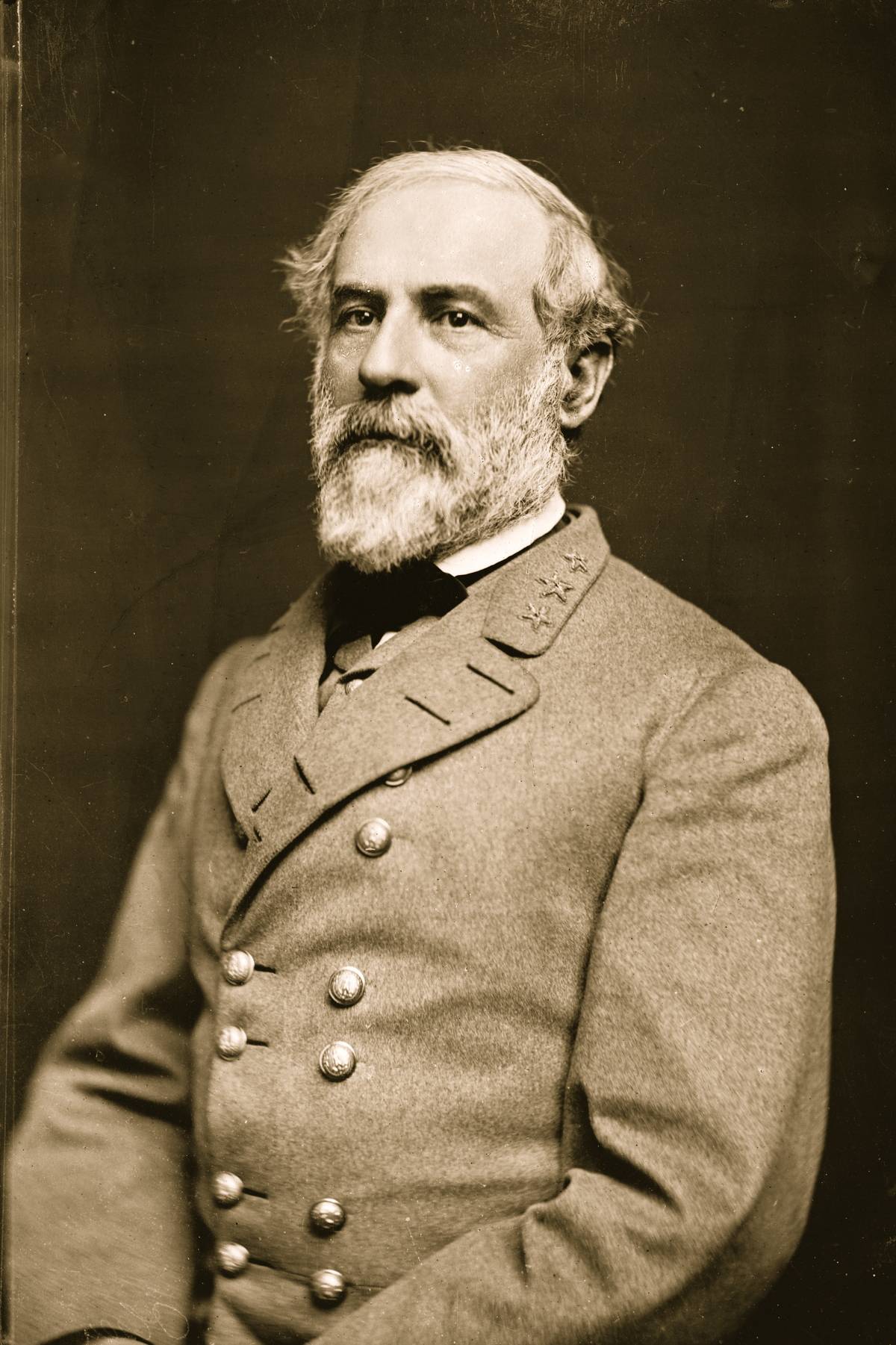
Robert E. Lee’s defeat at Gettysburg stands as a pivotal moment in the American Civil War. His decision to launch Pickett’s Charge against fortified Union positions resulted in significant Confederate losses.
This defeat not only marked a turning point in the war but also showcased the importance of tactical adaptability. Lee’s miscalculation at Gettysburg is a testament to the weight of leadership decisions and the lasting impact they can have on history.
Hannibal Barca: The Great Carthaginian Commander Who Couldn’t Conquer Rome
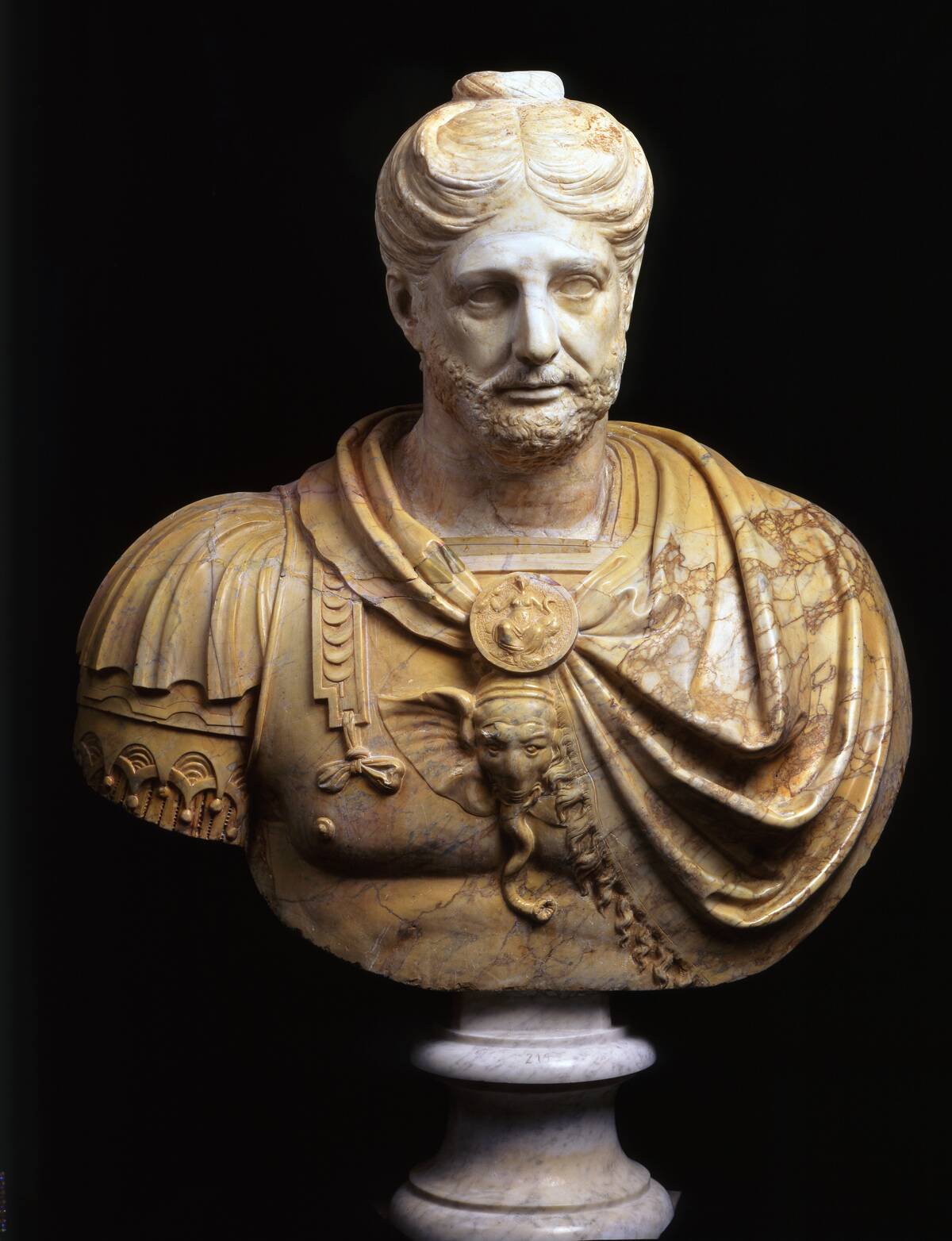
Hannibal Barca, renowned for his tactical brilliance, famously crossed the Alps with his elephants to invade Italy. Despite his initial successes, including the victory at Cannae, he ultimately failed to conquer Rome.
His inability to secure reinforcements and Roman resilience hindered his campaign, finally resulting in his defeat at the Battle of Zama. Hannibal’s story is a classic example of how logistical challenges and a determined adversary can foil even the most ingenious strategies, leaving a legacy of what might have been.
Charles Cornwallis: The British General Who Lost America
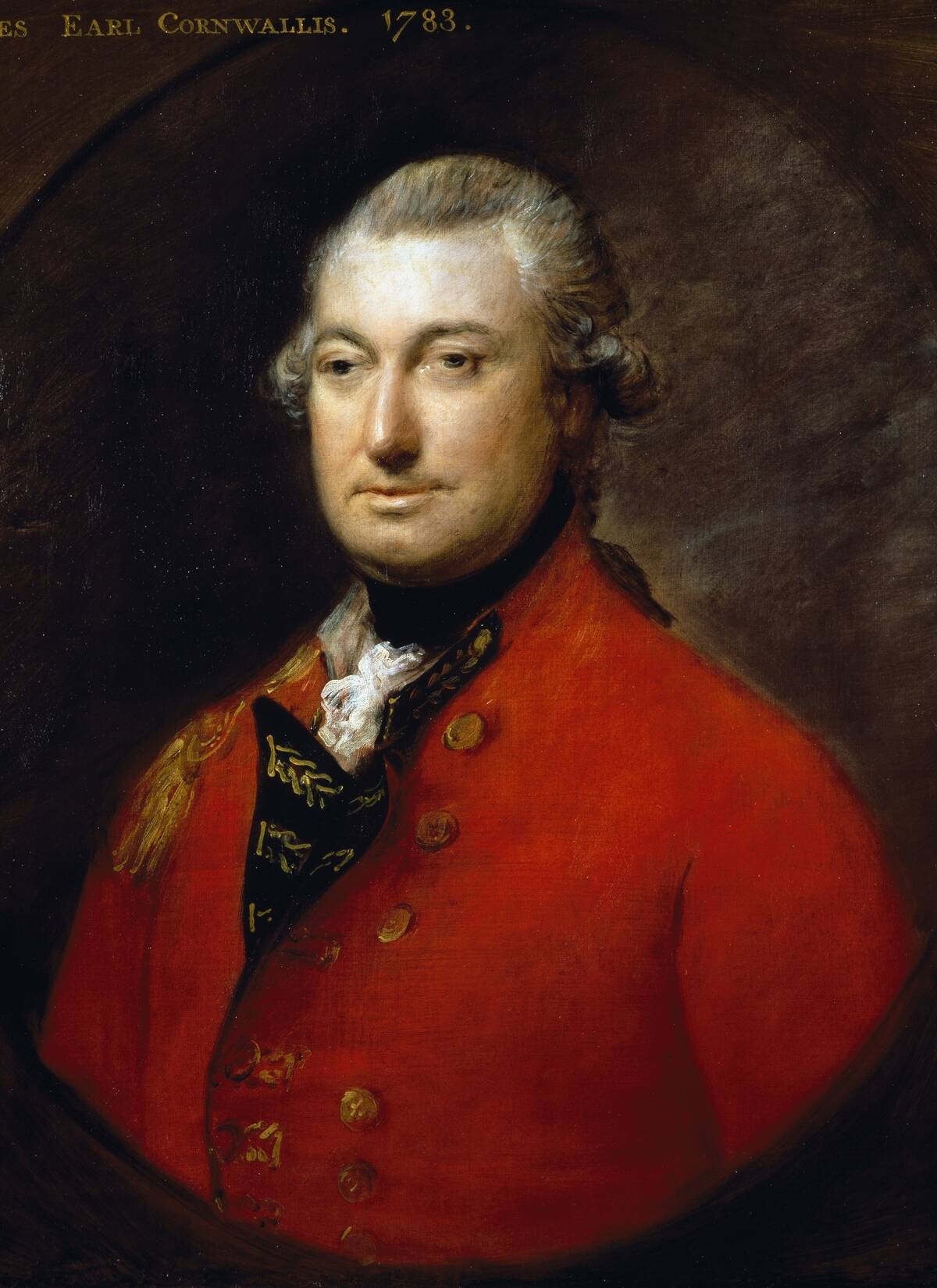
Charles Cornwallis is often remembered for his surrender at Yorktown, effectively ending the American Revolutionary War. Despite his military acumen, he faced insurmountable odds against the Franco-American alliance.
His defeat underscored the challenges of waging war across vast distances and maintaining supply lines. Cornwallis’s experience serves as a reminder of the complexities of colonial warfare and the role of international alliances in determining outcomes.
Erich von Manstein: Tactical Brilliance Met by Stalingrad’s Stalemate
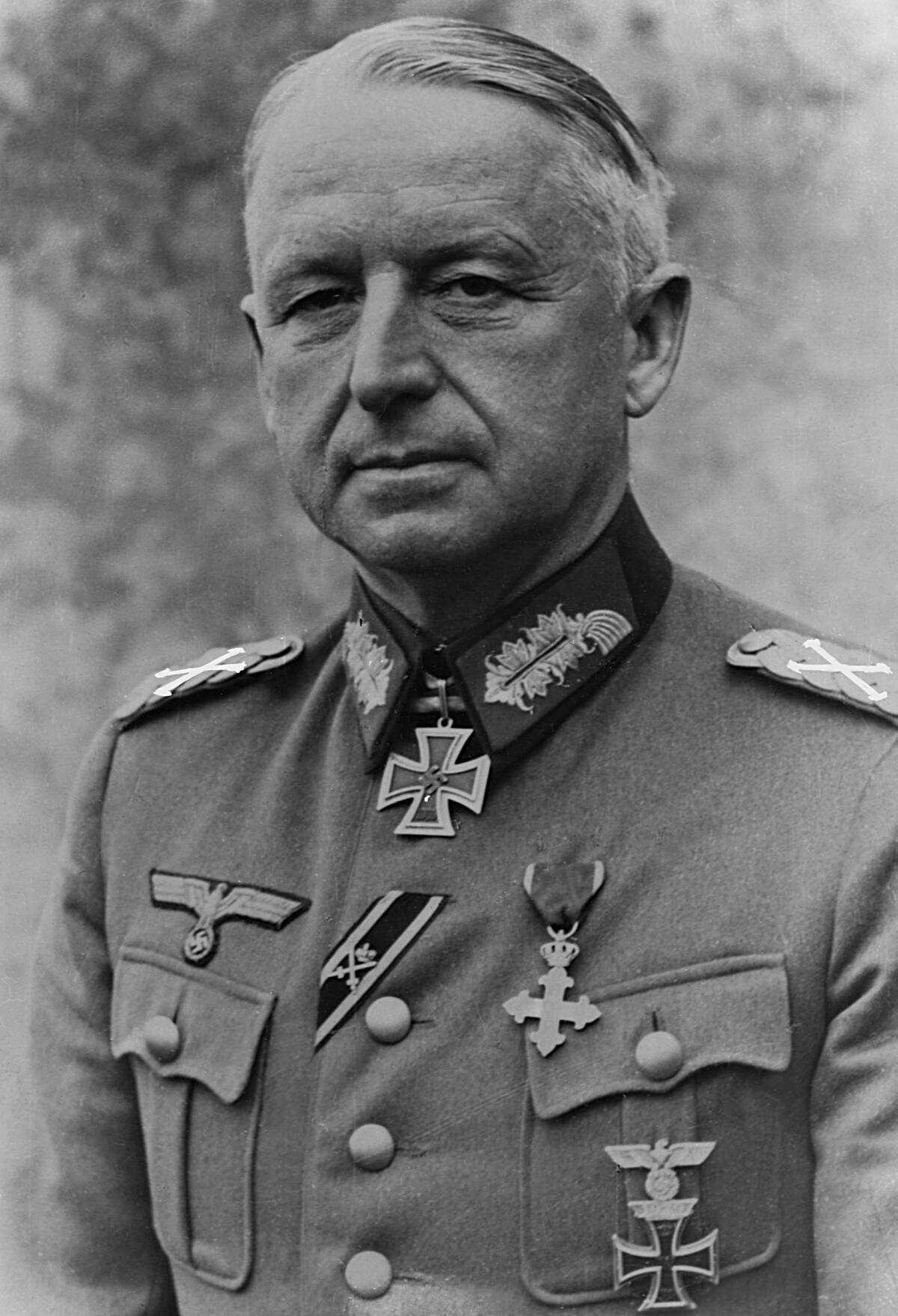
Erich von Manstein is often hailed for his tactical innovations during World War II, yet he faced a significant setback at Stalingrad. The harsh winter, fierce Soviet resistance, and logistical challenges thwarted his plans.
This stalemate illustrated the perils of overextending military campaigns and underestimating enemy resilience. Manstein’s experience at Stalingrad is a sobering reminder of the importance of adaptability and the limits of tactical genius when faced with strategic realities.
Arthur Percival: The Surrender of Singapore
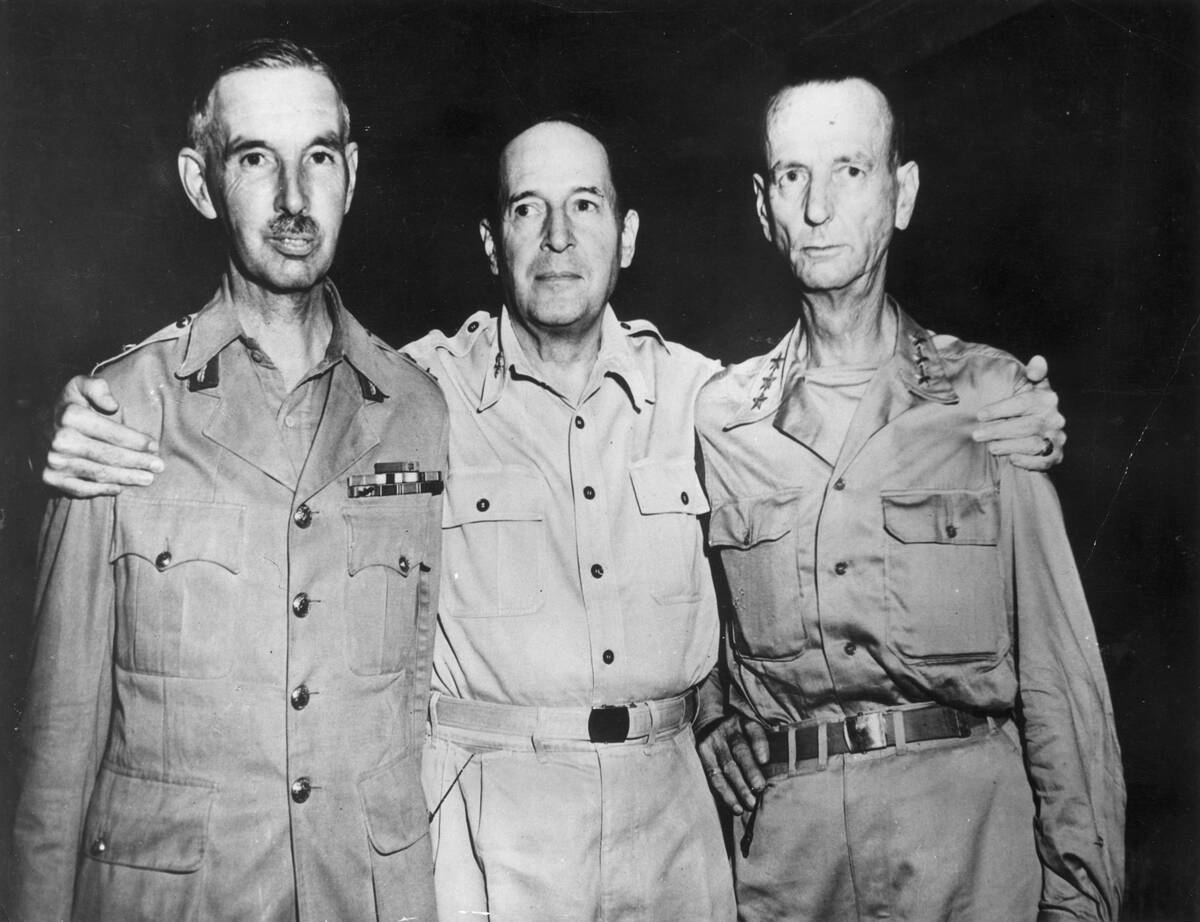
Arthur Percival’s surrender of Singapore in 1942 was one of the most significant British defeats in World War II. Despite superior numbers, his forces were ill-prepared for the Japanese assault.
The fall of Singapore highlighted the dangers of underestimating the enemy and the impact of leadership decisions on morale. Percival’s capitulation remains a pivotal lesson in military history about the importance of preparedness and the consequences of strategic oversight.
Pyrrhus of Epirus: Winning Battles, Losing Wars

Pyrrhus of Epirus is best remembered for his costly victories against Rome, giving rise to the term “Pyrrhic victory.” Despite winning battles, his army suffered unsustainable losses, leading to strategic failure.
His campaigns underscore the importance of evaluating long-term objectives over immediate triumphs. Pyrrhus’s story serves as a cautionary tale about the perils of focusing solely on tactical victories without considering their broader implications on war efforts.
John Burgoyne: The British Loss at Saratoga
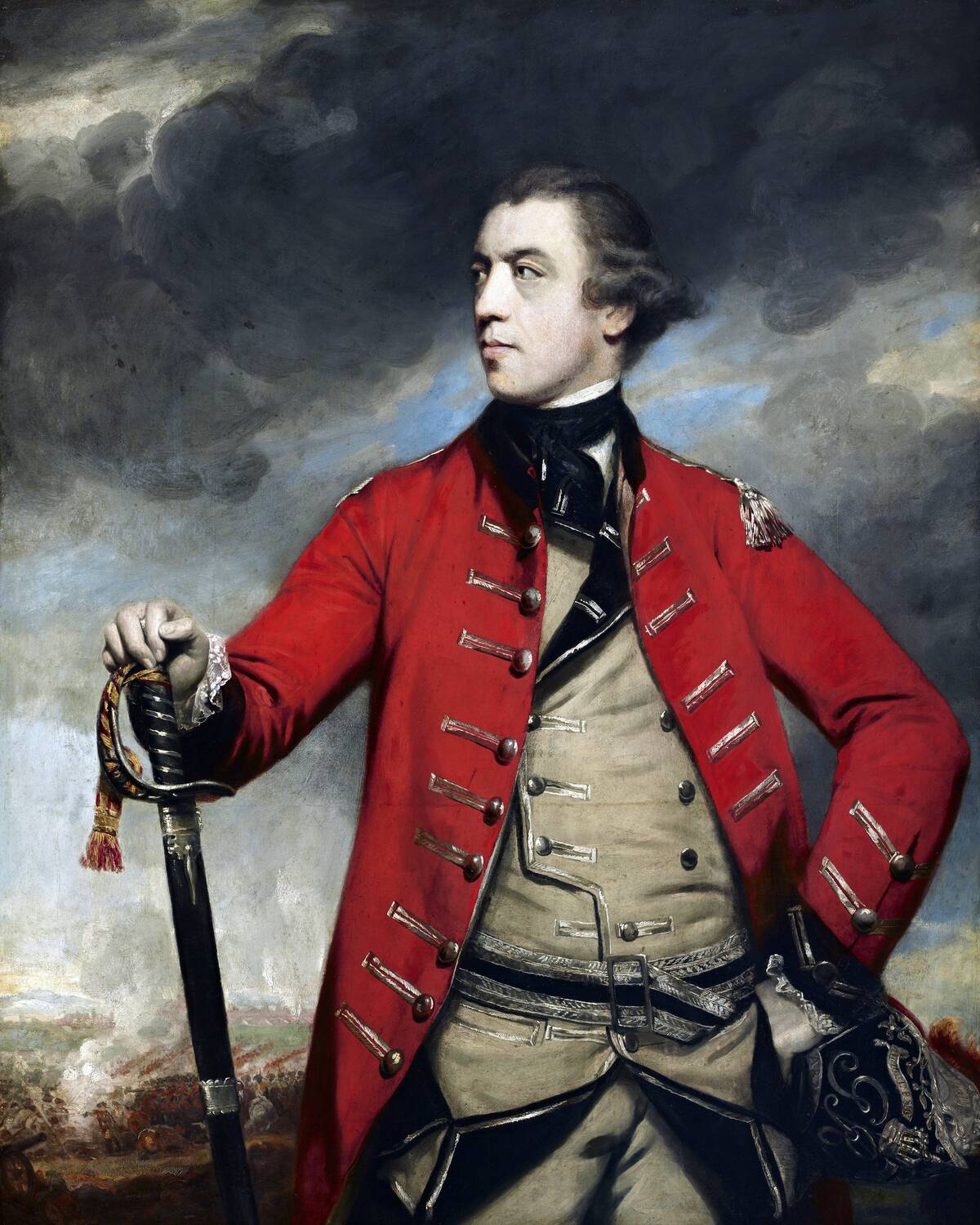
John Burgoyne’s defeat at Saratoga was a turning point in the American Revolutionary War. His complex plan to divide the colonies was thwarted by logistical challenges and strong American opposition.
The loss at Saratoga convinced France to support the American cause, shifting the war’s dynamics. Burgoyne’s experience is a classic example of how strategic overreach and the failure to adapt can dramatically alter the course of history, emphasizing the importance of flexibility in military planning.
Antonio López de Santa Anna: The Mexican General Who Lost Texas
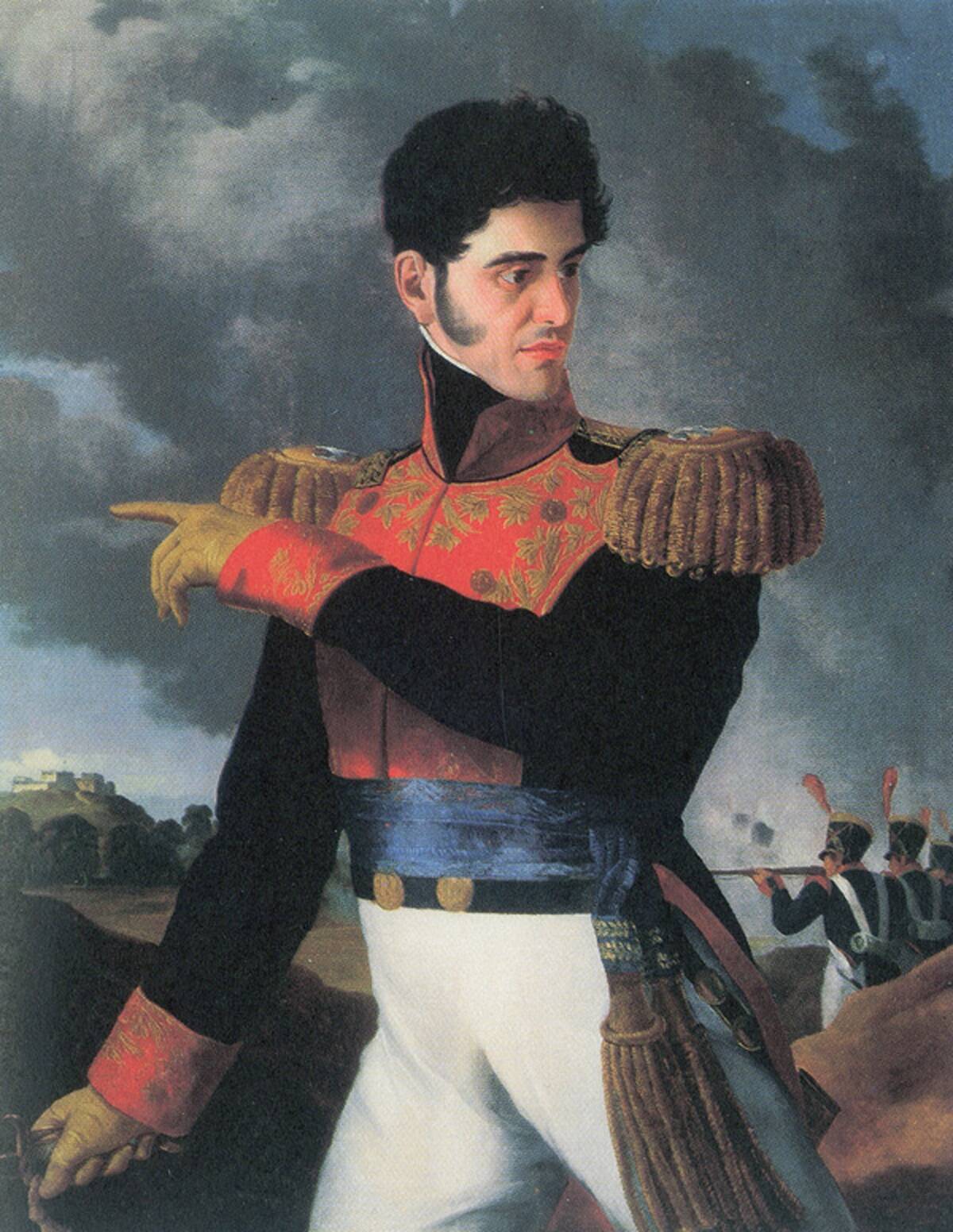
Antonio López de Santa Anna is infamous for his role in the loss of Texas after the Battle of San Jacinto. Overconfidence and underestimating Texan forces contributed to his defeat.
This pivotal battle resulted in the independence of Texas and altered the territorial dynamics of North America. Santa Anna’s downfall illustrates how leadership miscalculations can lead to significant geopolitical changes, serving as a reminder of the high stakes involved in military conflicts.
Douglas Haig: Controversial Tactics at the Somme
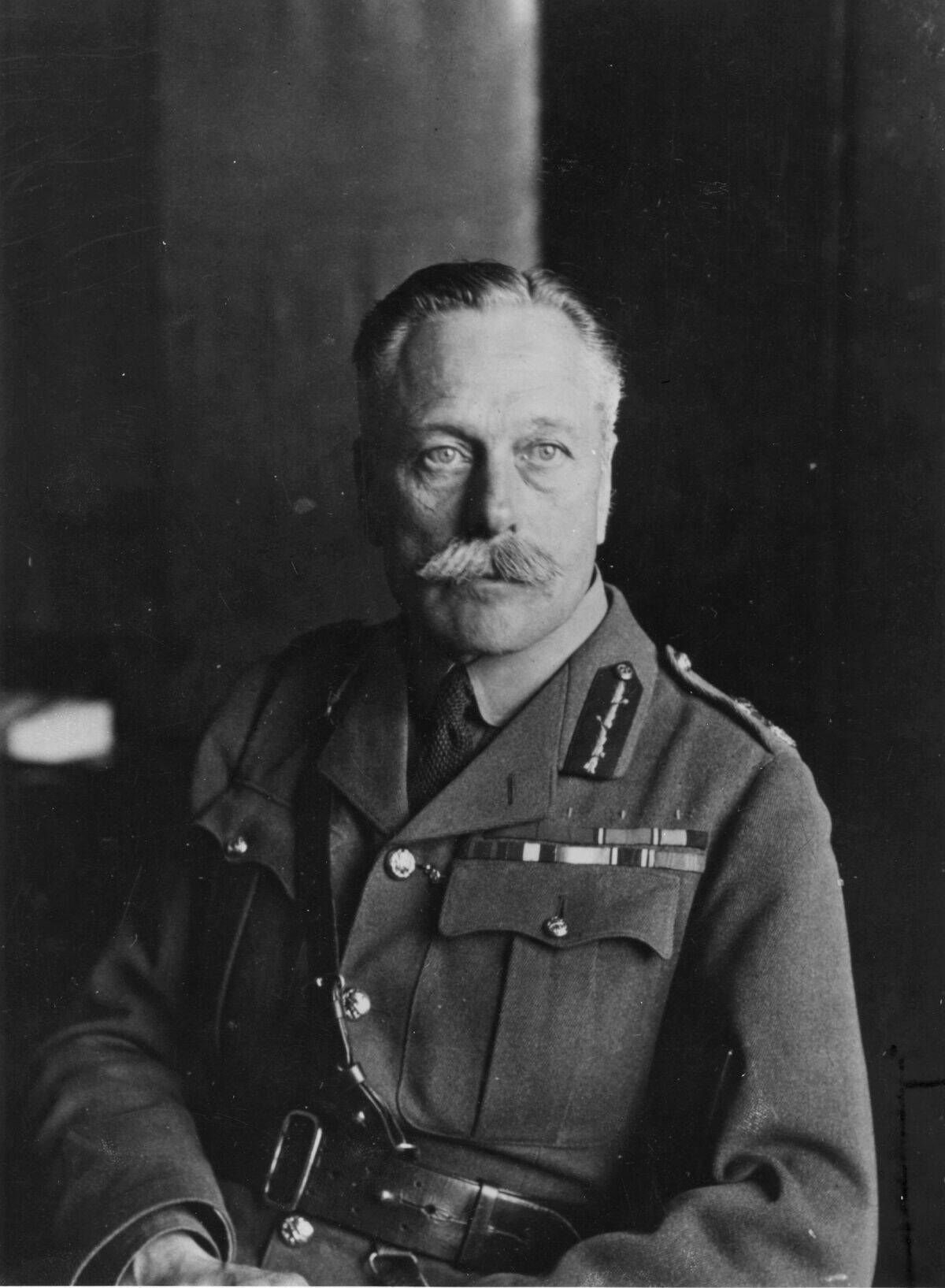
Douglas Haig’s leadership during the Battle of the Somme remains controversial due to the immense casualties suffered. His reliance on attrition tactics and underestimation of German defenses led to a prolonged and bloody battle.
Despite the eventual Allied victory, the human cost was staggering. Haig’s approach at the Somme highlights the ethical considerations in warfare and the delicate balance between achieving objectives and preserving lives, sparking ongoing debates about military leadership.
Joseph Hooker: Defeated at Chancellorsville
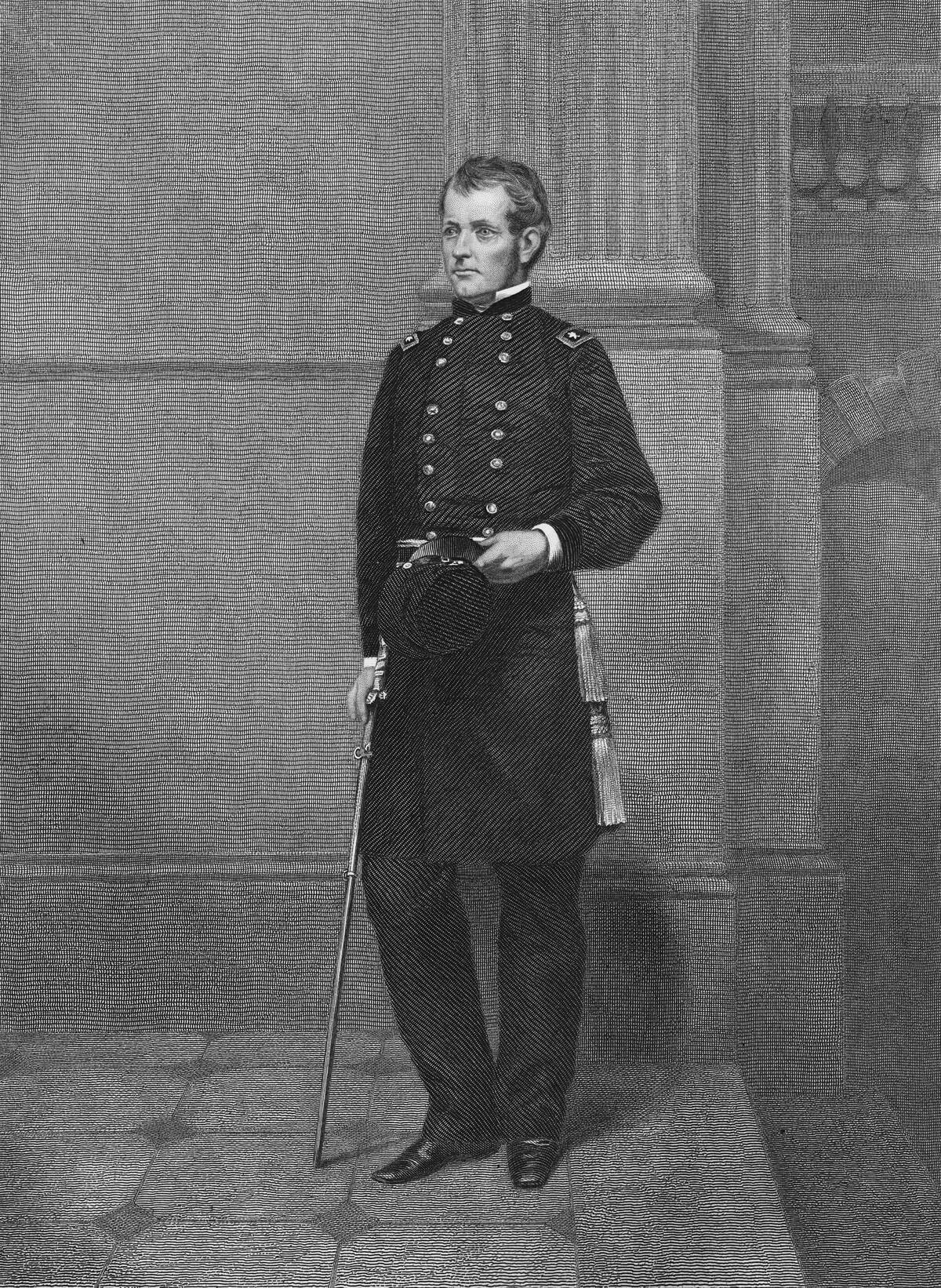
Joseph Hooker’s defeat at the Battle of Chancellorsville was marked by his overconfidence and hesitance at critical moments. Despite commanding a larger force, Hooker’s indecision allowed Robert E. Lee to execute a daring and successful counterattack.
This battle is often studied for its tactical brilliance on the Confederate side and the pitfalls of leadership on the Union side. Hooker’s missteps at Chancellorsville remind us of the importance of decisive leadership in the heat of battle.
Archduke Charles of Austria: The Unsuccessful Hero of Aspern-Essling
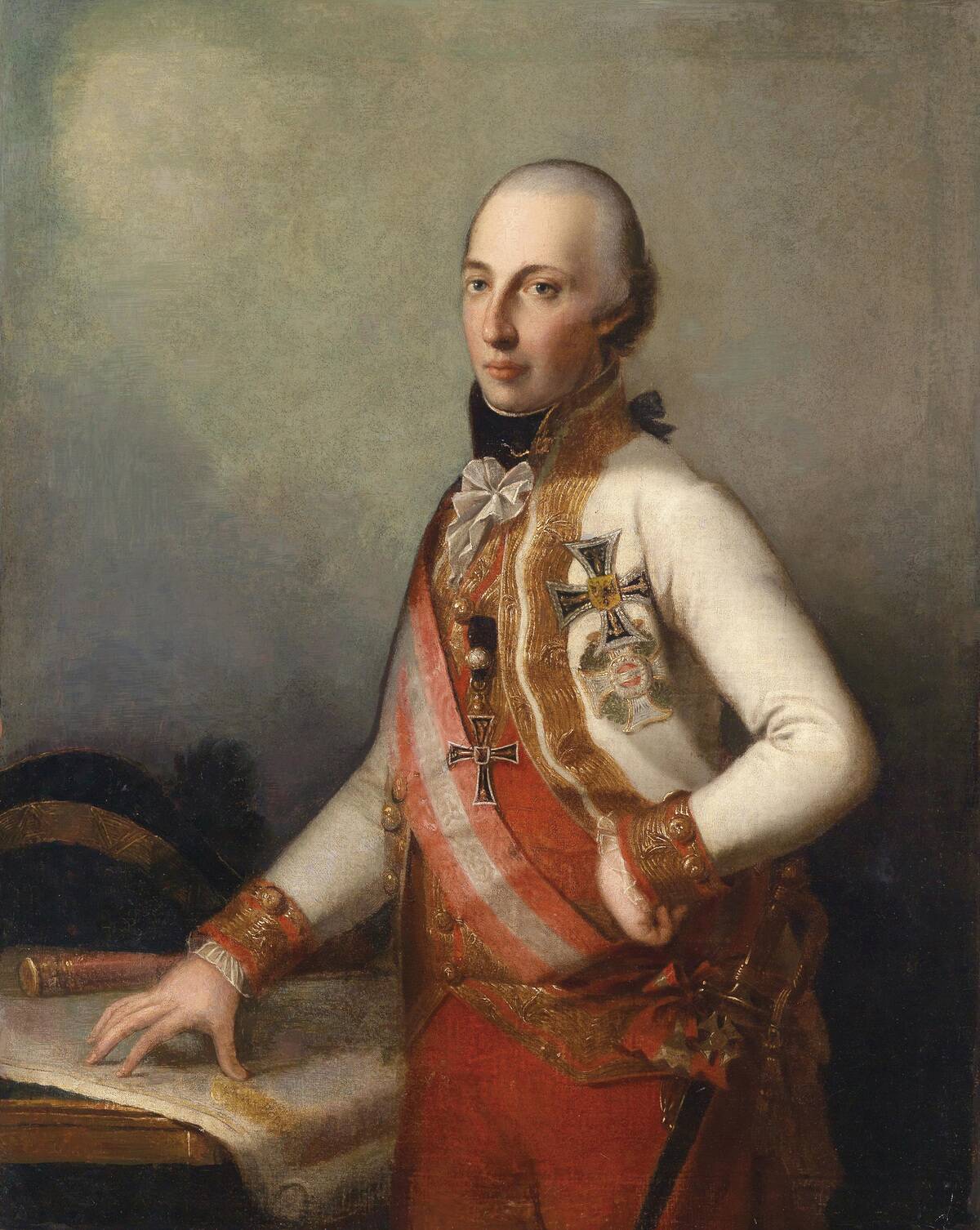
Archduke Charles of Austria achieved a rare victory against Napoleon at the Battle of Aspern-Essling but failed to capitalize on it strategically. Despite his tactical success, he could not prevent Napoleon’s eventual recovery and continued dominance.
Charles’s experience underscores the importance of follow-through and the challenges of sustaining momentum after an initial success. His story is a testament to the complex dynamics of warfare, where victory in battle doesn’t always translate to strategic triumph.
André Masséna: The Marengo Victor Who Faced Defeat in Portugal
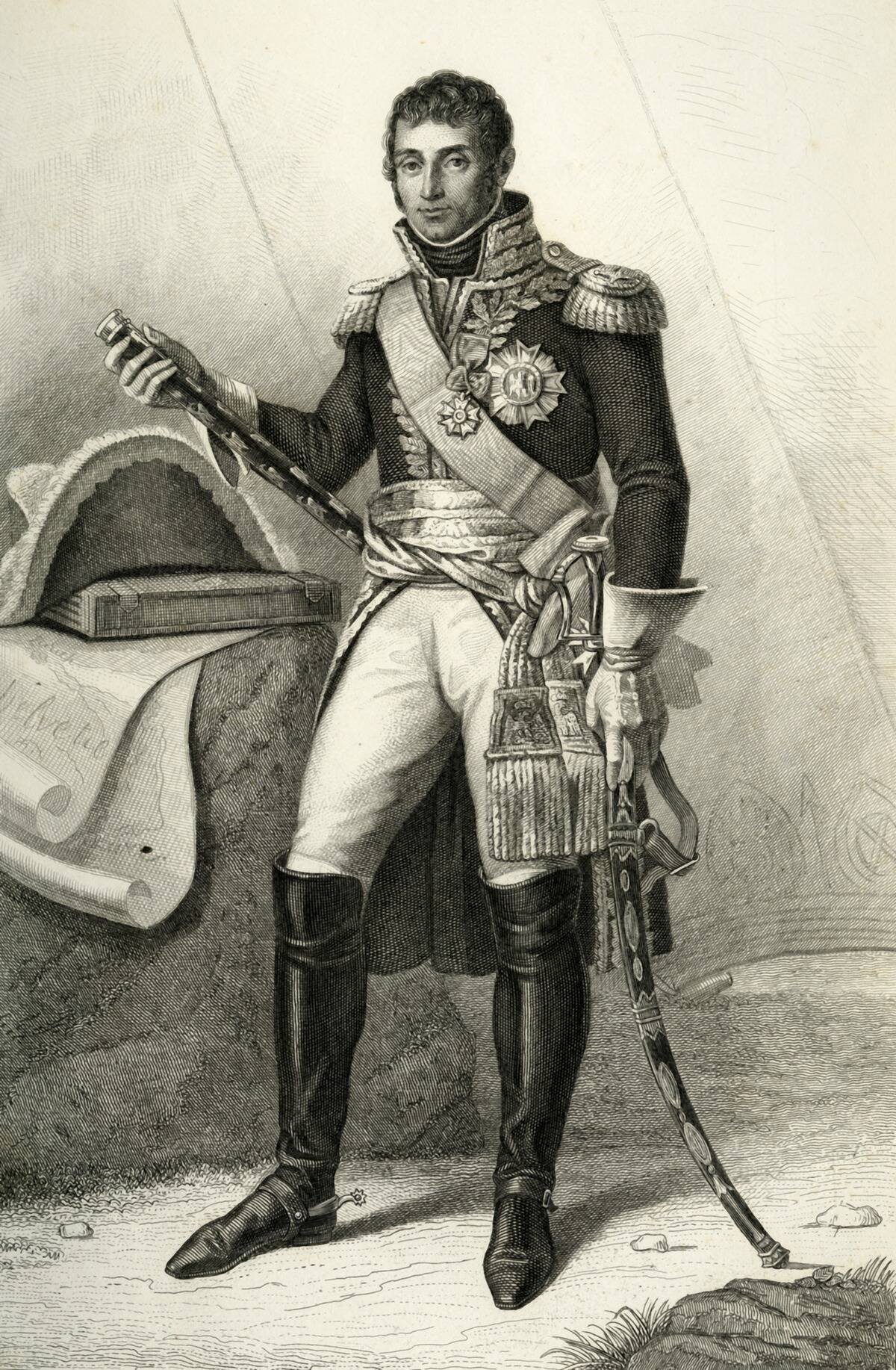
André Masséna, celebrated for his victory at Marengo, faced a humbling defeat during the Peninsular War in Portugal. His campaign was hindered by supply issues, conflicts with subordinates, and strong local resistance, culminating in retreat.
Masséna’s setbacks in Portugal highlight the significance of logistics and the difficulties of maintaining an army in hostile territory. His experience serves as a reminder that even the most skilled generals can be thwarted by environmental and logistical challenges.




