The daily life of a castle servant in the Middle Ages
Imagine living in a world where the walls of a castle witnessed the bustling life of servants, each with a unique role to play. Castle servants were the invisible hands that kept life running smoothly for the nobility. Their days were filled with duties, from the crack of dawn until the stars twinkled in the night sky. By exploring their daily lives, we gain a fascinating glimpse into the history that shaped modern society.
The Dawn of a New Day: Morning Routines and Chores

Morning in a castle was a symphony of activity, starting as early as 5 a.m. Servants scurried about, preparing for the day ahead. Their chores varied, from lighting fires in the grand halls to fetching water from the well. Each task was crucial to the smooth operation of the castle. Despite the early start, camaraderie among the servants often lightened the workload, making the morning hustle less daunting.
Rise and Shine: The Servant’s Early Wake-Up Call
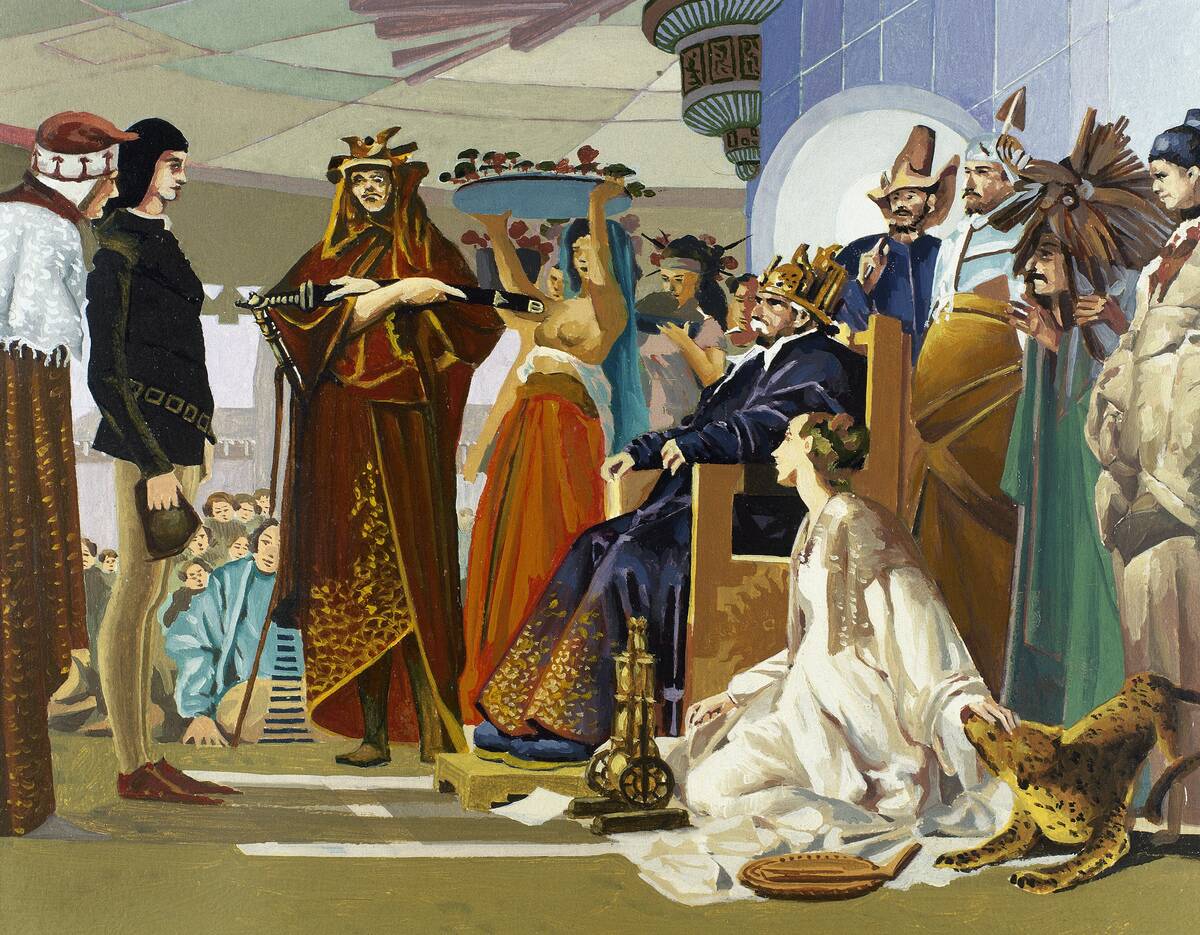
For a castle servant, the day began before the sun peeked over the horizon. A bell or a senior servant’s call served as the alarm, signaling the start of a long day. This early rise was necessary to complete the myriad tasks awaiting them. Many servants found solace in this routine, finding a rhythm in the predictability of their duties, as they prepared the castle for the awakening nobility.
Dressing the Household: Attire of a Castle Servant

A servant’s attire was practical yet indicative of their role. Woolen tunics and simple leather shoes were the norm, designed for comfort and durability. Higher-ranking servants might wear slightly finer fabrics. Clothing was often handmade, with each piece tailored to withstand the rigors of daily chores. Despite the simplicity, these garments were a badge of pride, symbolizing a servant’s place within the castle hierarchy.
Breakfast Time: Fuel for the Day Ahead
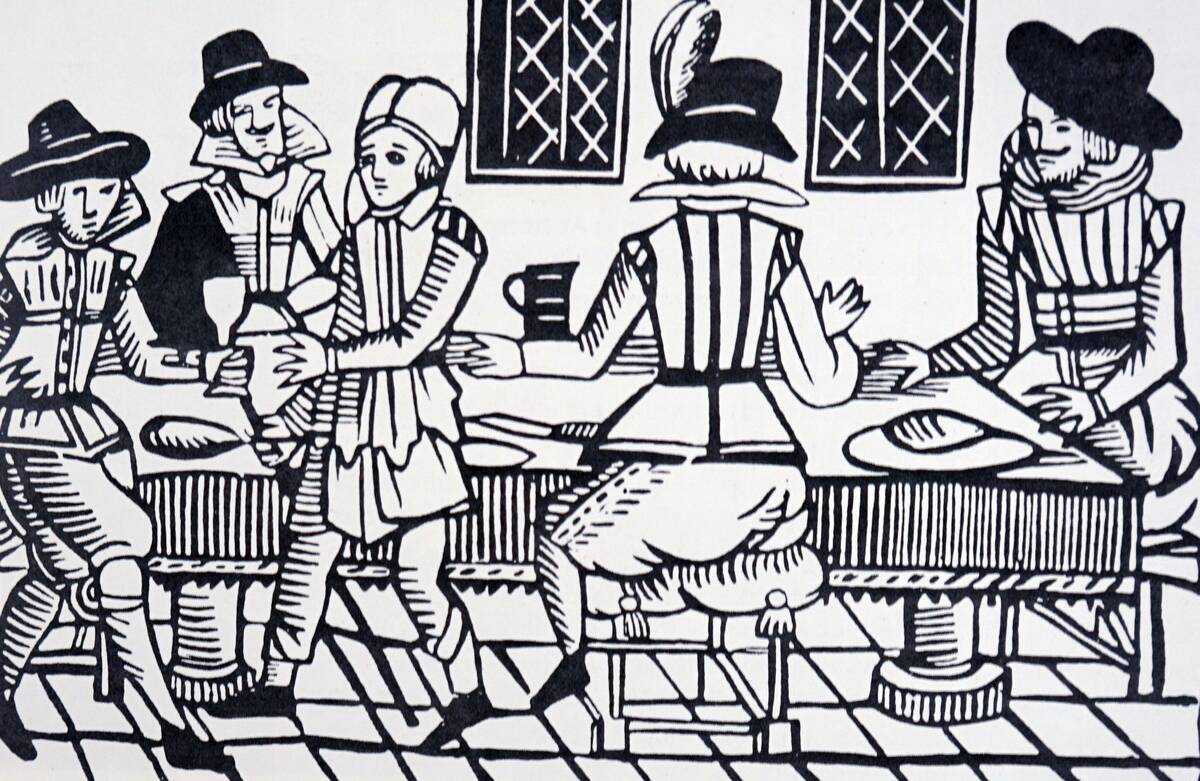
Breakfast was a simple affair, usually consisting of bread and cheese, occasionally accompanied by ale. This meal was crucial, providing the energy needed for the demanding tasks ahead. Servants often ate in communal areas, fostering a sense of community. Despite the simplicity of their meals, the shared experience of dining together provided a comforting start to their busy days, reinforcing the bonds among them.
The Hierarchy of Servitude: Understanding Roles and Responsibilities
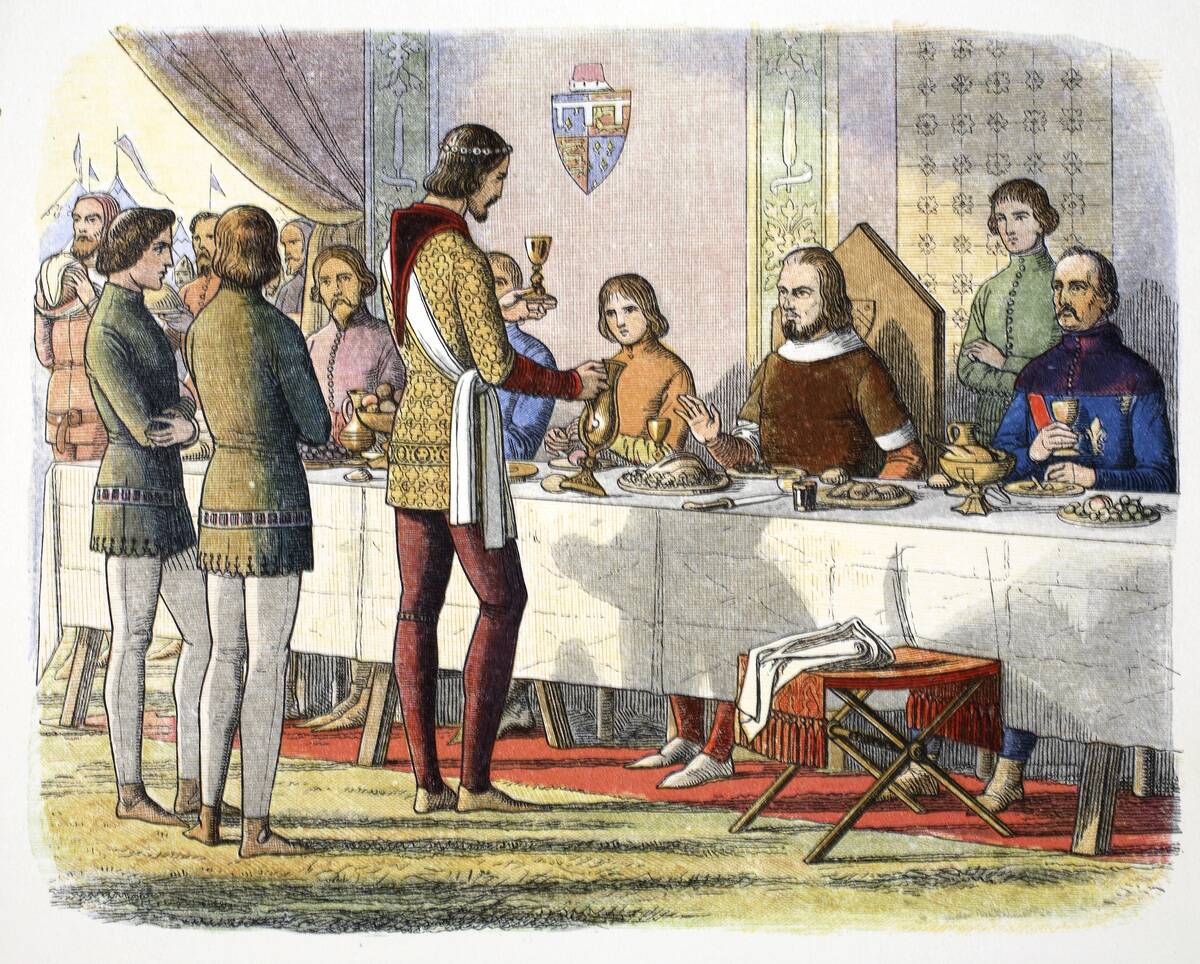
The castle hierarchy was a well-oiled machine, with each servant having specific duties. From the butler overseeing household supplies to the scullery maid scrubbing pots, every role was vital. This structure ensured efficiency and order, with senior staff mentoring juniors. Understanding one’s place within this system was key to the smooth operation of the castle, and it provided a clear path for potential advancement.
Cleaning and Maintenance: Keeping the Castle Spick and Span
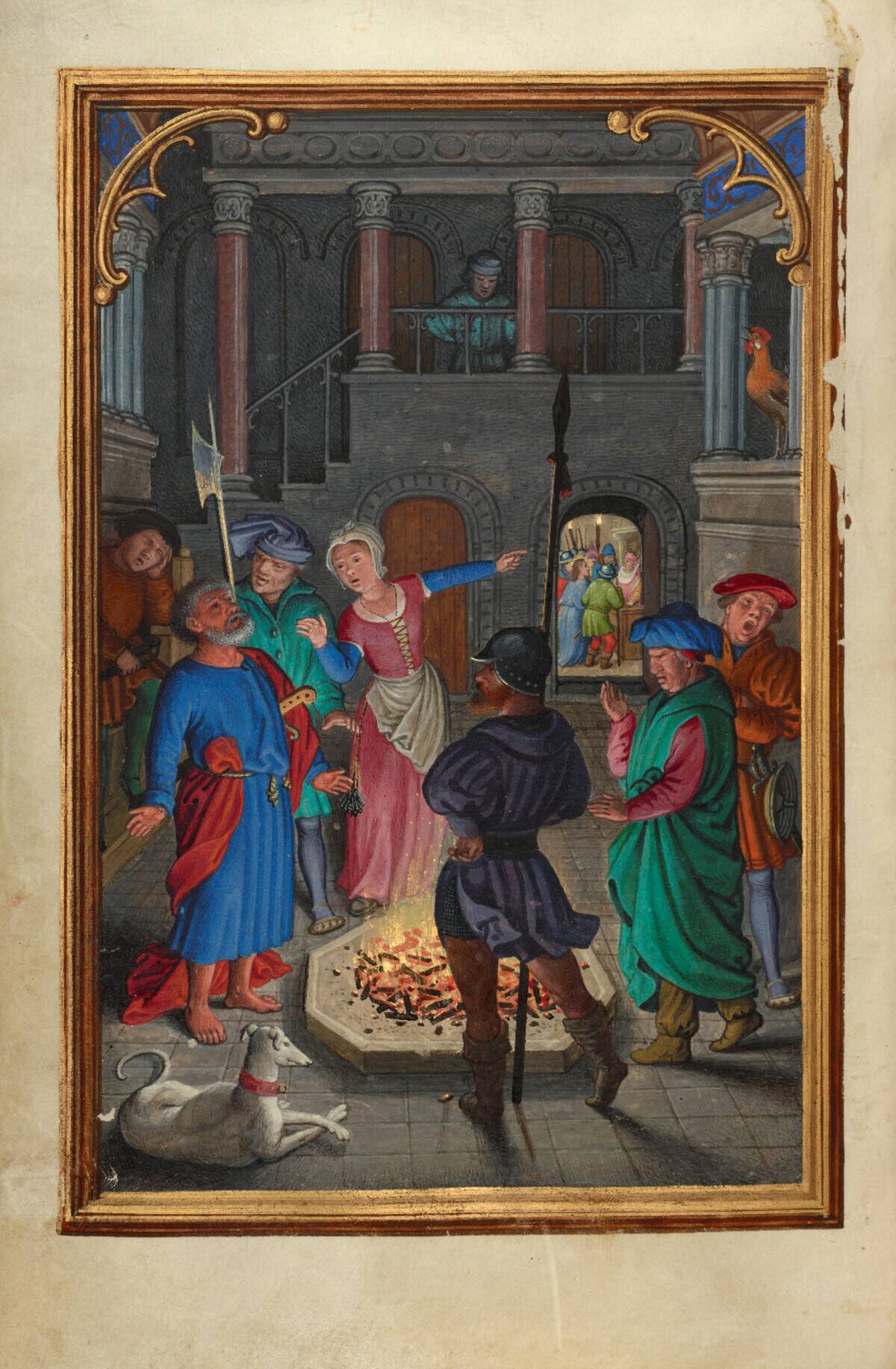
Keeping a castle clean was no small feat. Servants swept floors, polished silverware, and tended to the laundry, which was a labor-intensive task. This work was necessary to maintain the grandeur expected by the nobility. Despite the physical exertion, there was a sense of satisfaction in seeing the castle gleam. Over time, these tasks became second nature, part of the daily rhythm of castle life.
The Heart of the Castle: Duties in the Kitchen

The kitchen was a hive of activity, with cooks and their assistants preparing meals for the entire household. The air was filled with the aroma of roasting meats and baking bread. Servants worked tirelessly to ensure meals were served on time, a task requiring skill and coordination. The kitchen was often the warmest place in the castle, providing momentary comfort from the chill of stone walls.
Attending to the Nobility: Serving the Lords and Ladies

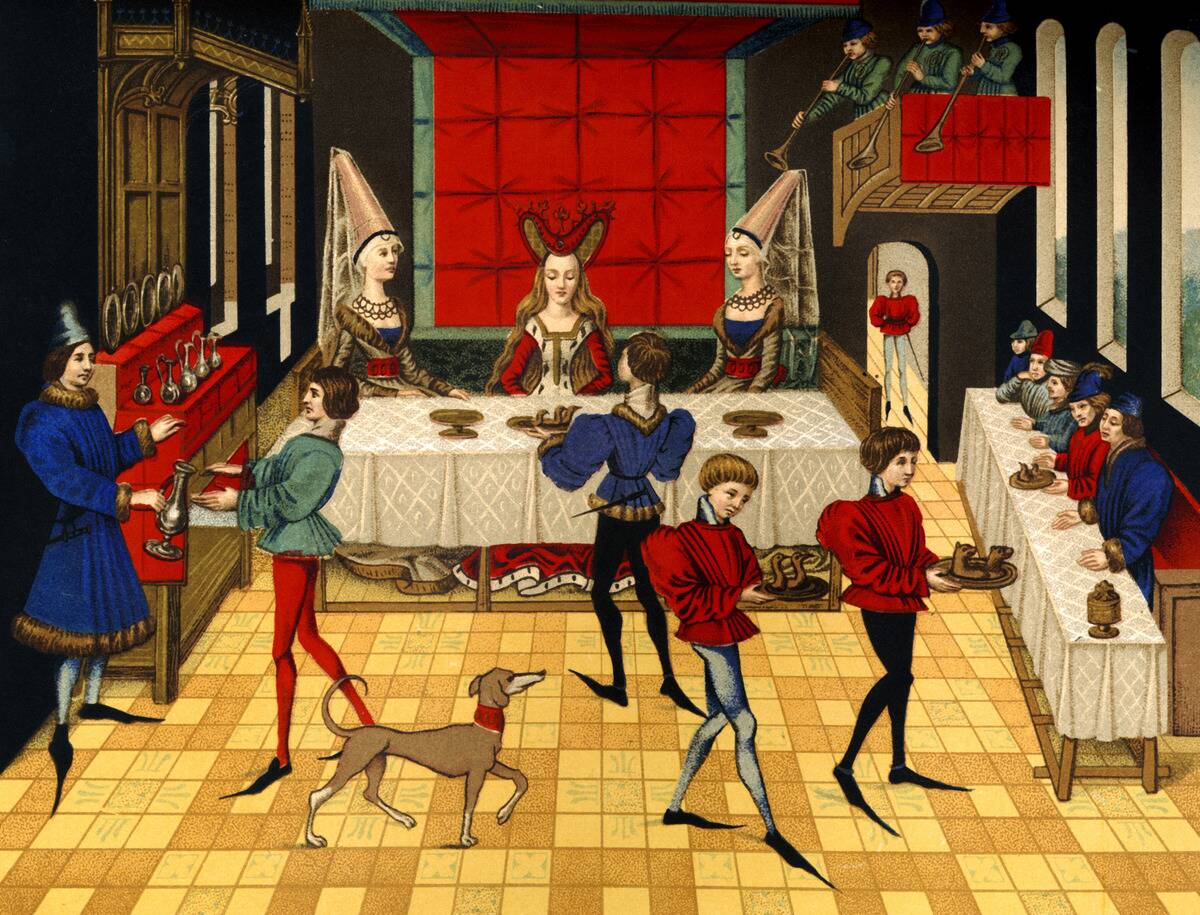
Serving the nobility was an art in itself. Footmen and maidservants attended to every need, from dressing to dining. This required discretion and attentiveness, ensuring the comfort of their lords and ladies. Servants learned to anticipate requests, a skill that was highly valued. Through their service, they gained insights into the lives of the nobility, observing the nuances of power and privilege.
The Art of Serving: Dining Etiquette and Protocols

Dining was a formal affair, steeped in etiquette. Servants were trained in the correct placement of utensils and the sequence of courses. Each meal was a performance, showcasing the wealth and refinement of the household. Precision was key, from the way dishes were presented to the timing of service. This attention to detail highlighted the importance of dining as a cornerstone of noble life.
Leisure and Recreation: Breaks and Free Time

Despite their busy schedules, servants enjoyed brief moments of leisure. These breaks were cherished, offering a chance to rest and socialize. Activities varied, from playing simple games to storytelling. These moments of reprieve were essential, providing a mental escape from the demands of their roles. Through shared laughter and stories, servants forged strong friendships, which were a source of support in their daily lives.
Seasonal Tasks: How Duties Changed with the Year

Servants’ duties often shifted with the seasons. Spring cleaning was a major event, requiring extra hands to freshen the castle after winter. Harvest time brought tasks related to preserving food and preparing for the colder months. These seasonal changes added variety to their routines, breaking the monotony of daily chores. Adapting to these tasks was essential, reflecting the cyclical nature of life in a medieval castle.
Hard Labor: Working in the Castle’s Grounds and Gardens

The castle grounds demanded constant attention. Gardeners tended to herbs and vegetables, vital for the kitchen. Laborers maintained the walls and pathways, ensuring safety and aesthetics. This outdoor work was physically demanding but offered a change of scenery from the indoors. Working in nature provided a sense of peace, with the beauty of the gardens offering a contrast to the hustle inside the castle walls.
The Day’s End: Preparing for Evening and Night Watches

As the sun set, servants prepared the castle for night. Candles were lit, fires stoked, and rooms tidied for the evening. Night watchmen took their positions, ensuring security through the dark hours. This transition to evening was a quieter time, allowing servants to wind down. The sense of closure at day’s end provided a moment of reflection, before the cycle of duties resumed with the dawn.
Social Life and Relationships Among Servants

Life in a castle was as much about social connections as it was about duties. Servants formed close-knit communities, often living in shared quarters. Bonds of friendship and camaraderie were forged through shared experiences. Relationships among servants were vital for emotional support, creating a network that helped them navigate the demands of their roles. This social fabric was a key element of life, providing joy and resilience.
Challenges and Hardships: The Tough Realities of Servant Life
Castle life was not without hardships. Long hours, physical labor, and strict hierarchies posed daily challenges. Illness was a constant threat, with limited access to medical care. Despite these difficulties, servants displayed remarkable resilience. Their ability to endure was driven by a sense of duty and the hope of better opportunities. These challenges were a testament to their strength and the indomitable spirit that defined their lives.
The Unexpected: Dealing with Emergencies and Surprises

Life in a castle was unpredictable, with emergencies arising unexpectedly. Fire outbreaks, sudden visits from nobility, or illness required quick thinking and adaptability. Servants were often the first responders, handling crises with calm efficiency. Their ability to manage these surprises was crucial, ensuring the continuity of castle life. This agility in the face of the unexpected highlighted their importance, as they navigated the complexities of their environment.
Opportunities for Advancement: Climbing the Castle Ladder

Though challenging, castle service offered avenues for advancement. Hardworking servants could rise through the ranks, gaining more responsibility and prestige. Skilled individuals, particularly in specialized roles like cooking or management, were highly valued. These opportunities provided motivation, offering a path to a better life. For many, the chance to climb the ladder was a beacon of hope, inspiring dedication and ambition within the castle walls.
The Legacy of Castle Servants: Their Role in History

Servants played a pivotal role in the history of castles, shaping the narrative of medieval life. Their labor and dedication were the backbone of noble households, enabling the grandeur and influence of the elite. By preserving the traditions and operations of castle life, they contributed to the cultural heritage that informs our understanding of history today. Their legacy is a testament to the enduring impact of those who worked behind the scenes.