Bizarre combat gear that was actually used in battle
Throughout history, humans have demonstrated remarkable ingenuity in crafting weapons that are not only effective but often bizarre. These unique creations offer a window into the past, revealing the creativity and resourcefulness of ancient civilizations and military minds.
From disguising weapons in everyday objects to harnessing the natural world, the diversity of historical weaponry is as fascinating as it is peculiar. Join us as we explore some of the most unusual and inventive weapons ever devised.
The Bat Bombs: Nature’s Aerial Attack

Bat bombs were an experimental World War II weapon developed by the United States. The idea was to release bats carrying tiny incendiary devices over Japanese cities. The bats would roost in the eaves and attics of buildings, inadvertently setting them ablaze.
While the concept was ingenious, practical challenges and a few mishaps during testing led the project to be scrapped. However, it remains a fascinating example of nature being harnessed for warfare.
The Hwacha: Multiple Rocket Volleys
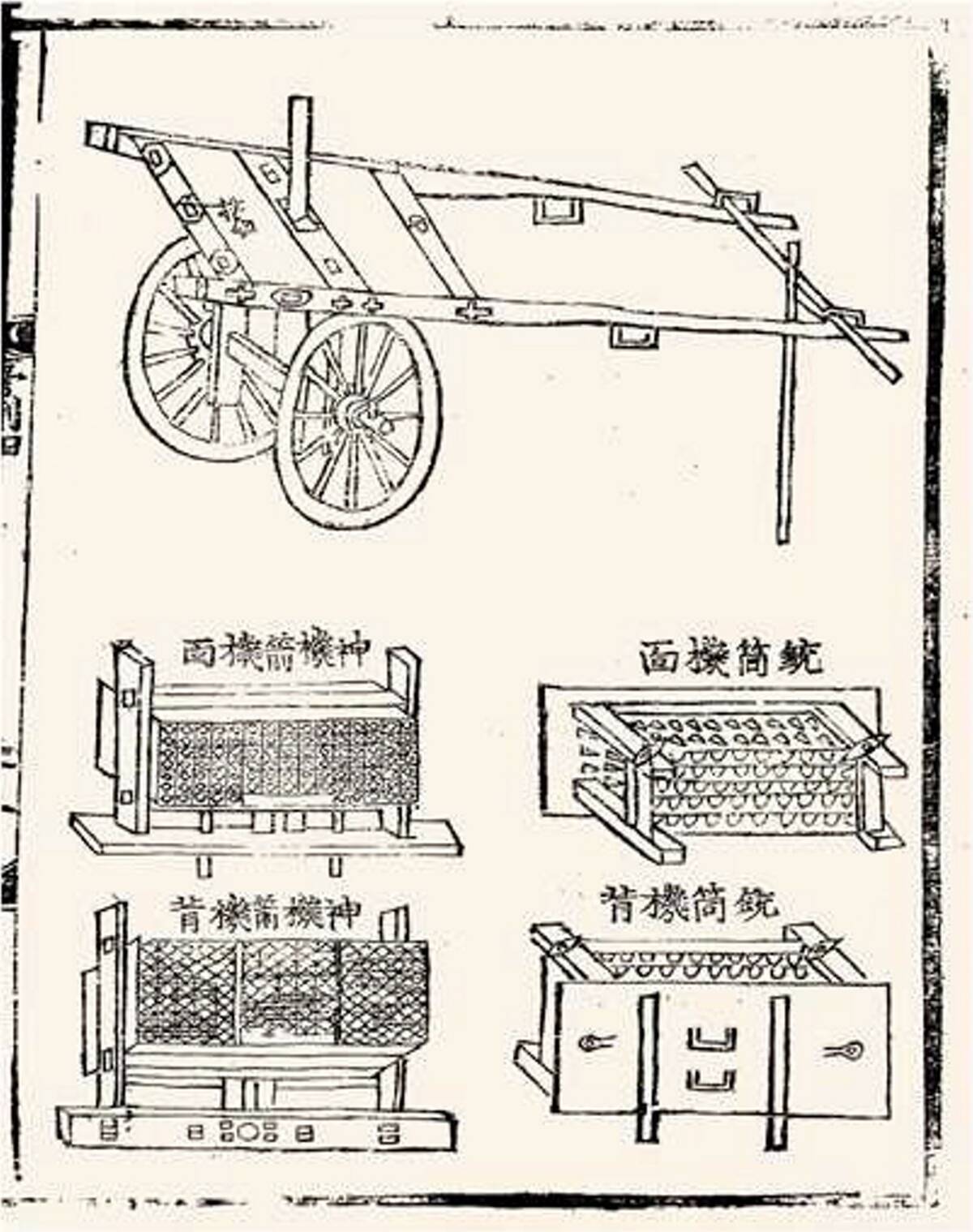
The hwacha (also sometimes styled hwach’a) was a commonplace weapon on the battlefields of 15th century Korea. It’s similar to other cart-drawn weapons of the era, and was a customizable platform that could deal major destruction.
The genius of the hwacha was that it could fire hundreds of rocket-powered arrows in rapid succession out of its gun barrels. The weapon was prominent throughout the 15th and 16th centuries, but fell out of favor with the development of more sophisticated weaponry.
Hellburners: Ships Designed to Explode
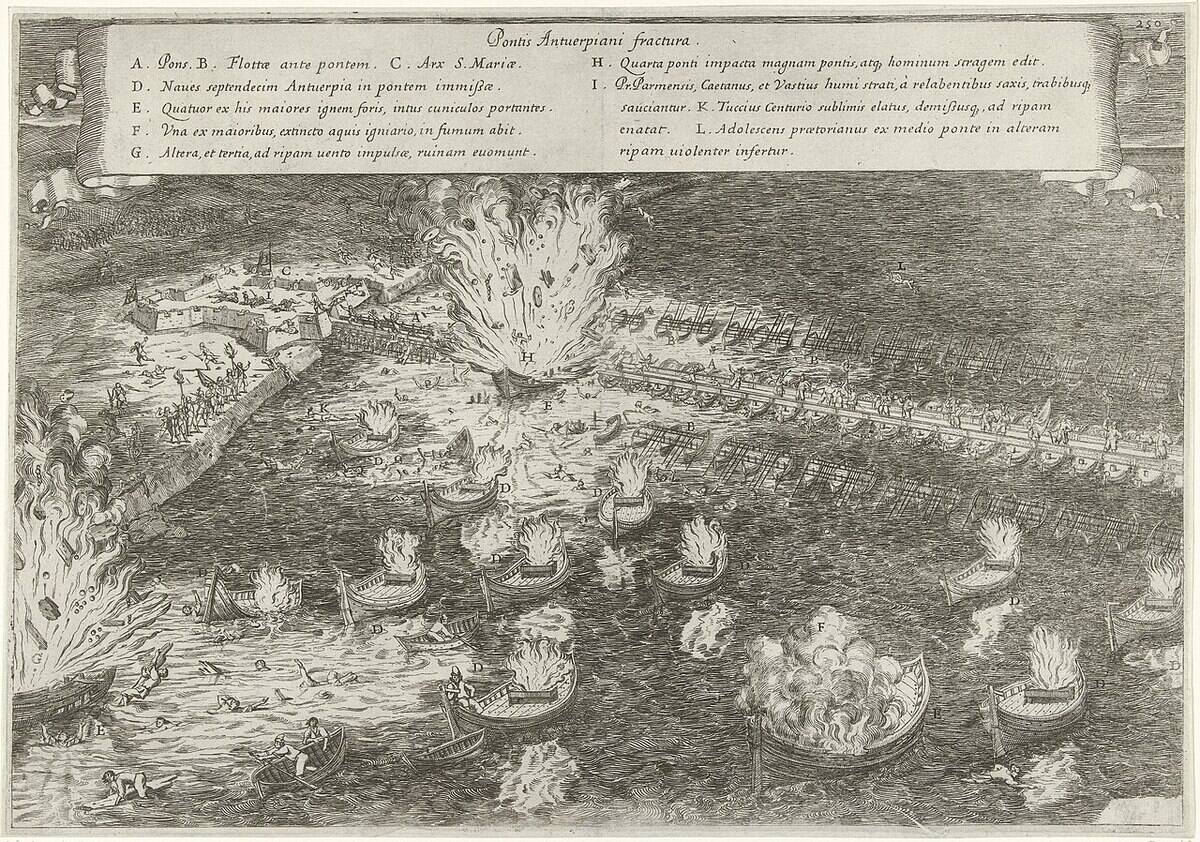
Ships aren’t generally supposed to explode, but a ship that’s been intentionally filled with explosives, all triggered to detonate at a specific time and place, can be a powerful weapon indeed.
That was exactly the idea behind hellburners, also known (appropriately enough) as explosion ships. There were two hellburners in use by Dutch rebels in their Eighty Years’ War fight against the Habsburgs. The ships were able to deal major damage to their Spanish foes.
War Scythes: Not For Crops
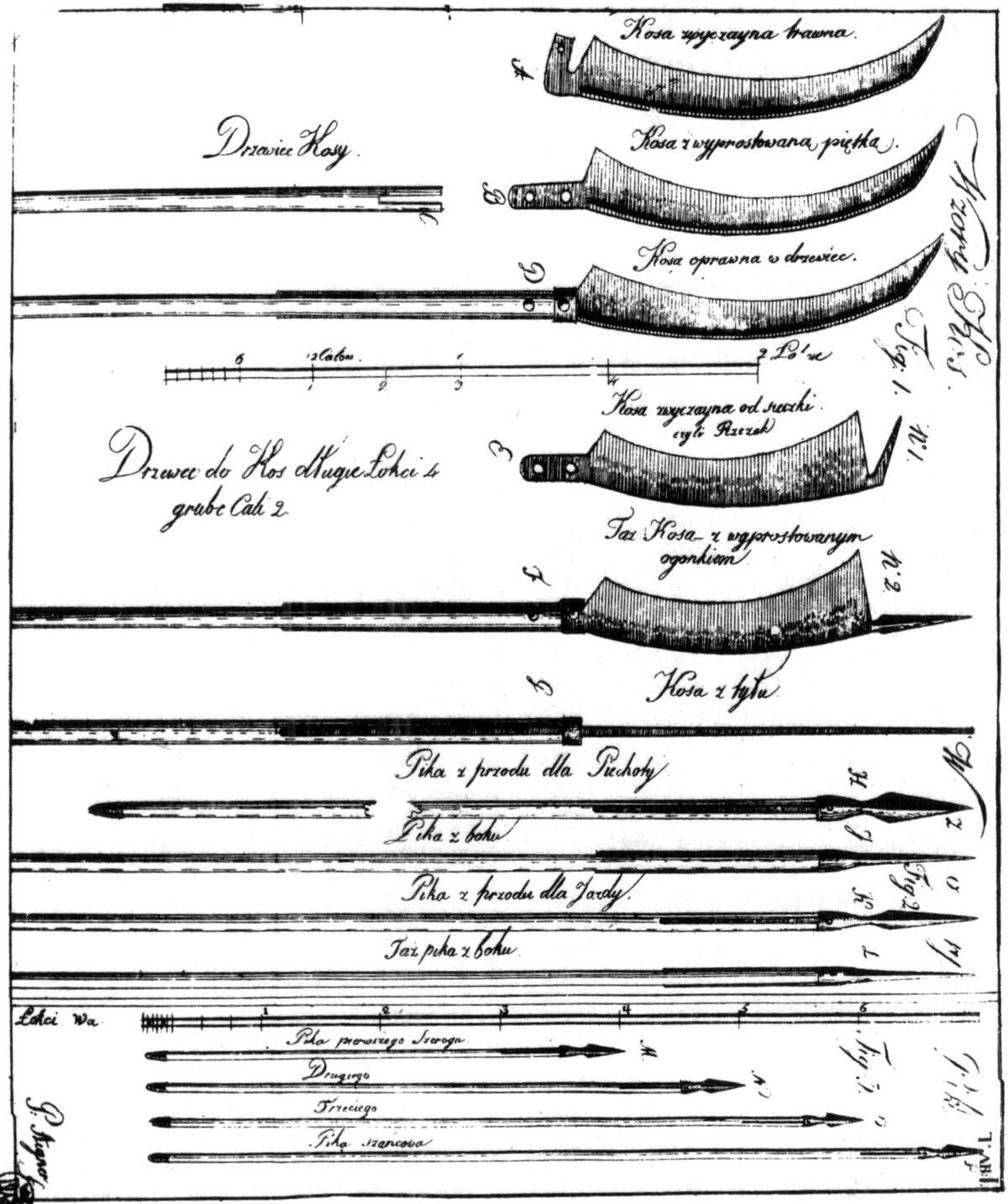
For centuries, the scythe was a familiar sight to anyone who took care of crops. While scythes were developed with agricultural usage in mind, they still included a fearsome blade — and history tells us that anything with a blade will eventually be used as a weapon.
Purpose-built war scythes were used by various cultures, including the Hussites and Greeks, and served as an infantry weapon. Their long shaft could keep invaders at bay, while the sharp blade could deal damage.
The Hand Cannon: A Medieval Blast from the Past
The hand cannon is one of the earliest forms of weapon, dating back to the 13th century. These primitive weapons were essentially metal tubes that required manual ignition to launch a projectile.
While not very accurate, the hand cannon represented a significant technological leap in warfare, heralding the transition from traditional melee combat to gunpowder-based weaponry. They laid the groundwork for the development of more sophisticated firearms that followed.
Bagh Nakh: Not Quite Brass Knuckles
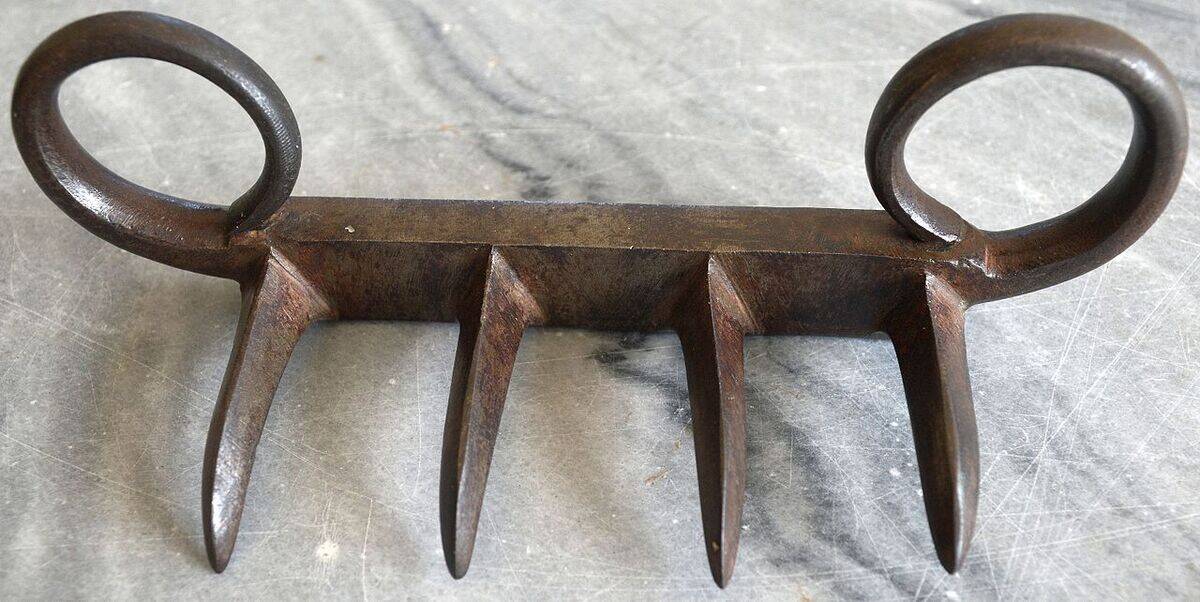
Brass knuckles are designed to be worn and concealed against the palm, and can be deployed to make a punch stronger and more devastating. The bagh nakh, which was developed in India, is a variation on this concept.
Where the bagh nakh differs from brass knuckles is in the type of damage it deals. Instead of making punches stronger, it featured a series of claw-like daggers, all of which could deal some nasty damage in attacks.
The Volley Gun: Customizable Destruction
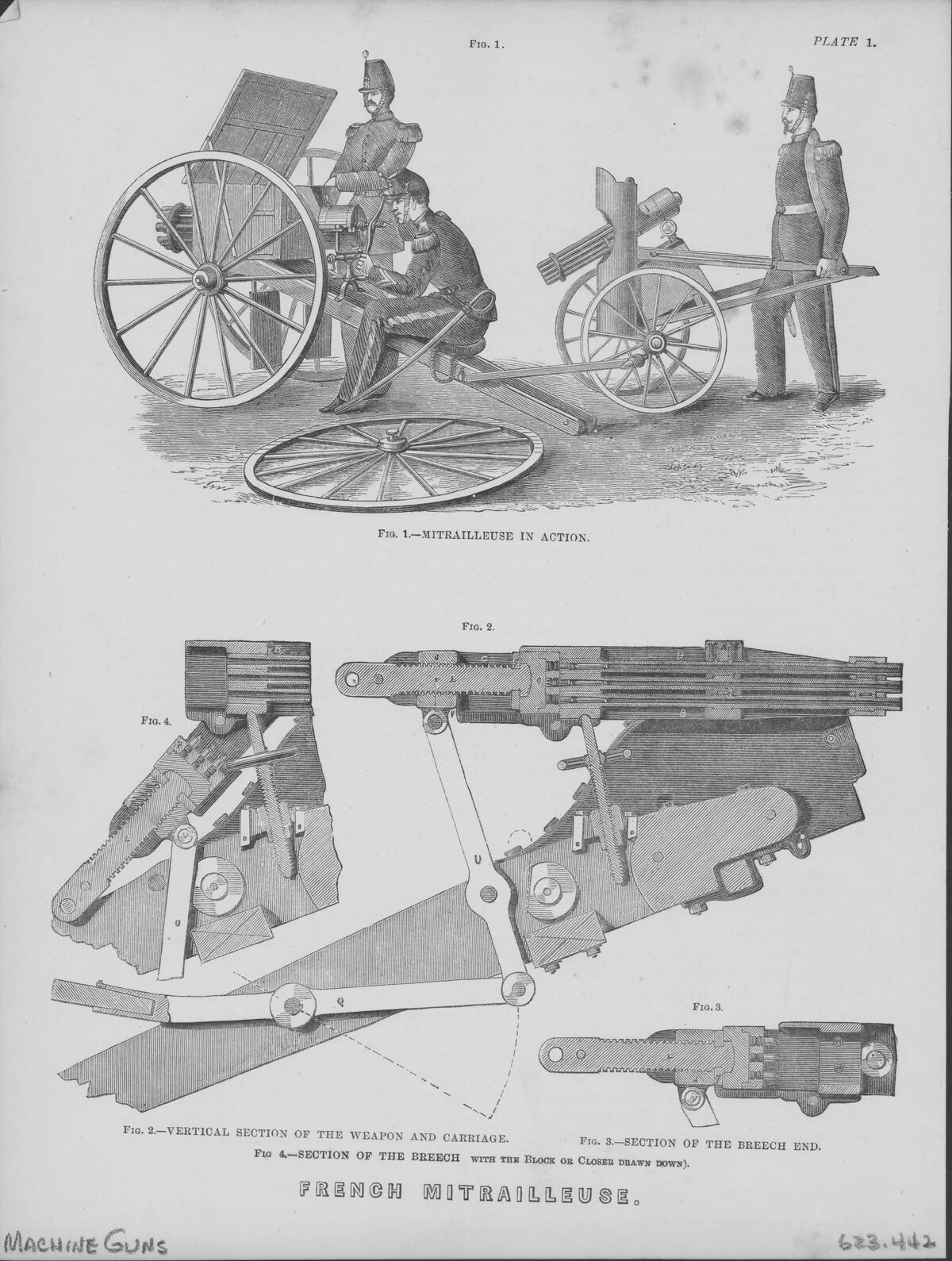
Over the centuries, as artillery became more advanced, armies found themselves seeking newer and more novel ways to arm themselves. One intriguing innovation was the volley gun, which was developed throughout Europe in the 15th century.
Volley guns looked similar to other contemporary artillery, but differed in their utility. They consisted of multiple single-shot guns that could be configured to either fire simultaneously, for one massive barrage, or sequentially, allowing soldiers to maintain a siege.
The Fire Lance: The Birth of Gunpowder Weaponry
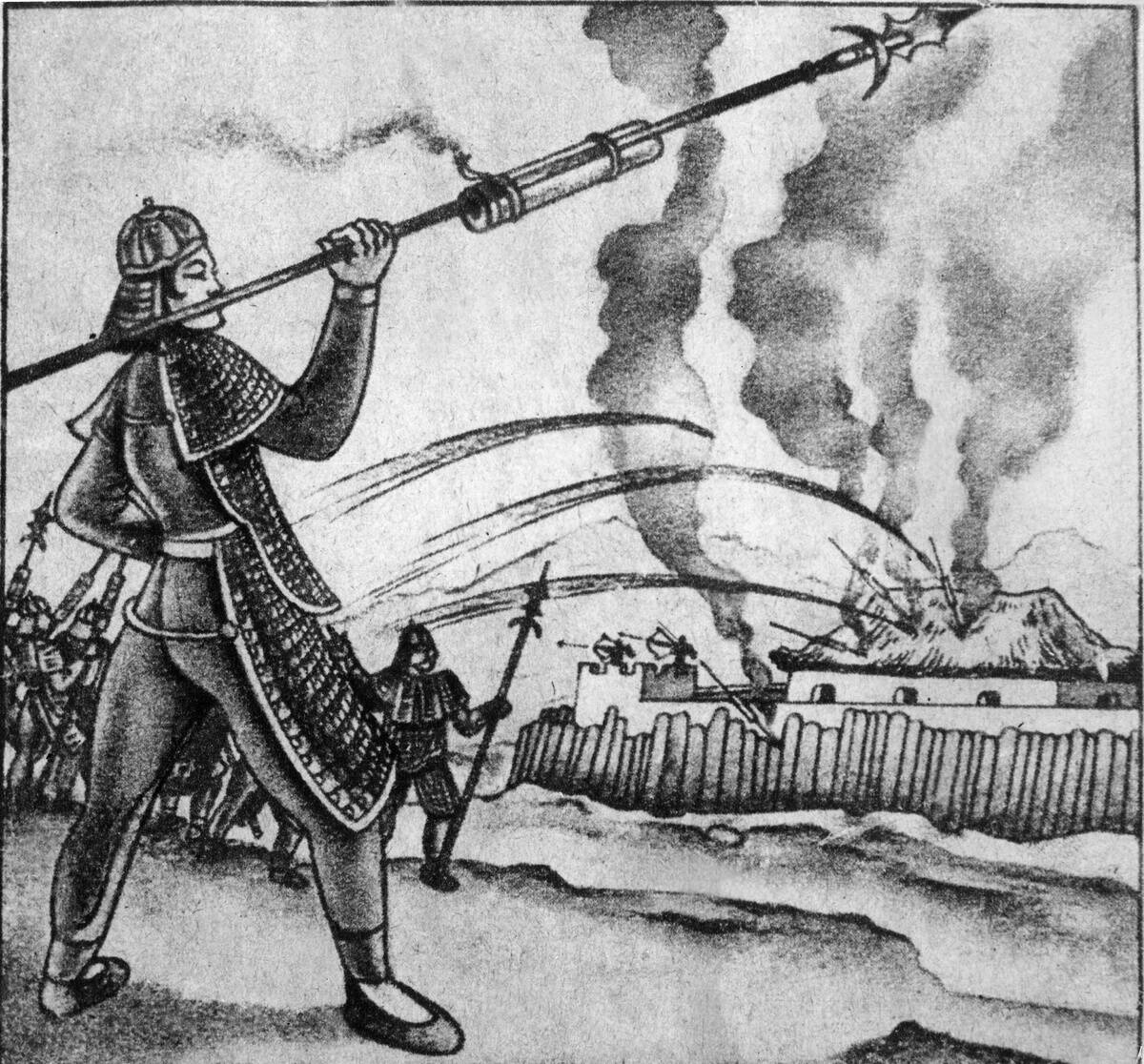
The fire lance is often credited as the first gunpowder weapon, originating in China during the 10th century. Initially, it was a spear with a bamboo tube attached, filled with gunpowder and projectiles. When ignited, it created a fiery blast, terrifying enemies and causing chaos in battle.
The fire lance’s development marked the beginning of gunpowder’s transformative impact on warfare, eventually leading to the evolution of firearms and artillery.
Kanabō: The Samurai War Club
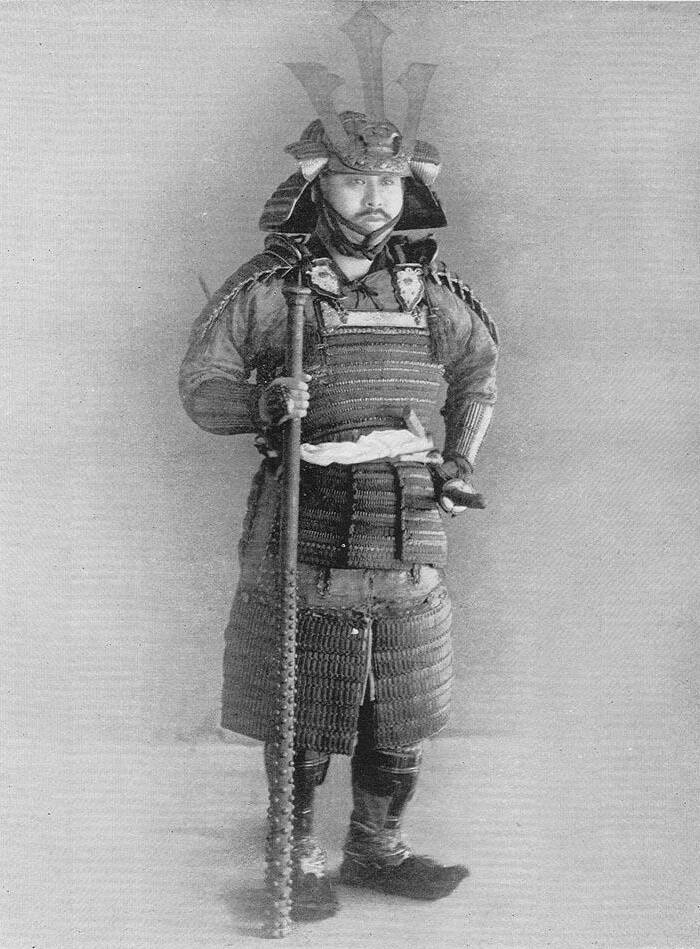
Japanese samurai culture is often associated with stealth and subterfuge, but this doesn’t mean that samurai were strangers to brute-force weapons. One such example is the kanabō, which was a heavy-duty war club used in feudal Japan.
Specific designs could vary, but kanabō generally had a hard iron cap on one or both ends, and were a little bit shorter than a full-grown man. As for their use, they could be wielded by one or two hands, and were generally utilized as a bludgeoning tool.
The War Elephant: Ancient Armored Giants
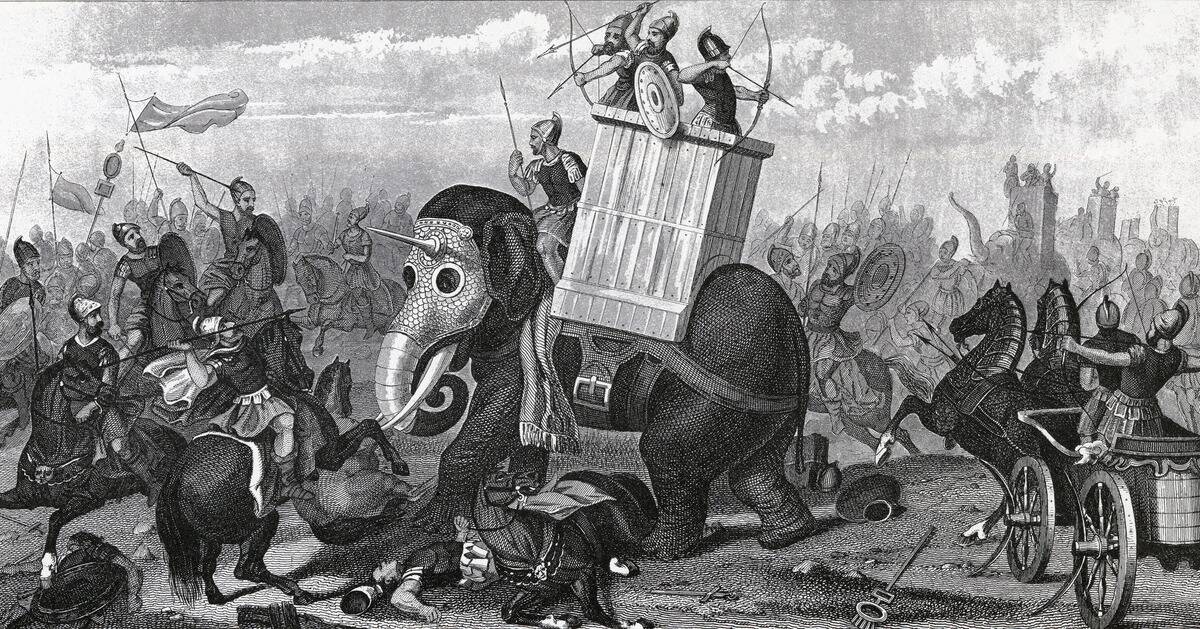
War elephants were used by numerous ancient civilizations, including the Persians, Indians, and Carthaginians, as formidable instruments of war. These massive animals were outfitted with armor and trained to charge enemy lines, causing panic and disarray.
Famous battles such as the Battle of Gaugamela and Hannibal’s campaigns against Rome showcased their strategic value. Despite their impressive presence, the logistical challenges of maintaining and transporting elephants limited their widespread use.
Ballistic Knife: A Blade Like a Bullet
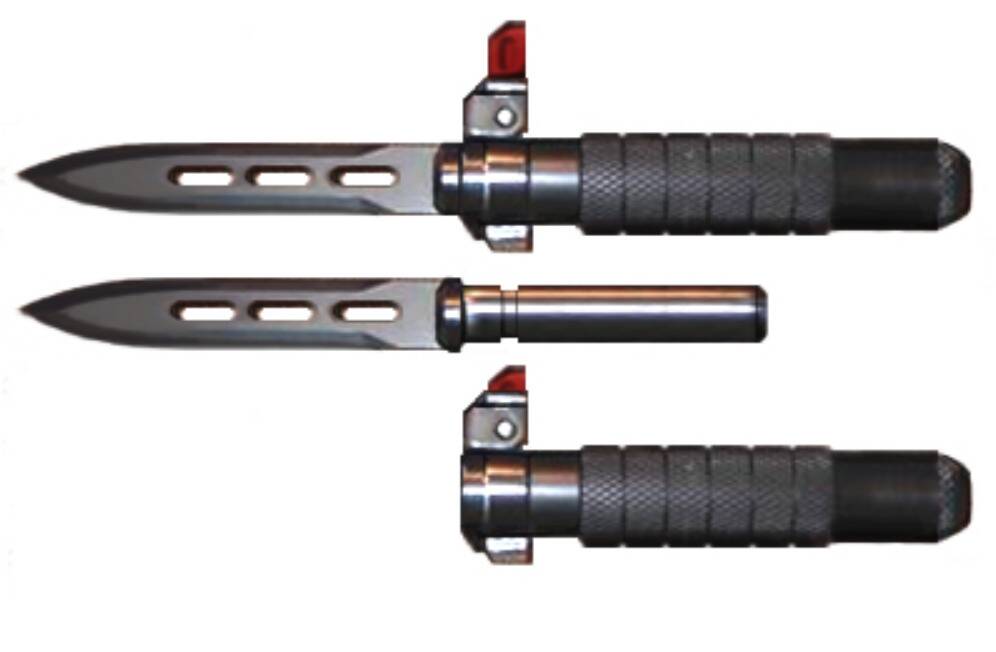
A modern-day weapon that seems like it’s ripped straight from the pages of a comic book is the ballistic knife. This knife does exactly what it sounds like: It’s a knife that can fire a ballistic, meaning its blade can shoot out of its handle.
Understandably, these spring-propelled knives are incredibly dangerous. Since their introduction in the 1970s, they’ve been banned for civilian use by many countries.
The Greek Fire: A Byzantine Secret Weapon
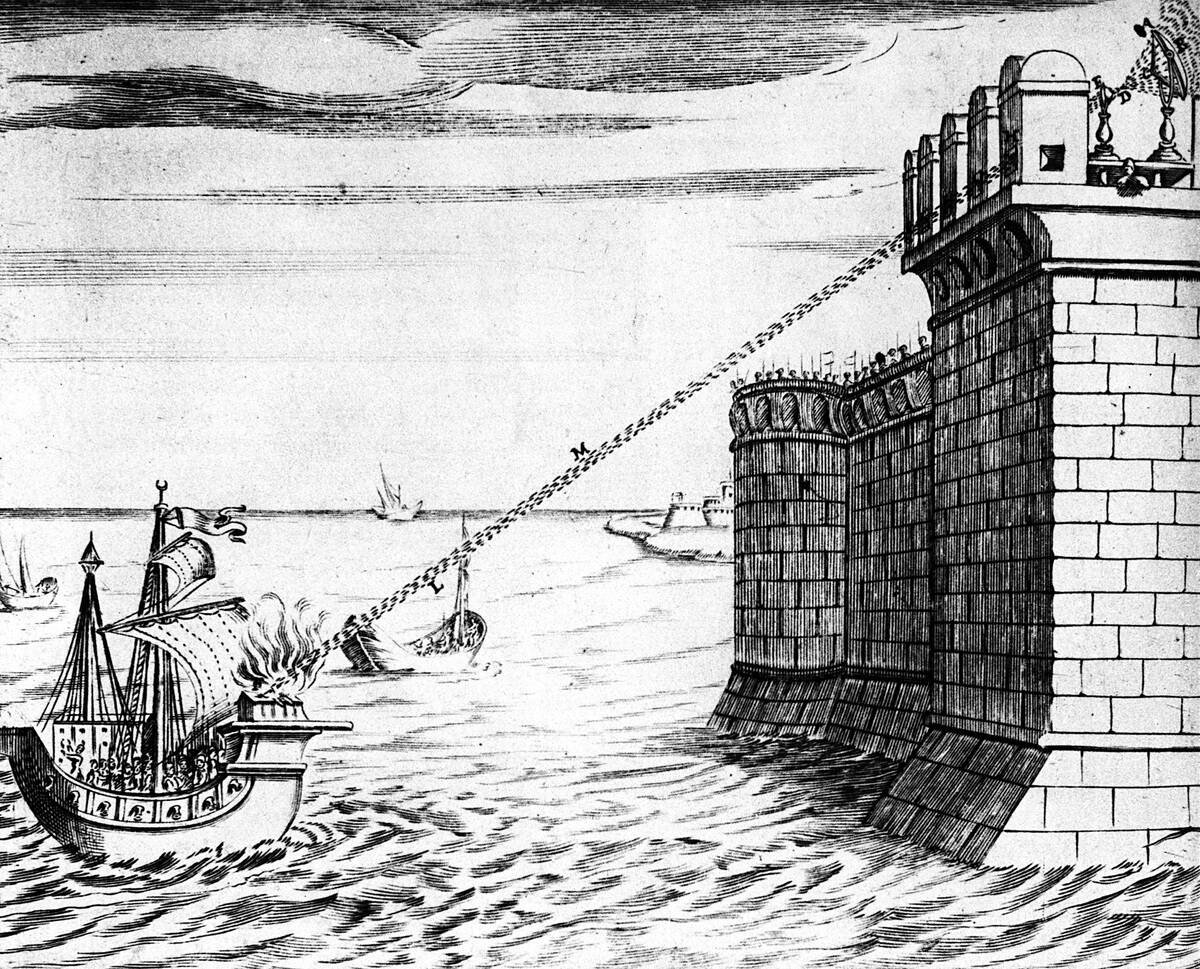
Greek fire was a mysterious incendiary weapon used by the Byzantine Empire, particularly effective in naval battles. Its exact composition remains unknown, although it likely contained petroleum-based substances.
Once ignited, Greek fire could continue burning even on water, making it both feared and respected by adversaries. The secret of its manufacture was closely guarded, contributing to the Byzantines’ naval supremacy for centuries, and adding a legendary status to this enigmatic weapon.
The Flechette: Pinpoint Damage
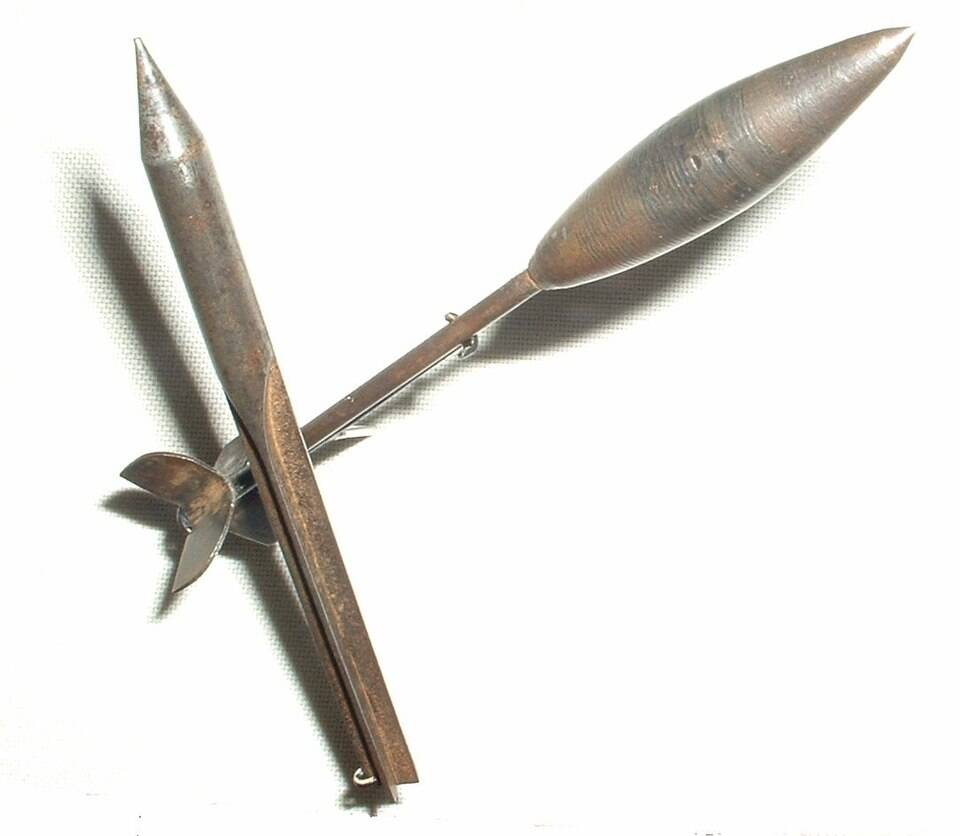
Simple weapons are often the most devastating, and the flechette is a perfect example of this. Just as metal shrapnel can deal serious damage in a detonation, flechettes can cause armor-piercing damage when dropped from an airplane.
The weapon, which is essentially any kind of aerodynamic piece of metal with a pointy end, was invented during World War I for use by airplane pilots. When dropped from the sky, they could pierce soft cover and even split helmets open.
The Boomerang: The Returning Weapon of the Aboriginal Warriors
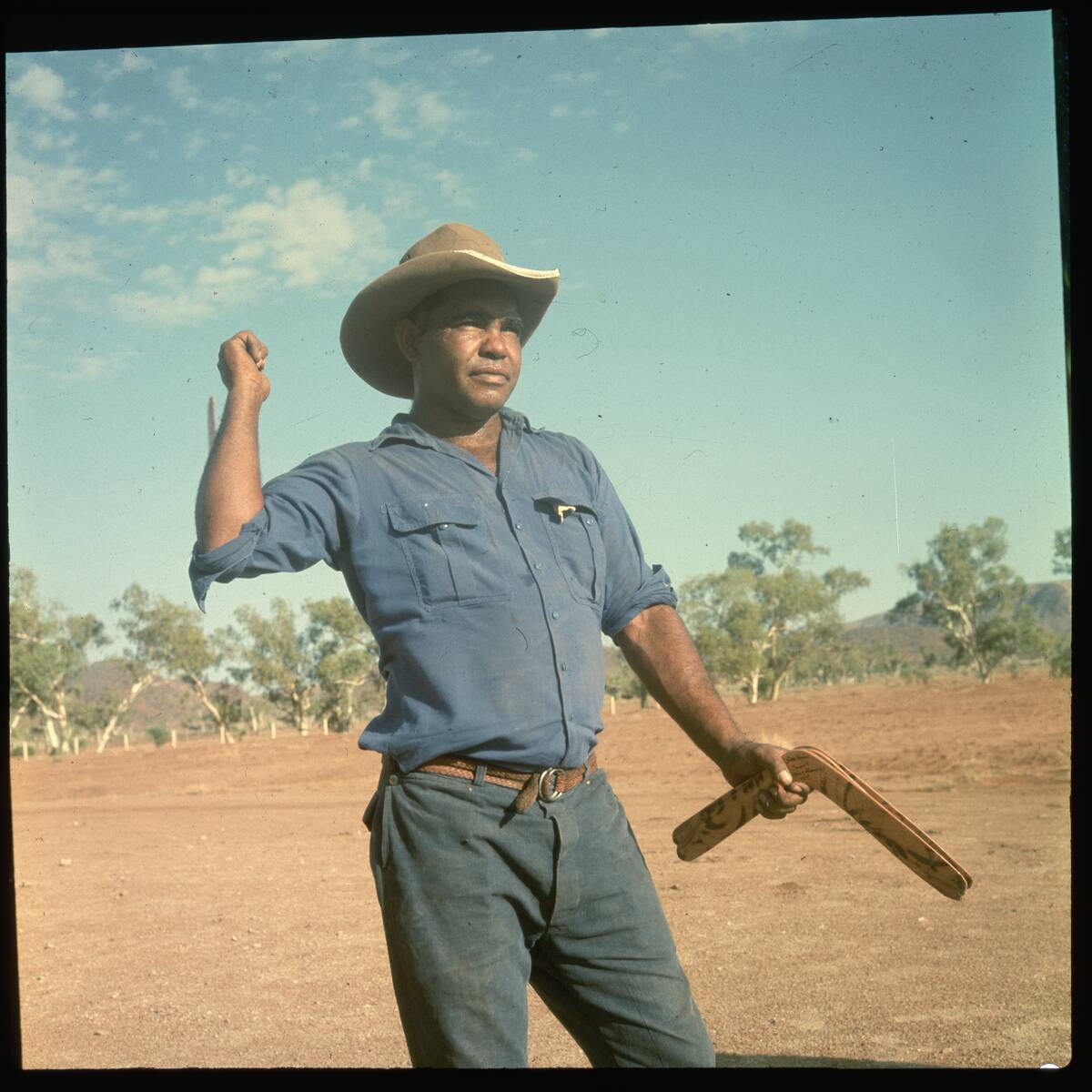
The boomerang is a distinctive weapon associated primarily with Indigenous Australians, used for hunting and as a tool. Not all boomerangs are designed to return; however, the returning variety is an ingenious feat of aerodynamics. The curved shape and precise throw allow it to loop back to the thrower.
Beyond its practical uses, the boomerang holds cultural significance, often featuring in traditional ceremonies and storytelling, symbolizing the deep connection between the people and their land.
The Garrote: An Assassin’s Best Friend
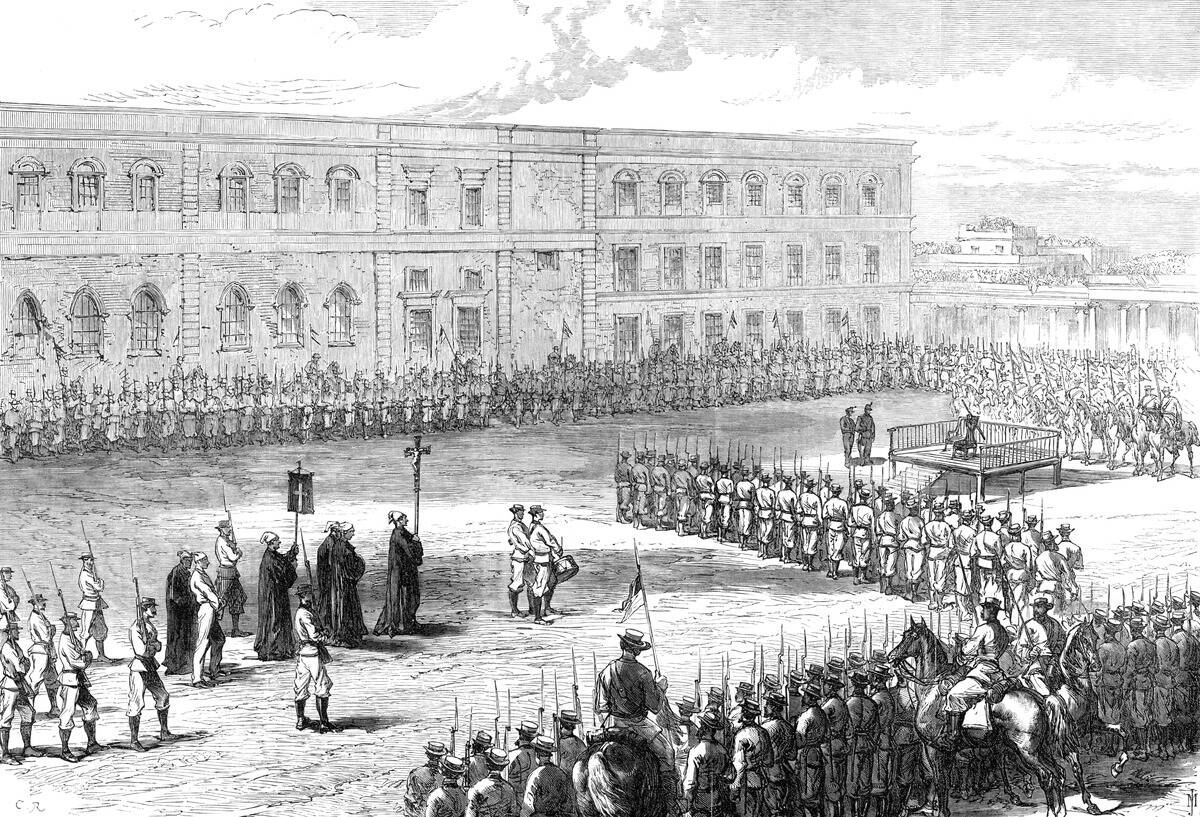
Throughout history, strangulation has been a tried-and-true method of executing a person — whether it’s done as a part of capital punishment or an assassination.
Garrotes, often seen in movies and TV shows, are essentially any ligature that can be deployed to wrap around someone’s neck with the objective of strangling them.
The Sword Breaker: A Parry with a Purpose
![Do Not Break The Crown [Fol. 43 Recto]](https://media.tellmebest.com/wp-content/uploads/2025/08/do-not-break-the-crown-fol.-43-recto-83804.jpeg)
The sword breaker was a type of parrying dagger used in Europe during the Renaissance, designed to catch and potentially break an opponent’s sword. It featured a series of notches and teeth along one side of the blade, allowing it to trap a weapon during combat.
Though not capable of literally breaking swords, the sword breaker could effectively disarm foes, demonstrating the ingenuity of Renaissance arms in combining defense with offensive potential.
The Springald: Throwing Bolts
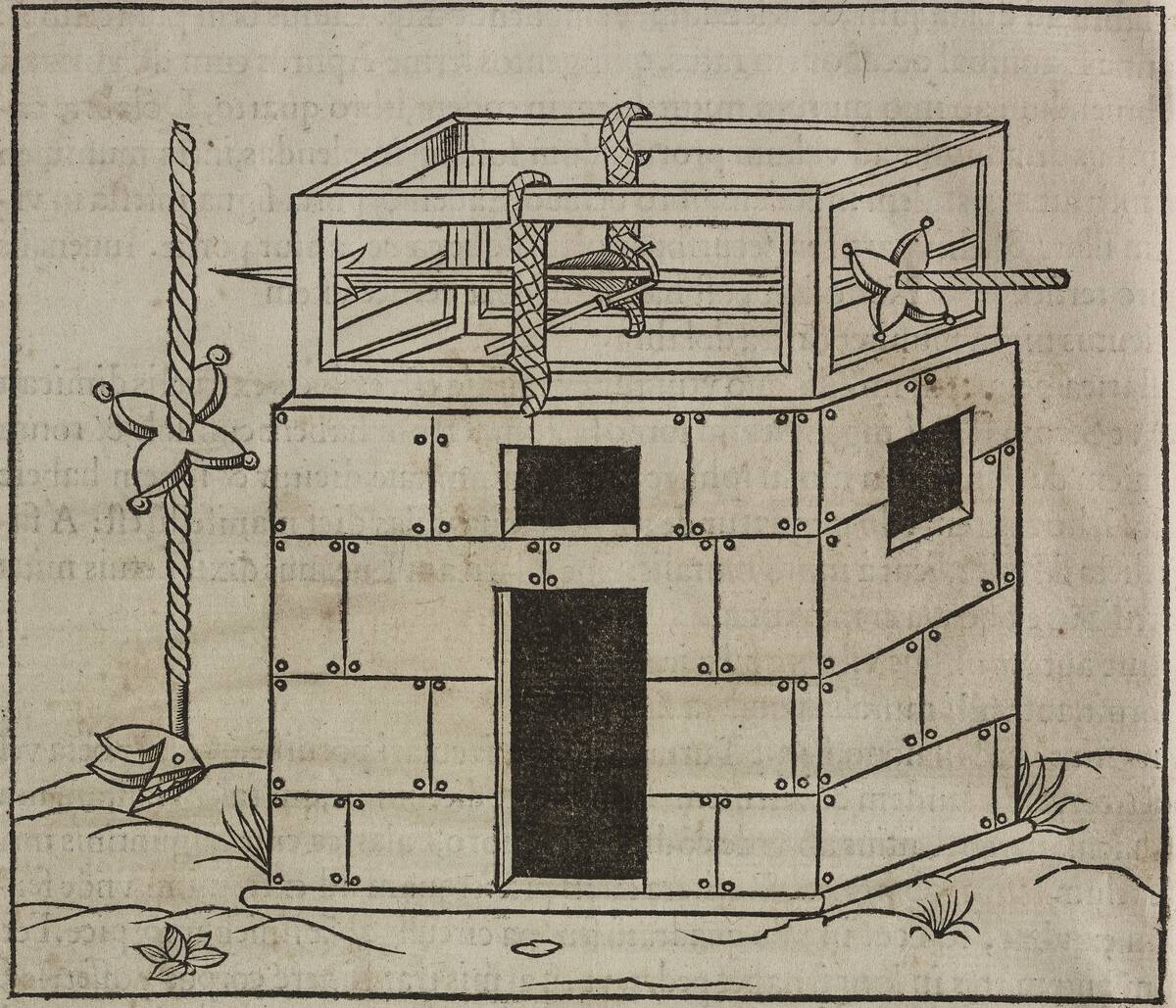
Medieval siege devices often resembled small buildings, as the drawn-out scale of sieges necessitated shelter from oncoming attacks. The springald was a small defensive structure that could protect those within it, but also packed a mean punch.
The torsion-based weapon could load up a projectile in a bow of twisted sinew. When it was loaded and ready to go, it could throw a bolt hundreds of feet into the distance.
The Krummlauf: The Curved Gun Barrel Innovation
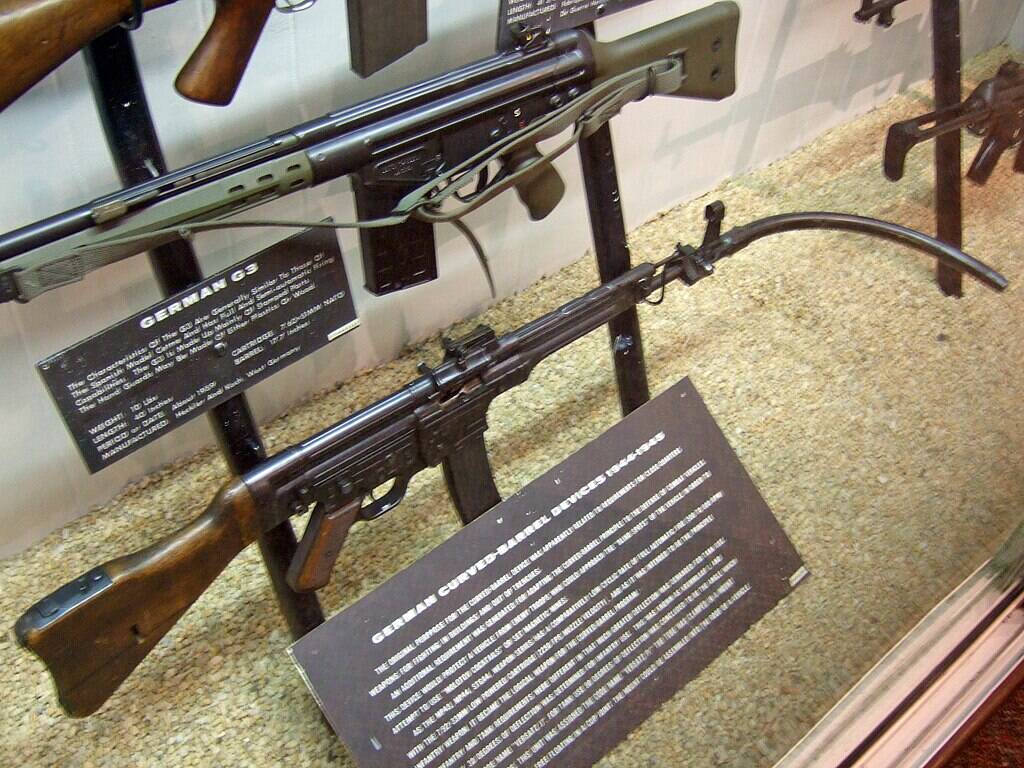
The Krummlauf was an innovative yet peculiar attachment for the Sturmgewehr 44 rifle developed by Nazi Germany during World War II. It featured a curved barrel designed to shoot around corners, allowing soldiers to fire from cover without exposing themselves.
Despite its creative design, the Krummlauf faced practical issues, such as reduced accuracy and barrel wear. Nevertheless, it remains a testament to the inventive, albeit sometimes impractical, solutions devised in wartime.
The Gustav Gun: The Largest Artillery Piece Ever Used
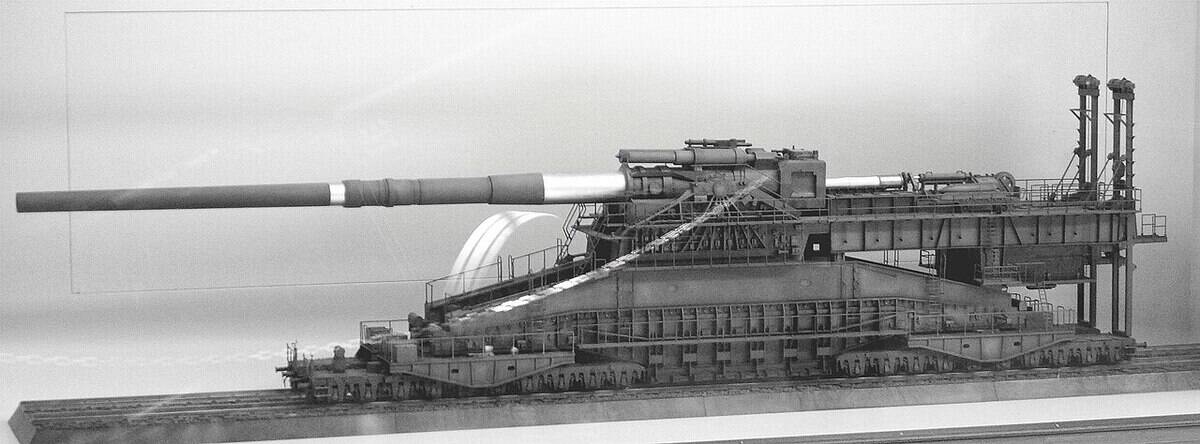
The Gustav Gun, also known as the Schwerer Gustav, was a massive railway gun developed by Nazi Germany. Weighing over 1,350 tons and capable of firing shells weighing seven tons, it was the largest artillery piece ever used in combat.
Its primary purpose was to break through heavily fortified structures like the Maginot Line. Despite its sheer size and firepower, the Gustav Gun’s logistical demands and vulnerability made it more of a propaganda tool than a practical weapon.
The Rocket Cats: Feline Fire Starters

Rocket cats were a proposed weapon in the 16th century, outlined by artillery master Franz Helm. The idea involved strapping small explosive devices to cats, which would then be released to ignite fires behind enemy lines.
Although there’s no evidence this tactic was ever actually employed, it illustrates the imaginative and sometimes bizarre strategies conceived during wartime. The concept of using animals in warfare, while ethically controversial, has been a recurring theme throughout military history.
The Whirlwind Cannon: A Nazi Windstorm Ambition
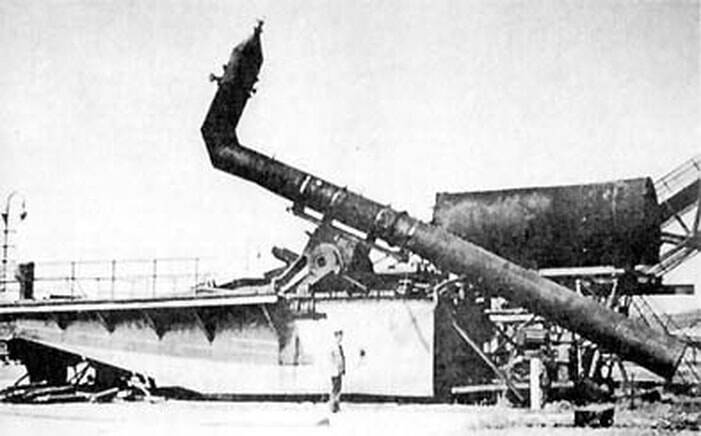
The whirlwind cannon was an experimental weapon developed by Nazi Germany during World War II. It was designed to create vortexes of compressed air to damage aircraft. The theory was intriguing, but the practical application was less so, as the cannon failed to generate sufficient force to achieve its intended purpose.
Despite its failure, the whirlwind cannon remains a curious footnote in the annals of military technology, illustrating the limits of weapon innovation.
The Macuahuitl: The Aztec’s Razor-Edged Club
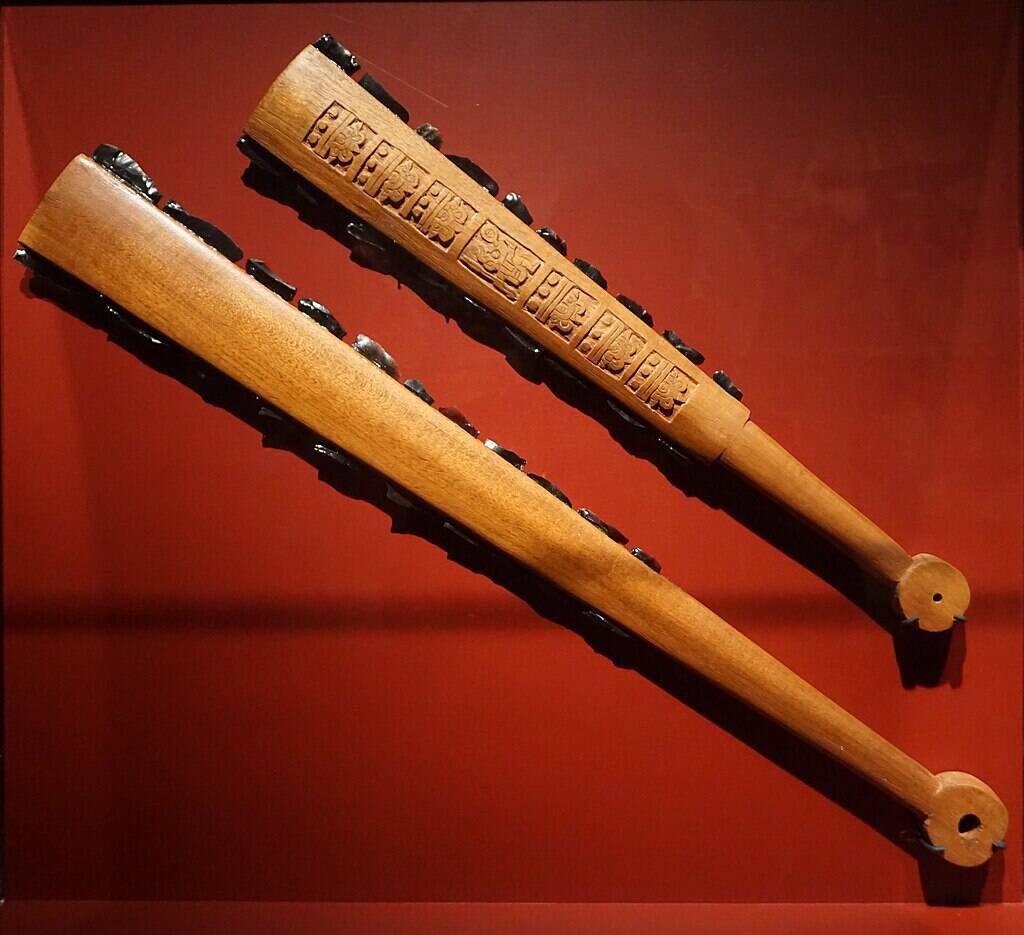
The macuahuitl was a traditional Mesoamerican weapon used by the Aztecs, resembling a wooden club but lined with razor-sharp obsidian blades. This formidable weapon could inflict serious damage, capable of decapitating a horse with a single blow.
It played a crucial role in Aztec warfare, combining the bludgeoning power of a club with the cutting ability of a sword. The macuahuitl is a testament to the sophisticated artistry and martial skill of its creators.
The Deadly Umbrella: A Spy’s Best Friend
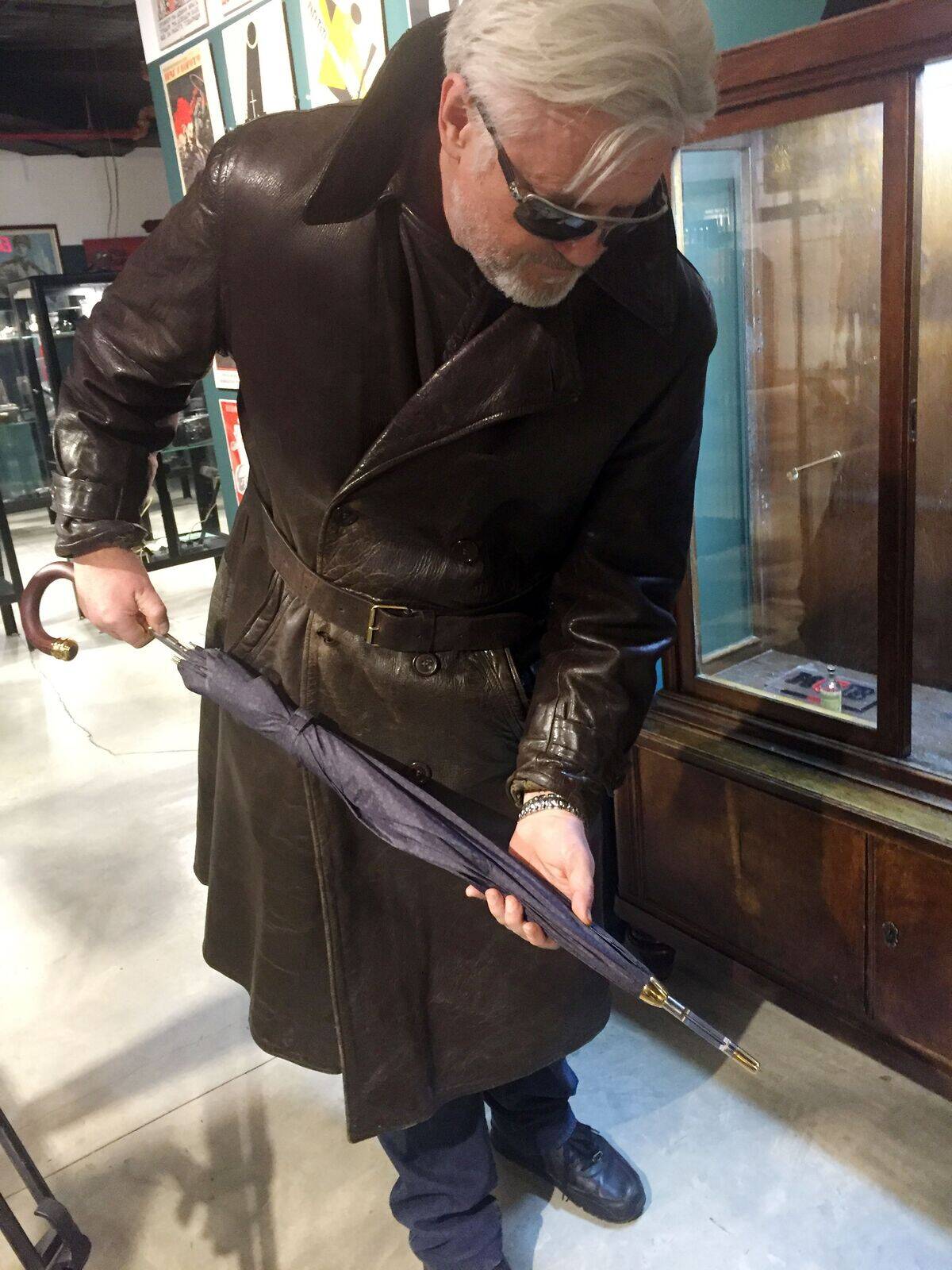
The deadly umbrella may sound like something from a spy movie, but it has real historical roots. This covert weapon gained notoriety during the Cold War, particularly with the assassination of Bulgarian dissident Georgi Markov in 1978.
The umbrella was fitted with a pellet containing the deadly poison ricin, fired into Markov’s leg as he walked across Waterloo Bridge in London. Such covert devices highlight the lengths to which espionage tactics were employed during tense geopolitical periods.
The Man Catcher: A Knight’s Worst Nightmare
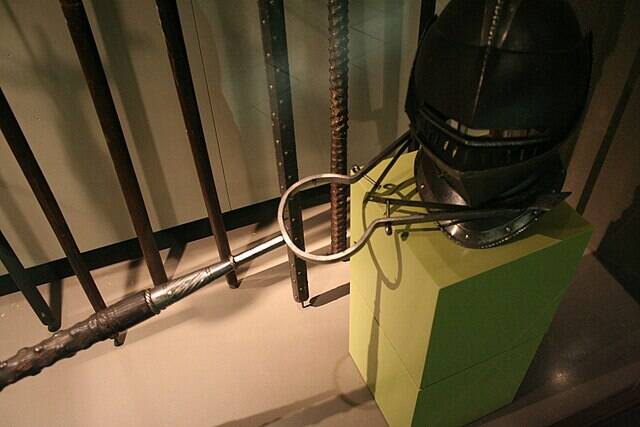
The man catcher was a polearm weapon used in medieval Europe to capture knights and other mounted combatants. It featured a long wooden shaft with a dual-pronged, spring-loaded head designed to pin an enemy in place without causing fatal injury.
This allowed knights to be captured for ransom or interrogation. Although not commonly used, the man catcher exemplified the strategic emphasis on capturing high-value targets during medieval warfare.
The Chakram: The Flying Disc of Death
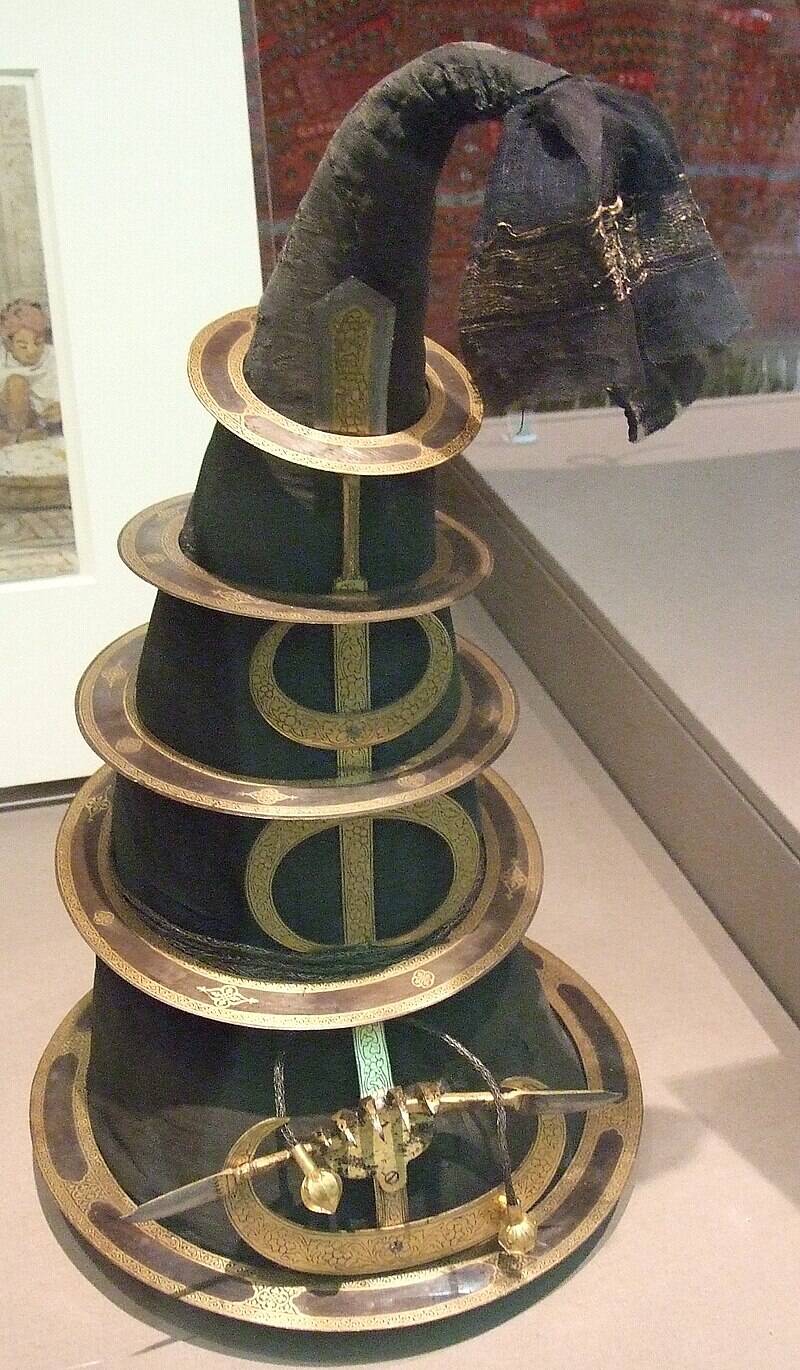
The chakram is an ancient Indian weapon, a flat metal disc with a sharpened outer edge, designed to be thrown at enemies. Its aerodynamic design allowed it to be hurled with precision over considerable distances.
Used by the Sikh warriors, the chakram was both a practical weapon and a symbol of martial prowess. Its unique shape and effective use in battle have made it an enduring icon of Indian martial traditions.
The Dazzling Dazzle Ships: Camouflage on the High Seas
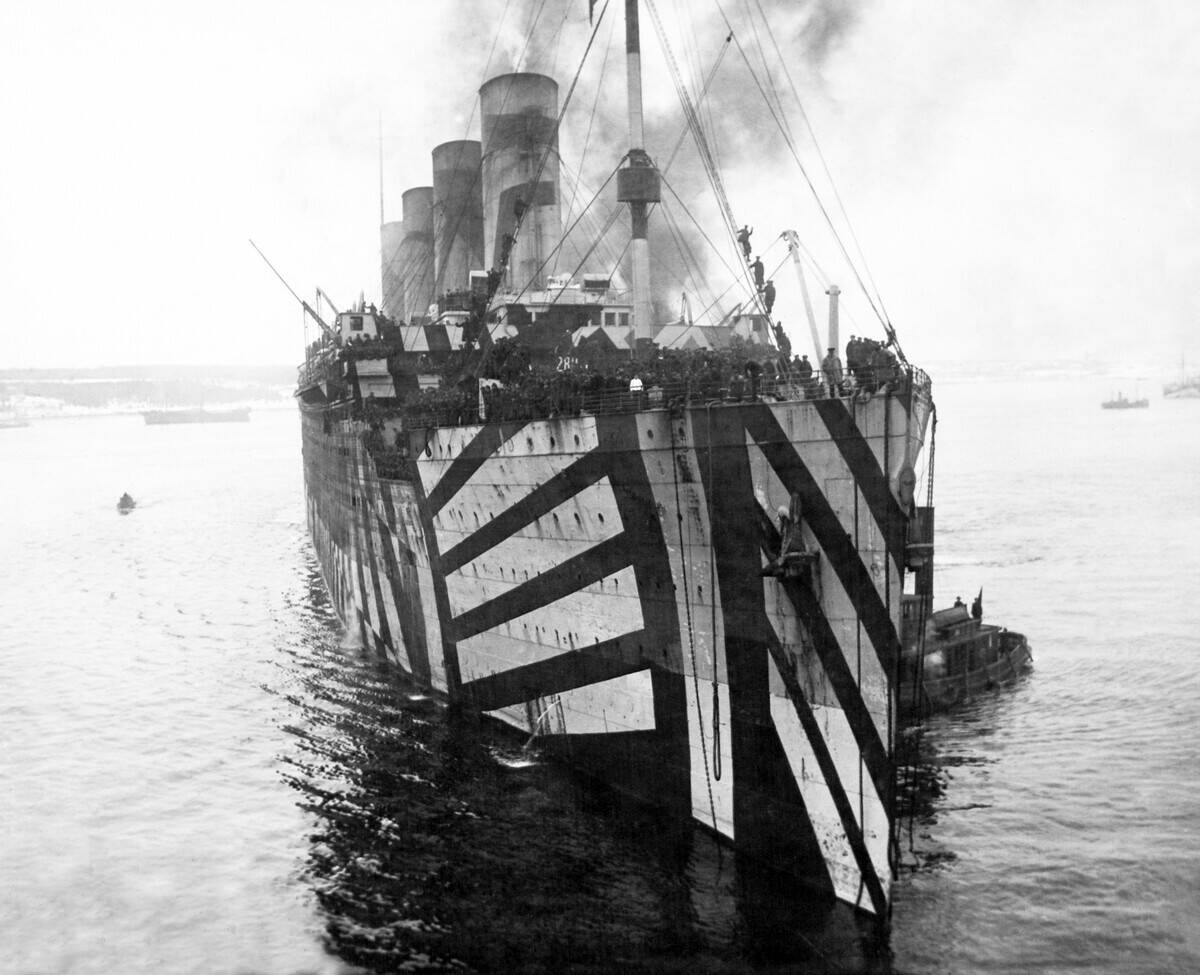
During World War I, British naval engineer Norman Wilkinson introduced the concept of dazzle camouflage for ships. Unlike traditional camouflage, dazzle patterns used bold, contrasting colors and complex geometric shapes.
The aim was to confuse enemy submarines about a ship’s speed and direction. While the effectiveness of dazzle camouflage is debated, it certainly added a surreal and artistic element to naval warfare, transforming ships into floating works of abstract art.
The Puckle Gun: The Square Bullet Experiment
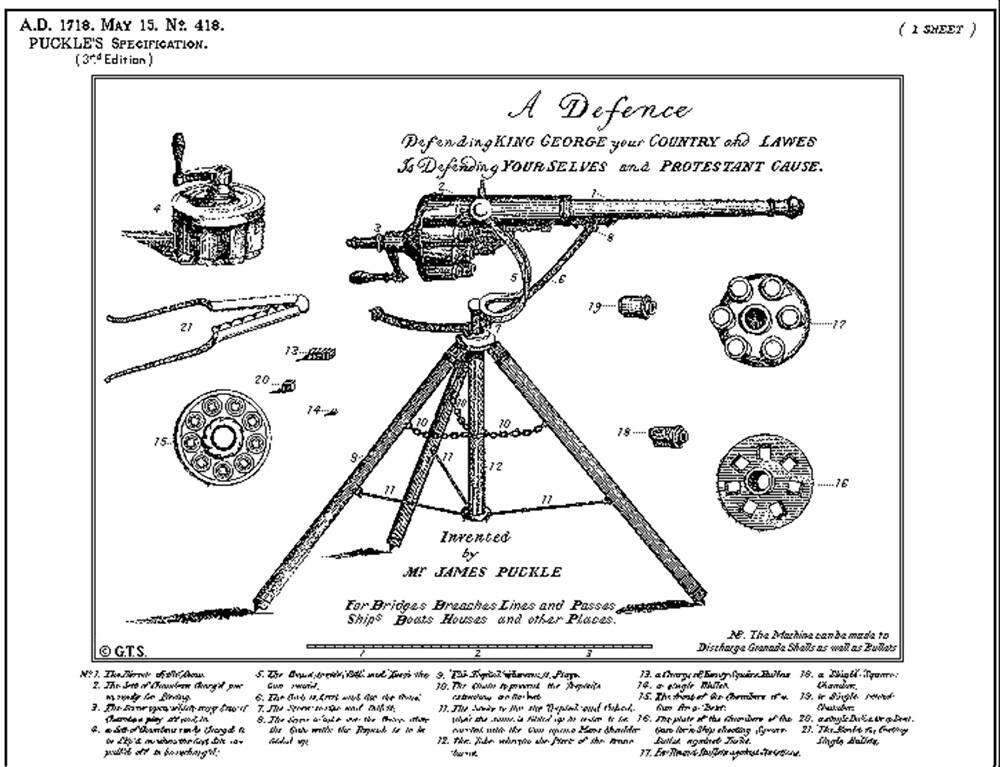
Invented in 1718 by James Puckle, the Puckle Gun was an early machine gun designed to fire square bullets at Muslim Turks and round bullets at Christian enemies. The square bullets were believed to cause more damage and were intended as a deterrent against Ottoman forces.
Despite its innovative design, the Puckle Gun was never adopted widely, largely due to mechanical and logistical issues. It remains a curious footnote in the evolution of firearms.




