History was changed with last minute decisions [photos]
Do you ever wonder about all the “what ifs” in your life? You’ve probably had a few that would have changed the trajectory of your life. History has even more. Dr. Martin Luther King Jr. almost didn’t give his “I have a dream speech.” A former president could’ve eliminated a certain someone before 9/11 took place. Those are only a few, so take a moment and find out the wildest last-minute decisions that changed the course of history. Prepare to pick your jaw up from off the ground.
If Only They Had Binoculars
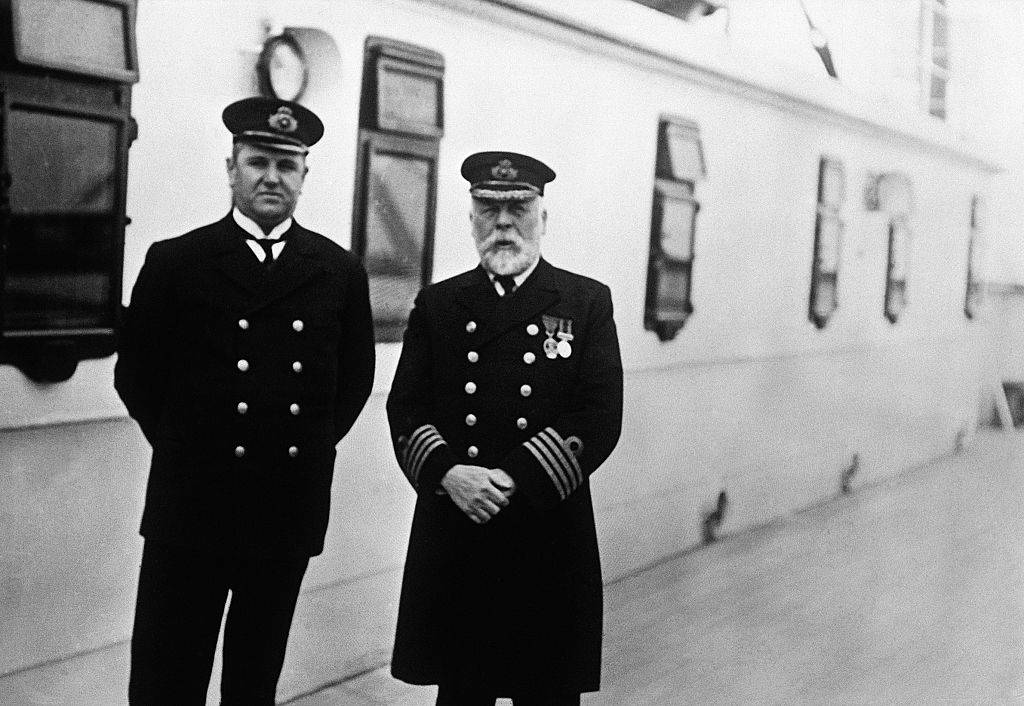
Had the Titanic never hit the iceberg on that fateful night, perhaps over a thousand lives would’ve made it out alive. A second officer named David Blair was initially a member of the crew, but a last-minute decision kept him onshore.
Sadly, Blair departed from the giant ship with the key to the locker room where the binoculars were by accident. The man who was the lookout on the liner, Fred Fleet, said if he had the binoculars, he could’ve seen the danger earlier.
Saving More Of Japan
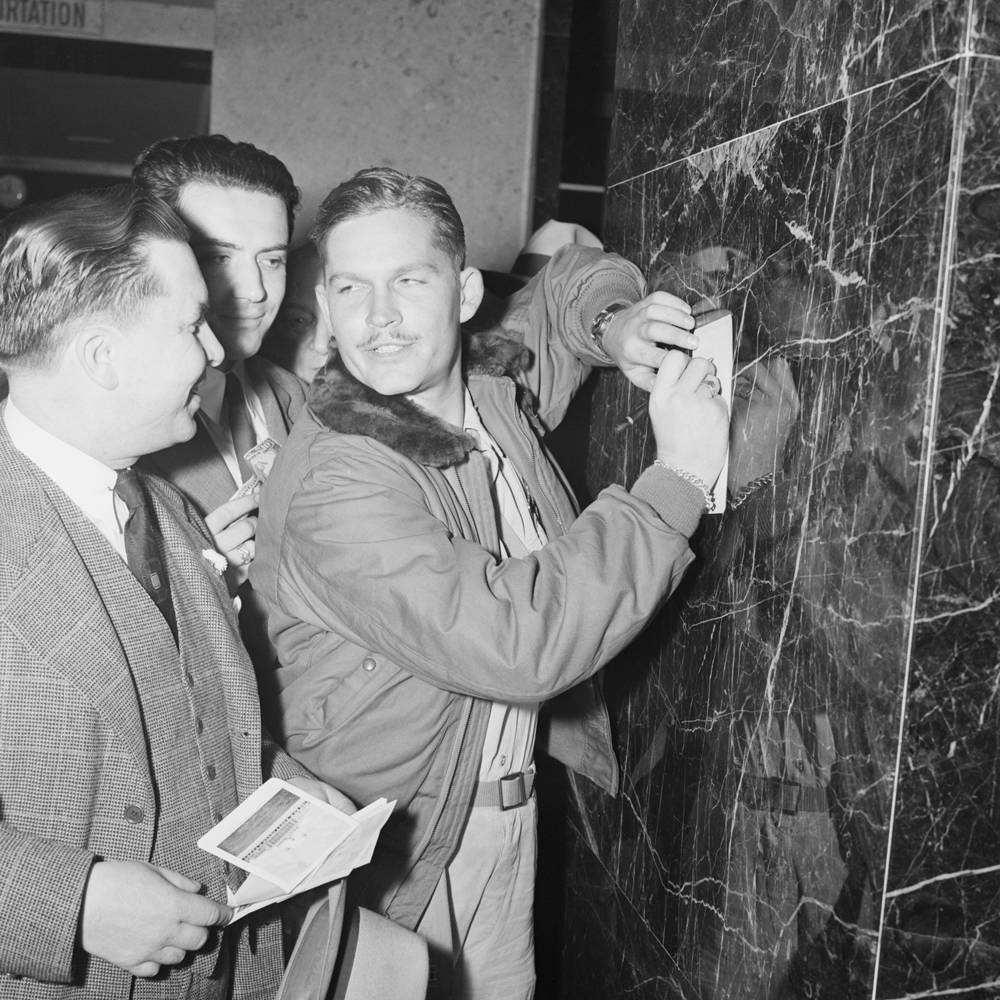
Not only wasn’t the attack on Hiroshima and Nagasaki not thoroughly planned, but it almost didn’t happen as well. America wasn’t sure if it wanted to use Nuclear tools until right before the event happened.
American politicians and Army men had an extensive list of cities to choose from, and Kokura was one of them. Crewman Kermit Beahan felt it was too cloudy to see all of Kokura, so he called the assault on that town off. Kokura misses out, but Nagasaki felt the pain.
Tupac Shakur Should’ve Listened To Her
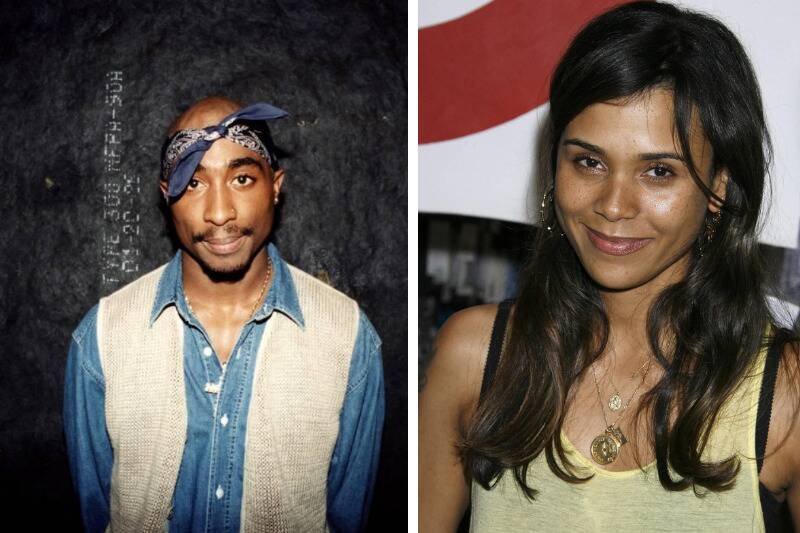
On September 7, 1996, rap legend Tupac Shakur was about to travel to Las Vegas to attend a Mike Tyson fight at the behest of his record label’s CEO, Suge Knight. According to Vanity Fair, the day found him in a dark mood because he didn’t want to go and was only doing so out of obligation.
For that reason, his then-fiancée Kidada Jones helped him pack. However, when she reached for the bulletproof vest he tended to wear at the time, he told her to not to pack it because it would be too hot. At 11:15 pm that night, he was fatally shot.
United 93 Was The Site Of A Haunting Sacrifice

On September 11, 2001, two planes were hijacked and intentionally crashed into the World trade Center, destroying both towers and claiming the lives of nearly 3,000 people. At the same time, another hijacked plane was directed into the Pentagon.
However, they weren’t the only planes to be taken over by terrorists that morning. As far as the passengers aboard could tell, those who hijacked United 93 had intended to fly it to Washington D.C., likely en route to either the White House or the Capitol Building. Either way, the target was unacceptable for the 33 passengers aboard, who attempted to storm the cockpit after voting on the sacrificial act of heroism. Although everyone aboard lost their lives, they ensured the plane crashed in an empty field in Shanksville, Pennsylvania.
The Calculus Controversy Need Never Have Happened
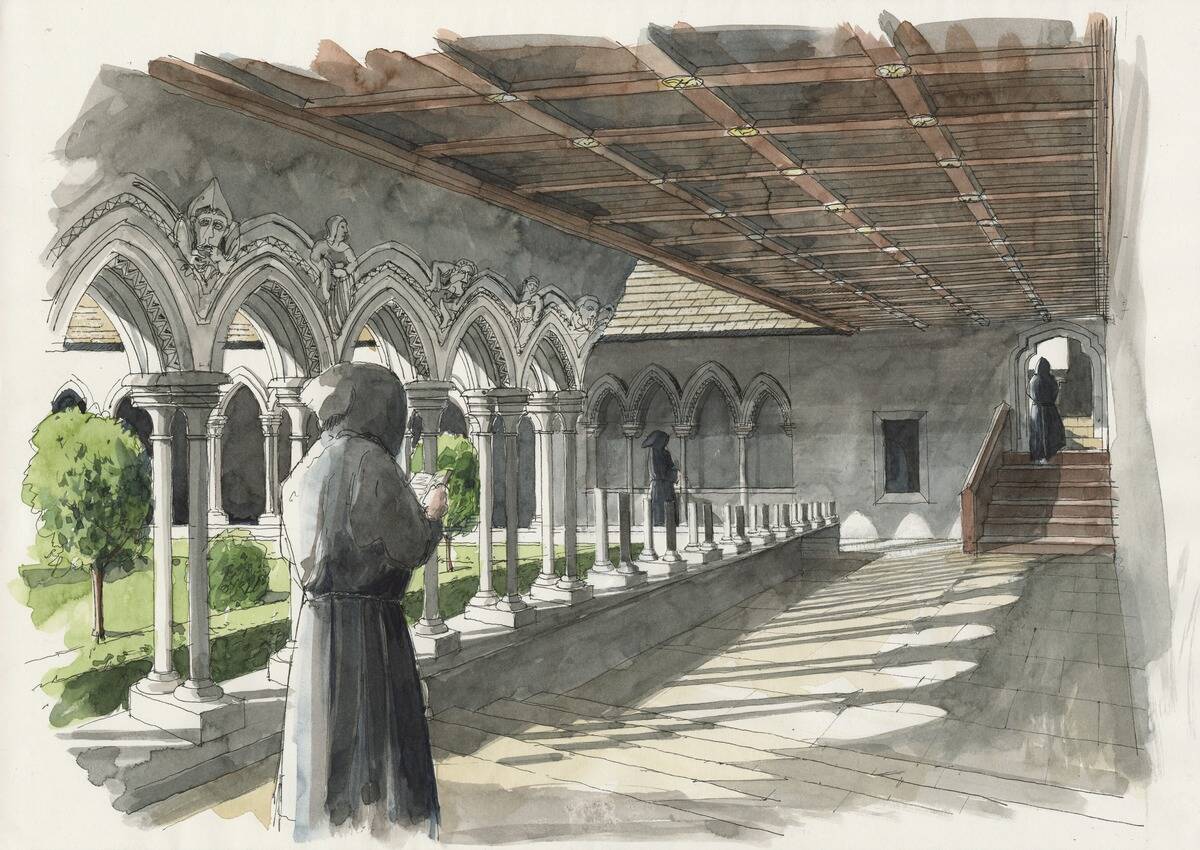
Starting in 1699 and carrying over to the early 18th Century, Sir Isaac Newton and Gottfried Wilhelm Leibniz were embroiled in a heated controversy over who had the claim to the discovery of calculus, which is often called the greatest mathematical invention since the time of Archimedes.
However, whoever came up with that comparison couldn’t have known how right they were, as it turns out that the foundations of calculus were in a book written by Archimedes called the Archimedes Palimpsest all along. The only reason neither man knew this was that an 13th Century monk erased those foundations because he ran out of paper to write his prayers on.
During the Cuban Missile Crisis, Vasily Arkhipov Quietly Saved The World
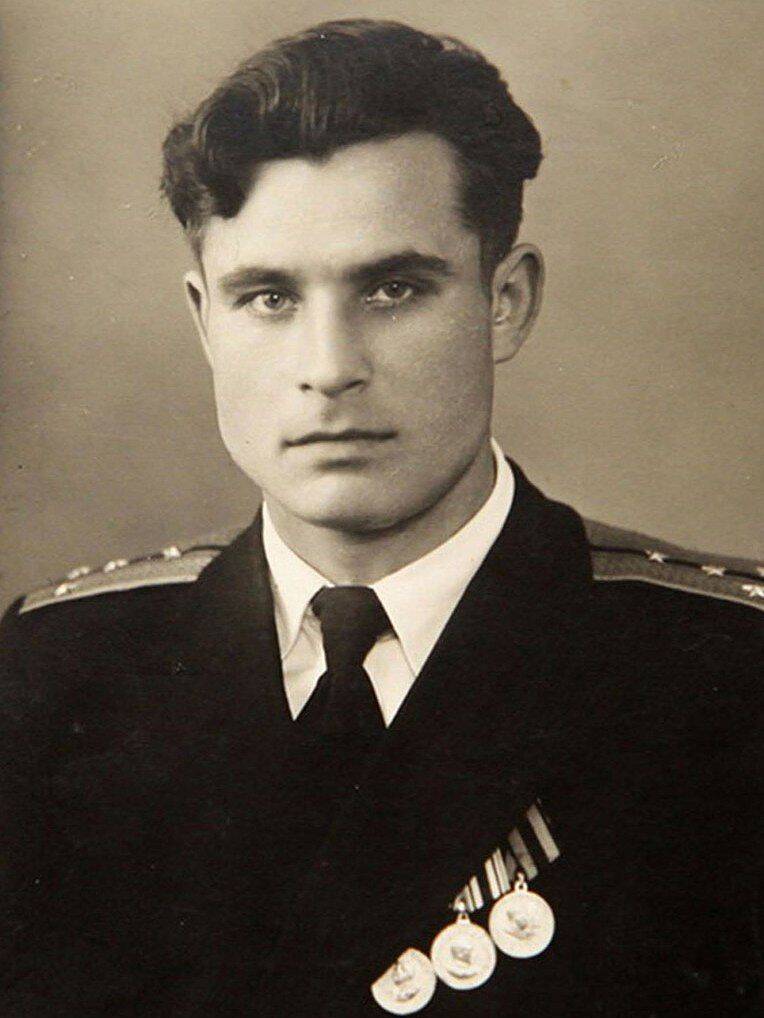
While there were so many incredible factors that prevented nuclear disaster and the start of World War III during the Cuban Missile Crisis of 1962, one of the most harrowing close calls occurred far out of most people’s sight. That’s because the Soviet submarine B-59 was near Cuba, it had a ten kiloton nuclear torpedo aboard, and its officers were authorized to launch it without government approval.
According to The Guardian, all of those factors had the potential to end the world when the U.S. Navy dropped depth charges intended to force the submarine to surface. Although Captain Valentin Savitsky and another senior officer were itching to launch the torpedo in retaliation, Vasily Arkhipov’s approval was also required to do do. Since he refused, the Cuban Missile Crisis was able to come to a peaceful resolution.
Even The Greatest Minds Can Regret Their Decisions
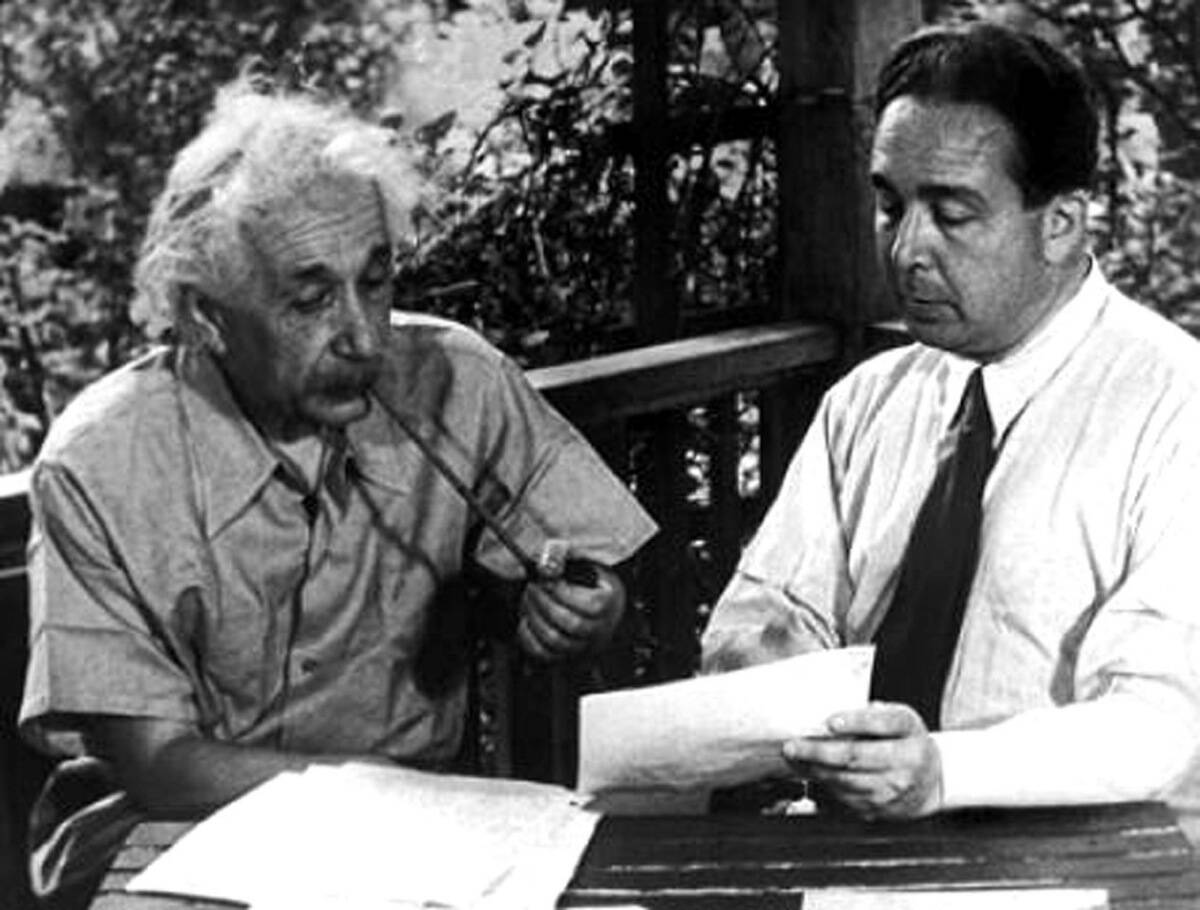
Legendary physicist Albert Einstein can be seen here with fellow scientist Leó Szilárd as both men look over a letter they would soon address to then-President Franklin Delano Roosevelt. In it, they warned that based on an atomic breakthrough that had occurred in Germany, there was a very real possibility that the Nazis would end World War II with nuclear weapons.
This letter proved to be a shot in the arm for the United States’ own nuclear weapons development program, the Manhattan Project. Yet what neither Einstein nor any of those involved with the project knew was that Germany was much farther from (and less interested in) developing nuclear weapons than they had assumed. After atomic weapons were developed and used on the populations of Hiroshima and Nagasaki, Japan, Einstein lamented that if he knew Germany was never going to have nuclear weapons, he wouldn’t have involved himself in the letter.
Lincoln Decided To Go The Theater
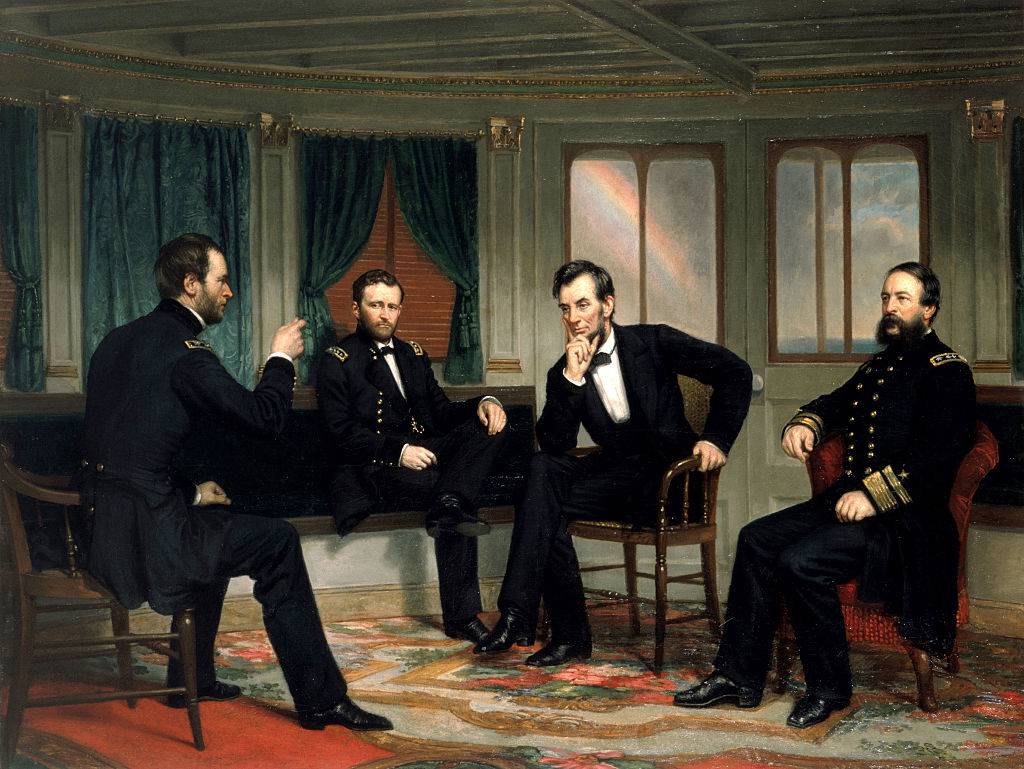
Former President Lincoln wanted to visit the theater in Washington, D.C., on April 14, 1865, to see Our American Cousin. His wife, Mary, Ulysses S. Grant, and his spouse Julia were all going to go with him, but the plans fell apart.
Julia didn’t want to go because she didn’t like Mary that much. Even after Lincoln’s bodyguard suggested not to go, Lincoln persisted because the public expected him. After a little tug-and-war, Mary and Lincoln made their way to the showing. In the end, John Wilkes Booth strolled in and we all know what happened.
Wanting Clean Clothes Was Fatal For Buddy Holly
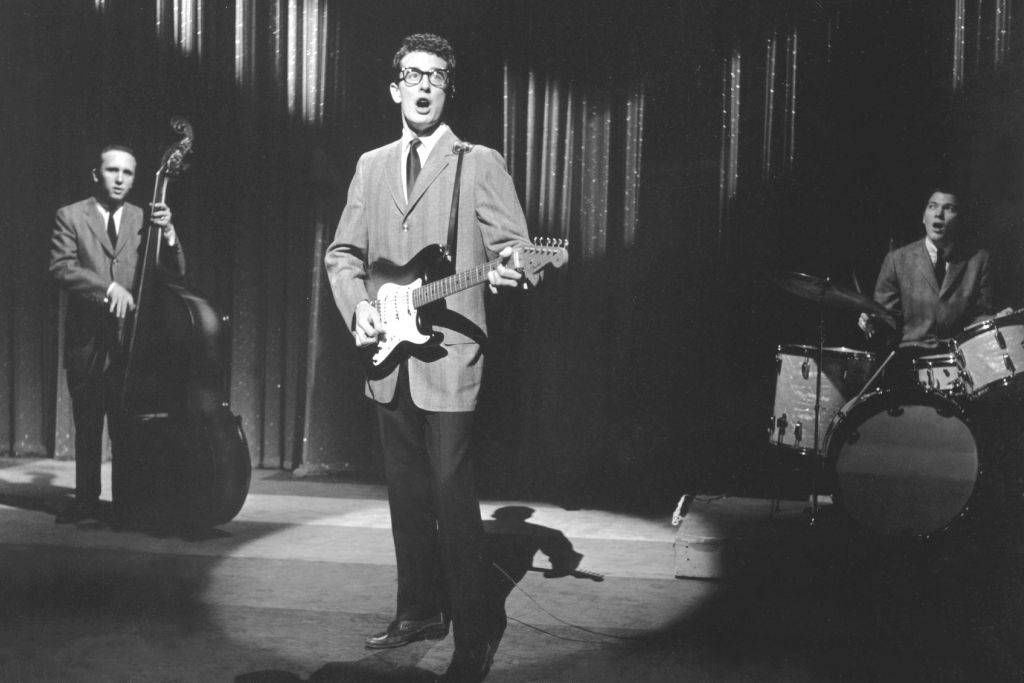
February 3, 1959, is “The Day the Music Died.” Sadly, that was when Buddy Holly, JP Richardson, and Richie Valens all passed away when their plane crashed in Iowa due to a rush.
While traveling, the group of musicians began running out of clean clothes. The plan was to take a bus to the next show, but Holly wanted clean clothes in a hurry, so he convinced the rest of the men to get on a plane so they could get to where they needed to go earlier and do some laundry. That decision turned out fatal.
A Thick Speech Saved Roosevelt
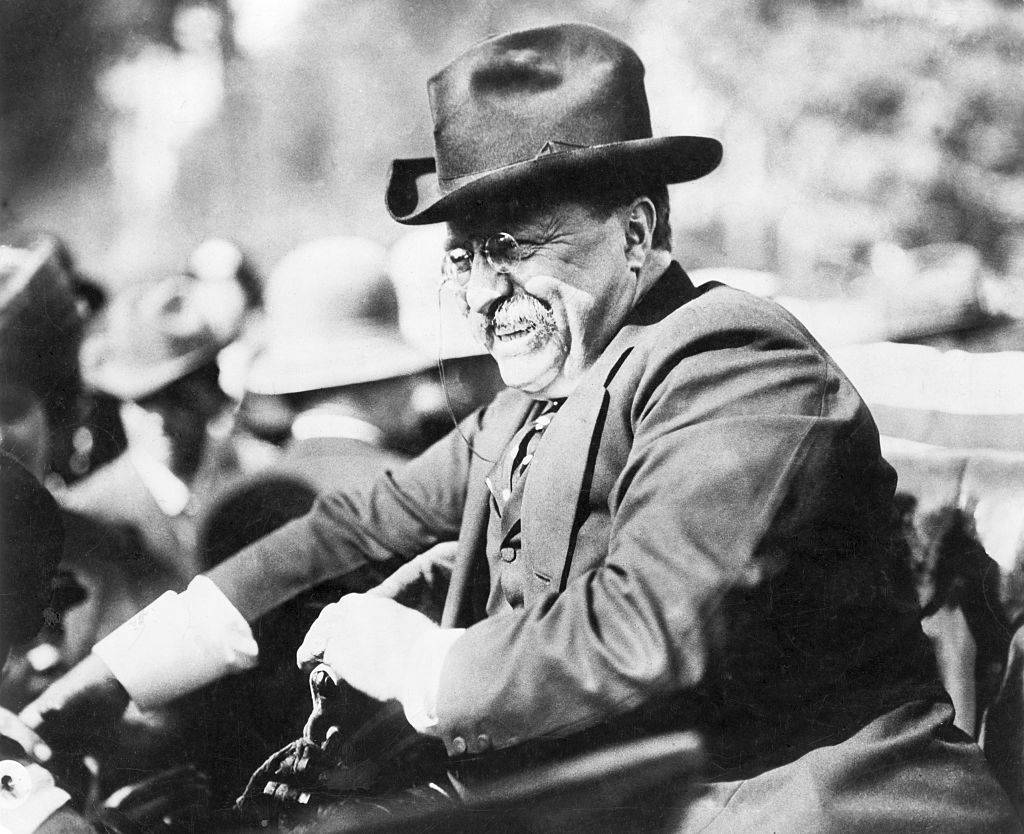
When Teddy Roosevelt made another run for president as the leader of the new political party (Progressives), he prepared a 50-page criticism to give to an audience. On his way there, Roosevelt chose to fold it up and put it in his breast pocket.
As Roosevelt addressed the crowd, someone shot at him, and the bullet hit his chest where the hunk of paper slowed it down. Being the fierce man that he was, Roosevelt still got on stage to give the speech!
The World Would Be Different If Percy Spencer Didn’t Have A Chocolate Bar

While this story exists as a legend without any official confirmation or debunking, it nonetheless suggests that the microwave oven was invented partially by accident. While researching vacuum tubes for radar systems during World War II, physicist and electrical engineer Percy Spencer noticed that a chocolate bar in his pocket had melted.
This inspired his curiosity, and he discovered that the same effect that melted his candy bar could also make popcorn pop. By October 8, 1945, he would secure the patent as the inventor of the microwave oven.
Rosa Parks Hadn’t Intended To Make History
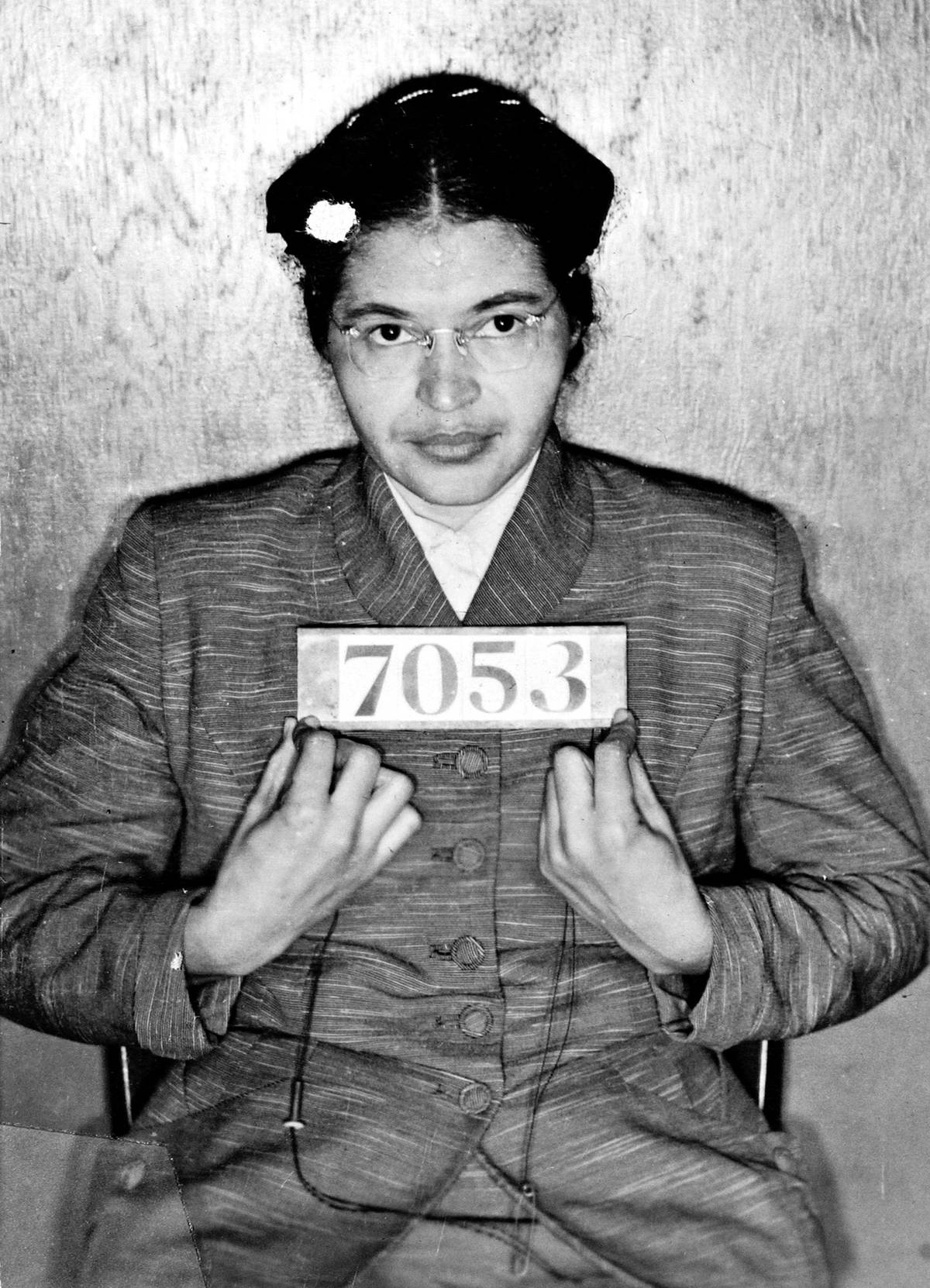
Although Rosa Parks engaged in far more work during the Civil Rights Movement than refusing to yield her seat on a bus, the irony is that the most famous part of her legacy was the least intentional. After a previous encounter with Montgomery bus driver James F. Blake, she often made a point of avoiding any vehicle he drove.
On December 1, 1955, however, her mind was on other matters (particularly the bursitis flare-up affecting her shoulders that day) and Parks hadn’t noticed he was driving. Nonetheless, when the bus filled up and the Black passengers were ordered to yield their seats to White passengers, Parks made the conscious decision to refuse despite the threat of arrest. Otherwise, she later said, yielding her seat would be a sign of approval at how she was being treated.
There’s One Less Space Disaster Thanks To Brilliant Minds
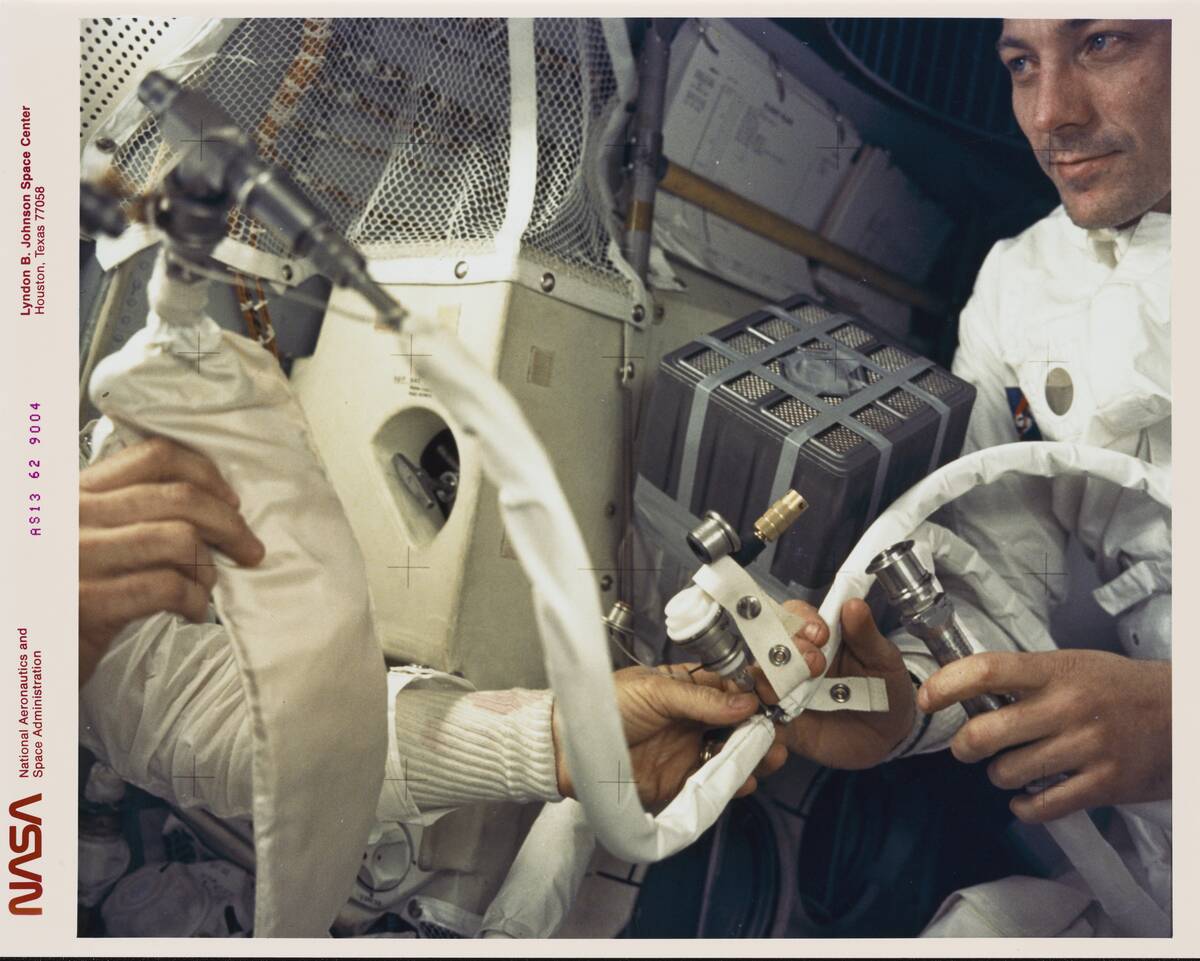
Although it’s true that some launches into space have had tragic consequences, the quick thinking of mission control engineers and the calm professionalism of the astronauts aboard the Apollo 13 space shuttle prevented the mission from becoming an infamous tragedy. Instead, the crew’s survival made the aborted moon mission a “successful failure.”
According to the Smithsonian’s Air And Space Museum, an oxygen tank explosion created a deadly imbalance of carbon dioxide in the shuttle. Although the astronauts theoretically had sufficient oxygen, they needed more filtration infrastructure than their lunar module held. This meant that NASA engineers had to figure out how to convert the command module’s filters using materials the astronauts would have available. Thanks to the “mailbox” they made from a plastic bag, cardstock, duct tape, and a spacesuit hose, the astronauts were able to return home safely.
A Coin Toss Decided Portland, Oregon’s Name
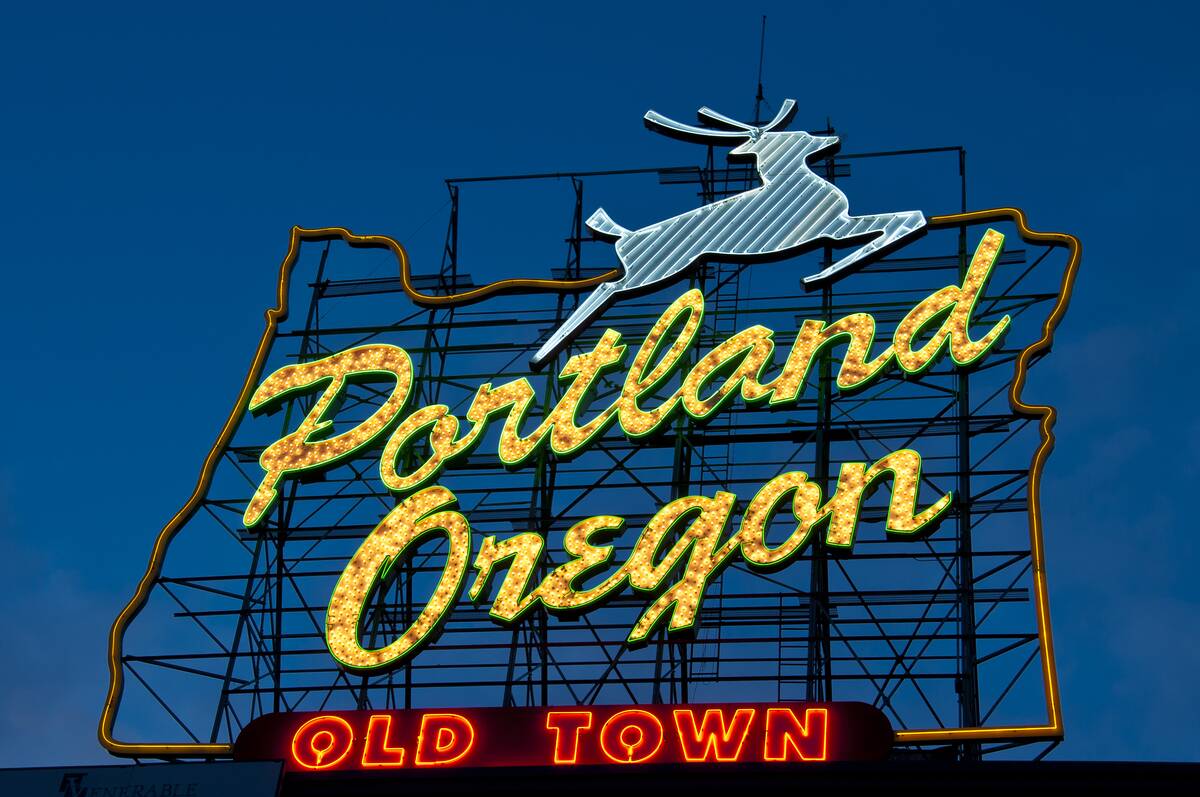
In 1845, Portland, Oregon, was simply known as “The Clearing” until its two founders, Francis Pettygrove and Asa Lovejoy met to decide on a more official name. However, the problem was that both had enough attachments to their hometowns that they wanted this new city to bear their respective names.
While Lovejoy intended to name the city after Boston, Pettygrove was inspired by Portland, Maine. Ultimately, the two settled the matter by flipping three coins and the one who won two out of three of those flips would get to name the city. Obviously, Pettygrove won but if the coins had flipped differently, Portland, Oregon, would bear the name “Boston” today.
France May Not Have Fallen If They Noticed The Ardennes
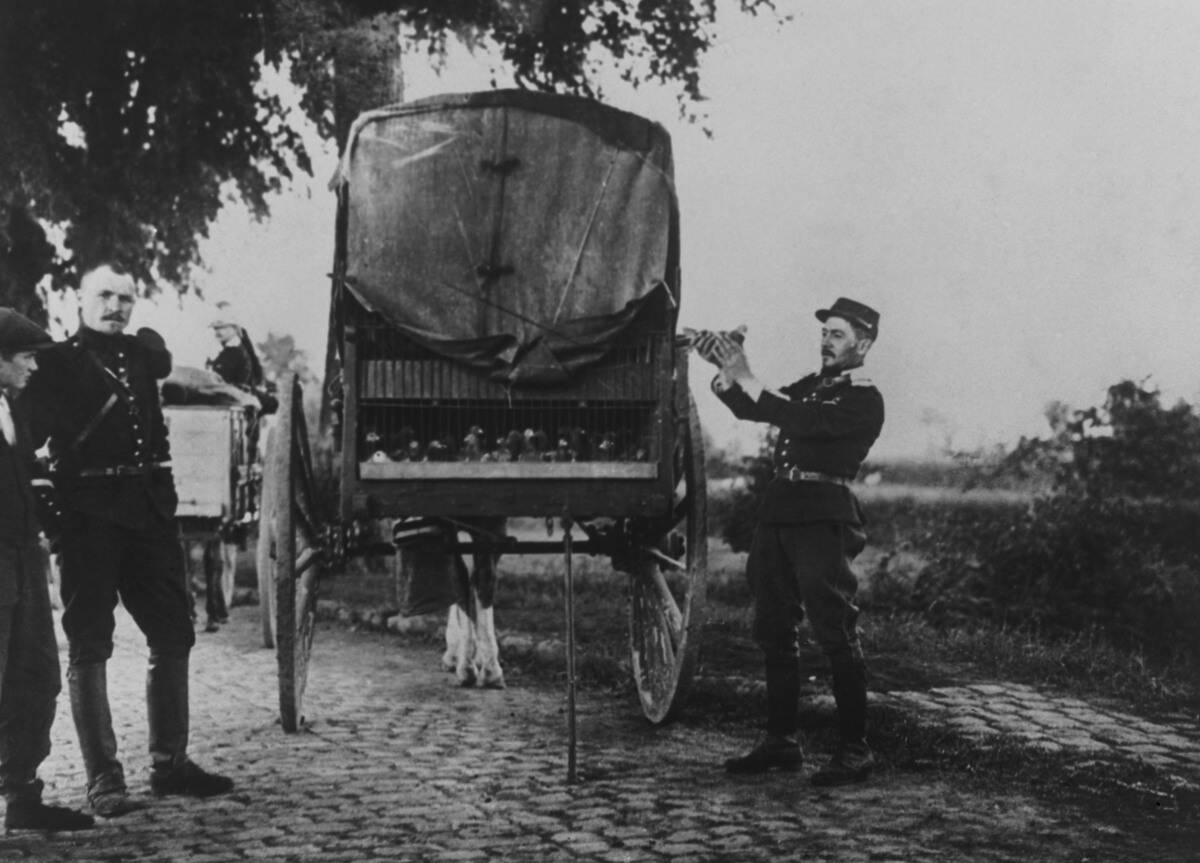
While there’s a great deal of debate concerning why France fell to Germany so quickly during World War II, The New York Times reported an assertion by history professor Ernest R. May that it could have been avoided if France had a more robust intelligence network. However, he doesn’t put the blame solely on the French high command, as Allied leaders at large failed to capitalize on a risky maneuver through the Ardennes mountains.
The bulk of German forces where pushing through this area, which meant that if the Allies had intercepted them, France could have either repelled them or lasted longer in the fight than the nation ultimately did.
A Wrong Turn Brought About WWI
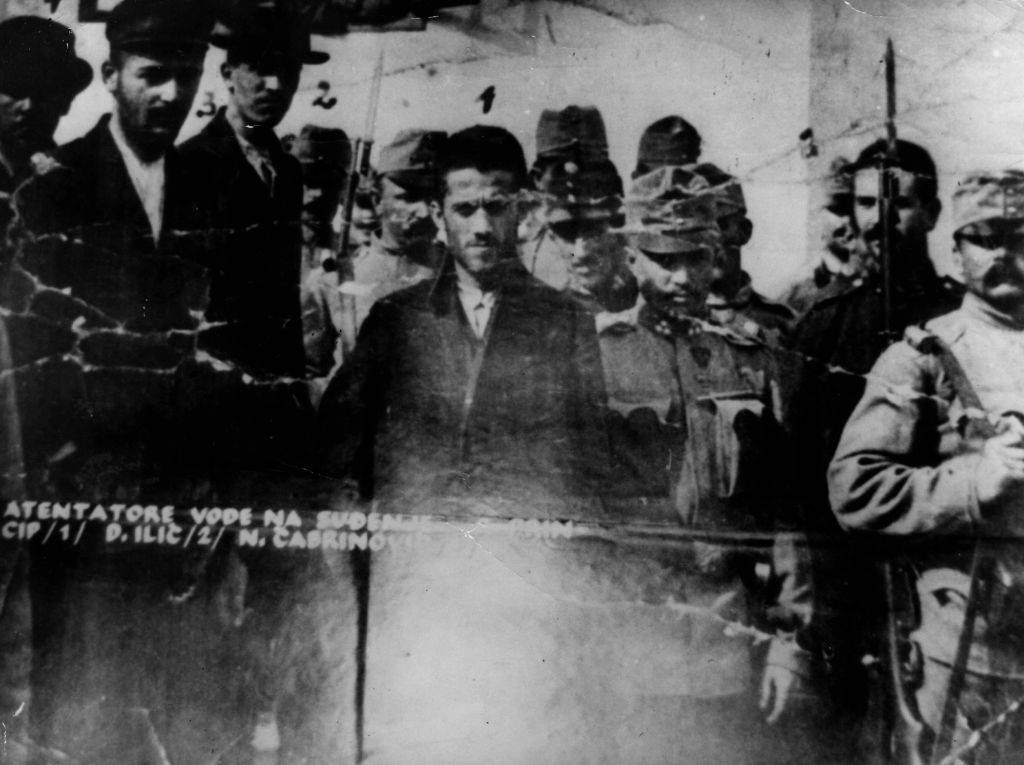
Gavrilo Princip was a member of the Bosnian militant group looking to off the rulers of the Austro-Hungarian Empire. That meant he had an issue with Archduke Franz Ferdinand, so on June 28, 1914, he and others made a plan to take out Ferdinand in his car.
They threw a bomb under his vehicle, but it had a delayed explosion, helping Ferdinand escape. Not too long later, Ferdinand wanted to pay a visit to the hospital where the victims were but told his driver to take a different route. The man driving took a wrong turn, and they ended up on the same street Princip was still on. He shot Ferdinand, sparking WWI.
Laziness Brought Down The Berlin Wall
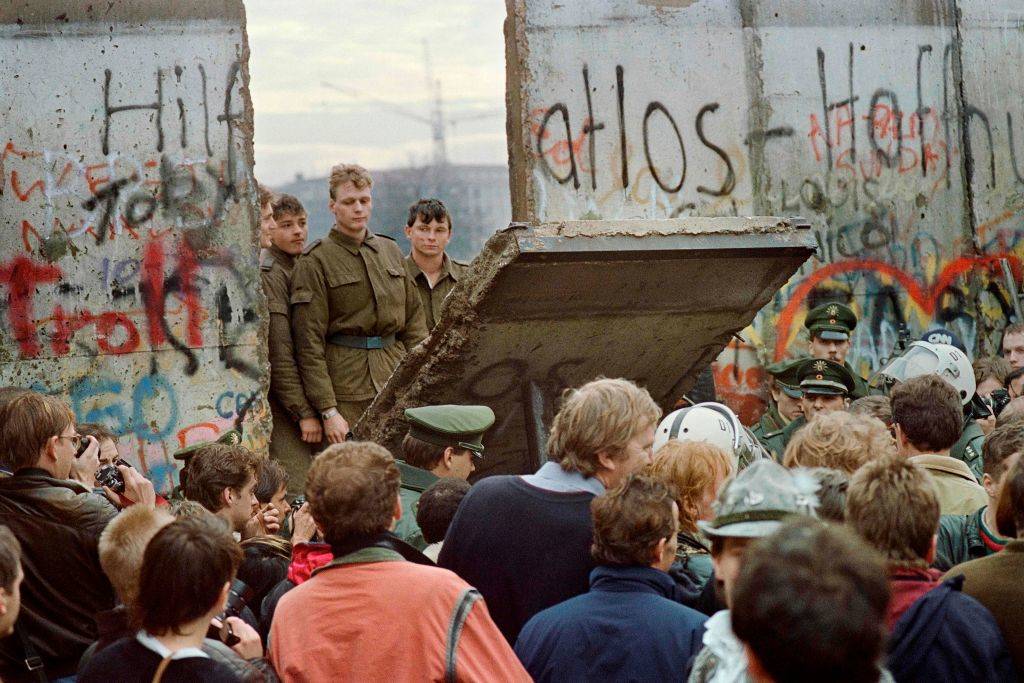
In grade school, teachers tend to stress the importance of reading all the instructions. The Berlin Wall fell in 1989 because Guenter Schabowski didn’t read everything during a press conference discussing the travel capabilities with the wall.
Right before the speaking event, Schabowski received an updated speech, but he didn’t go over the entire revision. Schabowski brought up the travel possibilities for every person, which caught everyone’s attention. A reporter asked when the changes would go live, and someone else shouted, “immediately?!” Confused and distracted, Schabowski said, “Immediately. Right Away.” That wasn’t the case, and the rest is history.
One Man Saved The World From A Nuclear Meltdown
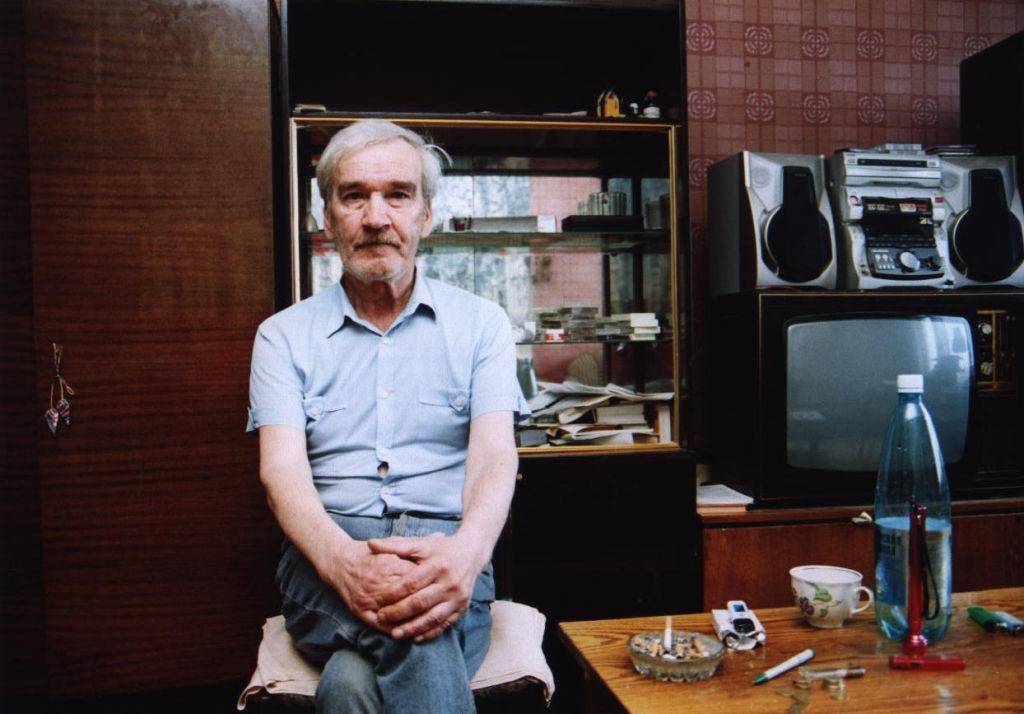
Many might not know the name Stanislav Petrov, but he’s vital to history. He helped to prevent a nuclear battle between the Soviet Union and America on September 26, 1983.
During his job monitoring days, Petrov observed the Soviets’ early warning systems. When a few sensors went off indicating the U.S. sent missiles towards the Soviets, Petrov had to fire back. He didn’t because he felt something didn’t feel right, so he waited to tell his superiors. Soon enough, the alarms ended up being false, so Petrov’s choice to not strike prevented chaos.
William Perry Kept His Mouth Shut To Prevent A Brawl
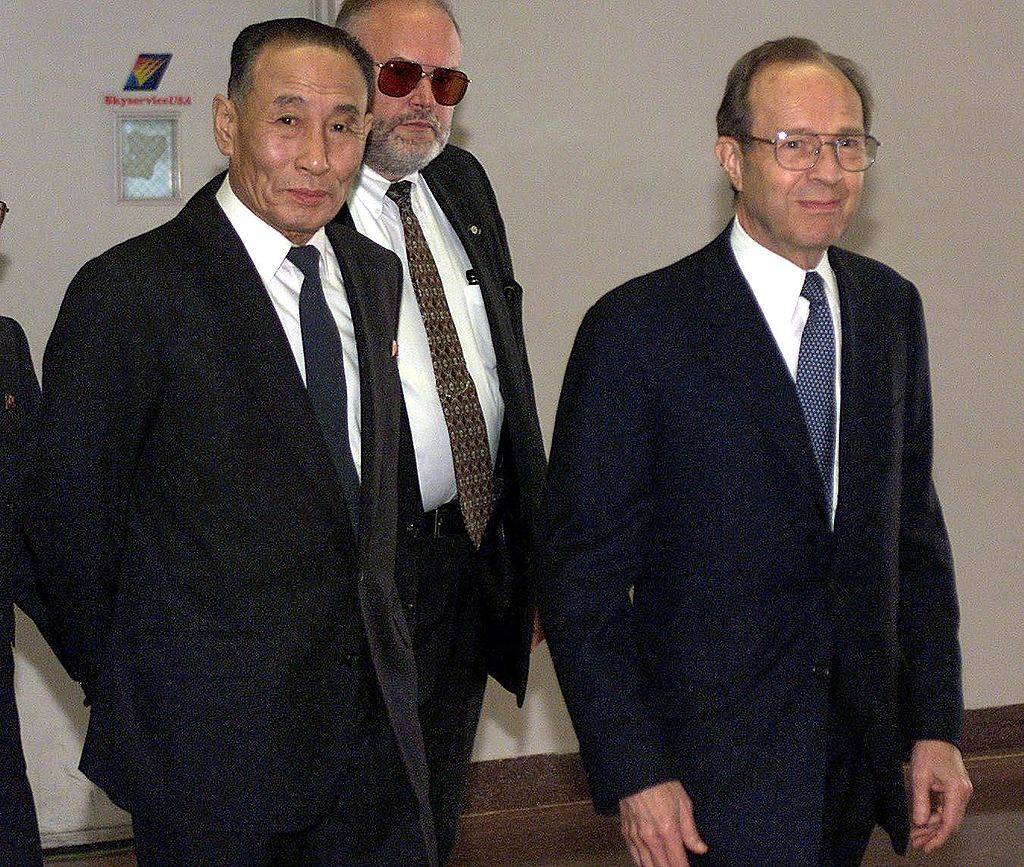
Under the former administration in 1994, the United States almost got into a deadly battle with North Korea as they gathered the means for nuclear warfare. Defense Secretary William Perry came up with different ideas that he thought would help stop North Korea, and that included a strategic bombing.
Perry came to his senses and decided not to brief the President on that plan as he figured it would lead to an all-out rumble. A few days later, they reached a peaceful settlement.
Losing The American Revolution Over A Poker Game
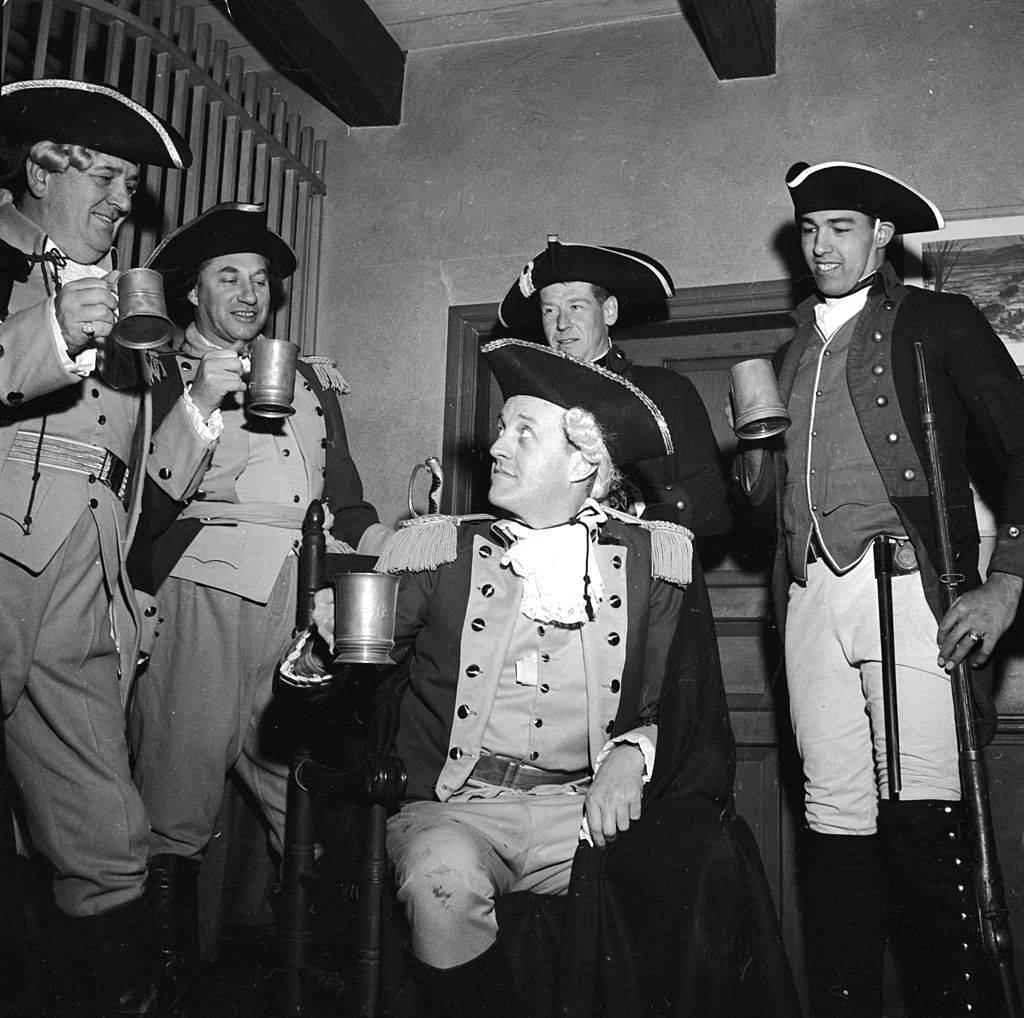
Many don’t know Johann Rall, a German Colonel who led the Hessian troops aiding the British during the American Revolution. Rall received vital intel revealing Washington’s crossing of Delaware the night before it went down.
The note was in English, which he didn’t read, and poker or chess was his main interest when he got the message. Instead of acting, he stuffed the intelligence in his pocket for another time, but there was no later for Rall after heading into battle and dying.
King’s Monumental Improvision
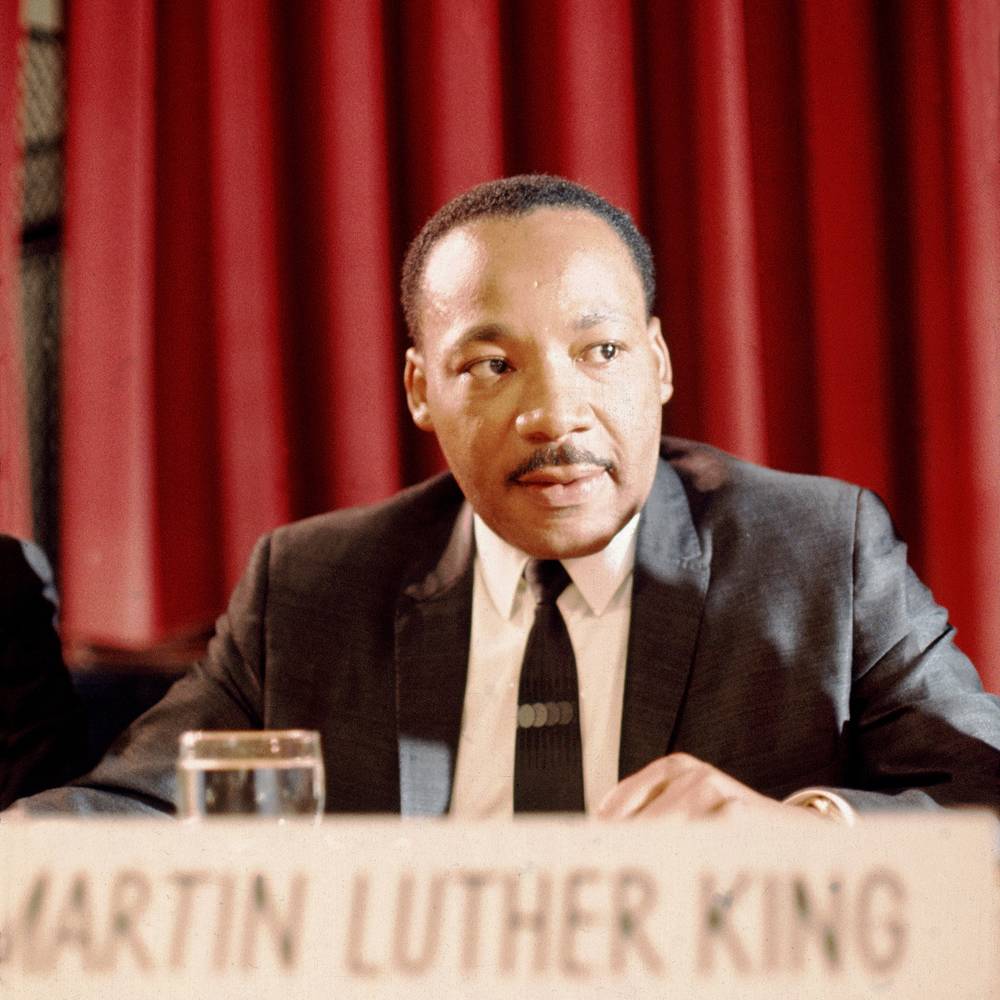
One of Dr. Martin Luther King Jr.’s most quoted phrases is “I have a dream.” It’s what many people recite when speaking about the late civil leader, but he almost didn’t speak those words during his speech in front of the Lincoln Memorial.
King had what he wanted to say already written, but when gospel singer Mahalia Jackson yelled out, “Tell ’em about the dream,” King chose to speak from the heart. It turned into one of the most crucial public speaking moments in history.
Marie-Antoinette Wanted A Different Carriage Which Led To Her Death
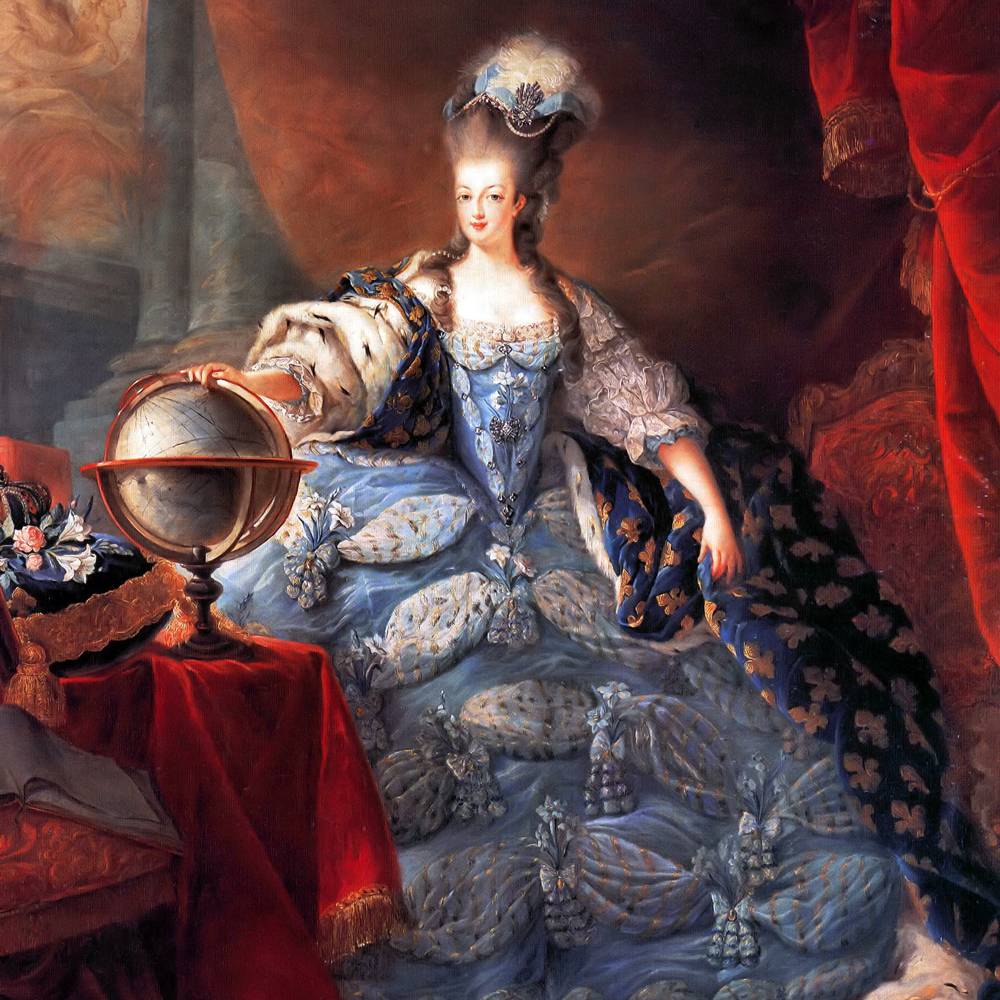
As history has it, Marie-Antoinette either did or didn’t say “let them eat cake,” during the French Revolution. History doesn’t paint a perfect picture for the former queen, and her beheading story doesn’t help.
The royal family had a plan to flee the country, but Marie-Antoinette made an interesting decision based on keeping the family together while the fled. She wanted them in a fancier carriage, opposed to the original they had ready for her, which was faster and smaller. The fancy option was way slower, which ultimately played a part in their capture.
Hannibal Barca Could’ve Taken Over Rome
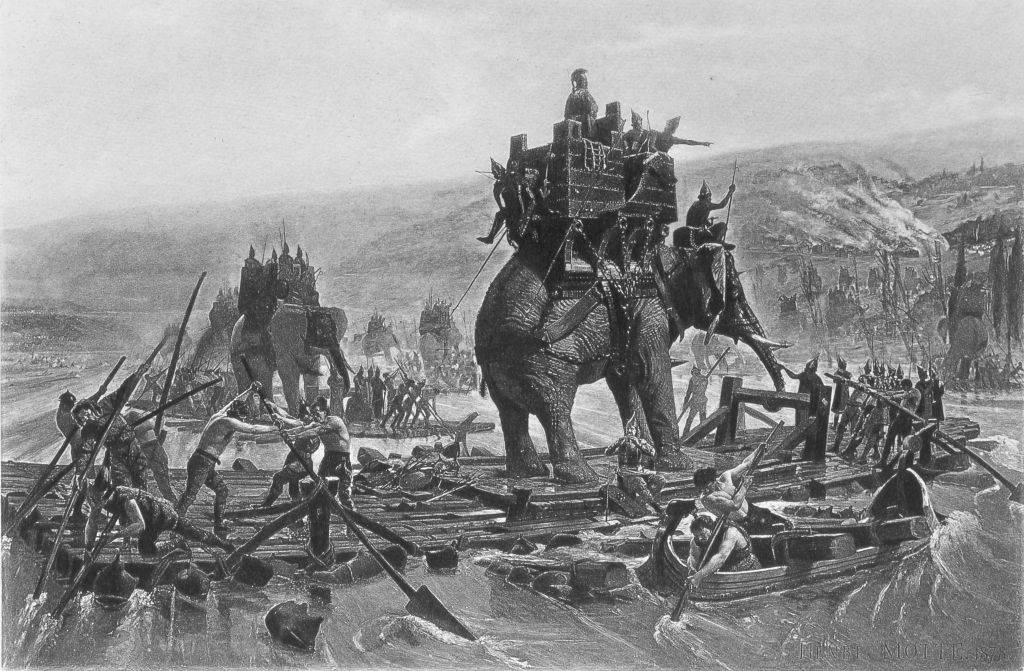
Famed Carthaginian military leader, Hannibal Barca, has a legacy of leading combat elephants over the Alps into Rome. He didn’t have much success in his attempts to overtake Rome, but that would’ve changed had he not made one mistake.
During his trek over the Alps, a heavy snowfall slowed him and his troops down. Hannibal wanted to prove the ground they journeyed over was still solid, so he hit a snowdrift with his cane. An avalanche took out a chunk of his army.
Marita Lorenz Couldn’t End Fidel Castro Because Of This…
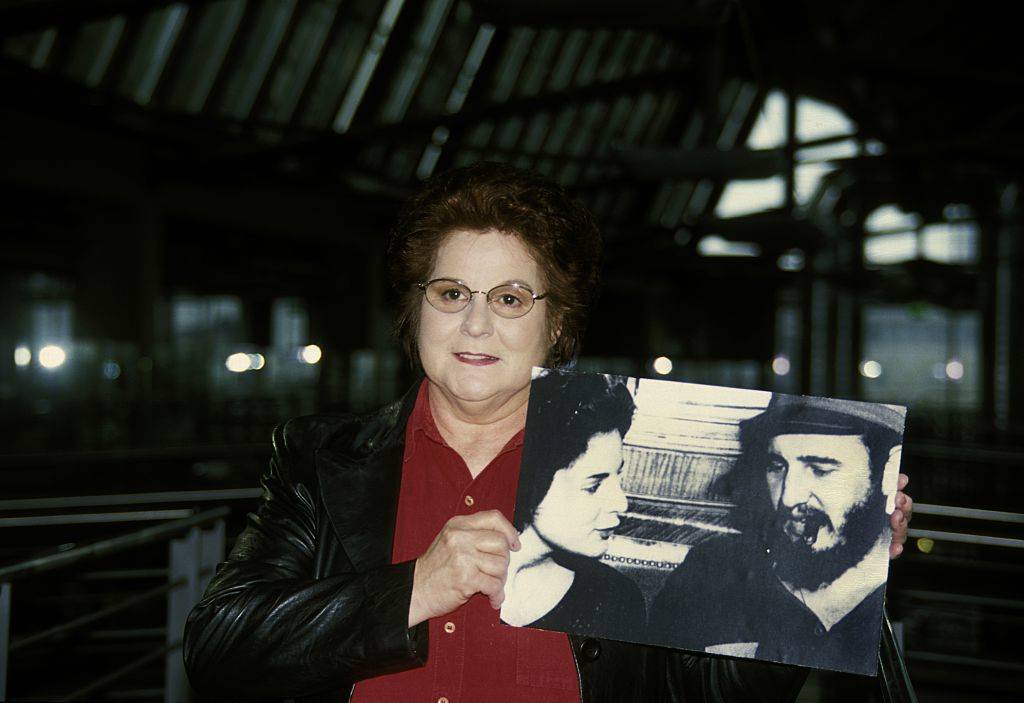
America devised many plans to try and finish off Fidel Castro, but they were all insane. For example, one idea was to lace his favorite ice cream with poison. They finally settled on hiring a woman to seduce him, then kill Castro.
The CIA chose Marita Lorenz to do the job and gave her poisonous pills to complete the mission. When she met him, the two made love instead and Castro even handed her a weapon. She couldn’t do it.
Misplacing Plans Of Attack During The American Civil War
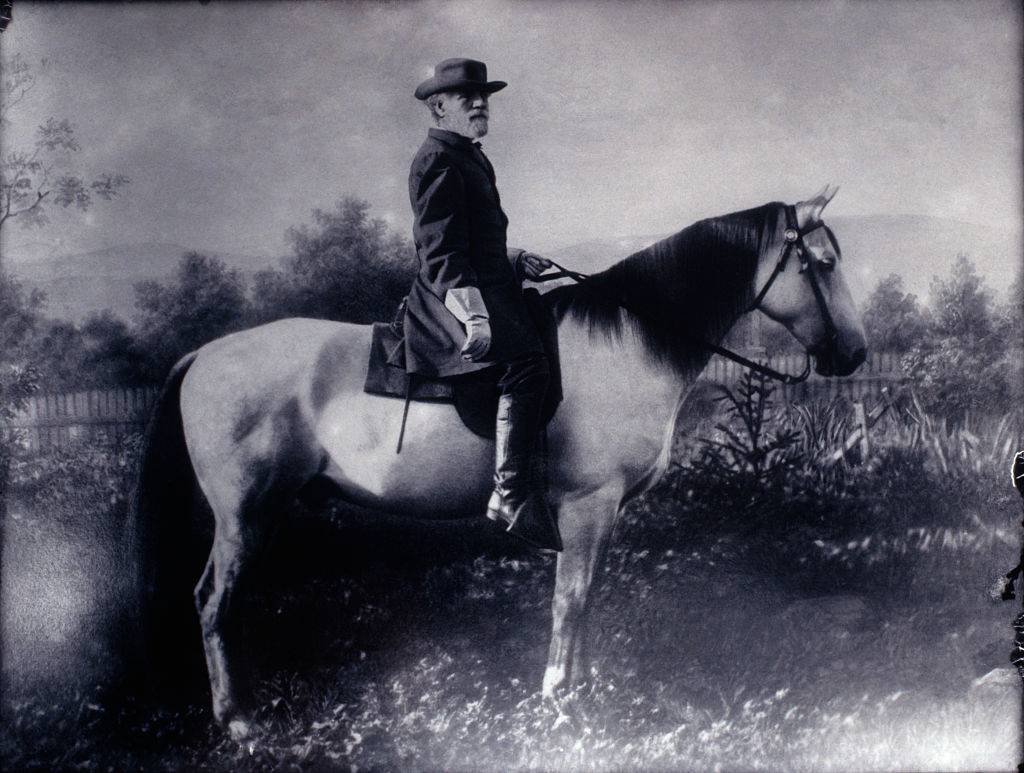
Robert E. Lee was a Confederate general during the American Civil War focused on leading an expedition into Maryland. This would end up becoming a pivotal battle in the war, Antietam. Thankfully, Lee drew up a detailed plan to help land a victory.
Sadly, Lee gave a draft of the plans to a subordinate, Major General D.H. Hill. Hill would end up placing those plans inside of a cigar box and misplacing the whole thing. A Unionist found it and used the intel to help win the Battle of Antietam.
The Timing For The Cuban Attack Was Off
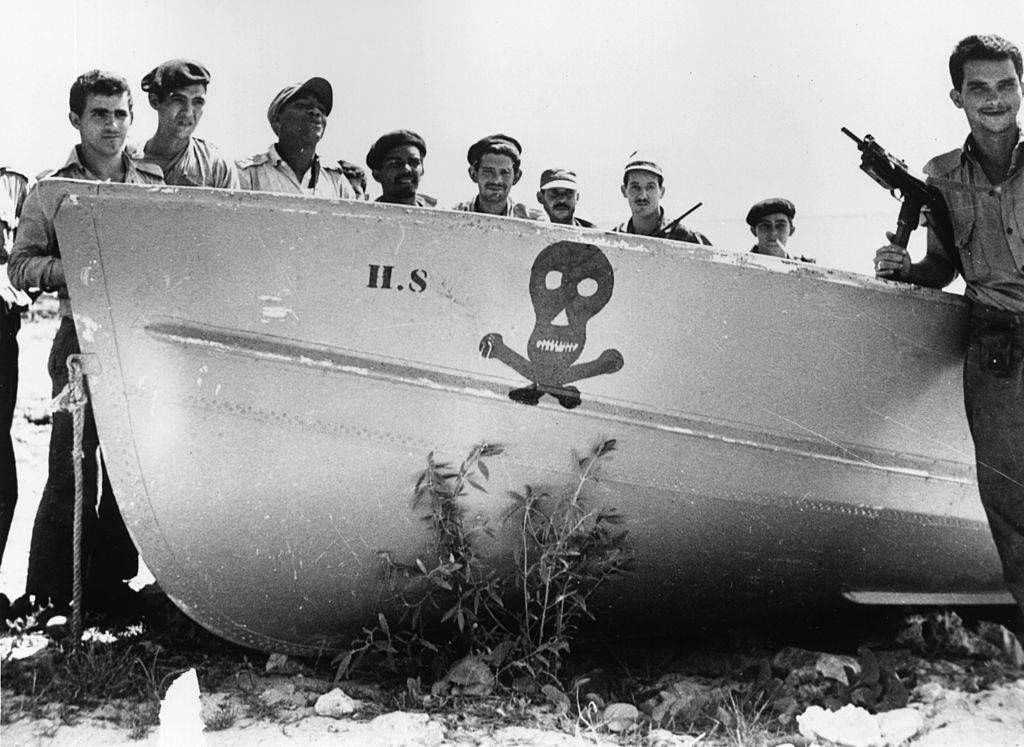
Not only did America find it difficult to kill Fidel Castro, but they also found Cuba’s presence troublesome. That’s why they came up with a plan to invade Cuba on April 17, 1961, by landing at the Bay of Pigs.
While the landing went right, the second half of the plan didn’t pan out the way they wanted it to happen. The air support didn’t arrive until an hour later because someone forgot to make sure the ground and aerial troops were on the same page. The invasion wasn’t successful.
Dr. Alexander Fleming Accidentally Discovers THIS
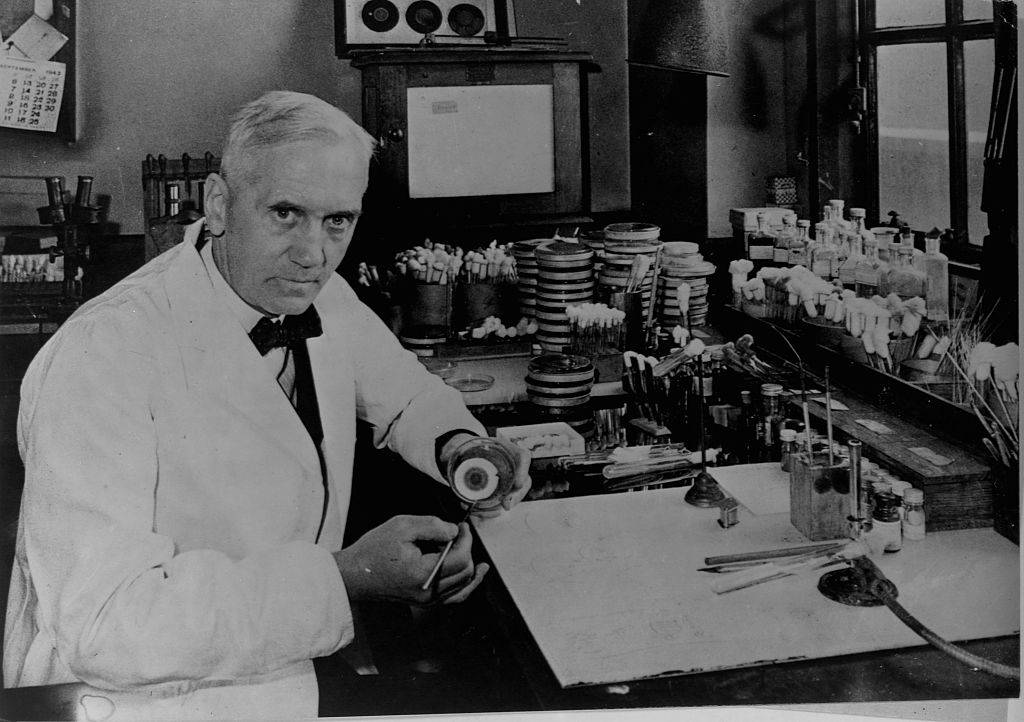
In August 1928, Dr. Alexander Fleming needed to take his annual vacation. During his last day before departure, he had Petri dishes with different samples stacked up in his laboratory. Fleming’s wasn’t very tidy, so he decided to leave them where they were.
When he returned after his trip, he took a closer look at the dishes he left sitting there. Upon closer examination, he noticed mold formed and killed much of the bacteria. He had just discovered penicillin and would eventually win the Nobel Prize.
Sparing A German Leader Without Knowing It
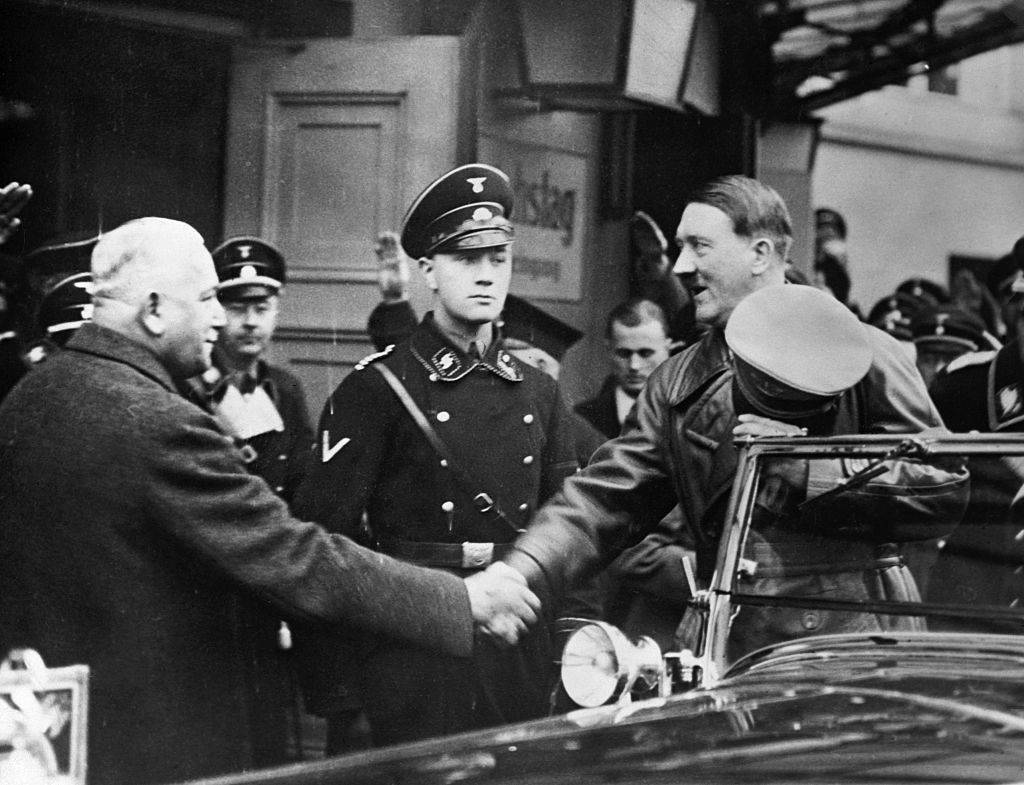
Imagine you were a soldier and had a clean shot at the leader of the Axis, would you take it? Private Henry Tandey was a courageous man during the first World War, earning the Victoria Cross in 1918. That’s Britain’s most senior military award for showing bravery.
He had many acts that helped him land this prestigious honor, but he missed out on becoming even more respected. On the day he won the Victoria Cross, he spotted a wounded soldier through the sights of his rifle. Since the person showed no signs of aggression, he chose to spare them, not knowing it was Adolf Hitler.
The Act That Stopped World War III From Happening
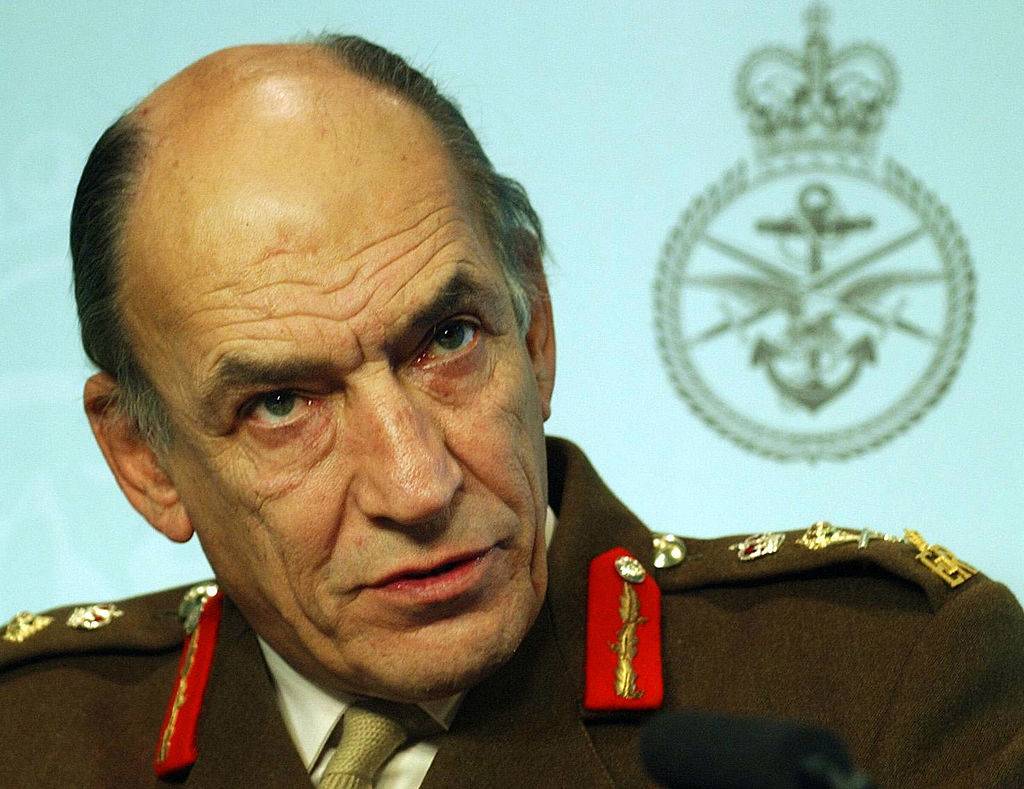
In 1999, the world was possibly on the brink of World War III. Russian forces had taken control of an airport that NATO peacekeeping forces were nearing. The confrontation likely would have led to a big enough conflict to incite World War III.
The British commander of the NATO forces, Mike Jackson, was ordered to forcibly take the airport. He refused, telling higher-ups he was, “not going to start World War III for you.”
A Vacation Might’ve Caused D-Day
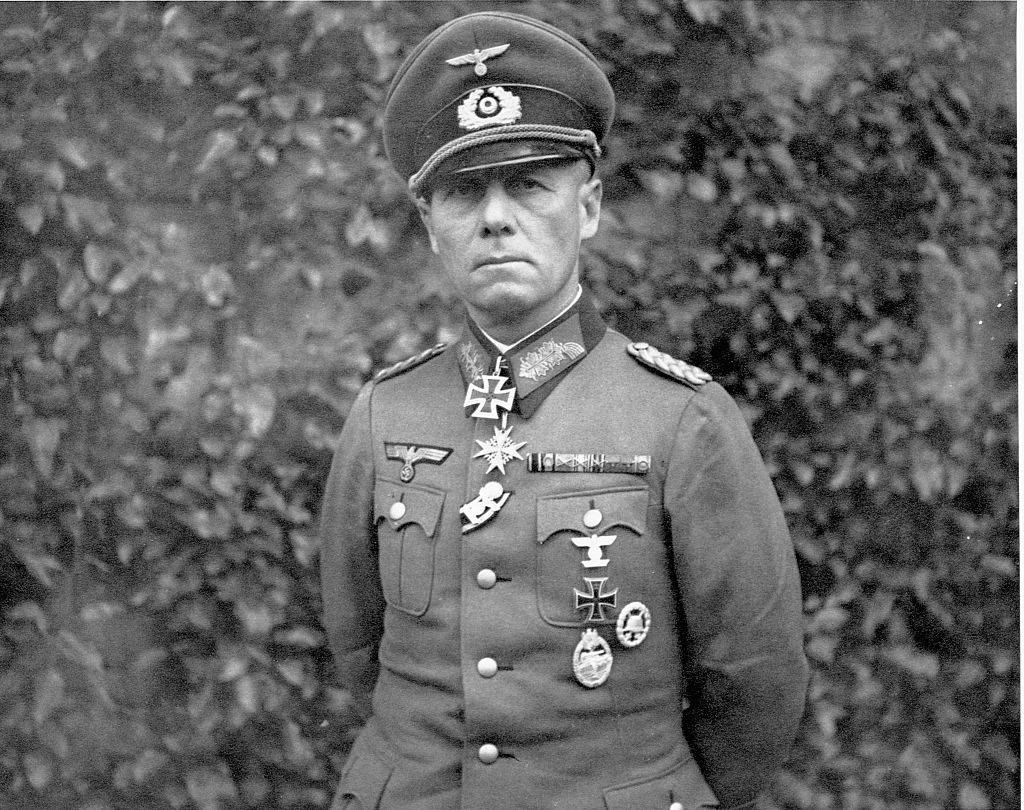
“Desert Fox” Erwin Rommel was one of the most highly recognized soldiers during the WWII era. D-Day was also one of the most vital moments during that time from an Allied perspective.
Since he was probably the most-skilled German tactician, Rommel was in charge of the defense at Normandy. On a whim, he decided to surprise his wife with a vacation, meaning he had to leave his post right before the Allies swarmed. Had he been there when things started to go down, the Third Reich would have been in better hands.




