Even our favorite bands still had some flop albums
As it turns out, even best-selling rock bands come out with a horrible album now and again. From AC/DC’s Fly on the Wall to Fleetwood Mac’s 1995 album Time, there are so many records that should be lost to history. Unfortunately, they’re not.
So, here they are — the bad, worst, and awful albums that even make the artists cringe. Leave a comment if you think we missed one!
Crosby, Stills, Nash, and Young – American Dream
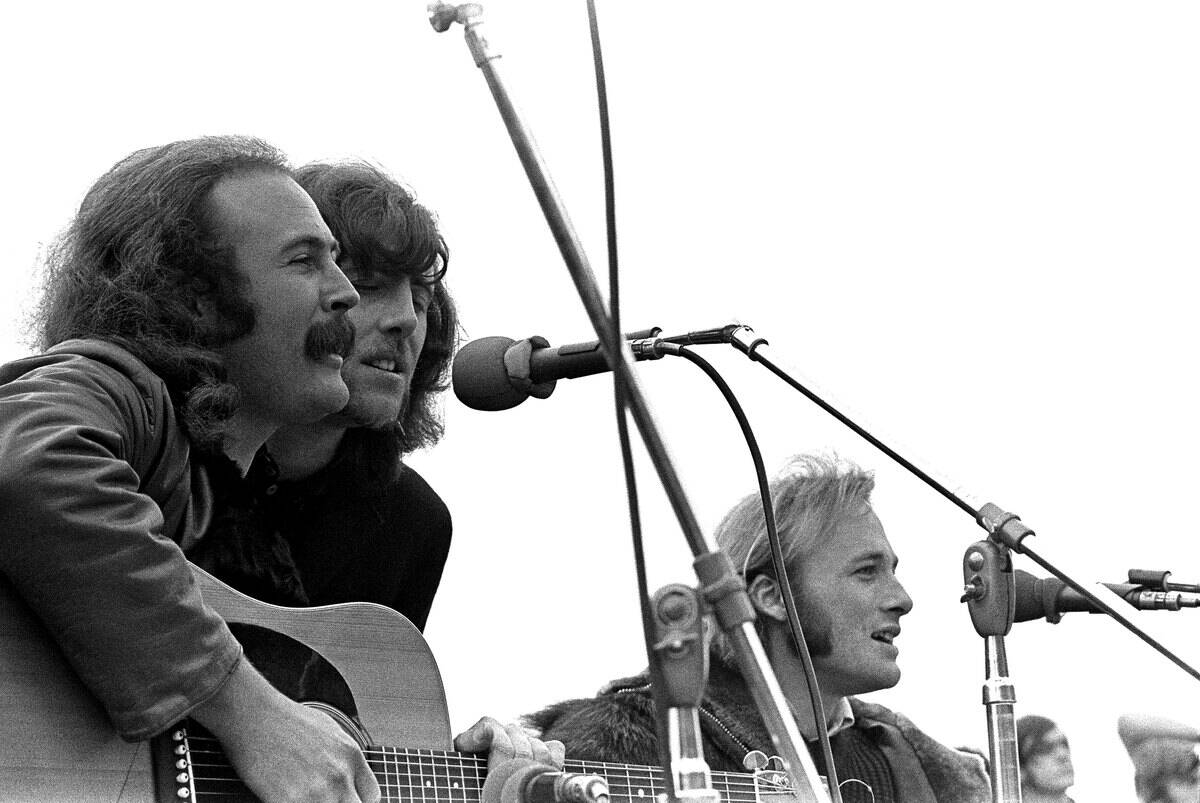
This album only came about because Neil Young promised his former CSNY bandmate David Crosby that if Crosby could clean up his life, Young would agree to a new album.
To their credit, Crosby did get clean and Young did keep his word — but releasing a new album years after CSNY’s last album was a mixed bag. All four members of the band were evidently saving their best output for their solo albums, and the band didn’t even tour to support the album.
The Doors – Other Voices
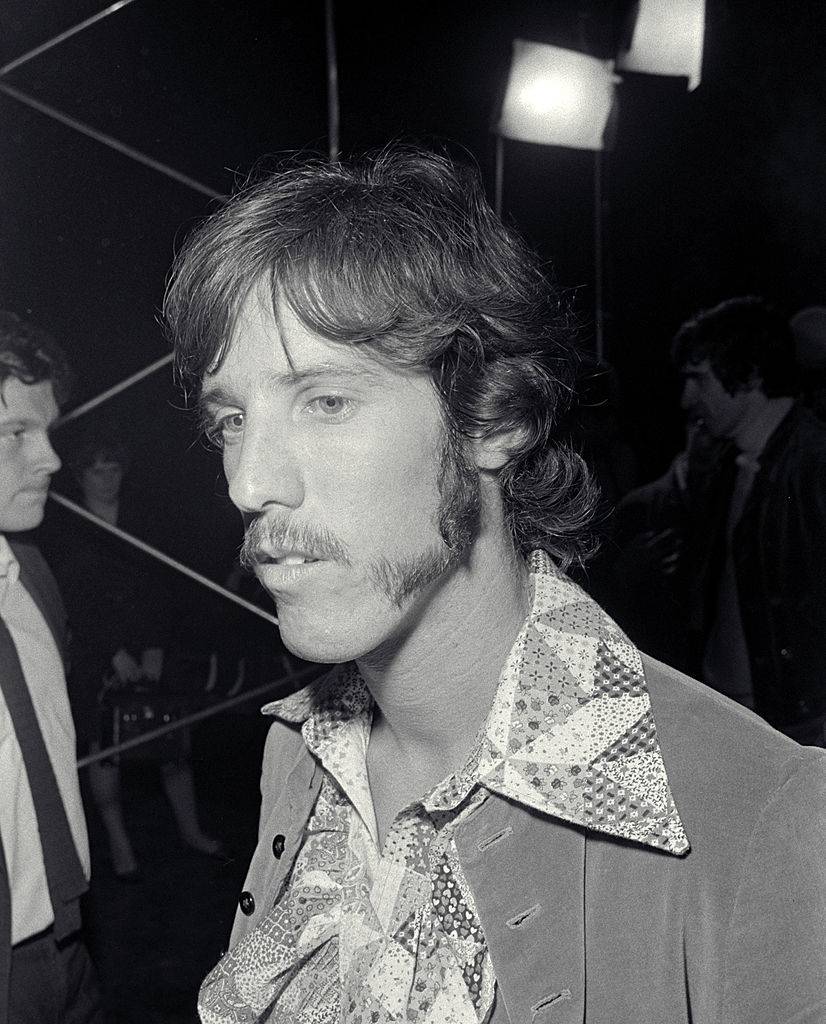
Jim Morrison is who people think of when they hear the band The Doors. So, fans weren’t sure how an album with solely Robby Krieger, Ray Manzarek, and John Densmore was going to go after his passing. Answer: not well. On Other Voices, Manzarek and Krieger attempted lead vocals.
But, the fast of the matter was the duo didn’t have the same “it factor” as Morrison. Their vocals weren’t up to par. The album’s title was pretty much the only thing going for the band because “other voices” was right!
Lou Reed – Metal Machine Music
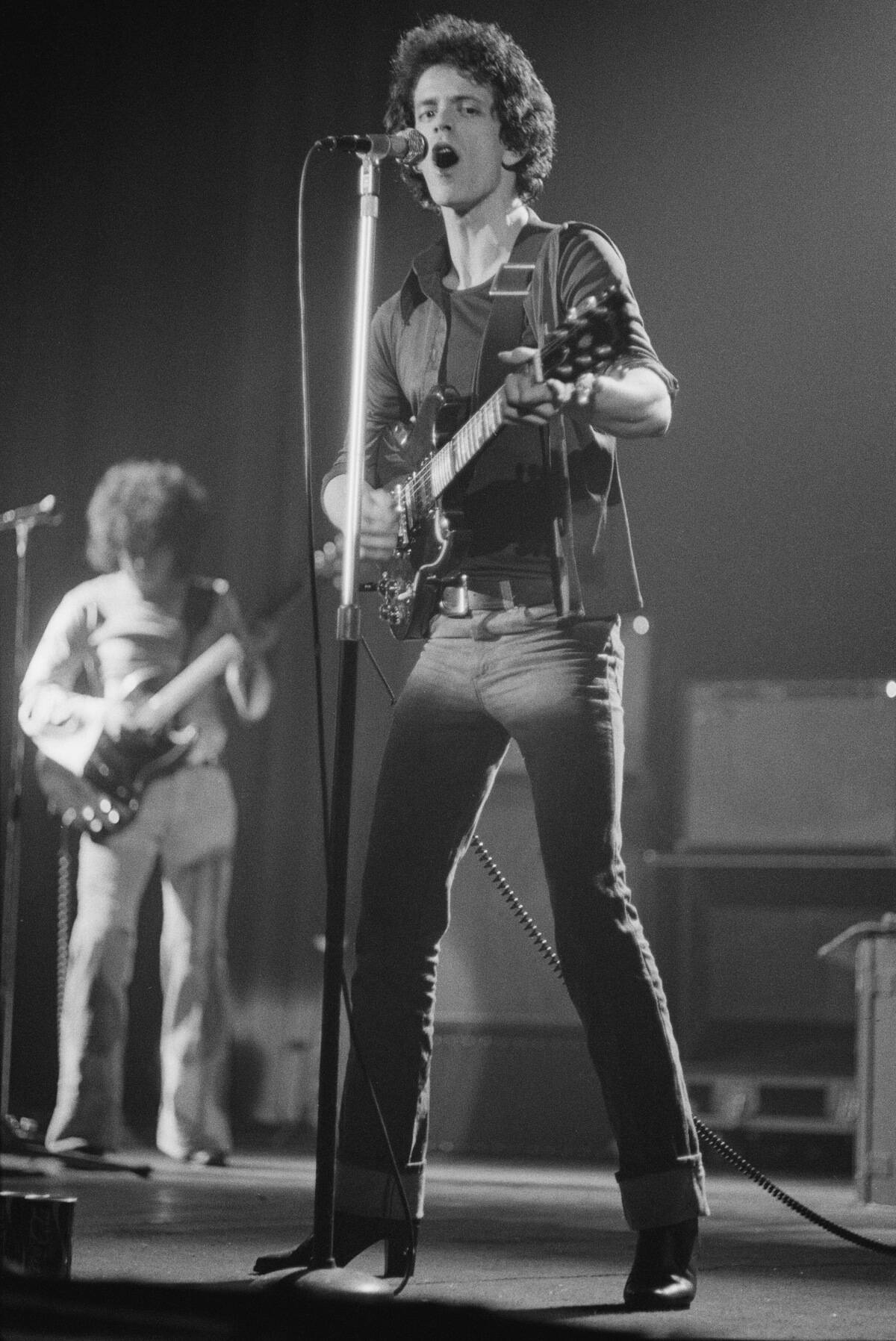
Lou Reed’s fifth studio album left loyal fans scratching their heads on its release in 1975. While Reed often leaned into experimental and unstructured music, Metal Machine Music was an album that didn’t really contain a single coherent song.
The album — essentially 64 minutes of experimental guitar sounds — was a critical dud on its release. While some re-assessments have been more charitable, Metal Machine Music is regarded by many as a low point in Reed’s career.
The Clash – Cut the Crap
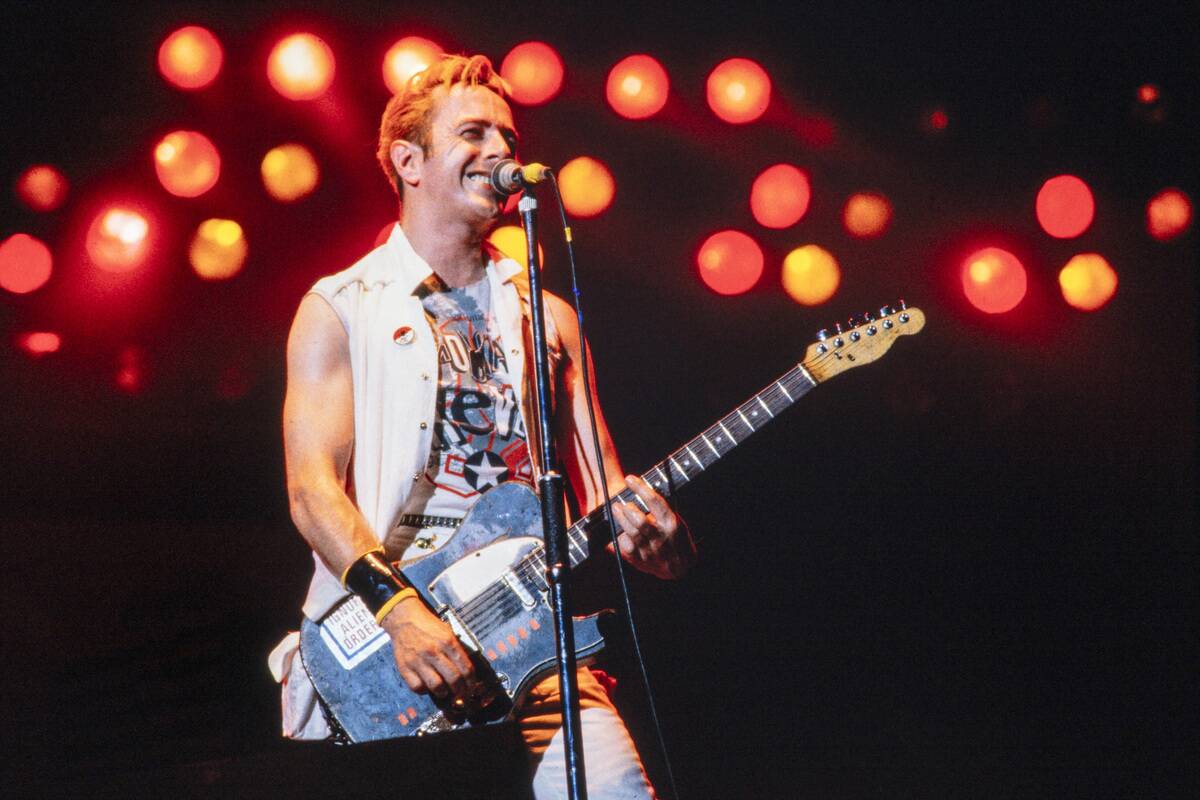
While the Clash appeared to be riding high in the early ’80s, buoyed by a series of successful album releases that merged punk rock with international music, 1985’s Cut the Crap would be the band’s final album.
While some albums take a big risk and end up failing, Cut the Crap is an example of an album that was doomed by rising tensions within the band. It came out after Mick Jones and Topper Headon — mainstays of the band — had been fired. While they were replaced by new members, their absence was felt. Critics at the time were less than generous with their reviews, with one stating that the band should simply remove the word “cut” from the album’s title.
Fleetwood Mac – Time
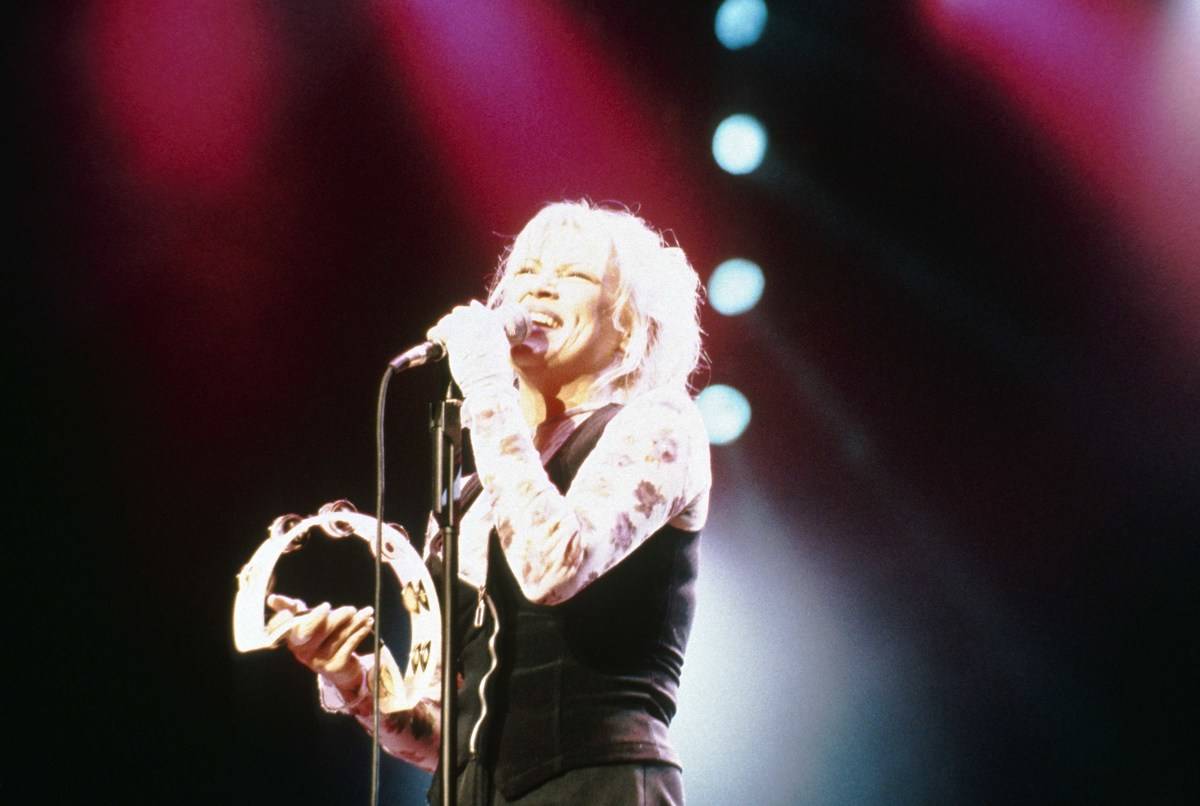
By the time Fleetwood Mac’s Time rolled around in 1995, the band had lost two of its most integral members — Stevie Nicks and Lindsey Buckingham. Foolishly, they thought they could carry on with Bekka Bramlett and Billy Burnette. The result was Time, a commercial disappointment and the band’s lowest-charting album in the UK.
On Colin Larkin’s All-Time Top 1000 Albums, Time was voted the number 10 All-Time Worst Albums Ever Made. That’s a long fall from the pretty much perfect album Rumours.
Def Leppard – Slang
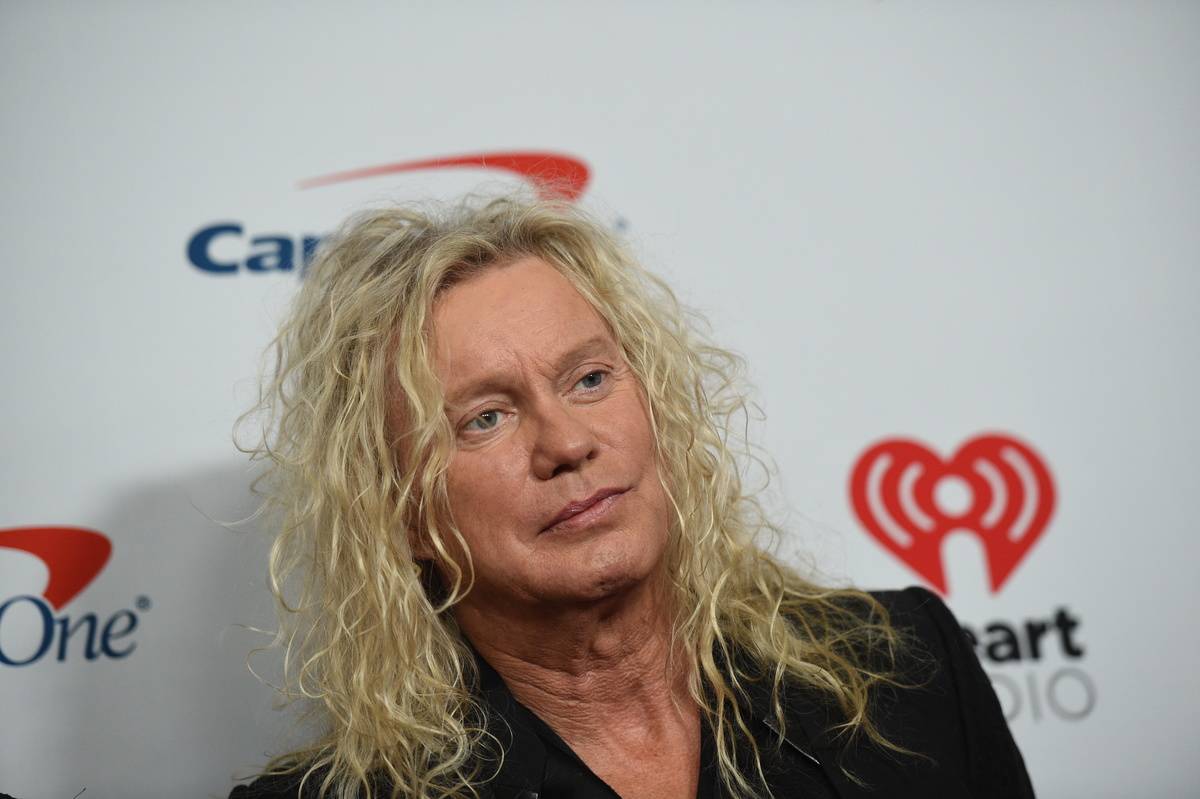
Def Leppard was on top of their game in the 80s, becoming one of the pivotal bands in the new wave of British heavy metal. Well, they didn’t get the memo that their time has come and gone. Instead, they decided to switch up their sound and release Slang, their sixth studio album.
Not only did the album disregard the band’s distinctive melodies, but it decided to include horrible grunge and industrial sounds to virtually every track. It was a disaster from start to finish. Sorry, Def Leppard, but the darker lyrics don’t suit you.
Ringo Star – Ringo the 4th

While Ringo Starr may not be as celebrated as the other three Beatles, he proved his musical chops by writing and singing songs like “Octopus’s Garden” and releasing a steady stream of solo albums following the band’s breakup.
Many of Starr’s solo albums are largely forgotten today, but 1977’s Ringo the 4th stands out as a low point. Starr was evidently inspired by the disco era and tried to incorporate the sounds of the time on the record — an experiment that was largely deemed to be a failure.
R.E.M. – Around the Sun
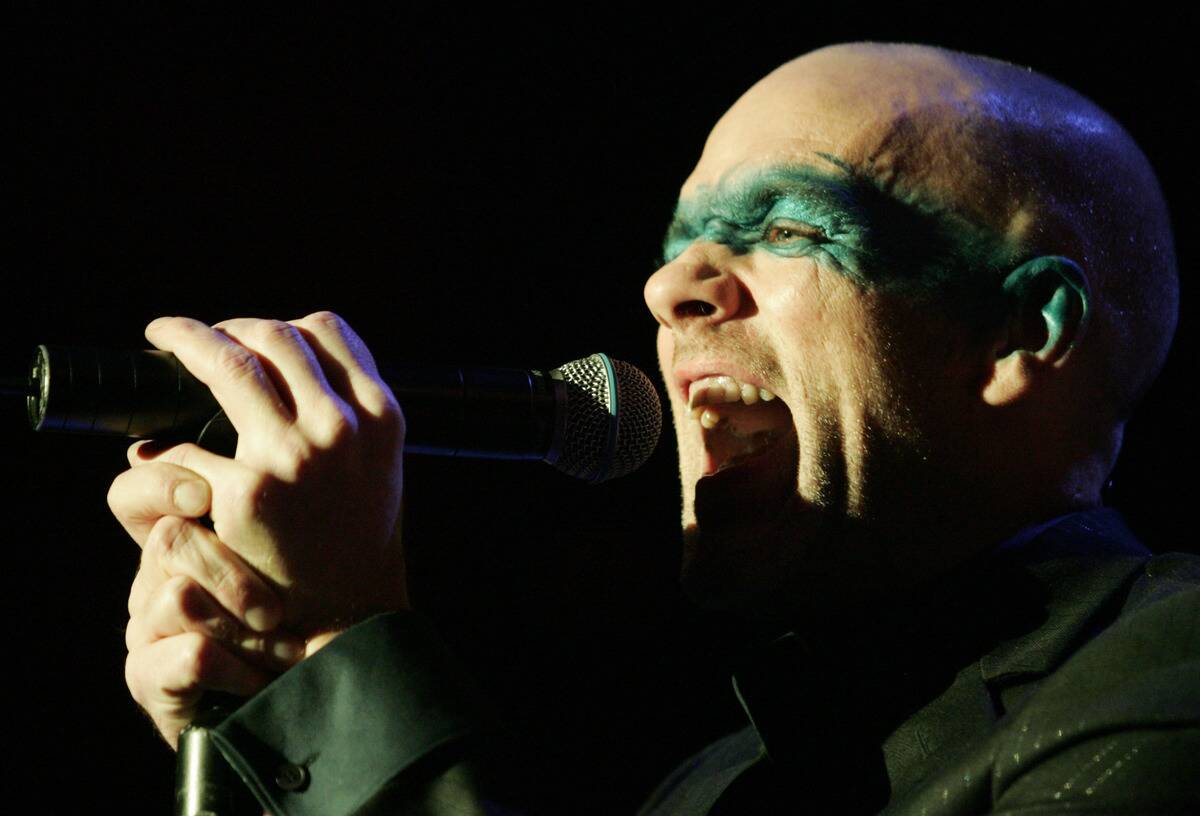
Following an extended period of critical success in the ’80s and early ’90s, R.E.M. — fronted by Michael Stipe — entered a fallow period in the late ’90s. 2004’s Around the Sun sought to reclaim the band’s former glory — and while it sold fairly well, it’s generally regarded to be the weakest album in the band’s catalogue.
Critics said the album was an unfocused, disinterested, disjointed mess. Stipe seemed to agree, saying that while the songs themselves were good, the band lacked focus in recording them.
Joni Mitchell – Dog Eat Dog

Joni Mitchell’s 1985 album Dog Eat Dog is a product of its time, with guest appearances by musicians like Don Henley and Thomas Dolby, and songs decrying Ronald Reagan and corporate greed.
The album also sounds very much like a generic 1985 album, which didn’t work well against Mitchell’s trademark soprano singing style. The fact that she didn’t play any guitar on the album was also a bit puzzling.
Michael Bolton – Soul Provider
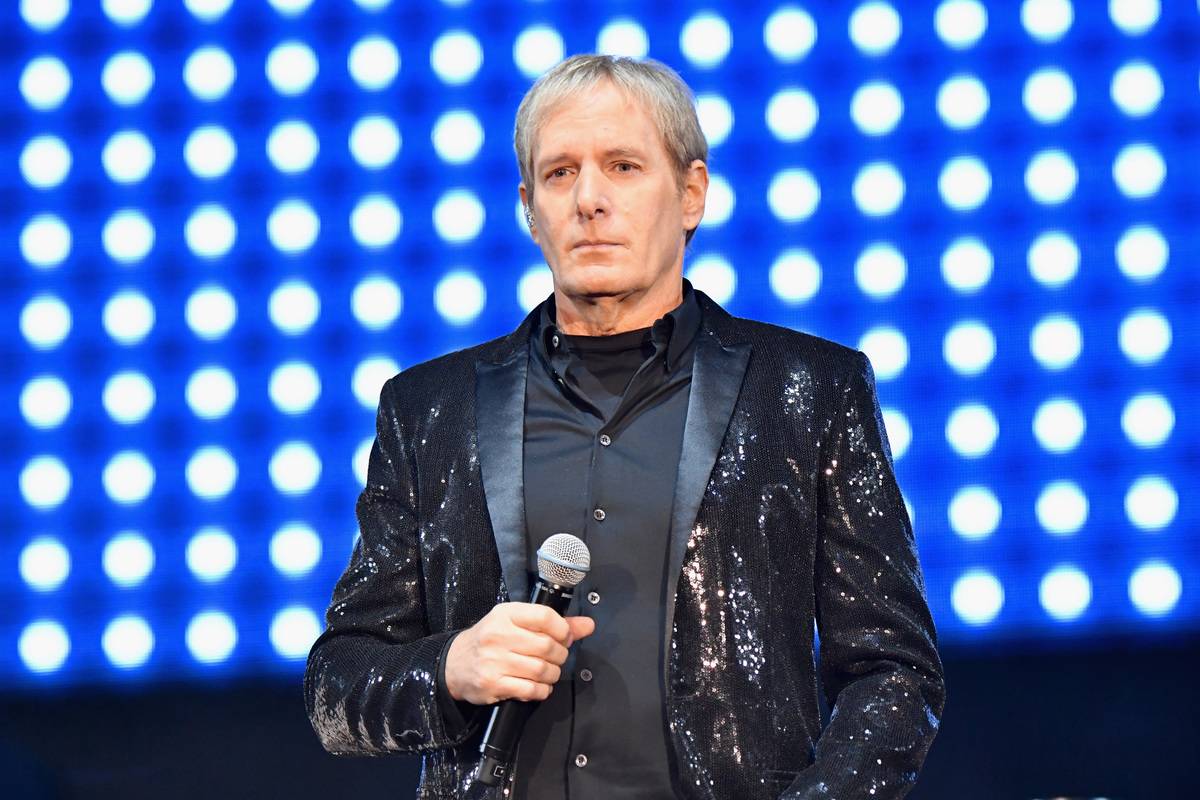
The thing about Michael Bolton is that it’s hard to dislike his music. It’s what’s called “agreeable.” Even so, it can get boring to hear the same vocals, guitar riffs, and general themes happening throughout his albums. And once Soul Provider rolled around, it was cited as being more of the same.
That’s not a great critique for an artist to get, especially when it’s album number six! Even so, its watery lyrics didn’t stop people from purchasing the album. It spent almost four years on the Billboard 200!
Guns N’ Roses – Chinese Democracy
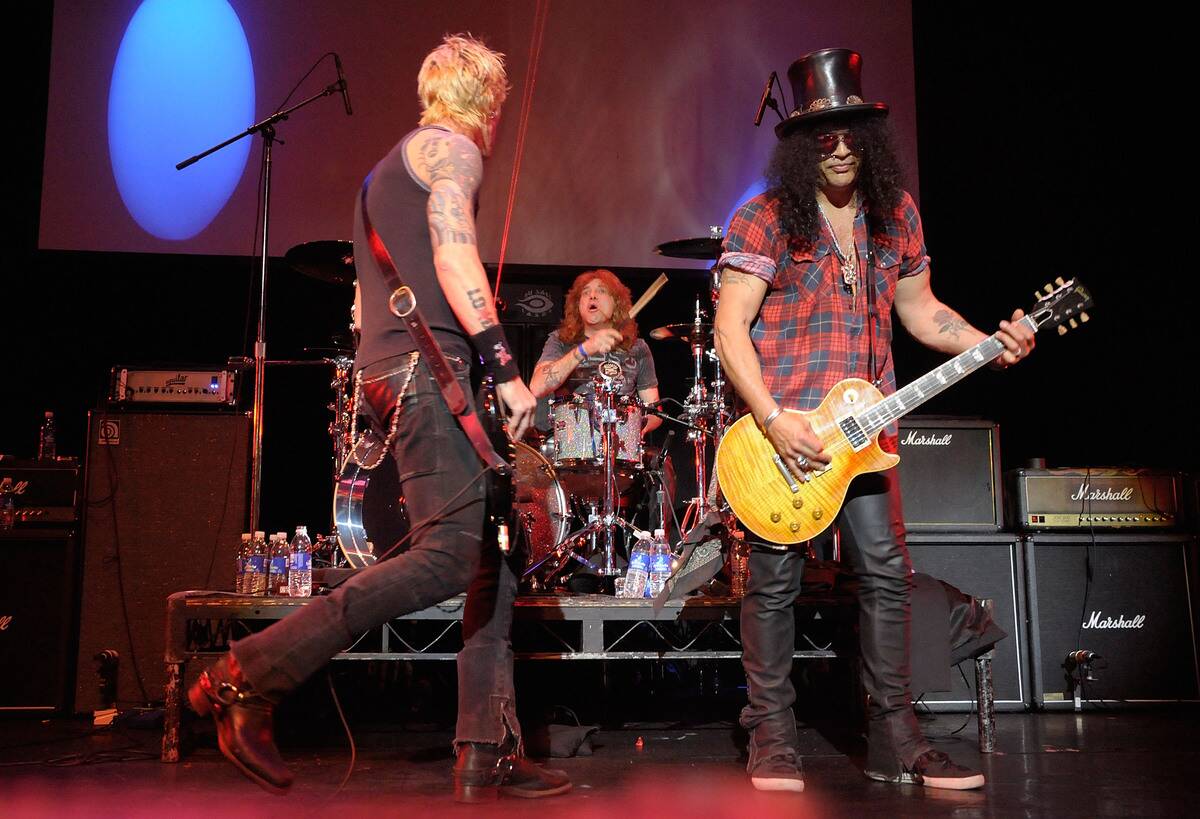
Guns N’ Roses was one of the most successful bands the music industry had ever seen by the early ’90s, but the band burned out following the release of The Spaghetti Incident? — an album of covers — in 1993.
The group started recording their follow-up album, Chinese Democracy, in 1998 with an eye toward a 1999 release date — but production of the album stretched for a full decade. When it was finally released in 2008, it’s safe to say that GnR had lost their momentum. It received mixed reviews with some critics praising it, but many fans believed that the long wait was not worth it.
Pink Floyd – The Endless River

Fans of Pink Floyd, one of the most iconic bands of the 1970s, probably didn’t think they’d see the band release another album. After all, Pink Floyd released only two studio albums in the ’80s, and one more in the ’90s.
But in 2014, the improbable happened: Pink Floyd released a new album, The Endless River. As it turned out, the album was mostly instrumental, and aside from a few new pieces, was largely recorded during studio sessions for 1994’s The Division Bell. The album sounded like Pink Floyd, at the very least — but it failed to leave much of an impression with critics or fans.
Bob Dylan & The Grateful Dead – Dylan & The Dead
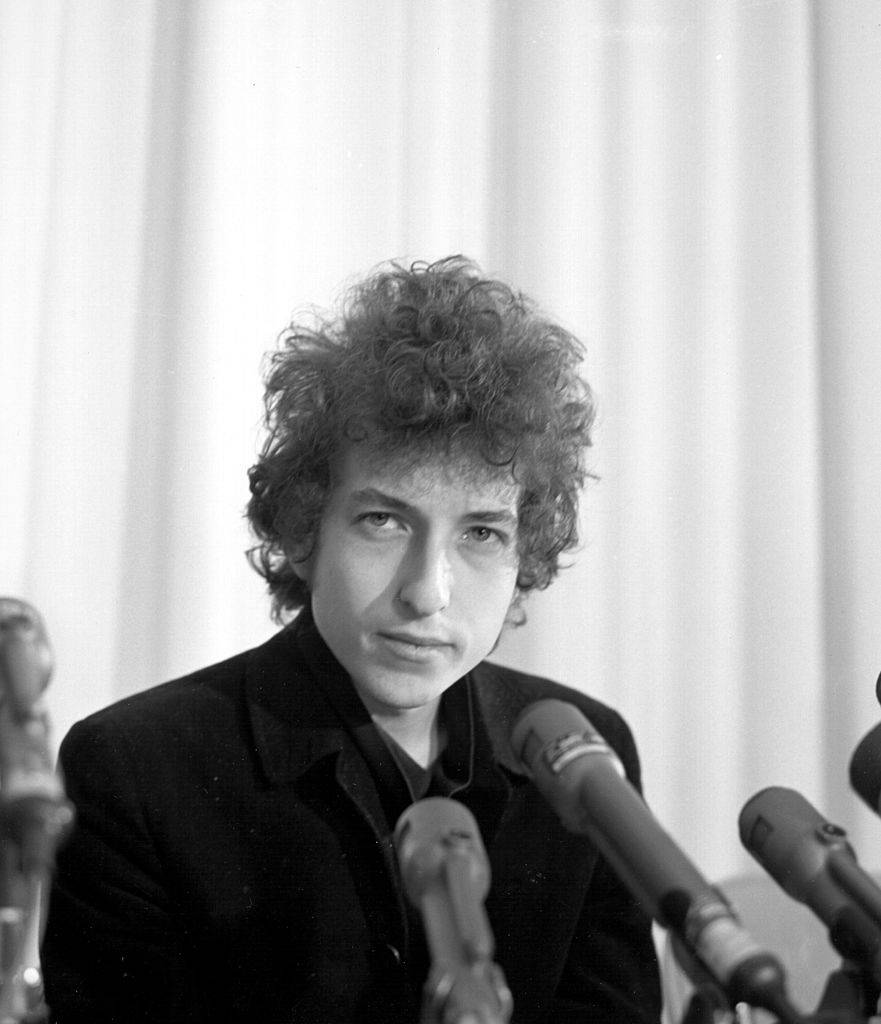
When it was announced Bob Dylan would be collaborating with The Grateful Dead on not one song but an entire album, rock fans were thrilled. Too bad the album didn’t live up to expectations. While the album sold, critics weren’t too pleased with what could have been an all-time record.
Stephen Thomas Erlewine’s from AllMusic gave the album one star, saying, “[it’s] quite possibly the worst album by either Bob Dylan or the Grateful Dead…a sad, disheartening document.” Now, Dylan & the Dead is just a reminder of what could have been.
Mötley Crüe – Generation Swine
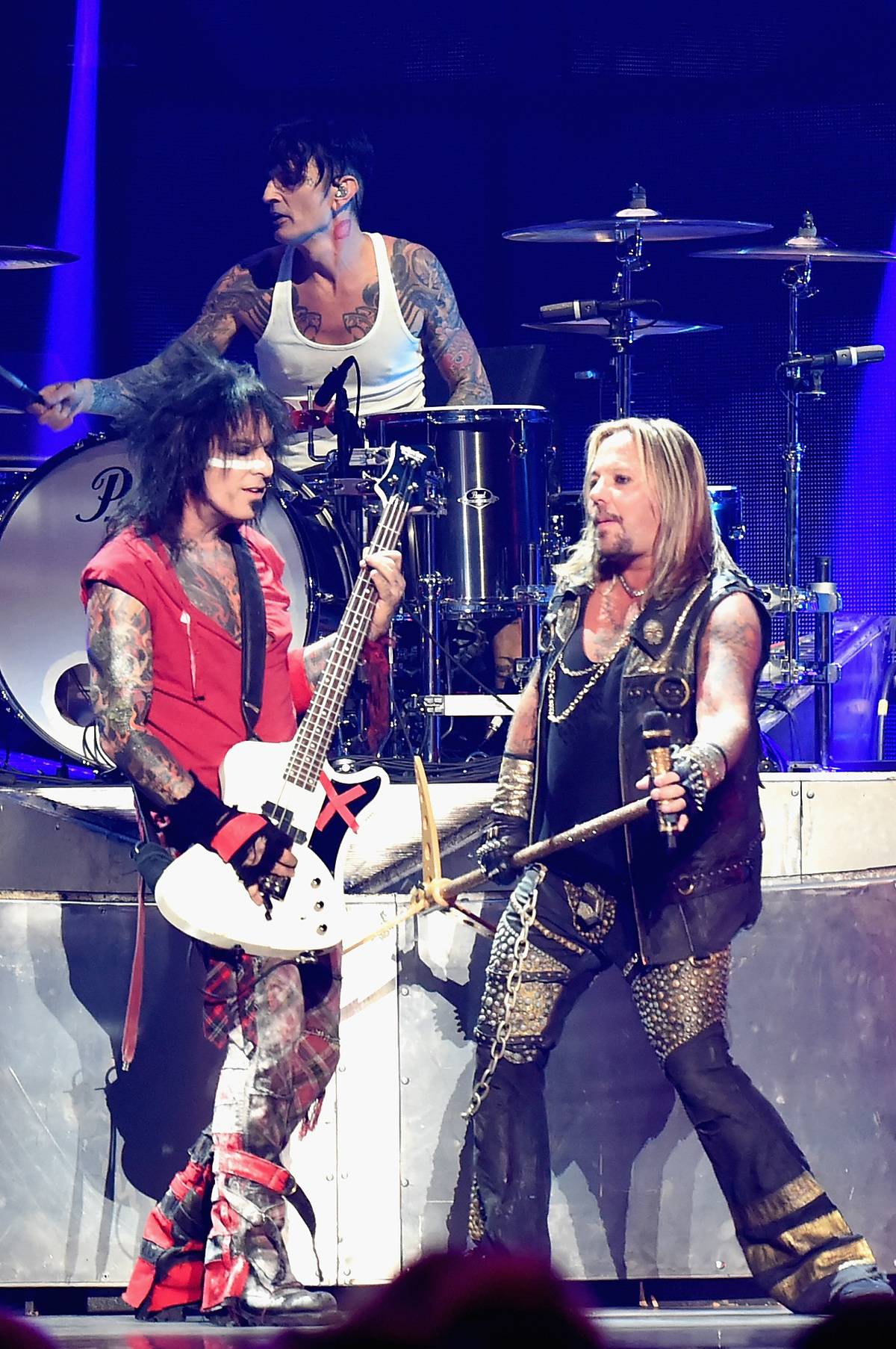
Heavy metal band Mötley Crüe has come out with some hits over the years, including 1989’s Dr. Feelgood. So when a comeback album was released in 1997, fans couldn’t have been more excited. Lead singer Vince Neil was coming back into the picture, after all! Well, Generation Swine was a comical disaster.
Stephen Thomas Erlewine of AllMusic actually went as far as calling the album “nothing short of an embarrassment.” Apparently, not everyone appreciated the band experimenting with a more alternative sound!
Paul McCartney – Press to Play
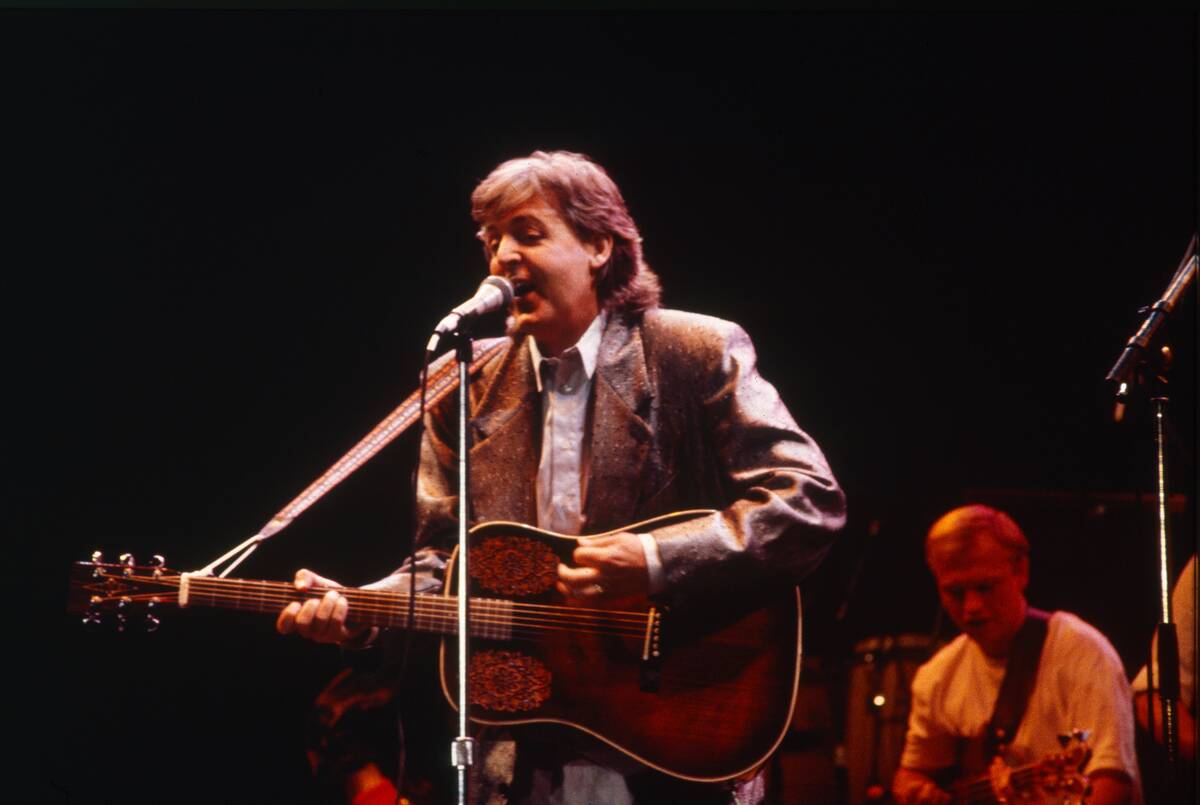
Paul McCartney hit a few stumbling blocks with his early ’80s solo career, and he aimed to make a splash with 1986’s Press to Play — positioned as a more contemporary record, created in collaboration with hitmaking producer Hugh Padgham.
The album spawned a few singles and critics gave McCartney credit for trying something new — in fact, some gave the album positive reviews. Still, it failed to resonate with audiences, sold poorly, and is mostly overlooked today.
The Rolling Stones – Dirty Work
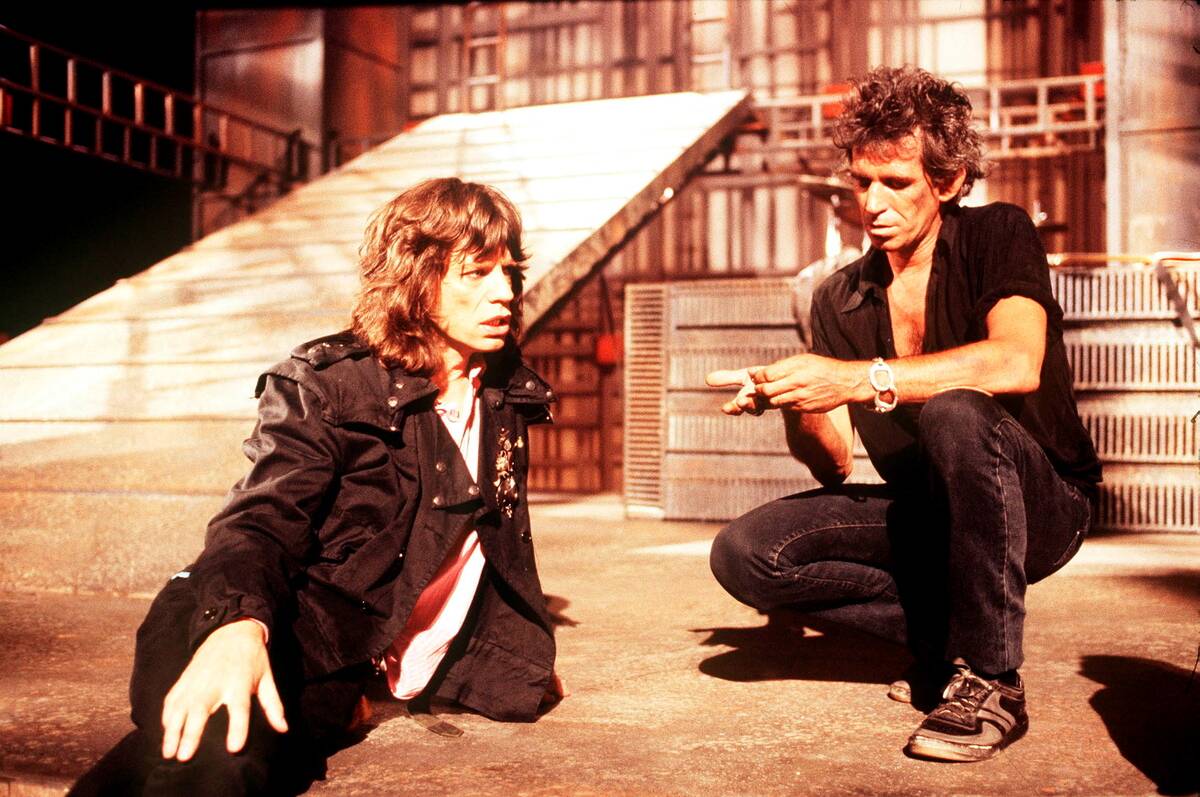
Throughout the long history of the Rolling Stones, the band has never stopped making new music for very long, even when dealing with significant turmoil. That was the case in the mid-’80s, a period in which Mick Jagger and Keith Richards were in a major feud.
In the midst of this angst, the band released Dirty Work in 1986. It was a discordant record, with all of the band’s members returning from solo projects to shake off the rust and record together once more. It sold well, likely due to the band’s name recognition, but many criticized it for being weak in comparison to their other albums (not to mention Jagger’s solo work).
Carole King – Speeding Time

Carole King was a hitmaker throughout the ’70s — writing timeless songs for a variety of artists — but her efforts to keep up with the Joneses fell flat with 1983’s Speeding Time.
The crux of the issue was that the album featured a synth-heavy new wave sound, which was a vast departure from the slower, more sensitive ballads that King was known for. It was the first album of King’s that didn’t chart.
Madonna – American Life
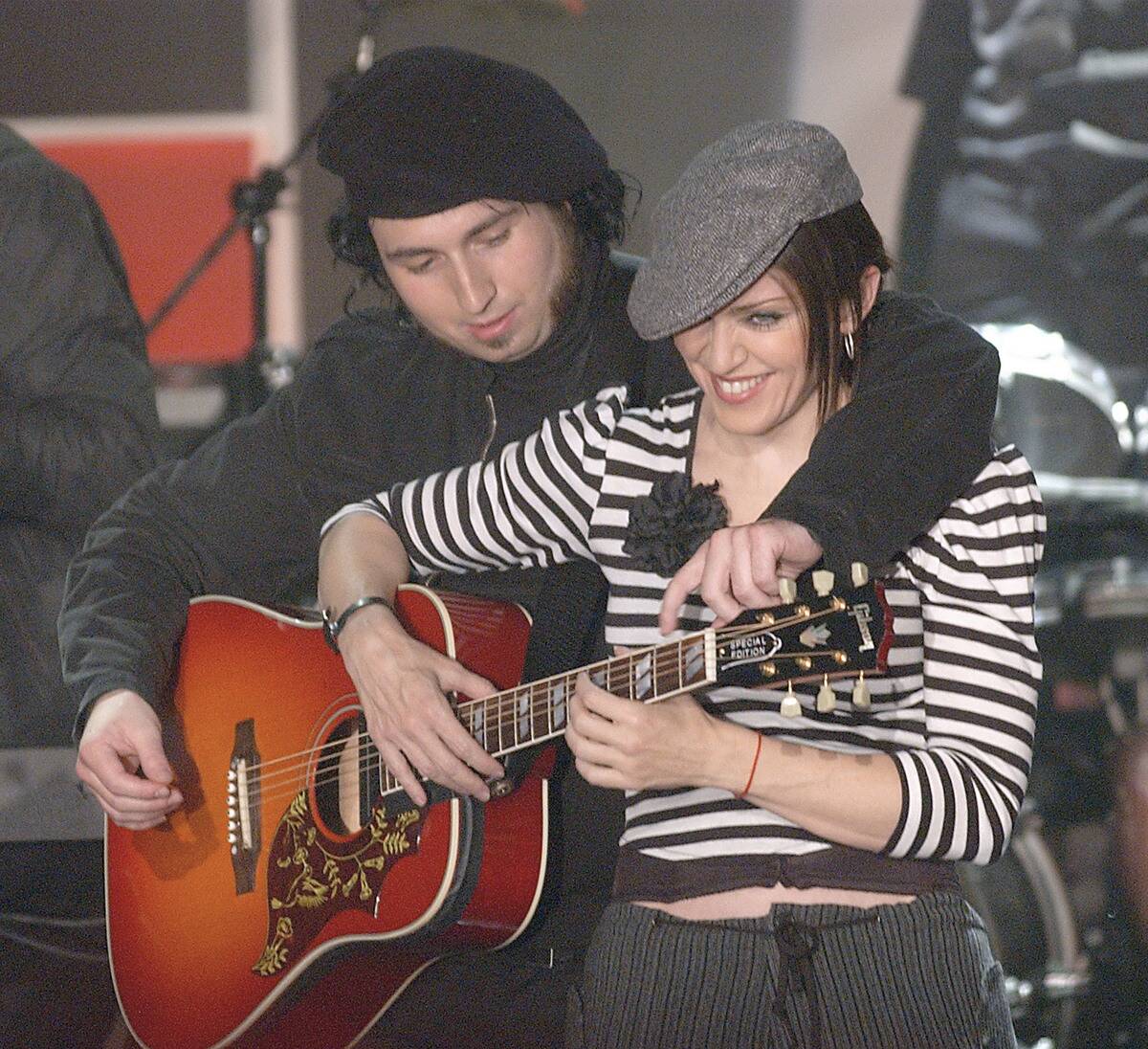
Not every Madonna album has been gold, but the pop star did have an unparalleled run of success between her debut in the early ’80s and the release of Music in 2000.
2003’s American Life, however, was where the magic ran out for Madonna. She deserved credit for stepping outside of her comfort zone, but her efforts to craft a socially conscious album that included her rapping and playing the guitar fell largely flat.
Oasis – Standing on the Shoulder of Giants
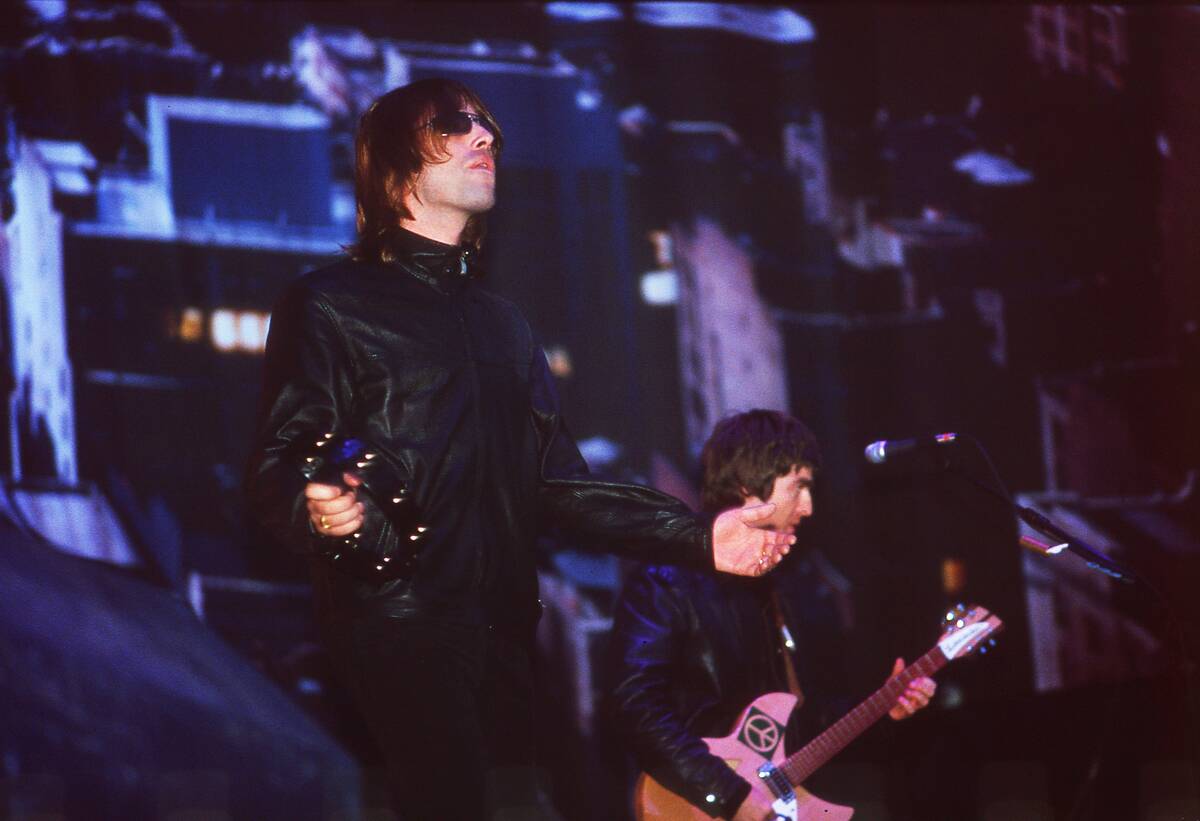
Oasis was coming off of multiple successful albums at the turn of the millennium when they released Standing on the Shoulder of Giants in 2000. While it was commercially successful and received some praise from critics, it’s now regarded as a low ebb for the band.
Knowing Oasis, it would stand to reason that tension between Liam and Noel Gallagher contributed to the uneven album — but in this case, the brothers were largely on the same page. Instead, the album was a drastic departure from the band’s signature Britpop sound, and failed to live up to the high standards set by earlier albums.
Pearl Jam – Binaural

Pearl Jam was one of the biggest bands to emerge from the Seattle scene in the late ’80s, but within a decade, the band found themselves chasing diminishing returns with a series of middling albums.
In 2000, the band released Binaural — an album that, in hindsight, seems like it was doomed to fail. Not only did frontman Eddie Vedder experience writer’s block, the band was also breaking in a new drummer and dealing with personal issues regarding guitarist Mike McCready. Combine these factors with the album’s experimental tone and it’s no surprise that Pearl Jam fans regard it as one of the band’s weakest outputs.
Van Halen – Van Halen III

Since Van Halen is known as one of the greatest rock bands in history, it’s strange that they are on a list of horrible albums. But not even the legendary Eddie Van Halen was immune to a dud. In this case, it was the album Van Halen III, which is the only album to feature Gary Cherone (pictured) as lead singer.
Although Eddie was known for his amazing guitar riffs, the band’s eleventh studio album was missing them, leaving out the energy of previous albums and songs. Stephen Thomas Erlewine from AllMusic reviewed Van Halen III, saying it “suffers from the same problems as Hagar-era Van Halen – limp riffs, weak melodies, and plodding, colorless rhythms.”[
Scott Weiland – The Most Wonderful Time Of The Year
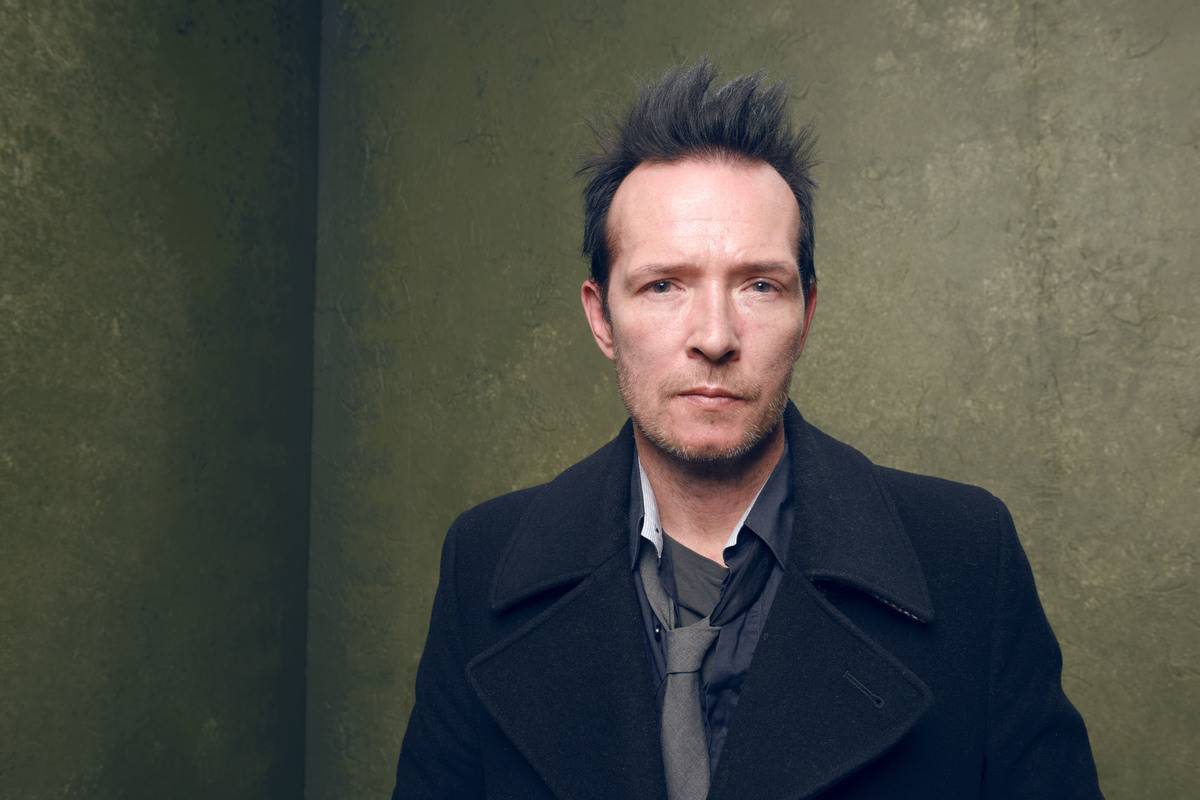
Arguably best-known for his time as the lead singer of the Stone Temple Pilots, Scott Weiland had a successful career spanning over three decades. That’s why more than one person was confused when he announced his 2011 Christmas album, The Most Wonderful Time of Year.
For fans of the rock star, it was difficult to listen to him making his way through strange versions of Winter Wonderland and White Christmas. It was a long fall from the ’90s rock sound people were used to hearing from the artist.
Black Sabbath – Forbidden
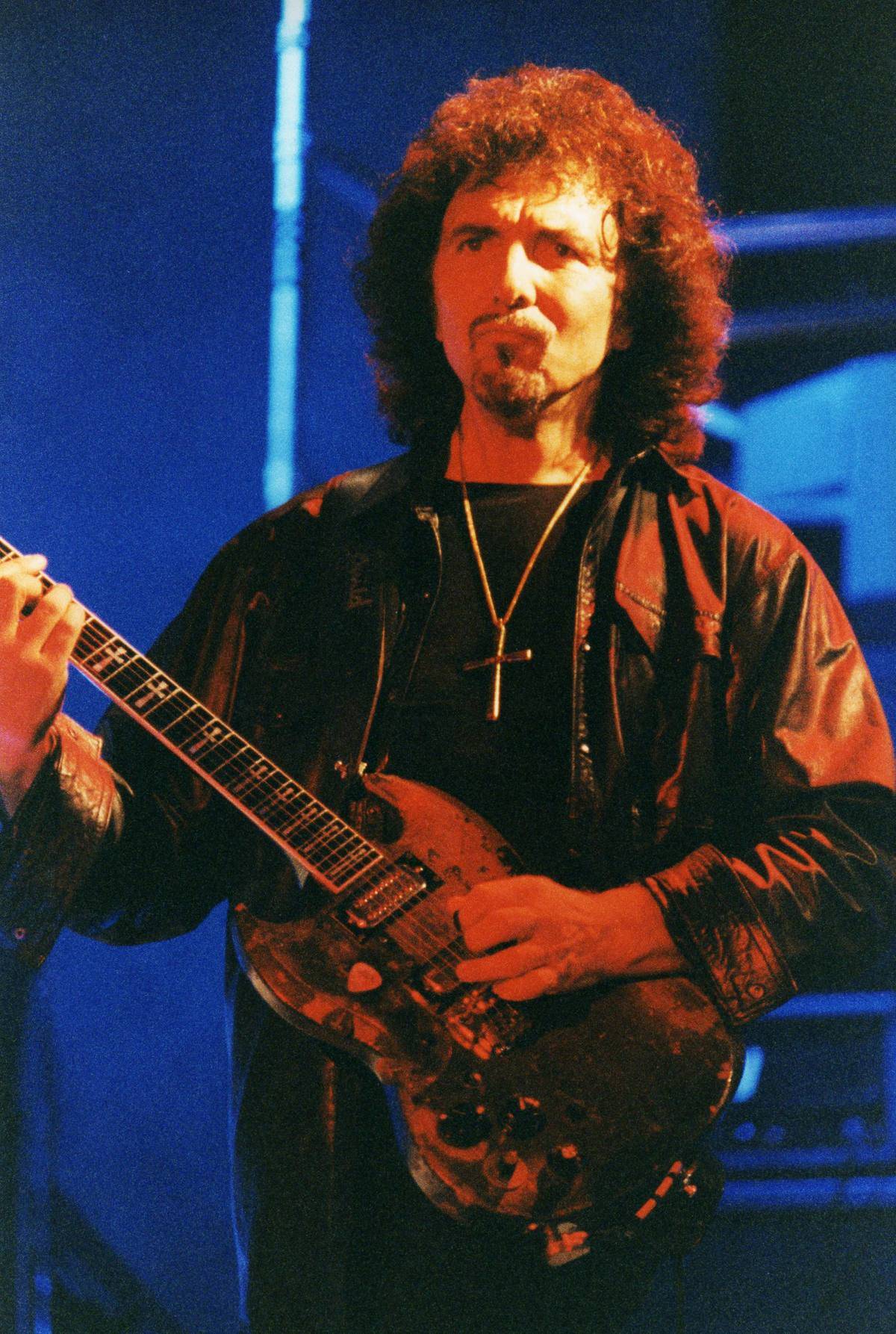
The English rock band Black Sabbath went through many lineup changes during their storied history. But their eighteenth studio album Forbidden saw the return of their 1990’s line-up, bringing back drummer Cozy Powell and bassist Neil Murray. Well, the once-well-oiled machine fell flat for the album, something that guitarist Tony Iommi called “total shambles.”
Forbidden received negative reviews from both critics and fans, with AllMusic’s Bradley Torreano giving the album a solid one and a half stars. He said the album was full of “boring songs, awful production, and uninspired performances, this is easily avoidable for all but the most enthusiastic fan.”
The Allman Brothers Band – Brothers of the Road
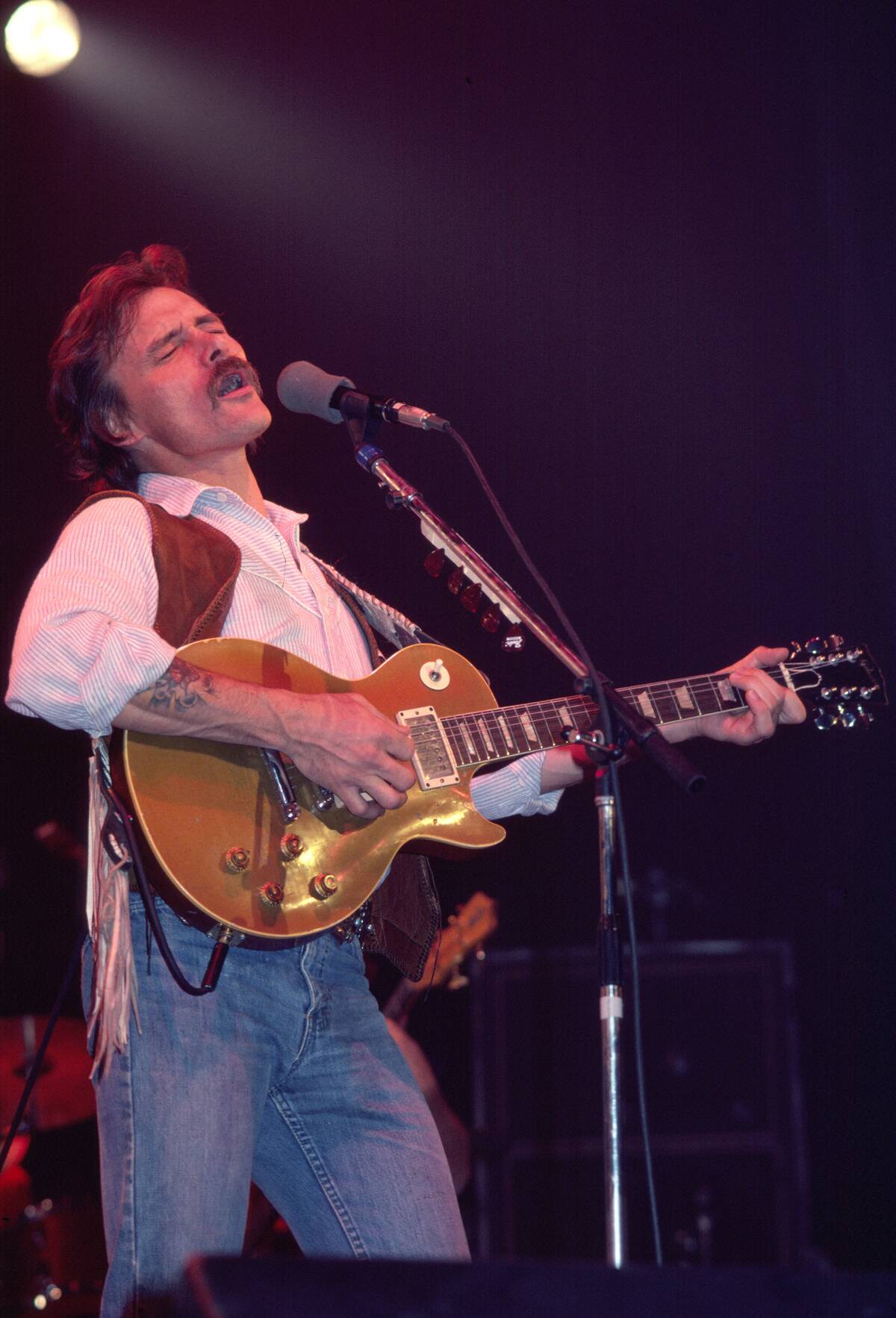
The Allman Brothers Band had a tough go of it in the late ’70s after the deaths of guitarist Duane Allman and bassist Berry Oakley, and the release of 1981’s Brothers of the Road seems to reflect this.
The album is an example of overly-produced ’80s music and is almost completely devoid of the band’s trademark, acoustic-forward sound.
AC/DC – Fly On The Wall
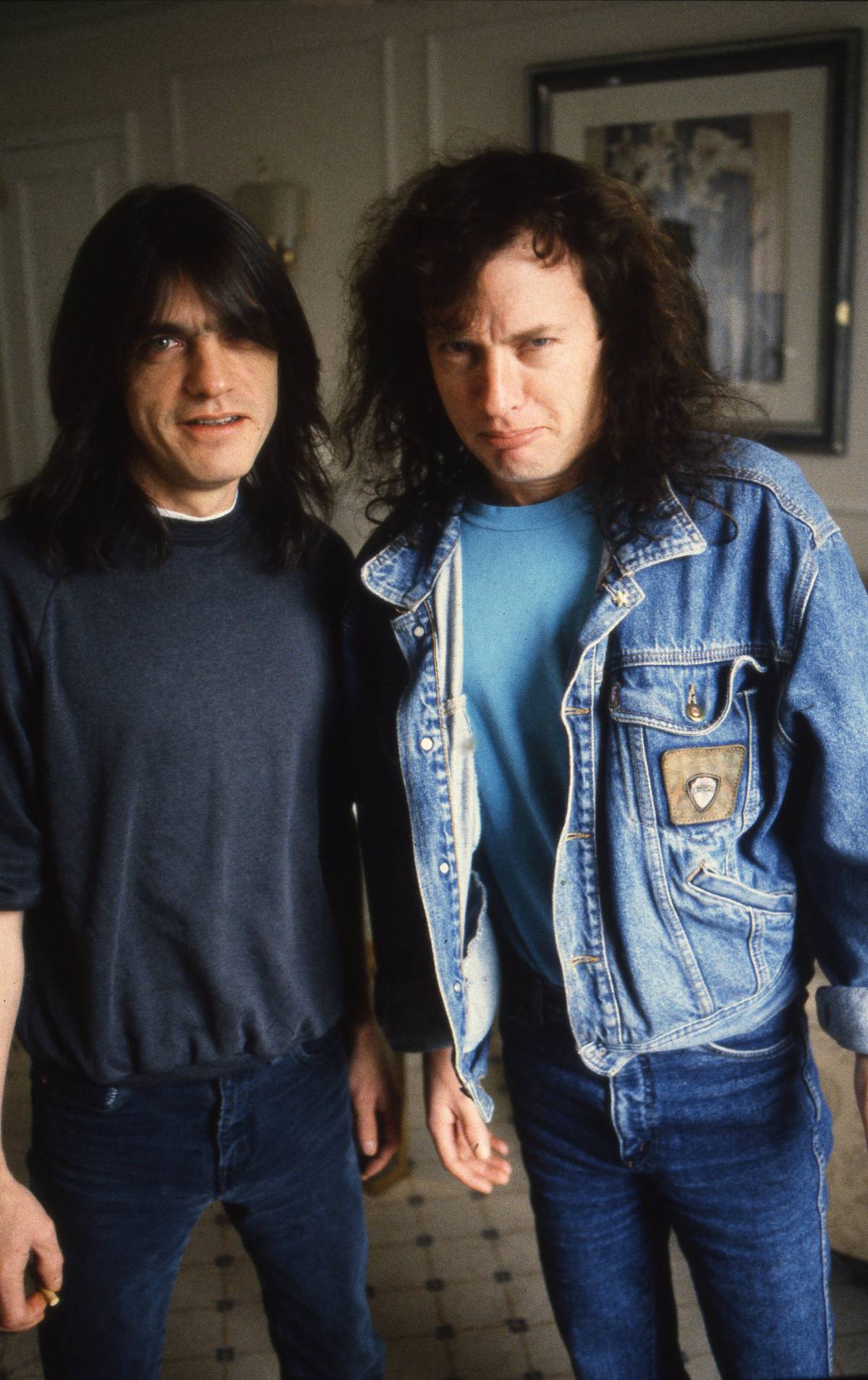
After albums like For Those About To Rock We Salute You and Black in Black, AC/DC has a lot to live up to when it came to their ninth studio album. Unfortunately, they probably should have stopped at eight since Fly on the Wall was such a bust.
Steve Huey of AllMusic describes the album best, saying, “Fly on the Wall continues AC/DC’s descent into cookie-cutter mediocrity, with the leering humor of past glories seeming forced and uninspired, and the music remaining somewhat underdeveloped and directionless.”
John Mellencamp – Chestnut Street Incident
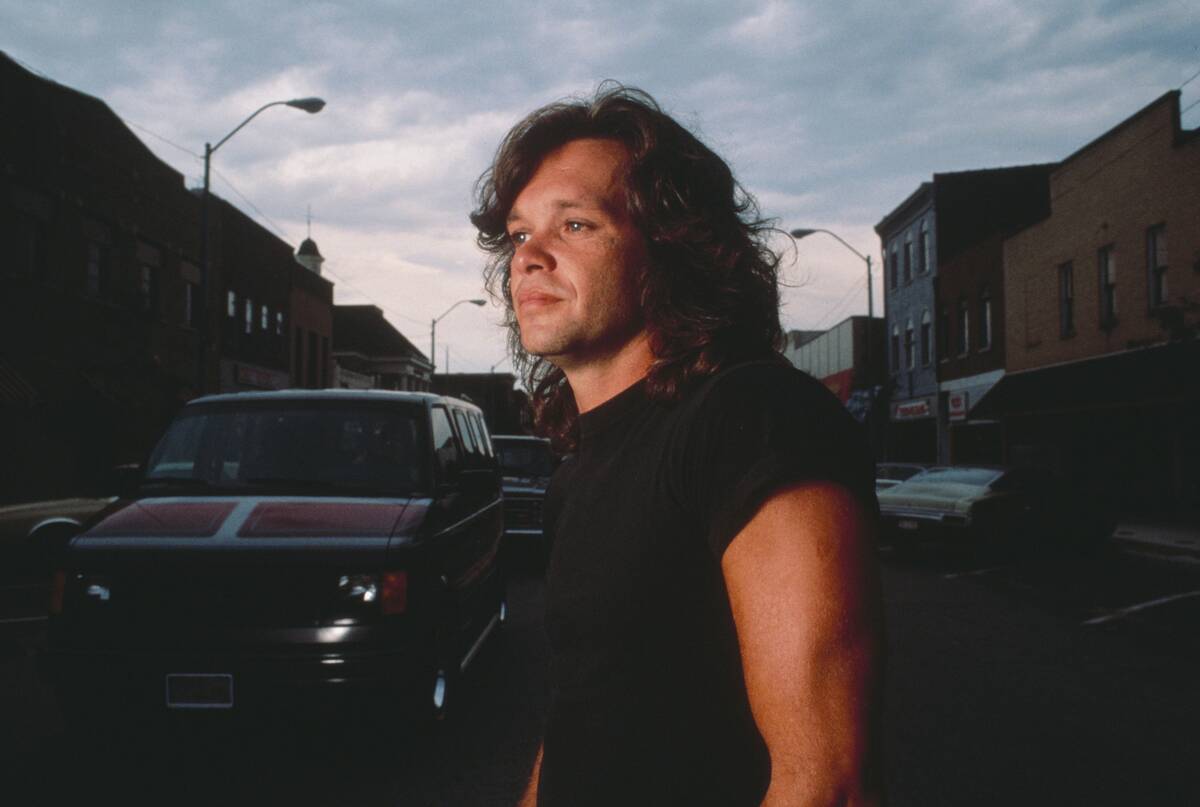
John Mellencamp was eventually able to shake his image as a Bruce Springsteen wannabe, but it wasn’t easy. That’s largely because Tony DeFries, who discovered Mellencamp, constantly positioned the young singer as a new Bruce Springsteen.
Mellencamp’s 1976 debut Chestnut Street Incident (released under the stage name Johnny Cougar) was an absolute trainwreck, failing to chart in the Billboard Top 200 and promptly earning his dismissal from MCA.
The Who – It’s Hard
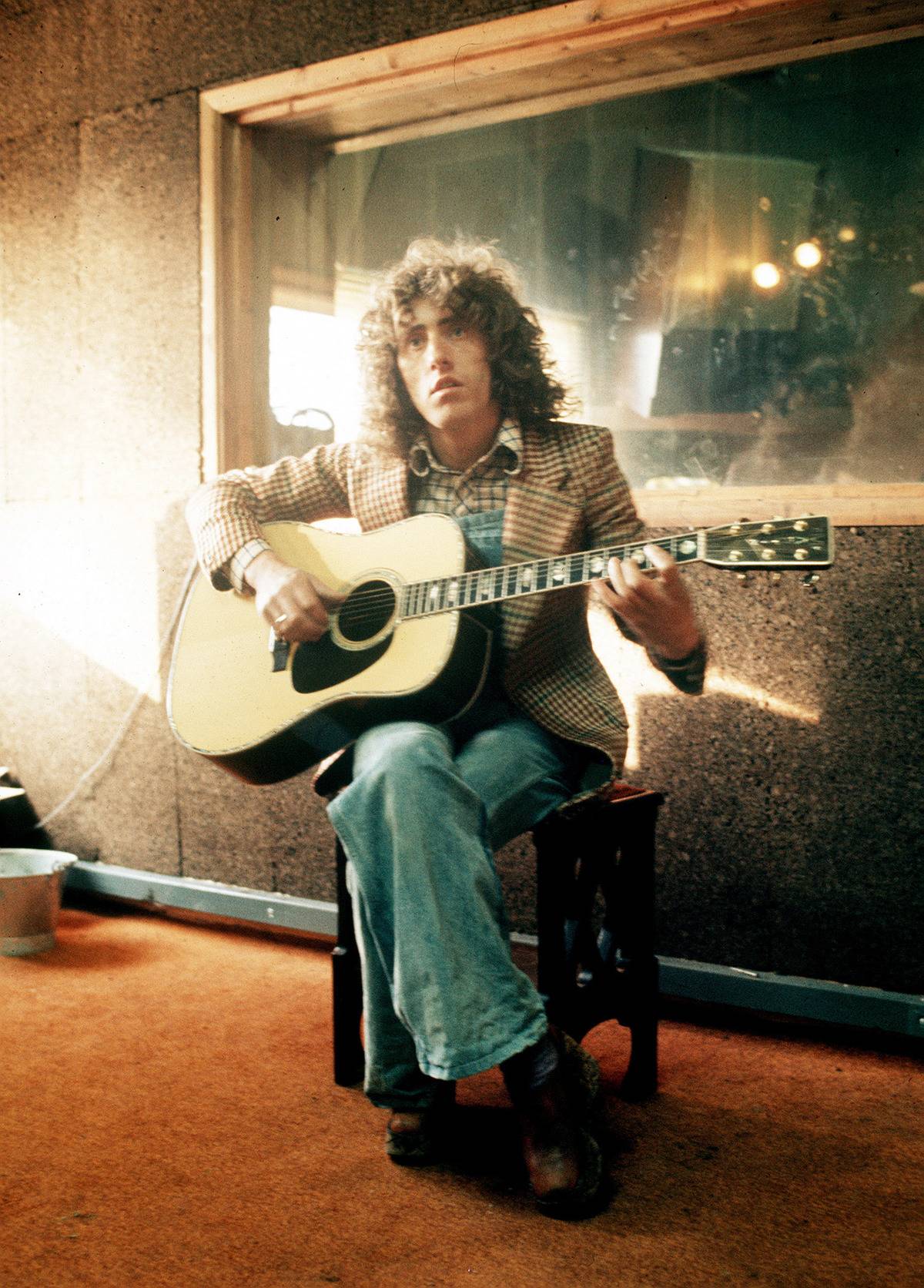
The rock band The Who released more than one hit album during their storied career. But, as it goes, not all albums are created equal. Their tenth studio album, It’s Hard, proved that saying to be true, as it was missing virtually everything that made the band one of the greats.
From the lack of charisma to the cookie-cutter songs, It’s Hard was a disappointment. Stephen Thomas Erlewine of Allmusic commented on the record, calling it an “undistinguished final effort with few memorable melodies and little energy.”
David Bowie – Never Let Me Down
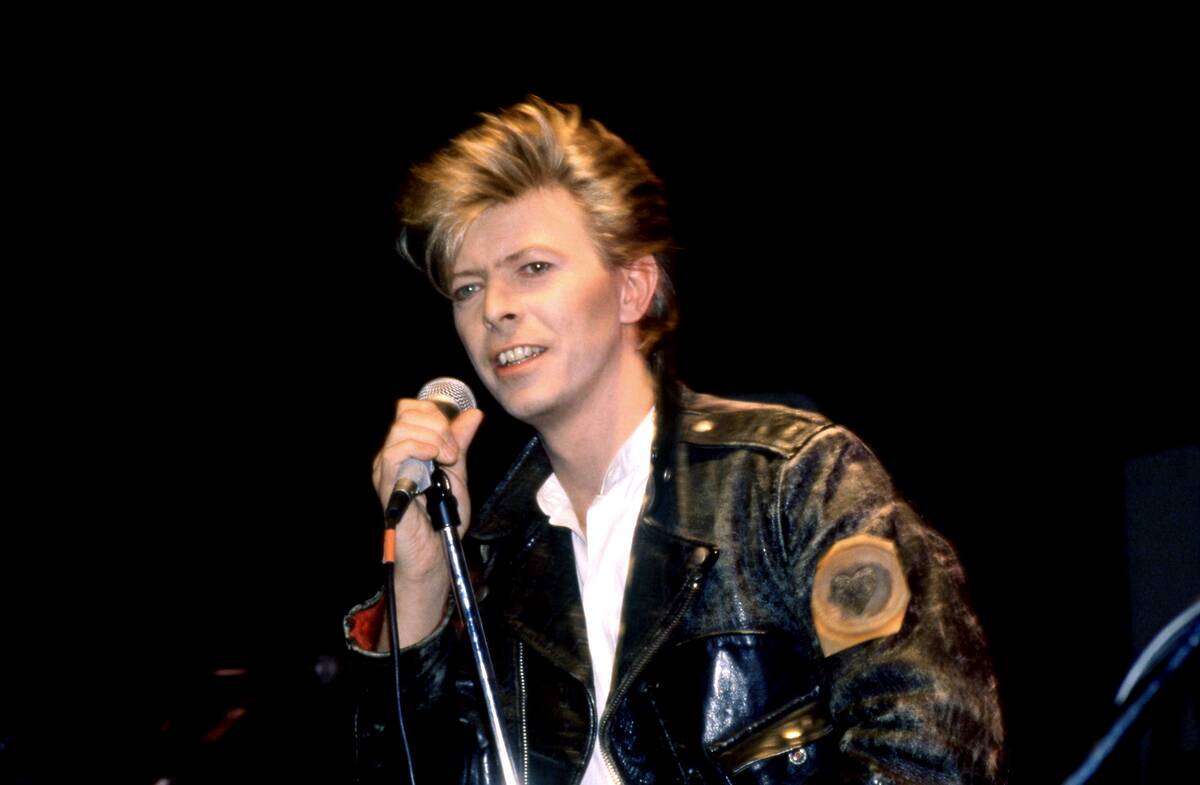
David Bowie started the ’80s on a high note with the release of 1983’s Let’s Dance, but he almost immediately started to falter as the decade continued.
Bowie referred to 1987’s Never Let Me Down as his “nadir,” continuing, “It was such an awful album. I really shouldn’t have even bothered going into the studio to record it. In fact, when I play it, I wonder if I did sometimes.”
Phil Collins – Testify
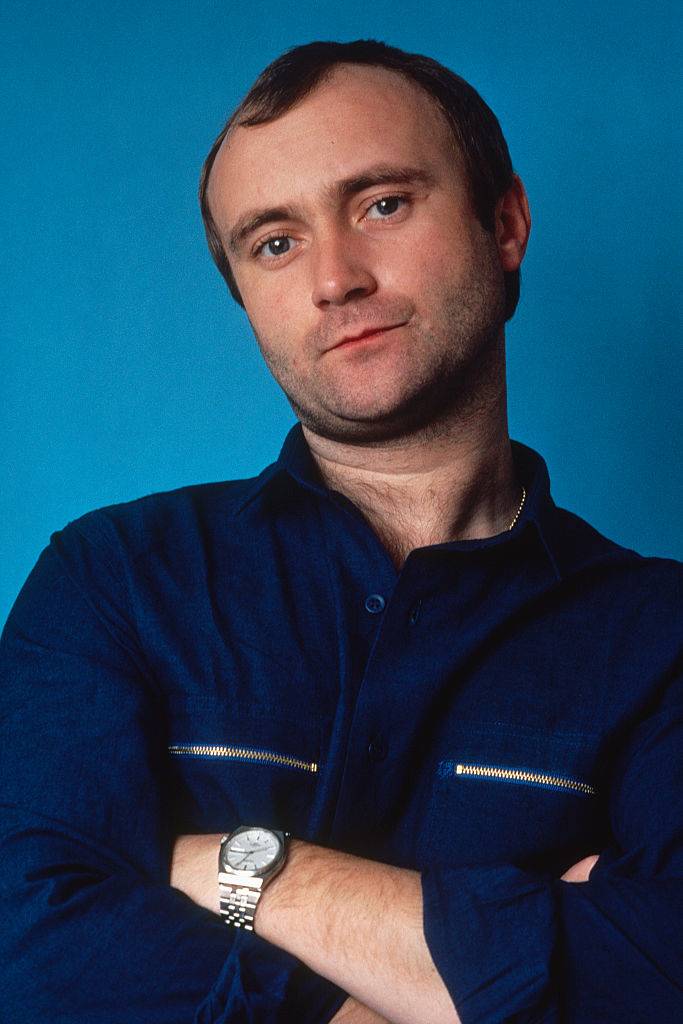
Between his ridiculous drum playing and powerful vocals, Phil Collins pretty much has it all. He was an integral part of Genesis before going solo. And even when he did that, he was able to hold his own in the music industry. Then his seventh solo studio album was released.
Testify was, in a way, boring compared to his other work throughout the ’80s and ’90s. According to Uncut, “Collins sounds dated with his glossy production, precision session-playing, and radio-friendly songs all done by numbers with a great big hole where a heart should be.”
Nickelback – All The Right Reasons
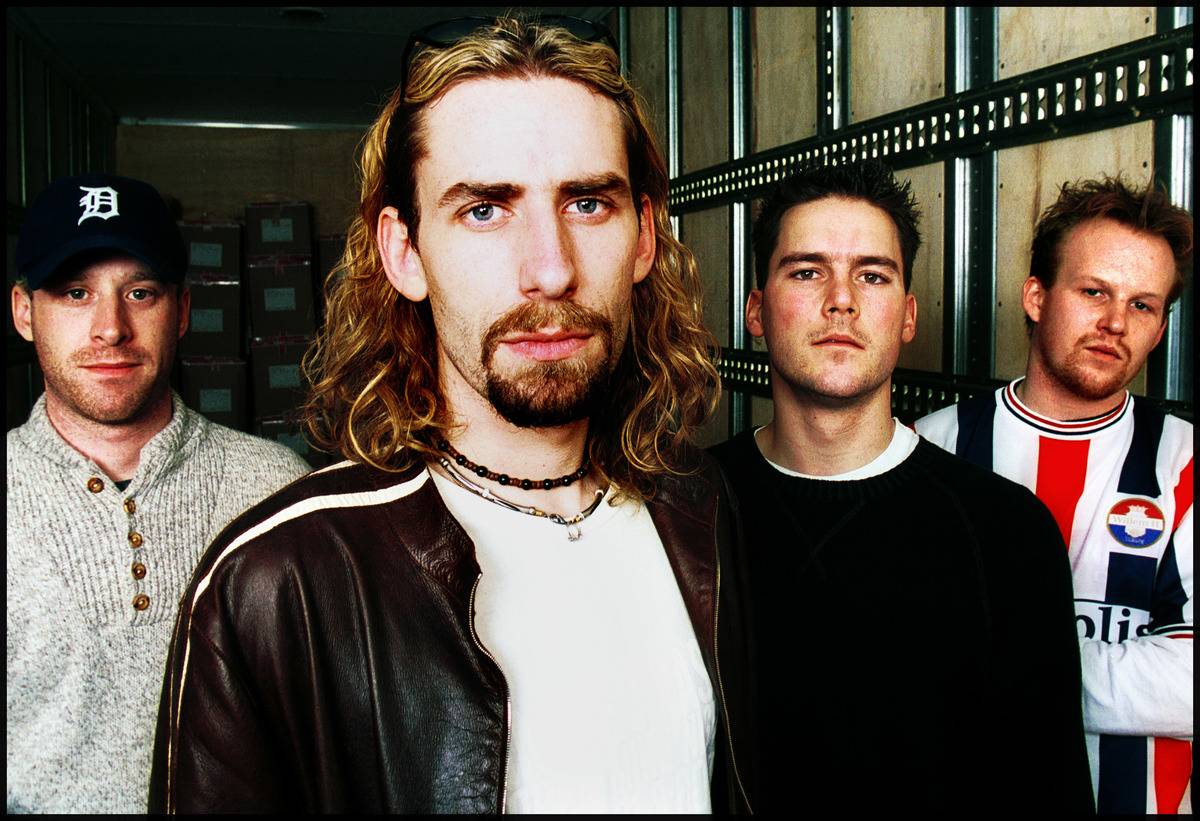
When it comes to Nickelback, people don’t really expect much more than catchy lyrics filled with every cliché in the book. Their fifth studio album, All The Right Reasons, was no different. Filled with horrible rock absurdities that leave listeners confused as to why the album was allowed to be released to the public.
The webzine Tiny Mixed Tapes reviewed the album, saying, “Like all Nickelback releases before it, All The Right Reasons was made for all the wrong ones and follows all the formulas and clichés you should be bored to death of by now.” Ironically, it’s the band’s best-selling album.
The Beach Boys – Summer in Paradise
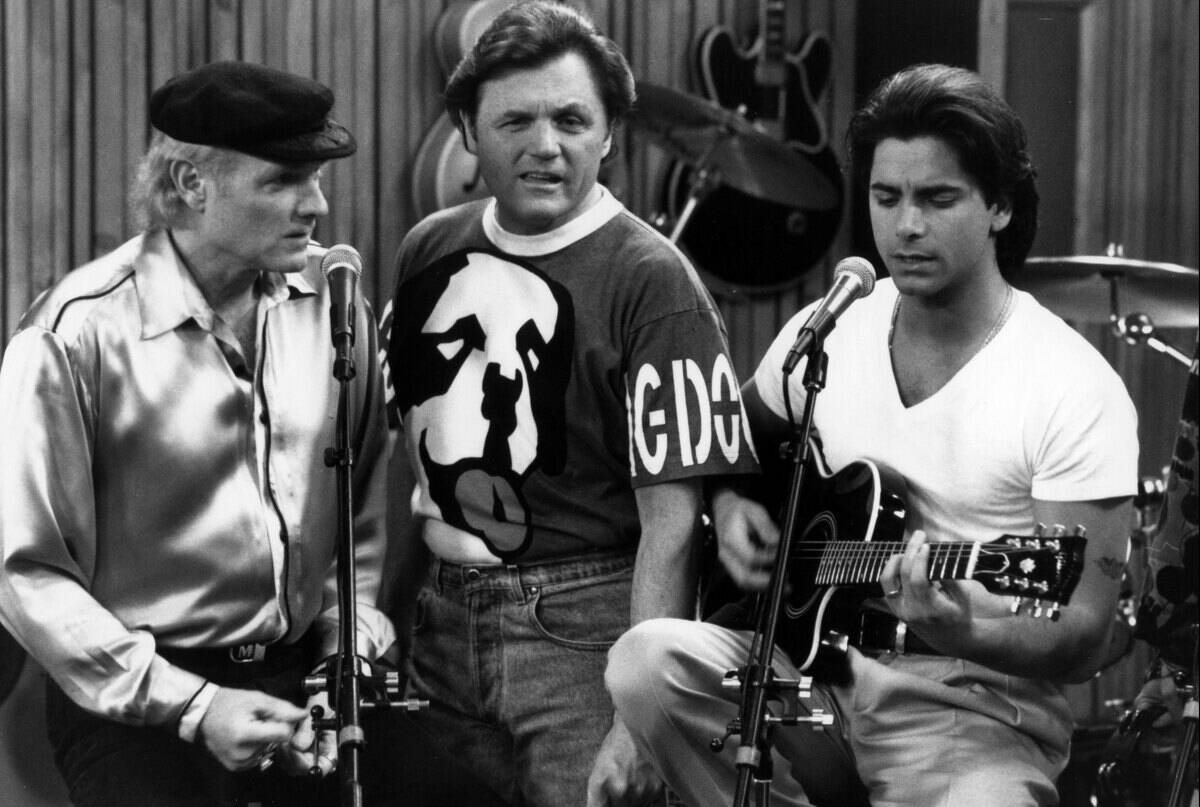
The Beach Boys have an extensive and prolific catalogue, and by the early ’90s, the band was still riding high thanks to their 1988 hit “Kokomo,” which introduced the venerable band to younger audiences.
It makes sense on some level that they’d want to continue this momentum with 1992’s Summer in Paradise, but the band was estranged from frontman Brian Wilson at the time and the resulting album was a mess. It featured warmed-over covers of old songs, along with some truly baffling cameos.
Elton John – Leather Jackets
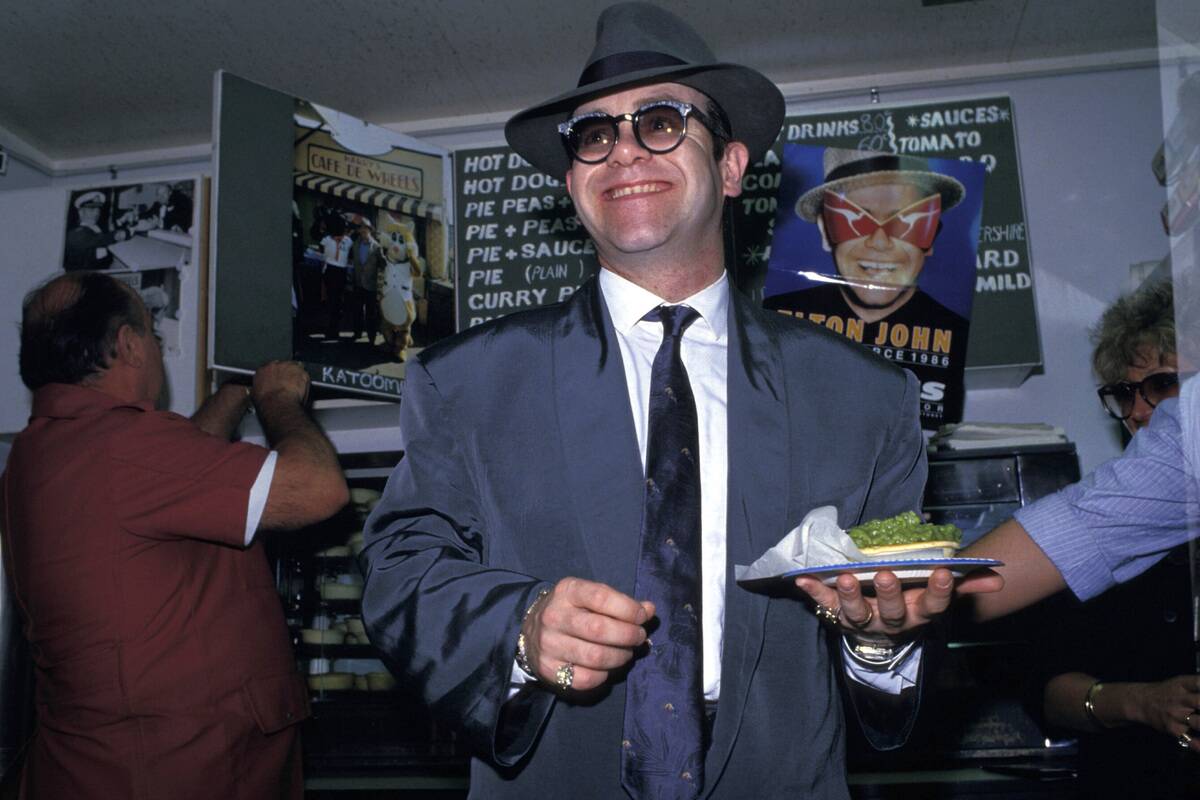
Elton John’s career has spawned plenty of hits, but certain periods marked a low ebb for the piano prodigy — and it’s safe to say that 1986’s Leather Jackets was released during one of these periods.
John continued releasing albums steadily through the decade, but Leather Jacket was noteworthy for being his first album without a Top 40 single since the early ’70s. In 2001, John acknowledged that his work during this period was “uneven.”
Creedence Clearwater Revival – Mardi Gras
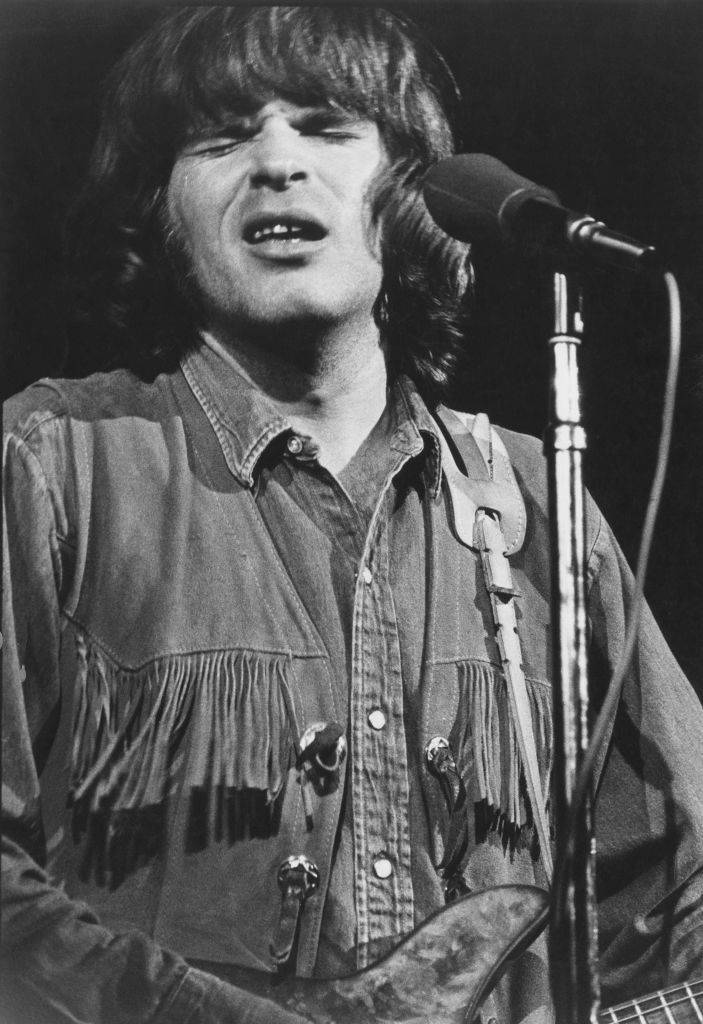
As one of the greatest rock bands to come out of the ’60s, it’s a sad fact that the Creedence Clearwater Revival left off on a sour note. Marred by creative differences and tension, their seventh and final studio album Mardi Gras was pretty much a flop.
Guitarist John Fogerty doesn’t even count Mardi Gras as one of their albums, telling Rolling Stone, “I figured that Creedence made six albums. Let me count… the first one, Bayou Country, Green River, Willy and the Poor Boys, Cosmo’s Factory, Pendulum… yeah, six. I wouldn’t even count Mardi Gras and neither would anybody else.”
Bloodhound Gang – Hefty Fine

The alternative rock band Bloodhound Gang should have stopped with their third studio album, as their fourth, Hefty Fine, was a monumental disaster. With a new electronic feel, the album has the pleasure of having the second-worst review on Metacritic with a solid score of 28/100.
PopMatters reviewed the album, saying, “As if the lyrics (and the poop) weren’t painful enough, the band actually makes us listen to music that, for the most part, amounts to cheap Blink 182 ripoff – that is, if Blink 182 used more synthesizer and were (get this) less funny.”
Iron Maiden – Virtual XI

In 1998, English heavy metal band Iron Maiden released their eleventh studio album, Virtual XI. As it would turn out, it would be lead singer Blaze Bayley’s final album with the band. It was probably a good time to get out, too, since the album was met with horrible reviews for being pretty much forgettable.
Stephen Thomas Erlewine of AllMusic reviewed the album, saying, “The problem is that there’s nothing memorable about the hooks, riffs, or songs, and there’s little visceral energy to the music or production. As a result, it sounds lifeless to all but the most devoted fan.”
Billy Idol – Cyberpunk
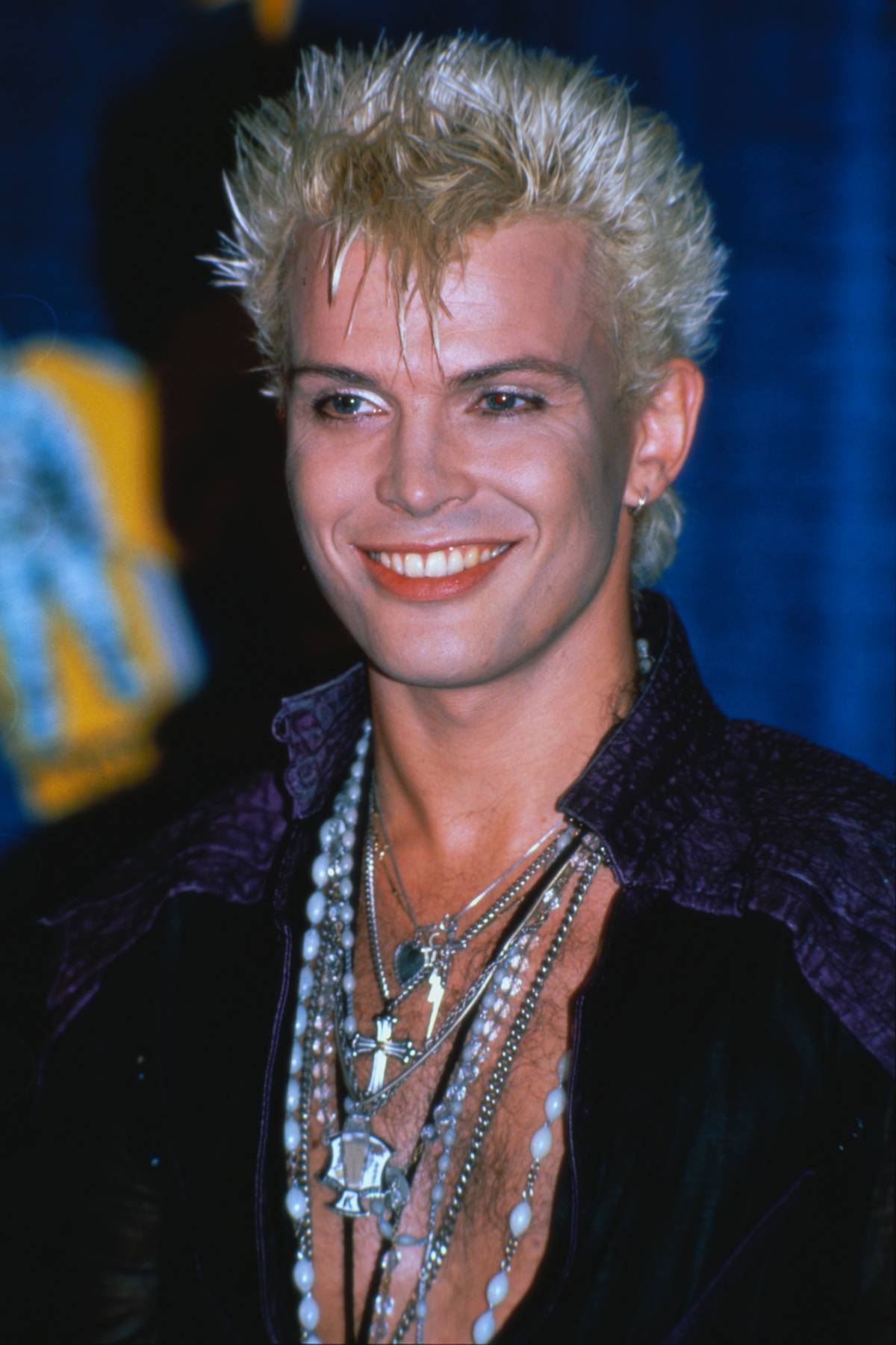
The album Cyberpunk is a great example of an artist trying to keep up with the times. Granted, Billy Idol pretty much immersed himself in the techno-cyberpunk sound before diving into his fifth studio album. But that doesn’t mean it turned out well. In fact, it didn’t.
Cyberpunk was met with negative and poor reviews. Stephen Thomas Erlewine of AllMusic reviewed the album, saying it’s “padded with pretentious speeches, sampled dialog, and underdeveloped songs.” He also said the record was the proud holder of one of the worst covers ever created!
Weezer – Raditude
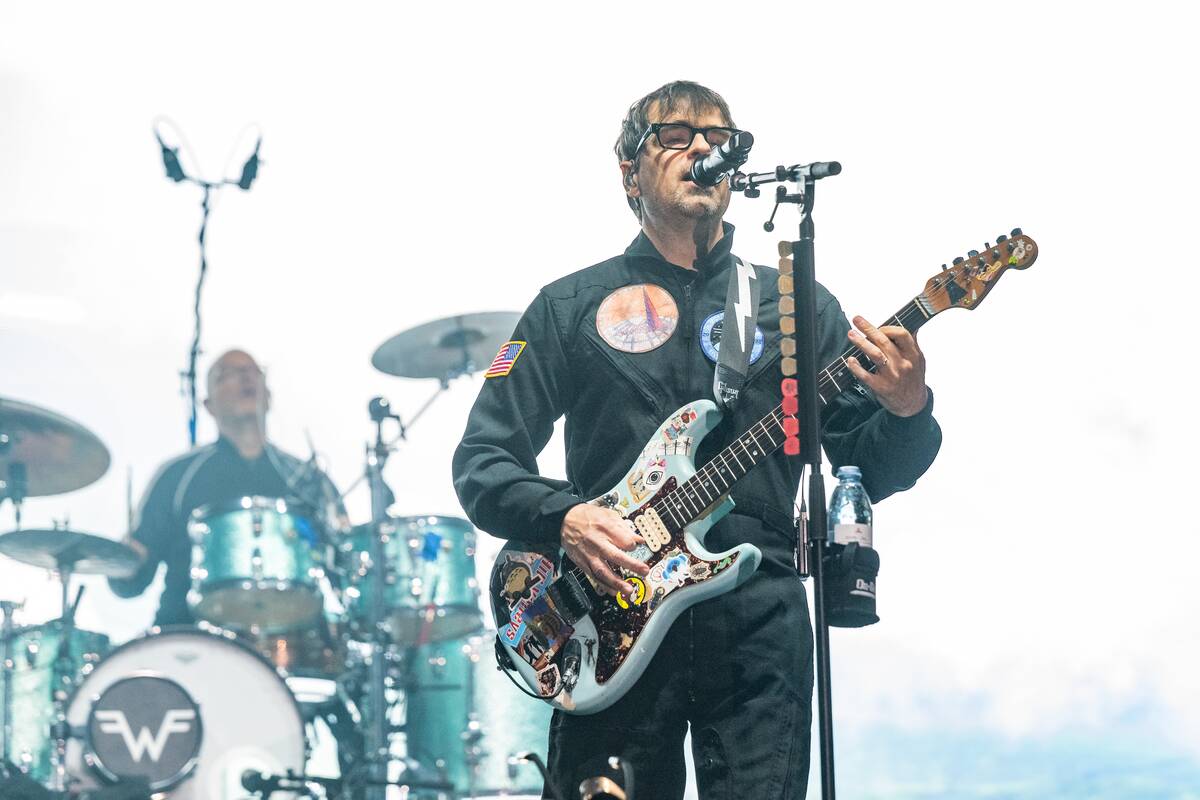
Weezer’s first few albums were downright iconic, which makes it all the more disappointing that the band has shovelled out forgettable album after forgettable album ever since.
2009’s Raditude is full of production value thanks to collaborators Dr. Luke, Jermaine Dupri, and Lil Wayne, but the album strays too far from Weezer’s signature poppy but guitar-heavy sound.
Neil Young – Everybody’s Rockin’
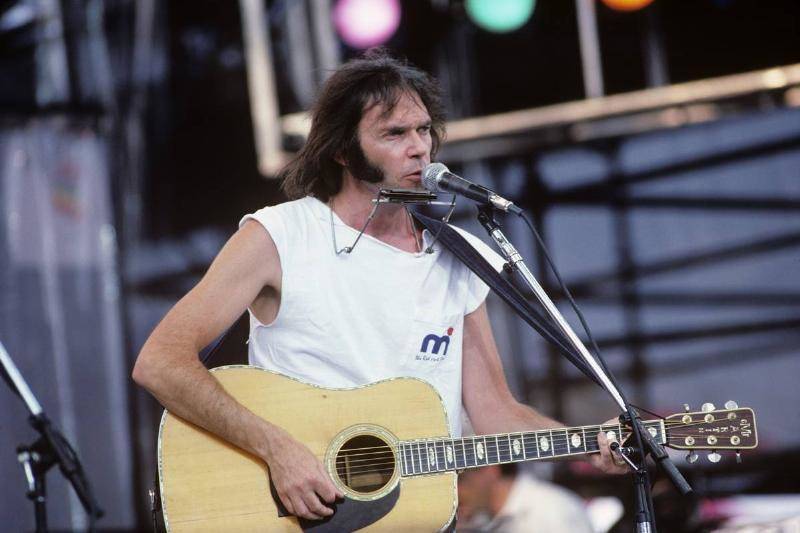
Twenty-five minutes of horrible rockabilly, that’s what Neil Young wound up recording for his 13th studio album, Everybody’s Rockin’. The record was met with astoundingly negative reviews, with people questioning what the rock star was thinking when he decided to release the album.
Robert Christgau of the Village Voice reviewed the album, saying, “The covers are redundant or worse, as are all but two of the originals…I hope Neil realizes that for all the horrible truth of “Payola Blues,” nobody’s three thou’s gonna get this on top forty.” In 2006, Everybody’s Rockin’ was listed as one of the Top 50 Worst Albums ever made.
Bad Religion – Into The Unknown
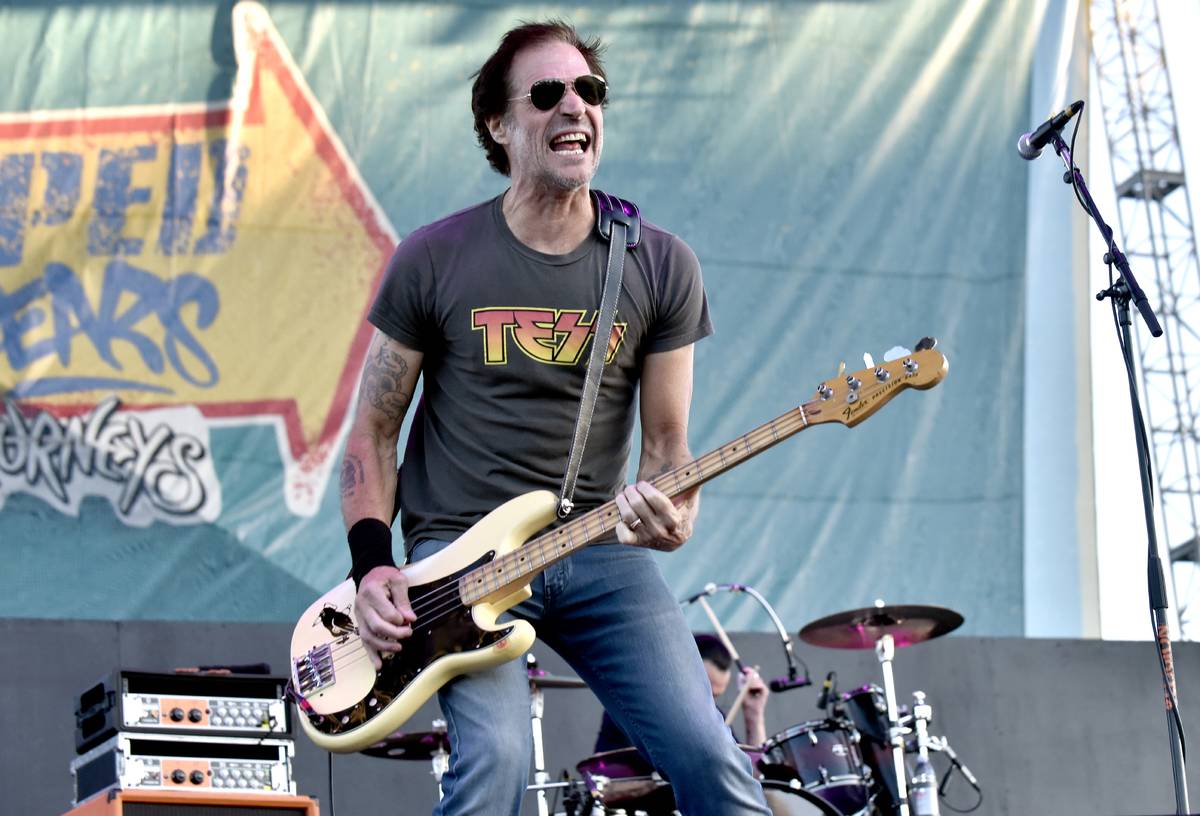
In 1983, the rock band Bad Religion proved that not every band has the talent to switch up their sound. For their second studio album, Into the Unknown, they opted to ditch their customary hardcore punk sound and switch to slower tempos. It wasn’t a smart move.
The album was a commercial failure, as fans wanted more of the same. It was only their second album, after all! It was too soon to go in a different direction. Guitarist Brett Gurewitz has gone on record calling the album a “terrible misstep.”