Things people get wrong about history’s most famous wars
History is a tapestry woven with threads of truth and myth, where misunderstandings often take root and bloom into widely accepted beliefs. From ancient legends to modern conflicts, the stories we tell about our past are sometimes more fiction than fact. In this journey through time, we’ll unravel some of the most persistent historical misconceptions and shed light on the truths they’ve overshadowed. Prepare to have your assumptions challenged as we dive into these fascinating tales.
The Myth of the Trojan Horse
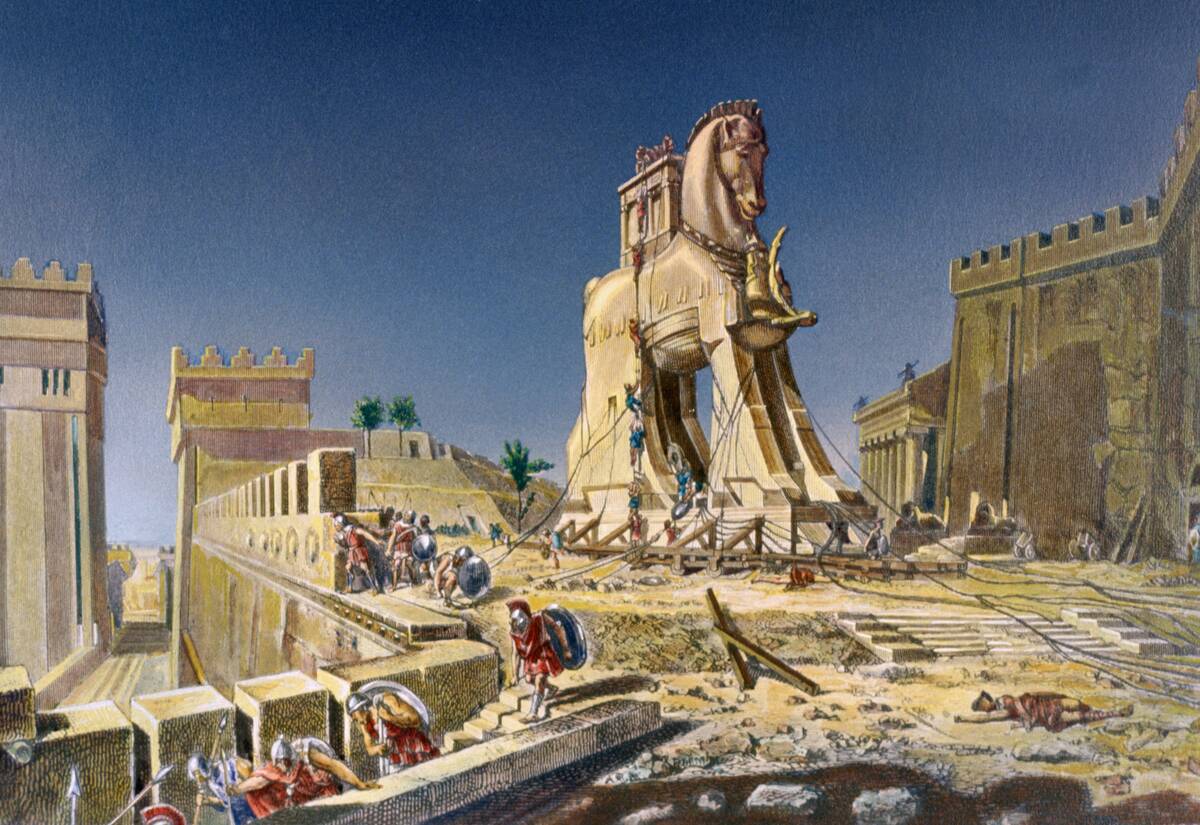
The tale of the Trojan Horse is a captivating story of cunning and surprise, famously told in Virgil’s “Aeneid.” However, historians suggest that the actual event may not have involved a wooden horse at all. Some theories propose that the “horse” could have been a metaphor for an earthquake or a siege weapon. The lack of archaeological evidence makes it difficult to separate fact from myth, but the story continues to capture our imaginations, illustrating how legends can shape our understanding of history.
Napoleon’s Height: Debunking the Short Stature Legend
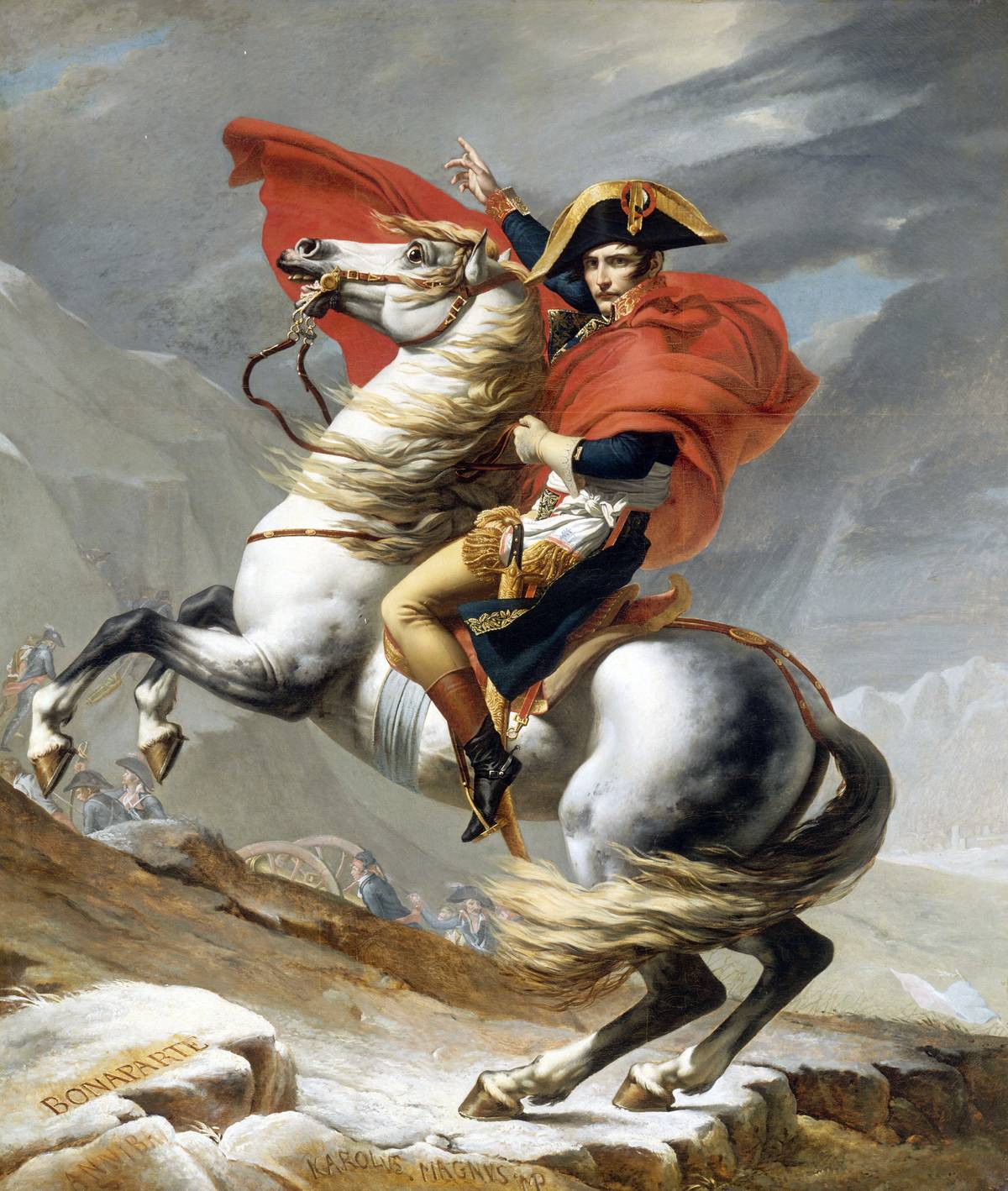
Napoleon Bonaparte is often remembered for his supposed short stature, a myth that likely arose from differences between French and English measurement systems. Historical records indicate that Napoleon was around 5 feet 7 inches tall, which was average for his time. This misconception may have been propagated by British propaganda, aiming to belittle the French leader. The “Napoleon Complex” stereotype, suggesting that short men overcompensate for their height, is thus based on a misunderstanding of historical facts.
The Real Start of World War I: More Than Just an Assassination
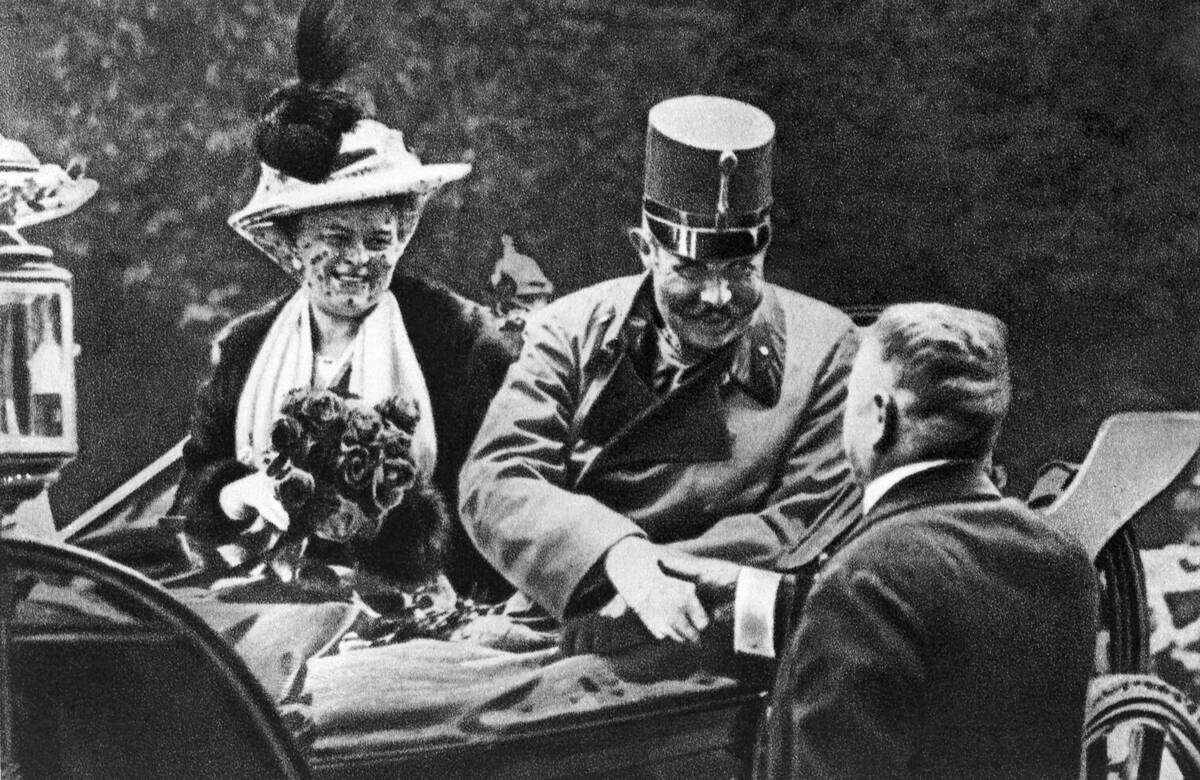
The assassination of Archduke Franz Ferdinand is often cited as the spark that ignited World War I, but the roots of the conflict run much deeper. A complex web of alliances, militarism, and nationalism had been building up tension across Europe for decades. The Balkan Wars and colonial rivalries also played significant roles in setting the stage for war. Understanding these underlying causes provides a more nuanced view of how a single event could trigger such a devastating global conflict.
The American Revolution: Not Just a Tax Revolt
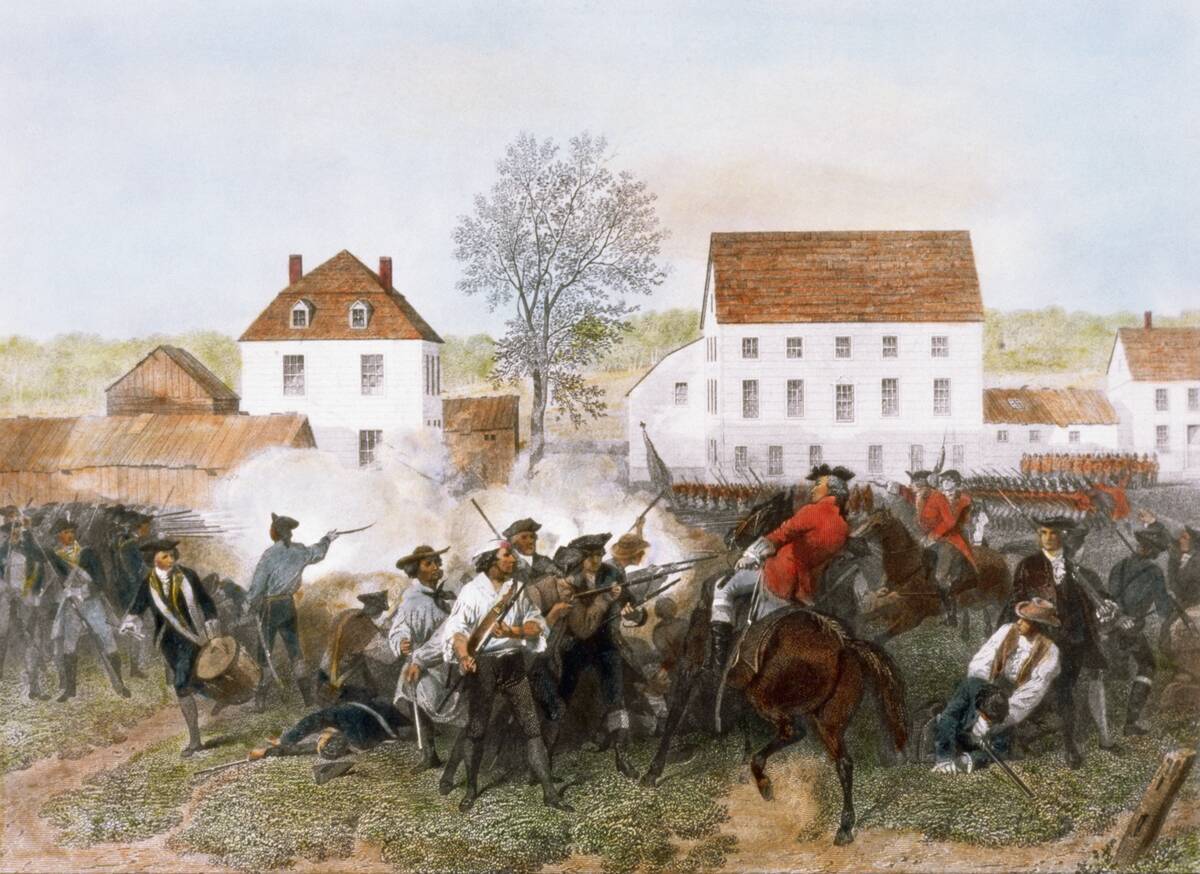
While “no taxation without representation” is a catchy slogan, it oversimplifies the causes of the American Revolution. The conflict was fueled by a myriad of issues, including the desire for self-governance, philosophical Enlightenment ideals, and economic independence. British attempts to tighten control over the colonies through various acts and taxes only exacerbated existing tensions. By examining these broader factors, we can appreciate the revolution as a complex struggle for identity and autonomy, rather than merely a financial dispute.
The Medieval Crusades: A Clash of Civilizations?
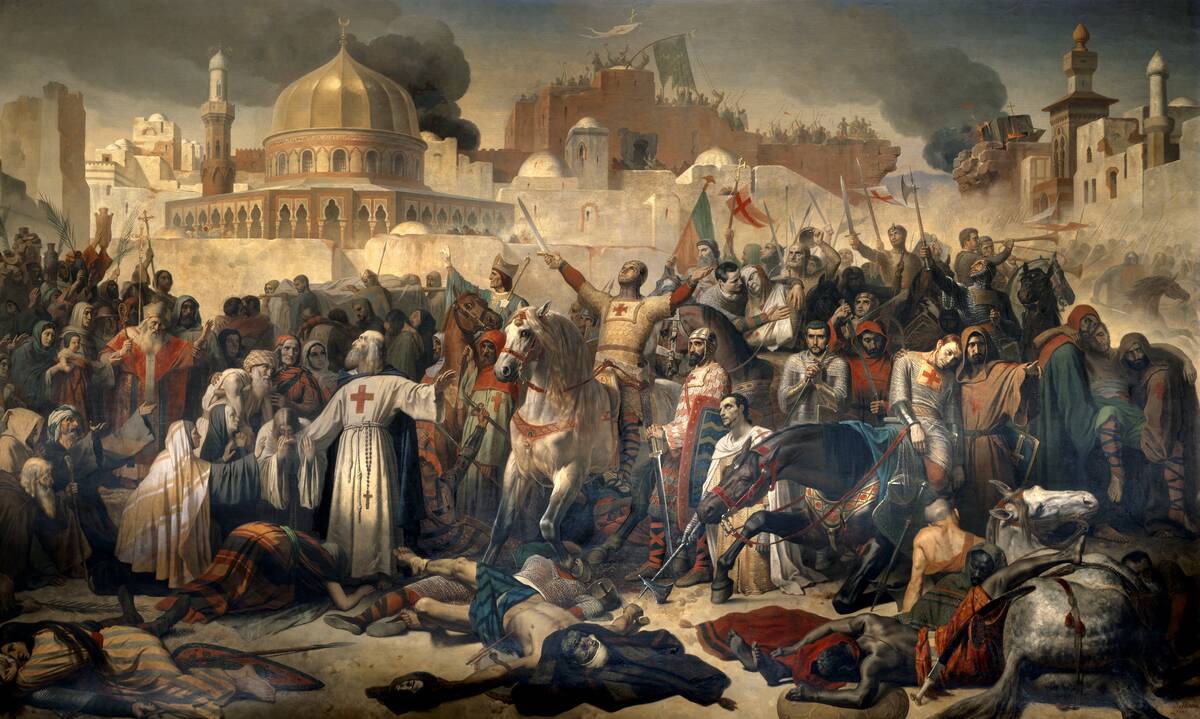
The Crusades are often characterized as a simple clash between Christianity and Islam, but the reality is far more complex. Motivations for the Crusades included religious zeal, the pursuit of wealth and land, and political power. Participants were driven by a variety of personal and political interests, and alliances were not strictly along religious lines. Understanding the diverse motivations and outcomes of the Crusades helps dispel the notion of a singular “clash of civilizations” and highlights the intricacies of medieval geopolitics.
The Hundred Years’ War: A Century of Conflict or Sporadic Skirmishes?
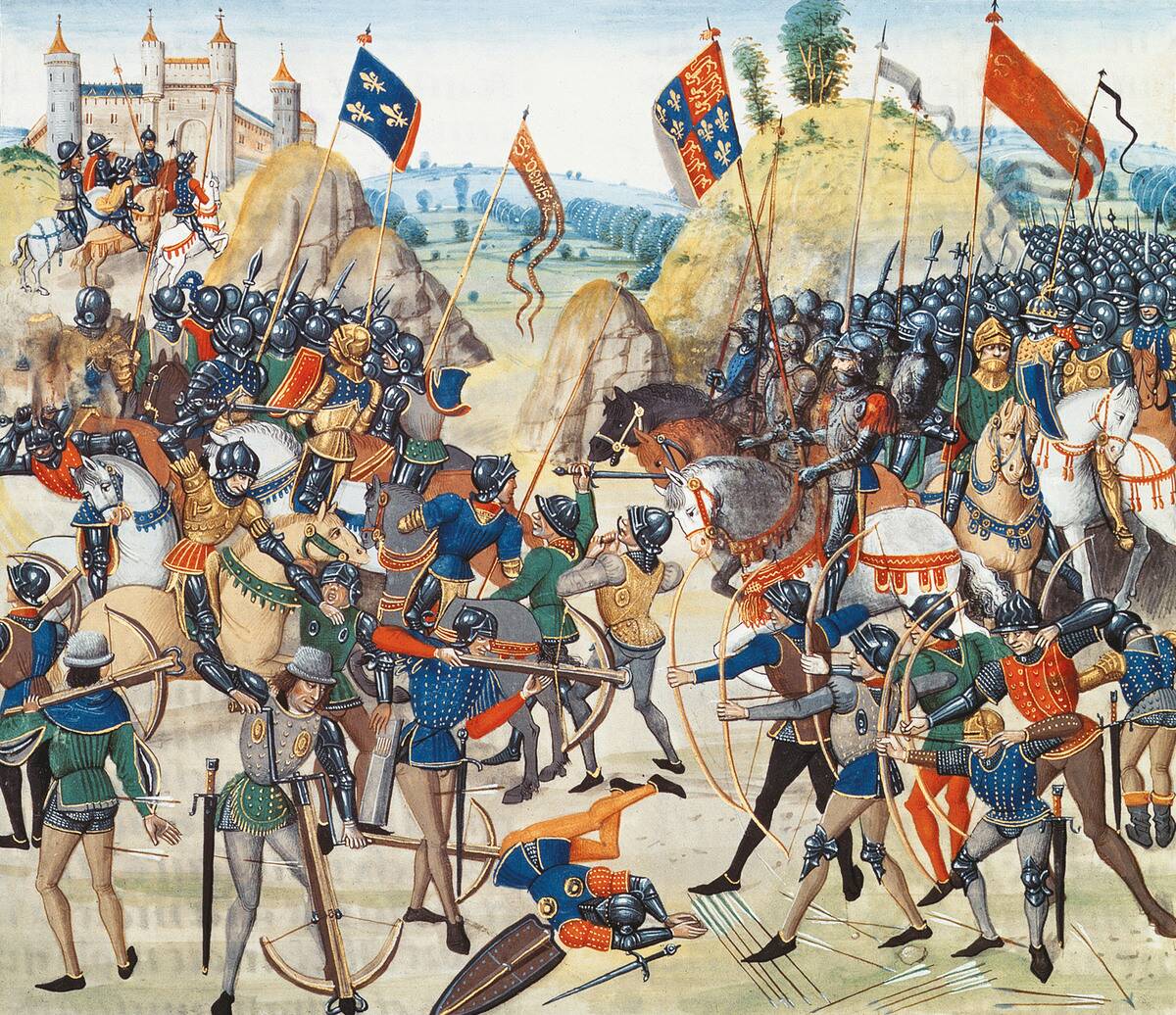
The Hundred Years’ War, despite its name, was not a continuous century-long conflict. It was a series of intermittent battles and truces between England and France, lasting from 1337 to 1453. The war was driven by disputes over territorial claims and royal succession. Major battles like Agincourt and Crécy punctuated long periods of uneasy peace. Recognizing the war’s episodic nature offers a clearer picture of medieval warfare and the shifting political landscape of Europe during this turbulent period.
The Civil War: More Than a Battle Over Slavery
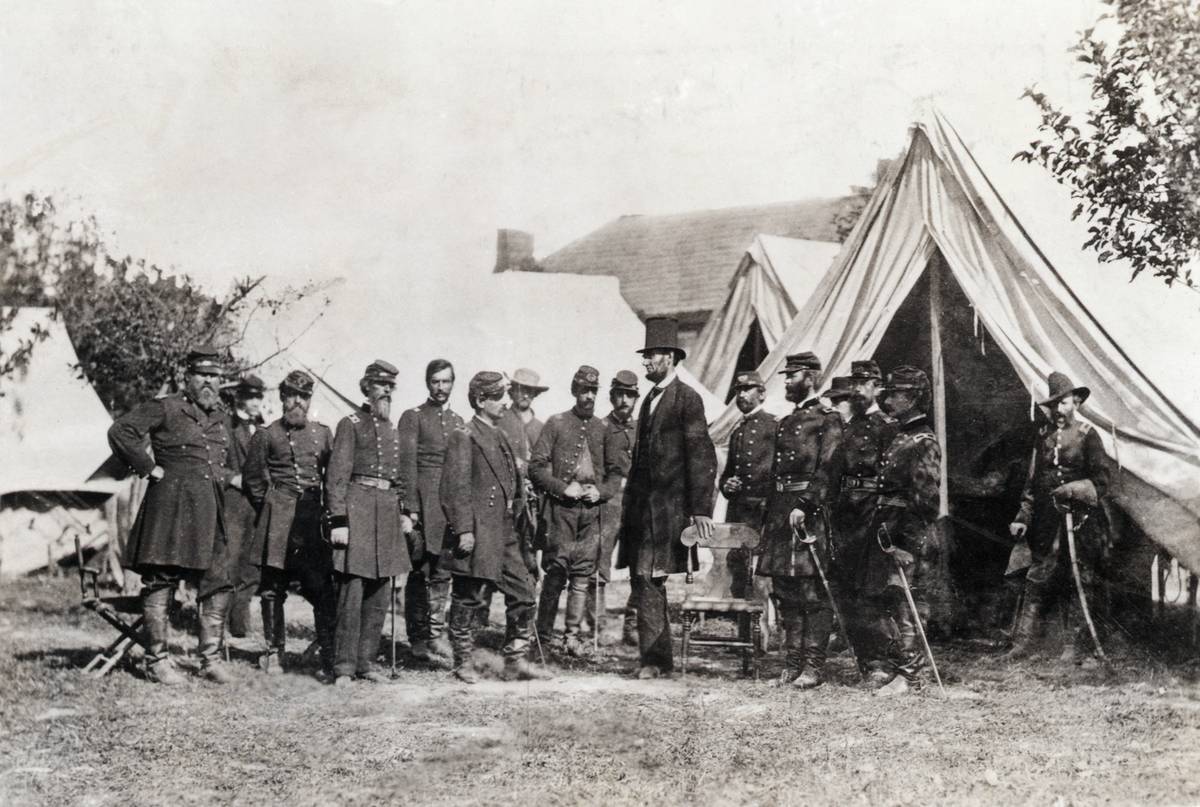
While slavery was a central issue in the American Civil War, it was not the sole cause. Economic disparities between the industrial North and the agrarian South, states’ rights, and political power struggles all contributed to the conflict. The Southern states’ secession was driven by a desire to preserve a way of life that included slavery, but it also reflected deeper economic and cultural divides. Understanding these broader causes provides a more comprehensive view of this pivotal period in American history.
The Spanish Armada: Weather or Warfare?
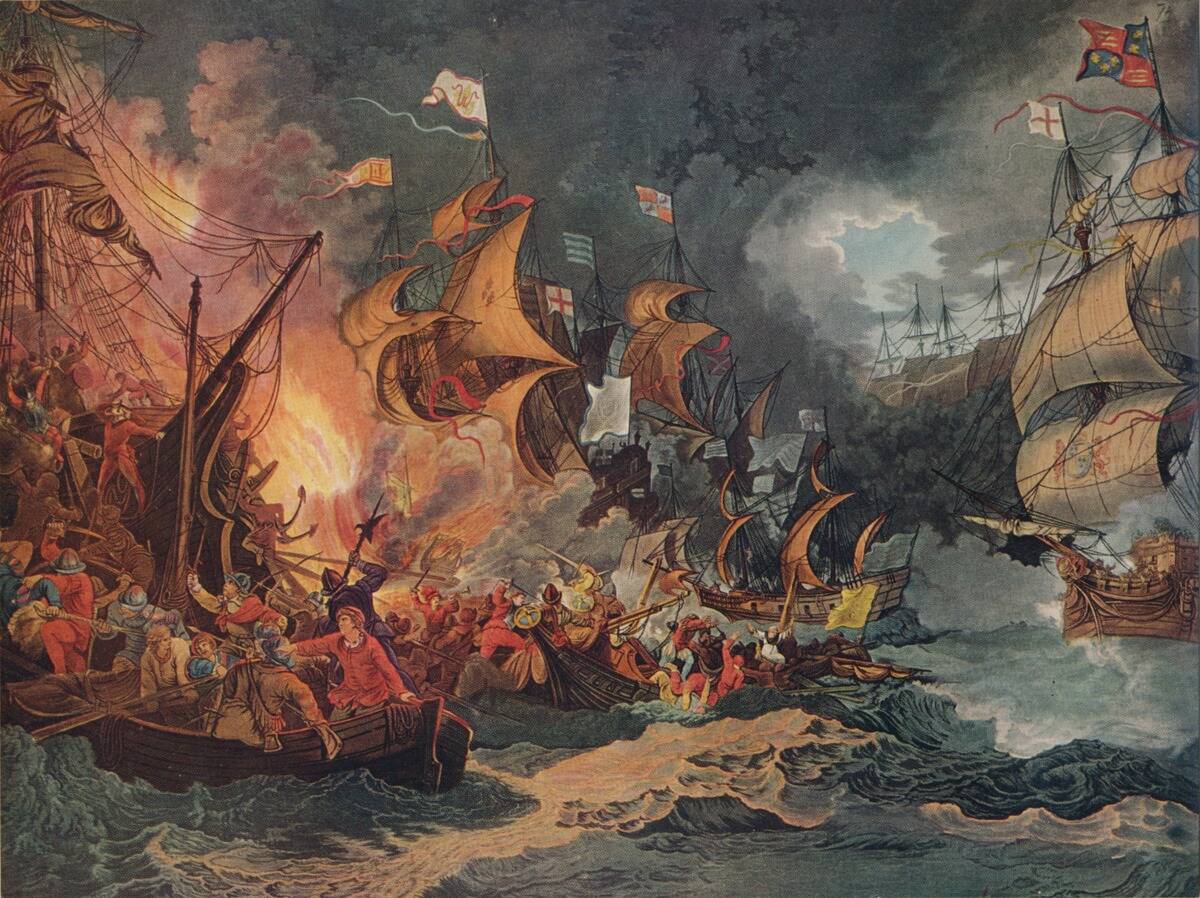
The defeat of the Spanish Armada in 1588 is often attributed to the might of the English navy, but weather played a crucial role. Storms scattered the Armada, leading to significant losses before they even engaged the English fleet. Additionally, logistical issues and strategic missteps by the Spanish compounded their difficulties. While English naval tactics were indeed effective, the victory was not solely due to military prowess. The interplay of natural forces and human error highlights the complexity of this historic encounter.
The Significance of D-Day: Beyond the Beaches
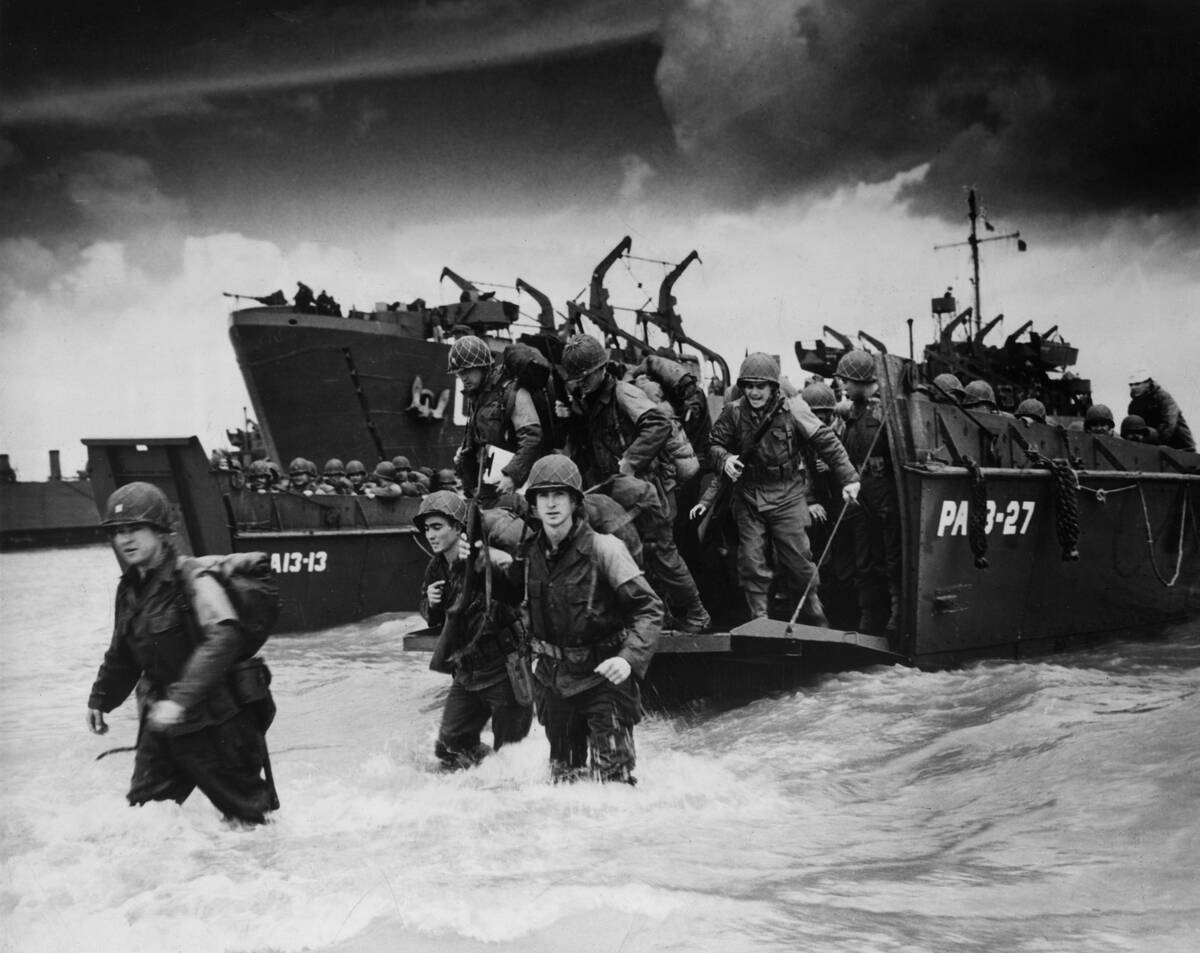
D-Day is celebrated for its role in the liberation of Western Europe from Nazi control, but its significance extends beyond the beaches of Normandy. The operation marked the beginning of the end for Nazi Germany, opening a crucial Western front. It also demonstrated the power of Allied cooperation, with forces from multiple nations working together. The logistical feat of coordinating such a massive invasion was unprecedented, setting the stage for future military operations and solidifying the importance of allied strategy in warfare.
The Vietnam War: Misunderstanding the Domino Theory
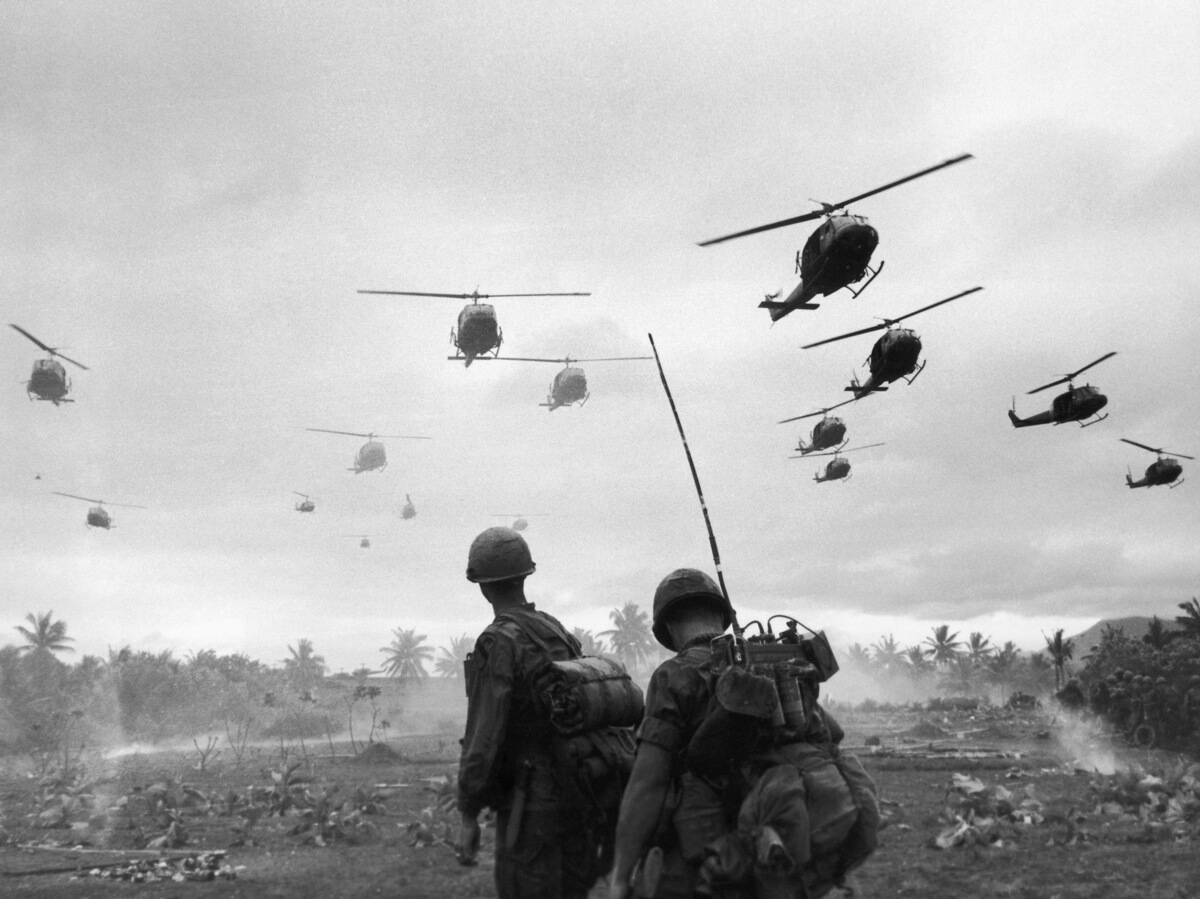
The Vietnam War is often seen through the lens of the “domino theory,” which posited that the fall of one Southeast Asian country to communism would lead to the spread of communism throughout the region. However, the theory oversimplified the complexities of regional politics and the motivations of local actors. While the United States sought to prevent communist expansion, the war was also about Vietnamese nationalism and independence. Reassessing the domino theory reveals a more intricate picture of the geopolitical dynamics at play.
The War of 1812: America’s Forgotten Conflict
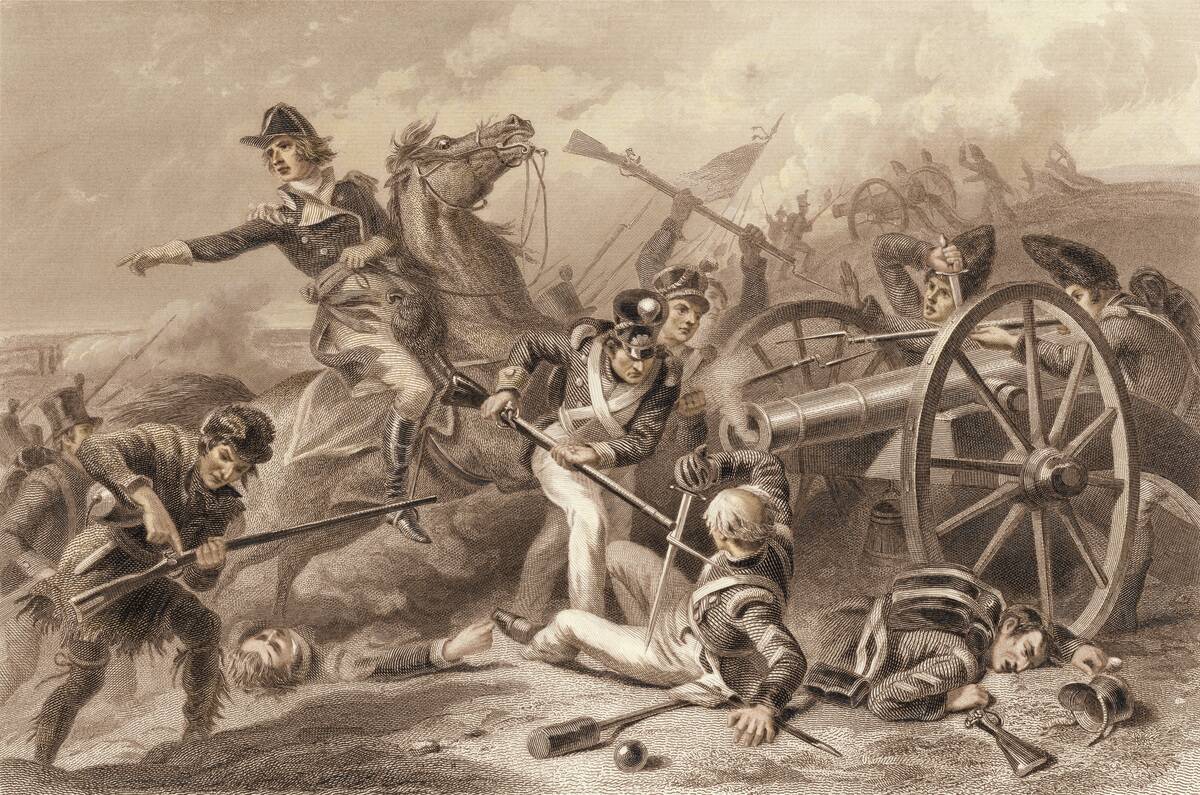
The War of 1812 is often overshadowed by other American conflicts, but it was pivotal in shaping the nation’s identity. Tensions over trade restrictions, impressment of American sailors, and territorial expansion fueled the war between the United States and Britain. Despite its inconclusive military outcomes, the war fostered a sense of national pride and unity. The successful defense against British invasions, symbolized by the Battle of New Orleans, boosted American morale and laid the groundwork for future expansion and development.
The Korean War: The Often Overlooked “Forgotten War”
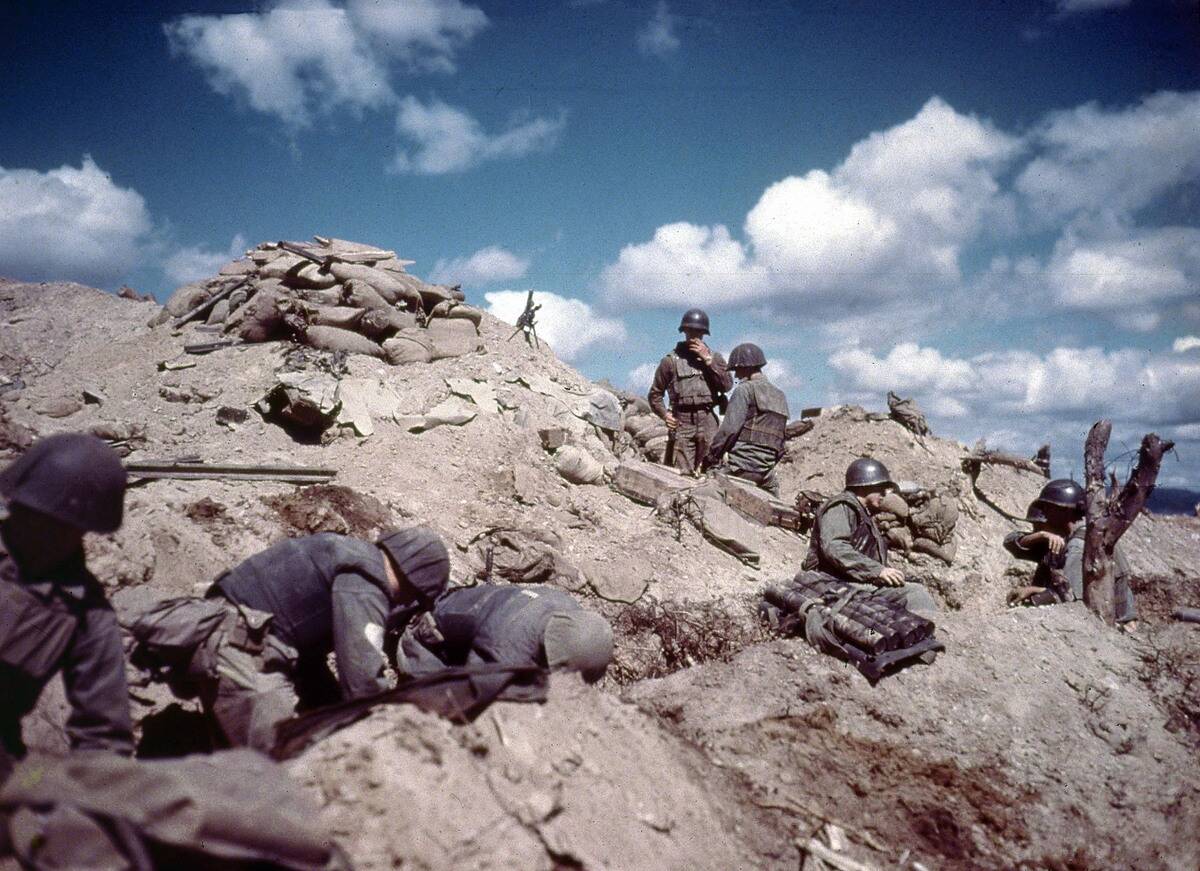
The Korean War, often dubbed the “Forgotten War,” played a critical role in the Cold War landscape. It was the first major conflict between communist and capitalist forces, setting the stage for later Cold War confrontations. The war highlighted the limitations of conventional military strategies in a nuclear age and solidified the division of Korea, which persists to this day. By examining the war’s impact, we can better understand its significance in shaping modern geopolitics and the ongoing tensions on the Korean Peninsula.
The Cold War: More Than Just Espionage and Nukes
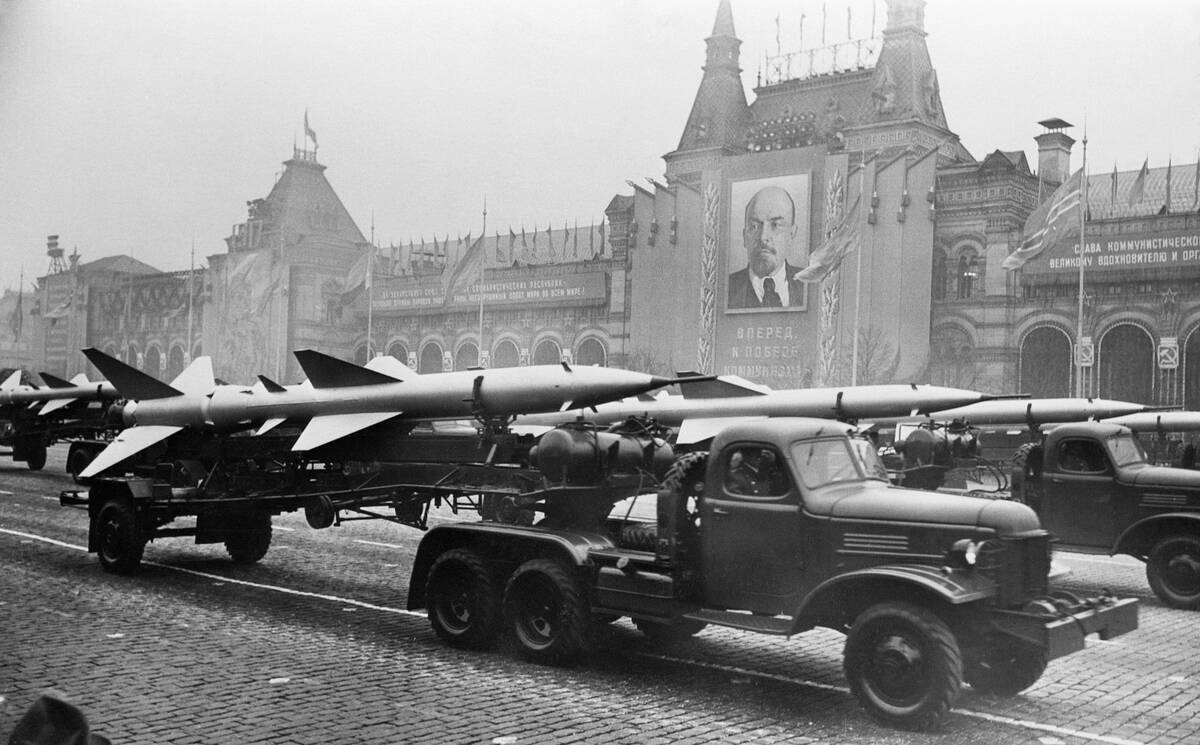
The Cold War is often remembered for its espionage and nuclear arms race, but it was also a battle of ideologies and influence. The U.S. and Soviet Union competed for global dominance through proxy wars, space exploration, and cultural exchanges. This period saw significant technological advancements and shifts in political alliances. The Cold War’s legacy includes the spread of democracy and the fall of communism in Eastern Europe, as well as ongoing challenges related to nuclear proliferation and international diplomacy.
The Fall of the Berlin Wall: Symbolism and Reality
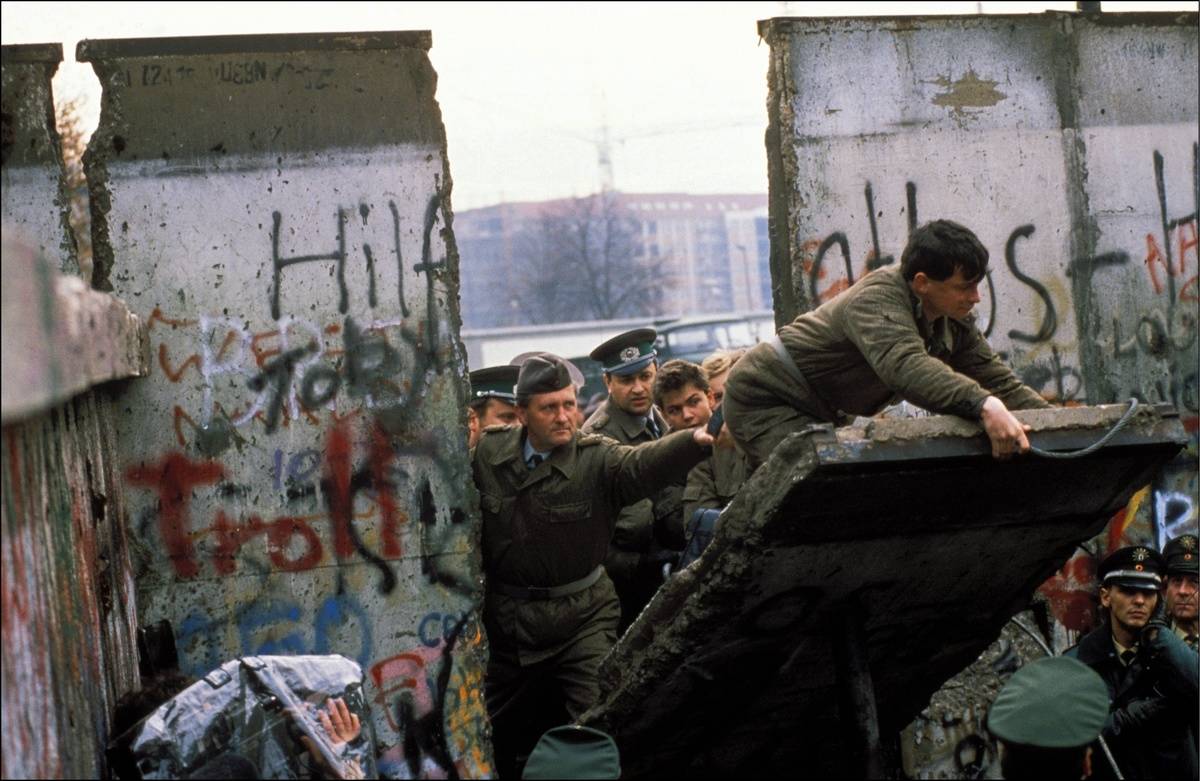
The fall of the Berlin Wall in 1989 is often seen as a symbol of the end of the Cold War and the triumph of democracy. While it marked a significant political shift, the reality was more complex. The wall’s fall was the result of increasing pressure from Eastern European citizens demanding reform, economic struggles, and diplomatic negotiations. It was a pivotal moment that catalyzed the reunification of Germany and the collapse of communist regimes across Eastern Europe, reshaping the continent’s political landscape.
The Persian Gulf War: A Quick Win or a Long-Lasting Impact?
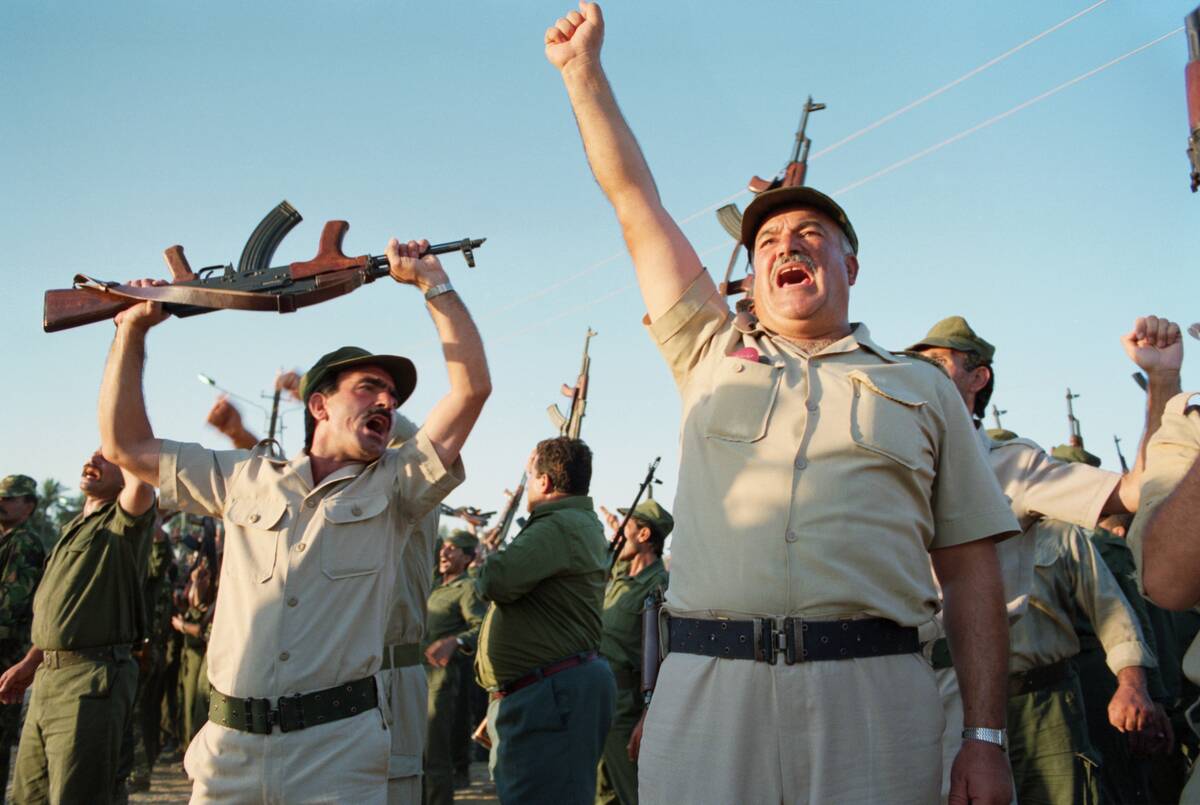
The Persian Gulf War, often seen as a swift military victory for the coalition forces against Iraq, had long-lasting implications. The conflict demonstrated the effectiveness of modern technology and precision weaponry, reshaping military strategies worldwide. However, the war’s aftermath saw continued instability in the region, with economic sanctions and political tensions persisting. The Gulf War also set the stage for future U.S. involvement in the Middle East, influencing foreign policy decisions for decades and highlighting the complexities of regional geopolitics.




