The story behind iconic landmarks
The world is dotted with landmarks that capture the imagination and stir the soul. These iconic structures are not just tourist attractions; they are symbols of human achievement, creativity, and history.
From the ancient to the modern, each landmark tells a story that is as fascinating as it is unique. As we embark on a journey through these world-famous sites, prepare to uncover secrets and stories that have shaped our culture and heritage.
The Eiffel Tower: From Skepticism to Love
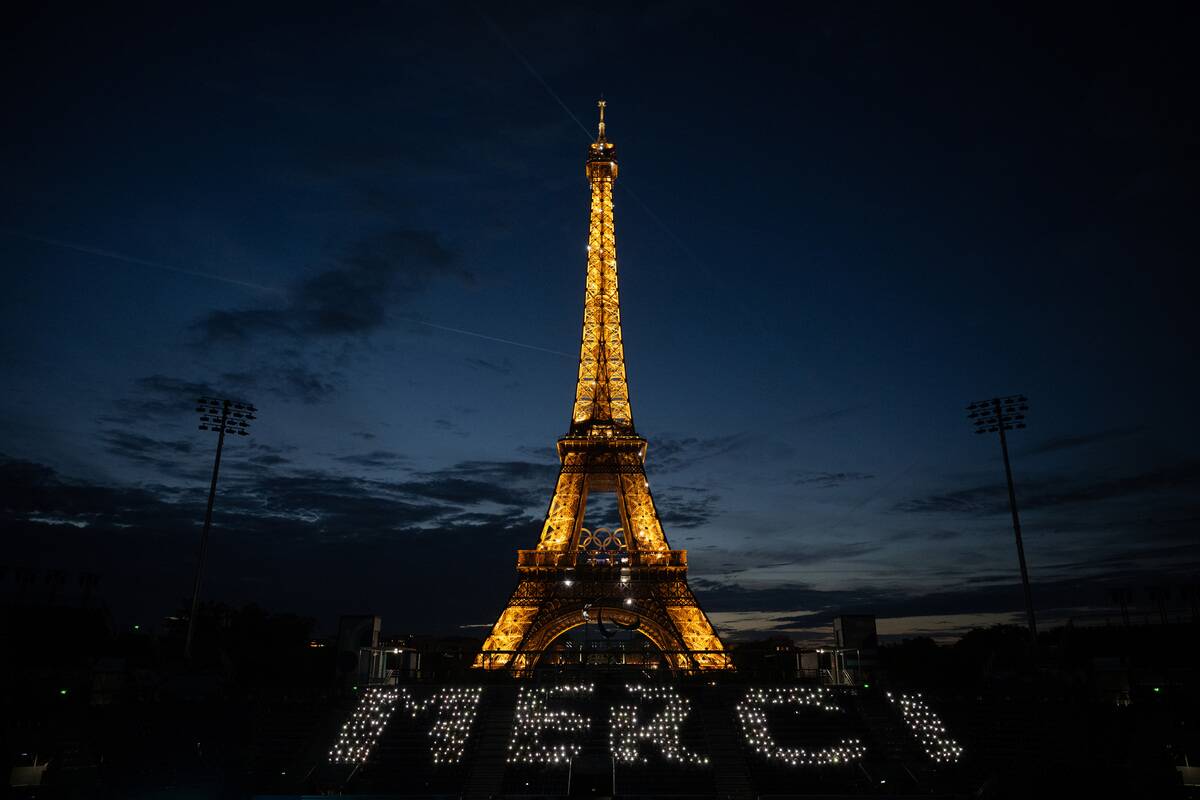
When the Eiffel Tower was first unveiled in 1889, it faced a great deal of skepticism from Parisians and artists alike. Originally intended as a temporary structure for the 1889 World’s Fair, it was criticized as an eyesore.
Yet today, it stands as the beloved symbol of Paris, drawing millions of visitors annually. Gustave Eiffel, the engineer behind the design, likely never imagined that his ‘temporary’ tower would become one of the most recognized structures in the world.
The Statue of Liberty: A Gift of Friendship

The Statue of Liberty, towering over New York Harbor, was a gift from France to the United States in 1886. It celebrated the centennial of American independence and symbolized freedom and democracy.
Designed by Frédéric Auguste Bartholdi and built by Gustave Eiffel, the statue’s framework is an engineering marvel. It took over 200 crates to ship the disassembled statue across the Atlantic, a testament to the enduring friendship between the two nations.
The Great Wall of China: A Monumental Feat

Spanning over 13,000 miles, the Great Wall of China is an extraordinary feat of ancient engineering. Constructed over several dynasties, the wall was primarily built to protect against invasions.
Contrary to popular belief, it is not a continuous wall but a series of walls and fortifications. The labor force was massive, with estimates suggesting that hundreds of thousands of workers took part in its construction over centuries, showcasing the sheer determination behind this monumental endeavor.
Machu Picchu: The Lost City of the Incas
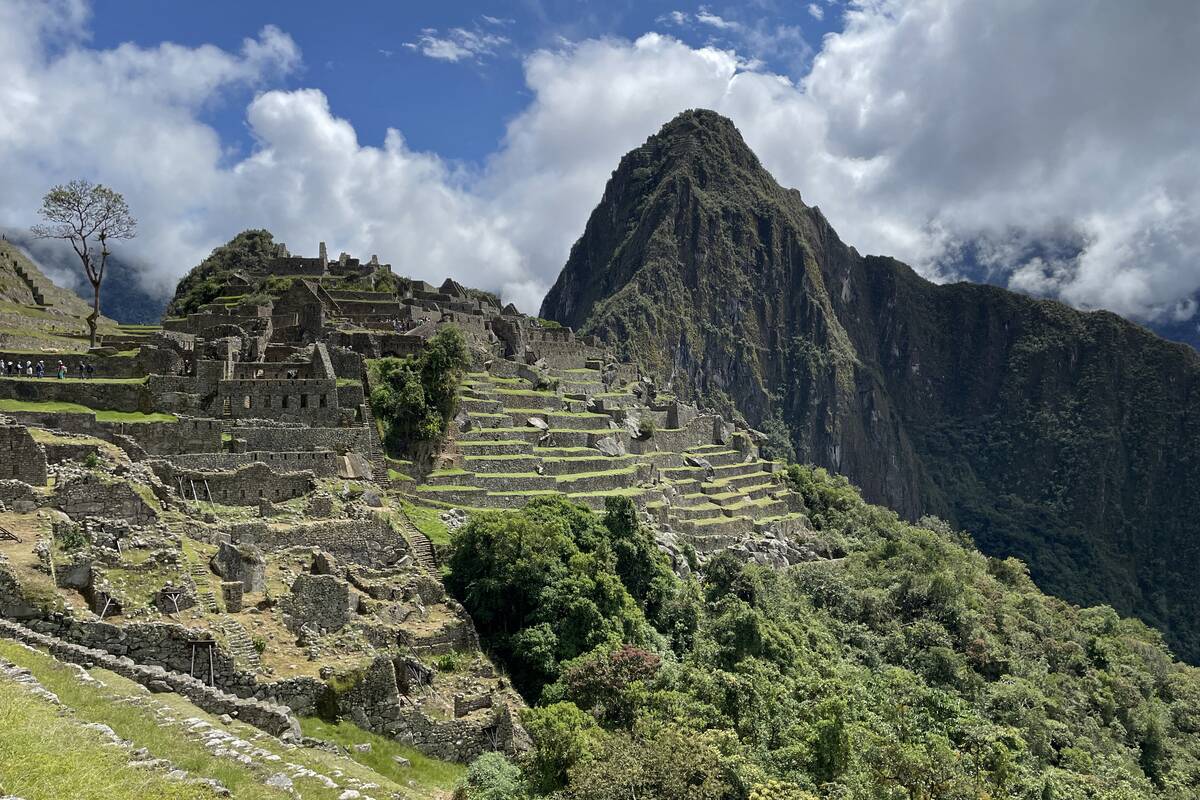
Nestled in the Andes Mountains, Machu Picchu is a breathtaking testament to the ingenuity of the Inca civilization. Rediscovered by Hiram Bingham in 1911, the site is believed to have been a royal estate or religious retreat.
Its precise stonework and alignment with astronomical events remain subjects of intrigue. Although the Incas had no written language, Machu Picchu’s preserved structures speak volumes about their advanced understanding of architecture and astronomy.
The Colosseum: Gladiators and Spectacles
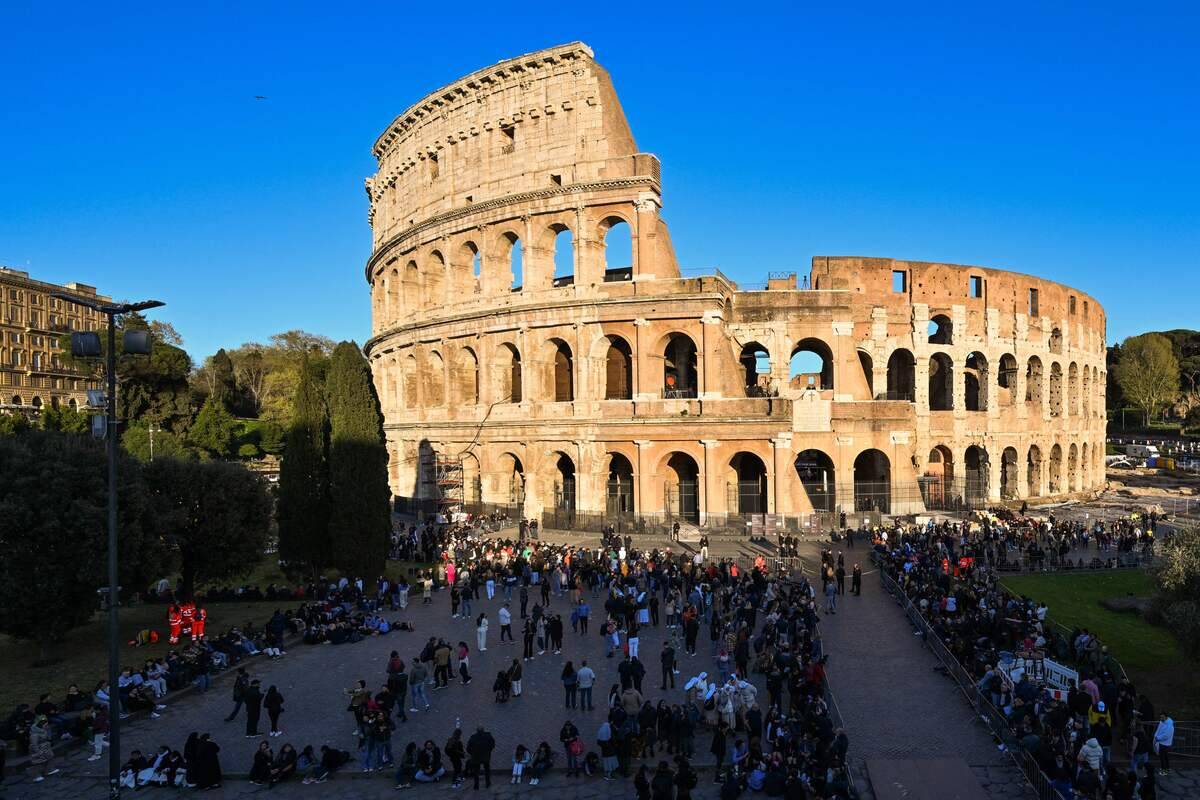
The Colosseum in Rome, completed in AD 80, was the largest amphitheater ever built at the time and could hold up to 80,000 spectators. It was the epicenter of entertainment in ancient Rome, hosting gladiatorial contests, animal hunts, and even mock sea battles.
Despite the violence, these spectacles were incredibly popular, serving as both distraction and propaganda. Today, the Colosseum stands as a poignant reminder of Rome’s imperial past and its enduring architectural prowess.
The Pyramids of Giza: Mysteries in Stone
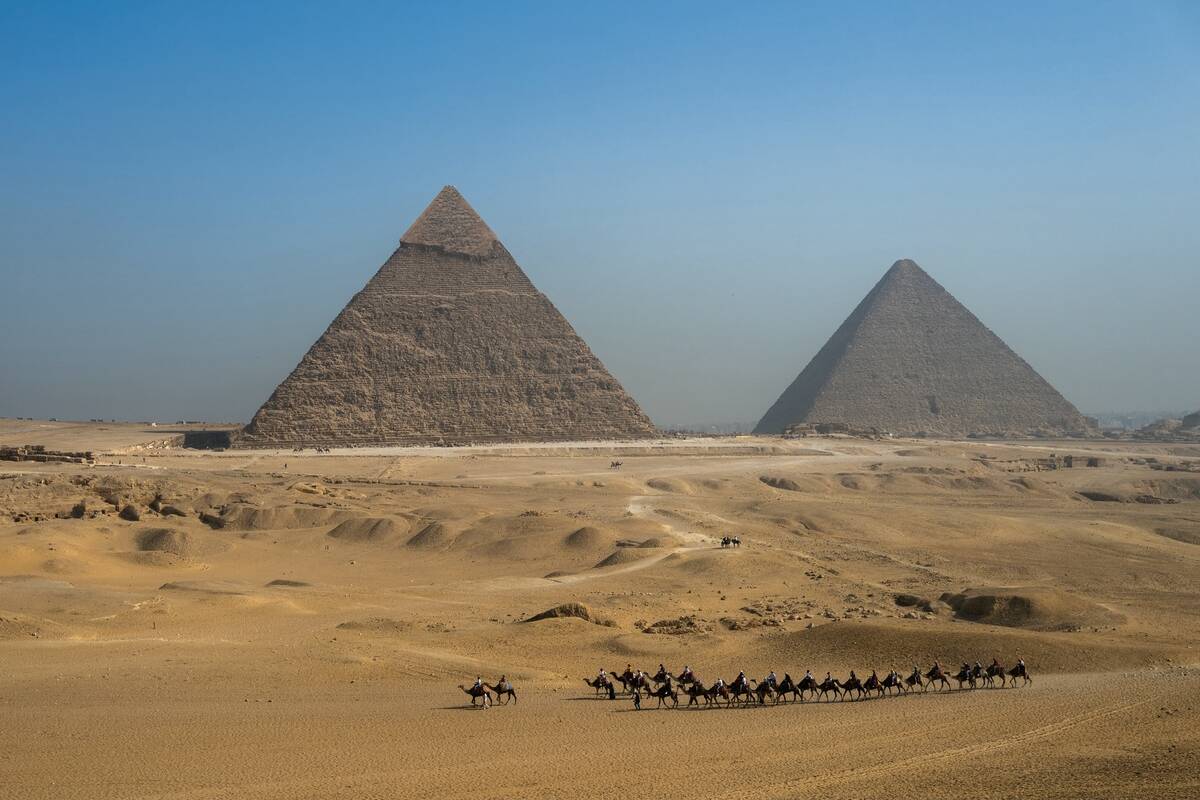
The Pyramids of Giza, especially the Great Pyramid, have fascinated scholars, archaeologists, and tourists for centuries. Built as tombs for pharaohs, their precise construction techniques remain a mystery.
The Great Pyramid was the tallest man-made structure in the world for over 3,800 years, a testament to the Egyptians’ architectural genius. Aligning perfectly with the cardinal points and stars, the pyramids continue to inspire awe and wonder about the ancient world.
The Sydney Opera House: A Vision Realized
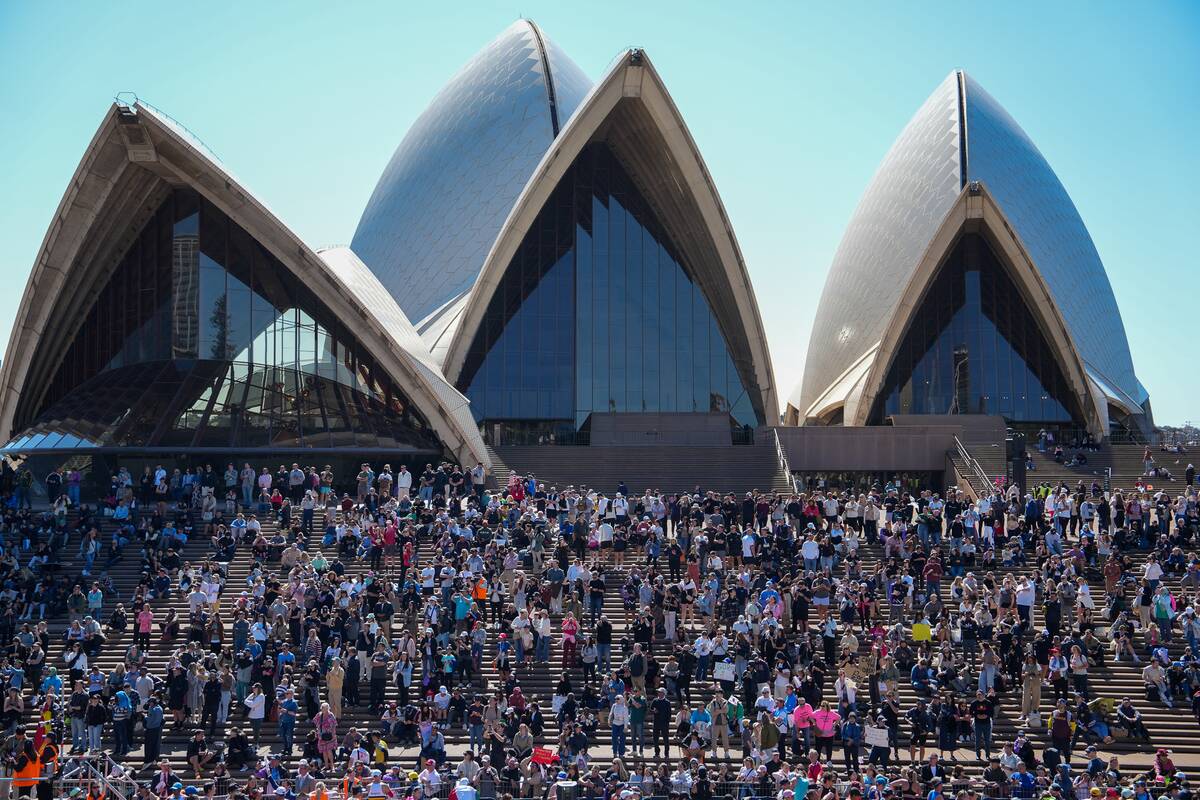
Opening in 1973, the Sydney Opera House is one of the most recognizable buildings in the world. Designed by Danish architect Jørn Utzon, its unique shell-like structure was revolutionary.
Although the project faced numerous setbacks and cost overruns, it has since become a symbol of Australia’s creativity and resilience. Hosting over 1,800 performances annually, the Opera House is a cultural hub, celebrating both local and international artistry.
Stonehenge: Ancient Enigma on the Salisbury Plain
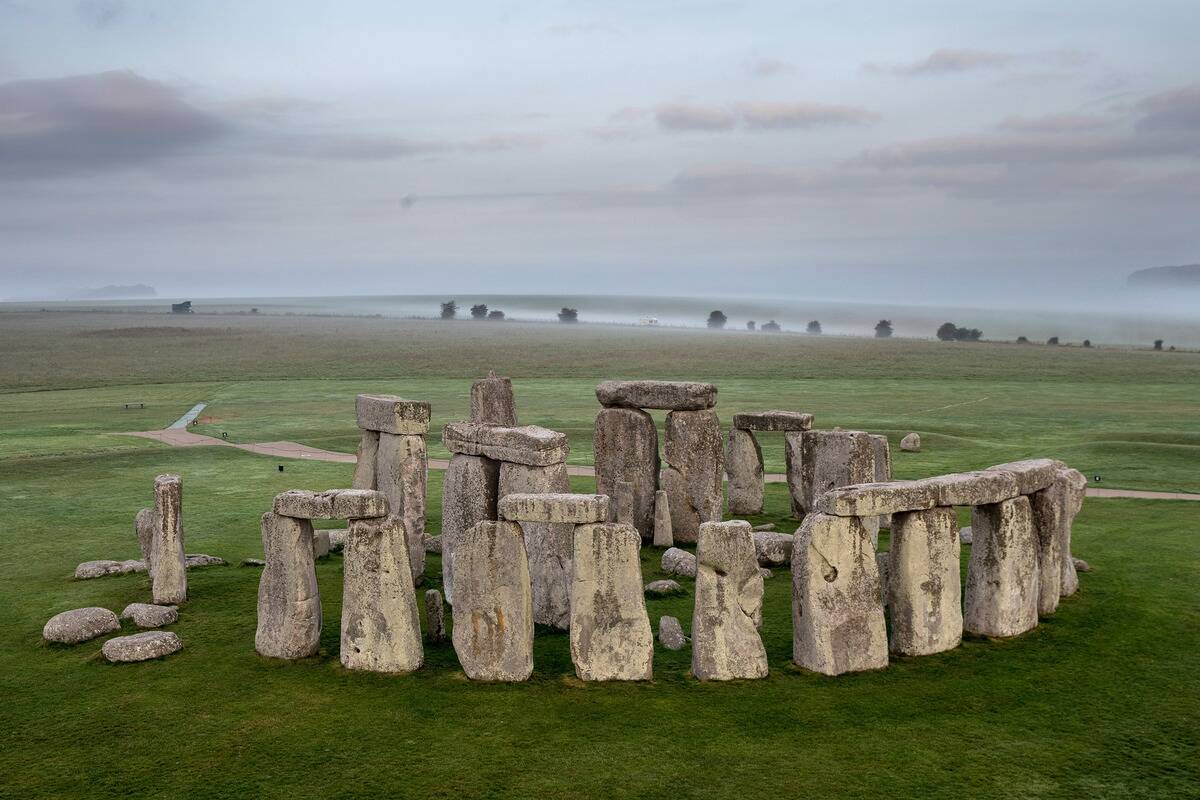
Stonehenge, located in Wiltshire, England, is one of the most famous prehistoric monuments. Estimated to have been constructed around 2500 BC, its purpose remains a mystery.
Some theories suggest it was a burial ground, while others propose it served as an astronomical calendar. The massive stones, some weighing up to 25 tons, were transported from great distances, highlighting the significance of this enigmatic site in ancient times.
The Taj Mahal: A Love Story in Marble
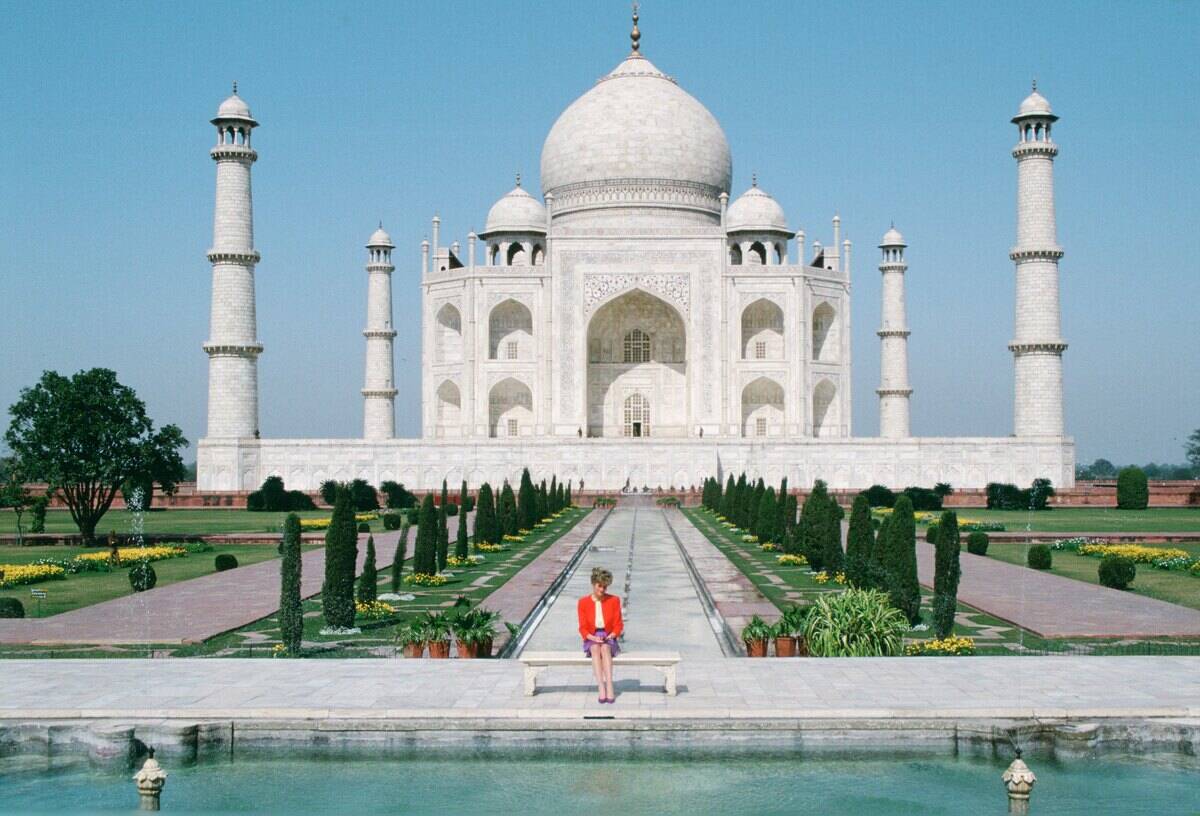
The Taj Mahal in Agra, India, is a stunning mausoleum built by Emperor Shah Jahan in memory of his beloved wife Mumtaz Mahal. Completed in 1653, its intricate marble inlay work and symmetrical design are architectural marvels.
The changing colors of the Taj at different times of the day add to its beauty. Recognized as a UNESCO World Heritage Site, it stands as a testament to eternal love and devotion.
The Leaning Tower of Pisa: An Architectural Quirk
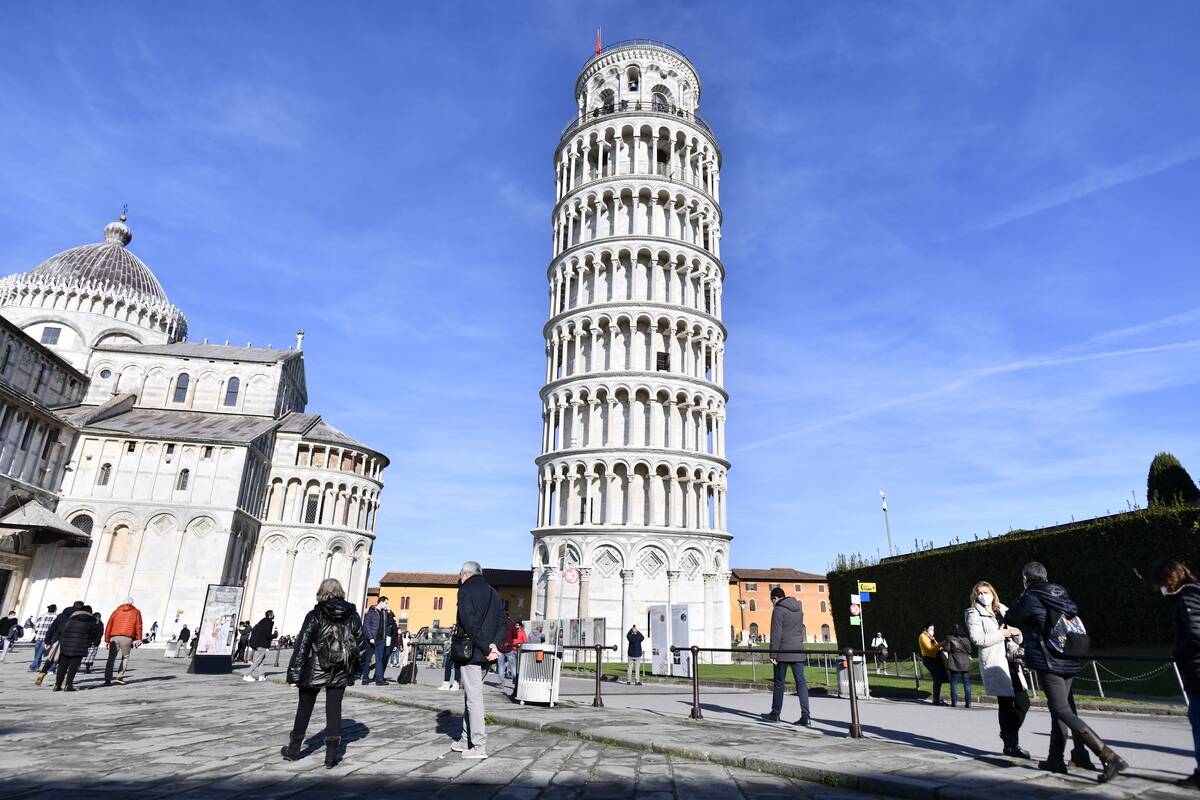
The Leaning Tower of Pisa, known for its unintended tilt, was constructed over 199 years, beginning in 1173. The tilt began during construction due to soft ground on one side.
Efforts have been made to stabilize it, but the lean remains, drawing tourists from around the globe. Despite its flawed foundation, the tower is a testament to the resilience and ingenuity of medieval engineering, celebrated as much for its imperfections as its beauty.
Christ the Redeemer: Standing Tall over Rio
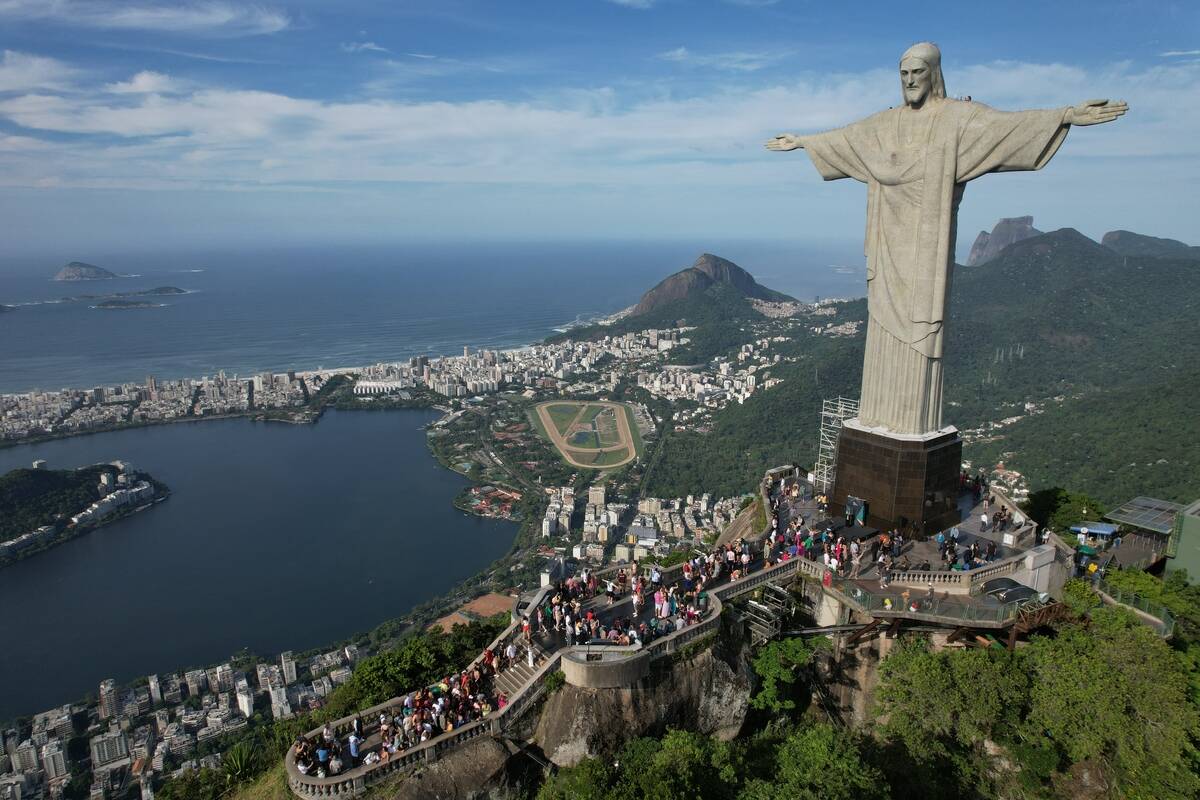
Perched atop the Corcovado Mountain, Christ the Redeemer is an iconic symbol of Brazil and Christianity. Completed in 1931, the statue stands 98 feet tall and was designed by Brazilian engineer Heitor da Silva Costa.
Its construction took nine years and involved intricate planning and design. Offering sweeping views of Rio de Janeiro, it is a place of pilgrimage for many and a symbol of peace and openness.
Big Ben: The Timeless Keeper of Time
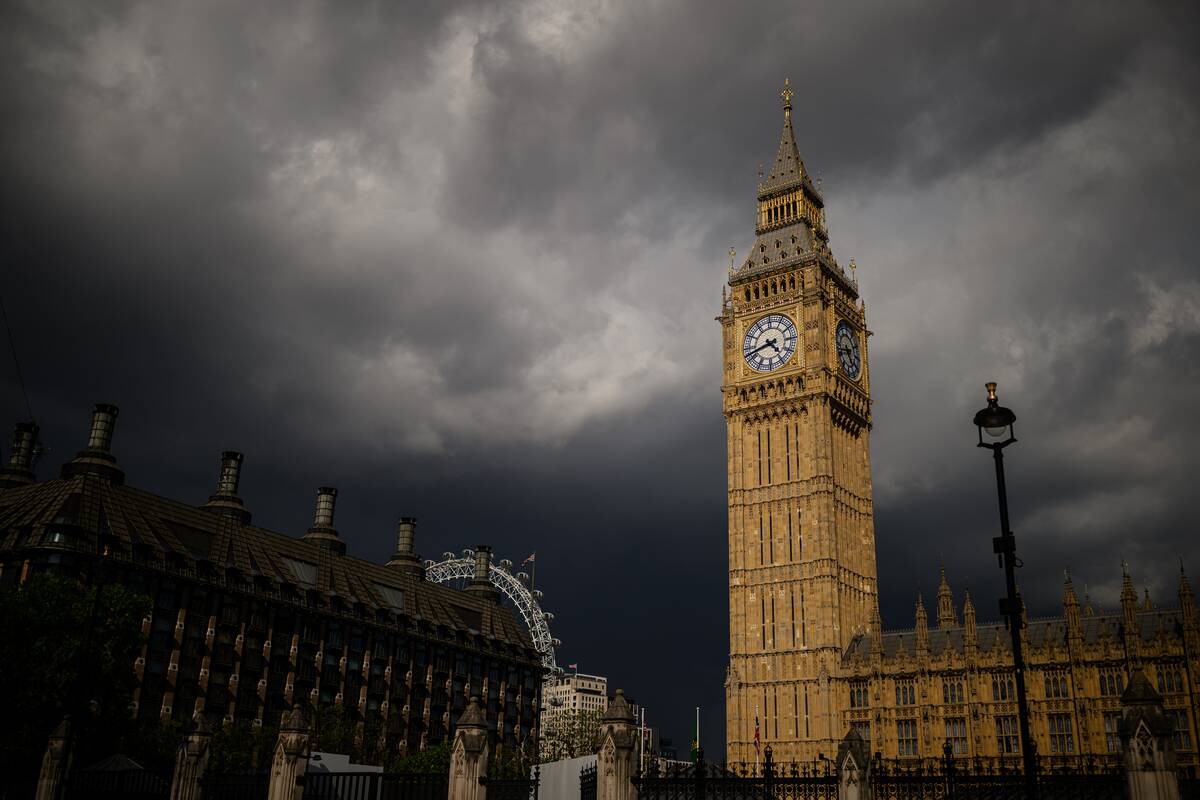
Big Ben, the iconic clock tower of the Palace of Westminster, was completed in 1859. The name refers to the Great Bell inside the tower, which weighs over 13 tons.
Renowned for its accuracy, the clock has become a symbol of London and British punctuality. Despite renovations and challenges over the years, including bombings during World War II, Big Ben continues to chime, marking the passage of time with its distinctive sound.
The Acropolis: Athens’ Ancient Citadel
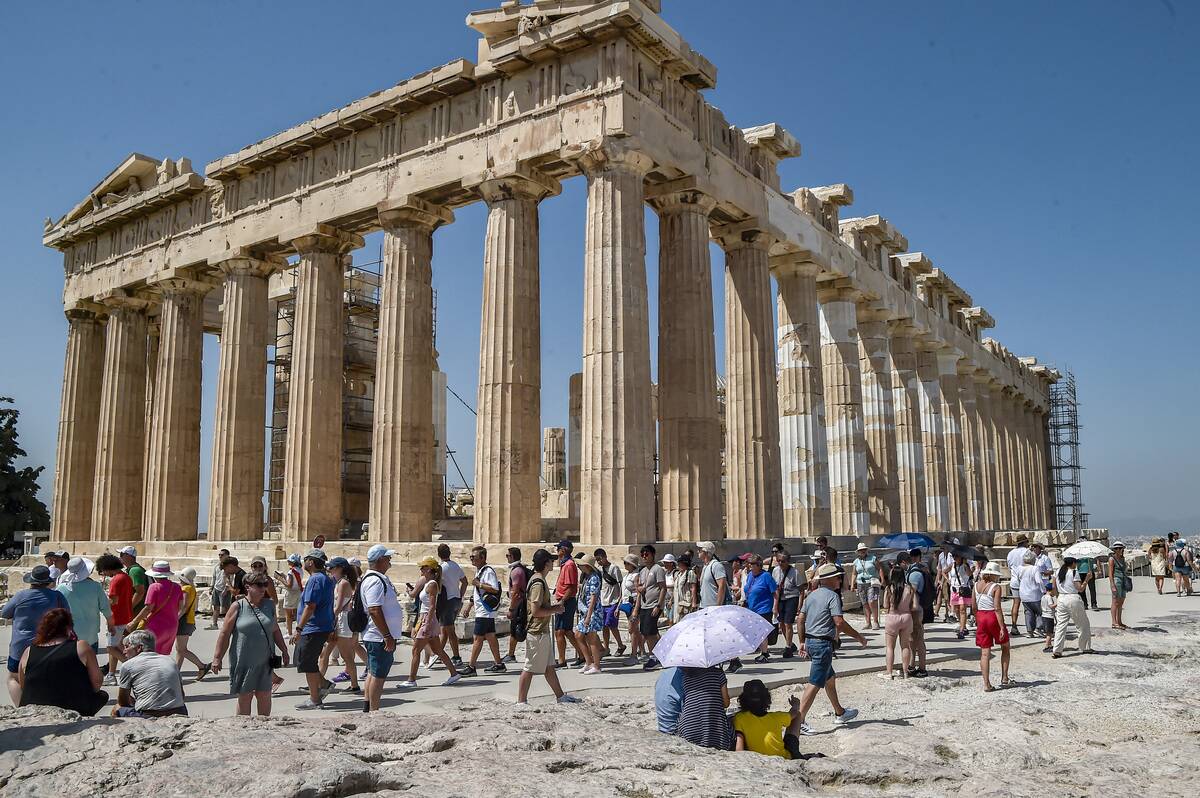
The Acropolis in Athens is a testament to ancient Greek civilization, overlooking the city from its rocky outcrop. Dominated by the Parthenon, a temple dedicated to the goddess Athena, the Acropolis has withstood wars and natural disasters.
Built in the 5th century BC, its architectural brilliance and historical significance make it a symbol of ancient Greece’s cultural and political achievements, drawing scholars and tourists alike to its hallowed grounds.
The Empire State Building: Reaching for the Sky
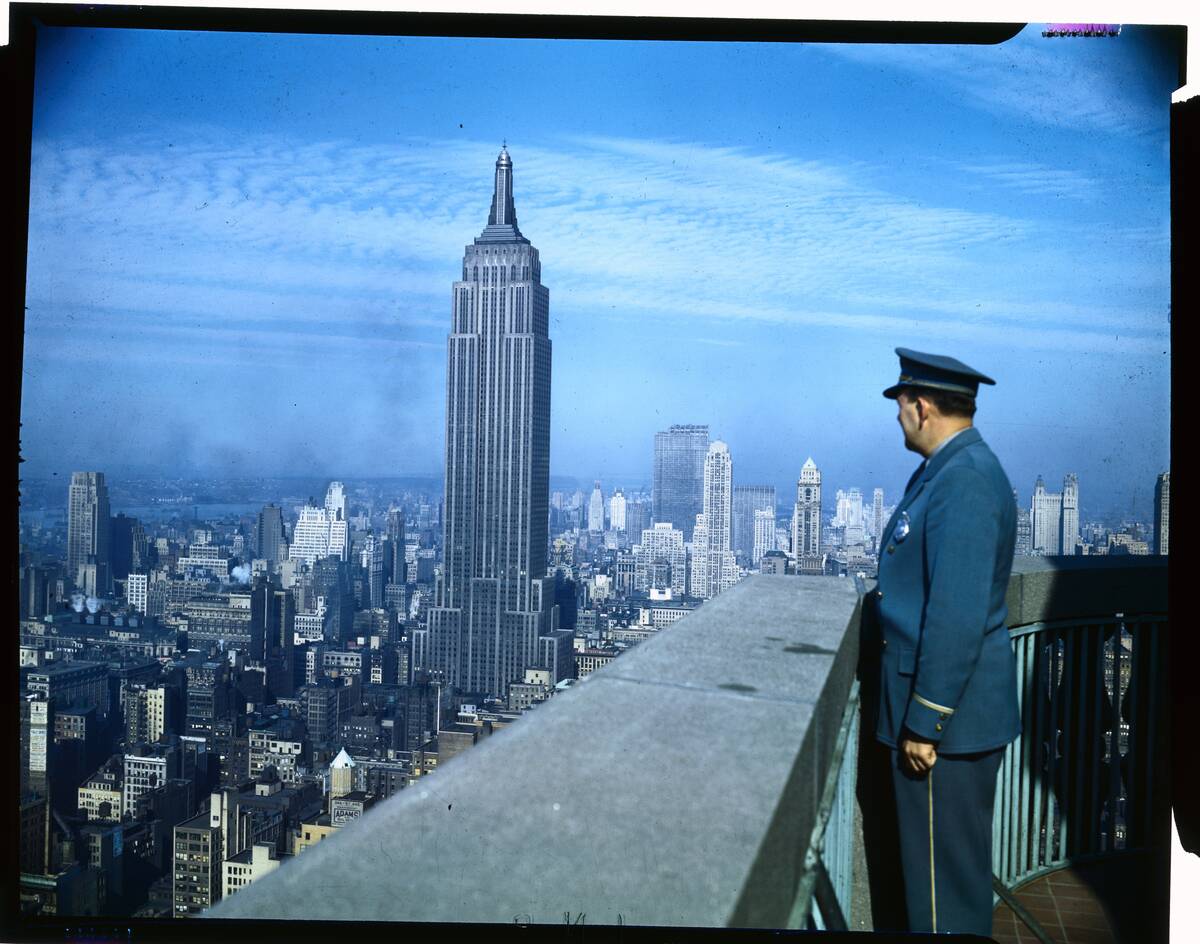
The Empire State Building, completed in 1931, was the tallest building in the world for nearly 40 years. A marvel of Art Deco design, it was constructed in just over a year during the Great Depression.
Its iconic spire and observatories offer breathtaking views of New York City. Featured in countless films and photographs, the Empire State Building remains a symbol of ambition and the American spirit, standing proudly in the Manhattan skyline.
The Burj Khalifa: A Modern Marvel in Dubai
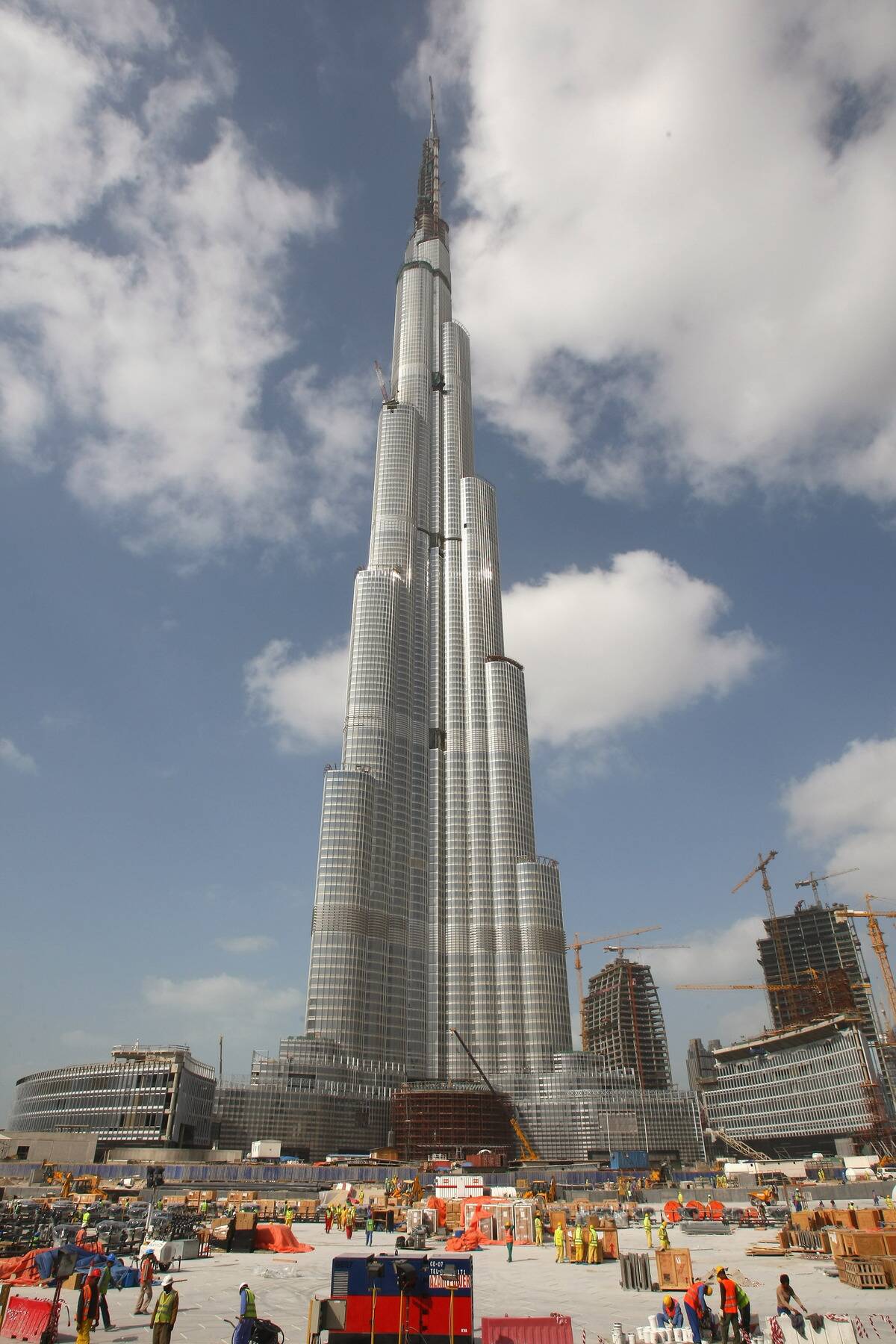
The Burj Khalifa in Dubai is the tallest structure in the world, standing at 828 meters. Opened in 2010, it represents a new era of skyscraper design. The building’s design was inspired by Islamic architecture, and its Y-shaped plan provides stability.
The Burj Khalifa houses luxury residences, offices, and the Armani Hotel. As a symbol of Dubai’s rapid growth and innovation, it continues to attract visitors from all corners of the globe.
The Sagrada Familia: Gaudí’s Unfinished Masterpiece
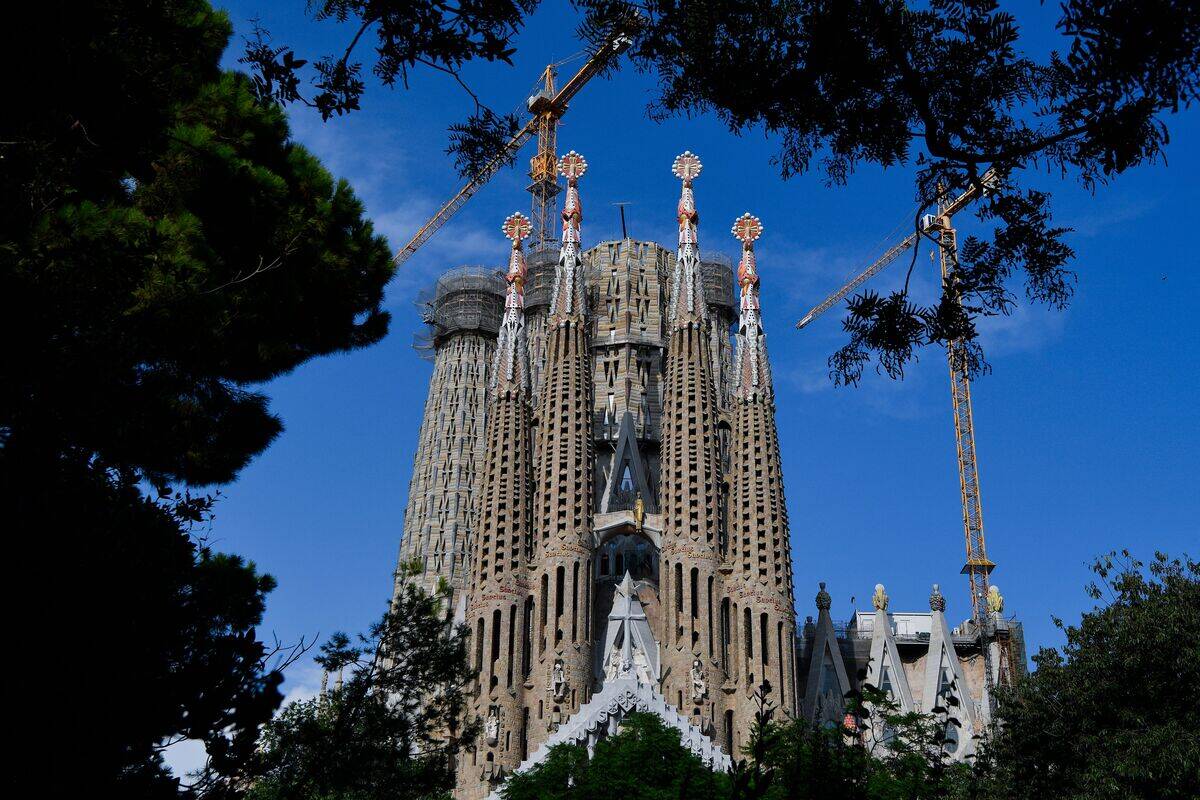
The Sagrada Familia in Barcelona, designed by Antoni Gaudí, is a striking example of modernist architecture. Construction began in 1882, and it remains unfinished to this day. Gaudí devoted his later years entirely to the project, which combines Gothic and Art Nouveau styles.
The basilica is expected to be completed by 2026, the centenary of Gaudí’s death. Its intricate facades and towering spires make it one of the most visited and recognizable landmarks in Spain.




