Some amazing songs from 1963 that most people do not recall
When something disastrous happens in a year, it can instantly become far easier to forget everything thing else that happened in it than most people would expect. That was true for Americans who were left reeling in September of 2001, and just as true for their parents in November of 1963.
As is always the case, some songs from 1963 were big enough that they’re still as fondly remembered now as they were exciting at the time. However, many of the year’s biggest hits are firmly in “you had to be there” territory today.
The Beach Boys – “Surfin’ U.S.A.”
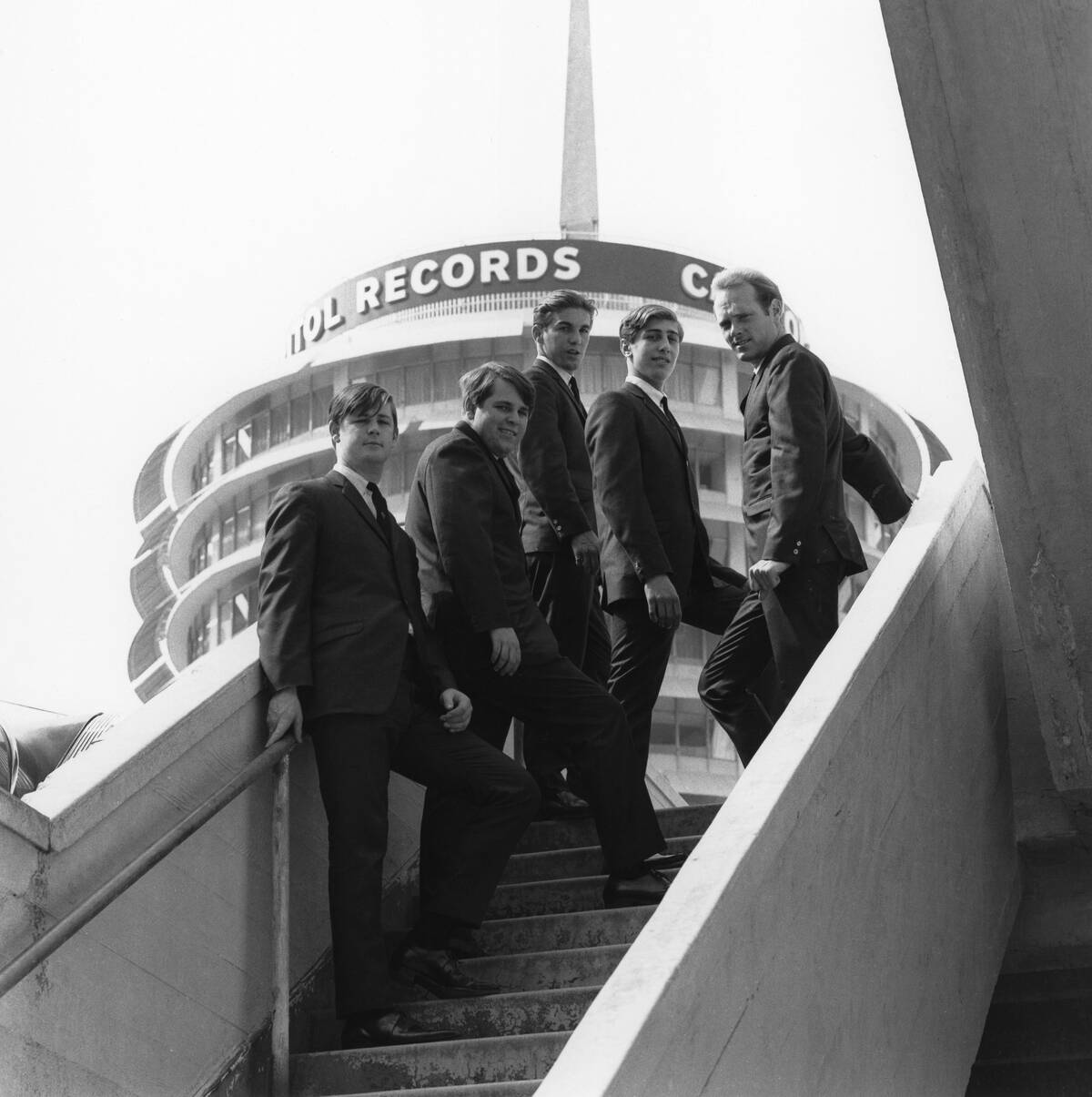
Although The Beach Boys had multiple number-one hits throughout the ’60s, the curious truth is that “Surfin’ U.S.A.” wasn’t one of them, despite being the biggest song of the year. Indeed, the peak position that one of The Beach Boys’ signature songs reached was number three on the Billboard Hot 100.
Even taking the legacy of The Beach Boys aside, it’s not hard to see where the fervor came from. Surfing — along with a wide array of beach activities — was rapidly gaining popularity in the United States, so music dedicated to singing about it couldn’t have found a better time to enter the market.
Skeeter Davis – “The End Of The World”
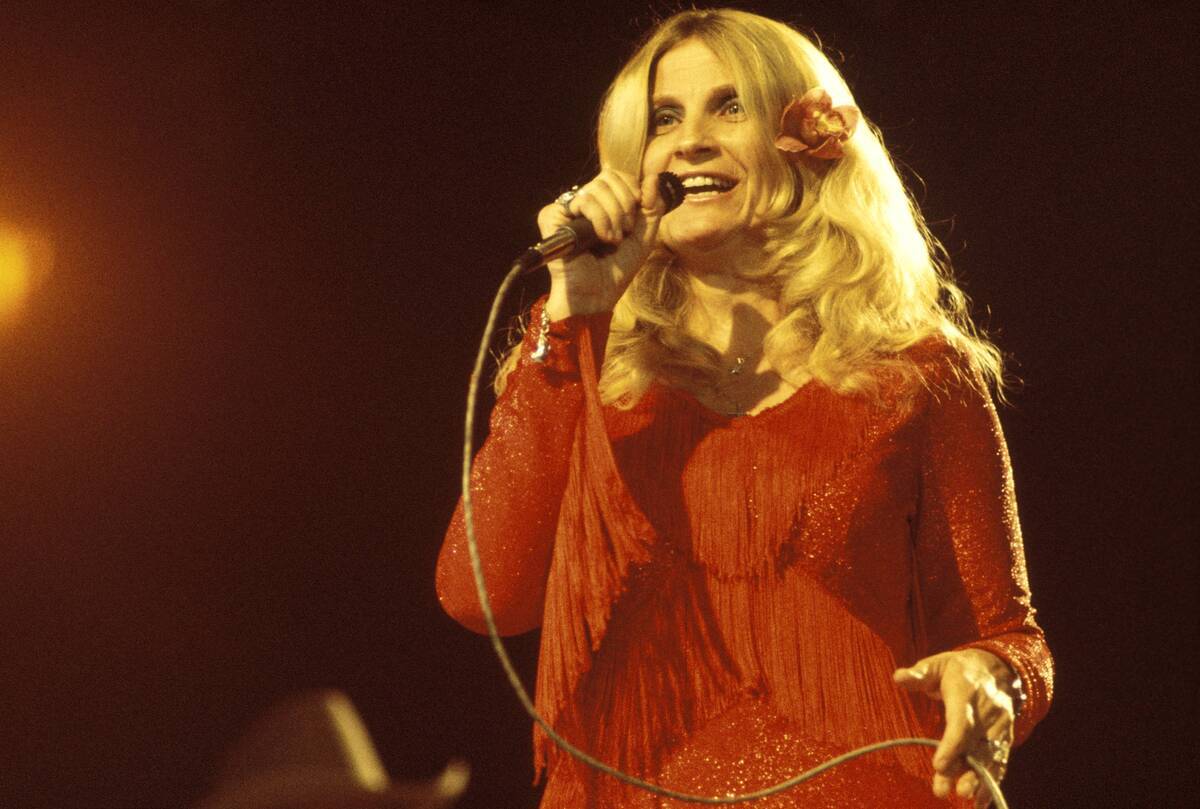
Although Skeeter Davis was primarily a country singer, “The End Of The World” was the most shining demonstration of the fact that she had her share of crossover hits as well. Rather than being about the actual end of the world, this song is a about a breakup that makes it feel like the end times might as well be coming.
When Davis was asked to sing it, however, it was the death of her father that inspired the emotional resonance she achieved while recording. Although it topped Billboard’s Easy Listening charts that year, it came in at number two on the Billboard Hot 100, the now-defunct Cash Box chart, and the Hot Country Singles chart.
The Cascades – “Rhythm Of The Rain”
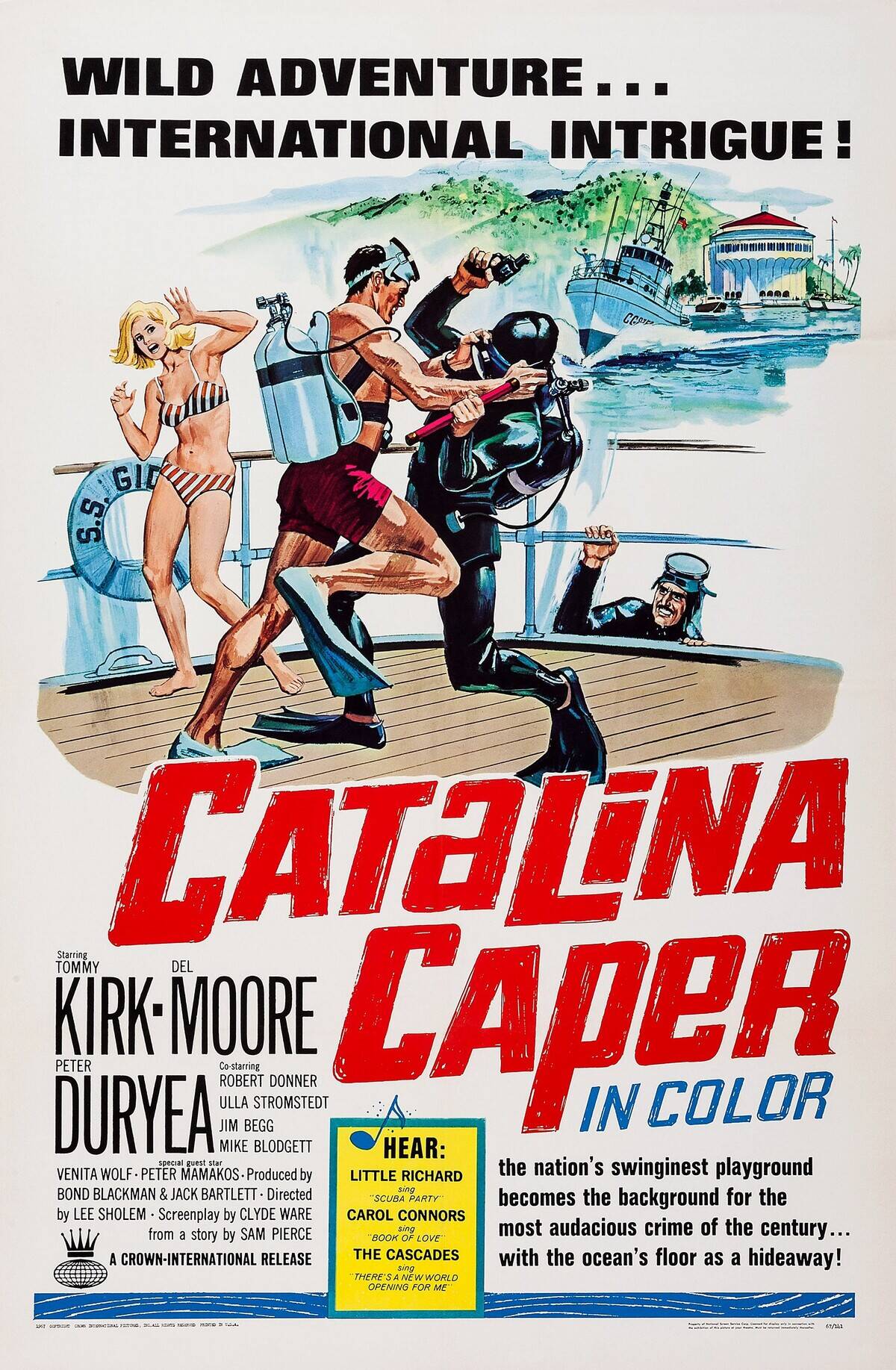
While they’ve remained very obscure after their breakup in 1975, the Cascades were once prominent enough to appear in the 1967 motion picture Catalina Caper (poster pictured). By then, however, they were already four years away from their biggest hit and about to lose their lead singer.
That hit was the 1962 song “Rhythm Of The Rain,” which depicted a man crying in the rain after experiencing a breakup. Although it topped Billboard’s Easy Listening chart after making headway in early 1963, the song peaked at number three on the Billboard Hot 100.
Paul & Paula – “Hey Paula”

Paul & Paula were actually named Raymond Glenn “Ray” Hildebrand and Jill Jackson, but when they presented a song about marrying a girl named Paula after graduation to Philips Records executive Shelby Singleton, he suggested they change their name to Paul & Paula.
While one might expect one-hit wonder status to be the reason why Paul & Paula disbanded in 1965, the duo was actually able to secure additional hits after “Hey Paula” topped both the Billboard Hot 100 and the Hot R&B Singles charts. Hildebrand simply lost interest in pursuing a career in show business.
Little Stevie Wonder – “Fingertips Pt. 2”
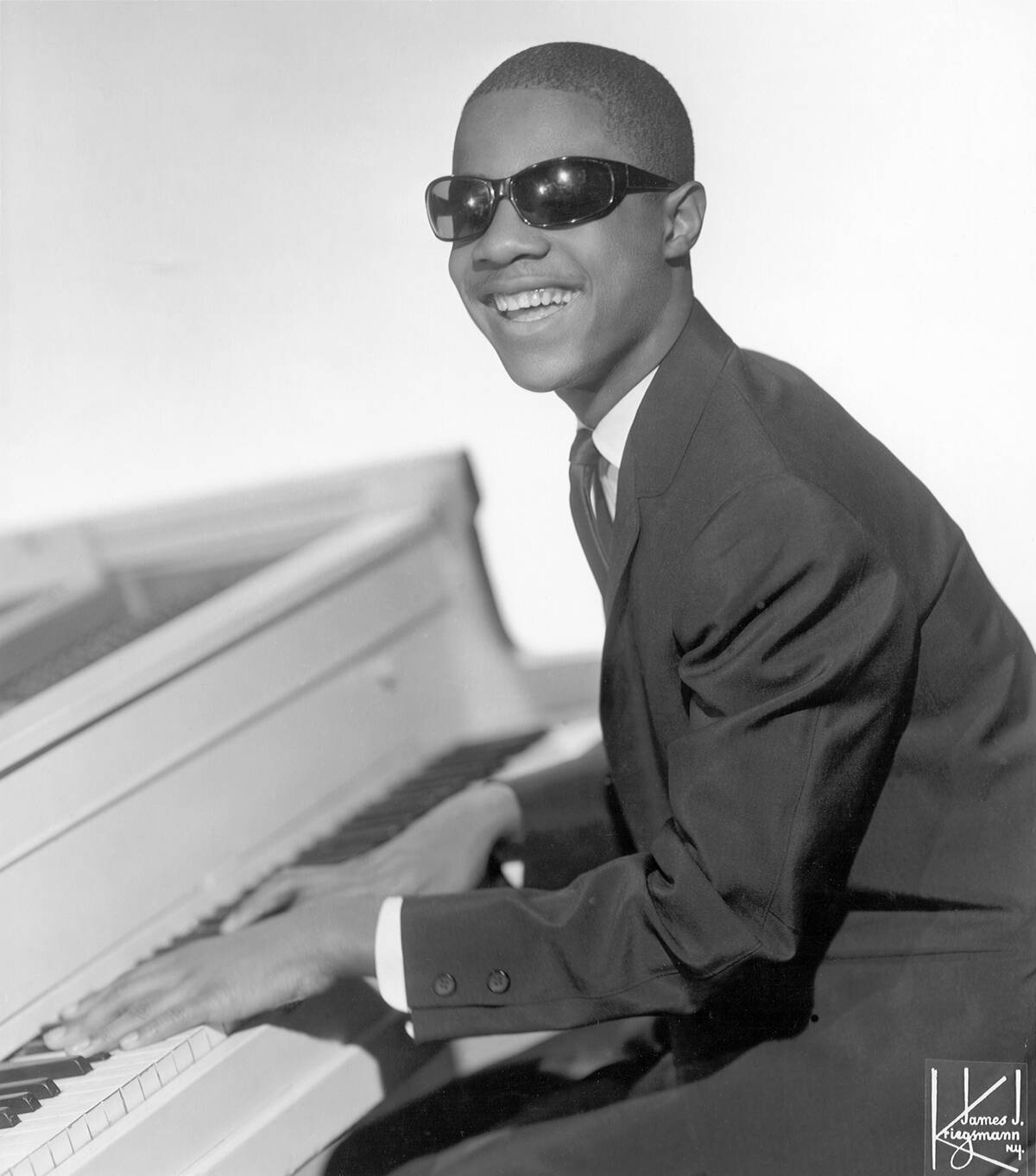
While the “little” next to Stevie Wonder’s name should provide a hint of how early in his career “Fingertips” was, that doesn’t mean most people would have guessed that he was only 13 at the time of its release. As for why only part two became a hit, that likely has to do with the call and response chant it begins with, as the rest of the composition is mostly instrumental.
“Fingertips Pt. 2” set a historical record that made Wonder the youngest artist to reach the number one spot (where the song spent three weeks) and the name behind the second number-one hit for Motown Records. It would be the first of ten number-one hits for Wonder.
Andy Williams – “Can’t Get Used To Losing You”
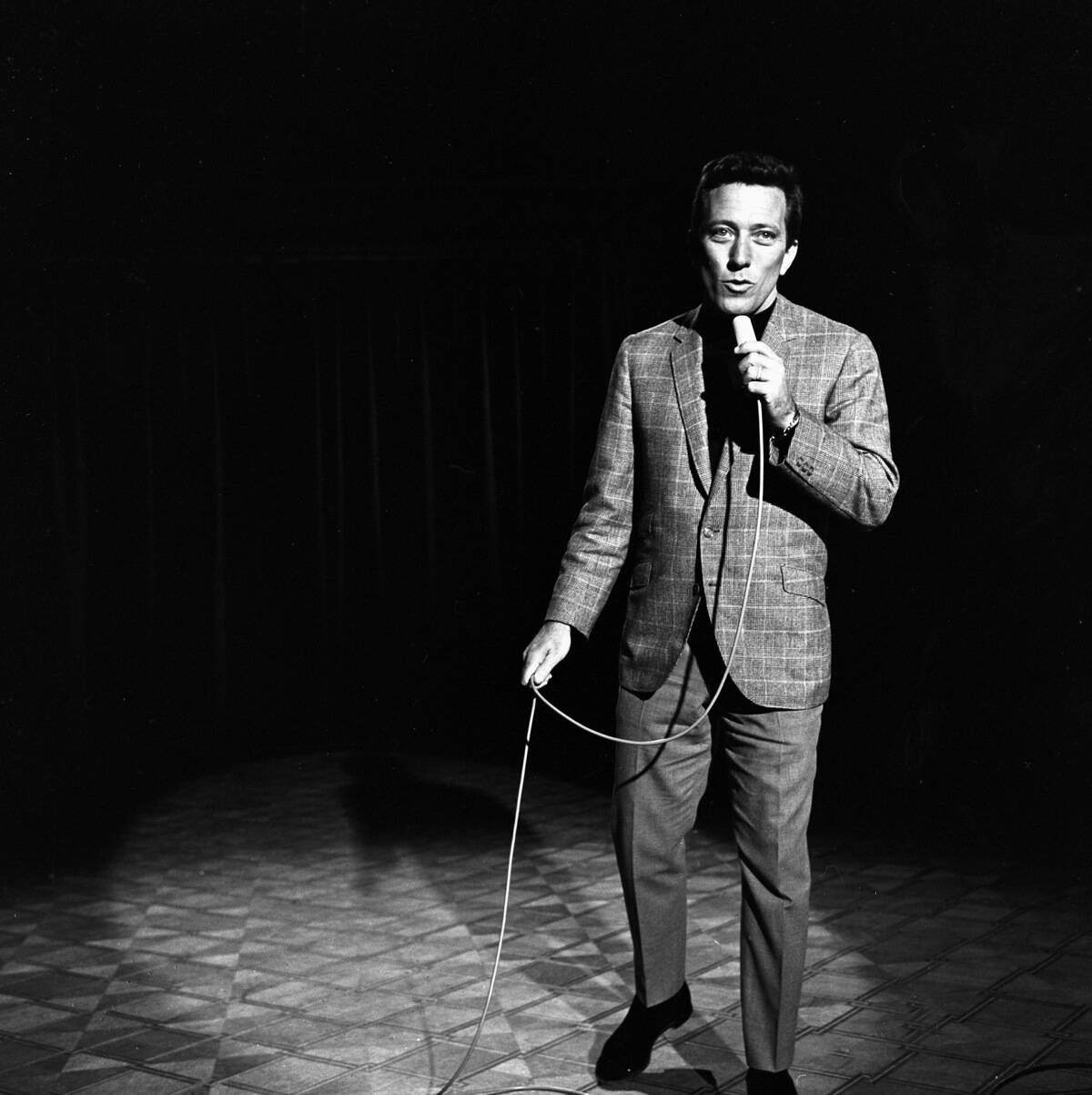
Although Andy Williams’s smooth, fatherly voice has been the engine behind multiple top-ten hits over his long, distinguished career, none have proved as successful for him as “Can’t Get Used To Losing You.” No, not even “Moon River.” Believe it or not, that wasn’t released as a single.
Known for its layered production that had Williams sing harmony with himself, “Can’t Get Used To Losing You” was able to reach number two on the Billboard Hot 100. At the same time, however, it topped the Cash Box and Adult Contemporary charts.
The Chiffons – “He’s So Fine”
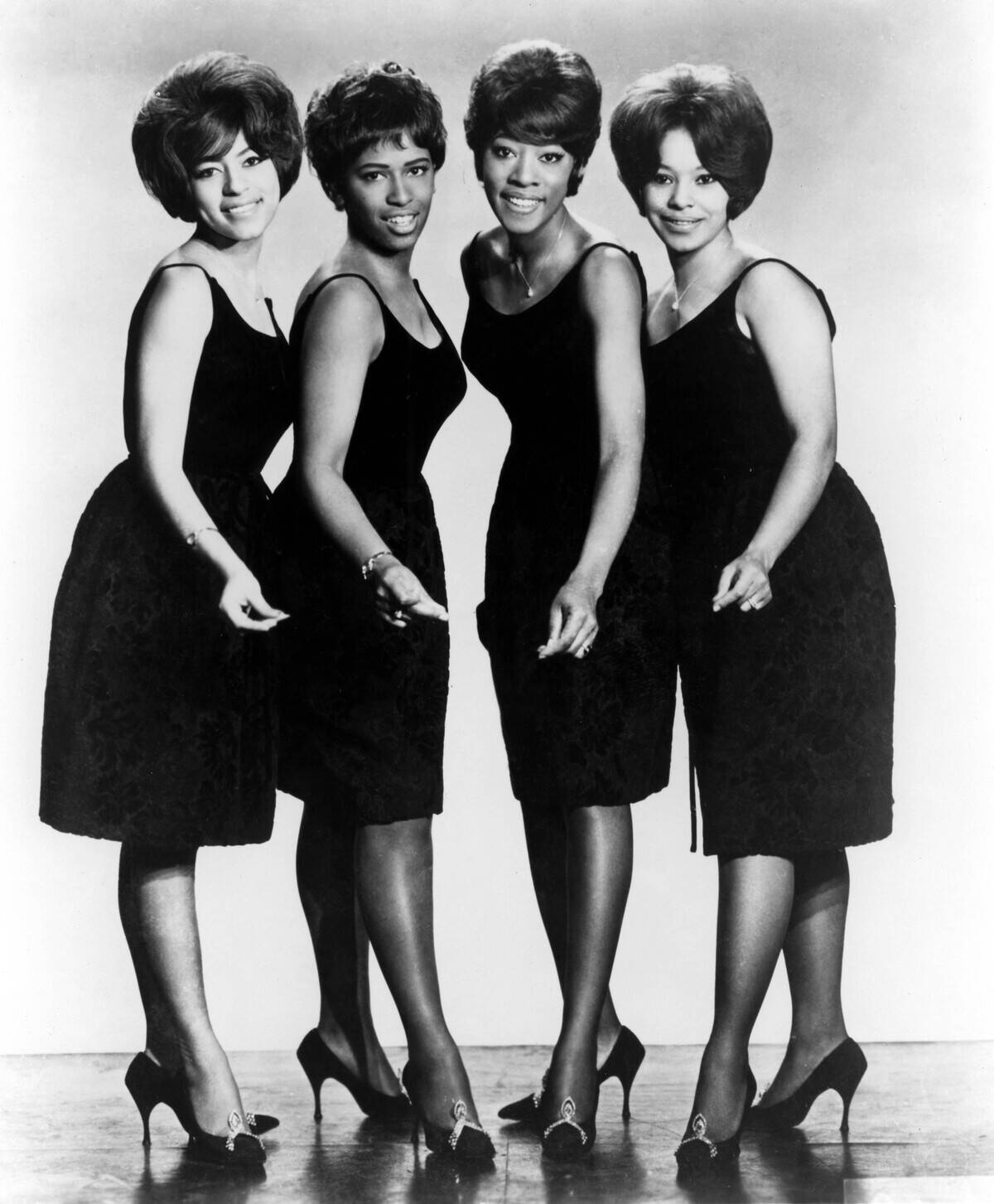
Although the ’60s had no shortage of R&B girl groups like The Chiffons active, even The Supremes would struggle to beat the all-time classic they released in December 1962, “He’s So Fine.” Even those who don’t remember how it goes are sure to remember the signature “doo-lang” background vocals in between their warmly-sung lines.
Long before this song would be at the center of a plagiarism case involving the George Harrison song “My Sweet Lord,” however, it quickly reached number one in March of 1963 and remained there for four weeks.
The Angels – “My Boyfriend’s Back”
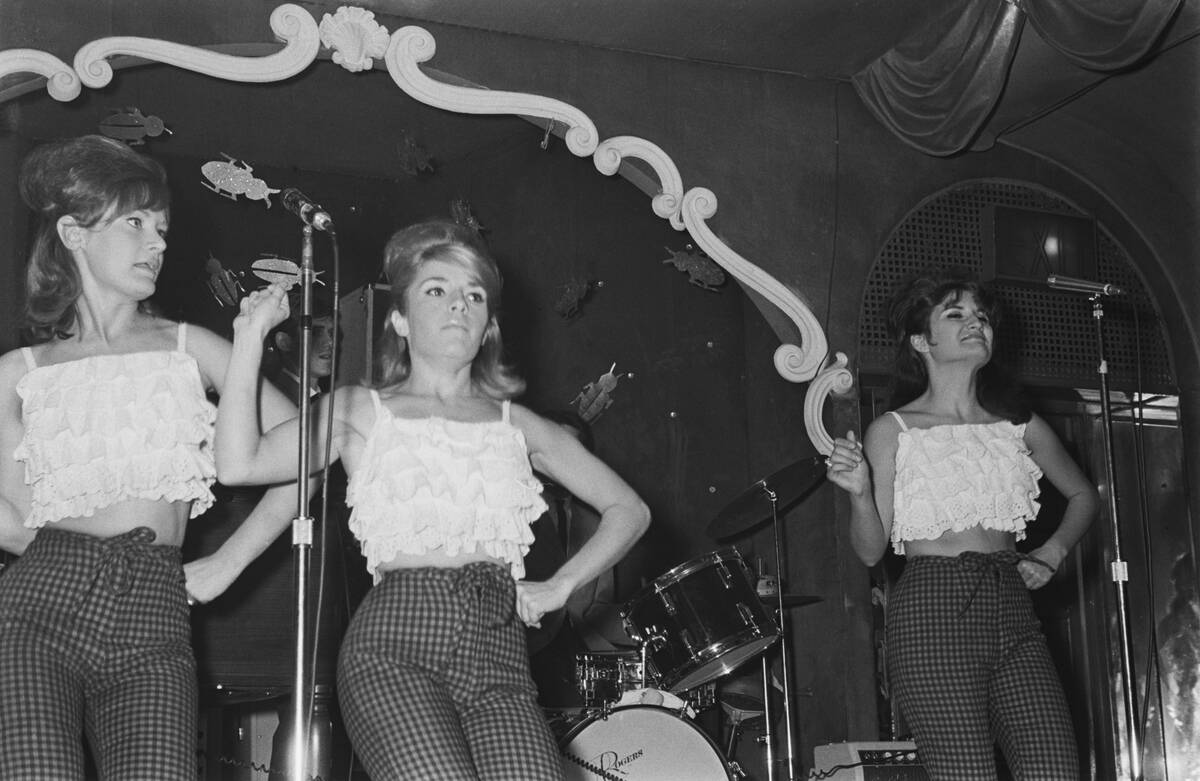
Although The Angels had some moderate hits both before and after “My Boyfriend’s Back,” this song would nonetheless their sole top-ten hit in either this incarnation or under the name The Halos, which they used after signing to Congress Records in 1964.
Not only is “My Boyfriend’s Back” one of the most recognizable songs from 1963 in retrospect, however, but it was even bigger at the time. That’s because it spent three weeks at number one on the Billboard Hot 100 and reached number two on the organization’s Hot R&B Singles chart.
Kyu Sakamoto – “Sukiyaki”
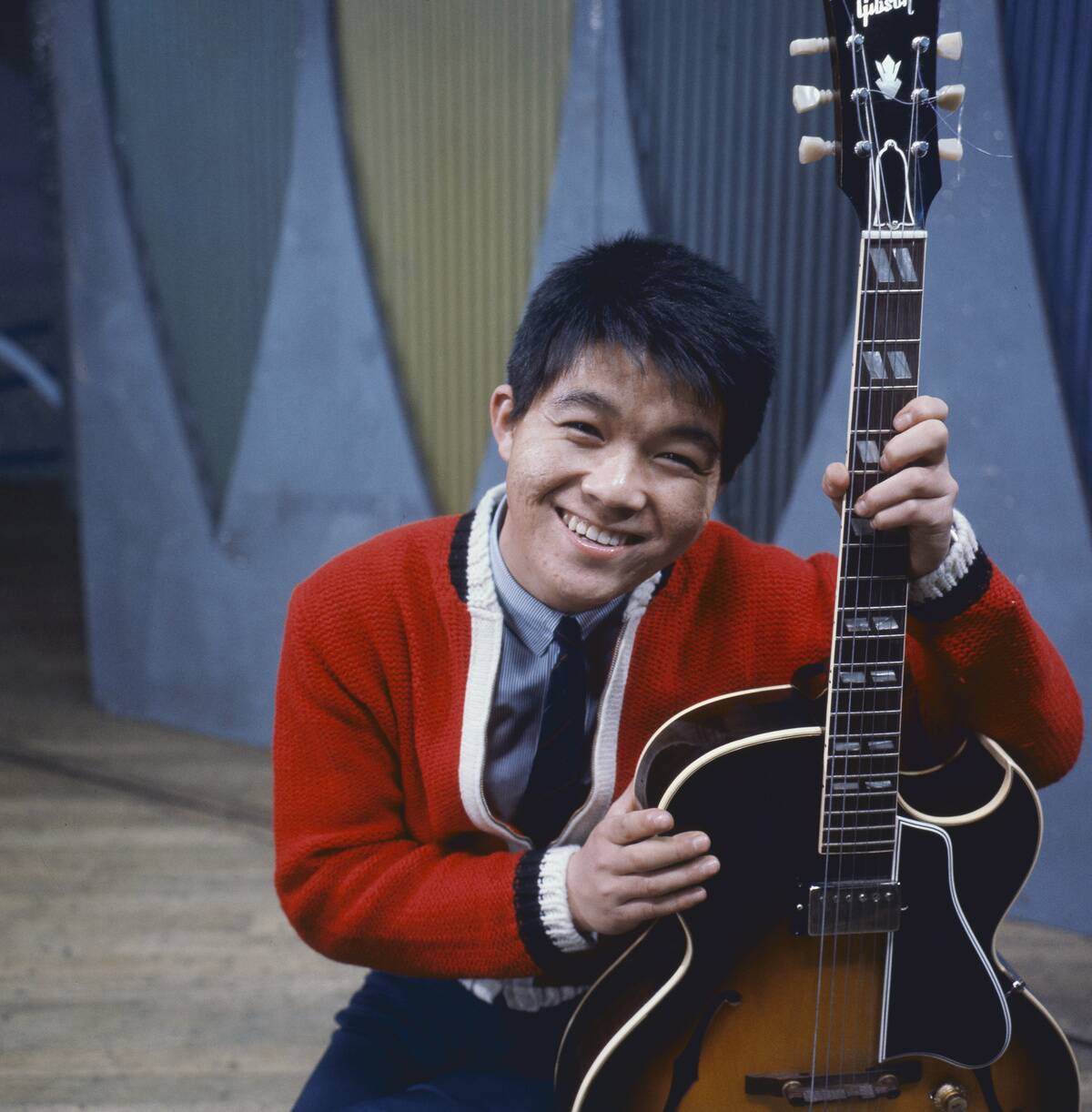
Although lyricist Rokusuke Ei wrote the lyrics for “Sukiyaki” — or “Ue o Muite Arukō” outside of the English-speaking world — as an expression of his disappointment in the U.S.-Japan Security Treaty of 1960, he made the lyrics generic enough to apply to a failed romance.
This turned out to be a smart instinct because when Kyu Sakamoto recorded his version of the song in 1961, it only took two years before it ventured beyond Japan’s shores and became an unprecedented international hit. So much so that it became the first song in a non-European language to top the Billboard Hot 100 and stayed there for three weeks. An Asian artist wouldn’t achieve a similar feat until the South Korean group BTS released “Dynamite” in 2020.
The Tymes – “So Much In Love”
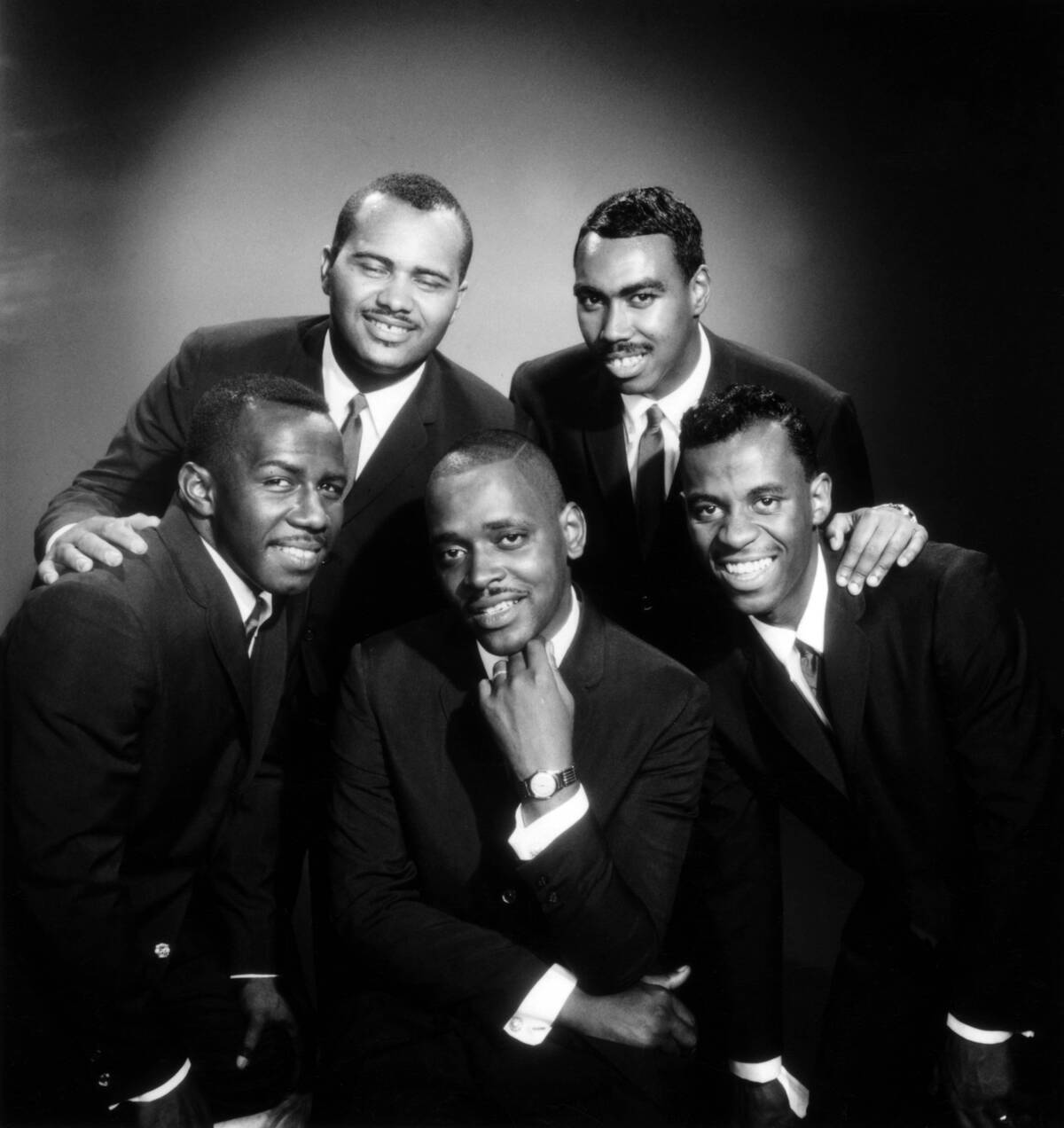
Although The Tymes hit big for singing as simple a love song as there is, their impressive vocal harmonies nonetheless made the group stand out in a landscape of people singing very similar songs. “So Much In Love” would be the start of multiple Top 40 hits for the group, but most of them also came out in 1963.
A successful cover version by the R&B group All-4-One would come out in 1993, but even that didn’t achieve the success the original had because only the version by The Tymes made it to number one for a week.
Peter, Paul, And Mary – “Puff The Magic Dragon”
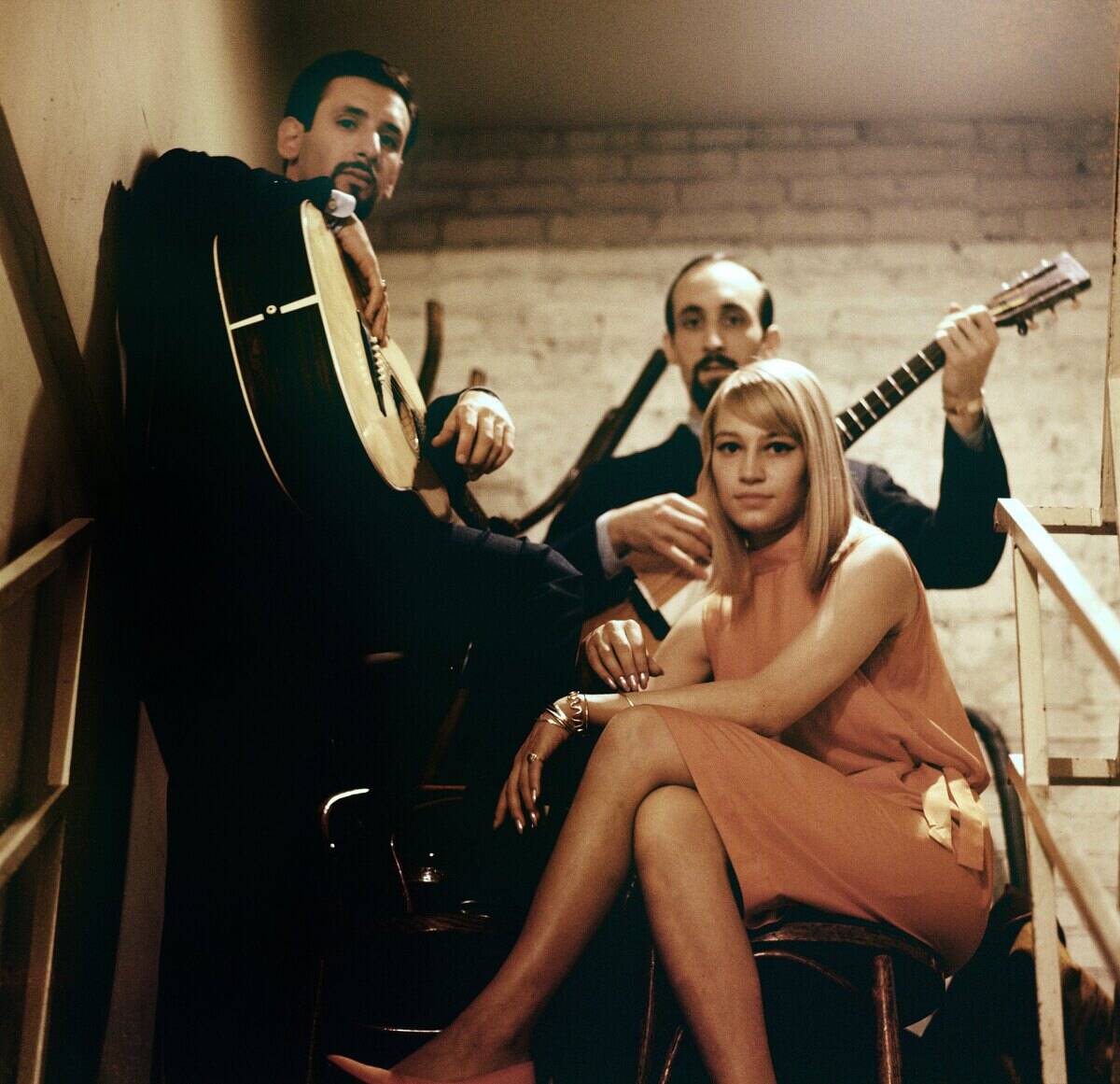
Although venerable folk trio Peter, Paul, and Mary had already scored a top-ten hit with “If I Had A Hammer” in 1962 and wouldn’t reach their commercial peak until achieving a number-one single in 1969, it’s still fair to say that 1963 was one of their most successful years.
That’s because that year saw them notch twin hit singles on the Billboard Hot 100, both of which eventually reaching number two. The first of these hits is perhaps their signature: A whimsical yet bittersweet ode to imagination and growing up starring a magical dragon named Puff from the land of Honalee.
Bobby Vinton – “Blue Velvet”
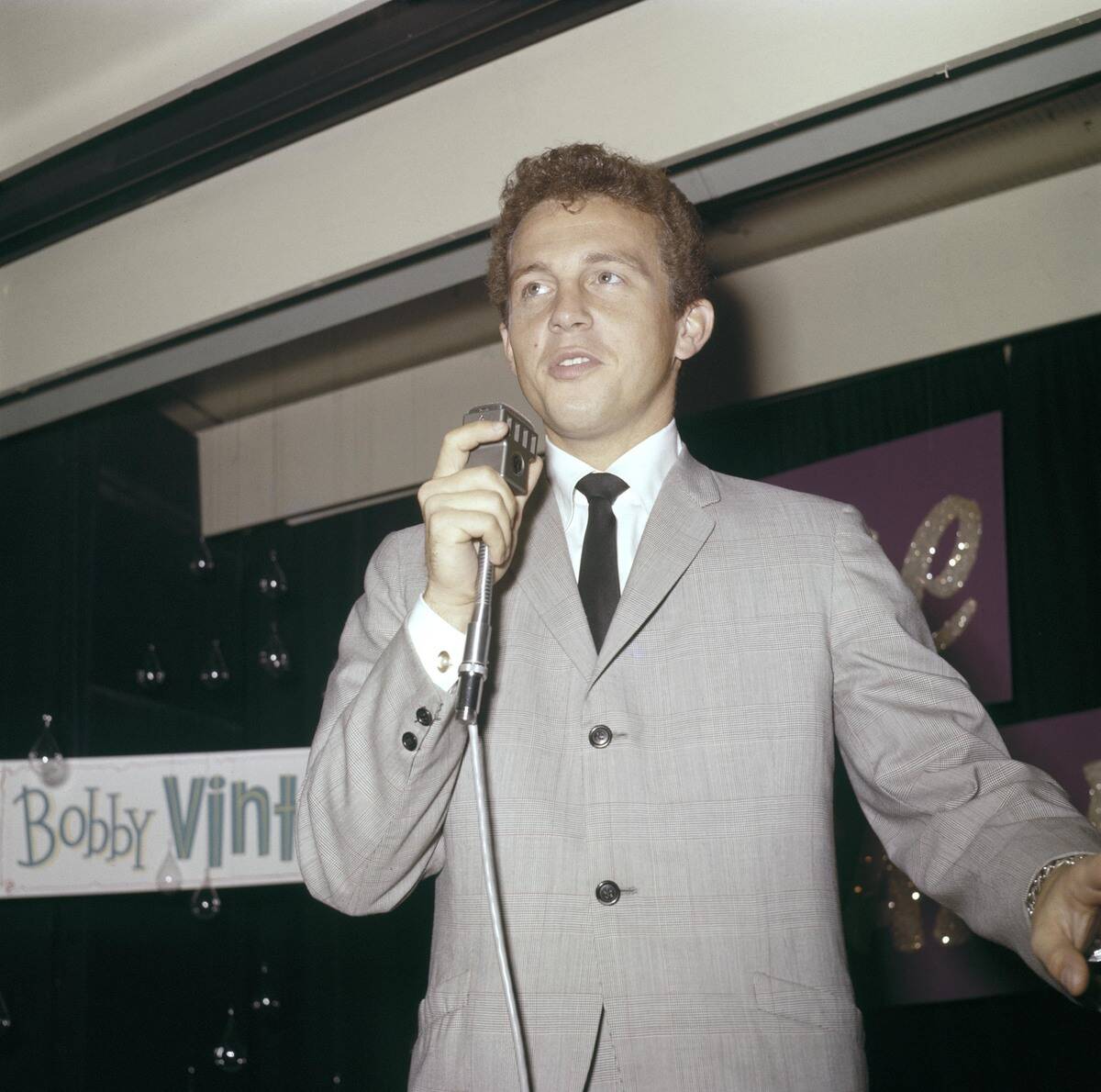
By the time it had been covered by Bobby Vinton — who was also known as “The Polish Prince” — “Blue Velvet” had already been a proven hit for Tony Bennett in 1951 and had been covered two additional times by The Clovers and The Statues.
However, none of these versions — nor the Lana Del Ray cover from 2012 — would prove as popular as Vinton’s, which reached number one on September 21, 1963, and remained there for two additional weeks. Nobody was more surprised by this than Vinton himself, who recorded it in two takes and didn’t expect it to be a hit at all.
Peter, Paul, And Mary – “Blowin’ In The Wind”
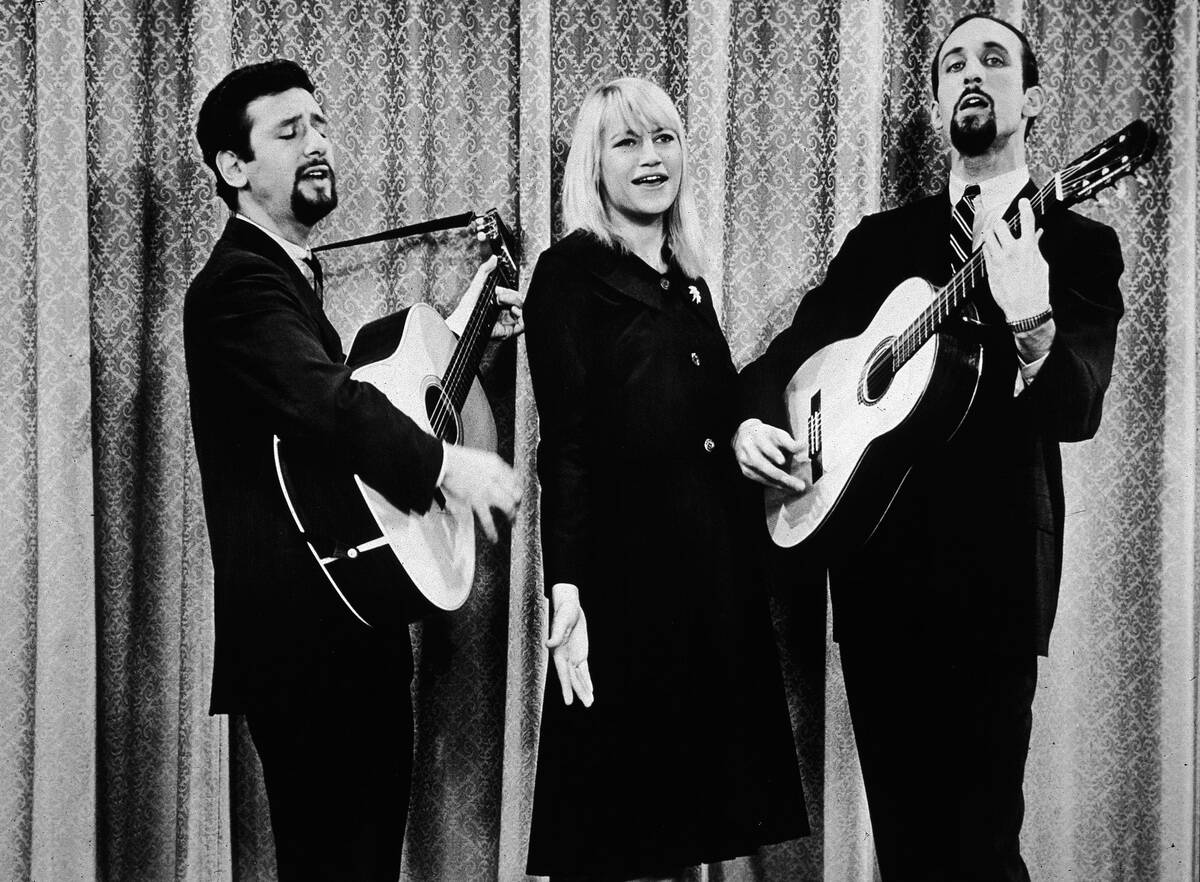
The iron was clearly hot for Peter, Paul, and Mary in the early ’60s, and their management knew just how to capitalize on it. Just three weeks after “Blowin’ In The Wind” appeared on the album The Freewheelin’ Bob Dylan, their manager (who was also Bob Dylan’s manager) urged them to rush out a version of their own.
Recorded in just one take, the folk trio’s version of the song would eventually peak at number two. Although it was kept out of the number-one spot by Stevie Wonder’s “Fingertips Pt. 2,” this version of “Blowin’ In The Wind” would also go on to win Peter, Paul, and Mary two Grammys.
The Surfaris – “Wipe Out”
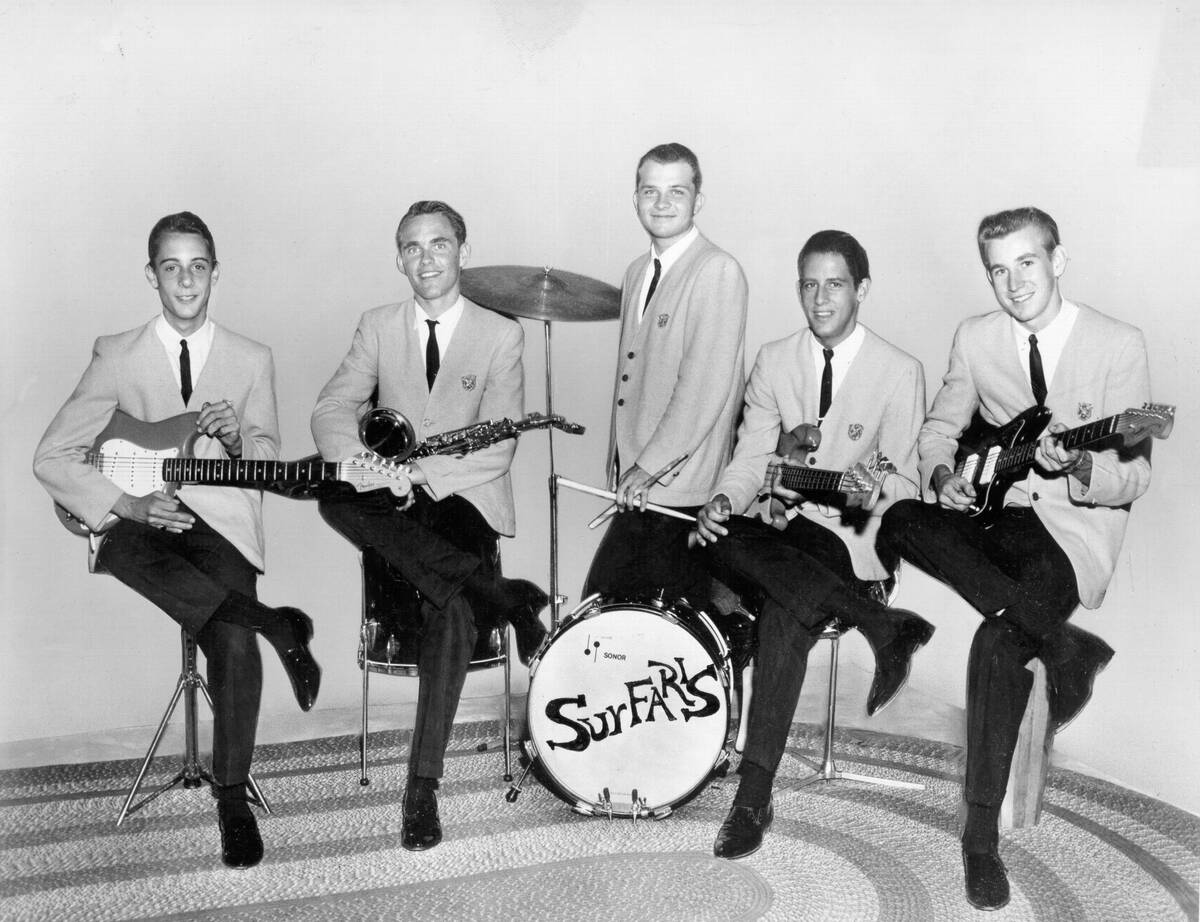
Although The Beach Boys may have had the more popular song about surfing that year, that didn’t make The Surfaris’ signature track any less iconic in the decades to come. The high-pitched “wipe out” shout may be the only lyric, but that instantly recognizable guitar riff brings surfing to mind before anyone else’s work.
However, this came as a surprise to The Surfaris, who only intended “Wipe Out” as a B-side to their single “Surfer Joe.” Conversely, however, “Surfer Joe” only started getting airplay after “Wipe Out” was on its way to peaking at number two. Improbably, “Wipe Out” charted for the second time in 1966, reaching number 16 in this second outing.
Al Martino – “I Love You Because”

Although ’60s crooner Al Martino is probably best known for his 1965 song “Spanish Eyes,” in retrospect, the truth is that song wasn’t even his second-biggest hit. It reached number 15 while both “I Love You Because” and “I Love You More And More Every Day” were top-ten hits for him in 1963 and 1964, respectively.
Ironically, that likely means that some of Martino’s most treasured songs in retrospect were regarded as less successful follow-ups to “I Love You Because,” as this song brought him to a career height when it peaked at number three on the Billboard Hot 100 on June 1, 1963.
The Rebels – “Wild Weekend”
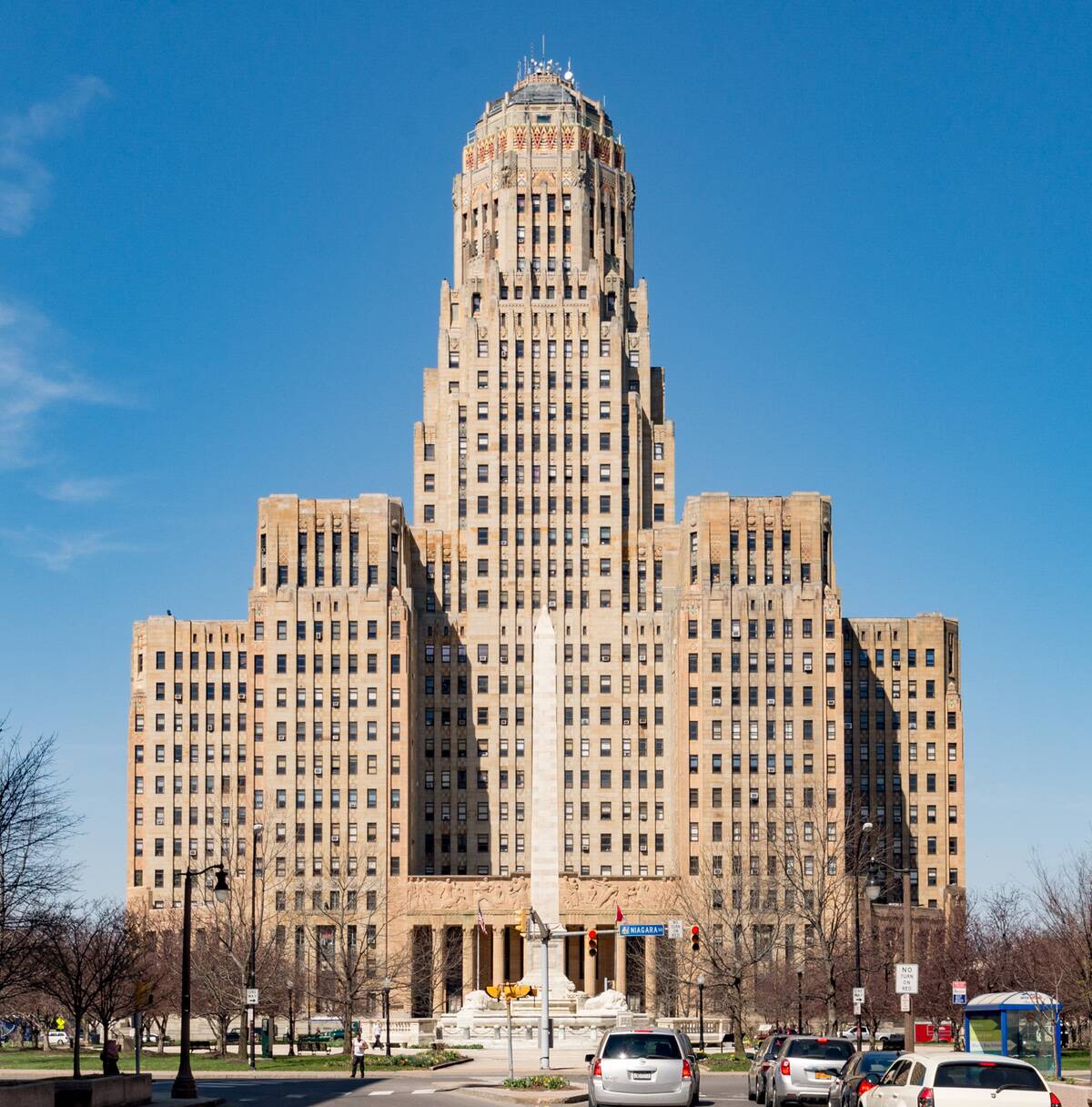
Although listeners clearly had enough affinity for The Rebels’ (later The Rockin’ Rebels) instrumental jam “Wild Weekend” to rocket it to number eight on Billboard’s R&B charts and number 22 on the Hot 100, that fact must have felt surreal to Buffalo radio host Tom Shannon.
That’s not only because he and a man named Phil Todaro wrote it, but because it was his radio show’s theme song before it became an instrumental. Ironically, the original theme didn’t actually feature the lyrics “wild weekend” because his show aired on weekdays.
Bobby Darin – “You’re The Reason I’m Living”
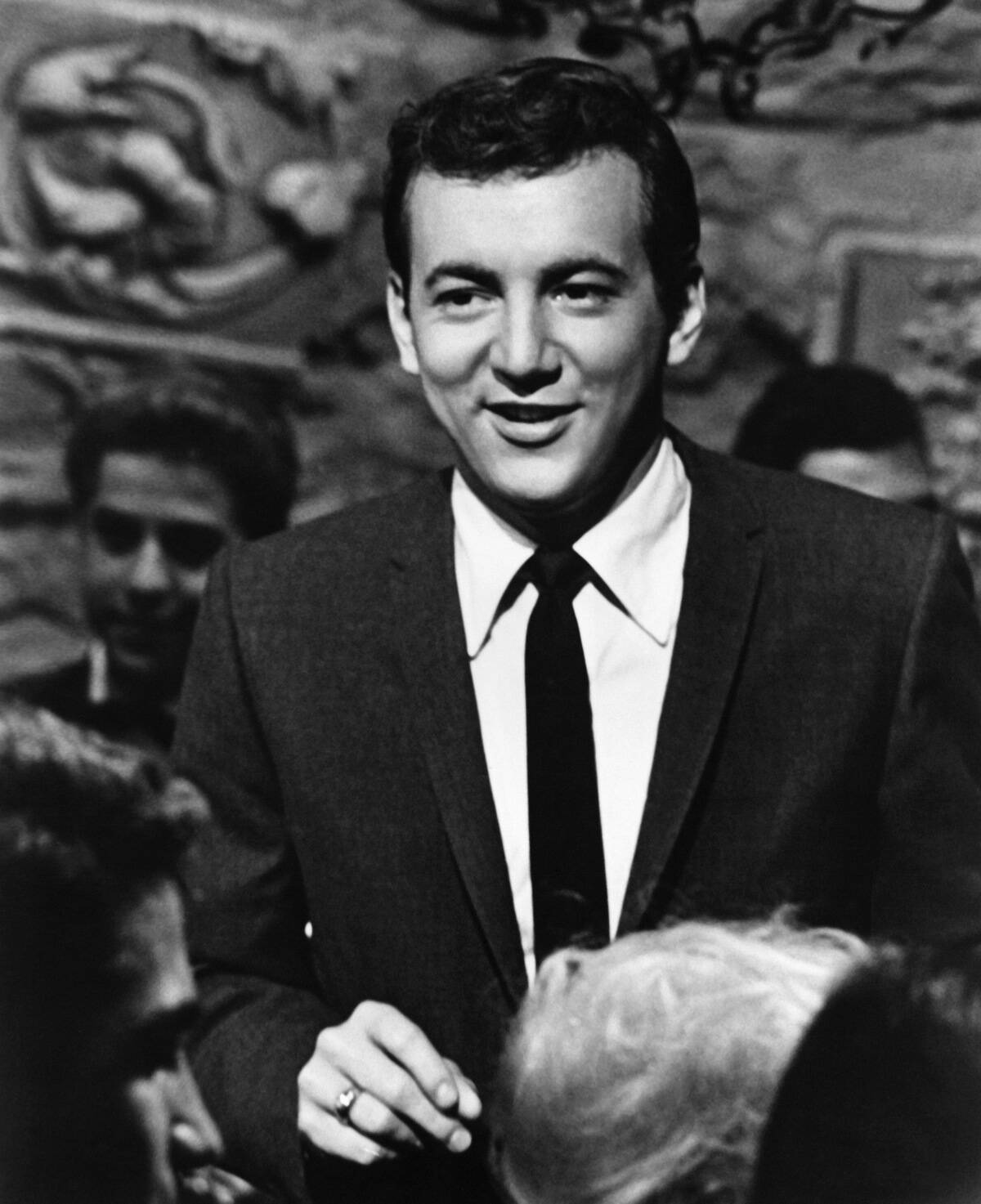
Although Bobby Darin’s smooth, soulful covers brought him tremendous success in the late ’50s, the crooner’s star had risen enough by the 1960s that he was able to launch an acting career that spanned the decade. However, that doesn’t mean he took any breaks from recording, as he released five studio albums in 1963 alone.
The first of them, You’re The Reason I’m Living, proved the most successful and this was largely off the strength of the title track Darin wrote himself. Indeed, it would spend two weeks at number three on the Billboard Hot 100 that March.
The Four Seasons – “Walk Like A Man”
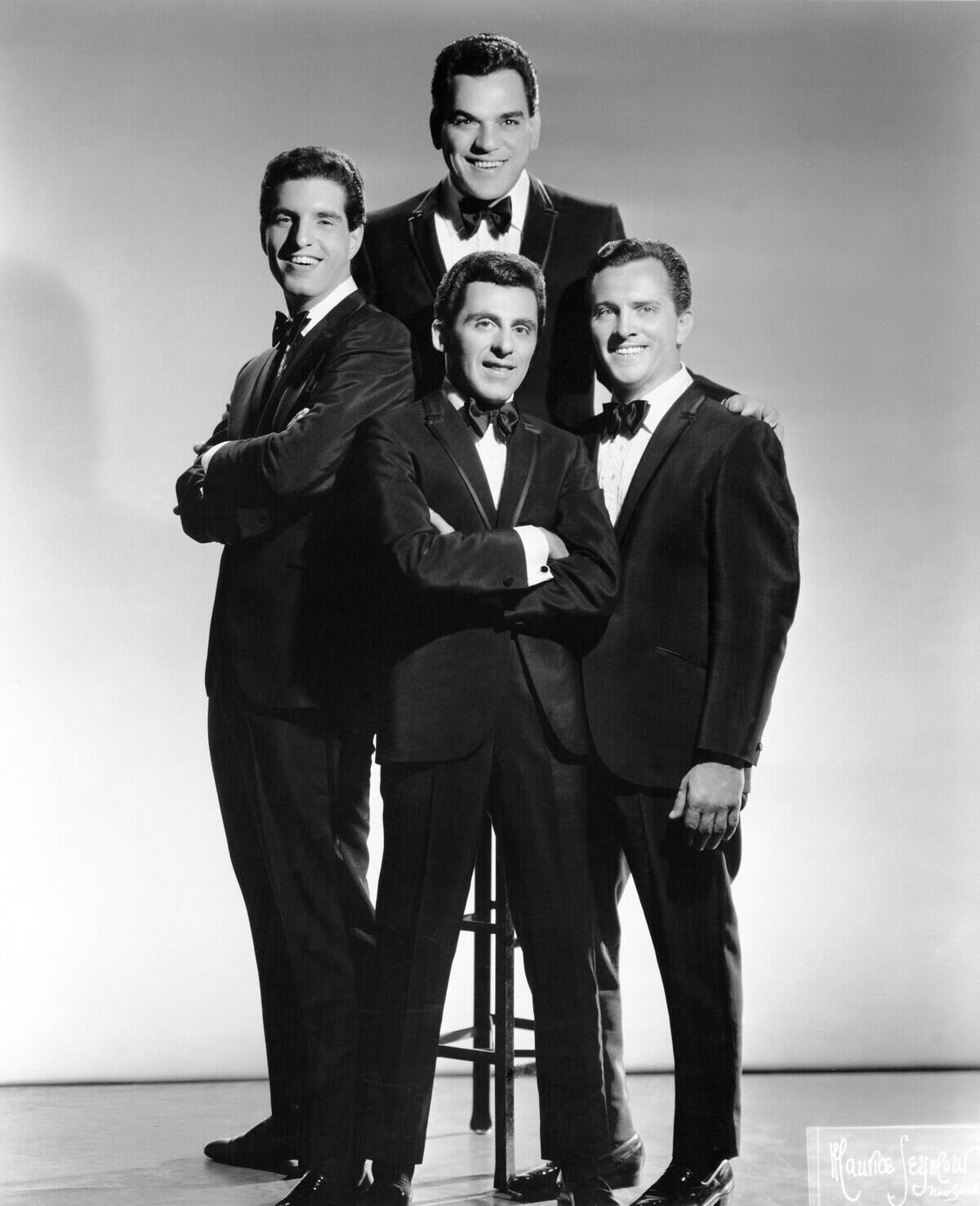
While The Four Seasons’ previous two number-one hits were clearly aimed at female listeners, “Walk Like A Man” saw songwriters Bob Crewe (not pictured) and Bob Gaudio (left) address the group’s male fans. That’s because the song’s story follows a young man who finds himself belittled by his girlfriend until he follows his father’s advice to “walk like a man” and break up with her. The message clearly resonated as much as Frankie Valli’s famous falsetto did, as the song topped the Billboard Hot 100 for three weeks.
However, the conditions of recording the song were arguably even more interesting than the finished results, as Crewe insisted on the perfect take even after the room above the studio caught on fire. Nonetheless, Crewe blocked studio door and continued the session until he was physically removed from the building by the fire department.
Inez & Charlie Foxx – “Mockingbird”
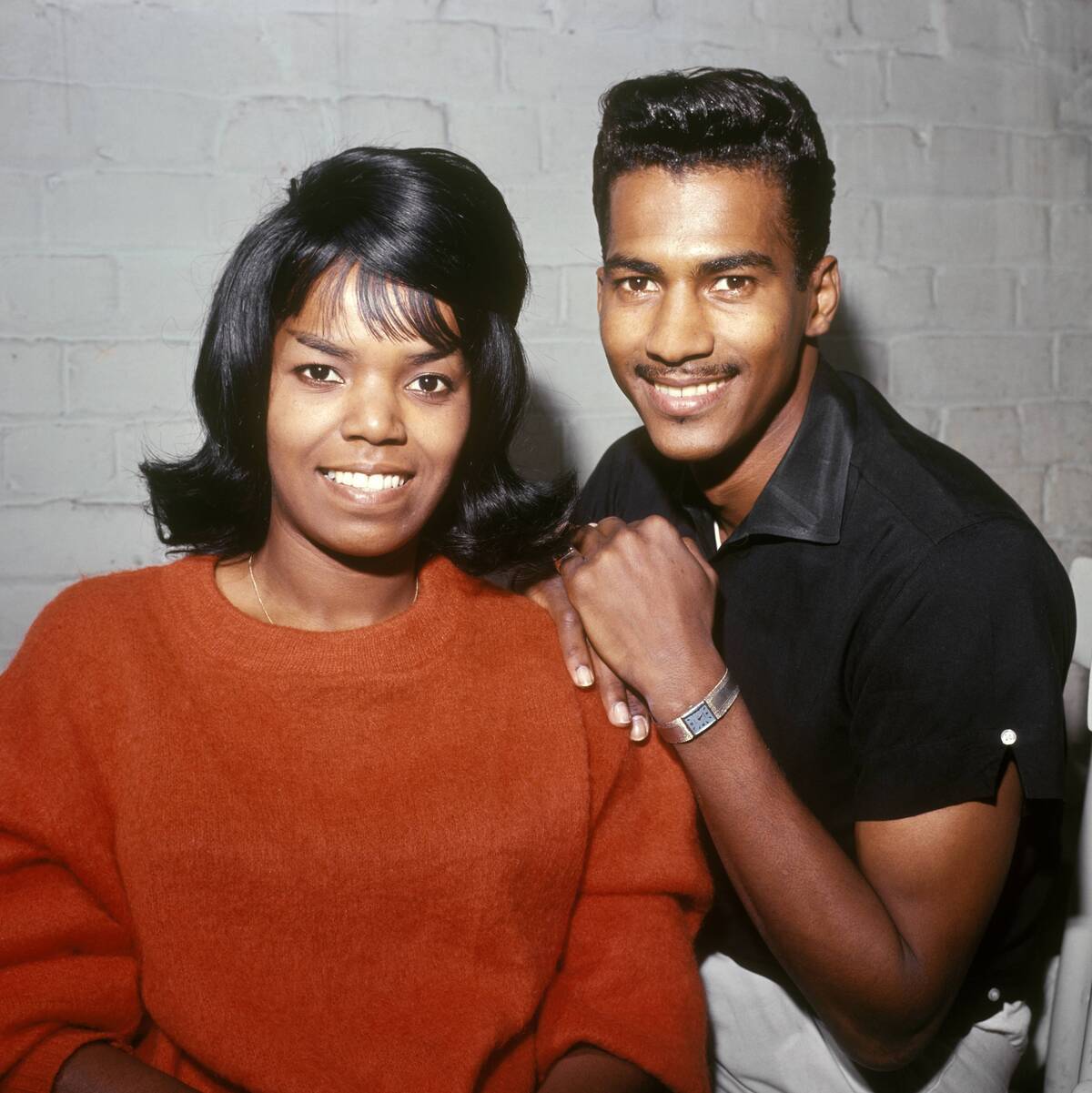
Although a 1974 cover by James Taylor & Carly Simon is more widely known (and ironically, pretty widely mocked), brother and sister duo Inez and Charlie Foxx were the first to modernize the classic lullaby into a novelty song during the summer of 1963. While Simon and Taylor made some lyrical changes for their version, the well-known “Mock (yeah) ing (yeah) bird (yeah) refrain was a signature of the original recording.
Due to some label finagling, the song wouldn’t become a hit in the U.K. until 1969 but was a runaway hit in America from the very beginning. It reached number two on Billboard’s R&B chart (which was then called the “Top Black Singles” chart) and made it to number seven on the Billboard Hot 100.
Little Peggy March – “I Will Follow Him”
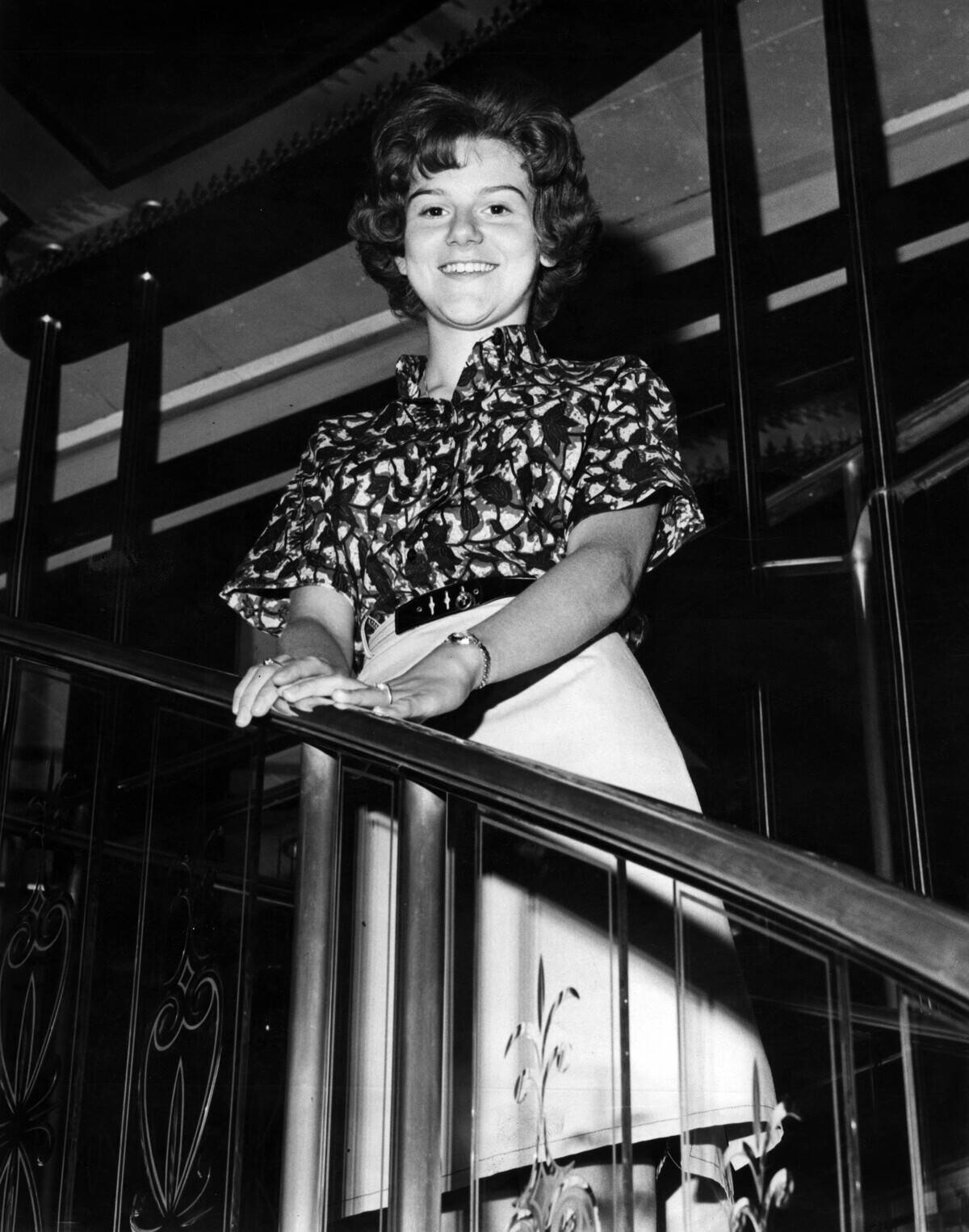
Although the bigger prodigious hitmaker that year was obviously “Little” Stevie Wonder, 1963 was apparently a banner year for young artists. That’s because 15-year-old Little Peggy March also scored a number-one hit that year with a cover version of “I Will Follow Him,” which was originally released as an instrumental before Petula Clark sang versions in English, French, German, and Italian in 1962.
Strangely, however, it wasn’t until March released her own version that the English version of “I Will Follow Him” became a hit. Not only that, but it topped the Billboard Hot 100 for three weeks and also hit number one in seven other countries. This made March the youngest female artist to have a number-one hit in America.
The Chantays – “Pipeline”
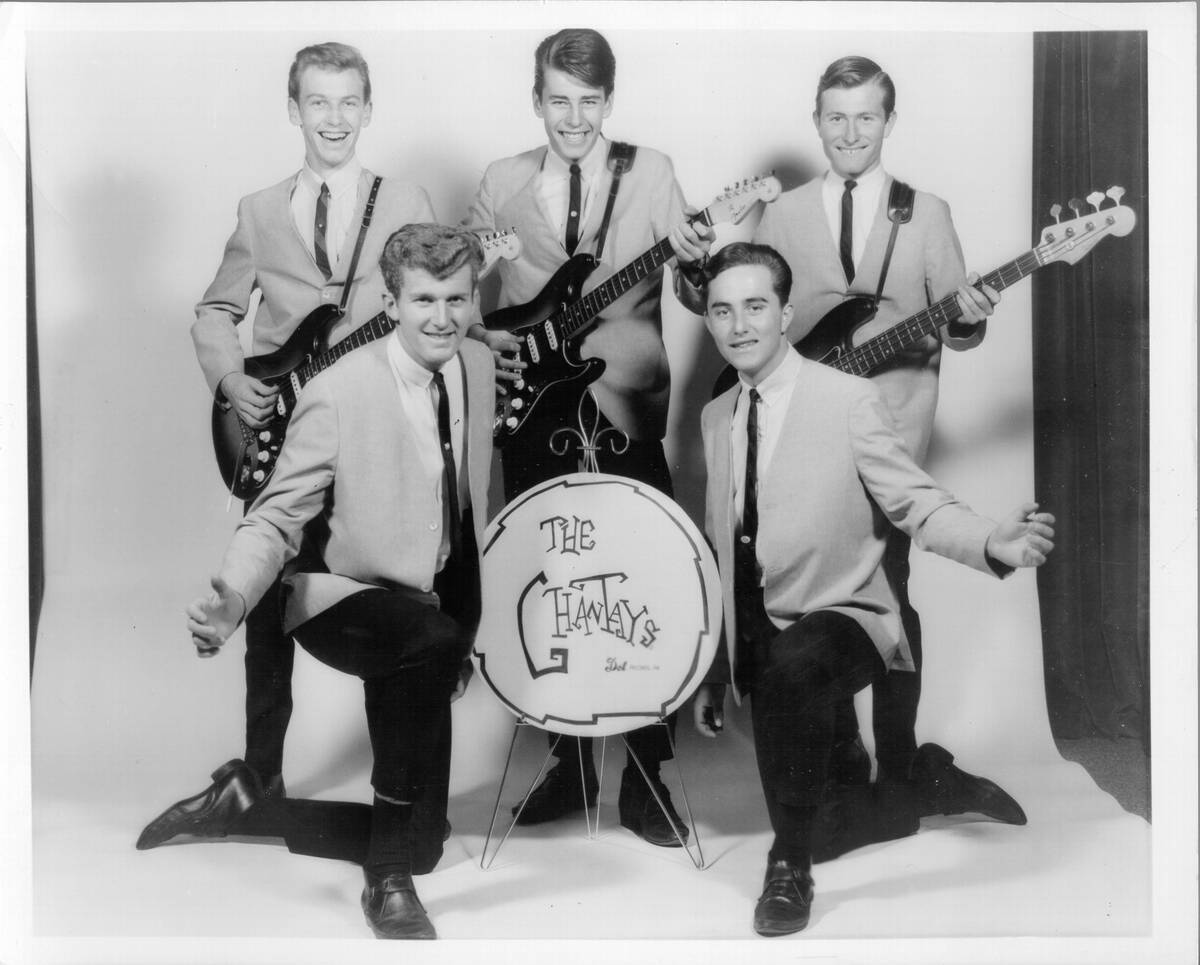
Although it was hardly unheard of for recording artists to use inspiration from the movies to score big hits even in the early years of Billboard, The Chantays picked the right time to base their instrumental composition off a surfing movie they saw Hawaii’s Banzai Pipeline in rather than The Man Who Shot Liberty Valance, as originally intended.
This last-minute decision put the group right in step with the surfing craze gripping America in the early ’60s, which helped “Pipeline’s” chart performance in a big way. Although the track would make it to number four on the Billboard Hot 100, it would also be the group’s only hit.
Jan And Dean – “Surf City”
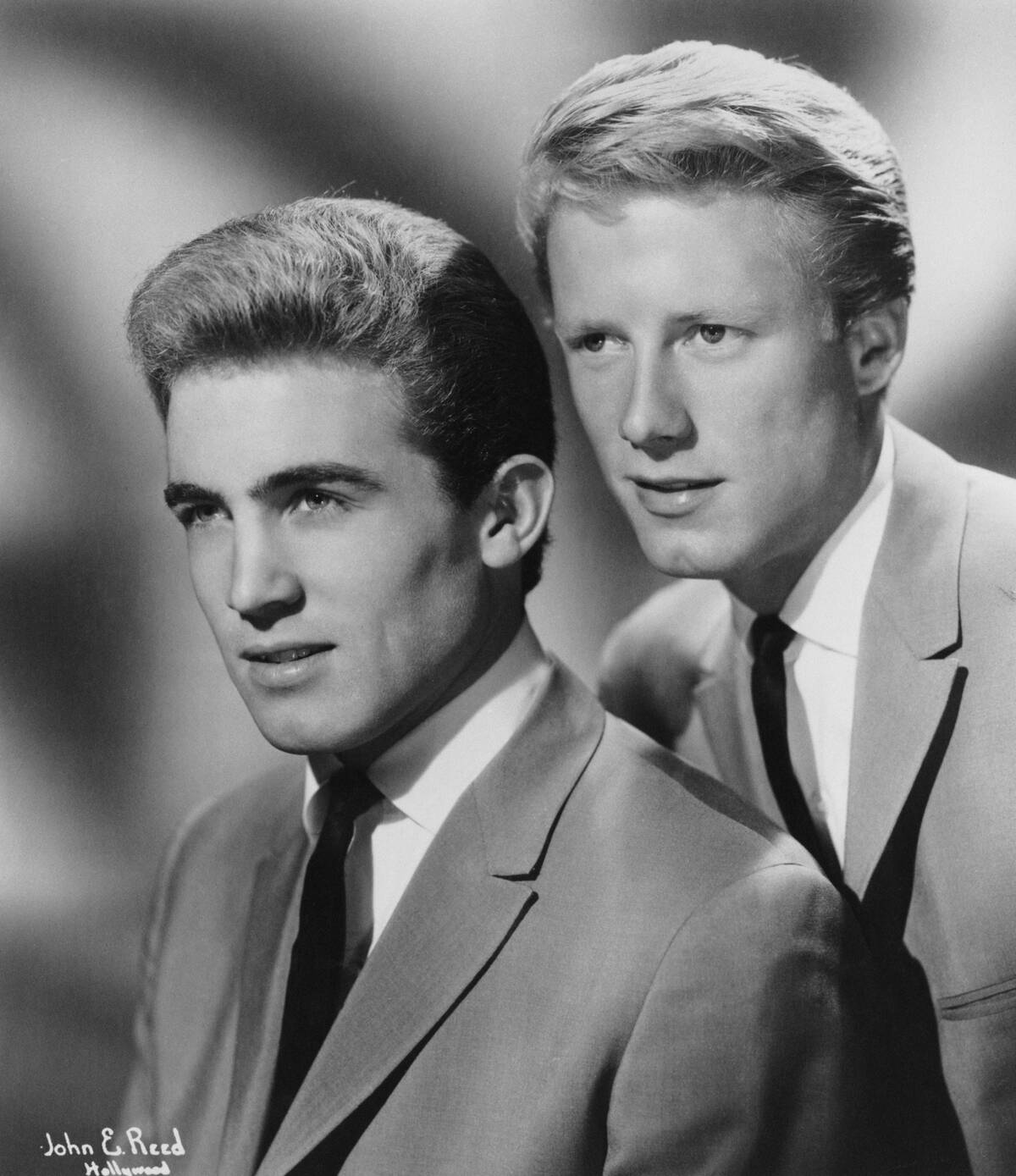
Although it was true that The Beach Boys were among the biggest acts to capitalize off the early ’60s surfing trend, it’s also fair to say that they were standing on the pioneering rock and roll duo Jan and Dean’s shoulders while doing so. However, there was clearly no resentment on either side of that equation, as Jan and Dean’s biggest hit of 1963 and the first surf song to hit number one was co-written by Brian Wilson.
Jan and Dean had originally wanted to record “Surfin’ U.S.A.” when Wilson showed it to them, but respected his wishes to save that for his own band and finished “Surf City” instead. This enraged Wilson’s father Murry, but Wilson took pride in the fact that his friends had brought a song he had written to number one for two weeks.
Lesley Gore – “It’s My Party”
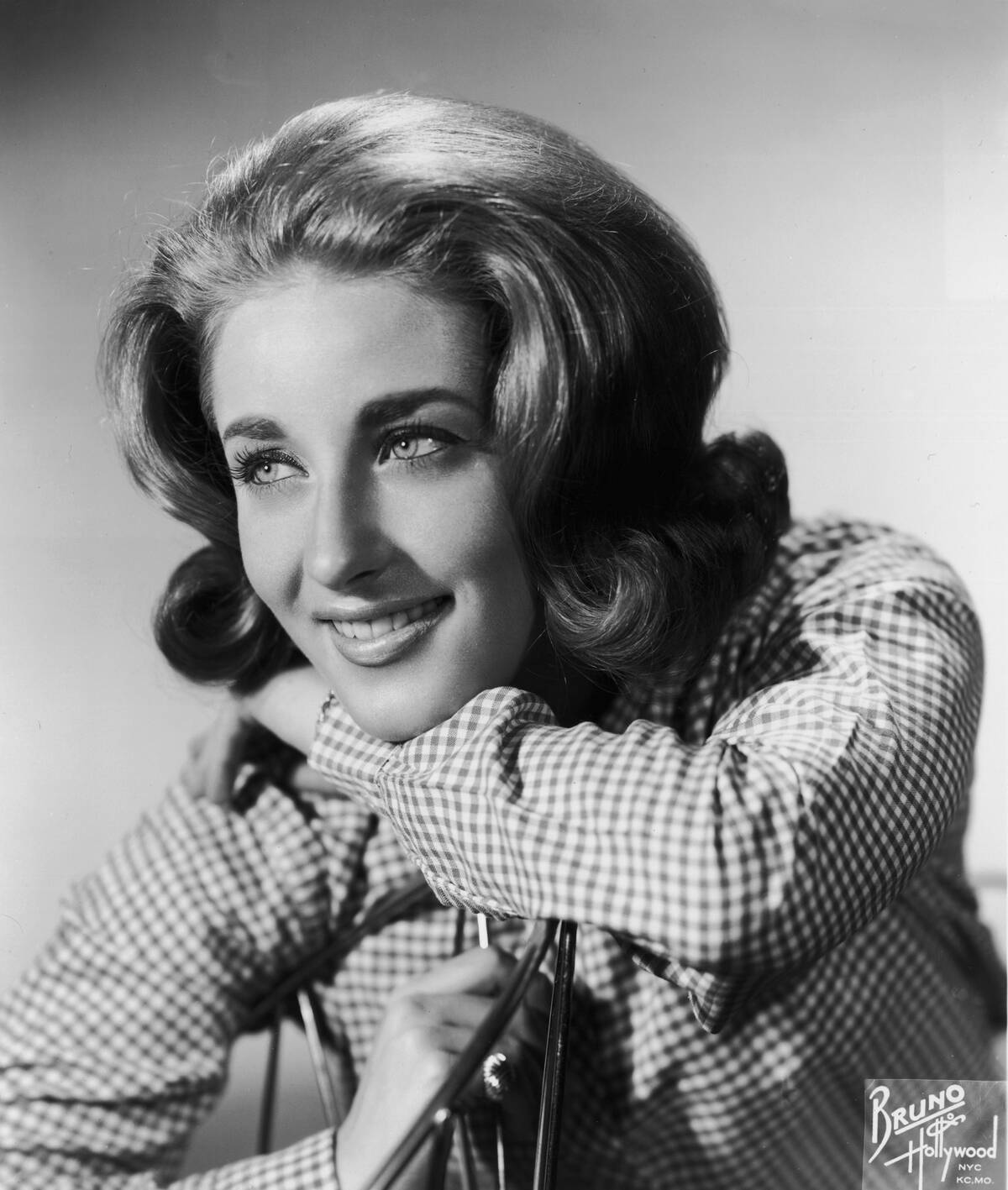
Although it’s true that even the biggest hits of bygone decades can fall by the wayside, other pop culture has a way of ensuring that some songs from the ’60s will live forever. That seems to be the case for Lesley Gore’s classic track, as “and I’ll cry if I want to” is still as recognizable a refrain as ever.
Considering that the song details the protagonist’s boyfriend ditching her birthday party only to come back and reveal he’s dating another girl, the “you would cry too if it happened to you” line indeed holds water as well. The record-buying public clearly agreed, as “It’s My Party” only took four weeks to become a number-one hit.
Eydie Gormé – “Blame It On The Bossa Nova”
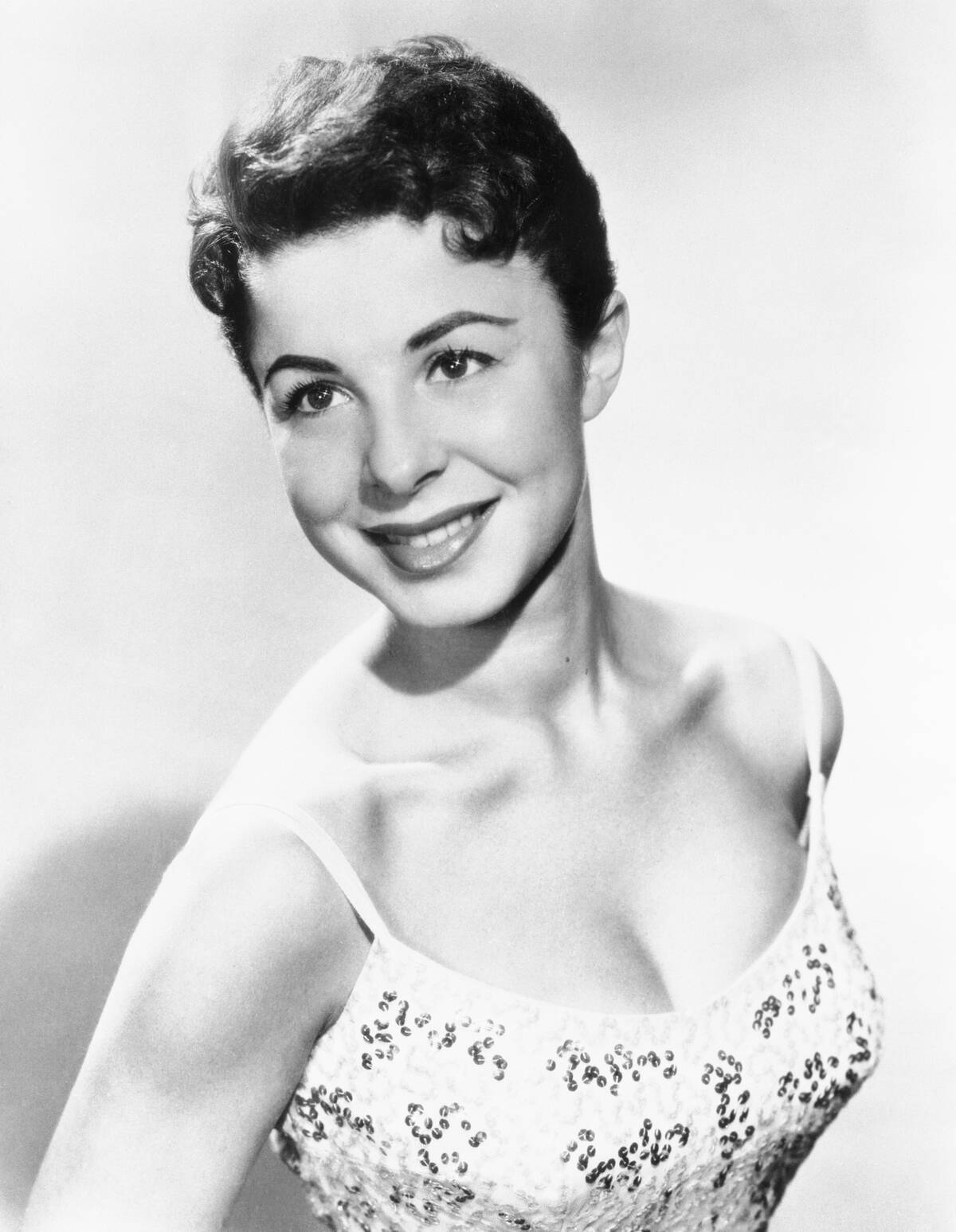
Although Latin pop and jazz singer Eydie Gormé had seen several singles chart since 1958, “Blame It On The Bossa Nova” marked the first time she achieved a top-ten hit, as the recording went to number seven. A big reason for its success was the popularity the Brazilian music style had in the United States at the time after it caught one stateside during the 1950s.
For that reason, the fact that Gormé’s vocals go slightly off-pitch toward the end of the song didn’t seem to put a damper of anyone’s enjoyment. She was rumored to have sang it that way on purpose because she didn’t like the song and didn’t want the record company to release it, but even if that’s true, it made no difference.
The Dovells – “You Can’t Sit Down”
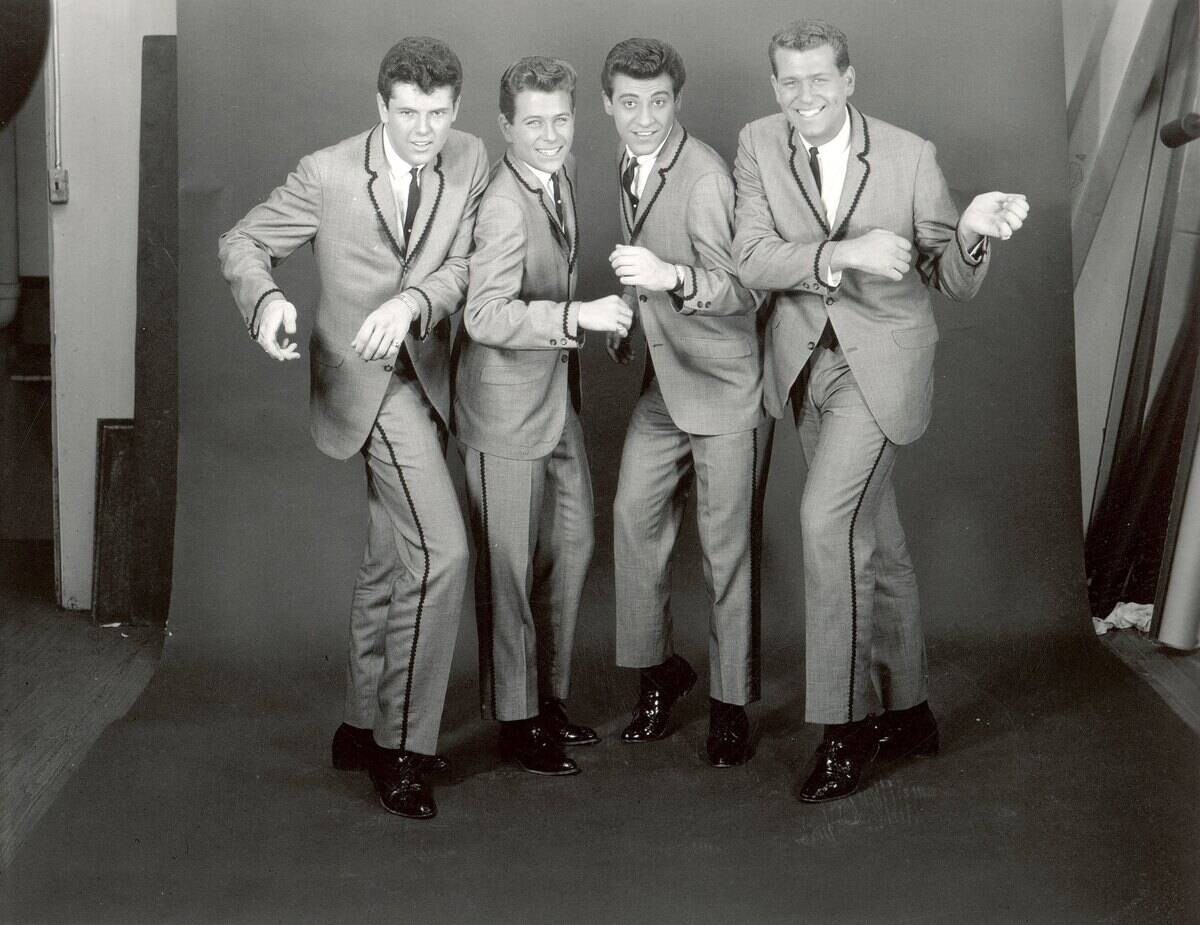
As the title would suggest, “You Can’t Sit Down” is a song that touts a beat so swinging that there’s no way the listener can sit down while listening to it. Although The Bim Bam Boos originally recorded the track as an instrumental in 1959, The Dovells added lyrics that encouraged dancing when they recorded their version in 1963, which reached number three on the Billboard Hot 100.
“You Can’t Sit Down” also marked the first time the term “hip hop” was used in a popular song, though the lyrics “you gotta slop, bop, flip, flop, hip hop, all around” don’t suggest anything to indicate that a whole new genre would emerge from that phrase. Still, it’s oddly fitting as hip-hop was initially pure dance music before the lyrics became such a defining feature of the genre.




