The worst modern engineering mistakes
Engineering marvels often inspire awe, but sometimes, they serve as cautionary tales of oversight. From bridges to buildings, the world has witnessed architectural missteps that boggle the mind.
While these projects are a testament to human ambition, they also highlight the importance of meticulous planning and execution. Let’s dive into some of the most fascinating engineering blunders, each with its own story of ambition meeting unexpected challenges.
The Leaning Tower of San Francisco: The Sinking Millennium Tower
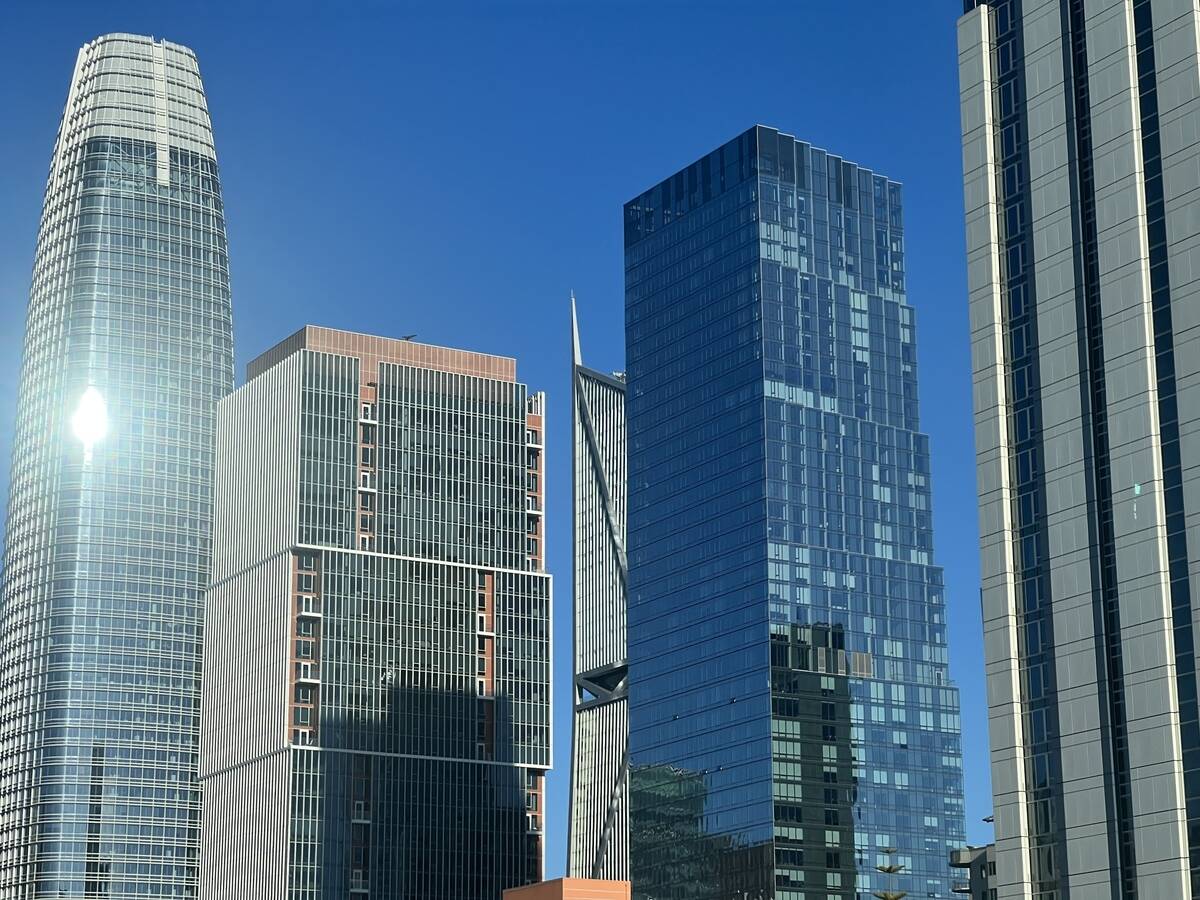
San Francisco’s Millennium Tower, completed in 2009, was a symbol of luxury living until it began tilting. Due to inadequate foundation work, the 58-story building has sunk about 16 to18 inches and leaned 14 inches to the northwest.
Residents filed a consolidated lawsuit seeking compensation, and in 2020 they reached a settlement that funded a major retrofit. Engineers installed 18 piles anchored into bedrock as part of a $100 million perimeter foundation upgrade, and the leaning was partially reversed by about one inch by mid-2023.
The Wobbly Bridge: London’s Millennium Bridge Swaying Saga
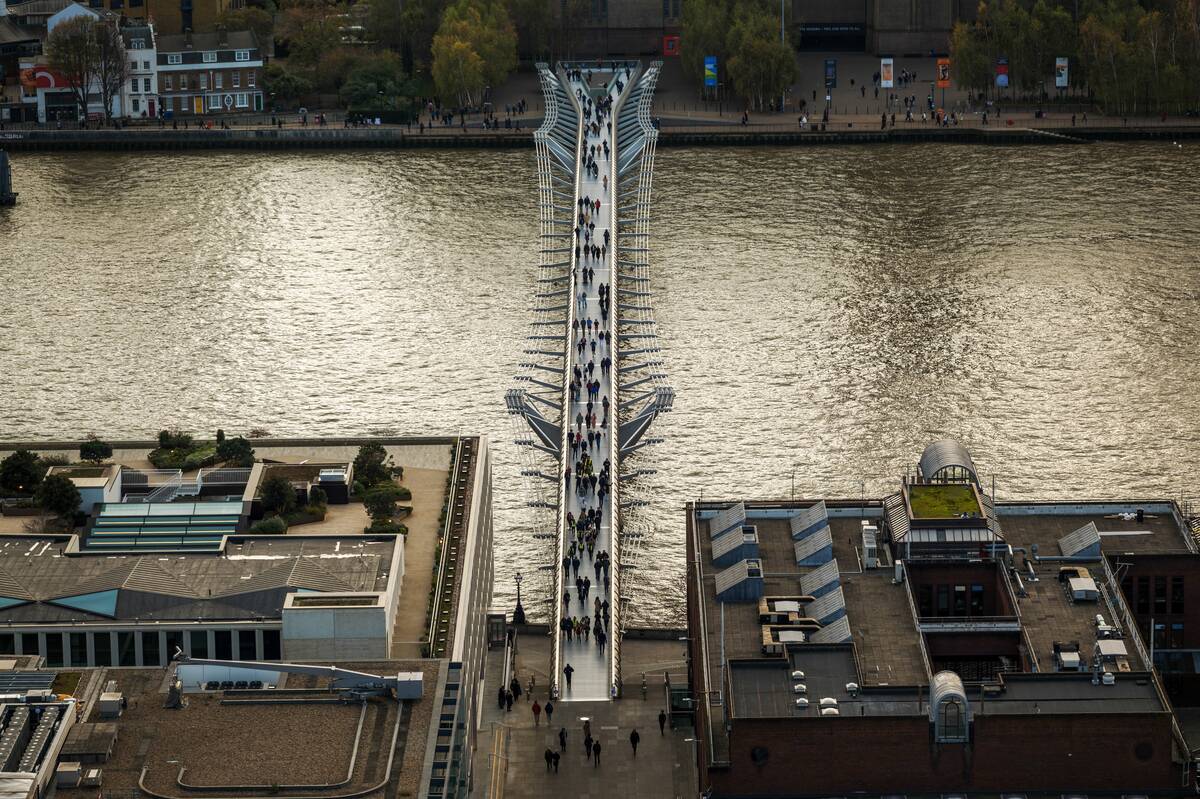
When the Millennium Bridge in London opened in 2000, pedestrians were in for an unexpected ride. The bridge began swaying due to a phenomenon known as synchronous lateral excitation.
Engineers had to close the bridge just days after its opening to address the issue. It took two years and £5 million to retrofit the bridge with dampers, ensuring a stable crossing. The incident highlights the complexity of predicting pedestrian-induced vibrations in bridge design.
The Walkie-Talkie Building: The Skyscraper That Melted Cars

The Walkie-Talkie building in London, officially known as 20 Fenchurch Street, gained notoriety for an unusual reason. Its curved glass facade focused sunlight onto the street below, melting parts of cars parked nearby.
Nicknamed the “Fryscraper,” the building prompted a redesign to mitigate the reflective glare. This incident serves as a reminder of the unforeseen consequences that architectural aesthetics can have in urban environments.
The Not-So-Smart Smart Motorways: A Recipe for Traffic Chaos
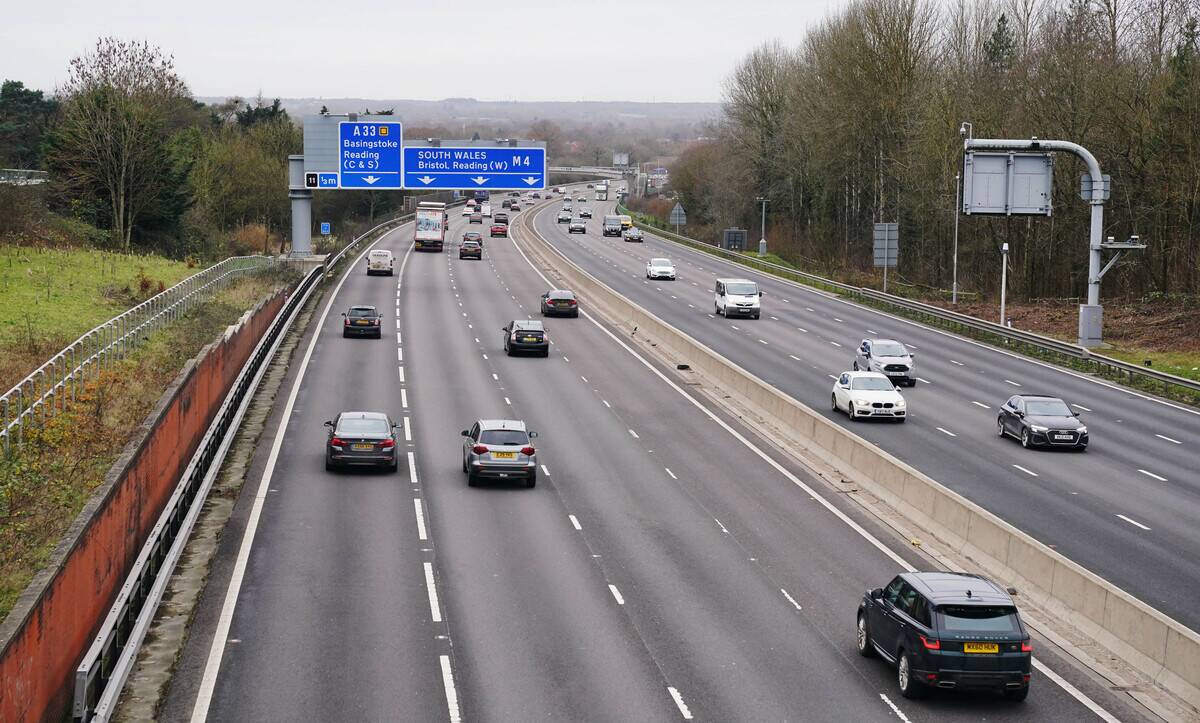
Smart motorways in the UK were introduced to improve traffic flow using technology such as variable speed limits. However, the removal of hard shoulders has raised safety concerns because stranded vehicles no longer have a safe place to stop.
Critics argue this has increased the risk of accidents and called for a government review. The debate continues over how to balance technological innovation with essential safety features in modern road design.
The Berlin Brandenburg Airport: A Never-Ending Construction Story
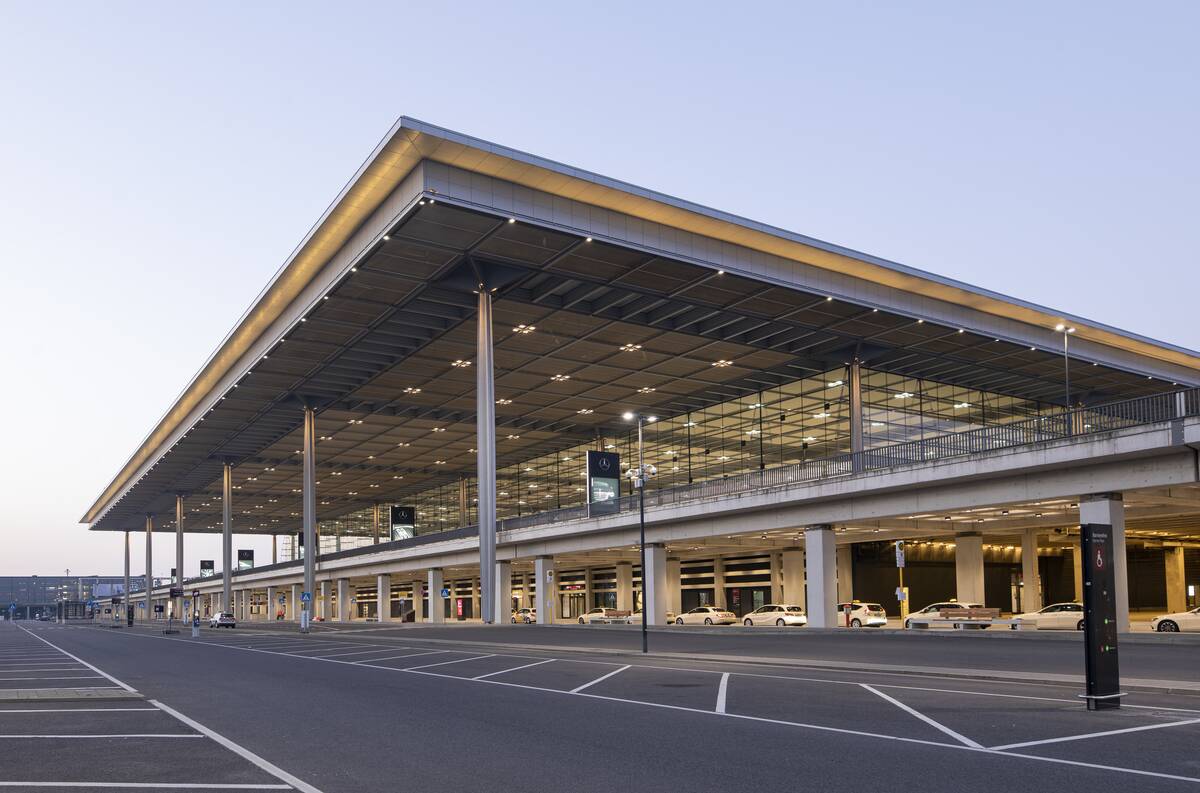
Berlin Brandenburg Airport, intended to be a state-of-the-art facility, turned into a notorious construction saga. Originally set to open in 2011, it faced numerous delays due to mismanagement and technical issues.
It finally opened in 2020, nine years late and billions over budget. The project became a symbol of bureaucratic entanglements and the critical need for effective project management in large-scale infrastructure projects.
The Lotus Riverside Complex: A Shanghai Tower Topples Over
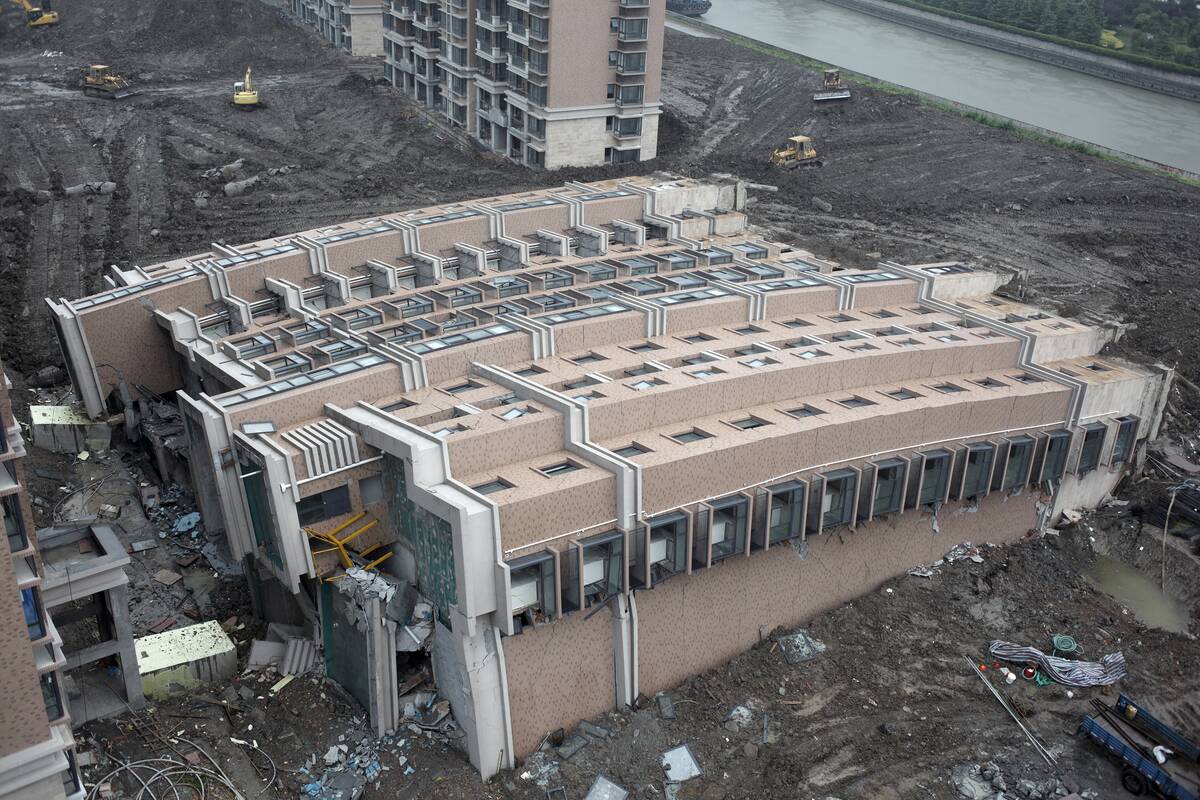
In 2009, a 13-story building in Shanghai’s Lotus Riverside complex toppled over like a domino. The cause was traced to excavations next to the building, which destabilized the soil.
Fortunately, there were no casualties, but the incident raised questions about construction standards in rapidly developing urban areas. It serves as a stark reminder of the importance of soil analysis and stability in urban construction.
The Vasa Ship: A Swedish Warship’s Maiden Voyage Mishap
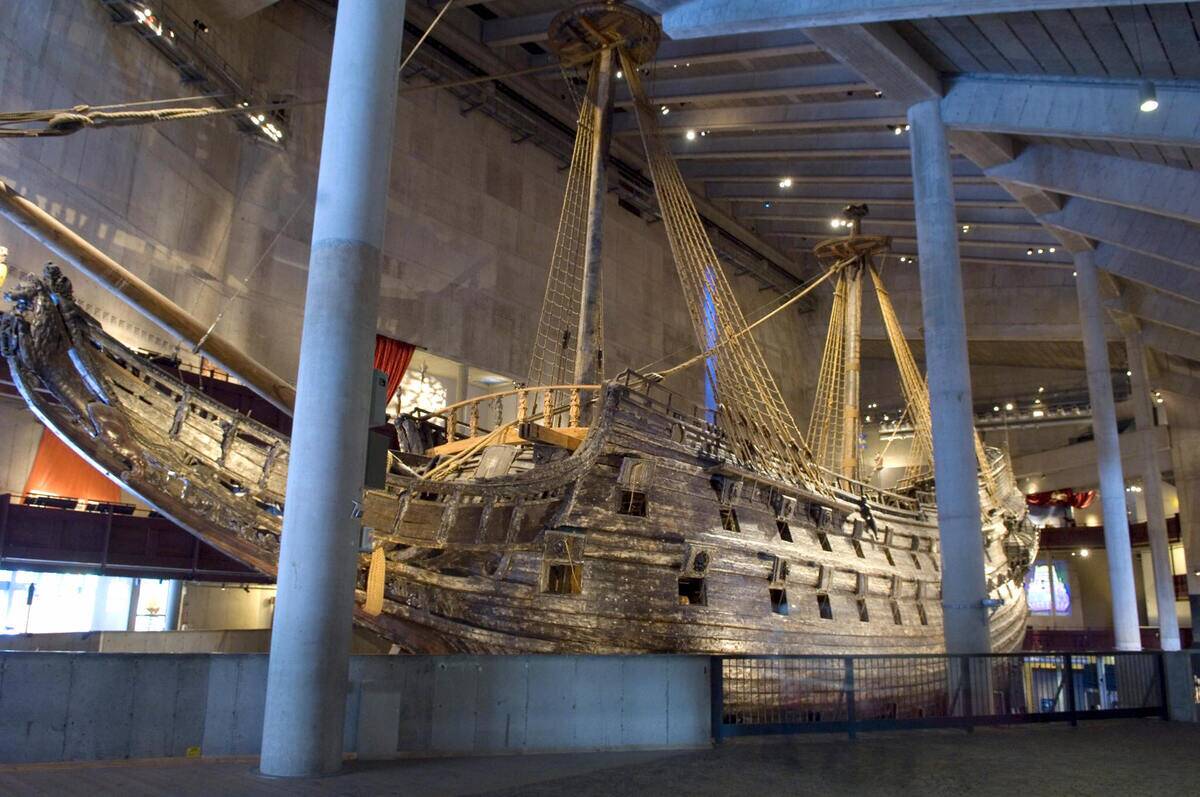
The Vasa ship, a grand Swedish warship, sank just minutes into its maiden voyage in 1628. Top-heavy and improperly balanced, it capsized with the wind.
Salvaged centuries later, the Vasa now stands in a museum in Stockholm, serving as a testament to the perils of ignoring engineering principles. This historic blunder underscores the importance of balance and stability in naval architecture.
The Deepwater Horizon Oil Spill: Technology Meets Catastrophe
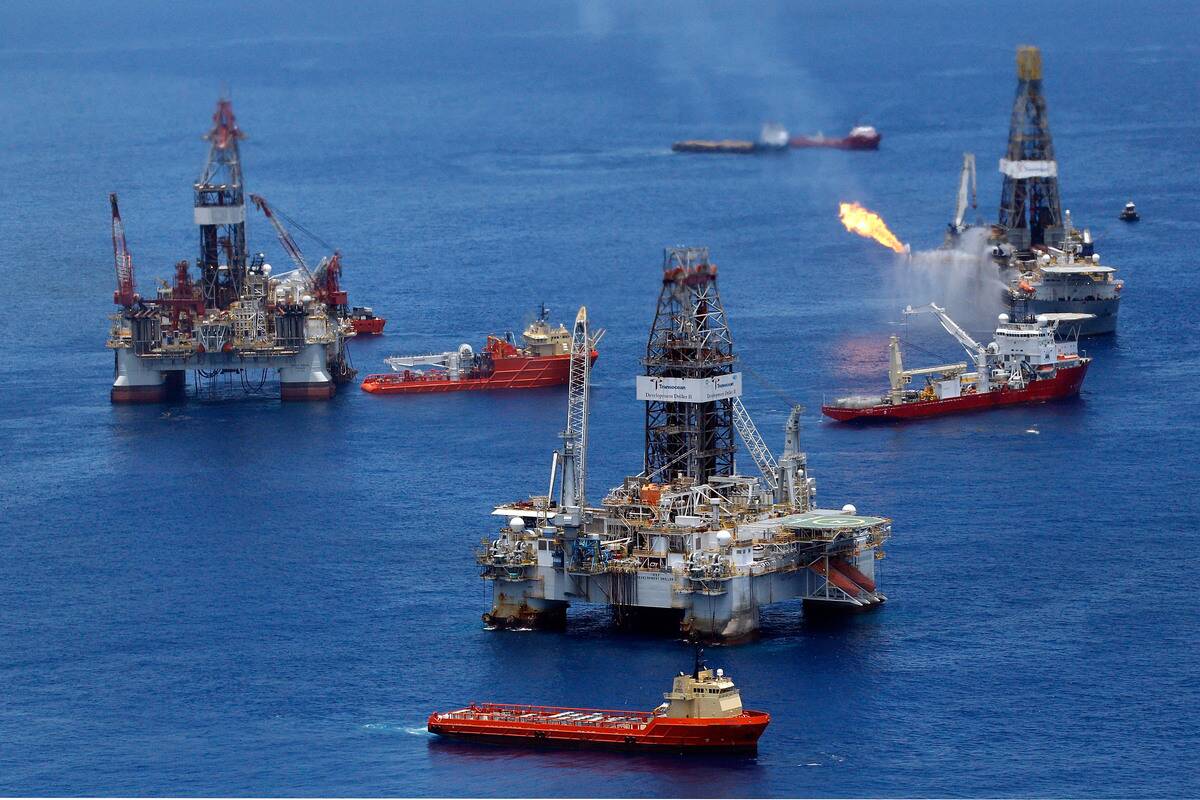
The Deepwater Horizon oil spill in 2010 was one of the worst environmental disasters in history. The failure of the blowout preventer on the offshore drilling rig led to an uncontrolled release of oil into the Gulf of Mexico.
The incident highlighted the risks associated with deepwater drilling and the need for robust safety measures. It prompted industry-wide changes and reinforced the critical nature of technology in environmental protection.
The Hyatt Regency Walkway Collapse: A Structural Design Failure
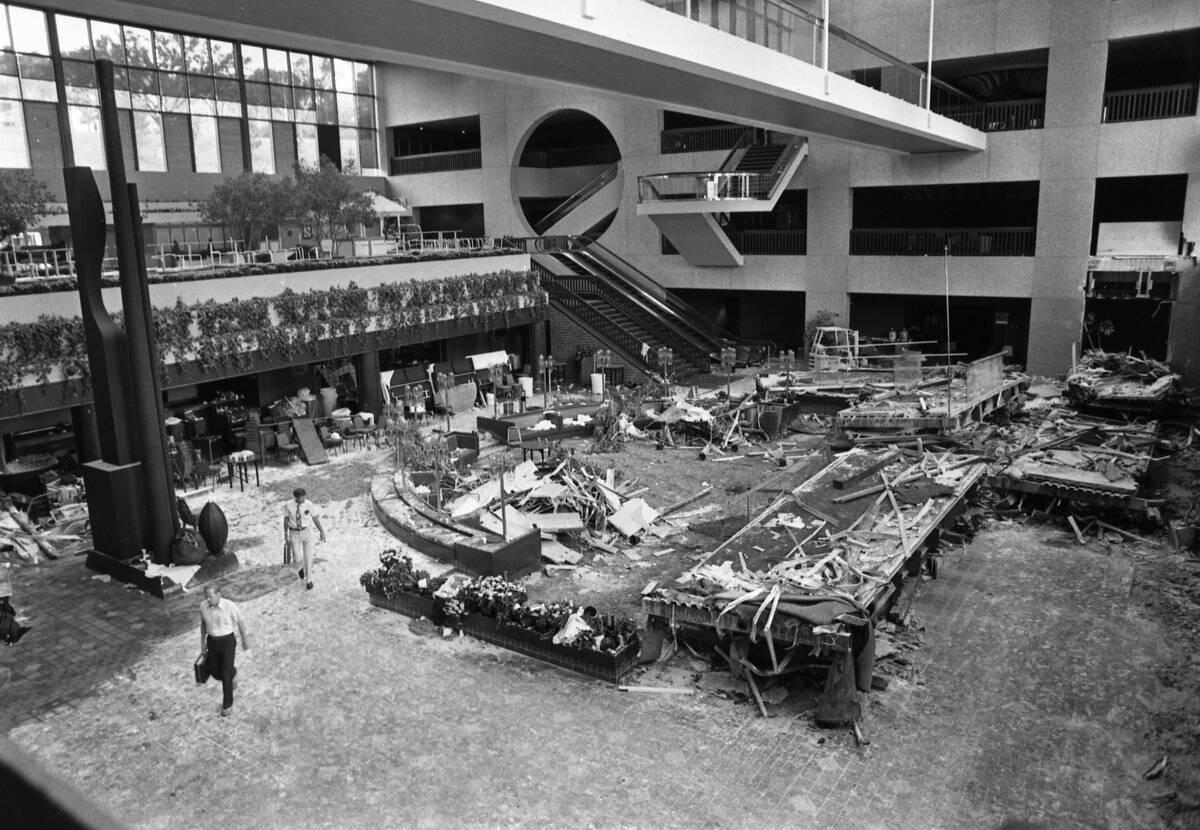
In 1981, the Hyatt Regency hotel in Kansas City faced a catastrophic walkway collapse, resulting in 114 deaths. The failure was traced to a design change that doubled the load on the connection points.
This tragedy became a pivotal learning point in engineering ethics and standards. It underscored the importance of rigorous design checks and the accountability of engineers in ensuring public safety.
The Aon Center Facade: Granite Panels Causing a Shower of Stones
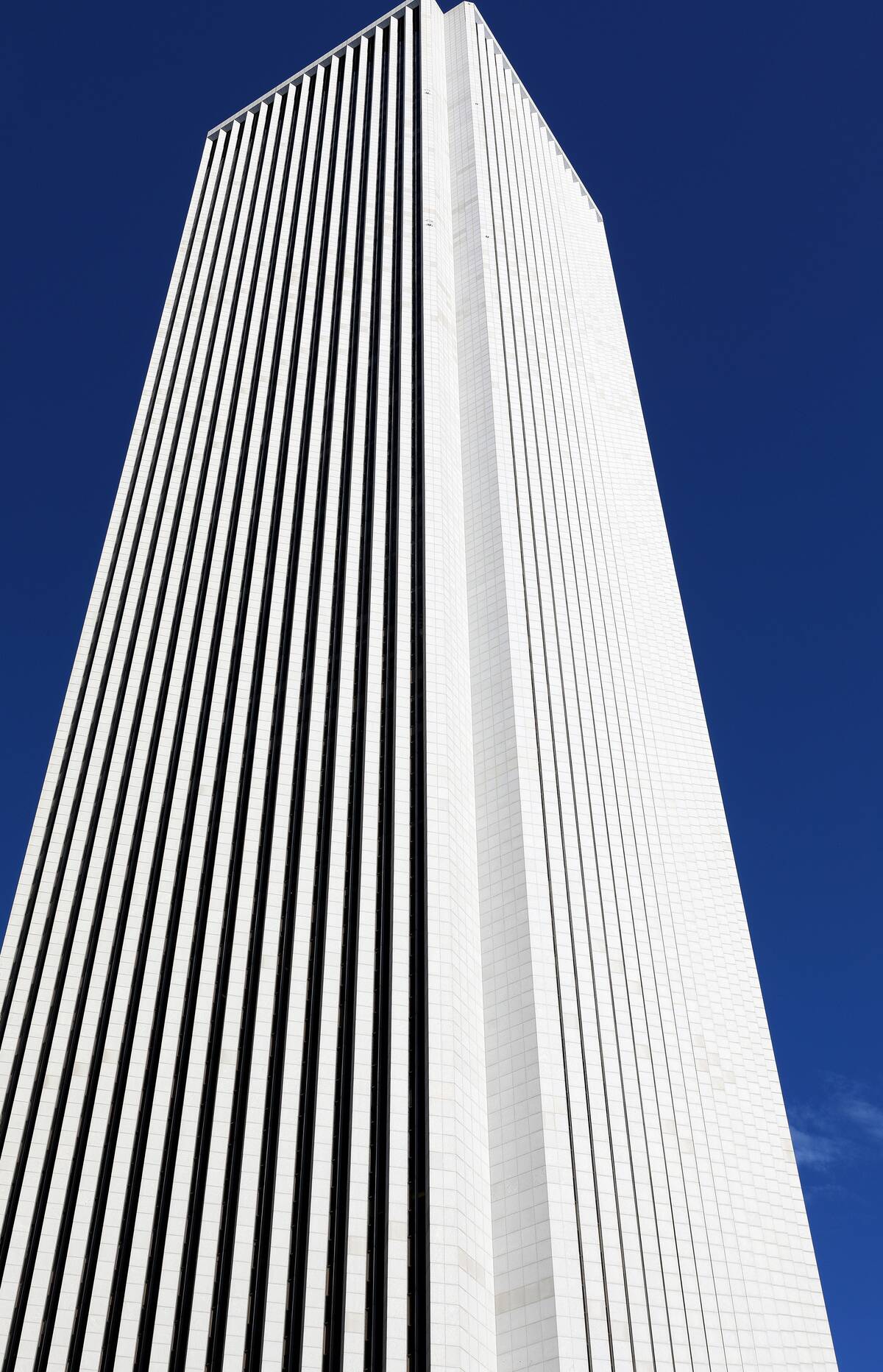
Chicago’s Aon Center, once clad in Italian Carrara marble, faced an unusual problem: the marble began to crack and fall. The thin panels couldn’t withstand Chicago’s temperature fluctuations.
In the 1990s, the building underwent a costly recladding with granite. This incident underscores the importance of material selection in construction, particularly considering environmental factors that could affect durability.
The Space Shuttle Challenger Disaster: Engineering Oversights in Space
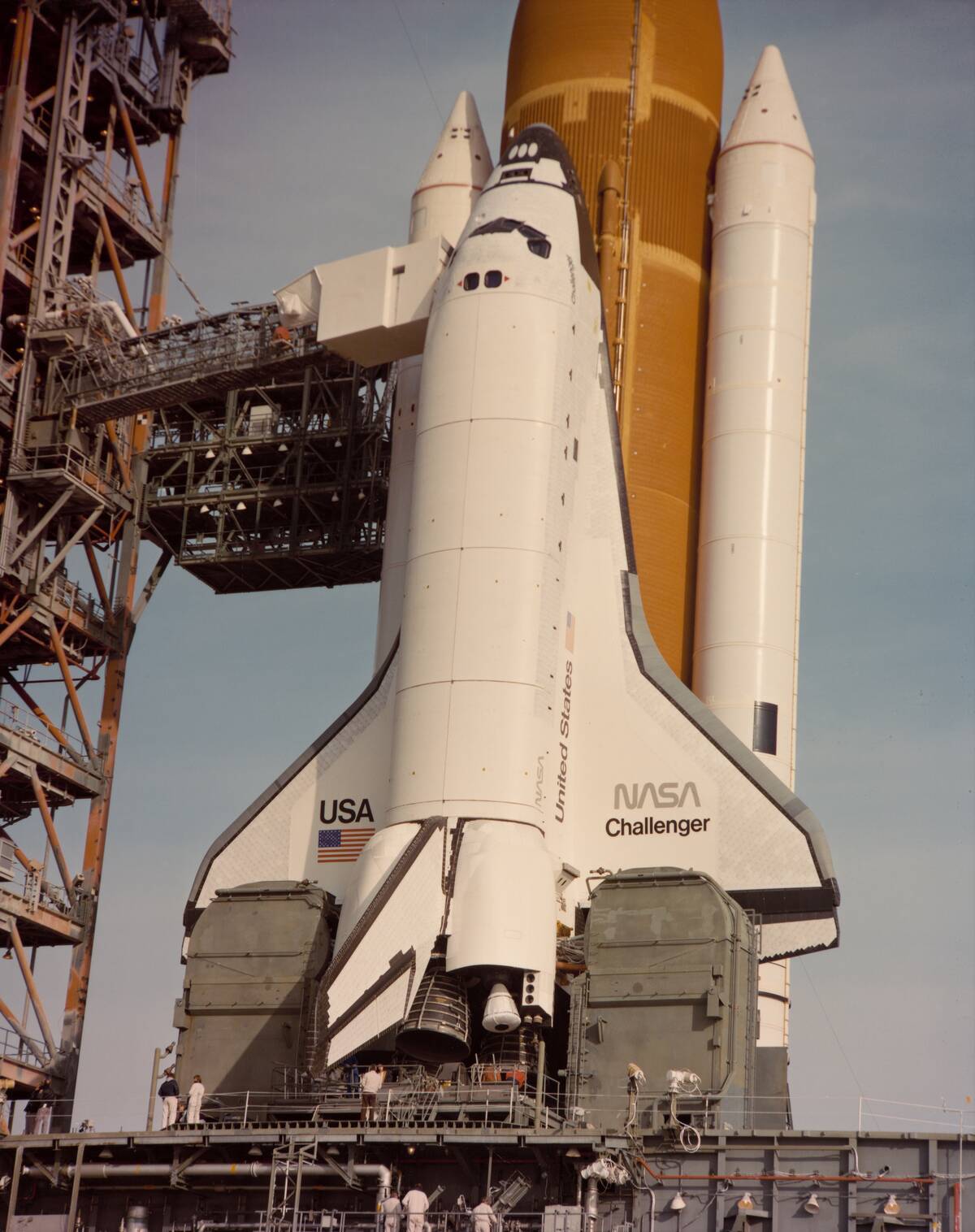
The Space Shuttle Challenger disaster in 1986 was a stark reminder of the risks in space exploration. A faulty O-ring seal in the solid rocket booster led to the shuttle’s destruction just 73 seconds after lift-off.
This tragedy highlighted the critical need for rigorous testing and quality control in aerospace engineering. It prompted significant changes in NASA’s safety protocols, emphasizing the importance of addressing potential vulnerabilities.
The Citicorp Center: A Skyscraper’s Secret Structural Flaw
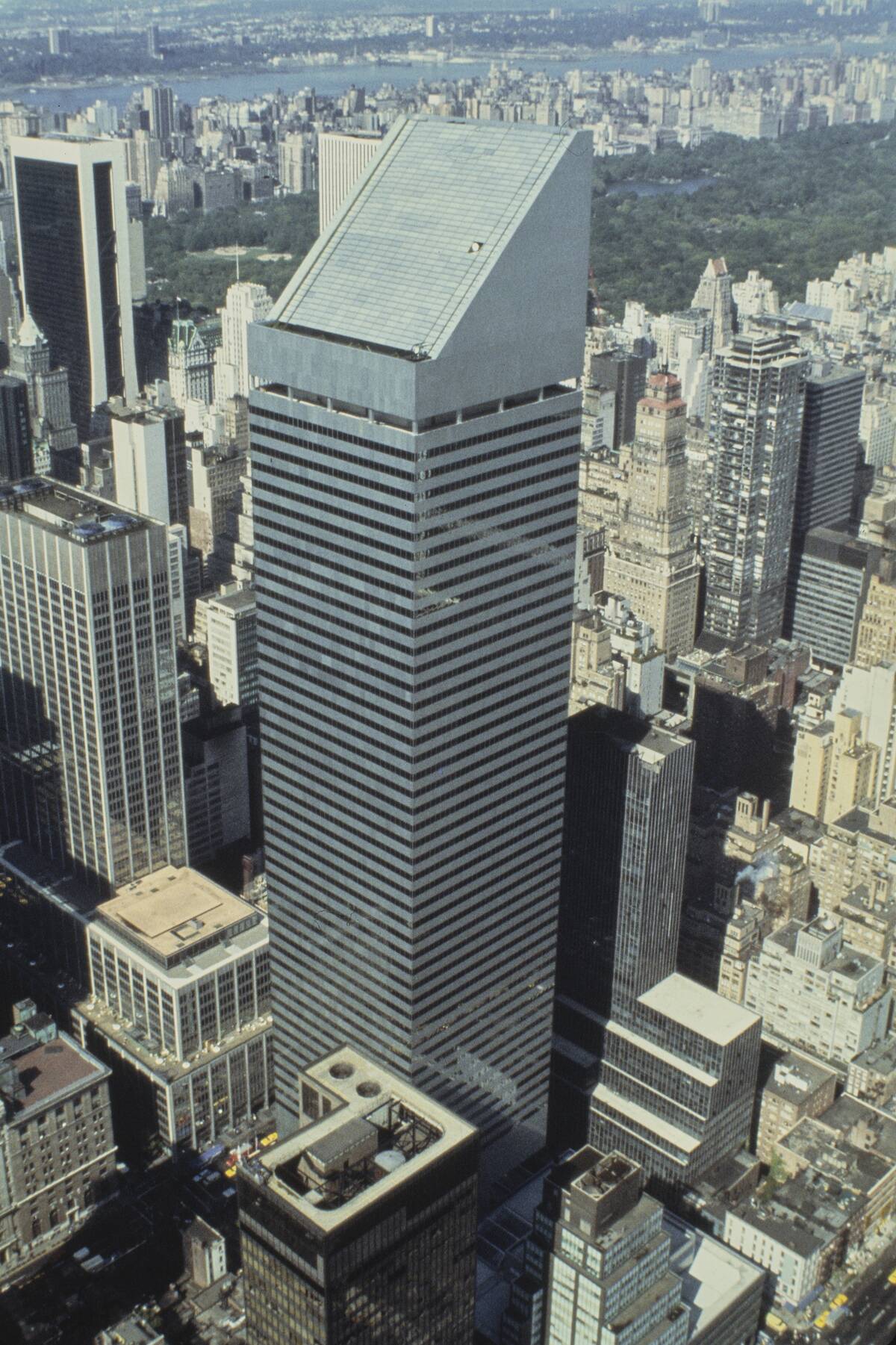
New York City’s Citicorp Center, built in the 1970s, harbored a hidden structural flaw that could have led to disaster. A design oversight made the building vulnerable to quartering winds.
The issue was quietly resolved by reinforcing the building at night over several months. This incident remains a fascinating case of engineering ethics and the importance of proactive problem-solving to avert potential catastrophes.
The Quebec Bridge Disaster: Lessons from History’s Deadliest Bridge Collapse
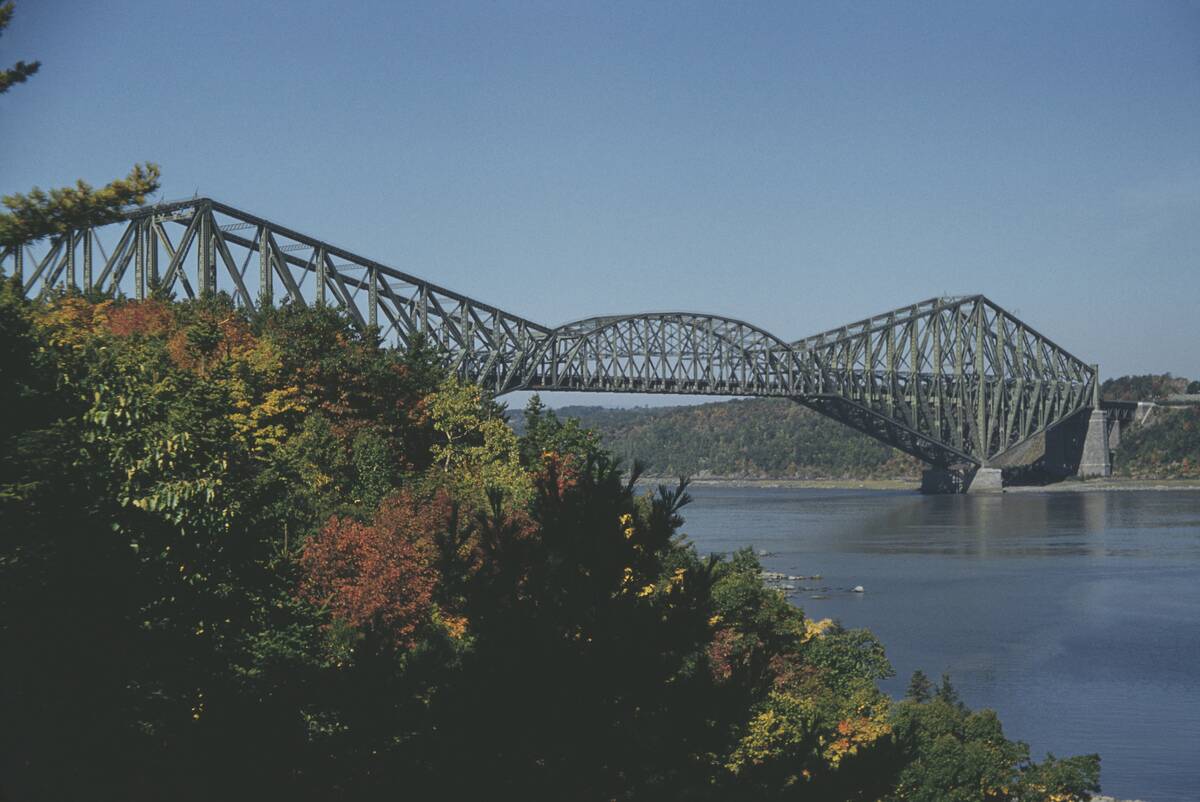
The Quebec Bridge collapse in 1907 remains one of history’s deadliest bridge disasters, claiming 75 lives. Overloading during construction was a key factor, and a second collapse occurred in 1916.
These events highlighted the dangers of inadequate design and construction oversight. The eventual successful completion of the bridge serves as a monument to learning from past mistakes and the necessity of rigorous engineering practices.
The Tacoma Narrows Bridge: A Twisted Tale of Aerodynamics
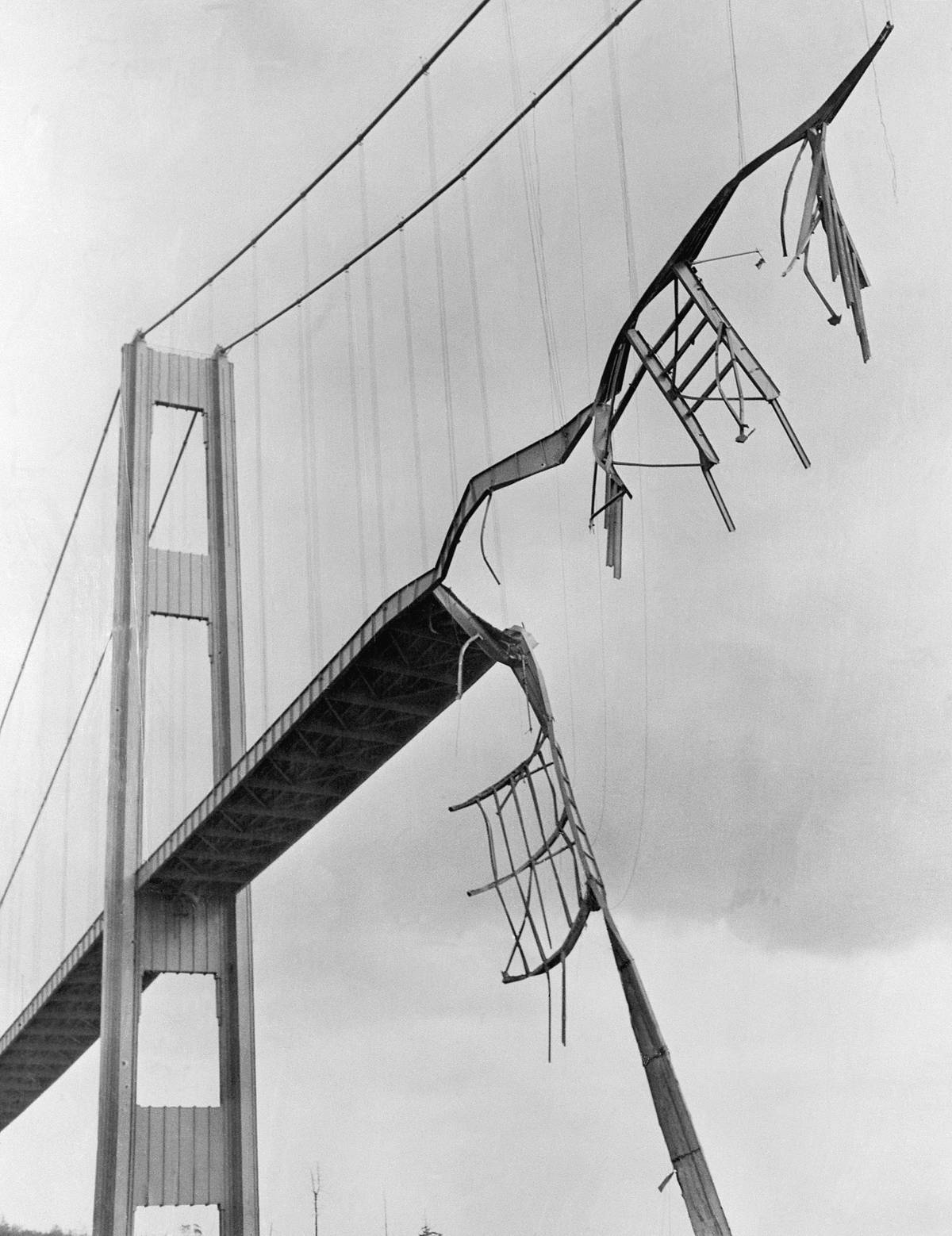
The Tacoma Narrows Bridge, known as “Galloping Gertie,” collapsed in 1940, just months after opening. The bridge’s design failed to account for aerodynamic forces, leading to its dramatic undulation in the wind.
This incident became a classic case study in engineering education, emphasizing the importance of understanding aerodynamic stability. The rebuilt bridge incorporated these lessons, showcasing the evolution of bridge engineering.
The Boeing 737 Max Grounding: Flawed Software and Aviation Safety
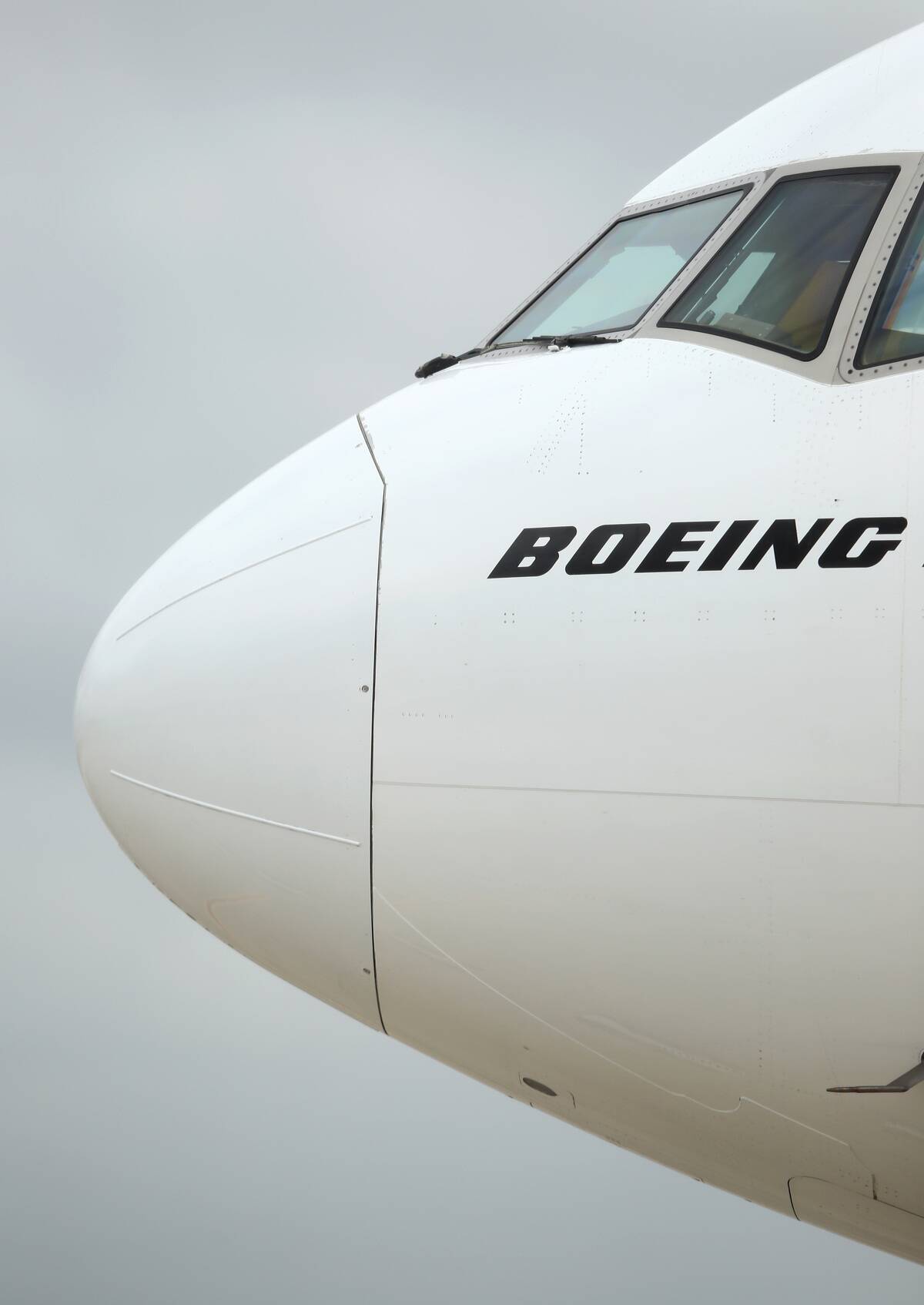
The Boeing 737 Max grounding in 2019 followed two fatal crashes linked to the aircraft’s Maneuvering Characteristics Augmentation System (MCAS). The software’s design flaws led to erroneous sensor readings and uncommanded nose-down movements.
The crisis emphasized the critical role of software reliability and pilot training in aviation safety. Revisions and recertification eventually allowed the 737 Max to return to service, underscoring the need for rigorous testing.
The New Orleans Levee Failures: Engineering Shortcomings During Hurricane Katrina
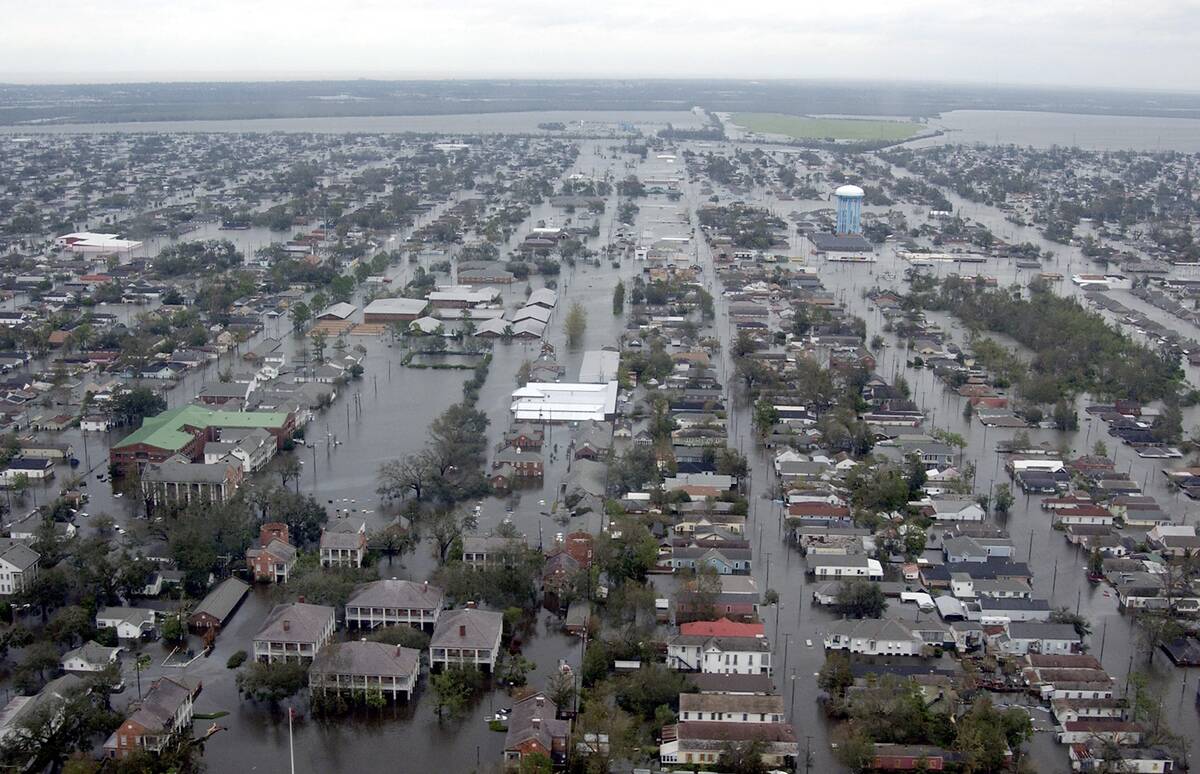
Hurricane Katrina in 2005 exposed significant shortcomings in New Orleans’ levee system. Many levees failed due to poor design and maintenance, leading to catastrophic flooding. This disaster prompted a reevaluation of flood protection infrastructure and engineering standards.
The rebuilding efforts have since focused on creating a more robust and resilient flood defense system, highlighting the importance of preparedness in the face of natural disasters.




