History’s wildest scapegoats in plague pandemonium
Throughout history, humans have often sought to assign blame for disasters beyond their control. Be it plagues or pandemics, the search for a scapegoat has been a recurring theme.
In times of crisis, fear and ignorance can lead to misplaced accusations, often with dire consequences. From medieval times to the modern era, the narrative of blaming others for our misfortune provides a fascinating insight into human behavior.
Jews and the Black Death: A Tale of Misplaced Accusations

In the 14th century, Jewish people were accused of poisoning wells to spread the Black Death. These baseless allegations led to horrific massacres across Europe.
The real cause was again the fleas on rats, but the fear-fueled scapegoating of Jews highlights the dangers of xenophobia and ignorance. Historical records show that Jews suffered greatly during this time, facing persecution instead of protection.
Typhoid Mary: The Cook Who Became the Face of Typhoid Fever
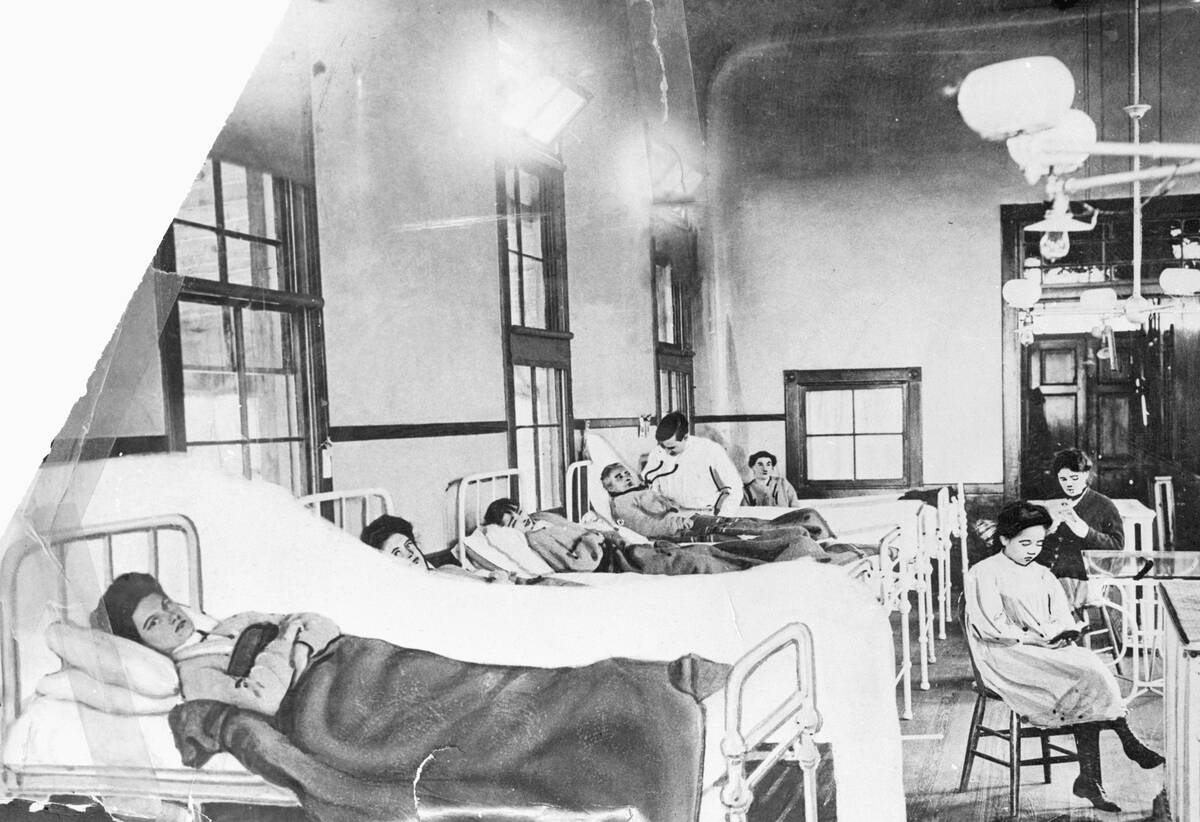
Mary Mallon, known as Typhoid Mary, was an asymptomatic carrier of typhoid fever. As a cook, she inadvertently spread the disease to many families.
Despite her unintentional role, she became the face of the typhoid outbreak. Her story underscores the need for public health education and the balancing act between individual rights and public safety.
The Blame on Rats: Flea-Bitten Suspects of the Plague

Rats have long been associated with the spread of plagues, particularly the Black Death. While they did host the fleas that carried the plague bacterium Yersinia pestis, the rats themselves were not the direct cause.
The focus on rats oversimplified the complex transmission dynamics, diverting attention from broader environmental and social factors that facilitated the spread.
Leprosy and Medieval Misunderstandings

Leprosy, or Hansen’s disease, was once thought to be highly contagious, leading to the isolation of sufferers in leper colonies. In truth, leprosy requires prolonged contact for transmission and is not easily spread.
Medieval misunderstandings about the disease fueled stigma and fear, causing immense social suffering for those affected. Modern medicine has since dispelled many myths about leprosy.
The Wrath of the Gods: Divine Punishment as a Plague Explanatory

In ancient times, plagues were often seen as divine punishment for human sins. This belief was pervasive across many cultures, ascribing a supernatural cause to disease outbreaks.
Such explanations provided comfort and a sense of order, even if they were scientifically inaccurate. They also influenced societal responses, sometimes leading to rituals and sacrifices aimed at appeasing the gods.
The Spanish Flu and the Alleged German Plot
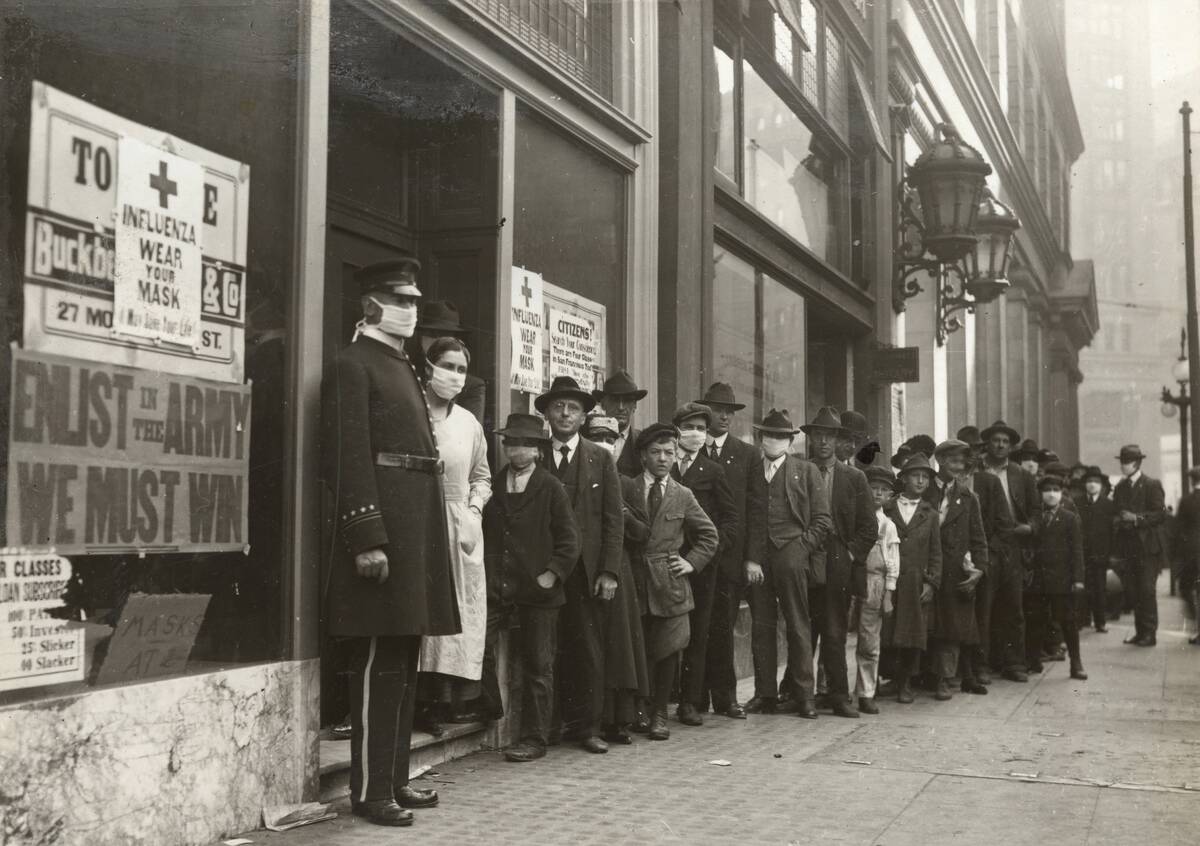
The 1918 Spanish Flu pandemic was rife with fringe theories, including allegations that Germans had deliberately spread the virus. Despite its name, the pandemic did not originate in Spain; rather, it was first reported there due to wartime censorship elsewhere.
These false accusations added tension to already-strained international relations, illustrating how misinformation can compound the challenges of a health crisis.
Cholera and the Blame on Immigrants in 19th Century America
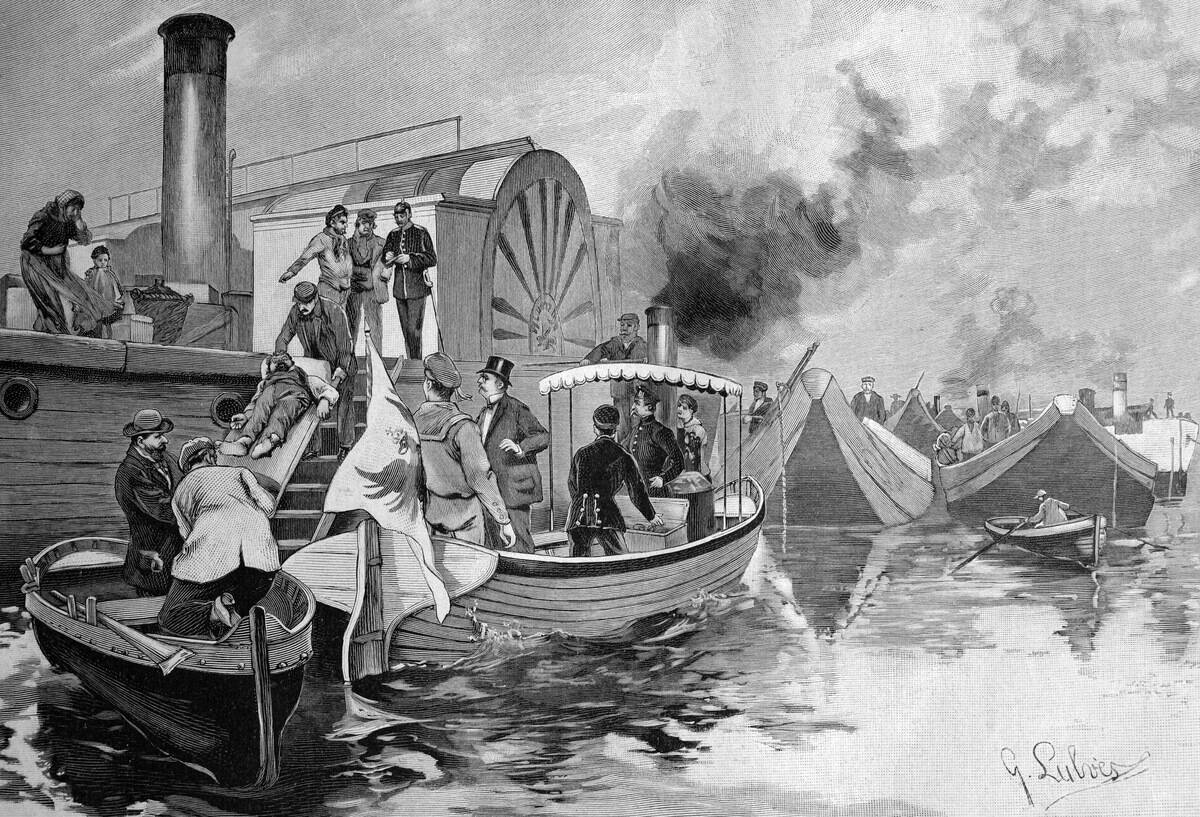
During the 19th century, waves of cholera outbreaks in America were often blamed on immigrants. This scapegoating was fueled by xenophobia and a lack of understanding of the disease’s transmission through contaminated water.
It diverted attention from needed public health reforms, such as improved sanitation, by focusing on cultural differences instead of the root causes of the outbreaks.
The Plague of Athens: Pericles and His Political Fallout
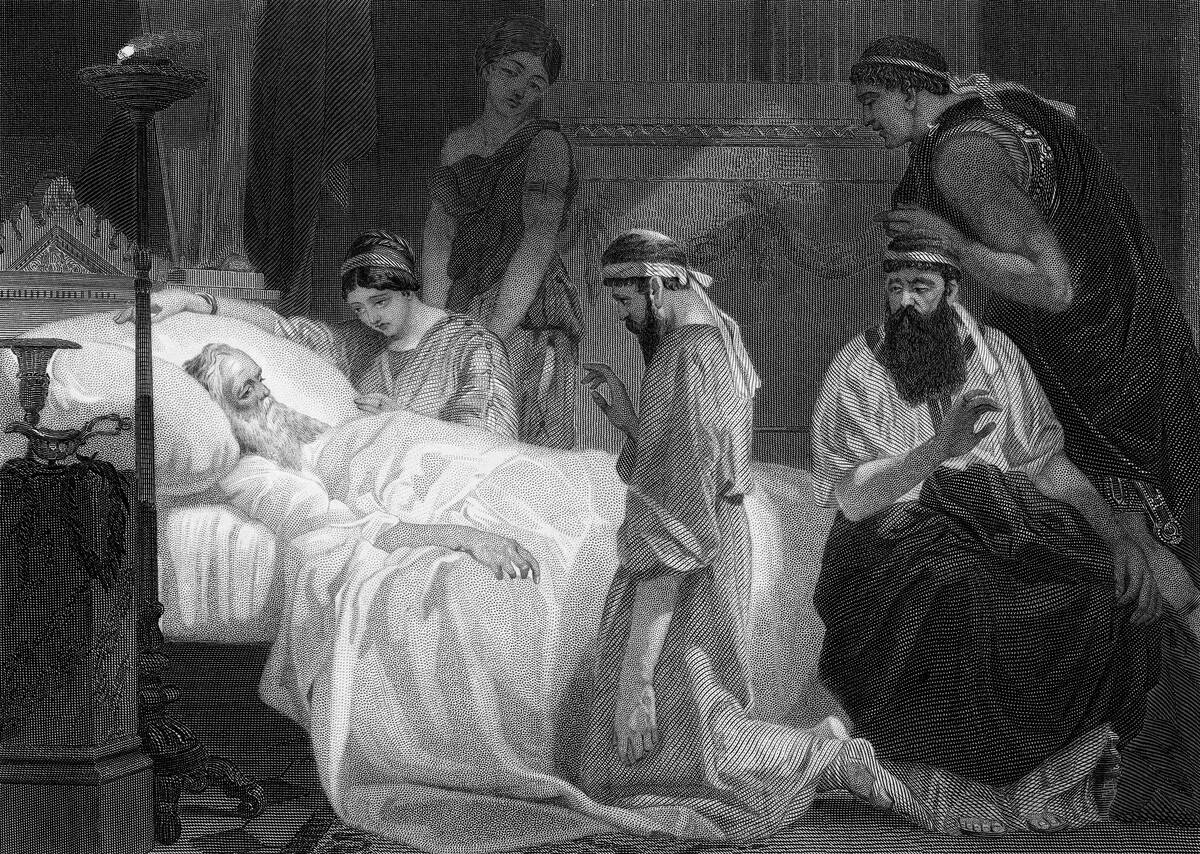
The Plague of Athens struck during the Peloponnesian War, causing widespread devastation. Pericles, the Athenian leader, faced intense criticism and blame for the city’s suffering.
Despite his efforts to manage the crisis, the plague severely undermined his political support and contributed to Athens’ eventual downfall. This scenario demonstrates how leaders can be scapegoated for events beyond their control.
Syphilis: The Blame Game Between French and Italians
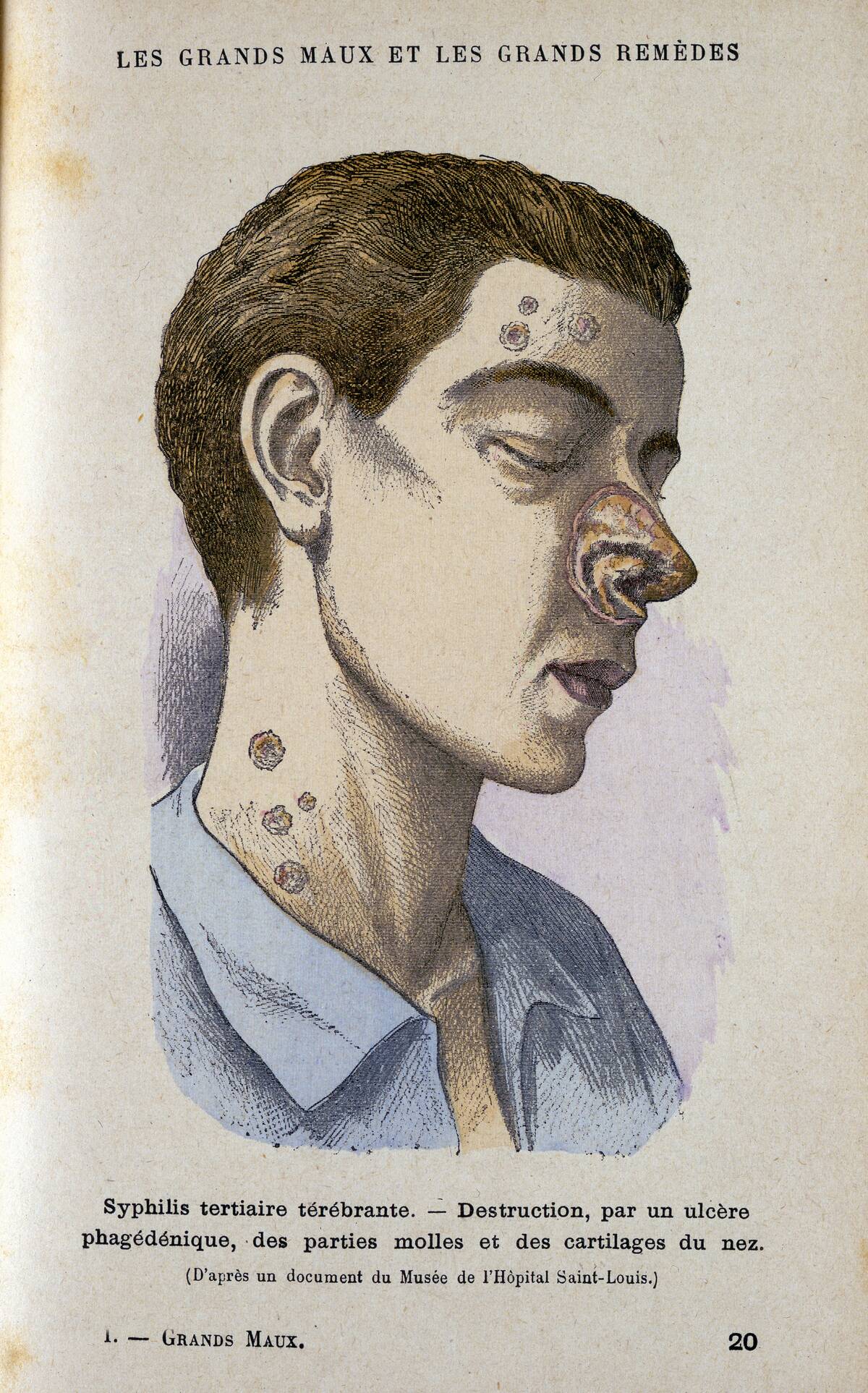
Syphilis, also known as “the French disease” in Italy and “the Italian disease” in France, became a subject of blame between these nations in the 15th century.
The naming of the disease after rival countries was a way to deflect responsibility and stigmatize the perceived “other.” This mutual blame game shows how diseases can be politicized, affecting international relations and public perception.
Modern Day Scapegoats: From HIV/AIDS to COVID-19

In modern times, diseases like HIV/AIDS and COVID-19 have seen their own scapegoating. Certain communities have been unfairly targeted, leading to stigma and discrimination.
These modern blame games highlight the persistent need for accurate information and empathy in public health responses. As history shows, scapegoating exacerbates crises and diverts attention from effective solutions.




