Why certain stories remain popular for centuries
Stories have captivated humanity since time immemorial, transcending generations and geographical boundaries. From the earliest cave paintings to the latest digital epics, tales have woven themselves into the fabric of human culture.
Their ability to entertain and educate is as relevant today as it was in ancient times. Storytelling is a universal language, allowing us to connect with each other through shared experiences, emotions, and imagination.
The Universal Themes That Resonate Across Ages
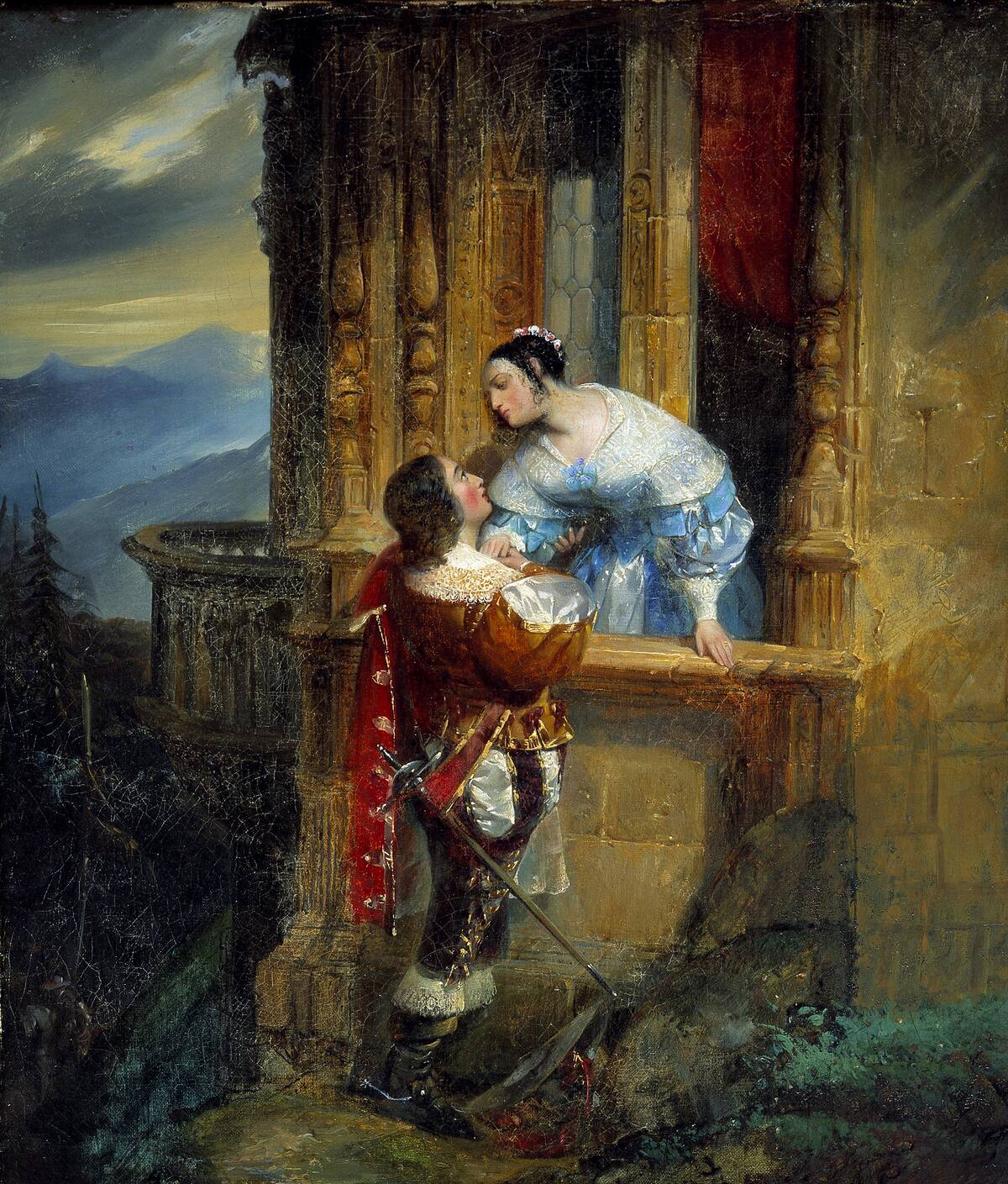
Certain themes like love, conflict, and heroism are universal, touching the hearts of audiences everywhere. Shakespeare’s ‘Romeo and Juliet’, for instance, continues to be relatable due to its exploration of youthful love and family feuds.
These timeless themes are so deeply rooted in the human experience that they transcend cultural and temporal boundaries, allowing stories to survive the test of time.
Cultural Archetypes and Their Immortal Appeal

Cultural archetypes, such as the wise old mentor or the reluctant hero, provide a framework that resonates across different societies. These archetypes, familiar yet adaptable, allow stories to be retold in countless ways.
Joseph Campbell’s concept of the ‘hero’s journey’ is a testament to the power of archetypes, as it serves as the backbone for narratives from ‘Star Wars’ to ‘The Lord of the Rings’.
The Power of Relatable Characters
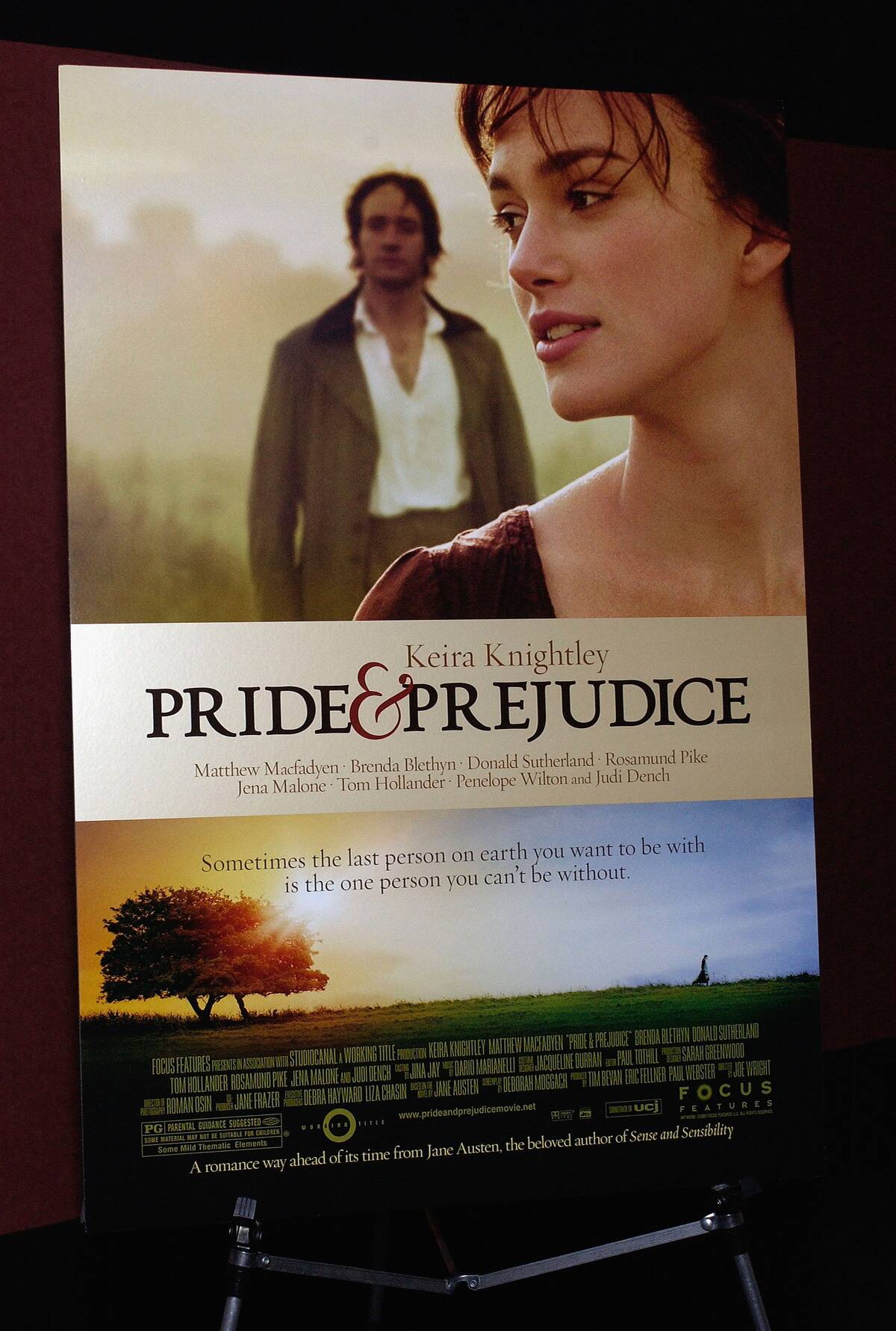
Relatable characters breathe life into stories, making them memorable and impactful. Whether it’s Elizabeth Bennet’s wit in ‘Pride and Prejudice’ or Harry Potter’s resilience, characters who mirror our traits and struggles create a deep connection with the audience.
This relatability ensures that stories continue to be cherished, as they offer a reflection of ourselves and our potential for growth.
Emotional Connections and Their Lasting Impact
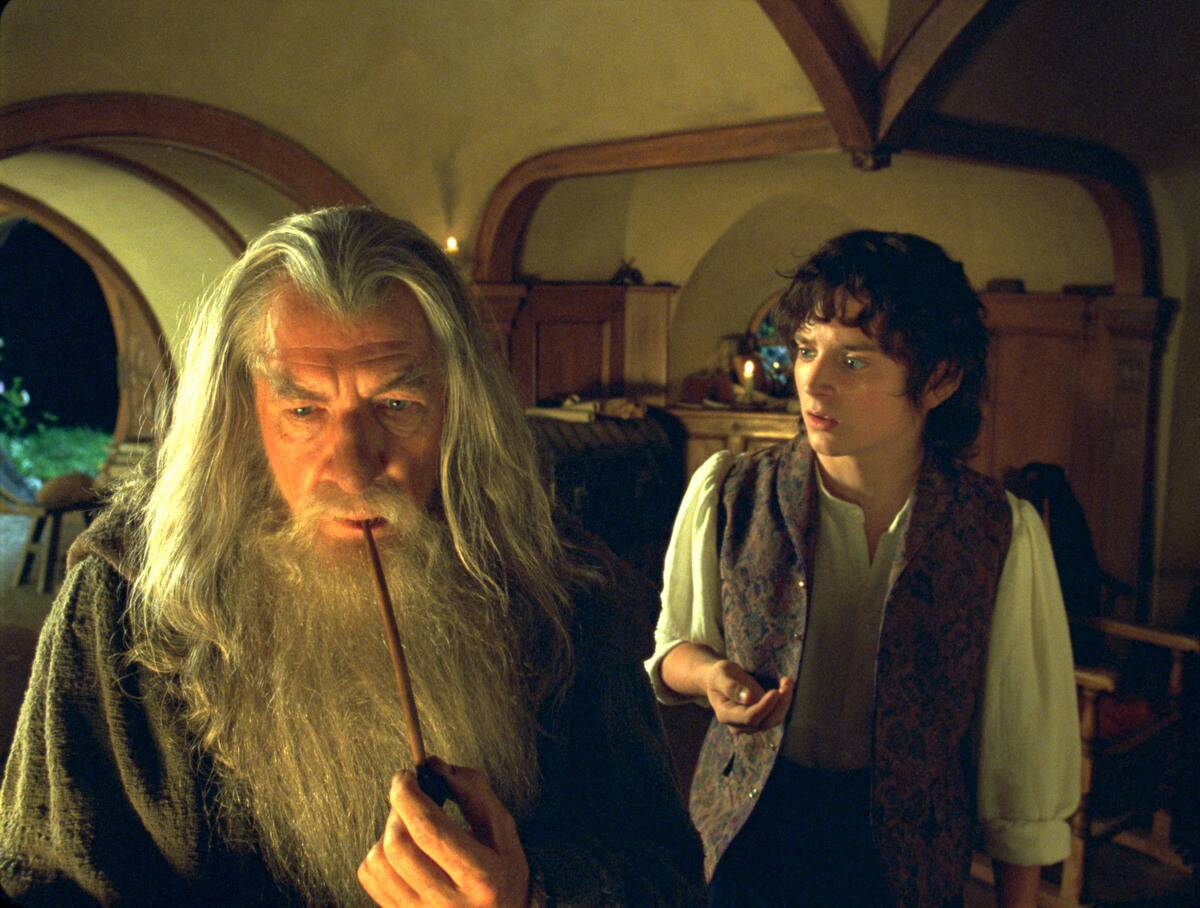
Stories that evoke strong emotions leave a lasting impression on audiences, influencing how they are remembered and retold. The emotional journey of Frodo in ‘The Lord of the Rings’ is one such example, as it tugs at the heartstrings by exploring themes of friendship, sacrifice, and courage.
These emotional connections ensure that stories remain etched in our memories, passed down through generations.
The Art of Engaging Storytelling

Engaging storytelling involves capturing the audience’s attention through various techniques, such as pacing, tension, and surprise. The TV series ‘Breaking Bad’ is renowned for its masterful storytelling, keeping viewers on the edge of their seats with unexpected plot twists and character developments.
By employing these techniques, storytellers can create narratives that captivate and hold the audience’s interest.
How Simplicity Enhances Longevity
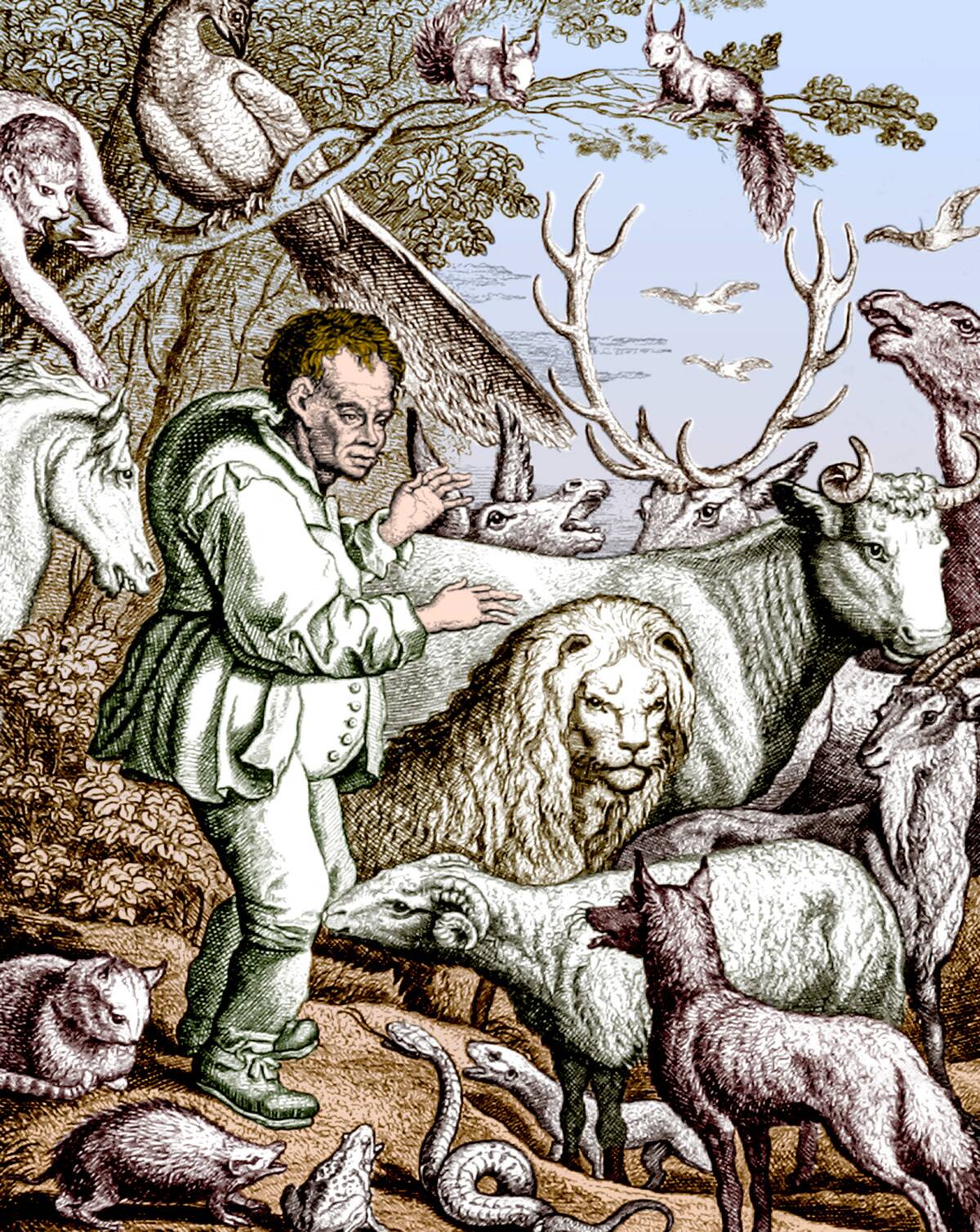
Simplicity in storytelling often contributes to a tale’s longevity, allowing its core message to shine through. Aesop’s fables, with their straightforward narratives and clear morals, have been passed down for centuries.
Their simplicity makes them accessible to all ages, ensuring that their lessons continue to be relevant and easily understood by diverse audiences.
Historical Context and Its Influence on Story Survival
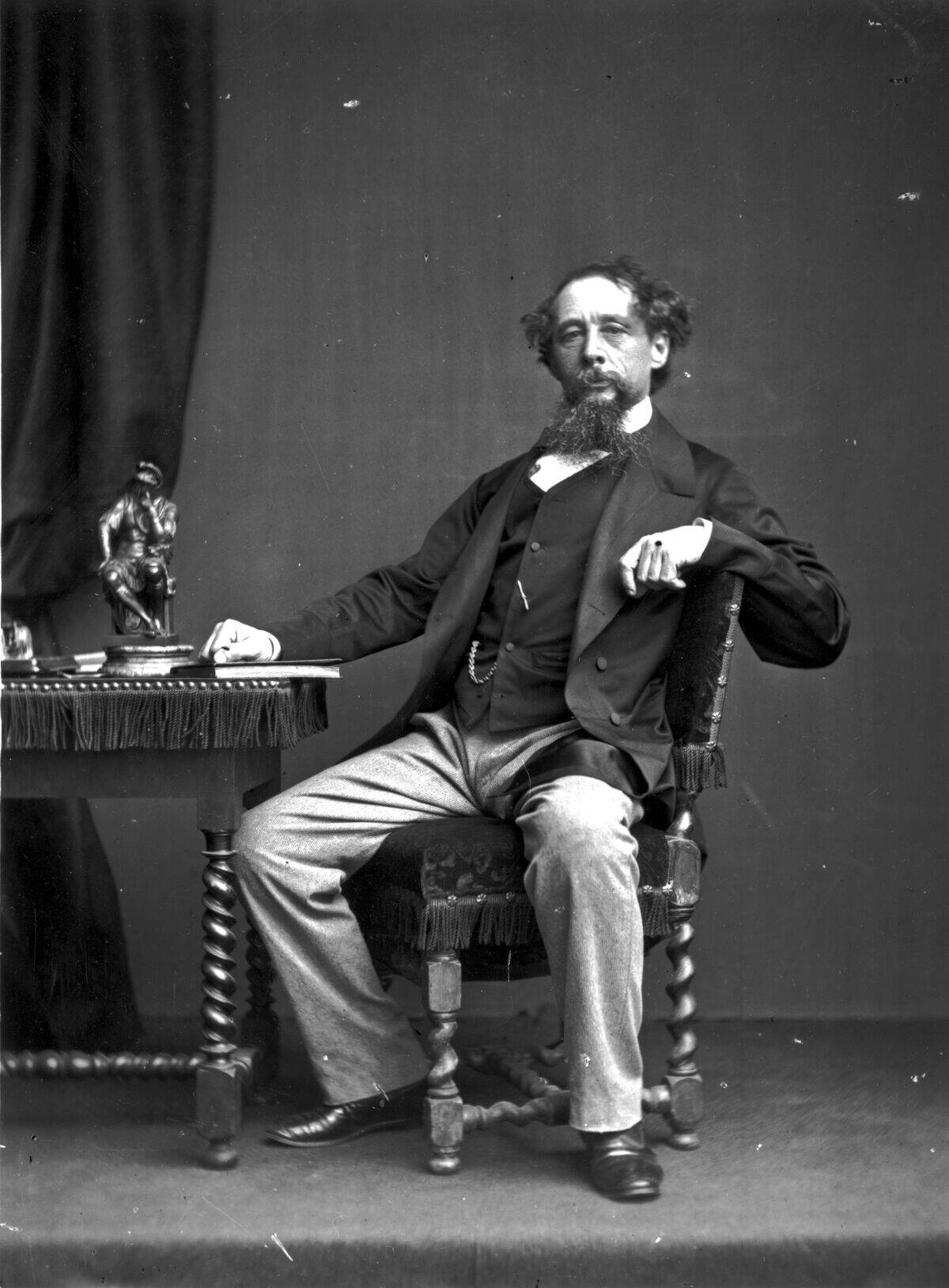
The historical context of a story can greatly influence its survival and interpretation. Charles Dickens’ novels, like ‘A Tale of Two Cities’, offer insights into the societal issues of his time, such as class disparity and revolution.
Understanding the context in which a story was created allows audiences to appreciate its depth and relevance, thus helping it endure through the ages.
The Role of Oral Traditions in Preserving Stories
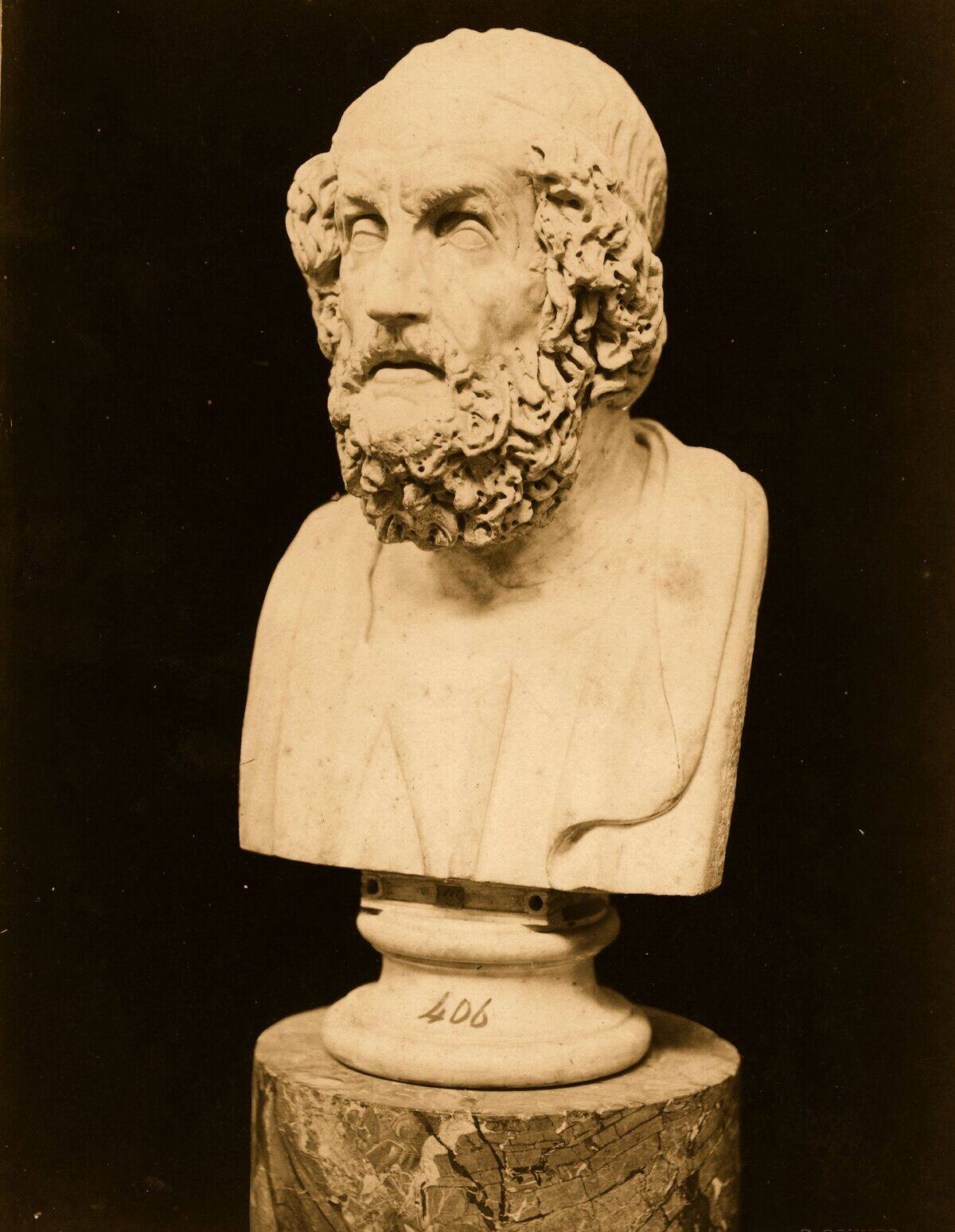
Oral traditions have been crucial in preserving stories before the advent of written language. Tales like Homer’s ‘The Iliad’ were passed down orally for generations, evolving with each retelling.
This oral transmission allowed stories to adapt to changing cultural contexts while keeping their core essence intact, ensuring their survival and continued relevance.
The Adaptability of Classic Narratives
![[redacted]](https://media.tellmebest.com/wp-content/uploads/2020/09/3248276-89050.jpg)
Classic narratives have thrived due to their adaptability, allowing them to be retold in various forms and media. Jane Austen’s ‘Pride and Prejudice’ has inspired countless adaptations, from films to modern reinterpretations like ‘The Lizzie Bennet Diaries’.
This adaptability ensures that stories remain fresh and relatable, resonating with new audiences while staying true to their original themes.
The Role of Language in Story Endurance

Language plays a crucial role in the endurance of stories, as it shapes how narratives are told and understood. Shakespeare’s mastery of the English language has contributed to the timeless appeal of his plays, with works like ‘Macbeth’ and ‘Hamlet’ studied and performed worldwide.
The beauty and power of language enable stories to resonate with audiences, ensuring their continued appreciation.
How Stories Reflect Societal Values

Stories are often a reflection of the societal values and norms of their time, offering insights into the culture from which they originate. George Orwell’s ‘1984’, for example, explores themes of surveillance and totalitarianism, mirroring concerns about government control.
By reflecting societal values, stories offer a lens through which we can examine and understand the world around us.
The Enduring Appeal of Adventure and Exploration

Adventure and exploration are themes that have captivated audiences for centuries, appealing to our sense of curiosity and wonder. From ‘The Odyssey’ to ‘Indiana Jones’, tales of epic journeys and discoveries ignite the imagination and inspire a spirit of adventure.
These stories remind us of the possibilities beyond the horizon, encouraging us to explore both the world and ourselves.
The Fascination with Good vs. Evil Narratives

The struggle between good and evil is a classic narrative that continues to fascinate audiences. Stories like ‘Harry Potter’ and ‘The Chronicles of Narnia’ explore this eternal conflict, offering a clear moral dichotomy that is both satisfying and thought-provoking.
This fascination with good vs. evil allows audiences to explore ethical dilemmas, ultimately reinforcing the values of courage, justice, and hope.
The Importance of Conflict and Resolution

Conflict and resolution are essential components of compelling storytelling, driving the narrative forward and engaging the audience. In ‘The Hunger Games’, the conflict between Katniss and the oppressive Capitol creates tension and intrigue, culminating in a resolution that reflects themes of rebellion and freedom.
This dynamic interplay of conflict and resolution keeps audiences invested in the story’s outcome.
Humor as a Catalyst for Story Longevity
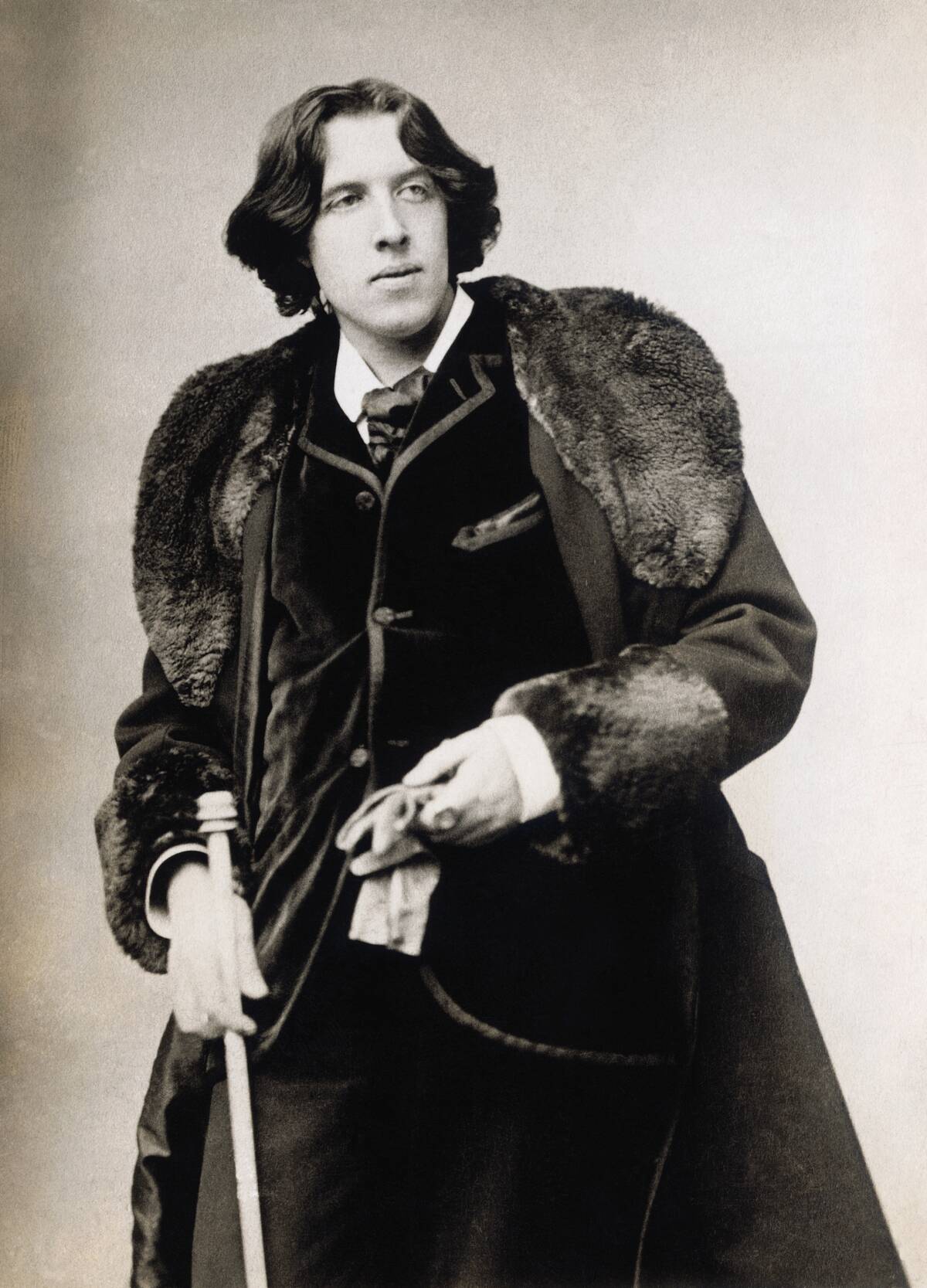
Humor can be a powerful catalyst for story longevity, providing relief and resonance with audiences. Comedic classics like Oscar Wilde’s ‘The Importance of Being Earnest’ continue to entertain with their wit and satire.
Humor allows stories to address serious themes with a light touch, making them accessible and enjoyable for audiences across different cultures and eras.
How Stories Serve as Cultural Touchstones

Stories often serve as cultural touchstones, encapsulating the values, beliefs, and experiences of a society. Works like ‘The Great Gatsby’ capture the essence of the American Dream, reflecting the aspirations and disillusionment of the Roaring Twenties.
These cultural touchstones provide a reference point for understanding historical and contemporary contexts, ensuring stories remain relevant and influential.




