What happened to all of Henry VIII’s wives
Henry VIII, the notorious King of England, is often remembered for his love life. With six marriages under his belt, it’s no wonder his romantic endeavors continue to fascinate historians and the public alike.
His quest for a male heir and the ensuing marital drama have become the stuff of legend. Each of his wives, from the devout Catherine of Aragon to the resilient Catherine Parr, played a pivotal role in shaping the course of English history.
Catherine of Aragon: The Loyal First Wife

Catherine of Aragon, Henry’s first wife, was a Spanish princess who had previously been married to Henry’s older brother, Arthur. Despite the tragic loss of her first husband, Catherine remained a steadfast queen. She was highly educated, fluent in multiple languages, and deeply religious.
Her marriage to Henry lasted over two decades, during which she gave birth to several children, although only one, Mary, survived infancy. Catherine’s unwavering faith and loyalty made her a beloved figure among the English people.
The Annulment Dilemma: Henry’s Split with Catherine

The lack of a male heir from his union with Catherine led Henry to seek an annulment, a request that would set off a seismic shift in England’s religious landscape. The Pope’s refusal to annul the marriage due to political pressures from Catherine’s nephew, Charles V, pushed Henry to drastic measures.
This impasse resulted in the English Reformation, with Henry declaring himself the Supreme Head of the Church of England. This move allowed him to annul his marriage unilaterally, leading to his second marriage.
Anne Boleyn: The Fascinating Second Queen
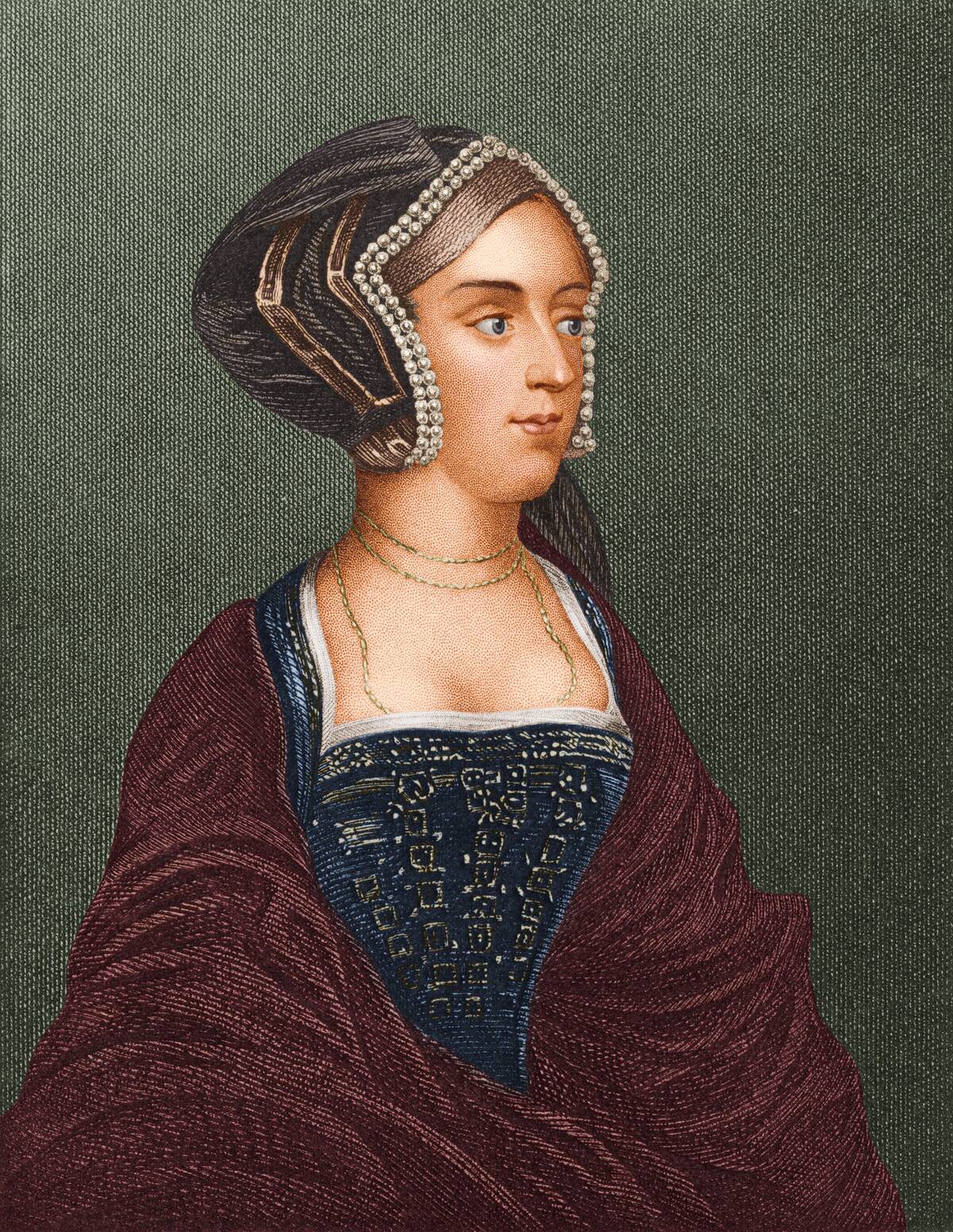
Anne Boleyn was an enigmatic figure who captured Henry’s heart, ultimately leading to the break with the Catholic Church. Anne was known for her wit, charm, and strong opinions, which made her both admired and reviled.
Her marriage to Henry was filled with passion and ambition, as she sought to influence the king’s policies. Anne gave birth to Elizabeth, the future queen, but her failure to produce a male heir led to her downfall. Despite her tragic end, Anne’s legacy lived on through her daughter.
The Downfall of Anne Boleyn

Anne Boleyn’s fall from grace was swift and brutal. Accusations of adultery, incest, and high treason were leveled against her, leading to her arrest and trial. Many historians believe these charges were fabricated, possibly orchestrated by those who opposed her influence over Henry.
Regardless of the truth, Anne was found guilty and executed in 1536. Her execution marked a turning point in Henry’s reign, as he continued his quest for a male heir and stable marriage, leaving a lasting impact on the monarchy.
Jane Seymour: The Queen Who Gave Henry a Son

Jane Seymour, Henry’s third wife, is often remembered as the only queen to give him a long-desired male heir. Known for her gentle nature and demure demeanor, Jane was a stark contrast to Anne Boleyn.
She married Henry just days after Anne’s execution and quickly became pregnant. In 1537, she gave birth to Edward, fulfilling Henry’s dreams of a male successor. Jane’s ability to provide an heir solidified her place in history, despite her short-lived time as queen.
Anne of Cleves: The Brief and Amicable Marriage

Anne of Cleves, Henry’s fourth wife, was chosen for political reasons to secure an alliance with her German relatives. However, their marriage was short-lived, lasting just six months. Henry reportedly found Anne unattractive and sought an annulment.
Despite the awkward circumstances, Anne accepted the annulment graciously and was granted a generous settlement. She was given the title of “The King’s Beloved Sister” and remained in England, living comfortably and maintaining a friendly relationship with Henry.
Jane’s Tragic End

Tragedy struck soon after the birth of Jane Seymour’s son, as she died just twelve days later from postnatal complications. Her death was a significant blow to Henry, who mourned her deeply.
Jane was given a queen’s funeral and was buried beside Henry at his request. Her legacy persisted as the mother of Edward VI, who would become king at a young age. Jane’s brief but impactful role in Henry’s life left a lasting impression on the Tudor dynasty.
The Unusual Friendship with Anne of Cleves

Following her annulment, Anne of Cleves developed an unexpected friendship with Henry VIII. Unlike his other former wives, Anne remained in favor and was often invited to court. She was a frequent guest at royal events and maintained a cordial relationship with Henry’s children.
This amicable arrangement was unusual for the time and demonstrated Anne’s diplomatic skills. Her ability to adapt to the changing political landscape ensured her security and stability in a tumultuous period.
Catherine Howard: The Young and Lively Fifth Wife

Catherine Howard, Henry’s fifth wife, was a young and vivacious figure at court. She was a cousin of Anne Boleyn and caught Henry’s eye with her youthful charm and beauty. Their marriage was marked by a whirlwind of passion, but it soon became clear that Catherine was unprepared for the responsibilities of queenship.
Her lack of experience and maturity made her vulnerable to courtly intrigues. Despite her initial popularity, Catherine’s reign as queen was destined to be short-lived.
Scandal and Execution: The Fall of Catherine Howard

Catherine Howard’s downfall was swift and scandalous. Rumors of her infidelity reached Henry, who was enraged by the betrayal. An investigation revealed that Catherine had engaged in premarital and extramarital affairs, leading to her arrest.
In 1542, she was executed for treason, marking the second time Henry had ordered the execution of a wife. Catherine’s tragic end served as a cautionary tale about the perils of court life and the king’s increasingly tyrannical rule.
Catherine Parr: The Survivor

Catherine Parr, Henry’s sixth and final wife, was a woman of remarkable intellect and resilience. Unlike her predecessors, Catherine had been married twice before, giving her valuable experience in navigating the complexities of court life.
Her marriage to Henry was characterized by mutual respect and companionship. Catherine was a devoted stepmother to Henry’s children and played a key role in their education. Her ability to maintain her position and influence at court earned her the moniker of “The Survivor.”
Catherine Parr’s Role in Henry’s Final Years
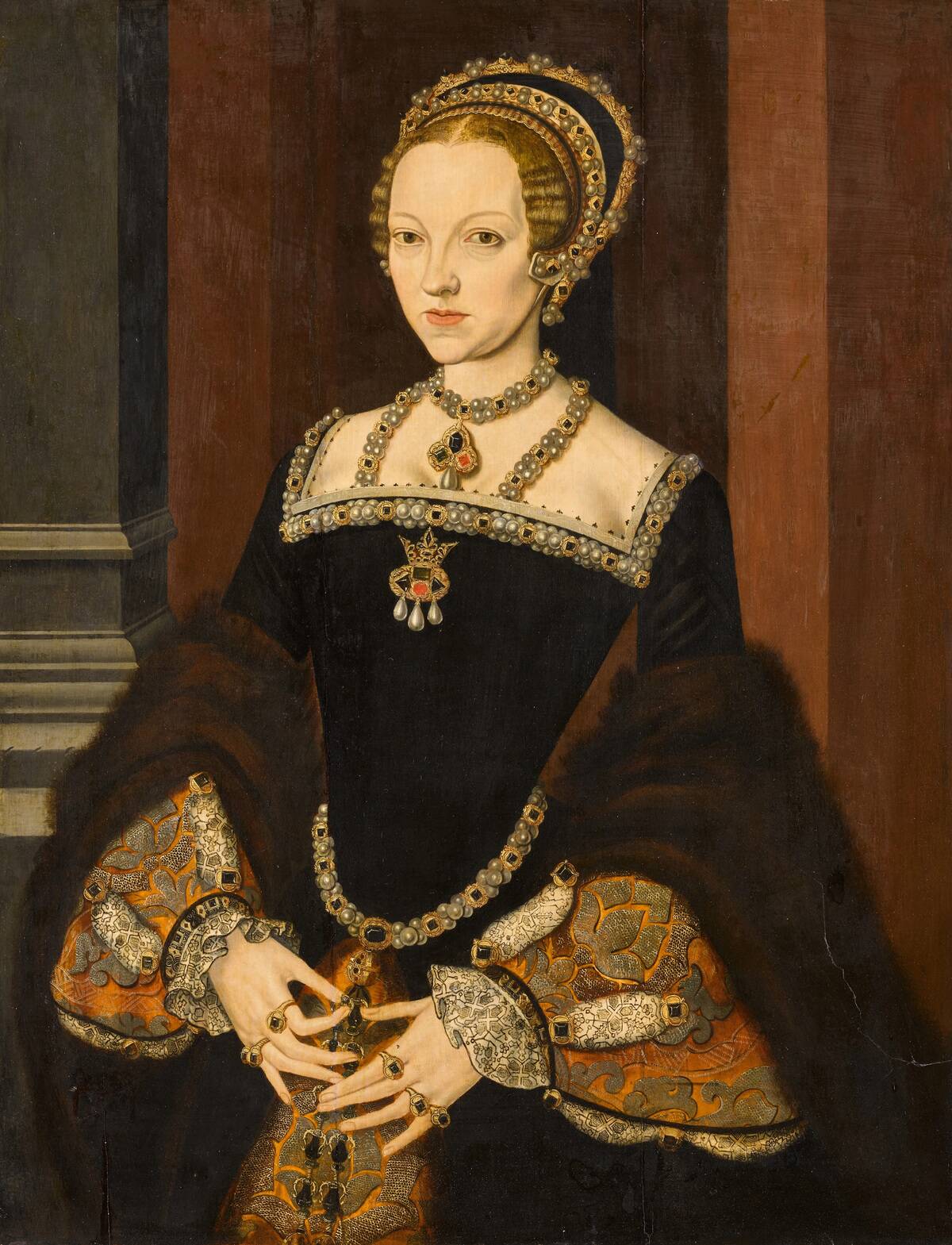
During Henry’s final years, Catherine Parr proved to be an indispensable partner. She acted as regent during his military campaigns, demonstrating her leadership capabilities. Catherine also encouraged Henry to restore his daughters, Mary and Elizabeth, to the line of succession, which had lasting implications for the Tudor dynasty.
Her advocacy for religious reform and education left a lasting impact, and she was instrumental in shaping the future of the English church. Catherine’s legacy was one of strength and perseverance.
The Legacy of Henry VIII’s Wives

The six wives of Henry VIII have left an indelible mark on history, each contributing uniquely to the Tudor legacy. Through their marriages, they influenced religion, politics, and culture in England. From Catherine of Aragon’s enduring faith to Anne Boleyn’s role in the Reformation, their stories have captivated generations.
The impact of their lives is evident in the shifts in power and policy that defined Henry’s reign. Their legacies continue to be explored and reinterpreted by historians and storytellers alike.
Popular Myths and Misconceptions About the Six Queens
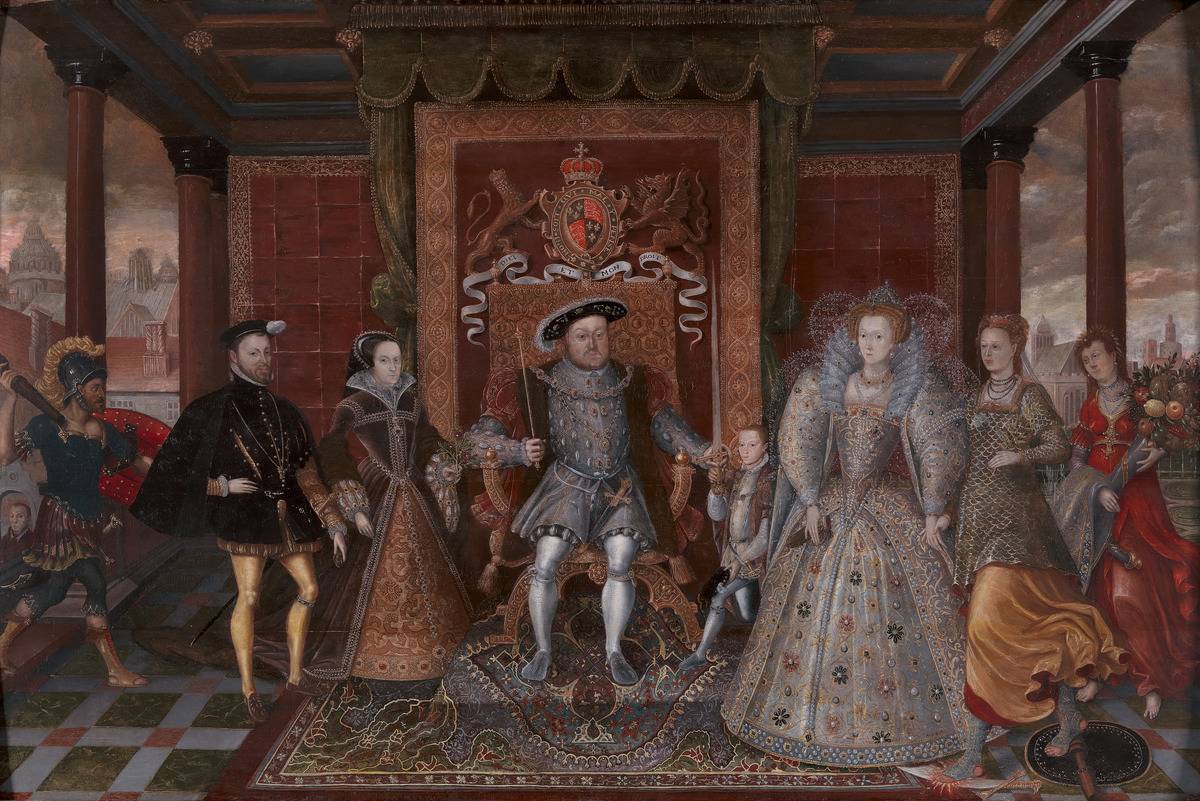
The stories of Henry VIII’s wives are often clouded by myths and misconceptions. One common myth is that Anne Boleyn had six fingers, a rumor likely spread by her enemies to discredit her. Another misconception is that Jane Seymour was meek and passive, when in fact, she wielded significant influence during her short reign.
Understanding these queens requires separating fact from fiction and recognizing the complex roles they played in a male-dominated society. Their true histories are far more nuanced than popular narratives suggest.
What We Can Learn from the Wives of Henry VIII
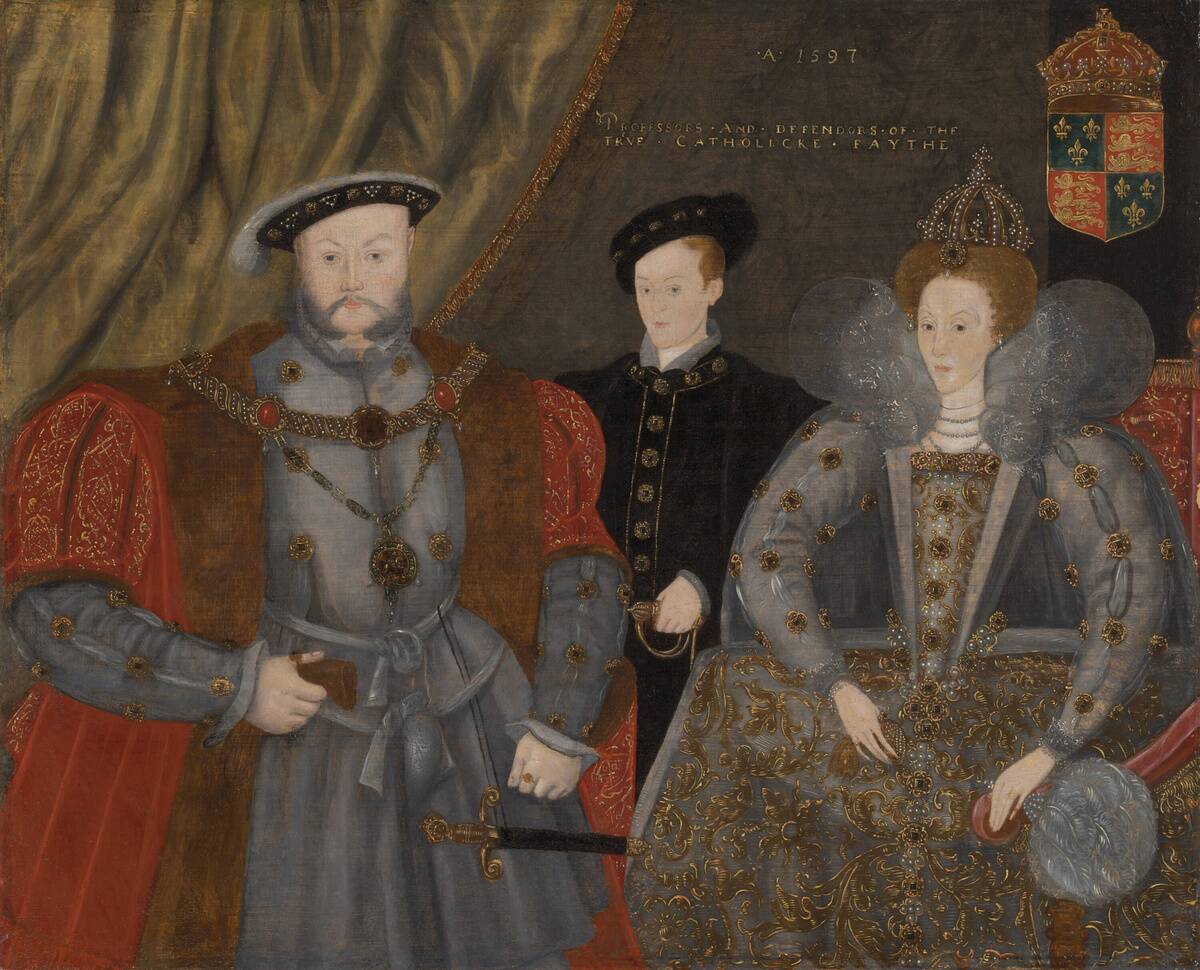
The experiences of Henry VIII’s wives offer valuable insights into resilience, power, and the complexities of human relationships. Their lives remind us of the challenges faced by women in history and the strength required to navigate them.
Each queen, with her unique story, demonstrates the impact of individual agency within the constraints of societal expectations. By studying their lives, we gain a deeper understanding of the past and its influence on present-day discussions about gender, power, and legacy.




