What glaciers reveal about Earth’s climate over the last 100,000 years
Glaciers are not just colossal ice structures; they’re nature’s frozen libraries. These frozen giants hold secrets of Earth’s climatic past, revealing stories that span millennia.
As climate change takes center stage, understanding glaciers becomes crucial. From ancient air to volcanic dust, they encapsulate a range of data. Let’s dive into the fascinating world of glaciers and uncover the truths they hold about our planet’s history and future.
The Science Behind Glacial Formation
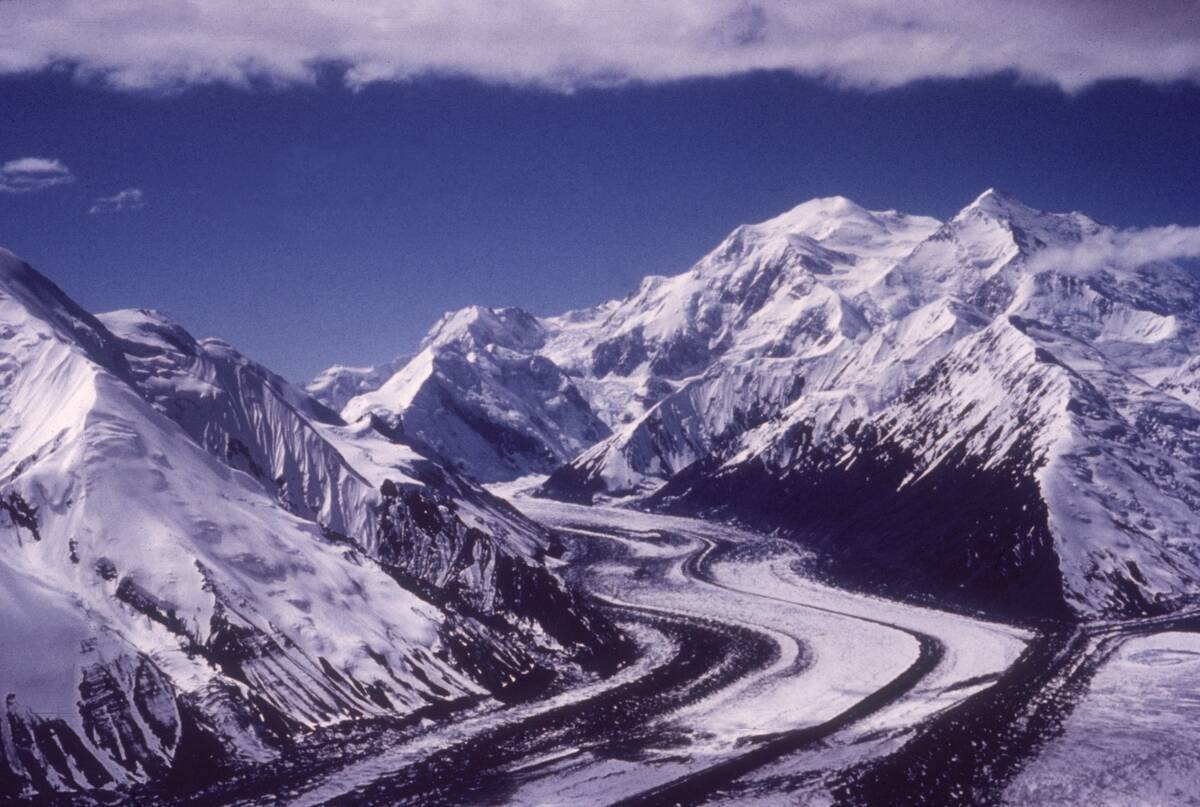
Glaciers form when snow accumulates over years, compressing into dense ice. This process occurs in areas where snowfall exceeds melting rates, primarily in polar regions and high mountains.
The pressure from the accumulating snow causes the snow beneath to recrystallize into firn, and eventually, into solid ice. Their formation is a delicate balance of temperatures and precipitation, which makes them sensitive indicators of climatic shifts.
A Trip Through Time: Glaciers as Natural Climate Archives
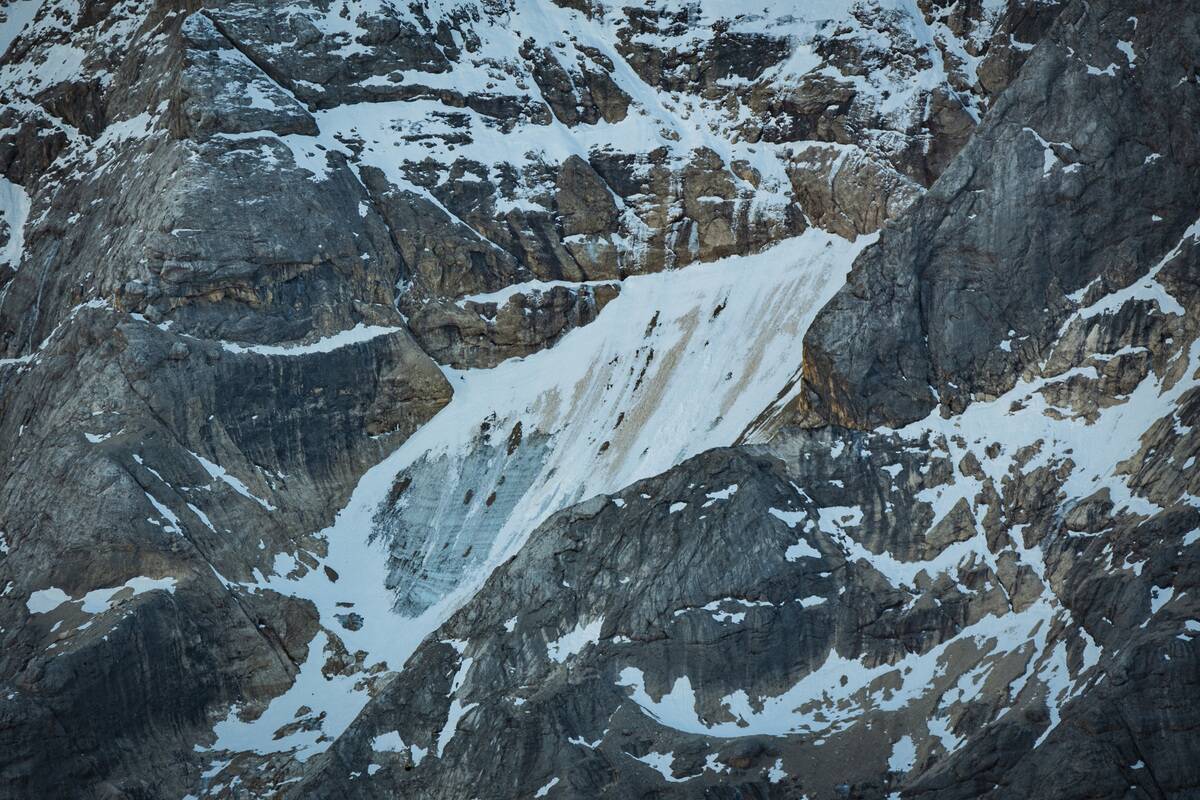
Glaciers serve as time capsules, preserving evidence of past climates. As layers of snow accumulate annually, they trap atmospheric particles and gases.
This layered structure allows scientists to study historical climate patterns, offering clues about periods of warming and cooling. By analyzing these layers, researchers can reconstruct climate conditions from thousands to even hundreds of thousands of years ago, providing a clearer picture of Earth’s climatic history.
Ice Core Sampling: Unlocking the Past Layer by Layer
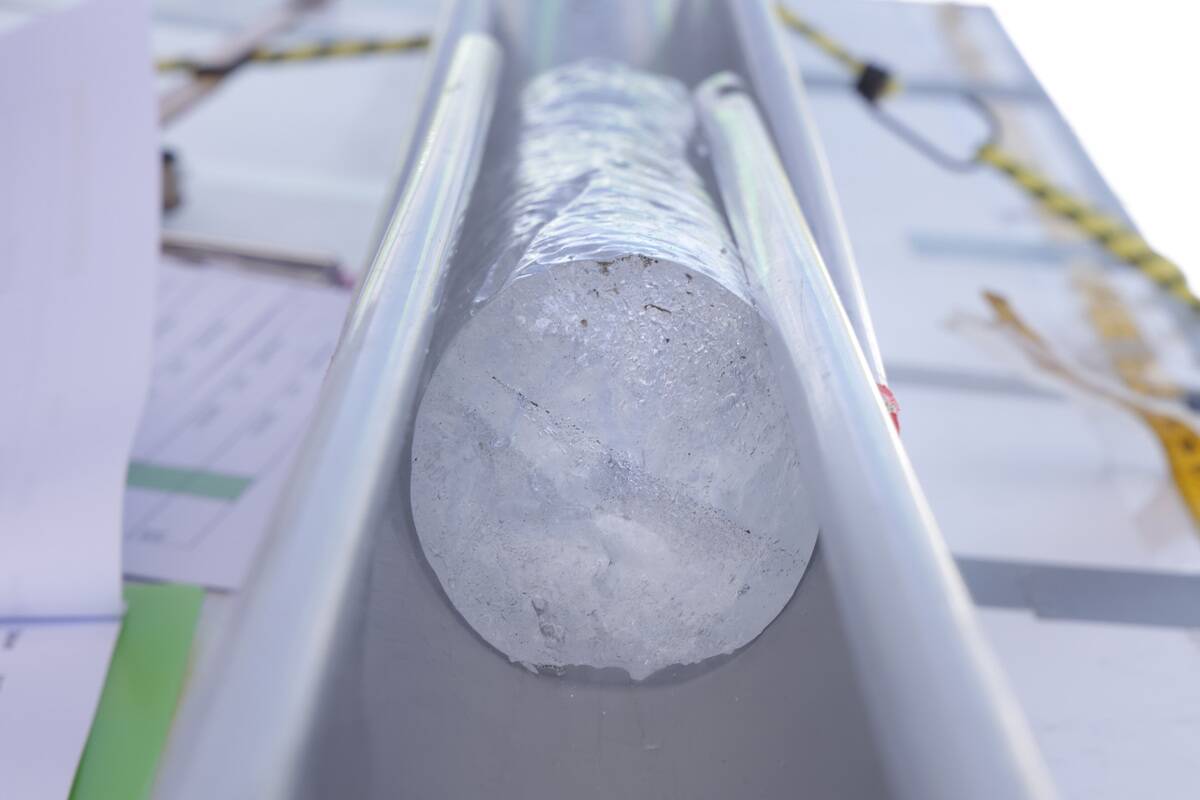
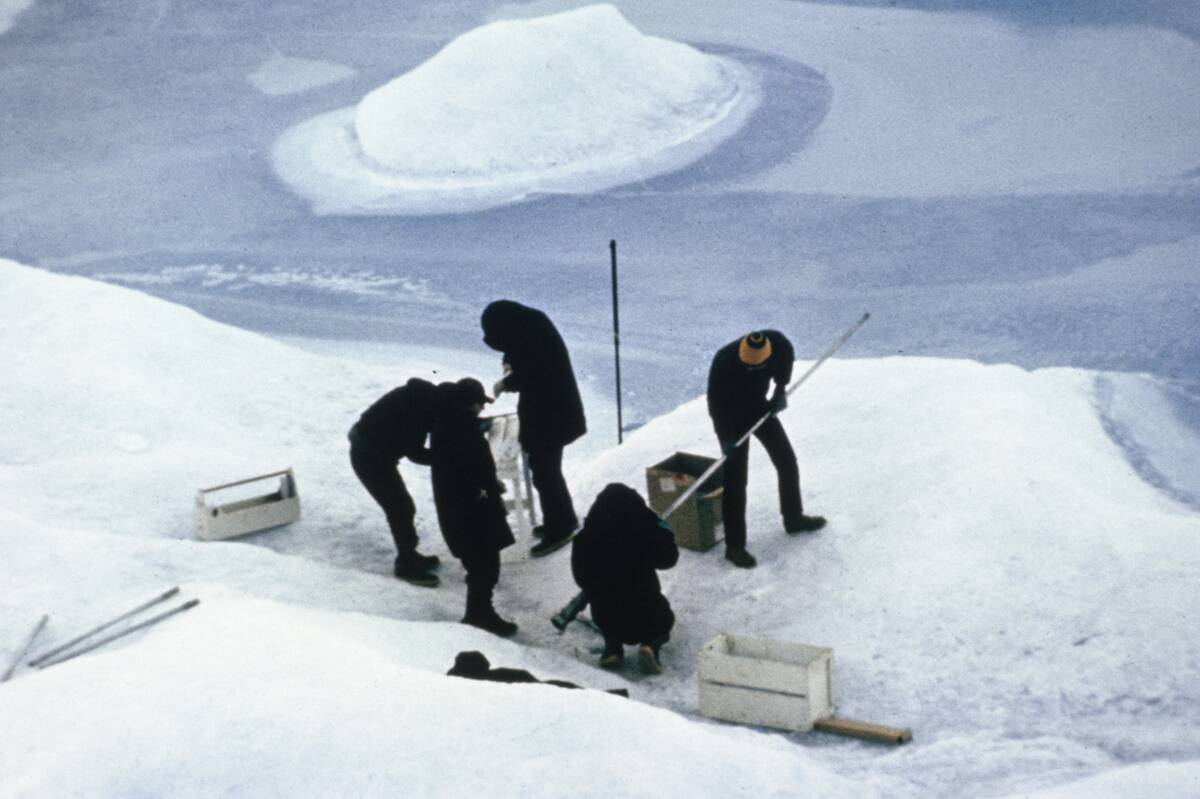
Ice core sampling is a key method for studying glaciers. Scientists drill deep into ice sheets to extract cores, which can be over two miles long. Each layer in these cores corresponds to a year or more of snowfall (depending on where it’s sourced), much like rings in a tree.
By examining the trapped gases and isotopes, researchers can glean insights into past atmospheric compositions, temperature fluctuations, and even volcanic eruptions. This method has revolutionized our understanding of climate change.
Ancient Air Bubbles: Capturing Earth’s Historical Atmosphere
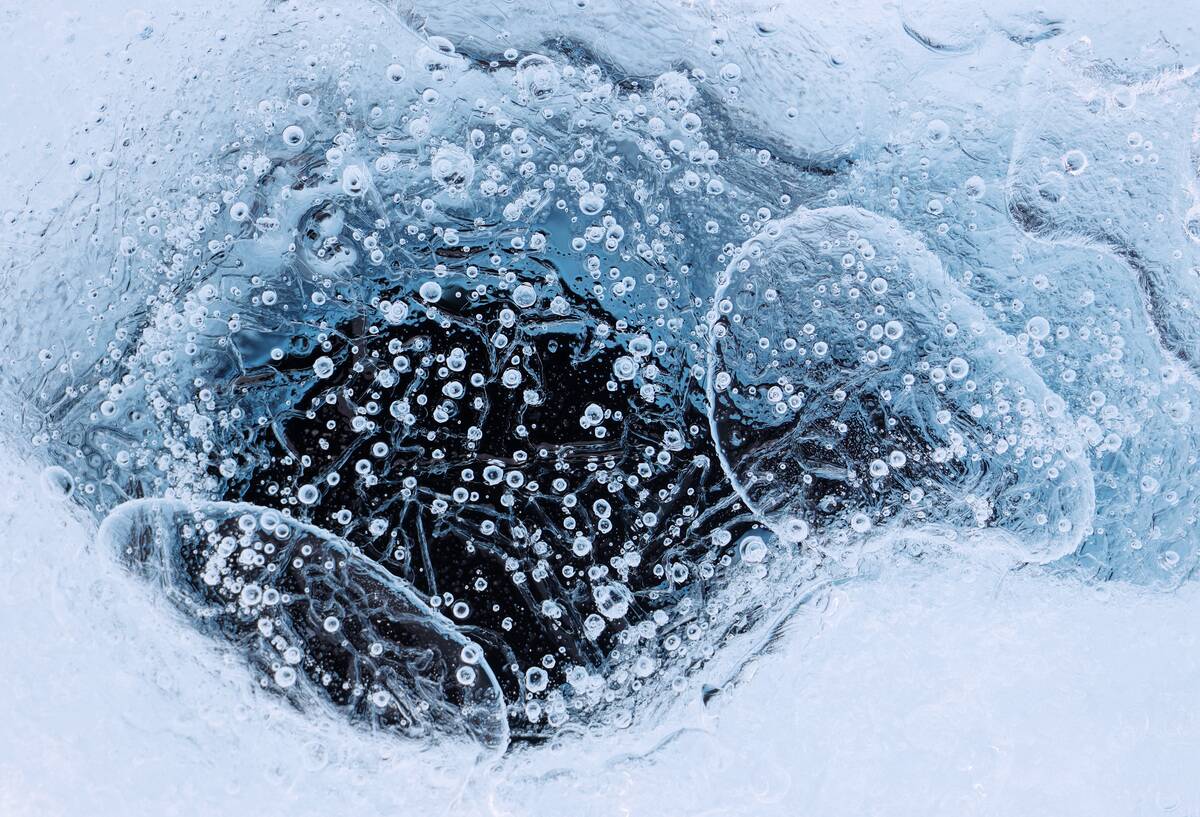
Within the layers of ice cores, tiny air bubbles are trapped, preserving samples of Earth’s atmosphere from centuries ago. These bubbles provide direct evidence of past atmospheric compositions, including greenhouse gas concentrations.
For example, analyses of these bubbles have shown lower levels of carbon dioxide during ice ages compared to interglacial periods. This data is crucial for understanding the natural variability of our climate and the impact of human activities.
What Isotopes Tell Us About Past Temperatures
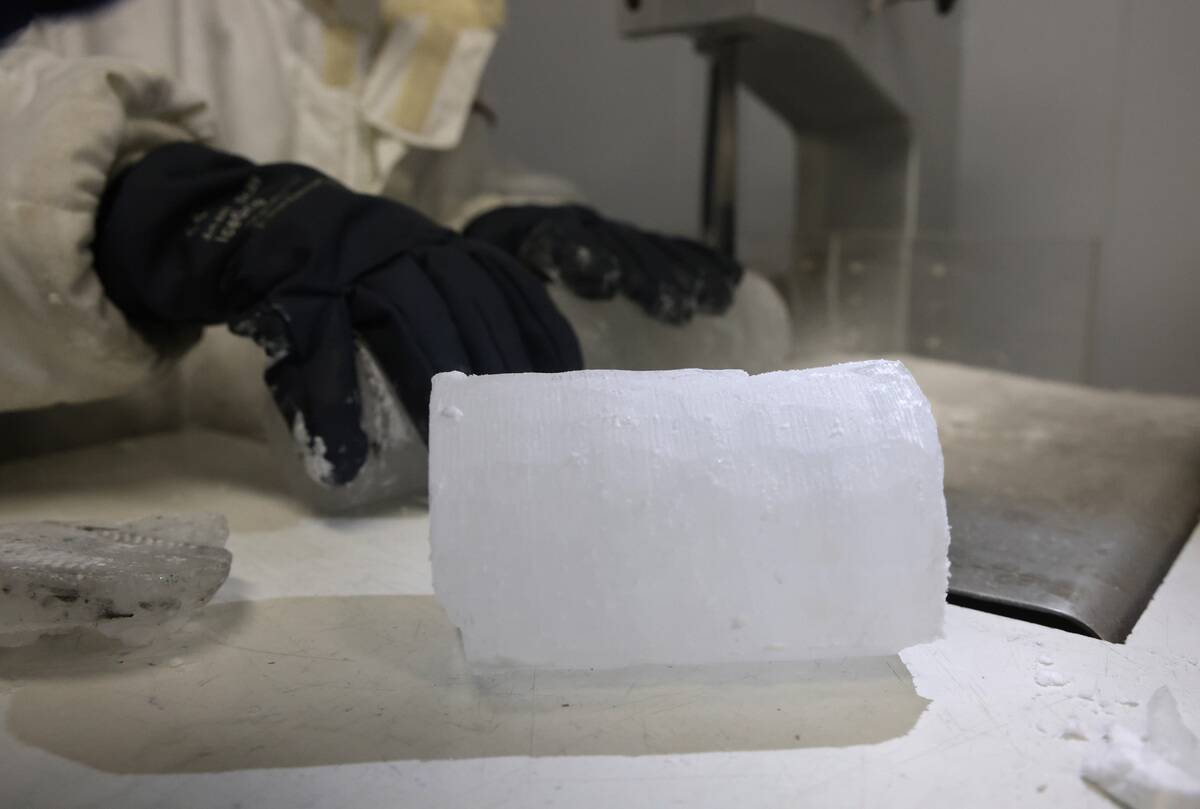
Isotopes in ice cores act as natural thermometers, revealing past temperatures. Oxygen isotopes, in particular, vary with temperature changes, providing a record of historical climate conditions.
During colder periods, the ratio of heavy to light oxygen isotopes decreases. By analyzing these ratios, scientists can reconstruct temperature patterns over thousands of years, helping us understand natural climate cycles and predict future trends.
How Glaciers Reflect Changes in Sea Levels
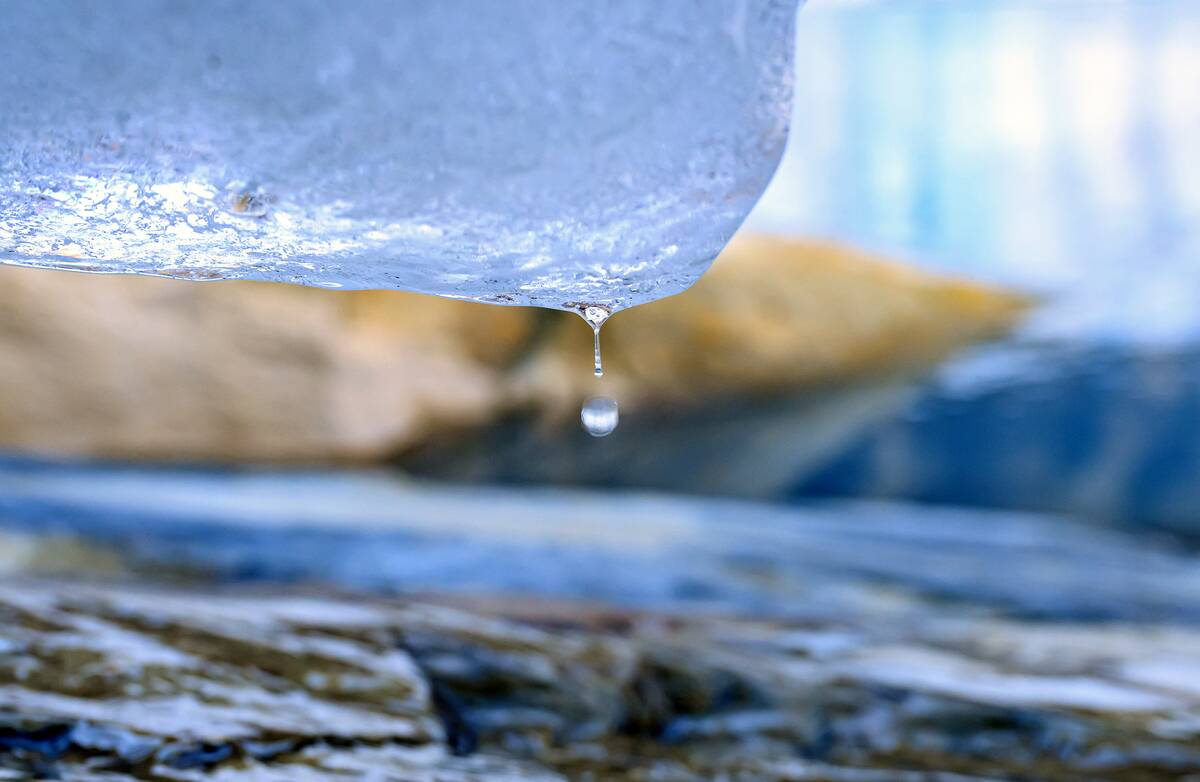
Glaciers have a direct impact on sea levels. When glaciers melt, they add freshwater to the oceans, causing sea levels to rise. Conversely, during glacial advances, sea levels drop as water is locked in ice.
This relationship is evident in geological records, where ancient shorelines indicate past sea levels. Understanding this dynamic helps scientists predict future changes as our planet continues to warm.
The Dance of Glaciers: Advances and Retreats Over Millennia
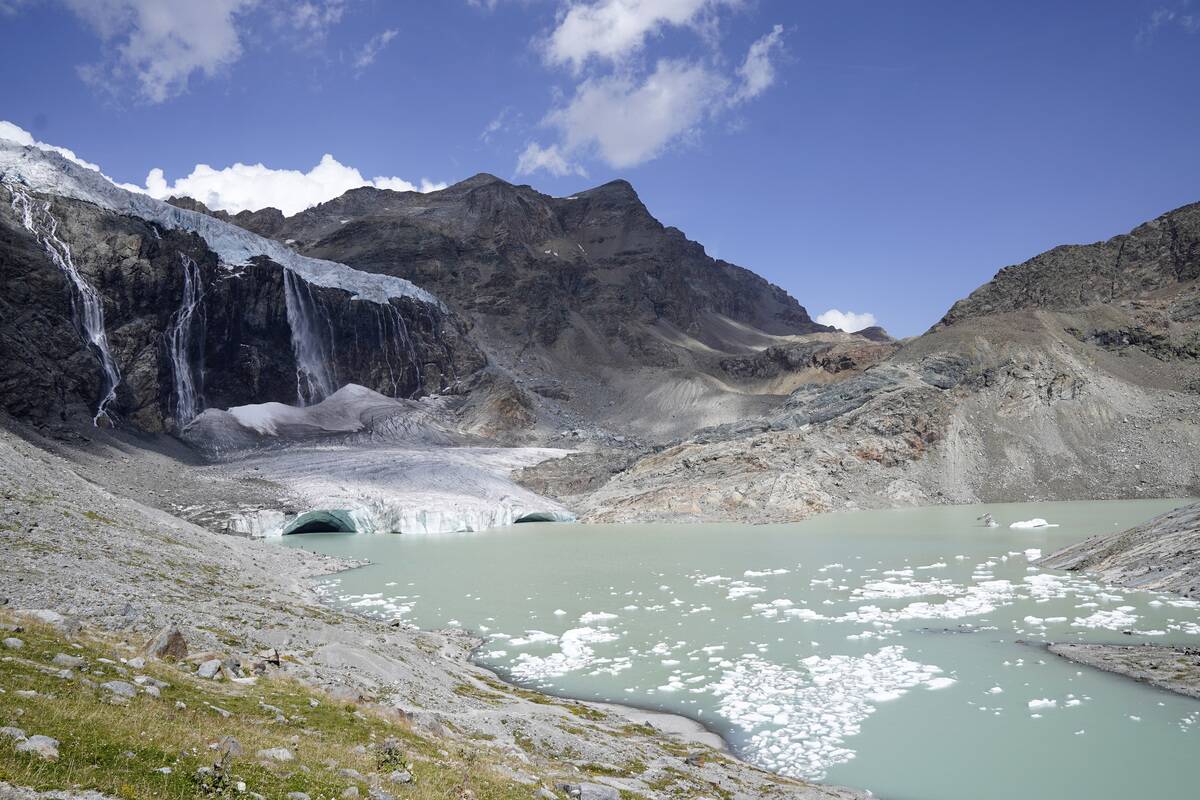
Glaciers are constantly on the move, advancing and retreating with climatic shifts. During colder periods, they expand, covering more land, while warmer phases see them retreat.
This dance is recorded in the geological features they leave behind, such as moraines and drumlins. Studying these patterns helps scientists understand the rhythms of Earth’s climate, offering insights into how glaciers will respond to ongoing global warming.
Glacial Periods vs. Interglacial Periods: A Balancing Act

Earth’s climate oscillates between glacial and interglacial periods, driven by natural factors like orbital changes and greenhouse gas levels. Glacial periods are marked by extensive ice coverage and cooler temperatures, while interglacial periods feature warmer climates and reduced ice.
These cycles play a crucial role in shaping our environment, influencing everything from sea levels to biodiversity. Understanding this balance is key to predicting future climatic shifts.
The Role of Glaciers in Detecting Past Volcanic Activity
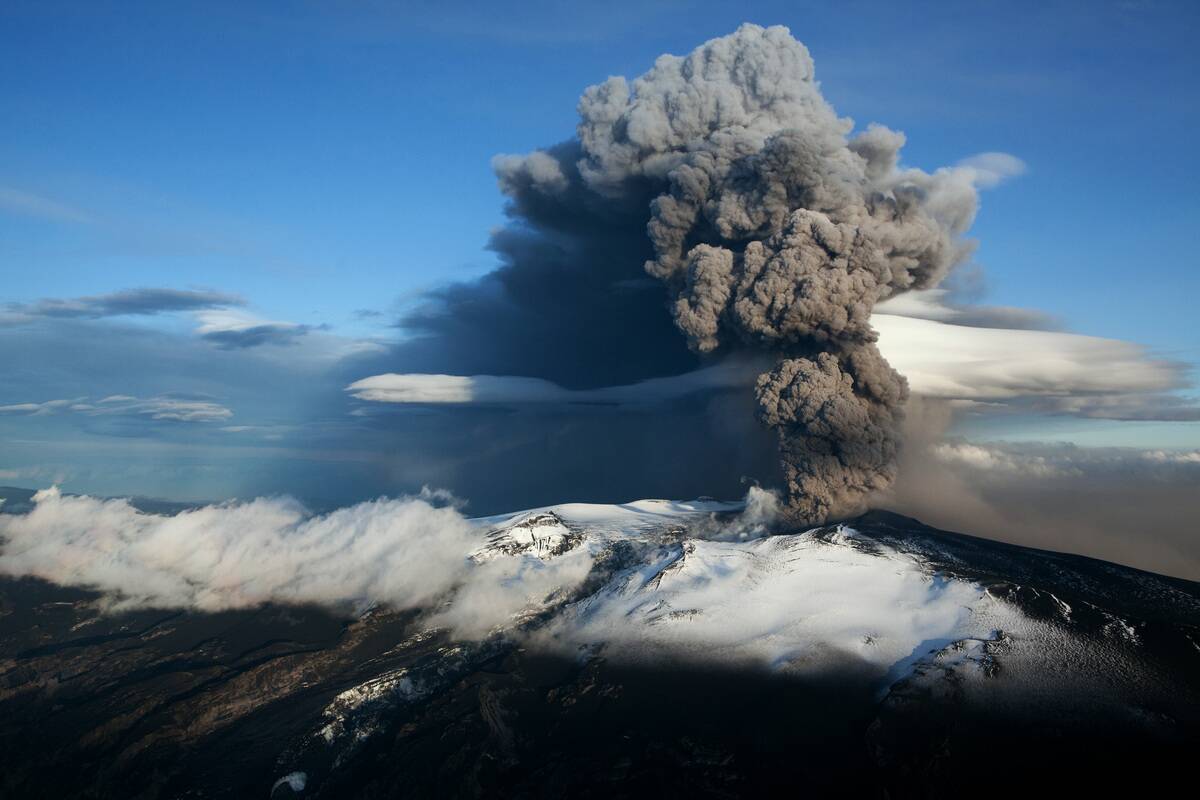
Volcanic eruptions leave distinct markers in glacier ice. Ash and sulfuric acid from eruptions settle on glaciers, creating identifiable layers. These layers provide a timeline of past volcanic activity, which can be correlated with climatic changes.
Volcanic eruptions can influence global temperatures by injecting particles into the atmosphere, reflecting sunlight. By examining glacier records, scientists can better understand the interplay between volcanic activity and climate.
Dust Deposits: Painting a Picture of Ancient Climates
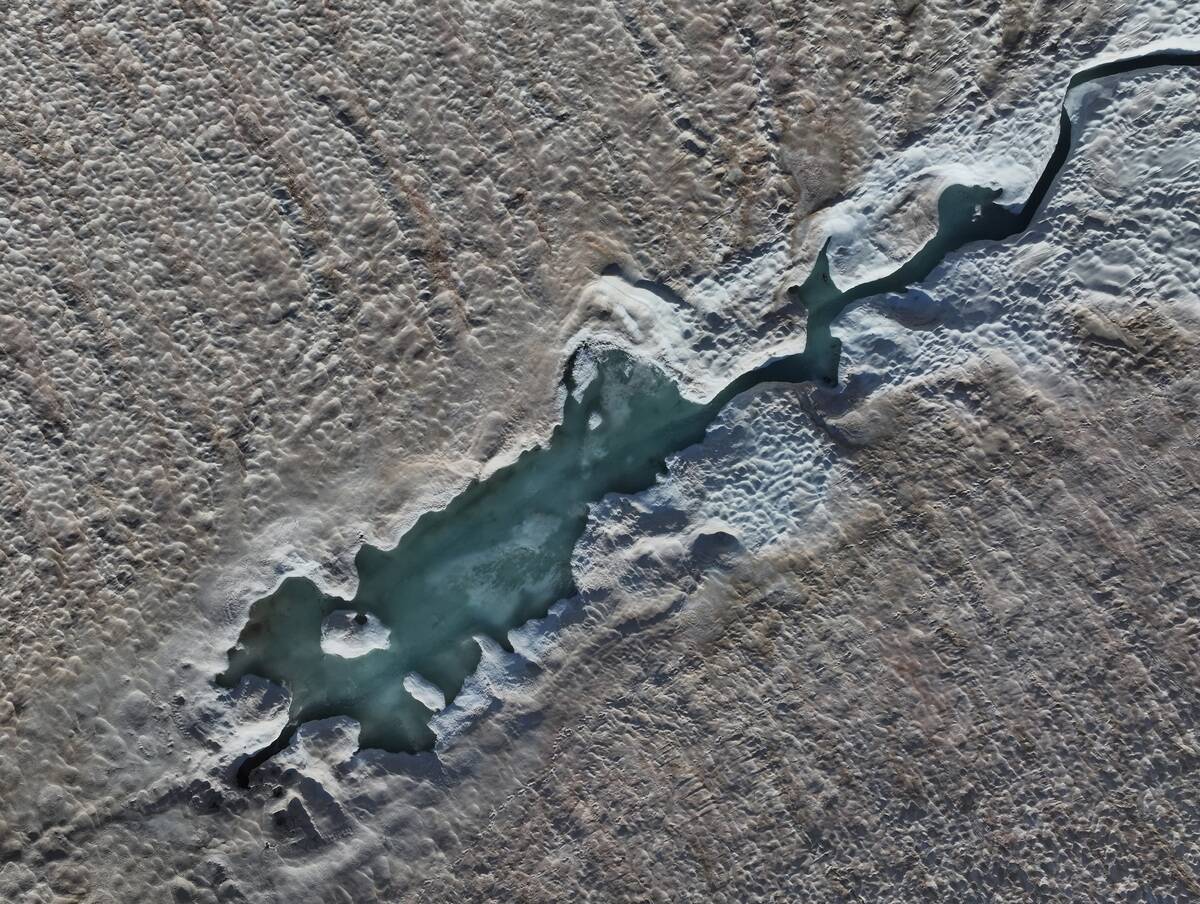
Dust trapped in glaciers offers clues about ancient climates. Wind-blown dust travels great distances and settles on ice, where it becomes part of the glacial record.
Variations in dust layers reveal changes in wind patterns and aridity, which are linked to broader climate conditions. Studying these deposits helps scientists piece together past environmental changes, shedding light on the Earth’s climatic history and influencing our understanding of future trends.
Discoveries from Greenland: A Frozen Time Capsule
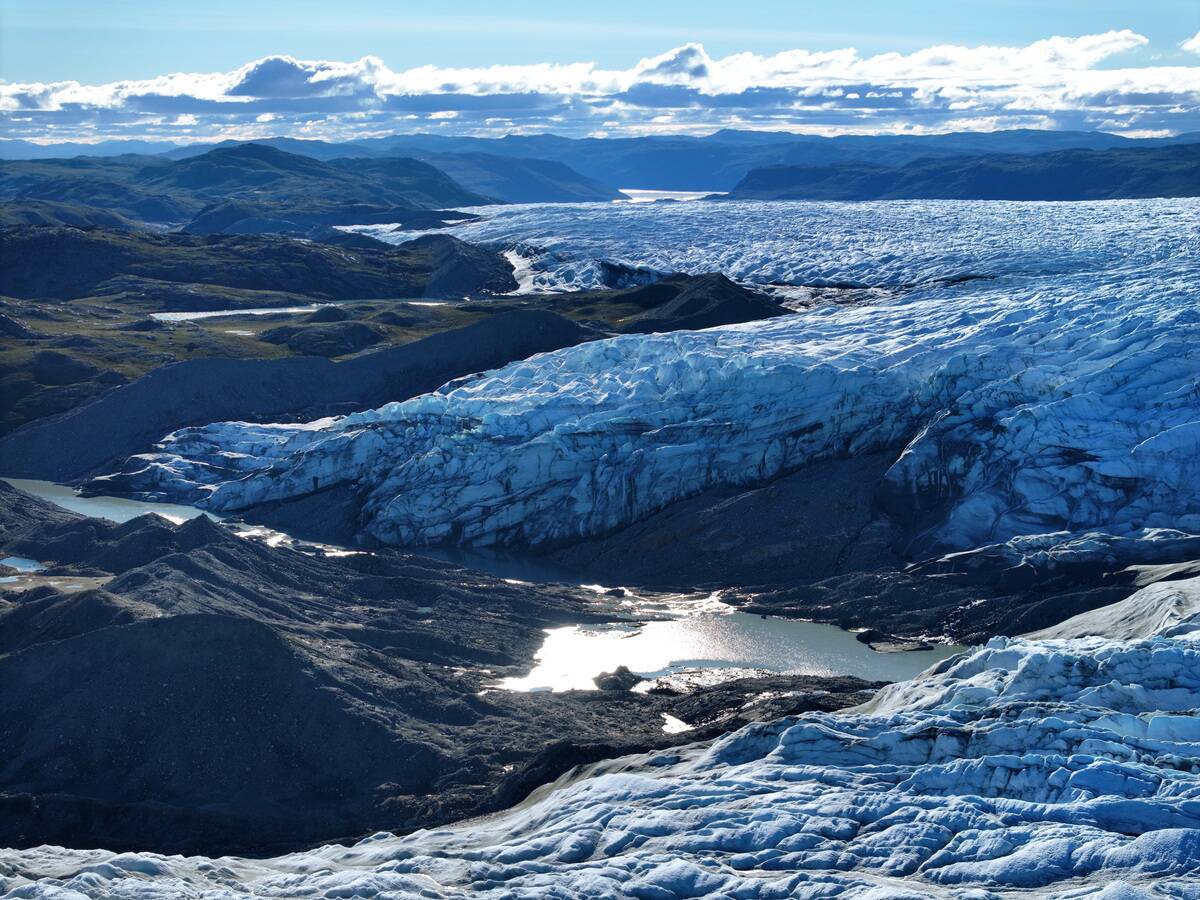
Greenland’s ice sheet is a treasure trove of climate data. Ice cores from Greenland have provided insights into temperature fluctuations and atmospheric composition over the last 100,000 years.
These discoveries have revealed rapid climate shifts, known as Dansgaard-Oeschger events, which occurred during the last glacial period. Greenland’s ice continues to be a vital resource for understanding past climates and informing current climate models.
Antarctica’s Hidden Climate Chronicles
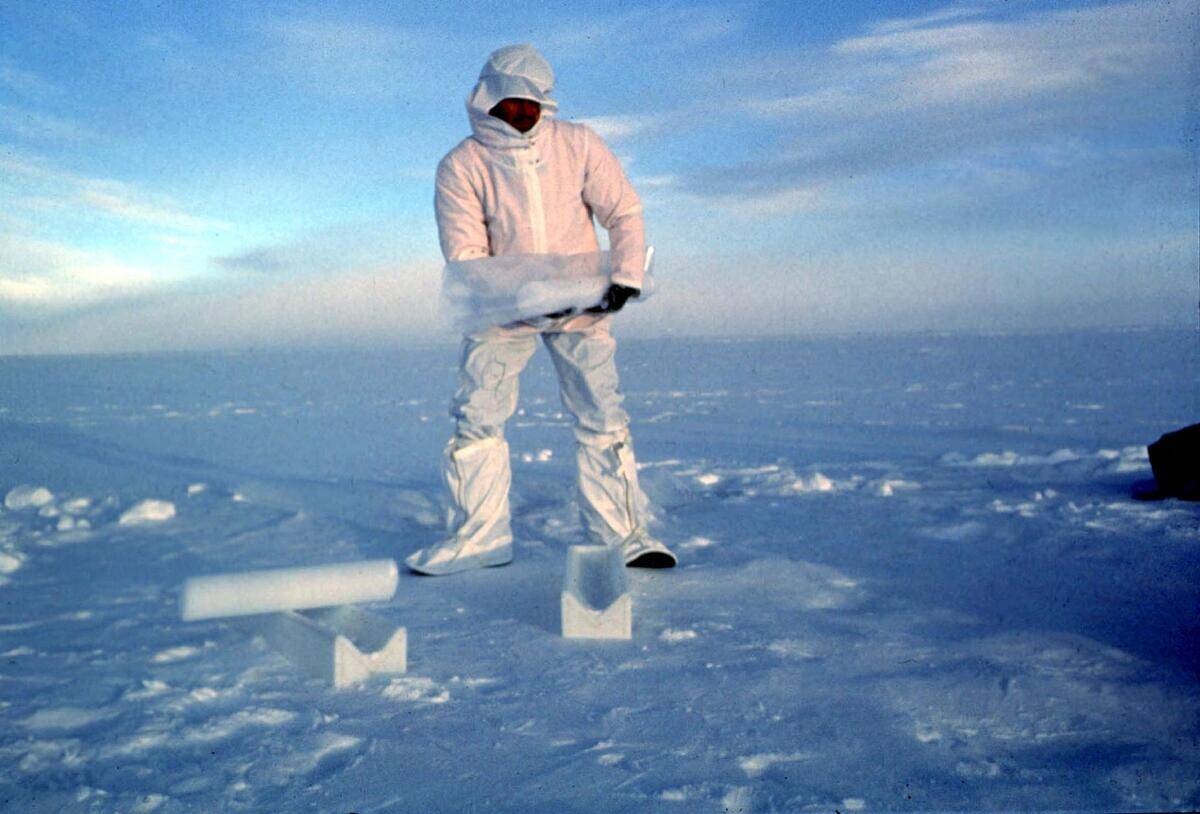
Antarctica’s vast ice sheets hold some of the oldest climate records on Earth. Ice cores from this region have captured atmospheric data going back over six million years.
These records have shown the cyclical nature of ice ages and interglacial periods, as well as the impact of greenhouse gases on global temperatures. Antarctica’s ice is crucial for understanding long-term climate trends and the potential consequences of current warming.
Glacial Melt and the Tale of Earth’s Warming Trend
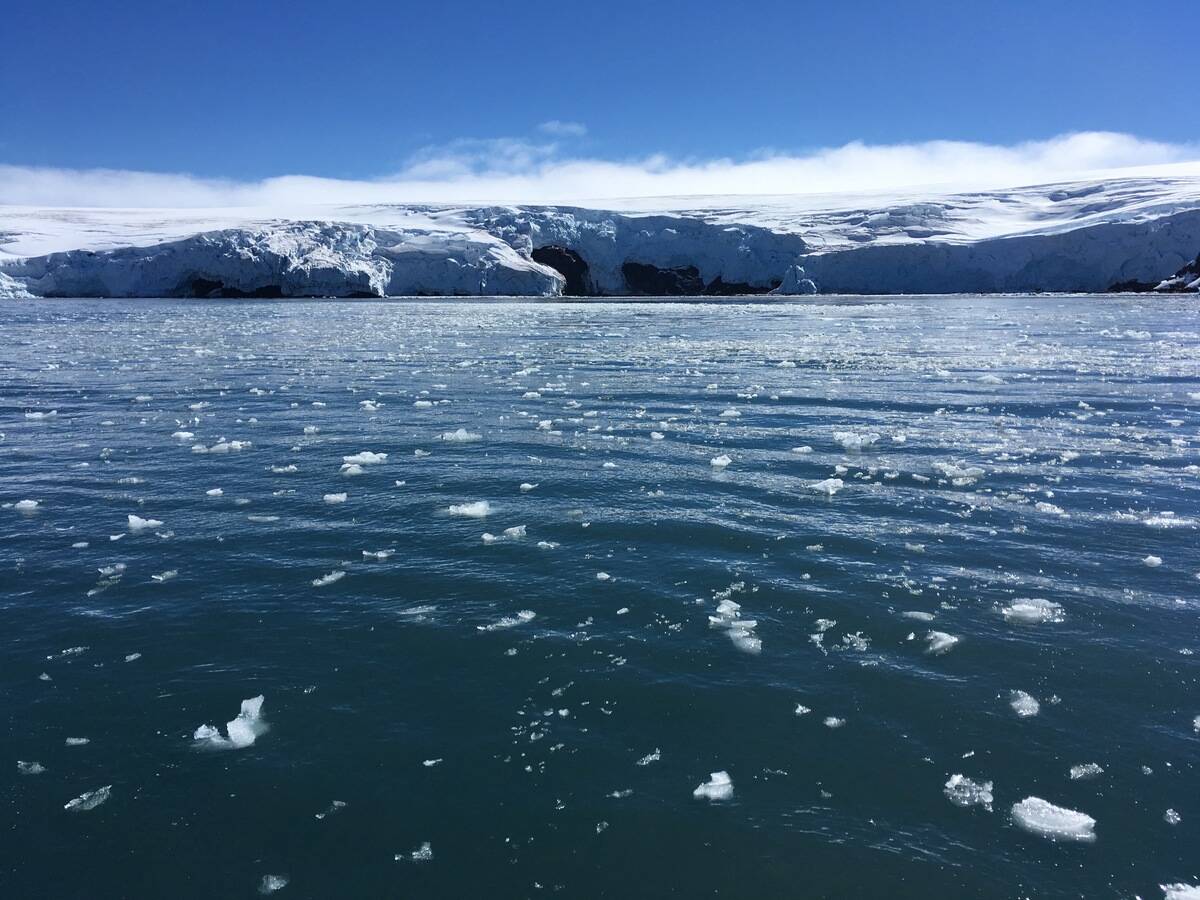
Glacial melt is a clear indicator of Earth’s warming trend. As global temperatures rise, glaciers around the world are retreating at unprecedented rates.
This melt contributes to rising sea levels and alters freshwater availability, affecting ecosystems and human communities. By studying glacial melt patterns, scientists can track the pace of climate change and its far-reaching impacts, emphasizing the urgency of addressing global warming.
How Glacial Studies Influence Climate Models Today

Glacial research plays a pivotal role in refining climate models. Data from ice cores and glacial movements provide critical insights into past climate dynamics, which are used to improve predictions of future climate scenarios.
These models help scientists and policymakers understand potential impacts of climate change, guiding efforts to mitigate its effects. As glaciers continue to reveal their secrets, they remain essential to shaping our response to global warming.
The Impact of Human Activity on Glacial Evidence
Human activity is leaving its mark on glaciers, altering the evidence they hold. Increased greenhouse gas emissions are accelerating glacial melt, potentially obscuring historical climate records.
Pollution and land use changes also affect the layers of ice, introducing new variables into the climatic data. Understanding these impacts is crucial for accurately interpreting glacial records and assessing the extent of human influence on the climate.