Wars that ended for surprisingly small reasons
History loves a grand cause, but it also has a soft spot for anticlimax. Some conflicts burn hot, then sputter out because of a pig, a pastry bill, or a dented kitchen utensil. We’ve got 19 episodes where saber‑rattling meets small print, and treaties are hammered out over details that sound like punchlines.
Think of this as a tour of the world’s most peculiar ceasefires. Expect arbitration by a German kaiser, a League of Nations wrist‑slap, and an army calling it quits against birds. The common thread: cooler heads cashing out over curiously specific terms.
The Pig War ends with a Kaiser’s arbitration and a polite stand-down
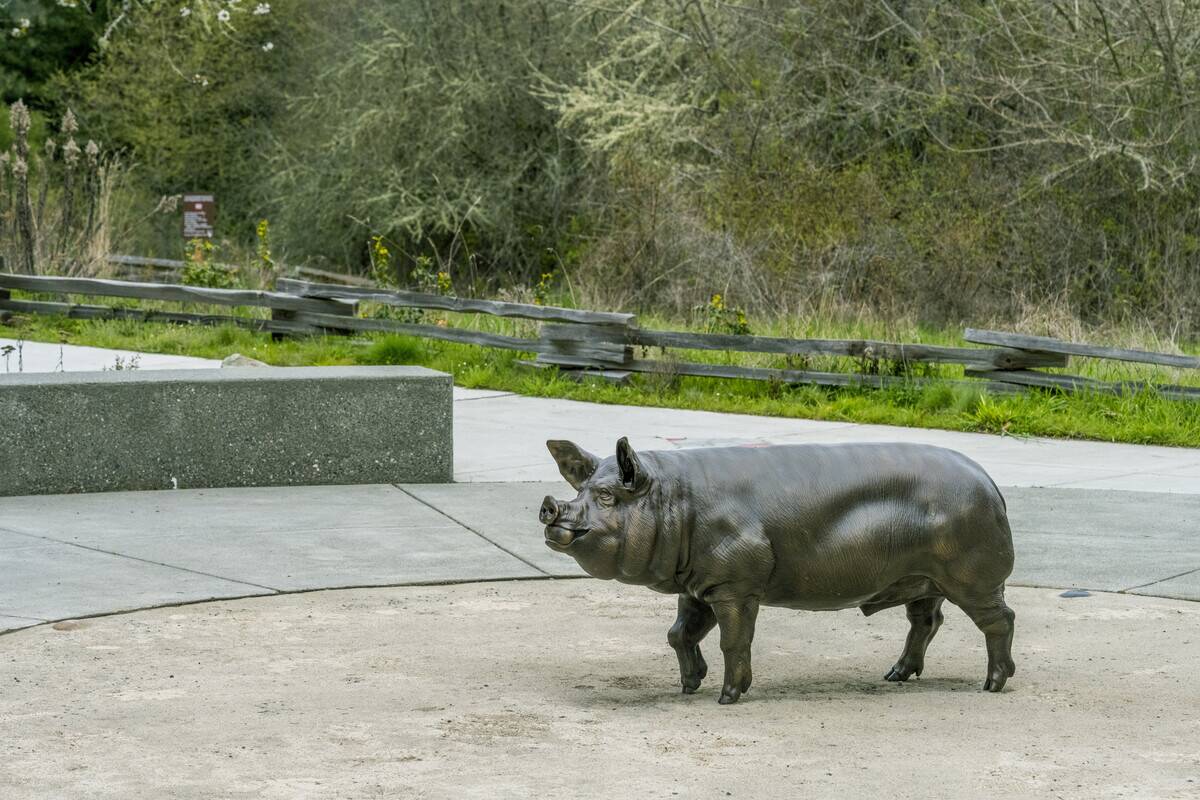
In June 1859, an American settler shot a British-owned pig on San Juan Island, igniting an Anglo-American boundary dispute between Vancouver Island and Washington Territory. U.S. Captain George Pickett landed troops, and British warships arrived under Rear Admiral Robert Baynes, who refused to start a war “over a pig.”
For months, both sides faced off cautiously. The standoff ended in 1872 when Kaiser Wilhelm I ruled in favor of the United States, awarding the islands to Washington Territory. The Royal Marines withdrew quietly, leaving the pig as the only casualty.
The Pastry War wraps once Mexico cuts a check for a dessert bill
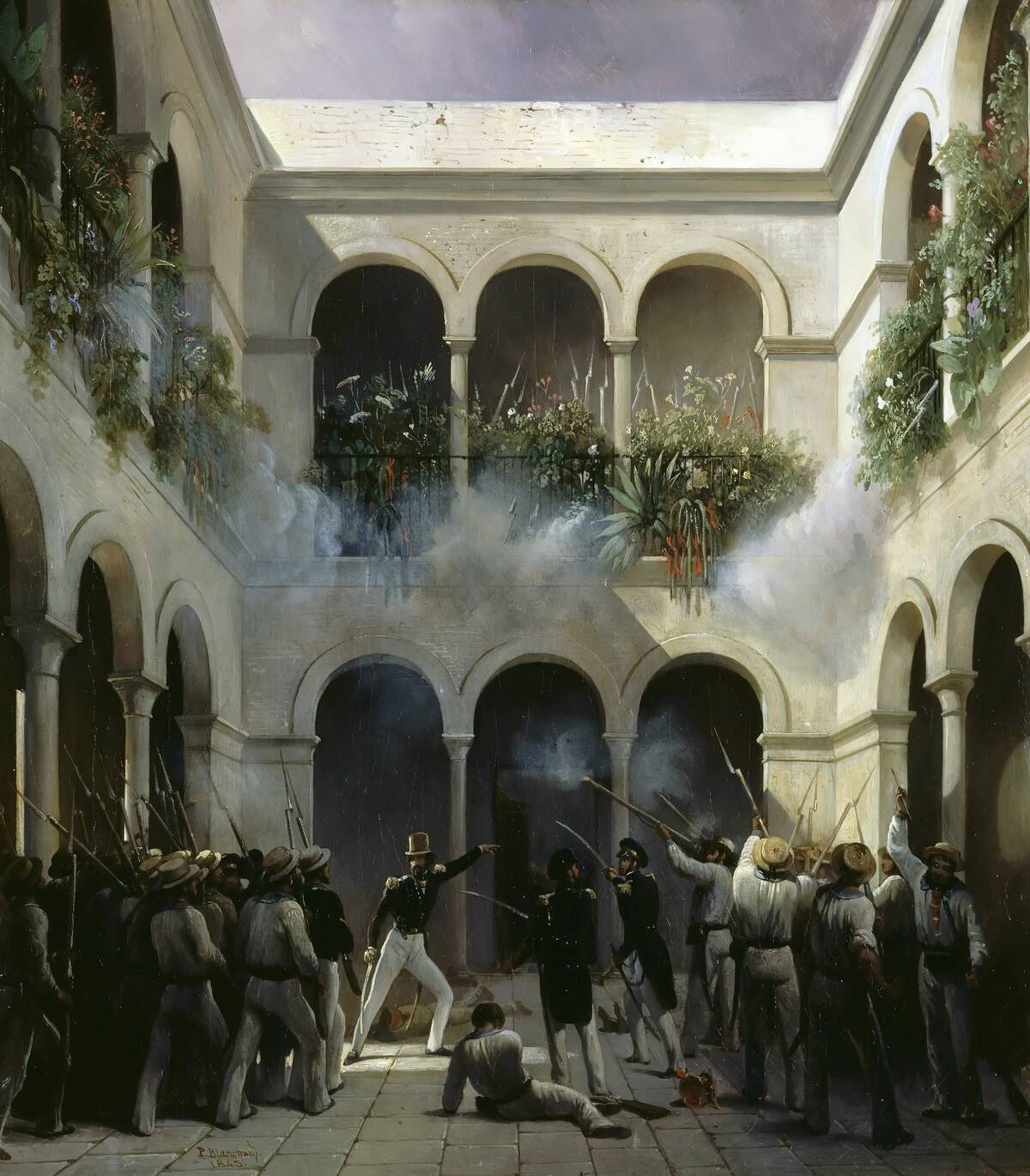
It began with a pastry chef in Mexico City, Monsieur Remontel, whose shop was reportedly looted amid unrest. France demanded compensation of 600,000 pesos in 1838. Admiral Charles Baudin’s fleet blockaded Veracruz and bombarded the fortress of San Juan de Ulúa. Antonio López de Santa Anna rushed to the defense and lost a leg to cannon fire.
The solution was as prosaic as the spark: pay up. With British mediation, Mexico agreed in 1839 to settle the claims. A pastry shop dispute had, improbably, drawn fleets and generals into action, then ended with a receipt.
The War of the Stray Dog stops after a League of Nations scolding and a small fine
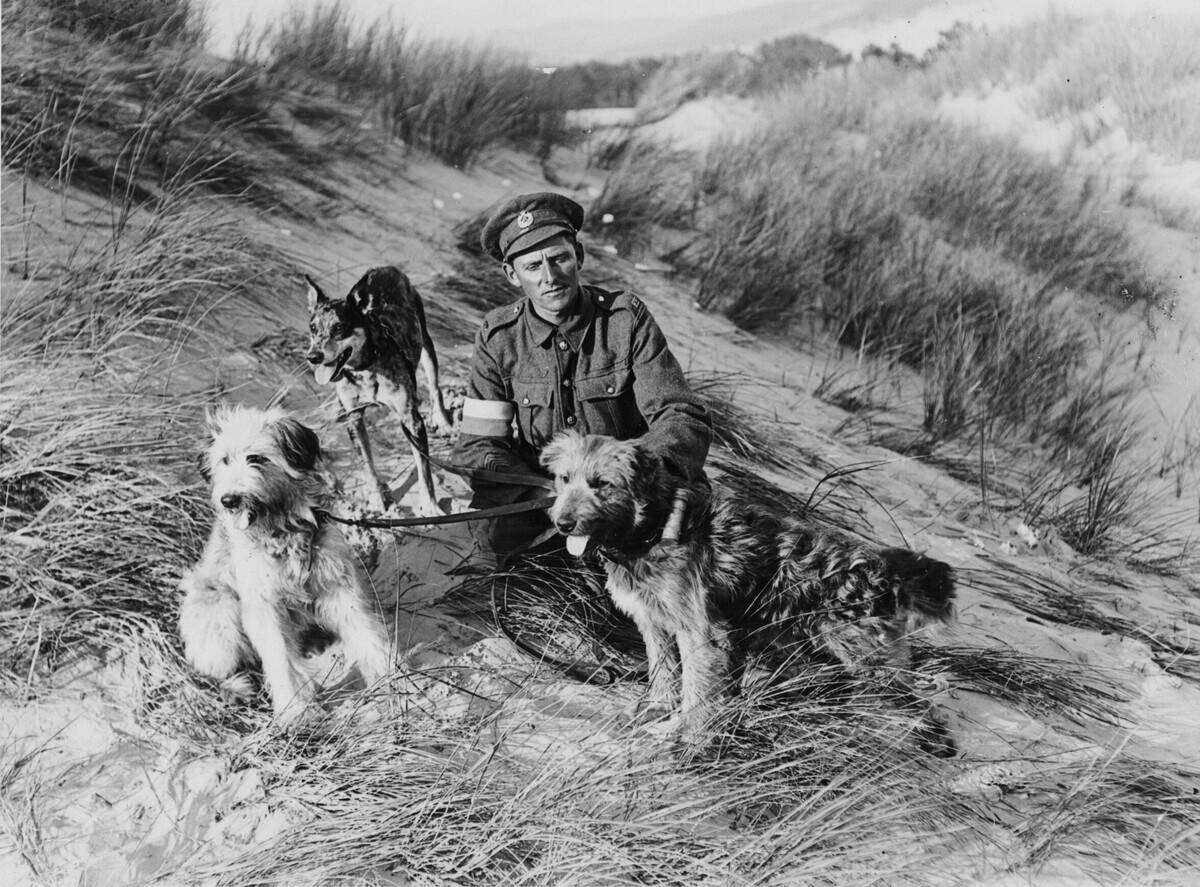
In October 1925, along the tense Greek‑Bulgarian border near Petrich, a Greek soldier reportedly chased a runaway dog across the line and was shot. Athens responded with troops, skirmishes flared, and civilians fled. Bulgaria appealed to the League of Nations as Greek forces advanced
The League acted quickly, ordering a ceasefire, international observers, and a Greek withdrawal. It found Greece responsible for the incursion and assessed a £45,000 compensation to Bulgaria. No grand victory parades followed; just a bill, a reprimand, and a de‑escalation blueprint that worked.
The War of the Oaken Bucket peters out when Modena keeps the pail and everyone moves on
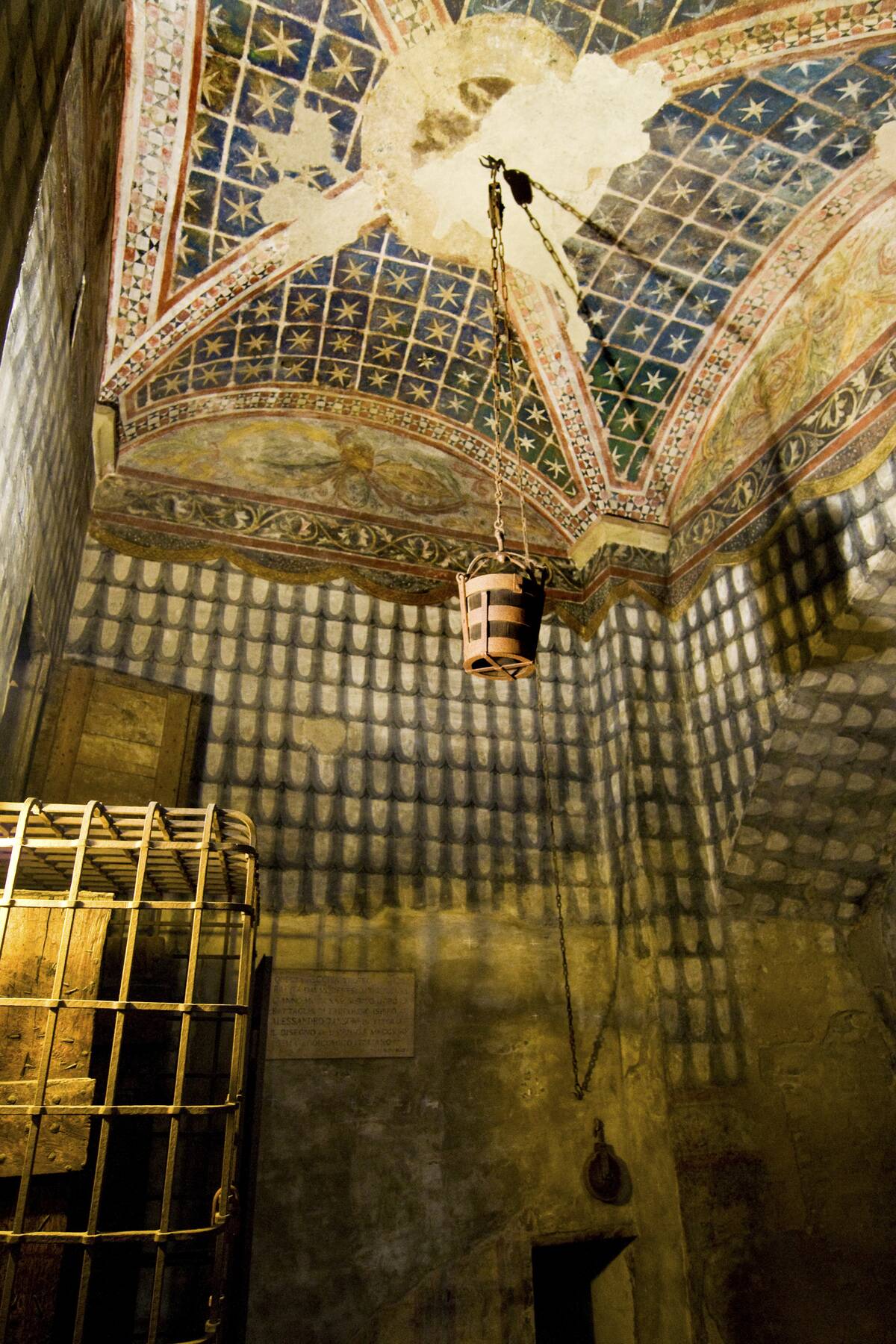
In 1325, soldiers from Modena nabbed a bucket from a public well in rival Bologna. The cities already clashed along Guelph (Bologna) and Ghibelline (Modena) lines; the bucket became a taunt and a banner. The quarrel crescendoed at the Battle of Zappolino on November 15, 1325, where Modena routed Bologna in a brisk medieval melee.
After the dust, Modena kept the trophy. To this day, an oaken bucket, celebrated as the one, is displayed in Modena near the Torre della Ghirlandina. Historians note the feud’s deeper politics, but the legend stuck: a war with a household souvenir as its emblem.
Brazil’s Lobster War snaps shut when France decides crustaceans aren’t worth it
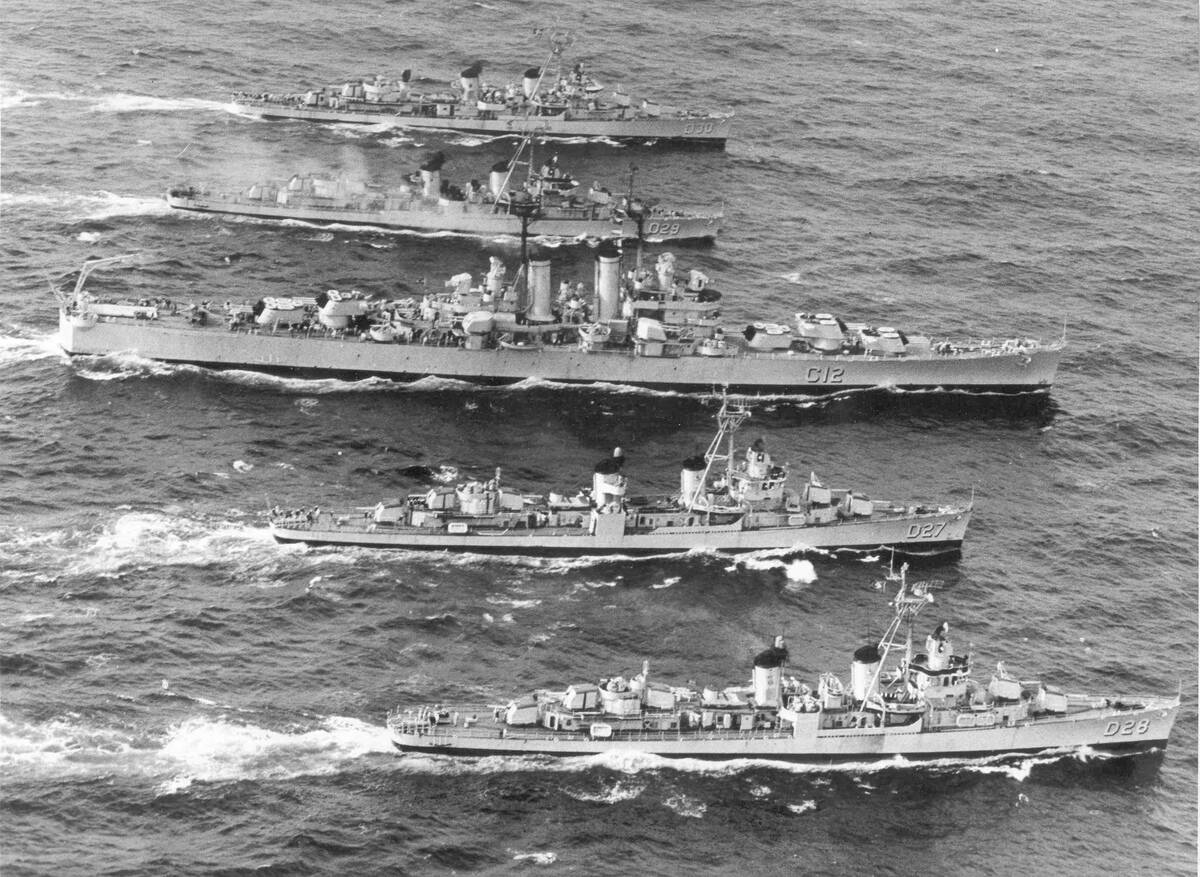
Off Brazil’s northeast in the early 1960s, French boats chased spiny lobsters; Brazil insisted the crustaceans “walked” on the continental shelf and thus fell under its jurisdiction. France countered that lobsters “swam” like fish on the high seas. Paris even dispatched warships, including the destroyer Tartu, prompting Brazil to sortie its navy.
The argument was as biological as it was legal, riffing on the 1958 Geneva Convention on the Continental Shelf. In 1963, after tense patrols and diplomatic sparring, both sides reached a practical understanding: temporary French access was allowed under Brazilian terms, and by the following year France withdrew.
The Cod Wars cool when Britain yields more sea to Iceland to keep NATO harmony
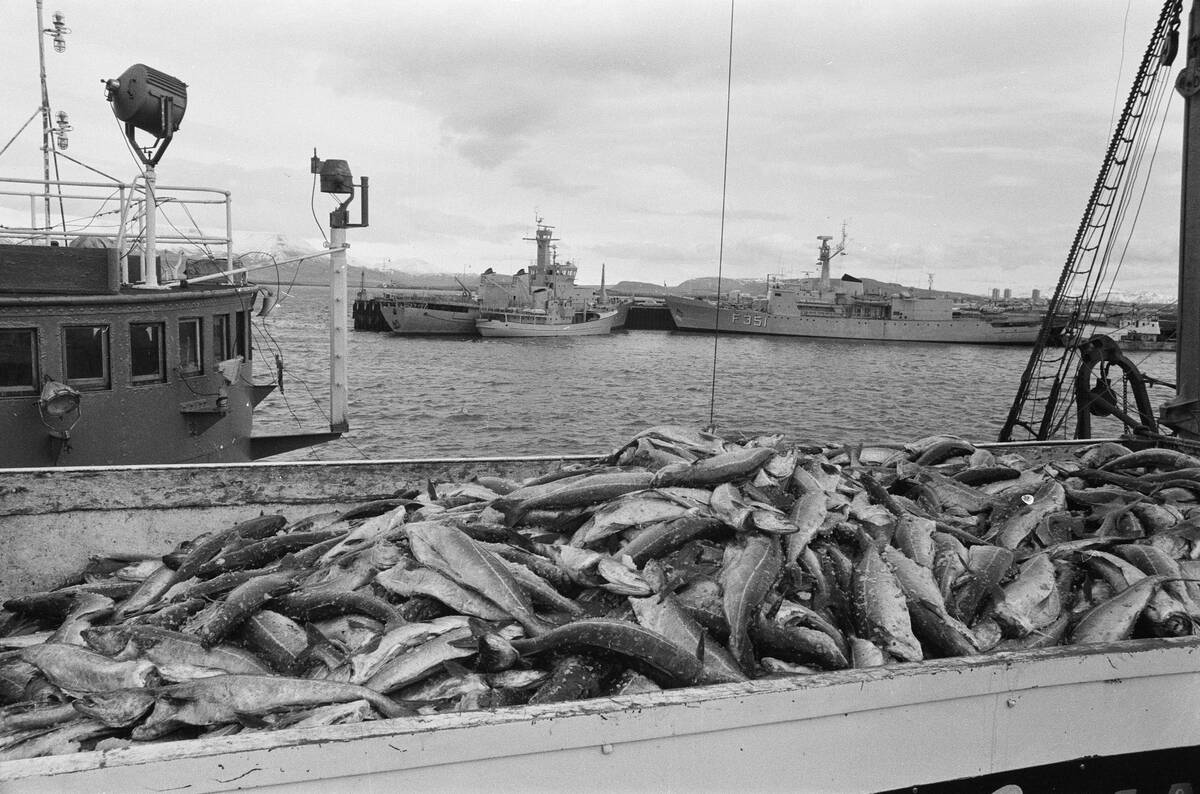
From 1958 to 1976, three separate “Cod Wars” pitted Iceland’s expanding fishing limits against British trawlers. Reykjavik unilaterally moved from 12 to 50 to 200 nautical miles; its small coast guard snipped trawl warps, while Royal Navy frigates shielded British fleets. Rammings dented hulls and egos in the North Atlantic fog, threatening a family feud inside NATO.
The bigger alliance finally mattered more than fish. In 1976, Britain recognized Iceland’s 200‑mile zone, essentially anticipating today’s global Exclusive Economic Zone standard. Iceland dropped threats to close the Keflavík air base or quit NATO, trawlers retreated, and the collisions stopped.
The Aroostook “Pork and Beans” War dissolves into a boundary survey and a handshake
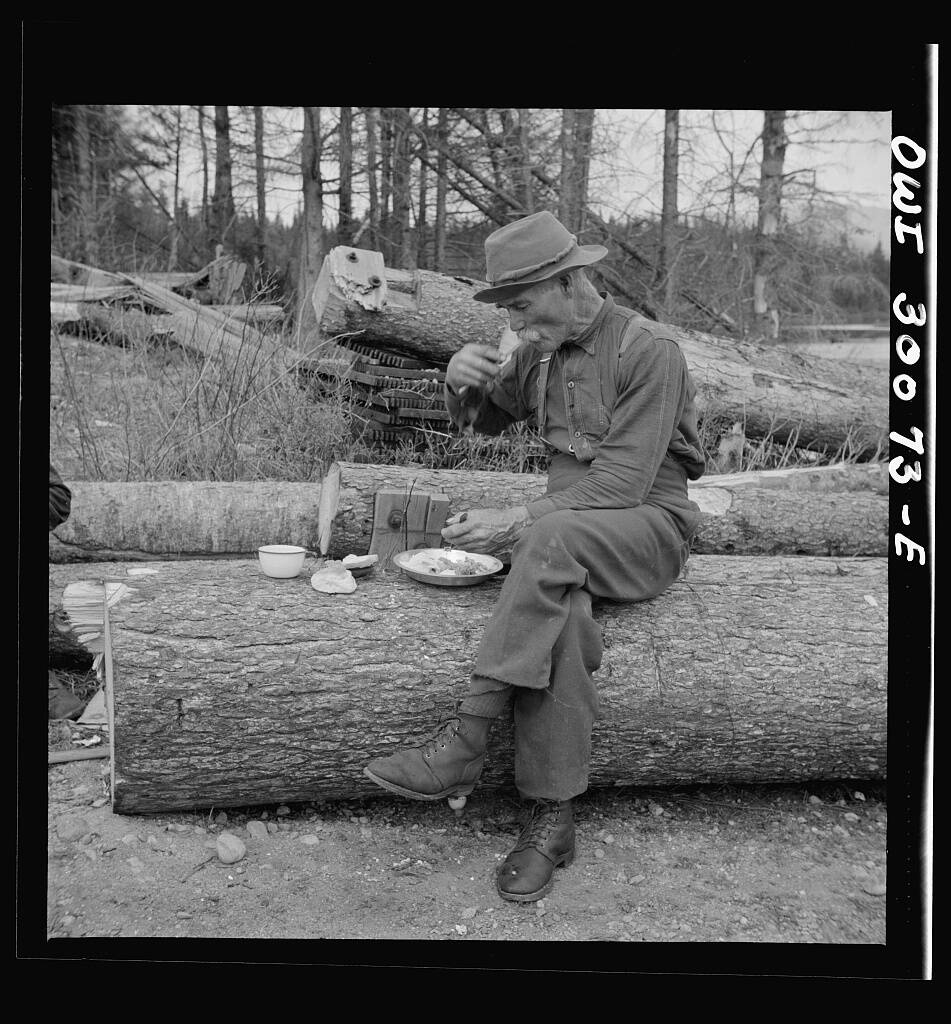
Logging claims in the late 1830s drew Maine’s militia and New Brunswick’s authorities into the snowy forests along the undefined U.S.–British North America border. Forts like Fairfield and Kent popped up, arrests were made, and supplies, heavy on pork and beans, fed troops through a winter standoff. Despite the bluster, there were no battle deaths, just frostbite, paperwork, and diplomatic telegrams.
Enter peacemaker Winfield Scott, who brokered a truce. The Webster–Ashburton Treaty of 1842 then fixed the Maine–New Brunswick line, divvying the Aroostook woods and setting joint surveys in motion. Boundary markers replaced barricades.
The Toledo War vanishes after Congress swaps a swampy strip for the Upper Peninsula
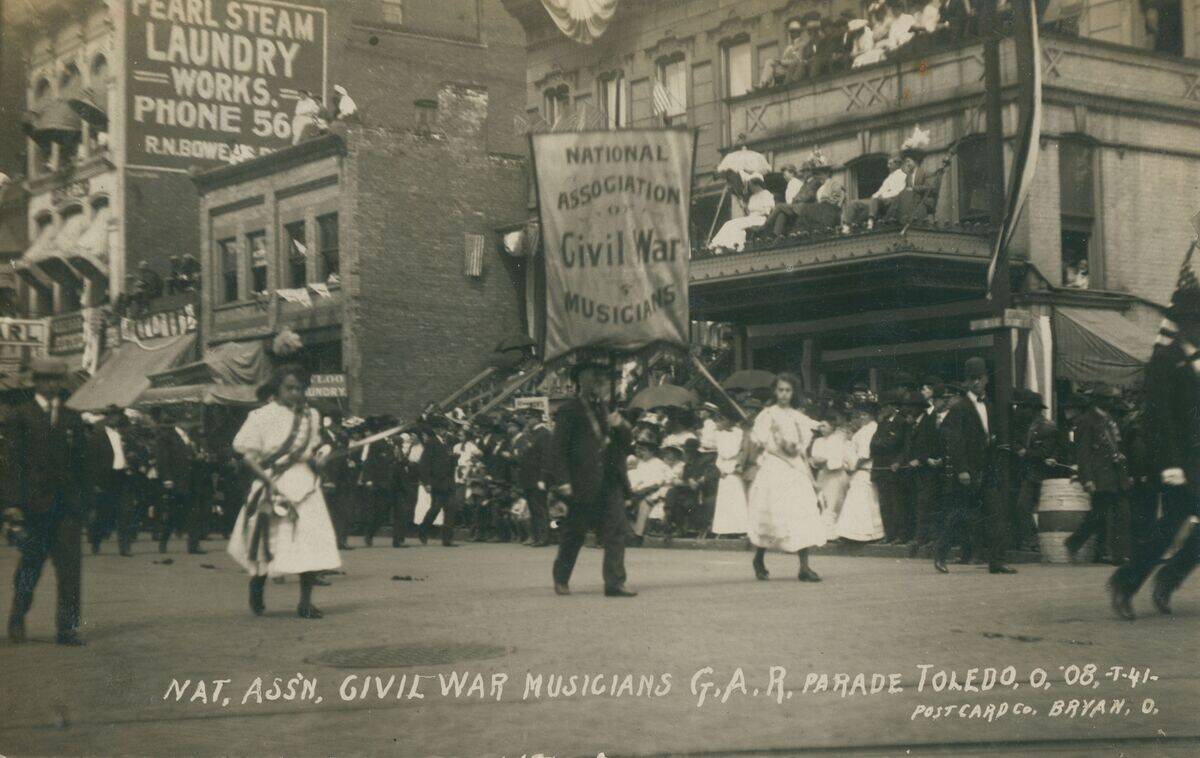
Michigan Territory and Ohio squared off in 1835–36 over the “Toledo Strip,” roughly 468 square miles shaped by conflicting survey lines from the Northwest Ordinance and later maps. Armed posses traded arrests and a few bruises, with set‑pieces like the anticlimactic “Battle of Phillips Corners.”
Congress hammered out a deal in 1836: Ohio kept Toledo; Michigan got statehood in 1837 plus the western Upper Peninsula. The swap looked lopsided until copper and iron booms turned the U.P. into a mineral jackpot. A near‑bloodless quarrel over a marshy port ended up bankrolling Michigan’s future, courtesy of geology and compromise.
The Anglo‑Zanzibar War is over in 38 minutes—shorter than your lunch break
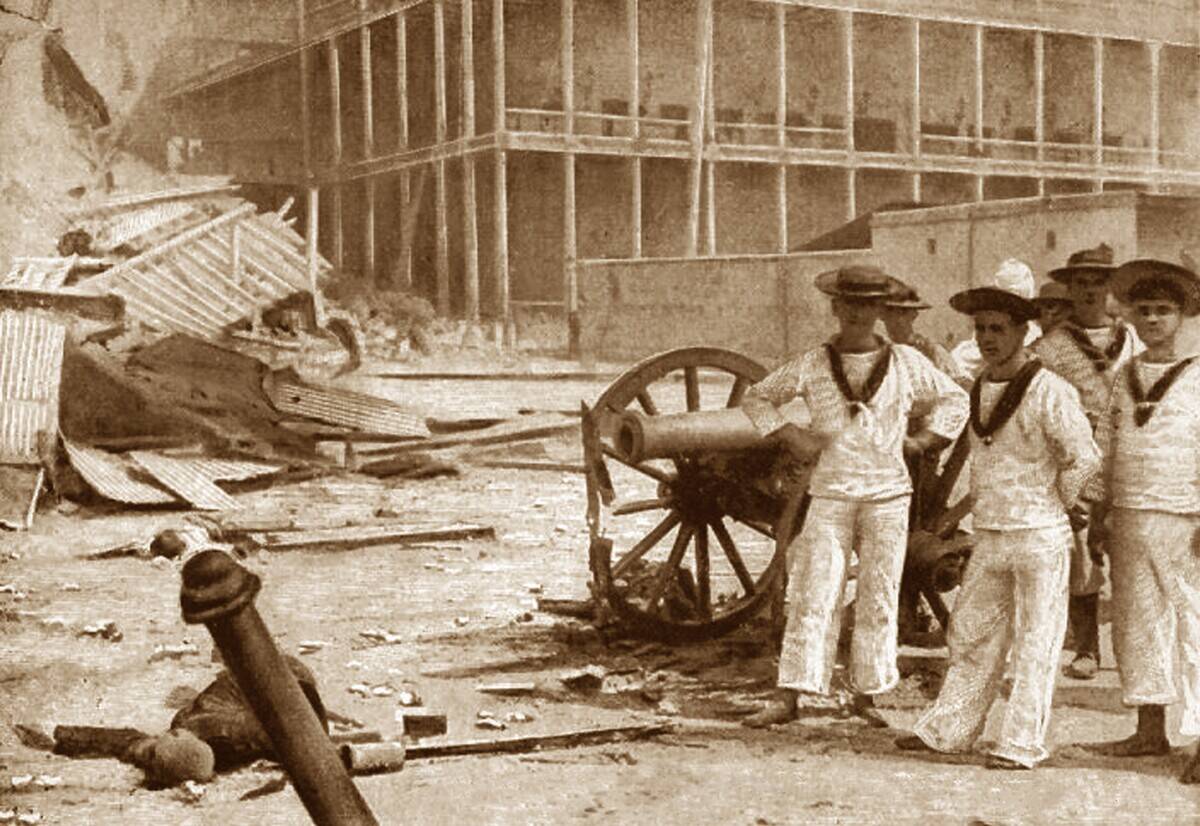
On August 27, 1896, Sultan Khalid bin Barghash refused a British demand to vacate the throne in Zanzibar. At 9:02 a.m., Royal Navy ships opened fire on the palace; by roughly 9:40, the guns fell silent and Khalid fled. The palace complex burned, Zanzibari artillery was knocked out, and casualties soared on the defending side with hundreds killed or wounded, while British losses were minimal.
It stands as the shortest recorded war in history. Britain installed Sultan Hamoud bin Mohammed, the protectorate steadied, and the day’s drama compressed an entire campaign—ultimatum, bombardment, collapse—into less than forty minutes.
The 335 Years’ War ends when someone finally files the missing peace paperwork
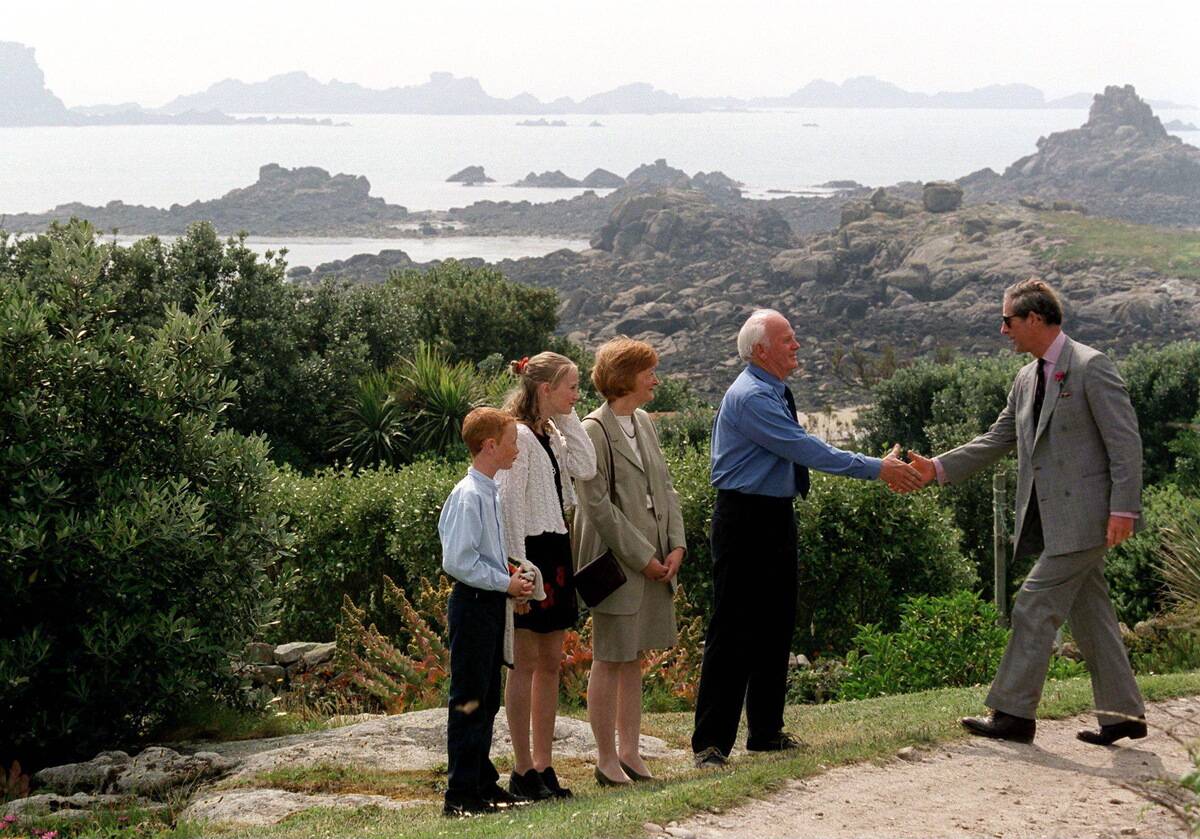
The so‑called 335 Years’ War supposedly began in 1651, when the Dutch declared war on Royalist holdouts in England’s Isles of Scilly during the English Civil War. If any declaration existed, it was never followed by fighting, and the story languished as a historical oddity cited in newspapers and local lore rather than in casualty lists or campaign maps.
In 1986, the Dutch ambassador visited the Isles of Scilly to sign a peace treaty with local officials, closing the book on a conflict that, practically, had never opened. No shots fired, no graves, just a ceremonial signature.
The Football War winds down after the OAS blows the whistle for a ceasefire
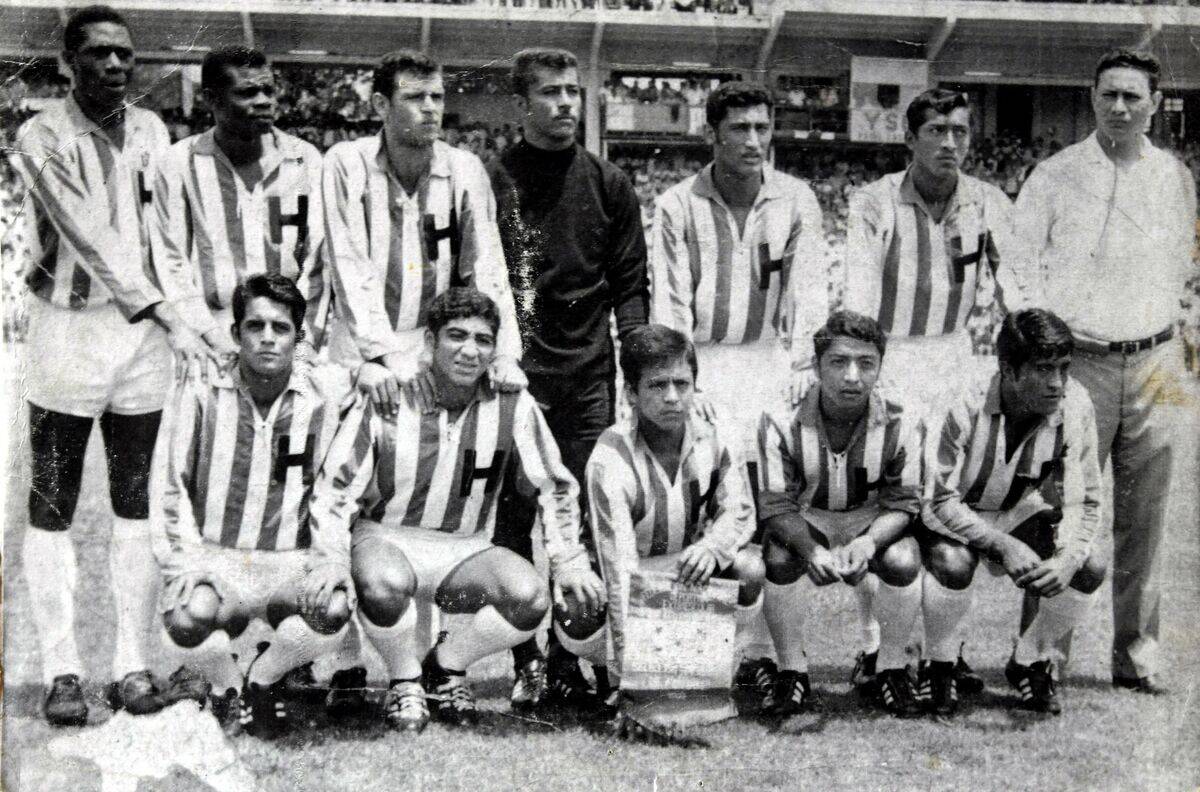
In July 1969, long‑simmering tensions over land reform and migration erupted into a brief shooting war between El Salvador and Honduras, with World Cup qualifying matches providing the spark but not the cause. Air raids, border clashes, and a rapid mobilization turned a heated rivalry into a 100‑hour conflict that disrupted trade and displaced civilians across Central America.
The Organization of American States stepped in, brokering a ceasefire on July 18, 1969, and pressing for withdrawal. El Salvador pulled its troops back A 1980 treaty in Lima normalized relations, and in 1992 the International Court of Justice settled remaining border issues.
The War of the Golden Stool ebbs once the sacred seat stays sacred and off-limits
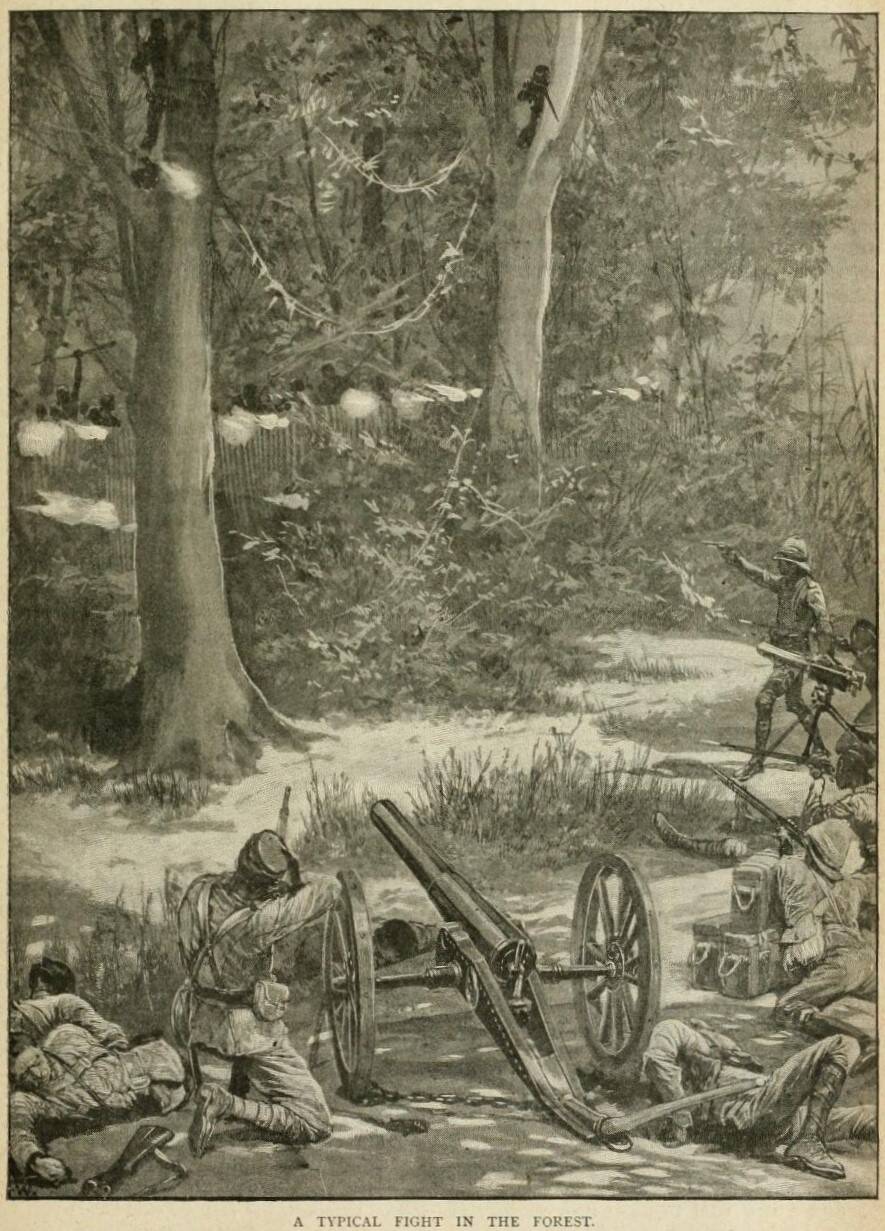
In 1900, British Governor Frederick Hodgson demanded to sit on the Ashanti Golden Stool, a sacred symbol said to embody the nation’s soul. The affront sparked an uprising led by Yaa Asantewaa, Queen Mother of Ejisu. British garrisons endured sieges around Kumasi while Ashanti fighters maneuvered in the forests, turning symbolism into a shooting war with high stakes for imperial prestige.
The British eventually relieved Kumasi and exiled leaders, but they never captured the Golden Stool. In 1901, the Ashanti realm was annexed into the Gold Coast colony, yet the stool remained hidden and inviolate.
The medieval War of the Cow moos to a close after compensation and a truce
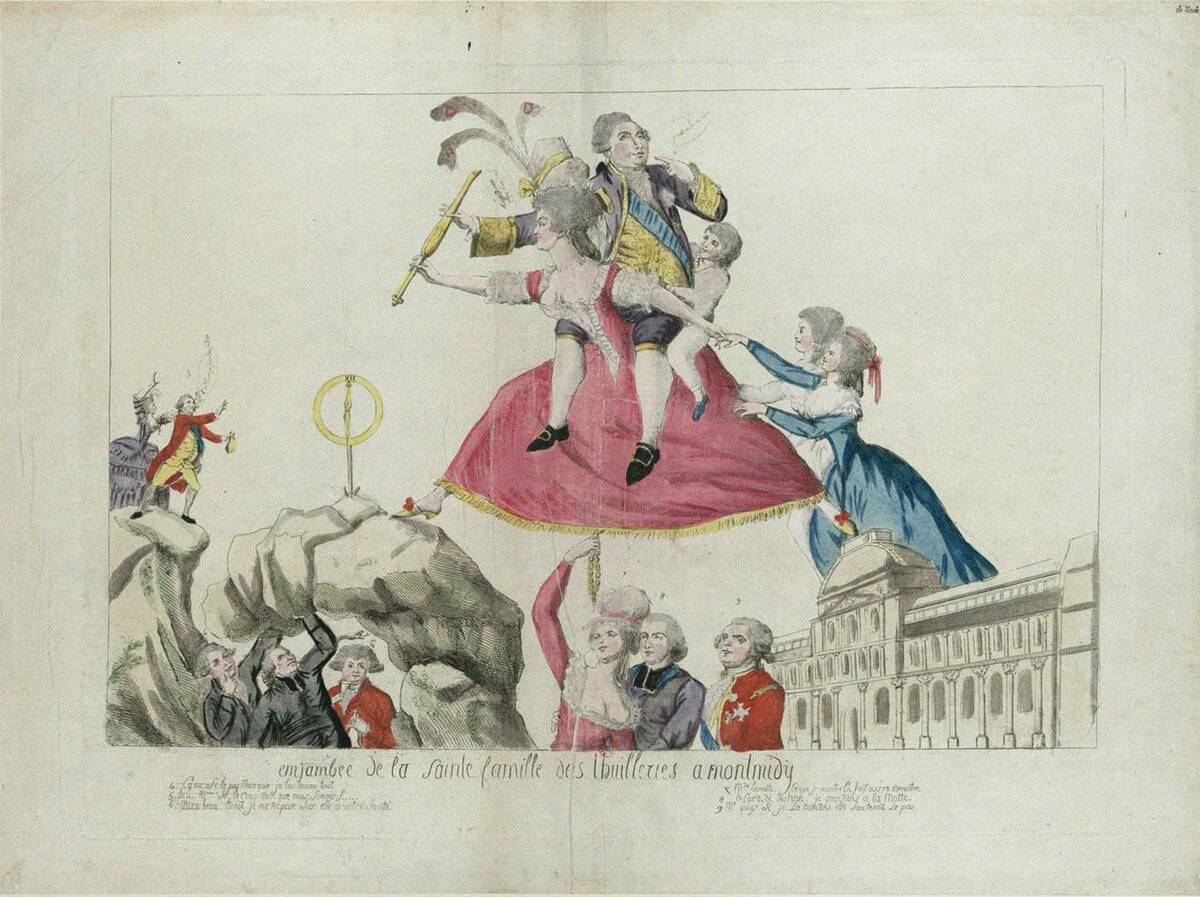
In the 1270s, a stolen cow—and the hanging that followed—ignited a chain reaction among towns and lords in what is now Belgium, chiefly within the orbit of the Prince‑Bishopric of Liège and the County of Namur. Raids, reprisals, and short sieges flared across the Meuse region as local rivalries turned a barnyard grievance into a territorial scrap.
There was no grand climactic battle to end it. Instead, mediation by regional magnates produced compensation to the aggrieved parties and a truce that quieted the frontier. The takeaway is medievally practical: pay for the cow, promise to behave, and let commerce resume.
The Kettle War ends after a single shot dents, yes, a cooking pot
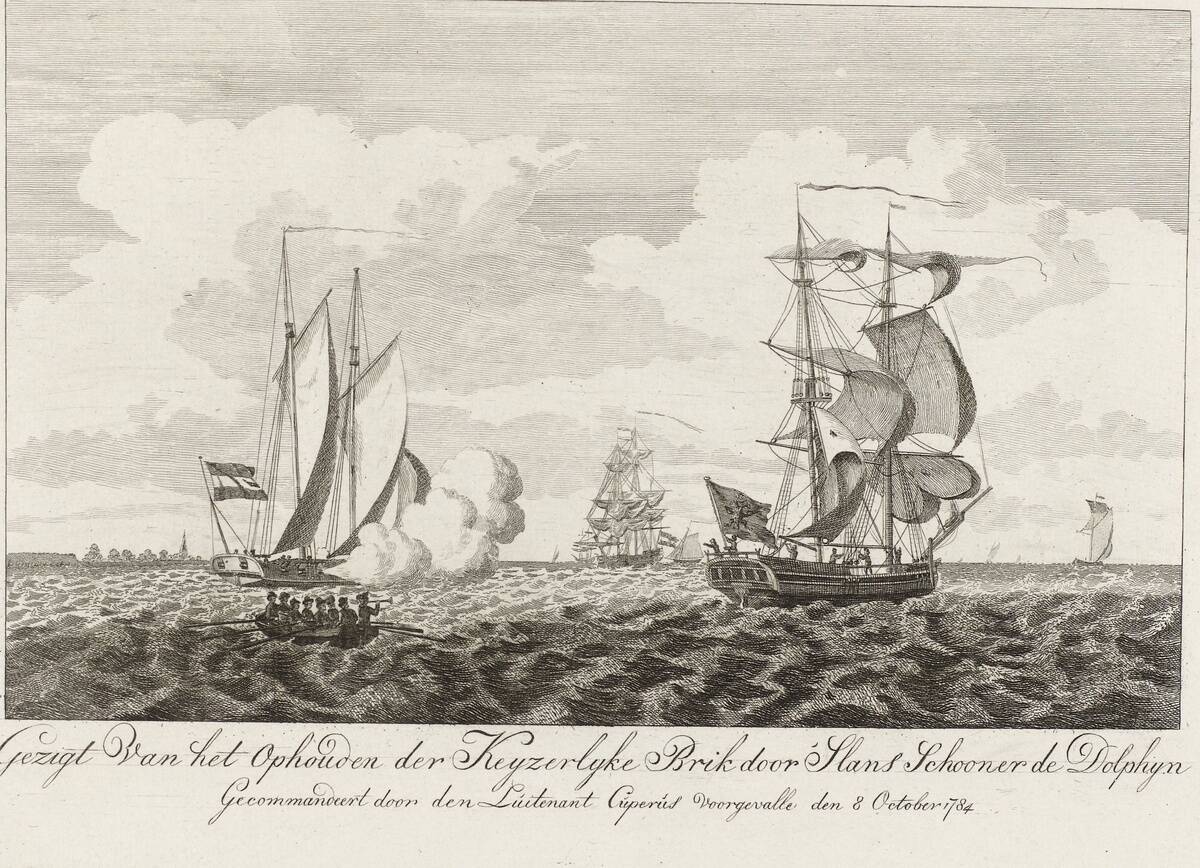
In 1784, Emperor Joseph II challenged Dutch control of the Scheldt River, hoping to pry open trade for the Austrian Netherlands. As tensions peaked, the Dutch fired a solitary warning shot from near Fort Lillo at an Austrian vessel. It struck a shipboard kettle, of all things, and that clang became the conflict’s nickname—and near its sum total of damage.
Diplomacy did the rest. The 1785 Treaty of Fontainebleau confirmed the Scheldt’s closure under Dutch control while granting Austria monetary compensation. The strategic question ended in ledgers, not sieges, with a dented pot as the entire war story most people remember.
The Pemmican War fades out via a government‑ordered fur‑trade merger
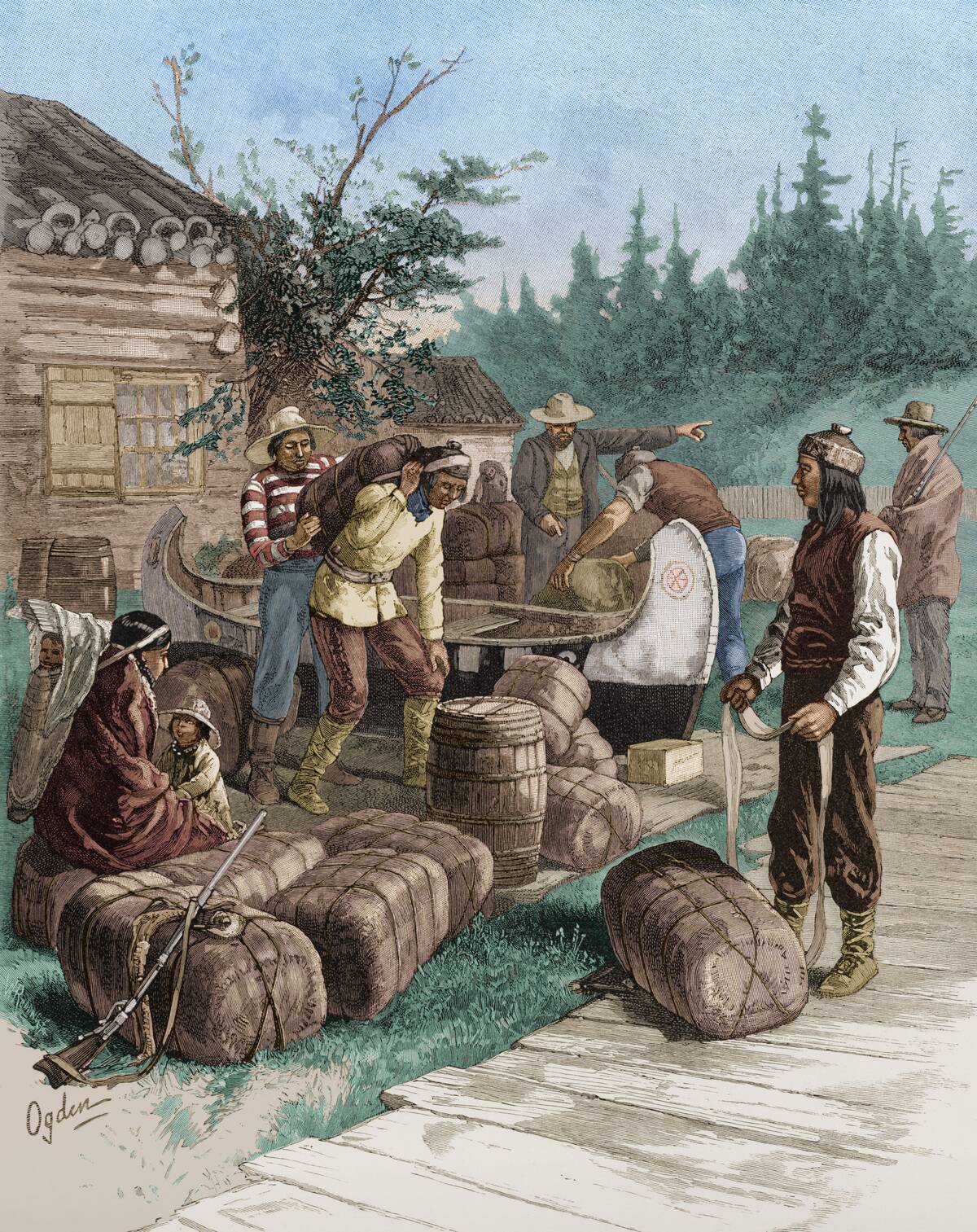
On the northern plains in the 1810s, rival fur giants—the Hudson’s Bay Company and the North West Company—fought by proxy over pemmican, the fat‑rich lifeline of voyageurs. The 1814 Pemmican Proclamation from Red River’s Governor Miles Macdonell banned exports, enraging Métis suppliers and NWC traders.
Violence spiked at the 1816 Battle of Seven Oaks, where Governor Robert Semple and 20 others were killed.
London finally stepped in. In 1821, the British government pushed a merger of the feuding companies under the HBC banner, backed by Parliament. The new monopoly regularized supply and ended the running gunfights over meat and margins.
The Great Emu War “concludes” when the army just gives up on the birds
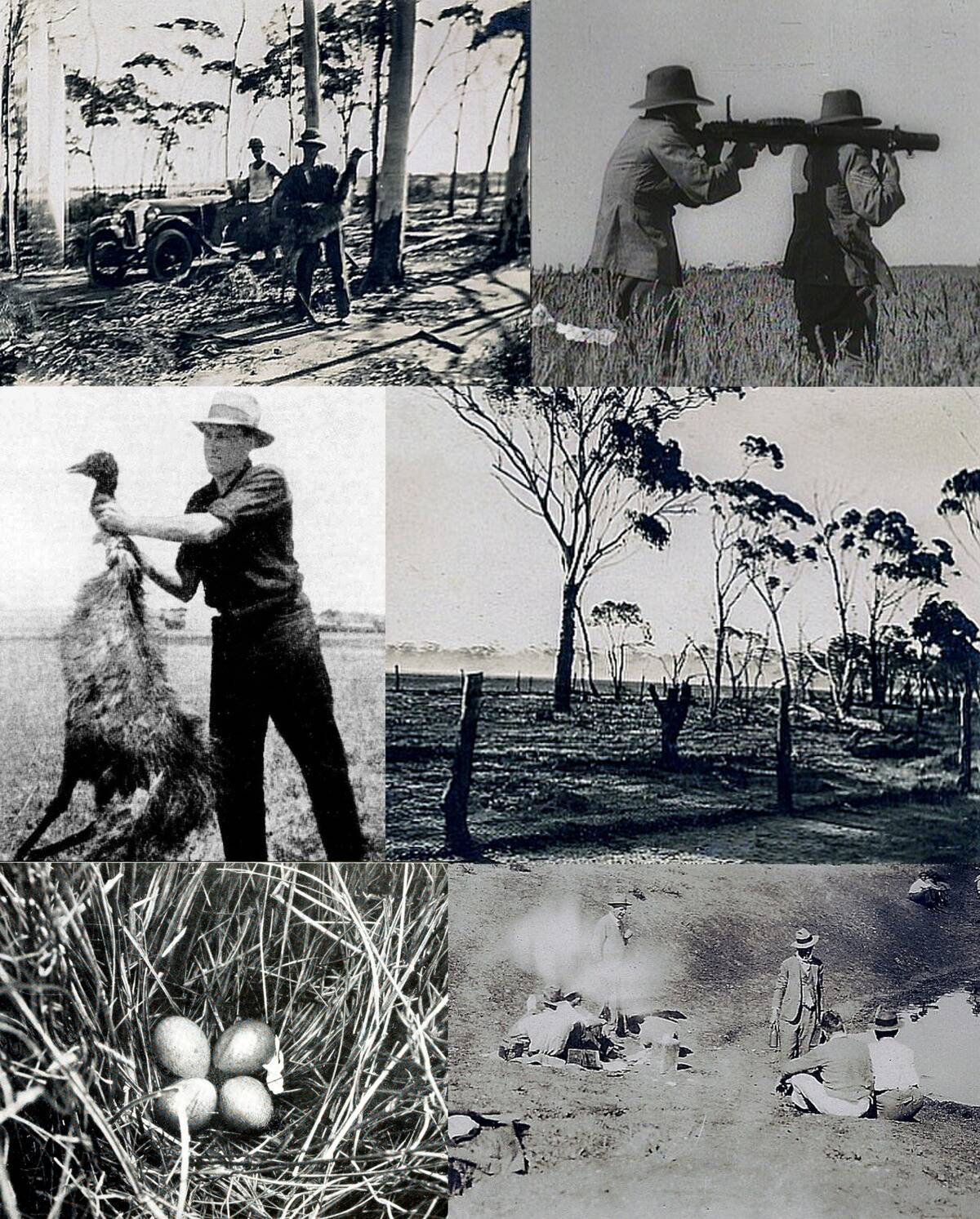
In late 1932, Western Australian farmers begged for help as tens of thousands of emus trampled wheat near Campion. The government dispatched Major G.P.W. Meredith with soldiers and Lewis guns. Mechanical jams and muddy ground didn’t help the optics of men with machine guns chasing wildlife.
After two main operations, the tally looked absurd: under a thousand confirmed emu kills against a population in the tens of thousands, and a mountain of spent ammunition. The operation was called off. Farmers turned to bounties and better fencing while the enemy never noticed the victory.
The Turbot War is reeled in by a quota compromise and cooler heads
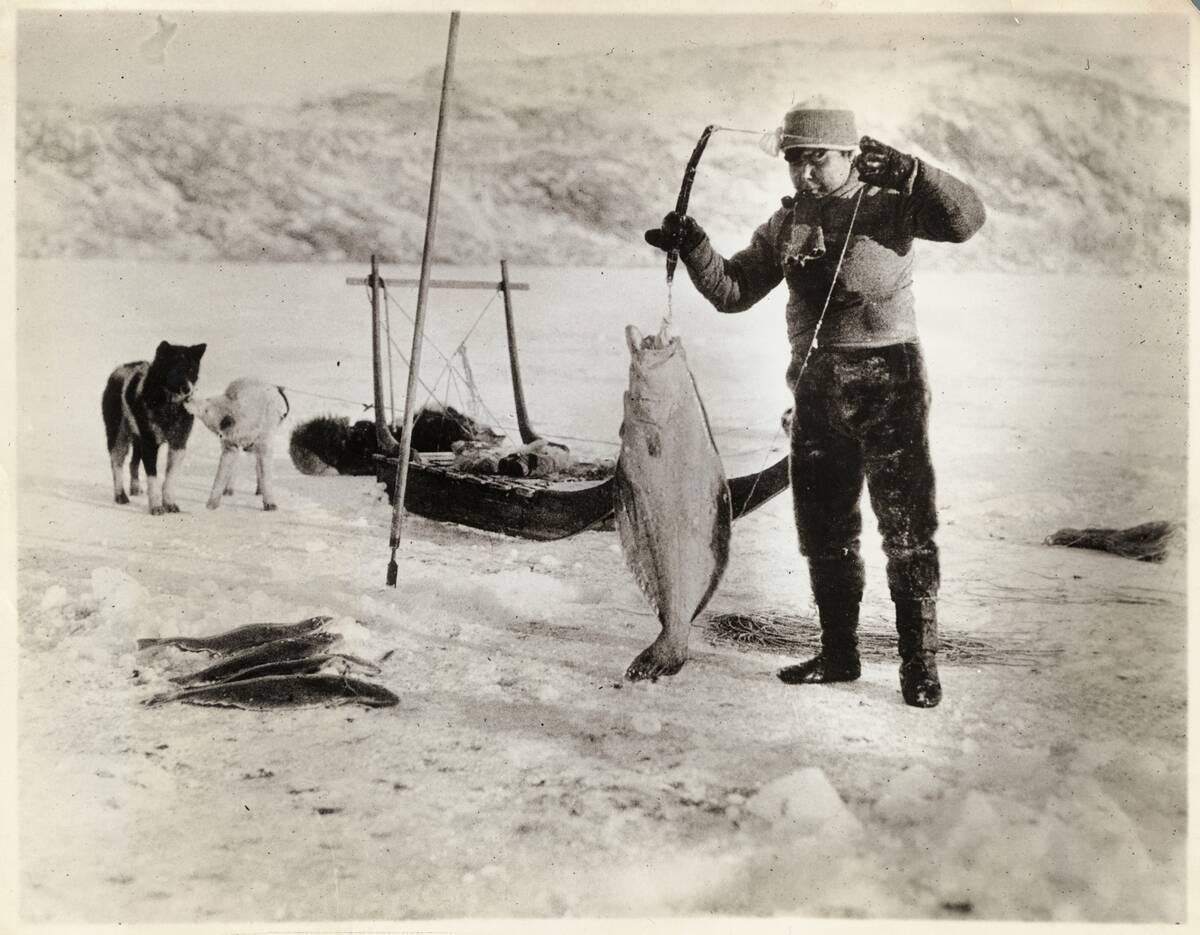
In 1995, Canada cracked down on foreign fishing just outside its 200‑mile limit on the Grand Banks, targeting Greenland halibut—known as turbot. On March 9, Canadian cutters seized the Spanish trawler Estai, displaying a small‑mesh net as evidence of illegal gear. Brussels and Madrid roared; Ottawa doubled down under NAFO rules.
Headlines warned of a fish fight among NATO friends.
Diplomats gutted the crisis. By April, the EU and Canada agreed to stricter monitoring, observers, mesh sizes, and adjusted quotas within NAFO. The Estai affair ended without shots.
The War of the Oranges wraps after a small border tweak—and a citrus mic drop
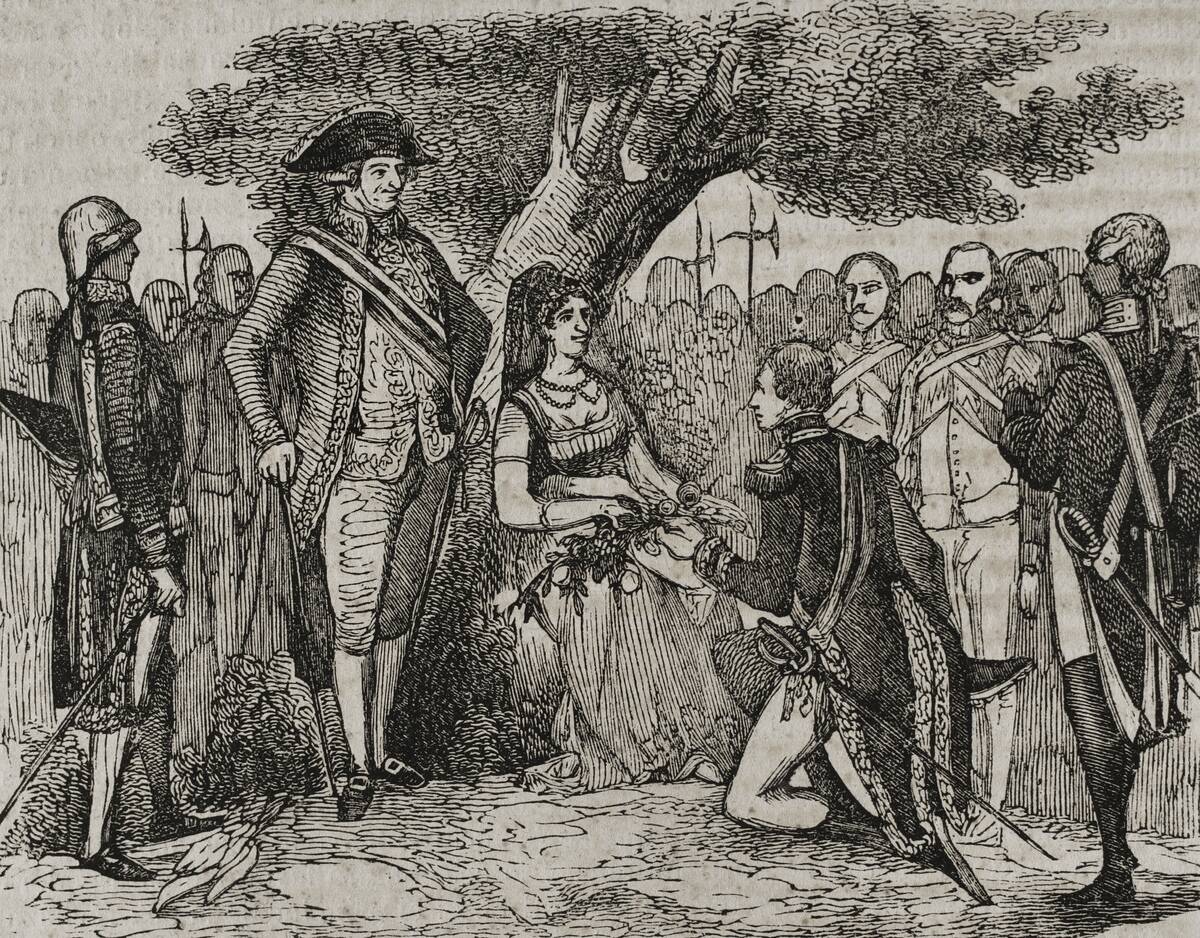
In 1801, Spain—nudged by Napoleonic France—invaded Portugal to force a break with Britain. Manuel de Godoy, Spain’s powerful minister, posed outside the Portuguese fortress of Elvas, plucked some oranges, and reportedly sent them to Queen María Luisa as a boast. The fighting was brief but pointed, with border forts trading fire more than territories.
The June 1801 Treaty of Badajoz sealed it: Portugal ceded Olivenza to Spain and accepted trade concessions, while wider alliances shifted under French pressure. The border barely budged, yet a fruit basket became the conflict’s legend.