Volcanic eruptions that changed global climate
Volcanoes are often seen as nature’s pyrotechnic displays, with their fiery eruptions captivating our imaginations. But beyond their dramatic lava flows, volcanoes play a significant role in shaping our planet’s climate.
These geological giants have the power to alter weather patterns and influence global temperatures, all while leaving a mark on history. Their eruptions have been responsible for both chilling the Earth and providing fertile soils for agriculture, making them fascinating agents of change.
The Power of a Volcano: More Than Just Lava
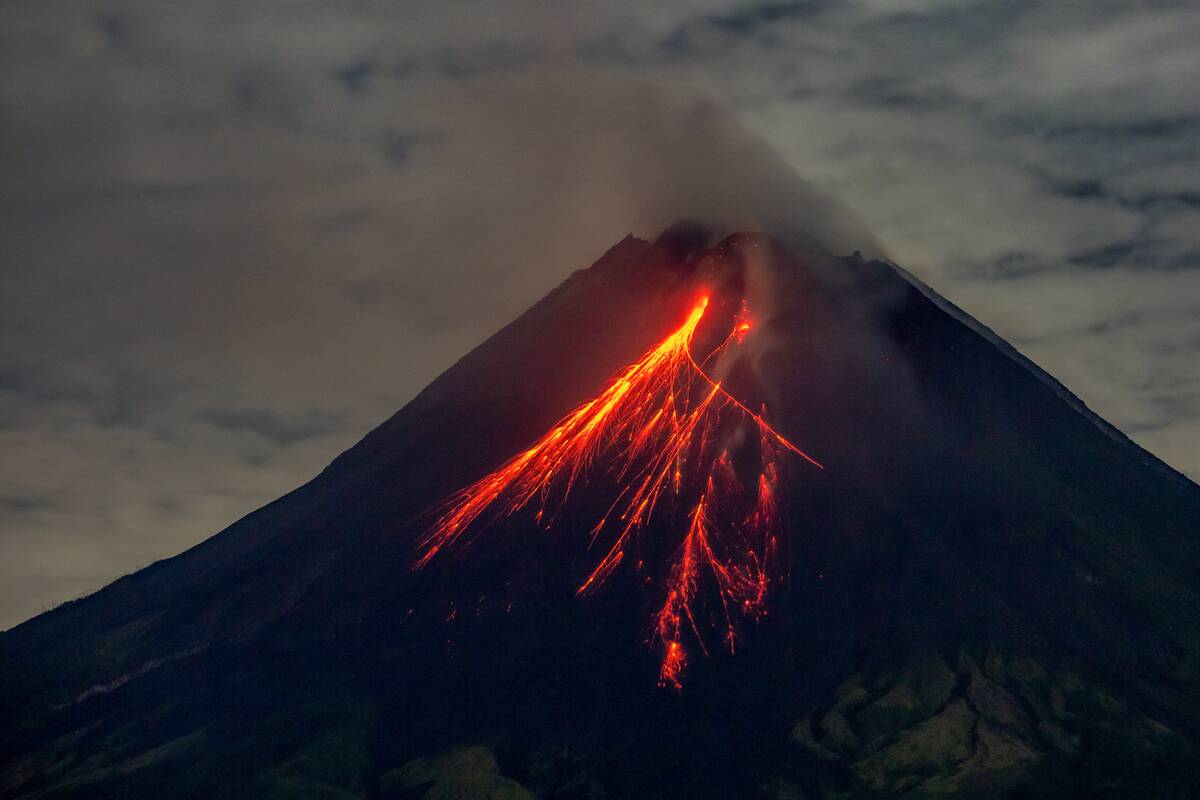
When we think of volcanoes, we often picture rivers of molten rock cascading down mountainsides. However, the true power of a volcano lies not just in its lava but in the vast quantities of ash and gases it releases into the atmosphere.
These emissions can travel thousands of miles, affecting climates far from the eruption site. For instance, the gases can form aerosols that reflect sunlight, leading to temporary cooling effects on a global scale.
How Volcanic Eruptions Influence the Climate
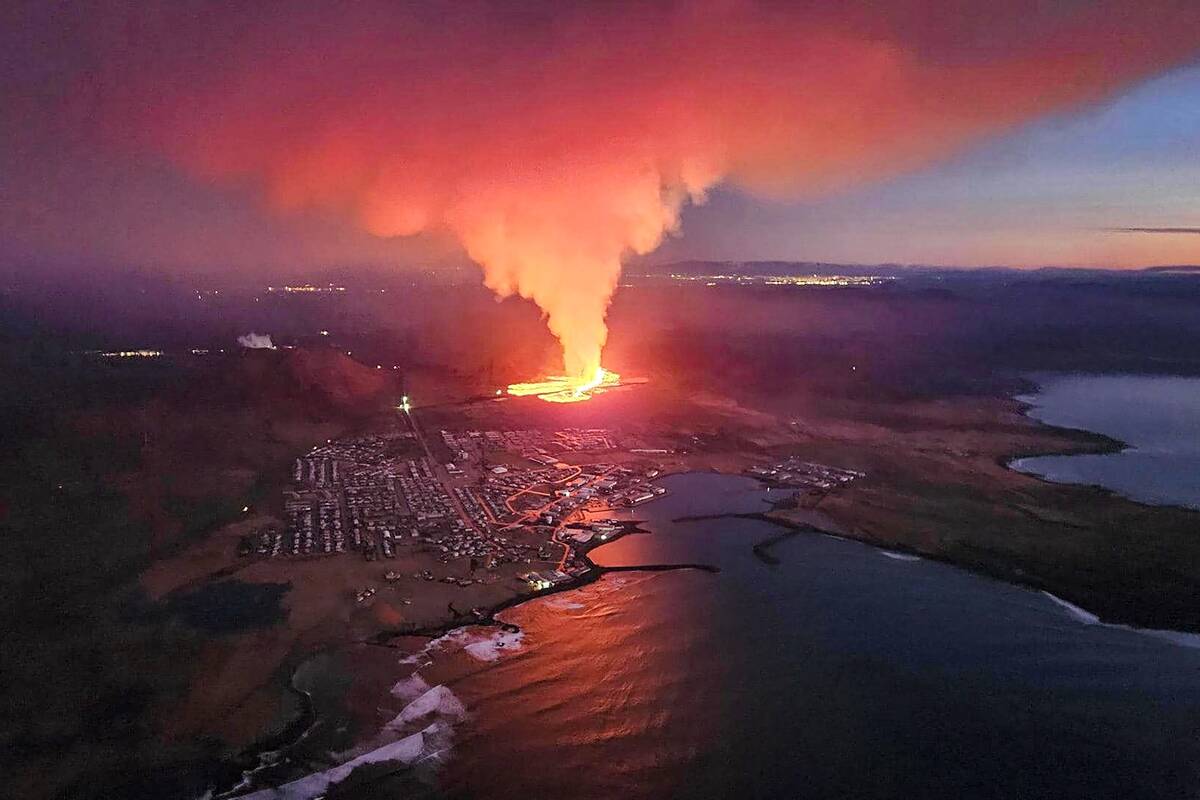
Volcanic eruptions influence climate primarily through the release of sulfur dioxide into the stratosphere. This gas converts into sulfate aerosols, creating a reflective layer that reduces solar radiation reaching the Earth’s surface.
The result is a cooling effect that can last for several years. Historical eruptions have shown this phenomenon, with global temperatures dipping slightly in response to significant volcanic activity. It’s a reminder of how interconnected Earth’s systems truly are.
The Mysterious Case of Mount Tambora, 1815
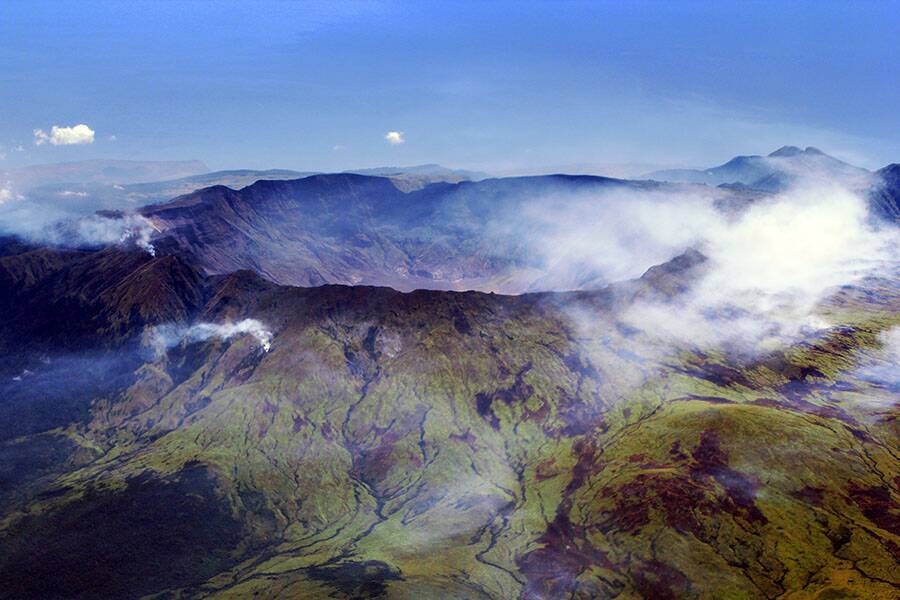
The 1815 eruption of Mount Tambora in Indonesia was one of the most powerful in recorded history, and its climatic impact was nothing short of dramatic. The eruption injected massive amounts of ash and sulfur dioxide into the atmosphere, leading to what became known as the “Year Without a Summer” in 1816.
Global temperatures dropped, crops failed, and widespread food shortages ensued. This event highlighted the potential for volcanic eruptions to trigger significant climate anomalies.
Krakatoa’s Explosive Impact in 1883
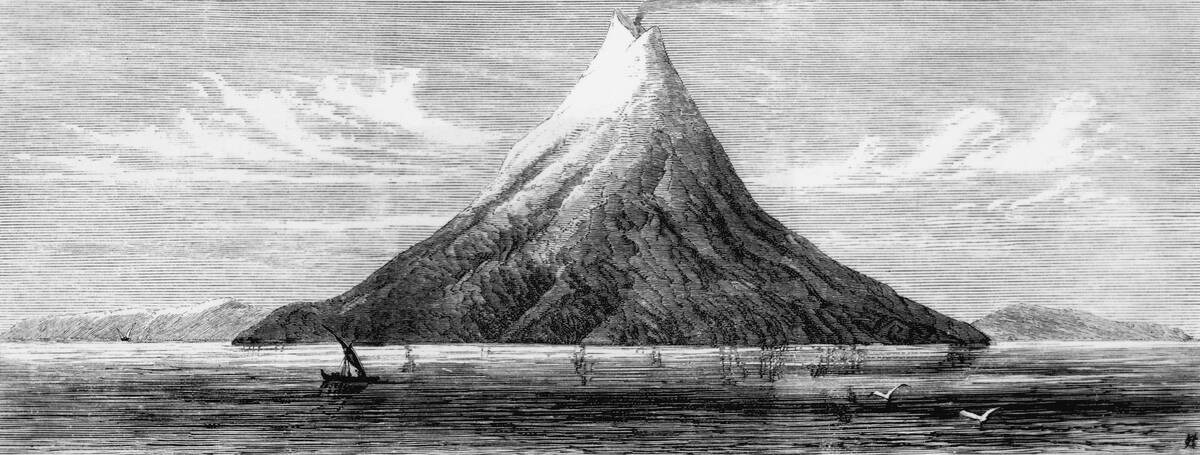
Krakatoa’s eruption in 1883 was so powerful that it was heard over 3,000 miles away and significantly impacted global weather patterns. The eruption released vast quantities of volcanic ash and gases into the atmosphere, leading to spectacular sunsets around the world for months.
Additionally, global temperatures dropped by an average of 1.2 degrees Celsius in the following year, showcasing the eruption’s far-reaching climatic effects.
The Lesser-Known Eruption of Mount Samalas, 1257
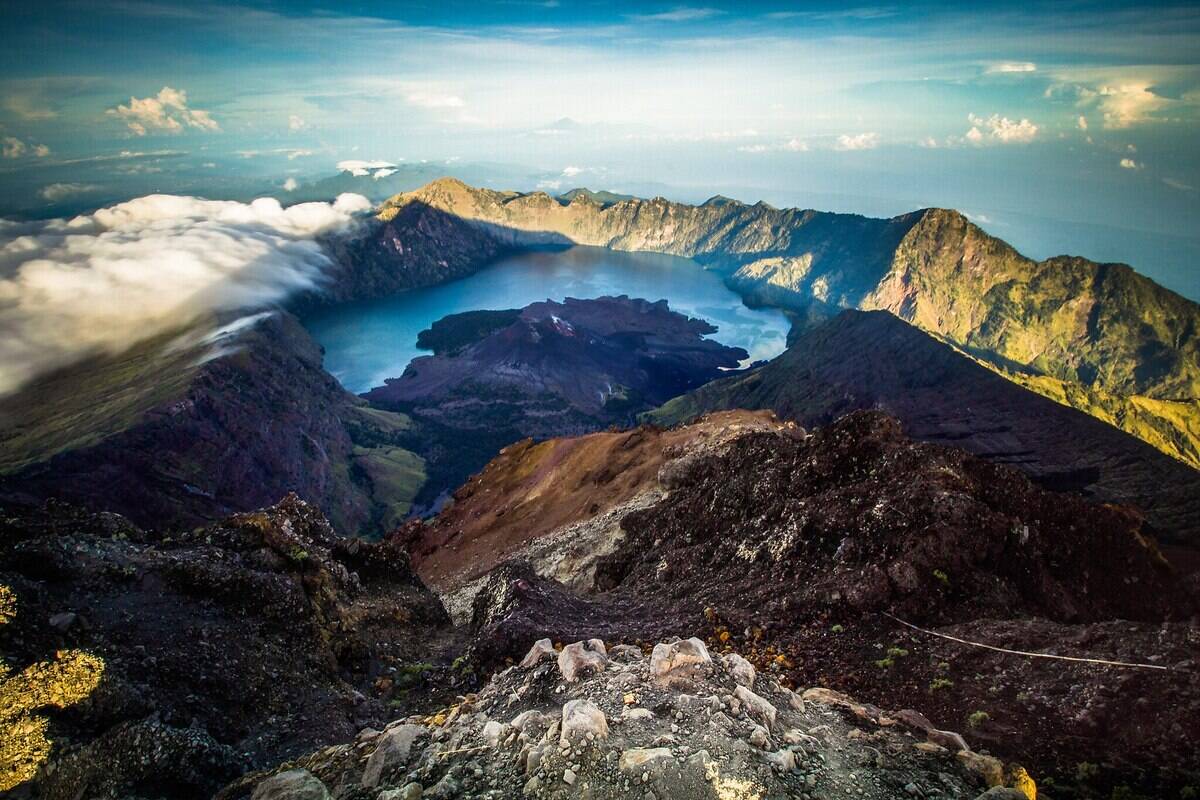
Long before modern recording equipment, the eruption of Mount Samalas on Lombok Island left a lasting legacy. It is considered one of the largest eruptions of the last millennium. Ice core samples have revealed that the eruption released a massive amount of sulfur dioxide, leading to a significant global cooling event.
This lesser-known eruption demonstrates how ancient volcanic activity can be pieced together through scientific investigation, revealing its impact on historical climate patterns.
The Enigma of Laki’s 1783 Eruption in Iceland
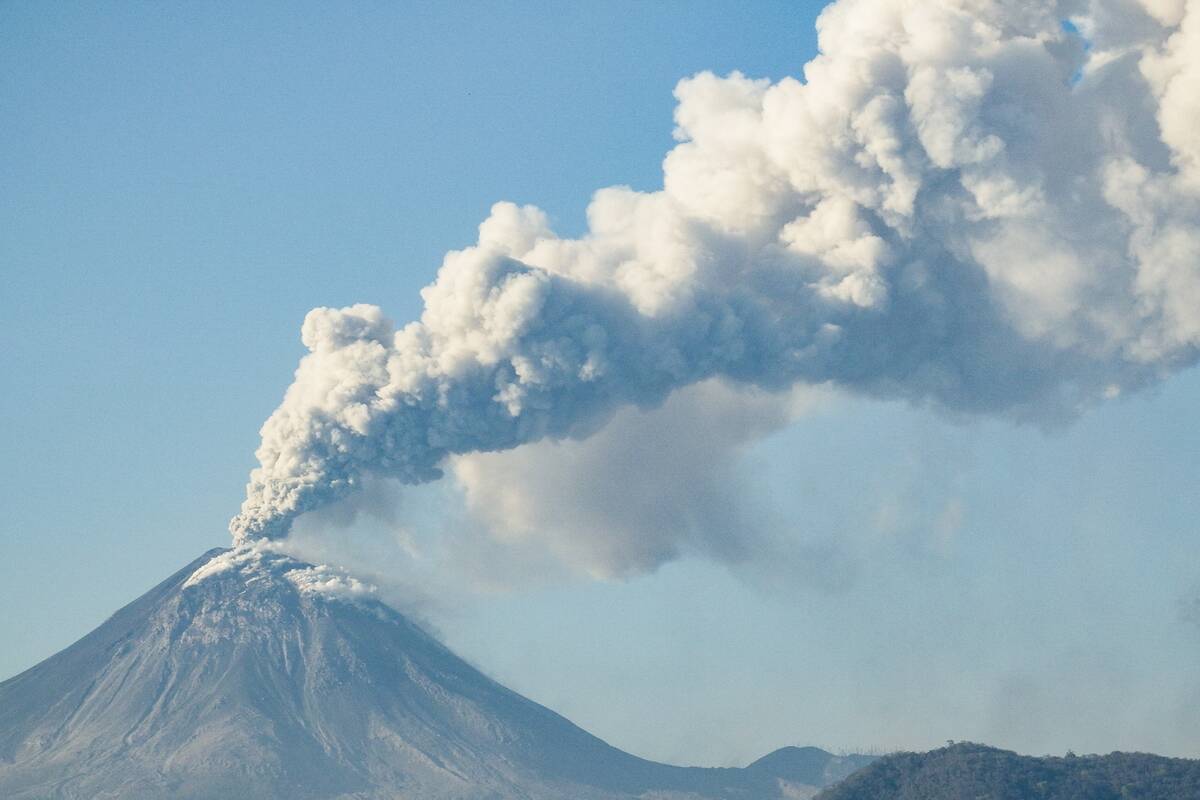
The eruption of Laki in 1783 was a monumental event, spewing out lava and gases over an eight-month period. The resulting haze, known as the “Laki haze,” spread across Europe, causing respiratory problems and crop failures.
The sulfur dioxide released caused widespread air pollution and acid rain, and it contributed to notable climate anomalies in Europe, including unusual weather patterns and colder conditions. This eruption serves as a reminder of how regional volcanic activity can have widespread and lasting impacts on climate and society.
Mount Pinatubo’s 1991 Climate Consequences
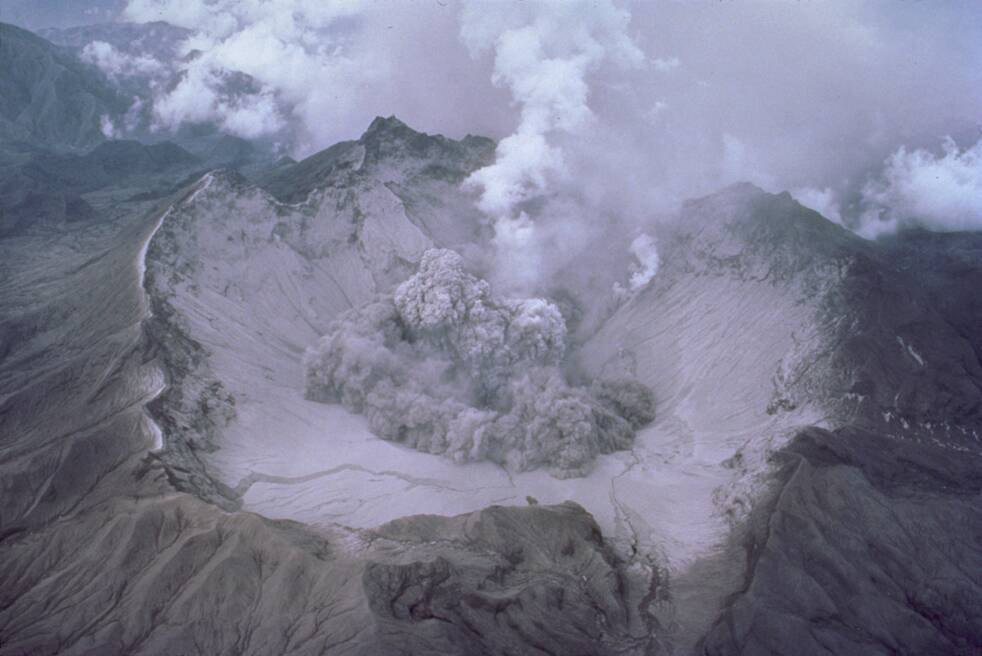
Mount Pinatubo’s eruption in 1991 in the Philippines was one of the largest of the 20th century. Its explosive power sent a plume of ash and sulfur dioxide high into the stratosphere, leading to a global temperature drop of about 0.6 degrees Celsius over the following years.
This eruption provided scientists with valuable data on volcanic impacts on climate, furthering our understanding of how such events can temporarily counteract global warming.
The Ancient Eruption of Thera and Its Climate Legacy
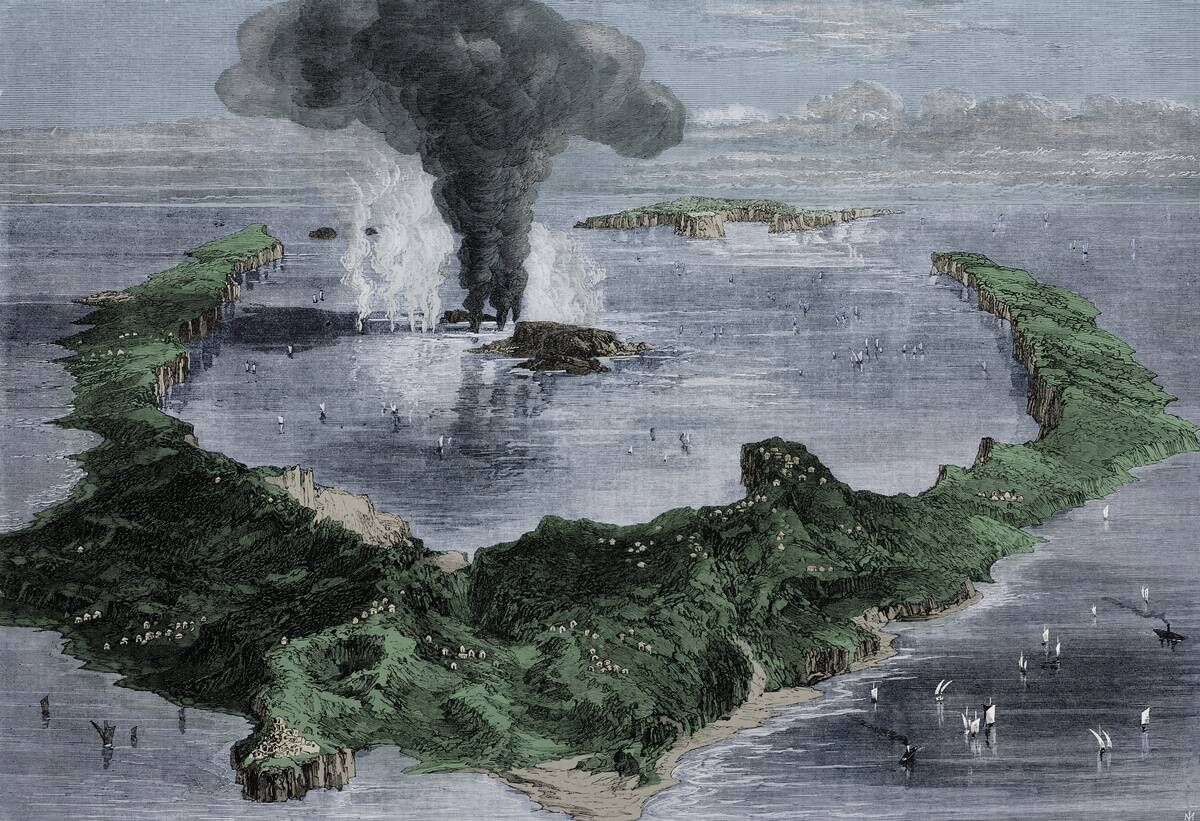
The eruption of Thera, now known as Santorini, around 1600 BCE, is one of the most significant volcanic events in ancient history. It is believed to have contributed to the decline of the Minoan civilization due to its destructive power and climatic effects.
The eruption likely caused significant cooling, as evidenced by tree ring data and ice core samples. This ancient event highlights the enduring influence of volcanic eruptions on human civilizations and climate legacies.
The Infamous Toba Supervolcano and Its Global Chill
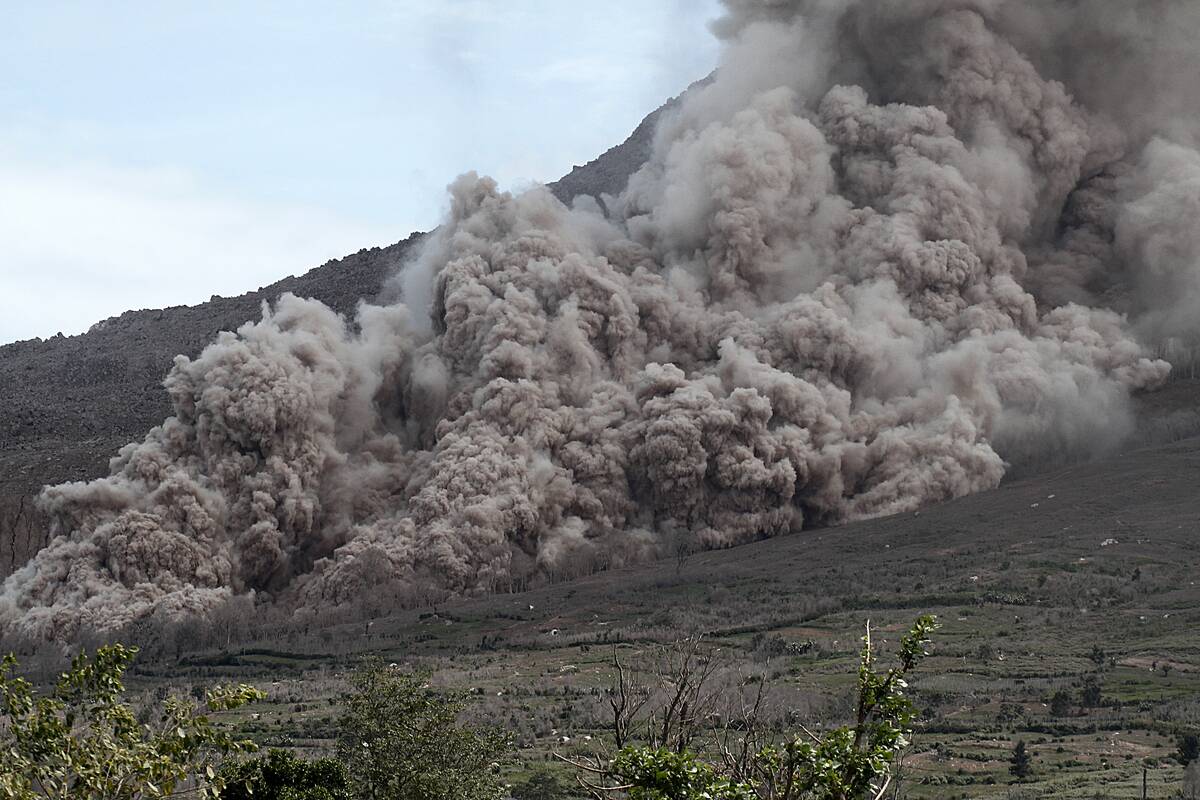
The Toba supervolcano, which erupted approximately 74,000 years ago in present-day Indonesia, was a cataclysmic event. Its eruption is believed to have released 2,800 cubic kilometers of volcanic material and caused a global volcanic winter, significantly lowering Earth’s temperatures.
This period of cooling may have lasted up to a decade, leading to a bottleneck in human evolution. Toba’s eruption serves as a stark reminder of the potential for supervolcanoes to drastically alter the global climate.
Eyjafjallajökull 2010: When Iceland Grounded Europe
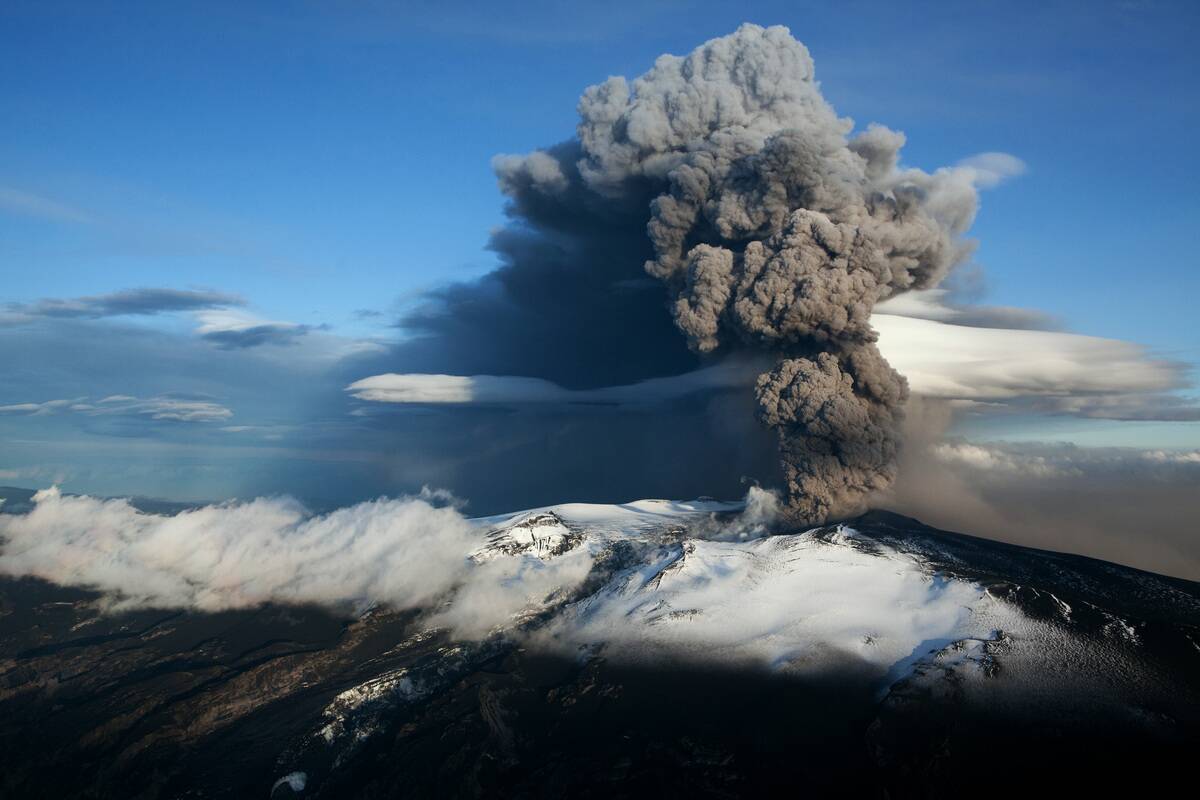
The 2010 eruption of Eyjafjallajökull in Iceland demonstrated how even smaller eruptions can have significant impacts on modern society. The ash cloud from this eruption led to the largest air travel disruption in Europe since World War II, affecting millions of passengers.
While the eruption didn’t have a major impact on global climate, it highlighted the complex interactions between volcanic activity and human infrastructure, emphasizing the need for preparedness and adaptation.
The Role of Volcanic Ash in Global Cooling
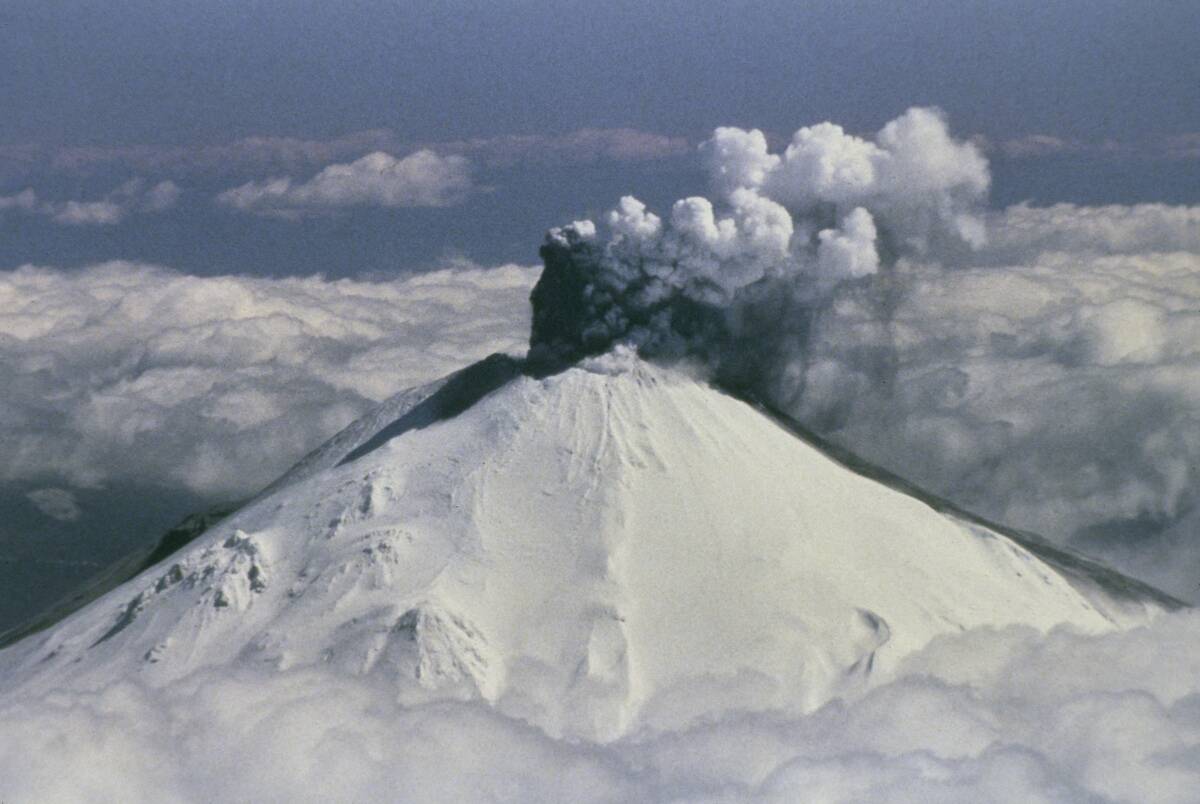
Volcanic ash plays a critical role in global cooling by blocking sunlight and reducing temperatures. When ash and sulfur dioxide are ejected into the atmosphere, they form aerosols that reflect solar radiation.
This process can lead to temporary cooling, with some eruptions causing temperature drops of up to 1 degree Celsius. While this cooling effect is typically short-lived, it underscores the potential for volcanic eruptions to influence global climate systems.
Sulfur Dioxide: The Climate’s Unseen Villain
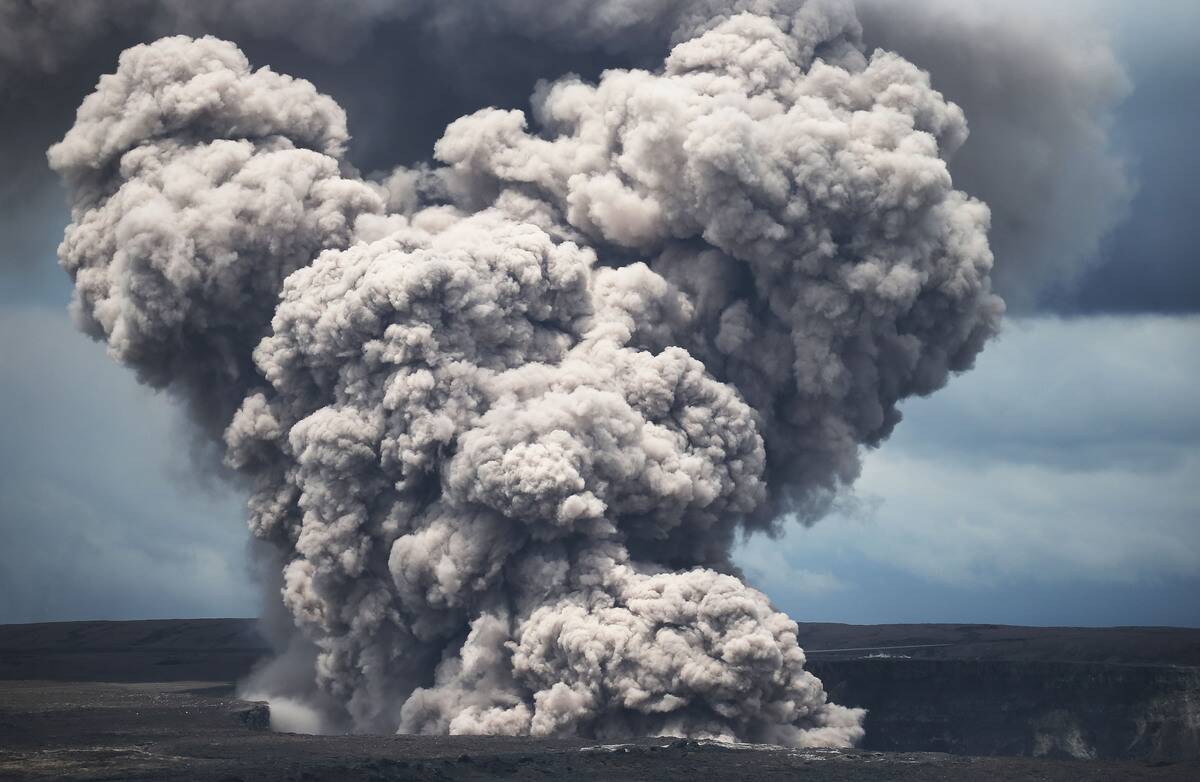
Sulfur dioxide, often released during volcanic eruptions, is a key player in climate alteration. Once in the stratosphere, it transforms into sulfate aerosols, which have a cooling effect by reflecting sunlight away from Earth.
This process can lead to noticeable temperature declines, as observed after major eruptions like Mount Pinatubo. While its cooling effect is temporary, sulfur dioxide’s role in climate dynamics highlights the complex interplay between natural events and atmospheric chemistry.
The Year Without a Summer: A Tale of Volcanic Winter
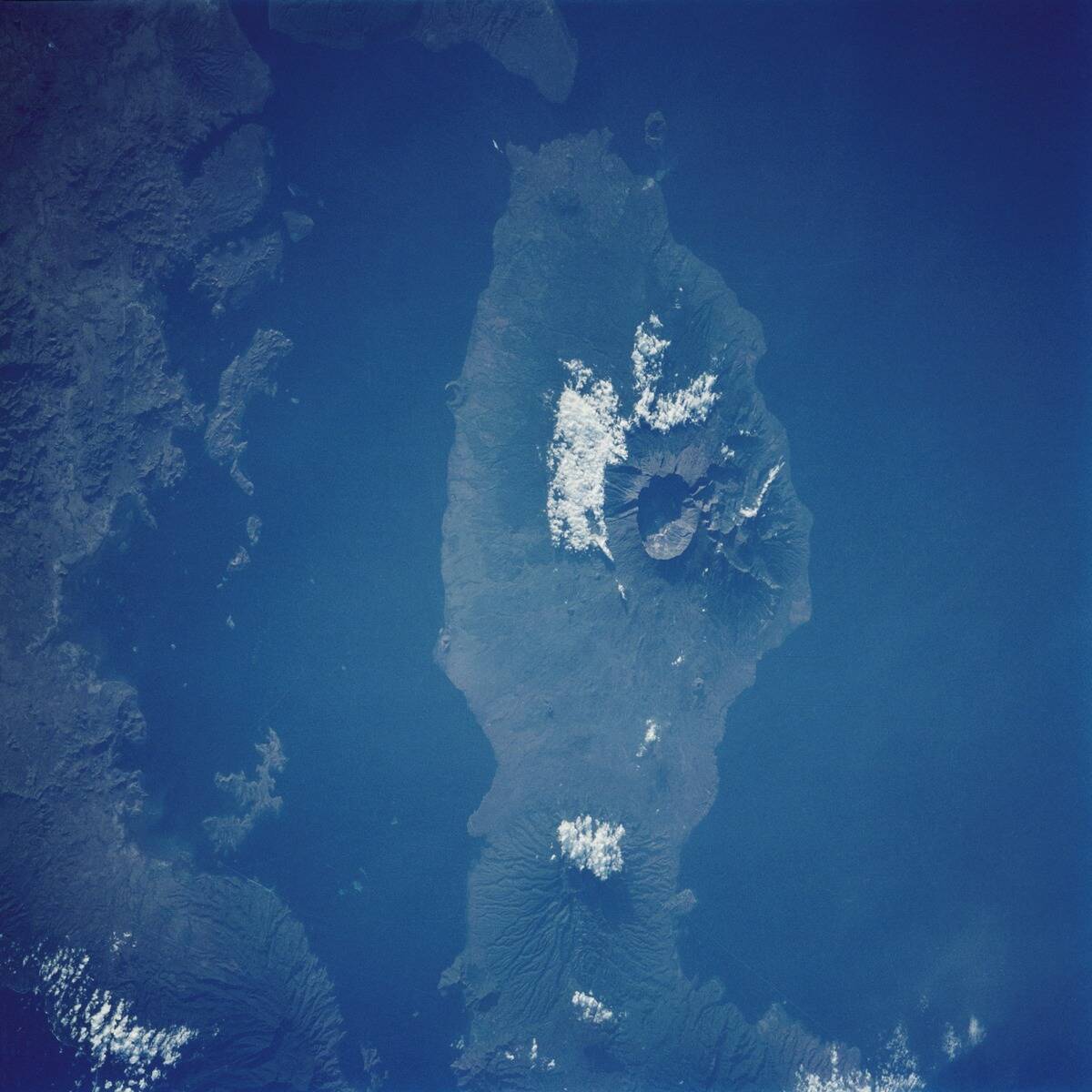
The year 1816 became infamous as the “Year Without a Summer,” largely due to the eruption of Mount Tambora. The volcanic winter caused by the eruption’s ash and gas emissions led to significant cooling, resulting in crop failures and food shortages across the Northern Hemisphere.
This event serves as a historical example of how volcanic activity can disrupt global climate patterns, reminding us of the profound impact these natural phenomena can have on societies.
How Do Scientists Predict Volcanic Climate Effects?

Scientists predict the climate effects of volcanic eruptions by analyzing the composition and volume of emissions. By studying past eruptions and using climate models, they can estimate how gases like sulfur dioxide will impact global temperatures.
Satellite technology also plays a crucial role, allowing researchers to monitor volcanic plumes and track their movement in the atmosphere. This predictive capability is essential for understanding potential climate impacts and preparing for future volcanic events.
The Positive Side: Volcanic Eruptions and Fertile Soils
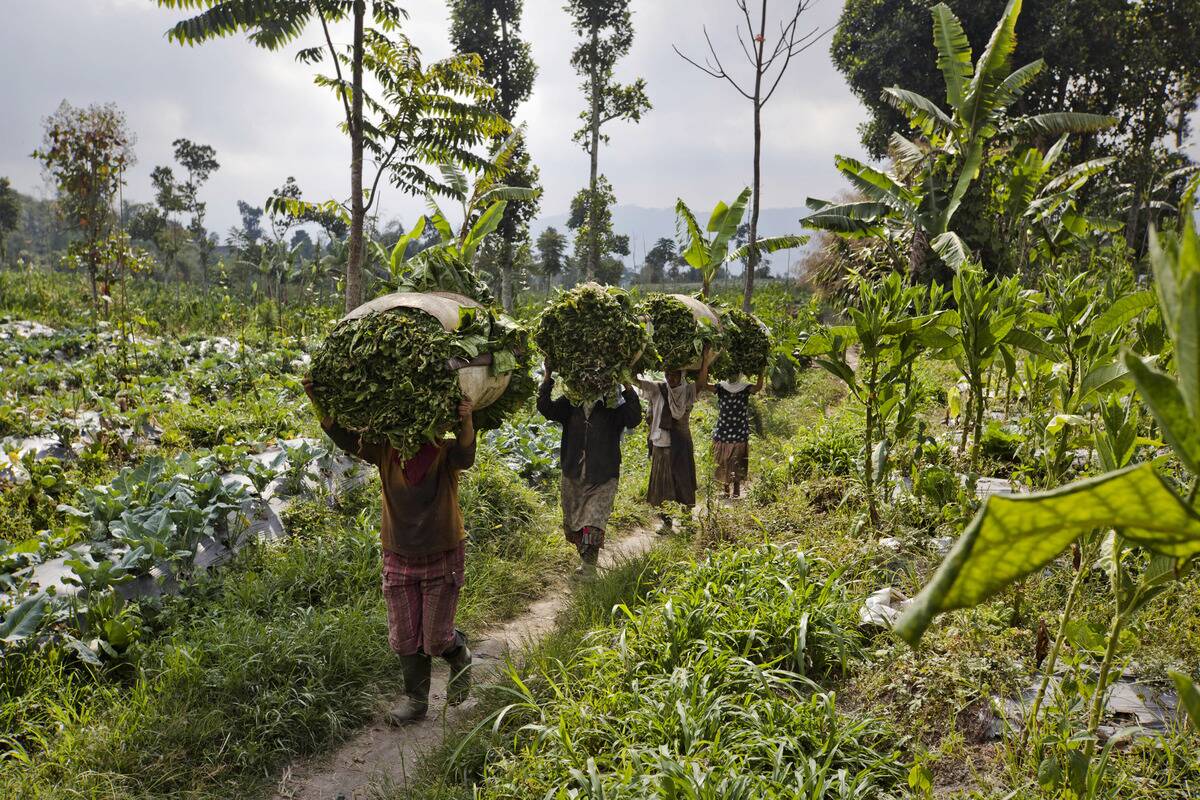
While volcanic eruptions can have disruptive effects, they also create fertile soils that benefit agriculture. Volcanic ash is rich in minerals, providing essential nutrients that enrich the soil and promote plant growth.
Regions around active volcanoes, like those in Indonesia and Italy, often have lush vegetation and productive farmland. This silver lining showcases the dual nature of volcanic activity, where destruction leads to renewal and plays a vital role in supporting ecosystems.




