Trailblazing researchers whose work was ignored for decades
In the grand narrative of scientific discovery, some names become immortalized while others fade into the background. These unsung heroes have often made groundbreaking contributions, yet their stories remain largely untold.
Today, we’re going to shine a light on some of these incredible minds whose work has shaped our understanding of the world. Join us as we delve into the lives and legacies of these underrated pioneers.
The Quiet Pioneers: Why Some Researchers Remain Unnoticed
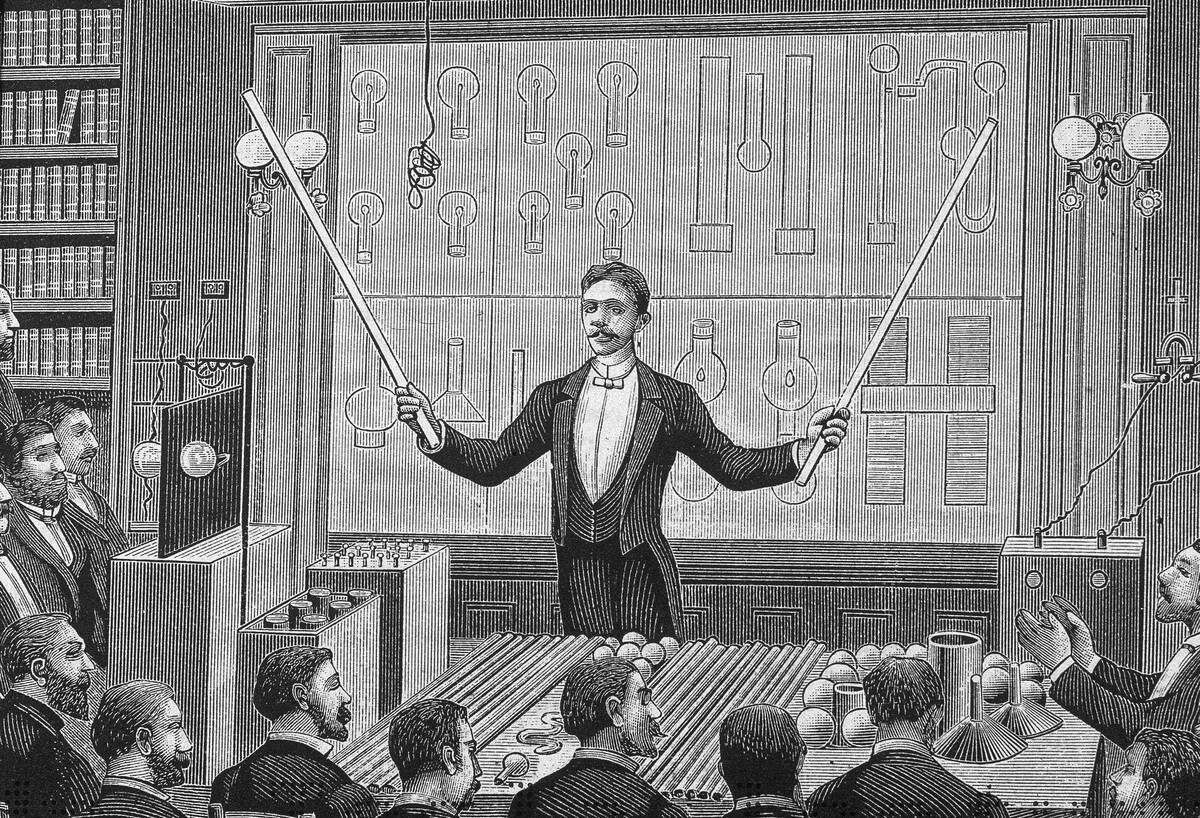
Some researchers remain unnoticed due to a variety of reasons, such as working in isolation or being overshadowed by contemporaries. Often, their groundbreaking ideas were simply ahead of their time, misunderstood or even ridiculed by the scientific community.
However, these quiet pioneers lay the groundwork for future generations, and their ideas eventually gain the recognition they deserve, albeit posthumously.
Ignaz Semmelweis: The Savior of Mothers
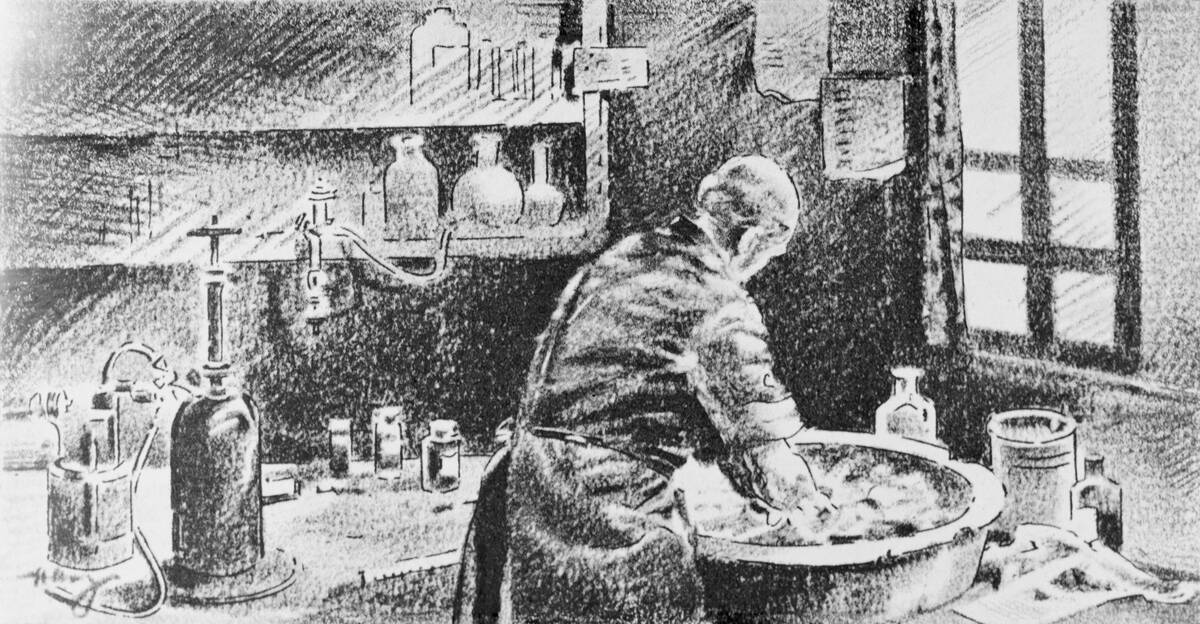
Ignaz Semmelweis, a Hungarian physician, discovered that handwashing drastically reduced mortality rates in maternity wards. Despite his findings, he faced harsh criticism from his peers, who were reluctant to change their practices.
Semmelweis’s ideas were only acknowledged years after his death, yet today, he is hailed as a pioneer in infection control. His legacy lives on in every hospital and clinic around the world.
Barbara McClintock: Unlocking the Secrets of Genetics

Barbara McClintock was an American scientist who made significant contributions to genetics, particularly through her discovery of transposable elements, or “jumping genes.” Despite initially being met with skepticism, her work later earned her a Nobel Prize in Physiology or Medicine in 1983.
McClintock’s story is a testament to the perseverance required in the face of doubt and the eventual triumph of groundbreaking science.
Alfred Wegener: The Continental Drift Theory
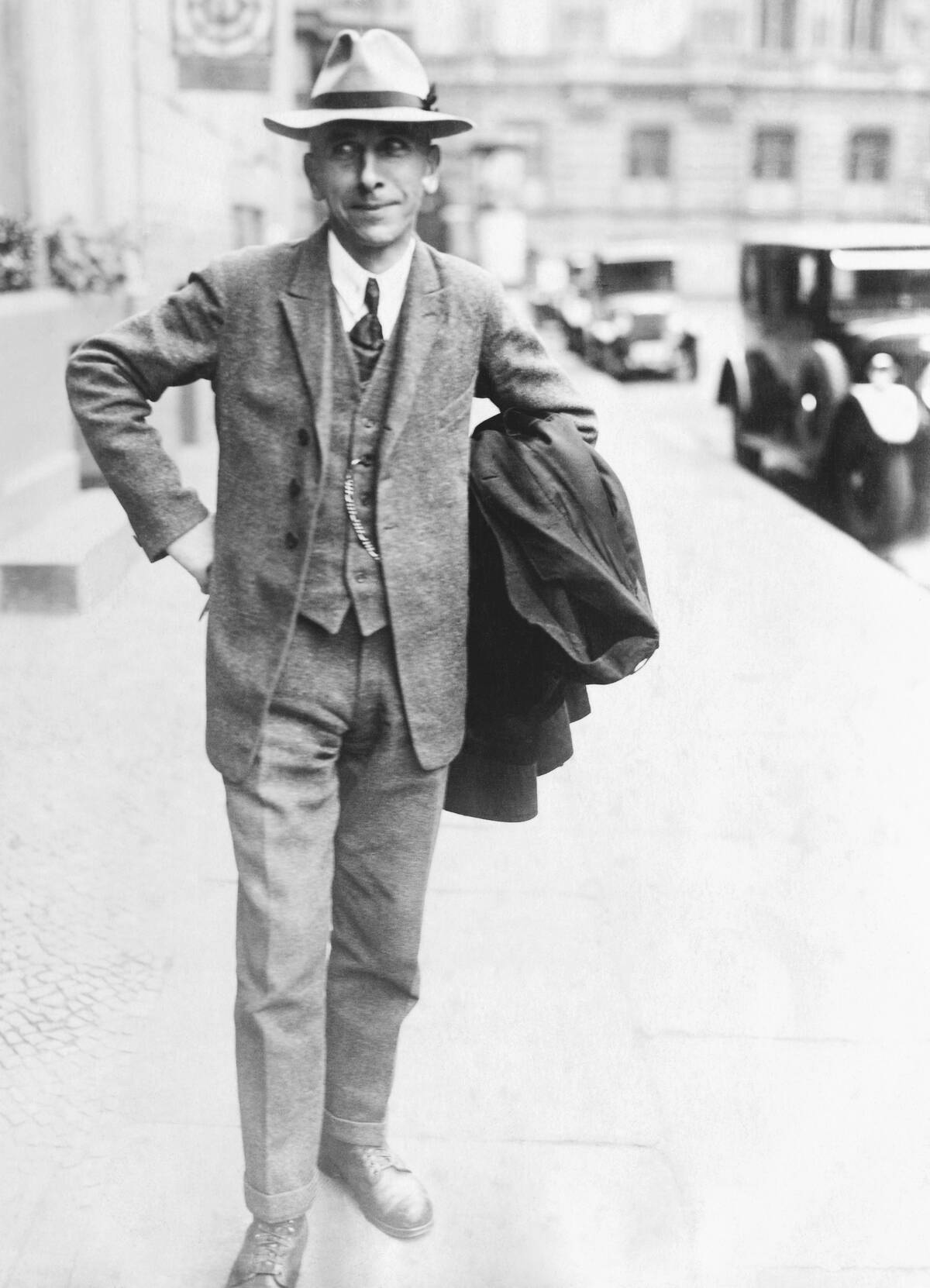
Alfred Wegener, a German meteorologist and geophysicist, proposed the theory of continental drift in 1912, suggesting that continents were once connected and have since drifted apart.
His ideas were dismissed by many during his lifetime, but decades later, the development of plate tectonics provided the evidence needed to support his theory. Wegener’s work revolutionized our understanding of Earth’s geological history.
Rosalind Franklin: The Woman Behind the DNA Double Helix
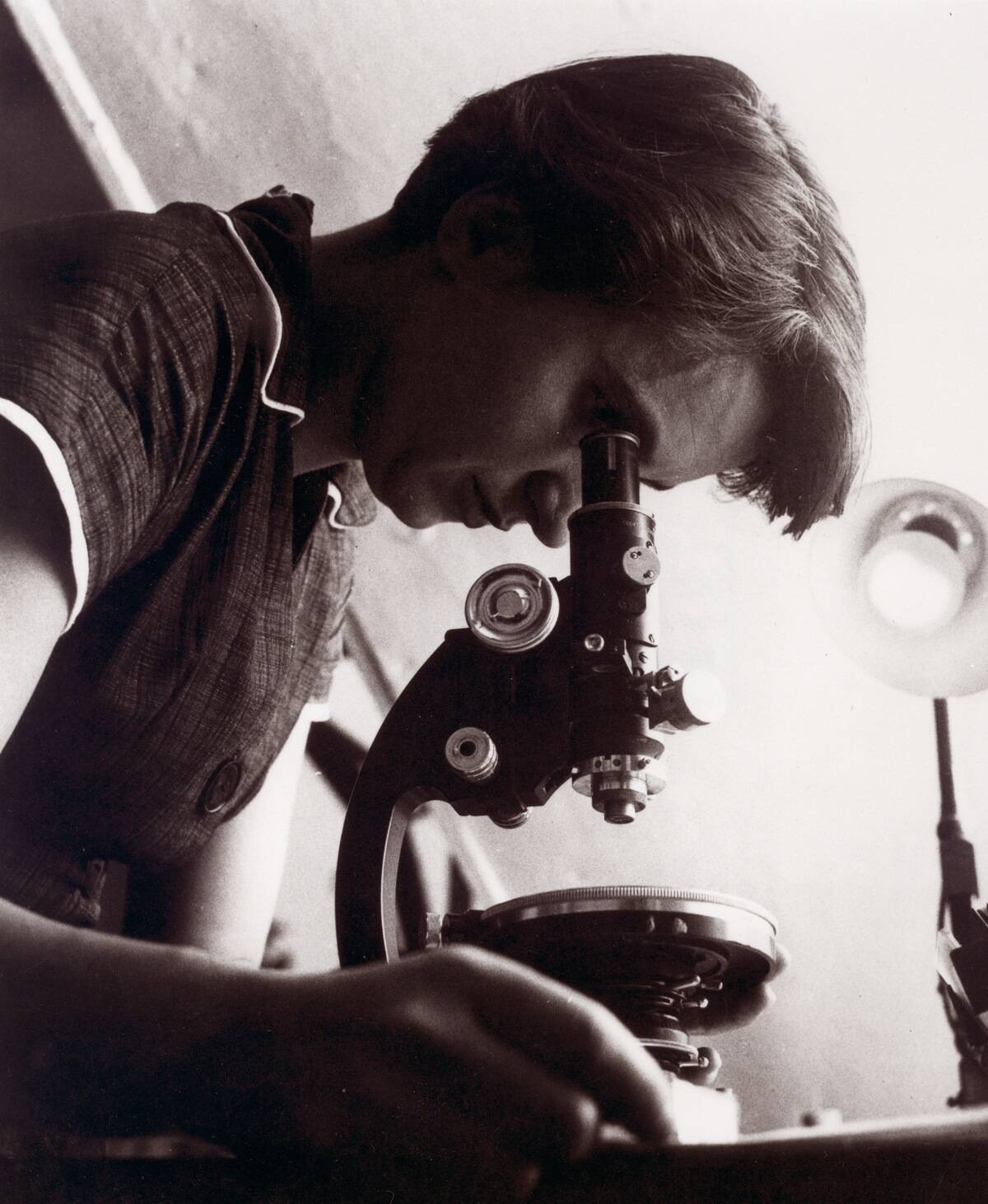
Rosalind Franklin, an English chemist and X-ray crystallographer, played a crucial role in discovering the DNA double helix structure. Her X-ray diffraction images of DNA were key to understanding its form.
Despite her vital contributions, it was Watson and Crick who received most of the credit, even winning the Nobel Prize. Today, Franklin is celebrated for her indispensable role in one of the greatest scientific discoveries of the 20th century.
Nikola Tesla: The Visionary Ahead of His Time
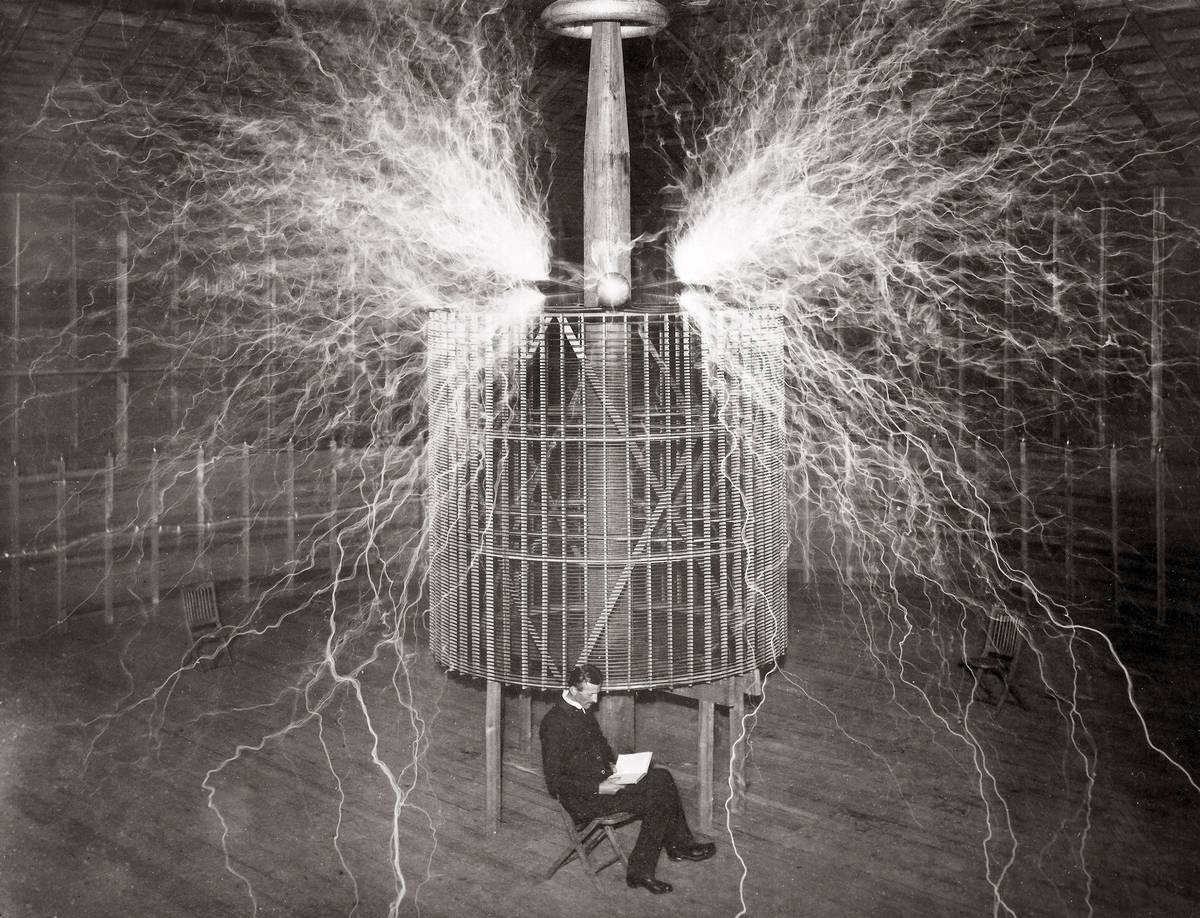
Nikola Tesla, a Serbian-American inventor, was a visionary whose ideas laid the foundation for modern alternating current (AC) electricity supply systems. Despite his immense contributions, Tesla struggled financially and was often overshadowed by contemporaries like Thomas Edison.
Today, Tesla is recognized as one of the most influential inventors in history, a true pioneer whose work continues to impact our lives in countless ways.
Gregor Mendel: The Father of Modern Genetics
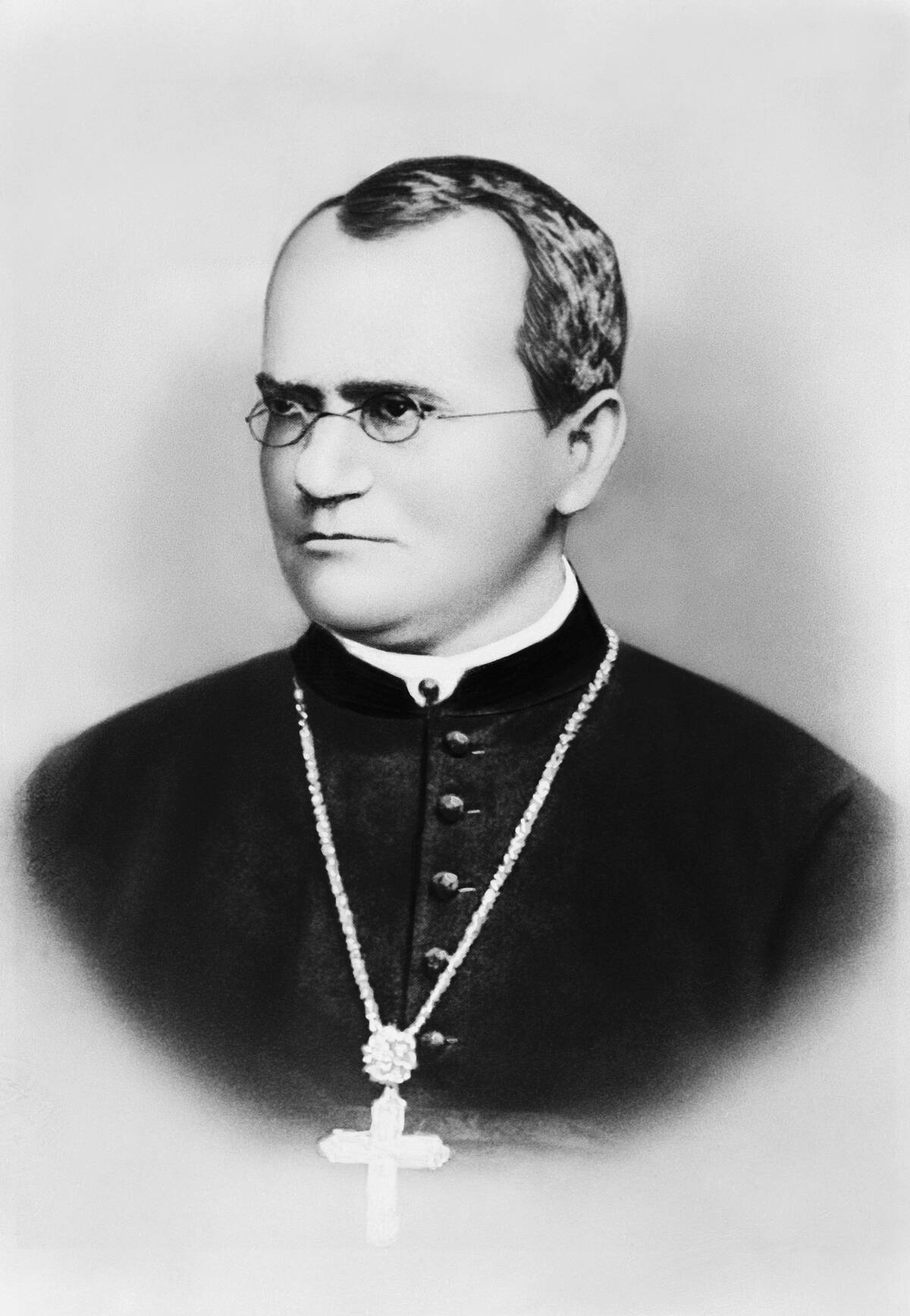
Gregor Mendel, an Austrian monk, conducted experiments with pea plants that uncovered the fundamental laws of inheritance. His work, published in 1866, went largely unnoticed until the early 20th century when it was rediscovered, laying the foundation for the field of genetics.
Mendel’s principles remain central to our understanding of genetic inheritance, earning him the title “Father of Modern Genetics.”
Emmy Noether: The Mathematical Genius
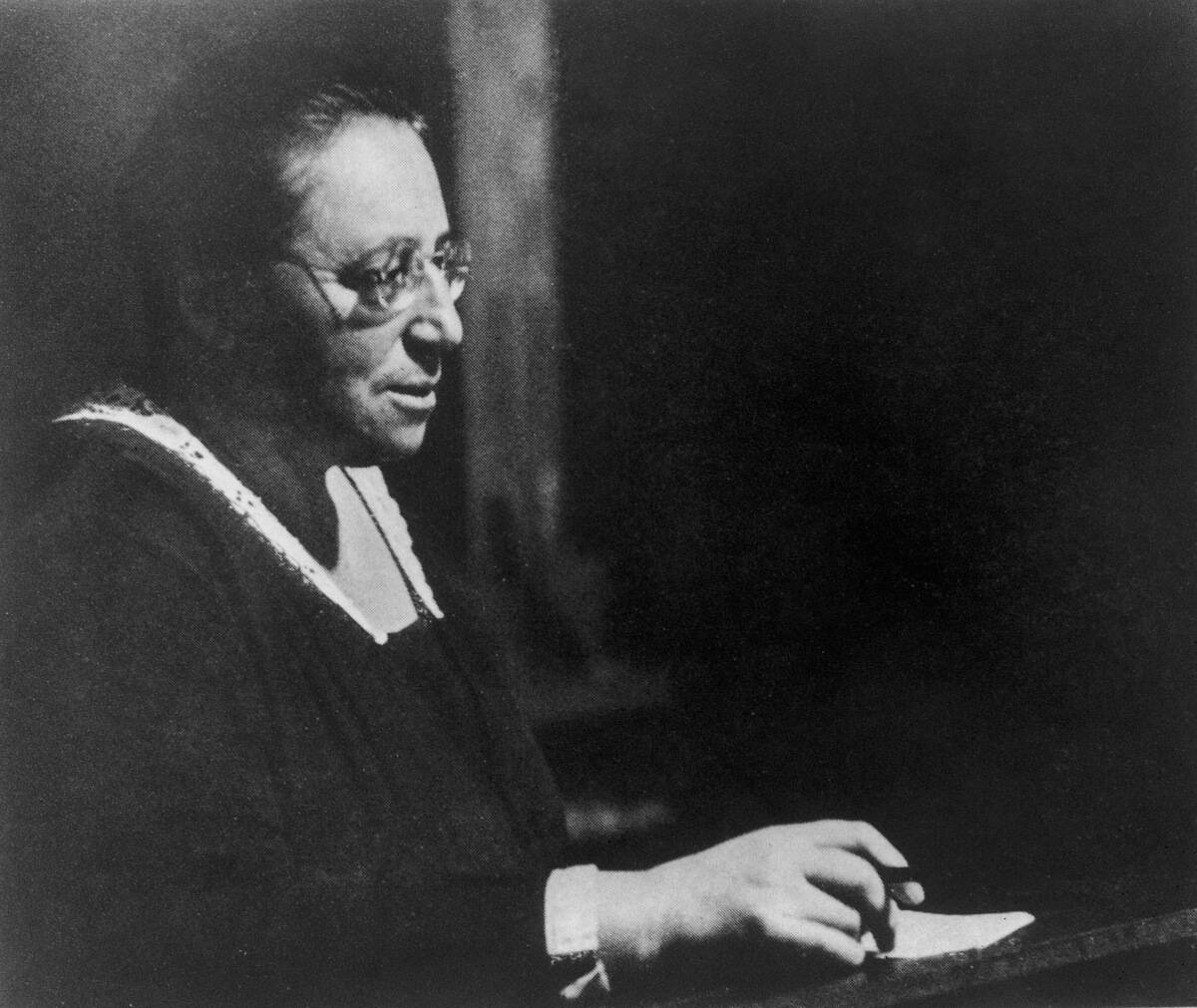
Emmy Noether was a German mathematician whose groundbreaking work in abstract algebra and theoretical physics laid the groundwork for much of modern mathematics. Noether’s Theorem, which explains the connection between symmetry and conservation laws, remains a cornerstone of theoretical physics.
Despite her contributions, Noether faced significant gender-based discrimination in academia. Today, she is celebrated as one of the greatest mathematicians of the 20th century.
Joseph Lister: The Pioneer of Antiseptic Surgery
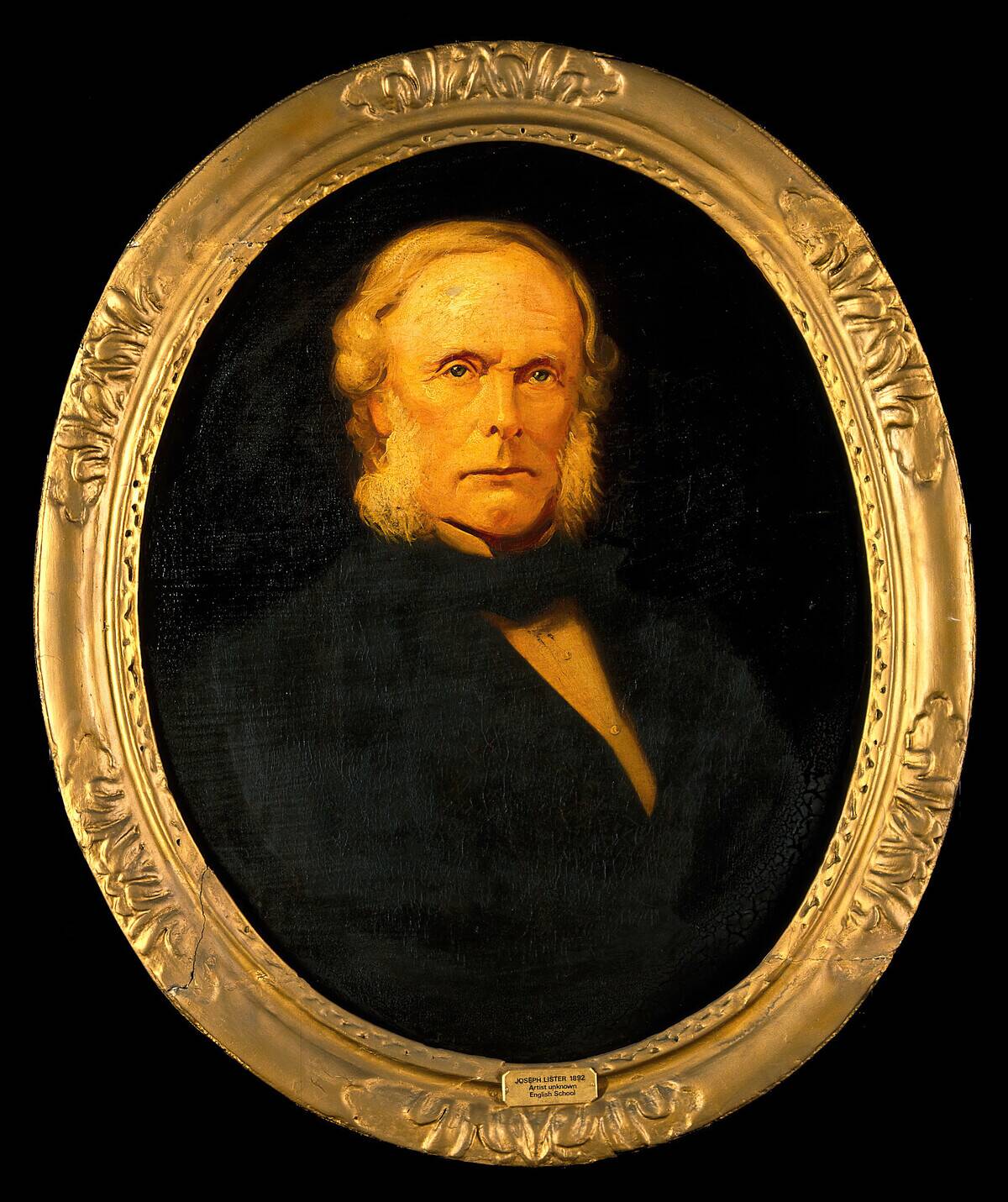
Joseph Lister, a British surgeon, revolutionized medicine by introducing antiseptic surgical techniques. Inspired by Louis Pasteur’s germ theory, Lister began using carbolic acid to sterilize surgical instruments and clean wounds, drastically reducing post-operative infections.
Initially met with skepticism, his methods were eventually adopted worldwide, transforming surgery into a safer practice and saving countless lives in the process.
Rachel Carson: The Mother of Environmentalism

Rachel Carson, an American marine biologist and conservationist, is best known for her book “Silent Spring,” which exposed the environmental hazards of pesticides. Her work sparked the modern environmental movement and led to policy changes, including the eventual ban of DDT in the United States.
Despite facing fierce opposition from chemical companies, Carson’s legacy endures as a pivotal figure in advocating for environmental protection.
George Zweig: The Quark Model

George Zweig, an American physicist, proposed the quark model in 1964, independently of Murray Gell-Mann. Although initially skeptical, the physics community eventually acknowledged the quark model as a fundamental component of particle physics.
Despite not receiving a Nobel Prize, Zweig’s work laid the foundation for our understanding of the subatomic world, showcasing the importance of persistence and innovation in science.
Vera Rubin: The Dark Matter Detective

Vera Rubin, an American astronomer, provided critical evidence for the existence of dark matter through her studies of galaxy rotation rates. Her observations showed that galaxies were rotating at speeds that could not be explained by visible mass alone.
Despite her significant contributions, Rubin was never awarded a Nobel Prize, yet her work remains central to our understanding of the universe’s mysterious dark matter.
Ludwig Boltzmann: The Thermodynamics Theorist
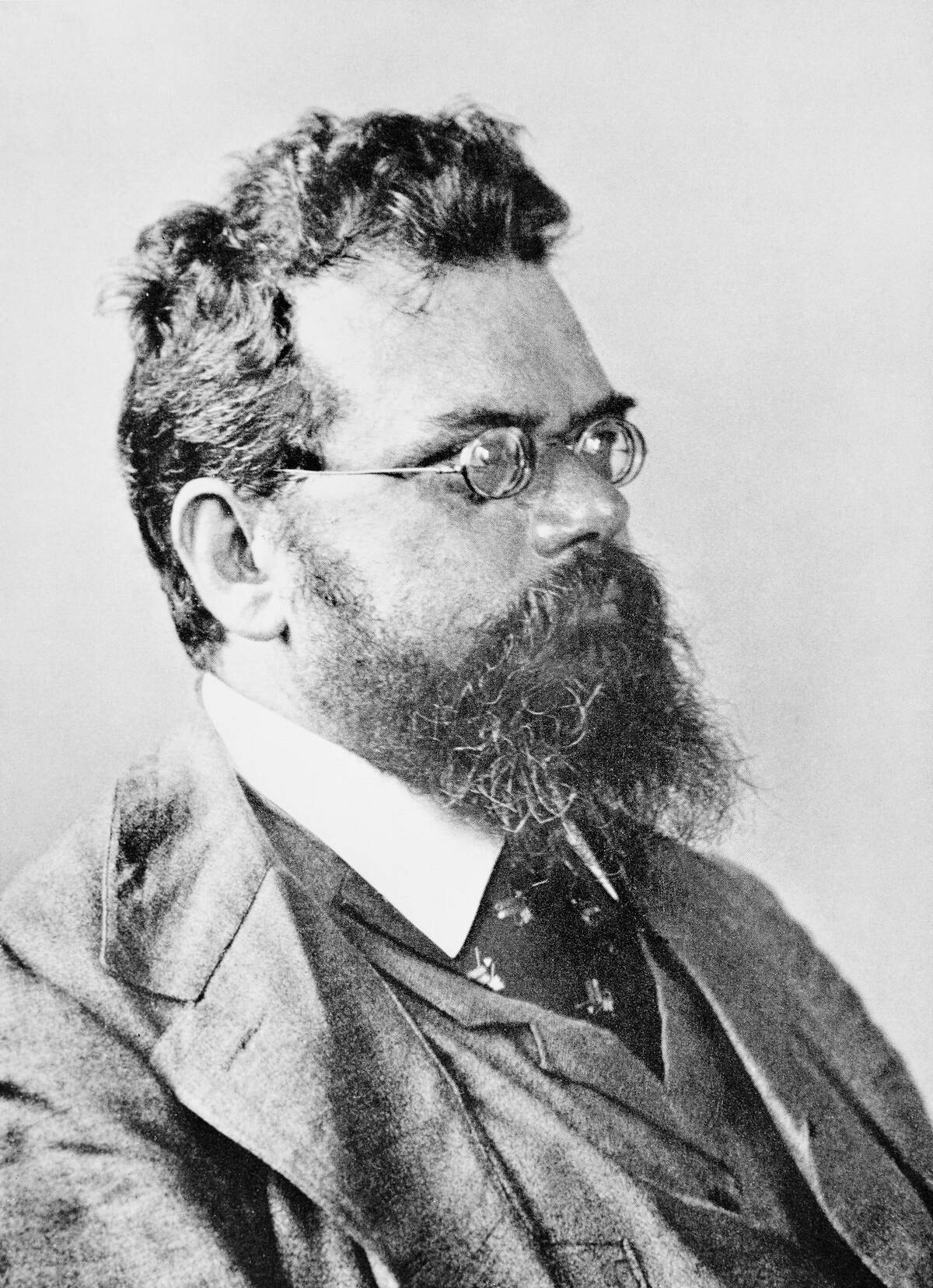
Ludwig Boltzmann, an Austrian physicist, made substantial contributions to the field of statistical mechanics and thermodynamics. His work on the statistical nature of gases laid the foundation for the second law of thermodynamics and introduced the concept of entropy.
Although his ideas faced significant opposition during his lifetime, Boltzmann’s theories are now considered fundamental to our understanding of physical processes.
Amedeo Avogadro: The Mole and Molecular Theory
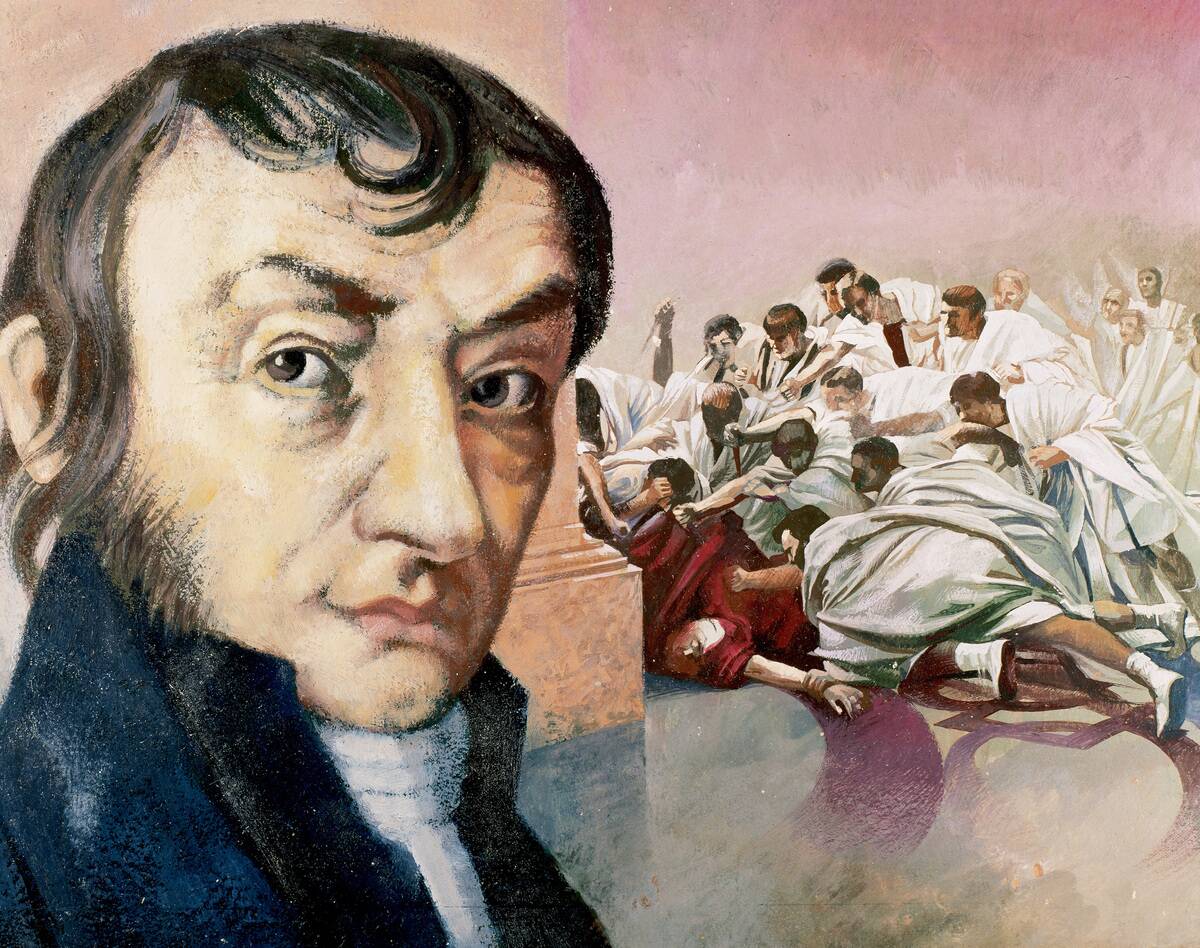
Amedeo Avogadro, an Italian scientist, is best known for Avogadro’s law, which posits that equal volumes of gases, at the same temperature and pressure, contain an equal number of molecules.
His work laid the groundwork for the concept of the mole, a fundamental unit in chemistry. Although his ideas were not widely accepted during his lifetime, Avogadro’s contributions are now essential to chemical science.
The Impact of Being Overlooked: Why Recognition Matters

Recognition in science is crucial as it often determines funding, resources, and opportunities for further research. Being overlooked can hinder scientific progress and discourage talented researchers.
However, history shows that even without immediate recognition, groundbreaking work eventually comes to light. Acknowledging and celebrating these contributions helps inspire new generations of scientists to pursue innovative ideas, regardless of the initial challenges they might face.
Lessons Learned: Celebrating and Supporting Today’s Innovators
Learning from the past, it’s essential to create an environment where today’s innovators can thrive. Encouraging open-mindedness, collaboration, and diversity in scientific research can lead to more groundbreaking discoveries.
By providing adequate resources and fostering a culture of recognition, we can ensure that the contributions of all scientists are valued and that their stories are told, securing a brighter future for scientific advancement.




