Things humans used to use as currency
Welcome to a whimsical tour through the fascinating evolution of currency! Before the crisp banknotes and shiny coins we know today, ancient societies engaged in creative ways to barter and exchange goods.
From the lush jungles of Mesoamerica to the frozen tundras of the North, diverse items served as mediums of trade. Each culture found its unique solution to the age-old question of value, resulting in a rich tapestry of currency history.
The Original Barter System: Trading Goods and Services
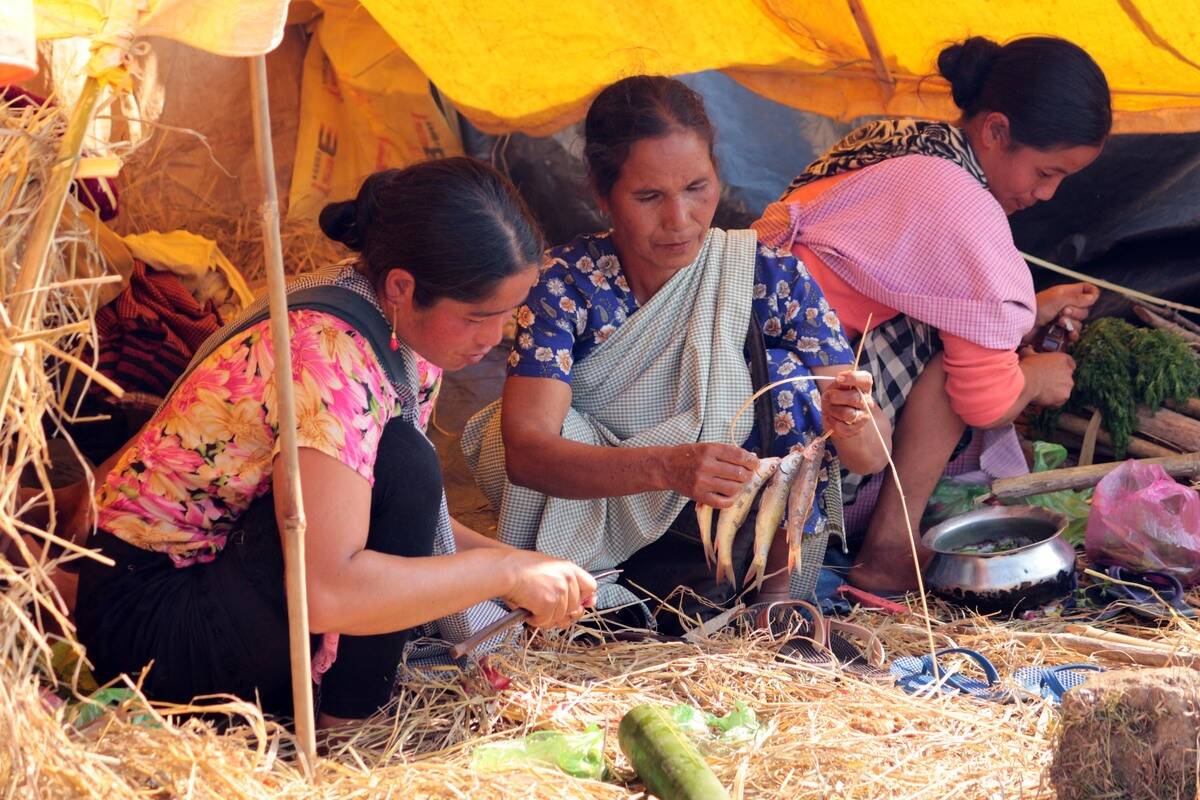
Long before the invention of money, people relied on the barter system to fulfill their needs. This simple method involved trading goods and services without a standard currency. Imagine swapping a cow for a basket of apples or offering pottery in exchange for woven cloth.
The barter system was versatile but had its limitations, as not all trades were equal or convenient. Despite its challenges, bartering laid the groundwork for more structured economic systems.
Shells: The Shiny Treasures of the Sea
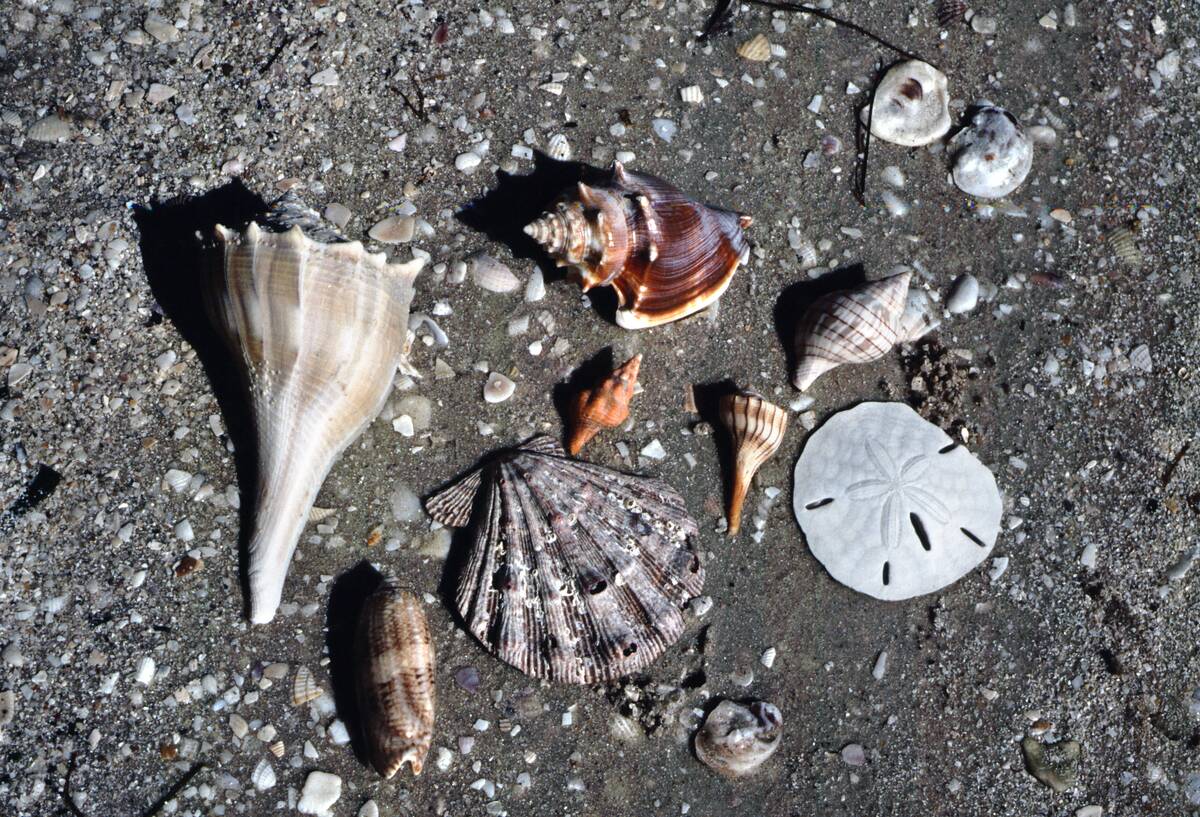
Shells, particularly cowrie shells, were once considered a prized currency across various cultures. In China, Africa, and the Pacific Islands, their beauty and rarity made them perfect for trade.
It’s fascinating to think of these small ocean treasures being used to purchase goods or pay debts. Even today, cowrie shells hold symbolic value and are often used in jewelry and decoration, echoing their rich past as a form of currency.
Cattle: Moo-ving Wealth Across Cultures
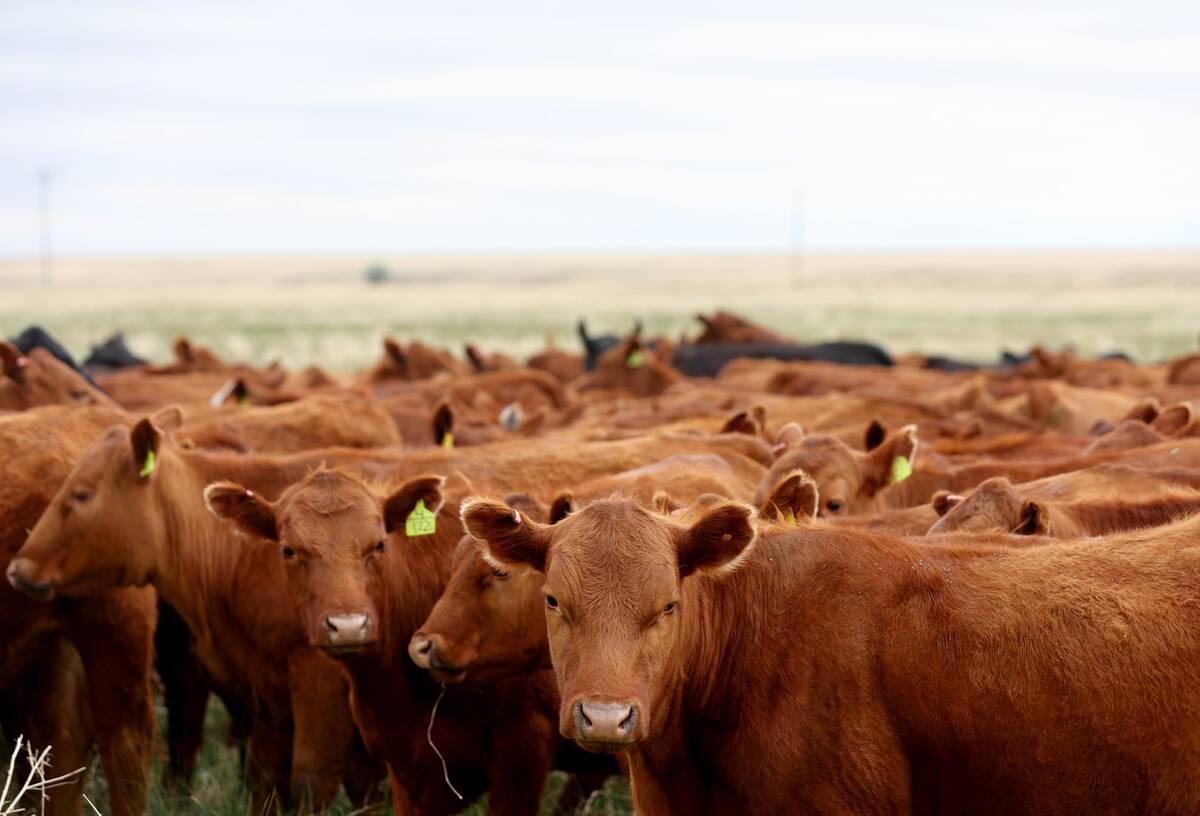
Cattle have long been a sign of wealth and prosperity in many cultures. In regions like Africa, livestock not only provided food and labor but also served as a status symbol. The Maasai of East Africa famously measure wealth by the number of cattle one possesses.
This reliance on livestock as currency highlights the intrinsic value placed on these animals, which were both a source of sustenance and economic exchange.
Grain: The Staple of Trade in Early Civilizations
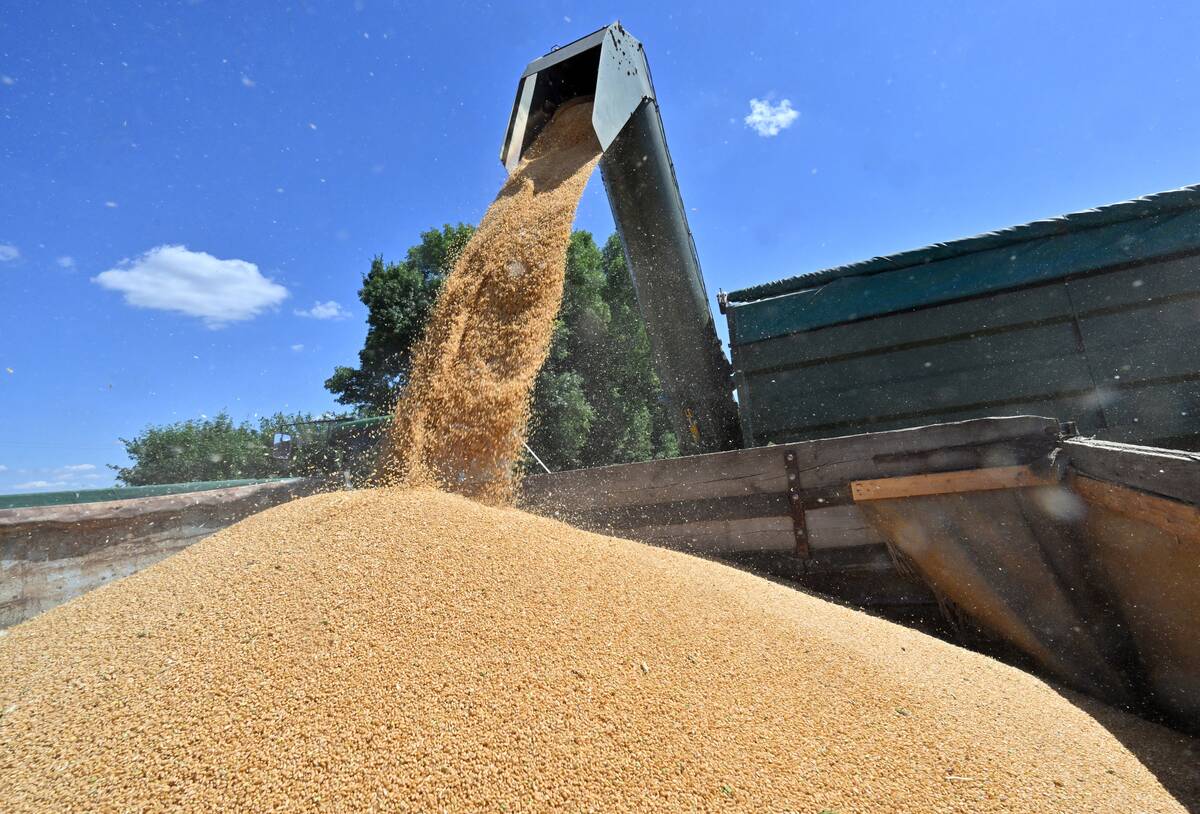
Grain, such as wheat and barley, was a fundamental currency in the ancient world. Civilizations like Mesopotamia and Egypt relied on grain stores to support growing populations and trade networks.
It was a practical currency since it could be consumed, stored, and traded. The value of grain was in its versatility, feeding people and animals alike, while also being used to pay workers and taxes, fueling the engines of early economies.
Tobacco: The Cash Crop That Became Currency
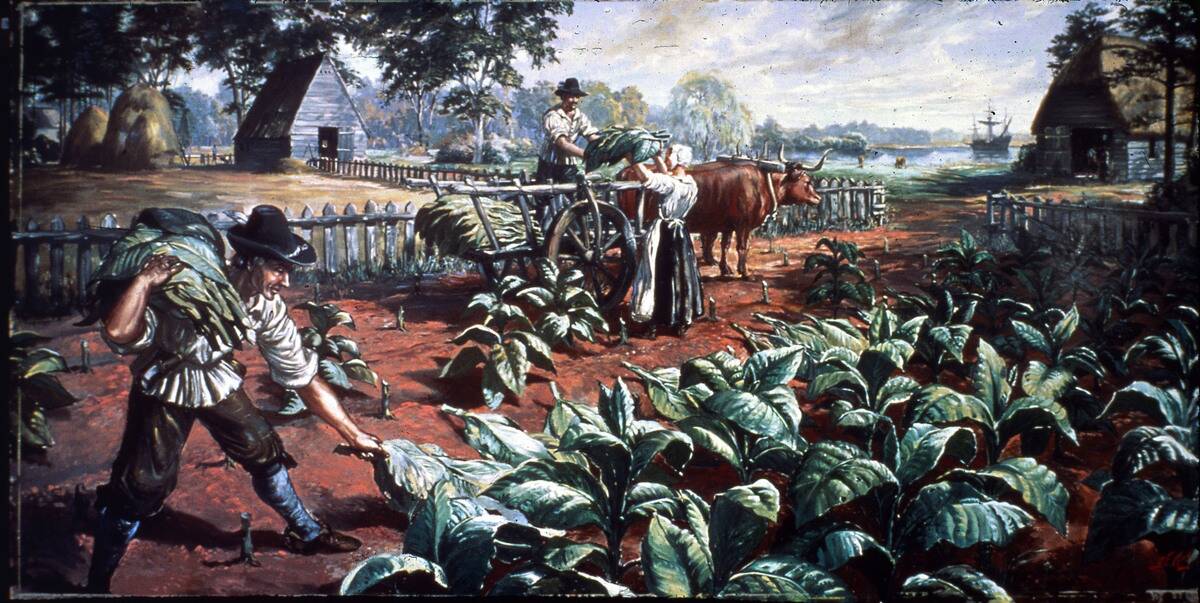
In colonial America, tobacco was more than just a crop; it was a form of currency. Farmers would often use tobacco leaves to pay taxes, purchase goods, or settle debts. This leafy currency was a testament to the plant’s economic importance in the colonies.
The popularity of tobacco as a trade item helped shape the agricultural landscape of the New World and was a key factor in the region’s economic development.
Beads: The Colorful Currency of Indigenous Cultures

Beads, with their vibrant colors and intricate designs, served as currency among many indigenous cultures. The Maasai and Native American tribes, among others, used beads not only for adornment but also as a trade medium.
Their portability and aesthetic appeal made them a flexible currency. Beads tell a story of cultural exchange and artistic expression, highlighting the intersection of beauty and value in trading practices.
Tea Bricks: Brewing Wealth in Asia
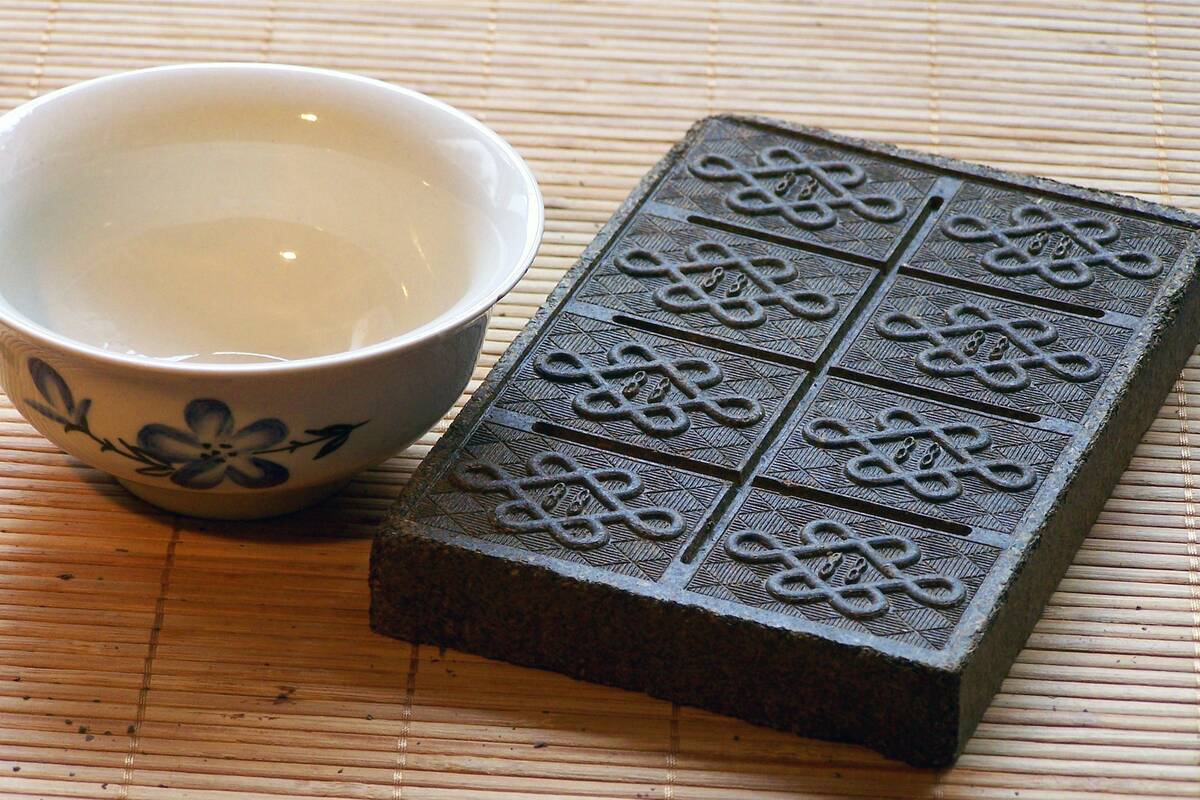
Tea bricks were a unique form of currency in Asia, particularly in China and Mongolia. Compressed blocks of tea leaves were not only consumed but also used in trade, especially along the Silk Road.
Their durability and practicality made them an ideal currency in regions where tea was a staple. The use of tea bricks illustrates the cultural significance of tea and its role as a valuable commodity in historical trade networks.
Furs: The Warm Wealth of the Northern Lands

In the cold northern regions, furs became a crucial currency, valued for their warmth and utility. The fur trade was a driving force in the exploration and economic development of areas like Canada and Siberia.
Beaver pelts, in particular, were highly sought after in Europe for hats and garments. This demand for fur not only shaped trade routes but also had significant impacts on indigenous communities and ecosystems.
Knives: The Sharp Trade Tools of Ancient China

In ancient China, knives were more than just tools; they were used as currency. These metal knives varied in size and shape, often inscribed with messages or designs. They were practical and durable, making them a reliable medium of exchange.
The use of knife money reflects the ingenuity of early Chinese societies in finding multifunctional solutions for trade, blending utility with monetary value.
Whiskey: The Spirited Exchange Medium

In the American frontier, whiskey was a popular form of currency. Distillers would trade barrels of their spirits for goods and services, as whiskey was both highly valued and widely consumed.
This spirited exchange medium was a testament to the ingenuity of early settlers in using available resources. The barter of whiskey highlights its role not only as a beverage but also as a versatile trade item in American history.
Feathers: The Flighty Currency of the Aztecs
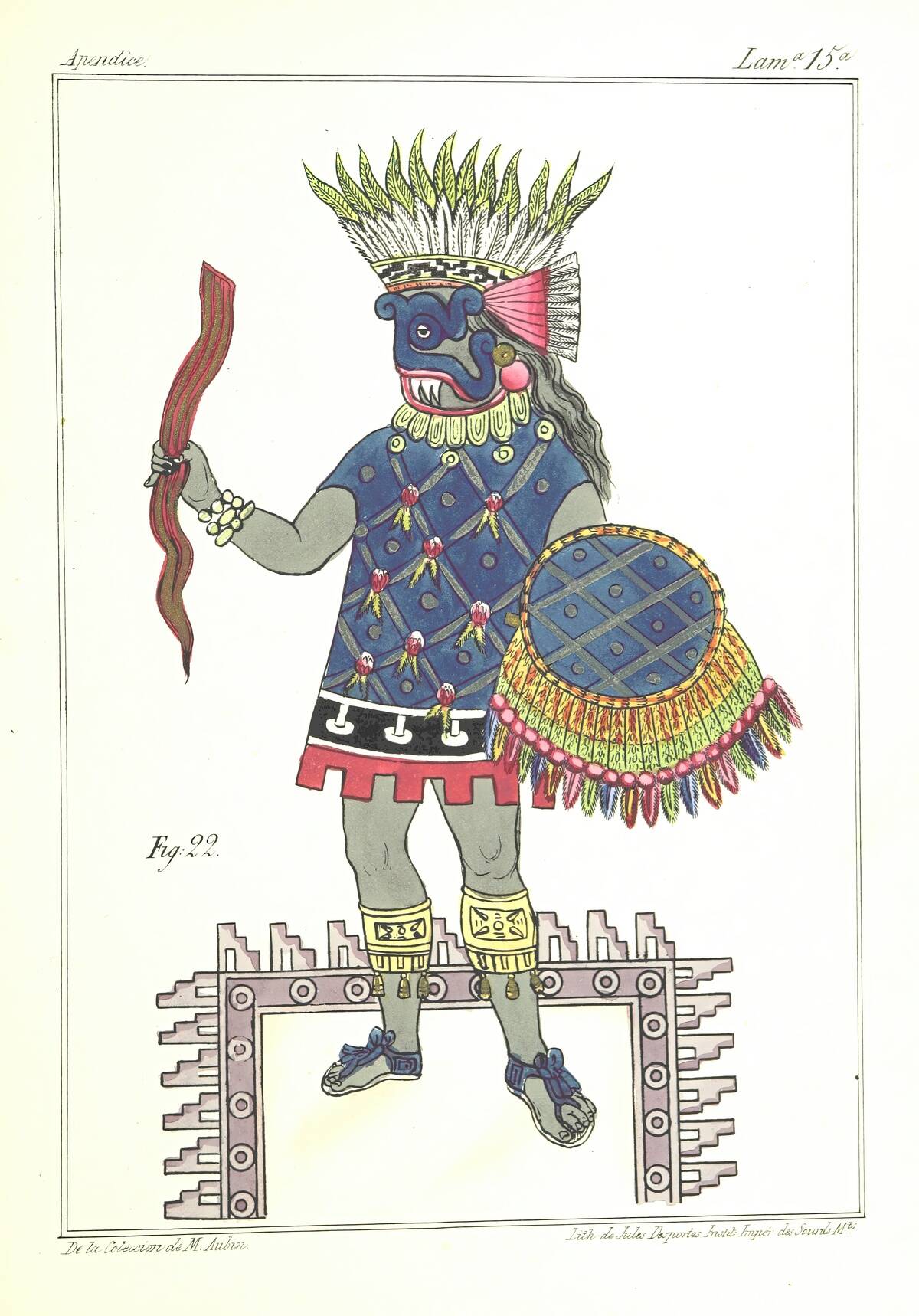
Among the Aztecs, feathers, particularly those of the quetzal bird, were a valued currency. Their vibrant colors and rarity made them highly prized for trade and ceremonial use.
Feathers were woven into garments or used as tribute to rulers, showcasing their importance in Aztec society. This unique currency reflects the cultural and aesthetic values of the Aztecs, where beauty and rarity translated into economic worth.
Stones: The Heavyweight Currency of Yap

On the island of Yap in Micronesia, massive stone disks called Rai stones served as currency. These enormous stones, often several tons in weight, were carved from limestone and transported from distant islands.
Despite their impractical size, the stones’ value was derived from their history and the effort required to obtain them. This intriguing form of currency highlights how value can be deeply tied to cultural narratives and communal recognition.
Cocoa Beans: The Sweet Currency of the Aztecs

Cocoa beans were a cherished currency among the Aztecs, used to trade for goods and pay taxes. They valued the beans not only for their monetary worth but also for their use in making chocolate, a sacred beverage.
This sweet currency was so essential that counterfeit beans made from clay were sometimes used. The use of cocoa beans underscores the dual role of commodities that are both consumable and valuable in trade.
Wampum: The Beaded Beliefs of Native Americans
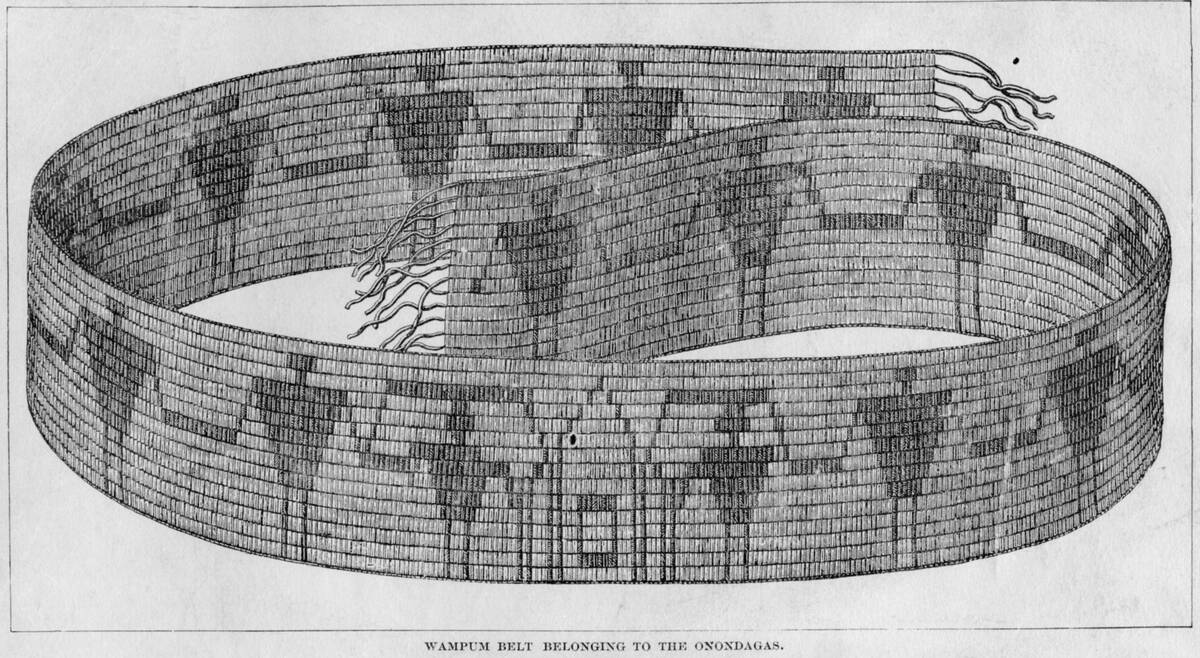
Wampum, crafted from polished shells, was a vital currency for Native American tribes, particularly in the Northeastern United States. These beads were strung together to create belts and were used in trade and treaties.
Wampum was more than currency; it held cultural and spiritual significance, representing agreements and historical events. The intricate craftsmanship and cultural depth of wampum highlight its multifaceted role in Native American societies.
Livestock: When Animals Were the Ultimate Trade Asset
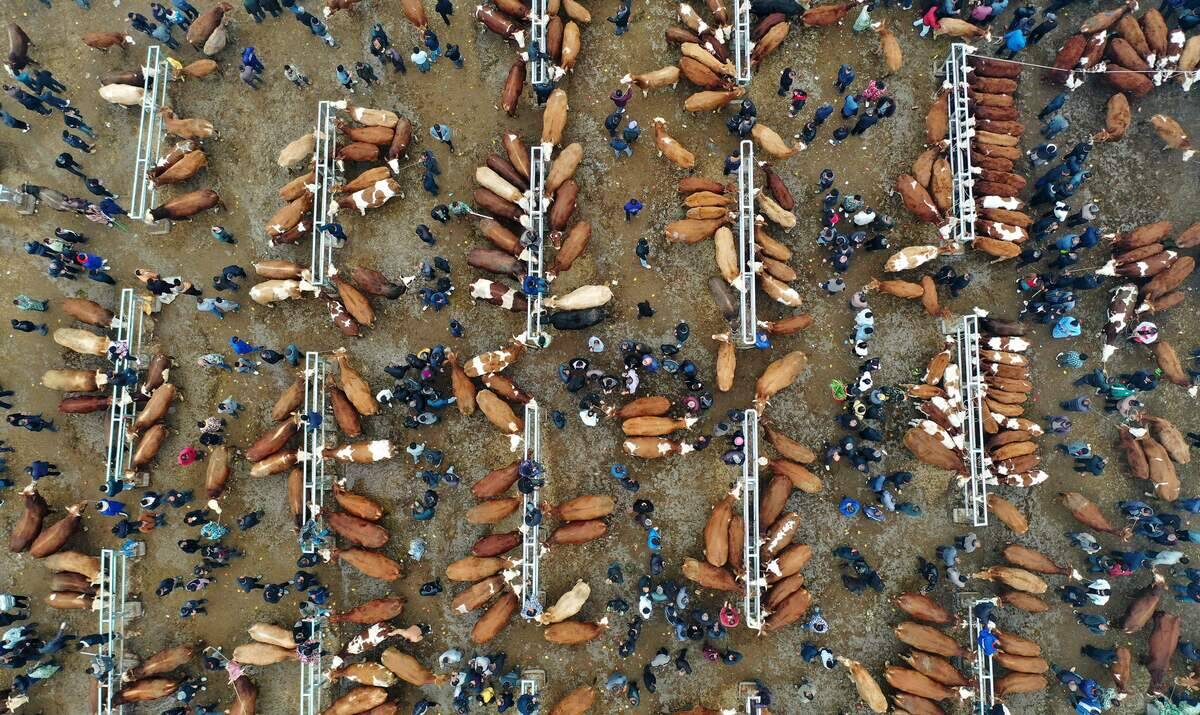
In many agricultural societies, livestock was the pinnacle of wealth and trade. Animals such as sheep, goats, and camels were not only essential for survival but also served as a primary medium of exchange. In regions like the Middle East, livestock ownership indicated status and prosperity, with herds representing economic security.
This reliance on animals as trade assets underscores their fundamental role in sustaining communities and economies throughout history.