Volcano eruptions that forced entire empires to migrate
Volcanoes have long been seen as both destructive forces and creators of new worlds. Their eruptions have the power to change landscapes, alter climates, and influence human history in profound ways.
From ancient myths to modern migrations, the story of humanity is interwoven with the fiery breath of these geological giants. Let’s take a journey through time to explore how volcanic eruptions have shaped our world and left an indelible mark on history.
The Power of Nature: Understanding Volcanic Eruptions
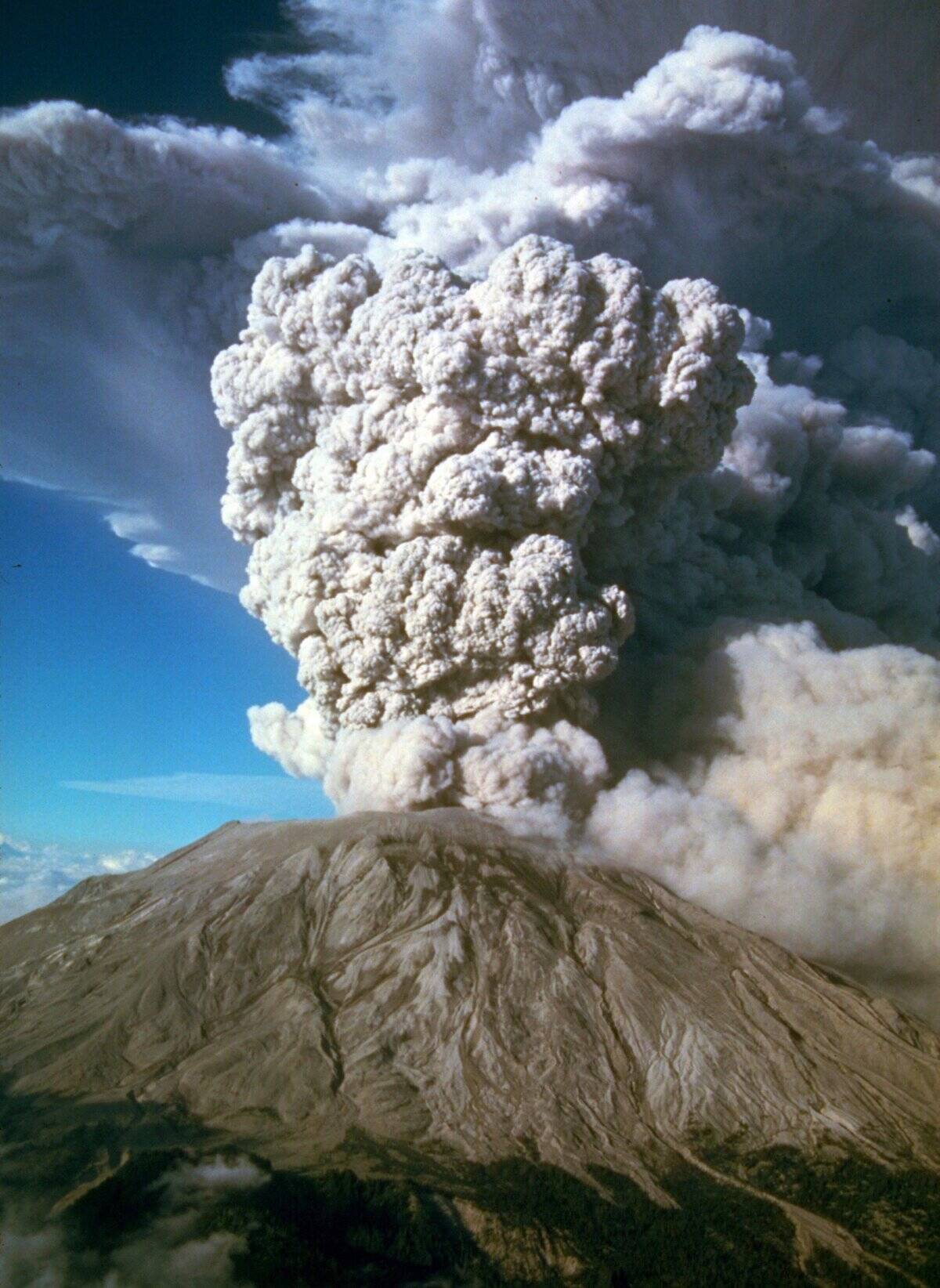
Volcanic eruptions occur when there is an accumulation of pressure from gases and molten rock beneath the Earth’s crust. When this pressure becomes too great, it explodes, releasing lava, ash, and gases.
The 1980 eruption of Mount St. Helens is a prime example of this natural power, as it released energy equivalent to 27,000 nuclear bombs. Understanding these events helps us appreciate their potential impact on both local and global scales.
The Role of Volcanoes in Human Migration
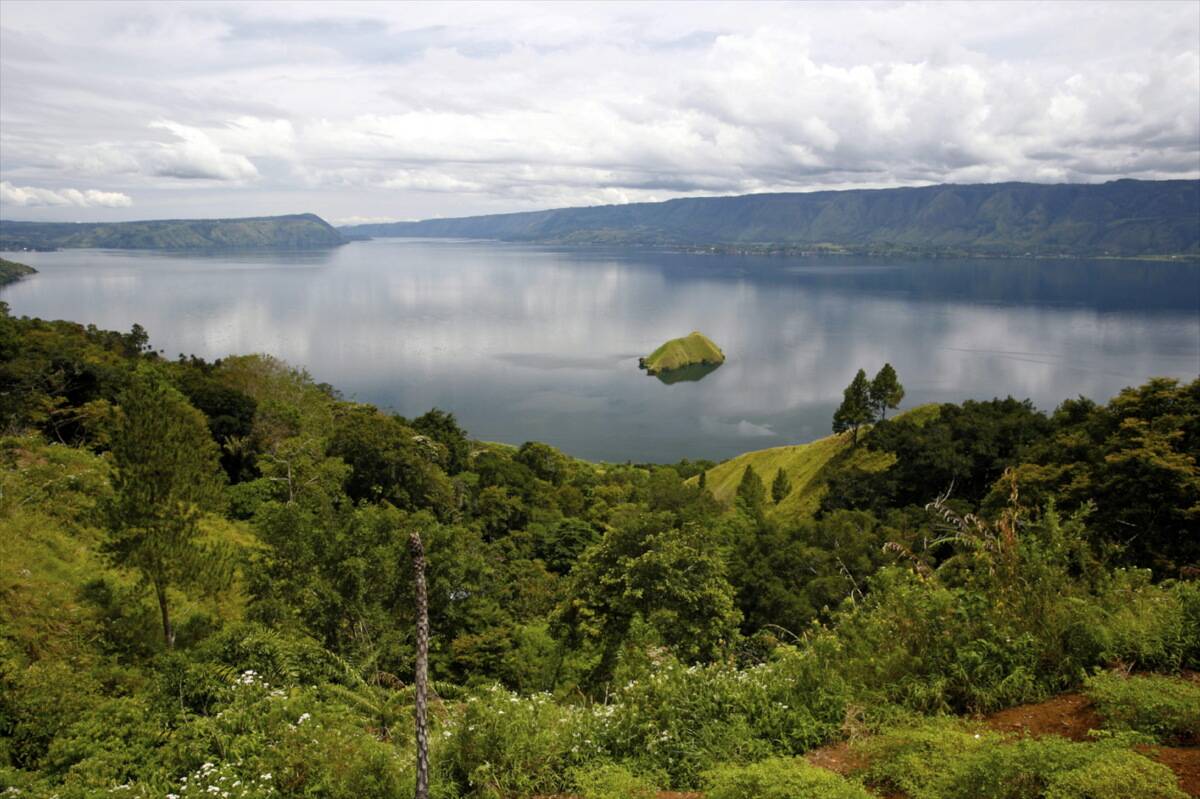
Volcanic eruptions have played a pivotal role in human migration patterns throughout history. The eruption of the Toba supervolcano around 74,000 years ago is believed to have triggered a bottleneck in human evolution, with only a few thousand people surviving.
This event may have forced early humans to migrate and adapt to new environments, ultimately shaping the course of human evolution and dispersal across the globe.
The Minoan Eruption: The Event That Shook the Ancient World
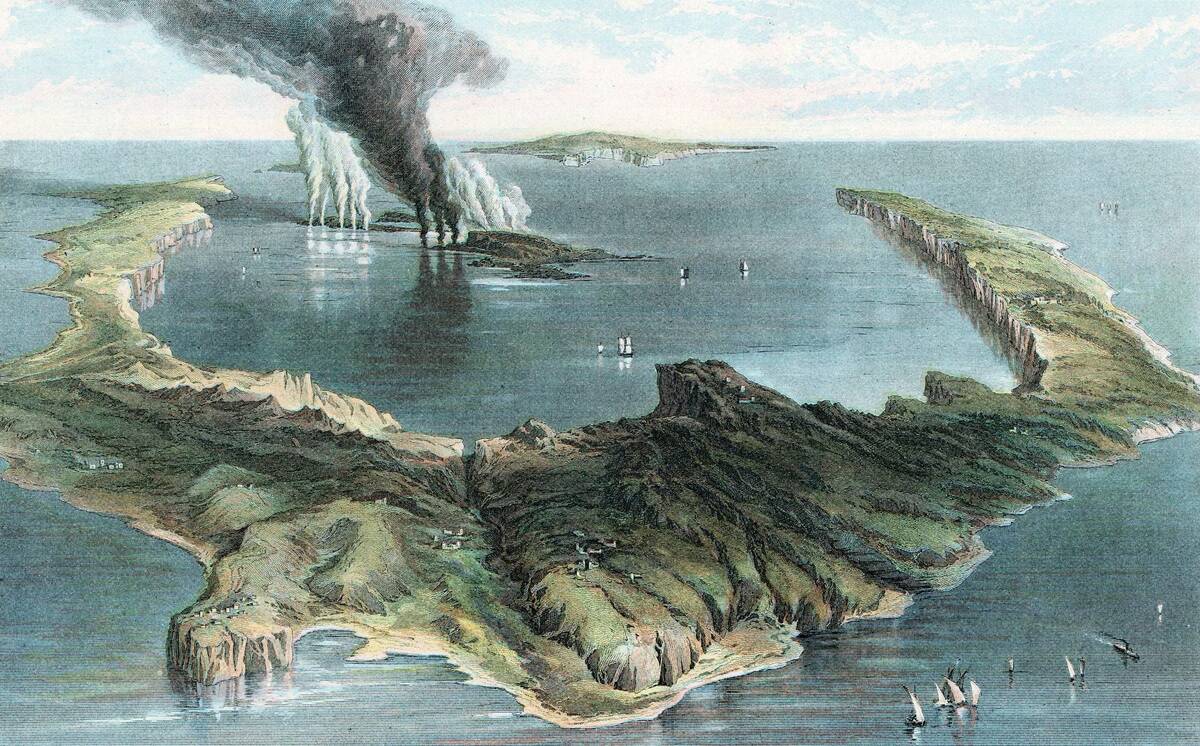
The Minoan eruption, which occurred on the island of Santorini around 1600 BCE, was one of the most powerful volcanic events in recorded history. It devastated the Minoan civilization on Crete, leading to its decline.
The eruption caused massive tsunamis and ash fallout that affected agriculture and trade, leaving a lasting impact on ancient civilizations in the region. This event highlights the vulnerability of societies to natural disasters, even in ancient times.
The Eruption of Mount Vesuvius: Pompeii’s Final Days
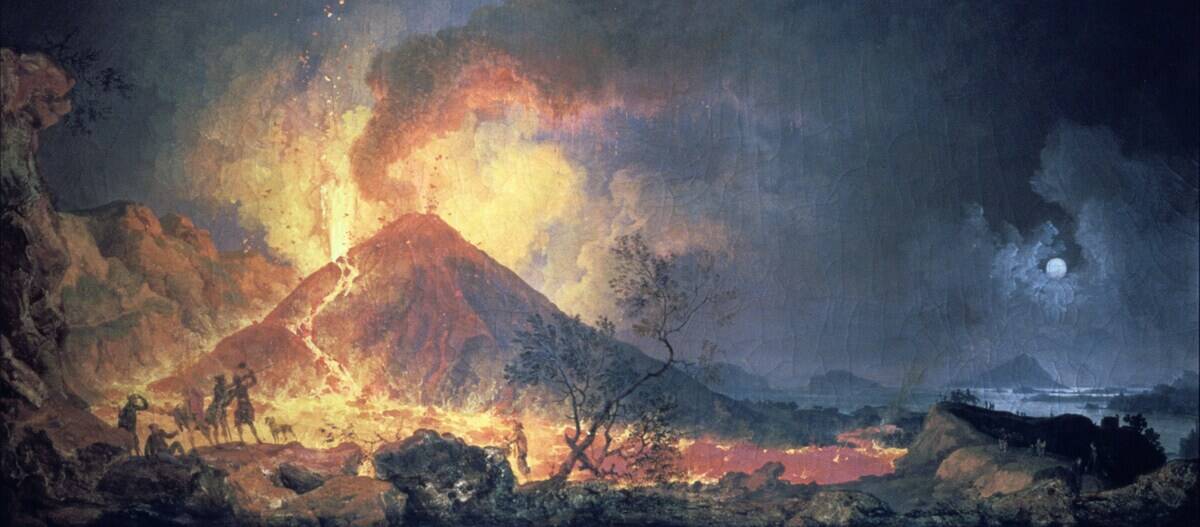
In 79 CE, Mount Vesuvius erupted with devastating force, burying the cities of Pompeii and Herculaneum under layers of ash and pumice. The eruption released a deadly cloud of hot gas and volcanic material, killing thousands of residents in a matter of hours.
Pompeii’s preservation under ash provides a unique snapshot of Roman life, offering insights into the daily lives of its inhabitants and the catastrophic impact of volcanic eruptions on urban centers.
The Silent Witness: How Herculaneum Survived in Ash
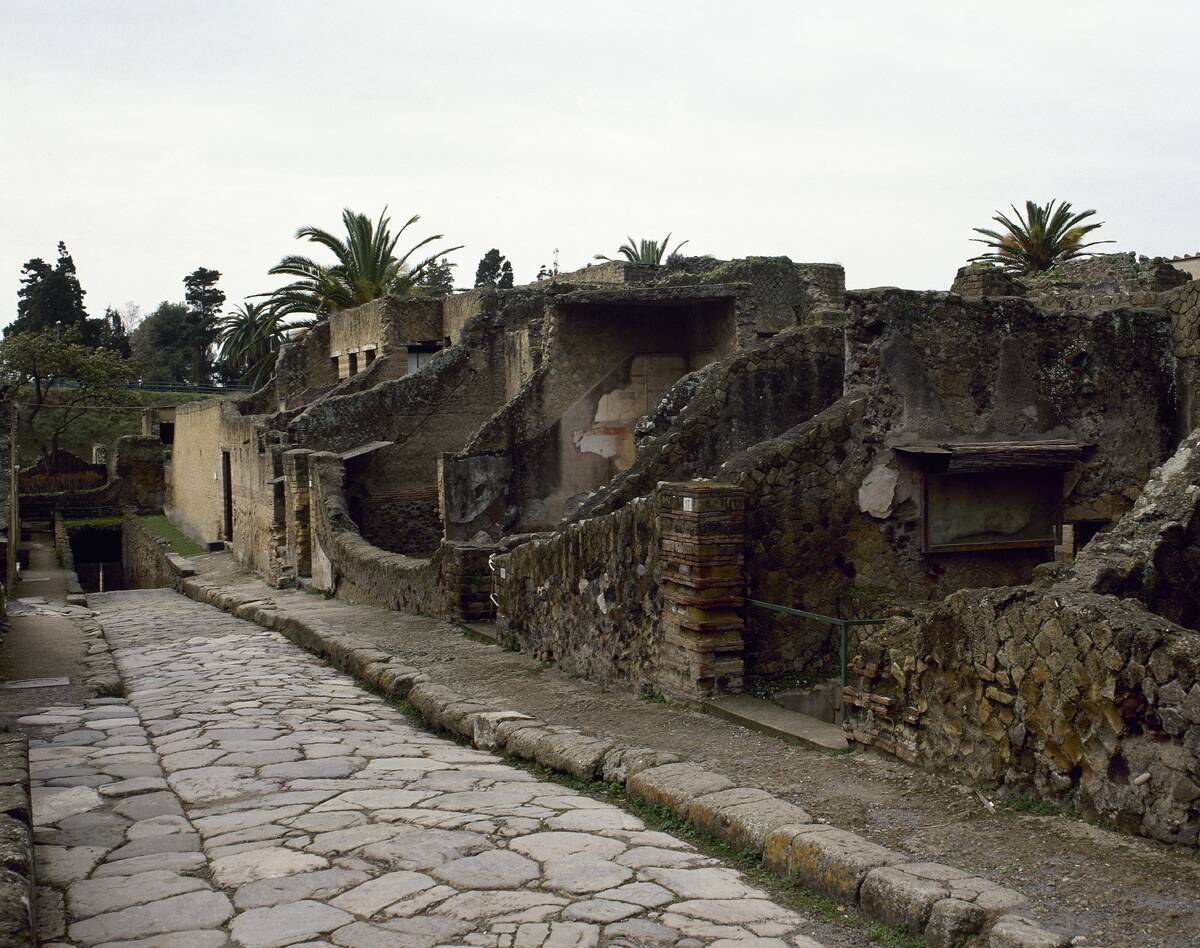
Unlike Pompeii, which was quickly excavated, Herculaneum remained buried under volcanic material for centuries, preserving its structures in remarkable detail. The town provides insights into the lives of its residents, with well-preserved wooden structures, frescoes, and even food items found intact.
The volcanic ash that destroyed these ancient cities paradoxically preserved them for future generations, offering a silent testimony to the power and unpredictability of nature.
The Sound Heard Around the World: Krakatoa’s Sonic Boom
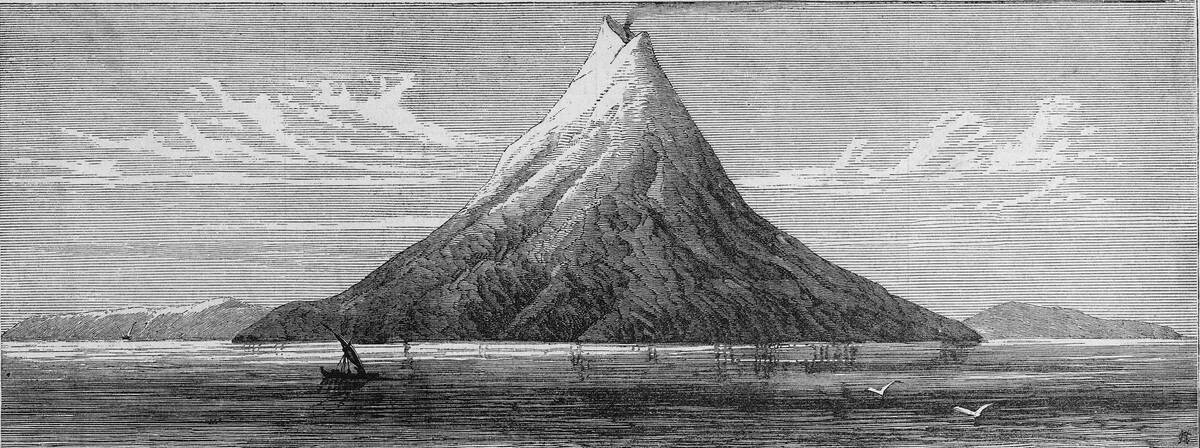
The 1883 eruption of Krakatoa was one of the most violent volcanic events in recorded history. The explosion was one of the loudest sounds recored, heard as far as Australia. The eruption led to significant climatic changes, including a drop in global temperatures.
The massive amount of volcanic ash and sulfur dioxide ejected into the atmosphere created vivid sunsets and a “volcanic winter.” This event demonstrated how volcanic eruptions can have far-reaching impacts on global climate and weather patterns.
The Tambora Eruption: A Year Without a Summer
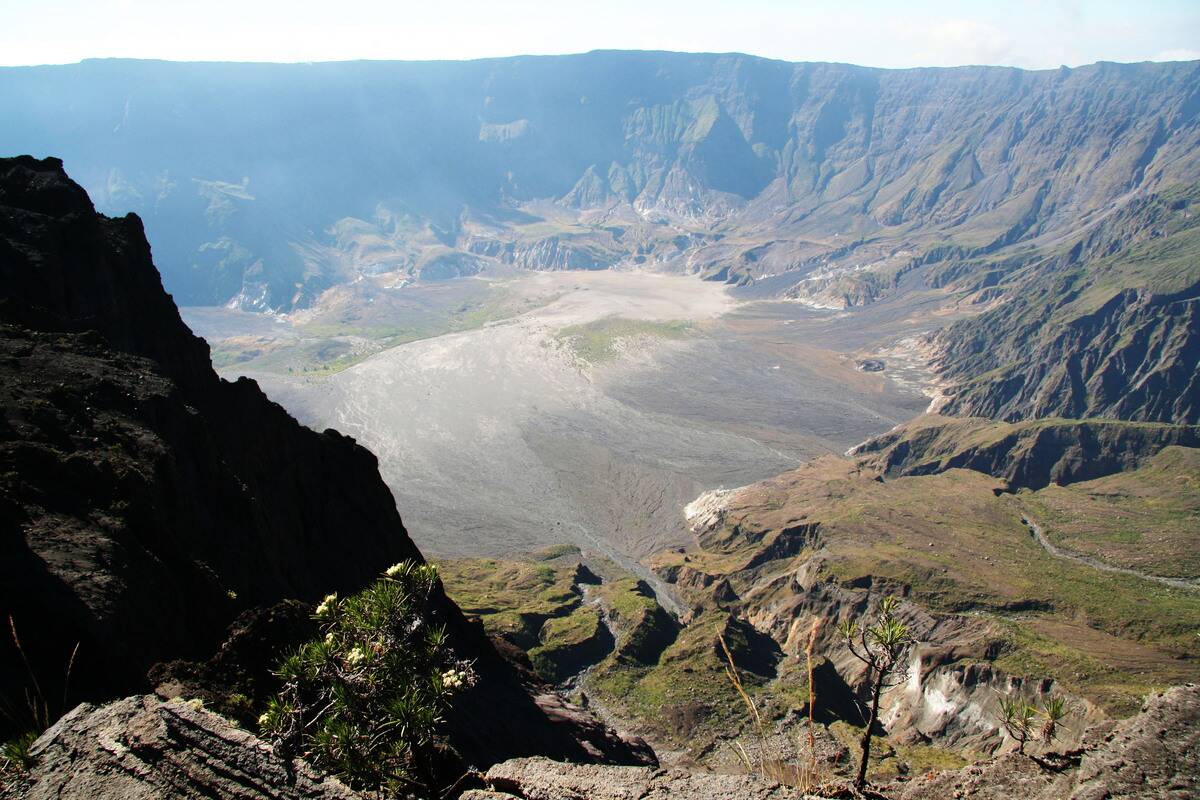
The eruption of Mount Tambora in 1815 was the most powerful volcanic event in recorded history, leading to what became known as the “Year Without a Summer” in 1816. The volcanic ash and gases ejected into the atmosphere caused a significant drop in global temperatures, resulting in crop failures and food shortages.
This period of climatic disruption serves as a poignant example of how volcanic activity can affect weather patterns and human societies worldwide.
How Tambora Changed the Course of European History
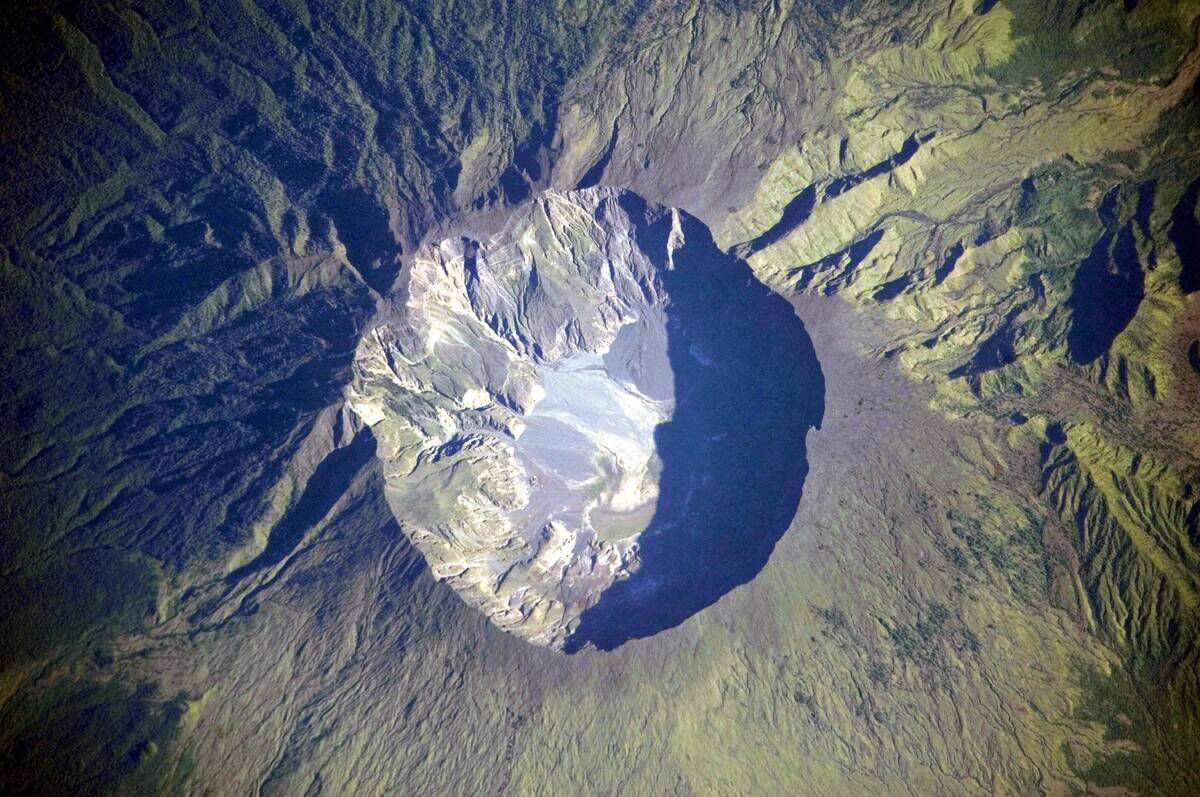
The climatic aftermath of the Tambora eruption had profound effects on European history. The resulting food shortages and economic distress contributed to social unrest and migration.
In Switzerland, the summer of 1816 was so cold and wet that it inspired Mary Shelley to write Frankenstein. The event also led to innovations in agriculture and transportation, as societies adapted to the new climate conditions. Tambora’s legacy is a testament to the interconnectedness of natural events and human history.
The Santorini Caldera: A Volcanic Legacy in the Aegean Sea
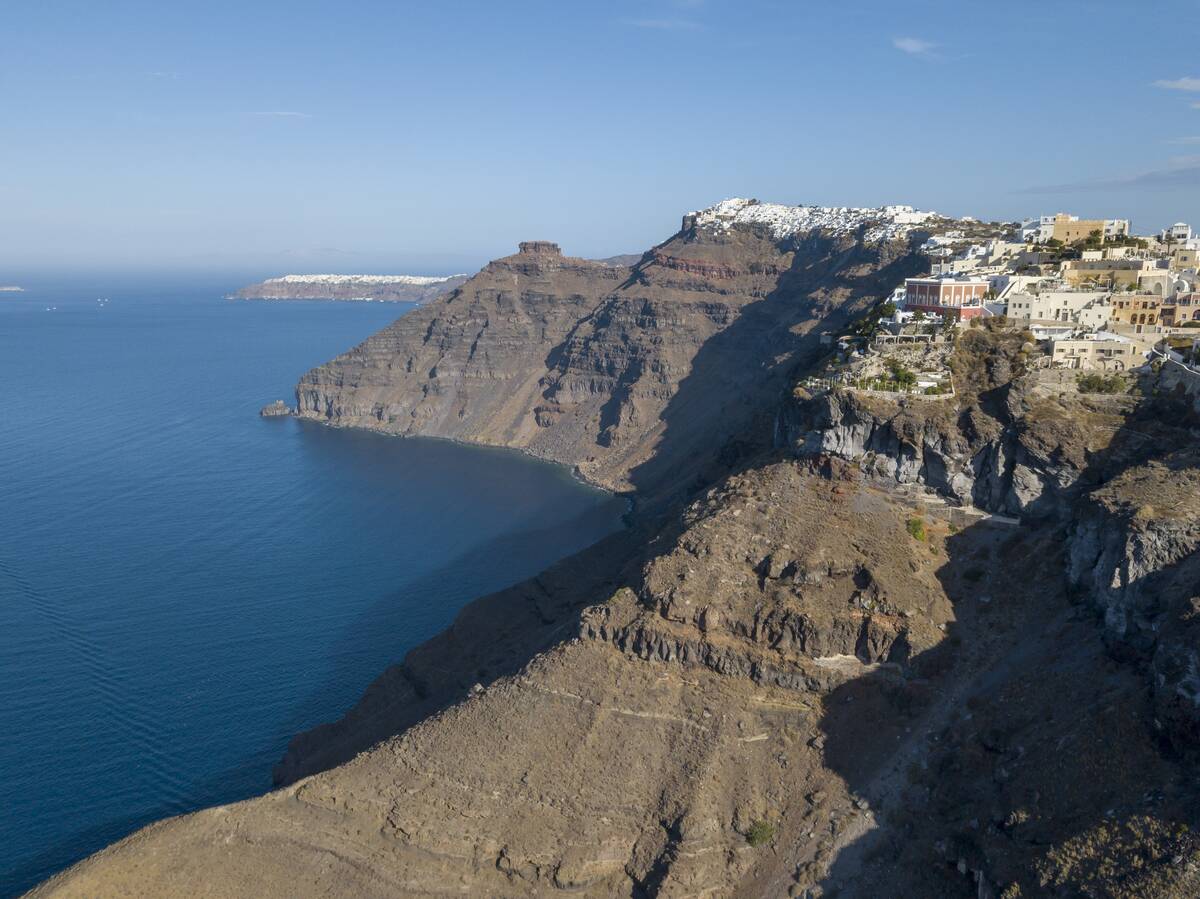
The Santorini Caldera, formed by the Minoan eruption, is a stunning geological feature in the Aegean Sea. It serves as a reminder of the island’s volcanic past and its impact on ancient civilizations.
The caldera’s steep cliffs and deep blue waters attract tourists from around the world, eager to witness its beauty and history. This volcanic legacy continues to shape the island’s economy and culture, drawing visitors with both its natural splendor and historical significance.
The Ancestral Puebloans: Migration from the Shadow of Supervolcanoes
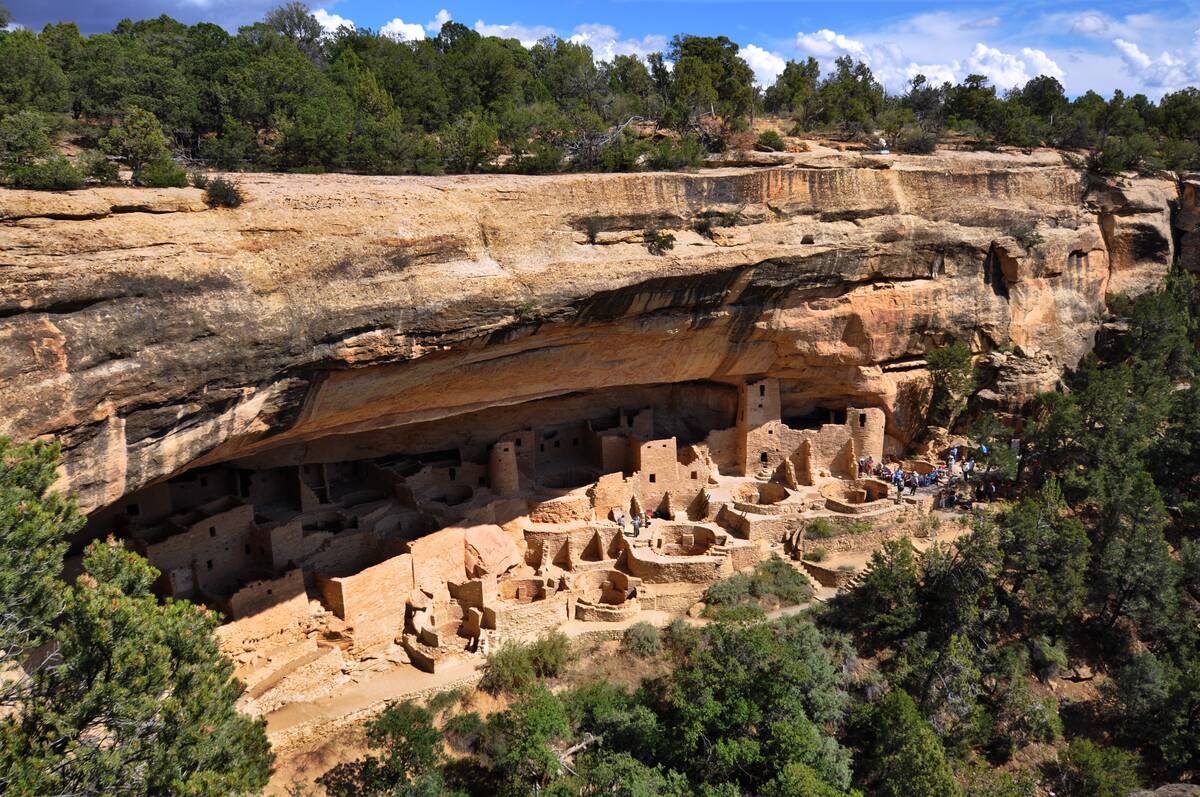
The Ancestral Puebloans, who inhabited the American Southwest, are believed to have been influenced by volcanic activity in their migration patterns. The eruption of the Valles Caldera, a supervolcano in New Mexico, would have impacted the local environment, prompting these ancient peoples to seek new lands.
The evidence of volcanic rock in their tools and dwellings highlights the influence of these natural events on their culture and migration, illustrating the adaptability of human societies in the face of environmental challenges.
The Eruption of Laki: Iceland’s Fire and the French Revolution
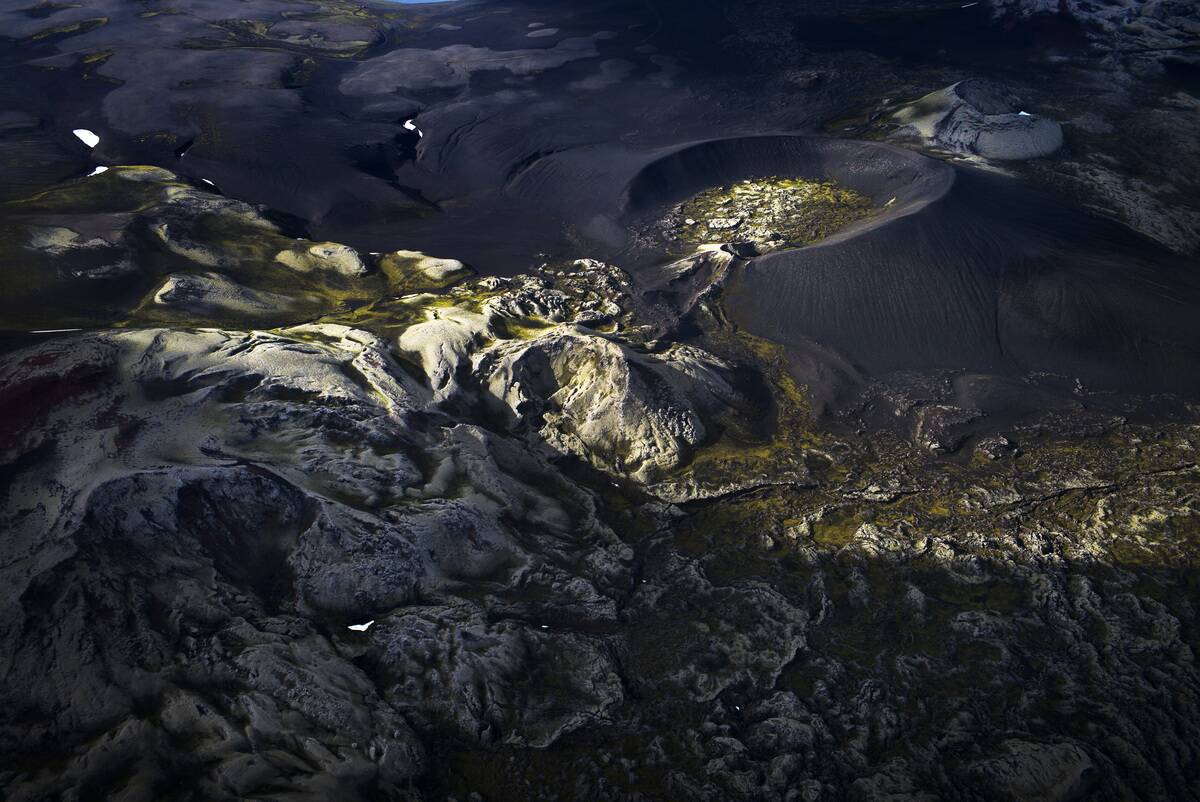
The 1783 eruption of Laki in Iceland had far-reaching effects that extended beyond the island. The volcanic gases released into the atmosphere led to a haze that spread across Europe, causing crop failures and food shortages.
Some historians link the resulting economic distress to the social unrest that fueled the French Revolution. This connection between a volcanic eruption and a significant political upheaval underscores the potential for natural events to influence human history in unexpected ways.
How Volcanic Eruptions Influence Modern Migration Patterns
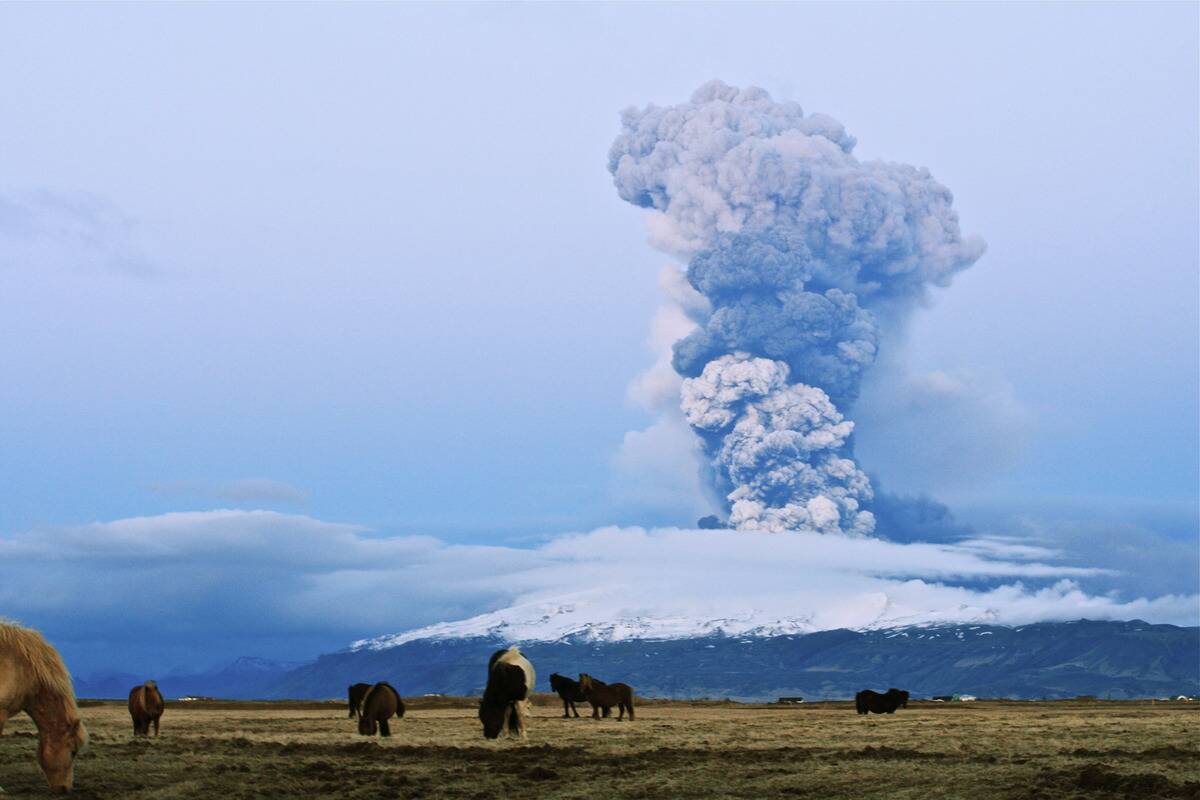
Today, volcanic eruptions continue to influence migration patterns, albeit in more localized ways. Populations living near active volcanoes may be forced to relocate due to eruptions or ongoing volcanic activity.
The 2010 eruption of Eyjafjallajökull in Iceland, which disrupted air travel across Europe, highlighted the interconnectedness of global societies and the potential for volcanic events to impact modern life. As climate change and natural disasters increasingly affect human populations, understanding these dynamics becomes ever more critical.




