Rivalries between early rock legends that shaped modern music
Rock music has always been about more than just the tunes. It’s about the personalities, the clashes, and the stories behind the sound. The early days of rock were marked by fierce rivalries that helped shape the genre.
These competitions were not just about who had the bigger hit but also about who could push the boundaries of what rock music could be. Each rivalry had its unique flavor, adding layers of richness to the tapestry of rock history.
The Birth of Rock ‘n’ Roll: Setting the Stage
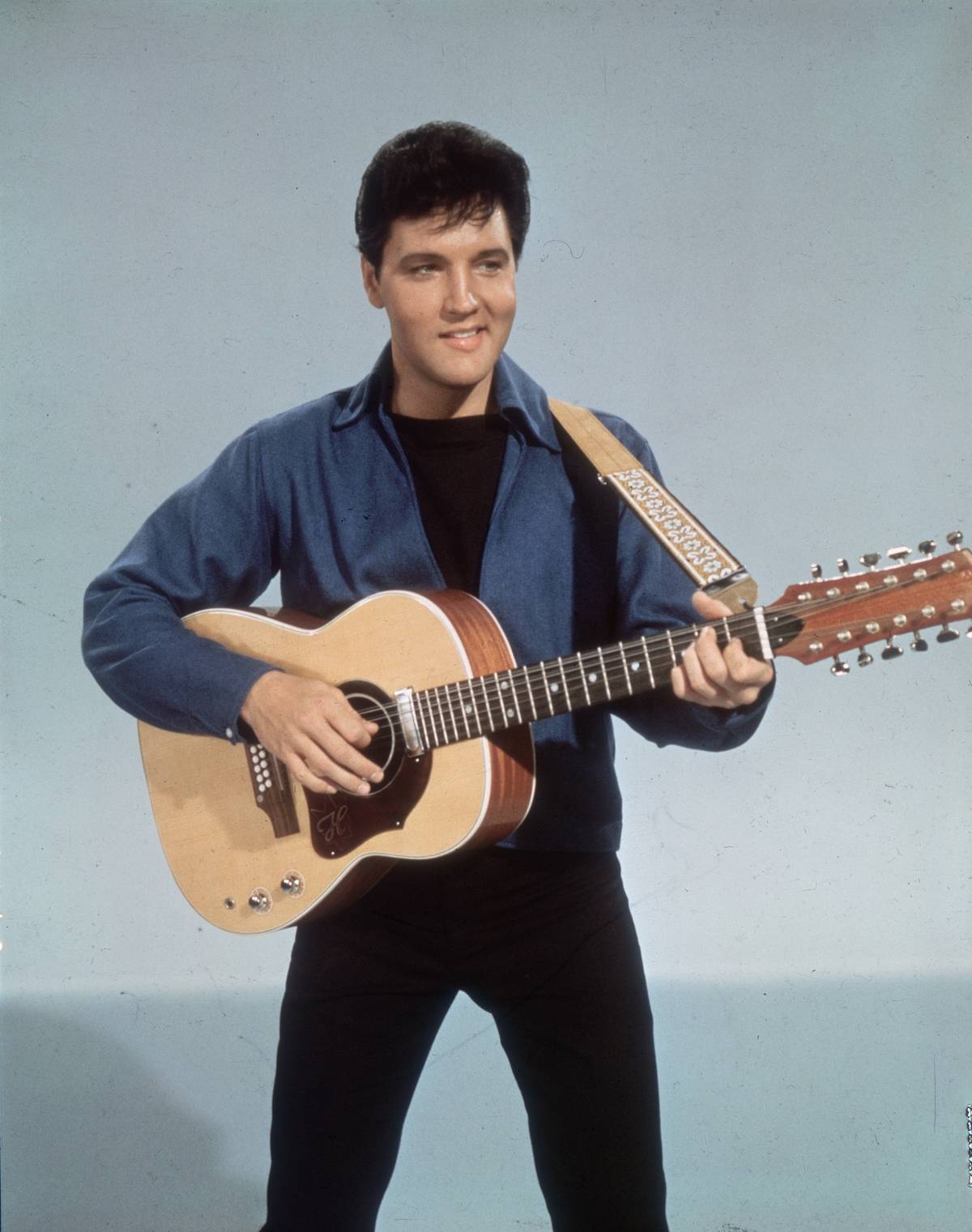
The 1950s were a transformative time for music. Rock ‘n’ roll was emerging as a powerful force, with artists blending rhythm and blues, country, and gospel influences. This new sound captivated young audiences and set the stage for future musical battles.
Sam Phillips of Sun Records played a pivotal role by discovering talents like Elvis Presley and Jerry Lee Lewis. These early innovators laid the groundwork for the rivalries that would soon follow, as rock music became a cultural phenomenon.
Elvis Presley vs. Jerry Lee Lewis: Kings of the 50s
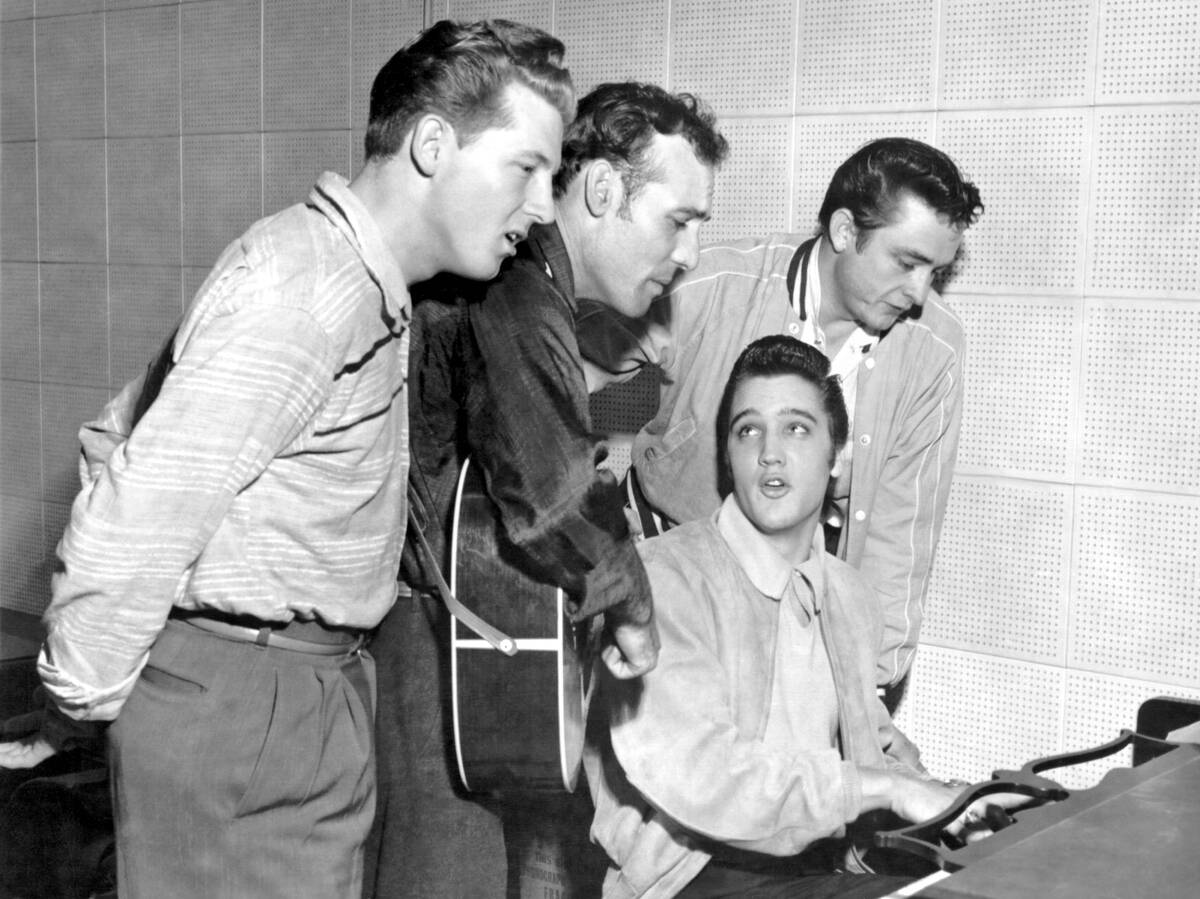
Elvis Presley and Jerry Lee Lewis were two titans of the 1950s rock scene. Both artists were known for their electrifying performances and rebellious personas. While Elvis was hailed as the ‘King of Rock ‘n’ Roll,’ Jerry Lee, with his wild piano antics, was dubbed ‘The Killer.’
Their rivalry was fueled by their contrasting styles and personalities. Elvis’s smooth, crooning voice contrasted sharply with Jerry Lee’s frenetic energy, but both were influential in making rock ‘n’ roll a household name.
The Beatles vs. The Rolling Stones: A British Invasion Showdown
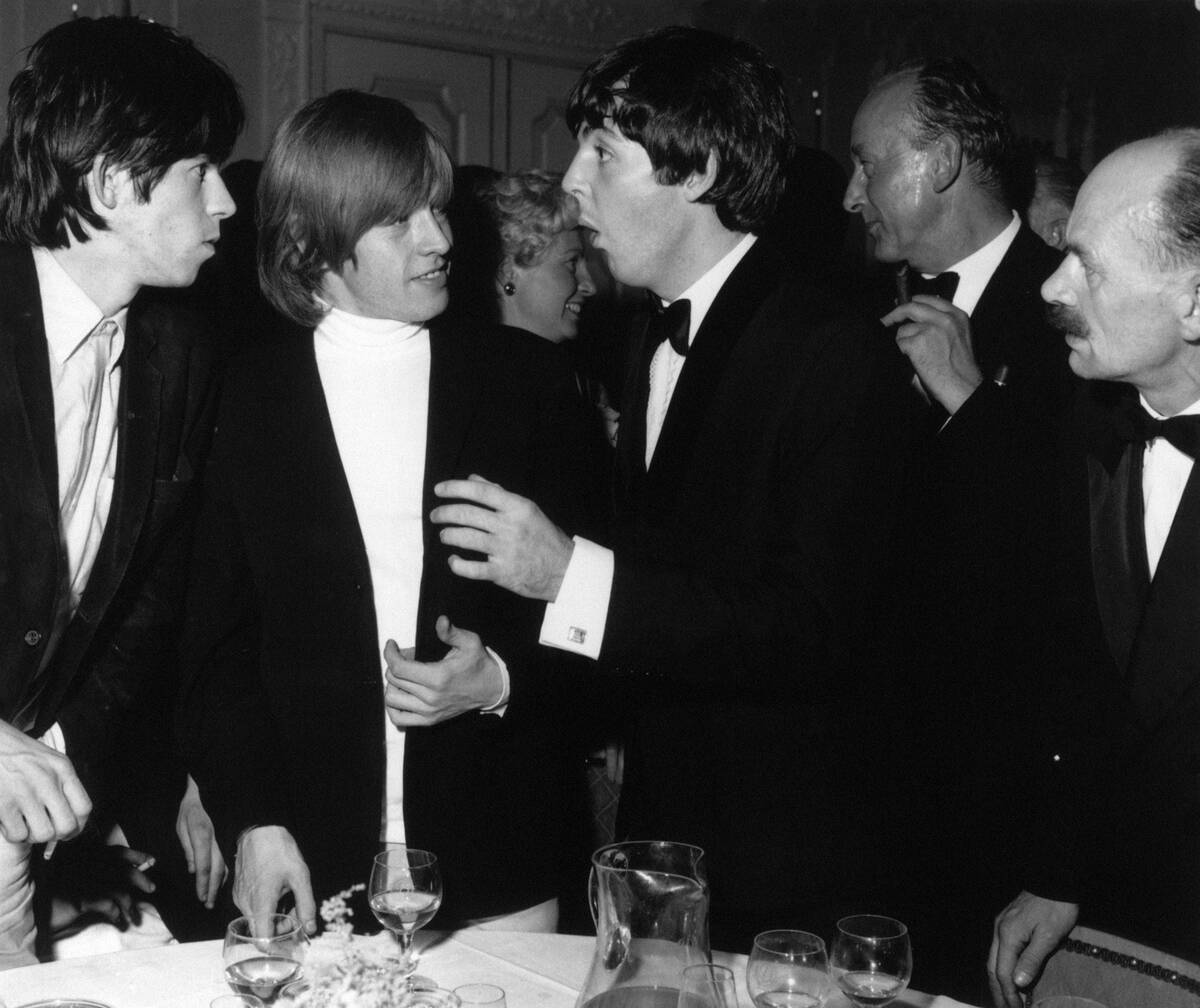
The Beatles and The Rolling Stones were at the forefront of the British Invasion, but their paths were markedly different. While The Beatles were seen as the clean-cut, charming lads, The Stones embraced a more rebellious, gritty image.
This perceived rivalry was more media-driven than personal, as members of both bands were friends. Yet, it kept fans buzzing about who would dominate the charts. Both bands pushed each other to innovate, leaving a lasting legacy on rock music.
Chuck Berry vs. Little Richard: The Architects of Rock
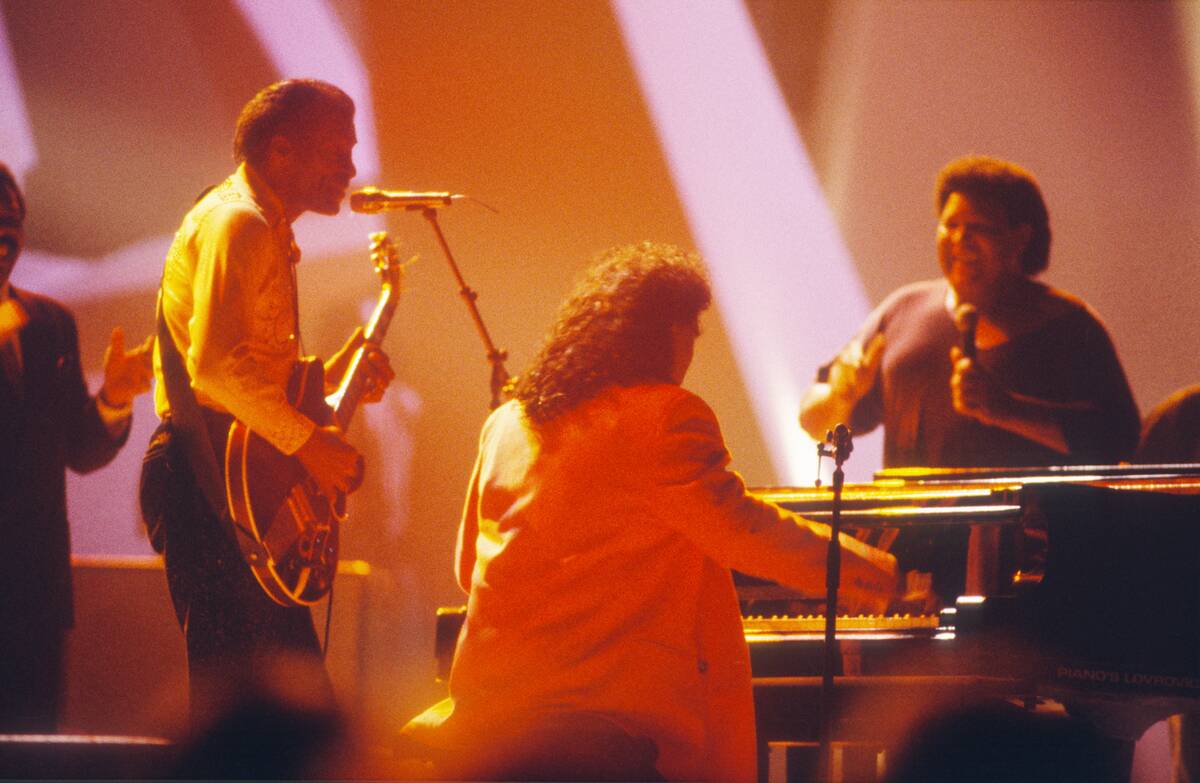
Chuck Berry and Little Richard were crucial in shaping the sound of rock music. Berry’s guitar riffs and storytelling lyrics laid the foundation for future rock music, while Little Richard’s flamboyant piano playing and energetic performances broke barriers.
Although they never openly feuded, their careers paralleled each other. Berry’s ‘Johnny B. Goode’ and Richard’s ‘Tutti Frutti’ are emblematic of their contributions, with each artist influencing countless musicians who followed in their footsteps.
Bob Dylan vs. The Byrds: Folk Rock Tensions
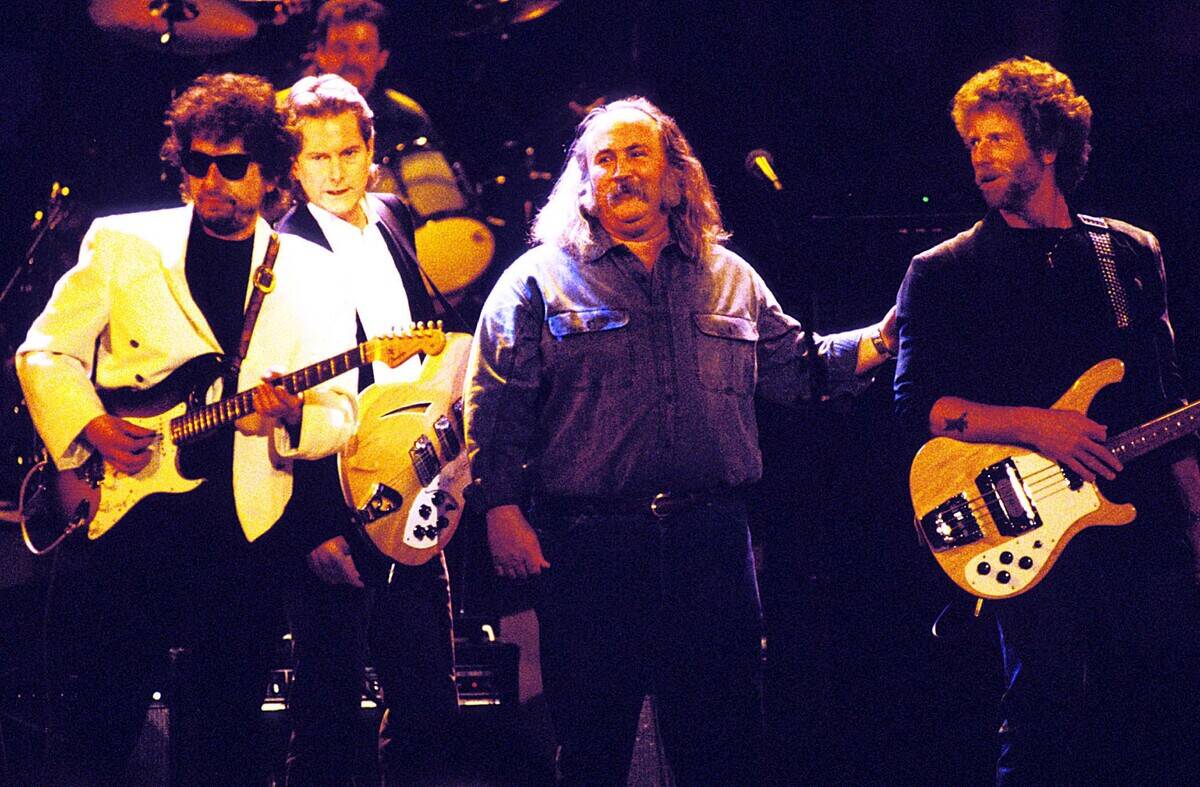
Bob Dylan and The Byrds were central to the folk-rock movement of the 1960s. Dylan, known for his poetic lyrics and acoustic sound, took a controversial turn by going electric. The Byrds, inspired by Dylan, blended his lyrical style with jangly guitars, creating hits like ‘Mr. Tambourine Man.’
While Dylan’s purist folk fans were initially resistant to his new direction, The Byrds’ success helped pave the way for folk rock’s acceptance. This clash exemplified the genre’s evolution during this time.
The Beach Boys vs. The Beatles: Sonic Innovations and Studio Battles
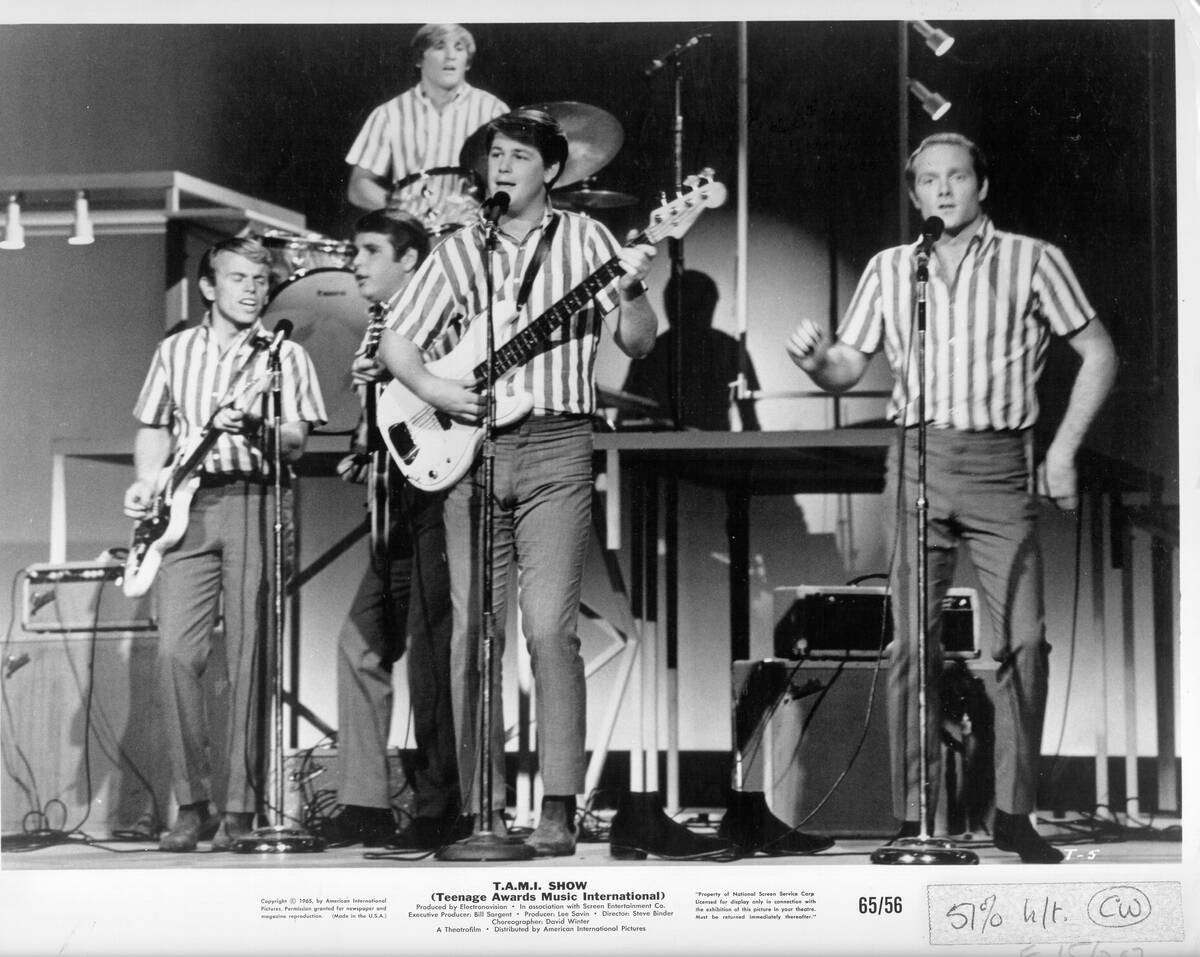
The Beach Boys and The Beatles engaged in a friendly rivalry that led to some of the most innovative music of the 1960s. Brian Wilson of The Beach Boys was inspired by The Beatles’ ‘Rubber Soul’ to create ‘Pet Sounds,’ which in turn influenced The Beatles’ ‘Sgt. Pepper’s Lonely Hearts Club Band.’
Their mutual admiration and competitive spirit spurred both bands to experiment with studio techniques, resulting in groundbreaking albums that pushed the boundaries of what pop music could achieve.
Jimi Hendrix vs. Eric Clapton: Guitar Gods in the Spotlight
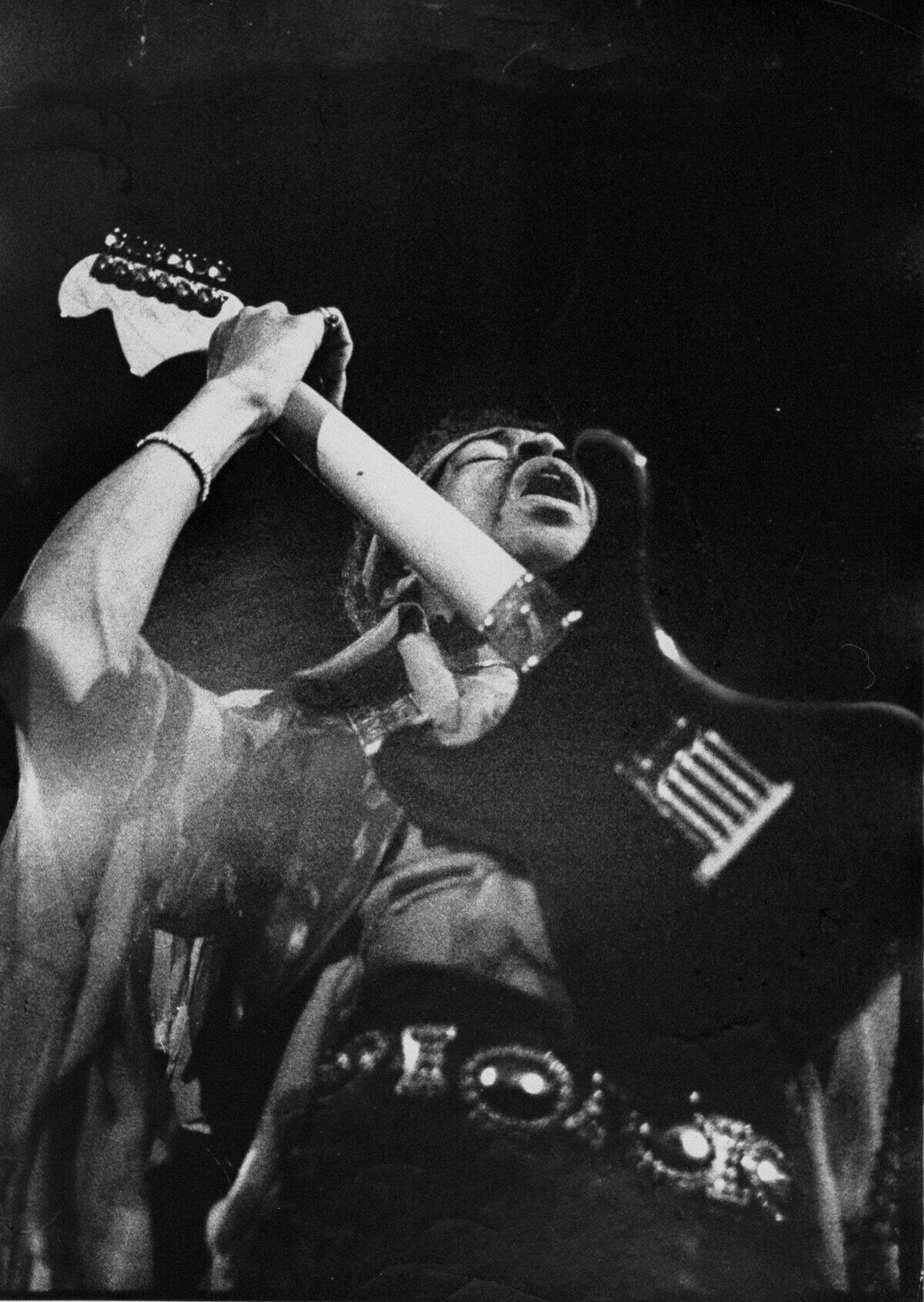
Jimi Hendrix and Eric Clapton were two of the most revered guitarists of the 1960s. Hendrix’s innovative techniques and flamboyant stage presence set him apart, while Clapton was known for his blues-inspired playing.
Their mutual respect was evident when Clapton invited Hendrix on stage during a Cream concert, leading to a legendary jam session. This encounter highlighted their friendly rivalry and solidified their statuses as guitar legends, each pushing the other to reach new heights in their craft.
The Kinks vs. The Who: British Band Battles
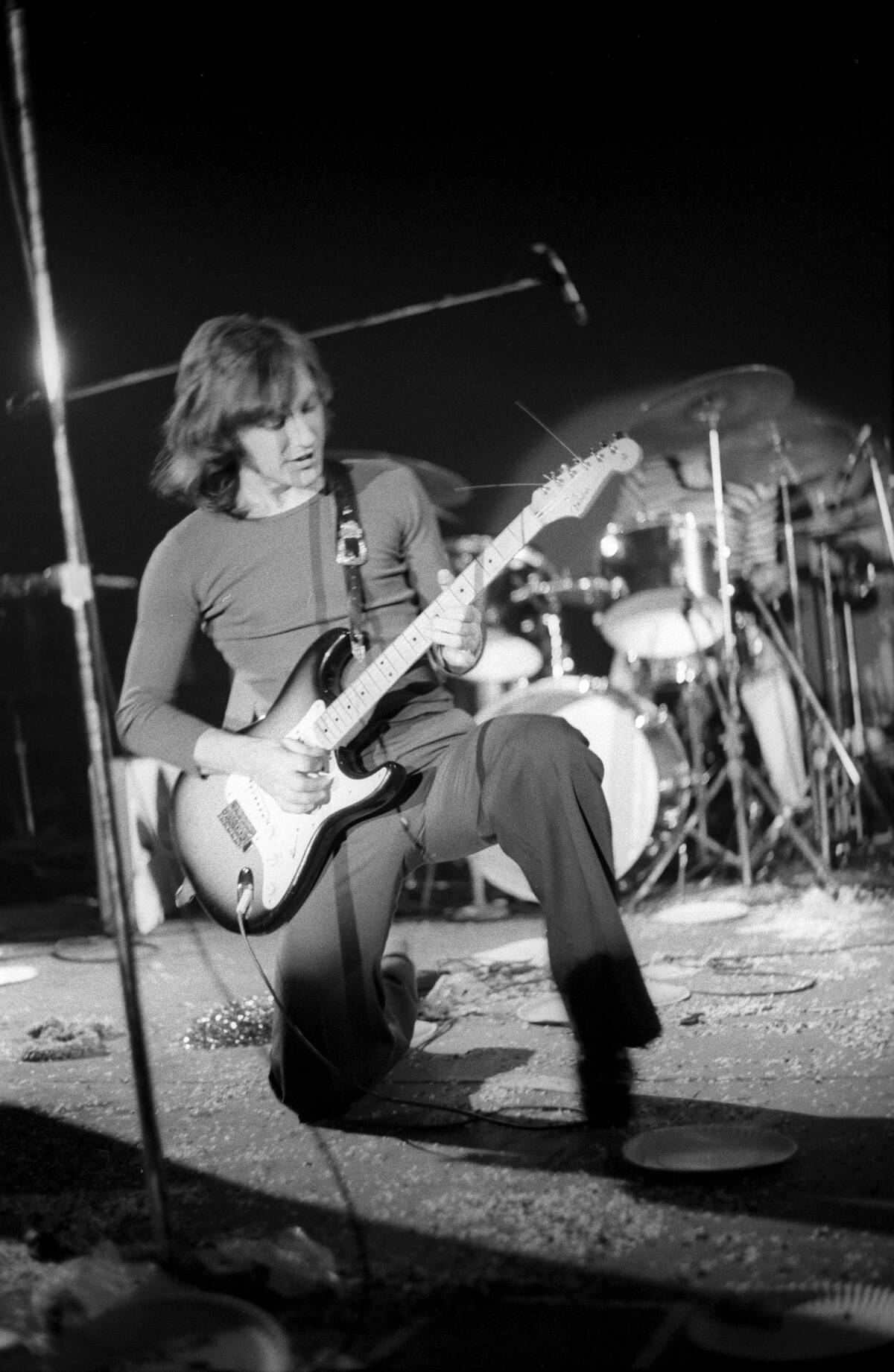
The Kinks and The Who were two British bands that defined the mod and rock scenes of the 1960s. The Kinks, led by Ray Davies, were known for their sharp lyrics and innovative sound, while The Who’s explosive performances and rock operas captivated audiences.
Tensions were fueled by their differing approaches to music and performance, with The Kinks often seen as more introspective compared to The Who’s theatricality. Both bands left an indelible mark on the rock genre, influencing generations.
Janis Joplin vs. Grace Slick: Queens of Psychedelic Rock
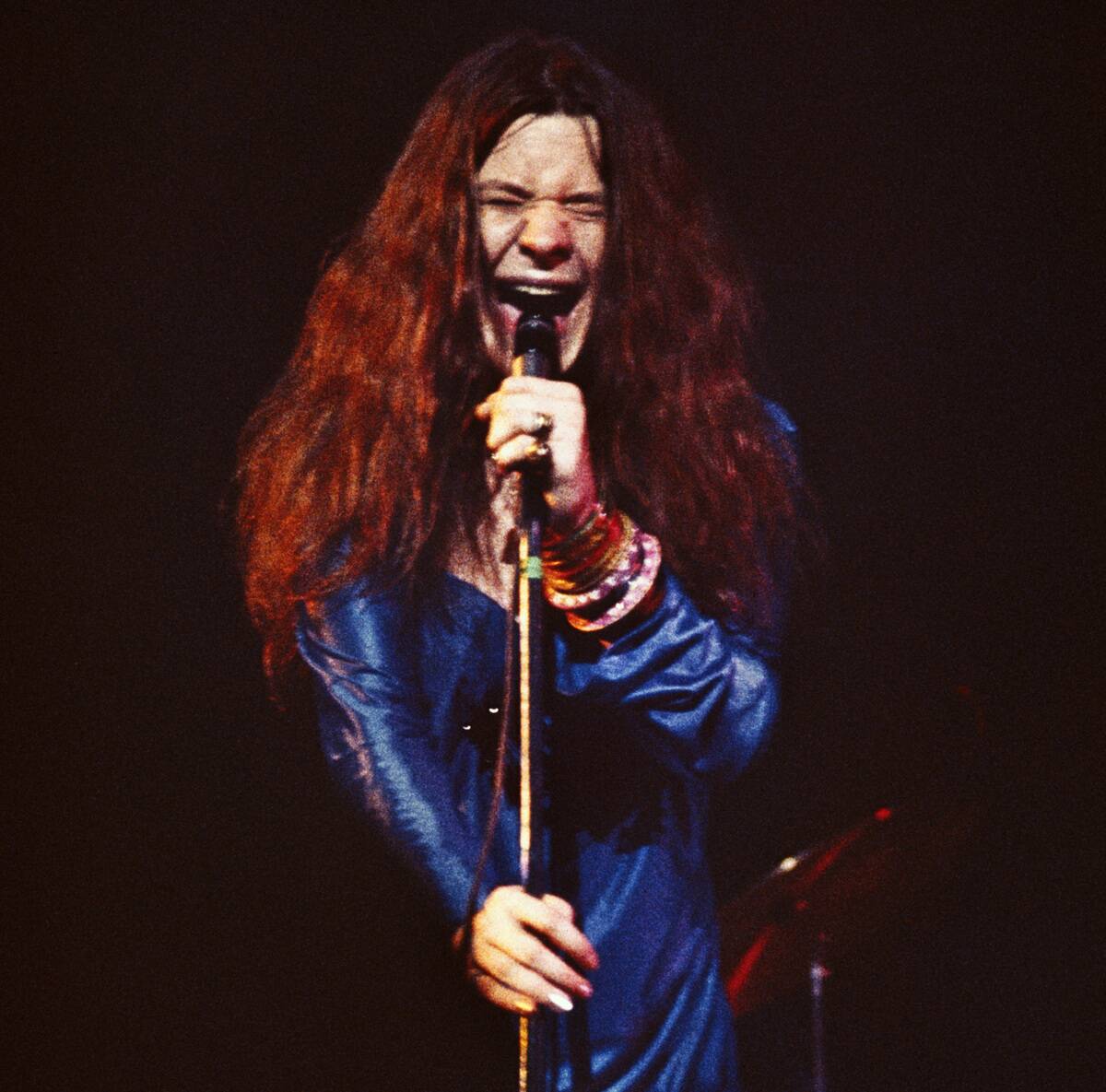
Janis Joplin and Grace Slick were two of the most powerful female voices in psychedelic rock. Joplin’s raw, emotive vocals were legendary, while Slick’s commanding presence with Jefferson Airplane made her an icon.
Though their styles differed, both women challenged the male-dominated rock scene of the 1960s. Their influence extended beyond music, as they became symbols of the counterculture movement. Their legacy continues to inspire female artists who break barriers and redefine genres.
The Doors vs. The Velvet Underground: Counterculture Icons
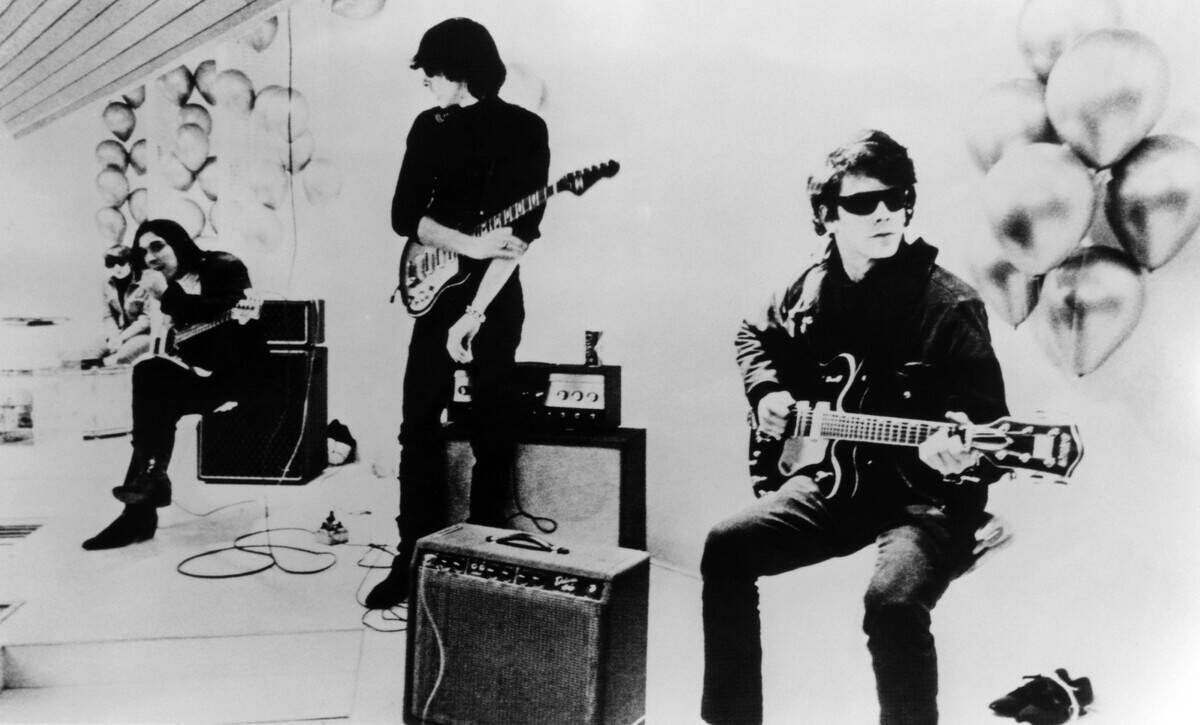
The Doors and The Velvet Underground were bands that epitomized the counterculture of the late 1960s. The Doors, with Jim Morrison’s enigmatic persona, explored dark, poetic themes, while The Velvet Underground, guided by Lou Reed and Andy Warhol, delved into avant-garde territory.
Though not direct rivals, their contrasting approaches to music and art mirrored the diversity of the era. Both bands left a profound impact on the development of alternative and experimental rock music.
Led Zeppelin vs. Deep Purple: Heavy Metal Pioneers
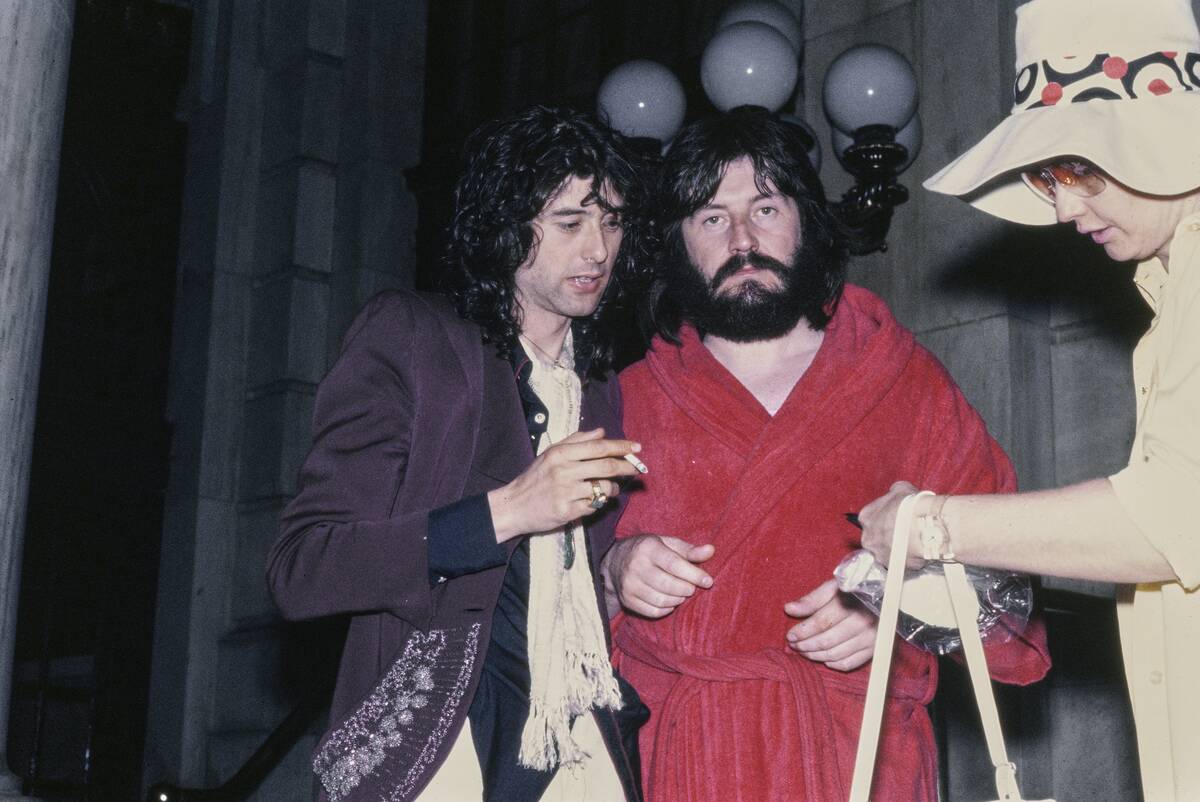
Led Zeppelin and Deep Purple were at the forefront of the heavy metal movement in the 1970s. Zeppelin’s powerful riffs and mystical lyrics set the stage for the genre, while Deep Purple’s virtuosic musicianship brought a symphonic edge.
Their rivalry was characterized by their desire to outdo each other in terms of volume and stage presence. Iconic albums like ‘Led Zeppelin IV’ and ‘Machine Head’ are testaments to their influence, inspiring countless bands in the metal genre.
David Bowie vs. Elton John: Glam Rock Giants
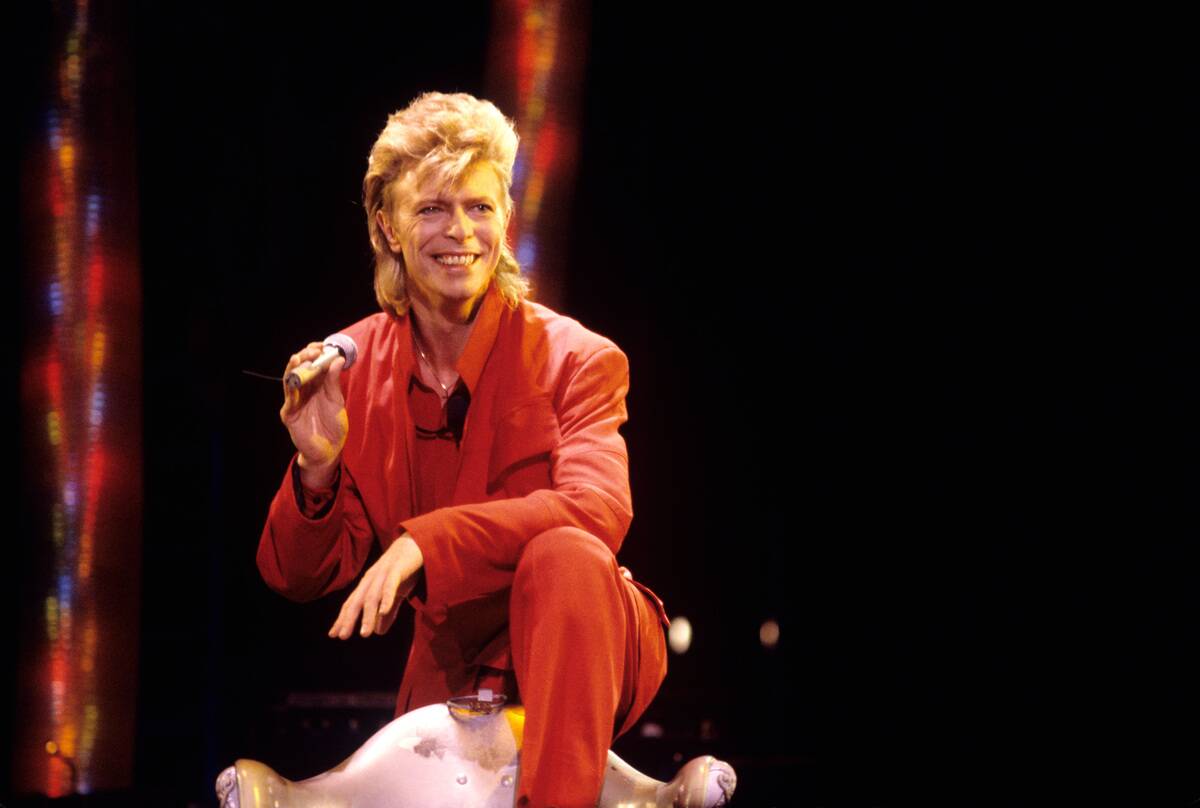
David Bowie and Elton John were two of the most flamboyant figures in the glam rock scene. Bowie’s androgynous alter egos and genre-blending sound challenged societal norms, while Elton’s piano-driven pop and extravagant performances captivated audiences. Their friendly rivalry was fueled by their shared love of theatricality and innovation.
While both artists carved distinct paths, they remained influential throughout their careers, with their music continuing to resonate with fans across generations.
Fleetwood Mac vs. Eagles: Soft Rock Supremacy
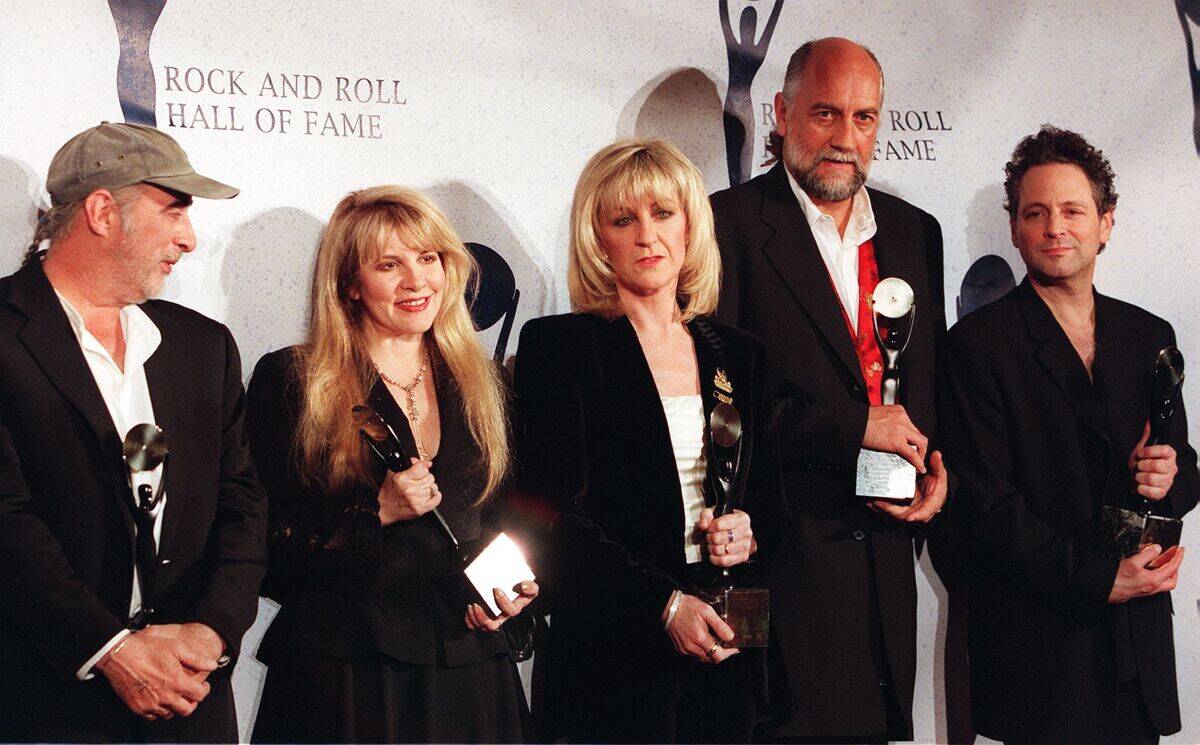
Fleetwood Mac and the Eagles were central to the soft rock scene of the 1970s. Both bands achieved massive commercial success with albums like ‘Rumours’ and ‘Hotel California,’ respectively. Their rivalry was less about direct competition and more about defining the sound of an era.
Fleetwood Mac’s intricate harmonies and personal lyrics contrasted with the Eagles’ laid-back, country-infused rock. Together, they shaped the soft rock genre, leaving a lasting legacy in popular music.
The Lasting Impact of Early Rock Rivalries on Modern Music
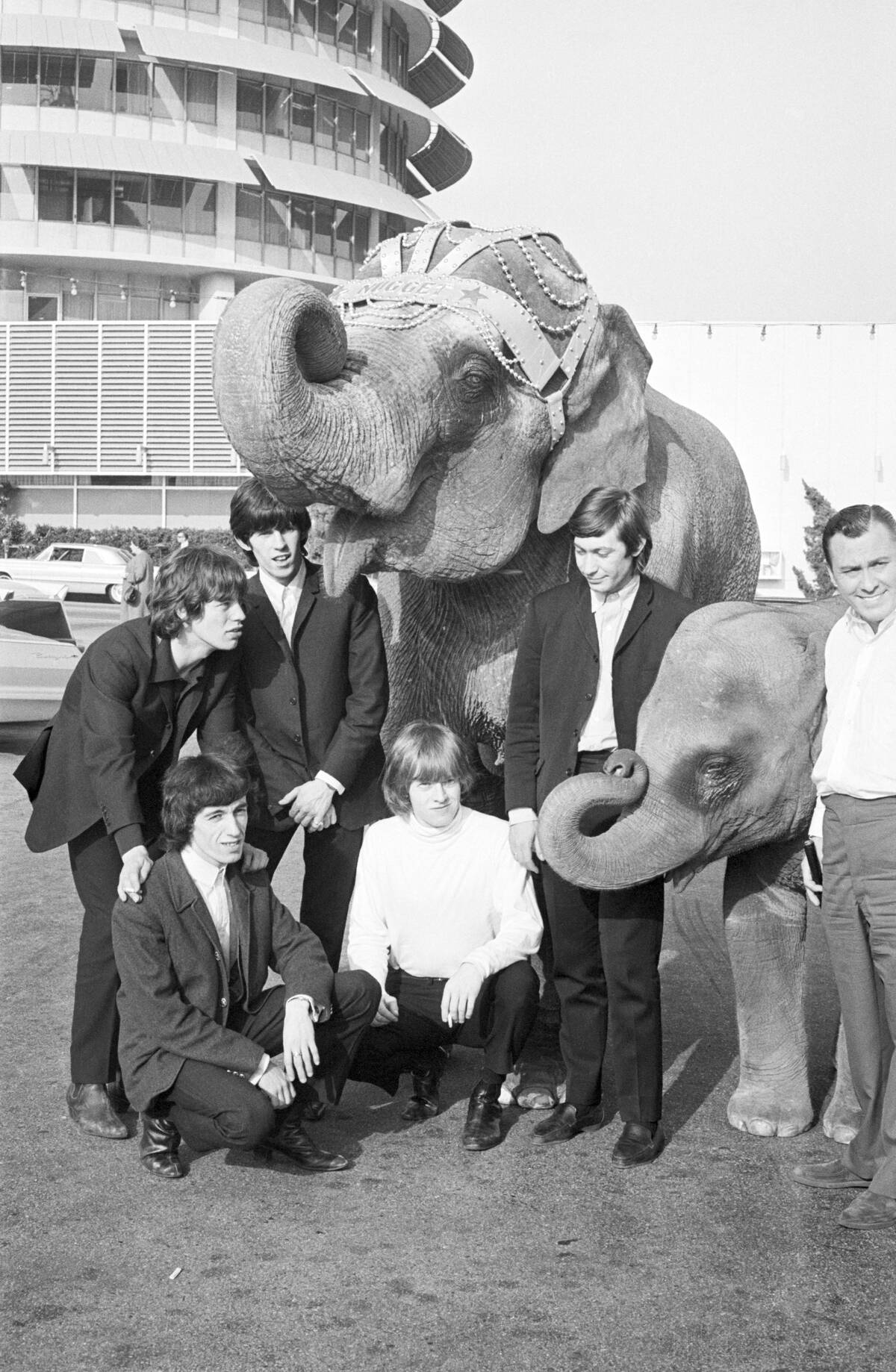
The early rock rivalries not only defined an era but also laid the groundwork for the music industry as we know it today. These clashes pushed artists to innovate and explore new musical territories, inspiring future generations.
Modern music continues to be influenced by these iconic battles, as artists strive to push boundaries and create lasting legacies. The spirit of competition and collaboration that characterized early rock remains a driving force in the evolution of popular music.




