The history behind good luck charms around the world, like kissing the Blarney stone
Good luck charms have fascinated cultures worldwide, offering promises of fortune and protection. From four-leaf clovers to horseshoes, these tokens are rooted in tradition and history. Often, they are passed down through generations, believed to carry the power to ward off evil and attract prosperity.
These charming trinkets reflect cultural beliefs, showcasing how different societies interpret the concept of luck. Whether it’s a rabbit’s foot or a lucky coin, these items hold a special place in the hearts of many.
The Fascination with Fortune: Why We Love Good Luck Charms
The allure of good luck charms lies in their promise of control over the unpredictable. In uncertain times, they offer comfort and hope, acting as tangible assurances of good fortune. Many people find solace in these items, feeling a sense of security when they carry their lucky charm.
This fascination is deeply rooted in our desire for positive outcomes and the belief that luck can be influenced. The psychological comfort these charms provide is a testament to their enduring popularity.
The Origins of Good Luck Charms: Tracing Ancient Beliefs
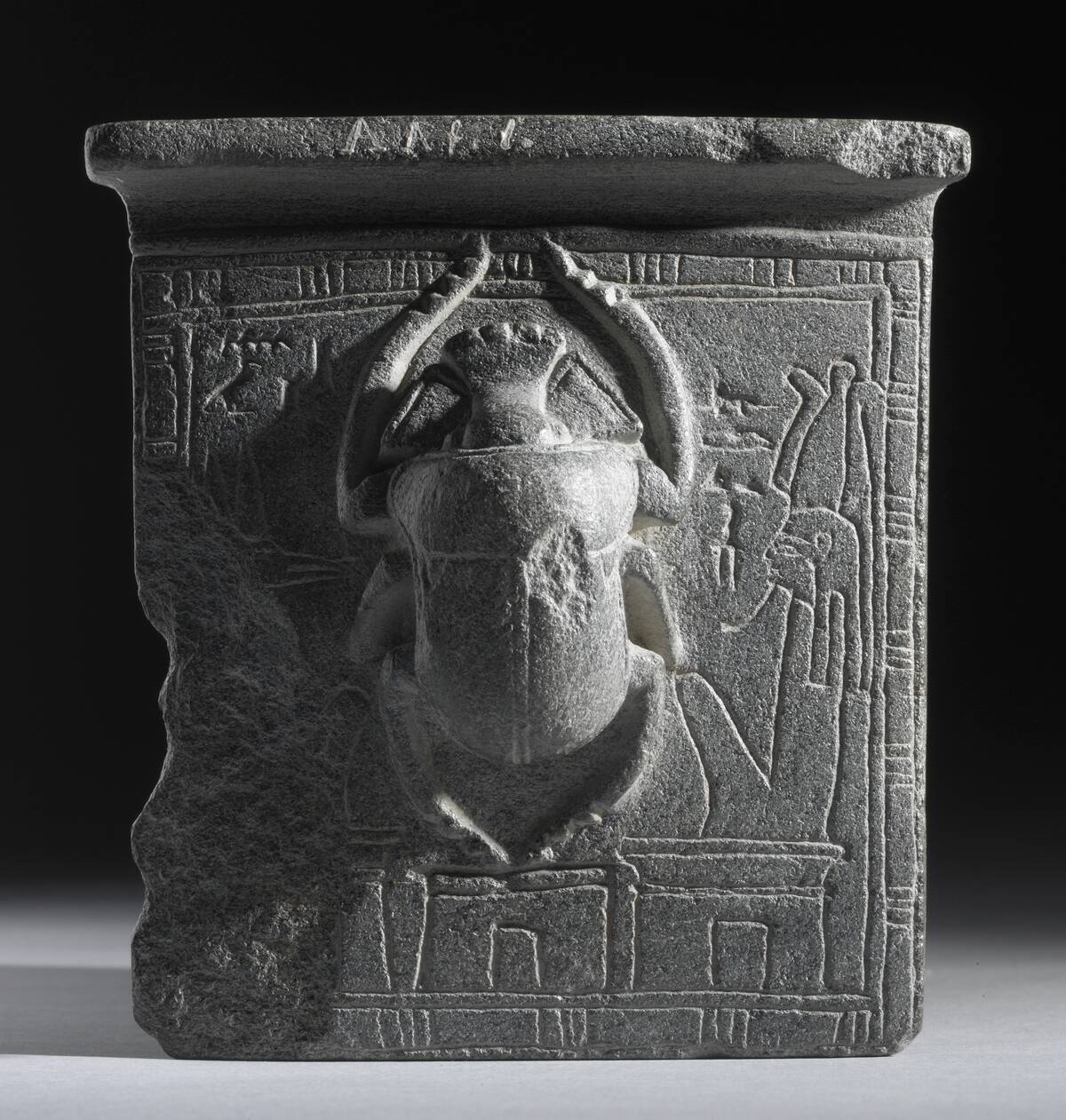
Good luck charms date back thousands of years, with ancient civilizations crafting amulets and talismans to invite fortune. The Egyptians, for instance, used scarab beetles as symbols of protection and rebirth. Meanwhile, in ancient China, coins with square holes were worn to attract wealth and prosperity.
These historical origins reveal a universal human desire to influence fate, showing that the quest for luck transcends time and geography. The enduring legacy of these charms highlights their significance across cultures.
Horseshoes: From Hooves to Household Charm
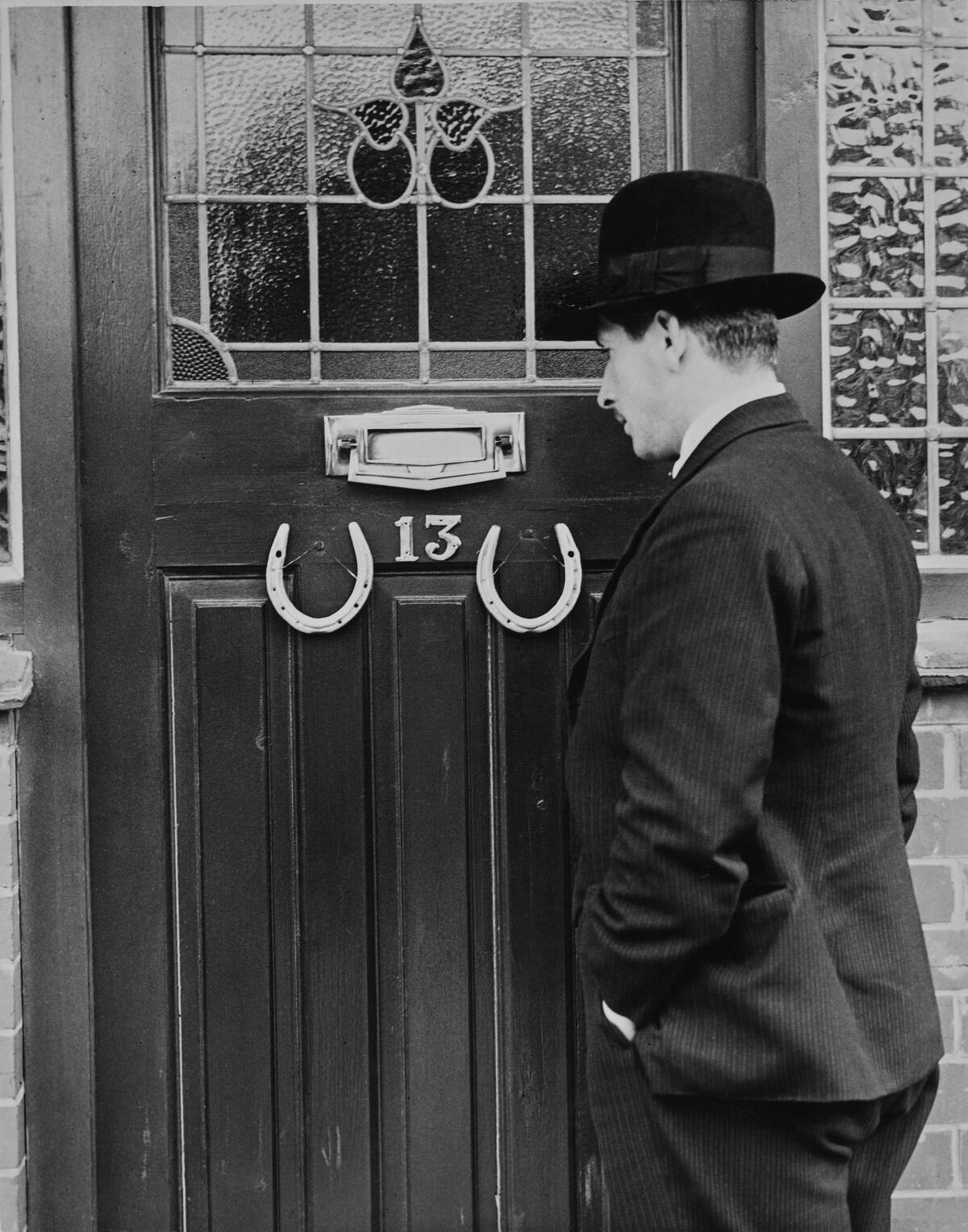
Horseshoes have long been associated with luck, especially when hung over doorways with the ends pointing upwards to catch good fortune. This tradition stems from the belief that iron, used in horseshoes, wards off evil spirits.
The story of Saint Dunstan, who tricked the devil into promising never to enter a home with a horseshoe, further solidified their reputation. Today, they remain a popular symbol, often used as decorations to invite prosperity and protect homes.
The Lucky Cat: Beckoning Fortune in Japanese Culture
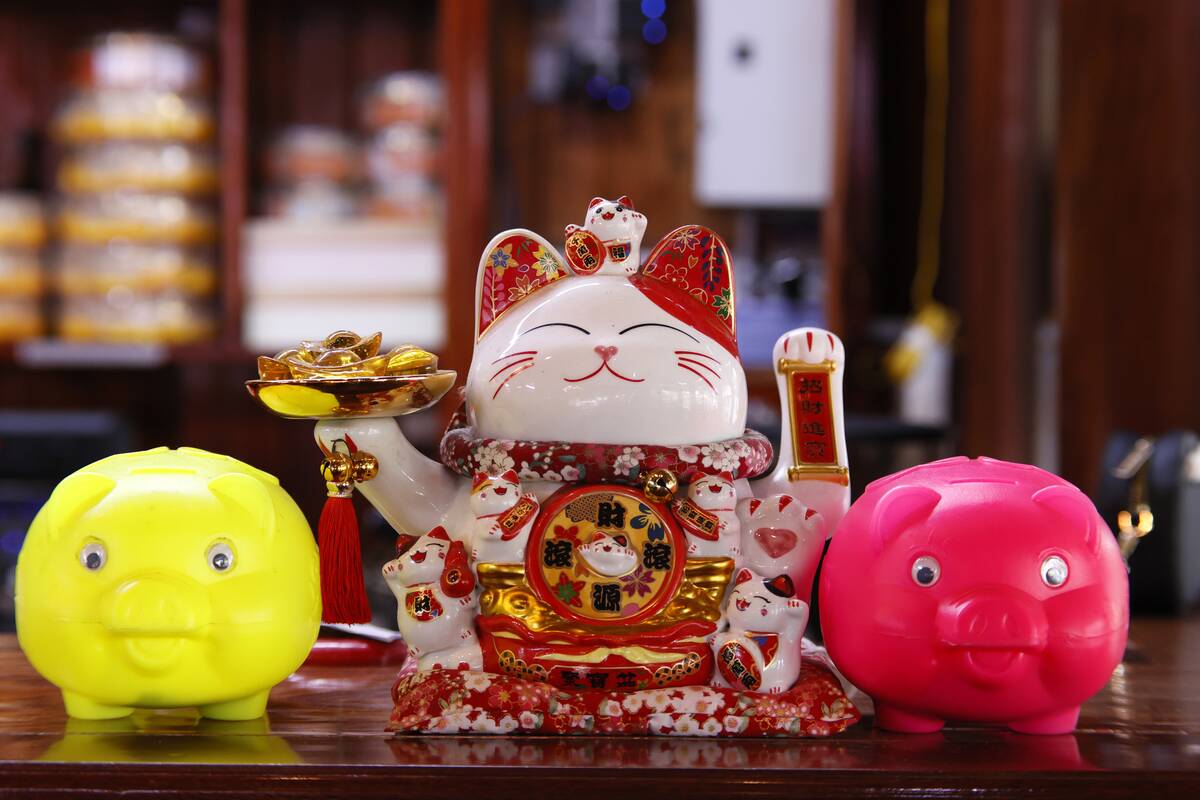
The Maneki-neko, or lucky cat, is a common talisman in Japan, often seen in shops and restaurants. With its raised paw, this figurine is believed to attract customers and good fortune.
The color of the cat can signify different types of luck: white for happiness, black for protection, and gold for wealth. Originating in the Edo period, the Maneki-neko’s welcoming gesture continues to be a beloved symbol, drawing prosperity and success to those who display it.
Rabbit’s Foot: A Furry Symbol of Prosperity

Carrying a rabbit’s foot is a well-known tradition, particularly in North American folklore, where it symbolizes luck and protection. This belief may originate from the Celtic tribes, who associated rabbits with prosperity due to their reproductive prowess.
The left hind foot, in particular, is considered the luckiest. Despite modern ethical concerns, the rabbit’s foot remains a popular charm, often carried as a keychain or kept in a pocket for good fortune.
Dreamcatchers: Native American Guardians of Sleep

Dreamcatchers, originating from the Ojibwa (Chippewa) culture, are crafted to protect sleepers from negative dreams. Traditionally made with a willow hoop and decorated with feathers and beads, the web is designed to catch bad dreams, allowing only positive ones to pass through.
Hung above beds, they are believed to provide a peaceful sleep. This beautiful craft has transcended its cultural roots, now widely appreciated for its aesthetic and protective qualities around the world.
Kissing the Blarney Stone: The Gift of Eloquence
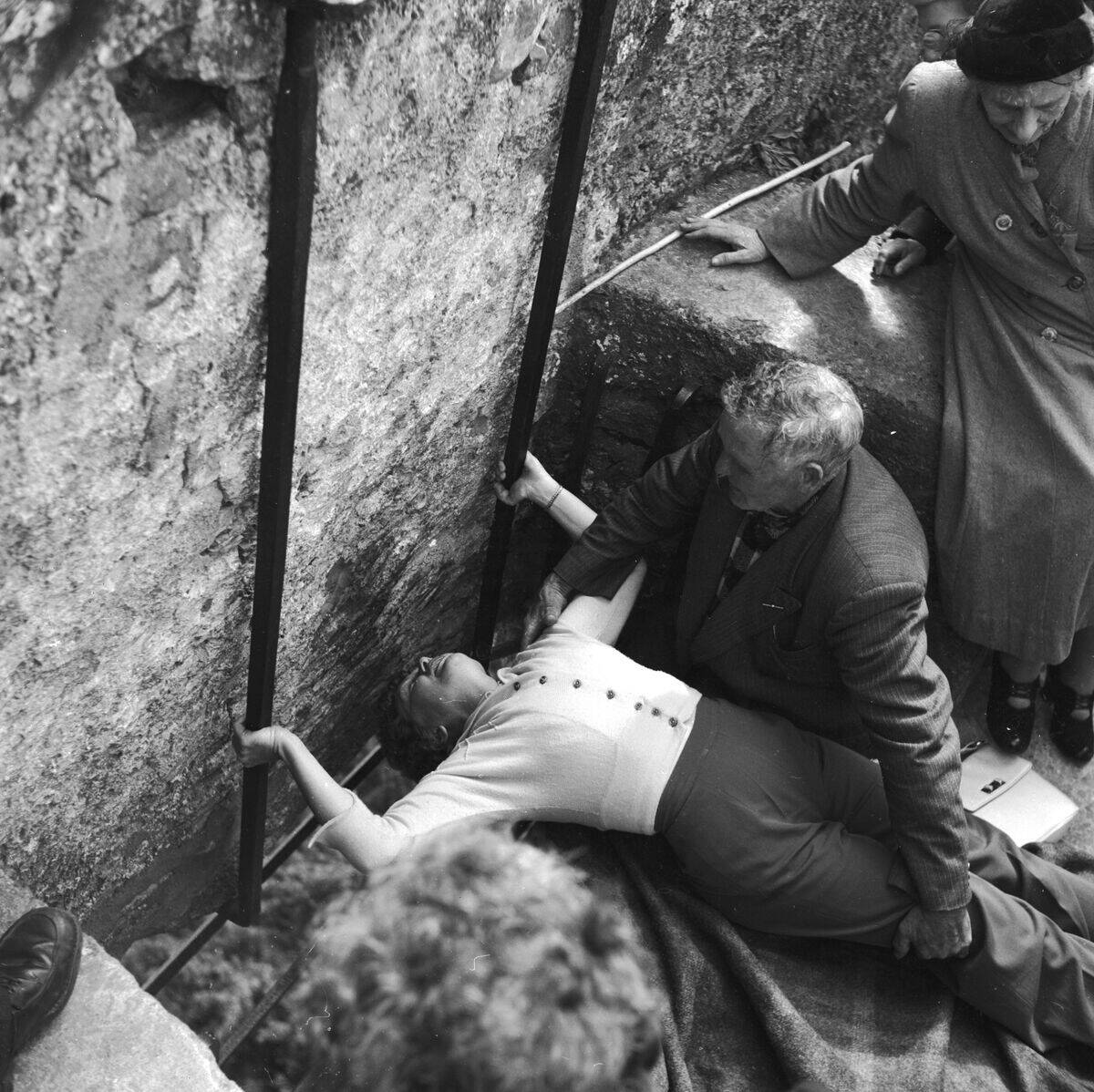
The Blarney Stone, set in the walls of Blarney Castle in Ireland, is renowned for granting the gift of gab. Legend has it that kissing the stone bestows eloquence and persuasiveness upon the kisser.
Visitors must lean backward to reach the stone, an act that’s become a rite of passage for tourists seeking verbal prowess. This tradition, dating back to the 18th century, continues to draw countless visitors, each hoping to leave with the legendary gift of eloquence.
The Evil Eye: Protection Through Perception
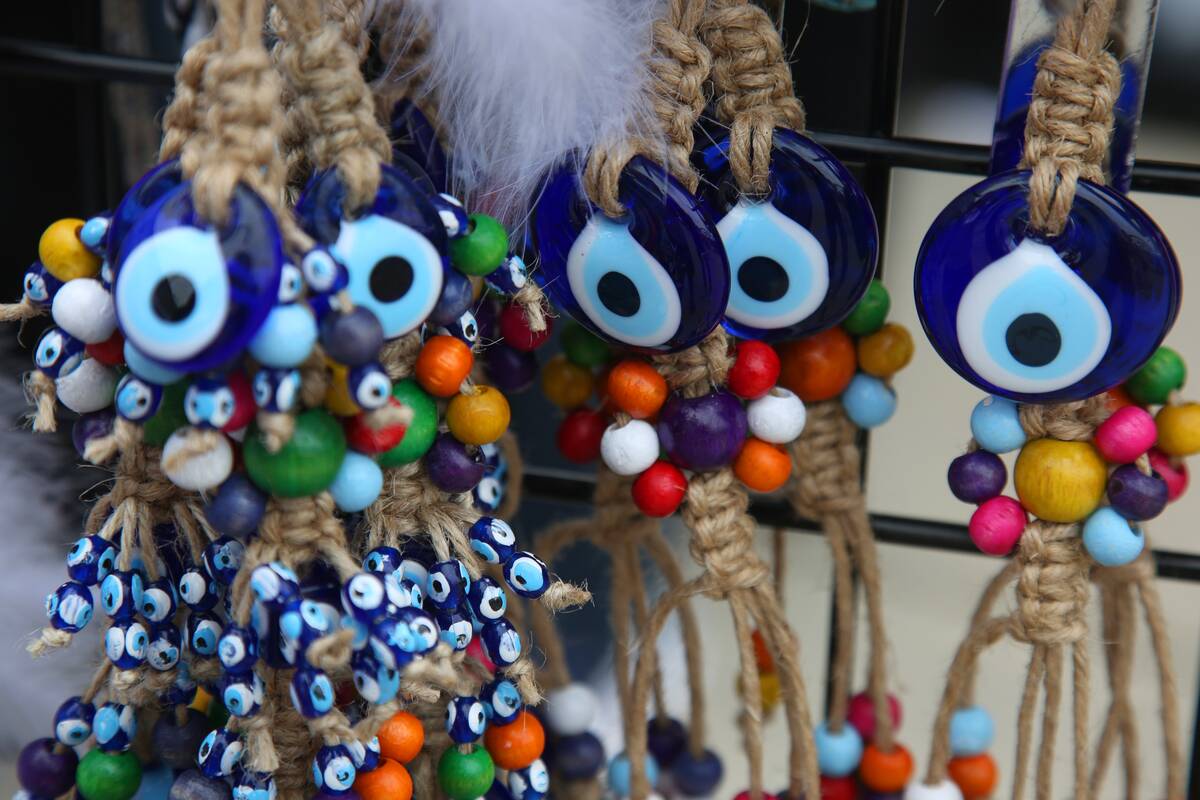
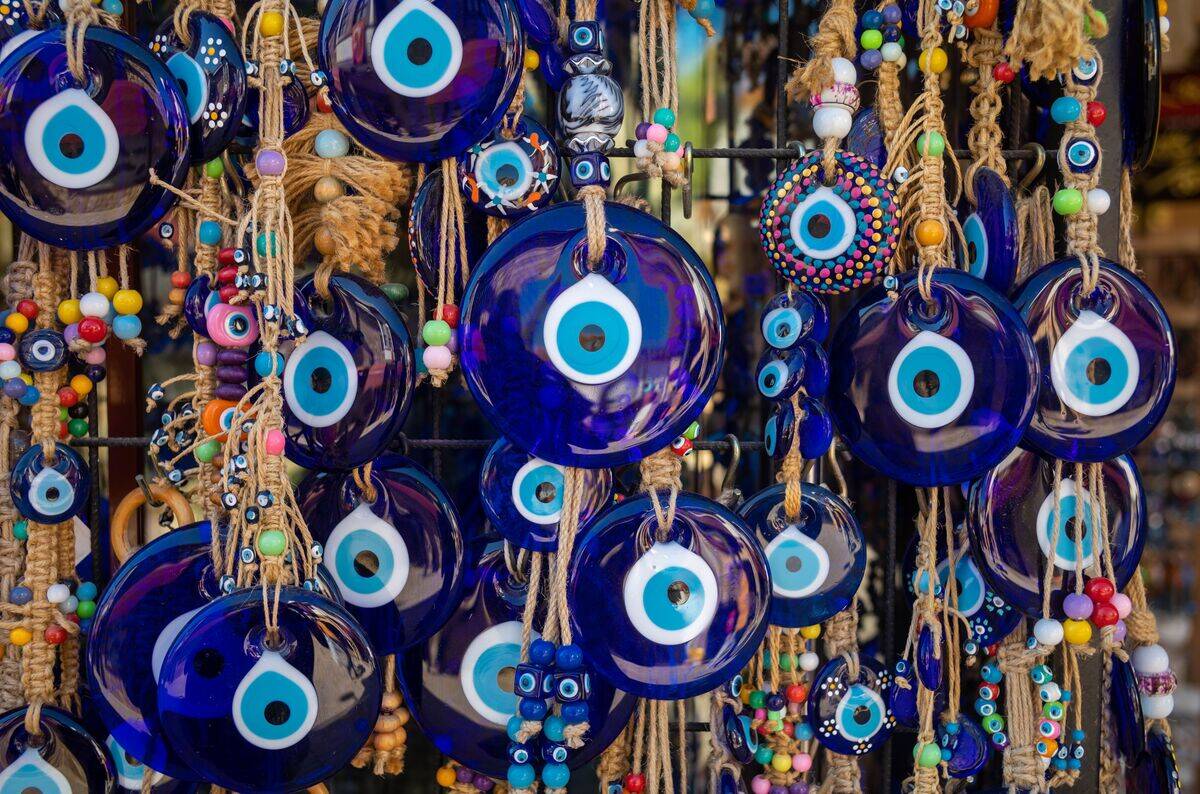
The evil eye is a powerful symbol believed to protect against negative energy and envy. Found in cultures across the Mediterranean and Middle East, this amulet is often depicted as a blue eye. It’s thought to deflect harmful intentions and safeguard its wearer from misfortune.
The concept dates back to ancient Greece and Rome, where it was believed that envious glances could cause harm. Today, evil eye charms are popular accessories, worn as jewelry or displayed in homes.
Lucky Coins: The Jingle of Prosperity
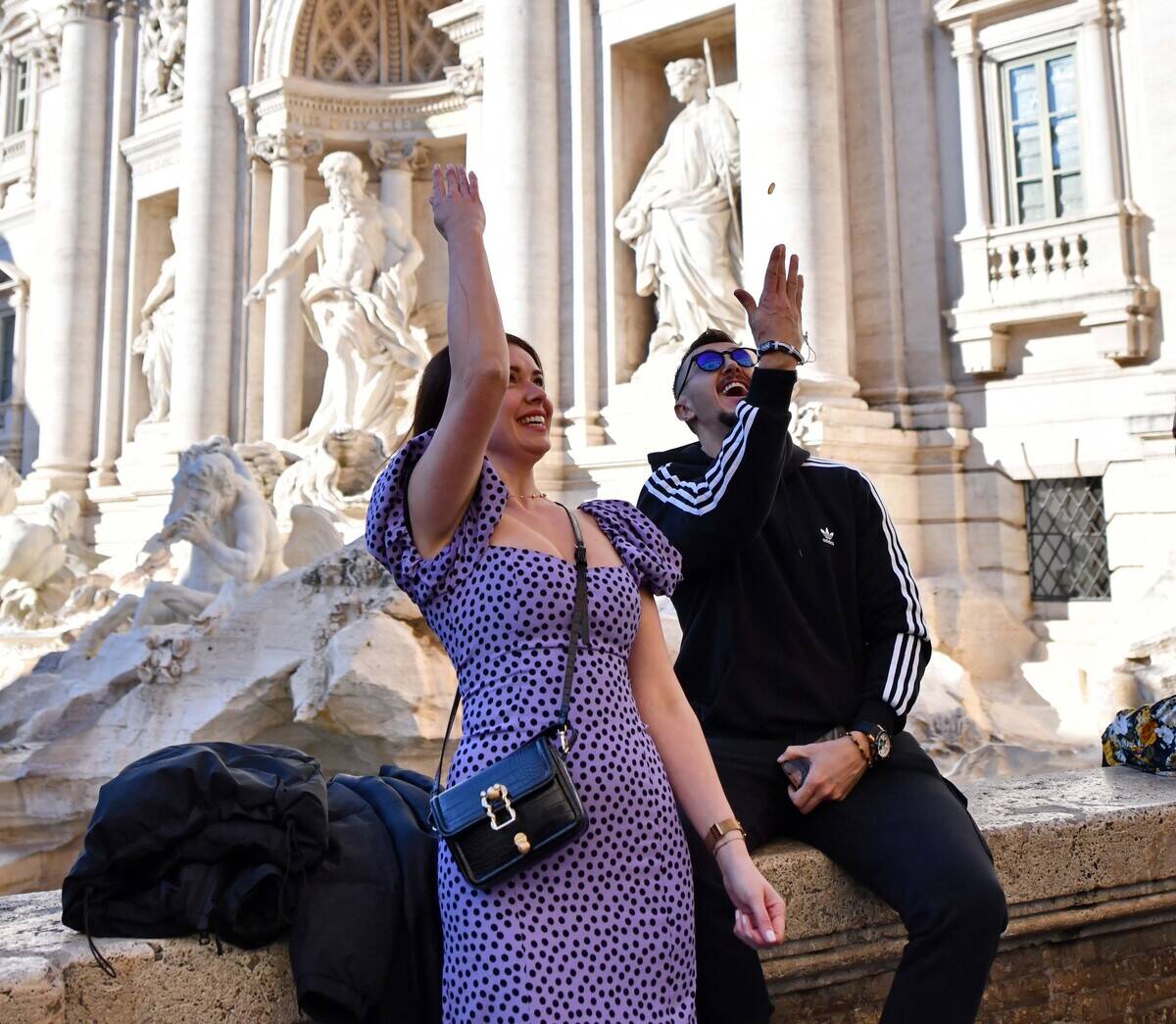
Coins have long been associated with luck, often given as gifts during special occasions to symbolize prosperity and wealth. In Chinese culture, red envelopes containing coins are exchanged during the Lunar New Year for good fortune.
Similarly, the tradition of throwing coins into fountains dates back to ancient Rome, where it was believed to appease water deities. These practices reflect the universal belief in coins as tokens of luck, connecting wealth with auspicious beginnings.
Elephants with Trunks Up: A Symbol of Strength and Fortune
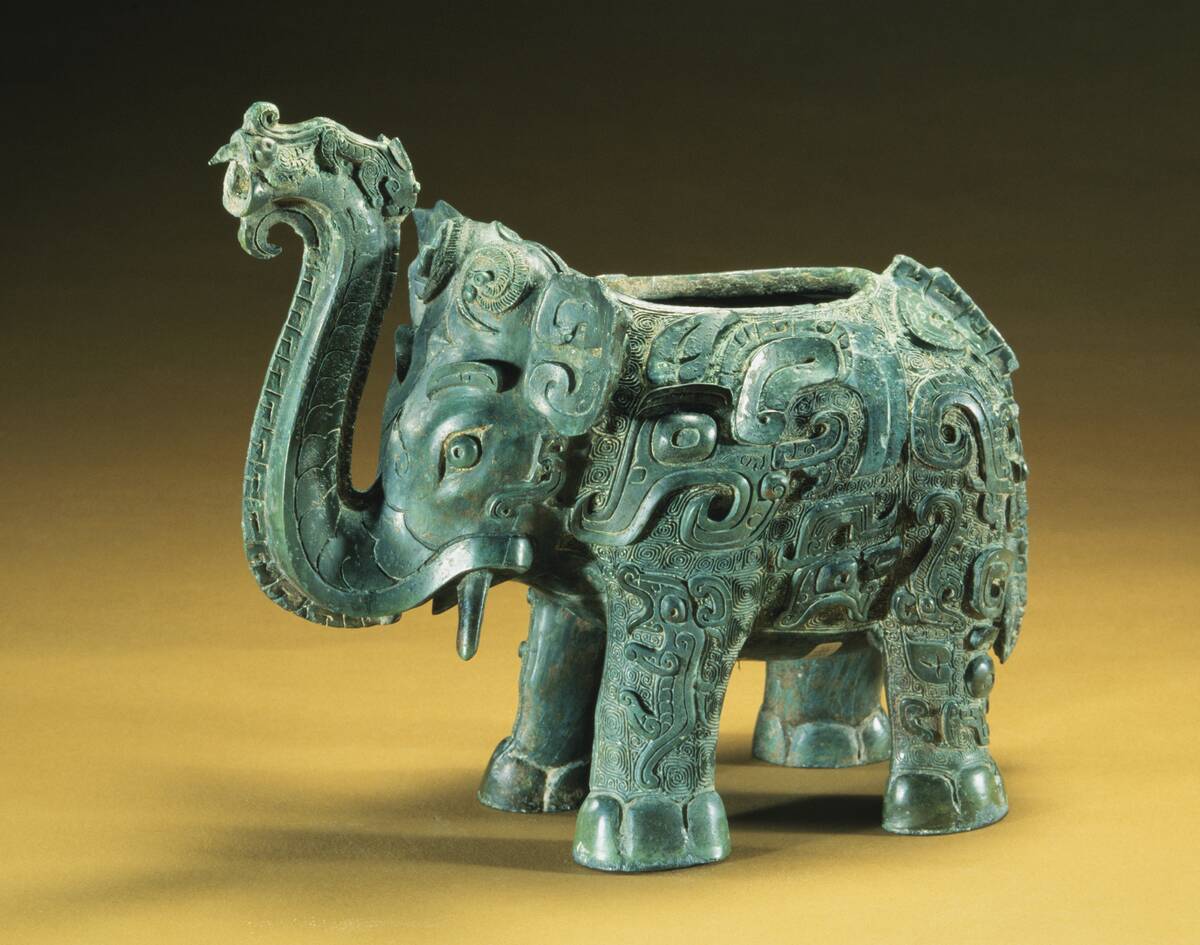
Elephants, particularly those with trunks raised, are revered symbols of strength, wisdom, and good fortune. In Feng Shui, a raised trunk is believed to shower good luck upon all who pass beneath it.
This powerful imagery stems from Hindu and Buddhist traditions, where elephants are sacred animals. Statues and trinkets featuring elephants are often placed near entrances to invite positive energy and success. Their majestic presence continues to inspire reverence and admiration.
The Hamsa Hand: An Ancient Amulet of Protection
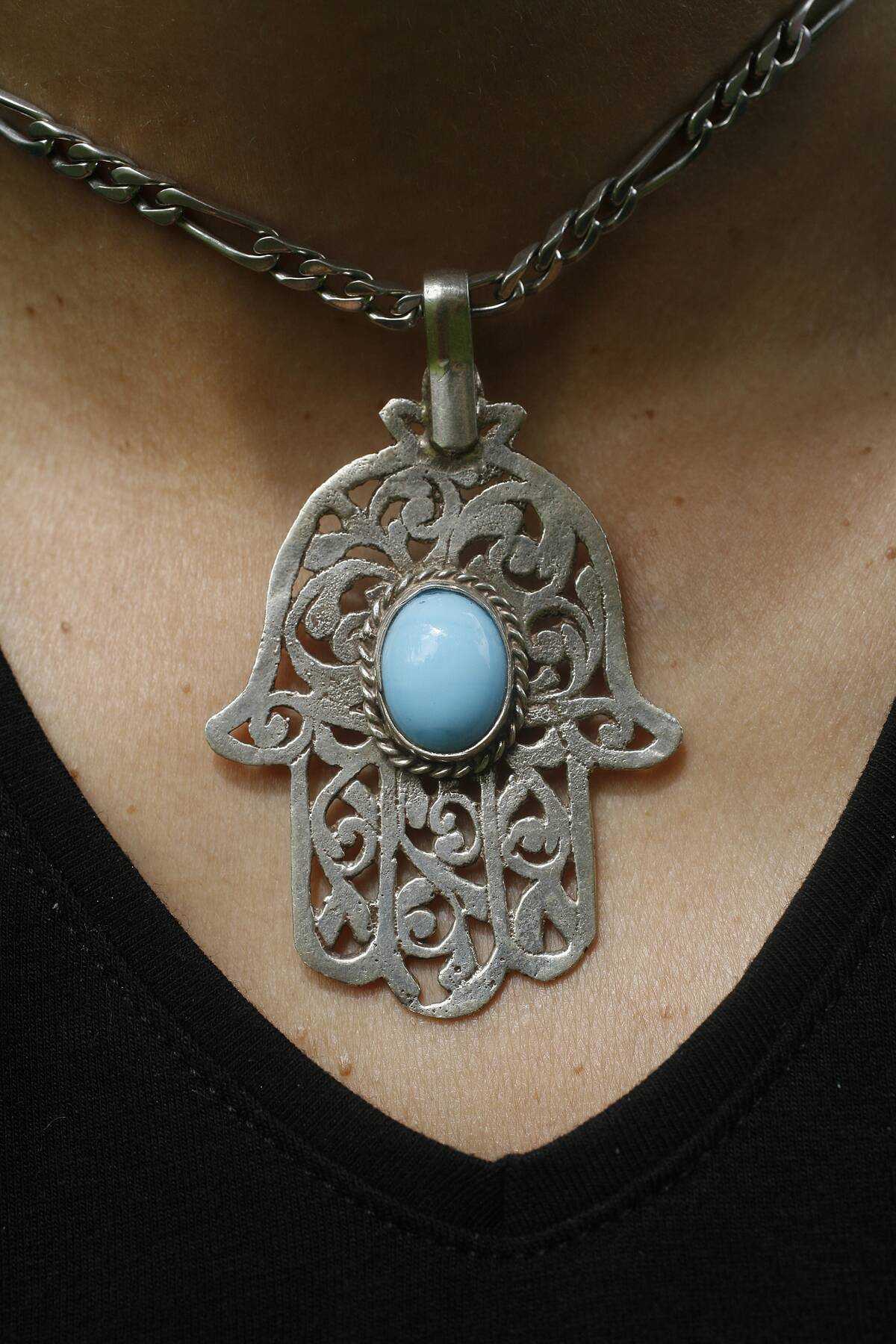
The Hamsa hand is a prominent symbol in Middle Eastern and North African cultures, representing protection from the evil eye. Shaped like a hand with an open palm, it often features an eye in the center.
The Hamsa is revered in Jewish and Islamic traditions, where it is known as the Hand of Miriam or the Hand of Fatima. This ancient amulet is worn as jewelry or displayed in homes, believed to bring health, happiness, and good fortune.
Ladybugs: Tiny Harbingers of Good Fortune

Ladybugs are cherished as symbols of good luck, with many cultures believing that their presence heralds prosperity. In European folklore, spotting a ladybug was thought to bring good weather and a bountiful harvest.
The number of spots on a ladybug’s back is sometimes counted to predict how long one’s good fortune will last. These charming insects continue to be seen as omens of joy and protection, often featured in art and literature as tokens of luck.
Feng Shui Coins: Balancing Energy and Wealth

Feng Shui coins, often tied with red ribbon, are used to attract wealth and prosperity in Chinese culture. These coins are typically round with a square hole in the center, symbolizing the union of heaven and earth.
Placing them in strategic locations, such as near cash registers or inside wallets, is believed to enhance financial luck. This practice is rooted in the ancient art of Feng Shui, which seeks to harmonize individuals with their environment through balanced energy flow.
The Laughing Buddha: Joy and Abundance in Sculpture

The Laughing Buddha, also known as Budai, is a symbol of happiness, abundance, and contentment. Often depicted with a joyous smile and a large belly, this figure is believed to bring good luck and prosperity to homes and businesses.
Rubbing the Buddha’s belly is thought to bestow wealth and joy. Originating from Chinese folklore, the Laughing Buddha’s cheerful demeanor continues to inspire positivity and goodwill wherever he is displayed, embodying the spirit of abundance.
Acorns: Ancient Symbols of Growth and Strength
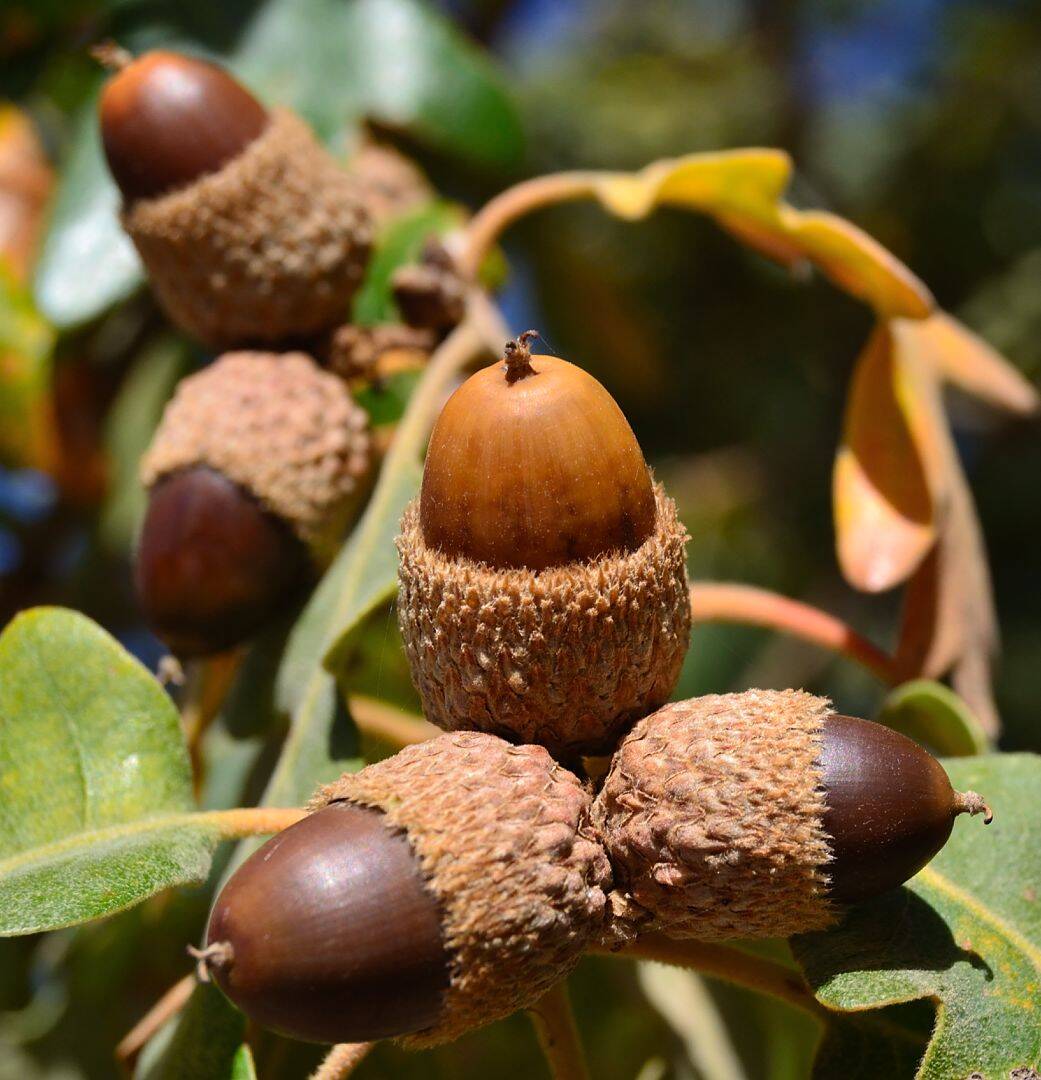
Acorns have long been symbols of growth, potential, and strength, cherished for their connection to the mighty oak tree. In European folk tradition, acorns and oak trees were associated with protection from lightning, partly because oak trees are sacred to Thor.
This symbolism extends to the belief that carrying an acorn can offer protection and ensure a long life. Often used in jewelry and home decor, acorns are celebrated as tokens of resilience and potential, representing the promise of future prosperity.
Four-Leaf Clovers: Nature’s Rare Token of Luck
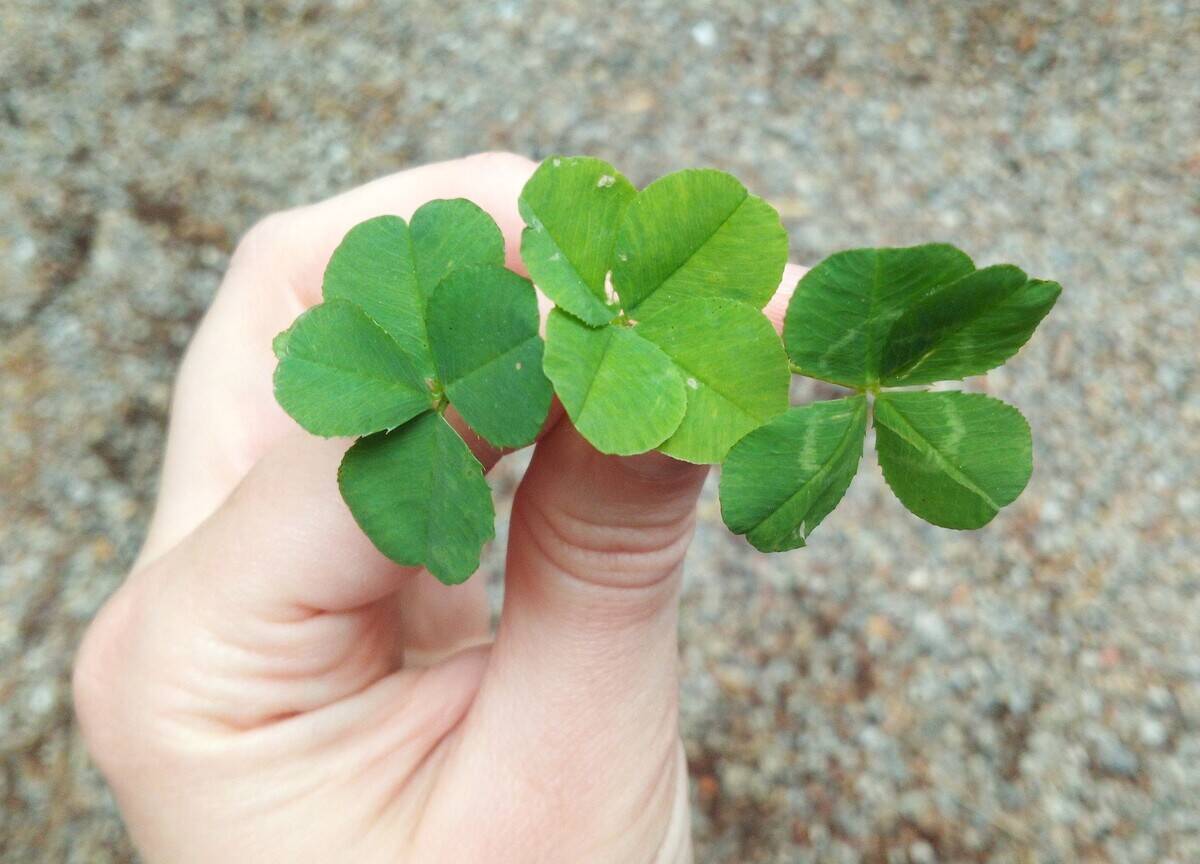
The four-leaf clover is a rare variation of the common three-leaf clover, with each leaf symbolizing faith, hope, love, and luck. Finding one is considered a fortuitous event, as they occur approximately once in every 5,000 clovers.
This rarity contributes to their status as a powerful symbol of good fortune. In Irish folklore, these clovers are believed to ward off evil spirits. Carrying one is a cherished practice, thought to bring happiness and protection to its owner.
Lucky Bamboo: Bringing Harmony and Prosperity Indoors

Lucky bamboo, known for its slender stalks and vibrant leaves, is a popular plant in Feng Shui for attracting positive energy and prosperity. Each arrangement has a specific meaning, with three stalks symbolizing happiness, wealth, and longevity.
The plant commonly sold as ‘lucky bamboo’ is actually Dracaena sanderiana, which is native to Central Africa. Its association with good fortune developed later through Chinese cultural adaptation. Easy to care for and versatile in design, this plant is a favorite choice for those seeking to harmonize their living spaces with nature’s bounty.
Wishbones: Breaking for Wishes and Luck

The tradition of breaking wishbones, typically from turkeys or chickens, is a popular custom during festive meals. Two participants pull on either side of the bone, and the one with the larger piece is said to have their wish granted.
This practice dates back to the Estruscans, where it was believed that birds possessed divine powers. The wishbone is a symbol of hope and dreams, cherished in cultures around the world for its promise of luck and fulfilled desires.