The curious past of the standard paper clip
The paper clip, a small yet mighty tool, has been quietly holding our lives together since the late 19th century. While it might seem like a mundane office supply, the paper clip has an intriguing history and a surprisingly significant impact beyond its simple function.
As we delve into the world of paper clips, you’ll discover how this unassuming item has shaped the way we organize our documents and even influenced culture and politics.
The Invention: A Twist in Office History
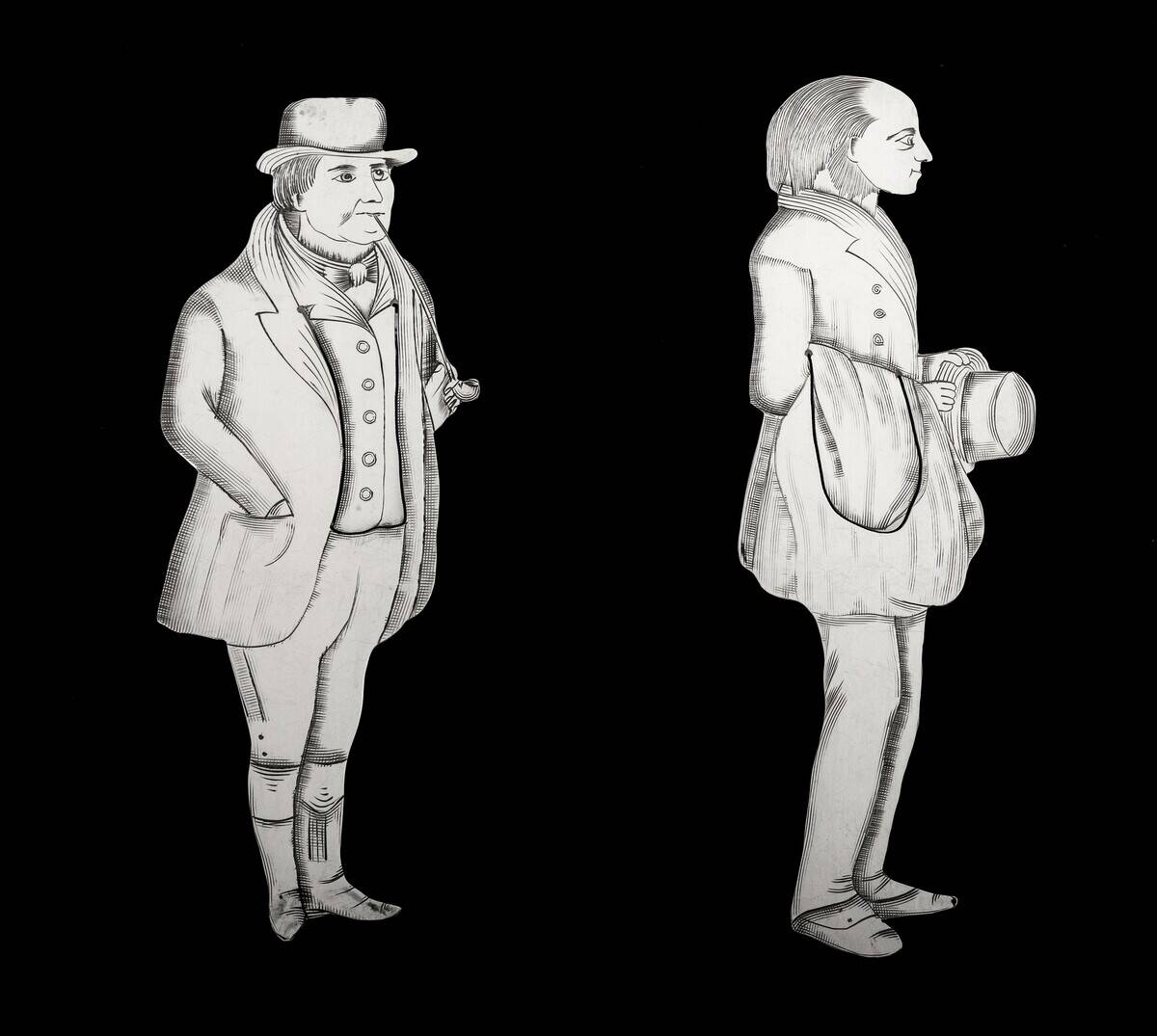
The paper clip’s invention is attributed to several inventors, but Johan Vaaler, a Norwegian, is often credited with creating the first recognizable design in 1899. However, it was never commercially viable.
The true breakthrough came with the ‘Gem’ design, which emerged around the same time and quickly gained popularity. This simple looped wire design we recognize today proved to be both effective and easy to produce, cementing its place in office history.
Early Contenders: The Many Shapes of Paper Fasteners
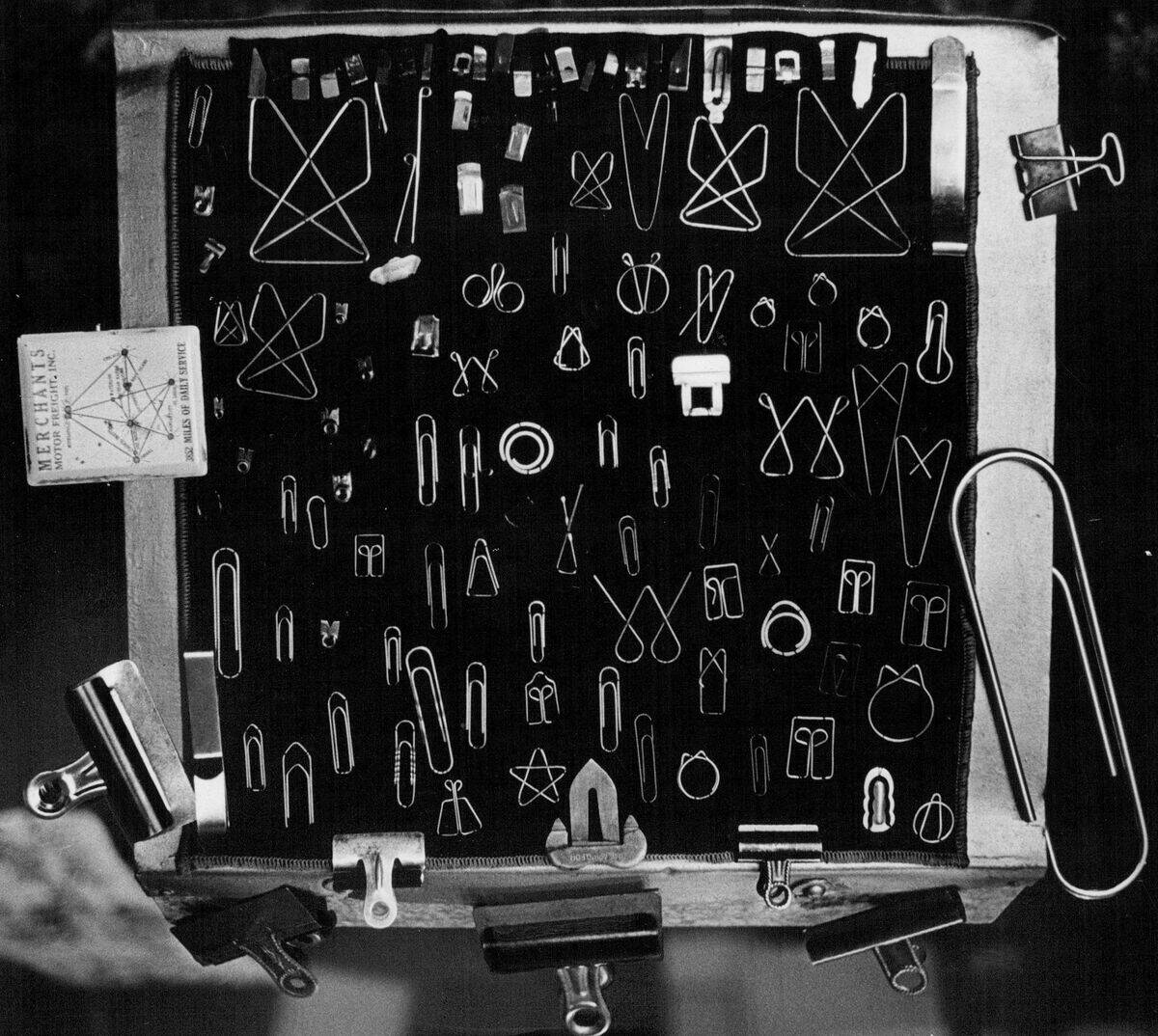
Before the paper clip, people used pins, wax, and ribbons to keep papers together. In the 19th century, inventors experimented with various fasteners, including straight pins and brass tacks.
The ‘Konaclip’ and ‘Owl’ paper clips were among early contenders, each with unique shapes and functionalities. These early designs paved the way for the paper clip’s evolution, highlighting the need for a simple and efficient paper-fastening solution in offices.
The Gem Paper Clip: An Iconic Design Emerges
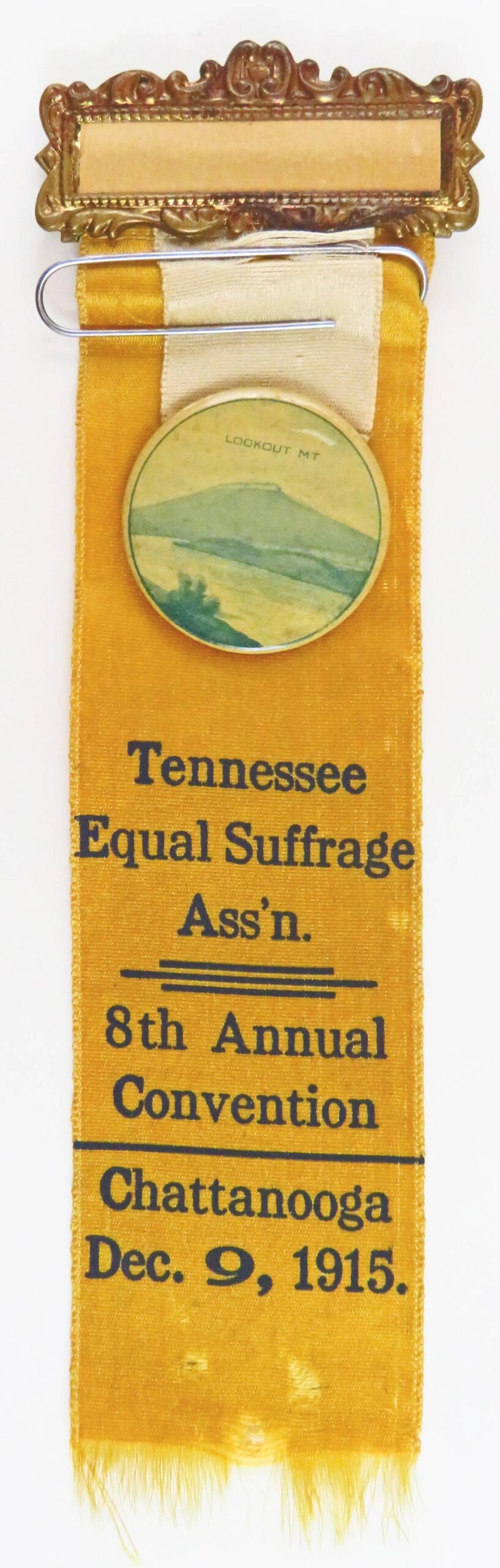
The ‘Gem’ paper clip, the most common design today, originated in Britain in the early 1900s. Its double-loop shape is not only aesthetically pleasing but also functional, providing a secure grip on papers without damaging them.
The Gem clip’s simplicity and efficiency helped it dominate the market, becoming synonymous with paper clips in general. Its design has remained largely unchanged for over a century, a testament to its timeless ingenuity.
The Norwegian Connection: A Symbol of Resistance

During World War II, the paper clip took on a new significance in Norway. Norwegians wore paper clips on their lapels as a symbol of resistance against Nazi occupation, representing unity and defiance.
This small act of rebellion was a powerful statement, showing how an everyday object could take on profound meanings. The paper clip became a quiet yet potent emblem of solidarity and resistance, marking its place in history beyond mere office utility.
Paper Clips and Protests: A Surprisingly Political Past
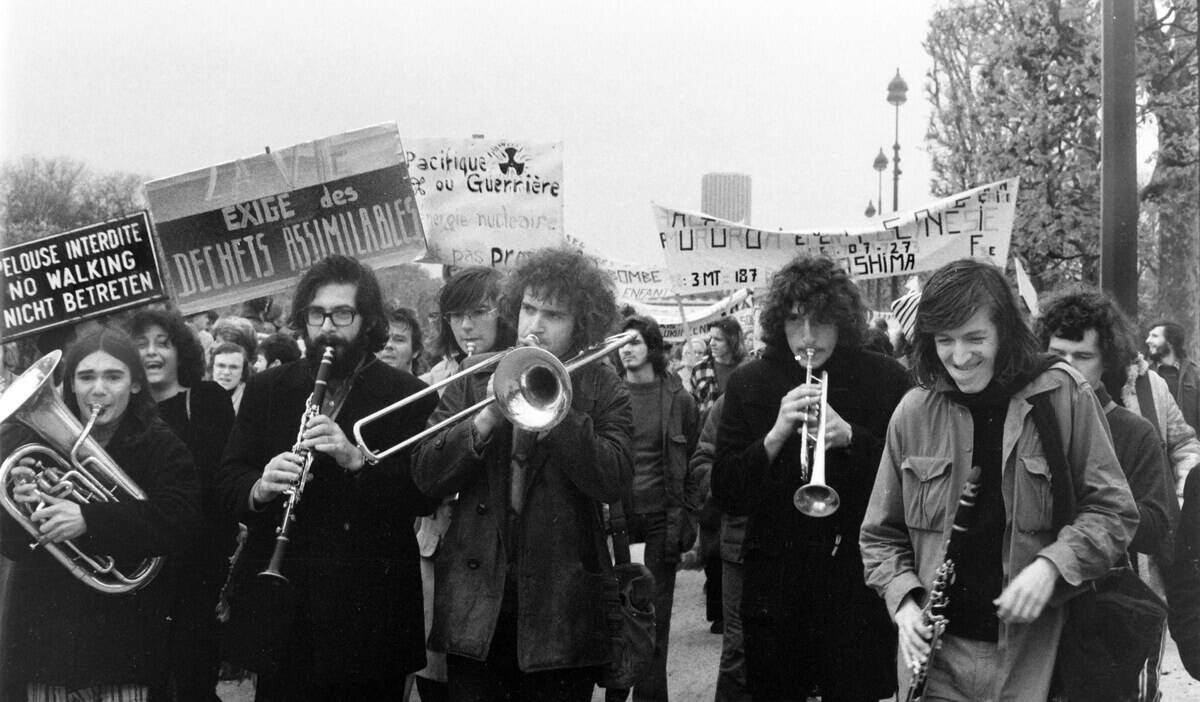
Beyond its Norwegian roots, the paper clip has been used in various protests and political movements worldwide. Its simplicity and availability make it an ideal symbol for grassroots activism.
In some cases, paper clips have been used to symbolize unity, diversity, or non-violent resistance. Their presence in protests underscores their versatility—not just in holding papers, but in holding together communities and movements with shared goals and values.
From Utility to Art: The Paper Clip in Popular Culture
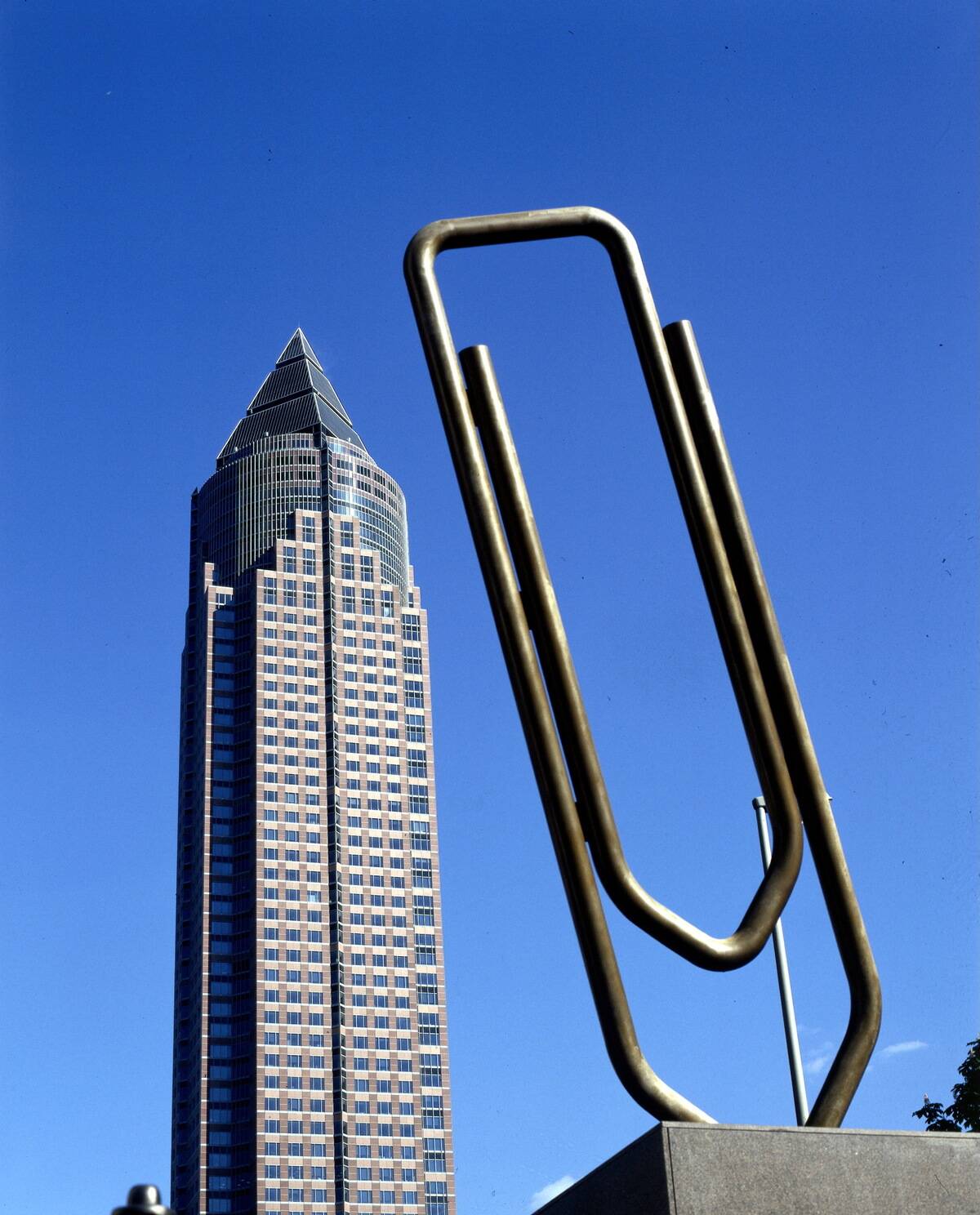
The humble paper clip has also found its way into the world of art and culture. Artists have used paper clips to create intricate sculptures and installations, highlighting their creative potential.
In pop culture, the paper clip has appeared in movies, TV shows, and novels, often symbolizing ingenuity or resourcefulness. This simple tool has transcended its primary function, becoming a canvas for artistic expression and a metaphor for creativity and problem-solving.
Material Evolution: From Metal to Colorful Plastic
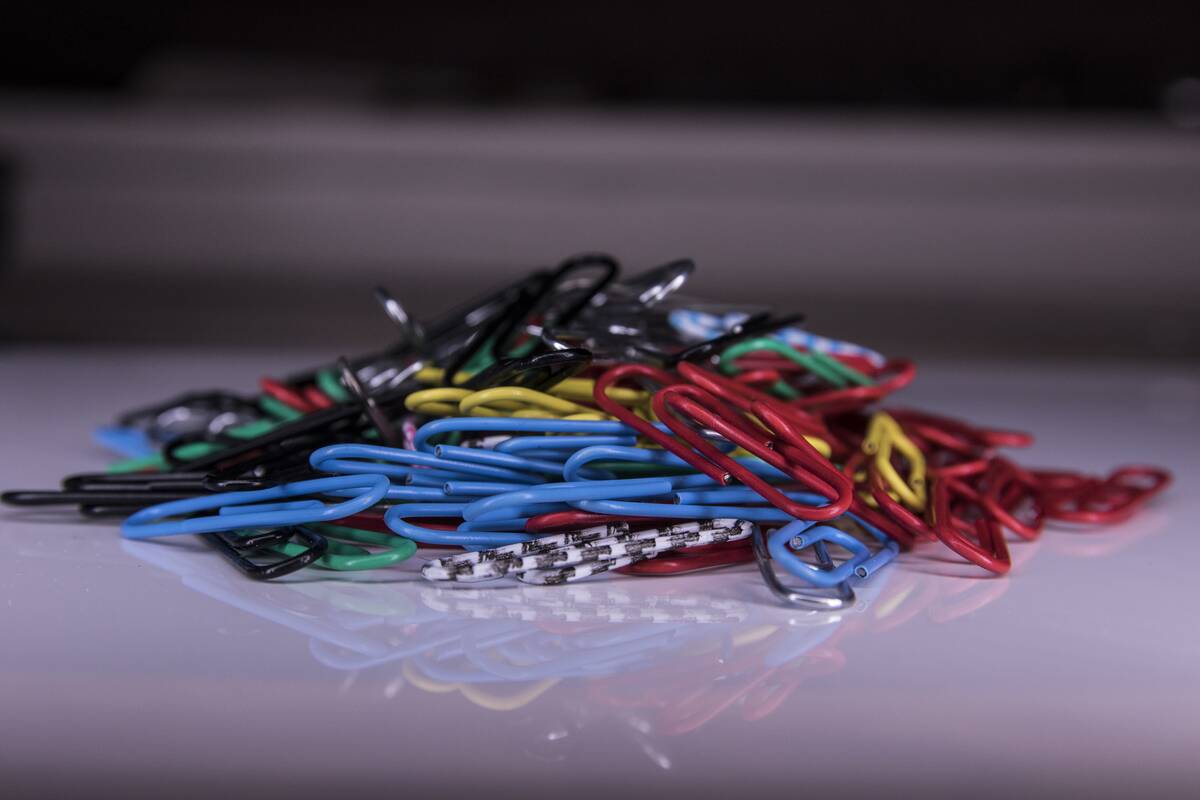
Originally made from metal wire, paper clips have evolved to include various materials and colors. Plastic paper clips became popular in the latter half of the 20th century, offering a splash of color and a non-metallic option for those concerned about rust or metal allergies.
These colorful versions appeal to those looking to add personality to their office supplies, while metal clips remain a staple for their durability and classic design.
The Science Behind the Simplicity: How Paper Clips Work
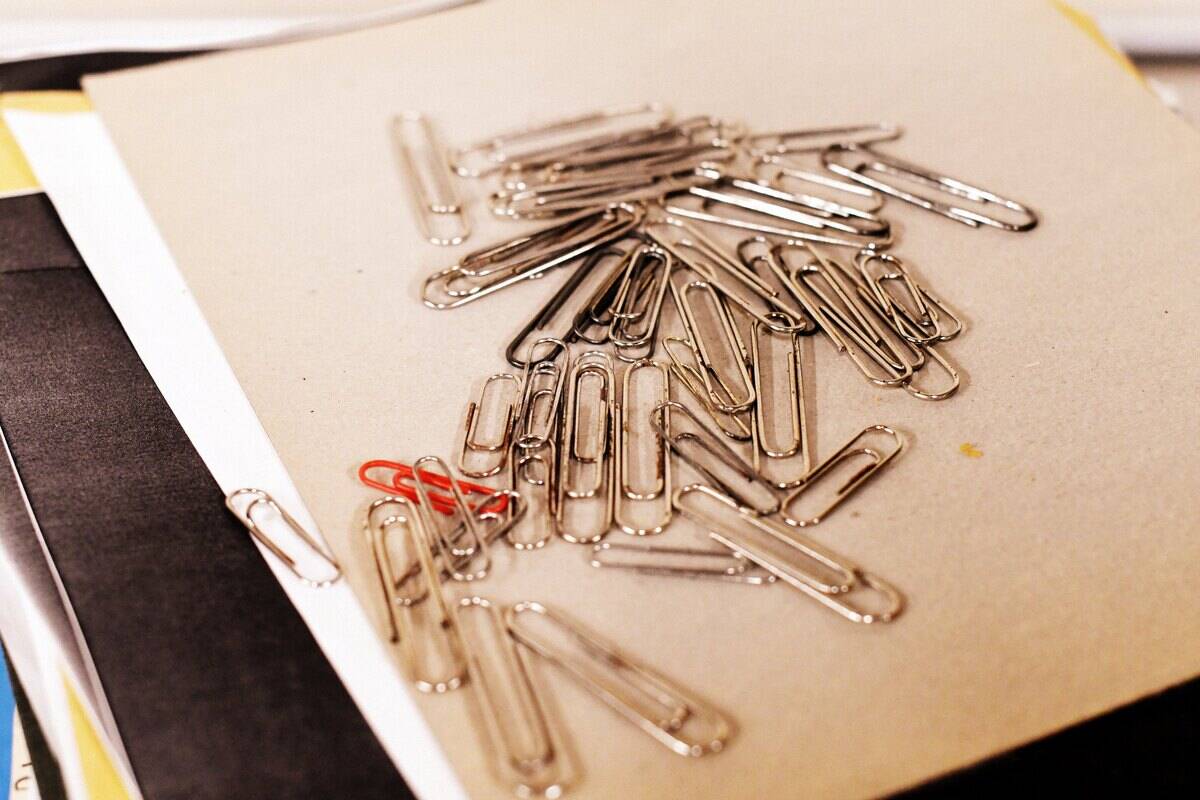
The paper clip’s design is a brilliant example of simple physics at work. The tension in the wire creates a clamping force that holds papers together. The double-loop design of the Gem clip increases the surface area, distributing pressure evenly and preventing damage to documents.
This simple yet effective mechanism has made the paper clip an enduring solution for organizing papers, proving that sometimes the best designs are the simplest.
Collecting Paper Clips: A Hobby for the Quirky
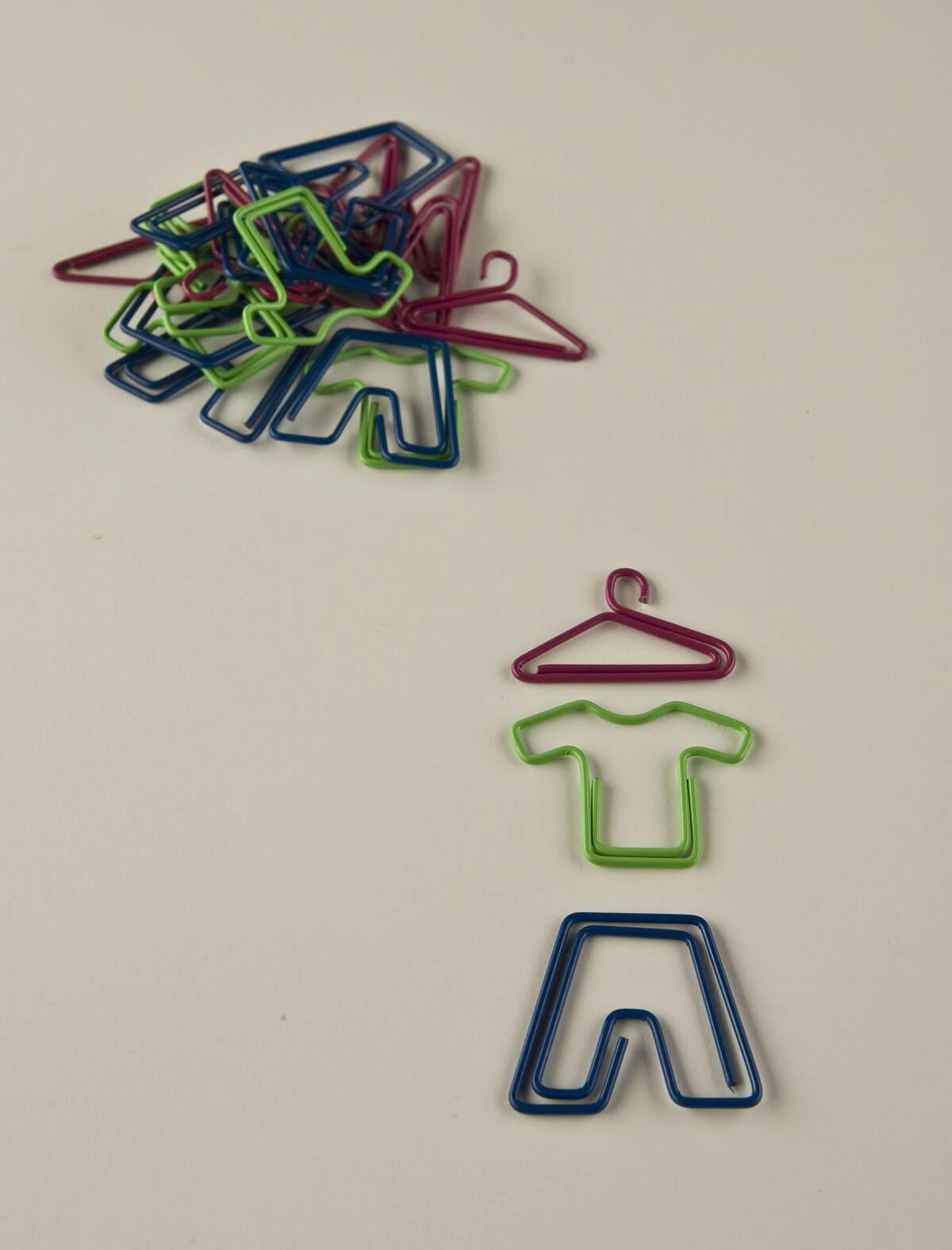
Believe it or not, there is a niche community of paper clip collectors who seek out rare and unique designs. Collectors cherish vintage clips, unusual shapes, and limited-edition releases, often trading with others to expand their collections.
This quirky hobby highlights the diversity and history of paper clips, transforming a common office supply into a treasure trove of collectible curiosities. It’s a testament to the enduring appeal and fascination with this ubiquitous tool.
Fun Facts: Paper Clip Trivia You Never Knew
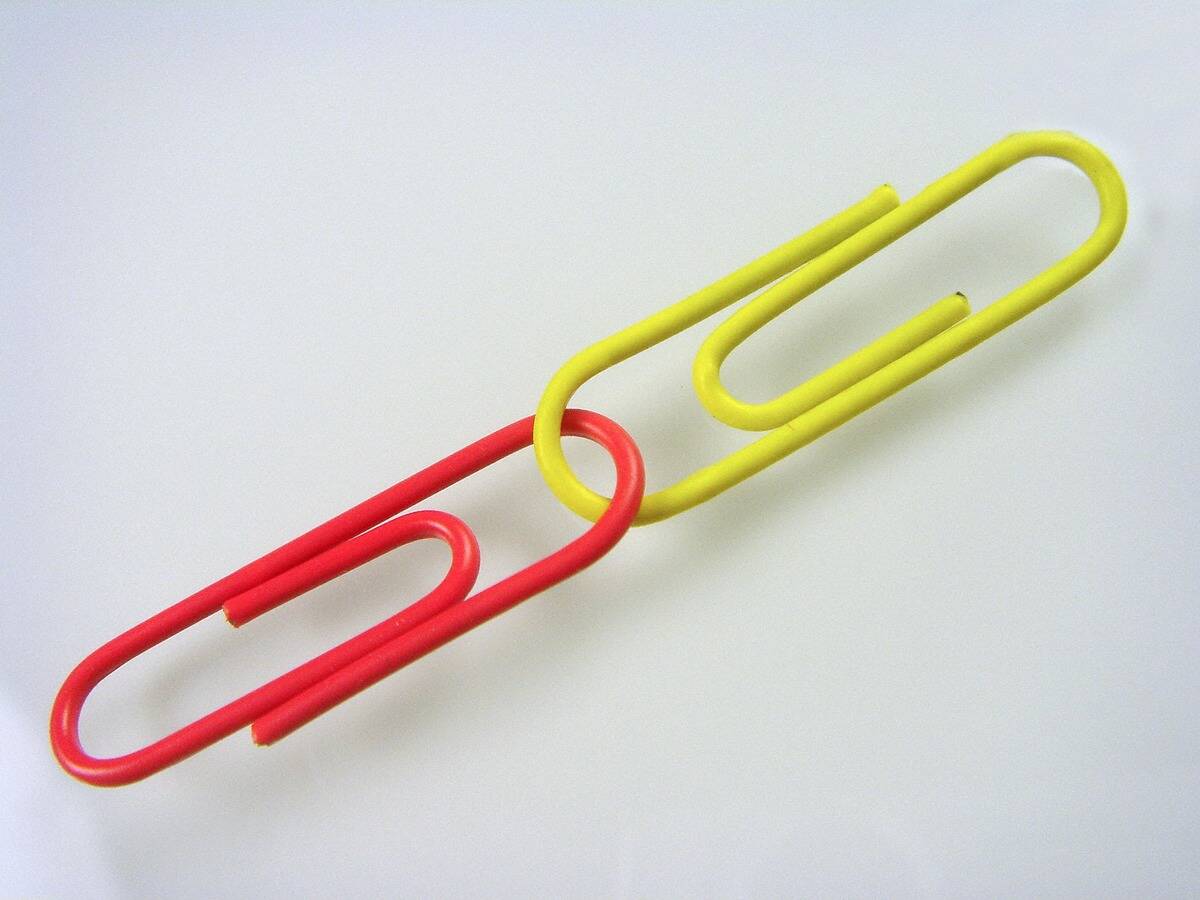
Did you know the longest paper clip chain ever made stretched over 22 kilometers? Or that paper clips have been used to unlock doors and fix zippers in a pinch? These versatile tools have even been used in magic tricks and DIY electronics projects.
Despite their simplicity, paper clips have sparked creativity and ingenuity in countless ways, proving that even the most mundane objects can hold a world of surprises.
Beyond Papers: Unusual Uses for Paper Clips
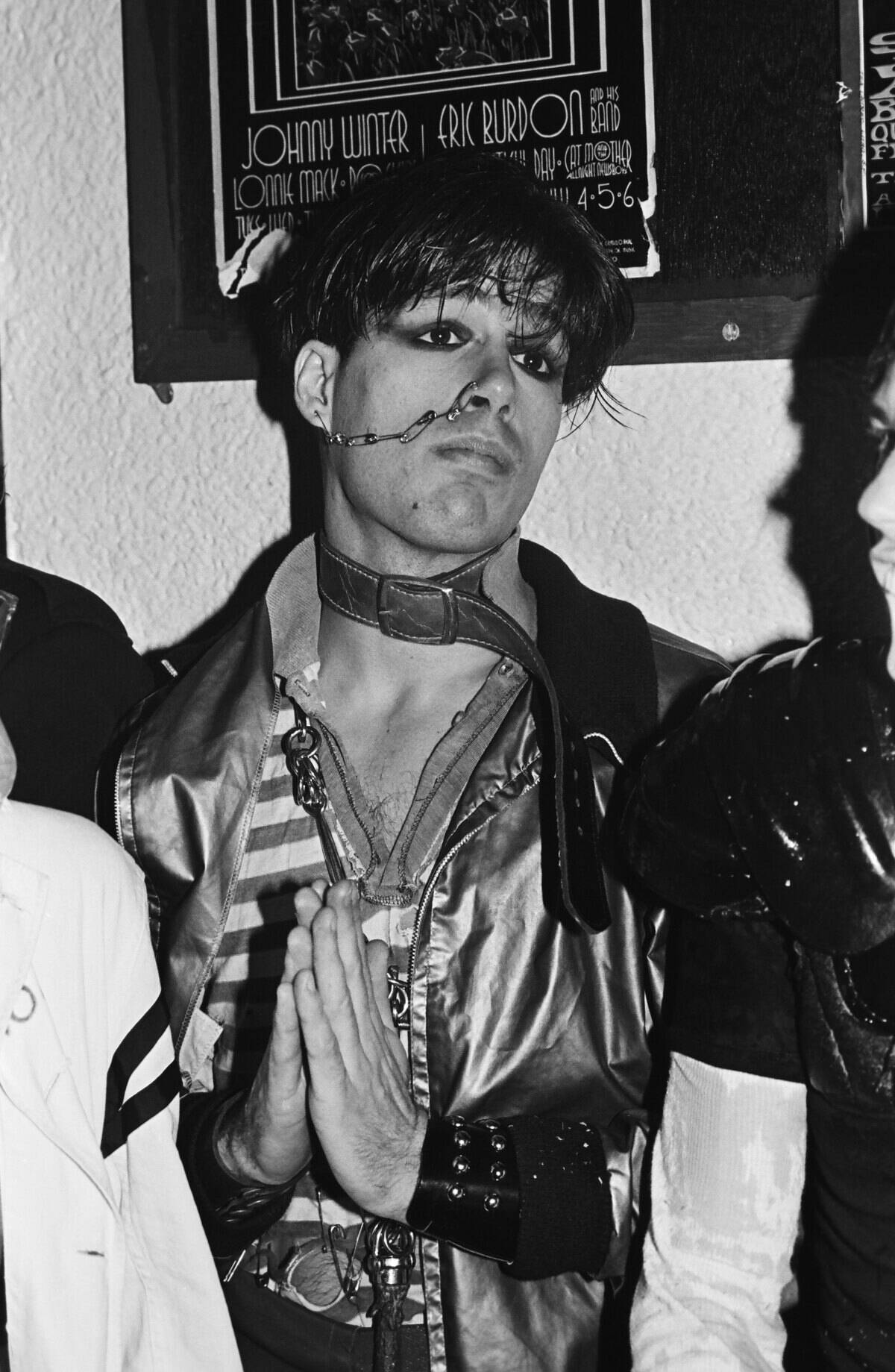
Paper clips are not just for holding papers. They’ve been used as makeshift hooks, bookmarks, and even emergency hairpins.
In the tech world, a paper clip can reset gadgets by pressing recessed buttons. Crafters use them in jewelry-making and model-building projects. Their versatility and availability make them a go-to tool for quick fixes and inventive uses, showing that these little clips can do much more than their name suggests.
The Paper Clip in the Digital Age: Still Relevant?
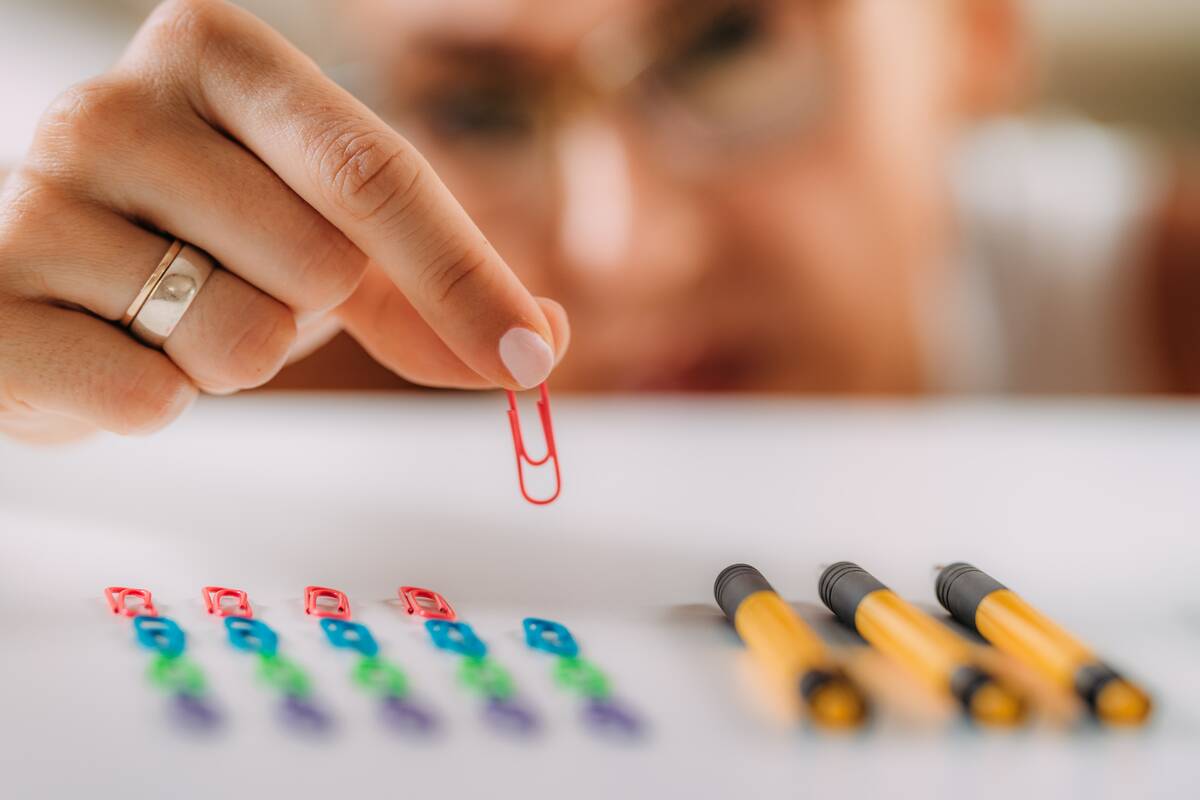
In an increasingly digital world, one might wonder if paper clips are becoming obsolete. However, the need for physical documents in offices and homes means paper clips remain an essential tool.
They continue to serve a purpose in organizing papers and managing materials that still require a human touch. While technology evolves, the paper clip persists, adapting to modern needs and proving that some inventions are simply timeless.
DIY Projects: Crafting with Paper Clips
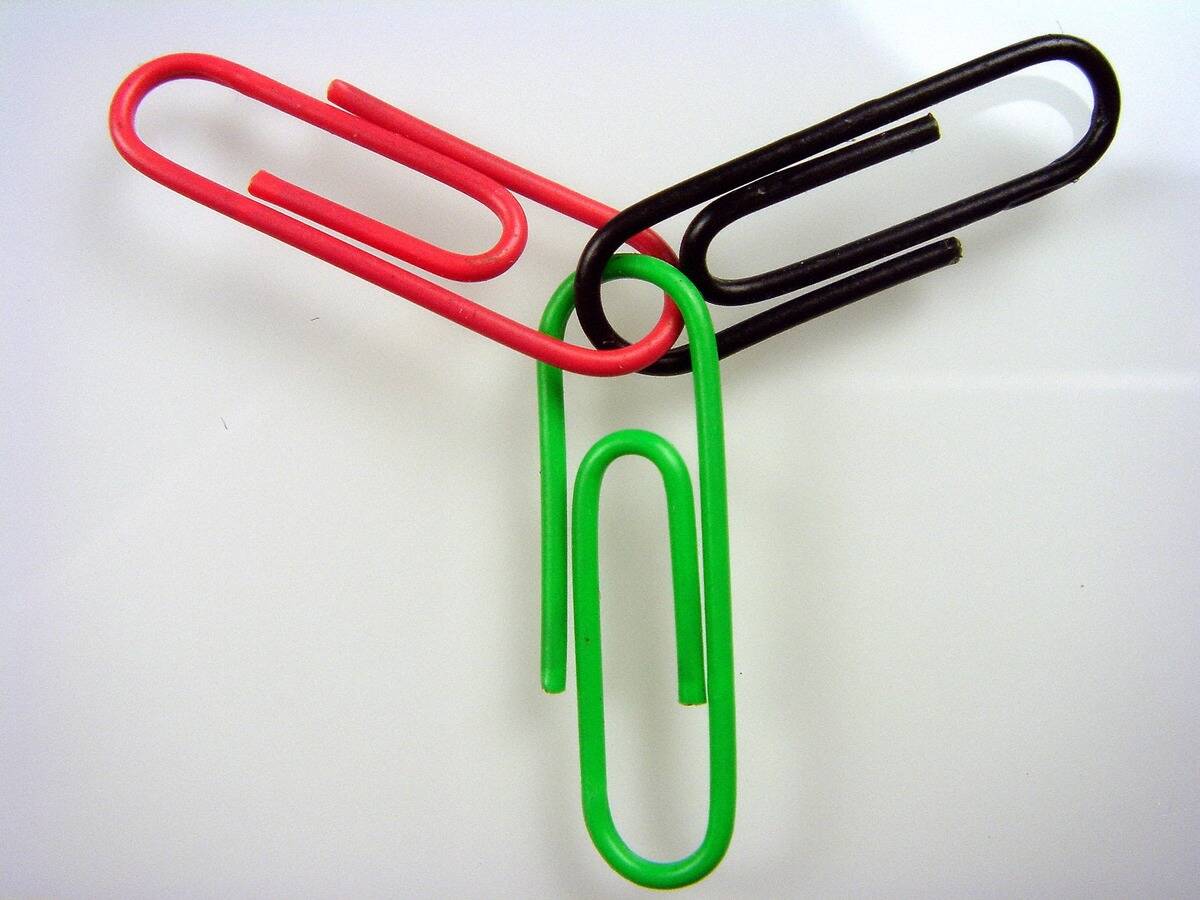
Crafters and DIY enthusiasts have embraced paper clips as a versatile material for various projects. From creating miniature sculptures to crafting custom jewelry, paper clips offer endless possibilities for creativity.
Their pliability and availability make them ideal for experimentation, allowing artists to push the boundaries of what a simple office tool can become. These DIY endeavors underscore the paper clip’s role beyond utility, transforming it into a medium for artistic expression.
Environmental Impact: The Eco-Friendly Paper Clip
While paper clips are small, their environmental impact can add up. Metal clips are recyclable, but improper disposal can lead to waste. Plastic clips, while colorful, pose a greater environmental challenge.
Eco-conscious consumers are turning to biodegradable or recycled material options. As awareness of environmental issues grows, the paper clip industry is shifting towards more sustainable practices, ensuring that even the smallest tools contribute to a greener future.
Office Staples: Why Paper Clips Outlive Trends
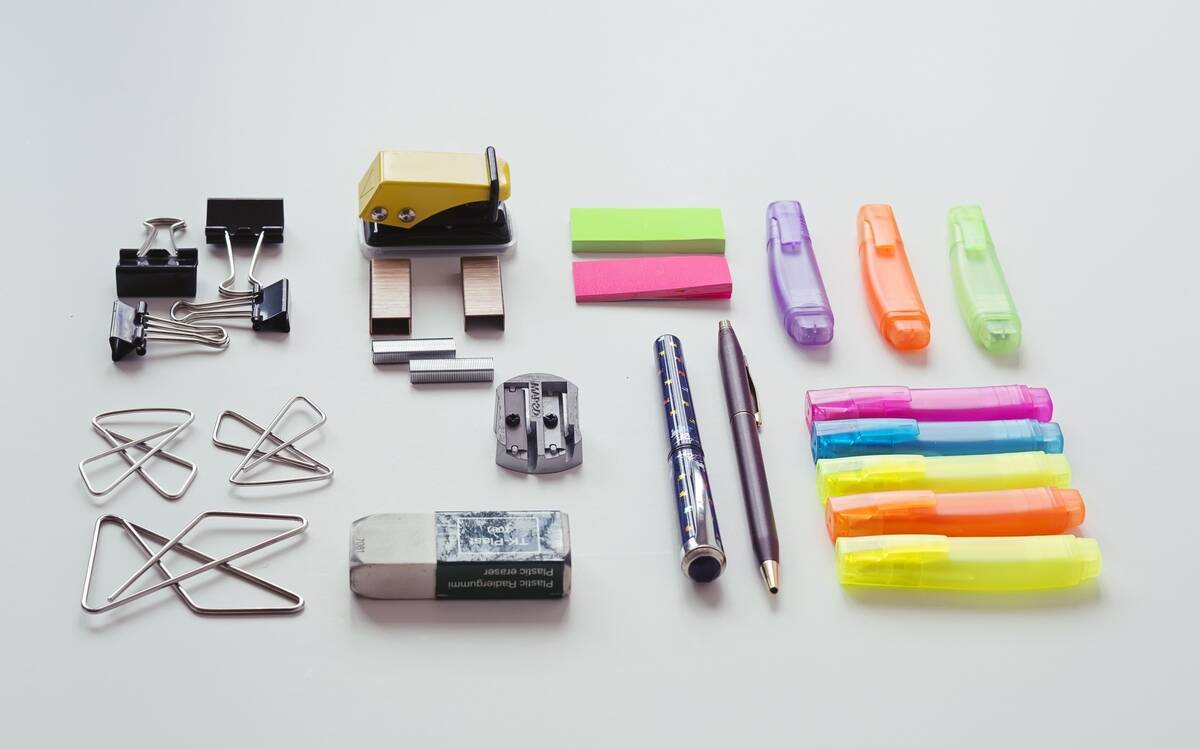
Despite the rise of digital tools, paper clips remain a staple in offices worldwide. Their simplicity, reliability, and affordability make them indispensable. As trends come and go, the paper clip endures, quietly performing its duty without fanfare.
It serves as a reminder that sometimes, the most effective solutions are the simplest. The paper clip’s enduring presence in offices testifies to its lasting utility and timeless design.




