Storms that forced nations to redraw borders overnight
Storms have always been fascinating acts of nature, wielding both awe-inspiring beauty and devastating power. More than just meteorological phenomena, they can reshape landscapes and, consequently, national borders.
From carving new coastlines to redirecting mighty rivers, storms have historically played a pivotal role in defining territories. Understanding the interplay between these natural events and human boundaries offers a glimpse into the dynamic and ever-changing nature of our world.
The Night the Sea Roared: How a Storm Reshaped a Coastline
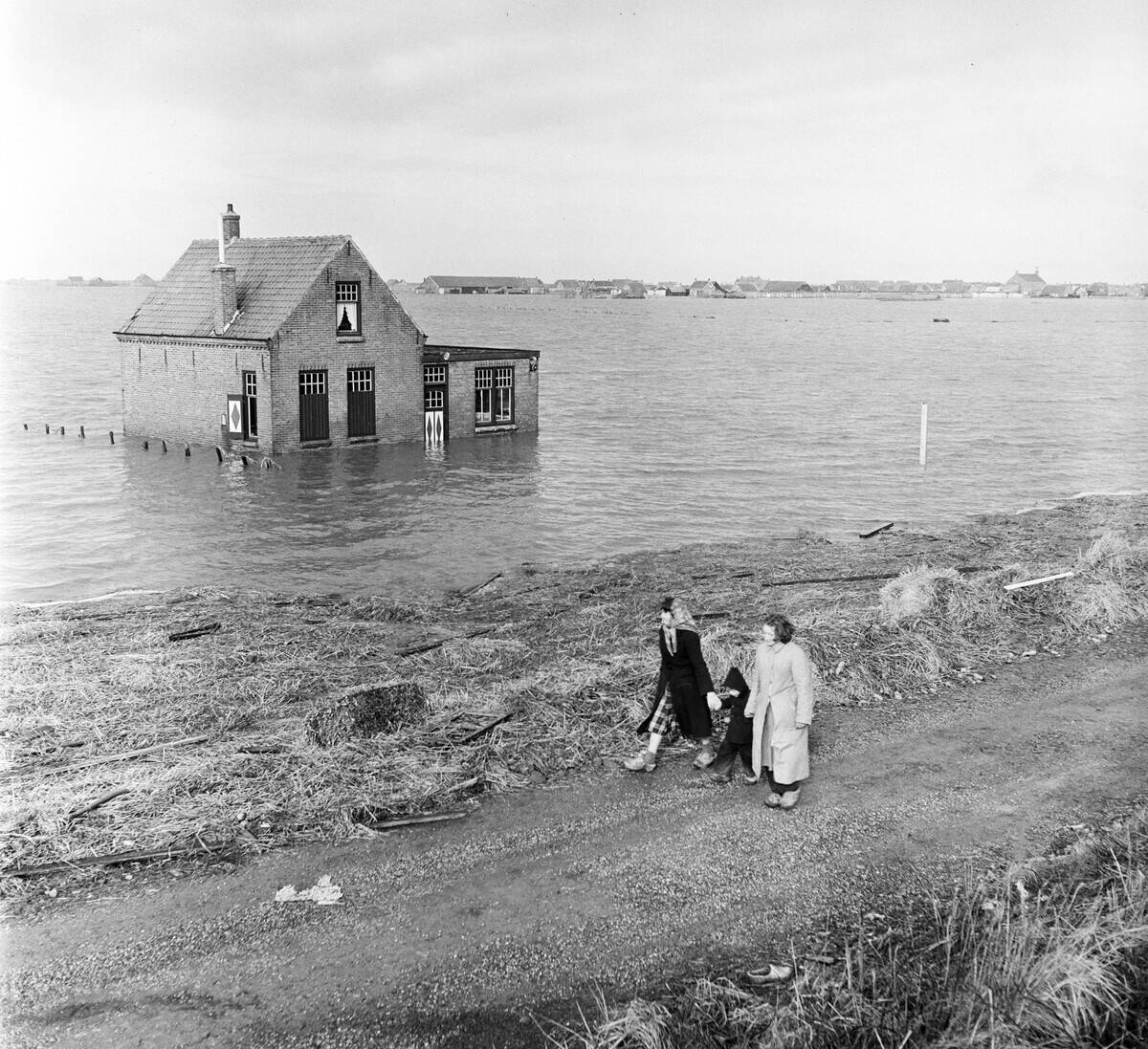
In 1953, the North Sea flood dramatically altered the coastline of the Netherlands and parts of the UK. This tempestuous night saw the sea breach defenses, resulting in thousands of casualties and significant land loss.
The Dutch subsequently launched the Delta Works, an ambitious project to prevent future flooding. This event not only changed geographical boundaries but also sparked innovations in flood defense systems, highlighting the delicate balance between human engineering and nature’s unpredictability.
Hurricanes with Historical Consequences
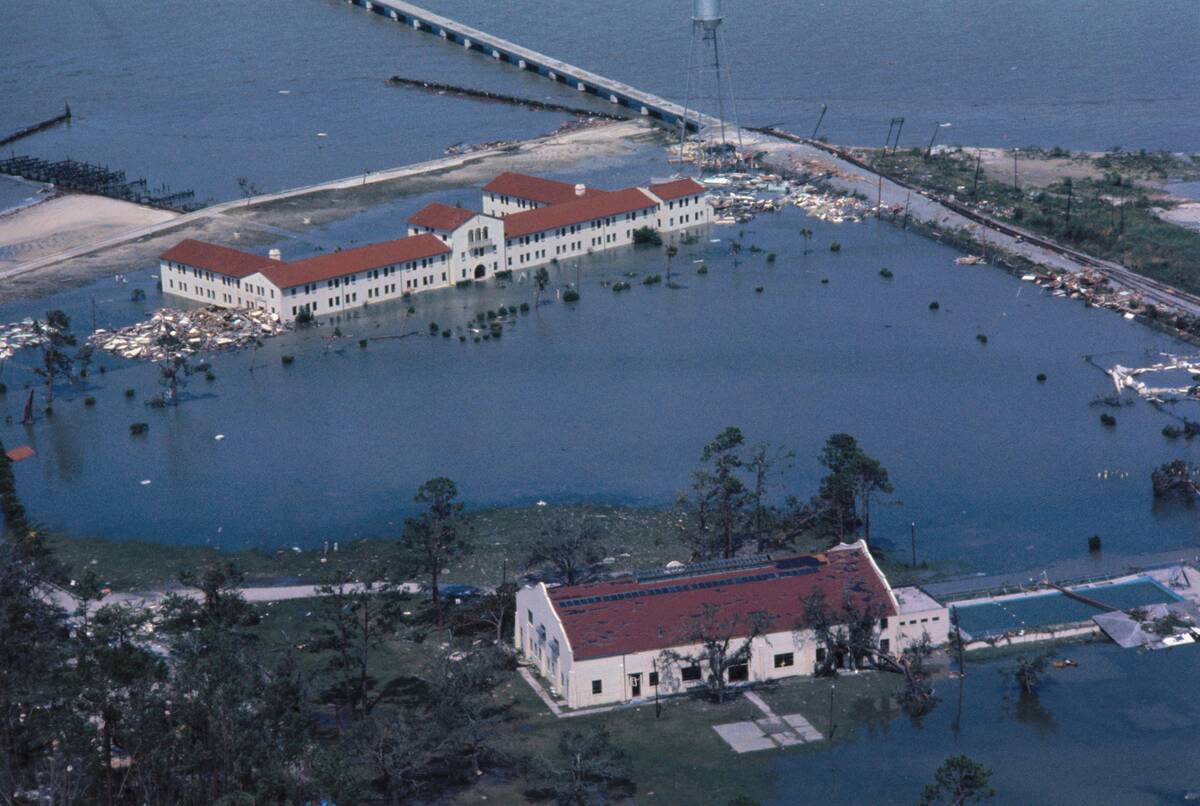
Hurricanes, with their massive size and power, have historically left indelible marks on the land. Hurricane Camille in 1969, for instance, not only caused widespread devastation but also reshaped parts of the Gulf Coast.
These storms remind us of the transient nature of human settlements and boundaries. As they carve new paths and alter coastlines, hurricanes serve as potent reminders of nature’s supremacy over human constructs.
Modern Day Storms that Shifted Territories
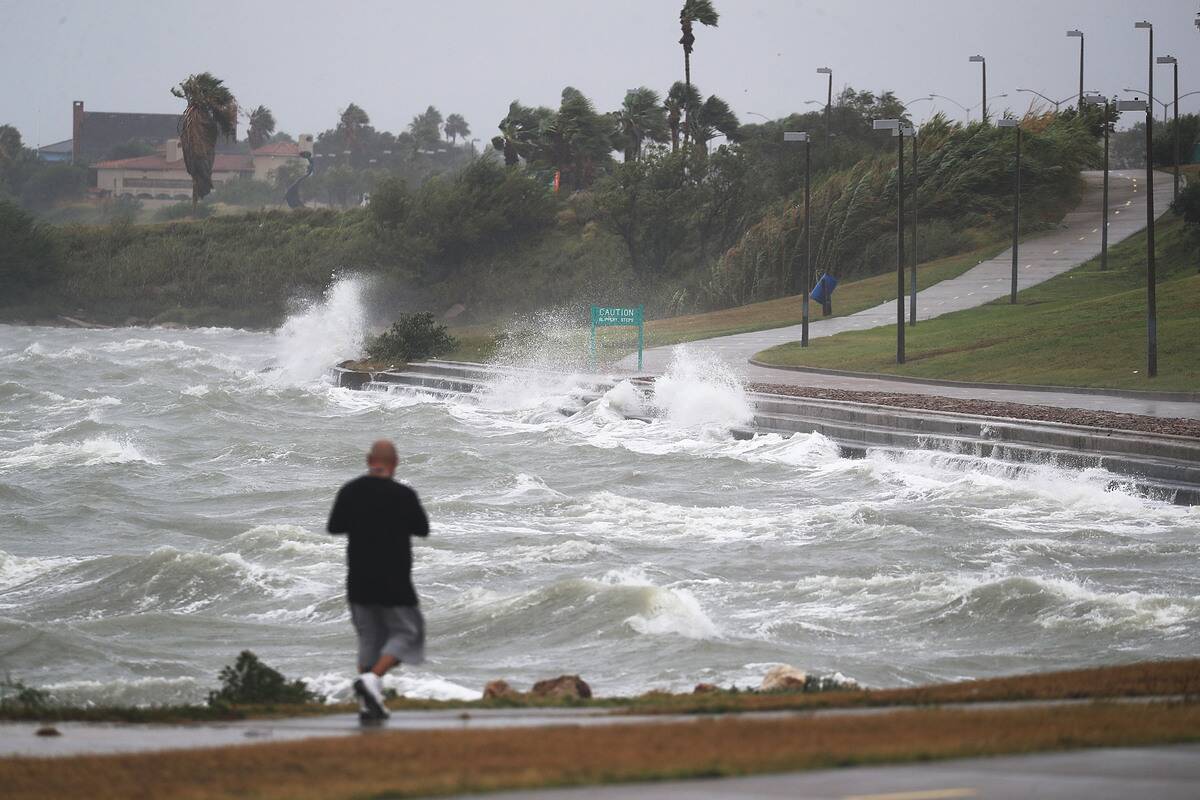
In recent history, storms continue to demonstrate their ability to redefine territories. Hurricane Harvey in 2017 caused such extensive flooding that it temporarily altered the landscape of Texas.
These modern examples highlight the ongoing impact of storms on our world, challenging the notion of fixed borders. They serve as a reminder that, despite technological advancements, we remain at the mercy of nature’s whims.
When Nature Overrides Human Agreements
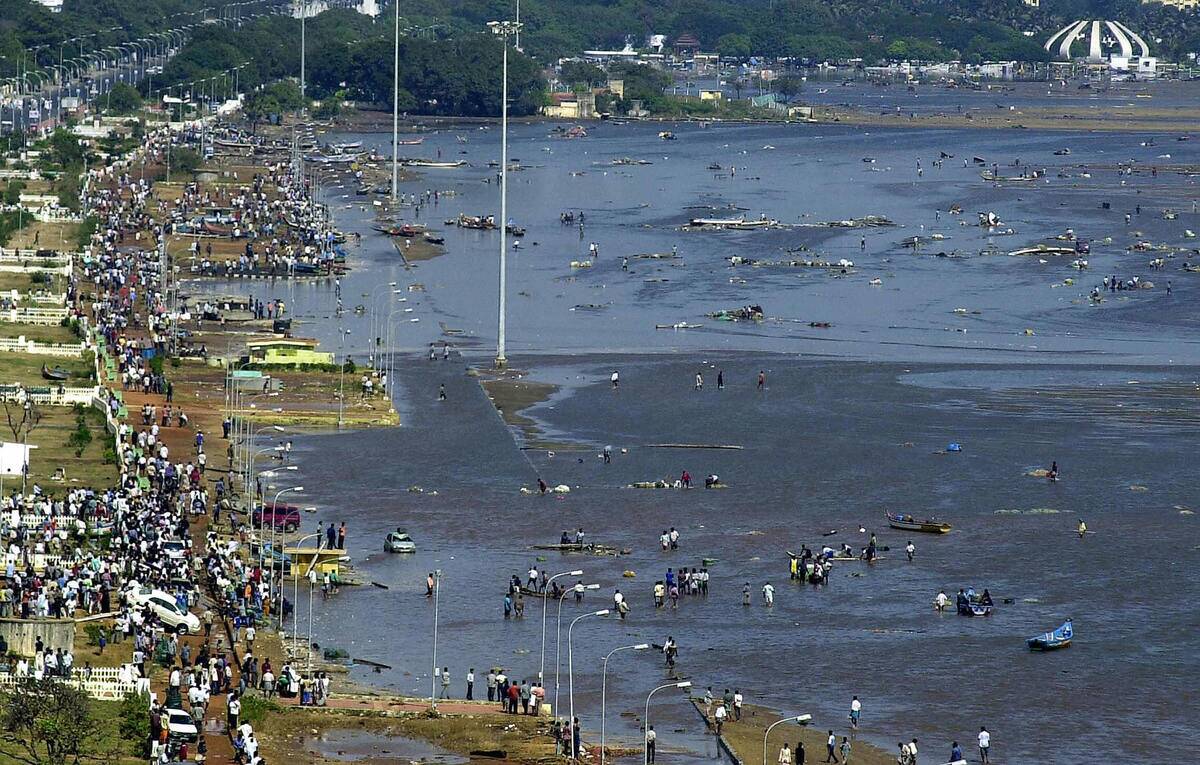
Human agreements, such as treaties and border demarcations, can be rendered moot by the sheer force of nature. The 2004 Indian Ocean tsunami, for instance, dramatically altered coastlines, affecting agreements based on pre-existing geographical features.
Such events challenge the notion of permanence in international law, as nations must grapple with new realities. This underscores the importance of flexibility and adaptability in geopolitical agreements.
Tornadoes: Swirling Forces of Change
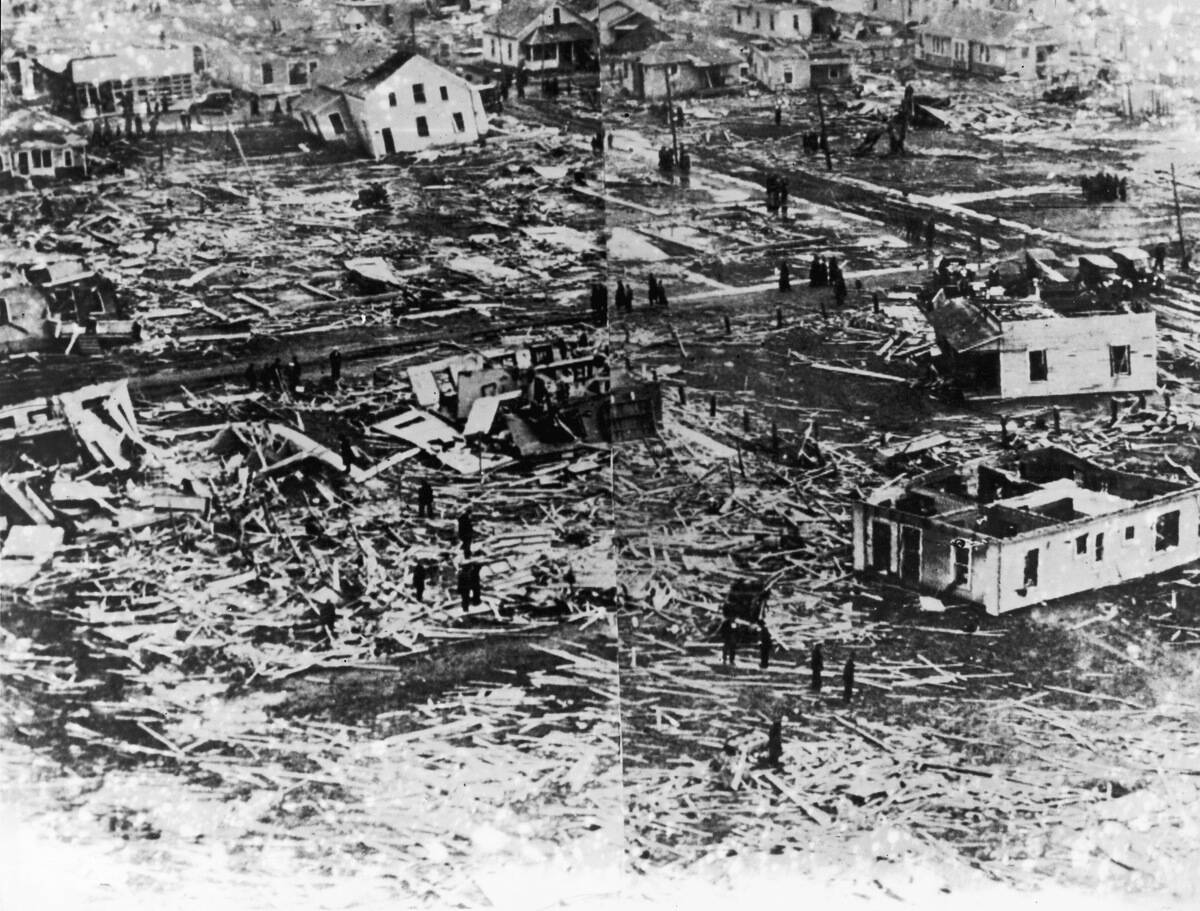
While tornadoes are often localized, their intense power can still impact borders, especially in smaller regions. The Tri-State Tornado of 1925, the deadliest in U.S. history, left a path of destruction across Missouri, Illinois, and Indiana.
Though it didn’t shift national boundaries, it reshaped local landscapes and communities. Tornadoes remind us that even brief, intense storms can have lasting effects, altering the fabric of the regions they touch.
Tsunamis and their Impact on Island Nations
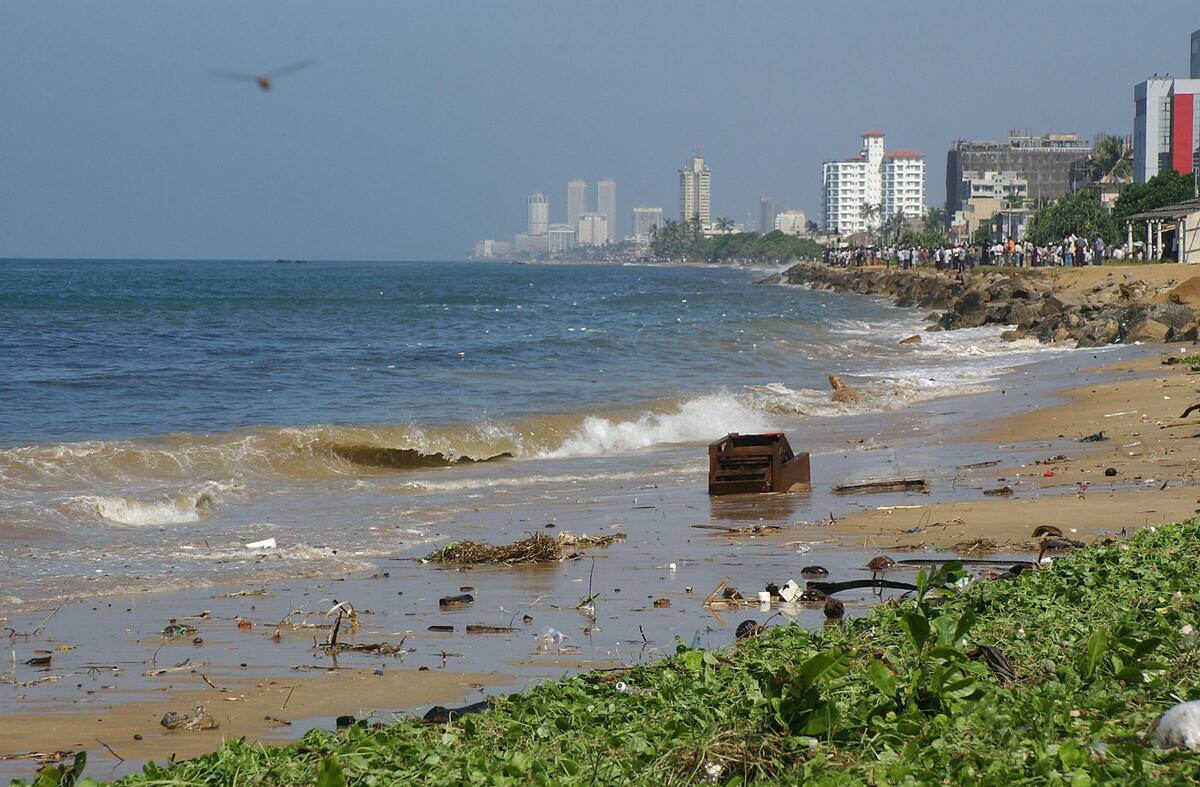
Island nations are particularly vulnerable to tsunamis, which can dramatically reshape their coastlines. The 2004 tsunami, one of the deadliest in history, had profound impacts on countries like Indonesia and Sri Lanka.
These events can lead to significant land loss and coastal reshaping, which may complicate maritime borders, affecting national sovereignty. For island nations, tsunamis are not just natural disasters but existential threats, challenging their very existence and prompting international aid and cooperation.
The Surprising Role of Erosion in Border Redefinition
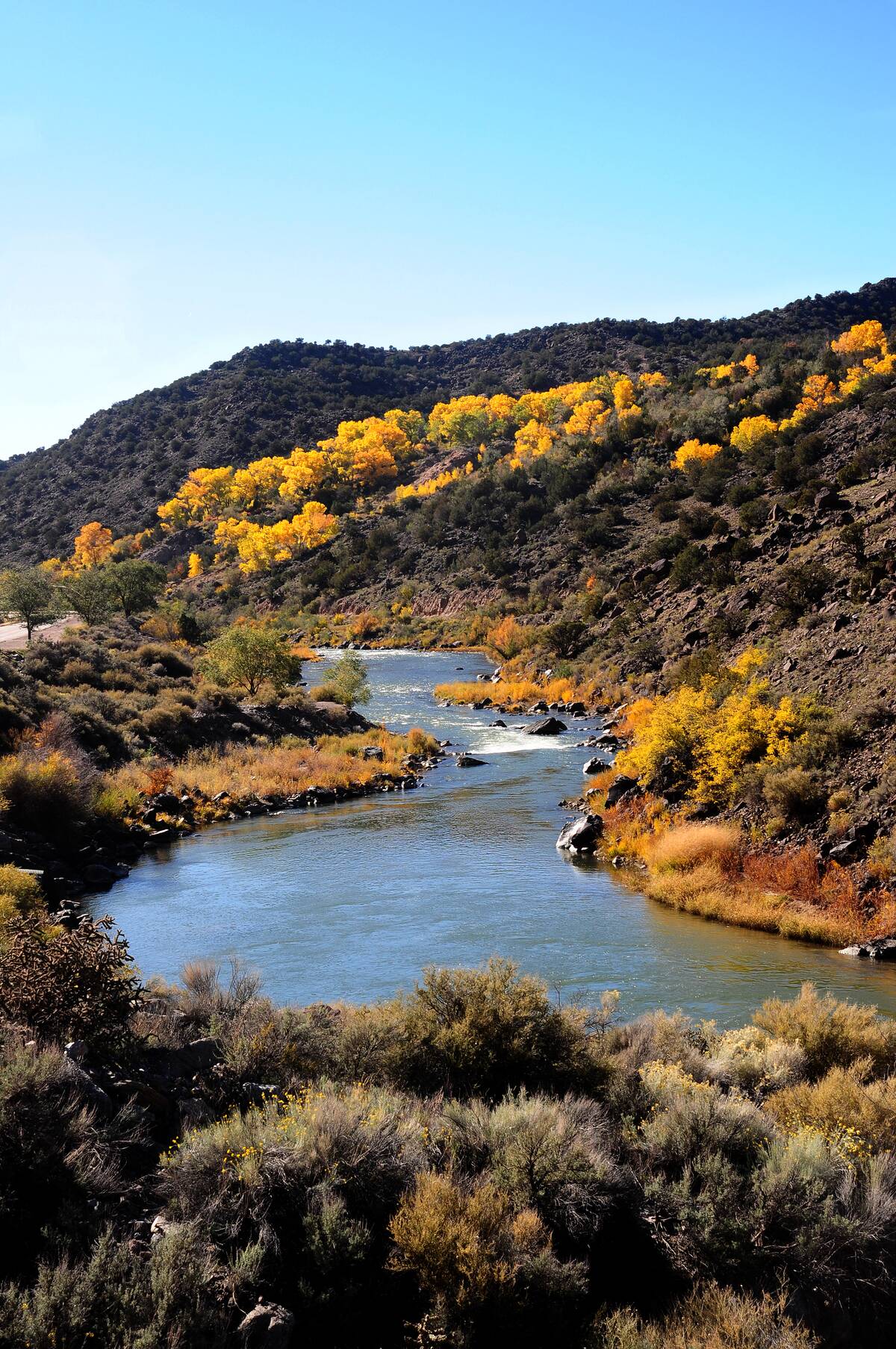
Erosion, a slow but persistent force, can subtly alter borders over time. The Rio Grande, for example, has been a source of border disputes between the U.S. and Mexico due to its shifting course.
Erosion’s gradual impact often goes unnoticed until significant changes occur, forcing nations to address these natural adjustments. It reminds us that borders are not just lines on a map but living entities influenced by the environment.
Historical Accounts of Storms Influencing Geopolitics
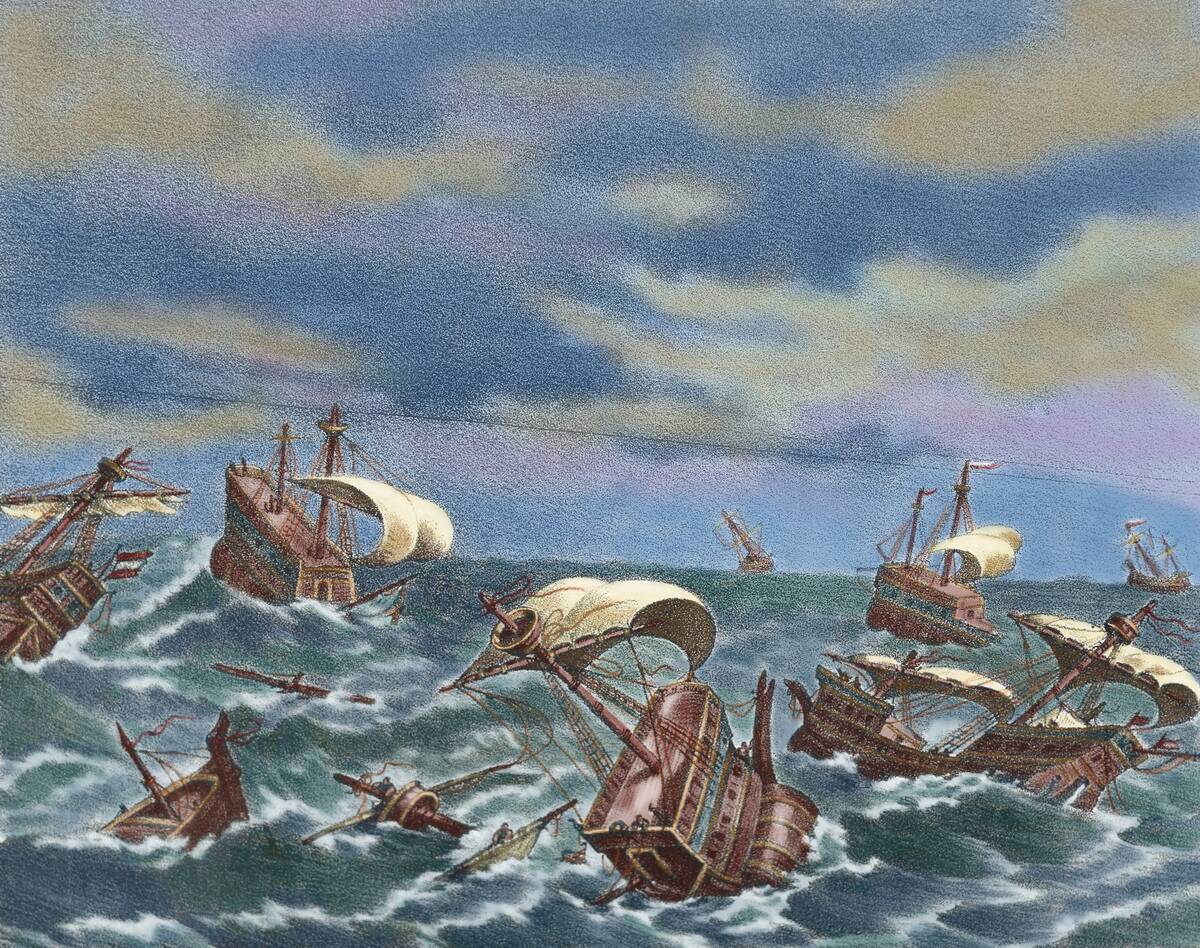
Throughout history, storms have played pivotal roles in geopolitical shifts. The Spanish Armada’s defeat in 1588 was partly due to severe storms, altering the balance of power in Europe.
Such events demonstrate how weather can influence the course of history, affecting the rise and fall of empires. These historical accounts highlight the interconnectedness of natural events and human affairs, shaping the world in unexpected ways.
Famous Locations Known for Storm-Induced Border Changes
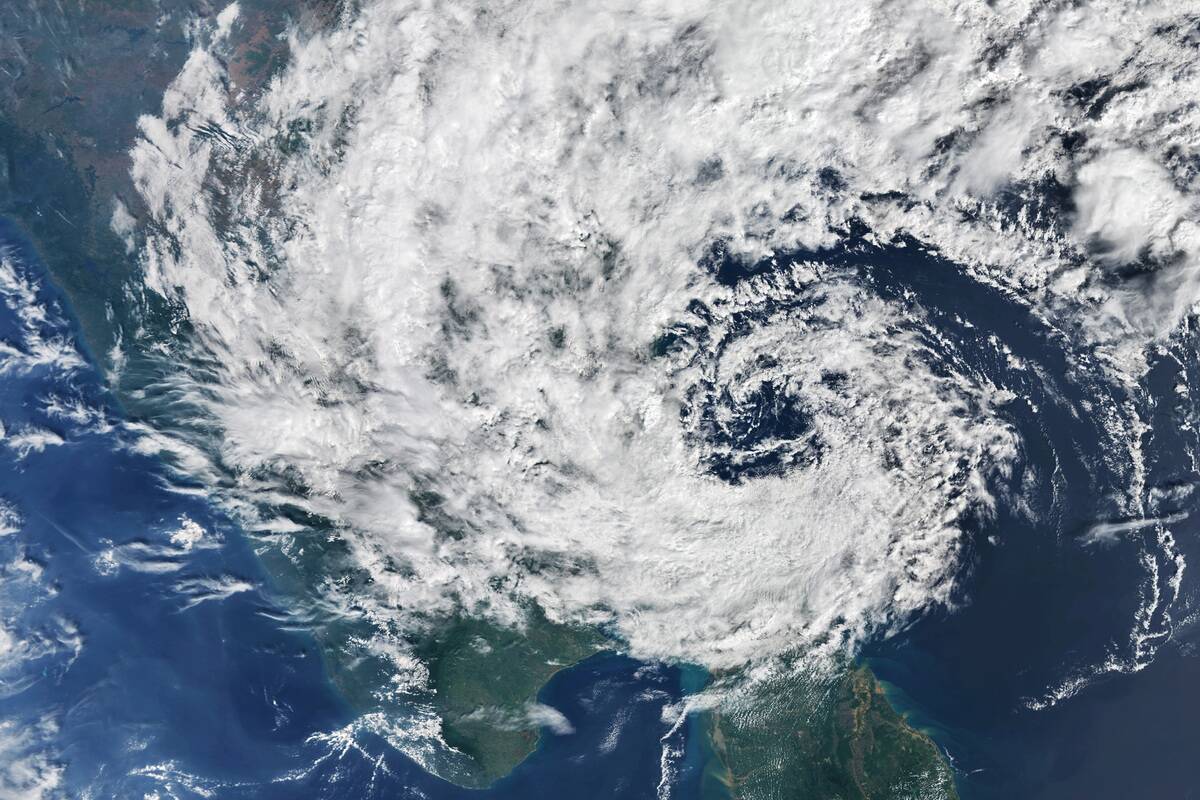
Certain locations are renowned for their susceptibility to storm-induced landscape and coastal changes. The Mississippi River Delta, for example, is a dynamic landscape constantly reshaped by flooding and erosion.
Similarly, the Bay of Bengal is notorious for cyclones that impact India and Bangladesh. These regions highlight the ongoing battle between human settlements and natural forces, where the resilience of communities is continually tested by the whims of weather.
The Human Element: Communities Affected by Changing Borders
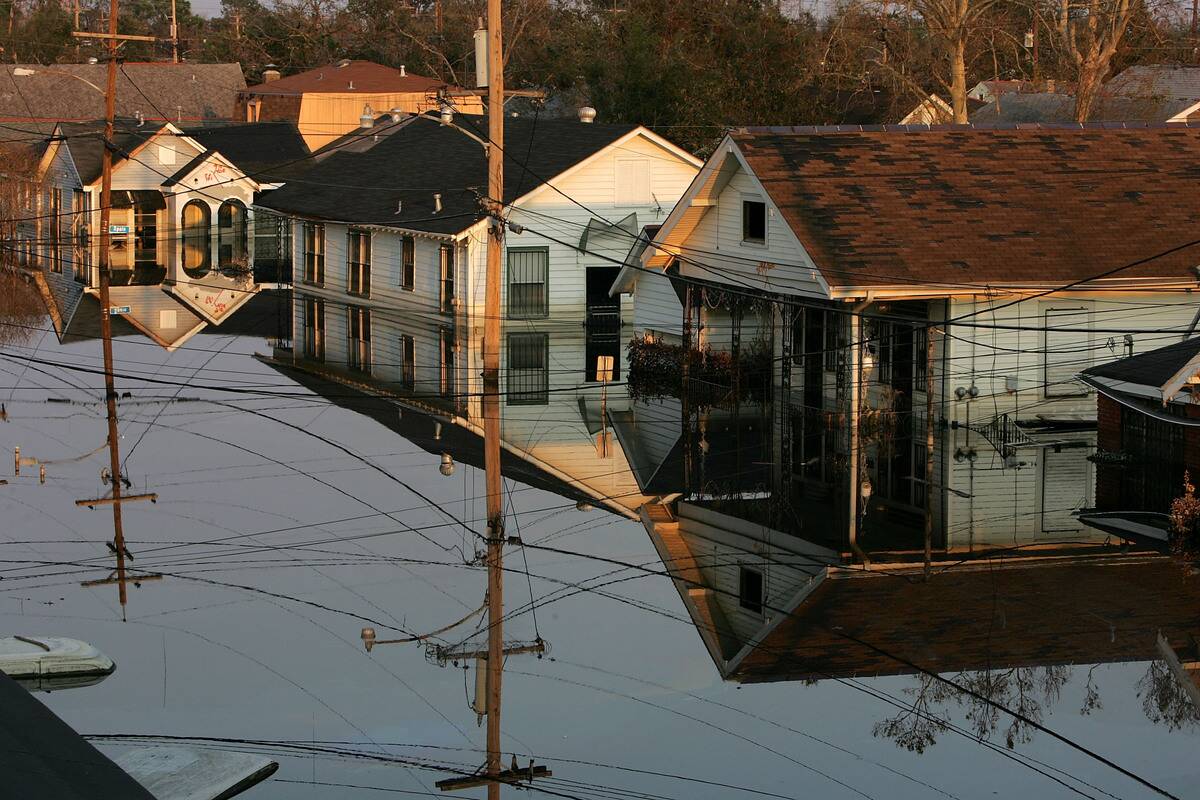
When landscapes change due to storms, it is the communities that feel the most immediate impact. Displacement, loss of livelihoods, and cultural disruptions are common consequences. The aftermath of Hurricane Katrina in 2005, for instance, saw entire neighborhoods in New Orleans transformed.
These human stories underscore the broader geopolitical shifts, reminding us that behind every line on a map are lives and histories deeply affected by nature’s course.
Cultural Stories and Myths about Storms Changing Borders
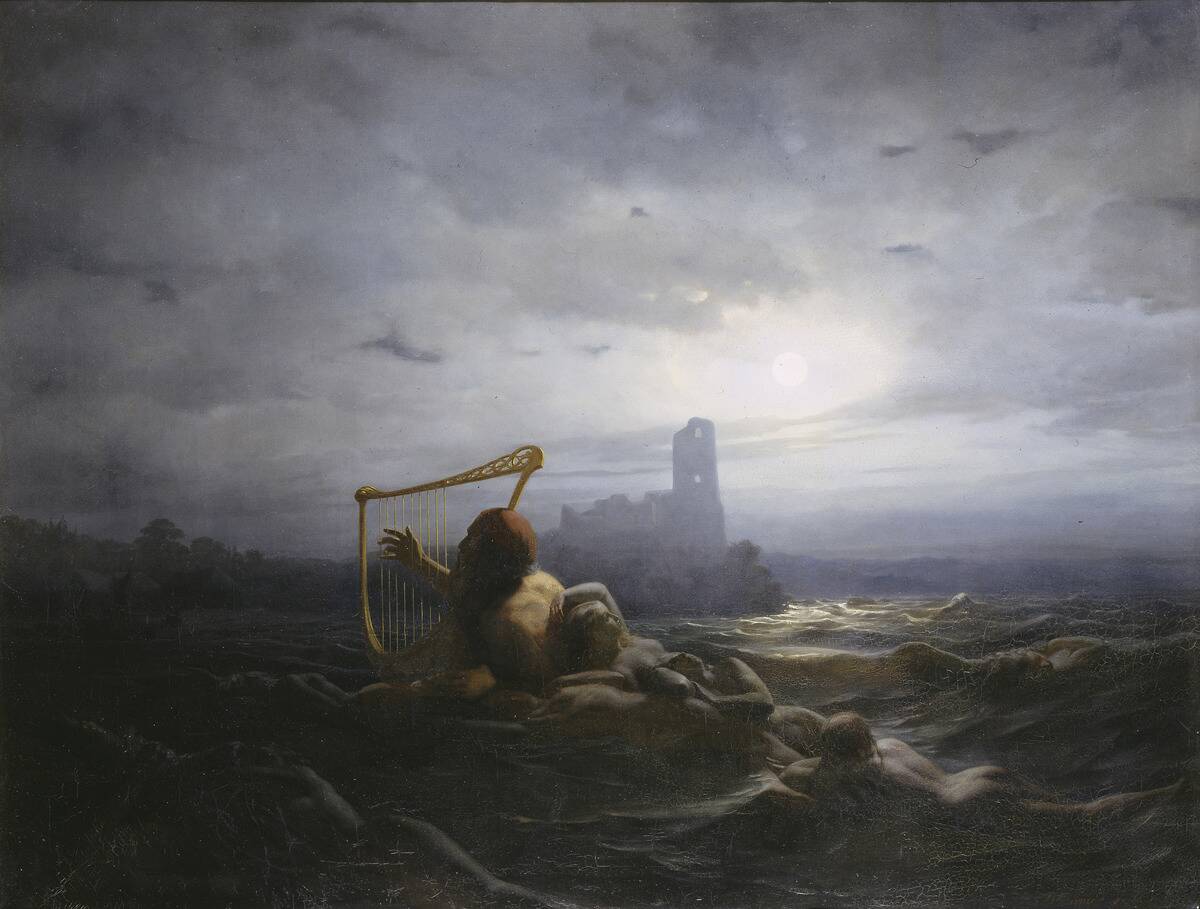
Many cultures have stories and myths about storms affecting boundaries, reflecting their profound impact on societies. In Norse mythology, for example, the sea god Aegir was said to cause storms that reshaped coastlines.
These narratives often imbue natural events with divine significance, offering explanations for the inexplicable. Such myths reveal the deep cultural connections to the land and the enduring human desire to find meaning in nature’s chaos.




