The start of the Gregorian calendar and U.S. resistance
The Gregorian calendar, introduced in 1582, is the calendar system used by most of the world today. However, its adoption in the United States was met with resistance. The transition was rocky, with many Americans skeptical of this “newfangled” system.
Understanding this change involves unraveling a fascinating tale of time, religion, and tradition. Join us as we journey through the history of calendars and discover how the U.S. came to embrace the Gregorian way of marking time.
A Brief History of Calendars Before the Gregorian

Before the Gregorian calendar, humanity experimented with various ways to track time. The Egyptians had a solar calendar with 365 days, while the Romans initially used a lunar system.
Each culture had its quirks; for example, the Mayans developed an intricate calendar system that included multiple cycles. These early calendars were impressive but often inaccurate, leading to significant drift over the years. It was this inaccuracy that eventually led to the development of more precise systems.
The Rise of the Julian Calendar
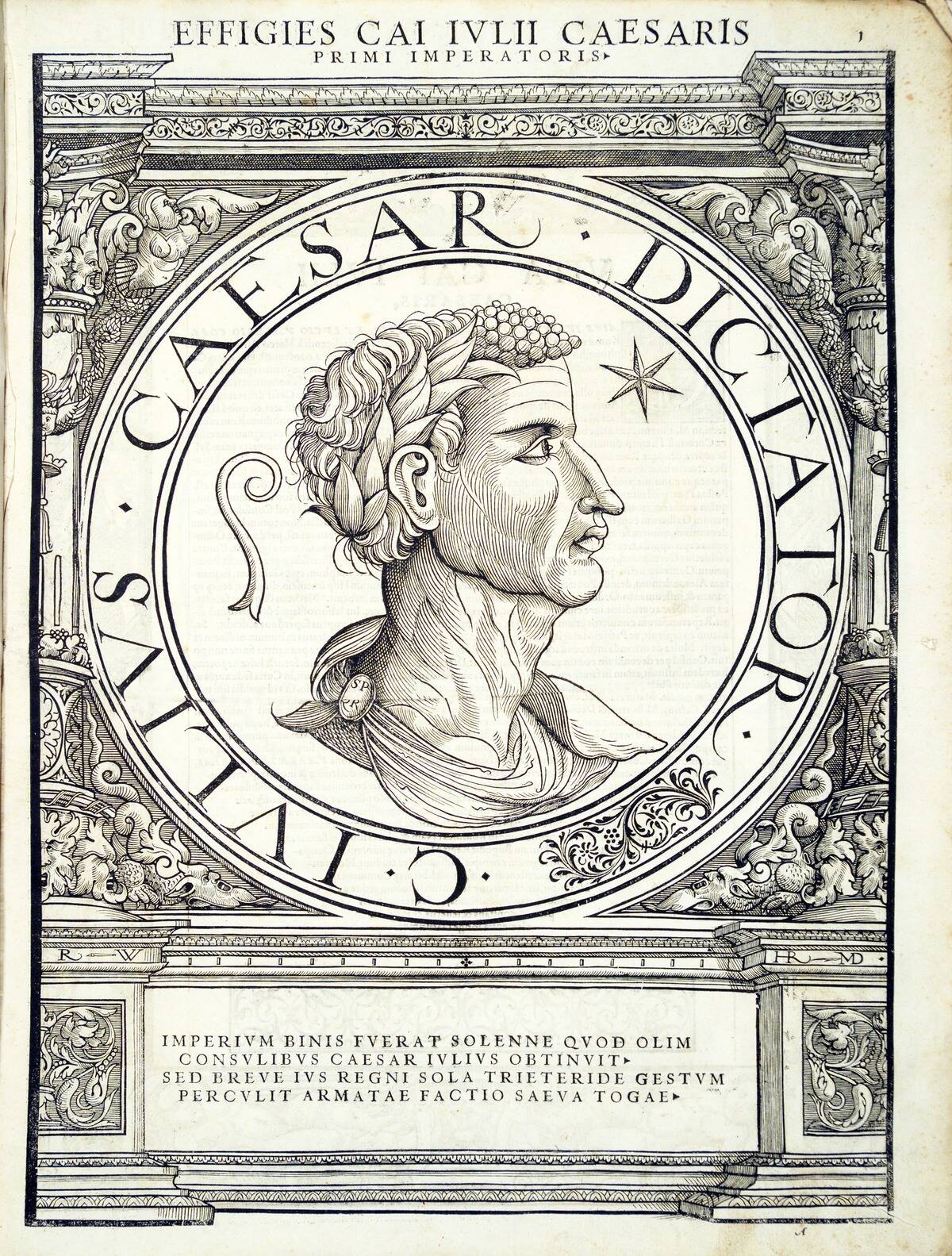
The Julian calendar was introduced by Julius Caesar in 45 BCE as a reform to the Roman calendar. This system included 365 days per year, with an additional leap day every four years.
It was a significant improvement, aligning the calendar year more closely with the solar year. However, it still had a flaw: it overestimated the length of the solar year by 11 minutes. Over centuries, this small discrepancy added up, causing the calendar to drift from the equinoxes.
Why Pope Gregory XIII Decided to Reform the Calendar

By the 16th century, the Julian calendar’s drift was causing significant issues, particularly for the timing of Easter. Pope Gregory XIII sought to correct this problem, as the calendar had fallen out of sync with the equinoxes by about 10 days.
The pope convened a team of astronomers and mathematicians to devise a solution. Their work resulted in the Gregorian calendar, which refined leap year rules to improve accuracy. This reform aimed to realign the calendar with the seasons and religious observances.
The Introduction of the Gregorian Calendar in 1582
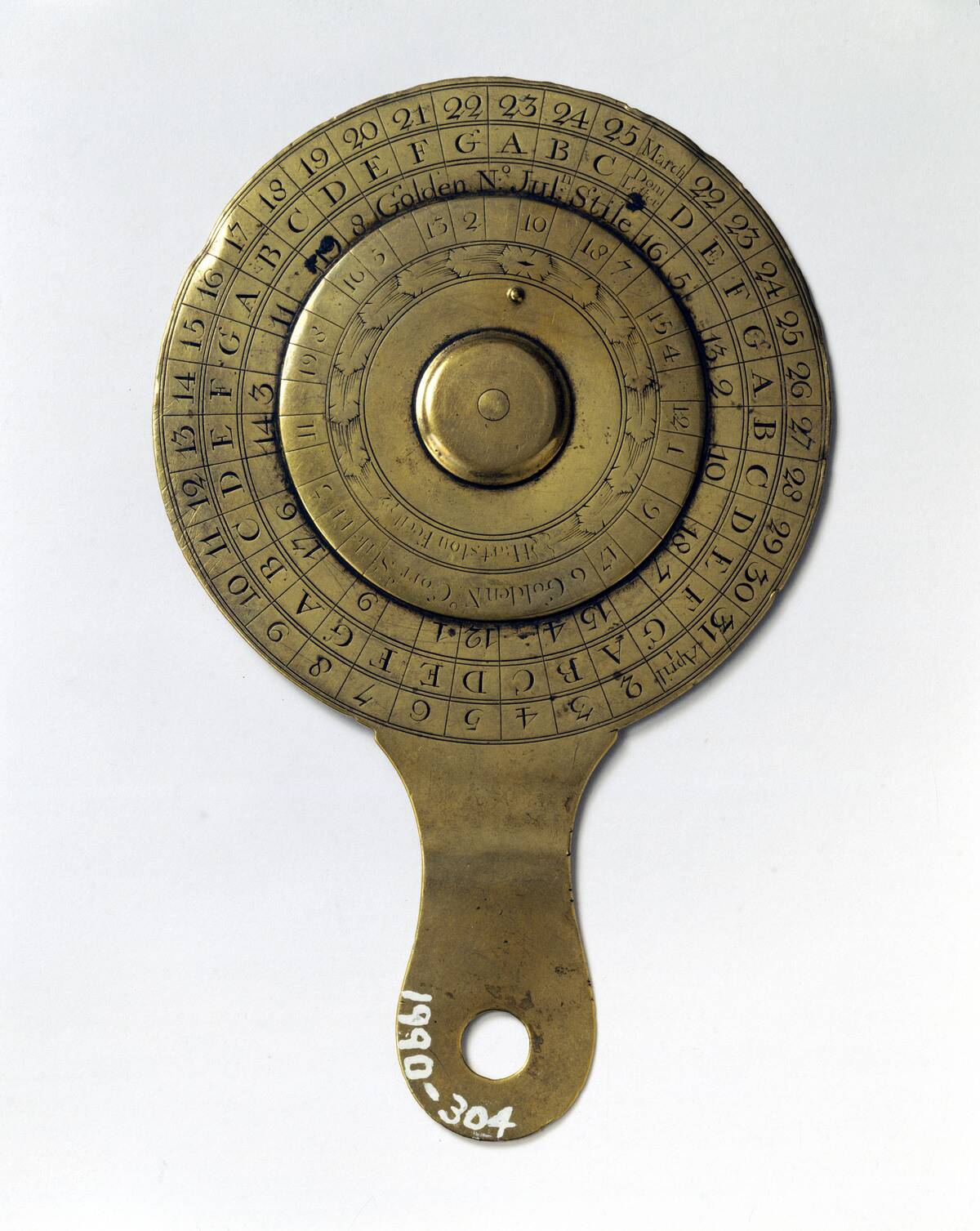
The Gregorian calendar was officially introduced on October 15, 1582. To realign the calendar, Pope Gregory XIII decreed that 10 days be skipped, making the day after October 4, 1582, October 15.
This sudden change was met with resistance in some areas, but was quickly accepted by Catholic countries. The new calendar also refined leap year rules: only years divisible by 4 would be leap years. This adjustment kept the calendar more aligned with the solar year, improving accuracy significantly.
Leap Year Adjustments: A Necessary Change
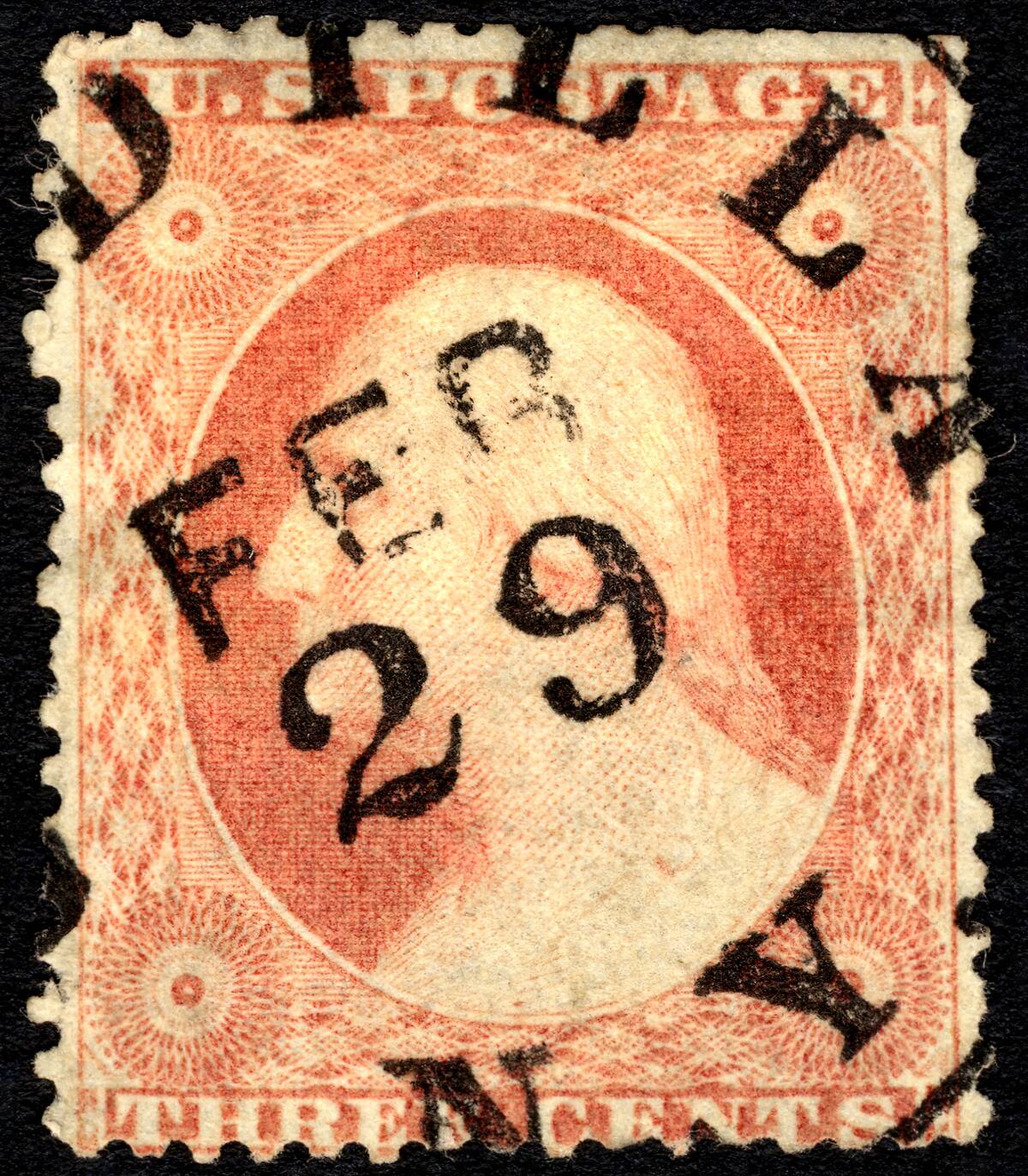
The leap year adjustments in the Gregorian calendar were crucial for maintaining its accuracy. By skipping three leap years every 400 years, the calendar closely aligns with the solar year, minimizing drift.
This reform corrected the over-calculation present in the Julian calendar. The introduction of this rule meant that while 1600 was a leap year, 1700, 1800, and 1900 were not. This seemingly minor adjustment has kept our calendar in sync with the Earth’s revolutions around the sun.
The Slow Spread of the Gregorian Calendar Across Europe

The adoption of the Gregorian calendar was a gradual process across Europe. Catholic countries embraced it quickly, while Protestant and Orthodox countries were initially resistant. For instance, it wasn’t until 1700 that Protestant Germany switched.
The calendar’s spread was not just a matter of religious differences; political considerations also played a role. Some countries feared the influence of the Catholic Church, leading to delays in adopting the new system. Over time, however, practicality won out.
The British Empire’s Reluctance to Adopt the New Calendar

The British Empire was notably slow to adopt the Gregorian calendar, holding out until 1752. This resistance was partly due to religious tensions, as well as a strong sense of tradition. The British were wary of Catholic innovations, fearing they might be a form of papal control.
Additionally, the British were accustomed to their existing system, which had been in place for centuries. However, economic and social pressures eventually led to the calendar’s adoption, aligning Britain with much of Europe.
The “Calendar Riots” Myth: Did They Really Happen?

A popular myth surrounding the adoption of the Gregorian calendar in Britain is that of the “Calendar Riots.” Legend has it that people took to the streets, demanding the return of their “lost” 11 days.
However, historical evidence for such riots is scant. While there was public discontent and confusion, particularly among those who believed they had lost days of their life, there is no reliable documentation of widespread riots. The myth persists, perhaps because it captures the era’s chaotic spirit.
How the Gregorian Calendar Reached the American Colonies

The British adoption of the Gregorian calendar in 1752 meant that the American colonies followed suit. This change was necessary to maintain consistency with the mother country. The transition was straightforward in practical terms, but it caused some confusion among colonists.
Business and trade benefited from the alignment, as discrepancies in dates could lead to disputes. The American colonies thus entered a new era of timekeeping, aligning their calendars with those of Europe and smoothing international relations.
Colonial Reactions: Mixed Feelings and Confusion

The introduction of the Gregorian calendar in the American colonies elicited mixed reactions. Some colonists welcomed the change, appreciating the alignment with Europe for trade and communication.
Others were confused and suspicious, struggling to adjust to the “lost” days. The transition required recalibrating personal and social schedules, which was no small feat. Despite the initial upheaval, the practical benefits of a unified calendar system eventually won over most skeptics, paving the way for broader acceptance.
The “Lost” 11 Days: Public Outrage and Misunderstandings
When the Gregorian calendar was adopted, 11 days were removed from the calendar, leading to public confusion. People feared they had lost part of their lives, with some believing wages and rents should be adjusted accordingly.
The misunderstanding stemmed from a lack of public communication and education about the change. While some individuals were indeed upset, the transition was mostly peaceful. Over time, the benefits of a more accurate calendar outweighed the initial inconvenience of the missing days.
The Role of Religion in Calendar Resistance

Religion played a significant role in the resistance to the Gregorian calendar. Protestant countries were suspicious of any initiative led by the Catholic Church, fearing it was an attempt to exert religious influence.
This suspicion delayed adoption in many regions. In England, religious and political leaders debated the calendar’s merits, weighing religious concerns against practical benefits. Over time, the need for a standardized calendar for trade and communication helped overcome religious resistance, leading to widespread acceptance.
How the U.S. Finally Synced with the Gregorian Calendar
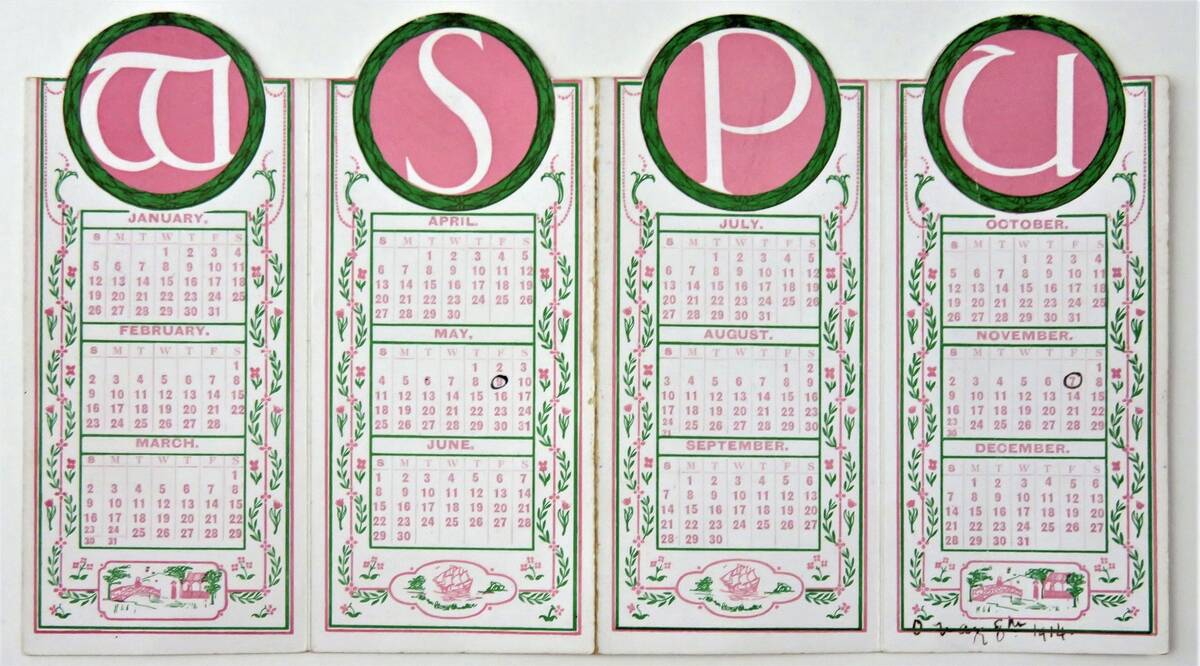
The synchronization of the U.S. with the Gregorian calendar was a gradual process. By the time of independence, the colonies were already using the Gregorian system, thanks to British influence. This continuity ensured that the new nation began on a unified footing in terms of timekeeping.
As the U.S. expanded westward, the Gregorian calendar provided a consistent framework for organizing time across vast distances. Its adoption facilitated trade, communication, and governance, establishing a national standard for measuring time.
Fun Facts: Quirky Anecdotes from the Calendar Transition
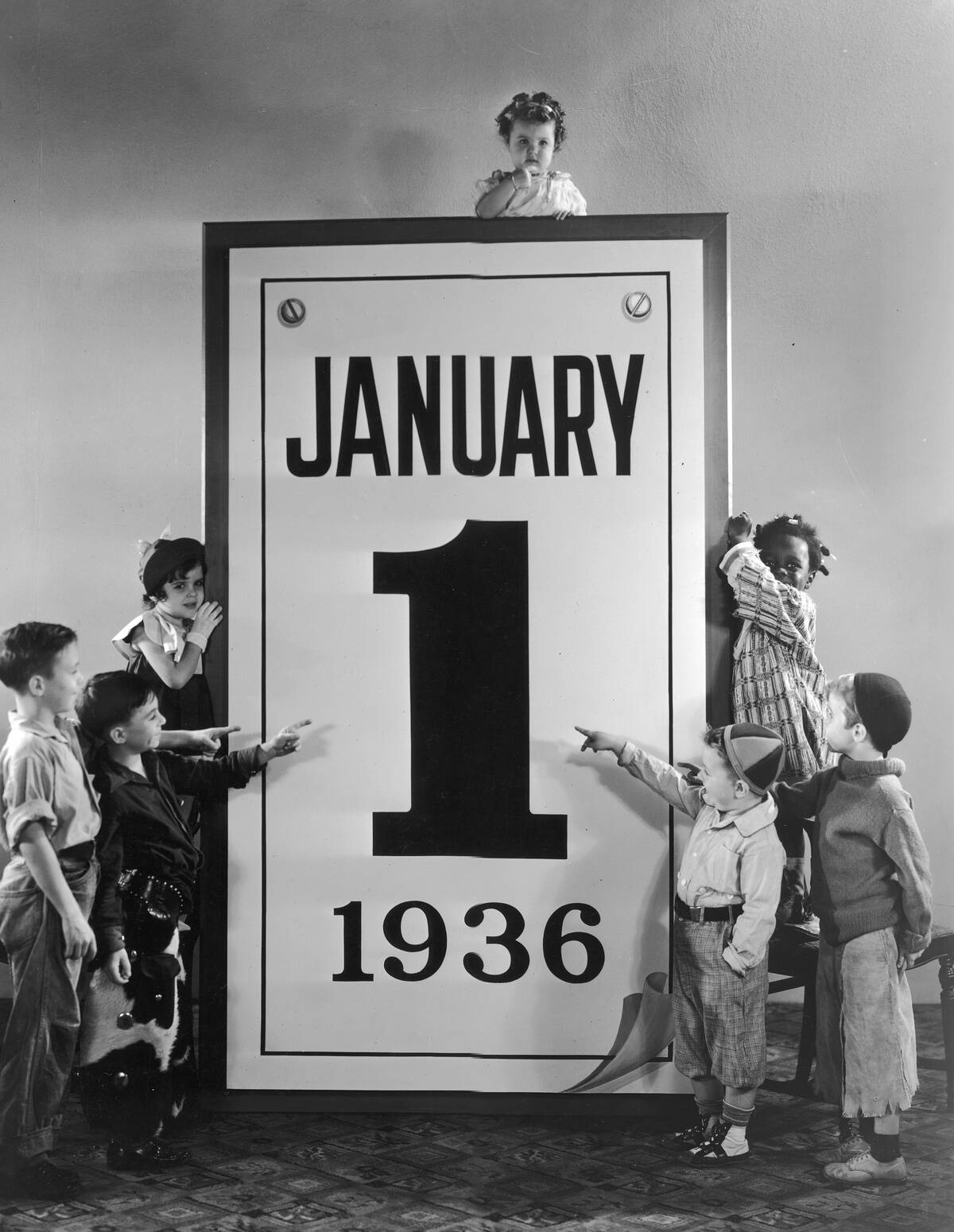
The transition to the Gregorian calendar is full of quirky anecdotes. For instance, George Washington’s birthday changed from February 11 to February 22 due to the calendar shift.
This adjustment is why we celebrate Presidents Day in February. Another fun fact is that Sweden briefly had a “double leap year” in 1712, adding an extra day to February. These stories highlight the calendar’s impact on daily life and the sometimes humorous side of adjusting to a new system.
The Impact of the Gregorian Calendar on American Culture
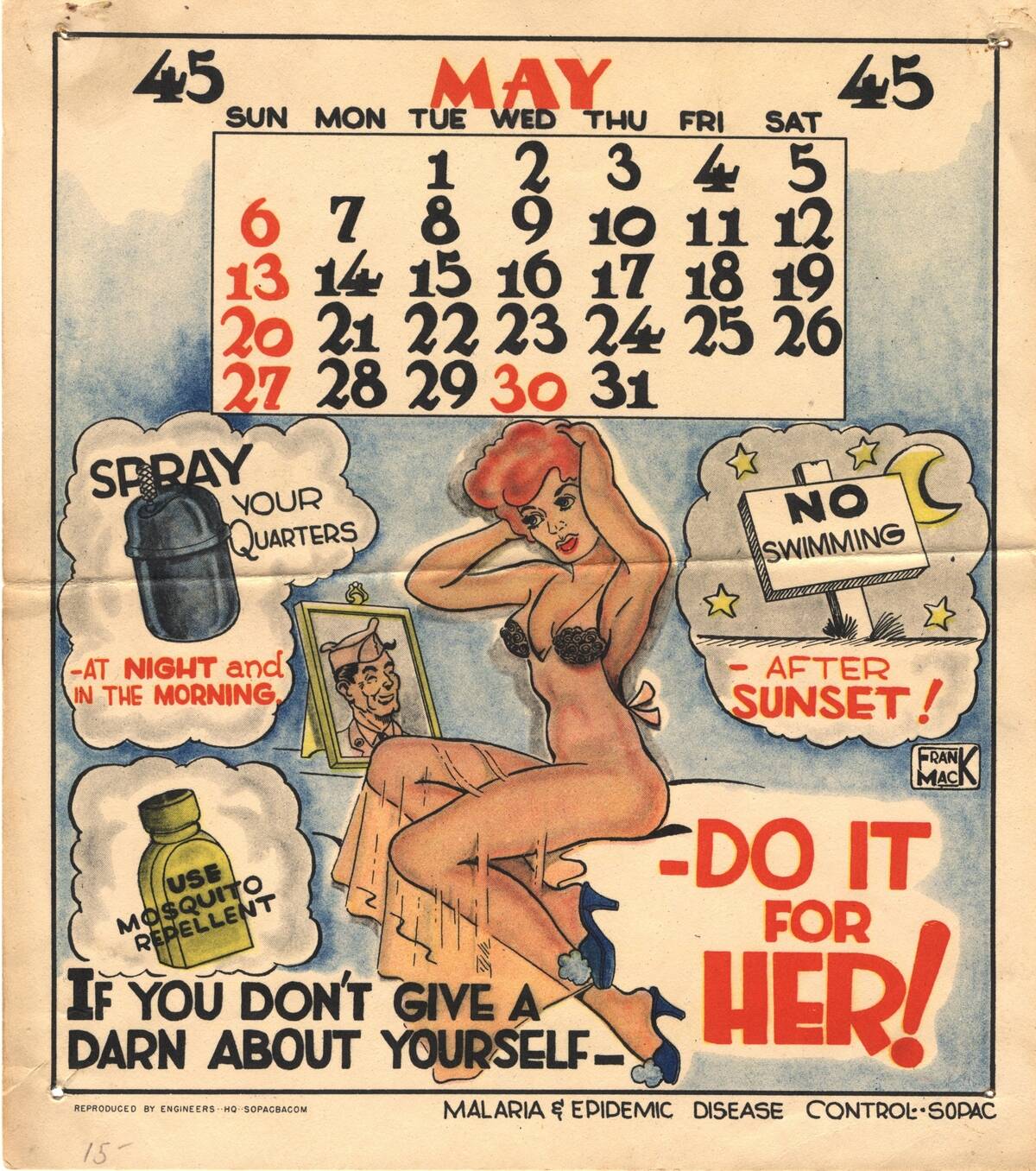
The adoption of the Gregorian calendar had a lasting impact on American culture. It standardized the way Americans measured time, influencing everything from agriculture to industry.
The calendar’s regularity allowed for more predictable planning of events and holidays. It also played a role in the development of American identity, as the country aligned itself with international norms. Over time, the Gregorian calendar became an integral part of American life, shaping the rhythm and structure of society.
Modern Day Calendar Curiosities and Quirks
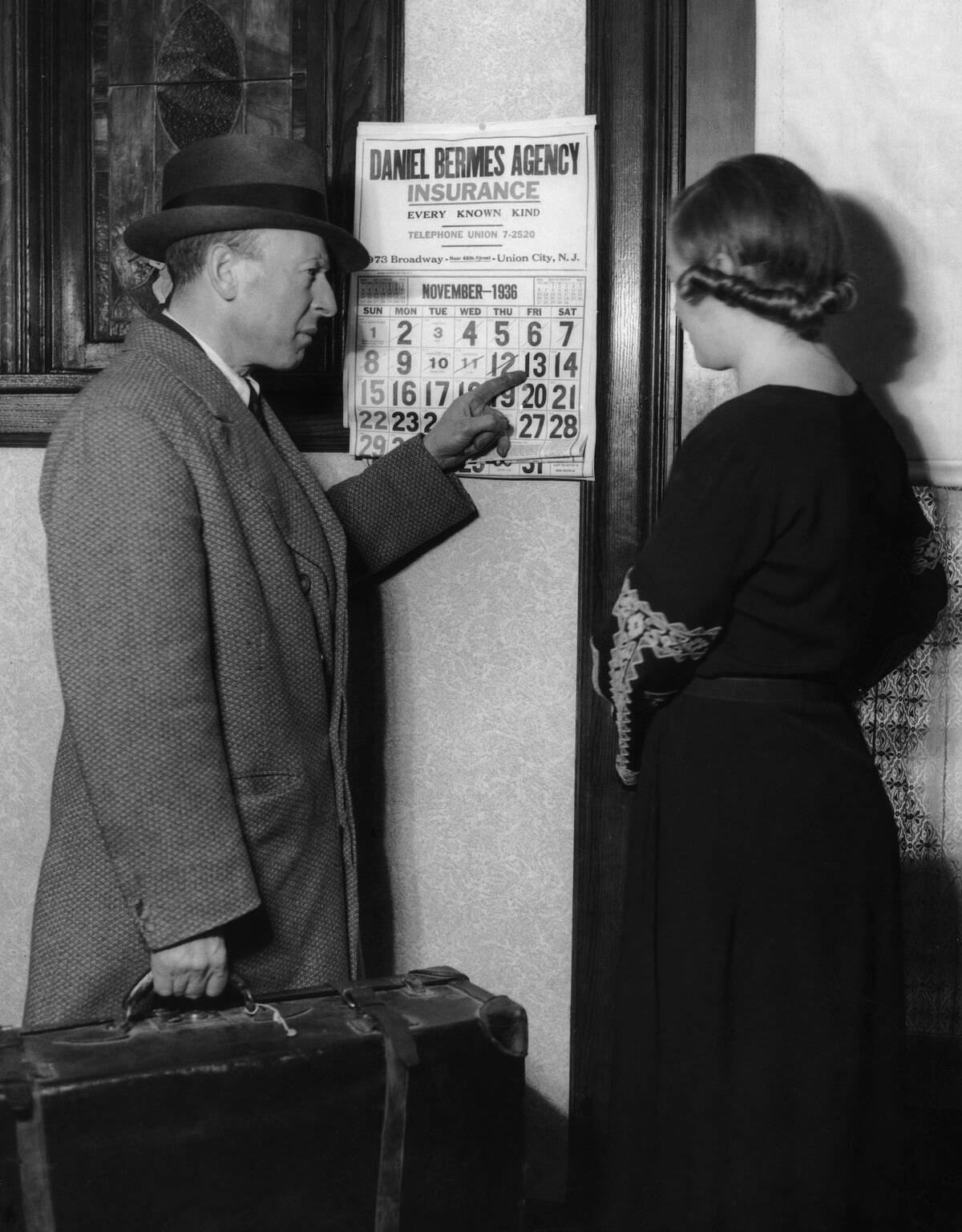
The Gregorian calendar continues to surprise us with its quirks. For example, did you know that February 29 is the least likely birthday? Or that the calendar’s leap year calculation ensures our seasons don’t drift over the centuries?
Another curious fact is that no century year is a leap year unless divisible by 400, which is why 2000 was a leap year but 1900 was not. These details remind us of the careful planning that keeps our calendar ticking smoothly.
How the Gregorian Calendar Influences Holidays and Events

The Gregorian calendar significantly influences how we celebrate holidays and events. Many holidays, such as Easter, rely on the calendar’s calculations for their timing. The calendar also dictates the rhythm of public life, from school schedules to fiscal years.
Its structure helps societies coordinate activities, ensuring that celebrations and observances occur at consistent times each year. This consistency allows for shared experiences and traditions, reinforcing cultural bonds and creating a sense of continuity across generations.
The Gregorian Calendar: A Global Standard Today
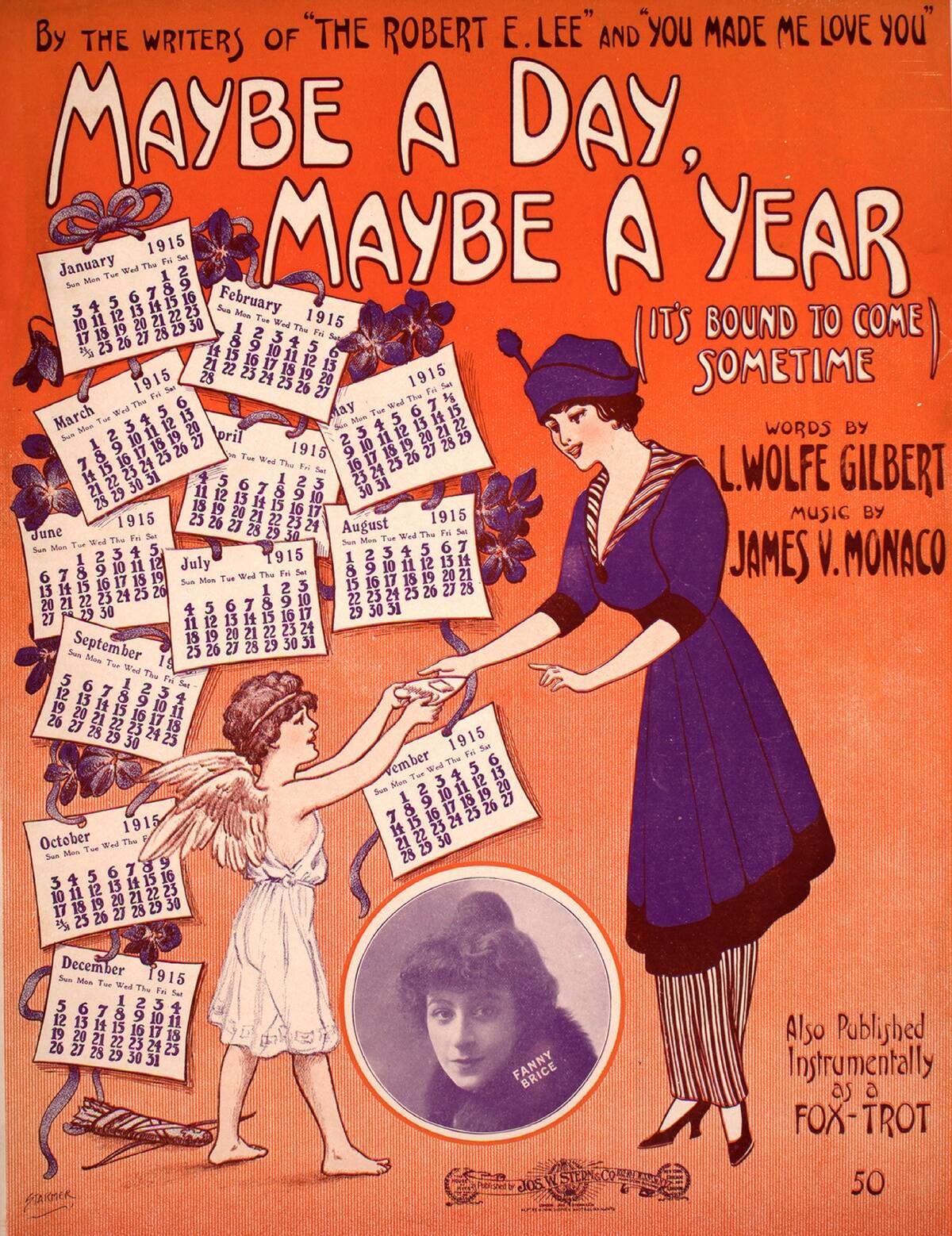
Today, the Gregorian calendar is a global standard, used by most countries around the world. Its widespread adoption facilitates international communication, trade, and travel. The calendar’s accuracy and simplicity make it a preferred choice for global interactions, ensuring that timekeeping is consistent across borders.
While some cultures maintain traditional calendars for religious or cultural purposes, the Gregorian calendar serves as a universal framework, uniting diverse societies in the shared experience of time.