How spices and trade routes sparked global exploration
Spices have always enticed the senses, transforming ordinary dishes into extraordinary experiences. Their rich aromas and vibrant colors have sparked culinary curiosity across the globe.
From the fiery heat of chili to the soothing tones of vanilla, spices elevate our meals and connect us to history. This allure has driven explorers and traders alike to embark on journeys across continents in search of these precious commodities, leading to remarkable cultural exchanges and economic developments.
Ancient Spice Trade: A Peek into Early Commerce
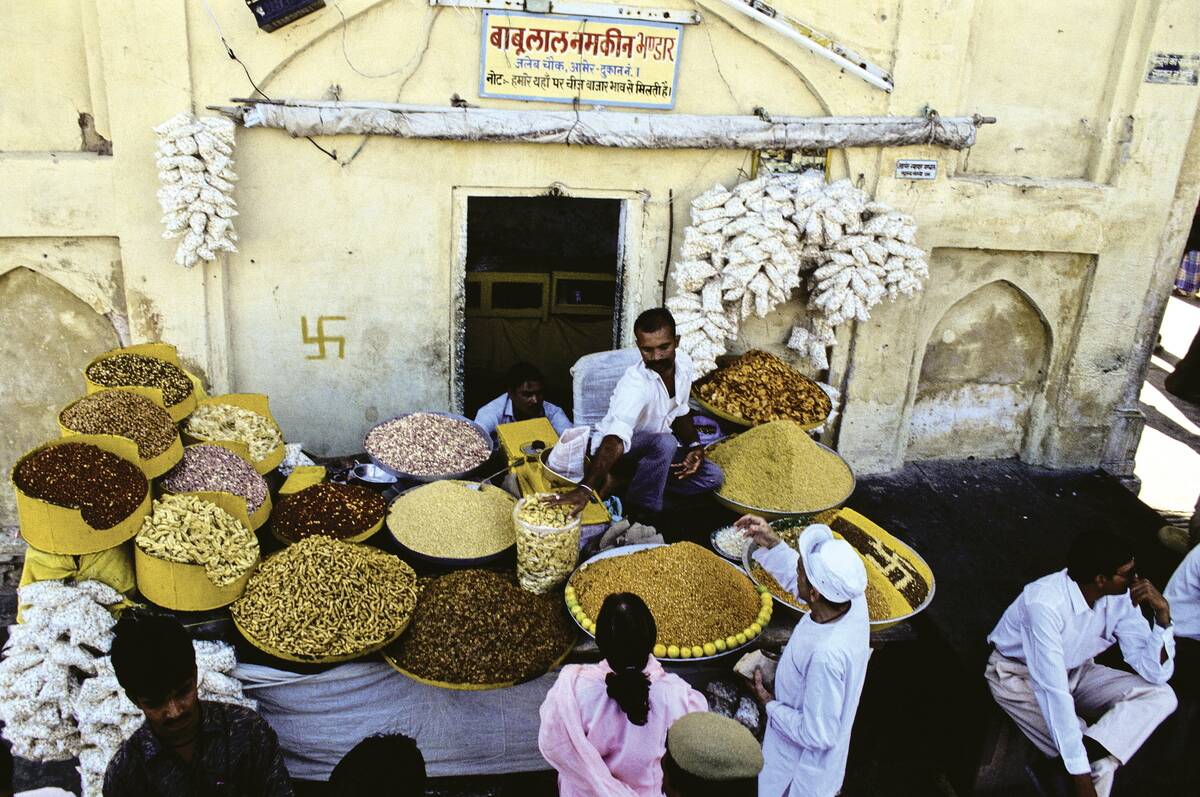
The ancient spice trade laid the foundation for modern global commerce. As early as 2000 BCE, spices like cinnamon and cassia found their way from Southeast Asia to the Middle East and beyond.
The Egyptians used spices in embalming, while the Romans valued them for their culinary and medicinal properties. Caravans traversed treacherous routes, exchanging goods and ideas, making spices one of the first truly international commodities.
The Spice Islands: A Treasure Trove of Aromas
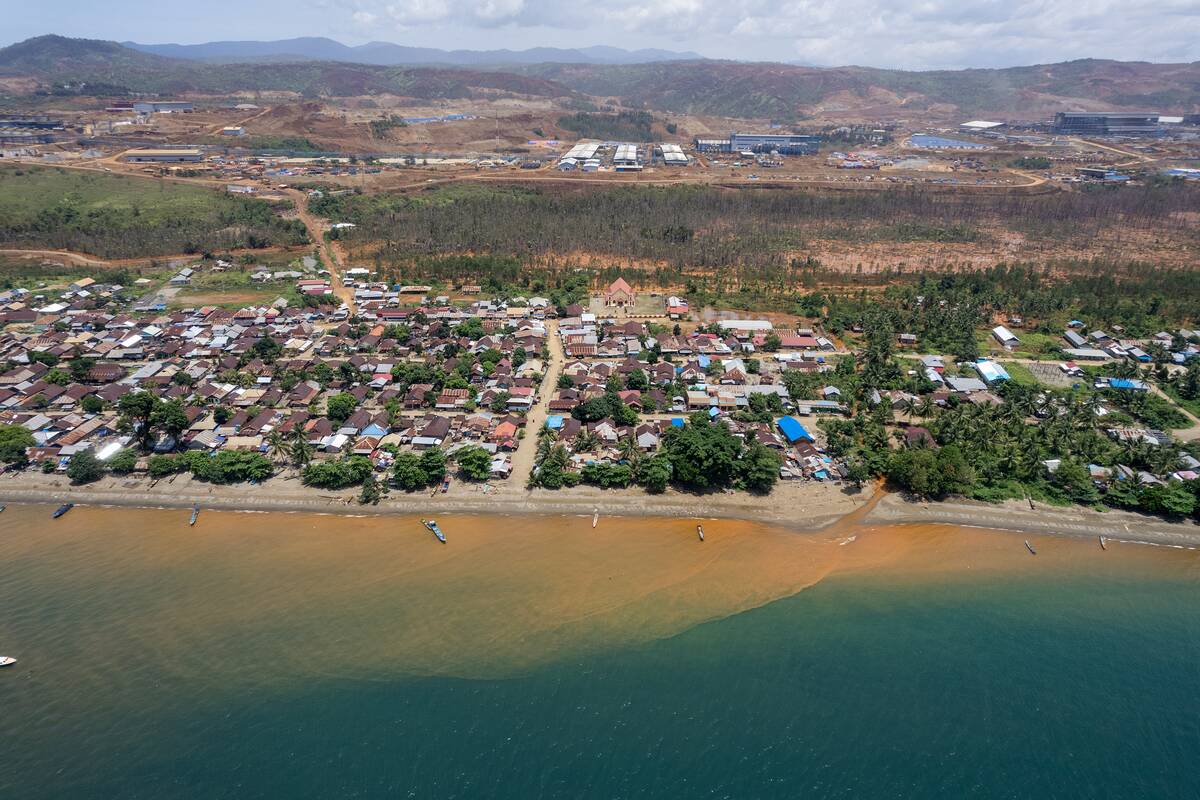
The Spice Islands, now part of Indonesia’s Maluku province, were once the world’s primary source of coveted spices like nutmeg and cloves. These islands were so alluring that they drew explorers from Europe, eager to stake their claim.
Nutmeg and cloves were prized not only for their flavor but also for their supposed medicinal benefits. The allure of these islands was such that they became central to many maritime expeditions seeking to control the spice trade.
The Role of Spices in Ancient Civilizations
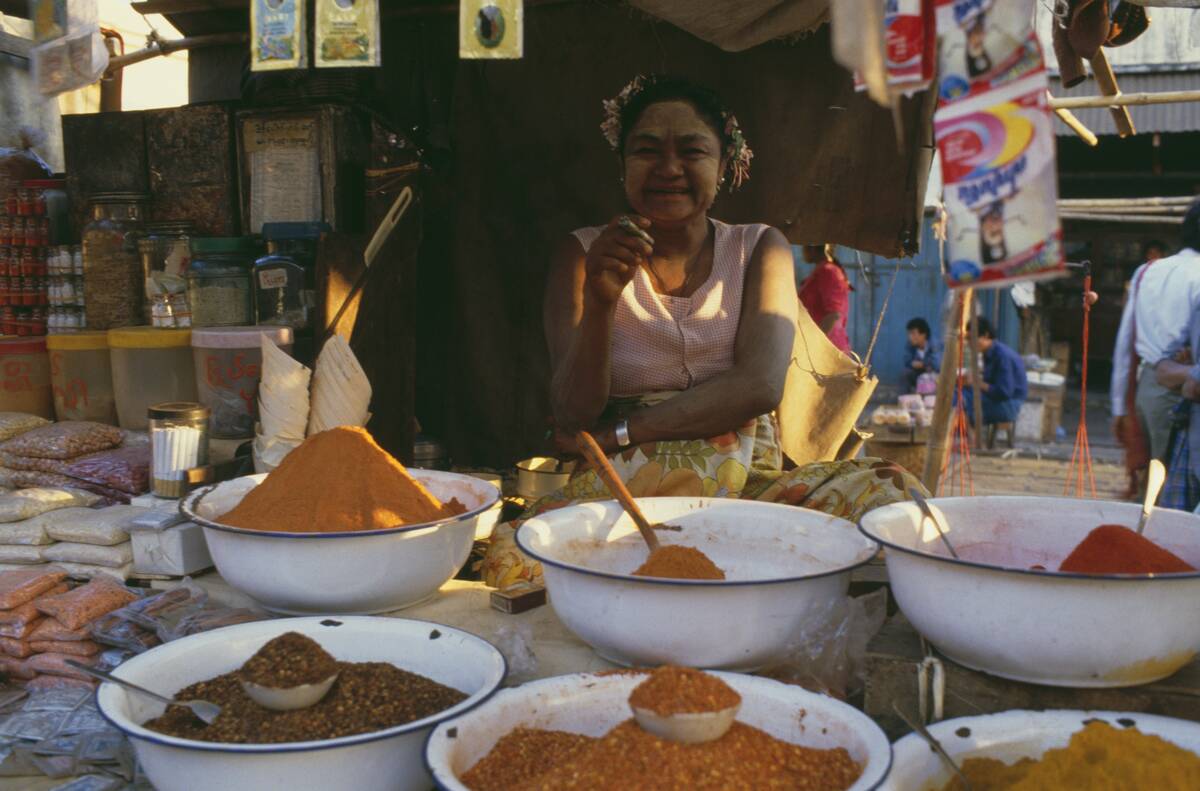
Spices played a prominent role in ancient civilizations, from religious rituals to medicinal uses. The Egyptians used spices in mummification, believing they helped preserve the body for the afterlife.
The Greeks and Romans incorporated them into their diets and medicines, with texts from Hippocrates and Pliny the Elder praising their virtues. Spices were seen as symbols of wealth and power, often used as offerings to deities and tokens of diplomacy.
Aromatic Gold: The Economic Impact of Spices
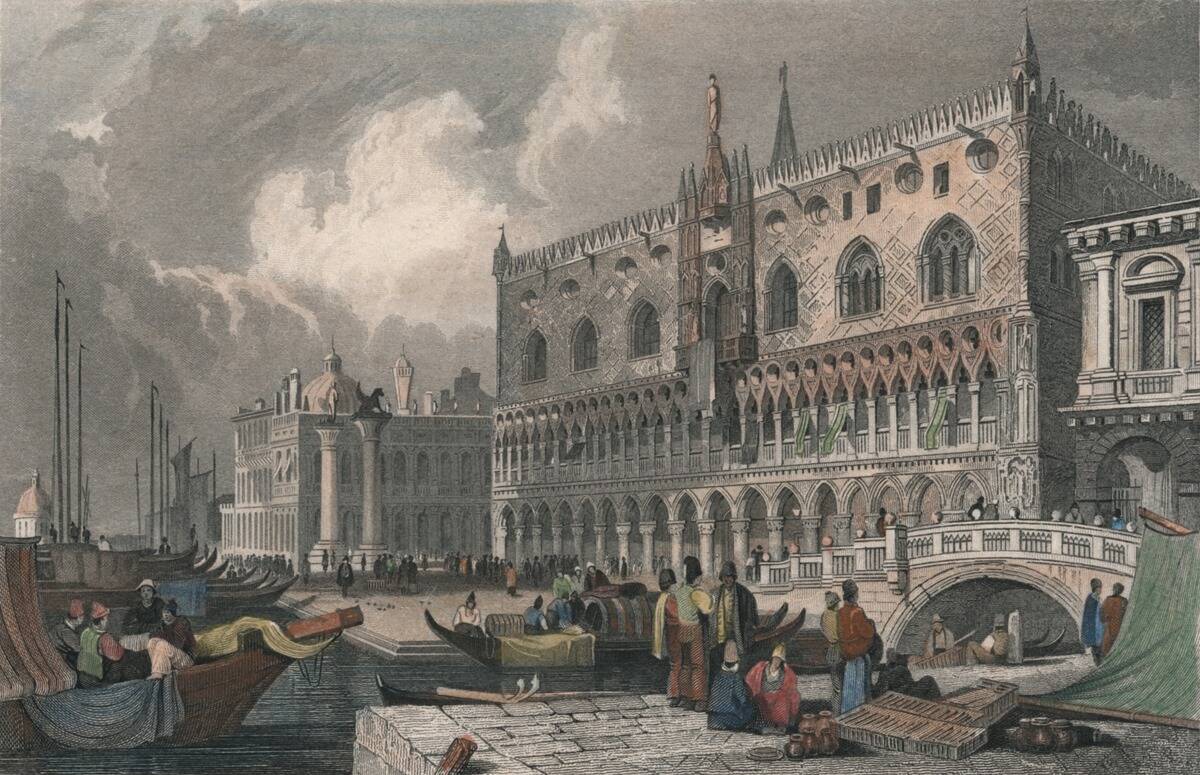
Some spices were once worth their weight in gold, driving economies and shaping global trade policies. The high demand led to the establishment of vast trading networks, with Venice becoming a significant hub in the medieval spice trade.
The lucrative nature of spices prompted European nations to explore new sea routes, seeking direct access to spice-producing regions to bypass middlemen and boost their economies. This quest for spices was a catalyst for the Age of Exploration.
Medieval Europe’s Spice Craze
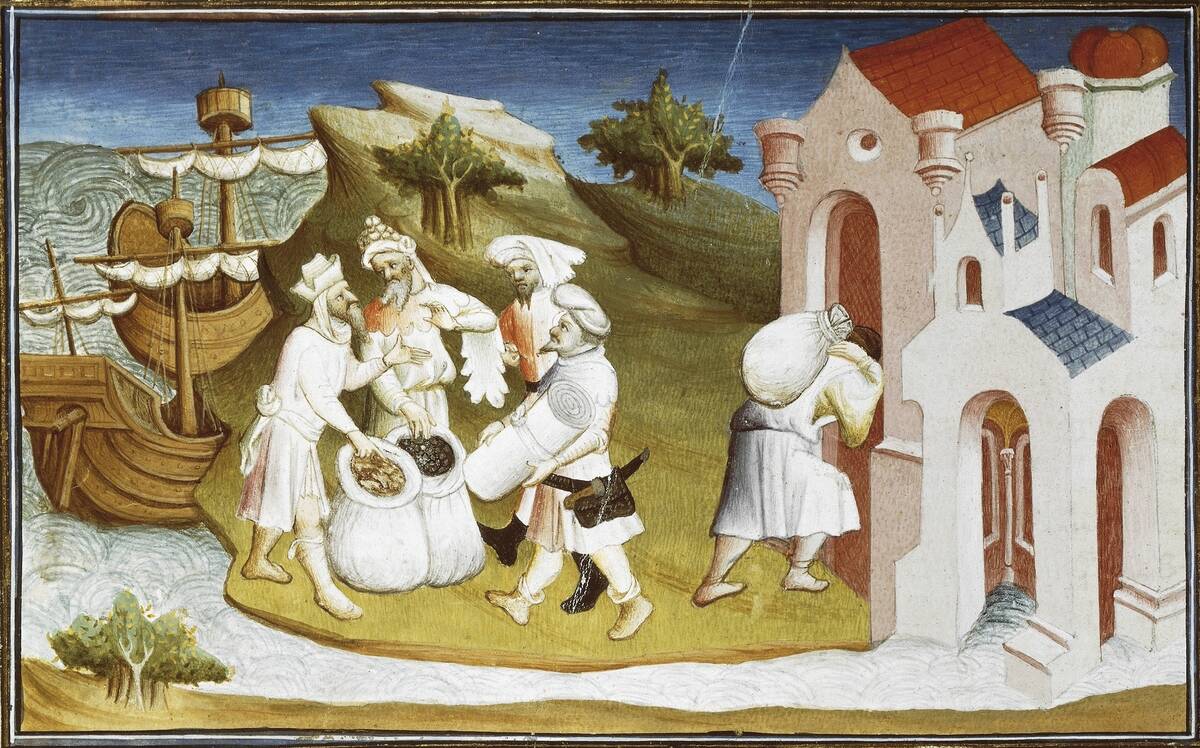
Medieval Europe was gripped by a spice craze that saw the nobility and wealthy bourgeoisie clamoring for exotic flavors. Spices like black pepper, ginger, and saffron were highly sought after, used to enhance flavor and display wealth.
This demand led to inflated prices, making spices a status symbol among the elite. The spice frenzy also fueled voyages and expeditions, as nations vied for control over the lucrative spice trade.
The Silk Road: Connecting Continents

The Silk Road was a tapestry of trade routes connecting the East and West, with spices being one of the many goods exchanged along its paths. This network facilitated not only the movement of goods but also the exchange of cultures, ideas, and technologies.
Spices from India and China made their way to the Mediterranean, enriching culinary practices and contributing to the cultural melting pot that characterized the Silk Road. The journey of spices along these routes was as transformative as the roads themselves.
From the Mediterranean to the Orient: A Spicy Exchange
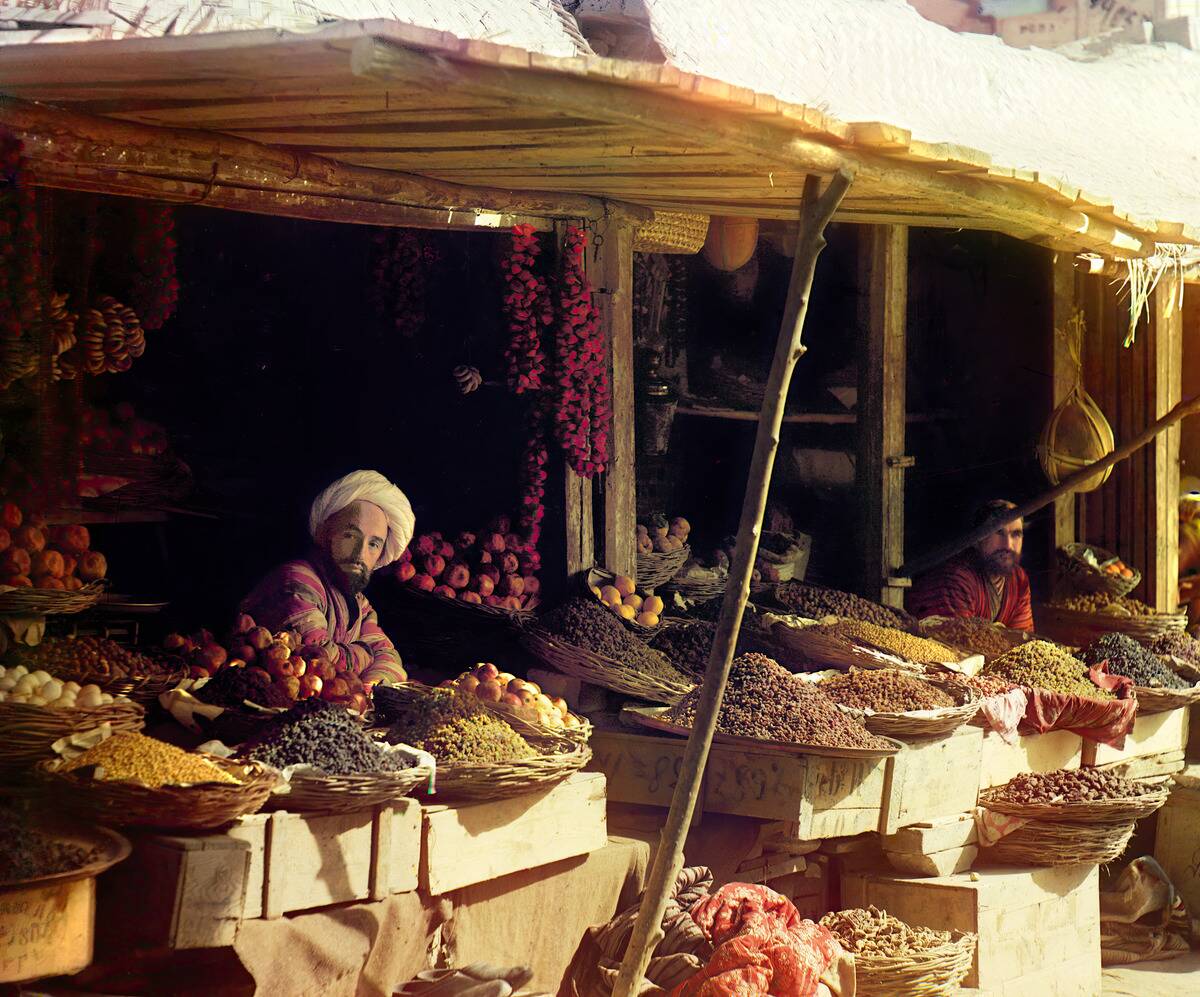
The Mediterranean region was a melting pot of cultures, and spices played a pivotal role in this vibrant exchange. Goods traveled from the Orient to Mediterranean ports, bringing cloves, cinnamon, and pepper to European tables.
This exchange wasn’t one-sided; European goods and ideas also flowed eastward, influencing cuisines and traditions. The interaction between these regions fostered a rich tapestry of flavors that continues to influence modern culinary practices.
The Age of Exploration: Setting Sail for Spice

The Age of Exploration was driven by the quest for spices, leading European explorers to the far corners of the earth. Explorers like Vasco da Gama and Christopher Columbus set sail with the hopes of finding new routes to the spice-rich lands of Asia.
These expeditions resulted in the discovery of new continents and sea routes, reshaping the world map. The desire for direct access to spices was a significant motivating factor in these historic journeys.
Vasco da Gama: Opening the Sea Route to India
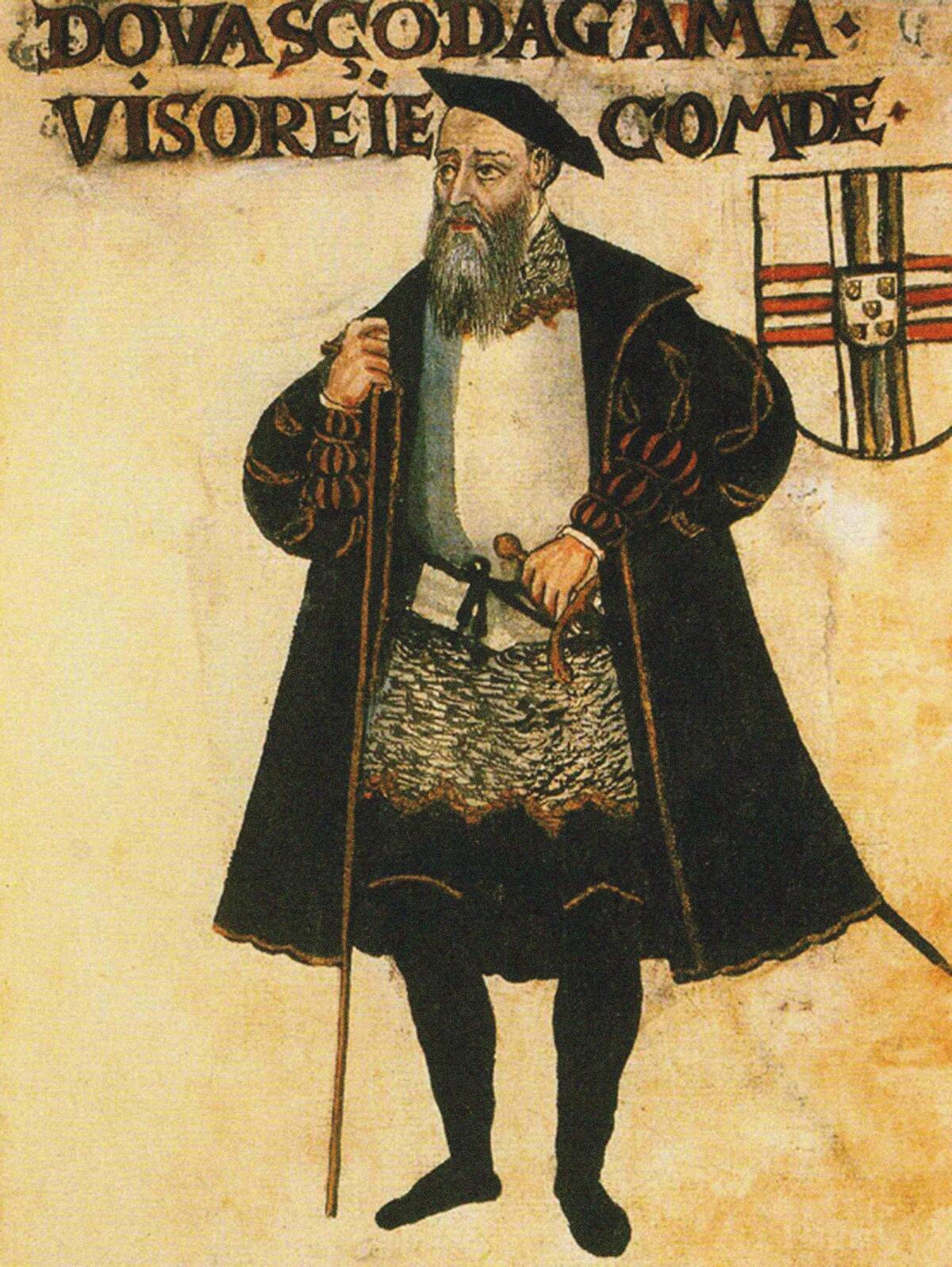
Vasco da Gama’s voyage to India in 1498 was a landmark achievement that opened up a sea route to Asia’s spice markets. This Portuguese explorer navigated around Africa’s Cape of Good Hope, reaching the Indian subcontinent and establishing a direct trade link.
His journey marked a new era of maritime exploration, allowing Portugal to dominate the spice trade and significantly reducing the cost of spices in Europe. Da Gama’s legacy is one of pioneering spirit and economic transformation.
Christopher Columbus: In Search of Spices, Finding a New World
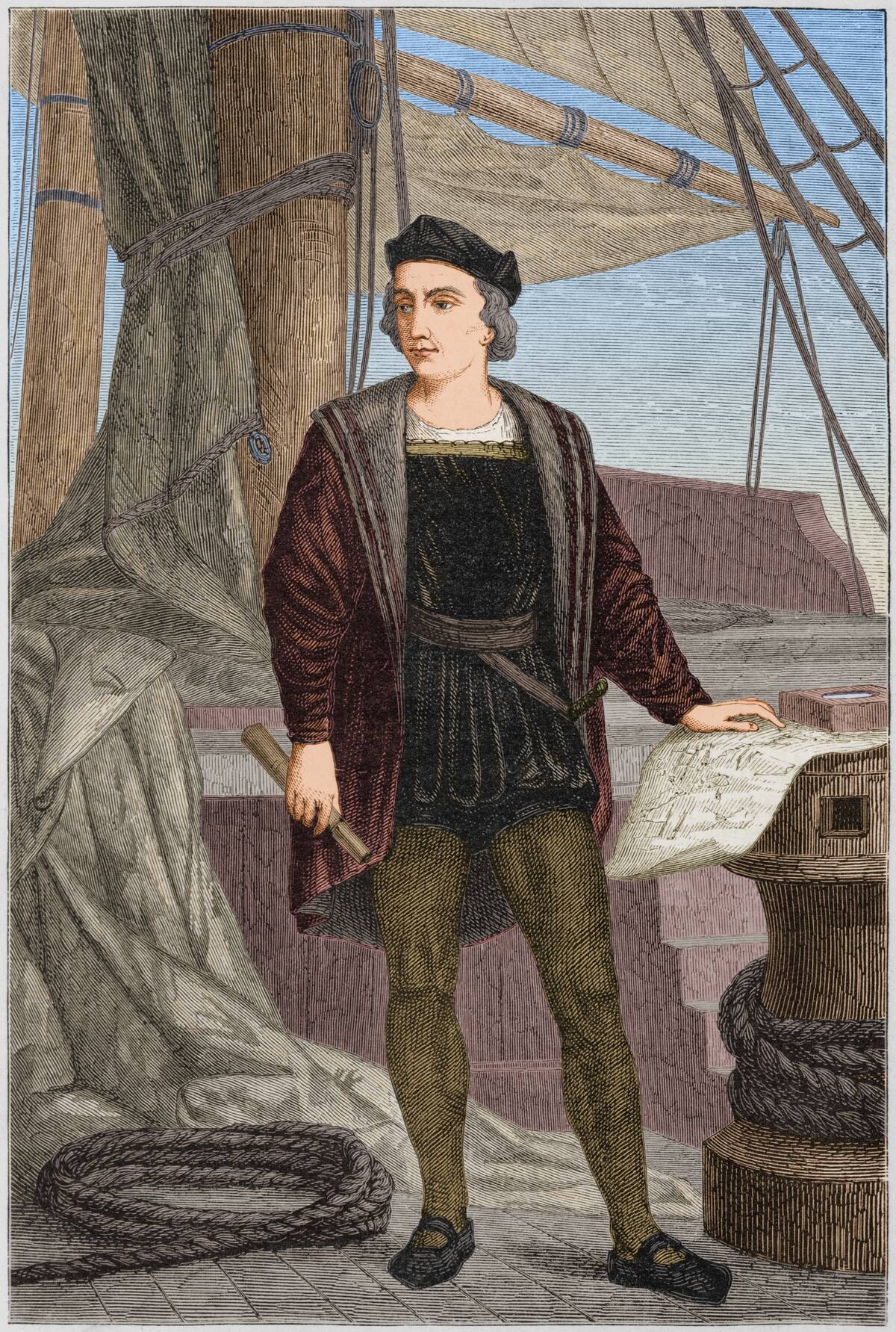
Christopher Columbus embarked on his famous voyage in 1492, aiming to find a westward route to the spice-rich lands of Asia. Instead, he stumbled upon the Americas, forever altering the course of history.
While he didn’t find the spices he sought, Columbus’s voyages opened up the New World to European exploration and colonization. The exchange of goods and ideas between the Old and New Worlds, known as the Columbian Exchange, included the introduction of new spices and foods to Europe.
The Spice Wars: Competition and Conflict on the High Seas
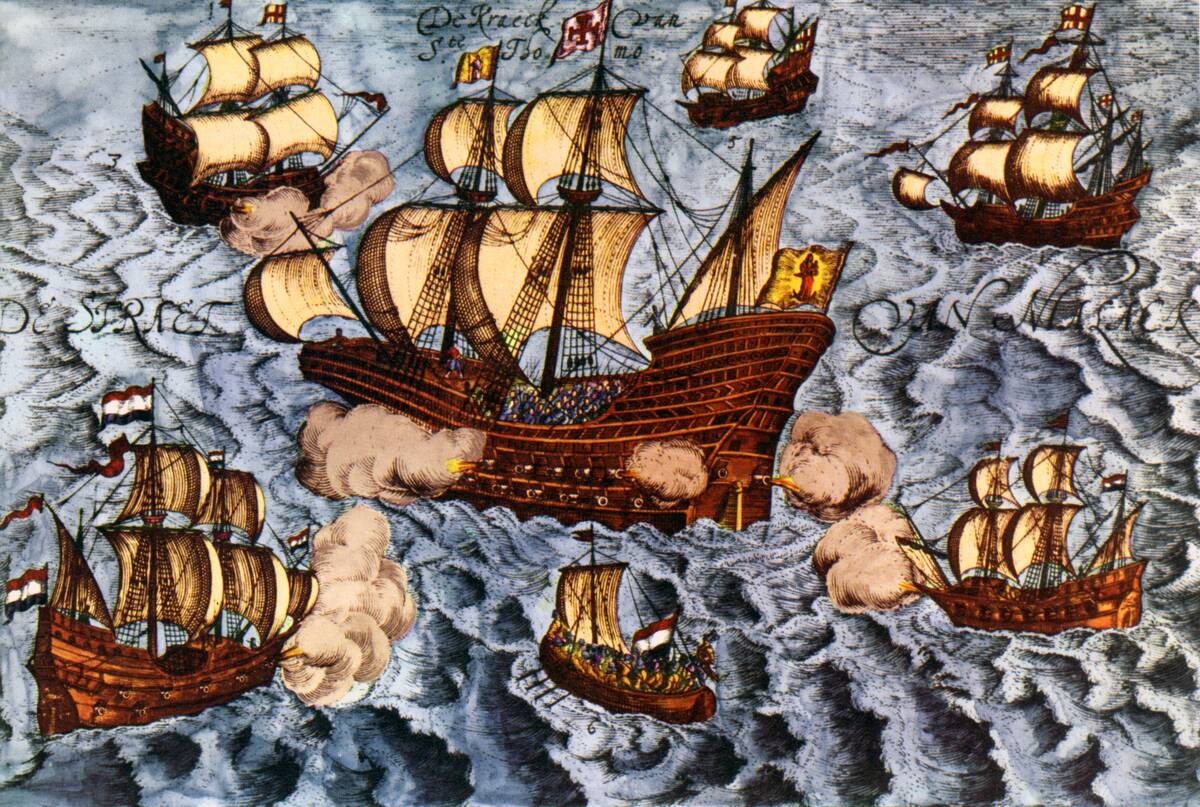
The pursuit of spices led to fierce competition and conflict among European powers, often referred to collectively as the ‘Spice Wars,’ a series of conflicts over control of the spice trade. The Portuguese, Spanish, Dutch, and English clashed over control of spice-producing regions, particularly in the East Indies.
These conflicts were marked by naval battles, sieges, and strategic alliances, as each nation sought to dominate the lucrative trade. The Spice Wars exemplified the lengths to which nations would go to secure their economic interests in the spice trade.
The Dutch East India Company: Monopoly on Spice Trade
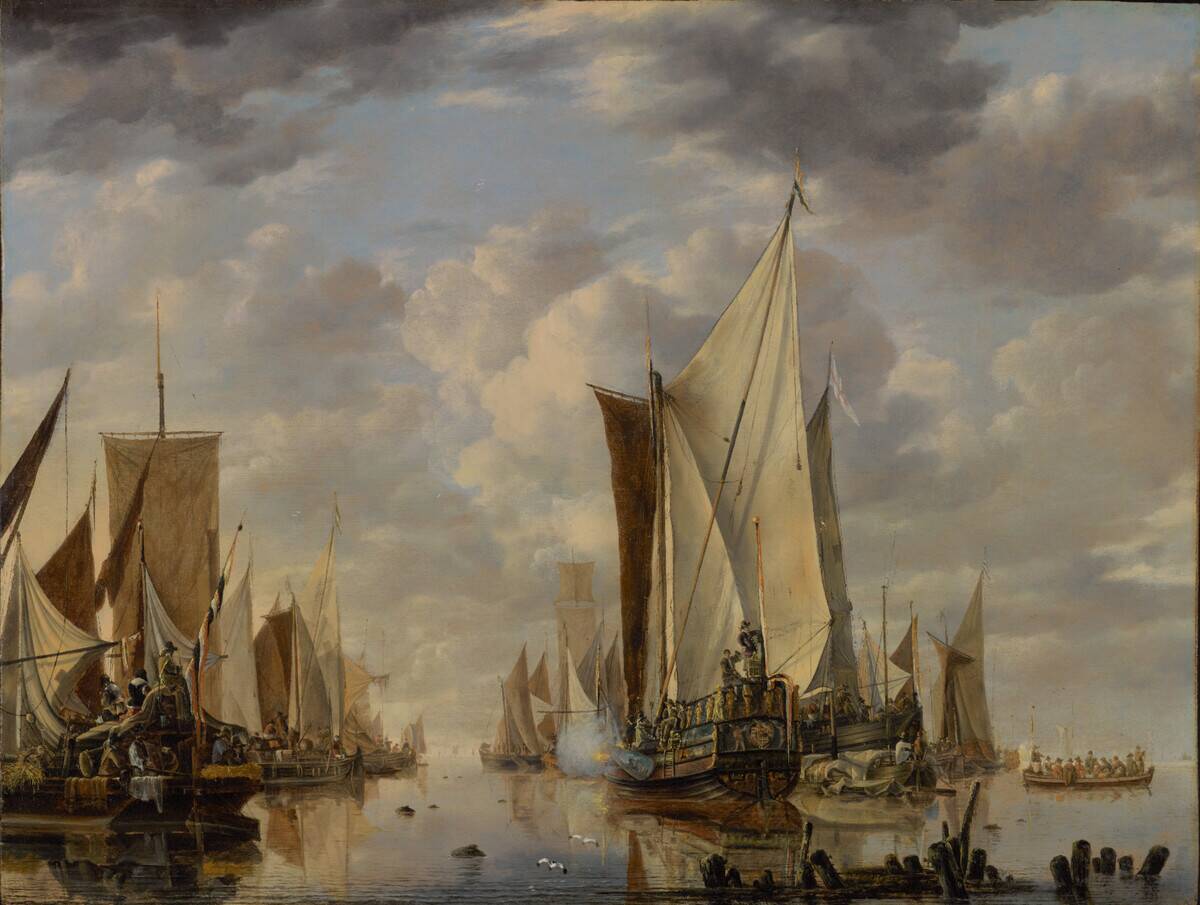
The Dutch East India Company, founded in 1602, became a dominant force in the spice trade, establishing a monopoly over key regions. Known as the VOC, this powerful trading company controlled the production and distribution of spices like nutmeg, cloves, and mace.
The VOC’s influence extended to political and military realms, as it established colonies and trade posts in Asia. Their monopoly allowed the Dutch to dictate spice prices in Europe, showcasing the intertwining of commerce and colonialism.
Cultural Exchanges Along the Spice Routes
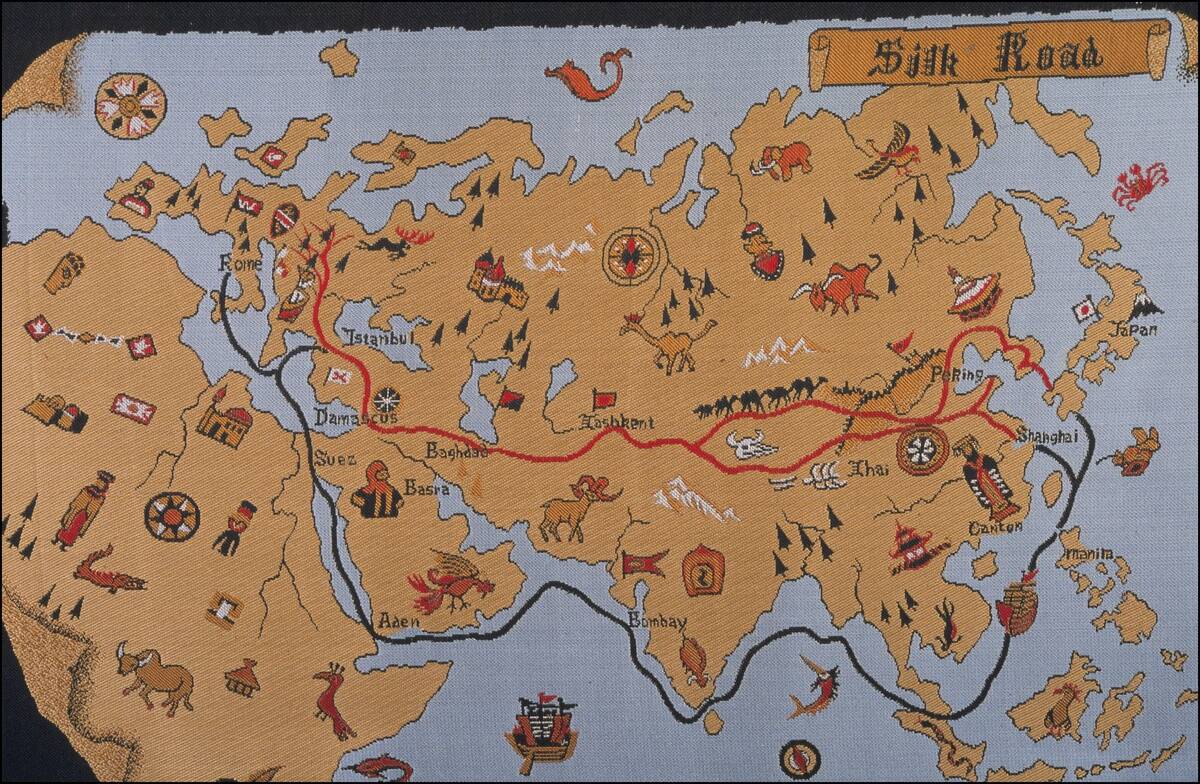
The spice routes facilitated more than just trade; they were conduits for cultural exchange. As traders traveled, they shared languages, religions, and artistic traditions, enriching societies along the way.
The introduction of spices to new regions brought not only flavors but also culinary techniques and traditions. These exchanges fostered a greater understanding between different cultures, with spices acting as a bridge connecting diverse peoples and their customs.
Culinary Transformations: Spices in Global Cuisine
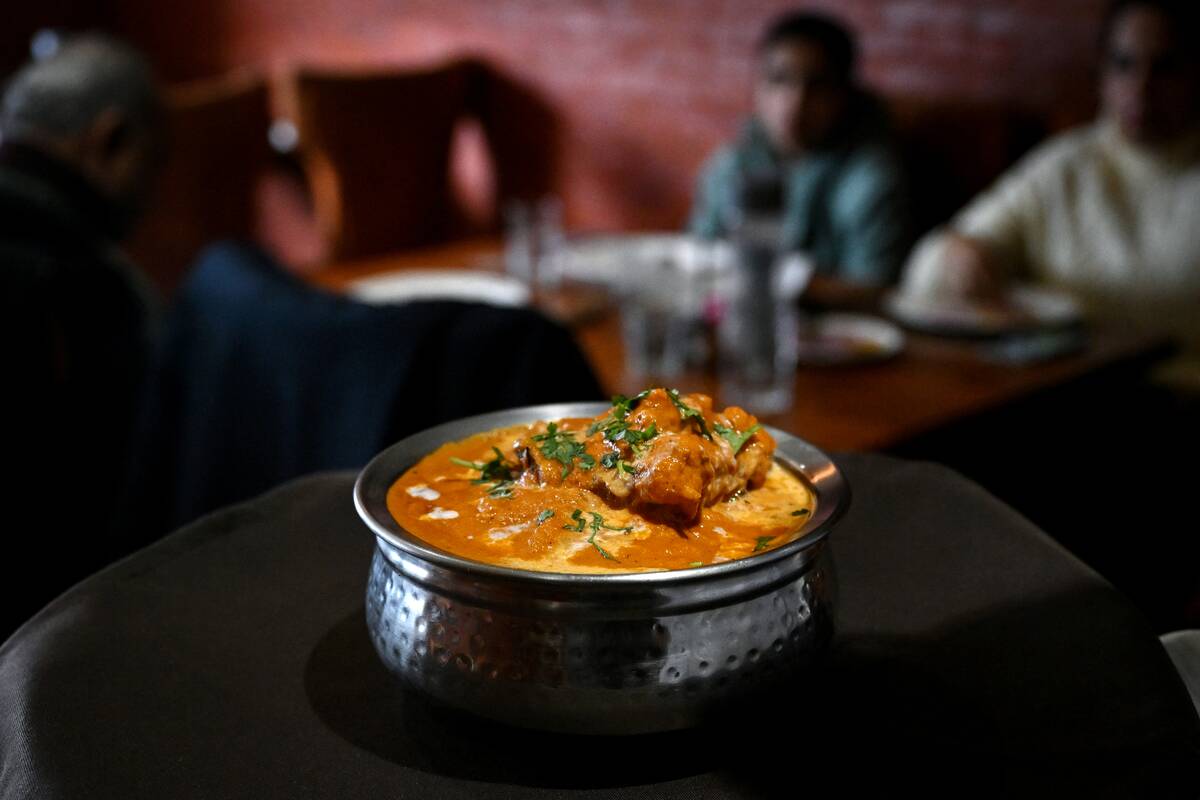
Spices have revolutionized global cuisine, transforming dishes and creating new culinary traditions. From Indian curries to Mexican moles, spices add depth and complexity to flavors. They have inspired chefs and home cooks alike to experiment and innovate, leading to fusion cuisines that blend different culinary heritages.
Spices have also played a role in health and wellness, with many cultures using them in traditional medicine. Their impact on food is both profound and enduring.
The Modern Legacy of Ancient Spice Routes
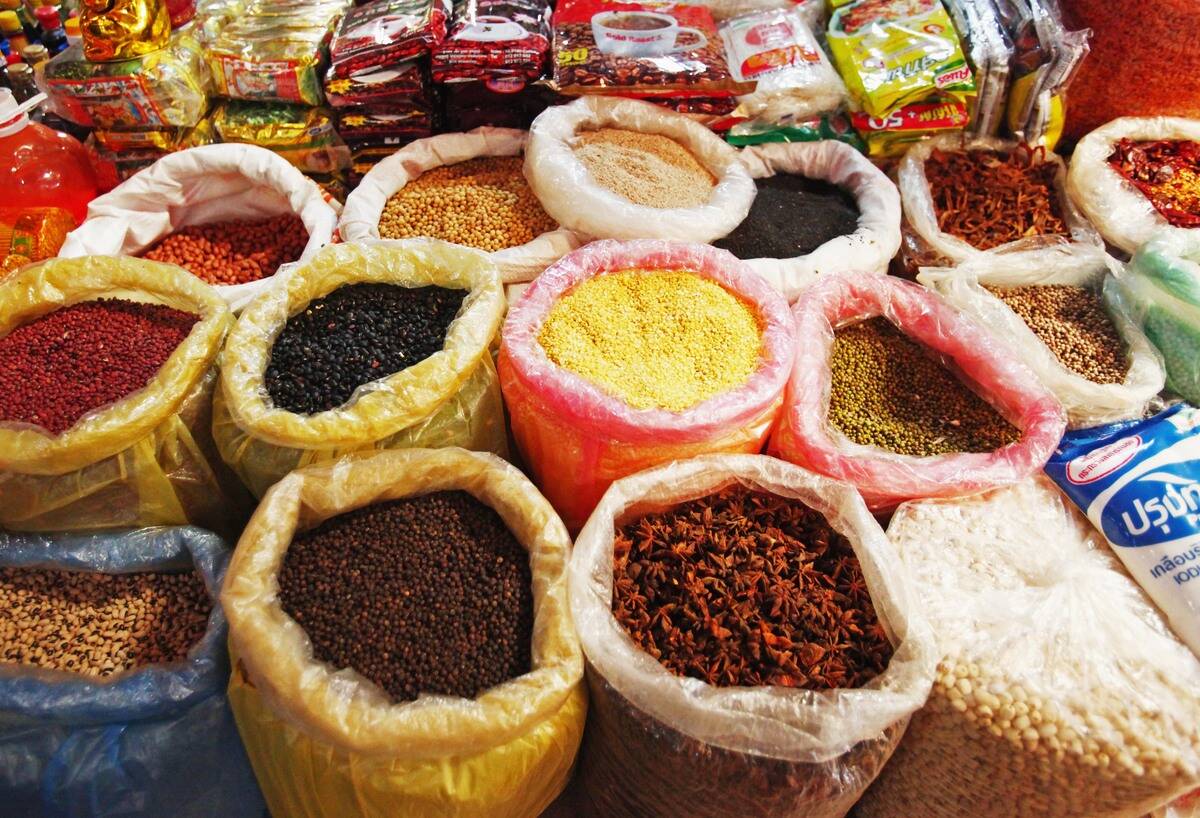
The ancient spice routes have left an indelible mark on modern trade and cultural exchanges. Today’s globalized economy mirrors the interconnectedness of those early trade networks. The routes paved the way for the exchange of goods, ideas, and technologies that continue to shape our world.
Modern supply chains owe a debt to these ancient paths, as do the multicultural societies that have emerged from centuries of interaction. The legacy of the spice routes is a testament to humanity’s enduring quest for connection.




