Secret messenger networks operating under ancient kingdoms
Imagine a world where messages couldn’t be sent with the click of a button. Welcome to the realm of ancient messenger networks, where communication was a daring adventure.
These networks, brimming with intrigue and mystery, were the backbone of empires and civilizations. As we dive into this fascinating history, be prepared to uncover the dusty trails and hidden paths that once carried the most crucial secrets of the world.
Origins of Ancient Communication Systems
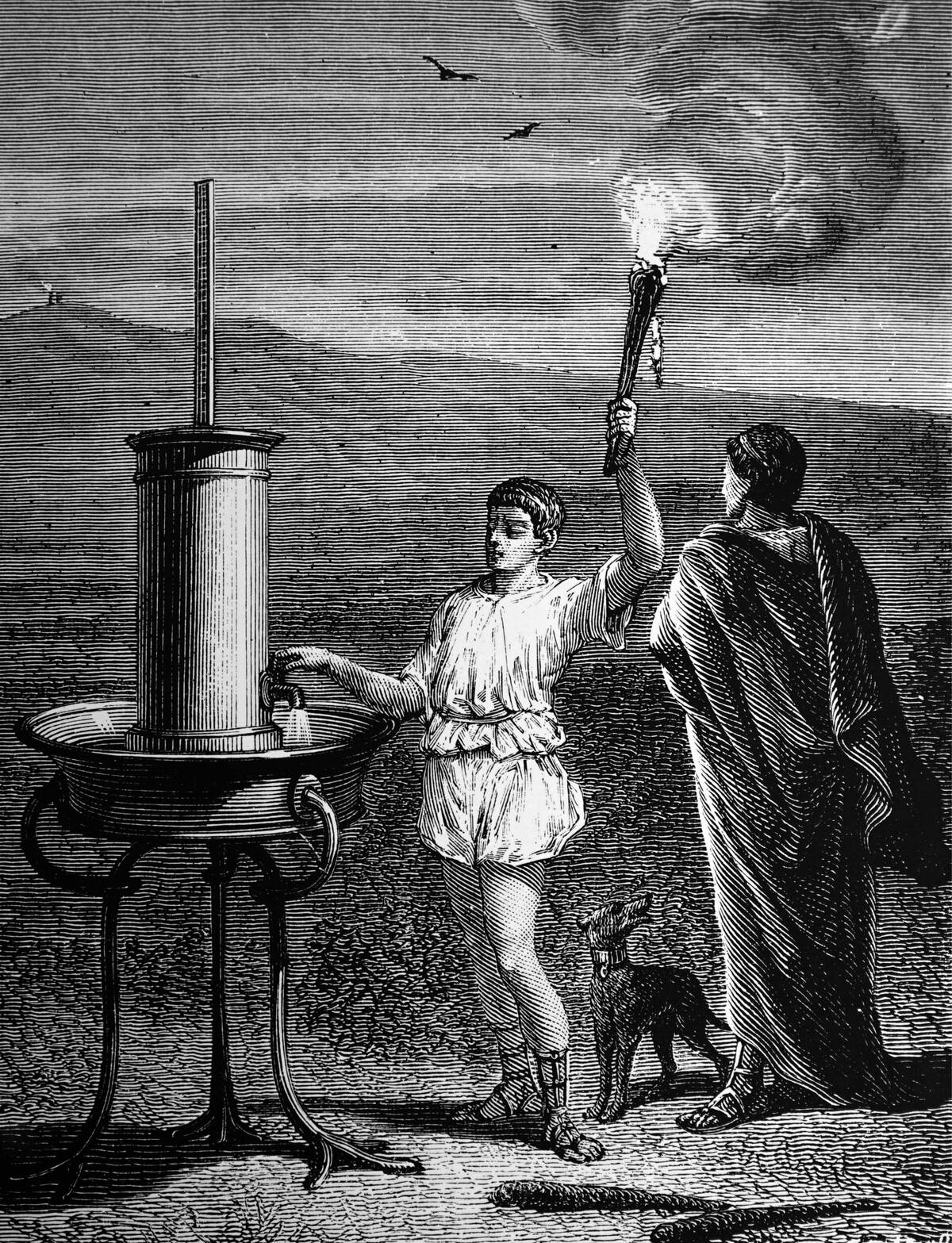
Long before the digital age, humans devised ingenious ways to communicate across distances. Ancient communication systems can be traced back to drum beats and smoke signals, which were used to send messages over hills and valleys.
Hieroglyphs and cuneiform scripts also played a crucial role in recording important events and decrees. These early methods laid the groundwork for more sophisticated networks that would span continents and connect empires.
The Role of Messengers in Ancient Societies
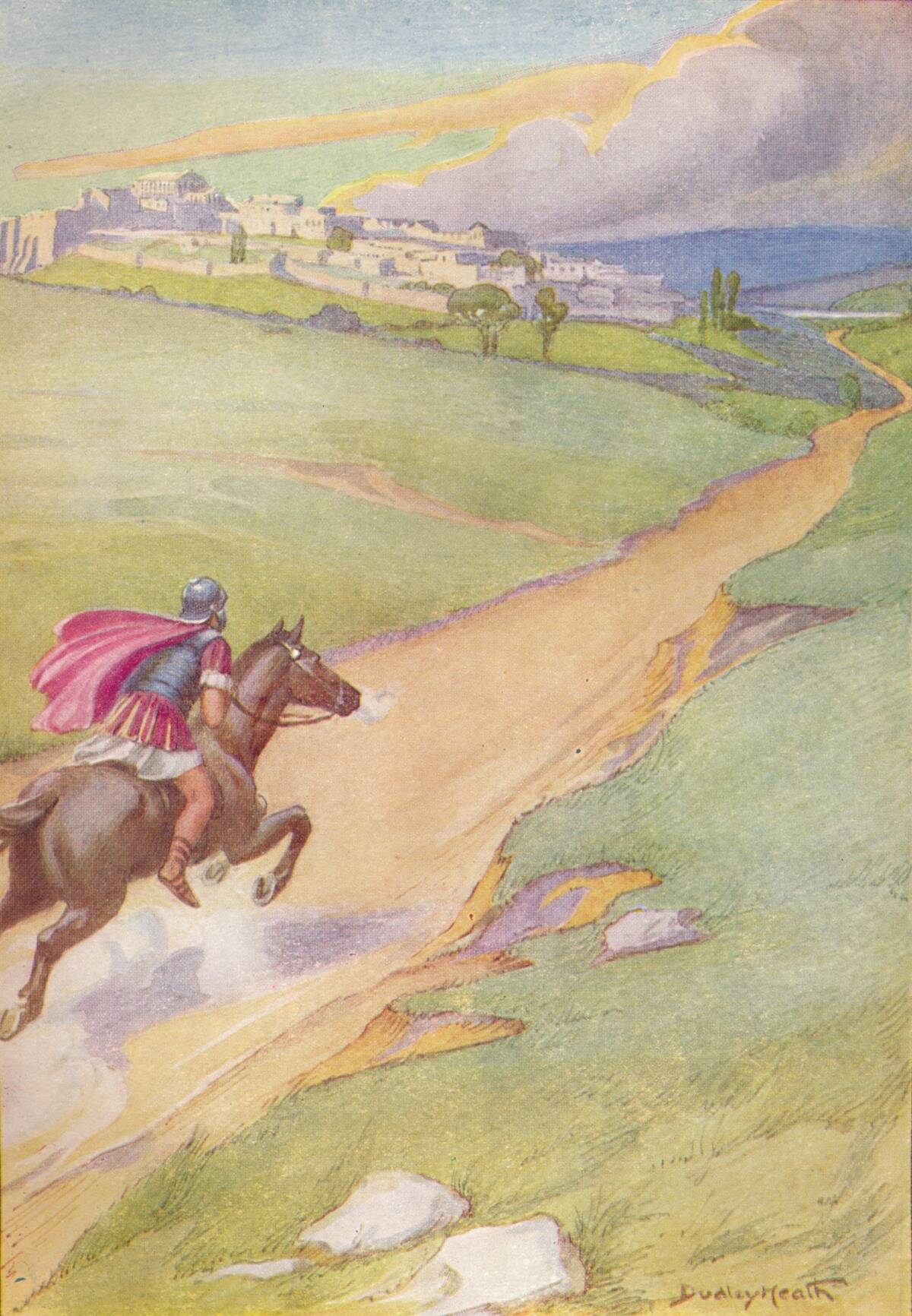
Messengers were the lifeline of ancient societies, entrusted with carrying vital information across vast territories. They were often chosen for their speed, endurance, and loyalty. In some cultures, they were highly respected and held in special status.
These couriers not only delivered messages but also acted as spies and scouts, gathering intelligence and reporting back to their rulers. Their work was crucial in maintaining the delicate balance of power and diplomacy.
The Persian Empire’s Royal Road and Its Couriers
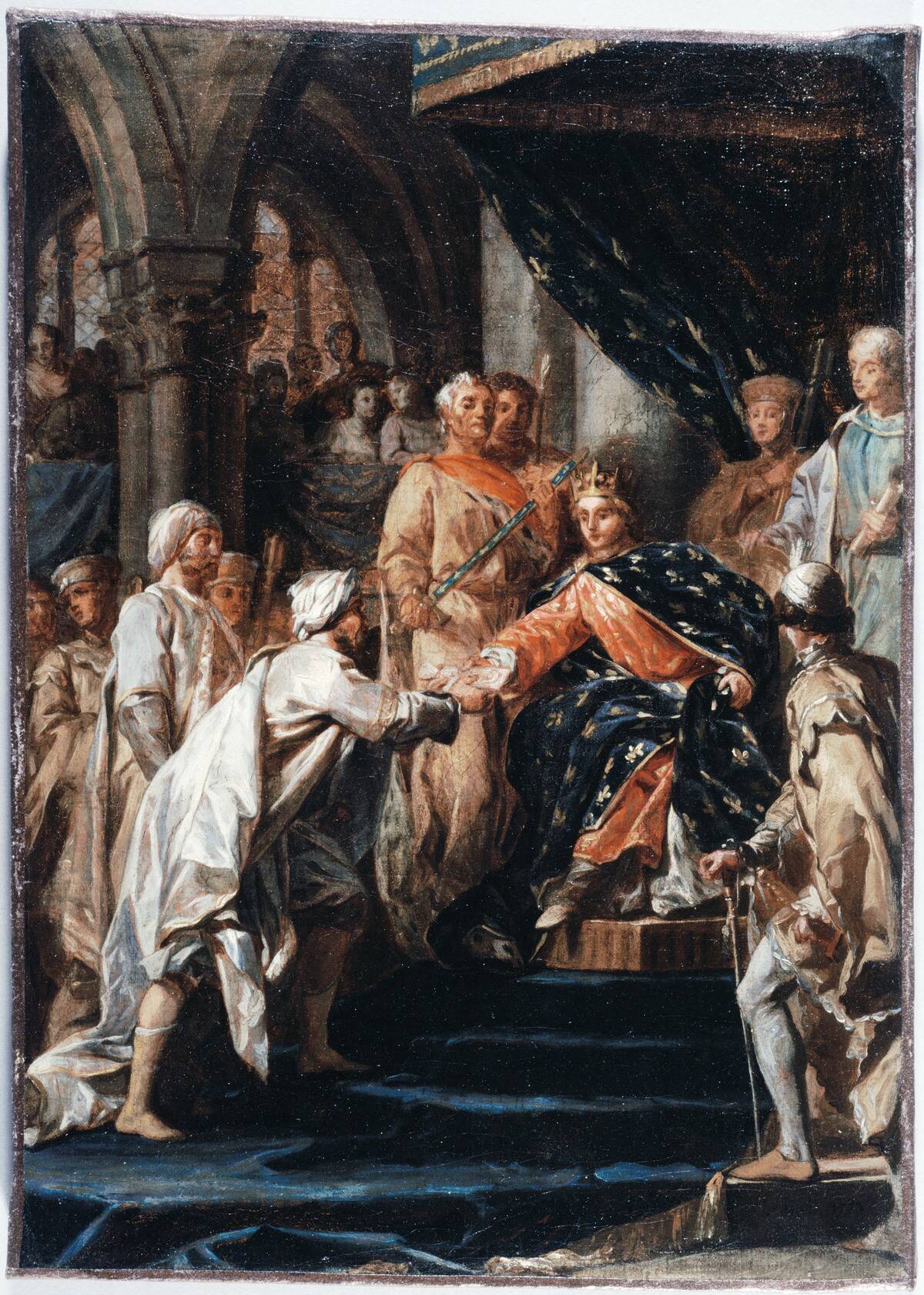
The Persian Empire boasted one of the most impressive communication networks of the ancient world, centered around the Royal Road. Spanning over 1,600 miles, this road connected the empire’s vast territories, and its couriers could travel the entire length in just seven to nine days.
These messengers, known as ‘pirradaziš’, were known for their speed and reliability, ensuring the swift and secure delivery of messages across the empire.
The Whispering Winds of the Incan Chasquis

High in the Andes, the Incan Empire relied on the chasquis, agile runners trained to deliver messages along the empire’s extensive network of roads. These couriers used a relay system, passing messages from one runner to the next, ensuring rapid communication across the mountainous terrain.
They carried quipus, a system of knotted strings, which allowed them to convey complex information with remarkable accuracy and speed.
Secrets of the Egyptian Courier System
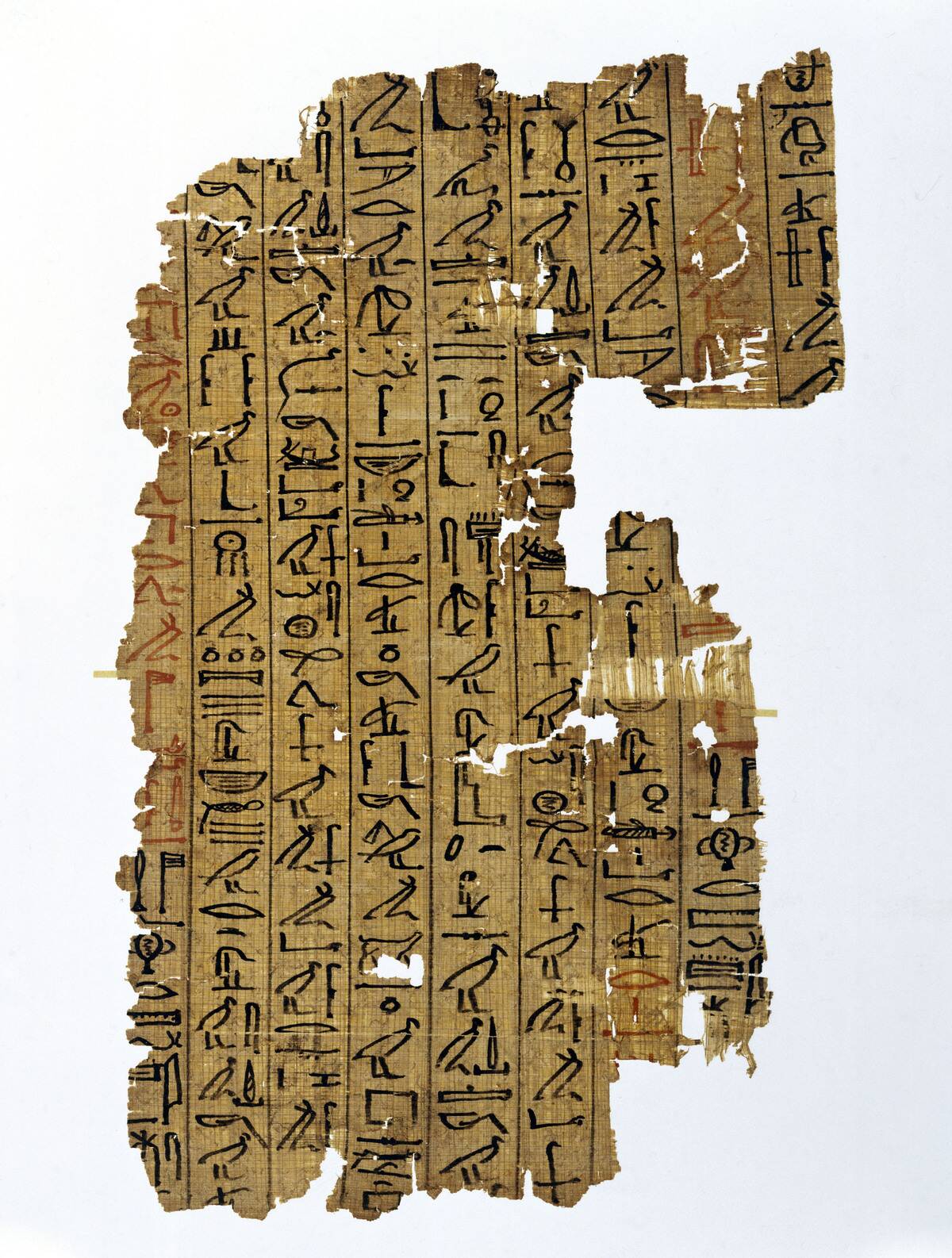
The ancient Egyptians developed a courier system that was as efficient as it was enigmatic. They employed trained runners and boatsmen to carry messages along the Nile. With the river as their highway, messages could travel quickly between the Upper and Lower Kingdoms.
Hieroglyphic messages were often inscribed on papyrus scrolls, a testament to the Egyptians’ advanced writing and record-keeping skills.
The Greek Hemerodromoi: Marathoners of Messages

In ancient Greece, the hemerodromoi were legendary long-distance runners who delivered messages across the city-states. Their most famous feat was the run of Pheidippides, who reportedly ran from Athens to Sparta to to request Spartan military assistance before the Battle of Marathon.
These messengers were celebrated for their endurance and speed, traversing rugged landscapes to ensure that crucial information reached its destination without delay.
The Roman Cursus Publicus: An Empire’s Lifeline
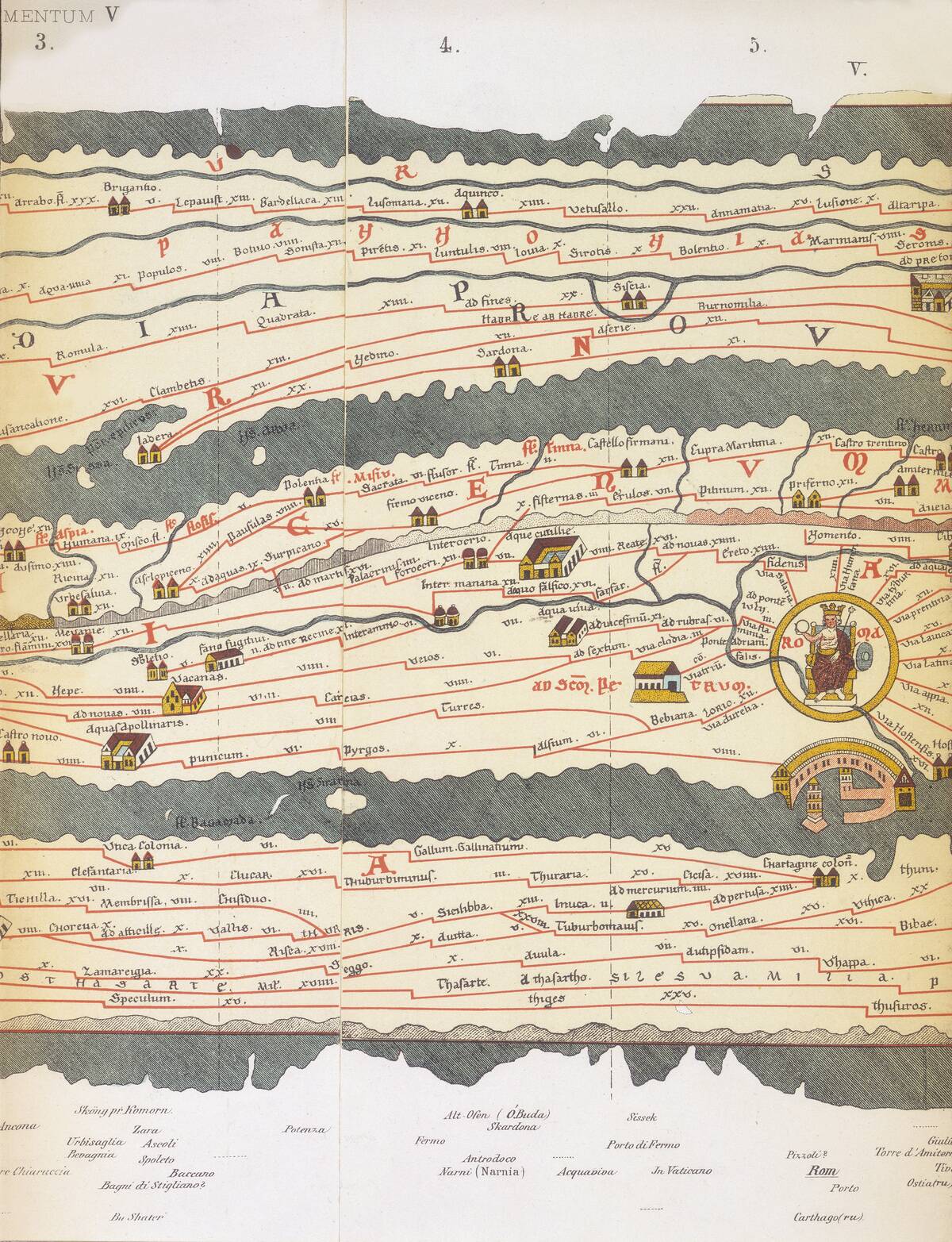
The Roman Empire’s ‘cursus publicus’ was an extensive state-run courier and transportation system. Established by Augustus, it allowed for the swift movement of government correspondence and goods.
With relay stations, known as ‘mutationes’, positioned along major roads, couriers could change horses and continue their journey. This efficient network was crucial in maintaining the vast Roman territories and facilitating communication between the emperor and distant provinces.
The Han Dynasty’s Silk Road Messengers
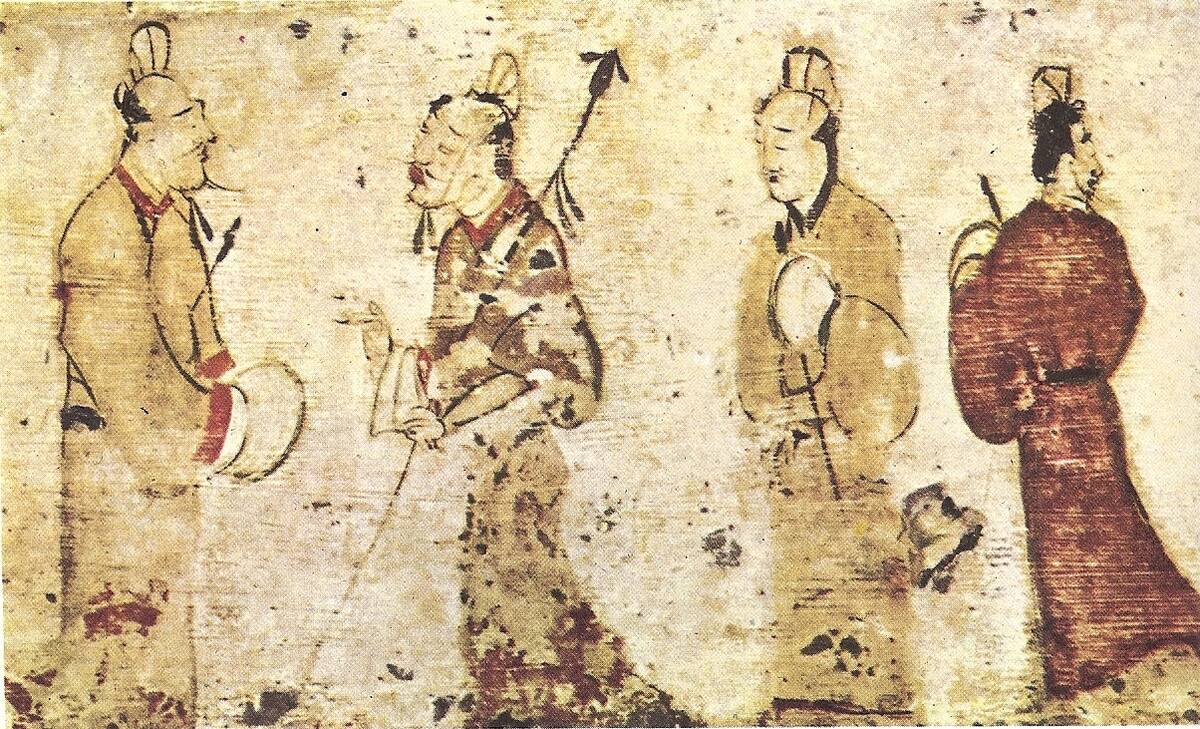
The Han Dynasty’s messengers played a pivotal role in the success of the Silk Road, connecting China with the West. They traveled vast distances, navigating deserts and mountains to deliver valuable information.
The dynasty’s investment in roads and relay stations ensured that messages and trade goods moved swiftly and securely, fostering international relations and cultural exchange.
The Byzantine Empire’s Secret Network
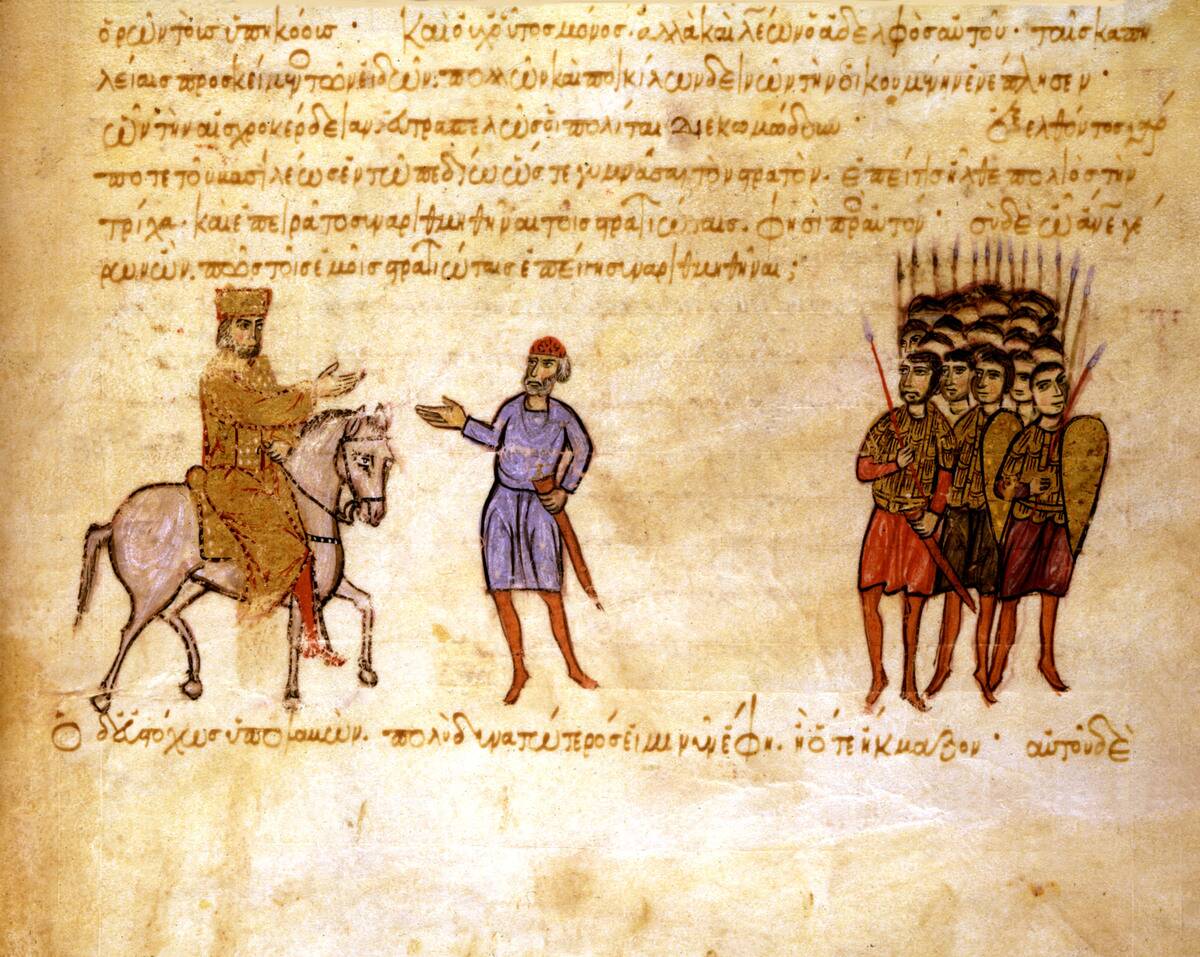
The Byzantine Empire employed a highly organized communication network to manage its sprawling territories. Known for their use of cryptography, the Byzantines ensured that sensitive information remained secure.
Couriers were trained in the use of codes and ciphers, adding an extra layer of protection to their messages. This system was vital in maintaining the empire’s stability during times of turmoil and external threats.
The Mauryan Empire’s Secret Spies and Couriers

The Mauryan Empire in ancient India was renowned for its intricate system of spies and couriers, established by the emperor Chandragupta Maurya. This network was instrumental in gathering intelligence and maintaining control over the empire’s vast territories.
The legendary strategist Chanakya, advisor to Chandragupta, advocated for using covert operations to ensure the emperor’s power and the realm’s security. This network exemplified the sophisticated political strategies of the time.
The Norse Runners: Vikings and Their Message Carriers

The Vikings, known for their seafaring prowess, also relied on skilled messengers to maintain communication across their territories. These runners, often traveling by foot or by ship, carried messages between settlements and across the seas.
Their ability to navigate the challenging Scandinavian terrain and unpredictable waters was crucial in coordinating raids and maintaining alliances, showcasing the strategic acumen of Viking society.
The Aztec Pochteca: Merchants and Messengers
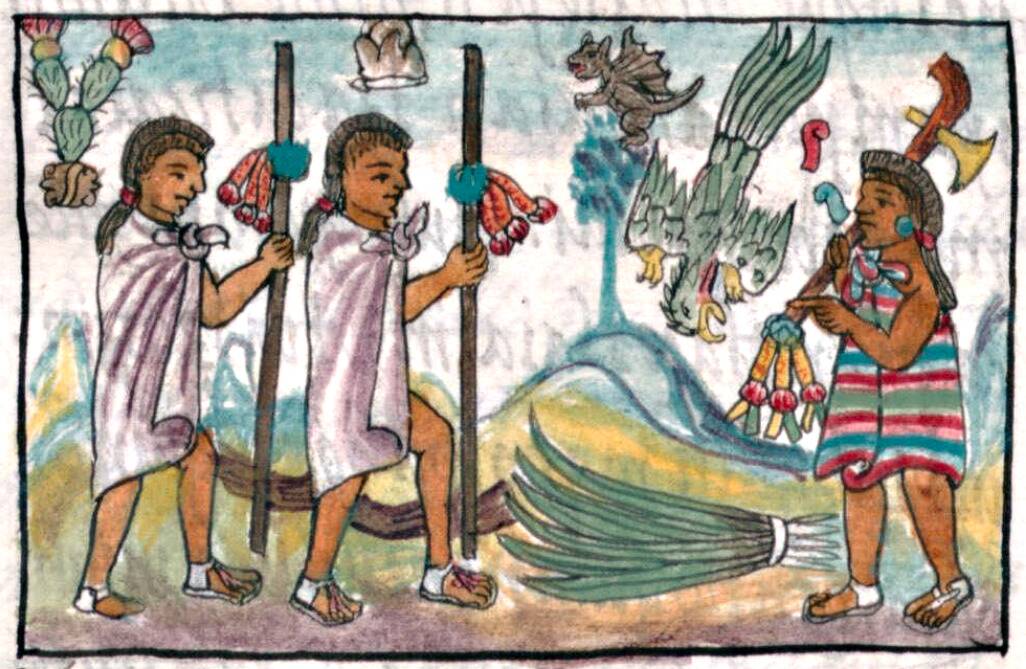
The Aztec Empire’s pochteca were a unique class of merchants who also served as messengers and spies. They traveled vast distances to trade and gather intelligence, reporting back to the emperor.
The pochteca were highly respected and played a crucial role in the empire’s economy and politics. Their dual role as traders and informants allowed them to influence both commerce and diplomacy, underpinning the Aztec’s expansive reach.
The Role of Pigeons and Other Animal Couriers
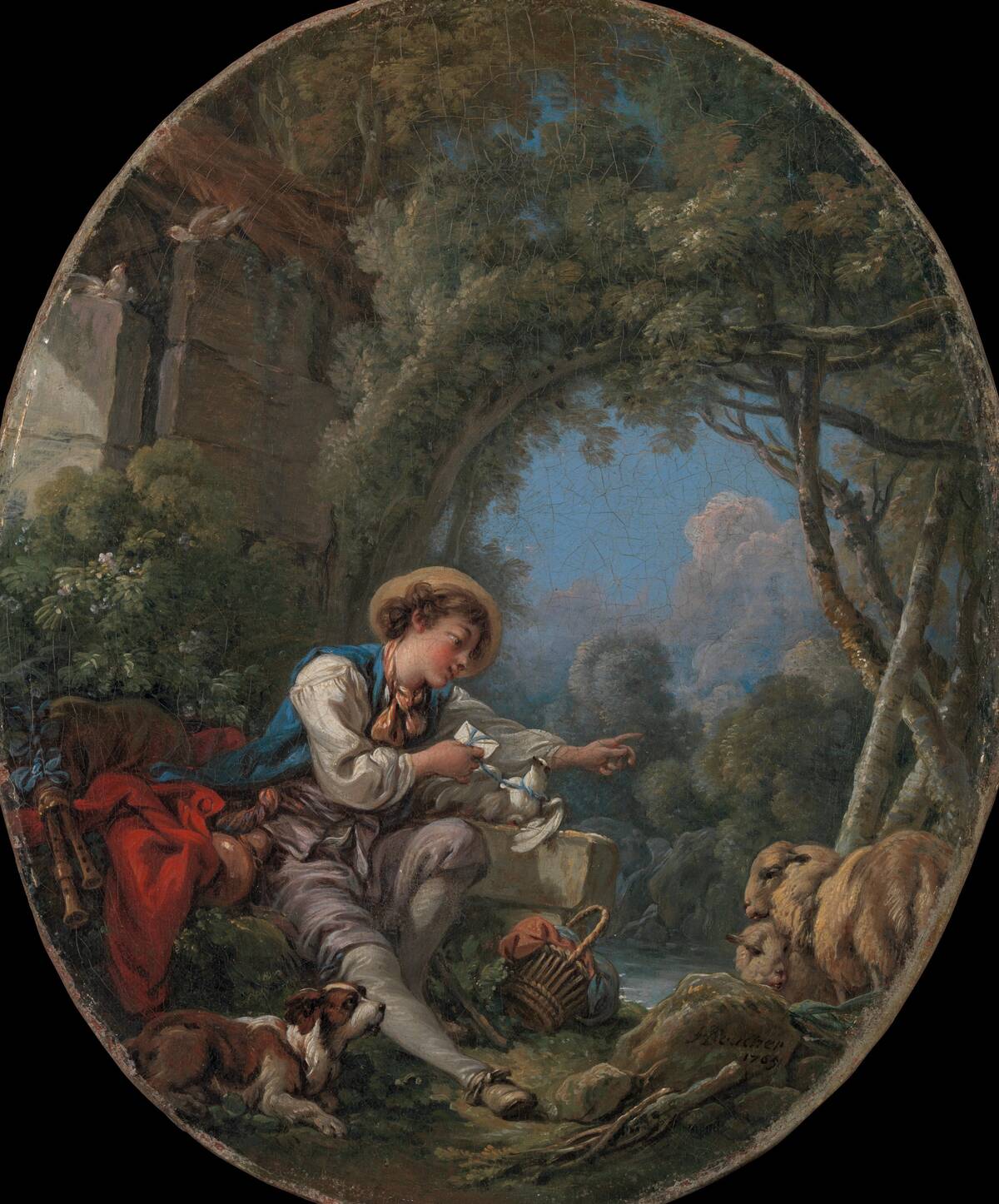
Animals have long played a role in communication, with pigeons being the most famous feathered couriers. Used extensively in ancient Greece, Rome, and beyond, pigeons carried messages across great distances with remarkable accuracy.
Other animals, such as horses and camels, were also integral to courier networks, providing speed and endurance. These animal couriers were vital in ensuring that messages reached their destinations quickly, often outpacing human runners.
Cryptography and Code: Keeping Secrets Safe

As communication methods evolved, so did the need for secrecy. Ancient civilizations developed cryptography to protect sensitive information from prying eyes. The Greeks used the scytale, a tool for transposing messages, while Julius Caesar famously employed a cipher to encode his communications.
These early cryptographic techniques laid the foundation for modern encryption, highlighting the timeless importance of keeping secrets safe in an interconnected world.