The secret lives of courtesans in Renaissance Europe
Ah, the Renaissance! An era of rebirth, art, and, of course, the enigmatic courtesans. These women were the celebrities of their time, often shrouded in mystery and allure.
Known for their beauty, wit, and influence, they played pivotal roles in the cultural and social landscapes of Europe. But who were these fascinating figures, and why did they captivate the imaginations of so many? Let’s dive into the world of Renaissance courtesans and uncover their secrets.
The Role of Courtesans in Renaissance Society
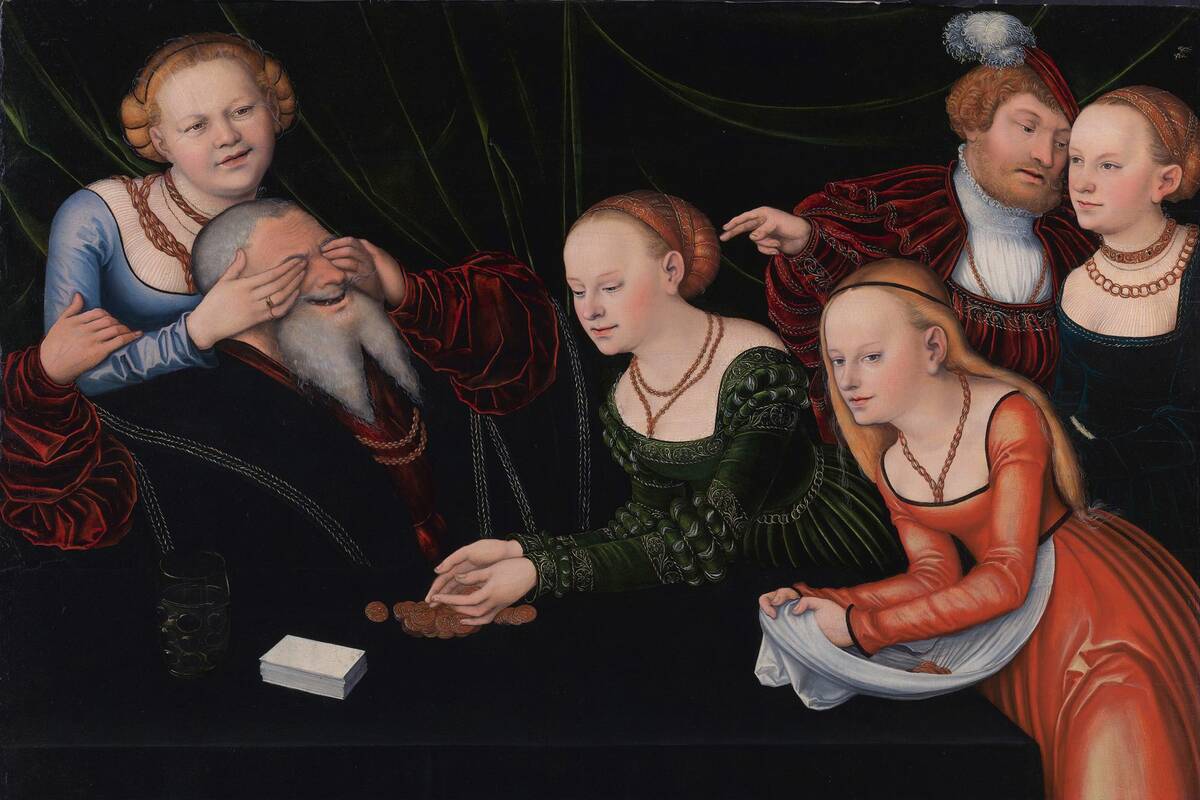
Courtesans were much more than mere companions; they were the heartbeat of Renaissance society. Often mingling with the elite, they were cultural tastemakers and influencers.
While they entertained noblemen, their roles extended beyond the boudoir. They participated in intellectual debates, hosted salons, and were sometimes even involved in political intrigues. Their presence at court was both a status symbol and a testament to their unique position in society.
From Obscurity to Influence: How Women Became Courtesans
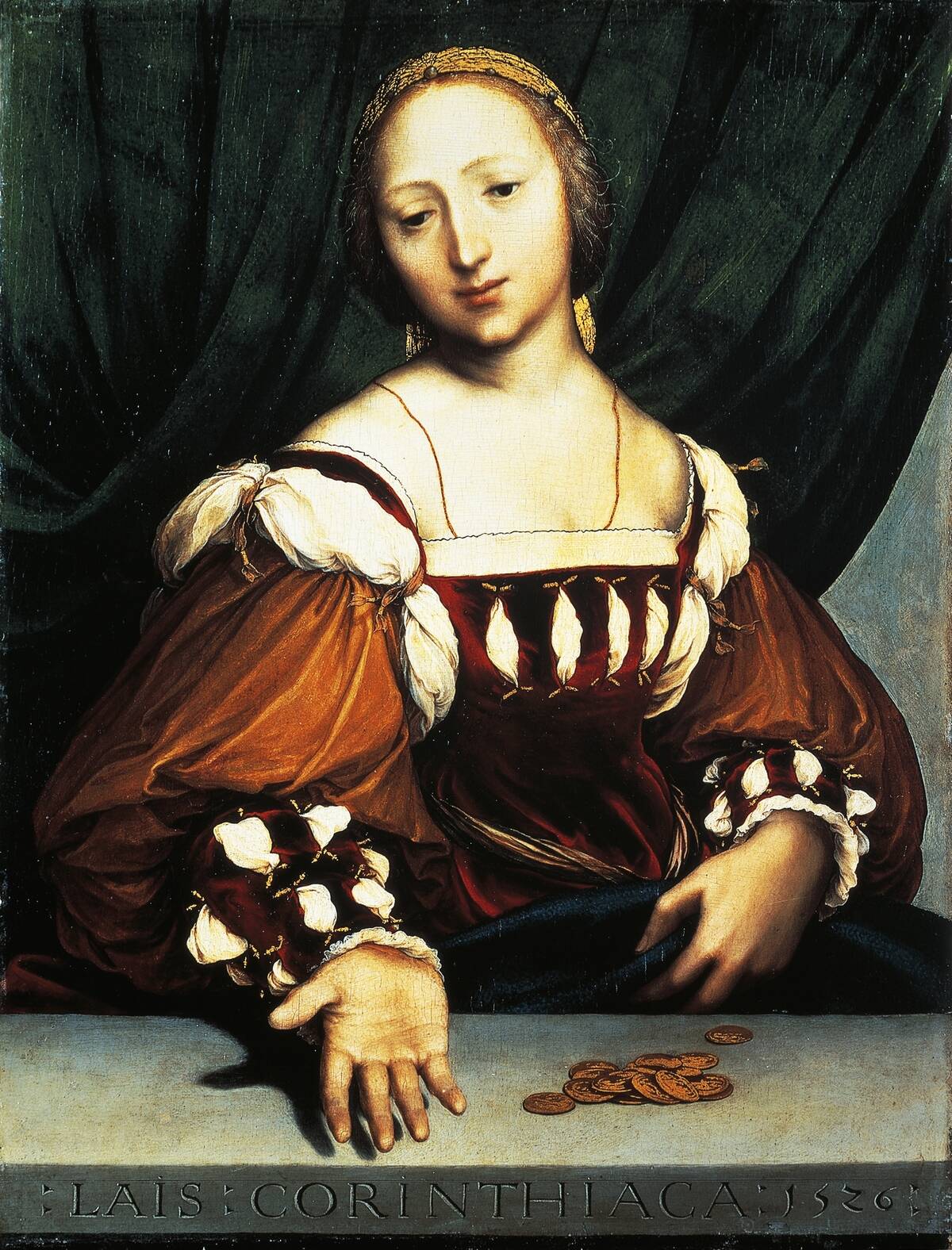
Becoming a courtesan wasn’t just about beauty—it was a calculated career choice. Many women came from humble beginnings, using their intelligence and charm to rise through the ranks.
Often, they started their journey with a patron who introduced them to society. In some cases, their entry into this world was through a family connection or apprenticeship. Once established, they navigated a complex web of social dynamics to cement their influence.
The Glamorous Facade: Living in Luxury and Style
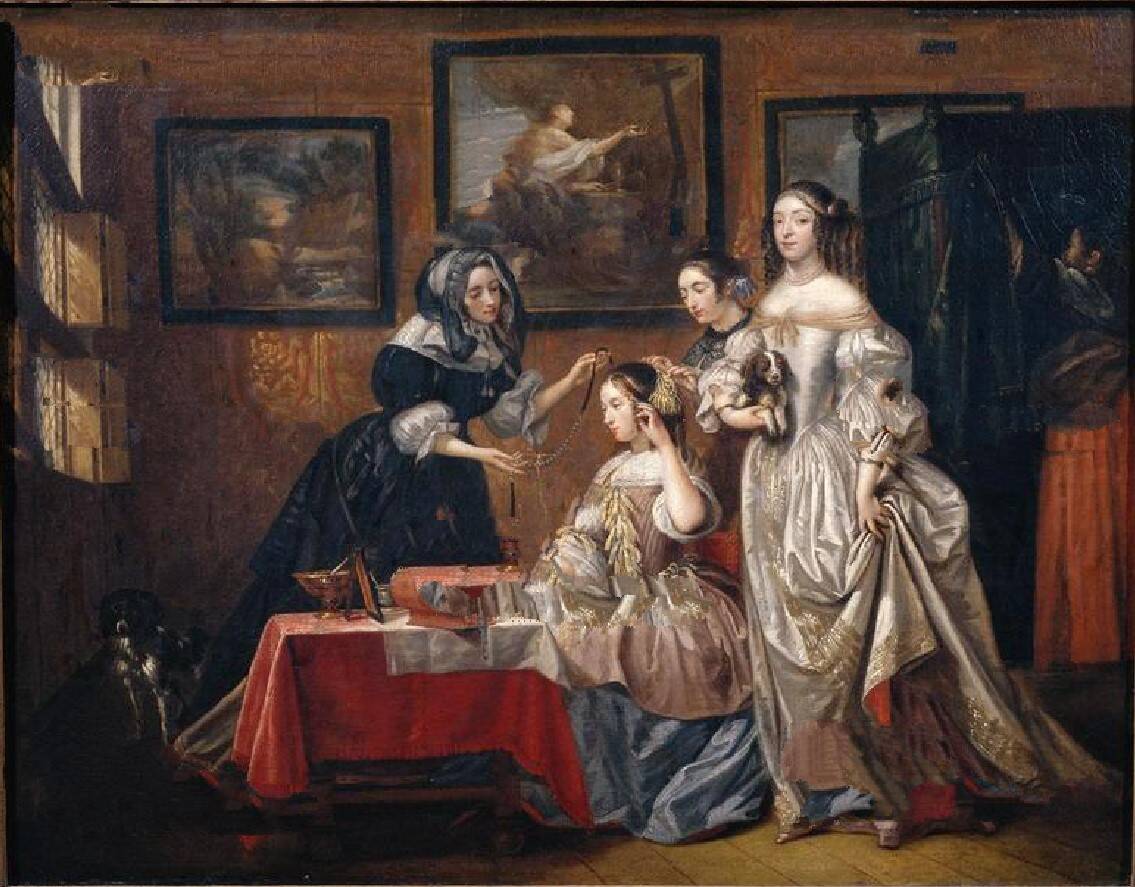
Renaissance courtesans were the epitome of luxury and elegance. They lived in opulently furnished homes, surrounded by exquisite art and sumptuous fabrics. Their wardrobe was a reflection of their status, often featuring the finest silks and jewels.
This lifestyle wasn’t just for show; it was an essential part of their allure. By embodying luxury, they captivated their patrons and maintained their esteemed positions in society.
Beyond Beauty: The Art of Wit and Conversation
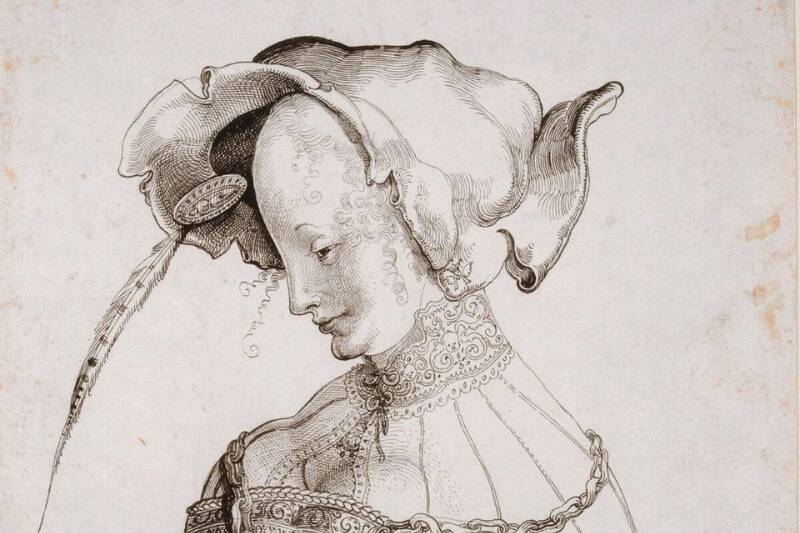
While beauty was an asset, a courtesan’s real power lay in her intellect. These women were masters of conversation, able to engage in discussions ranging from philosophy to politics.
Their salons were hubs of intellectual exchange, attracting poets, artists, and thinkers. This ability to converse with wit and charm made them indispensable to their patrons, who valued their companionship beyond mere physical attraction.
Patronage and Protection: The Relationships with Noblemen
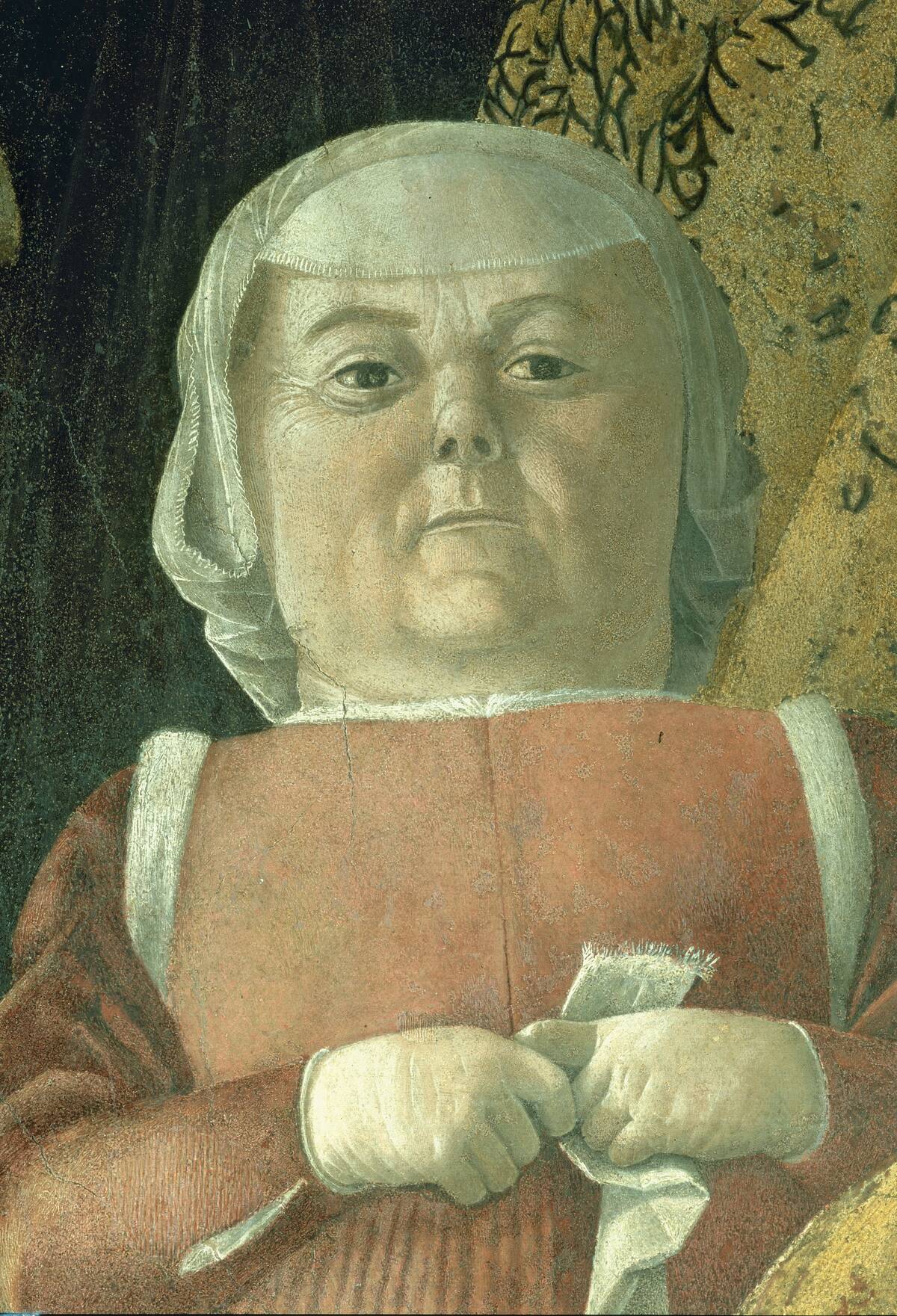
The bond between a courtesan and her patron was complex and multifaceted. Noblemen provided the financial support and protection a courtesan needed to maintain her lifestyle. In return, courtesans offered companionship, intellect, and sometimes even political counsel.
These relationships were often long-lasting and could elevate a courtesan’s social standing. However, the dynamic was delicate, requiring careful navigation to balance affection and independence.
Fashion Icons: Setting Trends in Renaissance Europe
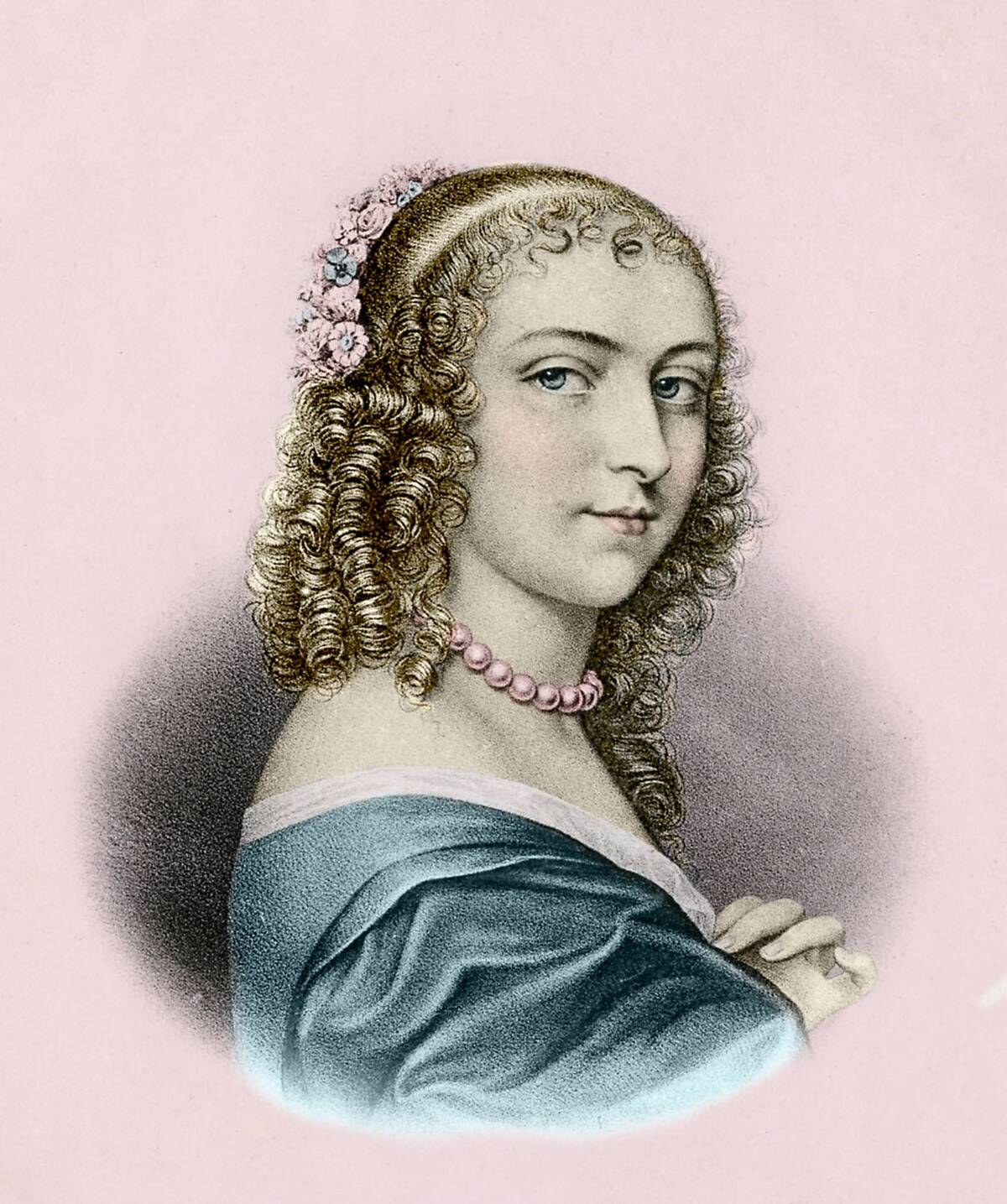
Courtesans were the fashion icons of their time, often setting trends that swept across Europe. Their attire was a blend of elegance and extravagance, influencing both the nobility and the emerging bourgeoisie.
They were known for their daring styles and bold choices, pushing the boundaries of contemporary fashion. By doing so, they shaped the aesthetics of the Renaissance, leaving a lasting impact on the world of style.
Educated and Articulate: The Intellectual Pursuits of Courtesans

Education was a cornerstone of a courtesan’s allure. Many were well-versed in literature, languages, and the arts, often surpassing their noble counterparts in these areas.
Their intellectual pursuits weren’t just for show; they were essential to their role as companions to the elite. This education allowed them to engage in high-level discourse, making them valuable partners in both social and intimate settings.
The Rivalry with Noblewomen and Their Influence in Court
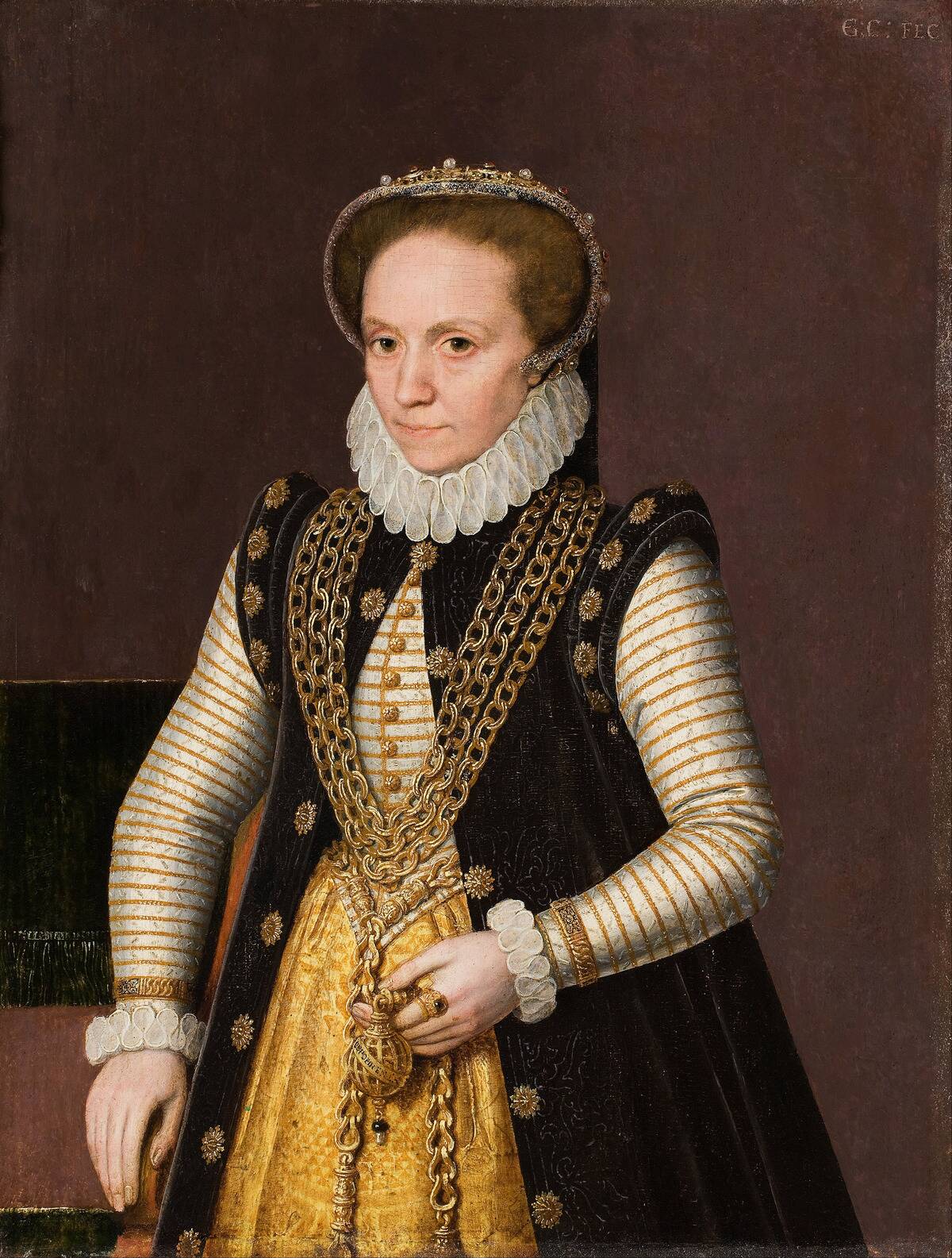
Courtesans often found themselves at odds with noblewomen, who viewed them as both rivals and threats. This rivalry stemmed from the influence courtesans wielded in court, sometimes surpassing that of noblewomen.
Despite this tension, courtesans were able to carve out a niche for themselves, using their charm and wit to navigate these complex social dynamics. Their ability to influence decisions made them indispensable allies and formidable adversaries.
Navigating Scandal and Reputation
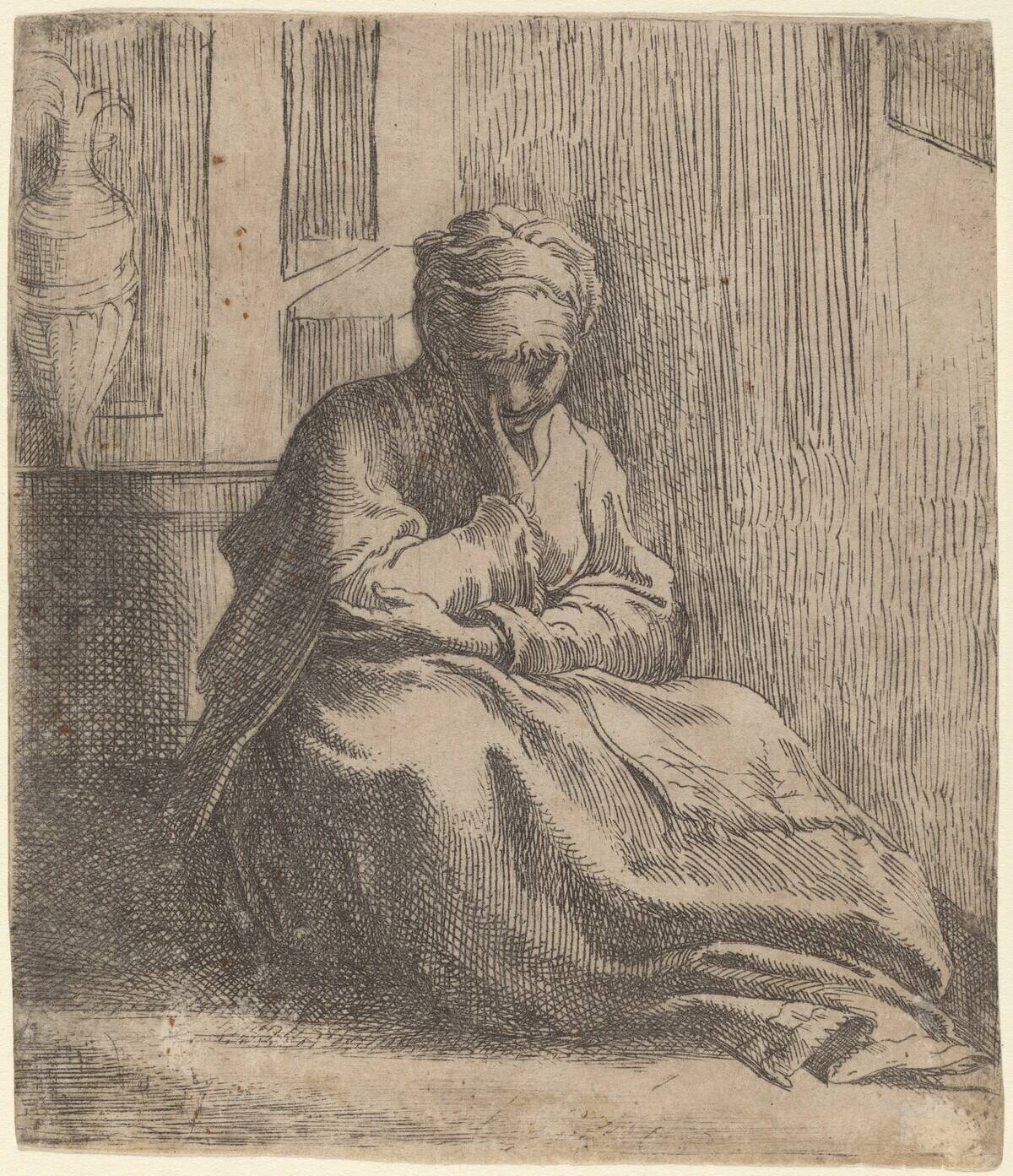
Courtesans lived in a world where scandal was never far away. Reputation was everything, and a courtesan had to be adept at managing hers. Rumors and gossip could quickly tarnish their standing, so discretion and savvy were essential.
Despite the constant threat of scandal, many courtesans managed to maintain their allure and status, using their intelligence and charm to turn potential negatives into opportunities for reinvention.
Famous Courtesans Who Shaped History
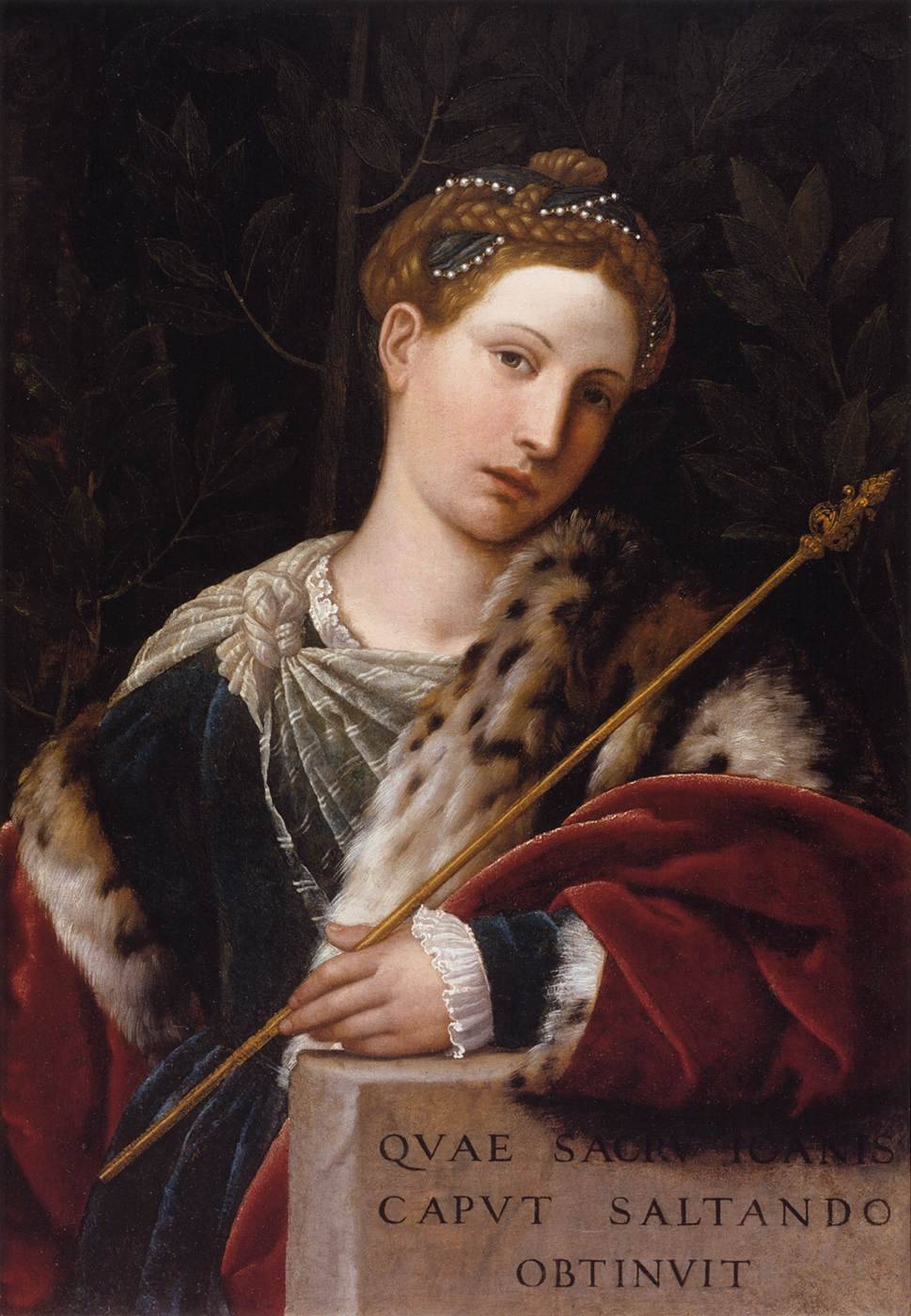
History is peppered with the stories of courtesans who left their mark. Veronica Franco, for instance, was a celebrated poet and intellectual in Venice. Her wit and talent earned her a place in literary circles and the courts of Europe.
Similarly, Tullia d’Aragona (pictured) was known not only for her beauty but also for her philosophical writings. These women, among others, used their positions to influence art, politics, and culture.
The Role of Art and Music in the Lives of Courtesans
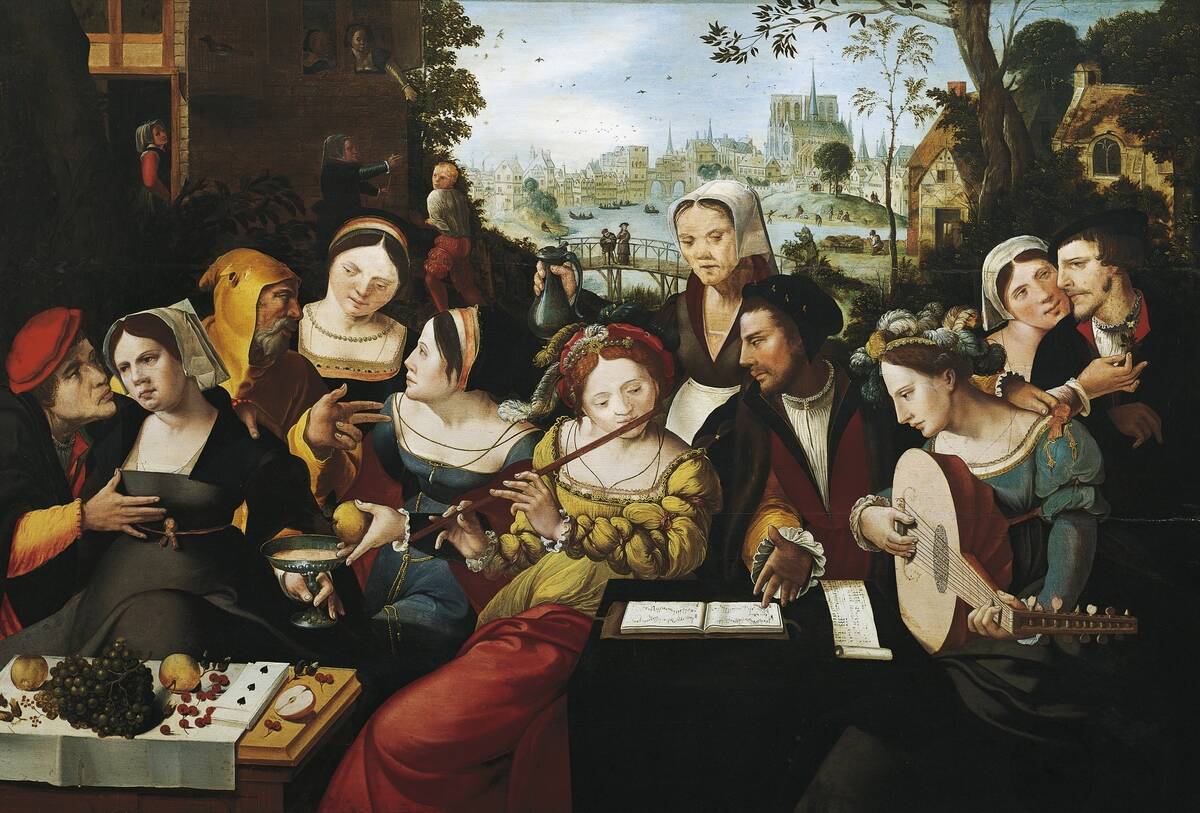
Art and music played significant roles in the lives of courtesans. Many were patrons of the arts, supporting musicians and painters who added to their allure.
Music was a staple of their salons, where they hosted gatherings that blended entertainment with intellectual discourse. Courtesans themselves often possessed musical talents, using them to enchant their guests. This fusion of art and music was integral to their identity and societal role.
The Influence of Courtesans on Literature and Theatre
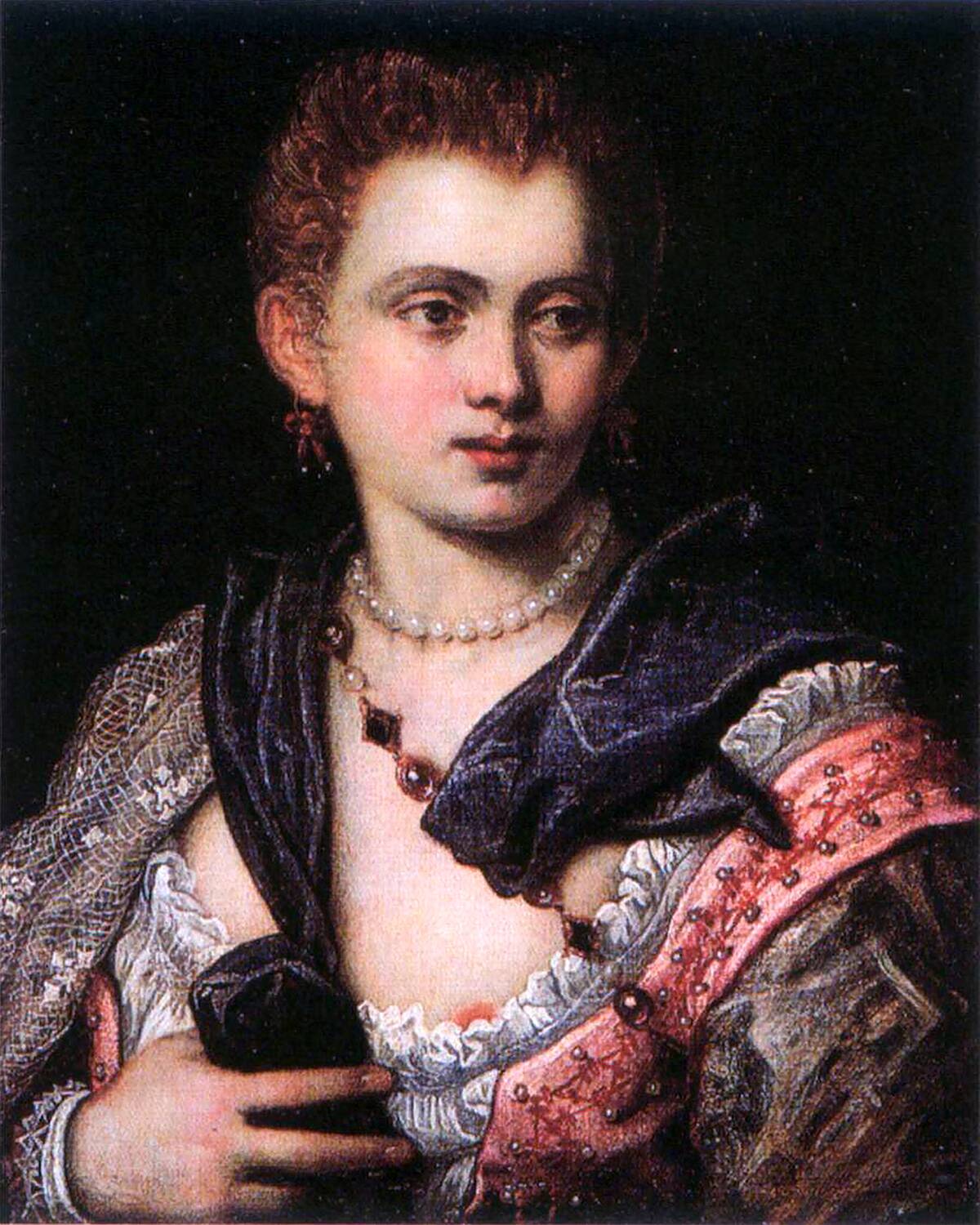
Courtesans were not only muses but also contributors to literature and theatre. Their lives and experiences inspired countless works, from poetry to plays. Some courtesans, like the aforementioned Veronica Franco (pictured), were writers themselves, using their literary talents to capture the complexities of their existence.
Their influence extended to the theatre, where they were depicted as both heroines and cautionary figures, reflecting society’s fascination with their world.
The Decline of Courtesans: Changing Times and Morals
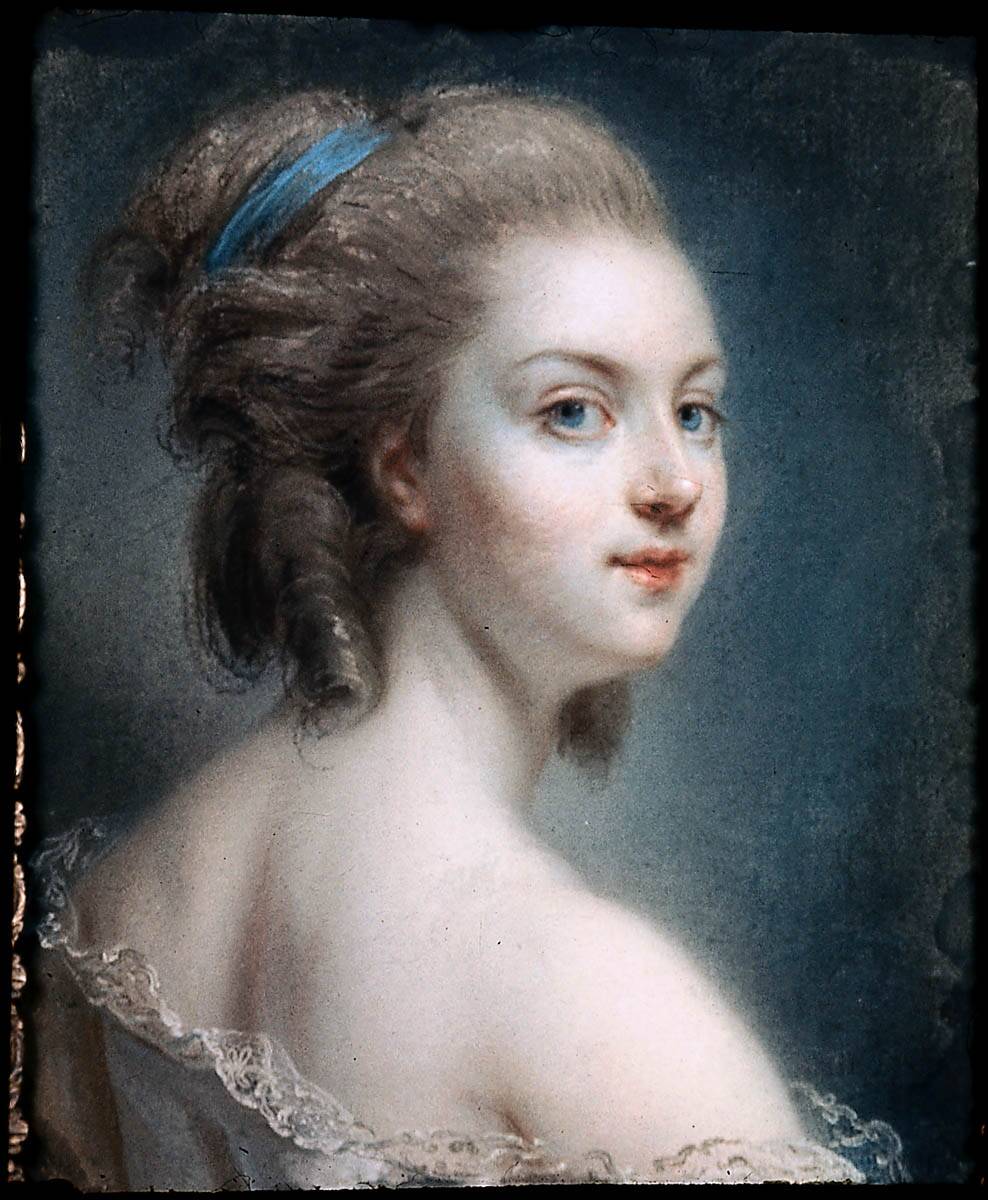
The decline of courtesans was brought about by shifting societal norms and moral attitudes. The rise of the bourgeoisie and stricter social codes led to a decrease in their influence.
As society’s focus turned to respectability and traditional values, the courtesan’s role as a cultural and social icon diminished. Despite their decline, the legacy of these women as pioneers of female agency and influence endures, marking an important chapter in history.
Legacy and Cultural Impact of Renaissance Courtesans
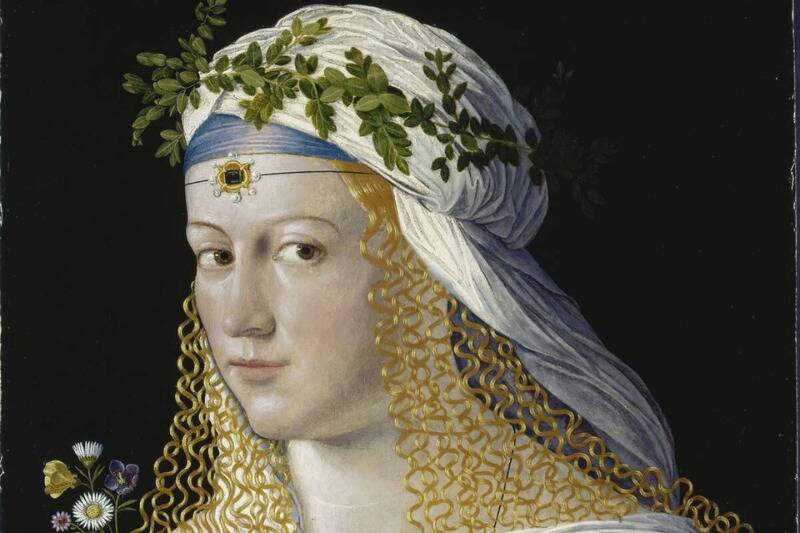
The legacy of Renaissance courtesans is one of cultural impact and empowerment. They challenged societal norms, carving out roles that defied conventional expectations of women.
Their influence on art, fashion, and society is still felt today, as they paved the way for future generations to assert their agency. These women, with their wit, charm, and intelligence, left an indelible mark on history, reminding us of the power of individuality and resilience.




