Sacred plants that determined the fate of ancient cities
Throughout history, certain plants have been revered for their mystical properties and cultural significance. These sacred plants have played pivotal roles in the rituals and daily lives of ancient civilizations.
Whether used in religious ceremonies or as symbols of peace, these botanicals have left an indelible mark on human history. Join us as we explore the fascinating world of sacred plants and their impact on societies across the globe.
Ancient Cities and Their Botanical Guardians

Many ancient cities were closely linked with specific plants, which they considered protectors or symbols of their identity. For instance, the city of Athens was famously associated with the olive tree, believed to have been gifted by the goddess Athena.
The tree represented wisdom and prosperity, and its presence in the city was a source of pride. Similarly, the cedar trees of Lebanon were emblematic for the Phoenician cities, signifying strength and endurance.
The Power of Sacred Groves in Ancient Civilizations

Sacred groves were more than just clusters of trees; they were sanctuaries where ancient peoples believed gods and spirits resided. These groves were often sites of worship and community gatherings.
In ancient Greece, for example, the sacred grove at Olympia was dedicated to the god Zeus and was a central part of the Olympic Games. Such groves provided a natural setting for rituals and were protected from deforestation as a mark of reverence.
Olive Trees: The Symbol of Peace and Prosperity in Athens
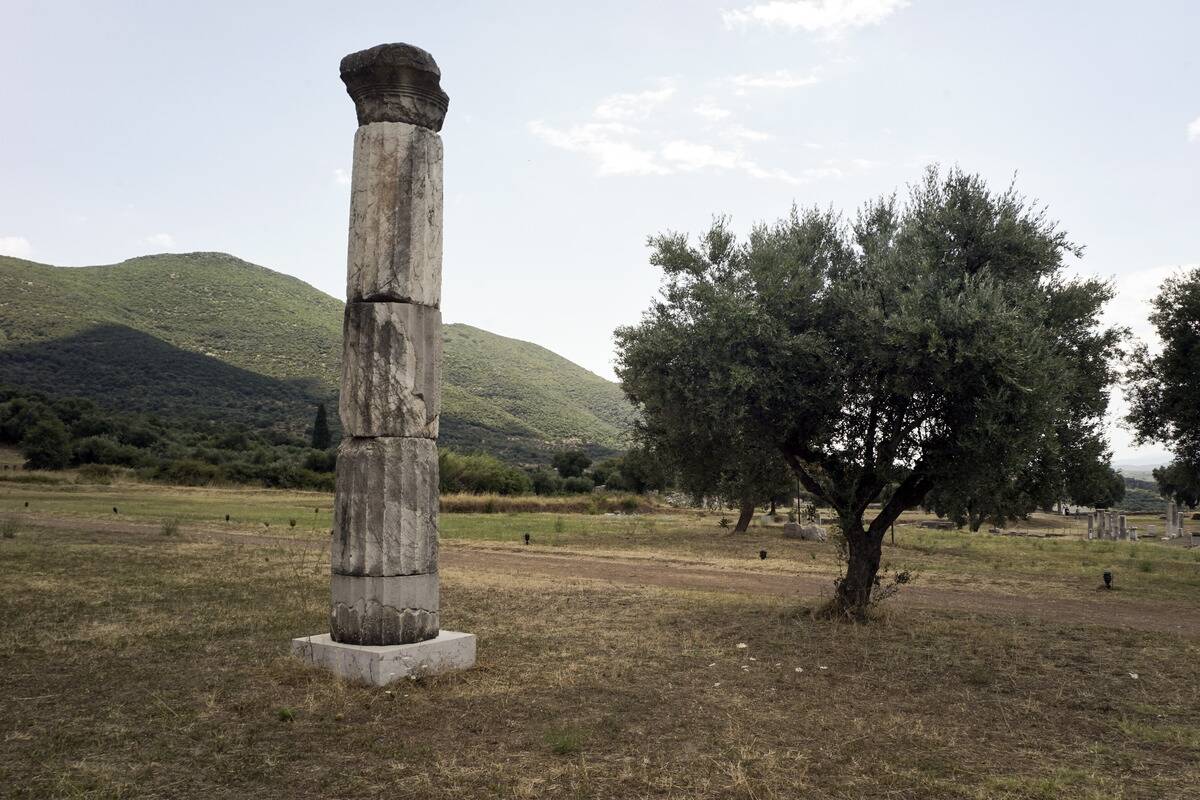
The olive tree is a timeless symbol of peace and prosperity, particularly in Athens, where it was believed to be a divine gift from Athena. The olive branch, used as a crown for victors in the Panathenaic Games, further cemented its status as a symbol of victory and honor.
The cultivation of olives was a major economic activity, providing olive oil that was essential in trade, cuisine, and religious ceremonies across the Mediterranean.
The Mysterious Soma Plant in Ancient Indian Lore
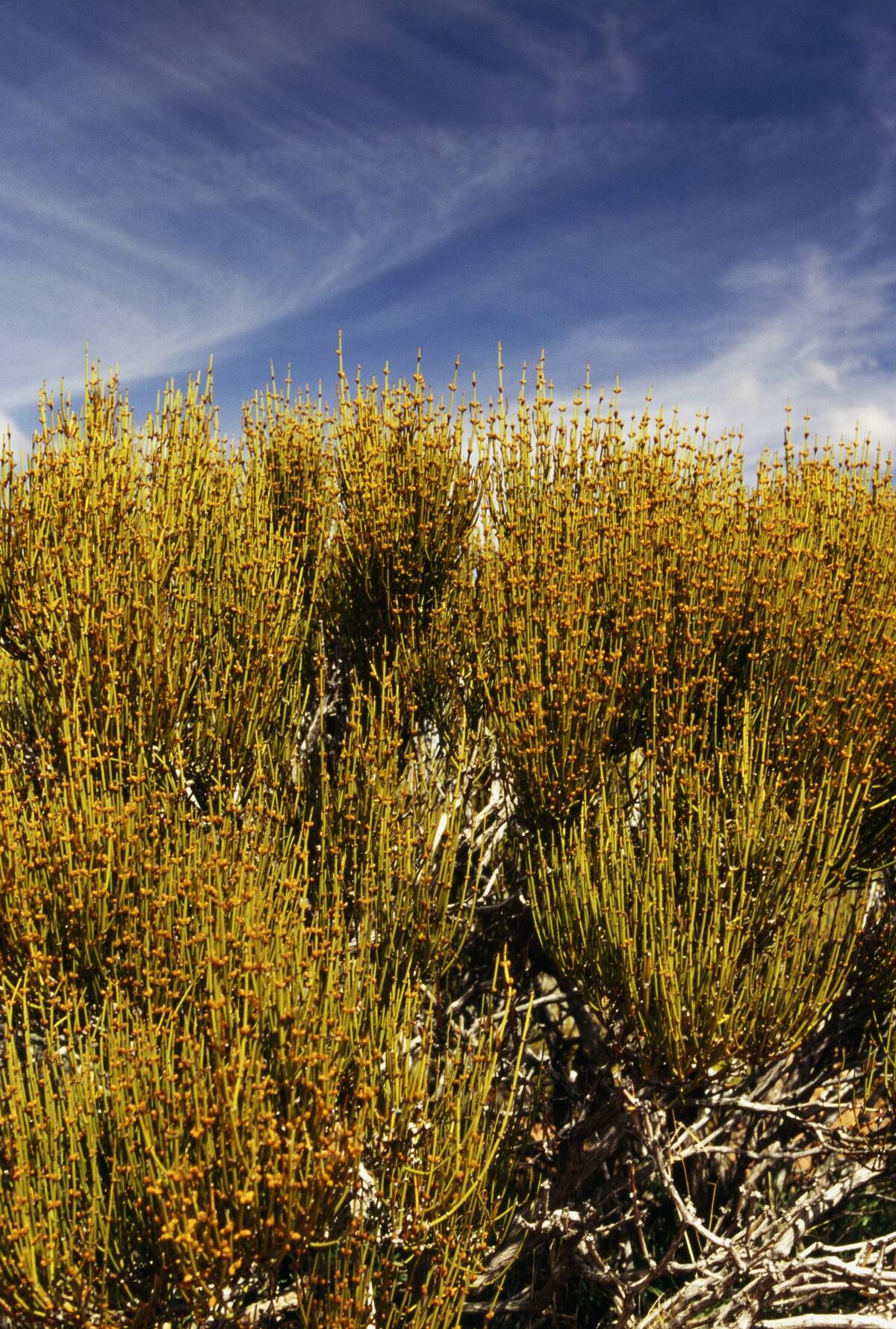
In ancient Indian texts, Soma is described as a sacred plant that was central to Vedic rituals. The juice extracted from Soma was consumed by priests during ceremonies to gain divine insight and spiritual ecstasy.
Although the exact identity of the Soma plant remains a mystery, it is often associated with the ephedra plant. Its significance is highlighted in the Rigveda, where it is celebrated as a source of immortality and divine inspiration.
The Role of Papyrus in the Rise of Egyptian Civilization
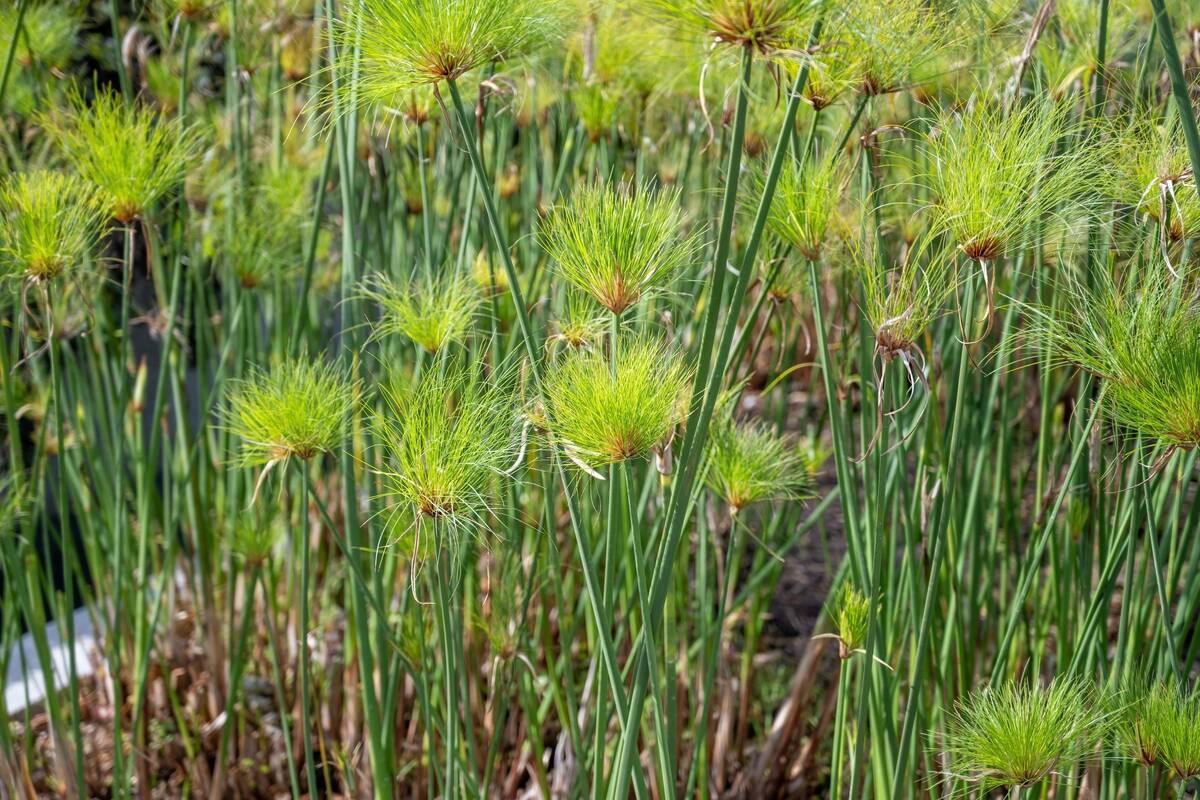
Papyrus was more than just a plant in ancient Egypt; it was a cornerstone of Egyptian civilization. Used to make paper, papyrus allowed for the recording of religious texts, administrative documents, and literature, facilitating the spread of knowledge.
This aquatic plant, found along the Nile, was also employed in the construction of boats and mats, showcasing its versatility. The symbol of papyrus in hieroglyphics represented Lower Egypt and was often depicted in art and architecture.
Silphium: The Lost Treasure of Cyrene
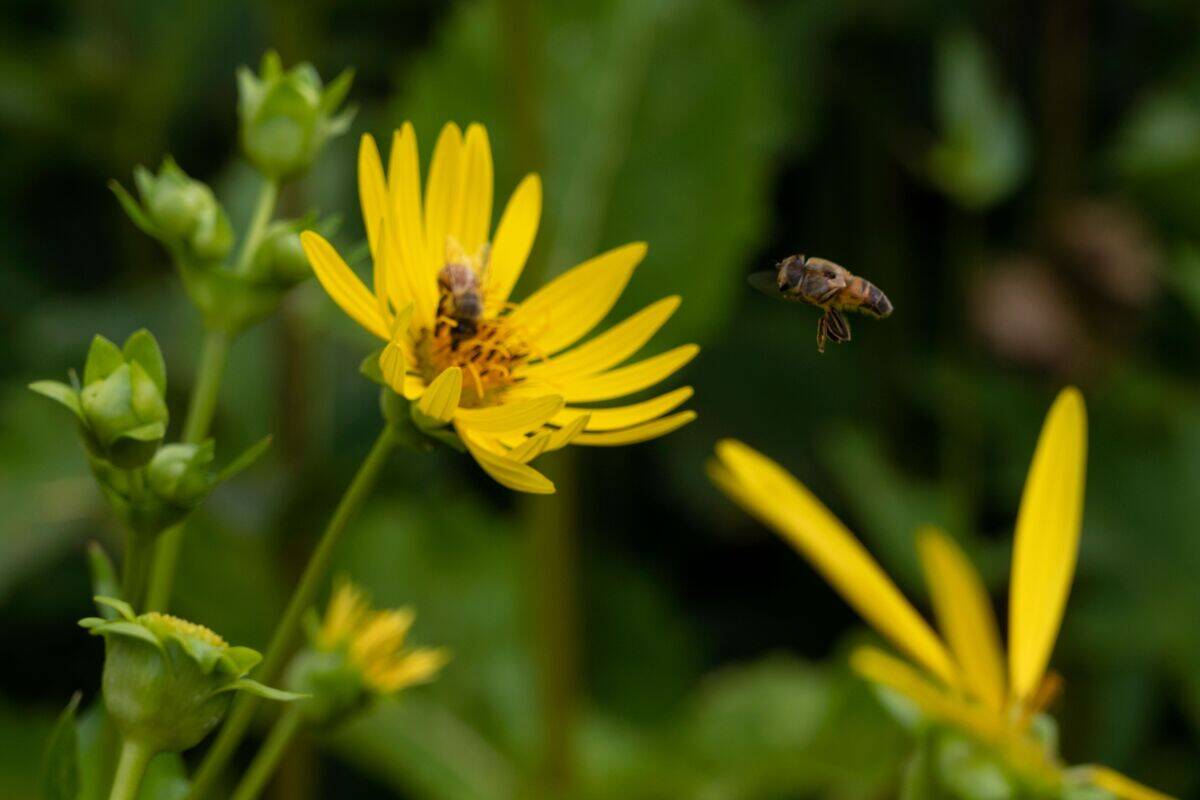
Silphium was a highly valued plant in ancient Cyrene, known for its medicinal properties and culinary uses. So prized was this plant that it featured on Cyrene’s coinage as a symbol of the city’s wealth.
Despite its popularity, silphium was harvested to extinction, and its exact botanical identity remains unknown. Ancient texts describe it as a cure-all, and it was used as a seasoning and in perfumes, highlighting its multifaceted importance.
The Influence of the Cedar of Lebanon on Phoenician Cities
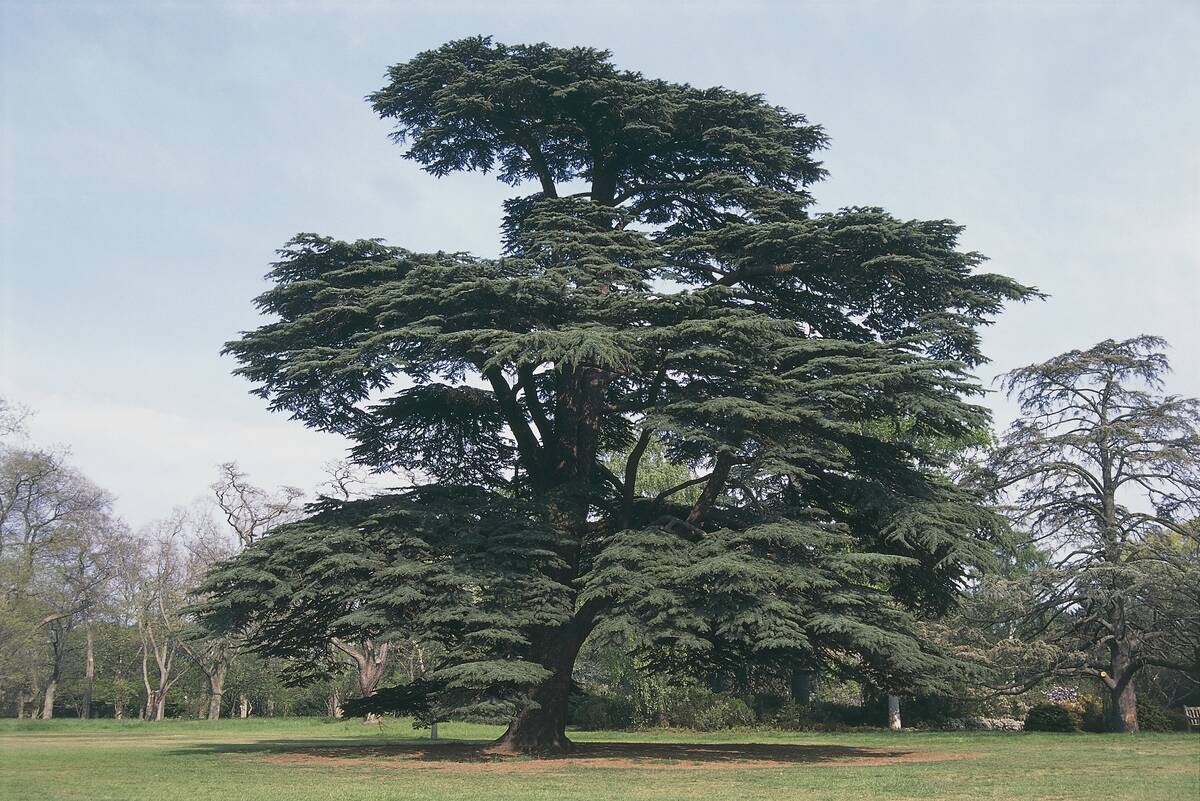
The cedar of Lebanon was highly esteemed in the ancient world for its quality timber and aromatic wood. Phoenician cities, such as Byblos and Tyre, thrived on the trade of cedar, which was used in shipbuilding and temple construction.
The trees were considered sacred, often associated with the god Melqart, and their wood was used in the construction of the Temple of Solomon. The cedar’s significance is still evident today, as it remains a symbol of Lebanon.
The Enigmatic Mandrake Root in Biblical Times
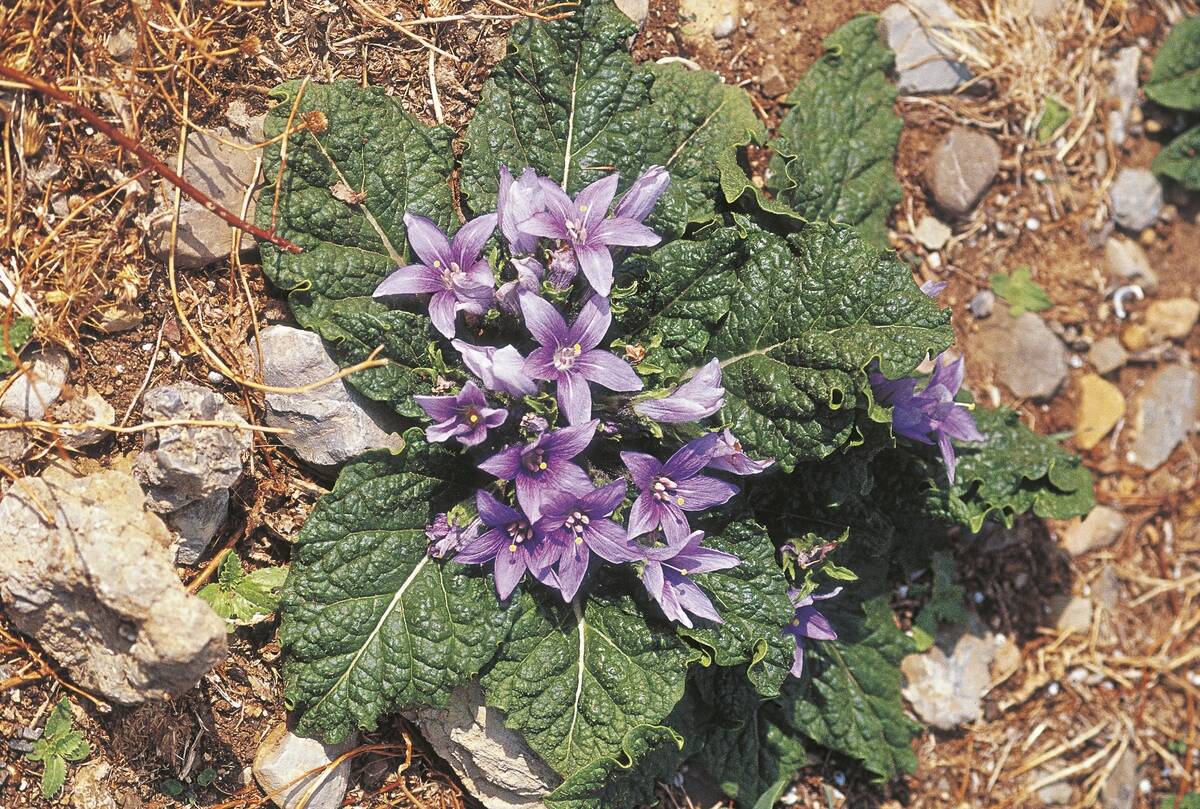
The mandrake root holds a mysterious and somewhat ominous place in biblical lore. Known for its human-like shape and hallucinogenic properties, it was believed to possess magical powers.
In the Bible, mandrakes are mentioned in the story of Rachel and Leah, where they are associated with fertility. The root was used in various potions and rituals, and its lore spread throughout Europe, where it became a staple in medieval witchcraft and herbal medicine.
Cacao: The Divine Food of the Gods in Mesoamerica
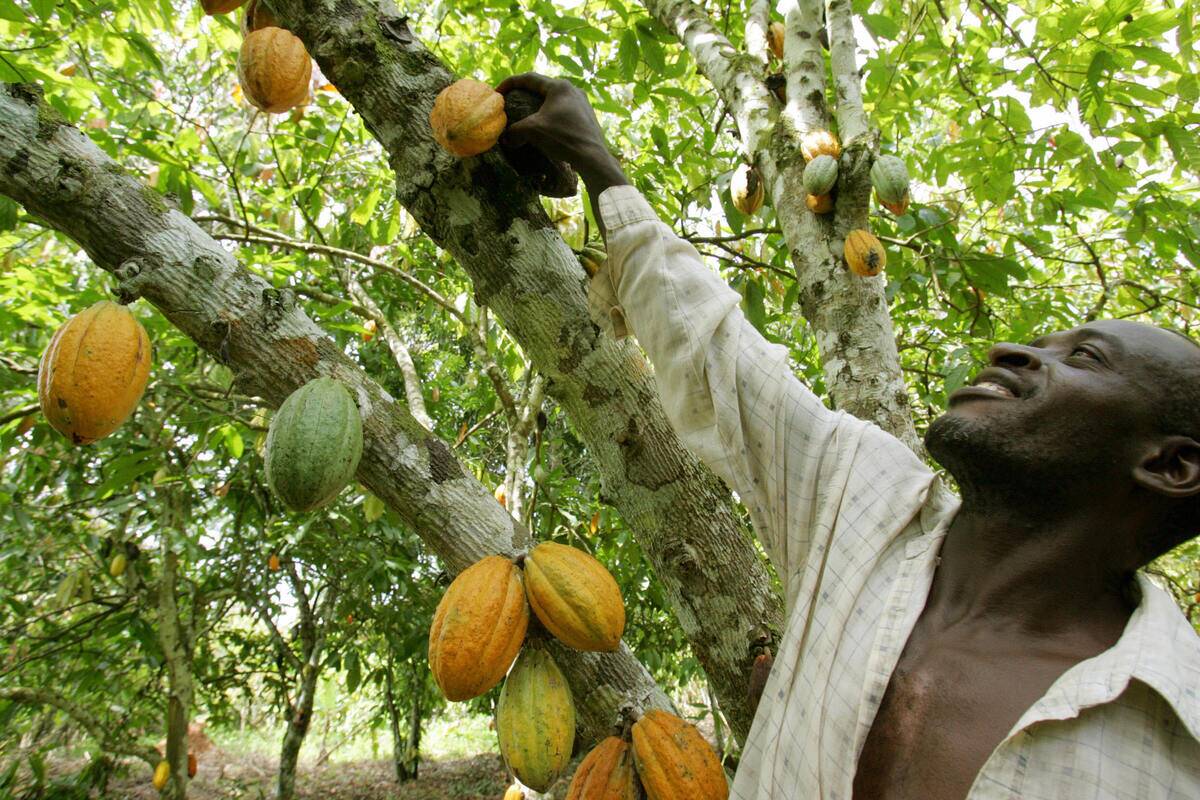
In Mesoamerican cultures, cacao was considered a divine gift, often referred to as the ‘food of the gods.’ The Mayans and Aztecs used cacao beans as currency and in religious rituals, believing it to have magical properties.
The cacao drink, often spiced with chili and vanilla, was consumed by elites during ceremonies. Its importance is reflected in Maya and Aztec art, where cacao pods are depicted as offerings to the gods, underscoring its spiritual significance.
The Sacred Lotus in Ancient Asian Cultures

The lotus flower holds profound spiritual significance in ancient Asian cultures, particularly in Hinduism and Buddhism. Representing purity and enlightenment, the lotus is often depicted in religious art, symbolizing the journey of the soul.
In Egypt, the lotus was associated with the sun god, symbolizing creation and rebirth. Its ability to emerge pristine from muddy waters made it a powerful metaphor for spiritual awakening, and it remains an enduring emblem of serenity and beauty.
Frankincense: The Aromatic Wealth of Arabia
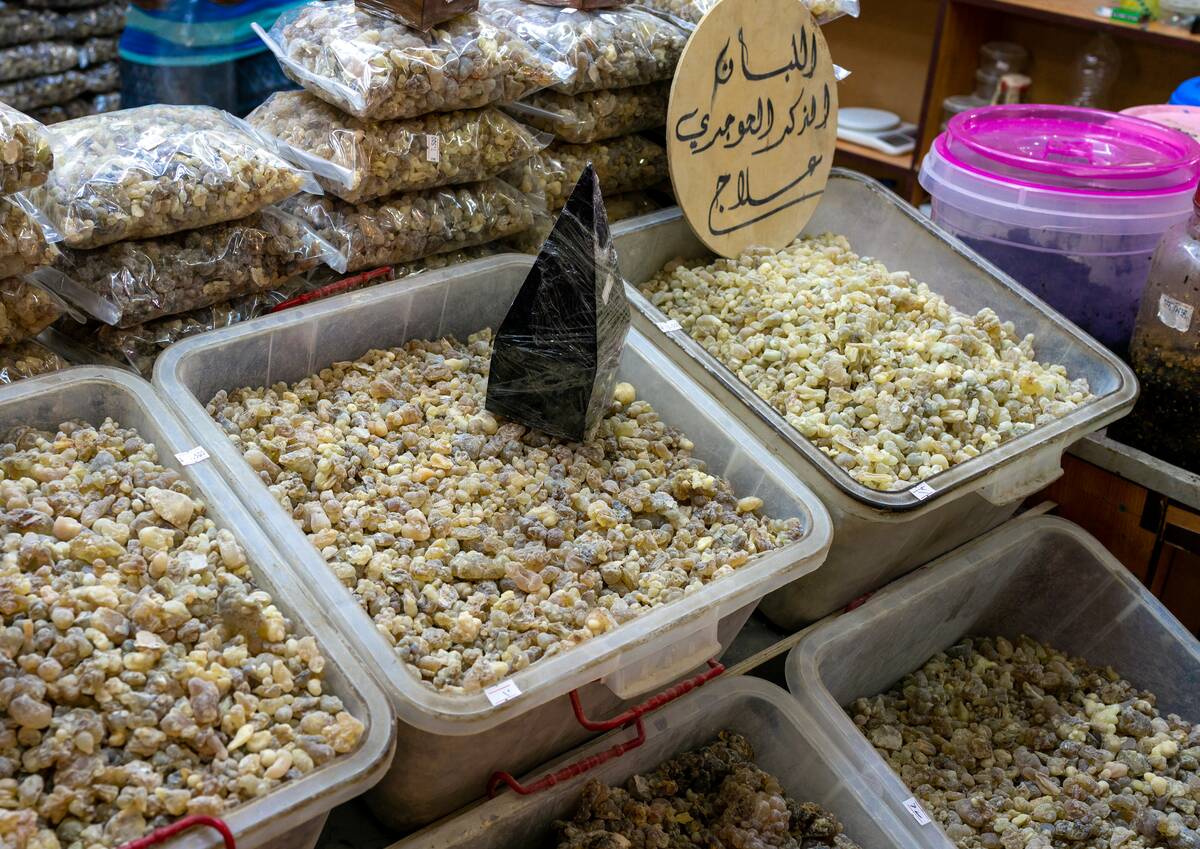
Frankincense was a highly sought-after commodity in the ancient world, known for its aromatic and medicinal properties. Harvested from the Boswellia tree in Arabia, it was used in religious rituals, embalming, and as a luxury perfume.
The incense was considered a gift fit for kings and deities, famously presented to the infant Jesus by the Magi. Its trade routes spanned the Middle East and beyond, making it a significant economic driver in ancient Arabian societies.
The Ritualistic Importance of Tobacco in Native American Tribes
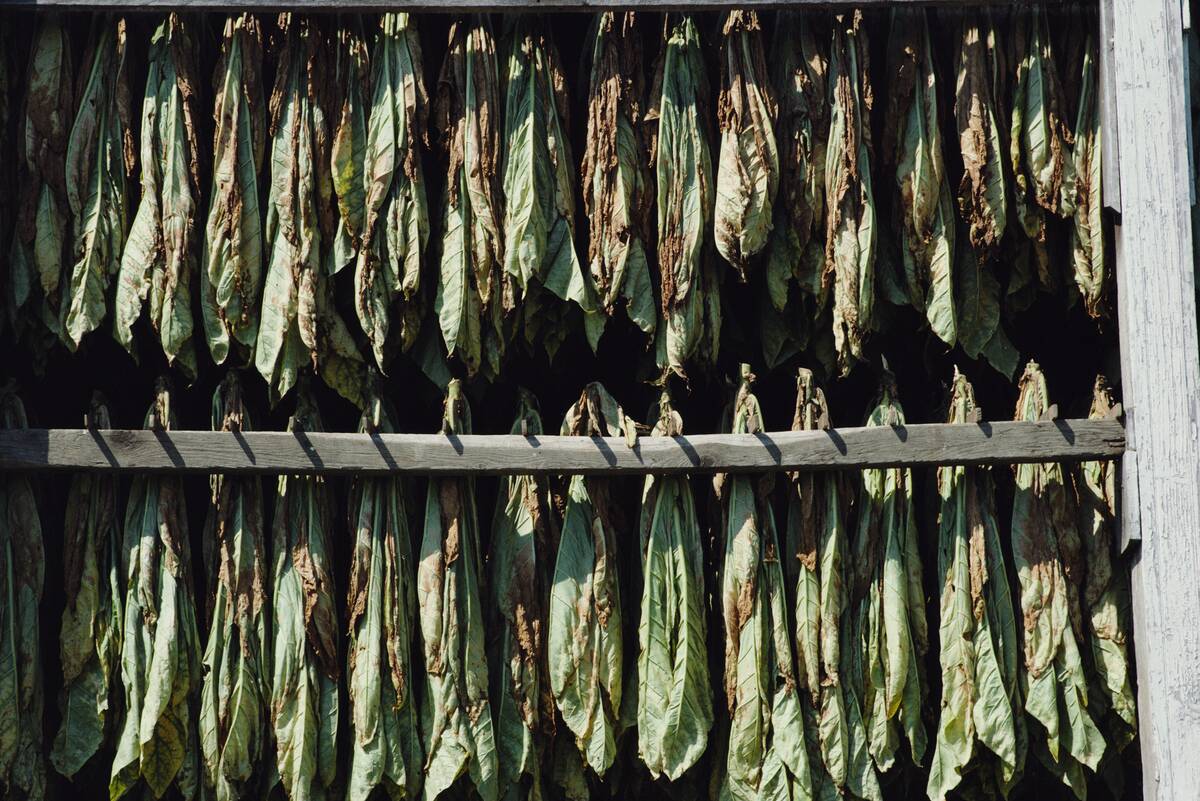
Tobacco played a vital role in the spiritual and social practices of Native American tribes. Used in ceremonies, tobacco was believed to be a sacred plant that facilitated communication with the spirit world.
It was often smoked in peace pipes during treaty negotiations and important gatherings. Tribes such as the Iroquois and Lakota considered tobacco as an offering to the Creator, and its use was deeply embedded in their cultural traditions and rituals.
The Resilient Baobab: Africa’s Tree of Life

The baobab, often referred to as Africa’s ‘Tree of Life,’ is celebrated for its resilience and myriad uses. Found across the African savannah, the baobab can store large amounts of water in its trunk, making it a vital resource in arid regions.
Its fruit is rich in vitamin C, while its bark is used for making rope and cloth. The baobab has cultural significance as well, featuring prominently in African folklore as a symbol of wisdom and longevity.
The Role of Rice in Shaping Asian Dynasties
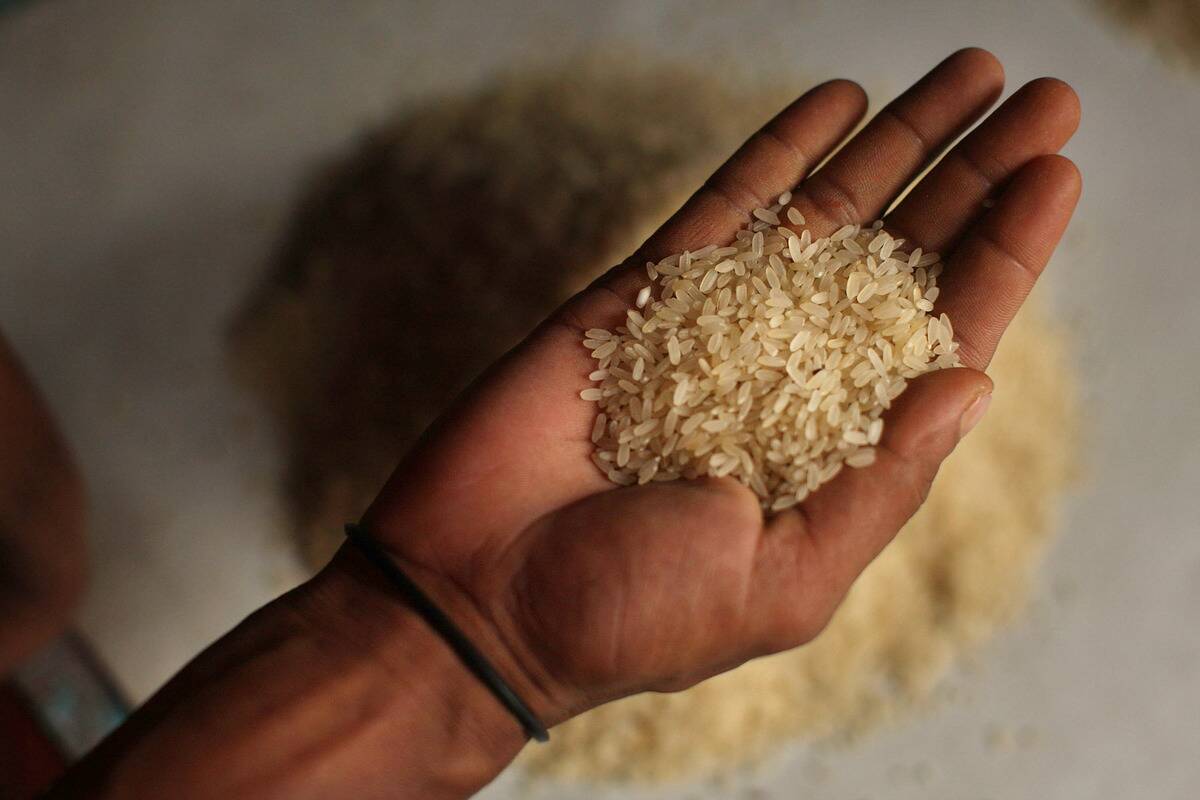
Rice has been a foundational crop in Asia for millennia, shaping the social and economic structures of great dynasties. In countries like China and Japan, rice was more than sustenance; it was a symbol of life and prosperity.
The agricultural techniques developed to cultivate rice led to innovations in water management, supporting population growth and urbanization. Rice festivals celebrated the harvest, underscoring the crop’s integral role in the spiritual and cultural life of Asian societies.
The Consecrated Yew Trees of Celtic Tribes
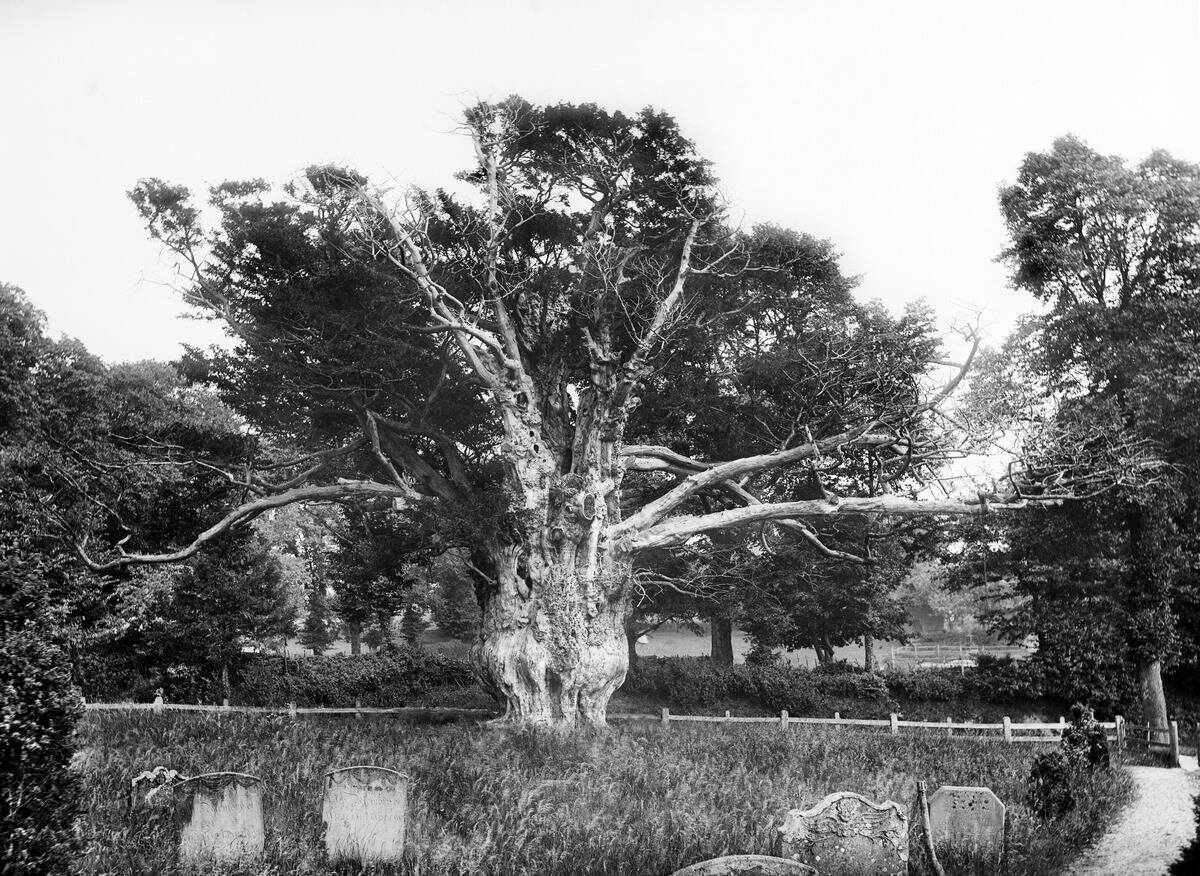
Yew trees were held in high esteem by Celtic tribes, often considered sacred and imbued with mystical properties. Known for their longevity and ability to regenerate, yews were planted near sacred sites and burial grounds.
The Celts believed these trees connected the physical and spiritual worlds, offering protection and wisdom. Yew wood was used to craft longbows, symbolizing strength and resilience. The tree’s enduring presence in ancient sites highlights its spiritual and cultural significance.
The Spiritual Connection of the Druids with the Oak Tree

The Druids, the priestly class of the ancient Celts, revered the oak tree as a symbol of strength and endurance. Oaks were seen as sacred groves where Druids conducted rituals and made important decisions.
The word ‘Druid’ itself is thought to be derived from a Celtic term meaning ‘oak knower.’ Acorns, the fruit of the oak, were believed to hold magical properties, and the tree’s prominence in Druidic rituals underscores its central place in Celtic spirituality.




