Rulers who tried to eliminate entire languages by law
Language is a fundamental element of cultural identity and personal expression, but throughout history, rulers have often suppressed languages to consolidate power.
By controlling the language spoken by the masses, leaders could unify their domains under a single culture or reduce the influence of perceived adversaries. This practice of language suppression has left an indelible mark on societies, influencing cultural dynamics even today.
King Henry VIII and the Suppression of Welsh
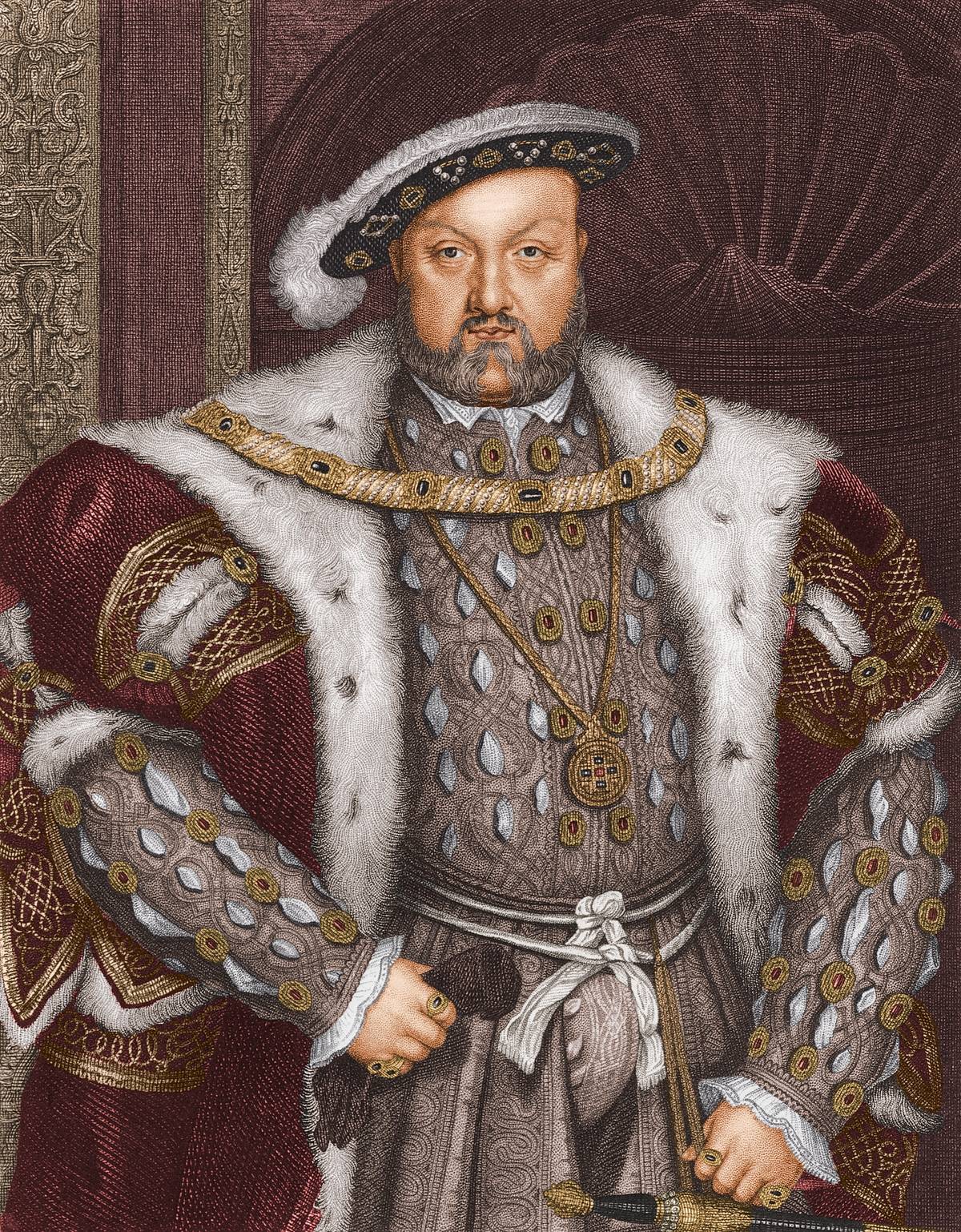
Although Edward I began the suppression of Welsh culture with his invasion of Wales in 1282 and his subsequent annexation of the land through the Statute of Rhuddlan, it wasn’t until centuries later that the British crown formally tried to eliminate the language.
Although Henry Tudor was of Welsh descent when he secured the throne in 1485, that didn’t stop his son, Henry VIII, from eliminating the Welsh legal system and banning the Welsh language from any official role or status.
King George II’s Attempt to Eliminate the Irish language
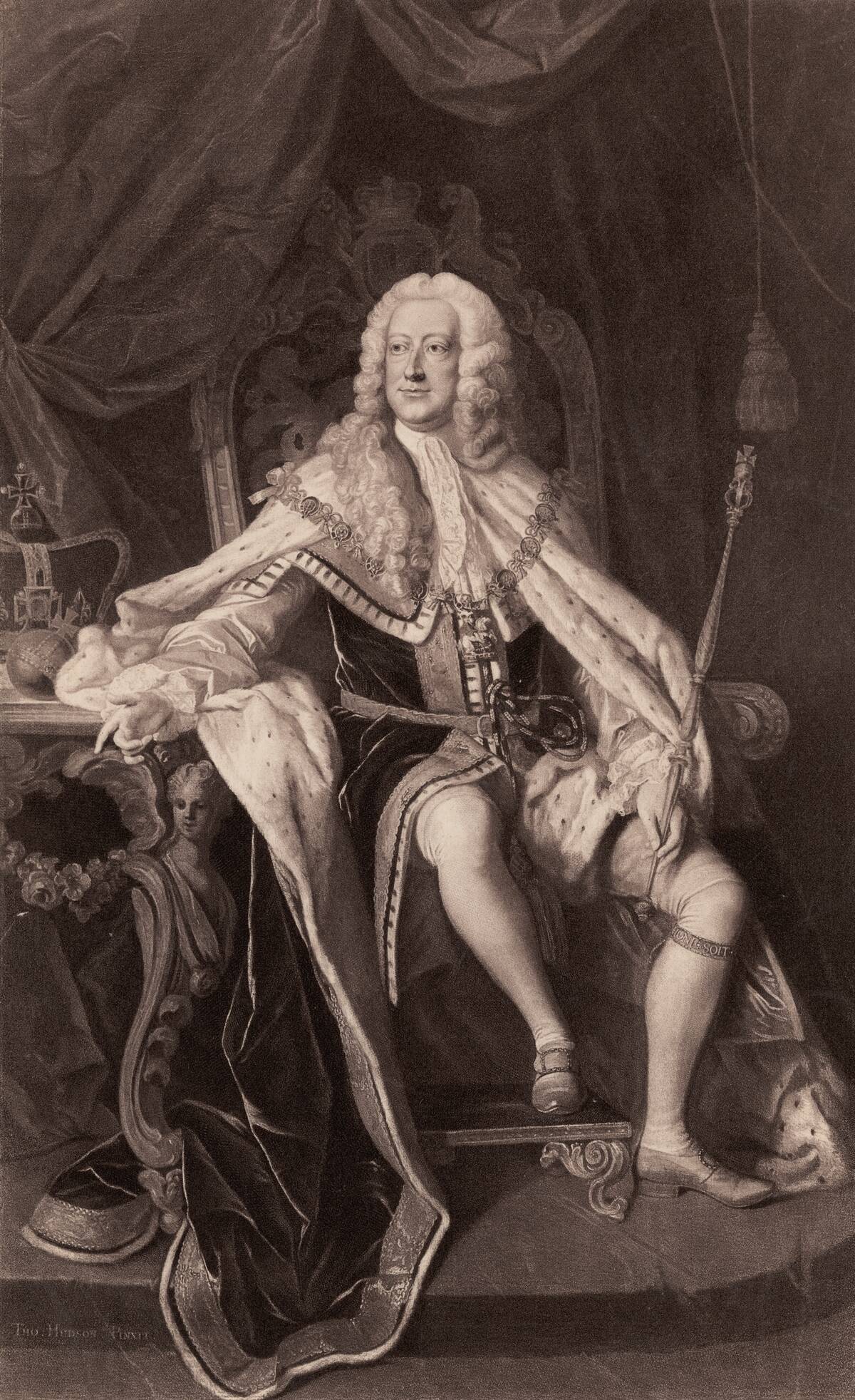
Although Ireland had undergone a confusing web of legal changes imposed by the British government in the period between the dictatorship of Oliver Cromwell and the restoration of the throne, it wasn’t until after this period that an official attempt to ban Gaelic was made.
Instead, this came in 1737, during the reign of George II. Not only was it considered a criminal offense to use the Irish language in court, but this measure wasn’t officially repealed in Northern Ireland until 2025.
Emperor Joseph II and the Germanization of the Habsburg Empire
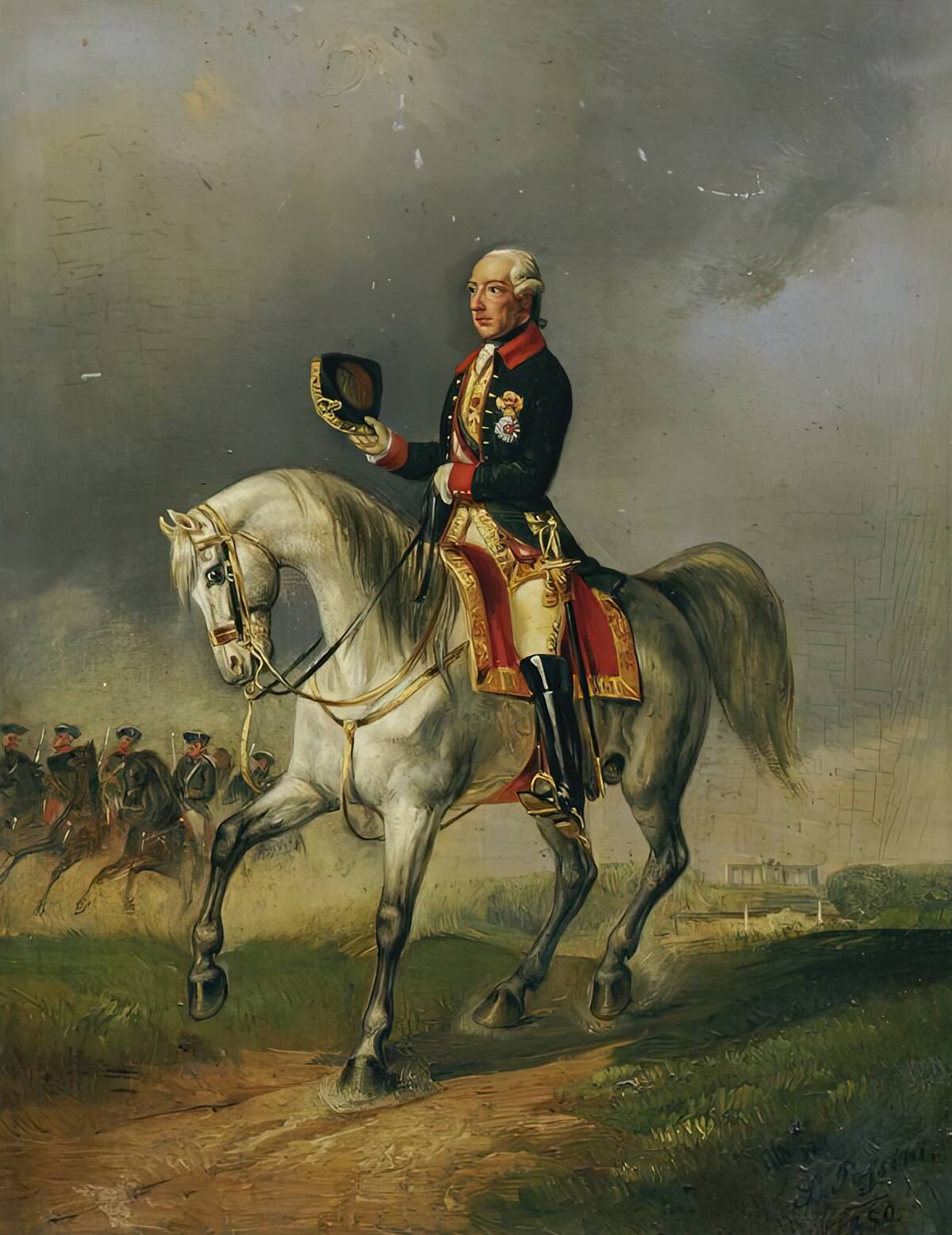
Emperor Joseph II of the Habsburg Empire in the late 18th century embarked on a campaign to Germanize his diverse empire.
By mandating German as the official language of administration and education, he sought to streamline governance and foster unity. However, this policy faced resistance from various ethnic groups within the empire, highlighting the complexities of imposing a single language on a multicultural populace.
The Ottoman Empire’s Linguistic Imposition
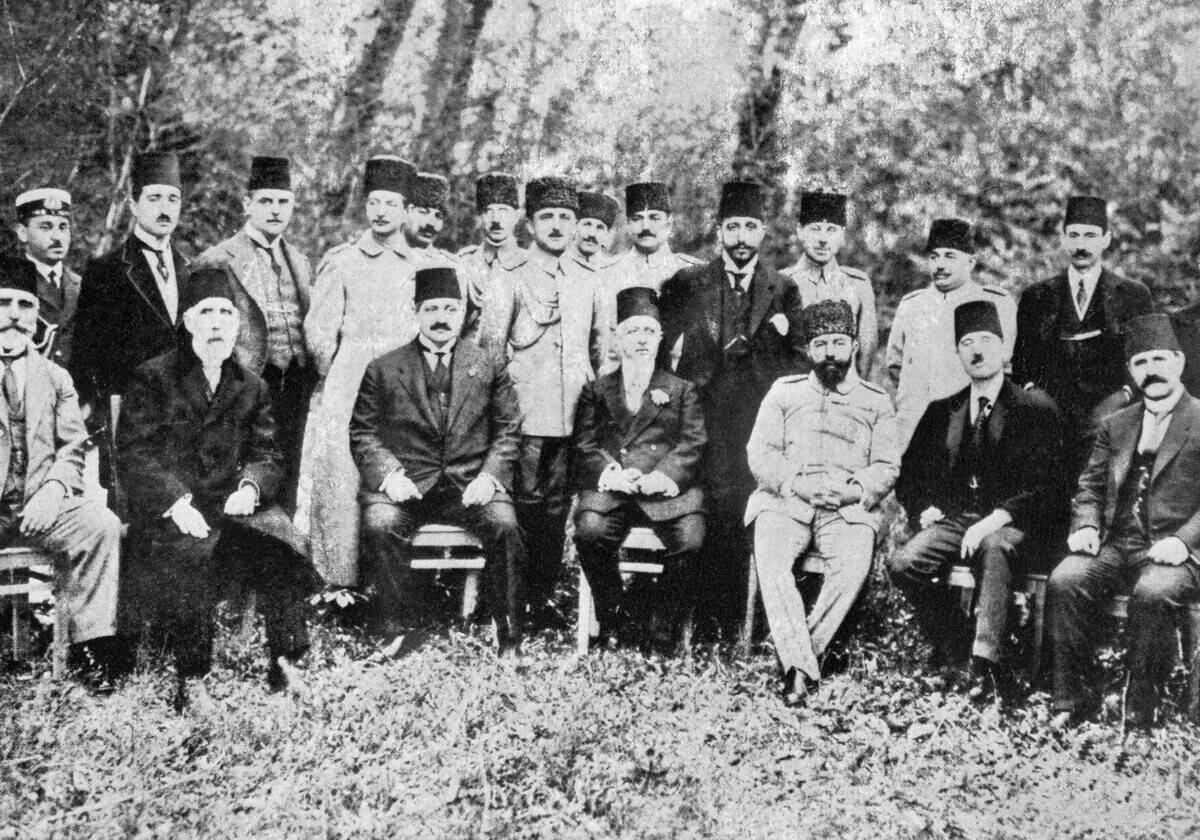
During the late 19th and early 20th centuries, the Ottoman Empire sought to consolidate its power through language policy. The Young Turk government, in particular, emphasized Turkish nationalism and promoted Turkish as the sole language of administration.
This policy aimed to unify the empire but also alienated Arabic-speaking populations, contributing to the rise of Arab nationalism and the eventual fragmentation of the empire.
Franco’s Spain and the Suppression of Catalan and Basque

Under Francisco Franco’s regime from 1939 to 1975, Spain experienced a period of linguistic repression, especially targeting Catalan and Basque.
Franco’s government prohibited the use of these languages in schools, media, and public life, promoting Castilian Spanish as the only official language. This policy aimed to forge a unified national identity but also fueled regional resentment and a resurgence in cultural and linguistic pride following Franco’s death.
The Cultural Revolution’s Impact on Regional Languages in China

The Cultural Revolution in China, from 1966 to 1976, saw a drastic push for linguistic conformity under Mao Zedong’s leadership.
Mandarin was promoted aggressively, and regional languages and dialects were suppressed as part of a broader campaign against “old” cultural elements. The emphasis on Mandarin was intended to foster unity and revolutionary zeal, yet it also led to the loss of linguistic diversity and cultural heritage across China’s vast regions.
Russification Policies under Tsar Alexander III
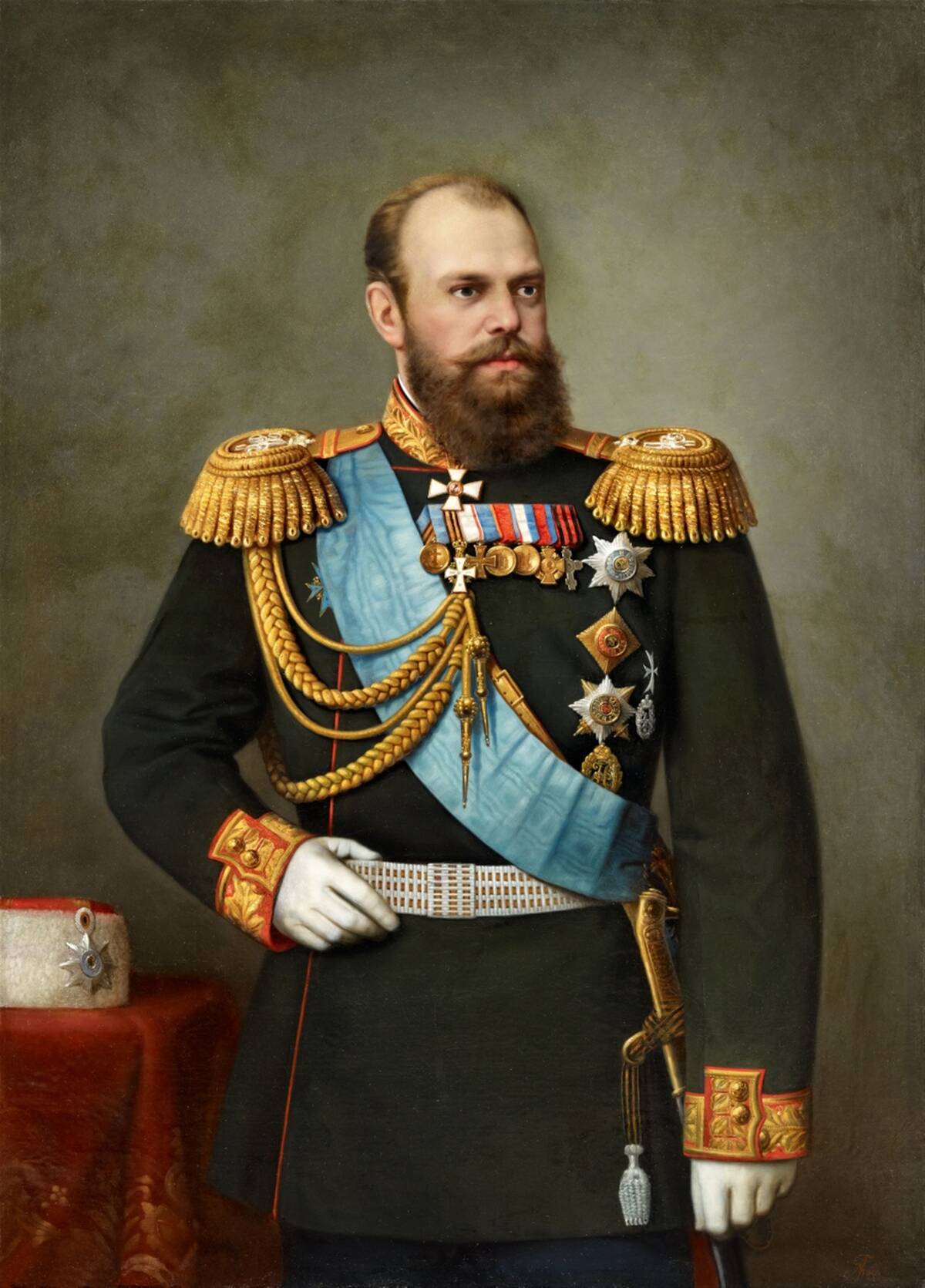
Under Tsar Alexander III, the Russian Empire intensified its Russification efforts in the late 19th century. The policies aimed to assimilate non-Russian communities by promoting the Russian language and culture while suppressing local languages.
This strategy was particularly evident in regions like Poland and Finland, where educational and religious institutions were targeted to enforce the dominance of Russian, leading to cultural tensions and resistance.
The Khmer Rouge’s Eradication of Foreign Languages in Cambodia

The Khmer Rouge regime in Cambodia, led by Pol Pot from 1975 to 1979, sought to eliminate foreign influences, including languages. French, once the language of administration and education, lost its official status, and those fluent in foreign languages were often persecuted.
This linguistic purge and promotion of the Khmer Rouge’s own preferred and partially invented language was part of a larger effort to create a self-reliant, agrarian society, but it resulted in the loss of educational and cultural connections with the wider world.
Turkey’s Language Reforms under Atatürk
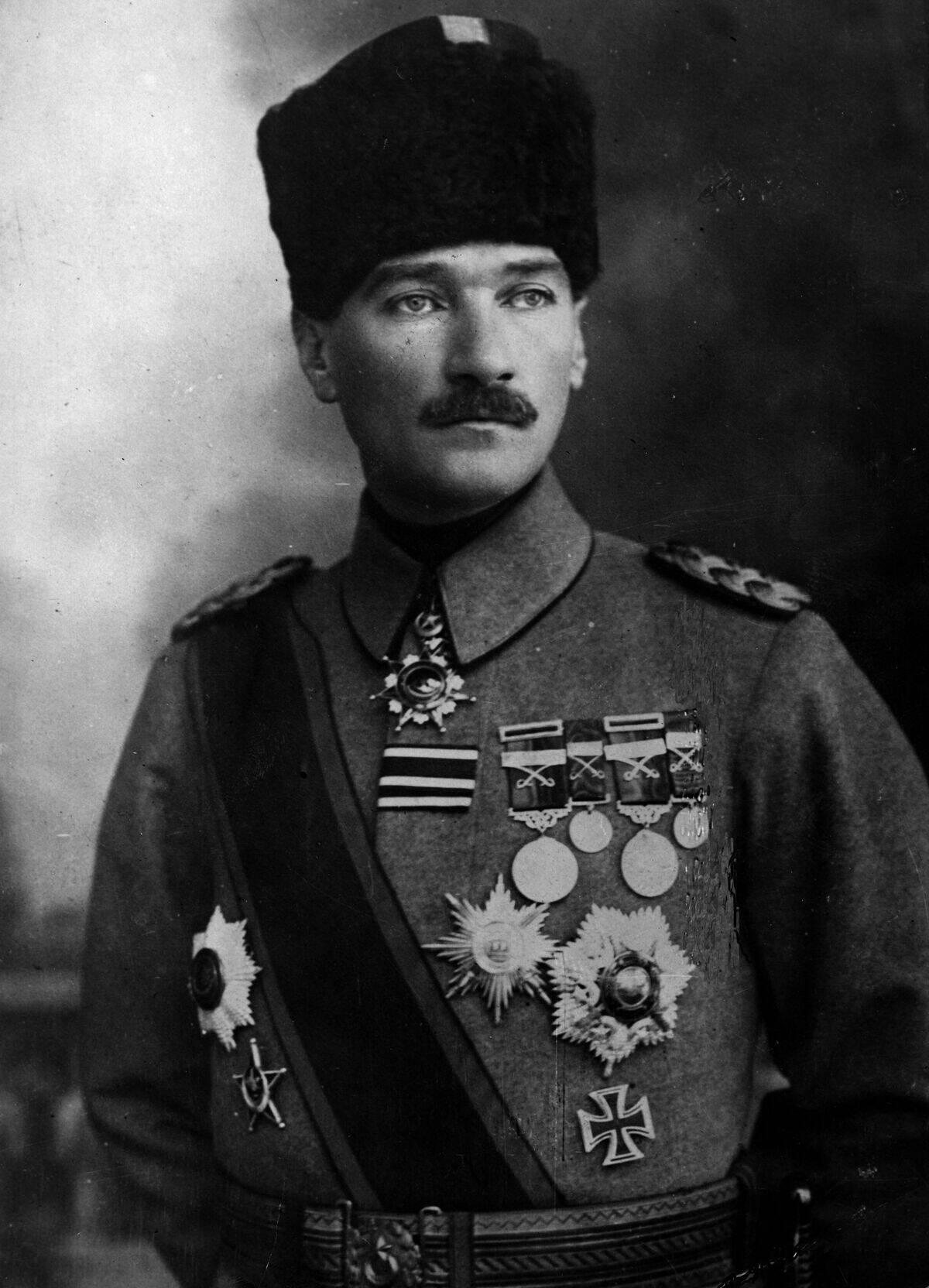
Mustafa Kemal Atatürk’s language reforms in the 1920s and 1930s were aimed at modernizing Turkey and fostering national unity. The introduction of the Latin alphabet replaced the Arabic script, and the promotion of Turkish over minority languages was part of a broader cultural revolution.
While these reforms helped unify the nation and improve literacy, they also marginalized non-Turkish languages, impacting cultural diversity within the country.




