Royal bloodlines ended by strategic marriages
Royal bloodlines and strategic marriages have always been intertwined, shaping the history of nations. These unions were less about love and more about consolidating power, securing alliances, and ensuring the survival of dynasties.
Marriages were meticulously arranged, with young royals often promised to foreign princes or princesses they had never met. The stakes were high, as these unions could determine the fate of entire empires, influencing politics, religion, and succession.
The Role of Marriage in Royal Alliances
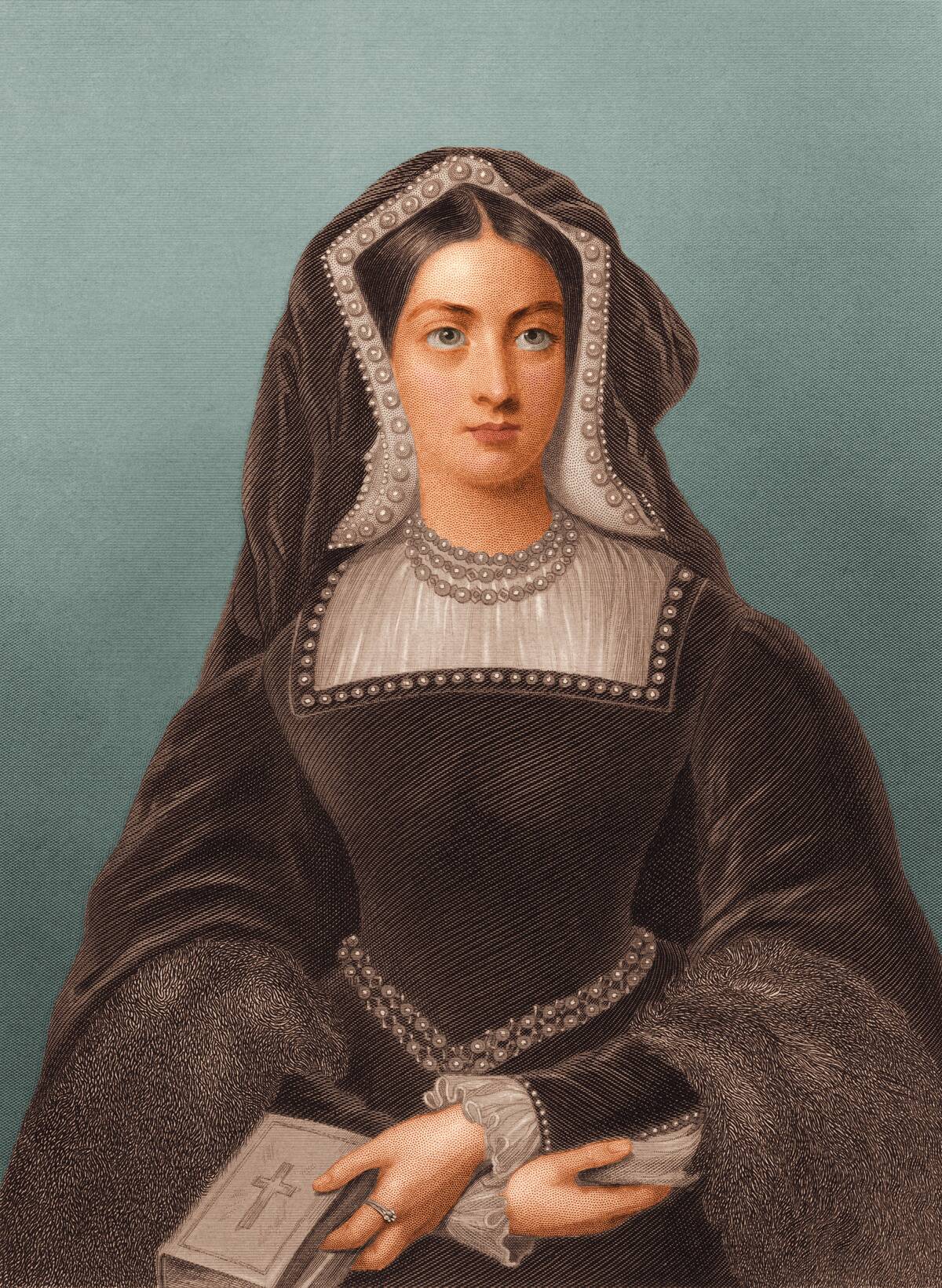
Marriages among royals served as powerful diplomatic tools, binding nations together in peace or stirring tensions when they failed. A classic example is the marriage of Catherine of Aragon to Henry VIII, which initially cemented ties between England and Spain.
However, when the alliance soured, so did the marriage, eventually leading to England’s break from the Catholic Church. Such unions were often accompanied by elaborate treaties outlining mutual support, trade agreements, and defense pacts.
Historical Context: Power and Prestige in Royal Unions
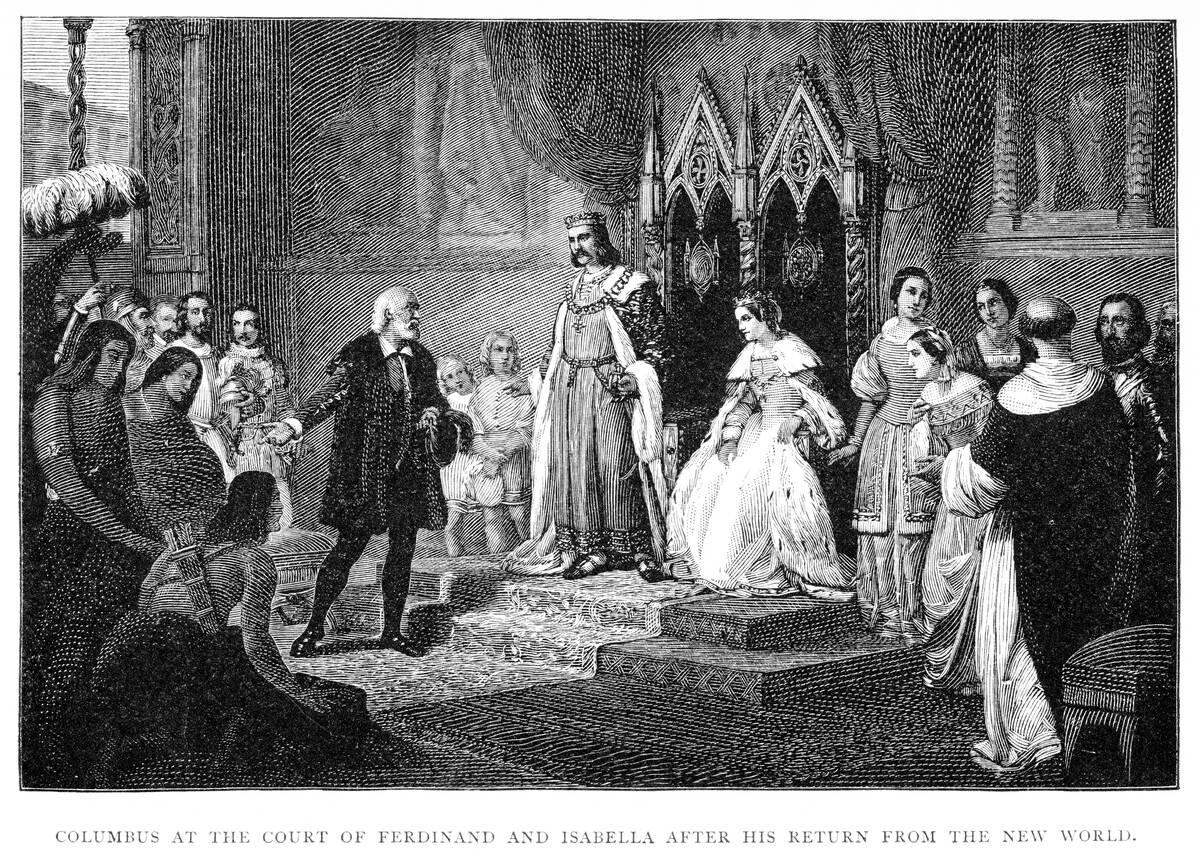
Throughout history, royal unions symbolized power and prestige, with monarchs seeking spouses from influential families. The marriage of Isabella of Castile and Ferdinand of Aragon is a prime example, uniting Spain and setting the stage for its global empire.
Similarly, the marriage of Queen Victoria’s children into various European royal houses helped establish a ‘family’ of nations, encouraging cooperation, although not always preventing conflict. Such unions often came with dowries and territorial exchanges.
The Tudor Dynasty: Marriages that Altered History
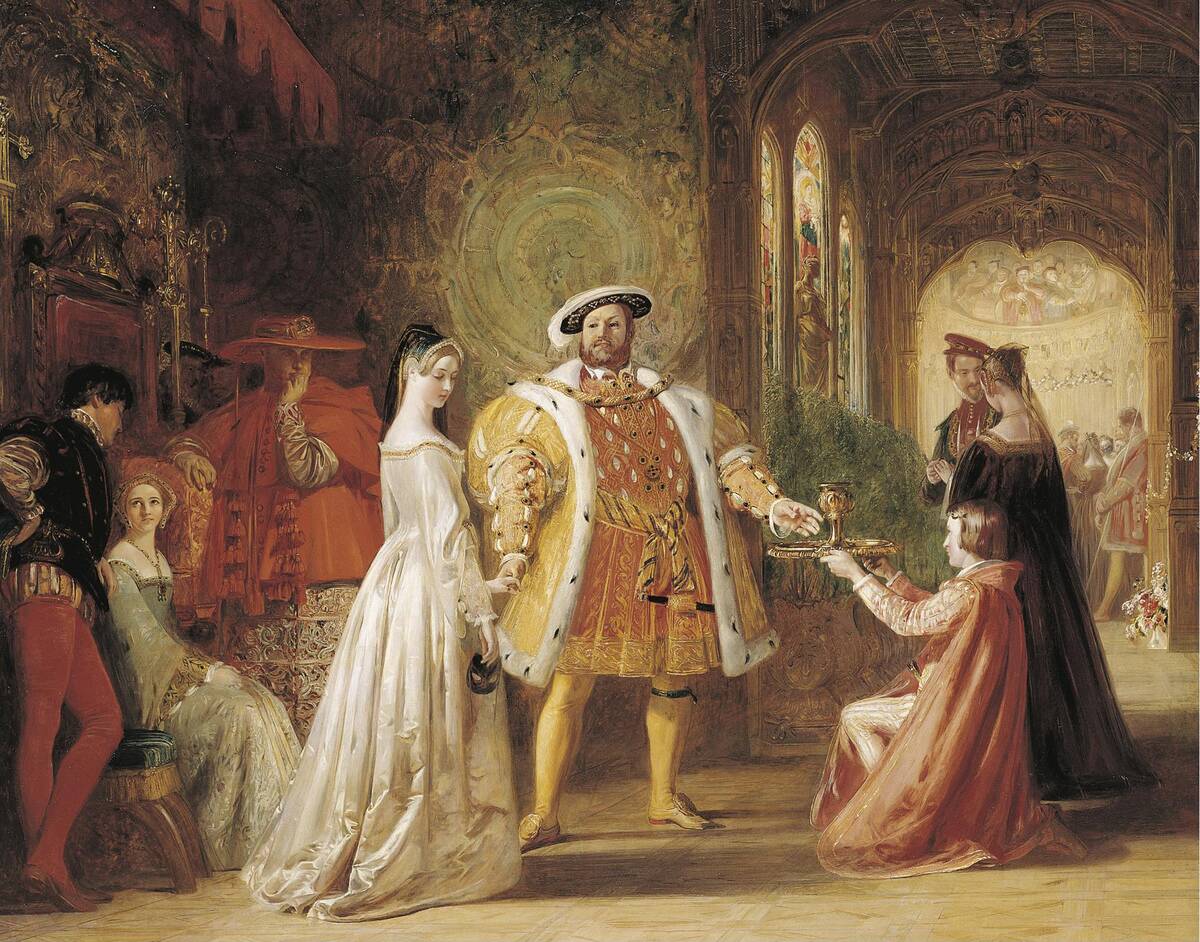
The Tudor dynasty’s marriages were pivotal, particularly Henry VIII’s unions, which had profound historical implications. His divorce from Catherine of Aragon led to the English Reformation, a religious upheaval that reshaped England’s religious landscape.
The subsequent marriage to Anne Boleyn, and the birth of Elizabeth I, altered the line of succession and ultimately established a Protestant stronghold in England. Each marriage was a calculated move, aiming to produce a male heir to secure the dynasty’s future.
The Habsburgs: Inbreeding and Its Consequences
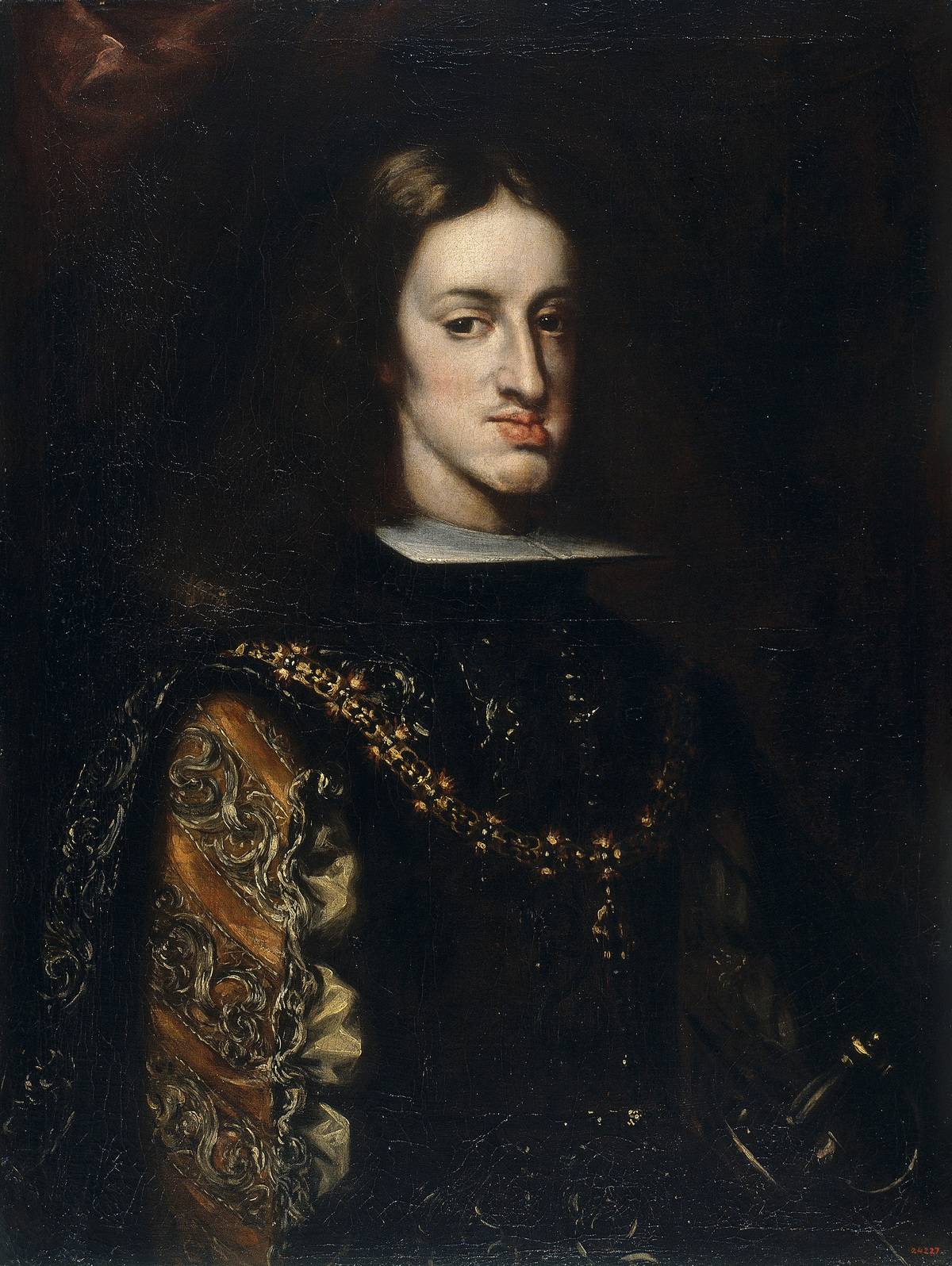
The Habsburgs are infamous for their extensive intermarriage, intended to keep power within the family, but it came at a significant cost. This inbreeding led to a host of genetic issues, most famously the ‘Habsburg jaw’, a prominent jawline that became a physical hallmark of the family.
Charles II of Spain, a product of such unions, suffered from severe health problems and infertility, which ultimately led to the War of Spanish Succession. The Habsburg strategy, while initially successful in maintaining power, eventually contributed to their downfall.
The Fall of the French Monarchy: Marriages and Missteps
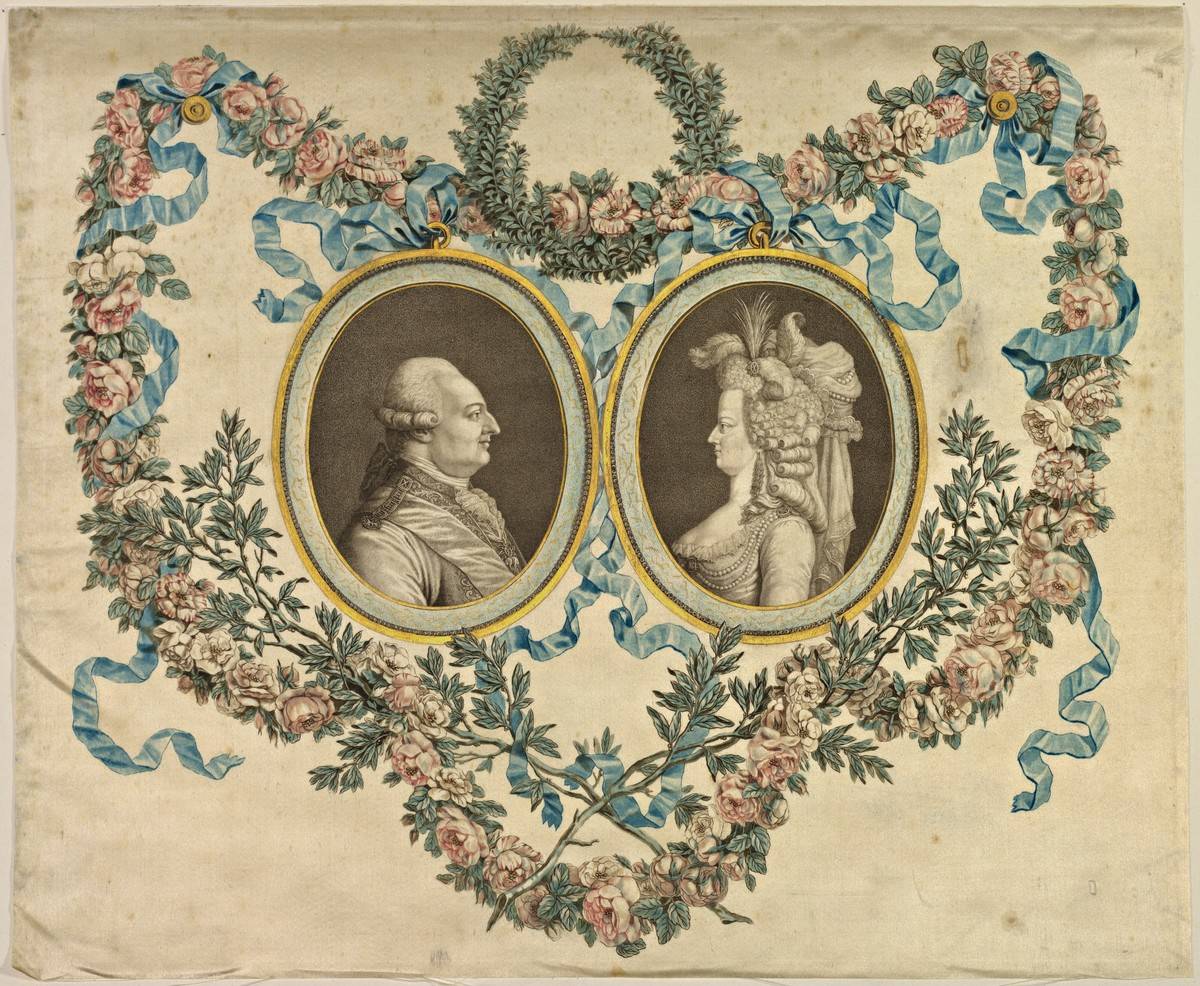
The French monarchy’s downfall was influenced by several factors, including miscalculated marriages. Louis XVI’s marriage to Marie Antoinette, an Austrian princess, was meant to strengthen ties with Austria but instead fueled public discontent.
Her perceived extravagance and foreign birth made her a target during the French Revolution. The union failed to produce the needed stability and instead became a symbol of the monarchy’s detachment from the people’s struggles, contributing to its eventual collapse.
The Russian Romanovs: Strategic Marriages and Their Downfall
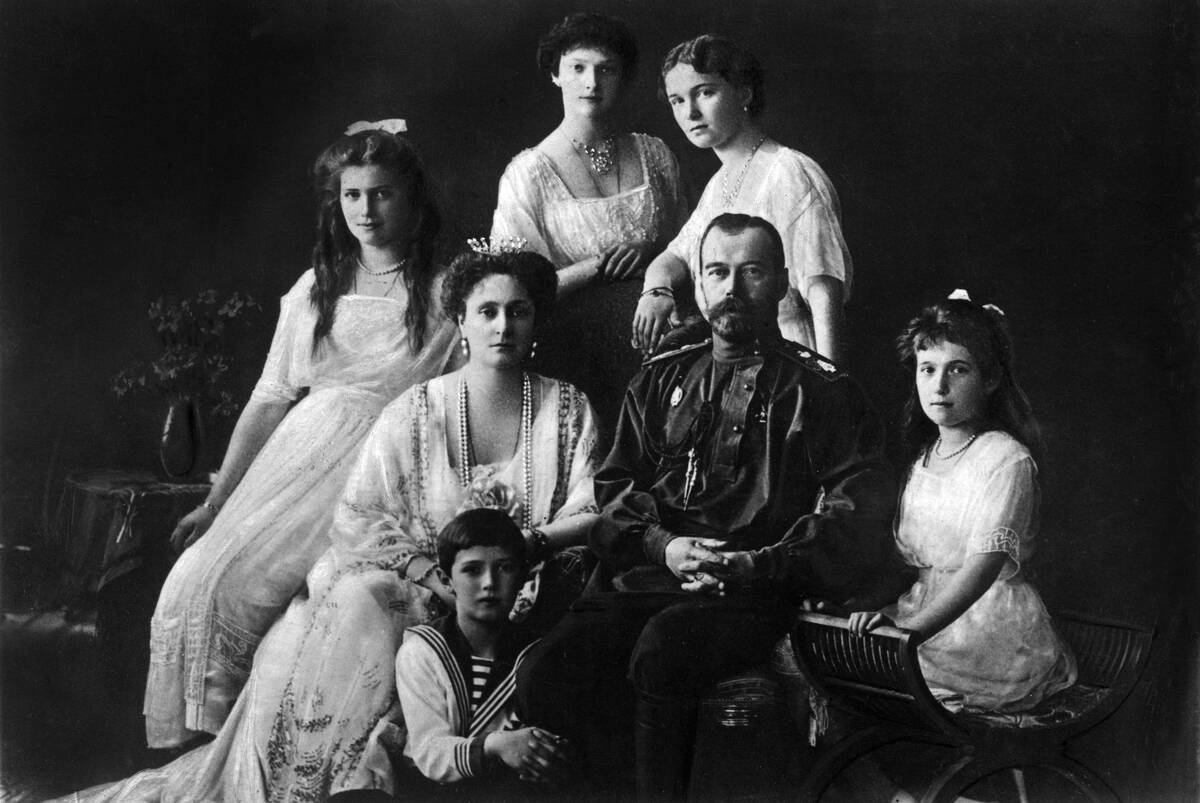
The Romanovs strategically married into European royalty, aiming to cement alliances and elevate Russia’s status. However, these alliances also brought complications. Czar Nicholas II’s marriage to Alexandra of Hesse, a granddaughter of Queen Victoria, was initially seen as advantageous.
Yet, Alexandra’s German heritage became problematic during World War I, contributing to the royal family’s unpopularity. The Romanovs’ failure to adapt to changing political landscapes and the influence of controversial figures like Rasputin hastened their downfall.
The House of Bourbon: Marriages Across Borders
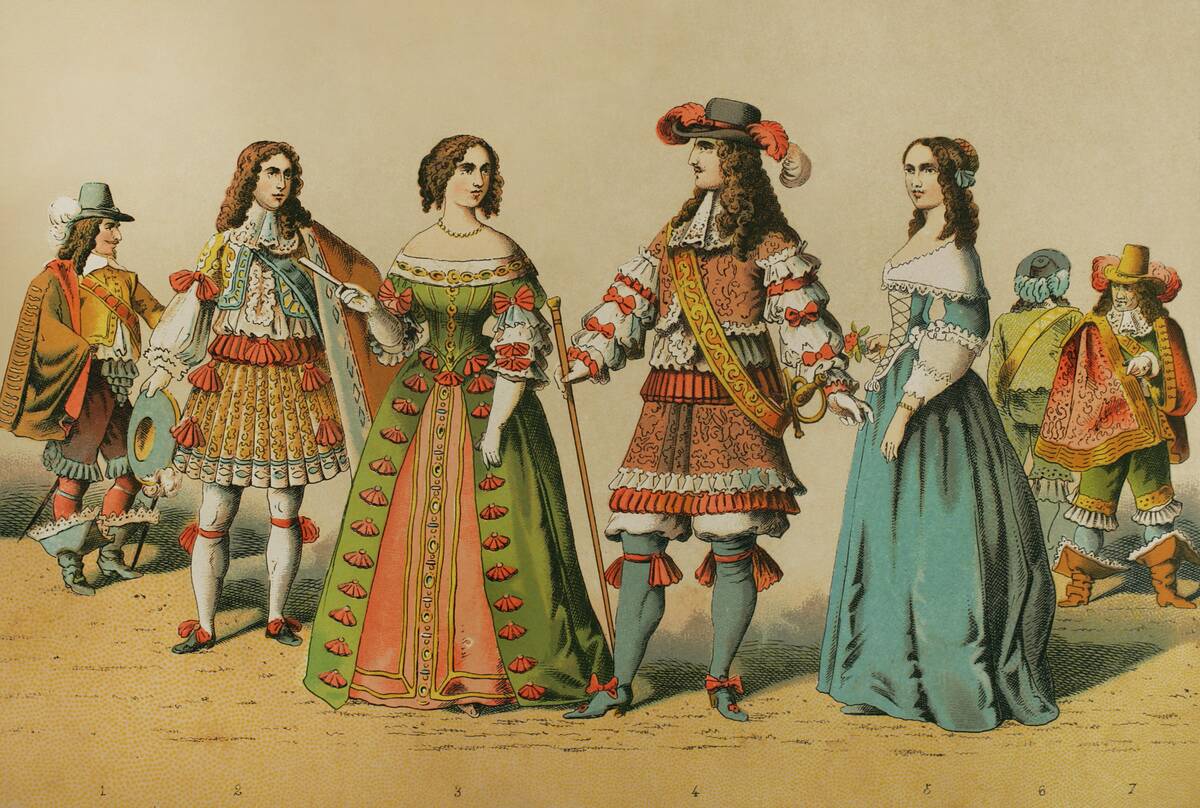
The Bourbons utilized marriages to extend their influence across Europe, with branches in France, Spain, and Naples. Louis XIV’s marriage to Maria Theresa of Spain was designed to secure peace between France and Spain, although it led to later conflicts over territorial claims.
The Bourbon strategy of intermarriage created a network of alliances that dominated European politics for centuries, but it also meant that the fates of these nations were closely intertwined, sometimes leading to wars when the family alliances could not hold.
The Ottoman Empire: Marriage Strategies and Political Shifts
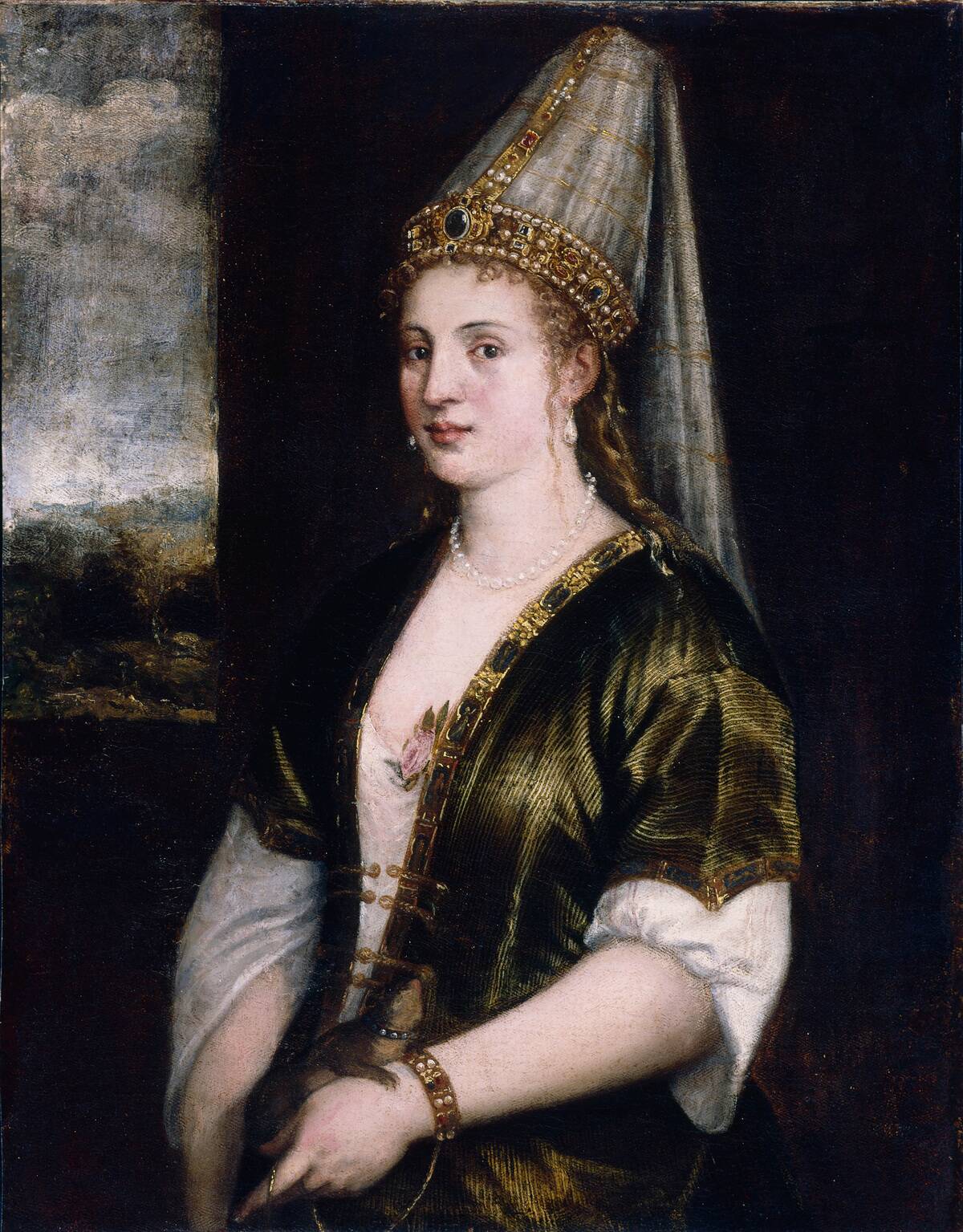
In the Ottoman Empire, marriage was a key political strategy, with sultans often marrying women from influential families or regions to secure loyalty and control. These unions were not just about securing heirs but also about consolidating power across the vast empire.
Sultan Suleiman the Magnificent’s marriage to Hurrem Sultan, a former slave, was unusual for the time but marked a significant political shift. It demonstrated the sultan’s power to choose and elevated Hurrem’s influence in the court, affecting Ottoman policies and succession dynamics.
The Austro-Hungarian Connection: Marital Mergers and Ends
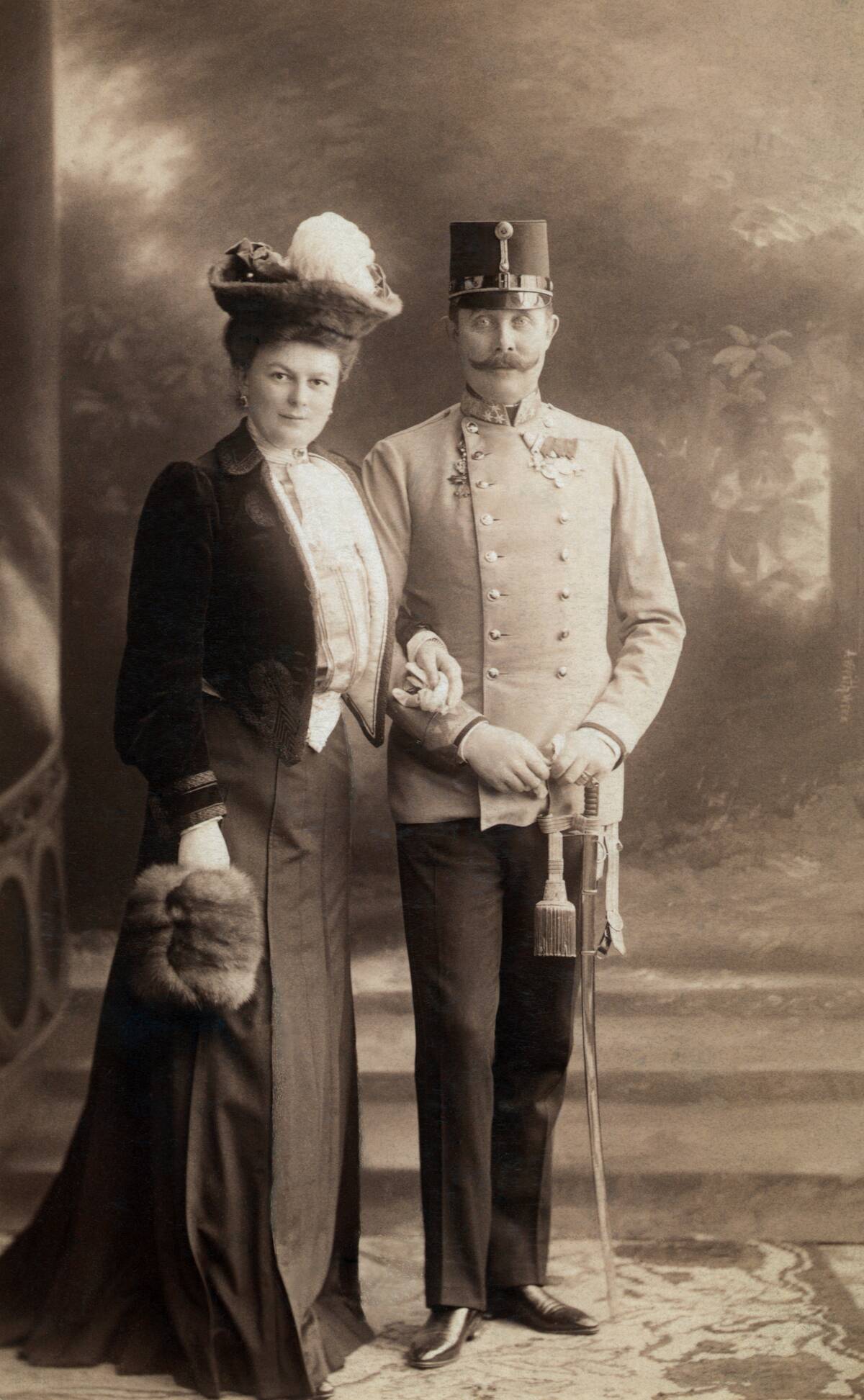
The Austro-Hungarian Empire was a dual monarchy, its structure heavily influenced by strategic marriages. The marriage of Franz Ferdinand to Sophie Chotek, however, was a love match that defied the traditional norms and hierarchy, causing tension within the royal ranks.
Their assassination in 1914 triggered World War I, illustrating how personal relationships could have catastrophic geopolitical consequences. The empire’s complex web of alliances, often solidified through marriage, was unable to withstand the strains of modern warfare and nationalism, leading to its eventual dissolution.
The German Kaisers: Marriages that Reshaped a Nation
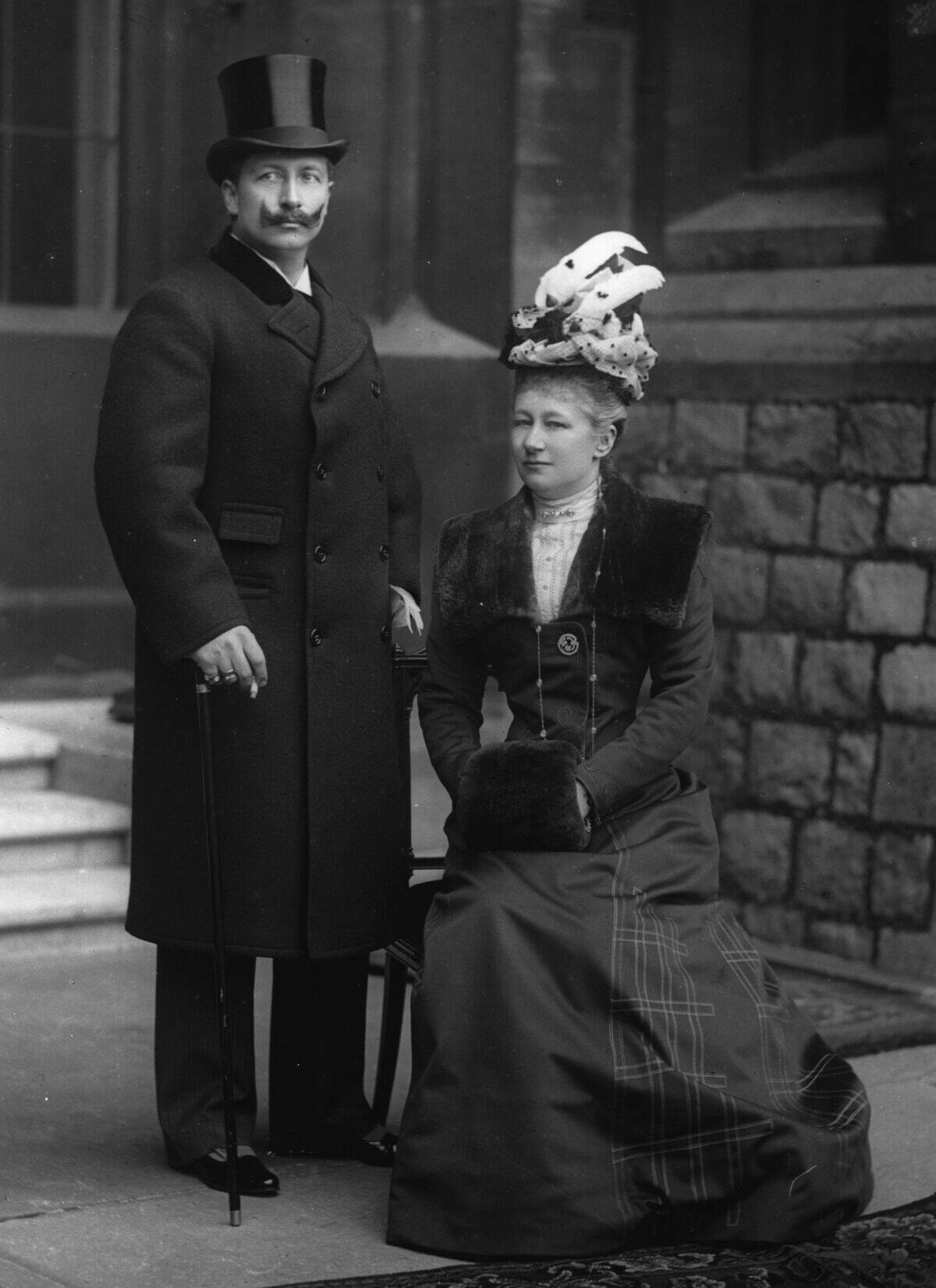
German Kaisers utilized marriages to unify the disparate states of Germany, strengthening the newly formed empire. Kaiser Wilhelm II’s marriage to Augusta Victoria of Schleswig-Holstein was part of this effort, aiming to solidify alliances within the German territories.
However, Wilhelm’s aggressive foreign policy and failure to maintain these alliances contributed to Germany’s isolation before World War I. The Kaiser’s marriages were intended to establish a stable dynasty, but they were unable to prevent the upheaval that led to the empire’s end.
The Spanish Habsburgs: Dynastic Marriages and Decline
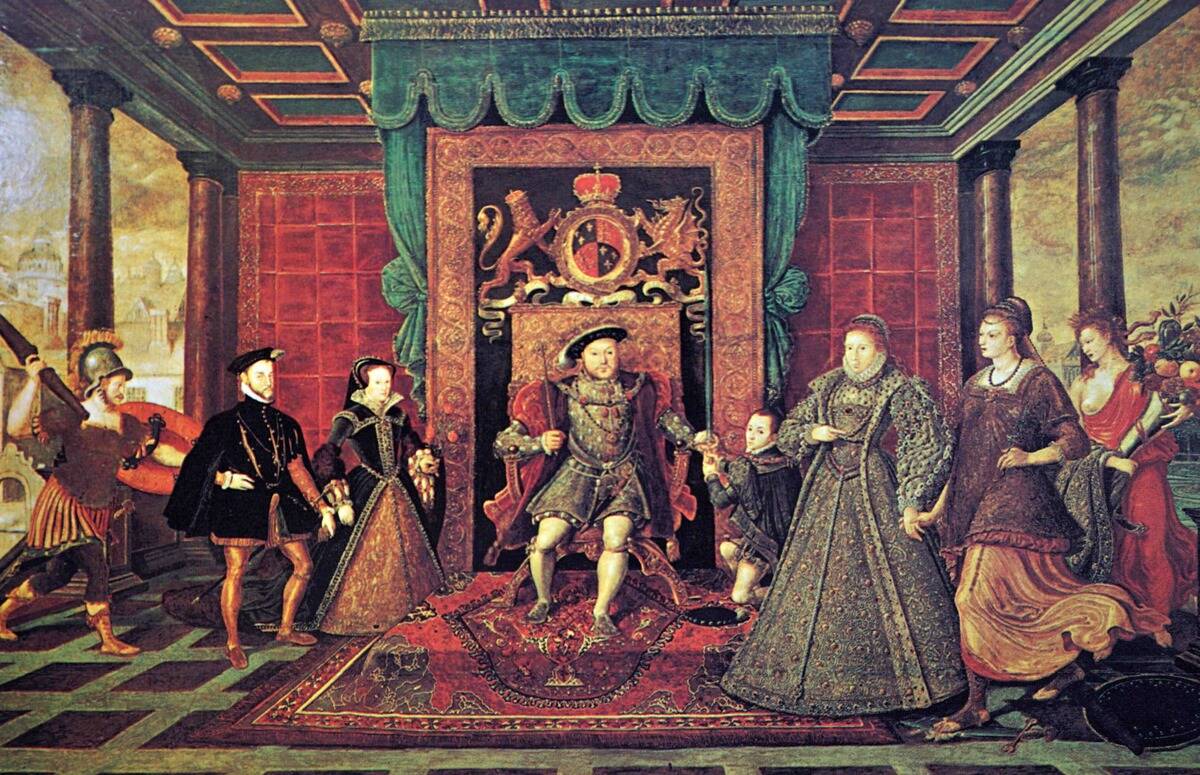
The Spanish Habsburgs relied heavily on dynastic marriages to maintain their vast empire, but this also led to their decline. The marriage between Philip II of Spain and Mary I of England was meant to strengthen Catholicism in England but ended in failure.
The Habsburgs’ practice of marrying within the family to preserve their empire eventually led to genetic weaknesses and a lack of capable heirs, culminating in the War of the Spanish Succession and the end of Habsburg rule in Spain.
The Windsors: Modern Marriages with Historic Impact
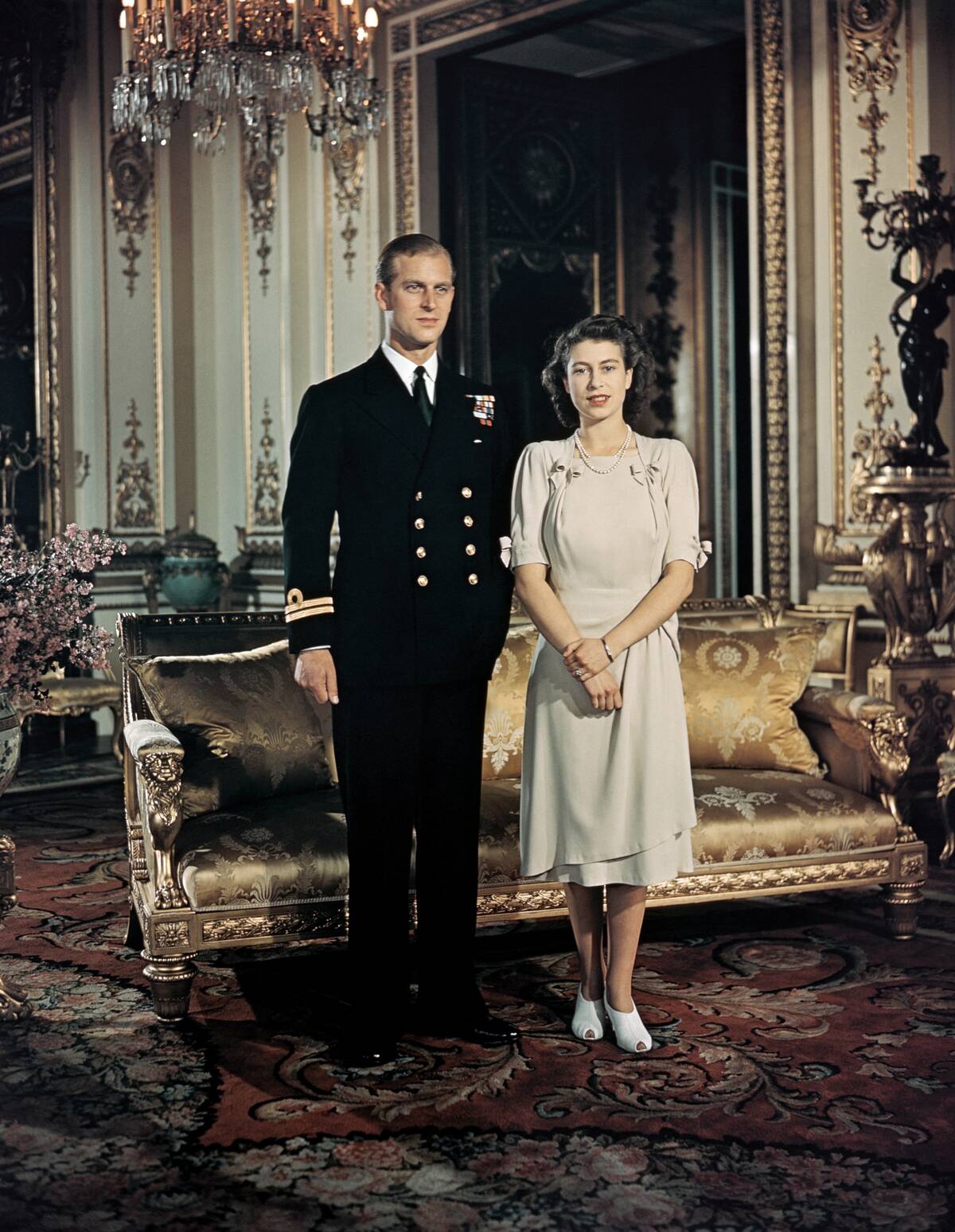
The Windsors have navigated modern royal marriages with a balance of tradition and adaptation. Queen Elizabeth II’s marriage to Prince Philip, a former prince of Greece and Denmark, exemplified post-war reconciliation and unity.
The recent marriage of Prince Harry to Meghan Markle broke new ground, symbolizing a more inclusive royal family. These unions reflect broader societal changes and have significant cultural and political implications, demonstrating how the British monarchy continues to evolve while maintaining its historic roots.
The Role of Religion in Royal Marriages
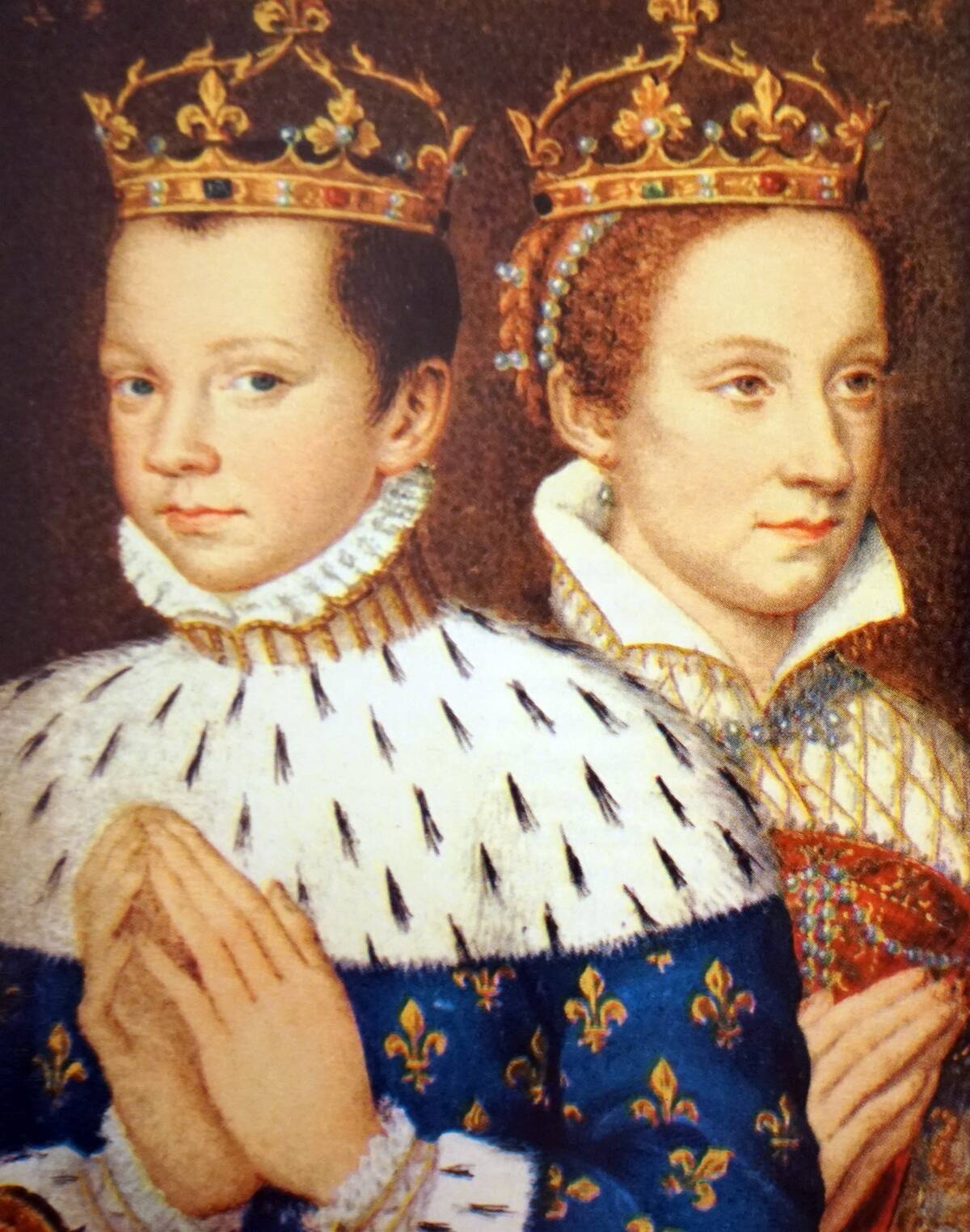
Religion has played a crucial role in royal marriages, often dictating alliances and fuelling conflicts. The marriage of Henry VIII to Catherine of Aragon was initially a papal endorsement, but its annulment led to England’s break from the Catholic Church.
Similarly, the marriage of Mary, Queen of Scots, to the Catholic Francis II of France, was a political move that heightened tensions with Protestant England. Religious differences could both unite and divide, with marriages often used to enforce religious conformity or provoke dissent.
Marriages that United and Divided Empires
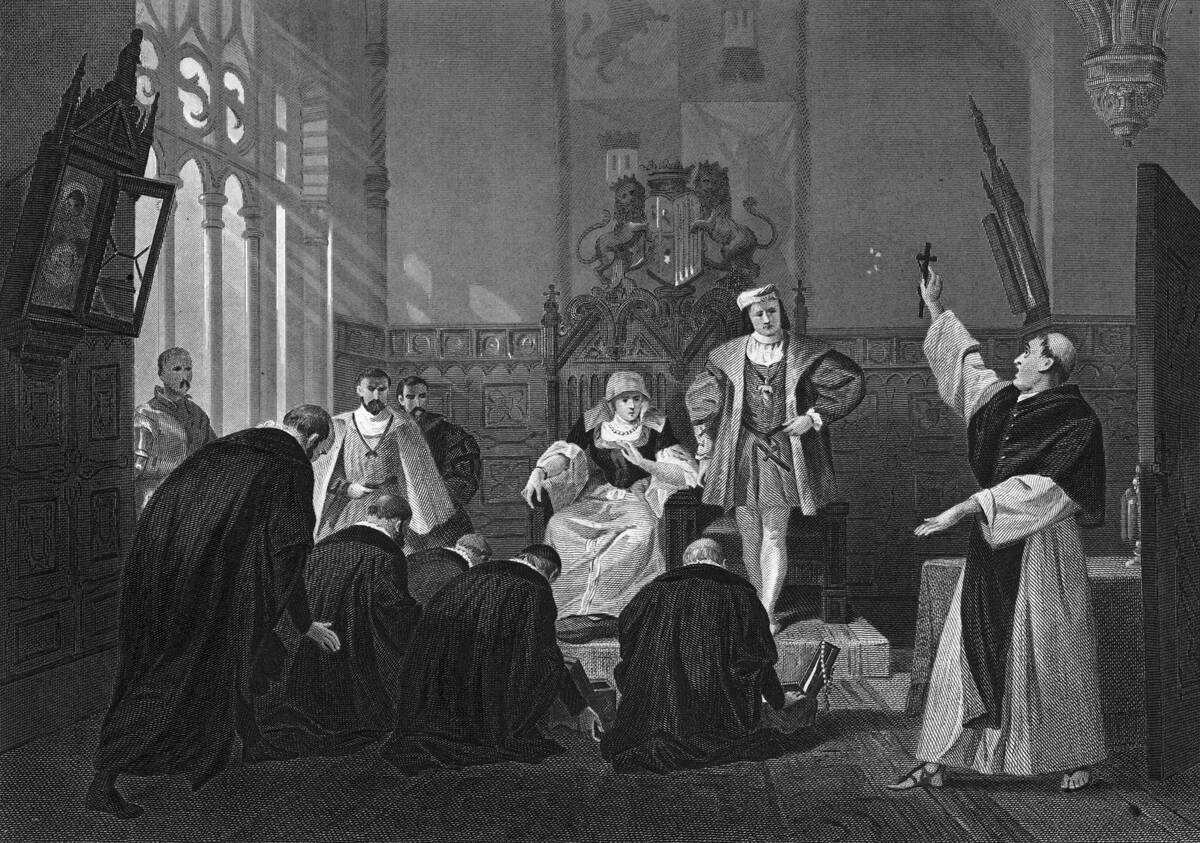
Royal marriages have the power to unite empires or sow discord. The union of Ferdinand and Isabella united Spain and set the stage for its global empire. In contrast, the marriage of Louis XVI and Marie Antoinette did little to prevent the division within France, leading to revolution.
These unions were critical in shaping political landscapes, with successful marriages often leading to periods of peace and prosperity, while failed ones could trigger wars and revolutions, altering the course of history.
The Influence of Love Versus Duty in Royal Unions
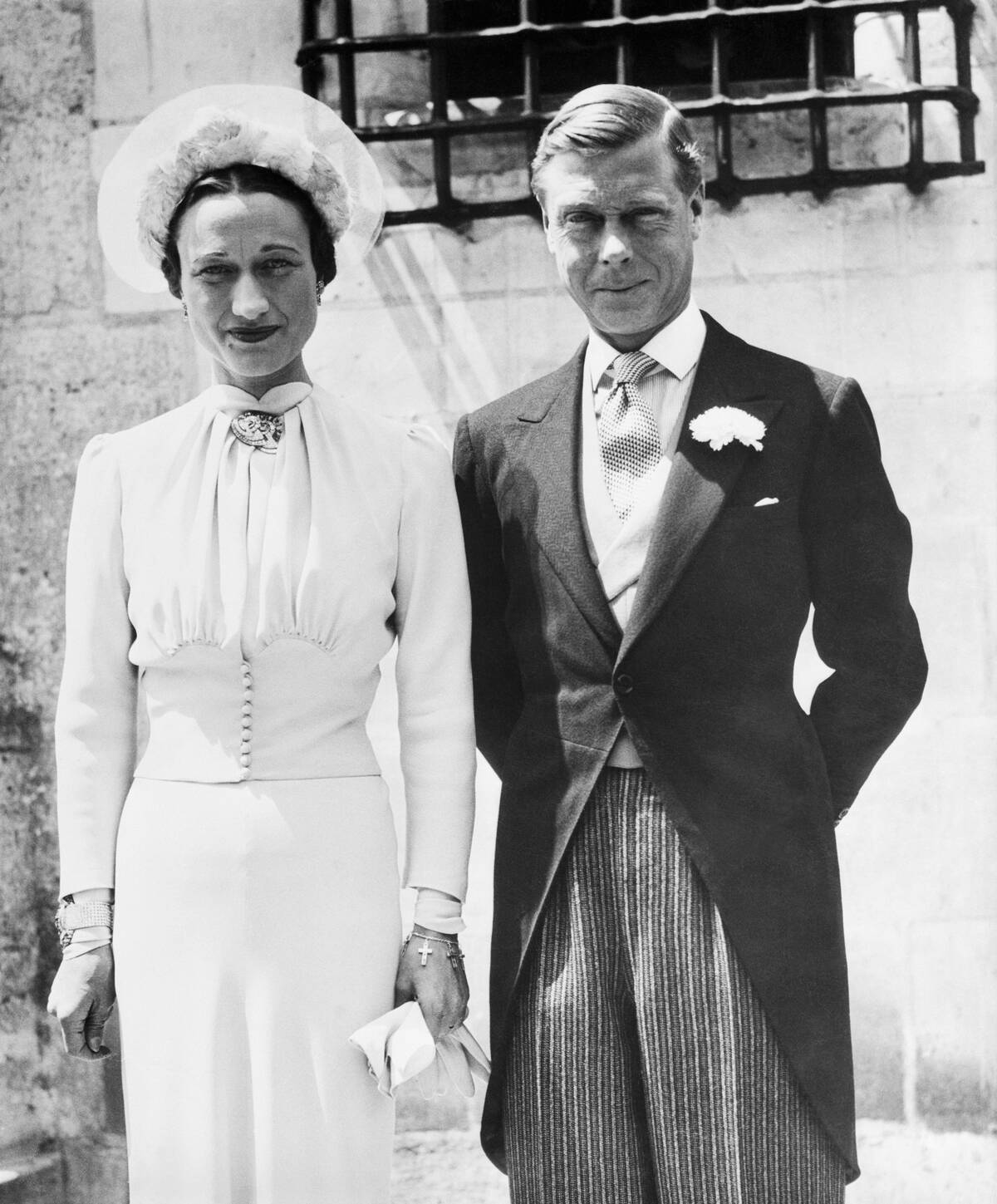
Love versus duty has been a recurring theme in royal unions, with many monarchs facing the dilemma of choosing between personal happiness and political obligation. Edward VIII’s abdication to marry Wallis Simpson, an American divorcee, is a poignant example of love triumphing over duty.
Conversely, many royals married out of obligation, such as Queen Victoria, who married Prince Albert for political reasons, though they reportedly grew to love each other deeply. These personal choices have had far-reaching implications on their respective monarchies and the world.




