How Roman roads were built and why they lasted
Roman roads are often celebrated as one of the greatest engineering triumphs of the ancient world. Built over 2,000 years ago, these roads spanned more than 250,000 miles, connecting the vast Roman Empire.
Their enduring construction techniques not only facilitated trade and military movement but also laid the groundwork for future infrastructure development. These roads were meticulously designed to withstand the test of time, showcasing the Romans’ remarkable engineering prowess.
The Strategic Importance of Roman Roads
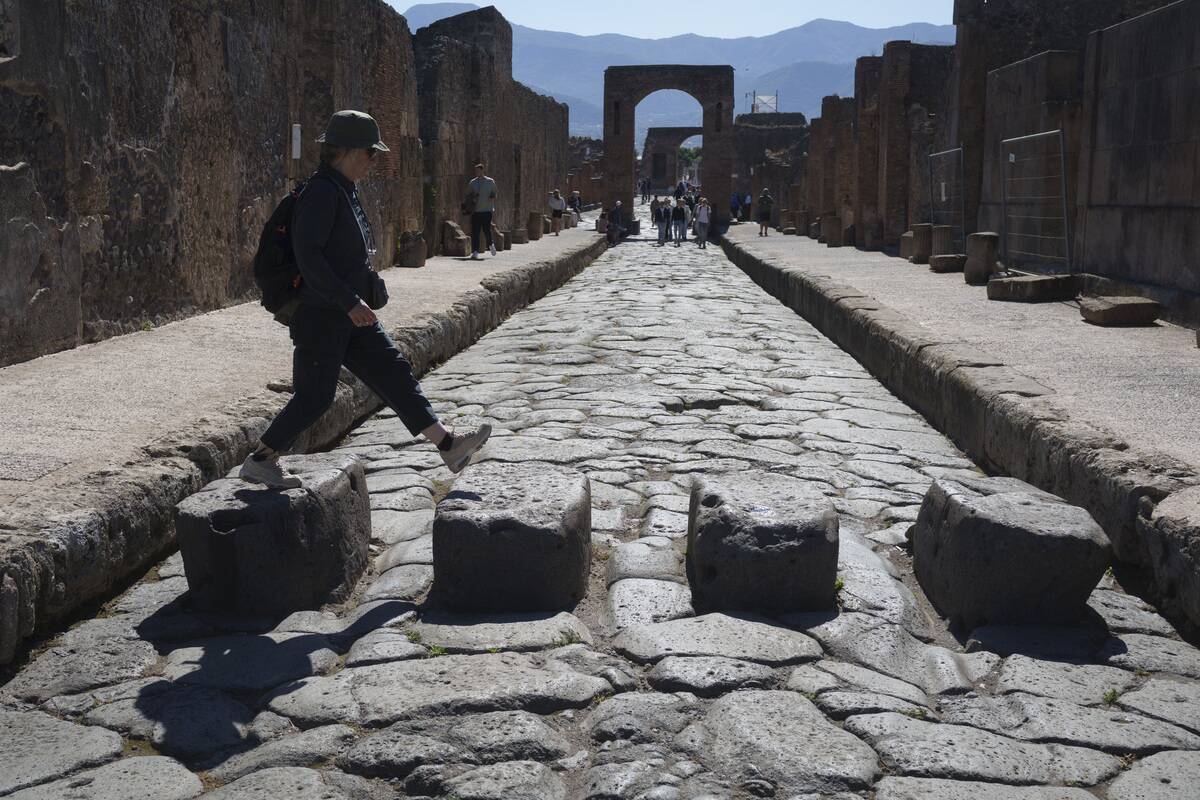
Roman roads played a crucial role in the empire’s expansion and governance. They enabled rapid military deployment, ensuring that Roman legions could swiftly reach troubled regions.
Furthermore, these roads supported trade by allowing merchants to transport goods efficiently across the empire. This network of roads fostered economic growth and cultural exchange, effectively unifying the diverse territories under Roman control.
A Glimpse into Roman Road Networks
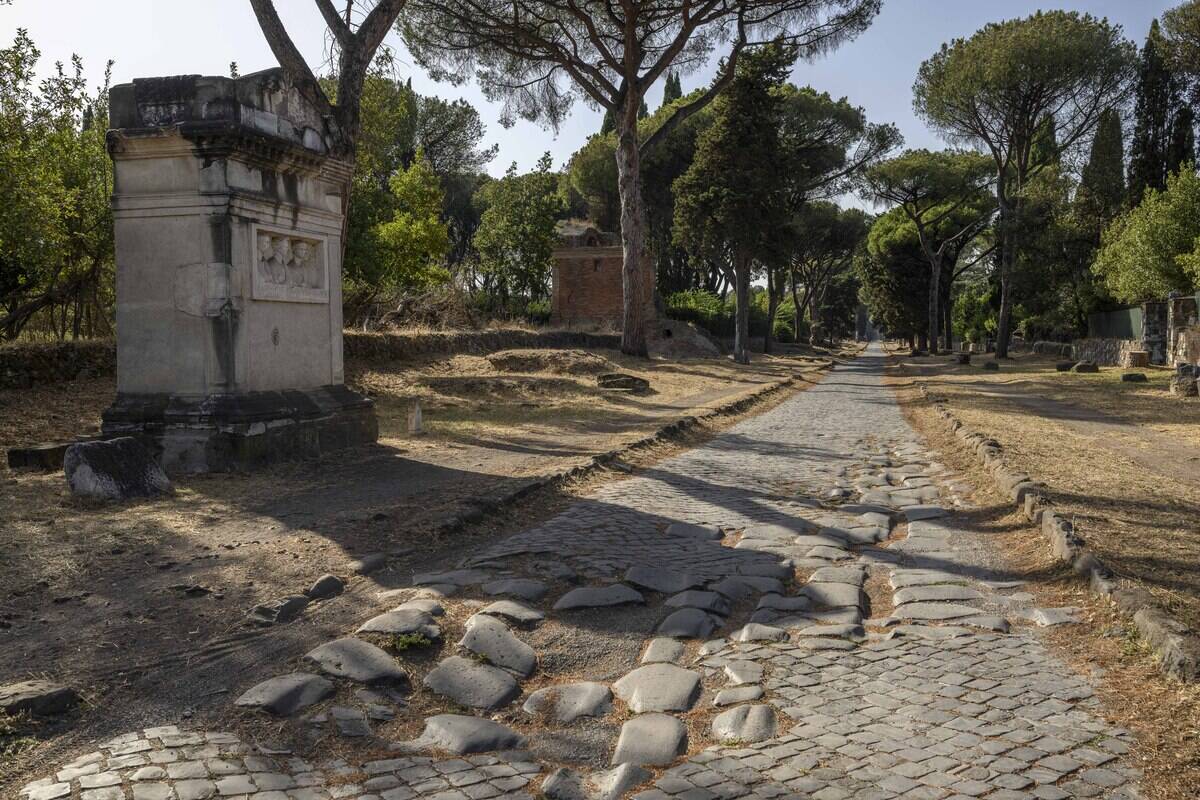
The Roman road network was unparalleled in its complexity and reach. Major roads, like the famous Via Appia, served as the backbone of this network, connecting Rome to distant provinces.
Smaller local roads branched off the main arteries, facilitating access to remote areas. This intricate web of roads was crucial for maintaining the empire’s cohesion, enabling communication and administration across vast distances.
Materials Used in Roman Road Construction
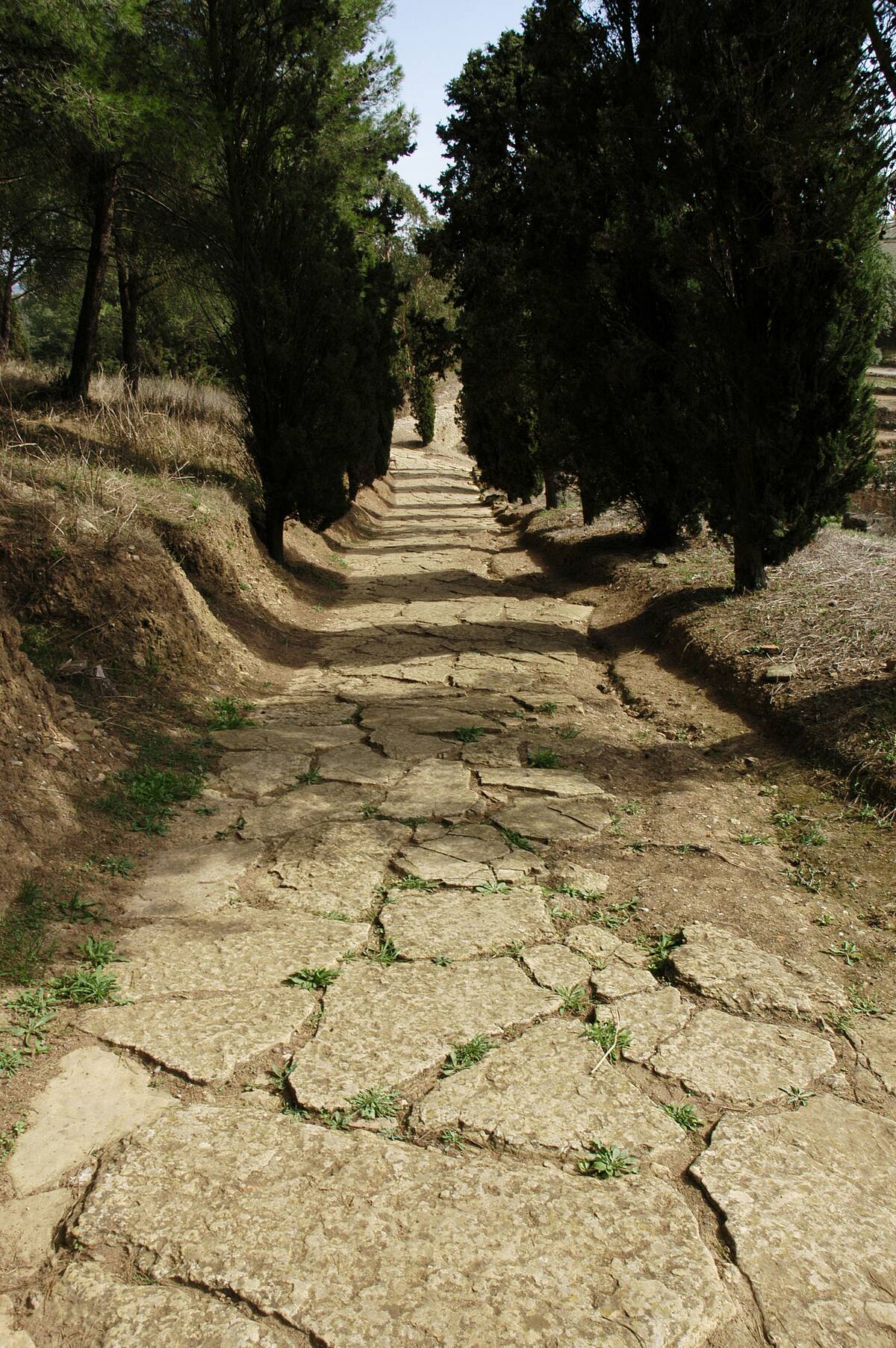
The Romans were resourceful in their road-building materials, often using locally available resources. The primary materials included stone, gravel, and sand, which were layered to create a durable road surface.
Lime mortar was frequently used to bind these materials, adding strength and stability. This clever use of materials ensured that Roman roads could withstand heavy traffic and harsh weather conditions.
The Multi-Layered Structure of Roman Roads
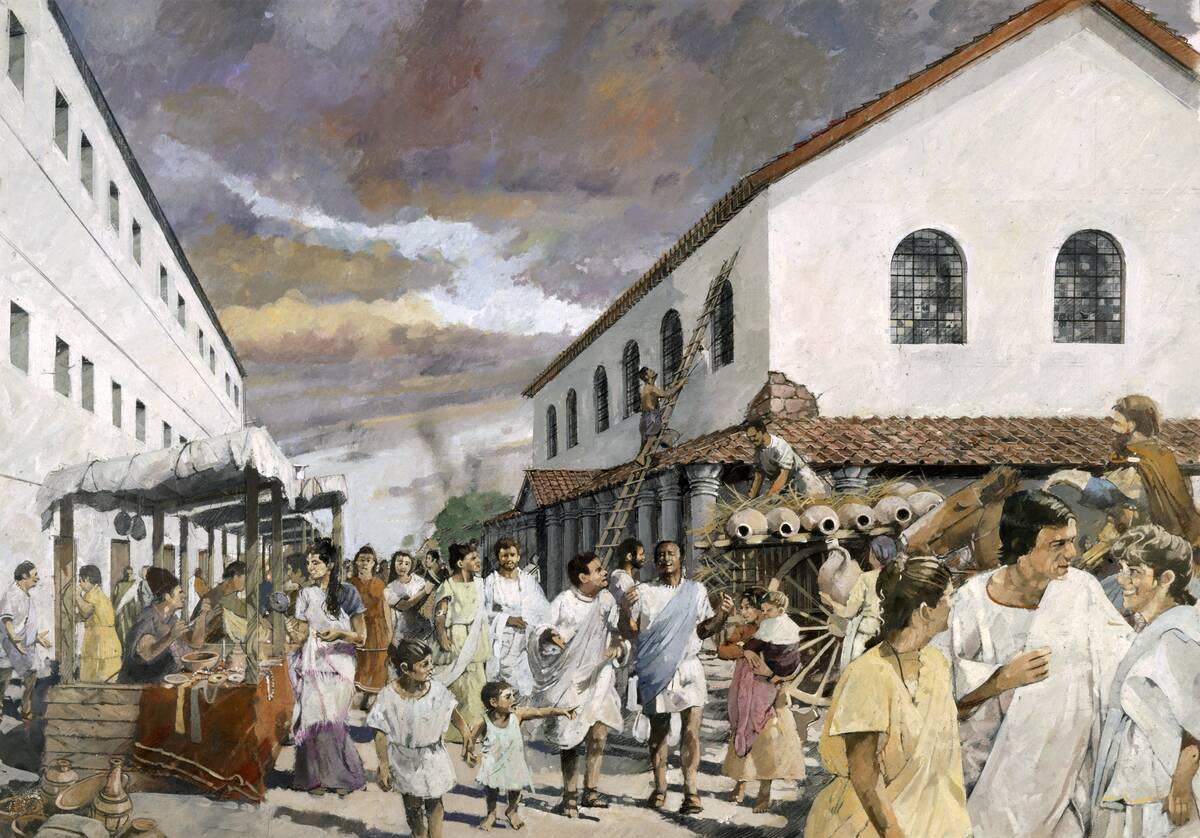
Roman roads were built with a multi-layered approach to enhance durability. The foundation, or “statumen,” consisted of large stones, providing a solid base. Above this, a layer of concrete formed the “rudus,” followed by a layer of compacted gravel called the “nucleus.”
The top layer, or “summum dorsum,” was made of tightly fitted paving stones. This layered structure distributed weight effectively, preventing damage from heavy loads.
The Role of the Surveyor: Mapping the Roman Empire
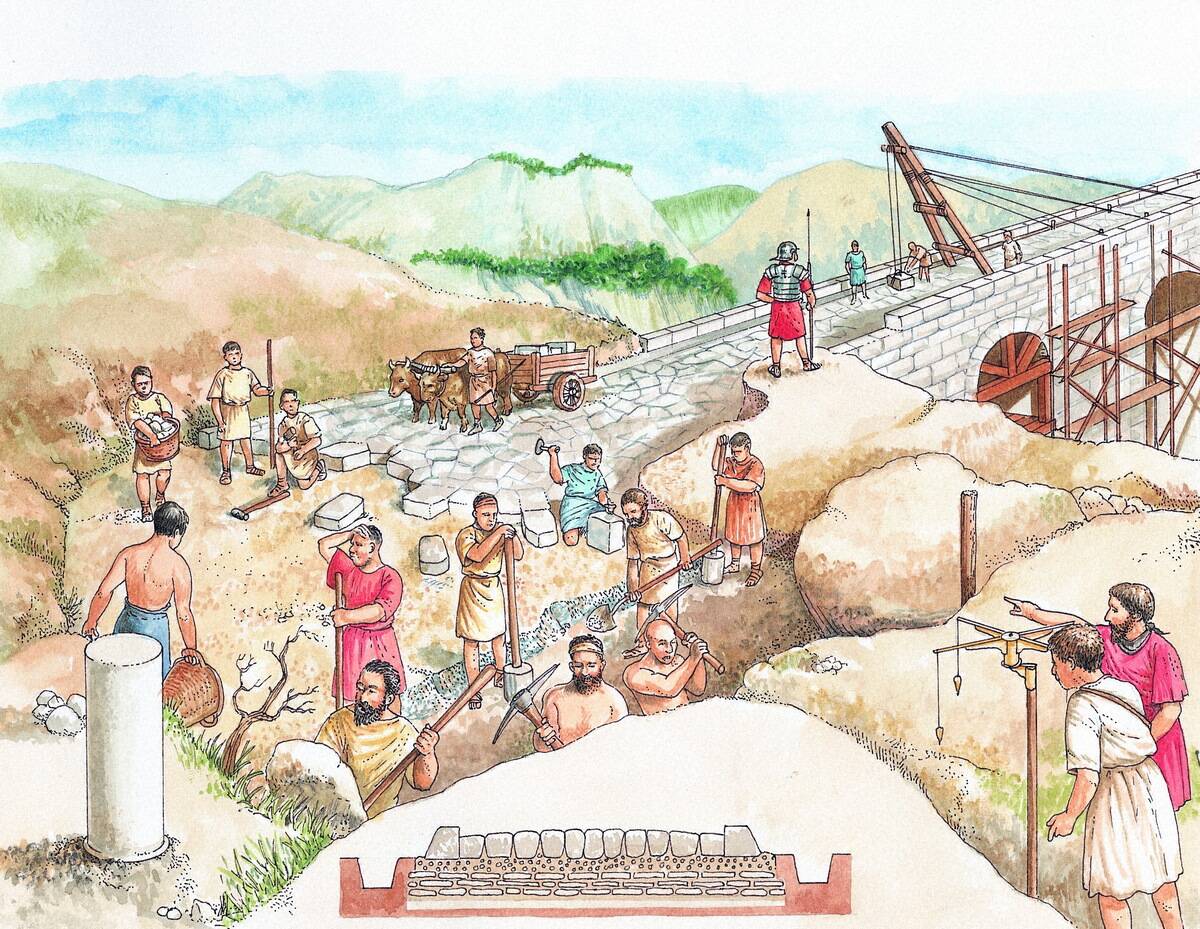
Surveyors, known as “gromatici,” played a vital role in Roman road construction. They used tools like the groma (a surveyor’s pole) and chorobates (tools similar to a carpenter’s level) to measure and mark the land accurately.
Precision was essential to ensure that roads ran straight and adhered to planned routes. By mapping the empire, surveyors facilitated the efficient construction of roads, contributing to the cohesive infrastructure that was crucial for Rome’s control over its vast territories.
Digging the Trench: Laying the Foundation
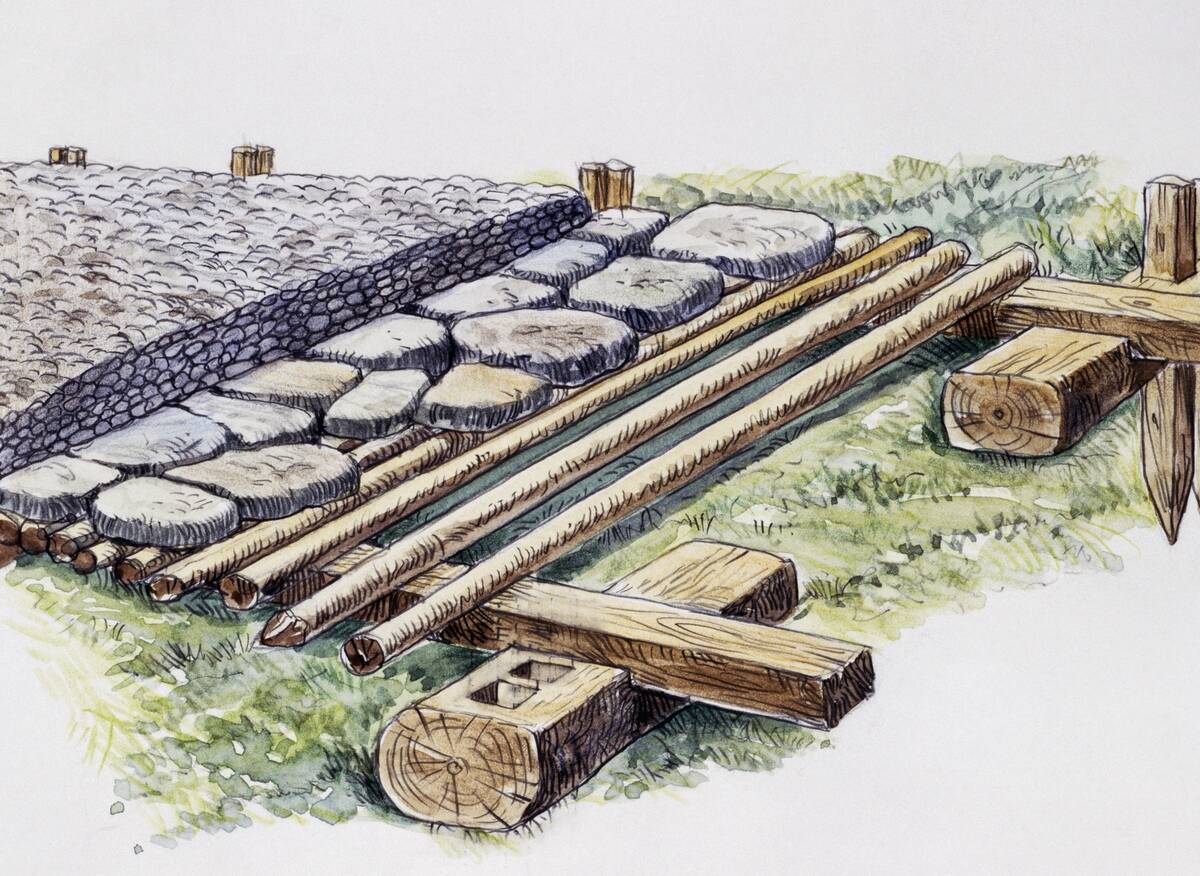
The construction of Roman roads began with digging a trench, which served as the foundational bed. This trench was carefully excavated to ensure stability and proper drainage.
Workers then laid the statumen, the first layer of large stones, at the bottom. This critical step provided a strong and stable foundation, ensuring that the road could support the heavy traffic it would inevitably face over the centuries.
Creating the Agger: The Raised Roadway

The agger, or raised roadway, was another hallmark of Roman road construction. Built above the surrounding ground level, the agger helped with drainage and visibility.
It was constructed using the excavated earth from the trench, which was compacted to form a solid embankment. This elevation not only enhanced the road’s durability but also provided travelers with a clear path through varied terrain, reducing the risk of flooding.
Paving the Surface: The Art of Stone Laying
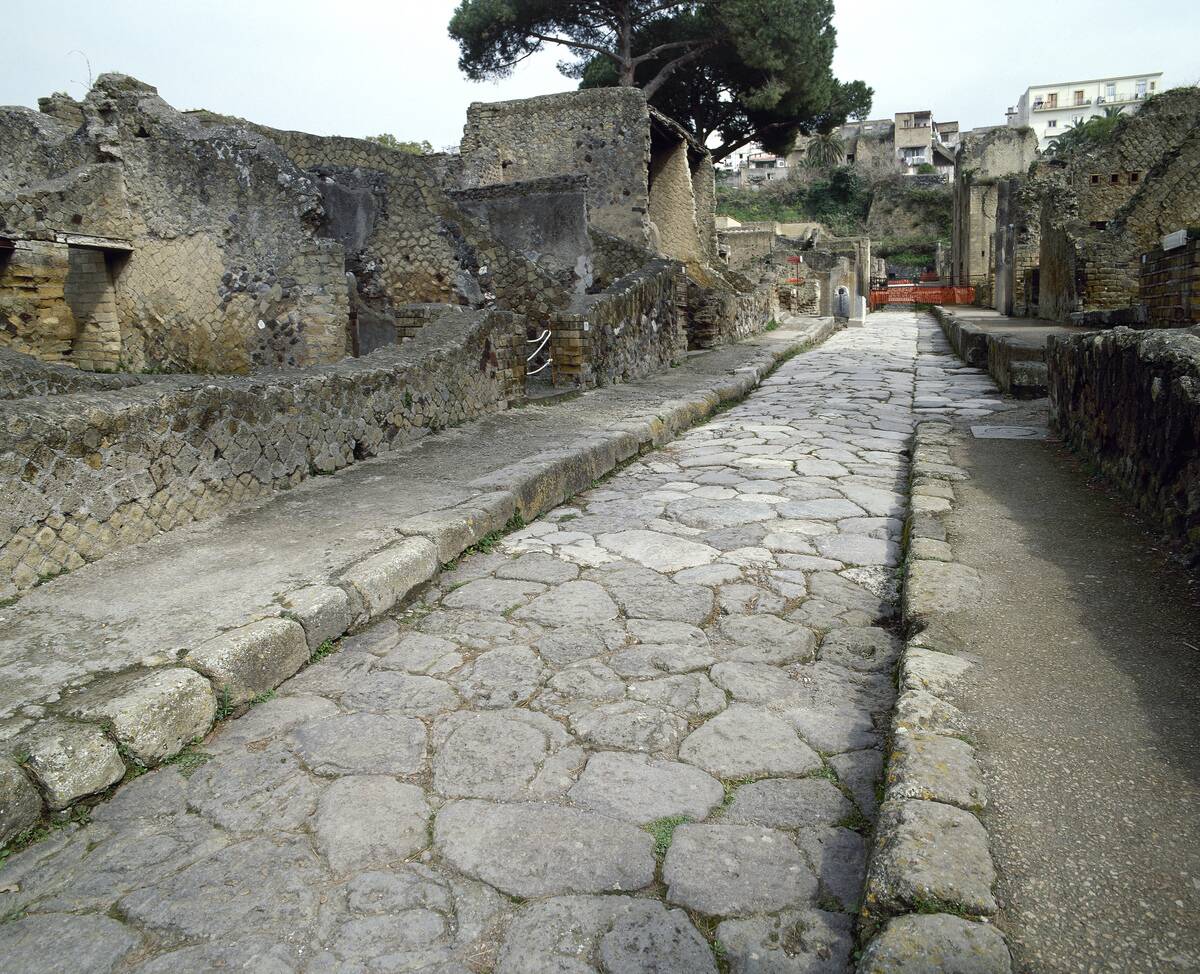
Paving the surface of Roman roads was an art form in itself, requiring skill and precision. Artisans carefully selected stones for the “summum dorsum,” fitting them tightly together to create a smooth, durable surface.
This meticulous stone laying ensured that the roads could endure the wear and tear of carts and foot traffic. The craftsmanship involved in this process is a testament to the Romans’ commitment to quality and longevity.
Drainage Systems: Keeping Roman Roads Dry
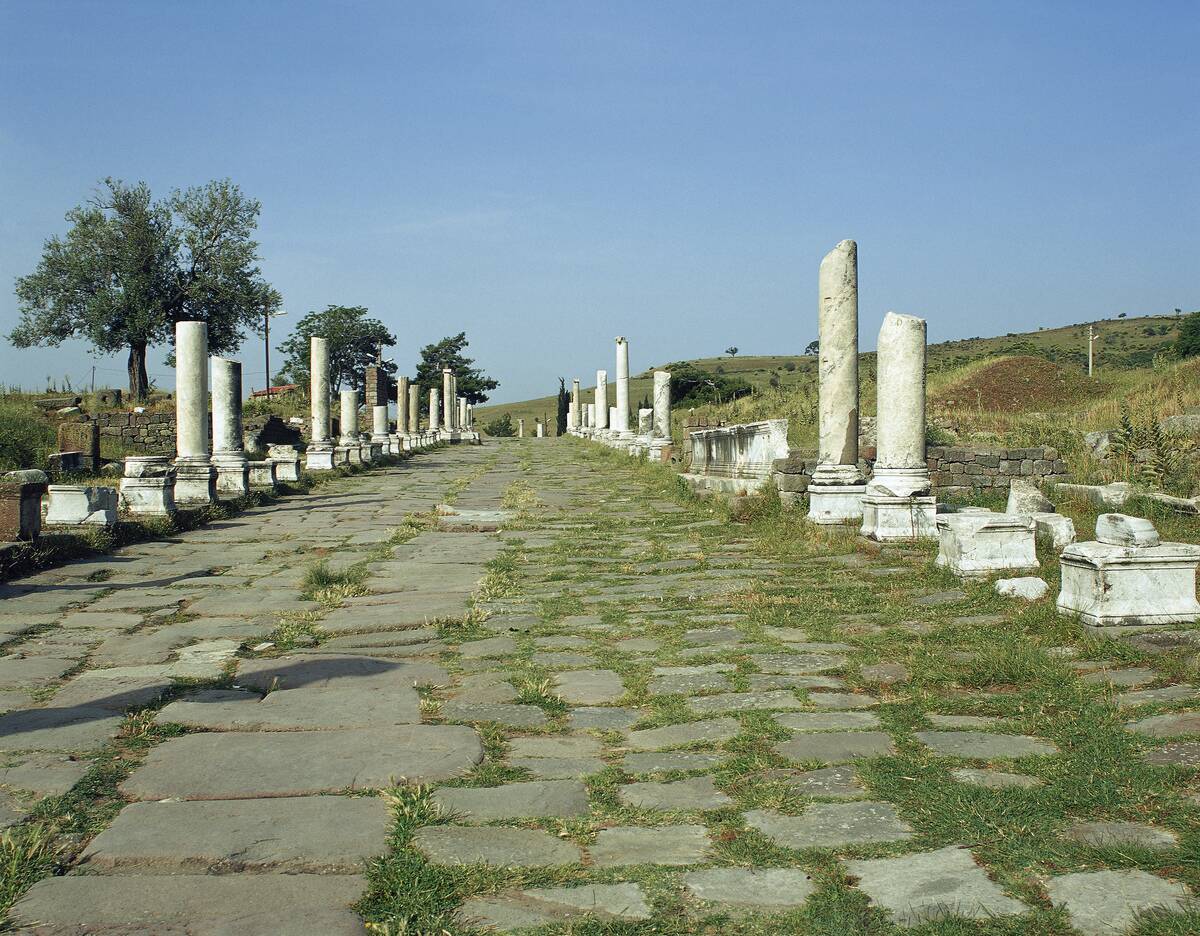
Effective drainage was a key feature of Roman roads, preventing water accumulation that could damage the road structure. Ditches were dug alongside the roads to channel water away, while the slightly convex shape of the road surface facilitated runoff.
Culverts and drainage pipes were also incorporated where necessary, showcasing the Romans’ advanced understanding of hydrology and their commitment to preserving their infrastructure.
The Vital Role of Milestones
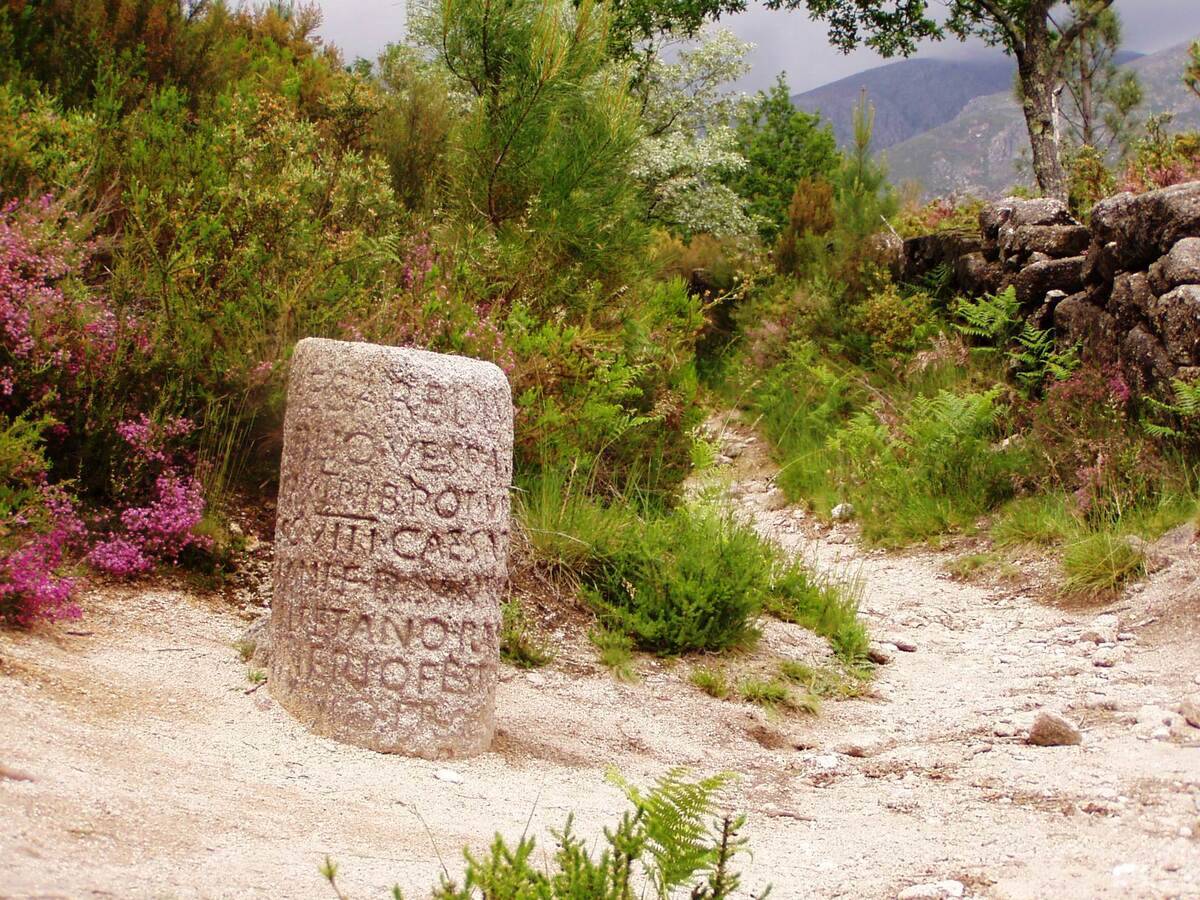
Milestones were essential elements of the Roman road network, providing crucial information to travelers. These markers indicated distances to major cities and important locations, helping to guide both military and civilian travelers.
The inscriptions often included the road’s name and the reigning emperor’s name, serving as a testament to the empire’s organization and the central role of roads in maintaining Roman authority.
Maintenance Crews: The Unsung Heroes

Specific Roman officers, known as “curatores viarum,” were tasked with overseeing and funding the upkeep of Roman roads. Their teams ensured that the roads remained in good condition, repairing damage and removing debris.
Their diligent work was vital for maintaining the functionality of the road network, allowing uninterrupted travel and communication. Despite their importance, these workers often went unrecognized, serving as the unsung heroes of Roman infrastructure.
Innovations and Techniques Passed Down Through Generations

The innovations and techniques developed by Roman engineers have had a lasting impact on road construction. Many principles, such as the use of layered foundations and effective drainage systems, continue to influence modern road-building practices.
The legacy of Roman engineering is evident in contemporary infrastructure, where the efficiency and durability of ancient roads are still admired and emulated.




