How radio created the first global pop stars
The world of music as we know it owes much to the humble radio. Before the internet, before television, it was radio that first brought global pop stars into our homes. In the early 20th century, radio broadcasts transformed local musicians into national icons and eventually global sensations.
The birth of global pop stars through radio was a revolution, allowing artists to reach audiences they could only dream of before. This medium turned music into a shared cultural experience.
From Local to Global: Radio’s Expanding Reach
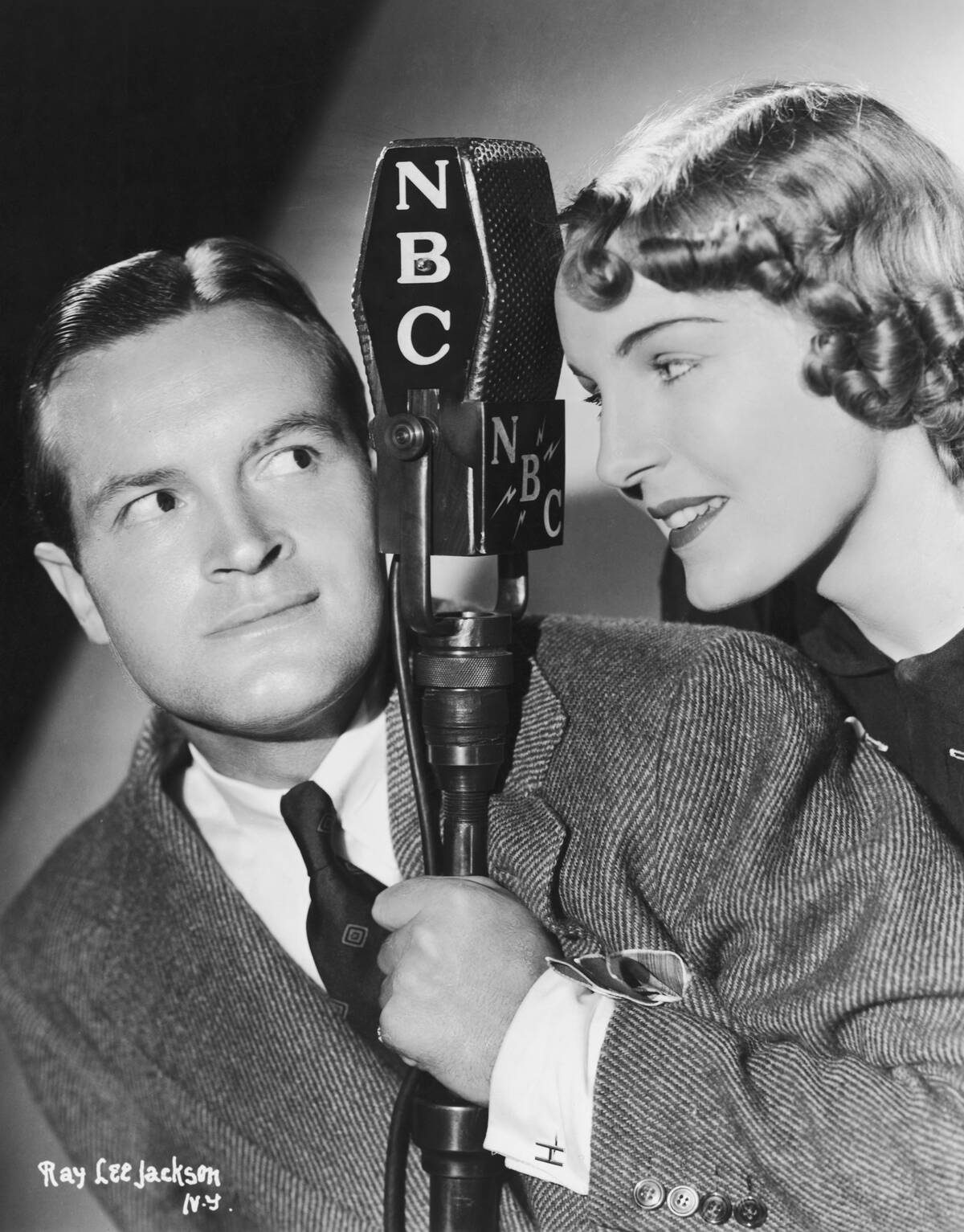
Radio stations initially had a local focus, but as technology advanced, their reach expanded. By the 1930s, national broadcasts were common, and people across the country could hear the same program simultaneously.
This shift allowed artists to gain recognition beyond their hometowns. Radio’s ability to transcend geographical barriers laid the groundwork for global music phenomena, making it possible for artists to become household names in places they had never visited.
The Golden Age of Radio: A New Era of Entertainment
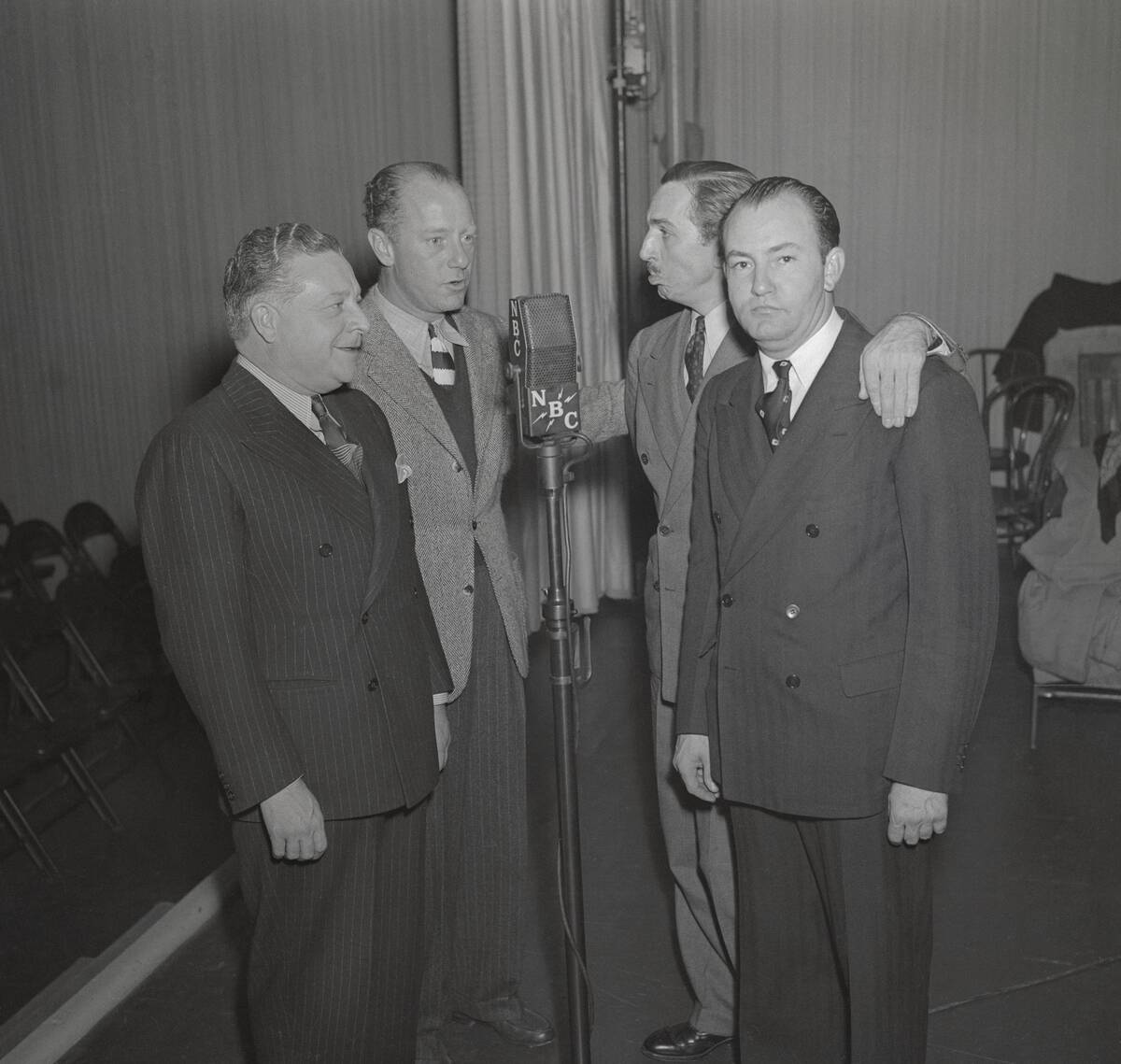
The 1920s to the 1950s marked the Golden Age of Radio, a time when families gathered around their radios for entertainment. This era introduced a variety of programming, from comedy shows to live music.
Radio was the primary source of entertainment, with shows like The Shadow and Amos ‘n’ Andy captivating audiences. Music also found its way into the ether, with live orchestras and bands performing directly over the airwaves, setting the stage for future pop stars.
The Power of the Airwaves: Connecting Cultures
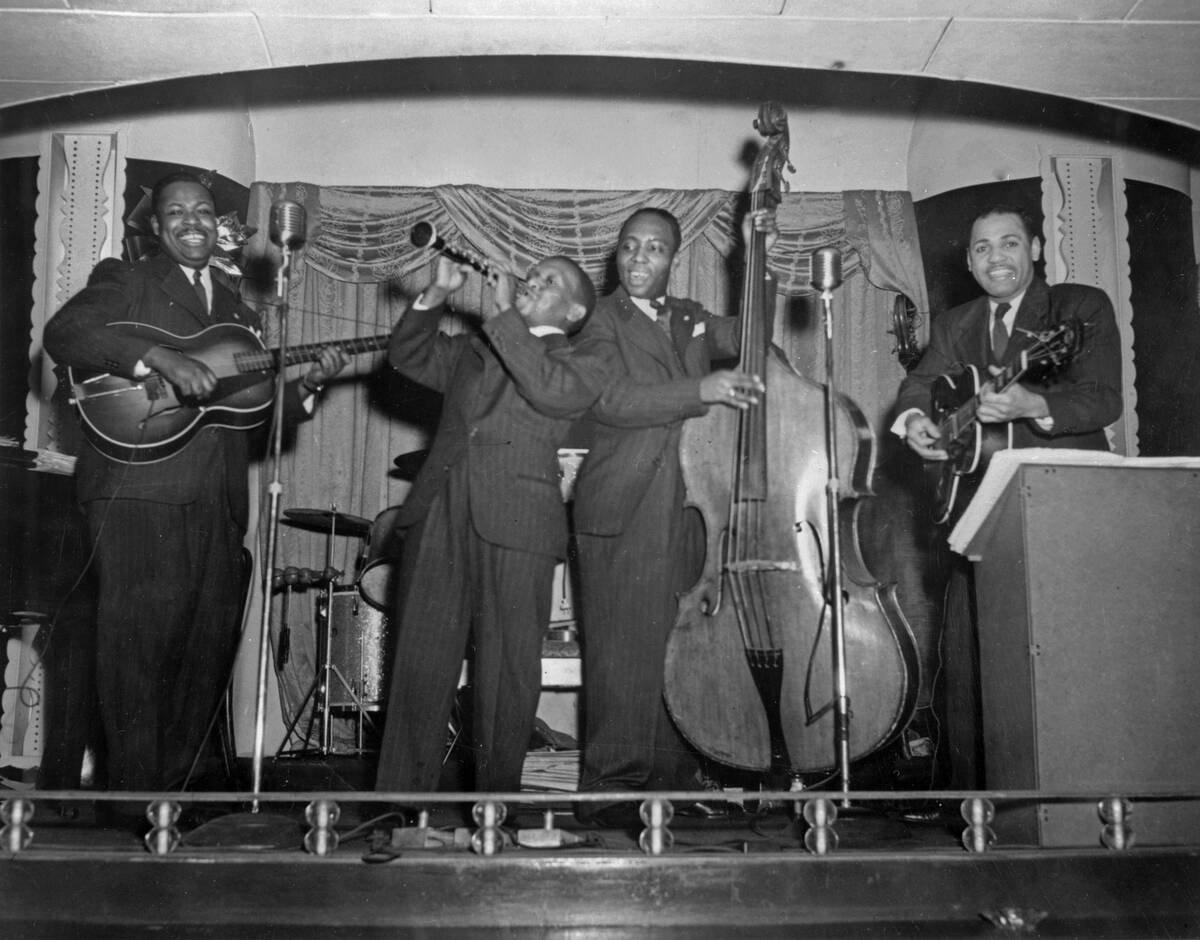
Radio not only spread music but also connected cultures. It introduced listeners to diverse musical styles, fostering a blend of cultural influences. For instance, jazz, born in the African American communities, reached audiences worldwide through radio, influencing countless other genres.
The airwaves became a melting pot where different musical traditions could meet and mingle, leading to the rich tapestry of global music we enjoy today.
Early Radio Stars: The Original Influencers
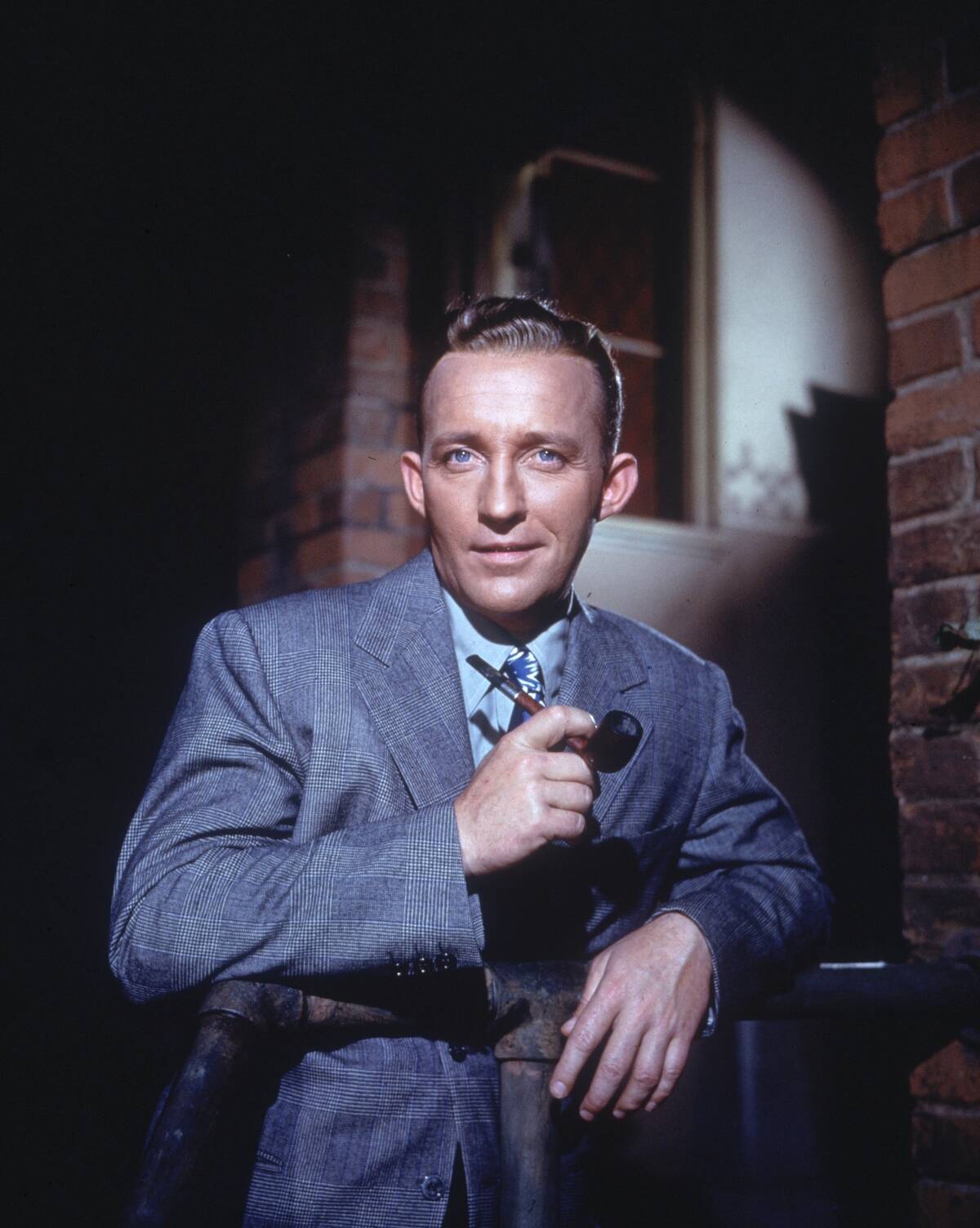
Before social media influencers, there were radio stars. These performers were the original trendsetters, shaping public tastes and preferences. Singers like Bing Crosby and Frank Sinatra became household names, their voices instantly recognizable to millions.
Their influence extended beyond music, affecting fashion and lifestyle as well. Fans emulated their idols, from adopting their hairstyles to mimicking their mannerisms, proving radio’s power to shape popular culture.
The Role of Radio DJs in Shaping Music Tastes
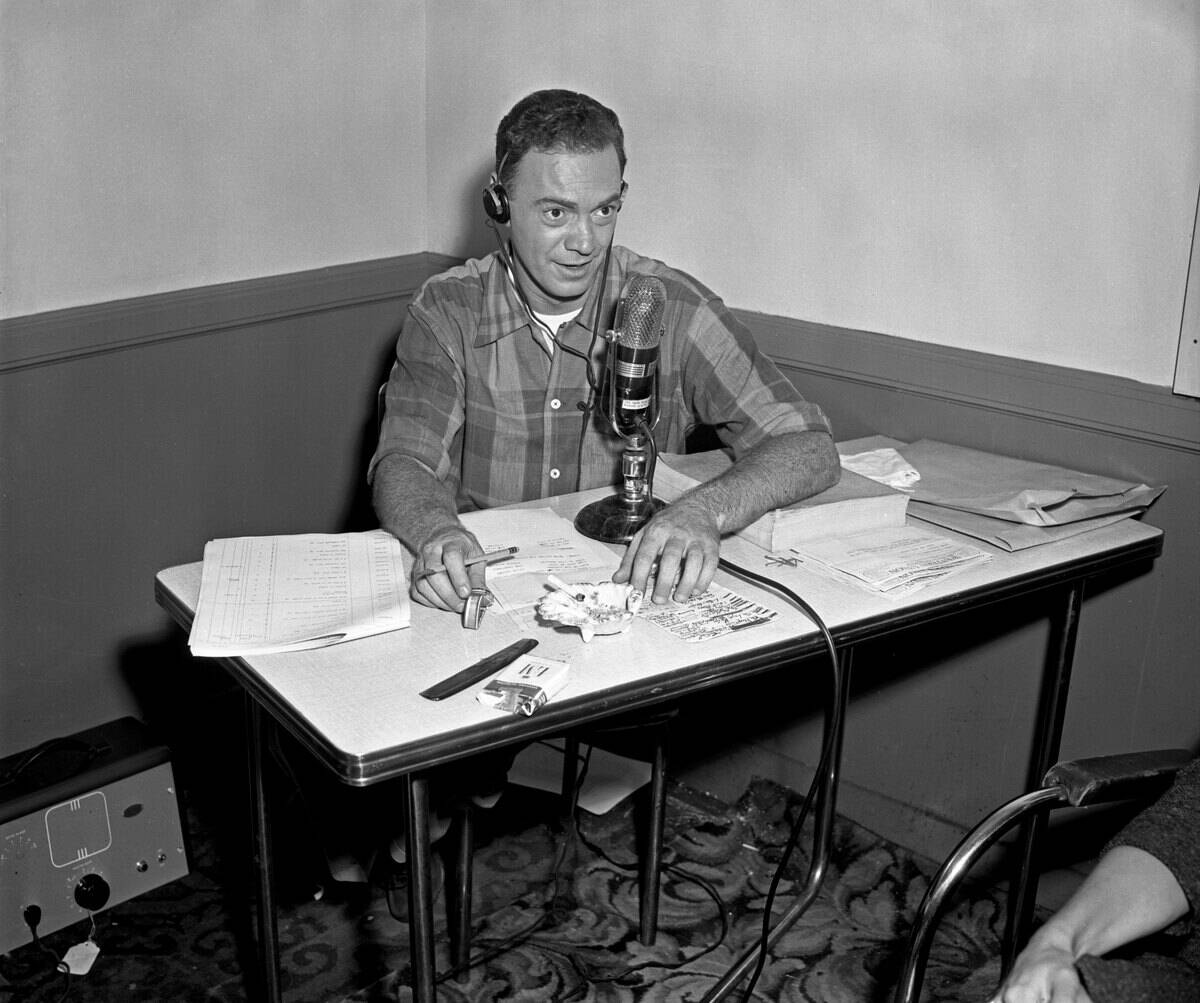
Radio DJs were the gatekeepers of music, deciding which songs would reach the public. DJs like Alan Freed and Wolfman Jack had the power to make or break a record.
Their personal tastes and charismatic personalities helped shape music trends, introducing listeners to new genres and artists. Radio DJs were instrumental in popularizing rock ‘n’ roll, rhythm and blues, and other emerging sounds, cementing their status as cultural tastemakers.
Breaking Barriers: Radio’s Role in Crossing Borders
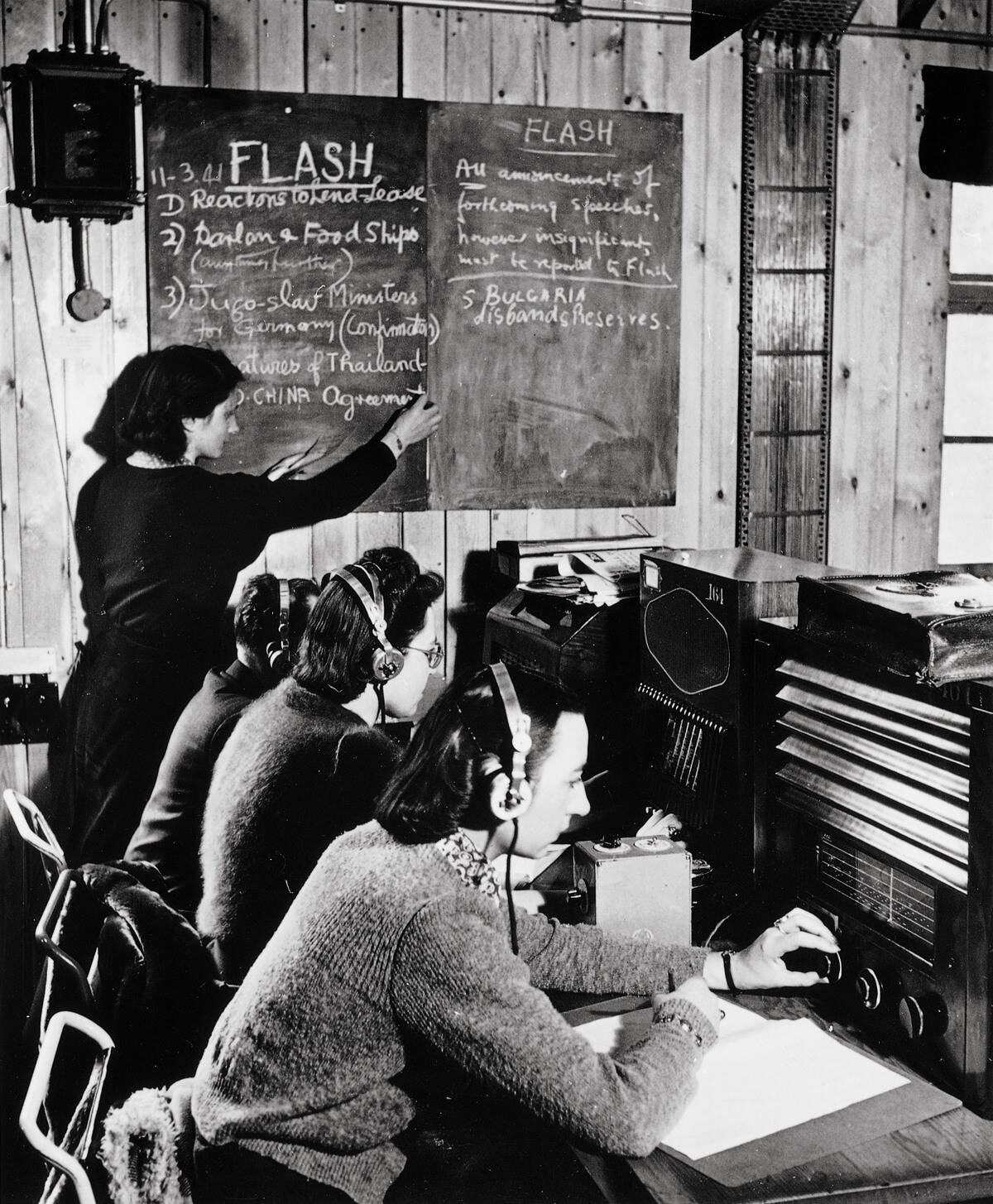
Radio played a crucial role in breaking down cultural and geographical barriers. During World War II, it was used to broadcast messages to troops and civilians, spreading music and morale.
Post-war, radio continued to be a powerful tool for diplomacy, sharing different cultures’ music globally. Programs like the BBC World Service showcased an international lineup of artists, fostering a sense of global connectedness and cultural exchange.
The Rise of Radio Networks: Creating a Unified Sound
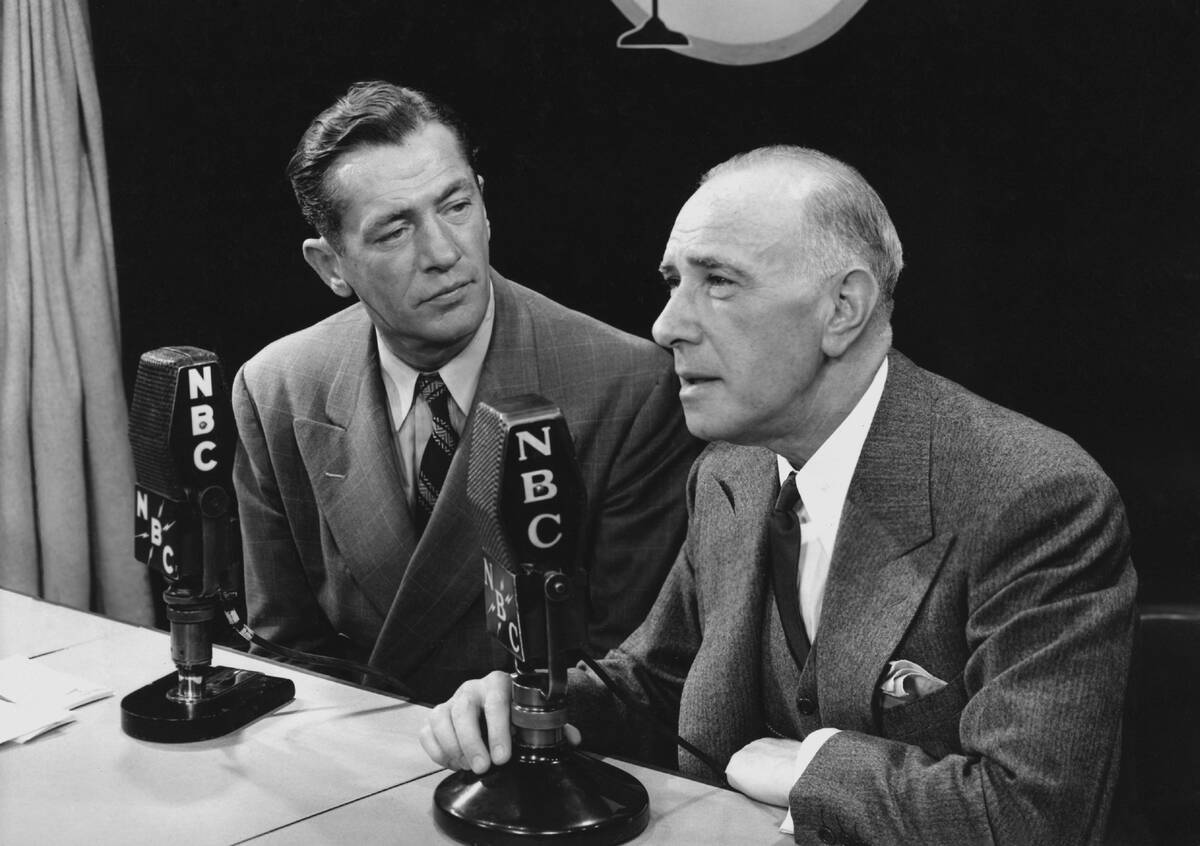
The rise of radio networks like NBC and CBS in the United States helped create a unified sound across the nation. These networks provided syndicated programming that standardized the listening experience.
Shows and music could be broadcast simultaneously across multiple affiliates, ensuring that audiences from New York to California heard the same content. This uniformity helped establish national music trends and facilitated the rise of pop stars with mass appeal.
Iconic Radio Performances: Moments That Made History
Radio has been the stage for many iconic performances that have gone down in history. One such moment was the 1938 broadcast of ‘War of the Worlds’ by Orson Welles, which famously caused public panic.
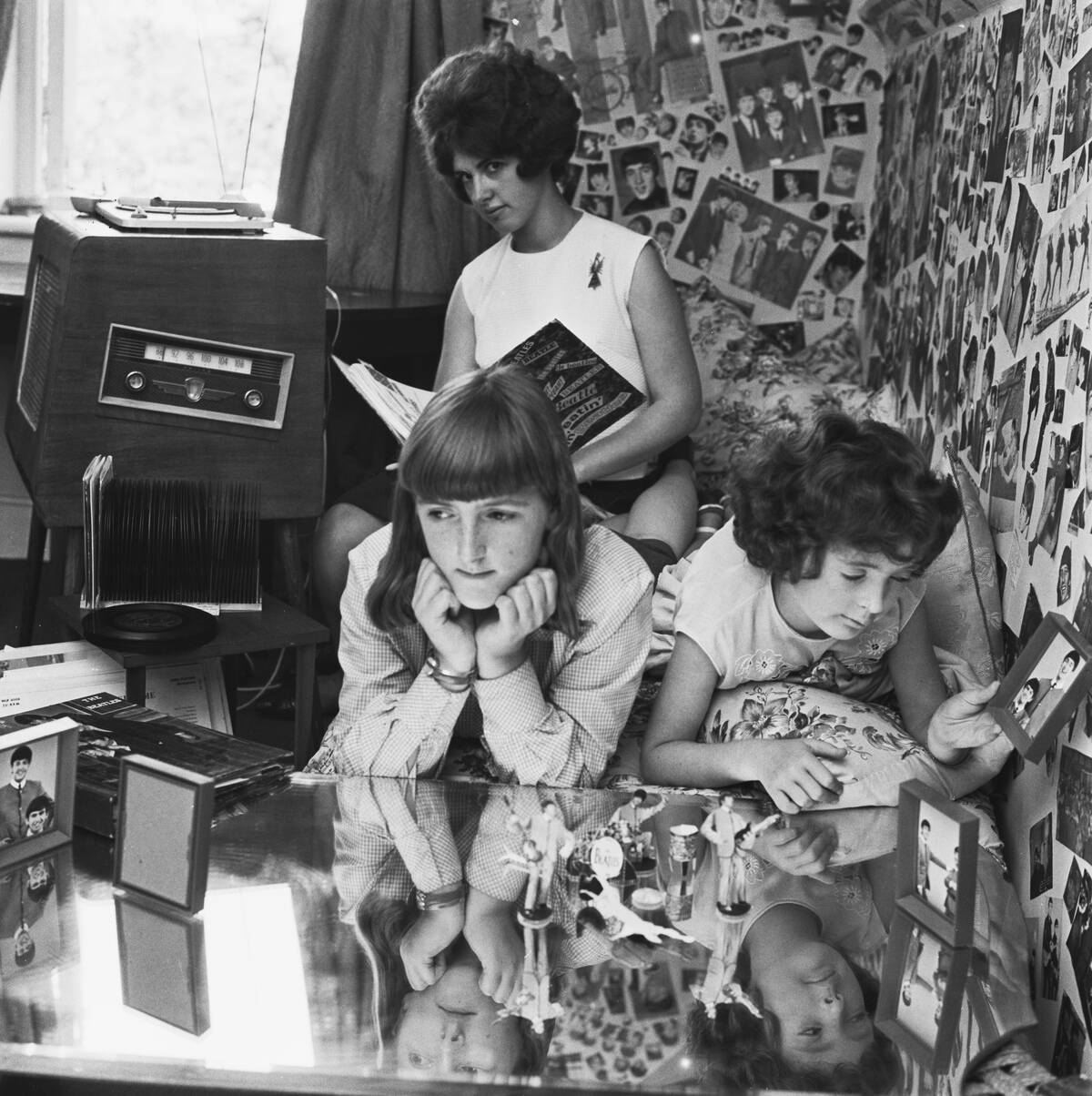
In the realm of music, live radio performances by artists like Elvis Presley and The Beatles were eagerly anticipated events, drawing massive audiences. These broadcasts became cultural milestones, showcasing the power of live radio to captivate and entertain.
The Influence of Radio on Music Genres
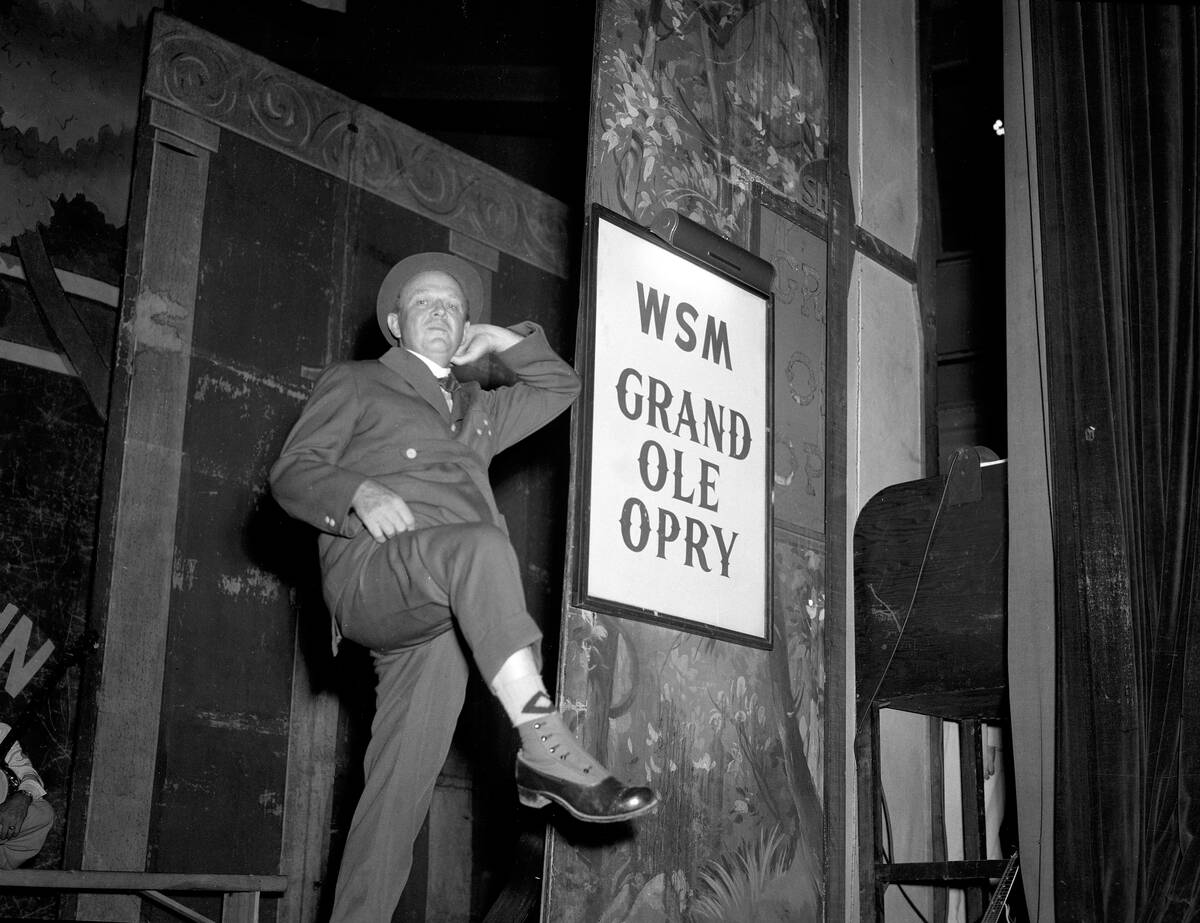
Radio has been instrumental in shaping and spreading various music genres. Country music, for example, found its first widespread audience through shows like the Grand Ole Opry, broadcast from Nashville.
Similarly, rock ‘n’ roll gained momentum in the 1950s thanks to radio’s embrace of the genre. By playing diverse styles, radio helped blend musical influences, leading to the creation of new genres and subgenres that would define the sound of future generations.
Case Study: How Elvis Presley Became a Global Sensation

Elvis Presley’s rise to fame is a testament to the power of radio. His first single, ‘That’s All Right,’ received significant airplay on local radio stations in Memphis, quickly gaining popularity.
As his music spread to national networks, Elvis became a household name, his energetic style and charisma captivating audiences. Radio was crucial in breaking down racial barriers in music, introducing a new era of rock ‘n’ roll to a diverse audience.
The British Invasion: Radio’s Role in The Beatles’ Global Fame
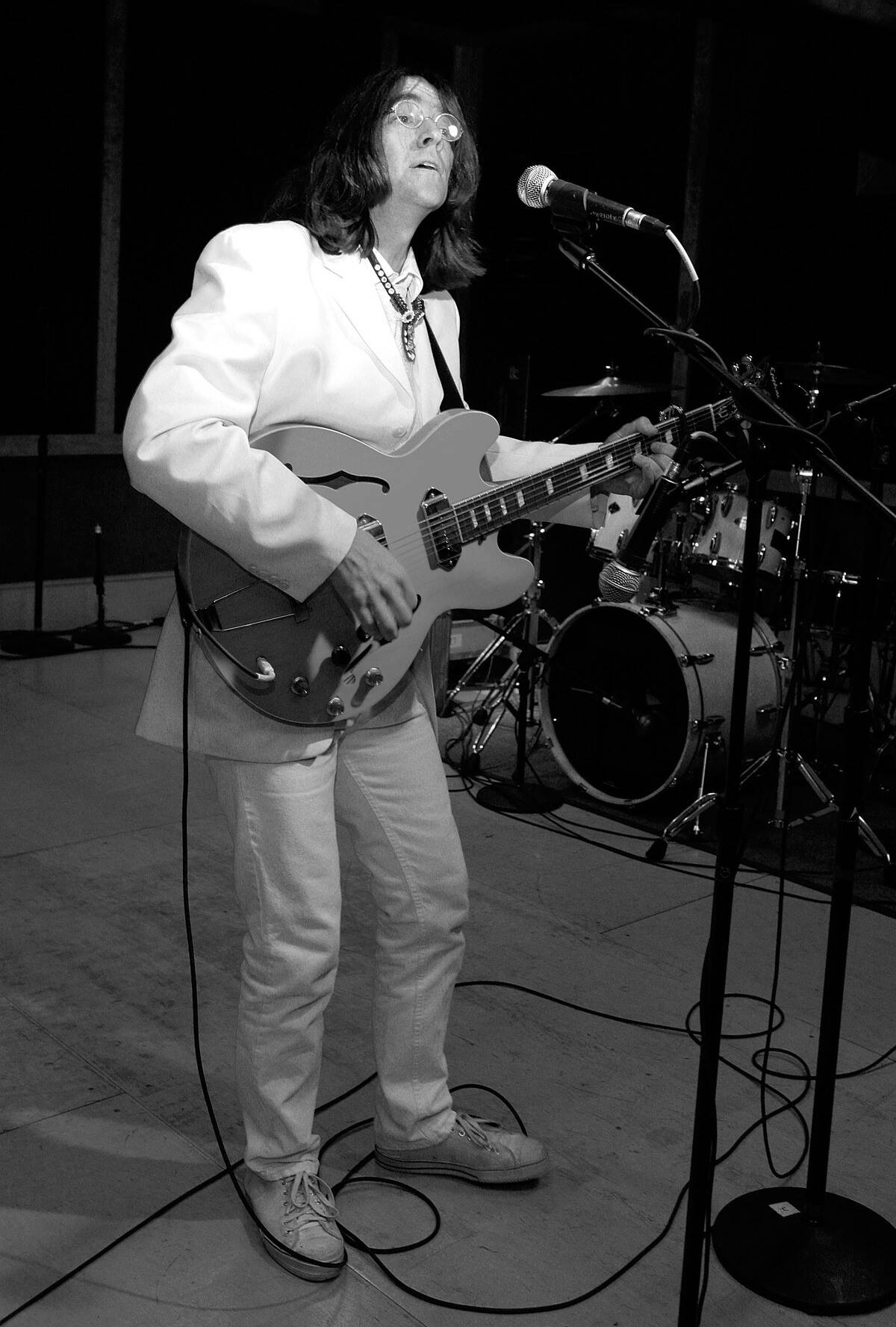
The Beatles’ meteoric rise in the 1960s, known as the British Invasion, was fueled by radio airplay. Their music was introduced to American audiences through popular radio stations, sparking a frenzy that spread worldwide.
The Beatles’ catchy tunes and innovative sound captured the hearts of millions, with radio playing a pivotal role in their global reach. This phenomenon showcased radio’s ability to launch international careers and shape global music trends.
Radio Jingles and Commercials: Boosting Artist Popularity
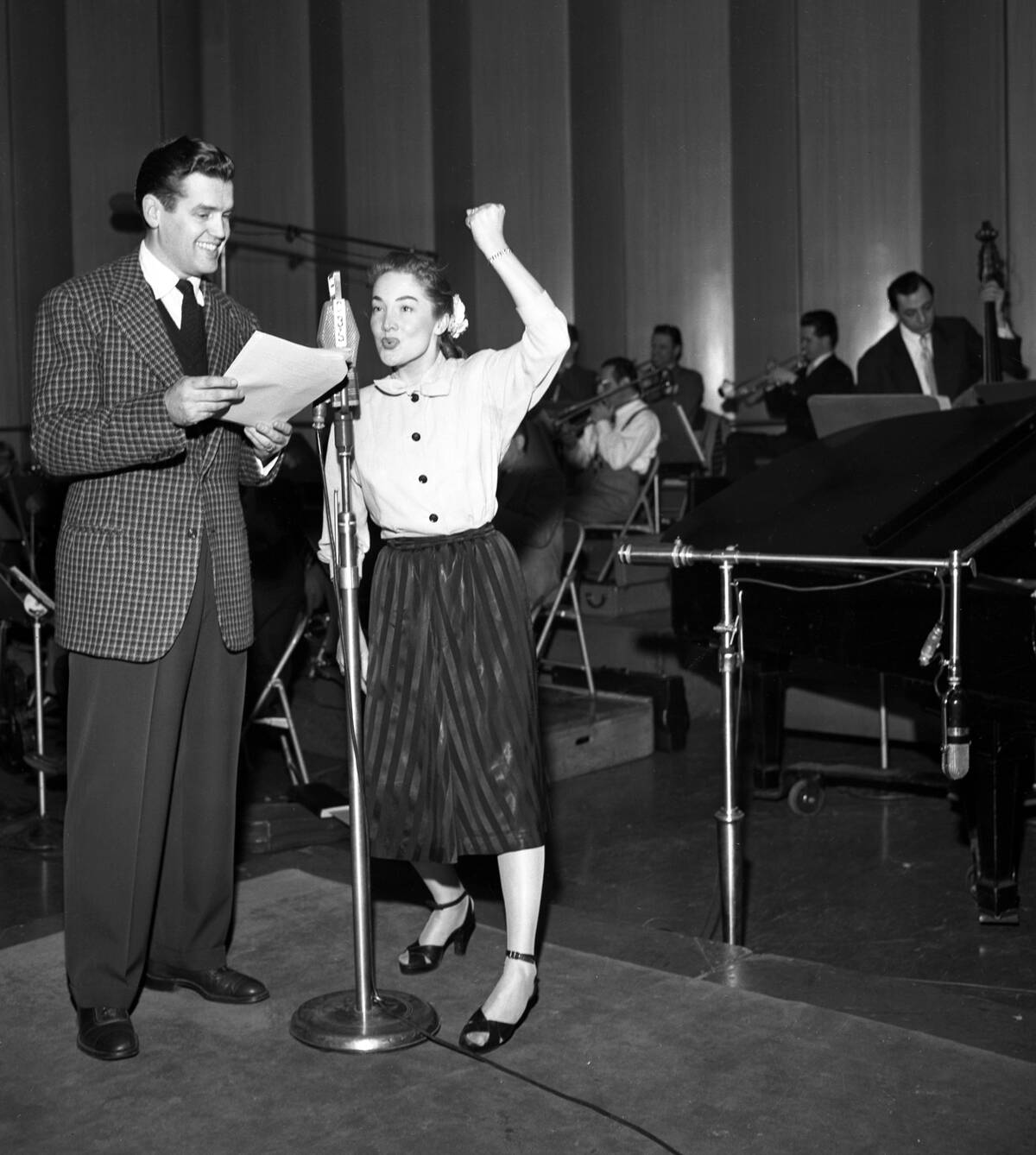
Radio jingles and commercials have long been tools for boosting artist popularity. Catchy jingles often featured snippets of popular songs, embedding them in the public’s consciousness.
Artists whose music was used in commercials gained additional exposure, reaching audiences who might not have otherwise discovered their work. This symbiotic relationship between radio and advertising played a significant role in promoting artists and their music to a broader audience.
The Evolution of Radio Technology: AM to FM and Beyond
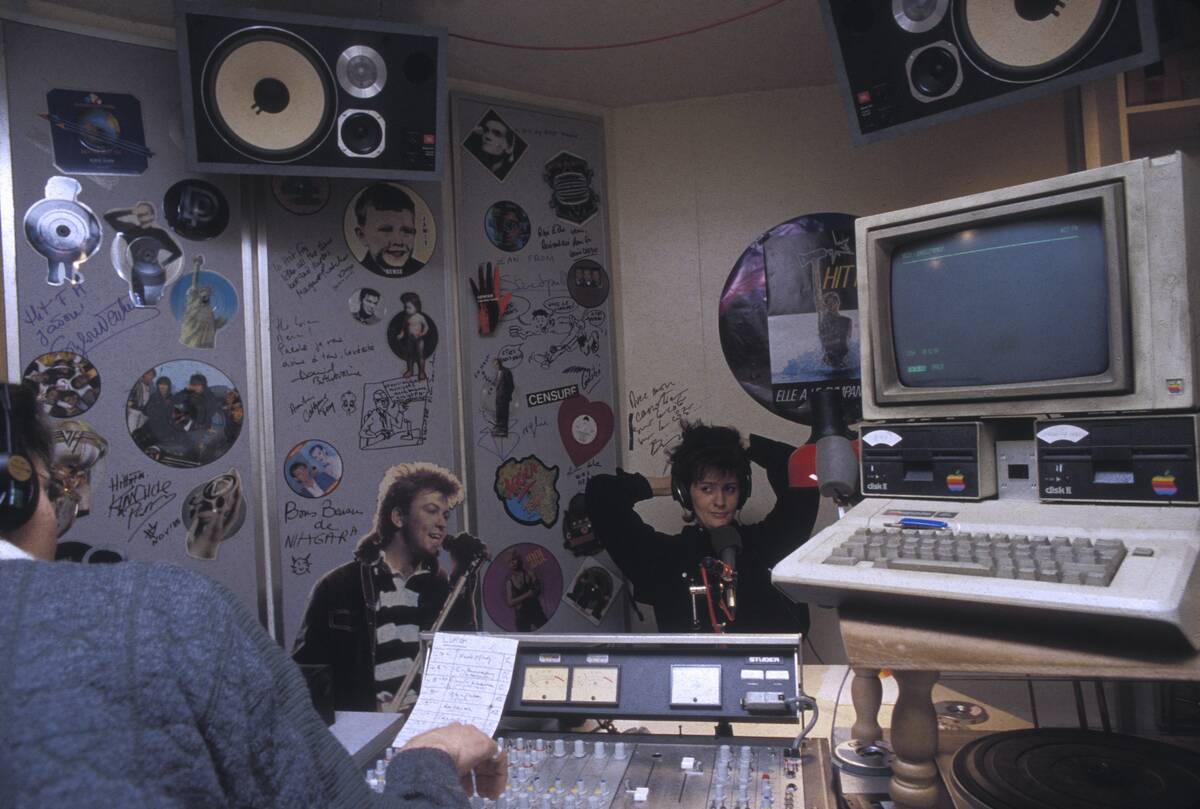
Radio technology has evolved significantly over the years, from AM to FM and beyond. AM radio, with its broader reach, was the standard for many years, but FM offered improved sound quality, leading to its rise in popularity during the 1970s.
Today, digital radio and streaming services have revolutionized the way we listen to music, offering on-demand access to a global audience. This technological evolution has continued to shape the landscape of global pop music.
Radio and Record Labels: A Symbiotic Relationship
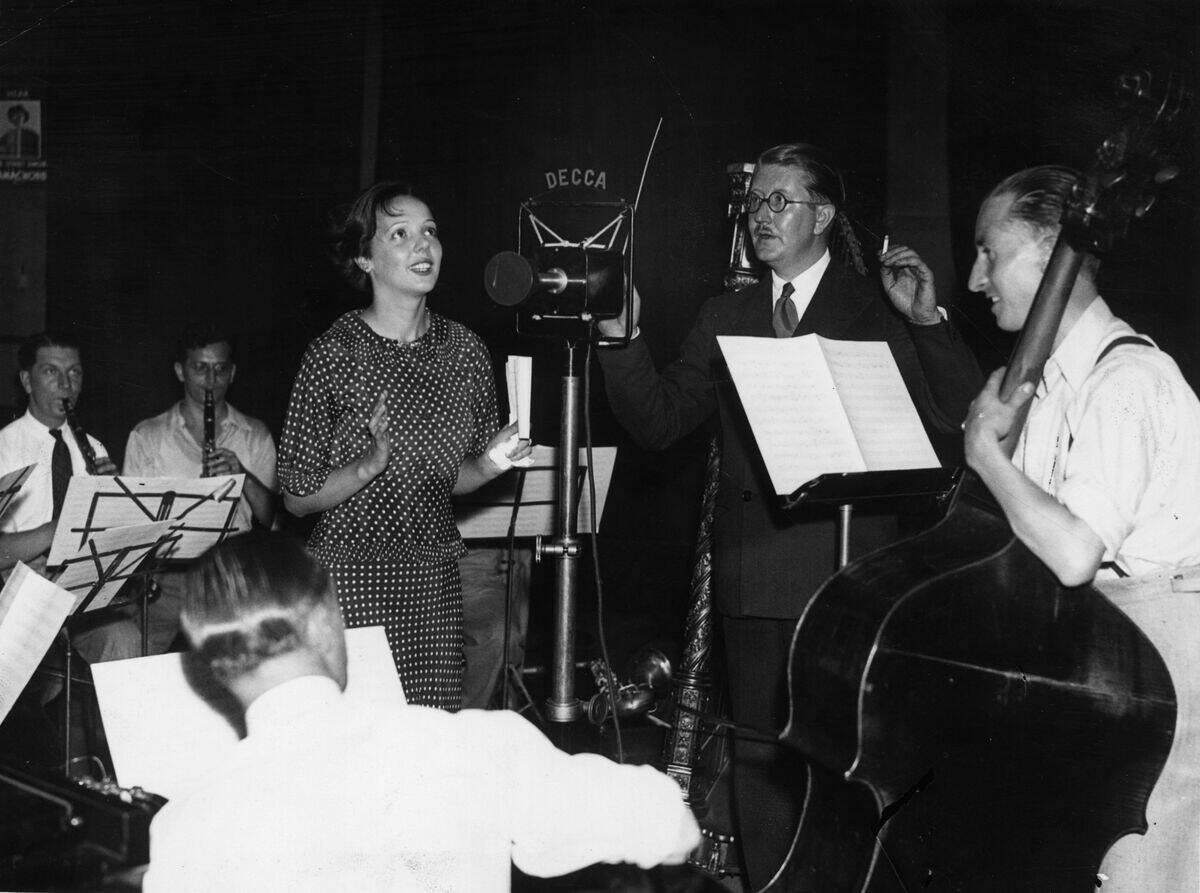
Radio and record labels have enjoyed a symbiotic relationship since the early days of broadcasting. Record labels relied on radio to promote their artists, while radio stations needed fresh music to attract listeners.
This mutual dependence helped propel artists to stardom, as radio airplay was crucial for reaching new audiences. In return, successful artists brought increased listenership to radio stations, highlighting the interconnectedness of these two industries.
Fan Clubs and Radio: Building Communities Around Stars
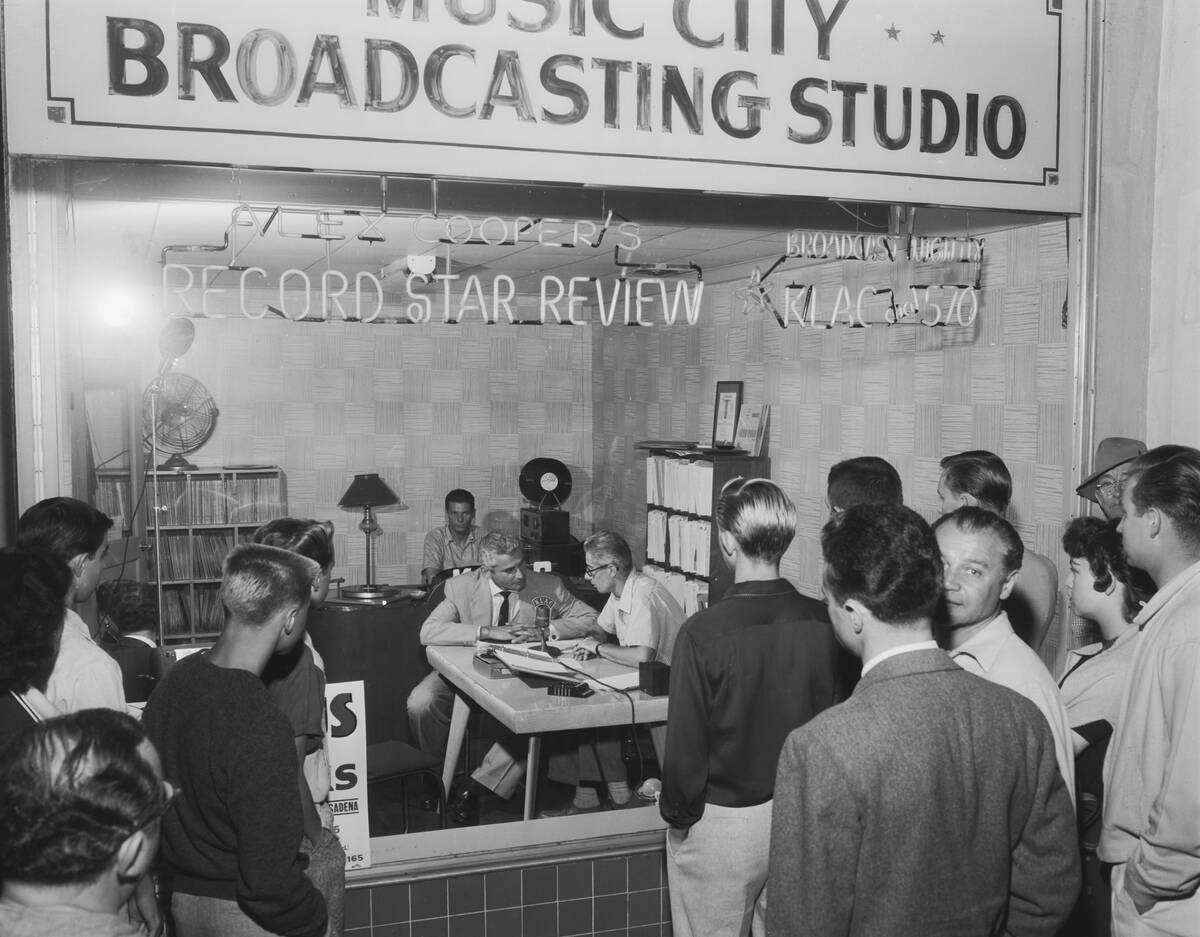
Fan clubs and radio have worked together to build communities around stars. Radio stations often hosted fan club events, providing a platform for fans to connect with their favorite artists.
These events, broadcast live, allowed fans to feel closer to the stars they admired. Radio also served as a communication tool for fan clubs, sharing news, updates, and exclusive content, fostering a sense of belonging among listeners and creating lasting fan communities.
Challenges and Controversies: Radio’s Influence on Pop Culture
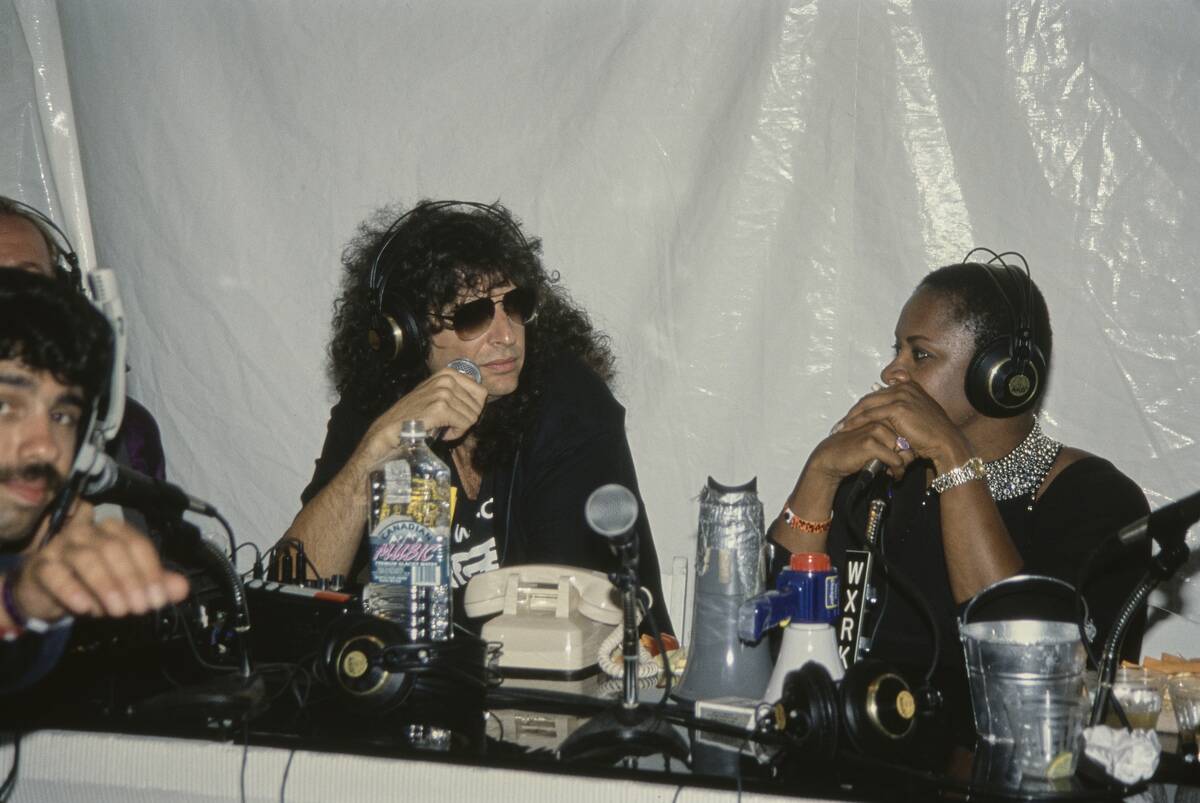
Radio’s influence on pop culture has not been without challenges and controversies. Payola scandals, where DJs accepted bribes to play certain records, rocked the industry in the 1950s and 1960s.
Additionally, censorship debates have arisen over lyrical content deemed inappropriate for public broadcast. Despite these issues, radio has remained a powerful force in shaping pop culture, continually adapting to changing social norms and listener expectations.
The Transition to Television: Radio’s Legacy in Creating Stars
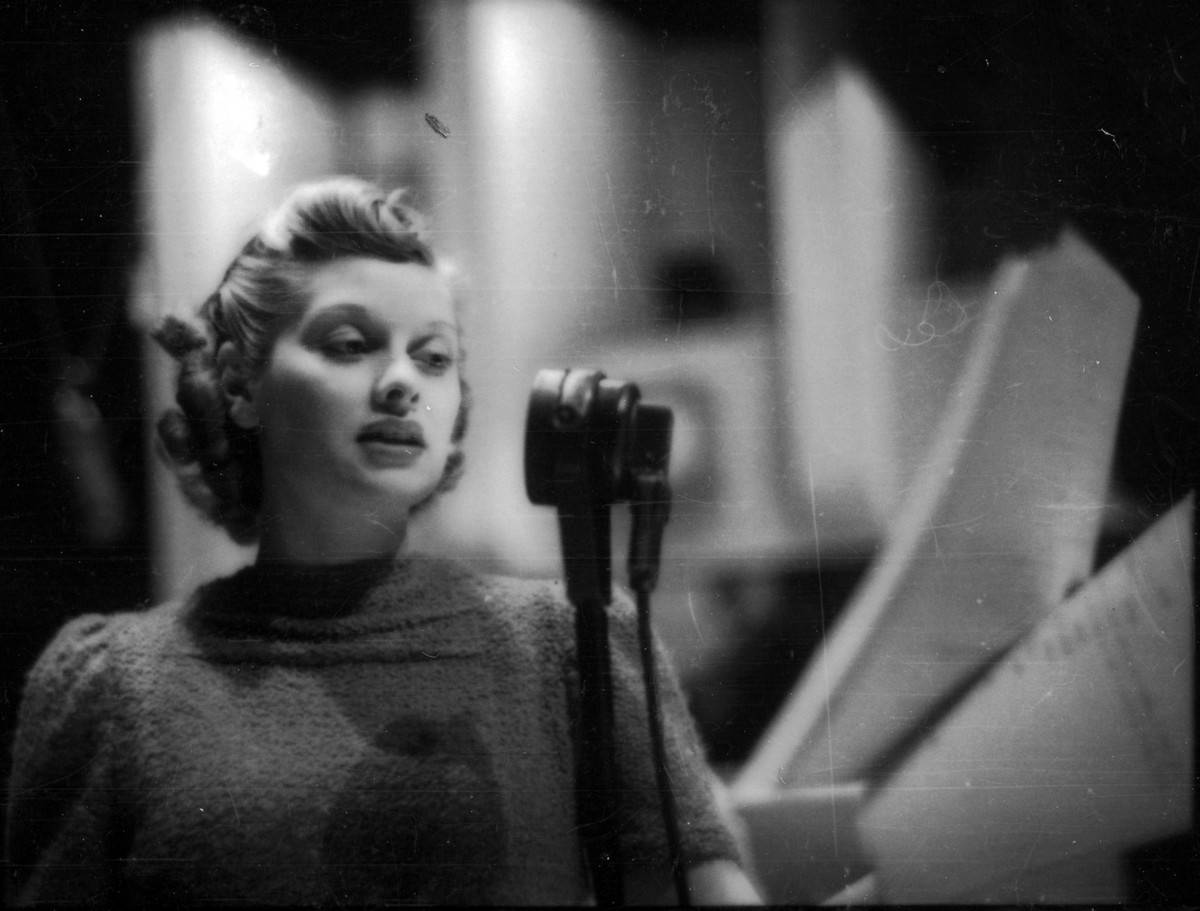
The advent of television in the mid-20th century marked a shift in the entertainment landscape, but radio’s legacy in creating stars endured. Many early television stars, including Lucille Ball and Jack Benny, got their start on radio.
The skills and popularity they gained on the airwaves translated to success on the small screen. Radio laid the groundwork for the celebrity culture we see today, proving its lasting impact on the entertainment industry.




