Private affairs of merchants in ancient Rome
Welcome to the bustling world of ancient Roman merchants, whose lives were as vibrant as the markets they frequented. These enterprising individuals were the backbone of Rome’s economy, weaving a tapestry of trade that stretched across the empire.
While their public personas were well-known, their private lives were equally fascinating, filled with family ties, personal ambitions, and the ever-present quest for wealth and influence.
The Role of Merchants in Roman Society
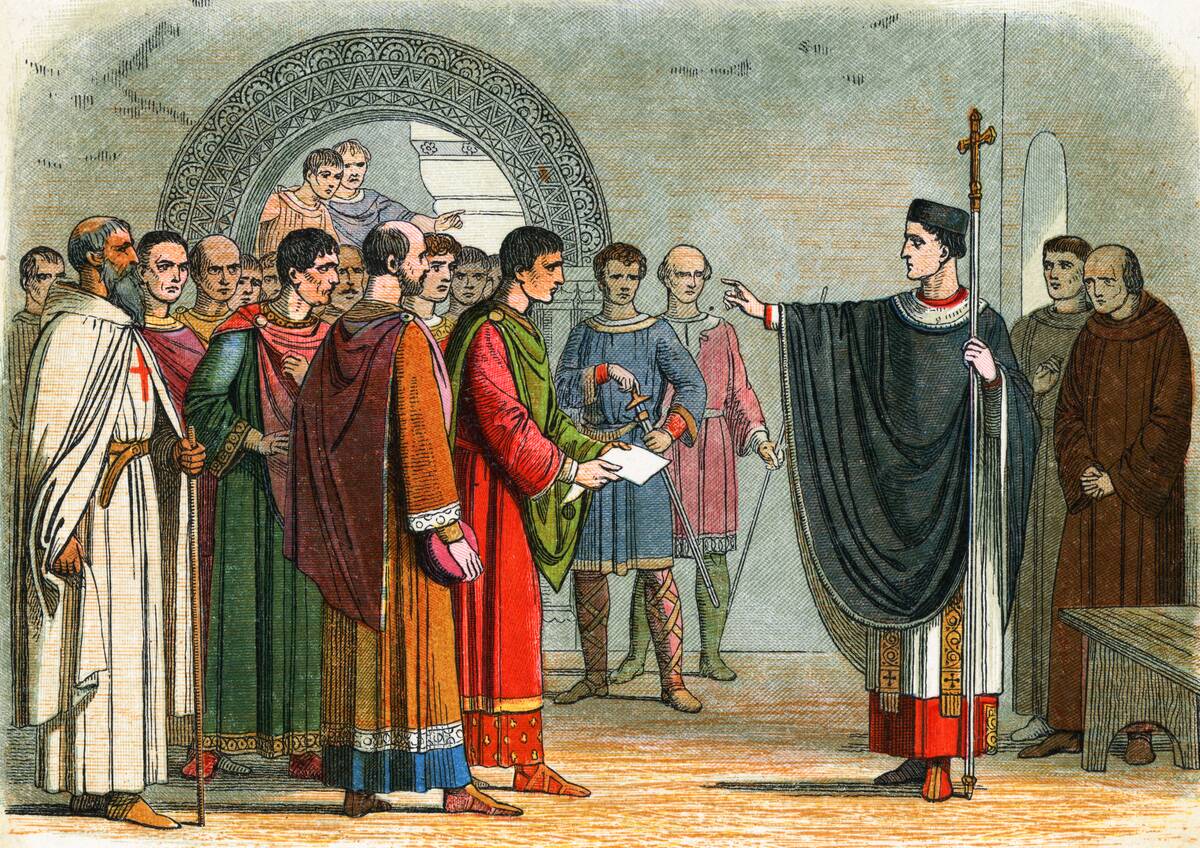
Merchants occupied a unique position in Roman society, serving as essential cogs in the economic machine. While not as esteemed as senators or generals, their role was crucial in ensuring the flow of goods from distant lands.
They bridged the gap between producers and consumers, often traveling great distances to secure exotic items such as spices, silk, and precious metals. Their work was vital in connecting Rome to the wider world, a testament to their indispensable role.
A Day in the Life of a Roman Merchant

A typical day for a Roman merchant began at dawn, with visits to bustling marketplaces filled with the cacophony of haggling voices. They examined goods, negotiated prices, and sealed deals with a handshake, a custom that persists today.
Time was of the essence, as they often juggled multiple transactions. Afternoons were reserved for networking and cultivating relationships with fellow traders, a crucial component of their business success.
Family Dynamics and Domestic Life
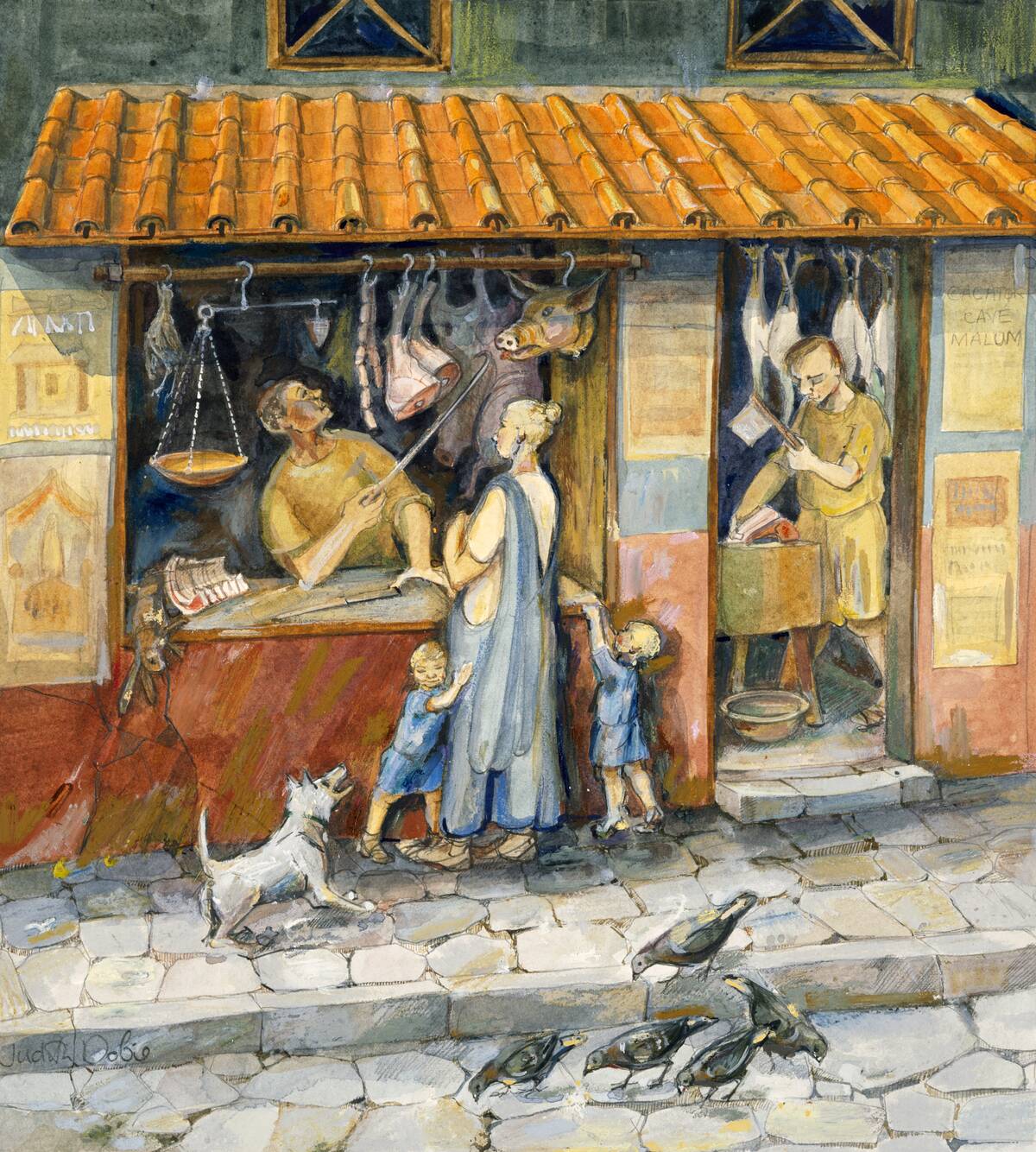
Family life for Roman merchants was a blend of tradition and practicality. Merchants often arranged marriages to forge alliances, boosting their social standing and expanding their business networks.
At home, the household was a busy place, with wives playing a central role in managing domestic affairs. Children were groomed to inherit the family business, learning the trade from their parents. This familial structure was key to a merchant’s prosperity.
The Influence of Wealth on Social Status
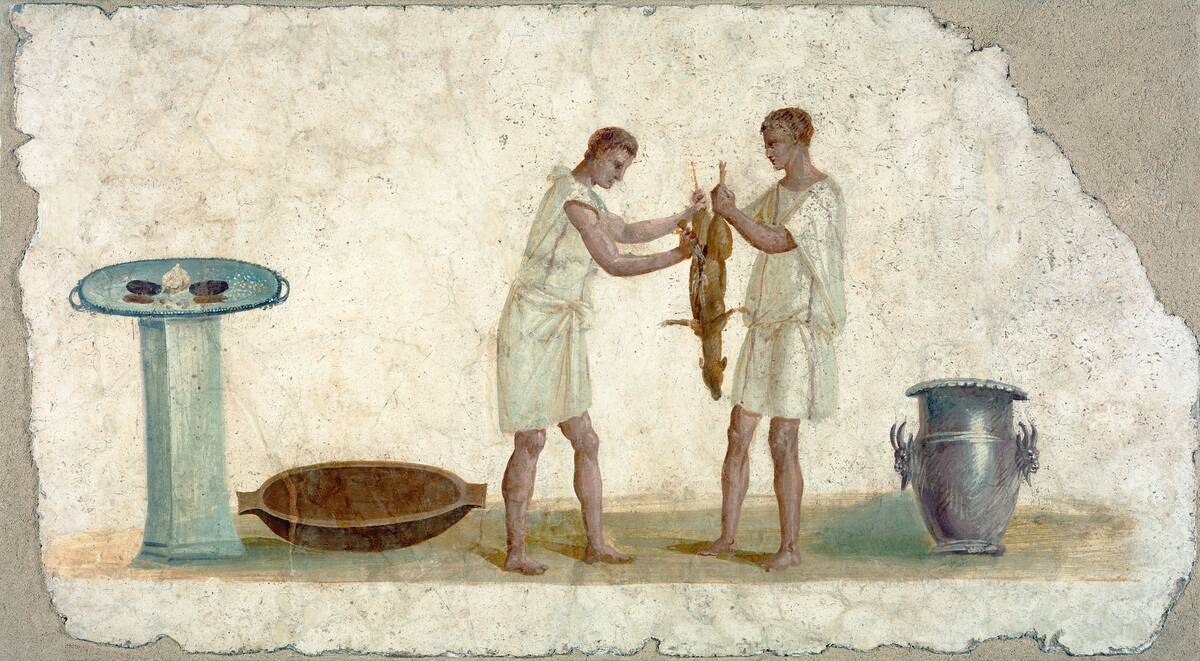
Wealth was a significant factor in determining a merchant’s social status, and many strove to elevate their position in society. Affluent merchants could afford the luxurious lifestyles once reserved for the elite, with grand villas and opulent feasts.
Their riches allowed them to sponsor public events and contribute to civic projects, boosting their reputation. While wealth did not grant them the same privileges as the nobility, it certainly opened doors in Roman society.
Trade Routes and Merchant Networks

Roman merchants were part of an intricate web of trade routes that spanned the known world. They traveled along the Silk Road, navigating treacherous paths to reach China, India, and beyond.
Sea routes were equally important, with merchants setting sail from ports like Ostia to the farthest corners of the Mediterranean. These networks were vital for the exchange of goods, ideas, and culture, making merchants key players in the global economy of the time.
The Art of Negotiation and Business Deals
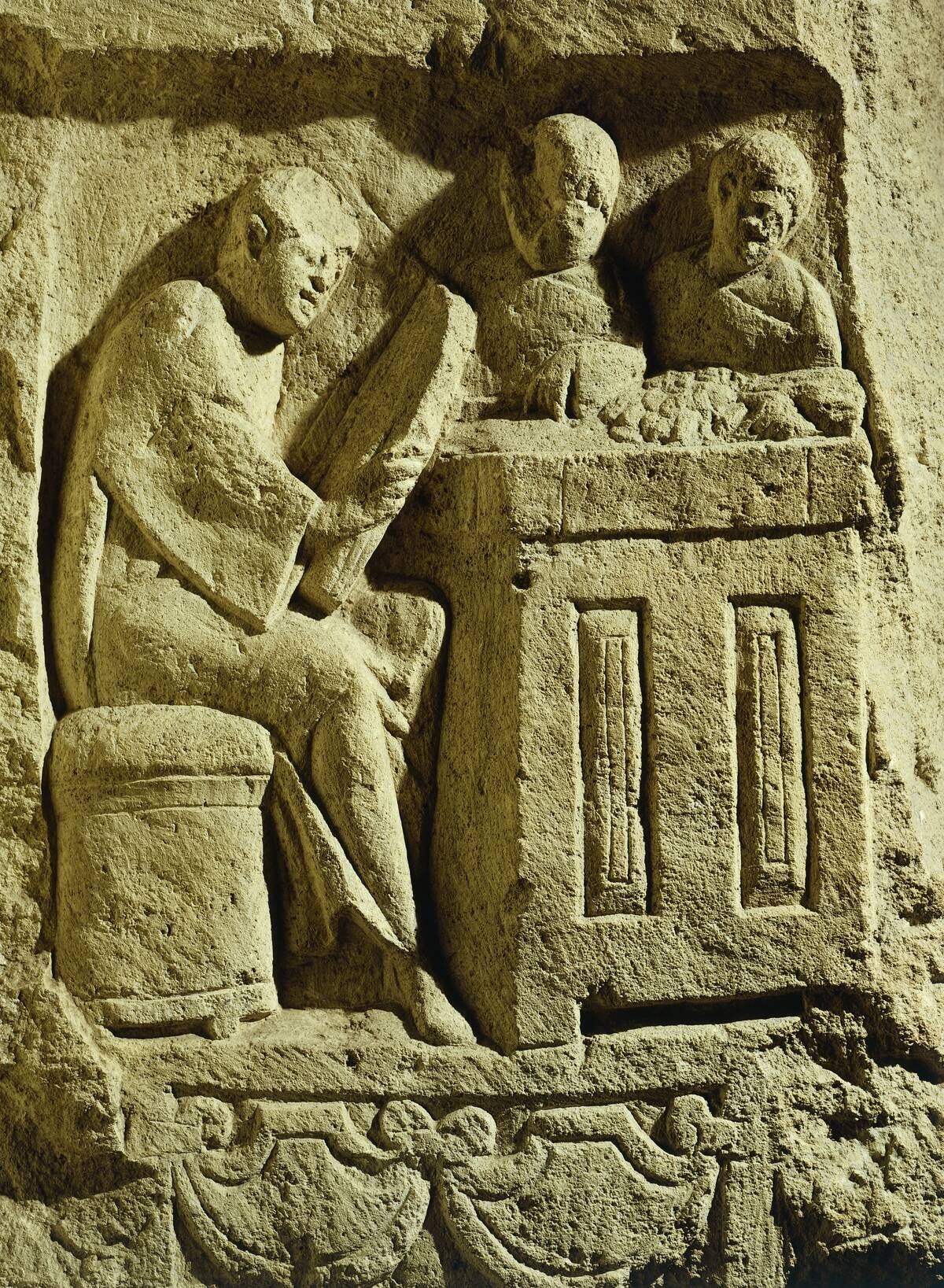
Negotiation was an art form mastered by Roman merchants, who relied on their wits to strike the best deals. Haggling was a common practice, with merchants employing persuasion and charm to sway potential buyers.
Contracts were often sealed with wax seals and witnessed by trusted associates. Successful negotiations required a keen understanding of market trends and human psychology, skills honed over years of experience in the cutthroat world of commerce.
Home Sweet Home: Roman Merchant Residences
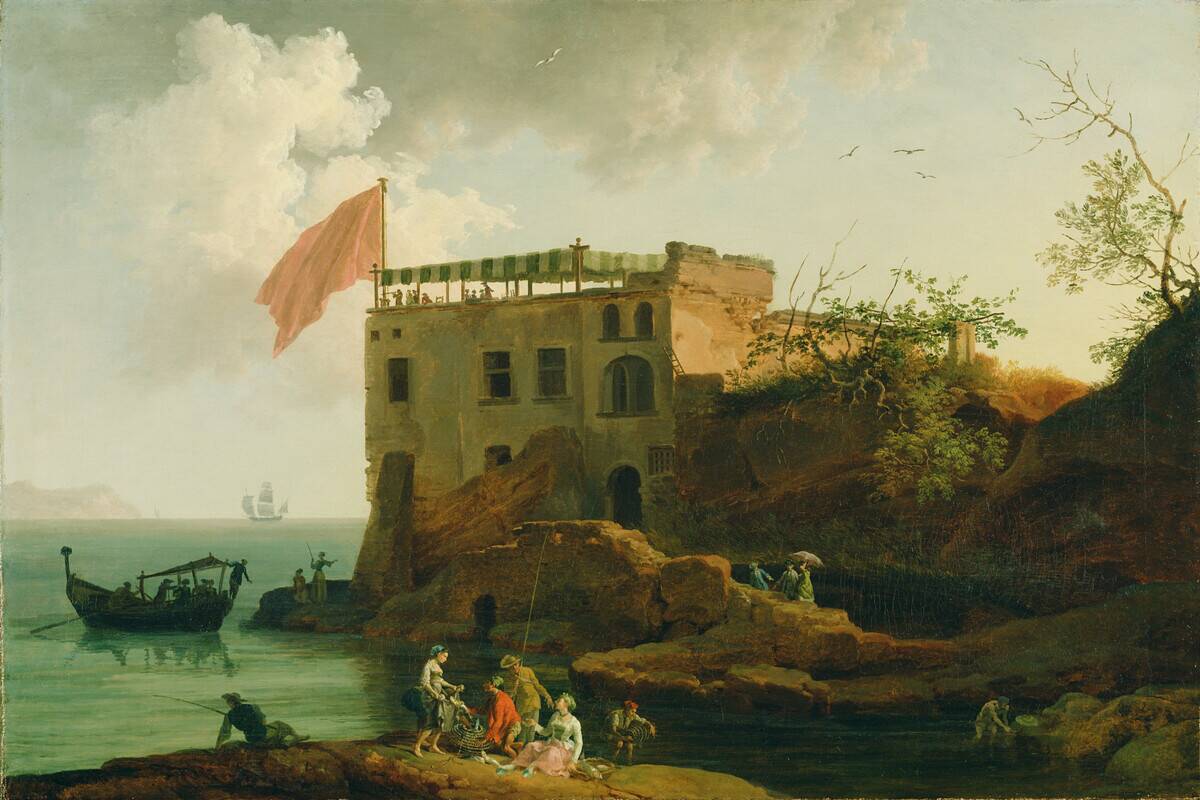
The homes of successful Roman merchants were a testament to their wealth and taste. Lavish villas adorned with intricate mosaics and frescoes were common among the affluent. These residences often featured private baths, gardens, and dining rooms designed for entertaining guests.
Merchants took pride in showcasing their prosperity through their homes, reflecting their social aspirations. The architecture and decor echoed the rich cultural influences they encountered in their travels.
Leisure Activities and Pastimes
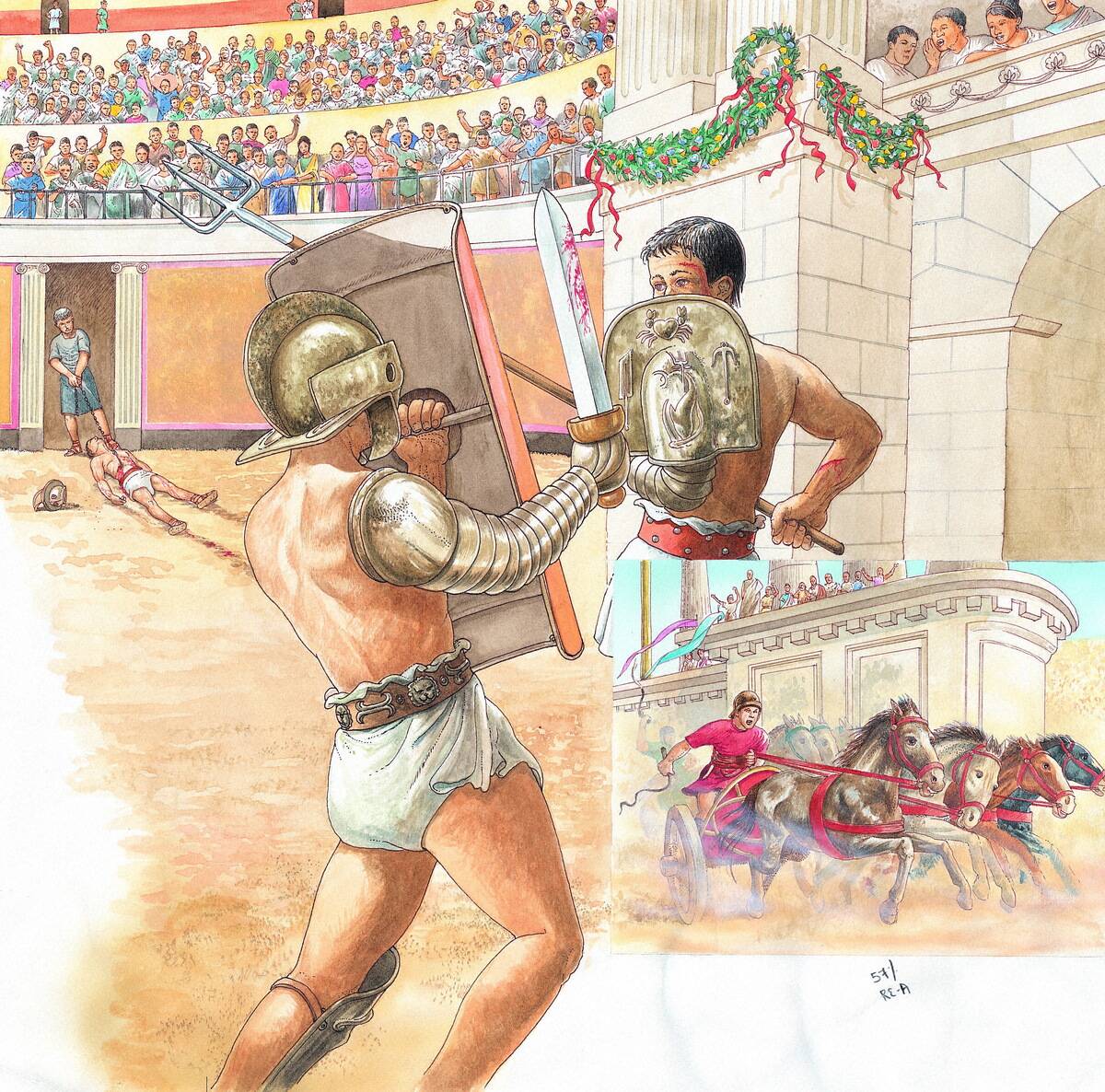
Despite their busy schedules, Roman merchants found time for leisure and entertainment. They attended gladiatorial games, theatrical performances, and chariot races, indulging in the vibrant cultural life of Rome.
Social gatherings were common, where merchants could relax and network over sumptuous banquets. Many were patrons of the arts, collecting sculptures and paintings to adorn their homes. These activities provided a respite from the demands of their trade.
Religious Practices and Offerings
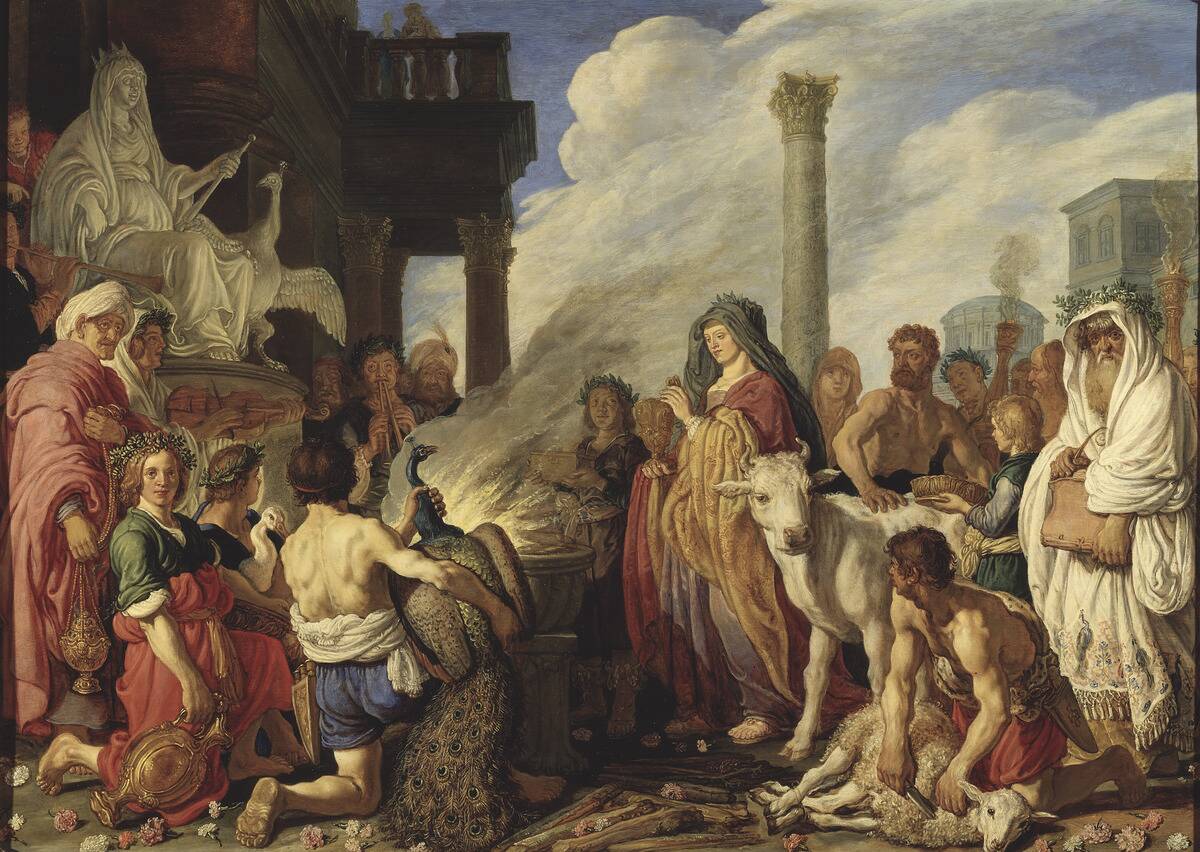
Roman merchants were deeply religious, often invoking the gods for protection and success in their endeavors. They made offerings at temples dedicated to Mercury, the god of commerce, seeking his favor.
Household shrines were common, where daily rituals were performed to honor the deities. Religious festivals provided opportunities for merchants to display their piety and generosity, reinforcing their status within the community. Religion was an integral part of their daily lives.
Merchants and Their Political Connections
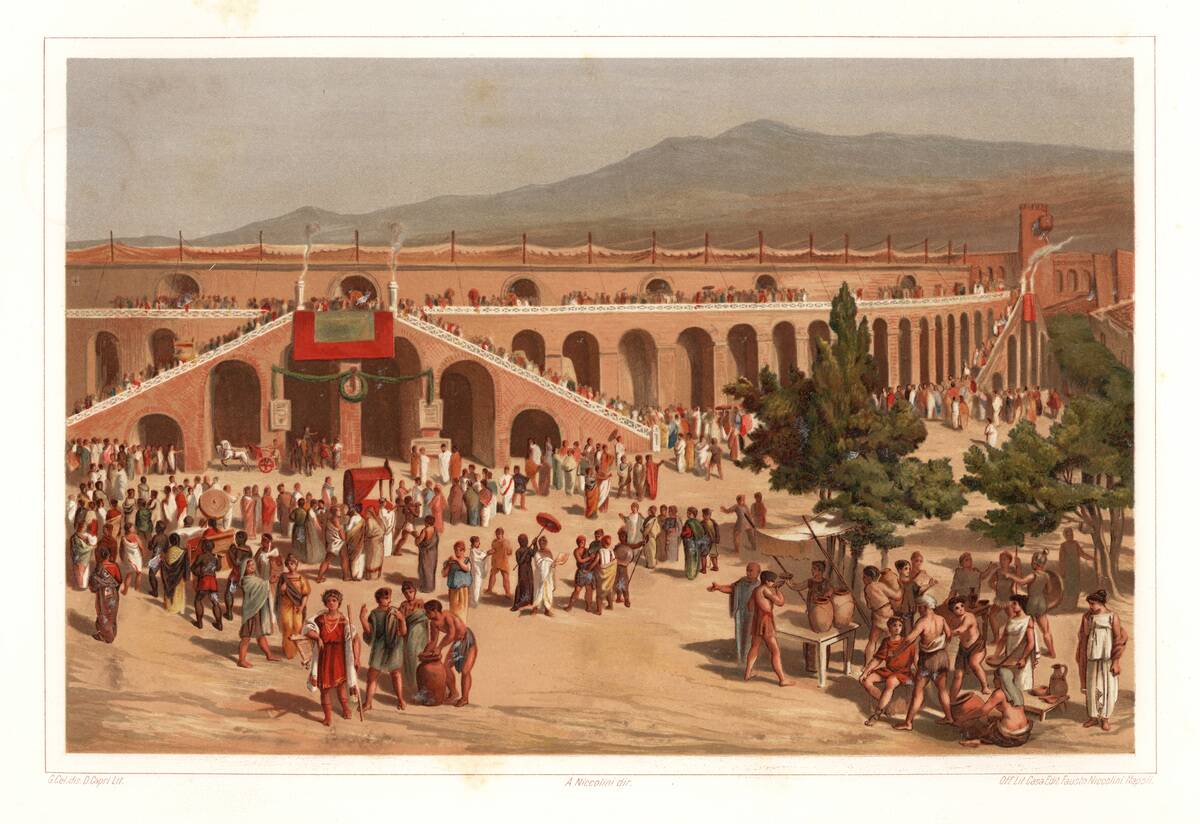
Political connections were invaluable to Roman merchants, who often sought the patronage of influential figures. Aligning with powerful senators or local magistrates could provide protection and facilitate business dealings.
Merchants were sometimes involved in politics themselves, using their wealth to fund campaigns and secure favorable policies. These relationships were mutually beneficial, as merchants could offer financial support in return for political influence.
Education and Knowledge Among Merchants
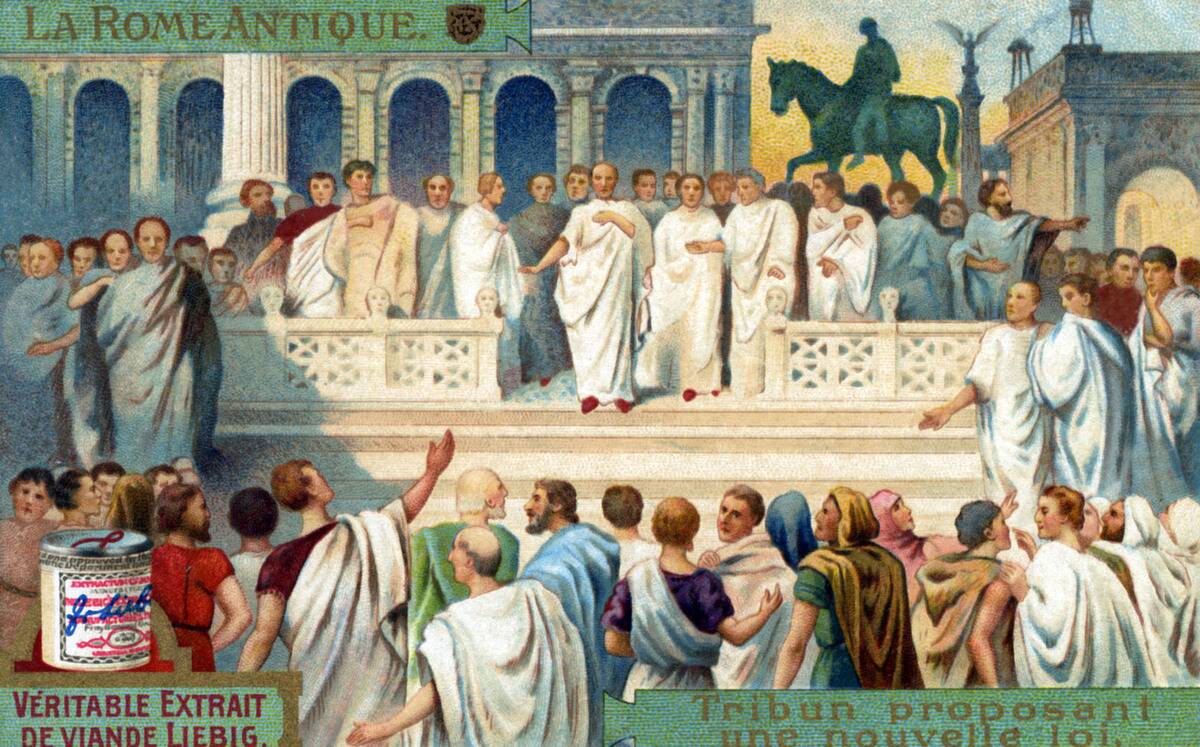
Education was a prized asset for Roman merchants, many of whom were well-versed in languages, mathematics, and geography. This knowledge was crucial for navigating international trade and maintaining accurate records.
Merchants often employed educated slaves or scribes to assist with correspondence and accounting. A broad understanding of different cultures and customs enhanced their ability to negotiate and build relationships across the diverse Roman Empire.
Fashion and Personal Style of Roman Merchants
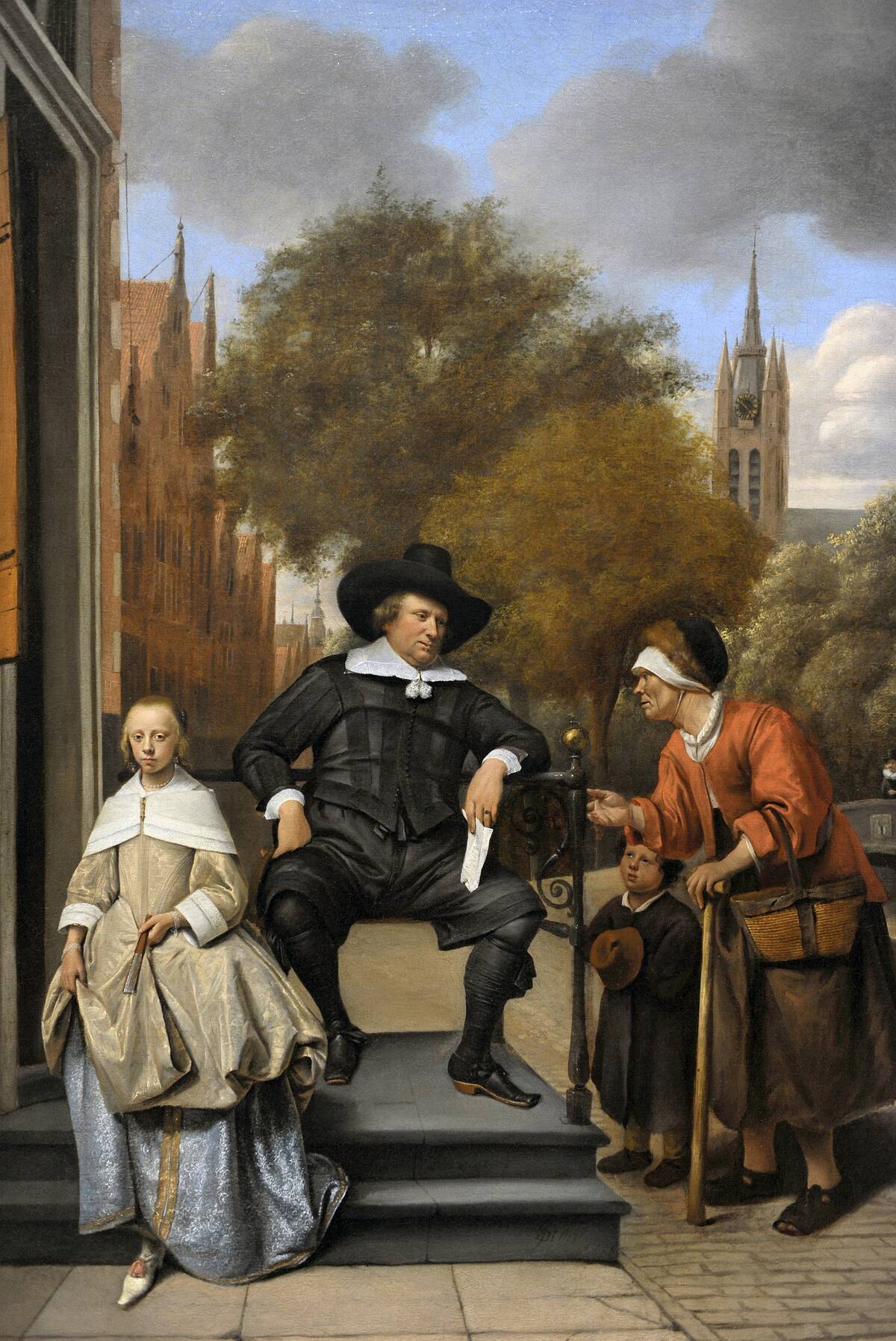
Fashion was an expression of personal and social identity for Roman merchants. They favored garments made from fine fabrics like silk and linen, often dyed in rich colors. Jewelry was a popular accessory, with gold rings and signet seals serving both decorative and practical purposes.
Merchants took care in their appearance, understanding that a polished image could bolster their reputation and success. Their style often reflected the diverse influences of the regions they traded with.
Love, Marriage, and Relationships
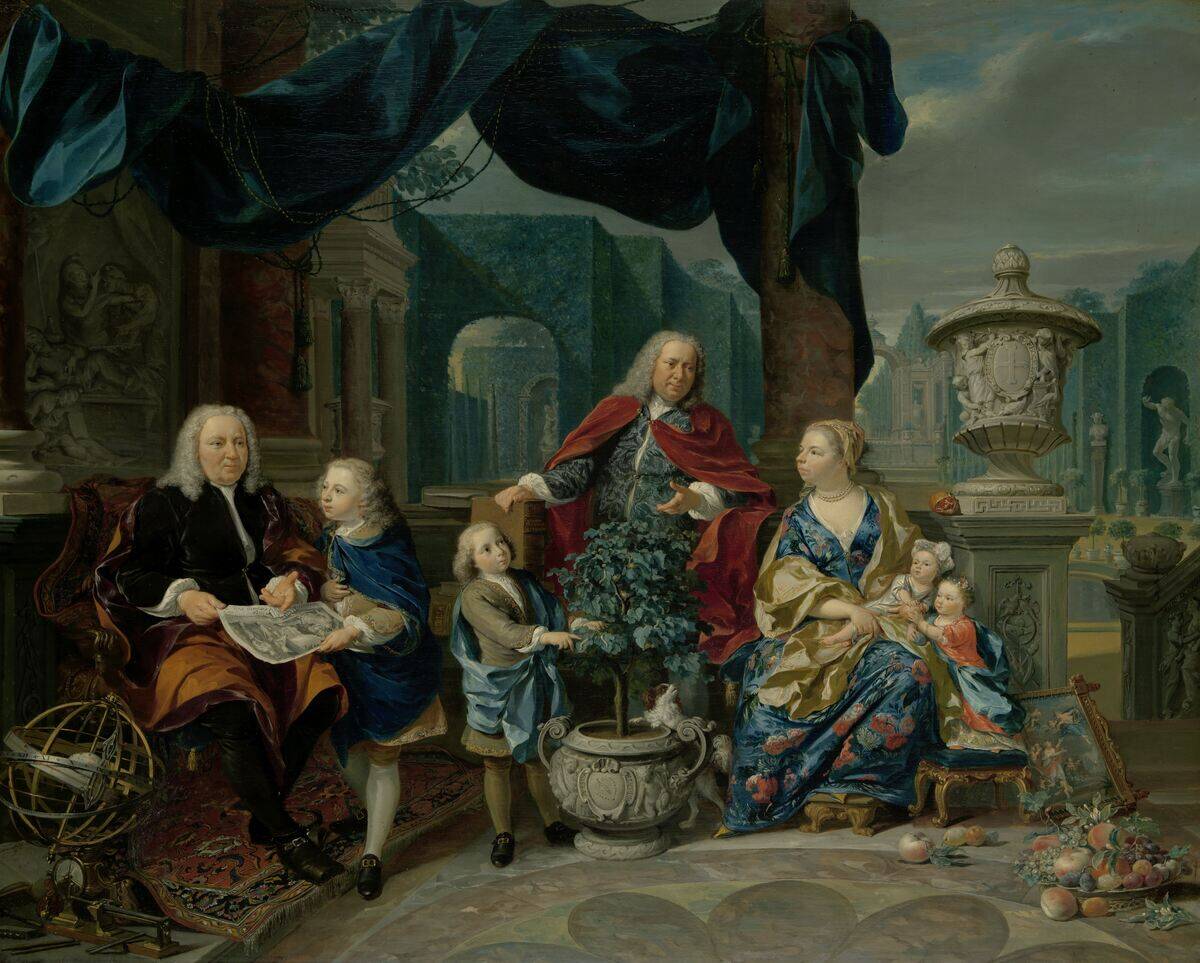
For Roman merchants, marriage was often a strategic alliance rather than a romantic union. Marriages were arranged to strengthen business ties and enhance social standing. However, love and affection were not absent from these relationships.
Many merchants valued their spouses as partners in both domestic and business matters. The household was a collaborative environment, where mutual respect and shared goals fostered strong family bonds. These dynamics were integral to their personal and professional lives.
Challenges and Risks in the Merchant Profession
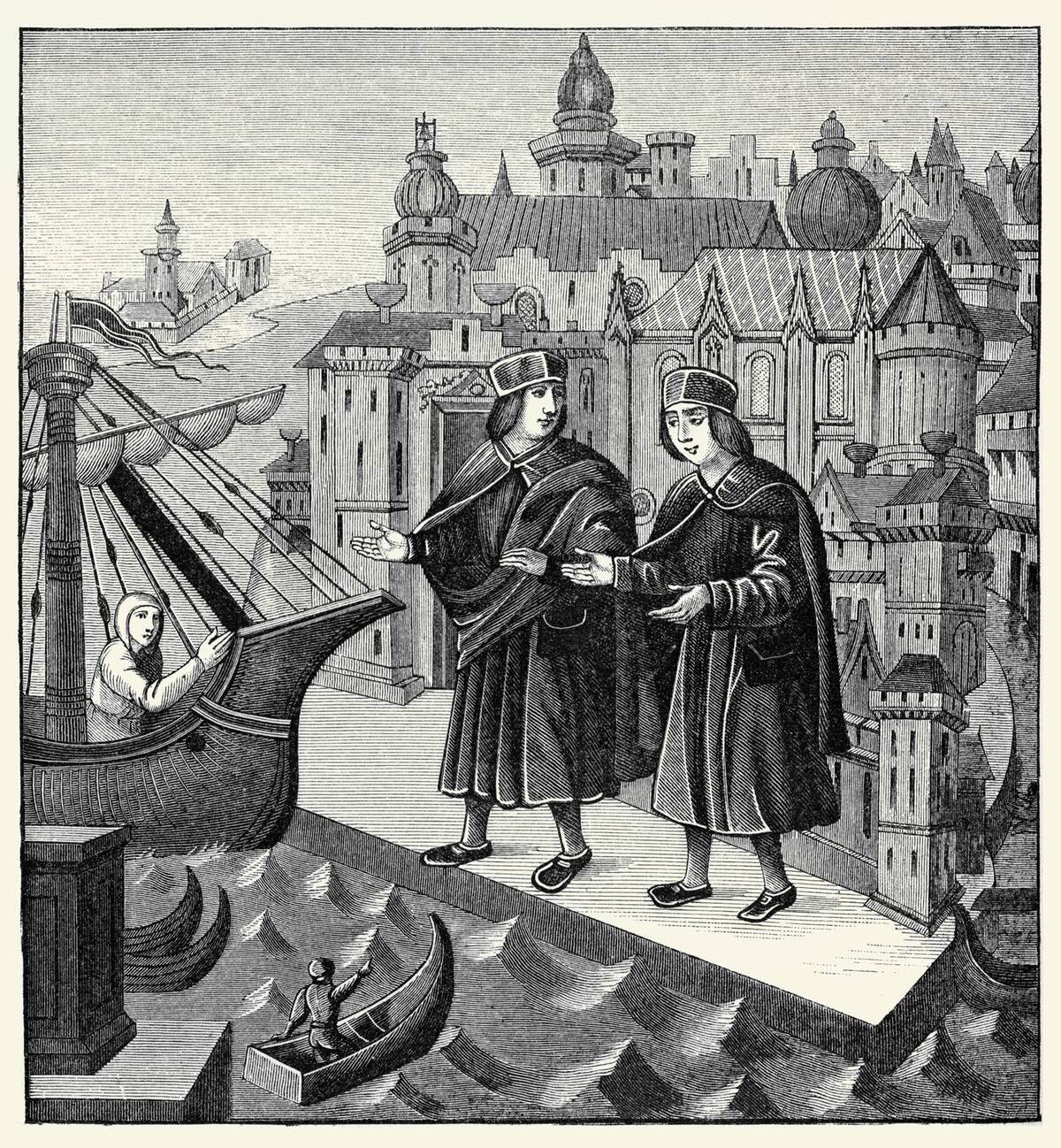
The life of a Roman merchant was fraught with challenges and risks. Pirates threatened sea routes, while bandits lurked along land-based trade paths. Political instability could disrupt markets and lead to financial losses.
Merchants had to be adept at risk management, often employing guards or forming trade alliances for protection. Despite these dangers, the potential for profit and prosperity drove many to embrace the uncertainties of the trade, proving their resilience and determination.
Celebrations and Festivals: Merchants at Play
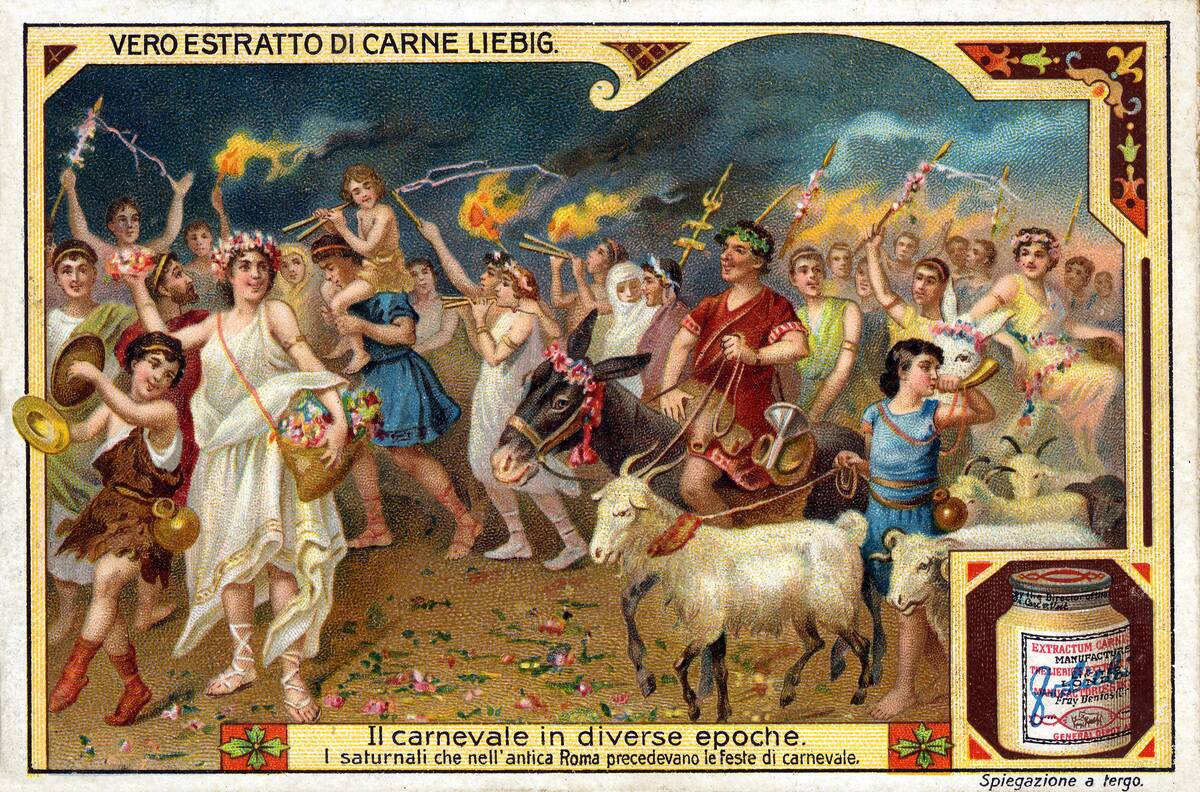
Celebrations and festivals provided Roman merchants with opportunities to unwind and enjoy the fruits of their labor. Saturnalia was a particularly popular festival, marked by feasting, gift-giving, and revelry.
Merchants often sponsored public games and events as a way to demonstrate their wealth and generosity. These occasions allowed them to strengthen social bonds, forge new connections, and enjoy a sense of community. Festivals were a vibrant aspect of life, offering a balance to the demands of commerce.