The plagues that quietly reshaped global power
In the tapestry of human history, diseases have often been the silent weavers, shaping societies in ways we might not always recognize. From altering the course of empires to influencing public policy, pandemics and epidemics have left indelible marks on our world.
As we delve into the past, we’ll uncover how these microscopic adversaries have played pivotal roles in global transformations, offering lessons that continue to resonate today.
Cholera Outbreaks: How Waterborne Illness Influenced Urban Planning

Cholera outbreaks in the 19th century prompted major changes in urban infrastructure and public health policies. As cities expanded, the lack of clean water and proper sanitation led to repeated cholera epidemics.
The response was transformative: cities began investing in sewer systems, clean water supply, and public health education. These efforts not only curbed the spread of cholera but also laid the groundwork for modern urban planning and public health systems.
Smallpox and the Fall of the Aztec Empire
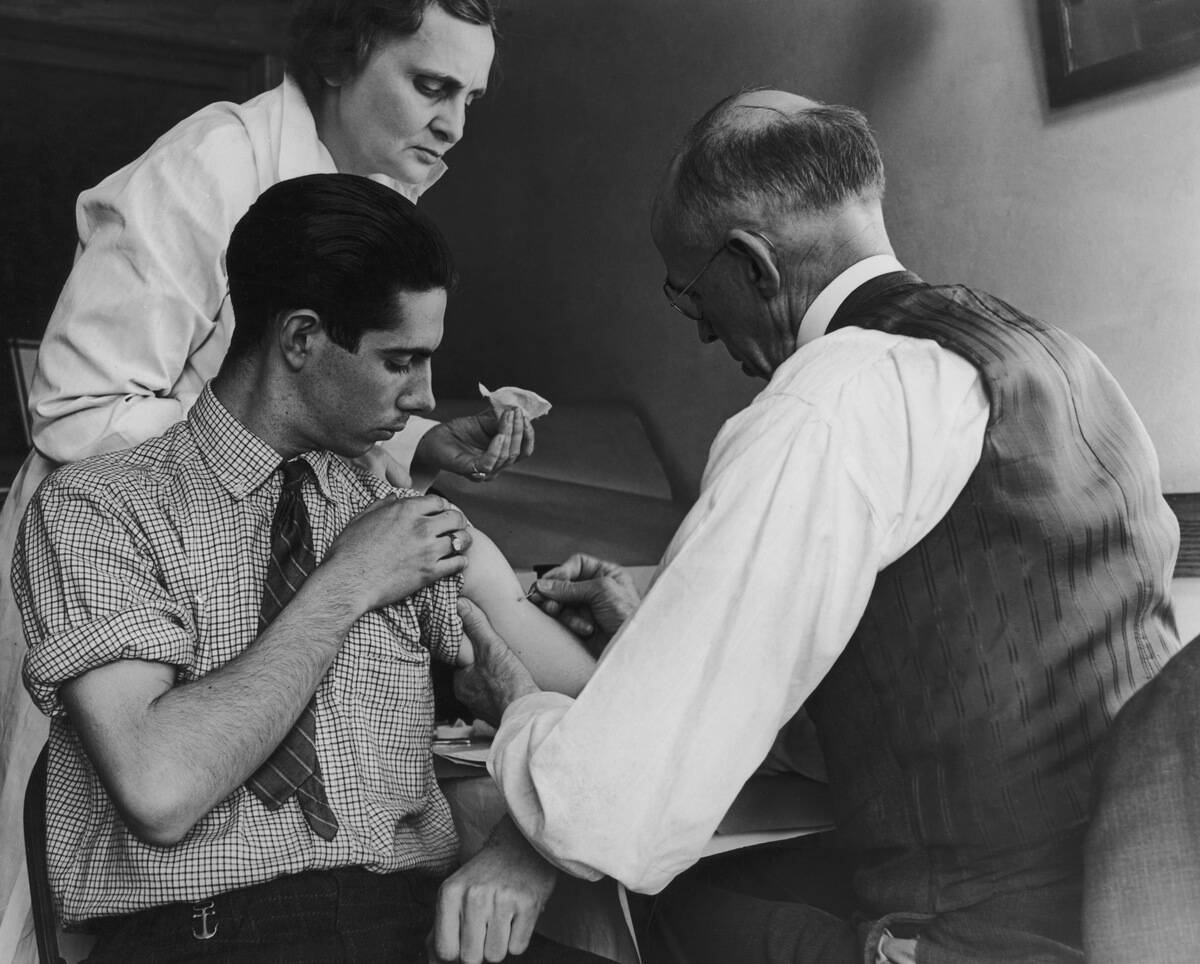
Smallpox, brought by European conquerors, played a critical role in the fall of the Aztec Empire. The indigenous population, lacking immunity to this new disease, faced devastating losses, weakening their ability to resist Spanish forces.
It’s estimated that the epidemic wiped out a large portion of the Aztec population, making conquest easier. This tragic chapter highlights the profound impact of disease on cultural and political landscapes.
The Columbian Exchange: Diseases Cross the Atlantic
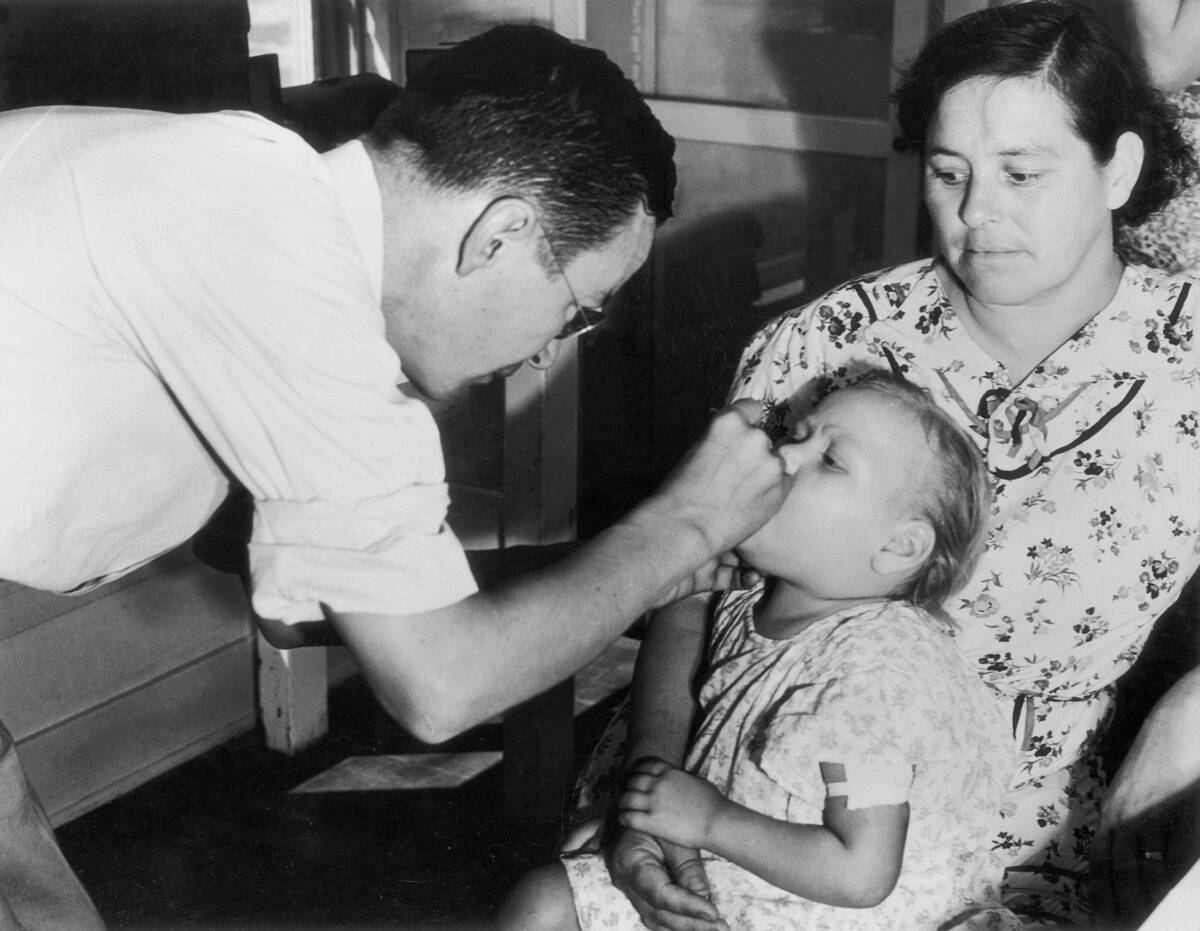
The Columbian Exchange was not just about goods and crops; it also involved the exchange of diseases between the Old and New Worlds. Europeans brought smallpox, measles, and influenza to the Americas, which devastated indigenous populations.
Conversely, syphilis is believed to have traveled back to Europe. This biological exchange dramatically altered demographics and had lasting effects on colonization and cultural interactions.
The Plague of Justinian: Reshaping the Byzantine Empire

The Plague of Justinian, occurring in the 6th century, was one of the first recorded pandemics, affecting the Byzantine Empire profoundly. It killed millions and is believed to have weakened the empire significantly, hindering its expansion efforts.
This pandemic disrupted trade and agriculture, contributing to a period of economic decline. The Byzantine society’s struggle with this outbreak underscores the vulnerability of even the mightiest empires to disease.
The Spanish Flu: A Pandemic’s Role in Ending World War I
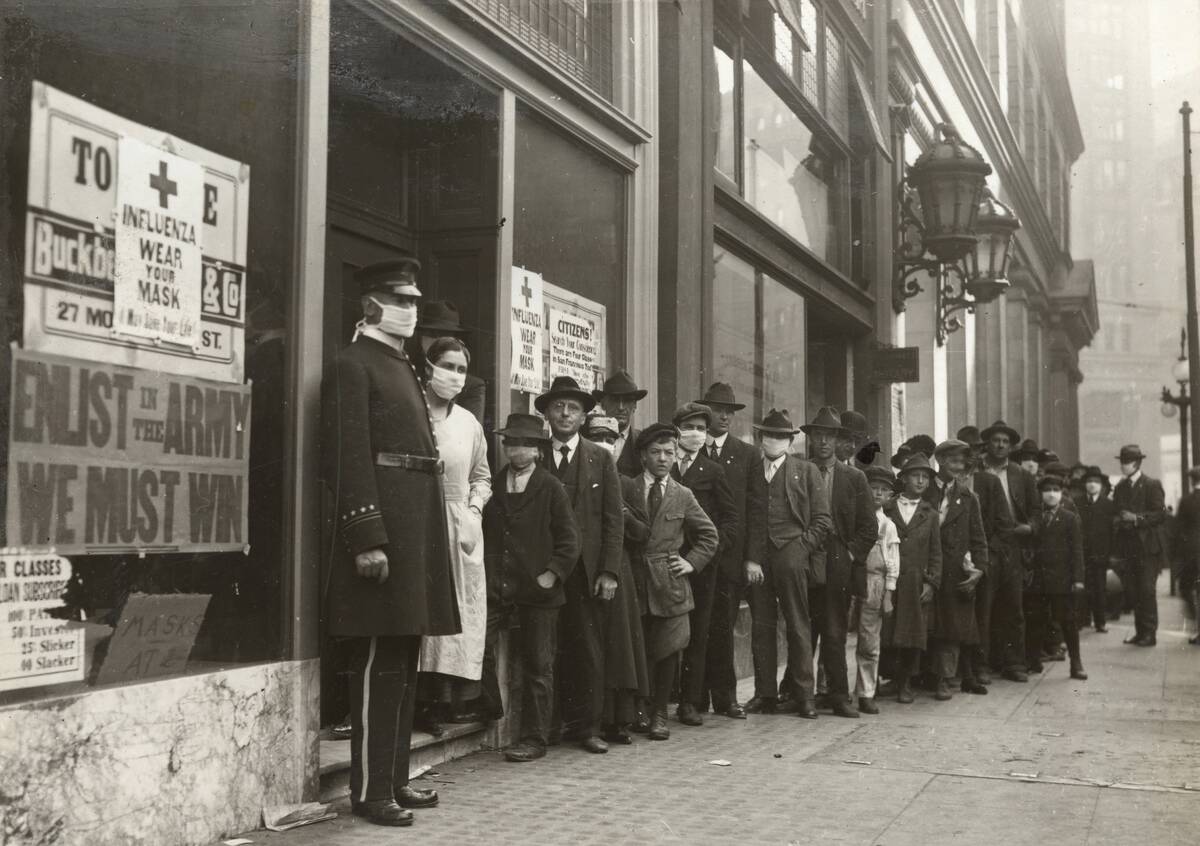
The Spanish Flu pandemic of 1918-1919 was a global catastrophe, infecting a third of the world’s population and claiming millions of lives. Its impact on World War I was profound, as it affected soldiers on all sides, weakening armies and accelerating the war’s end.
The pandemic also led to significant changes in public health policy and international cooperation, as nations realized the need for coordinated responses to global health threats.
Malaria’s March: Affecting Colonization and Empires
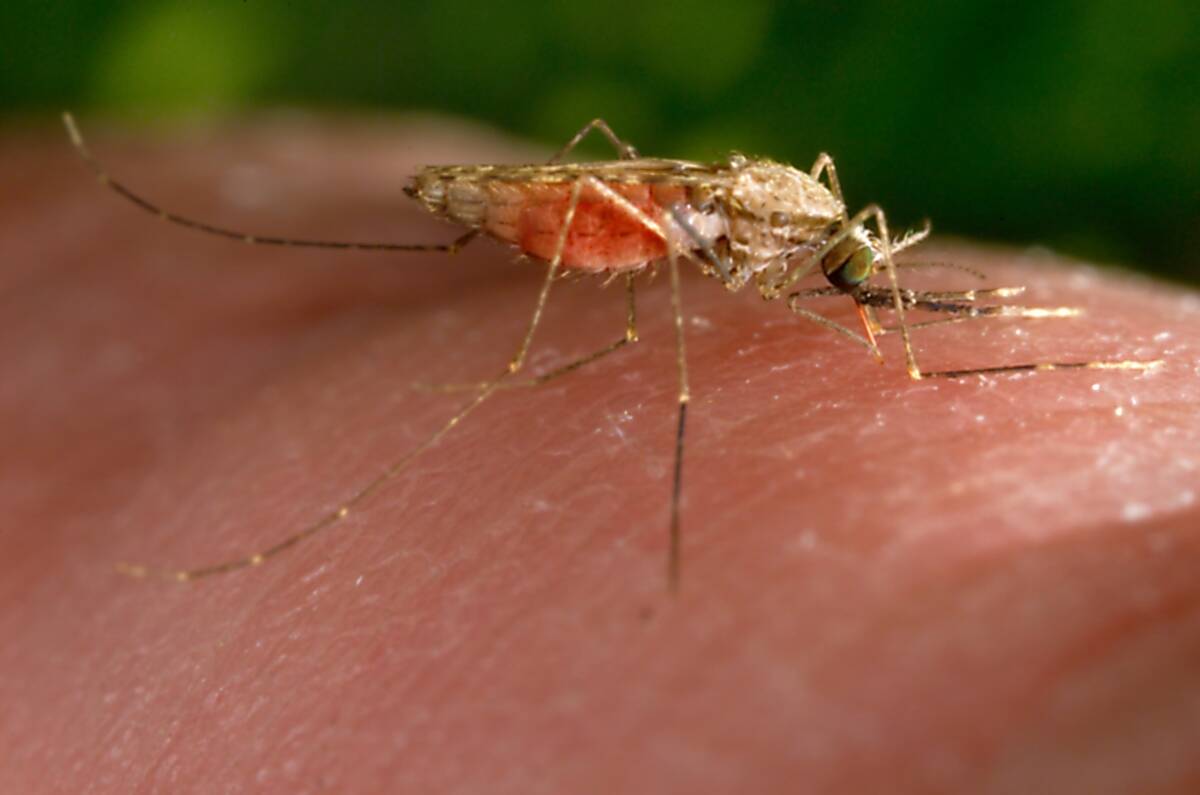
Malaria has been a persistent challenge throughout history, influencing colonization efforts and the expansion of empires. The disease was a major obstacle for European colonizers in Africa and Asia, where it was endemic.
Efforts to combat malaria led to advances in medical research and the development of quinine as a treatment. The struggle against malaria also highlighted the importance of understanding local environments and the limitations of imperial ambitions.
HIV/AIDS Crisis: Global Awareness and Policy Changes
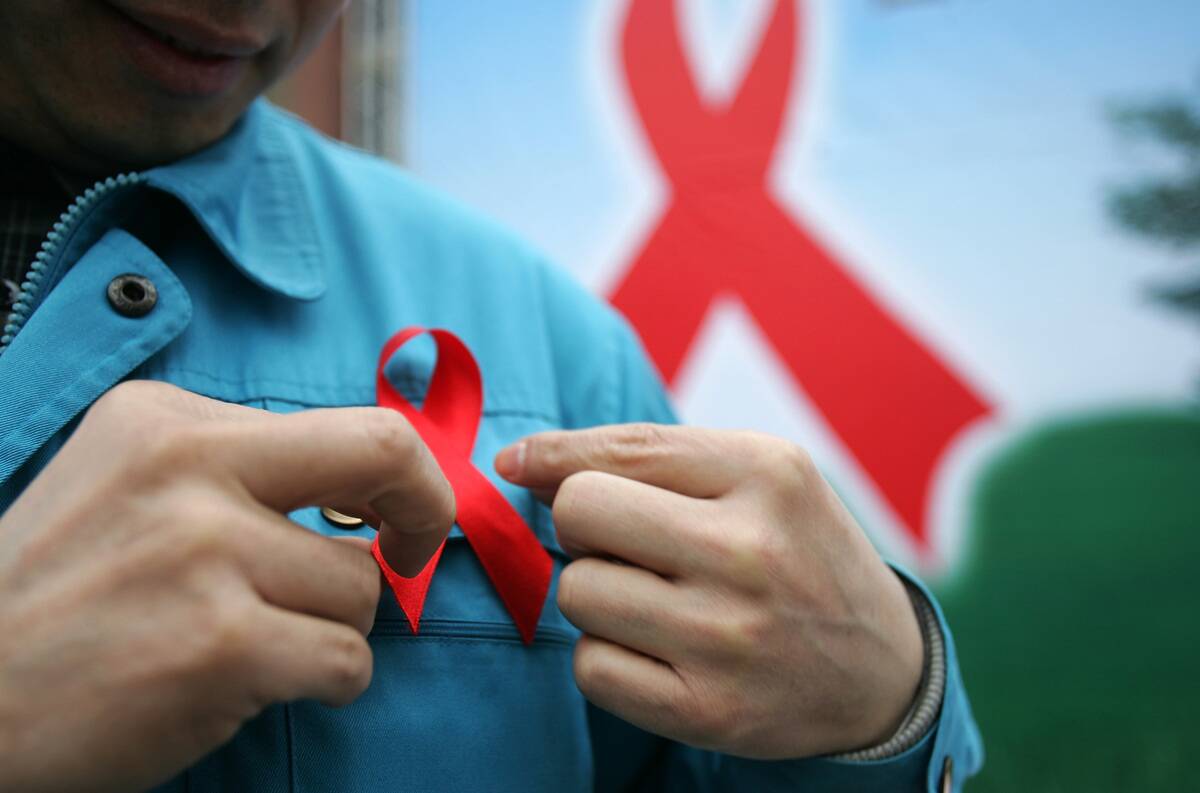
The HIV/AIDS crisis emerged in the late 20th century, radically changing global health policies and awareness. Initially met with stigma and fear, the epidemic spurred international collaboration and funding for research and treatment.
Public health campaigns raised awareness and shifted attitudes, while advancements in antiretroviral therapies transformed HIV from a fatal disease to a manageable condition. The crisis underscored the need for compassionate care and equitable access to healthcare.
The Asian Flu: 1950s Pandemic Impact on Global Health Systems
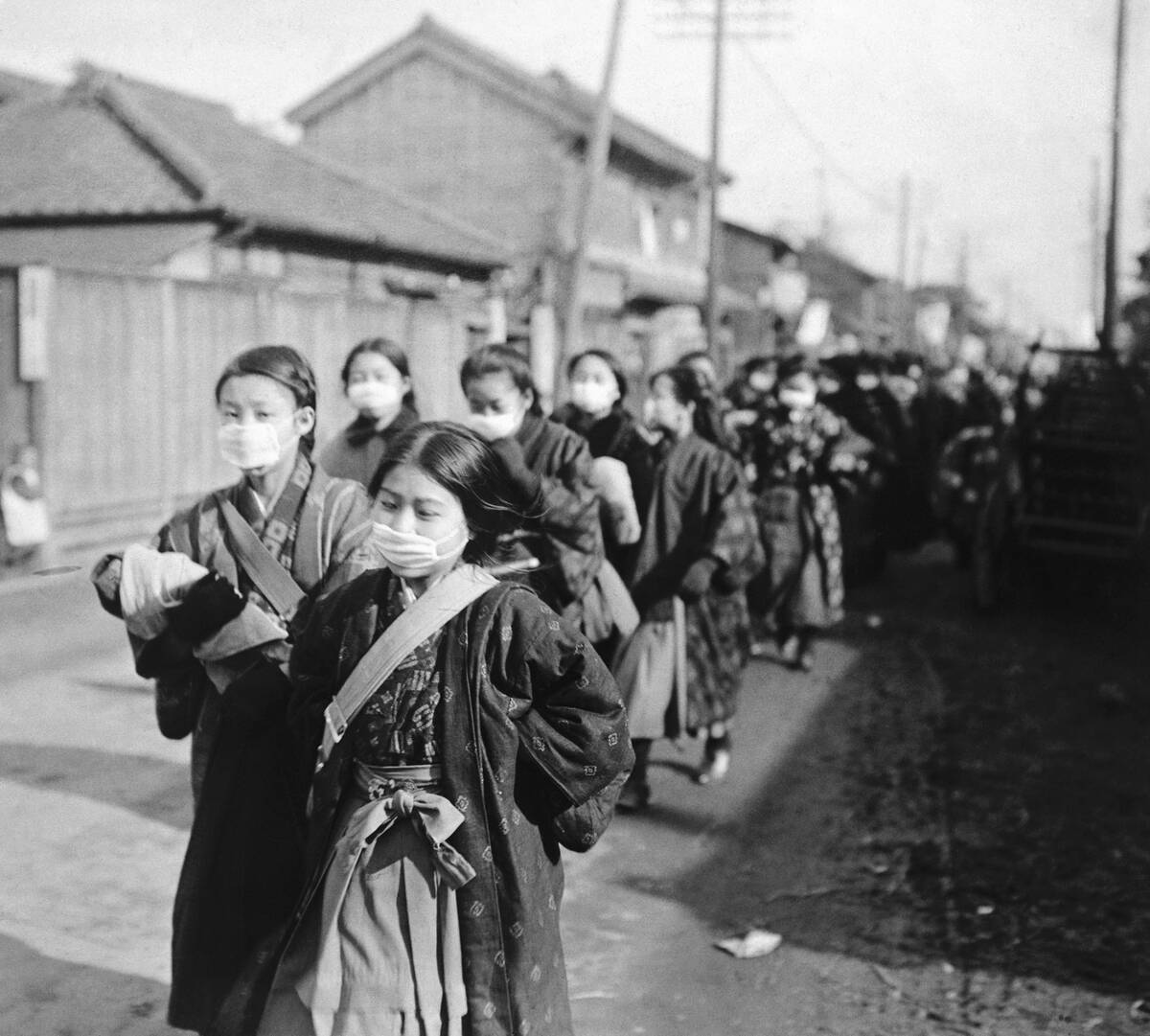
The Asian Flu pandemic of 1957-1958 highlighted the interconnectedness of global health and the need for improved surveillance systems. Originating in East Asia, the H2N2 virus spread rapidly, resulting in significant mortality worldwide.
In response, the World Health Organization strengthened its influenza monitoring programs, leading to more coordinated international efforts in tracking and responding to flu outbreaks. This pandemic set the stage for future global health strategies.
Ebola: West Africa’s Wake-Up Call
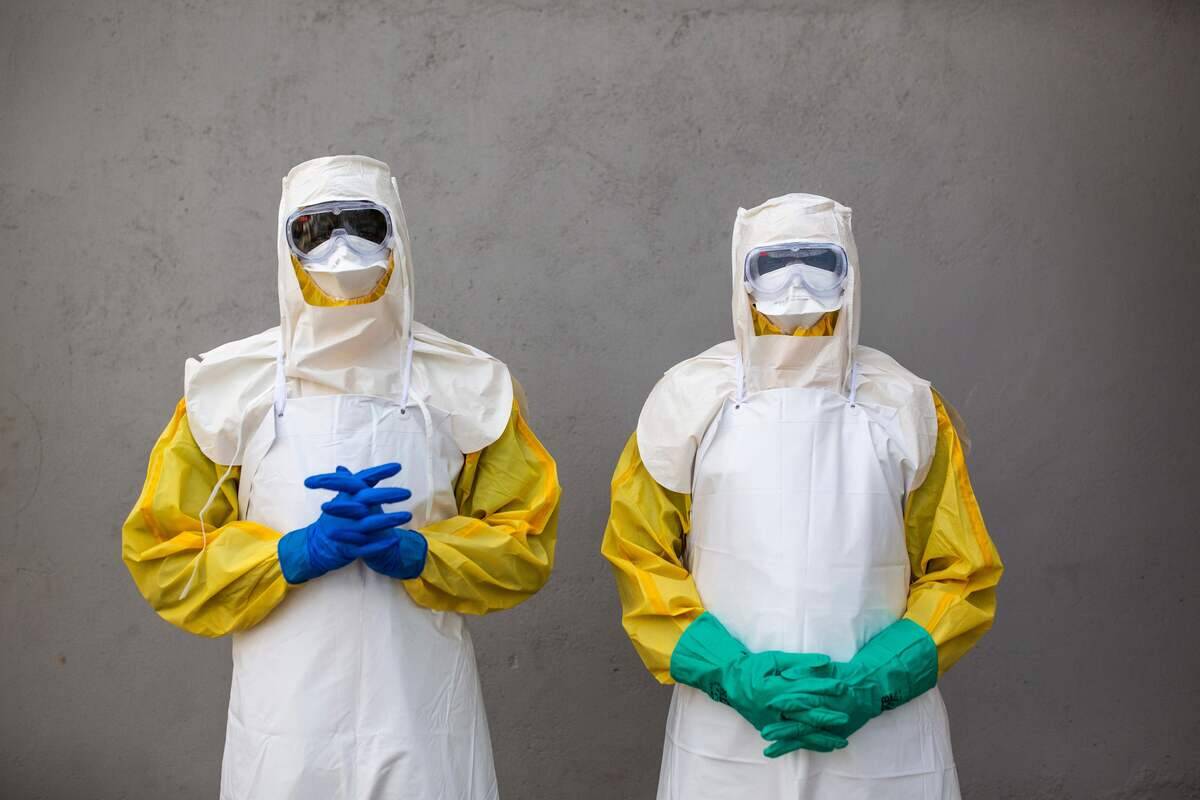
The 2014-2016 Ebola outbreak in West Africa served as a stark reminder of the challenges posed by infectious diseases. The rapid spread and high mortality rate overwhelmed local health systems, prompting a global response.
This crisis highlighted the importance of international collaboration and the need for effective public health infrastructure. Lessons learned from this outbreak have informed strategies for handling future epidemics, emphasizing the importance of preparedness and rapid response.
Polio’s Persistence: Influencing Vaccine Development and Diplomacy
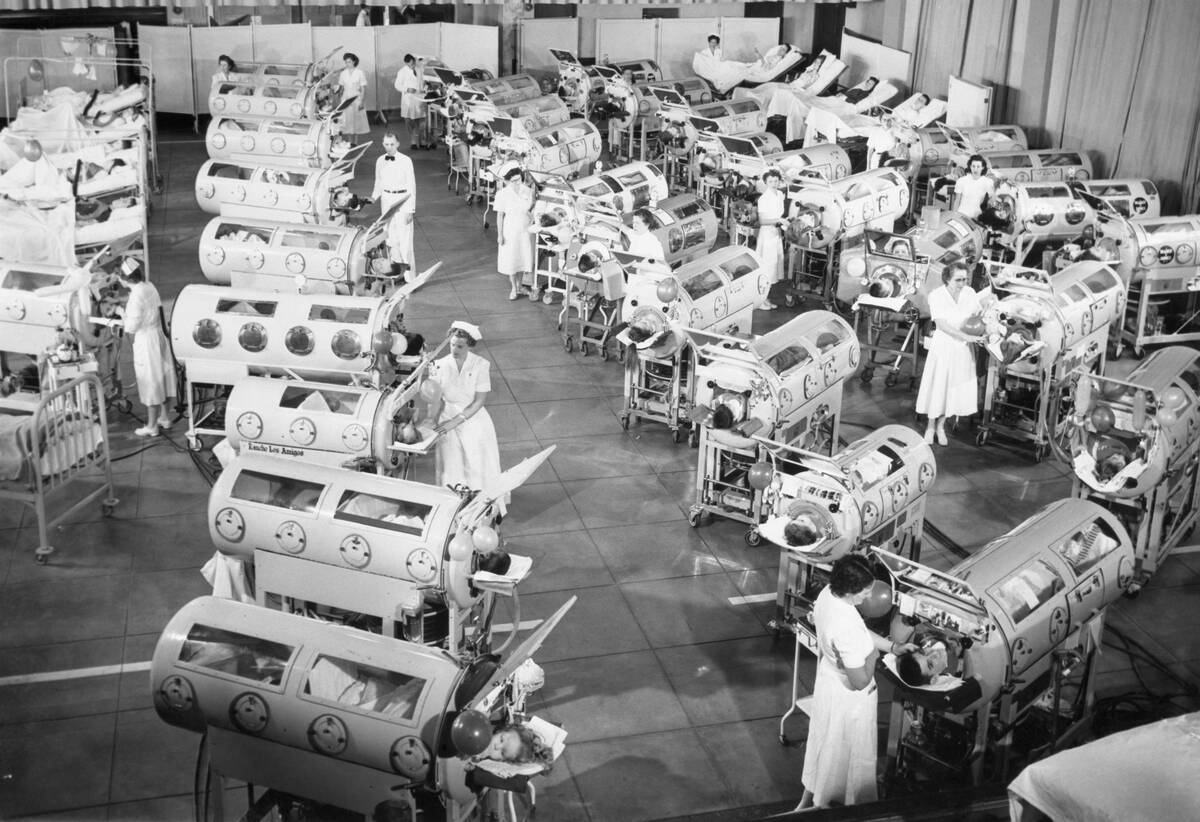
Polio, once a feared disease, has been nearly eradicated thanks to global vaccination efforts. The development of the polio vaccine was a milestone in medical science, leading to widespread immunization campaigns.
The fight against polio also showcased the power of international cooperation, with organizations and governments working together to reach even the most remote areas. Despite challenges, the near-eradication of polio remains a testament to the impact of vaccines and diplomacy.
SARS: The Early 2000s Epidemic that Shaped Modern Quarantine Practices
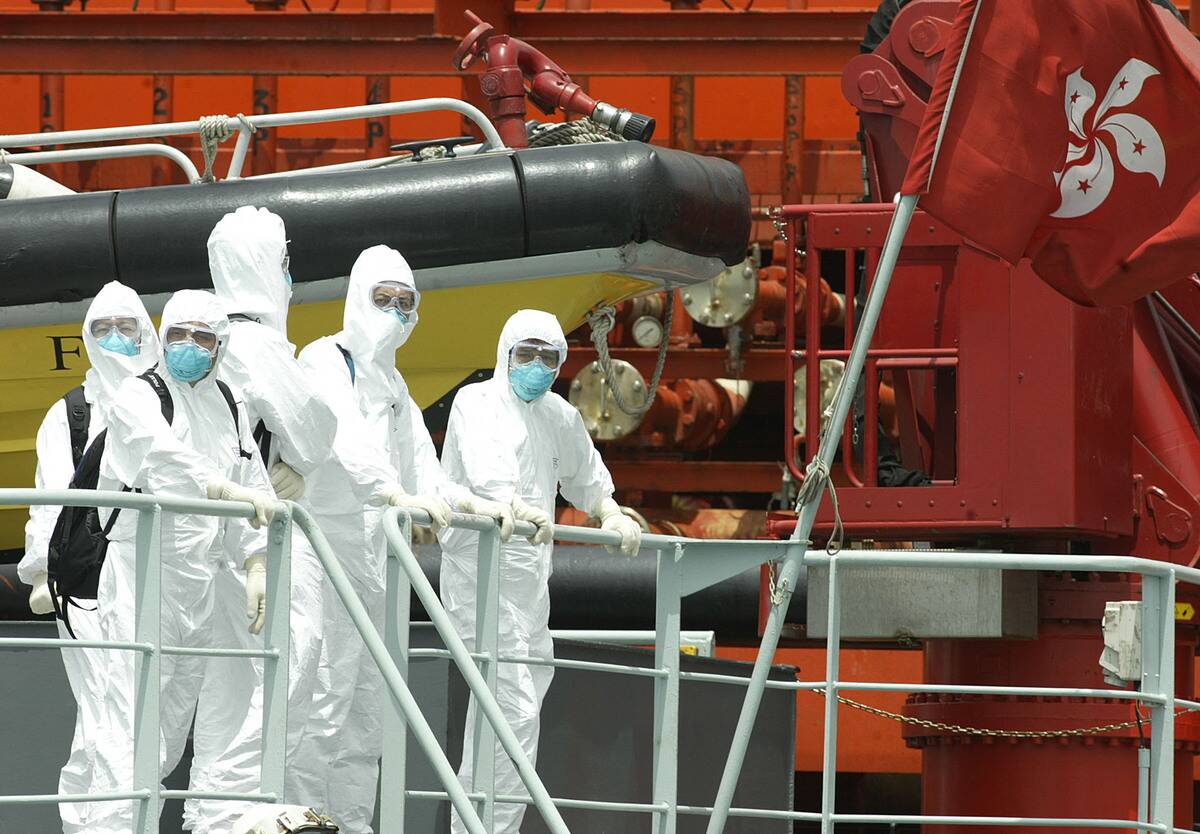
The SARS outbreak of 2002-2003 was a wake-up call for global health systems, highlighting the importance of rapid response and effective quarantine measures. Originating in China, the virus spread to several countries, causing significant mortality and economic disruption.
The lessons learned from SARS led to improvements in international communication and the implementation of stricter quarantine protocols, which have been crucial in managing subsequent outbreaks, including COVID-19.
The Swine Flu Scare: A Lesson in Rapid Response

The 2009 H1N1 swine flu pandemic demonstrated the importance of swift action in containing infectious diseases. The virus spread quickly, but the rapid development and distribution of vaccines helped mitigate its impact.
This pandemic underscored the need for robust public health infrastructure and the ability to quickly mobilize resources. It also highlighted the role of international cooperation in addressing global health threats, setting a precedent for future pandemic responses.
COVID-19: A Modern Pandemic’s Lasting Impact on Global Relations
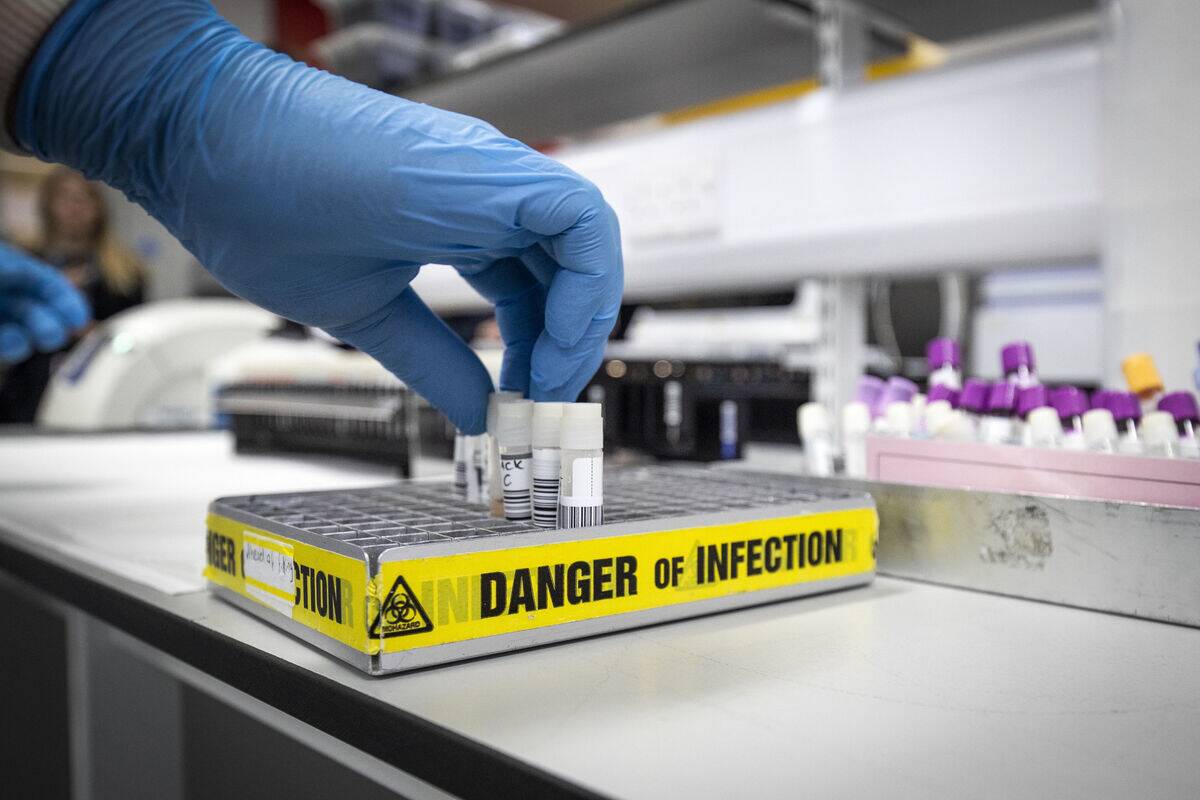
COVID-19 has profoundly affected global relations, reshaping international cooperation and public health policies. The pandemic exposed vulnerabilities in health systems and highlighted the importance of collaboration in addressing global challenges.
It prompted widespread adoption of remote work and accelerated technological innovation. As nations continue to navigate the pandemic’s aftermath, the lessons learned are shaping future responses to health crises and influencing geopolitical dynamics.
Bubonic Panic: The Black Death’s Role in European Transformation
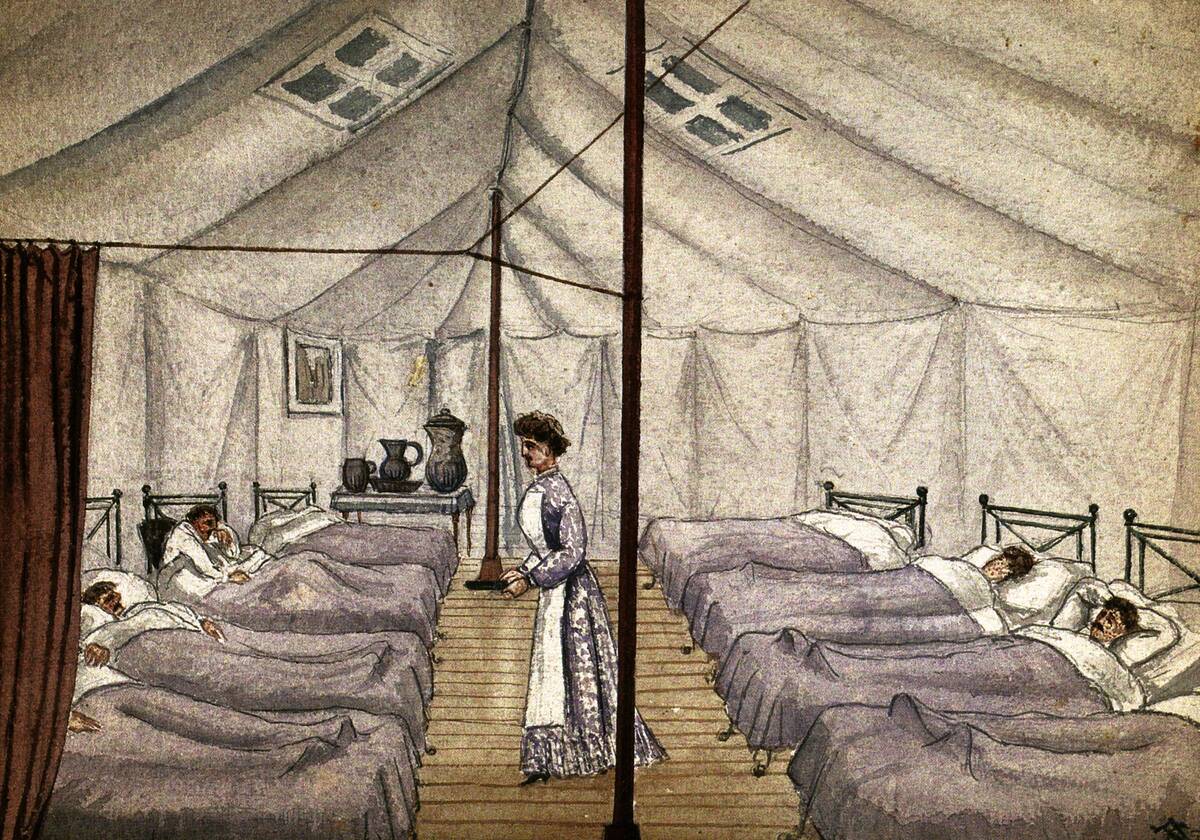
The Black Death swept through Europe in the 14th century, decimating populations and reshaping the continent’s social fabric. With an estimated 25 million lives lost, labor shortages led to significant economic shifts.
Feudalism’s decline was accelerated as serfs gained bargaining power, ultimately paving the way for the Renaissance. The pandemic also spurred advancements in medical understanding, with a newfound focus on hygiene and disease prevention.