Pioneers who mapped the human genome and its surprises
The human genome is like a complex recipe book that holds the instructions for building a human being. This quest to decode our genetic blueprint is akin to exploring the universe within us.
It’s fascinating to think that the information that makes us who we are, down to the smallest detail, is encoded in the microscopic strands of DNA. Understanding this blueprint has opened new doors in science and medicine, offering insights into human history and evolution.
The Early Days: Setting the Stage for Genome Mapping

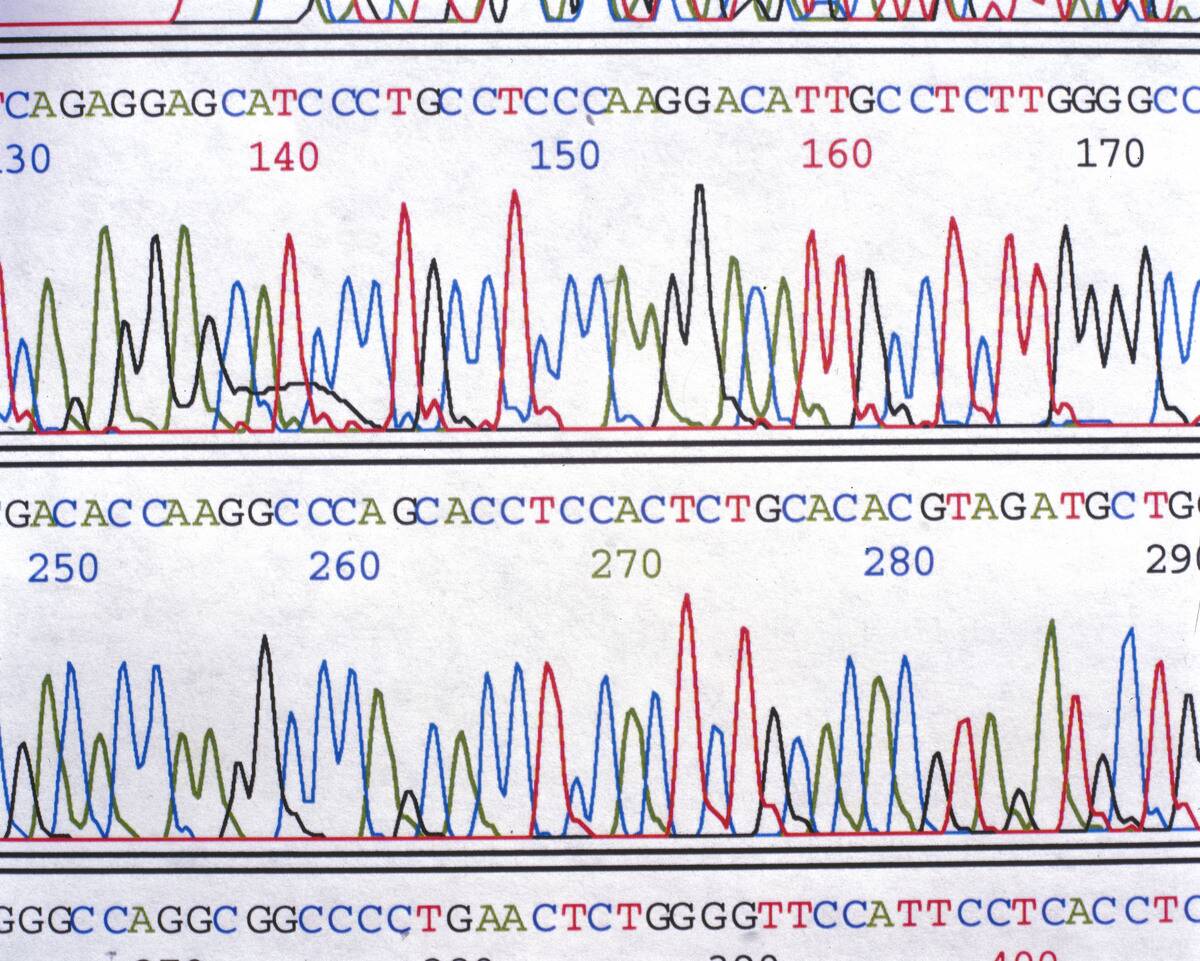
Before the ambitious endeavor of genome mapping could begin, scientists had to develop techniques to read DNA sequences. The 1970s saw the advent of Sanger sequencing, named after Frederick Sanger, which laid the groundwork for modern genetic research.
This technique allowed scientists to determine the order of nucleotide bases in DNA, setting the stage for future breakthroughs. As technology advanced, so did our capacity to explore the genetic information hidden within our cells.
Meet the Trailblazers: Key Figures in Human Genome Research
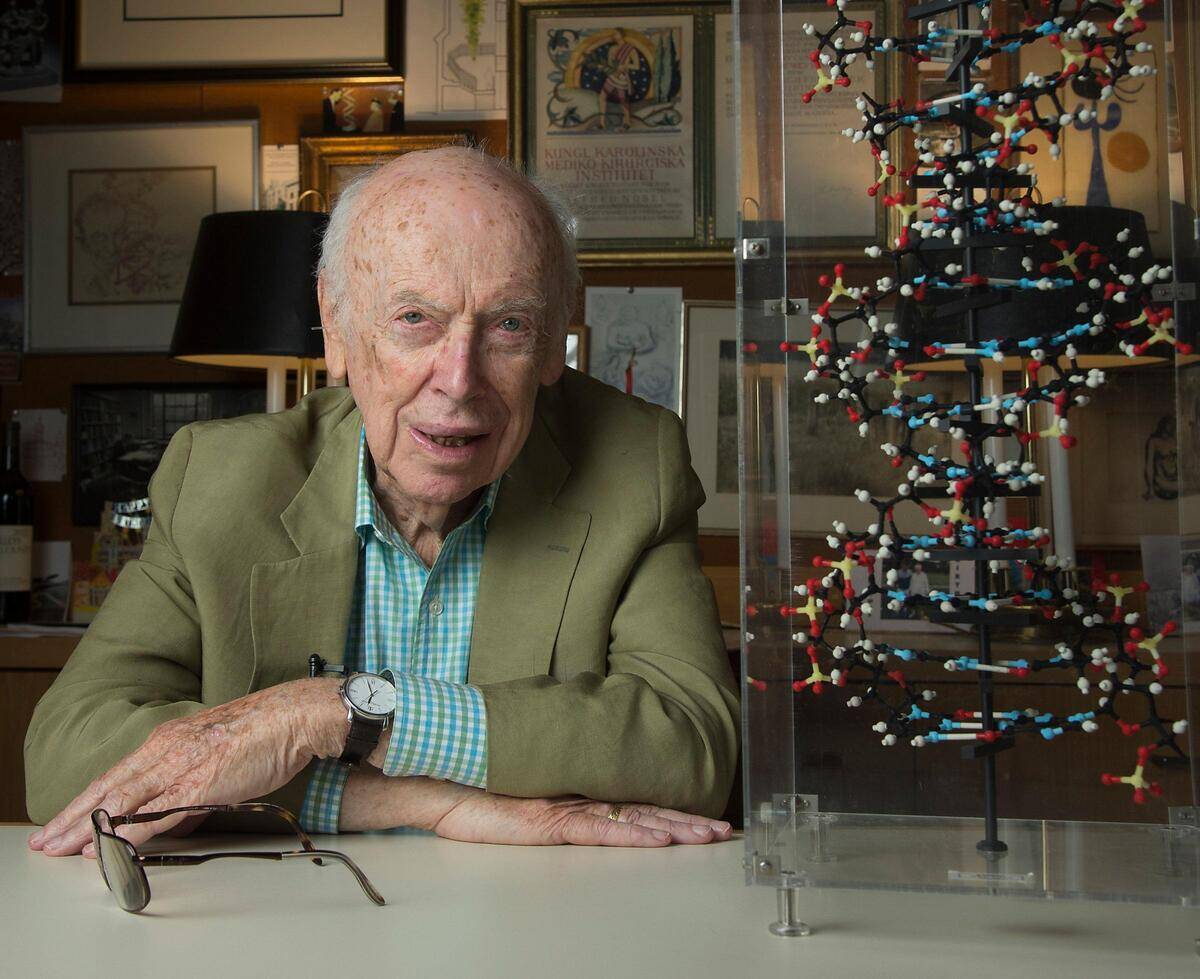
The journey to map the human genome was spearheaded by brilliant minds dedicated to unraveling the mysteries of our DNA. Among them was James Watson, one of the co-discoverers of the DNA double helix structure.
His vision for a large-scale project to sequence the human genome was instrumental in gaining support for the endeavor. Watson’s efforts were complemented by other prominent scientists who contributed to the technological and scientific advances needed for the project.
The Role of Technology: Tools That Made Mapping Possible
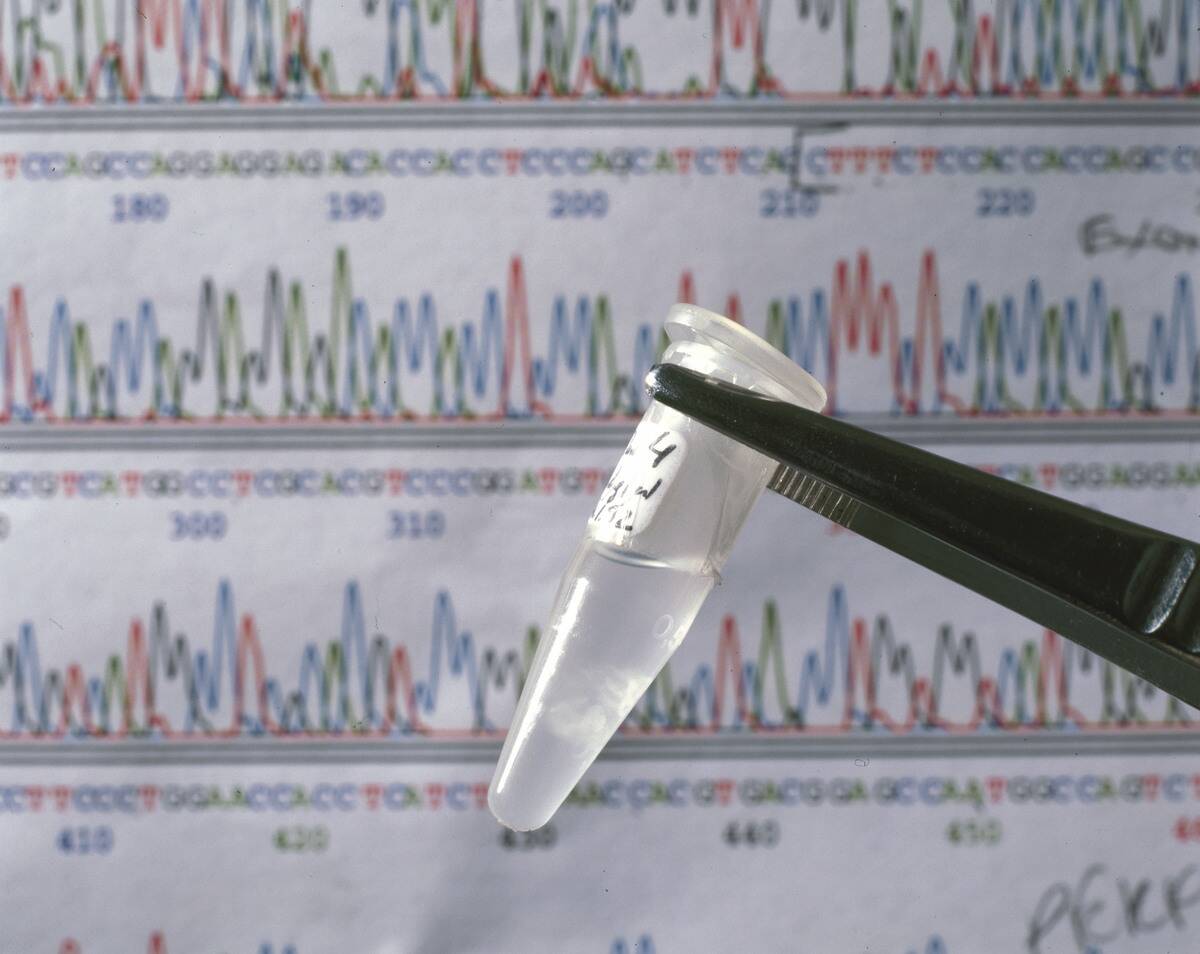
Advancements in technology played a crucial role in the success of the Human Genome Project. High-throughput sequencing machines became the backbone of genome mapping, allowing researchers to sequence vast amounts of DNA quickly.
These machines transformed what was once a painstakingly slow process into a more efficient one. The development of bioinformatics, which involves using software to analyze complex biological data, also revolutionized the field, enabling scientists to handle and interpret the massive datasets generated.
The Human Genome Project: A Milestone in Science

Launched in 1990, the Human Genome Project was a groundbreaking effort to map and understand all the genes of the human species. It was an international collaboration involving scientists from around the globe, united by the common goal of deciphering the genetic code.
Completed in 2003, the project successfully mapped the entire human genome, providing a reference that would revolutionize biological sciences and medicine. This monumental achievement marked a new era in genomics, paving the way for a deeper understanding of human biology.
Francis Collins: Leading the Charge

Dr. Francis Collins, a physician-geneticist, played a pivotal role in the Human Genome Project. As the director of the National Human Genome Research Institute (NHGRI), Collins was instrumental in guiding the project’s direction and ensuring its success.
His leadership and vision were key in bringing together scientists from various disciplines to collaborate on this monumental task. Collins’ work in genomics has had a lasting impact, not just in mapping the human genome, but also in fostering a culture of open scientific collaboration.
Craig Venter: The Maverick of Genomics

Craig Venter, a bold and innovative scientist, approached genome sequencing with a different strategy. He founded Celera Genomics and used a technique called whole-genome shotgun sequencing, which was faster but more controversial than the traditional method.
Venter’s approach accelerated the pace of the Human Genome Project, creating a competitive yet collaborative environment. His maverick spirit and willingness to challenge the status quo pushed the boundaries of what’s possible in genetic research.
The Race to the Finish: Public vs. Private Initiatives

The Human Genome Project wasn’t just a scientific endeavor; it was also a race between public and private sectors. The public effort, led by Francis Collins, focused on open data sharing for the benefit of all.
Meanwhile, Craig Venter’s Celera Genomics aimed to sequence the genome more quickly using proprietary techniques. This competition spurred innovation and accelerated the timeline, leading to the completion of the draft human genome sequence in 2000, years ahead of schedule.
Surprises in Our DNA: What Scientists Didn’t Expect
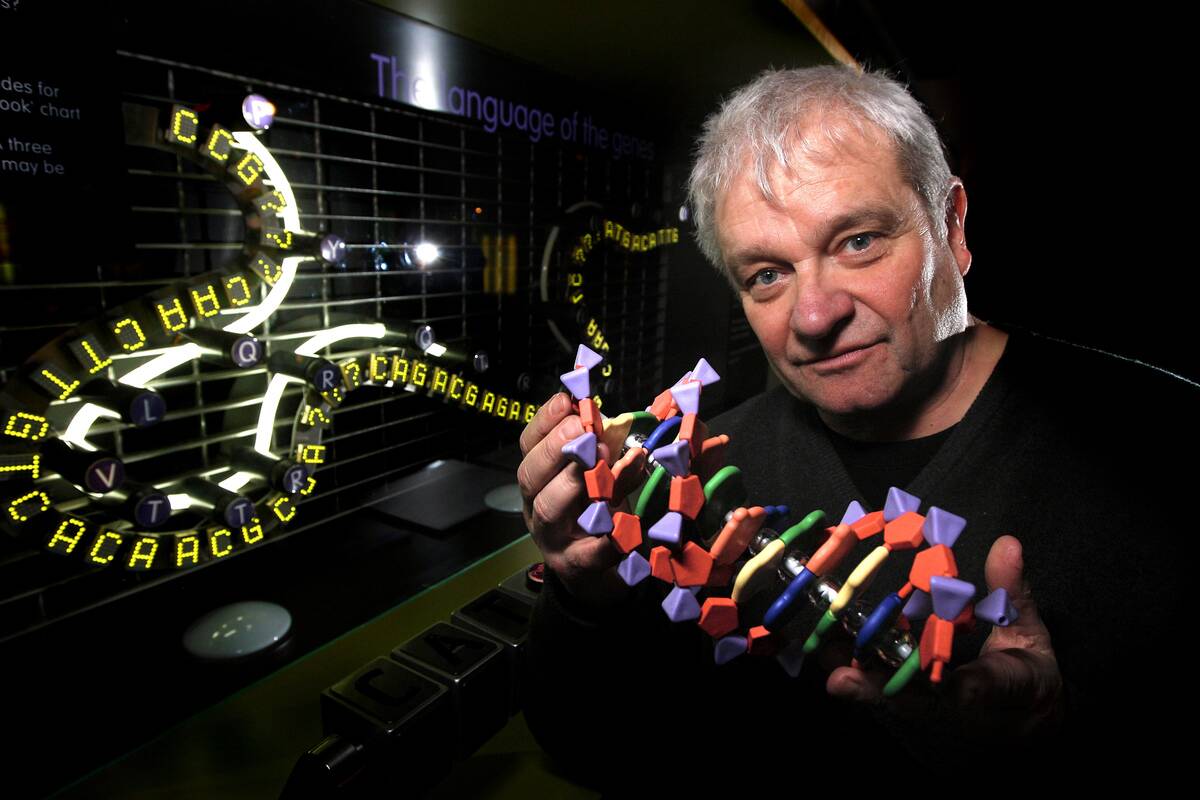
The completion of the Human Genome Project revealed some unexpected findings. Scientists discovered that humans have fewer genes than anticipated, roughly 20,000-25,000, which is fewer than some simpler organisms like rice.
This revelation challenged previous assumptions about genetic complexity and highlighted the importance of non-coding regions in genetic regulation. These surprises have reshaped our understanding of genetics, emphasizing that it’s not just the number of genes that matter, but how they’re expressed and regulated.
Junk DNA: More Than Just Filler
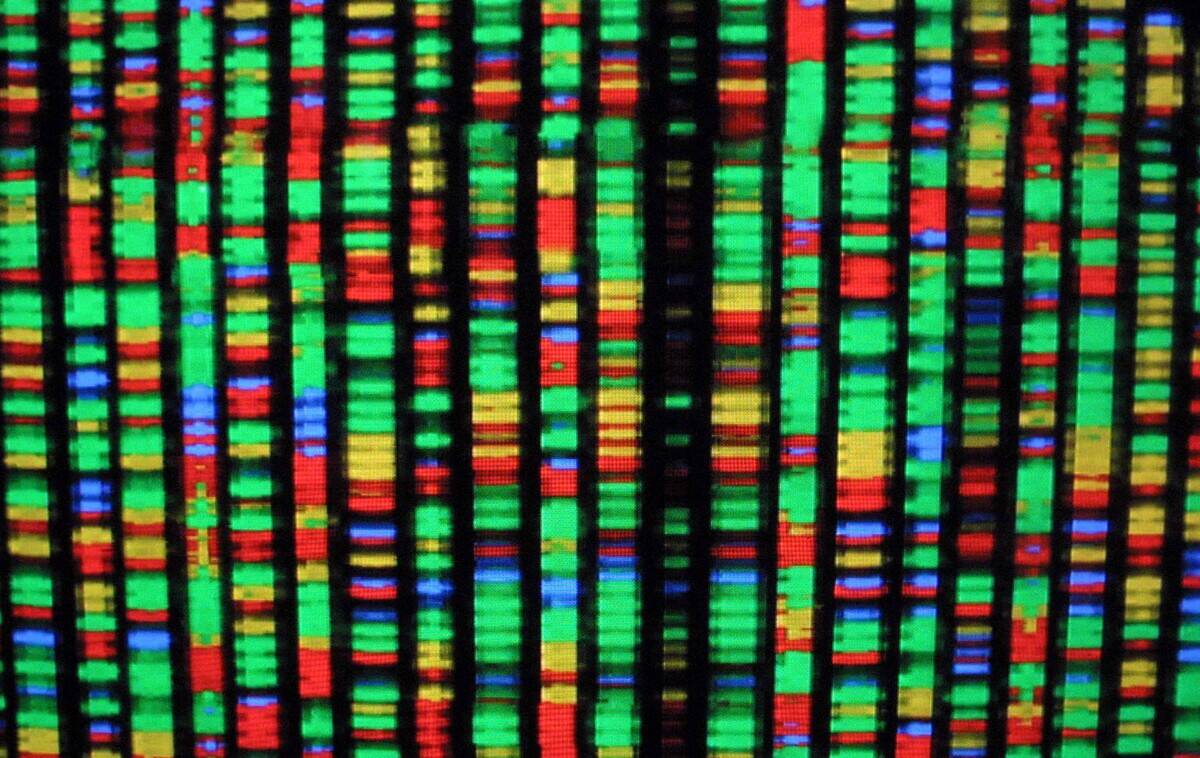
Once thought to be useless, ‘junk DNA’ has proven to be anything but. These non-coding regions make up about 98% of our genome, some play important roles in regulating gene expression and maintaining genome integrity, while others have functions that are still unknown
Research has shown that some of this DNA is involved in controlling when and where genes are turned on and off. Far from being mere filler, these segments are now recognized as essential components of our genetic machinery, influencing everything from development to disease.
Genetic Variations: Discovering Our Differences

Genetic variations are the spice of life, responsible for the diversity we see among individuals and populations. Single nucleotide polymorphisms (SNPs) are the most common type of genetic variation, occurring about once every 300 nucleotides.
These tiny differences can influence everything from our susceptibility to diseases to our physical traits. By studying these variations, scientists gain insights into human evolution, population migrations, and the genetic basis of complex diseases, leading to more targeted therapies.
What Our Genes Say About Disease
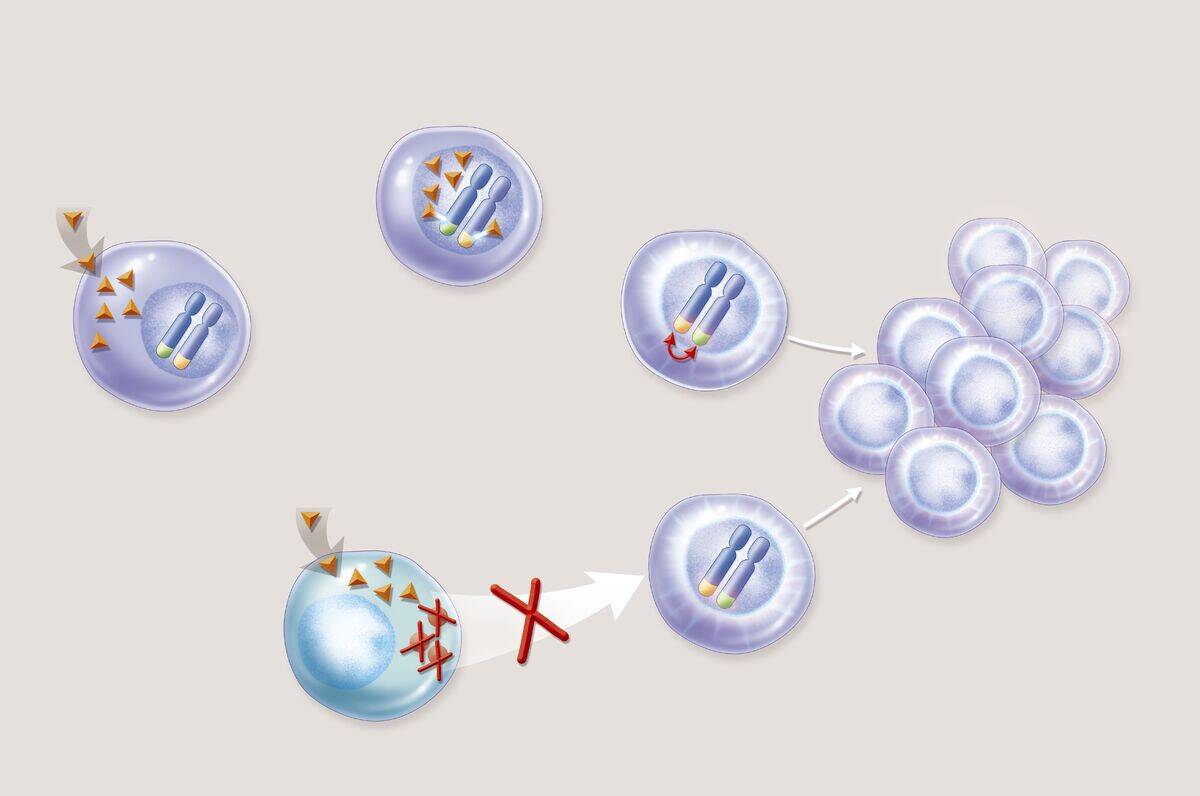
Our genetic blueprint holds valuable clues about our health risks and potential diseases. Certain genetic mutations can increase the likelihood of developing conditions like cancer, diabetes, or heart disease.
By identifying these genetic markers, researchers can better understand disease mechanisms and develop preventative strategies. Genetic testing has become a powerful tool in personalized medicine, allowing individuals to make informed decisions about their health based on their unique genetic profile.
The Ethical Dilemmas of Genome Mapping
As we unlock the secrets of our DNA, ethical questions arise about privacy, consent, and the potential misuse of genetic information. Who should have access to our genetic data, and how should it be used?
These concerns highlight the need for robust policies to protect individuals while promoting scientific advancement. Balancing the benefits of genomic research with ethical considerations is a challenge that requires ongoing dialogue among scientists, policymakers, and the public.
The Impact on Medicine: Personalized Healthcare

The insights gained from genome mapping have revolutionized healthcare, ushering in the era of personalized medicine. By tailoring treatments to an individual’s genetic makeup, doctors can improve efficacy and reduce side effects.
This approach is particularly beneficial in oncology, where targeted therapies can be more effective than traditional treatments. Personalized medicine holds the promise of more precise and preventive healthcare, transforming the way we approach disease management and patient care.
Future Horizons: What’s Next in Genomic Research
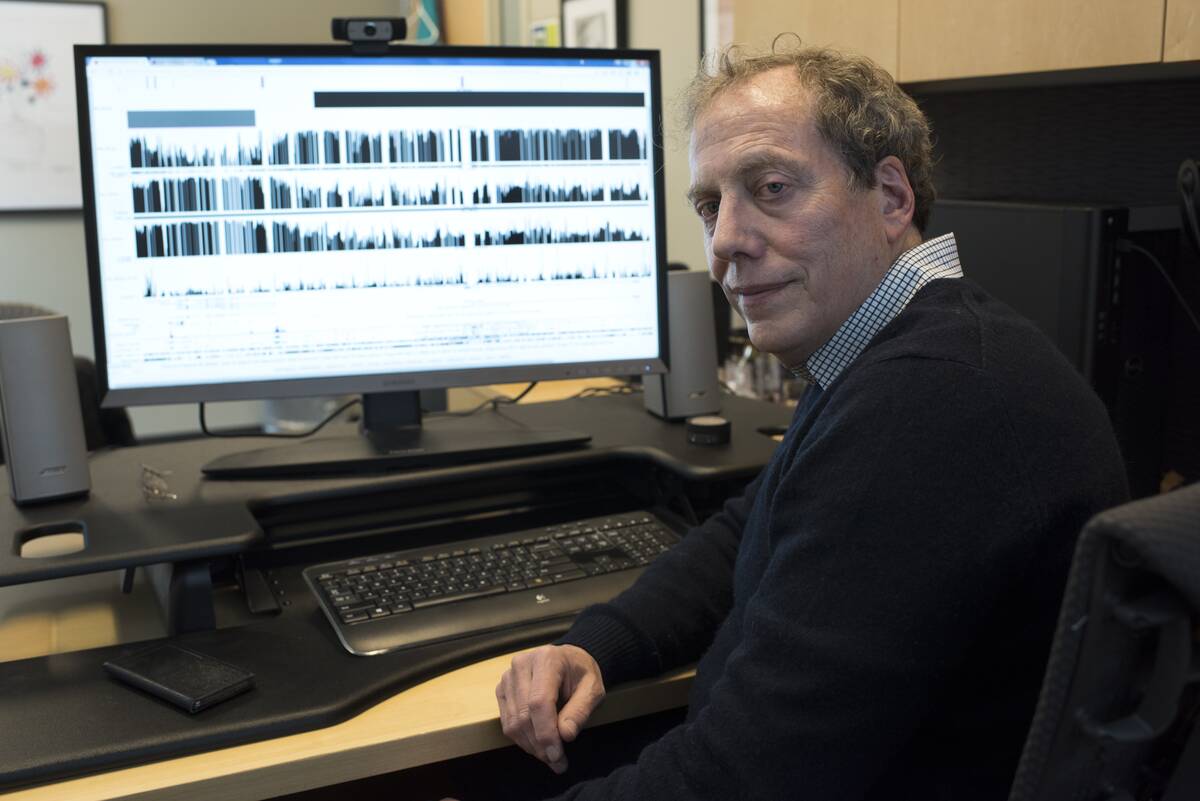
The future of genomic research is as exciting as it is unpredictable. Advances in CRISPR technology are enabling precise gene editing, opening new possibilities for treating genetic disorders. Scientists are also exploring the potential of epigenetics, which studies how environmental factors influence gene expression.
As our understanding of the genome deepens, we can expect groundbreaking discoveries that will continue to reshape medicine, agriculture, and biotechnology, pushing the boundaries of what’s possible in science.
The Human Genome and Society: Cultural and Sociological Impacts

The mapping of the human genome has far-reaching implications beyond science and medicine. It challenges our perceptions of identity, race, and ancestry, prompting discussions about what it means to be human. As genetic testing becomes more accessible, individuals can explore their heritage and connect with distant relatives.
However, these advancements also raise questions about genetic determinism and the role of genetics in shaping our lives. The societal impact of genomic research is profound, influencing cultural, ethical, and philosophical debates.




