Personal notebooks that reveal how breakthrough ideas form
Personal notebooks have long been the secret keepers of great minds, capturing the musings and breakthroughs of creators across history. They serve as both a canvas and a sanctuary for thoughts, ideas, and dreams.
The tactile experience of jotting down notes can be both soothing and inspiring, providing an intimate space for exploration. From scientific theories to artistic sketches, notebooks have always played a pivotal role in the creative process.
The Role of Notebooks in Creative Processes
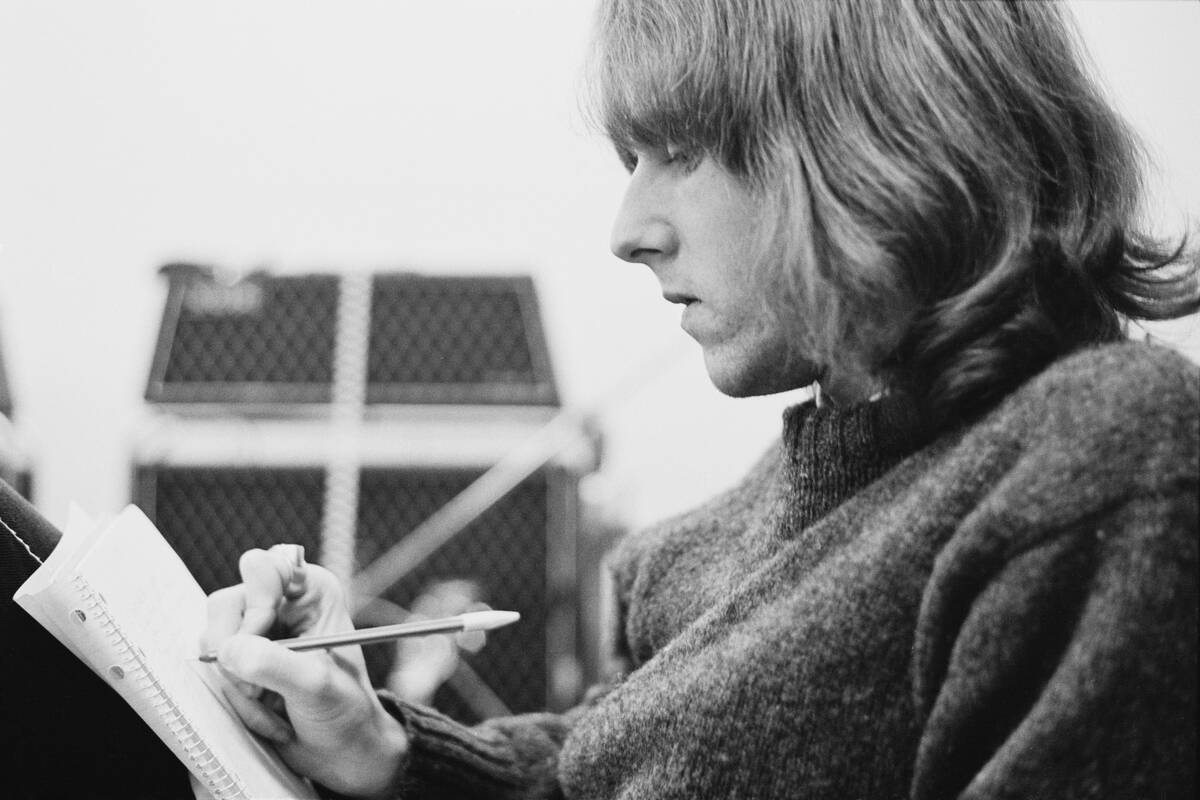
Notebooks are more than just pages bound together; they are companions in the journey of creativity. For artists and thinkers alike, they offer an unfiltered platform to brainstorm, doodle, and draft.
The act of writing by hand can enhance memory retention and encourage free-flowing thoughts. This tangible connection between hand and brain often leads to unexpected insights and innovative solutions, making notebooks indispensable in the creative toolkit.
A Peek into the Minds of Innovators

Peering into the notebooks of innovators offers a unique glimpse into their thought processes. These pages reveal the raw, unedited origins of ideas that eventually shape our world. Innovators often use their notebooks to map out their visions, sketching out rough plans or jotting down sudden inspirations.
This practice allows them to explore possibilities without the constraints of perfection, nurturing creativity in its purest form.
Leonardo da Vinci: The Original Notebook Maestro
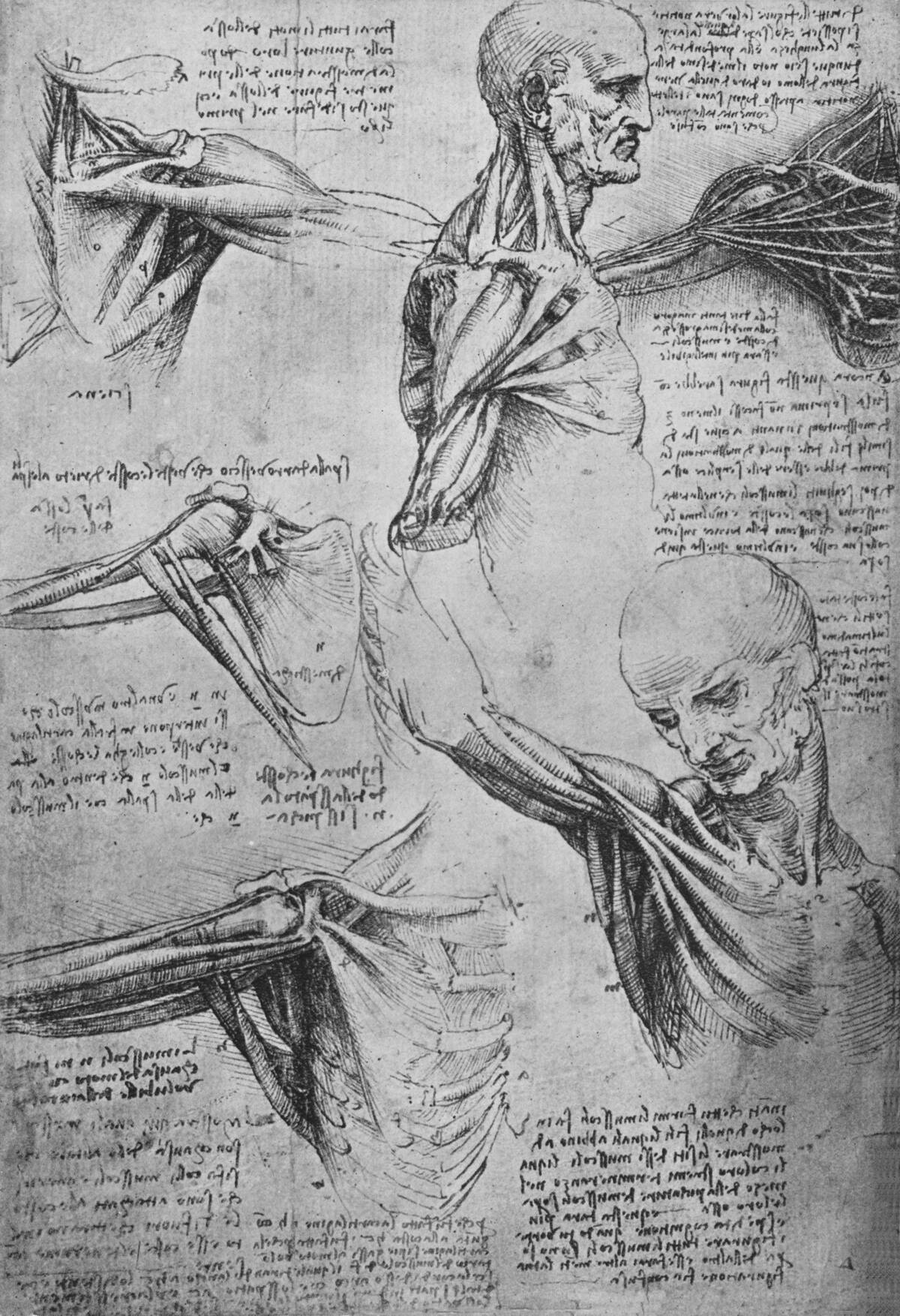
Leonardo da Vinci is perhaps the most famous notebook aficionado, with over 7,000 pages of notes and sketches attributed to him. His notebooks are a testament to his insatiable curiosity, filled with studies of anatomy, mechanics, and art.
Leonardo’s use of mirrored writing and intricate illustrations highlights his penchant for secrecy and his innovative spirit. His notebooks continue to inspire and intrigue scholars and artists alike.
Marie Curie: Scientific Breakthroughs on Paper
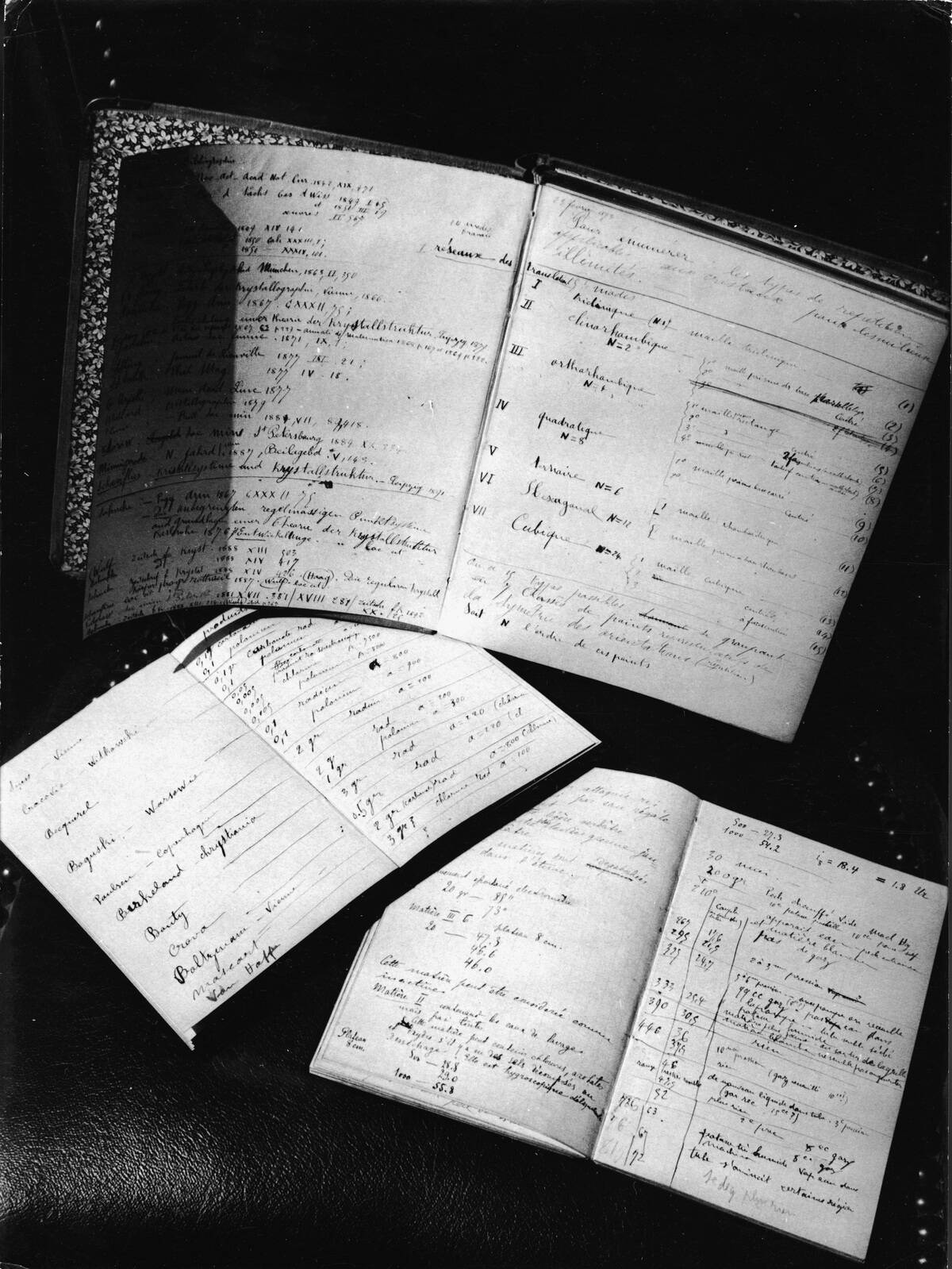
Marie Curie’s notebooks are a testament to her dedication and groundbreaking research in radioactivity. These pages, still radioactive today, chronicle her experiments and discoveries.
Curie’s meticulous notes reflect her scientific rigor and her pioneering spirit as the first woman to win a Nobel Prize. Her work in these notebooks laid the foundation for advancements in physics and chemistry, showcasing the power of written records in scientific progress.
Albert Einstein’s Thought Experiments and Scribbles
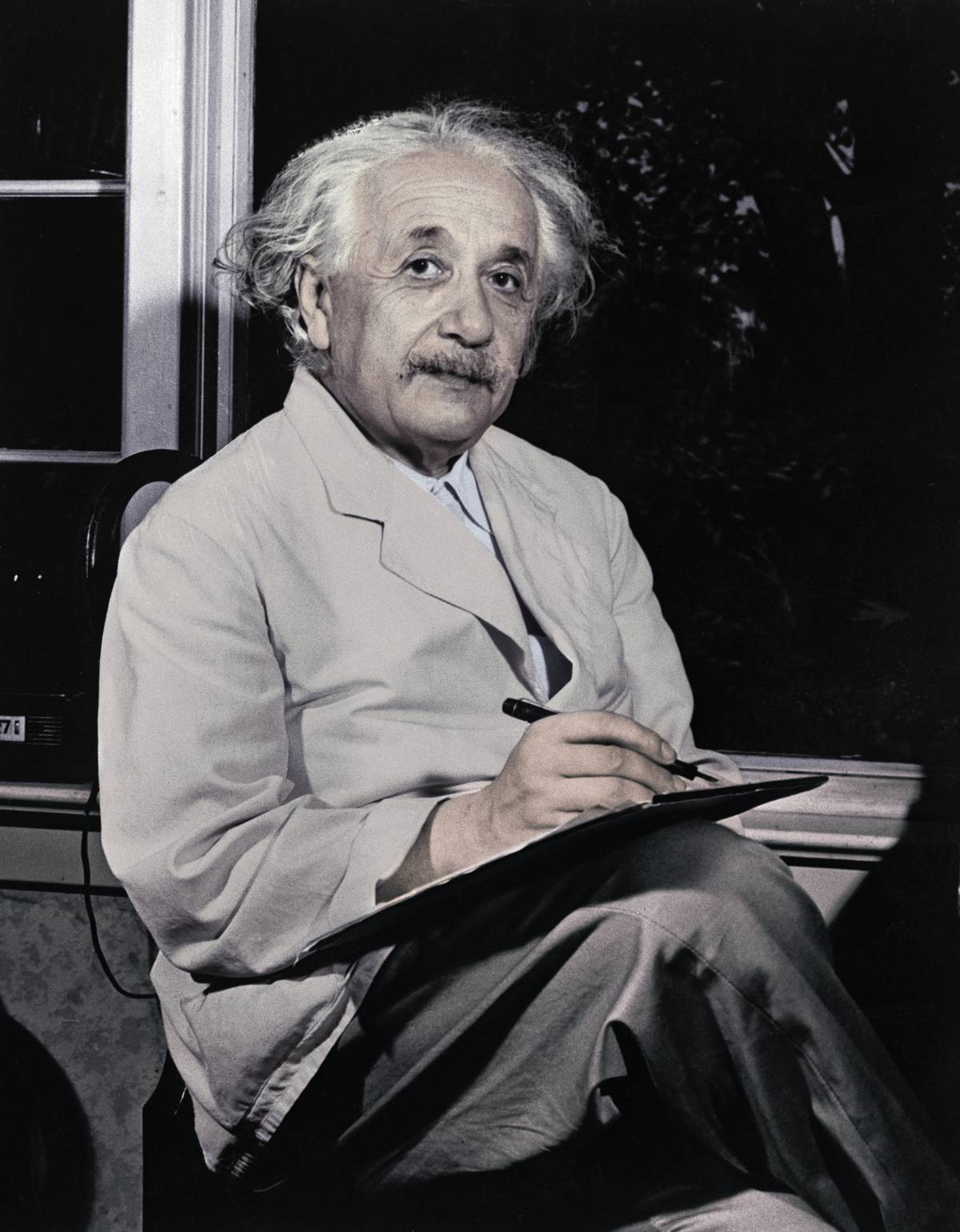
Albert Einstein’s notebooks offer a fascinating look at his thought experiments and groundbreaking theories. His scribbles reveal the iterative process behind his revolutionary ideas, such as the theory of relativity.
Einstein’s habit of jotting down equations and musings demonstrates how notebooks can serve as a playground for intellectual exploration. They provide insight into the mind of a genius, where complex concepts take shape through simple pen and paper.
Frida Kahlo: Art, Emotion, and Personal Reflection

Frida Kahlo’s notebooks are a vivid reflection of her artistic and emotional journey. Filled with vibrant sketches, poetic musings, and personal reflections, they offer an intimate look into her life and art.
Kahlo used her notebooks to explore her identity and express her passions and pains. Her pages, brimming with color and emotion, capture the essence of her unique perspective, making them an invaluable resource for understanding her creative legacy.
J.K. Rowling: Creating Magical Worlds on the Page

J.K. Rowling famously used notebooks to map out the expansive world of Harry Potter before it became a cultural phenomenon. Her handwritten notes and character sketches reveal the meticulous planning behind her storytelling.
Rowling’s notebooks were instrumental in organizing the intricate details of her magical universe, from plotlines to wizarding lore. They exemplify how notebooks can serve as a vital tool for authors in crafting complex, immersive narratives.
Elon Musk: Ideas That Propel Us Forward

Elon Musk, the visionary behind companies like Tesla and SpaceX, is known for his relentless pursuit of innovation. He captures ambitious ideas and technical designs through various methods, including digital tools and collaborative brainstorming.
Musk’s forward-thinking approach to technology and sustainability drives transformative projects, illustrating how different modes of idea capture can fuel pioneering advancements.
Mind Mapping: How Notebooks Capture the Flow of Ideas
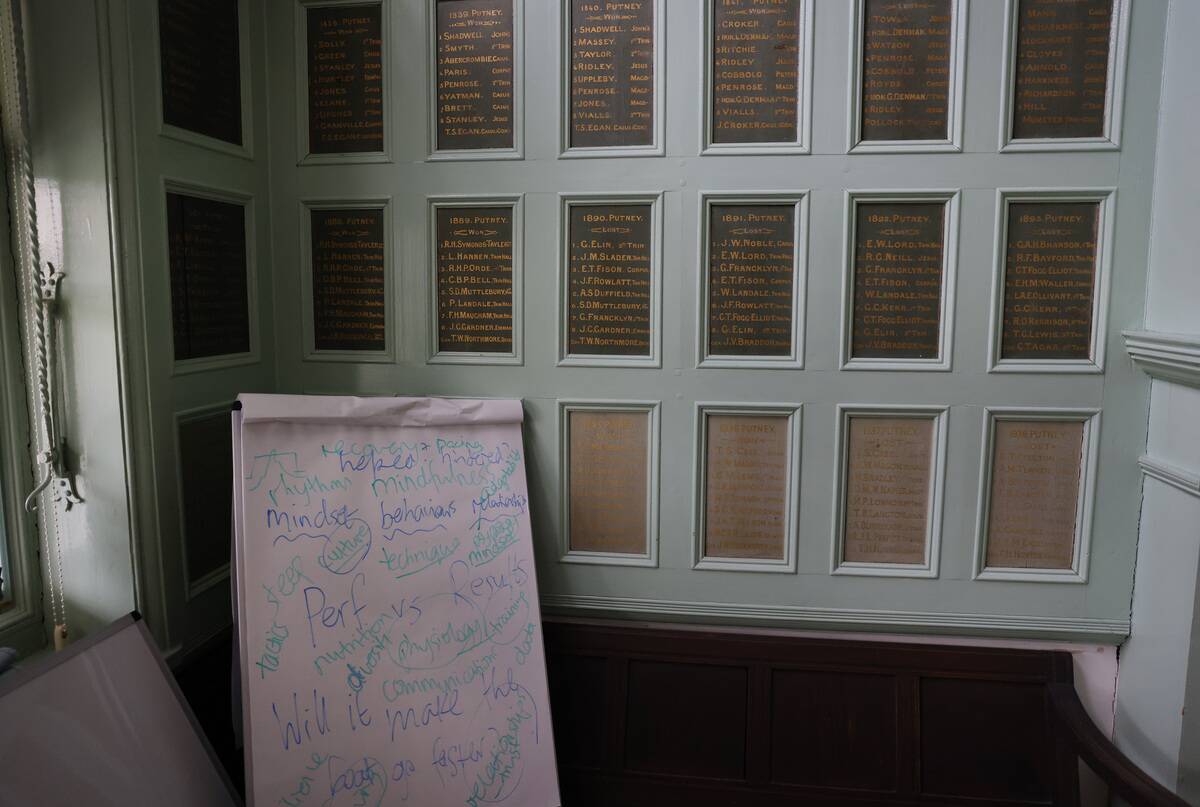
Mind mapping is a popular technique used in notebooks to visualize the flow of ideas. This method involves creating diagrams that connect related concepts, helping to organize thoughts and enhance creativity.
By capturing ideas in a nonlinear format, mind mapping encourages lateral thinking and problem-solving. Notebooks provide an ideal medium for this practice, allowing users to explore connections and generate new insights through structured spontaneity.
Visual Thinking: Doodles, Diagrams, and Breakthroughs

Visual thinking, through the use of doodles and diagrams, is a powerful tool for unlocking creativity. Notebooks offer a space to experiment with visual representations, aiding in the comprehension and development of complex ideas.
Doodling can stimulate the brain and lead to unexpected breakthroughs, making it a valuable technique for innovators. Notebooks, with their blank pages, invite users to explore this visual language, fostering a deeper understanding of their thoughts.
The Ritual of Notebook Writing: Setting the Stage for Creativity
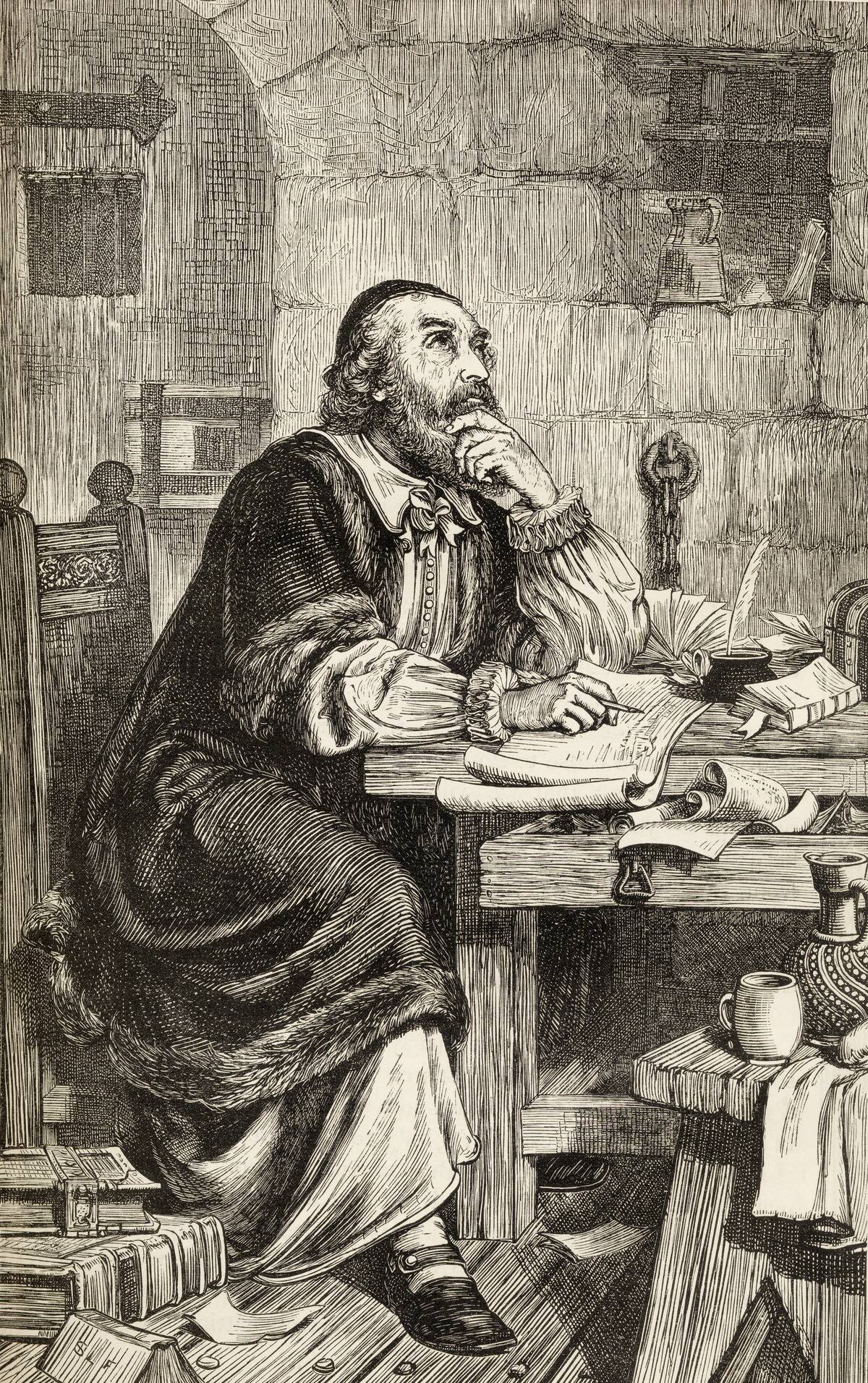
The ritual of writing in a notebook can be a powerful catalyst for creativity. This practice involves setting aside dedicated time and space to focus on thoughts and ideas without distractions.
The act of writing by hand engages the brain in unique ways, enhancing memory and comprehension. By establishing a consistent routine, individuals can cultivate a mindset conducive to creativity, allowing them to explore and develop their ideas more effectively.
The Evolution of Notebooks: From Paper to Digital

The evolution of notebooks from paper to digital formats reflects changes in how people capture, organize, and access information. Digital notebooks, such as applications like Evernote and Microsoft OneNote, offer features like cloud syncing, search, and easy organization across devices.
Traditional paper notebooks continue to be widely used and valued for the tactile experience of handwriting and freeform note-taking. Each medium has strengths — digital formats provide convenience and multi-device accessibility, while paper remains a straightforward and distraction-free tool.
How to Start Your Own Notebook for Creativity

Starting your own creative notebook can be a rewarding endeavor. Begin by choosing a notebook that inspires you, whether it’s a classic leather-bound journal or a simple spiral-bound pad.
Set aside regular time to write or sketch, allowing your thoughts to flow freely without self-censorship. Experiment with different techniques, such as mind mapping or doodling, to explore your ideas. Remember, this is your personal space to be as imaginative and daring as you desire.
Encouragement to Keep Your Own Idea Journal

Keeping an idea journal is a fantastic way to nurture your creativity and capture fleeting thoughts before they slip away. This practice encourages you to engage with your ideas regularly, fostering a habit of creativity.
Whether you’re jotting down daily observations or sketching out future projects, an idea journal serves as a personal repository of inspiration. Embrace the process and enjoy the freedom to explore your thoughts without limitations, knowing that even the smallest idea can lead to something extraordinary.