Overlooked villages from the Industrial Revolution
The Industrial Revolution is often associated with bustling cities and towering factories, but many quaint villages played pivotal roles during this transformative period. These lesser-known locales were the backbone of industrial advancements, quietly shaping history.
As the world moved from agrarian economies to industrial powerhouses, these villages adapted, innovating in ways that left an indelible mark. Their stories, though often overshadowed by urban narratives, reveal the true diversity and depth of the revolution.
Cromford: The Cradle of the Factory System
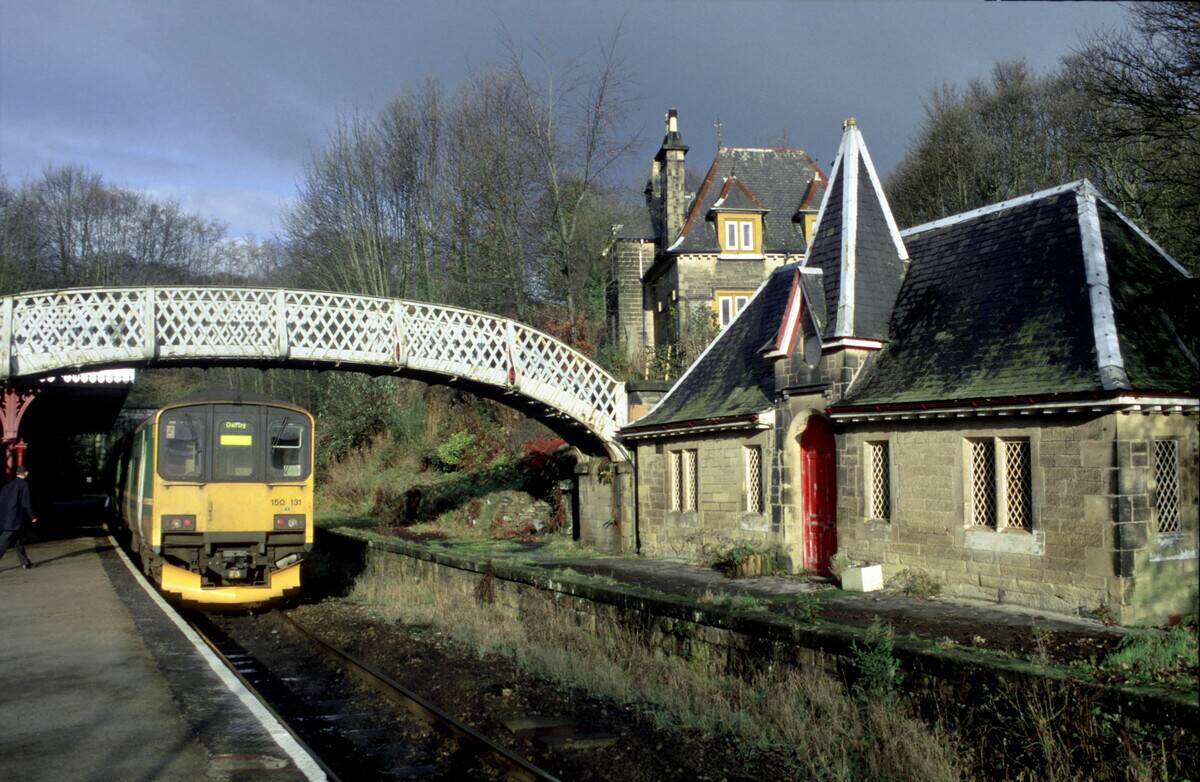
Cromford, a village in Derbyshire, England, is often credited as the birthplace of the modern factory system. Here, Sir Richard Arkwright established the first water-powered cotton spinning mill in 1771.
This innovation revolutionized textile production, setting a template for future industrial enterprises. Cromford’s mill became a model of efficiency and production, attracting workers from across the region. The village’s success story underscores the pivotal role small communities played in pioneering industrial techniques that would change the world.
Ironbridge Gorge: The Village That Forged Industrial History

Ironbridge Gorge, a picturesque village in Shropshire, England, is hailed as the birthplace of the Industrial Revolution. It was here that the world’s first cast iron bridge was constructed in 1779, symbolizing the power and potential of iron.
This historic site is now a UNESCO World Heritage site, preserving its legacy of ingenuity and showcasing the profound impact of village-driven industrialization.
New Lanark: Social Experiment on the Scottish Frontier
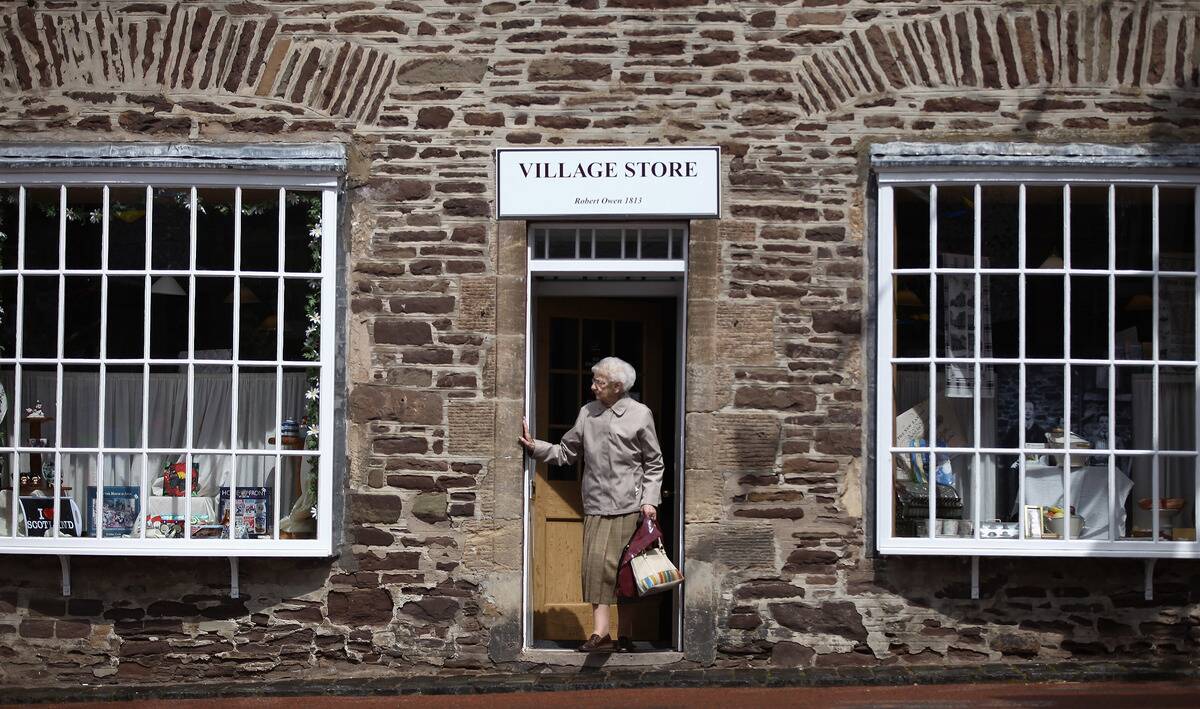
New Lanark in Scotland was more than an industrial powerhouse; it was a social experiment led by Robert Owen. This village became renowned for its progressive labor practices and community welfare initiatives.
Owen’s vision included fair wages, reasonable working hours, and education for workers’ children. New Lanark demonstrated that industrial success could be paired with social responsibility, setting a precedent for future labor reforms. The village remains a testament to the potential for humane industrialization.
Styal: A Testament to Industrial Ambition
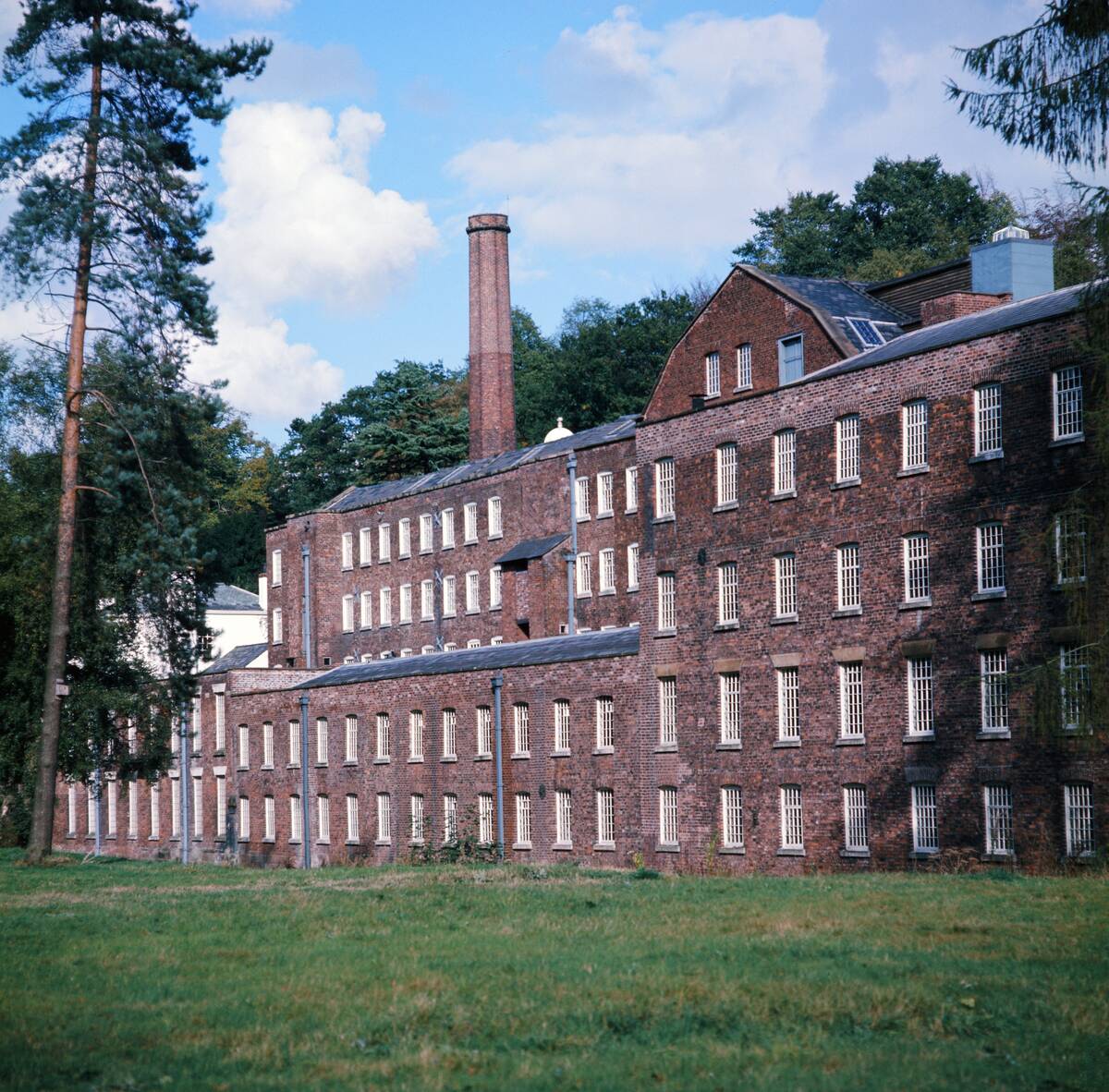
Quarry Bank Mill, located in Styal, England, stands as a monument to the ambition and drive of the Industrial Revolution. Established in 1784 by Samuel Greg, the mill became one of the largest textile production sites in the UK. Its use of water power and later steam engines epitomizes the era’s technological advancements.
Styal provided housing and amenities for workers, creating a self-sufficient community. Today, it offers a fascinating glimpse into the lives of those who powered industrial growth.
Saltaire: A Model Village for Workers’ Welfare
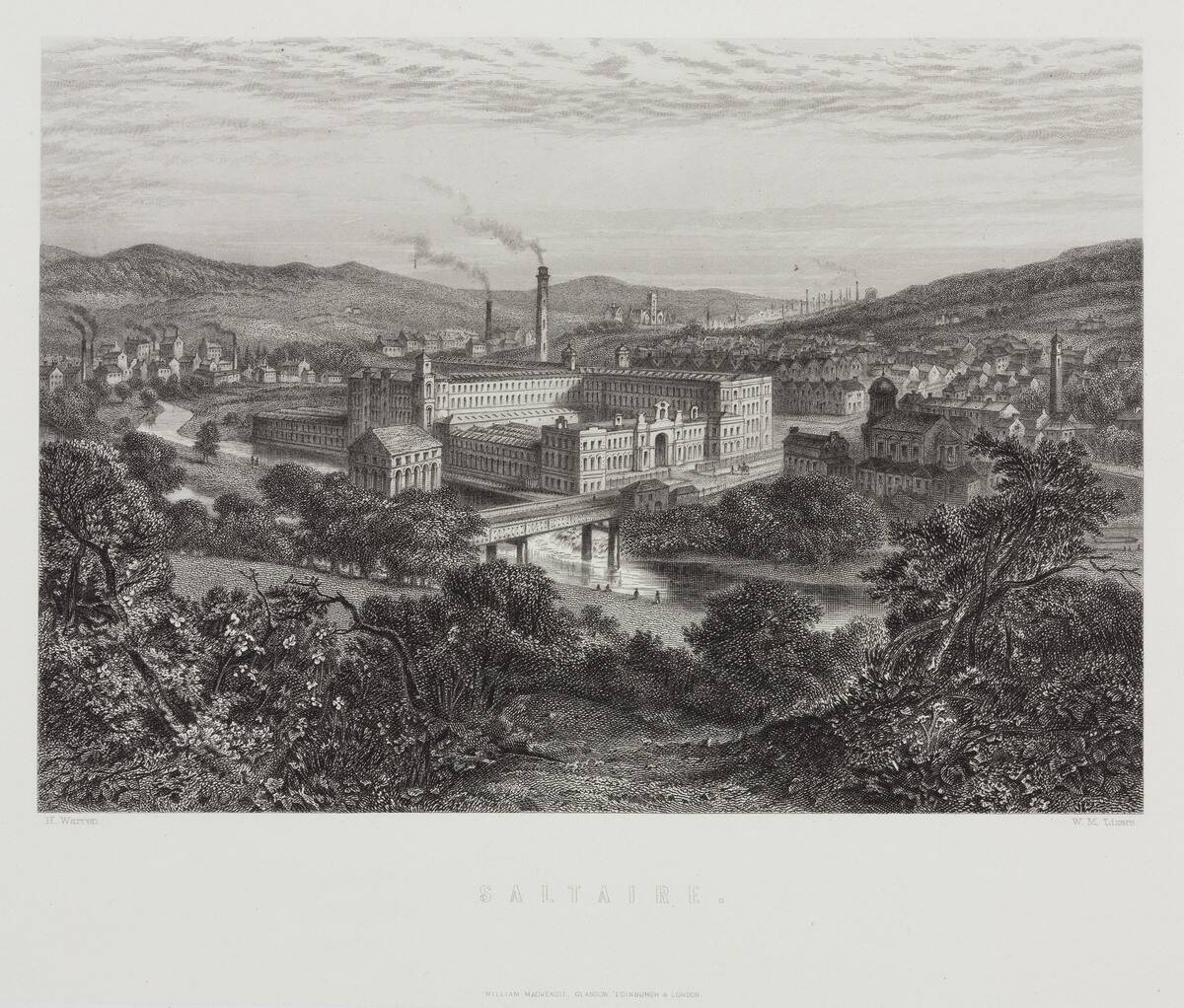
Saltaire, a Victorian model village in West Yorkshire, was founded by Sir Titus Salt to house workers at his textile mills. This village was designed with the welfare of its residents in mind, featuring quality housing, schools, and recreational facilities.
Salt’s approach was revolutionary, emphasizing worker health and happiness as integral to productivity. Saltaire’s legacy as a model of social responsibility in industry lives on, demonstrating the potential for compassionate capitalism.
Blists Hill: A Glimpse into Victorian Industrial Life
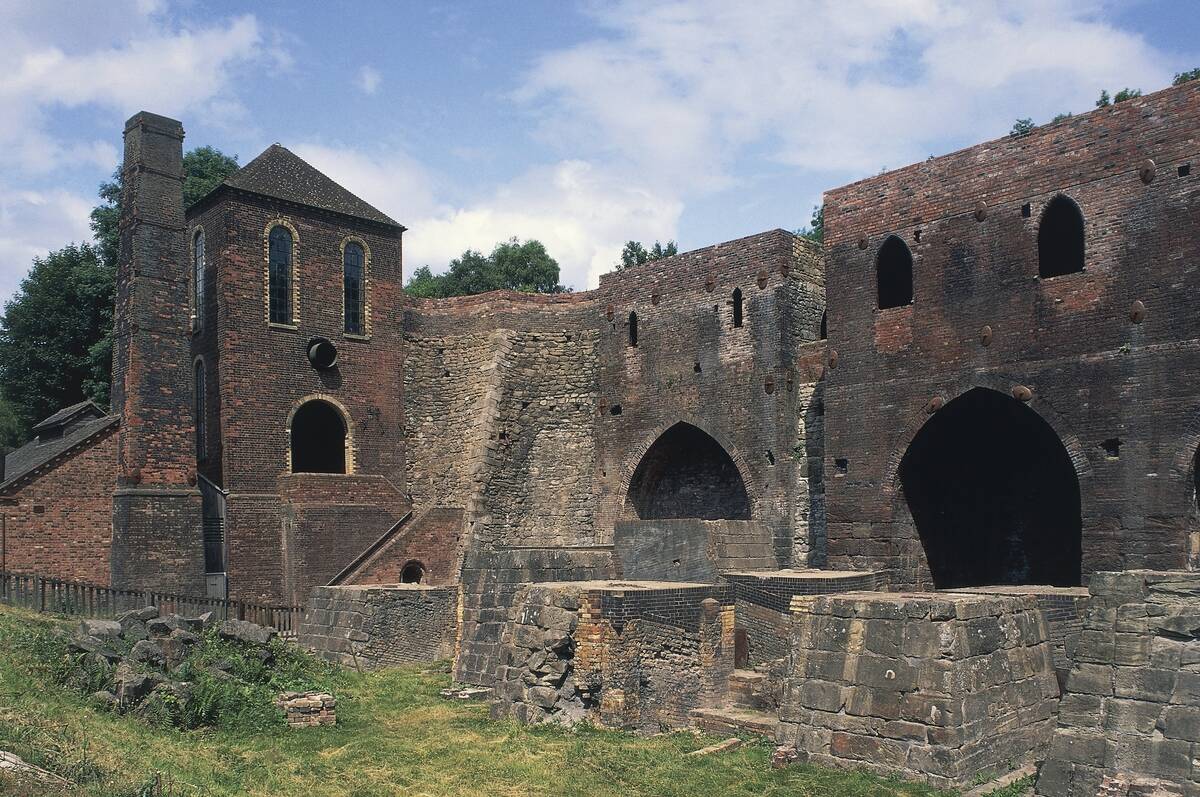
Blists Hill, part of the Ironbridge Gorge complex, offers an immersive experience of Victorian industrial life. This recreated village showcases industries that were once the lifeblood of the area, from blacksmithing to brickmaking.
Visitors can explore the working conditions and daily lives of the people who lived through the Industrial Revolution. Blists Hill serves as a living museum, preserving the history and heritage of a pivotal era, allowing modern audiences to step back in time and appreciate the village’s role.
Helmshore: Where Cotton Once Ruled
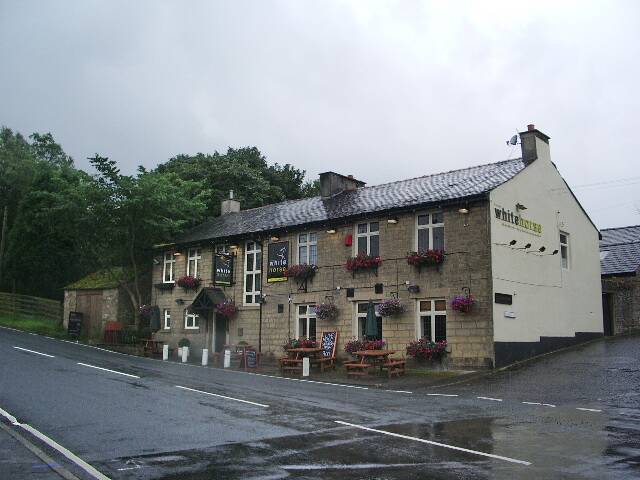
Helmshore, in Lancashire, was once a thriving hub of cotton production during the Industrial Revolution. The village’s textile mills, powered by the River Ogden, were at the forefront of cotton spinning technology.
The Helmshore Mills Textile Museum now preserves this rich history, offering insights into the industrial processes and the lives of workers. The village’s legacy is a reminder of the crucial role such communities played in the textile industry, fueling economic growth and innovation.
Etruria: The Heart of Pottery Production
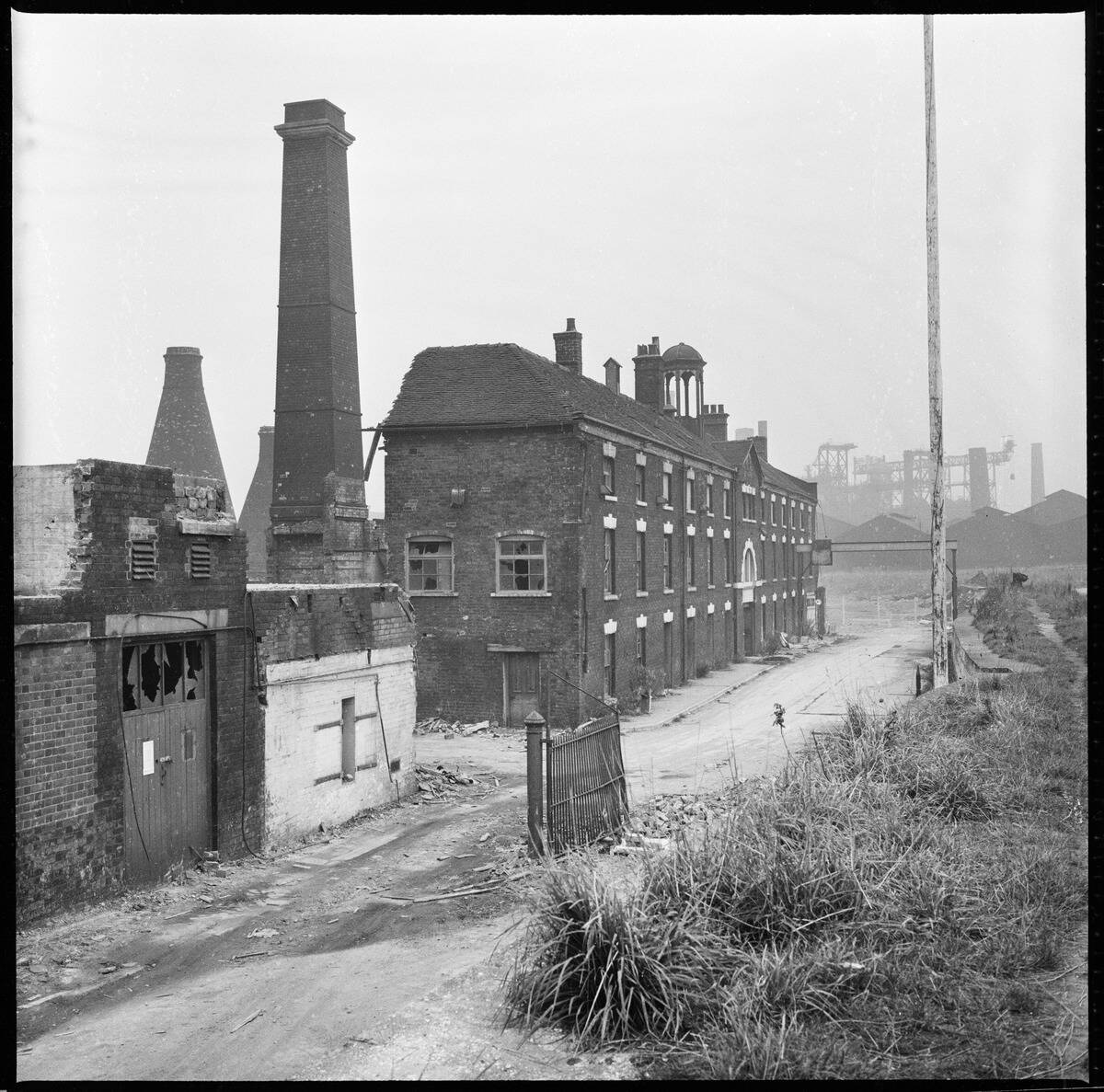
Etruria, a village in Staffordshire, became synonymous with pottery during the Industrial Revolution. Founded by Josiah Wedgwood in the 1760s, Etruria was a hub of ceramic innovation. Wedgwood’s factory produced high-quality pottery that gained international acclaim, helping to transform the industry.
The village’s strategic location near coal fields and canals facilitated efficient production and distribution. Etruria’s legacy is evident in the continued prestige of British ceramics, with Wedgwood’s influence still felt in modern design.
The Rise and Fall of Coalbrookdale
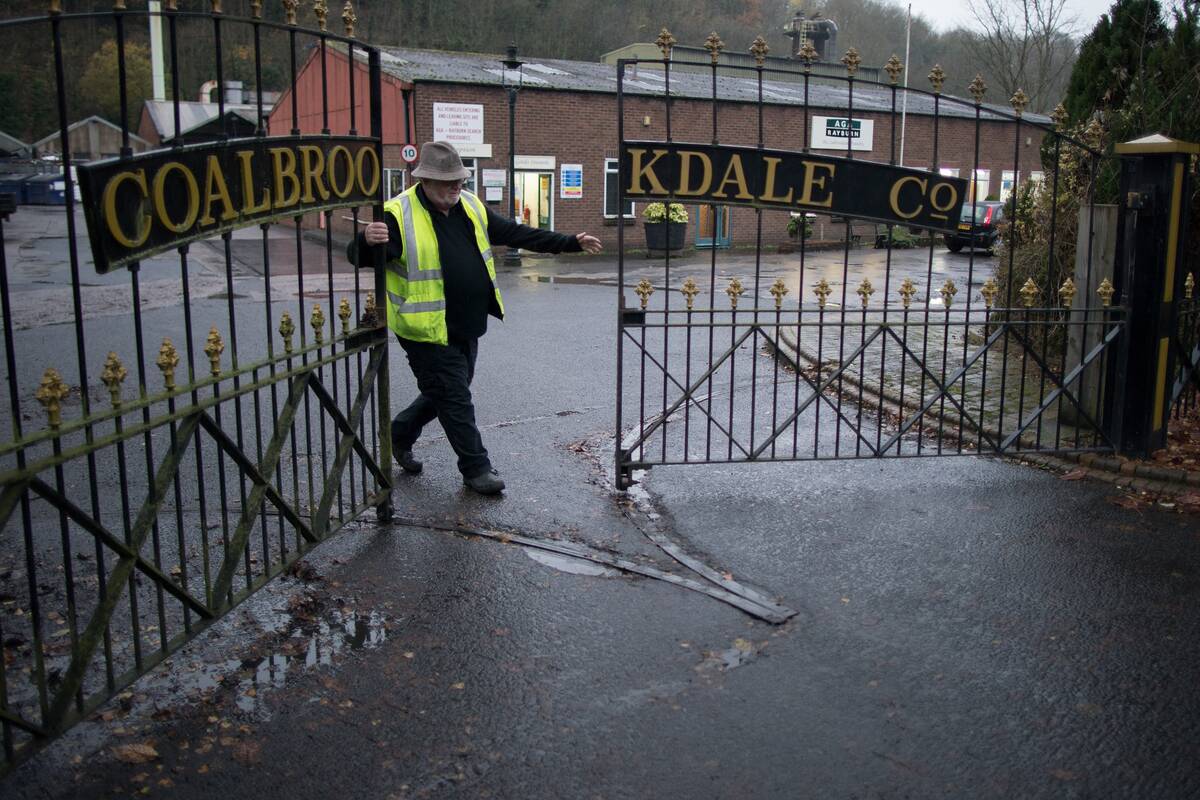
Coalbrookdale, a village in Shropshire, played a critical role in the early stages of the Industrial Revolution. It was here that Abraham Darby perfected the process of smelting iron with coke (a hard charcoal variant), a breakthrough that paved the way for mass iron production.
The village became a center for ironworks, contributing to advancements in engineering and architecture. However, as industries evolved, Coalbrookdale’s prominence waned, leaving a legacy of innovation that continues to inspire industrial historians and enthusiasts.
Luddendenfoot: A Village with Textiles in Its Veins
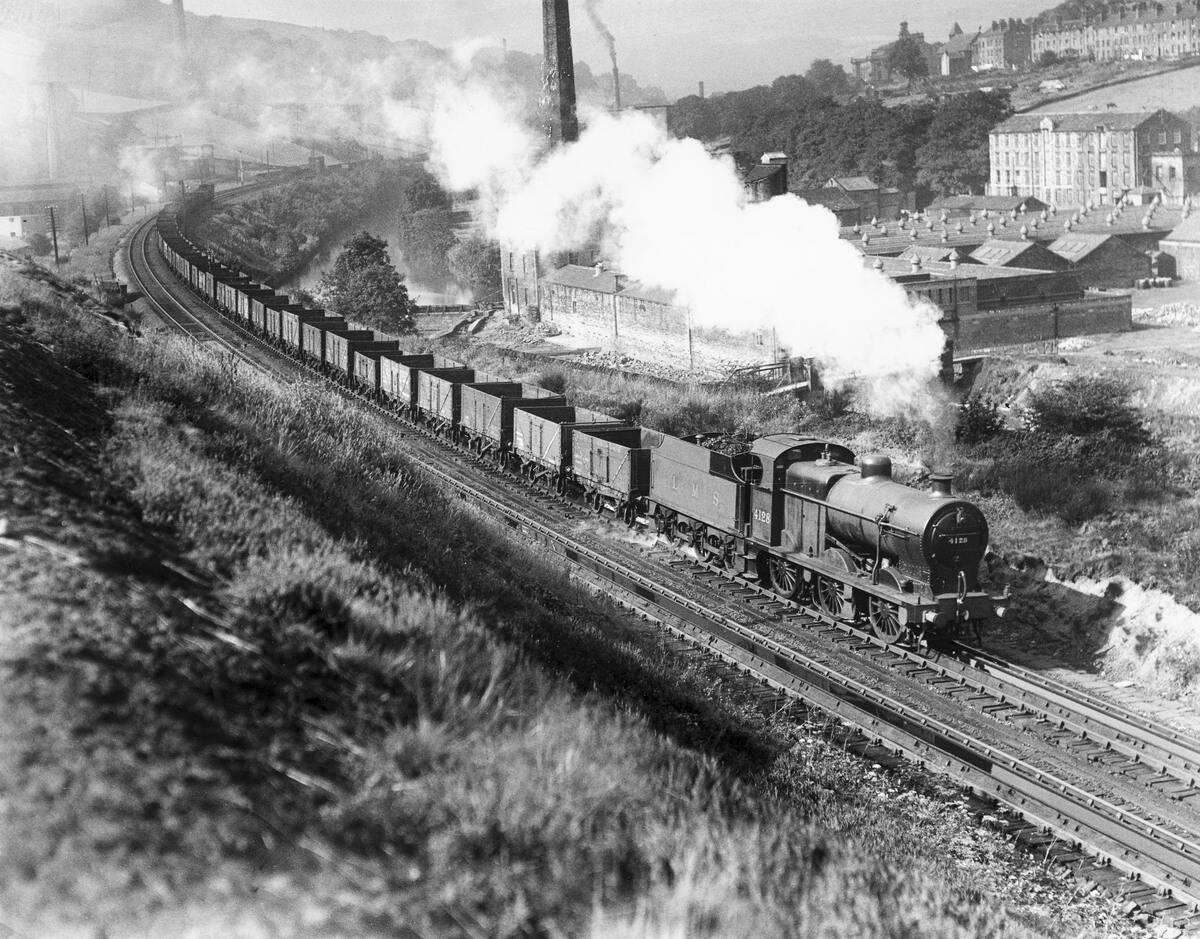
Nestled in the Calder Valley, Luddendenfoot was once a bustling center for textile production. The village’s mills, powered by the River Calder, were instrumental in the woolen industry.
The community thrived on the back of this industry, with generations of families working in the mills. Although the textile operations have ceased, Luddendenfoot’s history remains woven into the fabric of the village, a testament to its significant contribution to the Industrial Revolution.
The Silenced Stories of Derwent Valley Mills
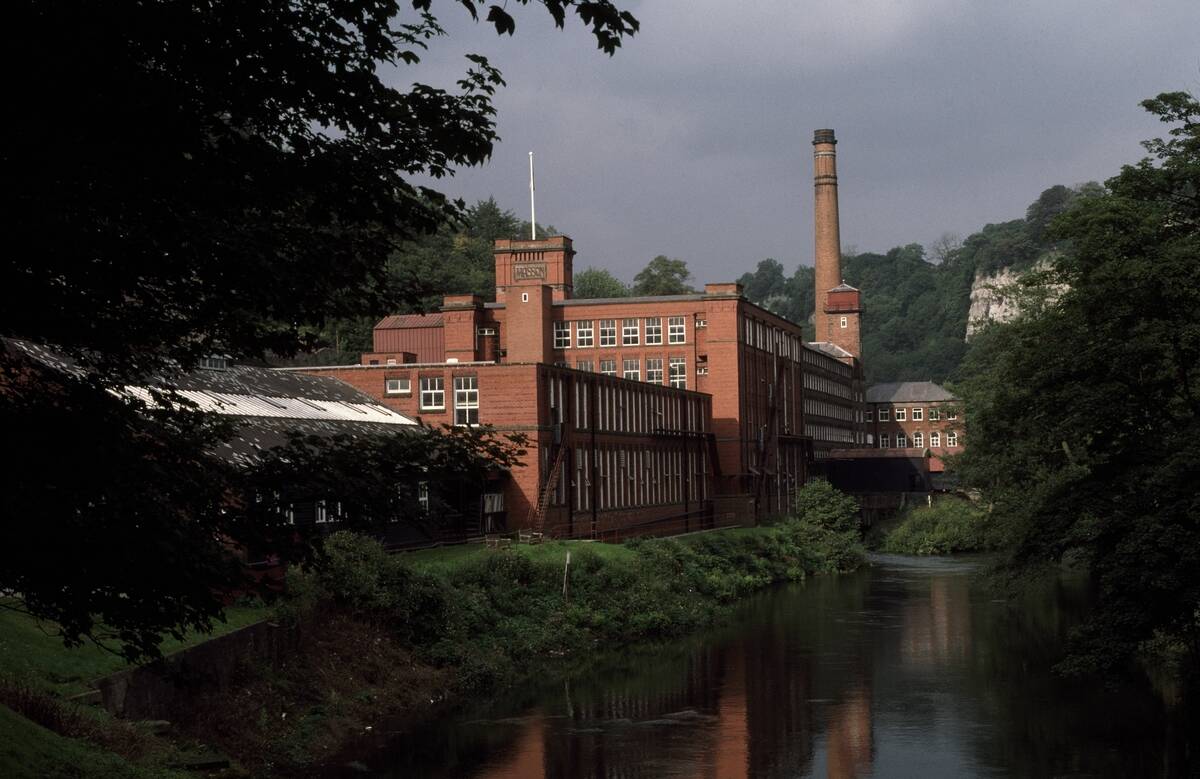
The Derwent Valley Mills, a World Heritage site in Derbyshire, tell a story of innovation and industry. The mills were among the first to harness water power for textile manufacturing, setting a precedent for future industrial ventures.
These mills employed entire communities, transforming local economies and lifestyles. Despite their historical importance, many of the personal stories of those who worked there remain untold, highlighting the need to preserve and share the human narratives behind the industrial achievements.
The Industrial Impact on the Village of Austerlands
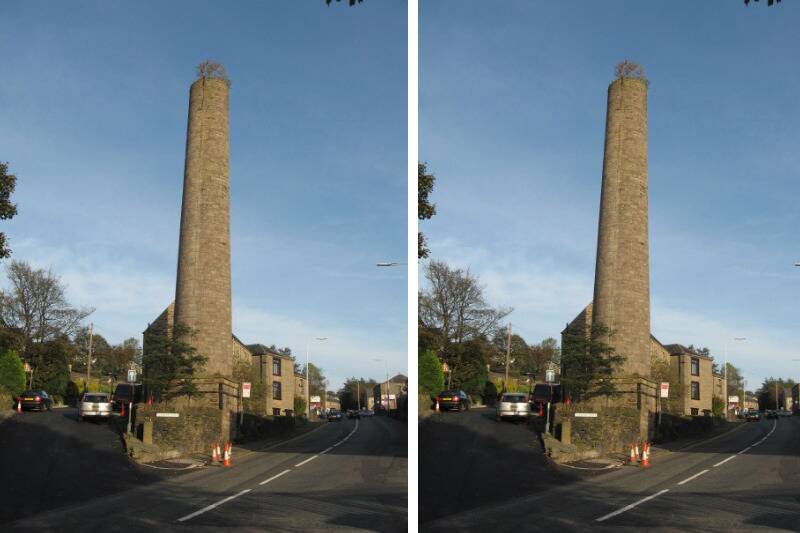
Austerlands, a small village in Greater Manchester, was significantly shaped by the Industrial Revolution. Its proximity to Oldham made it an ideal location for cotton mills, which became the village’s primary industry.
The influx of workers transformed Austerlands into a bustling hub of activity. While the mills have long since closed, the village’s industrial heritage is still evident in its architecture and community identity, reflecting the profound impact of this transformative era.




