Outcomes for all of Napoleon’s siblings and allies
Napoleon Bonaparte, the iconic French military leader and emperor, was not just a solitary figure on the European stage. His rise to power and subsequent reign were heavily influenced by a fascinating cast of family members and allies.
These individuals, each with their own unique talents and ambitions, helped shape the course of European history during the Napoleonic era. From royal siblings to shrewd diplomats, understanding this cadre of influential figures provides insight into Napoleon’s world and the complex web of politics and personal relationships that defined it.
Joseph Bonaparte: The King Who Preferred New Jersey
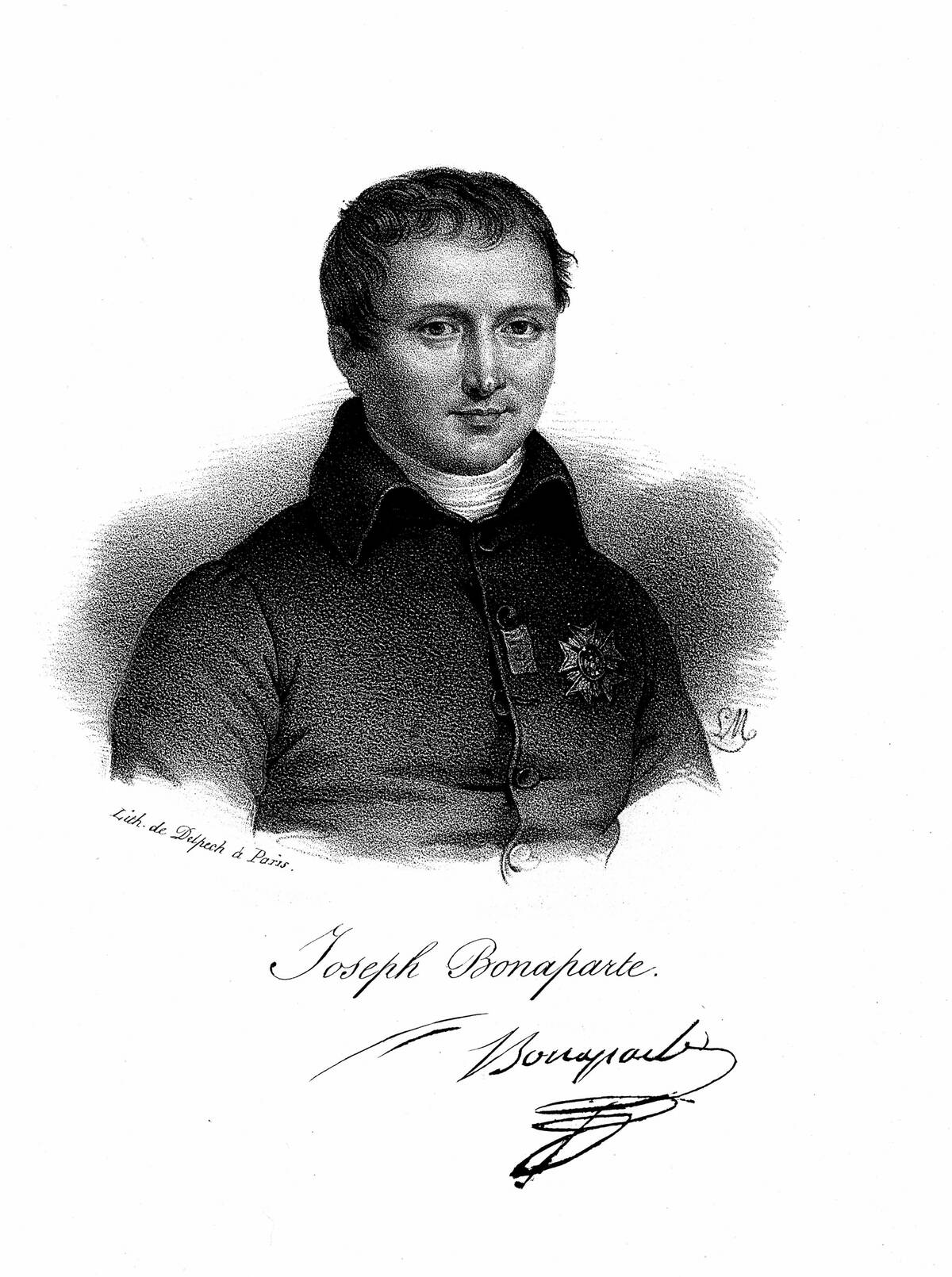
Joseph Bonaparte, Napoleon’s older brother, was made King of Spain, but he never quite took to the role. In fact, after Napoleon’s fall, he found solace in the United States, purchasing an estate in Bordentown, New Jersey.
Known as “Point Breeze,” Joseph’s American home became a hub for European intellectuals and artists. Despite his royal title, Joseph seemed more at home in the gardens of New Jersey than on the throne of Spain, preferring the peace of his new world over the tumult of his brother’s empire.
Lucien Bonaparte: The Rebel with a Cause
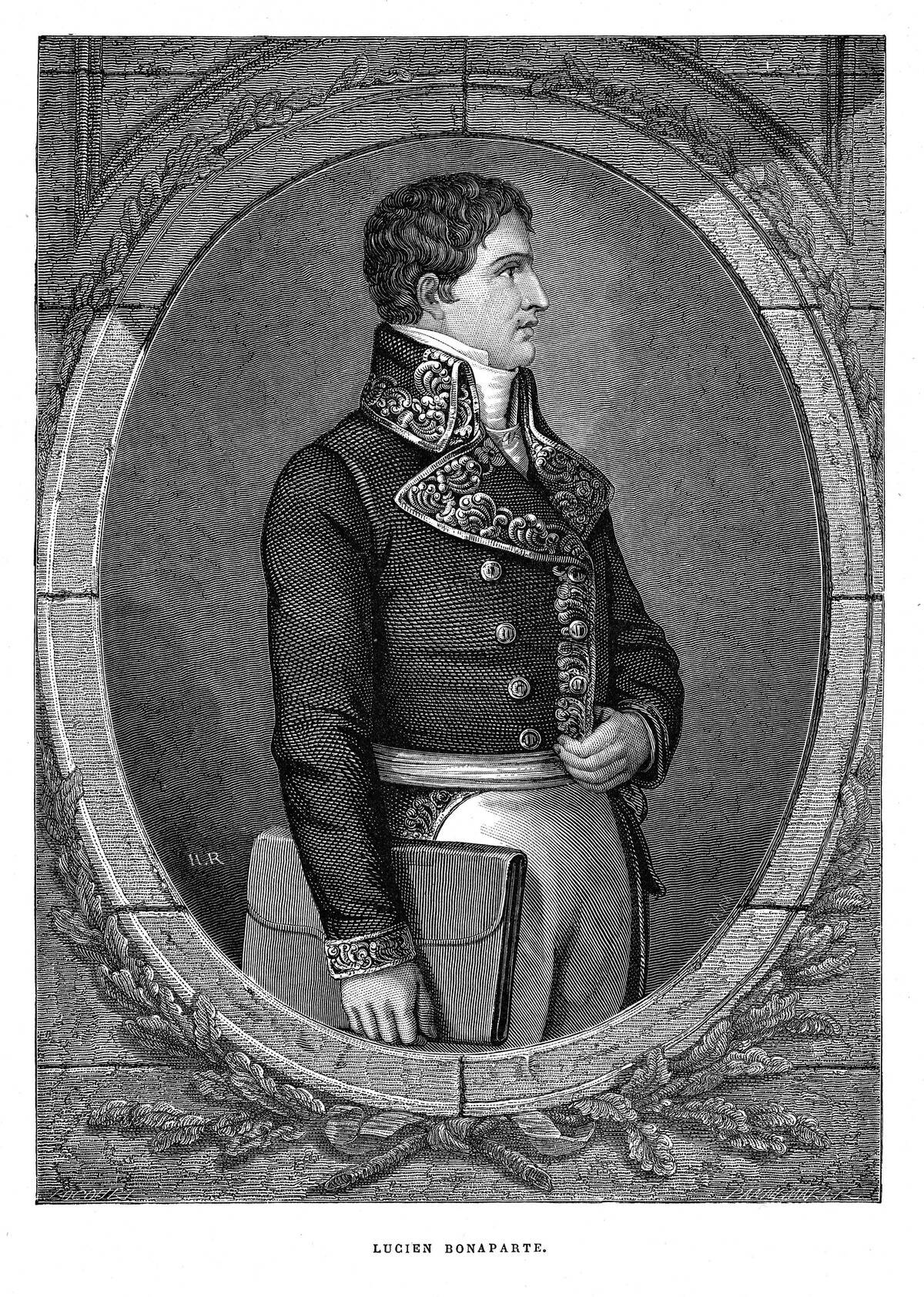
Lucien Bonaparte, unlike his siblings, often found himself at odds with Napoleon. A fervent republican, Lucien rejected the crown of Spain offered by his brother, preferring to live a life of political independence.
His passion for the arts and archaeology led him to establish a remarkable collection of antiquities. Lucien’s opposition to Napoleon’s imperial ambitions didn’t sever family ties completely, but it certainly marked him as a man driven by principles rather than power, a true maverick among the Bonaparte siblings.
Elisa Bonaparte: The Duchesse in Tuscany
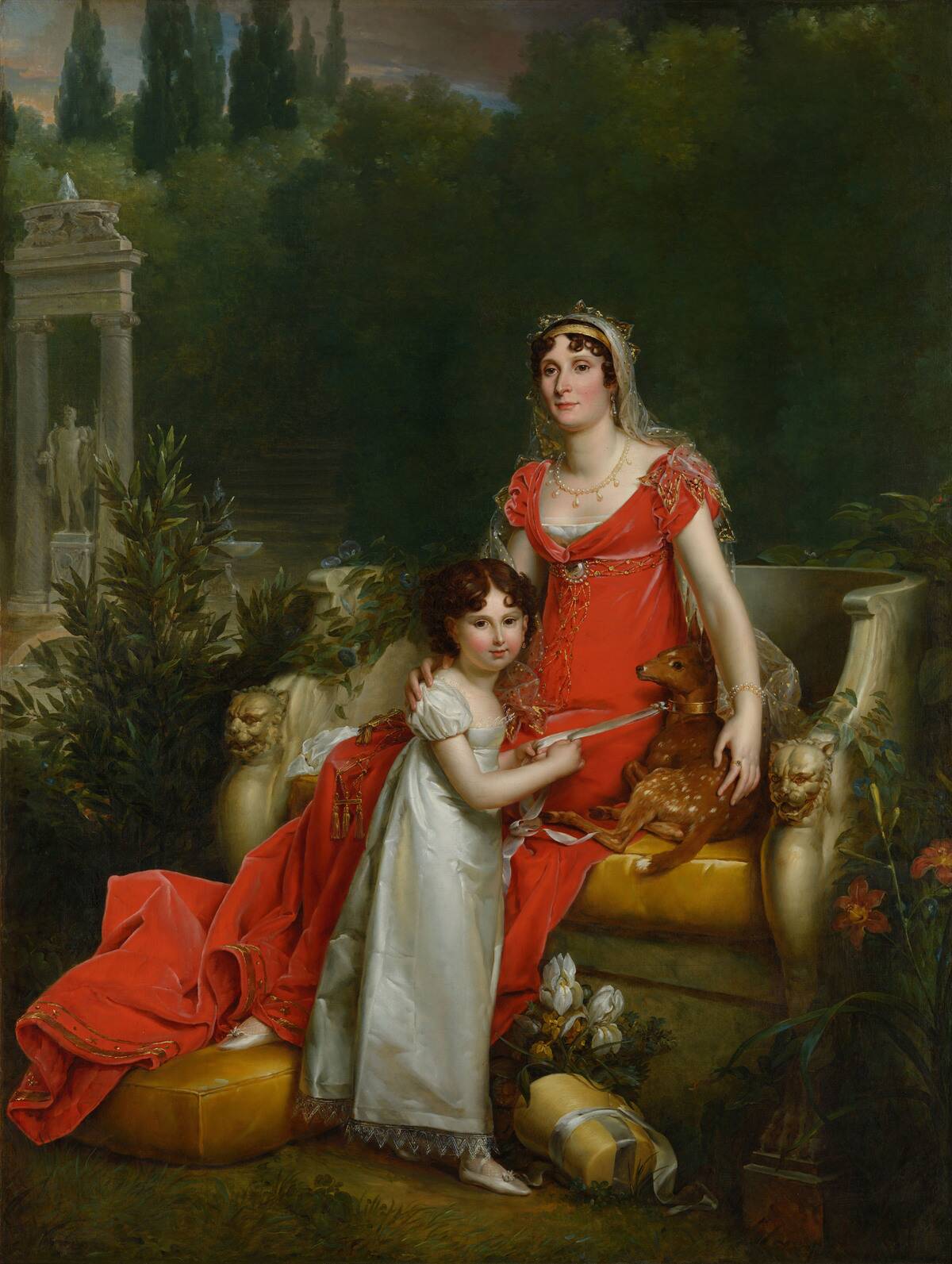
Elisa Bonaparte, Napoleon’s sister, ruled over Tuscany with a firm hand, earning the title of Grand Duchess. Her governance was marked by significant cultural and educational reforms, including the establishment of schools and hospitals.
Elisa had a keen interest in the arts, promoting the works of local artists and contributing to the cultural renaissance in Tuscany. Despite the challenges of ruling during turbulent times, she managed to leave a lasting legacy in the region, balancing her duties as a ruler with her passion for cultural enrichment.
Louis Bonaparte: The Reluctant King of Holland
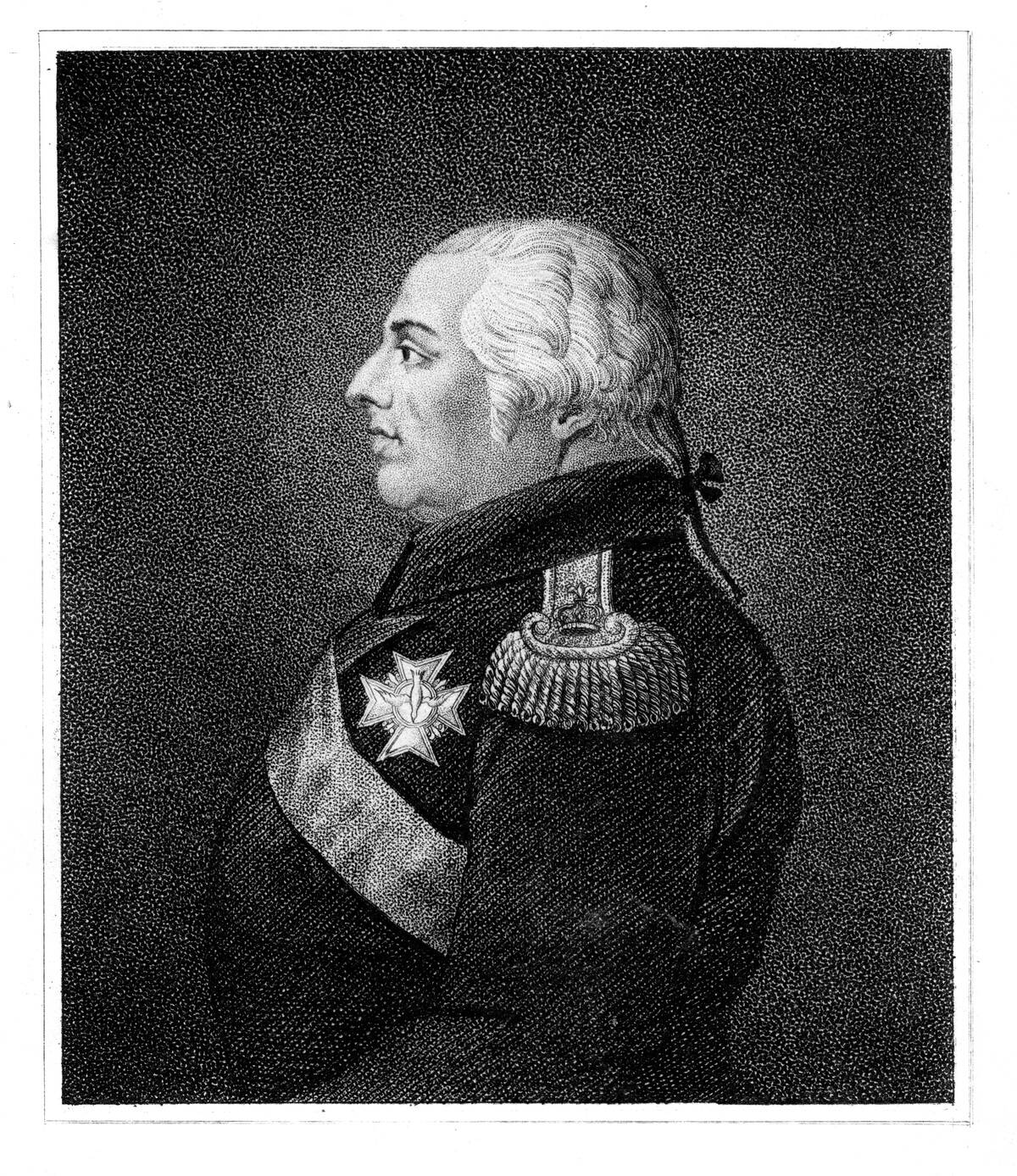
Louis Bonaparte, another of Napoleon’s brothers, was made King of Holland, a position he accepted reluctantly. Known for his attempts to prioritize Dutch interests over those of France, Louis worked to improve the welfare of his subjects.
His reign saw the implementation of new taxation systems and efforts to ameliorate the impacts of natural disasters, such as floods. Louis’ dedication to his adopted country earned him the affection of the Dutch people, even as his allegiance to Napoleon strained family ties and ultimately led to his abdication.
Pauline Bonaparte: The Scandalous Princess
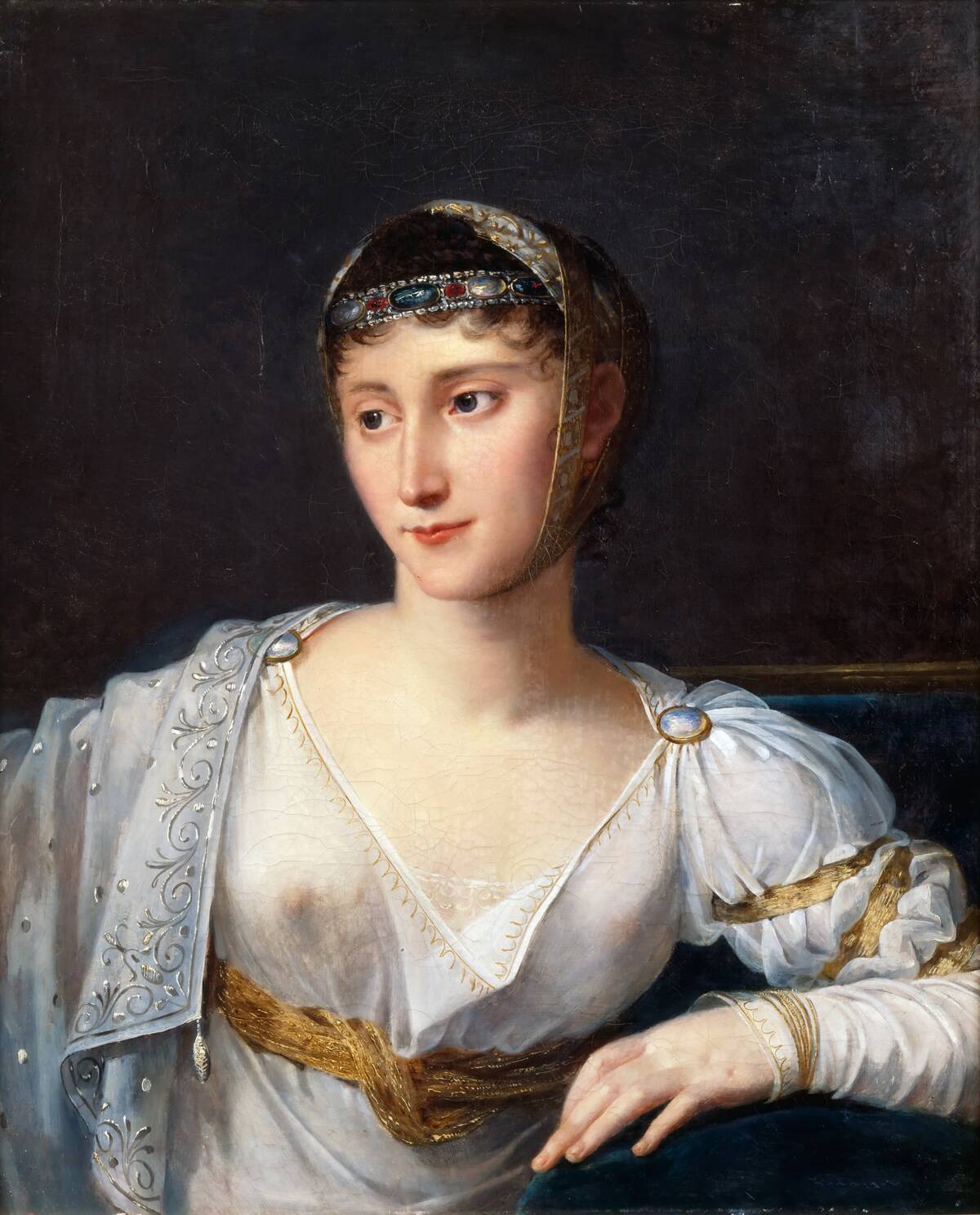
Pauline Bonaparte, Napoleon’s sister, was renowned for her beauty and scandalous lifestyle. Married to Prince Camillo Borghese, Pauline enjoyed the privileges of high society, yet her numerous affairs became the talk of Europe.
Her adventurous spirit extended beyond romance; Pauline famously posed for a semi-nude sculpture by the artist Antonio Canova. Despite the controversies, she remained one of Napoleon’s favorite siblings, her charm and vivacity making her a prominent figure in the social circles of her time.
Caroline Bonaparte: The Queen of Naples
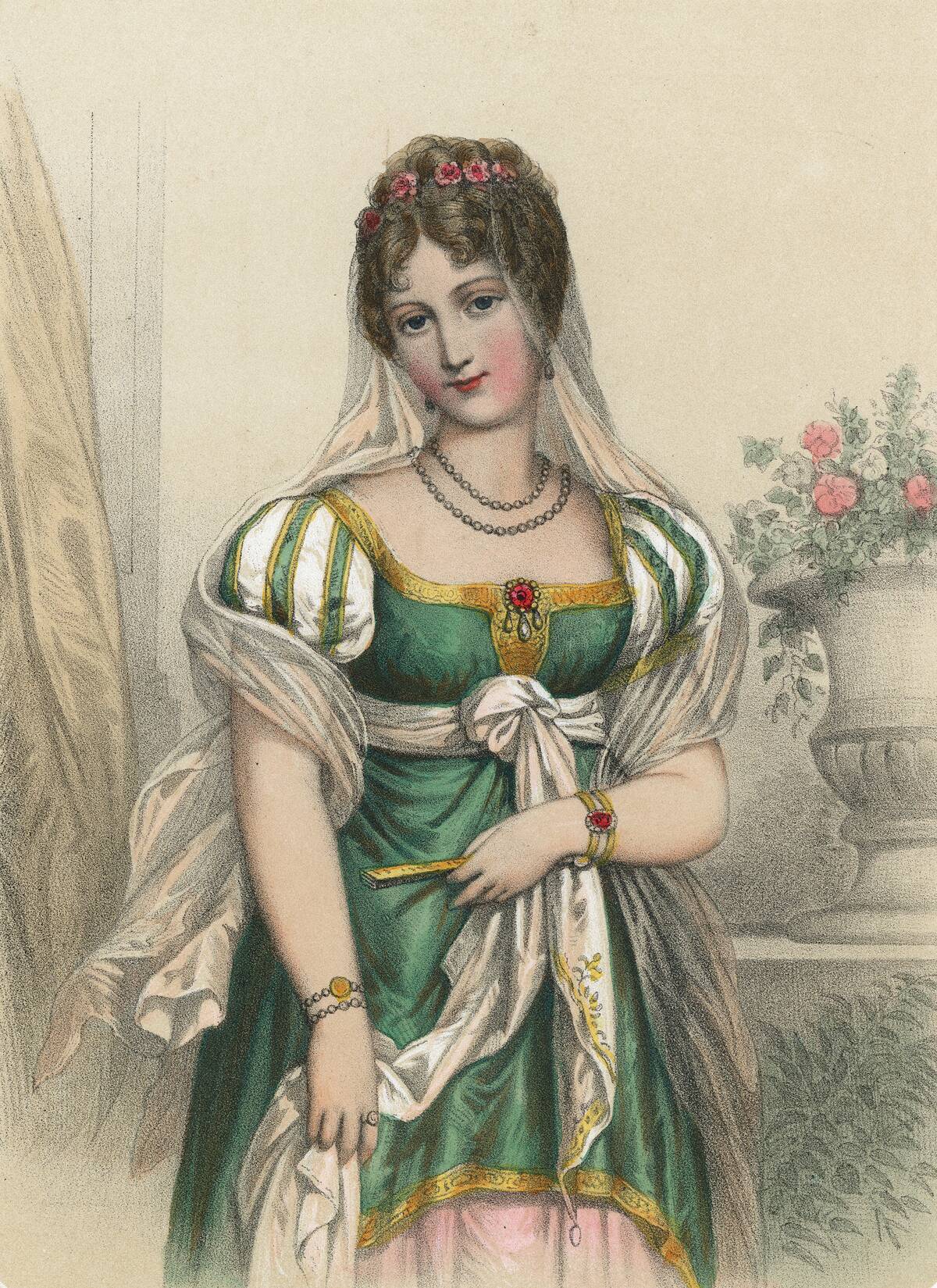
Caroline Bonaparte, Napoleon’s youngest sister, became Queen of Naples through her marriage to Joachim Murat. She was an ambitious ruler who wielded considerable power, often involved in political affairs alongside her husband.
Caroline’s tenure as queen was marked by efforts to modernize Naples, improve education, and support the arts. Her political acumen and determination ensured her influence remained strong, even as the tides of European politics shifted. Caroline’s legacy is one of a capable leader who navigated the complexities of her time with intelligence and foresight.
Jérôme Bonaparte: The King of Westphalia
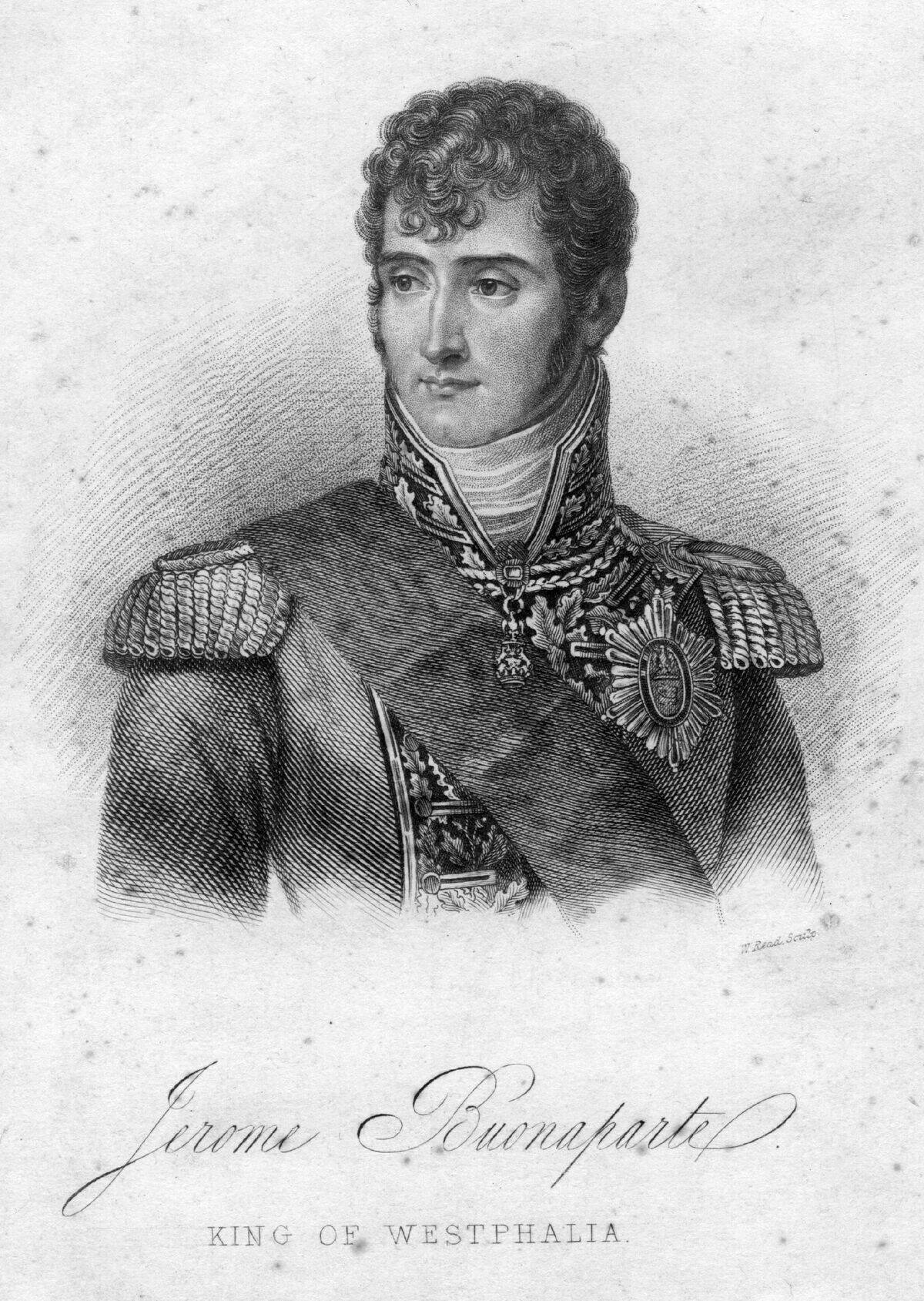
Jérôme Bonaparte, the youngest of Napoleon’s brothers, was appointed King of Westphalia, one of the new states created by his brother’s conquests. Jérôme’s reign was characterized by a lavish lifestyle and attempts at implementing liberal reforms, inspired by the Napoleonic Code.
Despite his initial popularity, Jérôme’s governance was marred by financial difficulties and reliance on French military support. However, his efforts to modernize the kingdom and promote civil rights showcased a progressive approach, albeit one overshadowed by the broader challenges of the era.
Napoleon’s Stepchildren: Eugène and Hortense
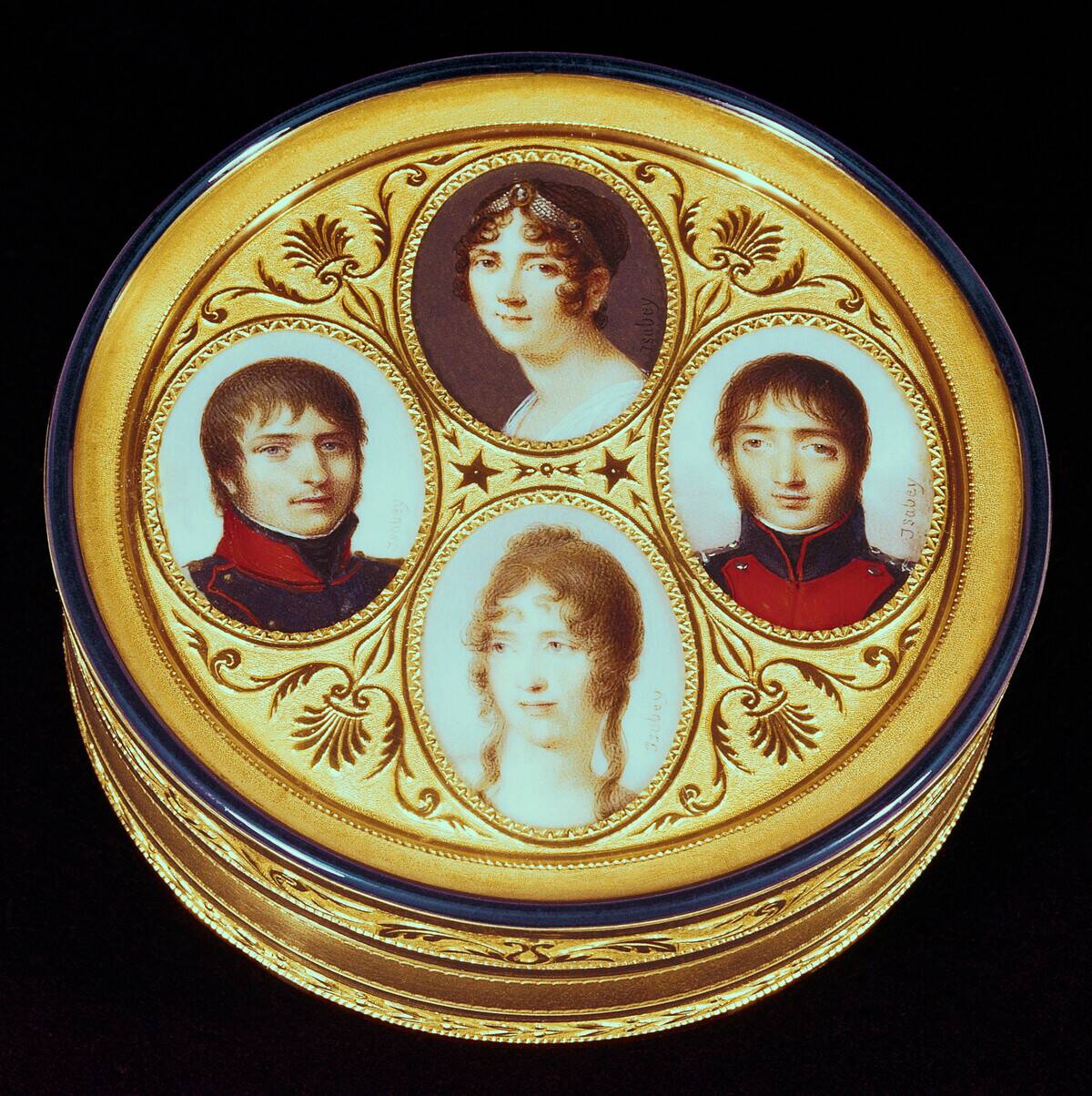
Eugène de Beauharnais and Hortense de Beauharnais, Napoleon’s stepchildren through his first wife Joséphine, played significant roles in his empire. Eugène, a capable military leader, served as Viceroy of Italy and distinguished himself in various campaigns. His loyalty to Napoleon was unwavering, even after the emperor’s exile.
Hortense, married to Louis Bonaparte, became Queen of Holland and was known for her artistic talents and charm. Both stepchildren were instrumental in supporting Napoleon’s ambitions, their roles reflecting the complex familial ties within the Bonaparte dynasty.
Joachim Murat: The Dashing Cavalry Officer
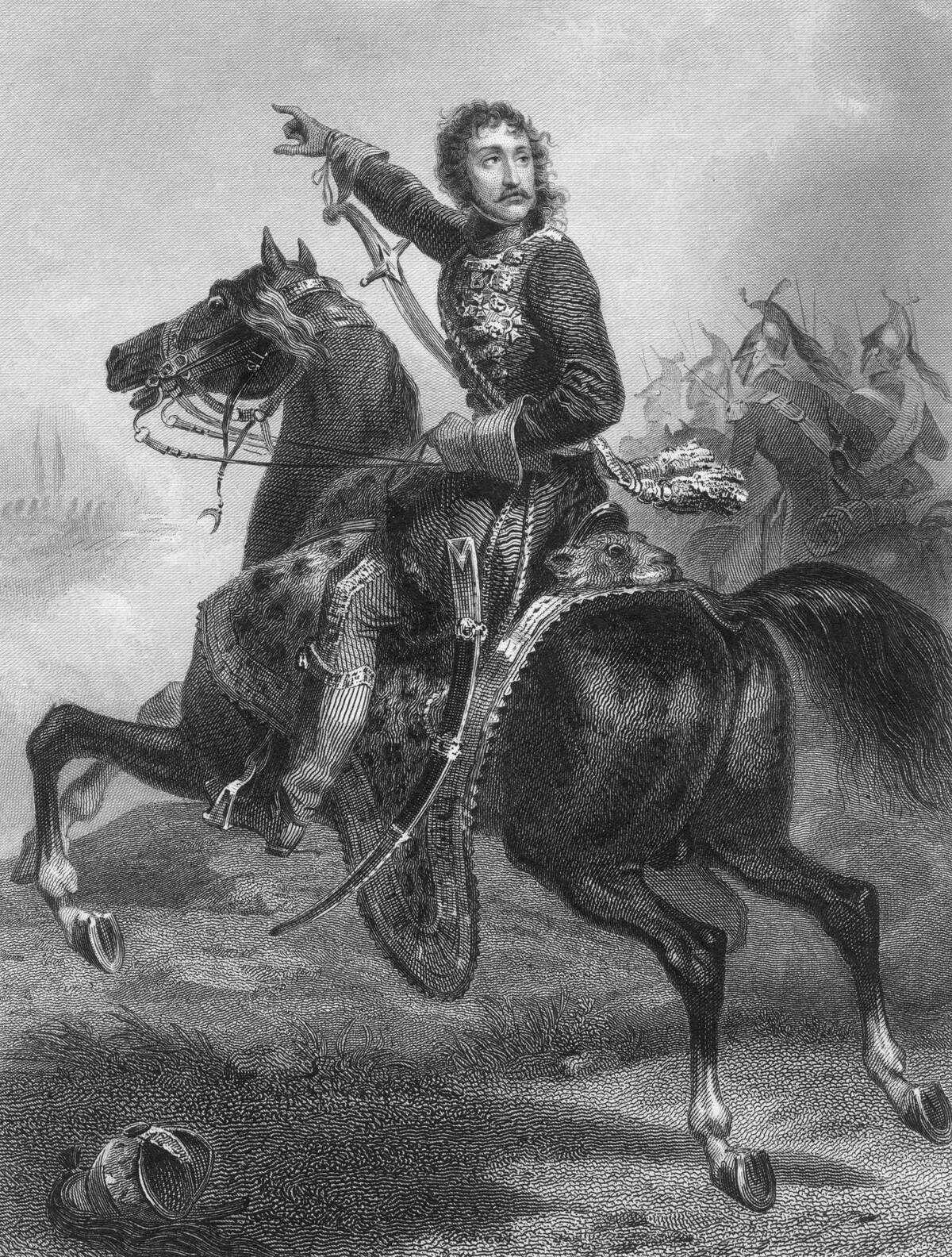
Joachim Murat, married to Caroline Bonaparte, was one of Napoleon’s most flamboyant and daring generals. Known for his dashing appearance and cavalry prowess, Murat’s military exploits became legendary.
Appointed King of Naples, he attempted to maintain power even after Napoleon’s downfall, illustrating his independent streak. Murat’s boldness, both on and off the battlefield, was matched by his ambition, though ultimately it led to his capture and execution. His legacy as a charismatic leader and skilled cavalry officer endures in the annals of Napoleonic history.
Charles de Talleyrand: The Master Diplomat
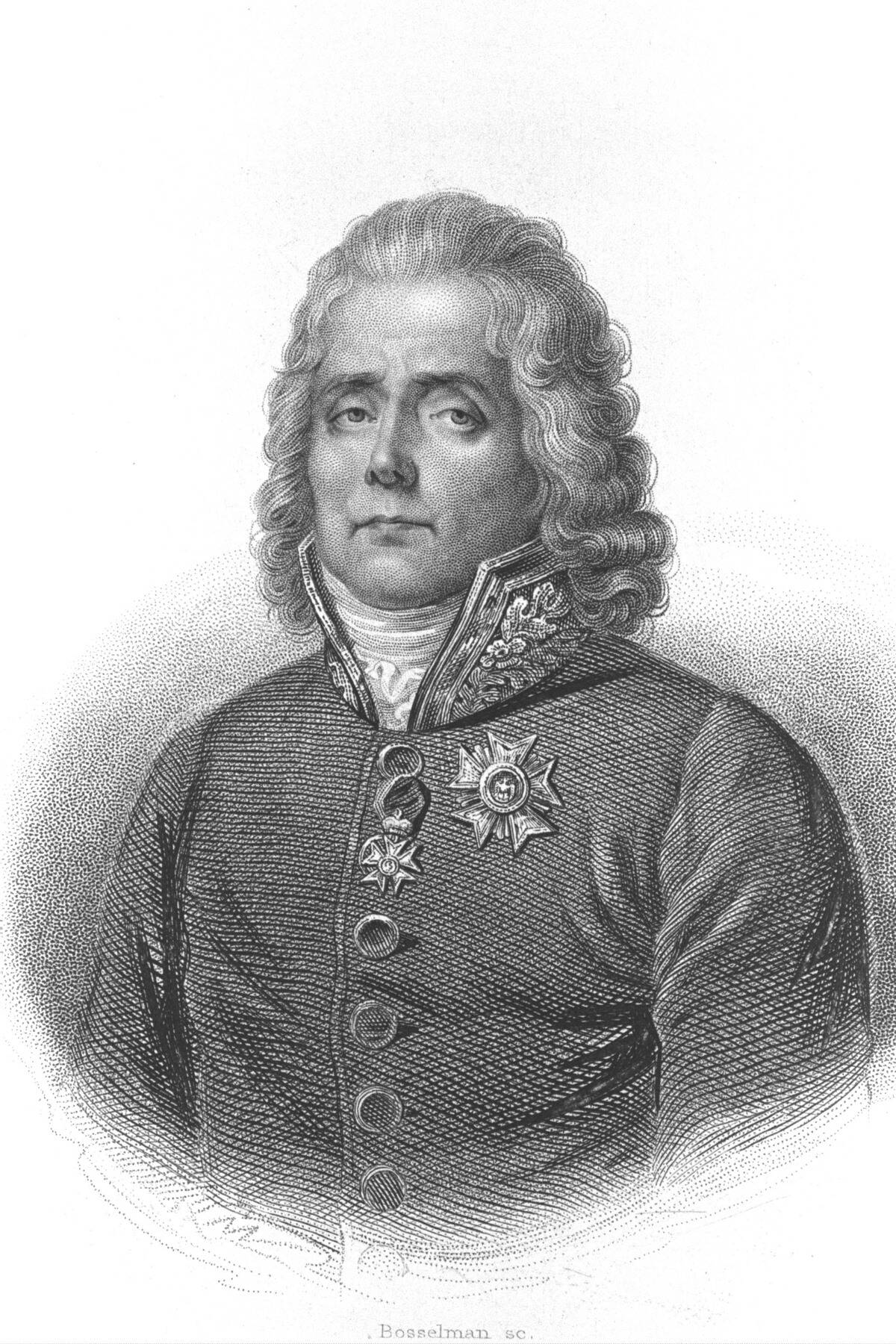
Charles de Talleyrand, often regarded as one of history’s greatest diplomats, played a crucial role in Napoleon’s administration. Despite his reputation for political cunning, Talleyrand’s diplomatic skills were instrumental in negotiating treaties and maintaining alliances.
His ability to navigate the tumultuous political landscape earned him a reputation as a survivor, adept at serving under multiple regimes. Talleyrand’s influence extended beyond his tenure with Napoleon, as he continued to shape European politics in the post-Napoleonic era, demonstrating his enduring diplomatic prowess.
Marshal Ney: The Bravest of the Brave
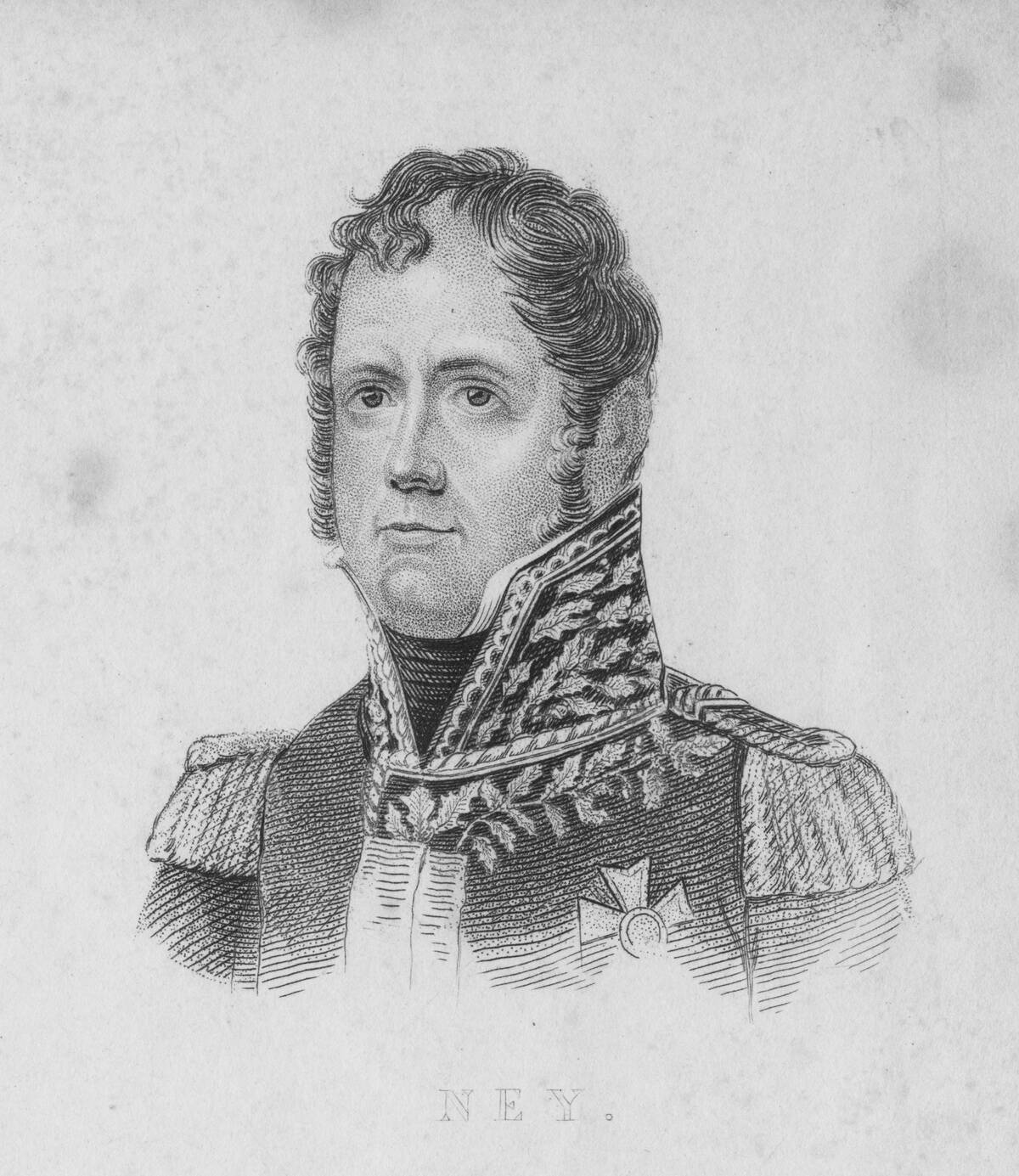
Michel Ney, one of Napoleon’s most trusted marshals, earned the nickname “the bravest of the brave” for his fearless leadership in battle. Ney’s military career was marked by numerous victories, including his crucial role at the Battle of Borodino.
Despite his loyalty to Napoleon, Ney’s fortunes changed after the emperor’s first abdication, leading to his controversial execution following the Bourbon restoration. Ney’s legacy as a courageous and devoted marshal remains a testament to his unwavering commitment to his emperor and his men.
Jean-Baptiste Bernadotte: From Marshal to Swedish King
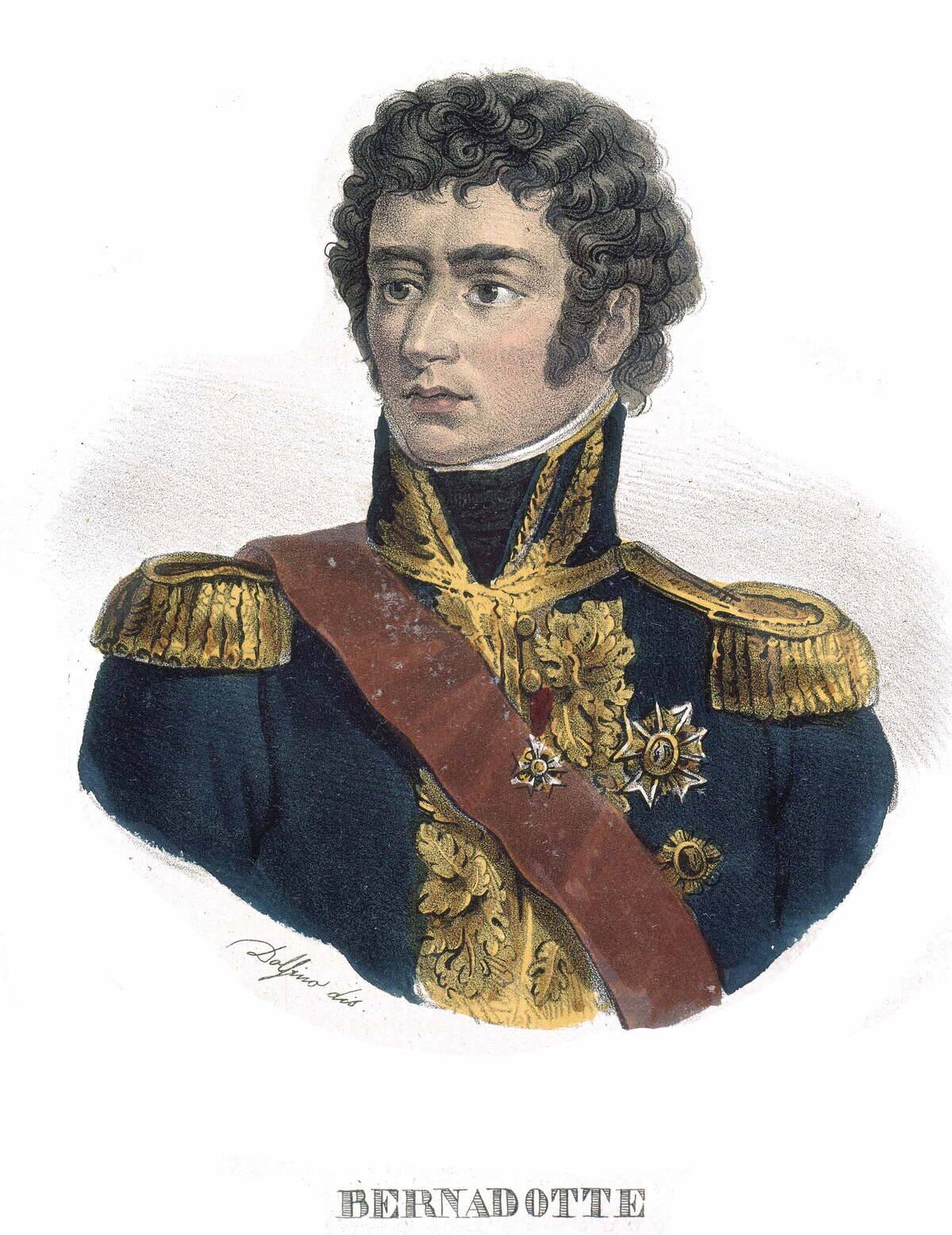
Jean-Baptiste Bernadotte’s journey from a French marshal to King of Sweden is a remarkable tale of adaptability and ambition. Initially serving under Napoleon, Bernadotte was elected Crown Prince of Sweden, later becoming King Charles XIV John.
His reign was marked by significant modernization efforts and the establishment of a peaceful foreign policy. Bernadotte’s transition from a military leader to a respected monarch exemplifies his political astuteness and ability to reinvent himself, leaving a lasting impact on Swedish history and continuing the Bernadotte dynasty to this day.
Joseph Fouché: The Ultimate Survivor
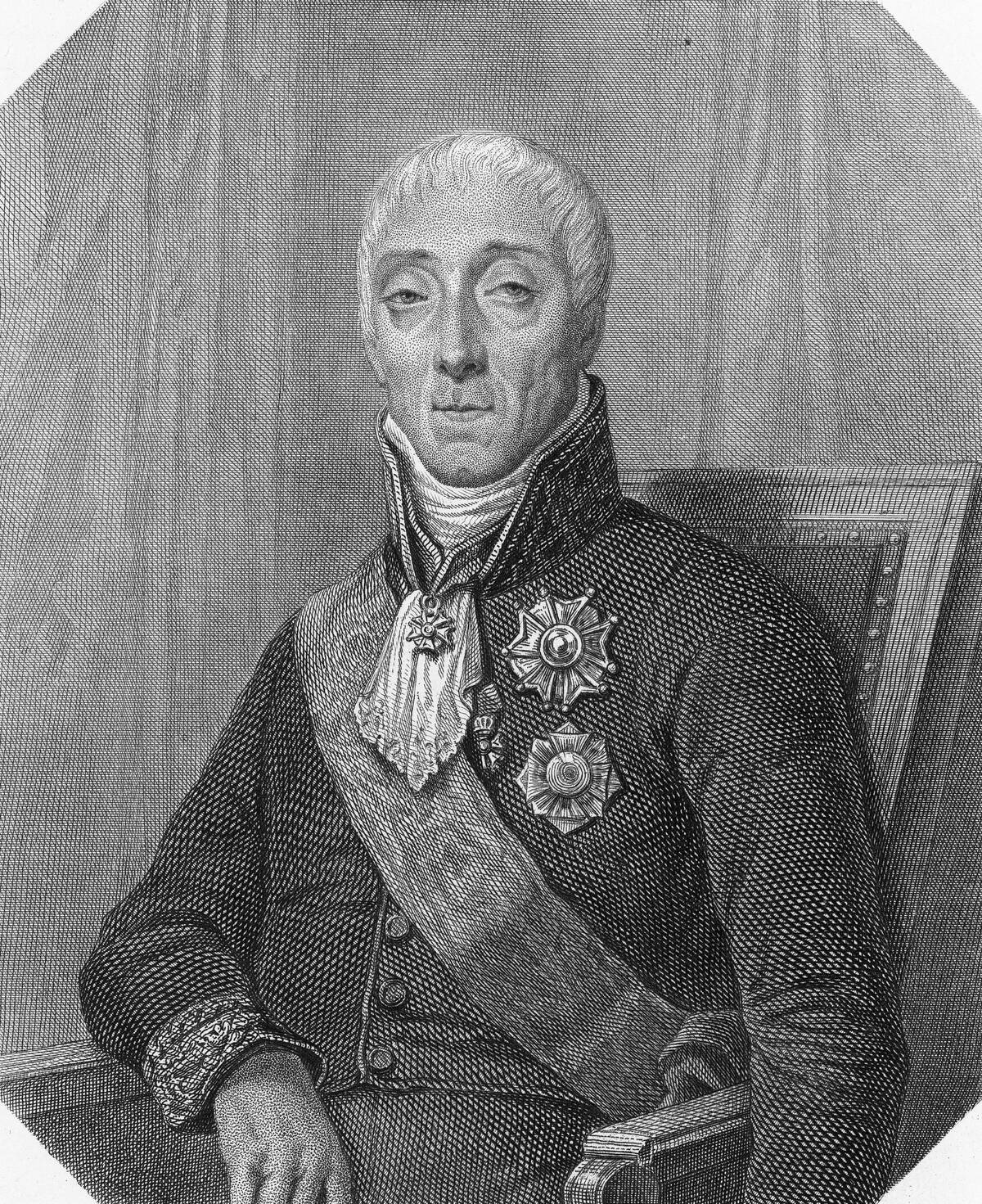
Joseph Fouché, Napoleon’s Minister of Police, was a master of political survival. Known for his ruthless efficiency and intelligence network, Fouché maintained order throughout the empire. His ability to shift allegiances ensured his continued influence, even after Napoleon’s fall.
Fouché’s tenure saw the implementation of strict police measures, but his reputation as a cunning strategist allowed him to navigate the changing political tides. His legacy as a shrewd and pragmatic politician endures, highlighting his skill in preserving power amid the turbulence of Napoleonic France.
Louis-Nicolas Davout: The Iron Marshal
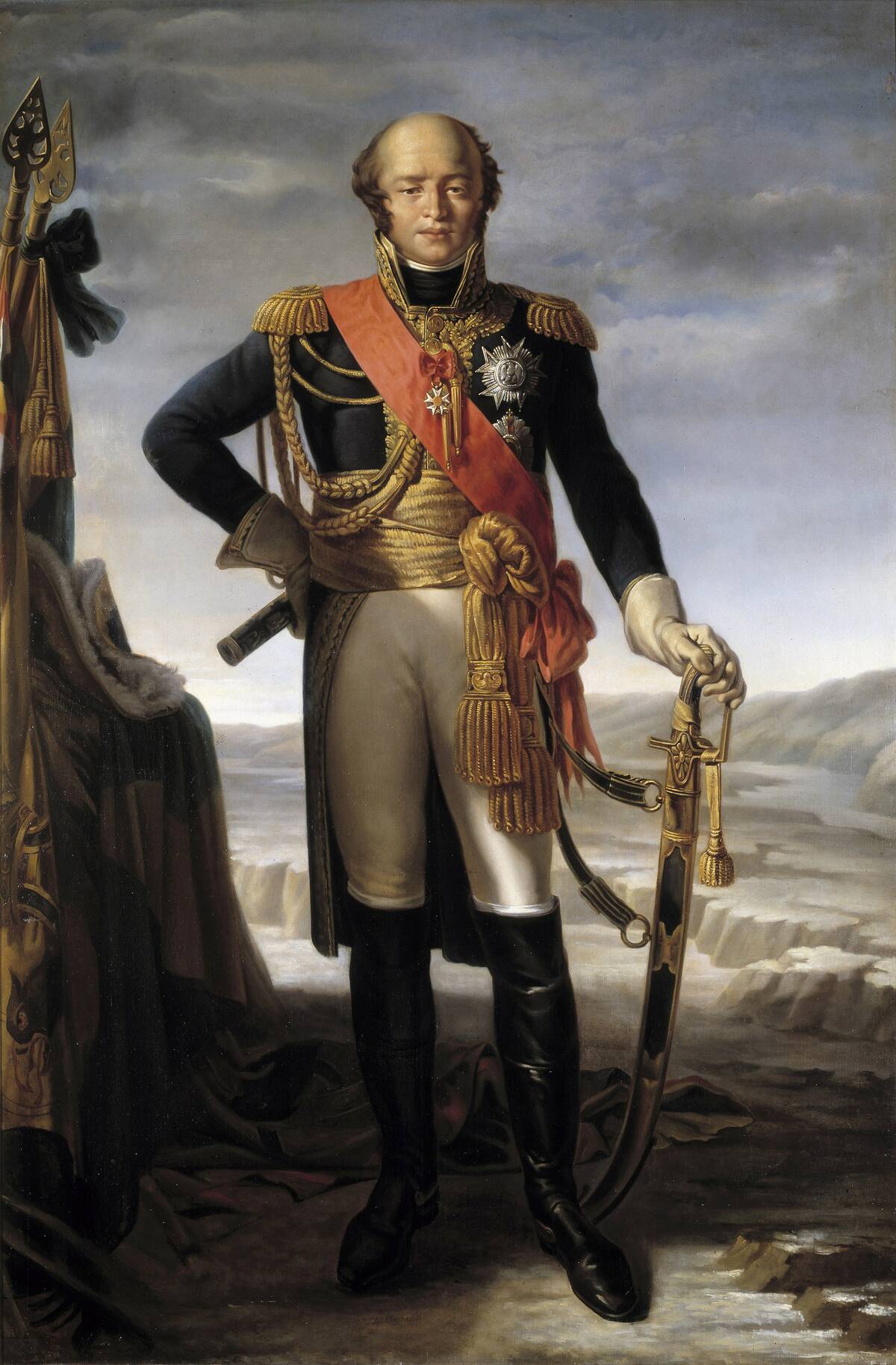
Louis-Nicolas Davout, known as the “Iron Marshal,” was one of Napoleon’s most capable and disciplined commanders. Renowned for his strict adherence to discipline and brilliant tactical mind, Davout played a key role in several major battles, including the stunning victory at Auerstedt.
His reputation for uncompromising leadership and effectiveness in the field earned him the admiration of his peers and subordinates alike. Despite his reserved demeanor, Davout’s contributions to Napoleon’s military successes were invaluable, solidifying his status as one of the era’s most formidable military figures.




