The origins of the metric system and why the U.S. doesn’t use It
The metric system is a decimal-based system of measurement used by most countries around the world. It’s known for its simplicity and ease of use, making it a universal language in science and industry.
With units like meters, liters, and grams, the metric system is the standard in international trade and communication. Its reach is so extensive that even countries using alternative systems often include metric conversions for global compatibility.
The Birth of the Metric System in Revolutionary France

The metric system was born out of the French Revolution, when the need for a rational and unified measurement system became apparent.
In 1799, France officially adopted this system, which was based on the decimal system and the meter, derived from the Earth’s circumference. This revolutionary approach was designed to eliminate the confusion and inequality caused by the myriad of measurement systems in use across the country.
Key Figures Behind the Metric Movement
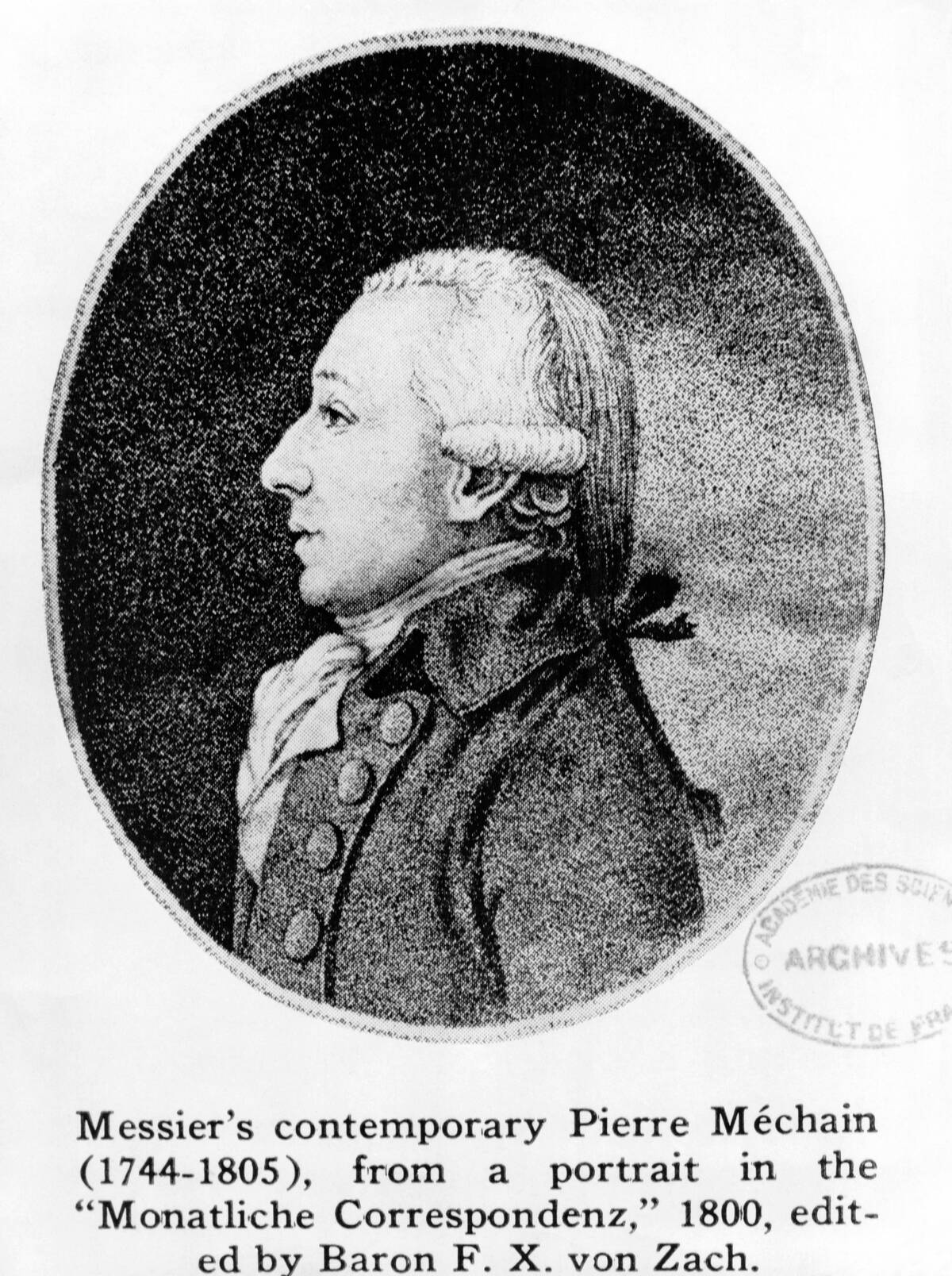
Among the key figures in the development of the metric system were French scientists like Jean-Baptiste Delambre and Pierre Méchain (pictured). In particular, Méchain’s meticulous work in measuring the meridian arc from Dunkirk to Barcelona was instrumental in defining the meter.
Antoine Lavoisier, a renowned chemist, also played a pivotal role, advocating for a standardized system that would benefit both science and commerce.
The Metric System: A Revolutionary Idea for Simplification

The simplicity of the metric system lies in its base-10 structure, which makes it straightforward to convert between units. This was a revolutionary idea at the time, as previous systems involved cumbersome calculations.
By using consistent prefixes like kilo- and milli-, the metric system made it easier to learn and apply, fostering international collaboration and trade.
Early Adoption of the Metric System in Europe

Following France’s lead, many European countries began adopting the metric system in the 19th century. Germany and Italy were among the first to transition, seeing the benefits in trade and scientific communication.
This period marked a significant shift in European industry, as the metric system facilitated cross-border collaboration and innovation.
The Metric System’s Journey Across the Globe

The metric system’s journey across the globe was gradual but inevitable. By the late 19th and early 20th centuries, countries in Africa, Asia, and the Americas began to adopt the system.
Today, over 95% of the world’s population lives in metric-using countries, demonstrating its widespread acceptance and the benefits of a unified measurement system.
The United States and Its Early Metric Aspirations

In the early 19th century, the United States showed interest in the metric system. Thomas Jefferson, a proponent of scientific progress, considered adopting it.
In 1866, Congress even passed a law making it legal to use the metric system in the U.S., reflecting an early openness to this global standard. However, the transition to full adoption never materialized.
Why the U.S. Adopted the Imperial System Instead

Despite early interest, the U.S. ultimately adopted the Imperial system, influenced by British colonial ties and established trade practices. The cost of converting existing industries and infrastructure was seen as prohibitive.
This decision was further cemented by the Industrial Revolution, which solidified the use of Imperial measurements in American manufacturing and commerce.
Cultural Factors Influencing Measurement Preferences

Cultural factors play a significant role in measurement preferences. In the U.S., the Imperial system is deeply ingrained in daily life, with familiar units like inches and pounds.
Nostalgia and resistance to change contribute to its persistence, as many Americans feel a cultural connection to these traditional measurements, despite the practical advantages of the metric system.
Legalities and Legislation: Metric vs. Imperial in the U.S.

The legal landscape in the U.S. reflects a complex relationship with measurement systems. While the metric system is legal and used in some sectors, the Imperial system remains dominant.
The Metric Conversion Act of 1975 aimed to encourage metrication, but without enforcement, it left many industries free to choose. This duality allows for flexibility but also maintains the status quo.
The Influence of Industry and Commerce on Measurement Systems

Industry and commerce have a substantial influence on the choice of measurement systems. In the U.S., sectors like automotive and pharmaceuticals often use metric for international compatibility, while construction and retail stick to Imperial.
This dual-use reflects the economic pressures and global nature of modern business, where metric is necessary for international trade but Imperial remains rooted in domestic markets.
Everyday Life in the U.S.: Metric System Exceptions

Though predominantly Imperial, the U.S. does have metric exceptions in everyday life. Soda is commonly sold in liters, and many scientific fields exclusively use metric units.
These exceptions highlight the system’s utility and the growing acceptance in specialized contexts, suggesting a gradual shift towards more widespread metrication, even if full adoption remains elusive.
The Ongoing Debate: Should the U.S. Embrace the Metric System?

The debate over whether the U.S. should fully embrace the metric system is ongoing. Proponents argue for its global compatibility and simplicity, while opponents cite tradition and the cost of transition.
As the world becomes more interconnected, the pressure to align with international standards grows. This debate continues to spark discussions about efficiency, identity, and progress in the modern age.