Ocean currents that shape human history
Ocean currents are like giant conveyor belts, transporting water across the globe. They play a crucial role in regulating climate, weather, and the distribution of marine life.
These powerful forces influence everything from local fish populations to global climate patterns, making them essential for life on Earth. Without ocean currents, the world would be a dramatically different place, with stark contrasts in temperature and weather conditions.
Ancient Mariners and the Ocean’s Highways
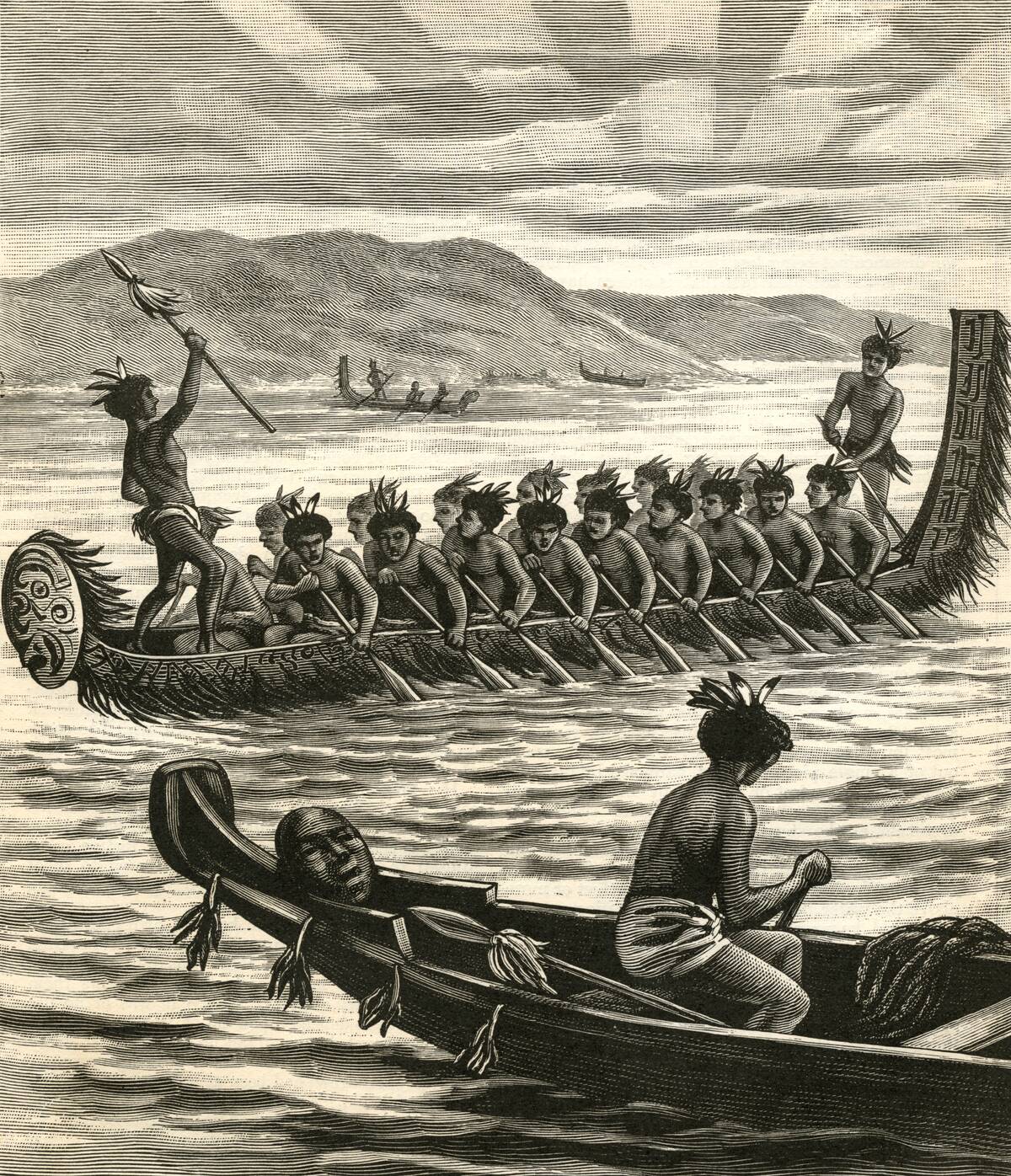
For ancient mariners, ocean currents were both a mystery and a guide. Early sailors used these natural highways to navigate vast oceans, relying on their knowledge of currents to reach new lands.
The Polynesians, for example, expertly navigated the Pacific using their understanding of ocean swells and currents. This skill allowed them to explore and settle islands over a vast expanse, showcasing the importance of ocean currents in human migration.
The Gulf Stream: Europe’s Warm Blanket
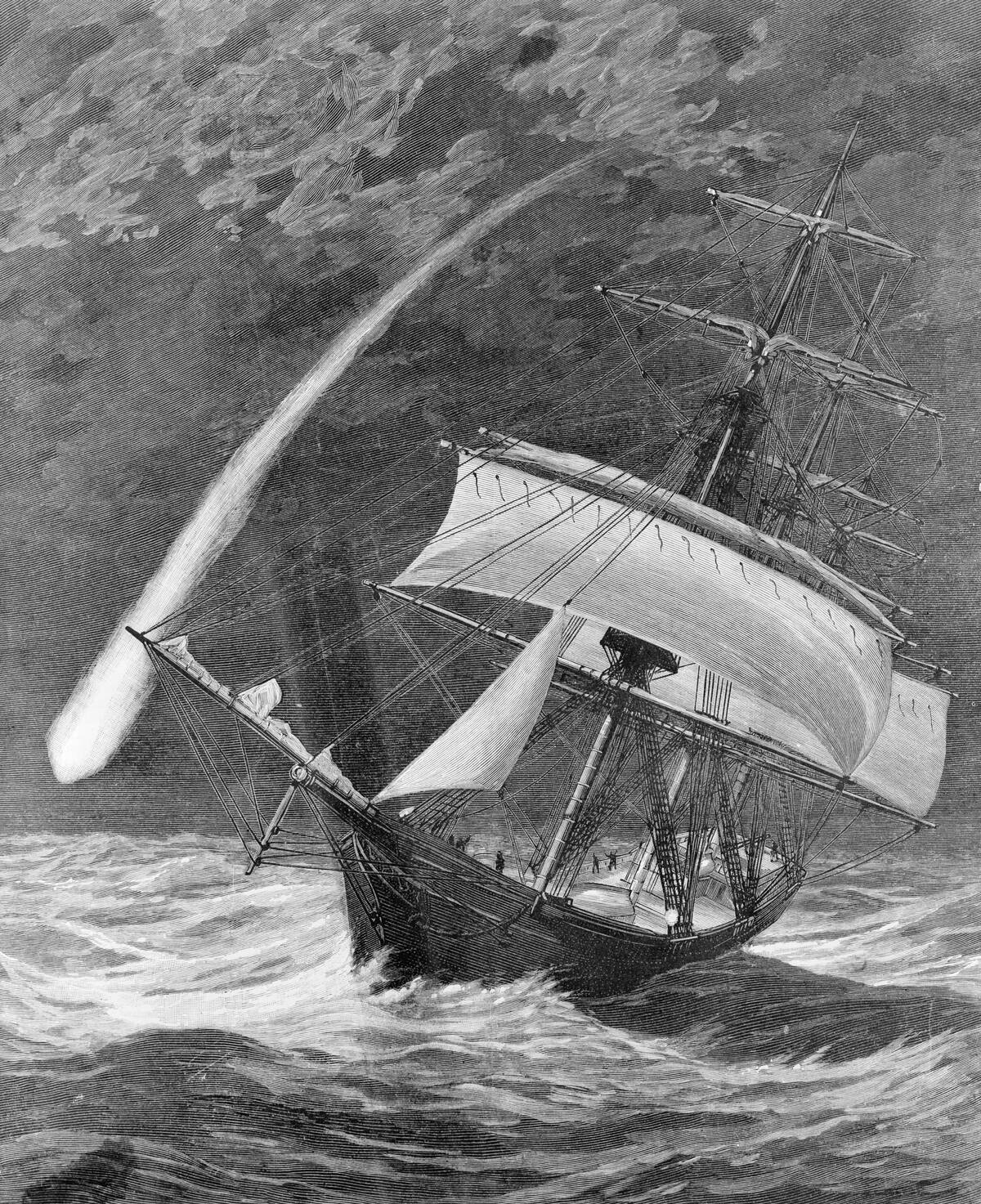
The Gulf Stream is a powerful, warm ocean current originating in the Gulf of Mexico, flowing across the Atlantic toward Europe. It acts like a warm blanket, moderating Western Europe’s climate and making regions such as the British Isles warmer than their latitude would suggest.
Through its extension, the North Atlantic Drift, it also influences the climate of parts of Scandinavia. Without the Gulf Stream, winters in these areas would be significantly harsher, demonstrating the vital role this current plays in Europe’s climate and agriculture.
Trade Winds and the Age of Exploration
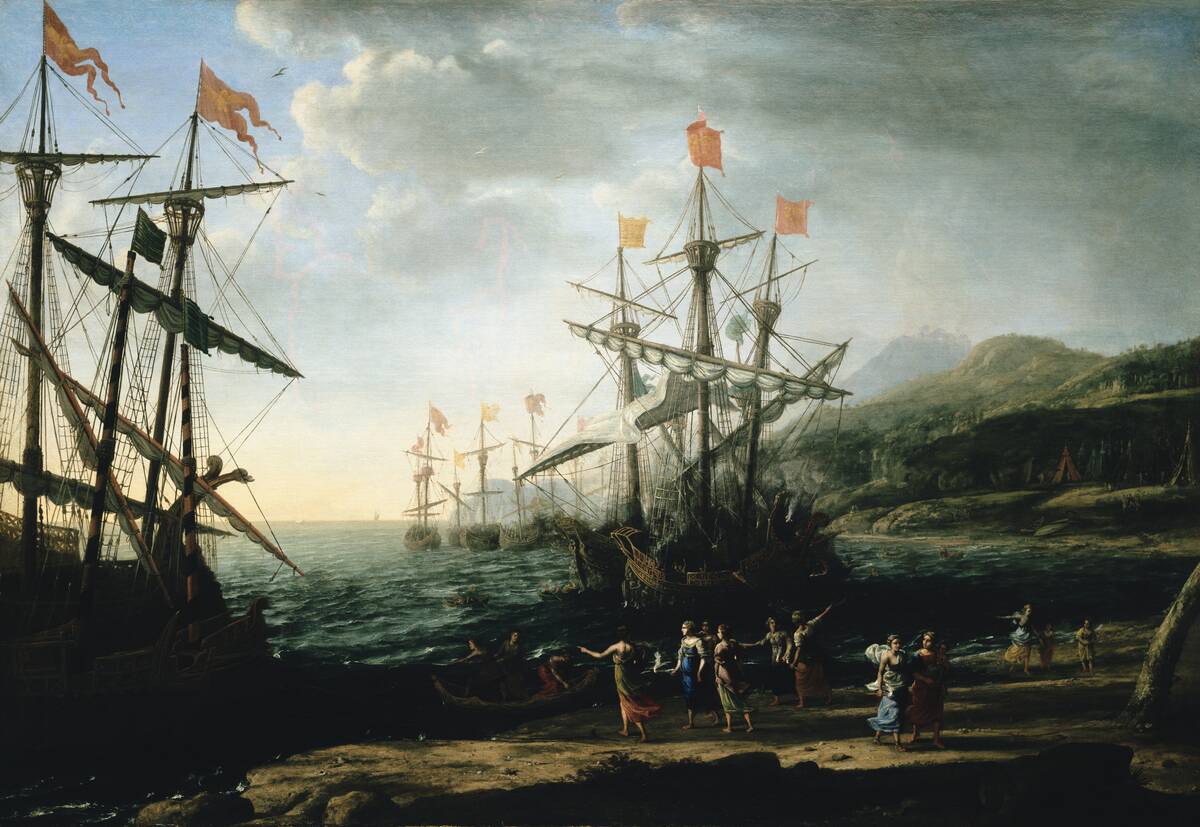
The trade winds, consistent and predictable, were essential to the Age of Exploration. Blowing east to west near the equator, they helped European explorers travel westward to the New World. For the return journey, navigators used the prevailing westerlies blowing west to east at higher latitudes.
Portuguese and Spanish sailors relied on these wind patterns to establish sea routes to the Americas and Asia, transforming global trade and sparking an era of exploration and cultural exchange.
The Kuroshio Current: Japan’s Black Stream
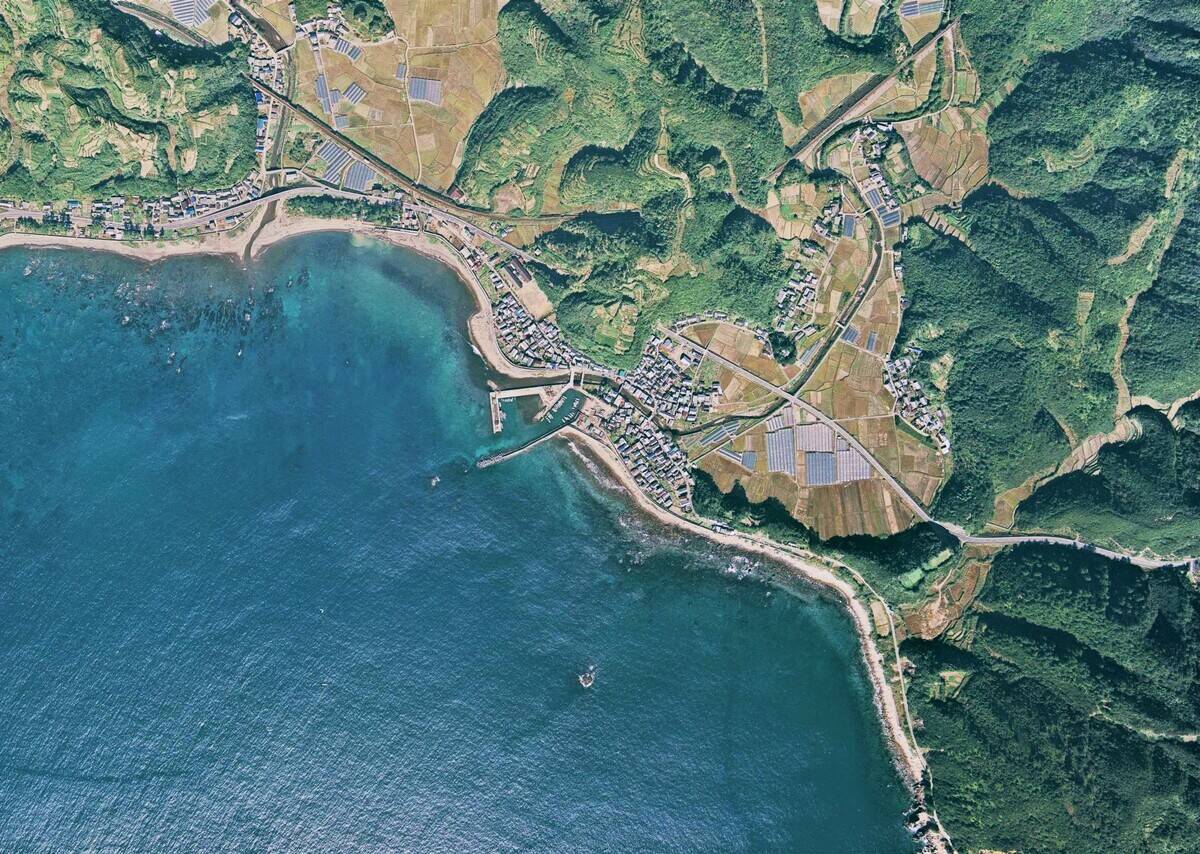
The Kuroshio Current, often called Japan’s Black Stream, is a warm northward-flowing current off the coast of Japan. It is similar to the Gulf Stream and influences the climate of Japan, bringing warm, moist air that affects weather patterns.
This current is crucial for the rich marine biodiversity of the region, supporting vibrant fisheries and a variety of marine species, vital for Japan’s economy and culture.
Monsoon Currents and the Spice Trade
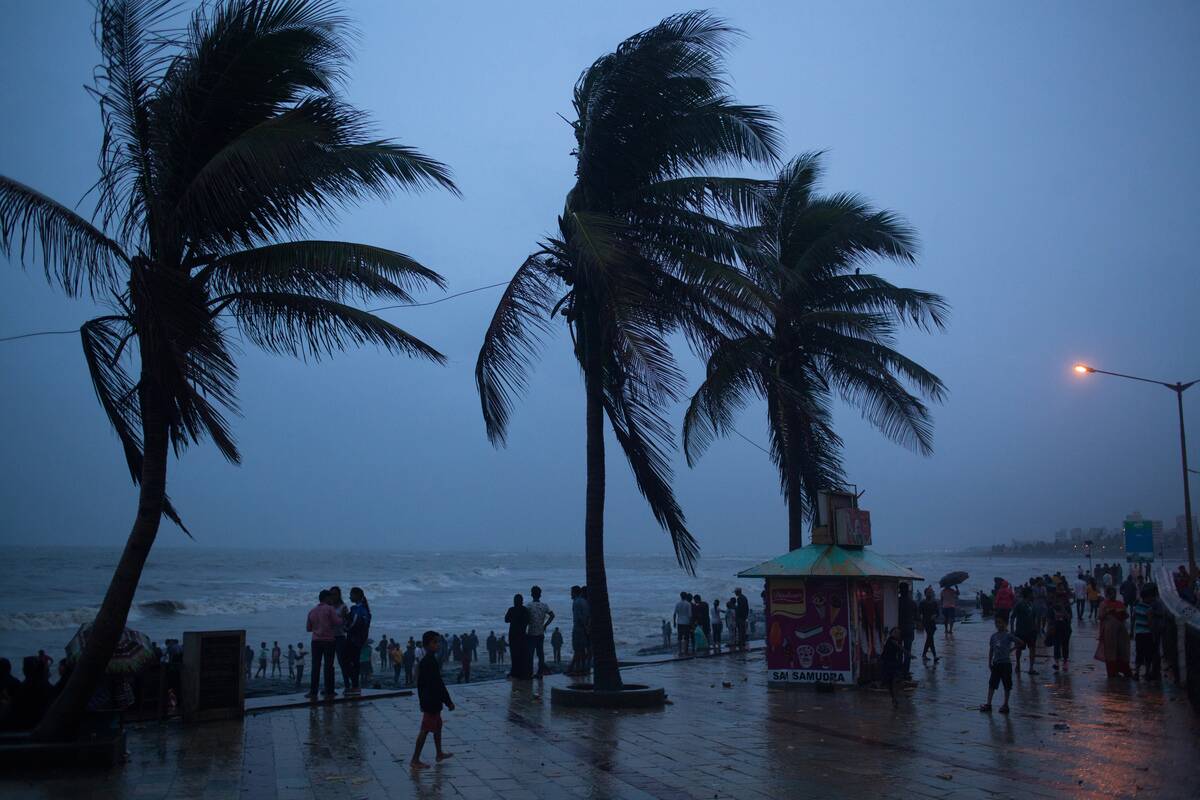
Monsoon winds were instrumental in the spice trade between Asia and the Middle East. These seasonal winds reversed direction between summer and winter, allowing traders to sail to and from India and Southeast Asia.
The predictability of these winds facilitated the exchange of spices like cinnamon and cloves, making them highly sought after in Europe. This trade not only enriched economies but also led to cultural exchanges between distant lands.
Viking Voyages and the North Atlantic Drift

The North Atlantic Drift, part of the Gulf Stream, was key to Viking exploration across the North Atlantic. This warm current helped moderate temperatures along the coasts of Iceland and Greenland, making them more hospitable for settlement.
Vikings utilized these routes for their legendary voyages, reaching as far as North America. This current not only influenced Viking settlement patterns but also facilitated cultural exchanges and trade across the North Atlantic.
The Agulhas Current: Africa’s Secret Passage
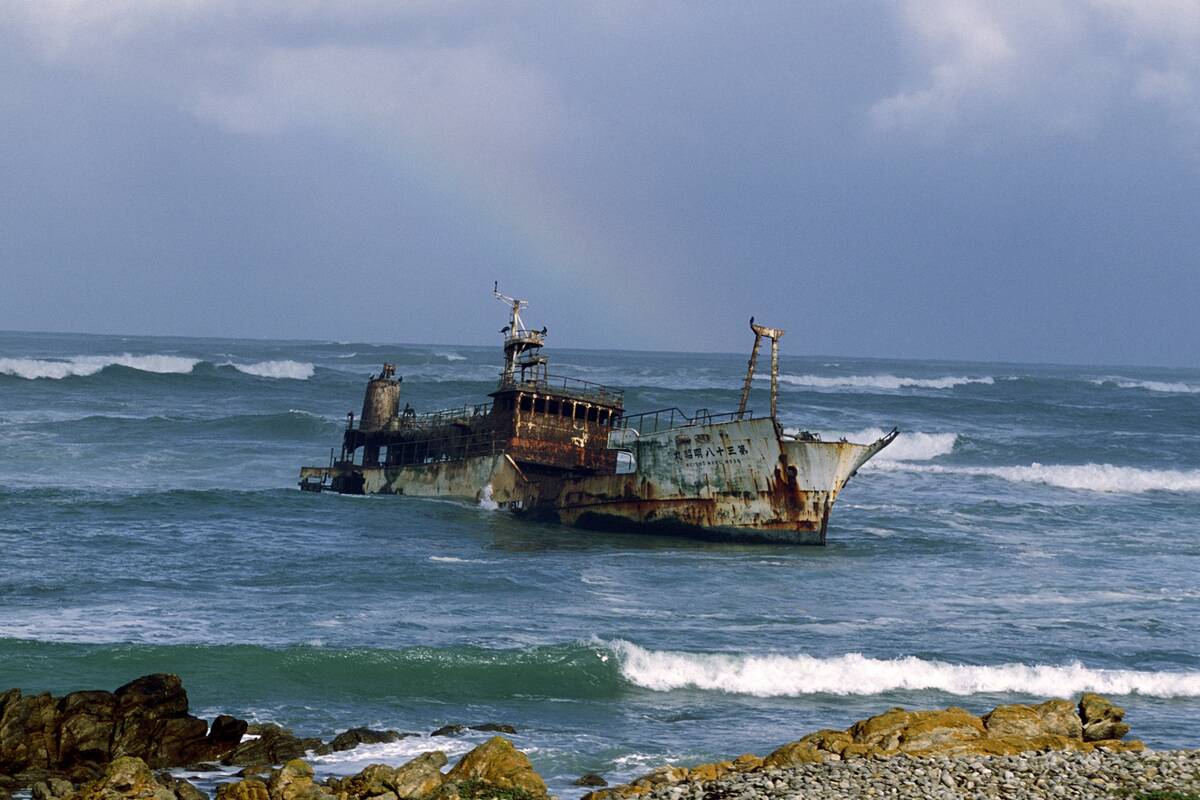
The Agulhas Current flows southward along the eastern coast of Africa, one of the fastest ocean currents in the world. This warm current plays a crucial role in the Indian Ocean’s climate system and is vital for the marine ecosystems along Africa’s coast.
It acts as a barrier to marine life, influencing the distribution of species between the Indian and Atlantic Oceans. The Agulhas Current has historically been a challenging route for sailors navigating around Africa.
How Ocean Currents Shaped Colonial Expansion
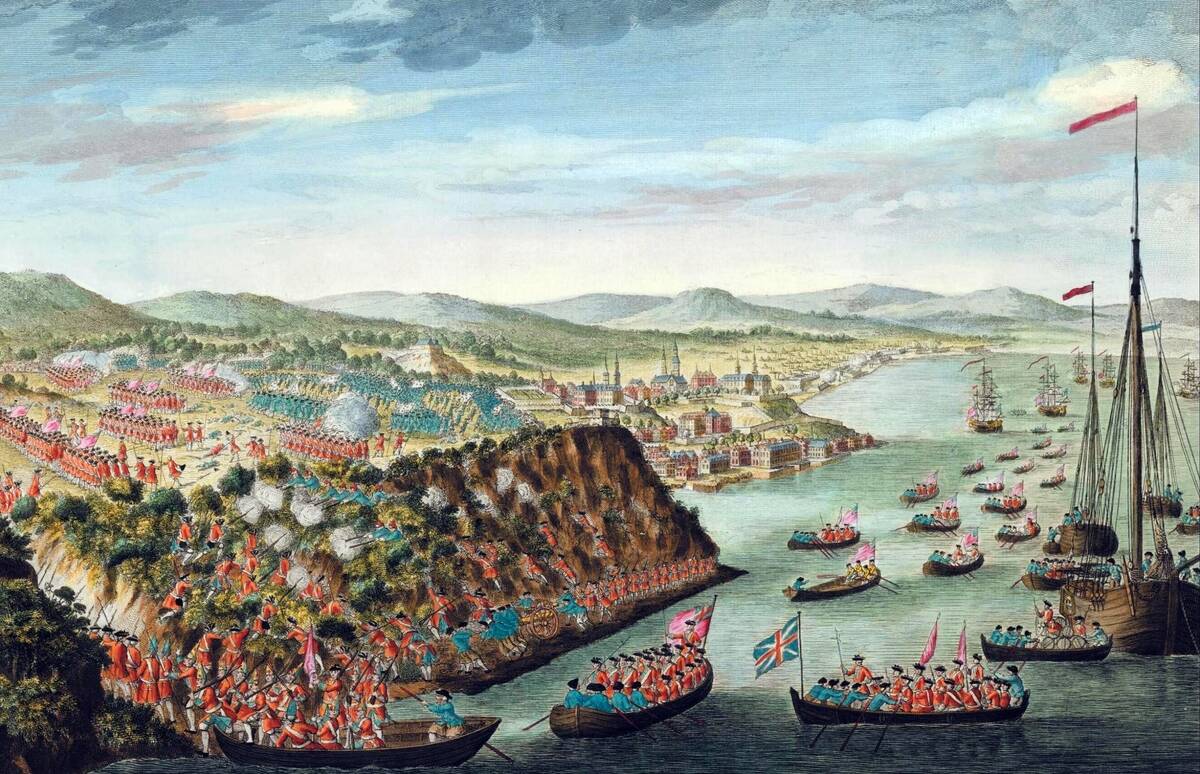
Ocean currents significantly influenced colonial expansion by determining the most efficient sea routes. European powers, such as Spain, Portugal, and later the British and Dutch, relied on their understanding of these currents to establish and maintain colonies.
The ability to exploit these natural pathways allowed for faster and more reliable travel, enabling the movement of goods, people, and ideas across continents, shaping the modern world in profound ways.
The Humboldt Current’s Rich Bounty
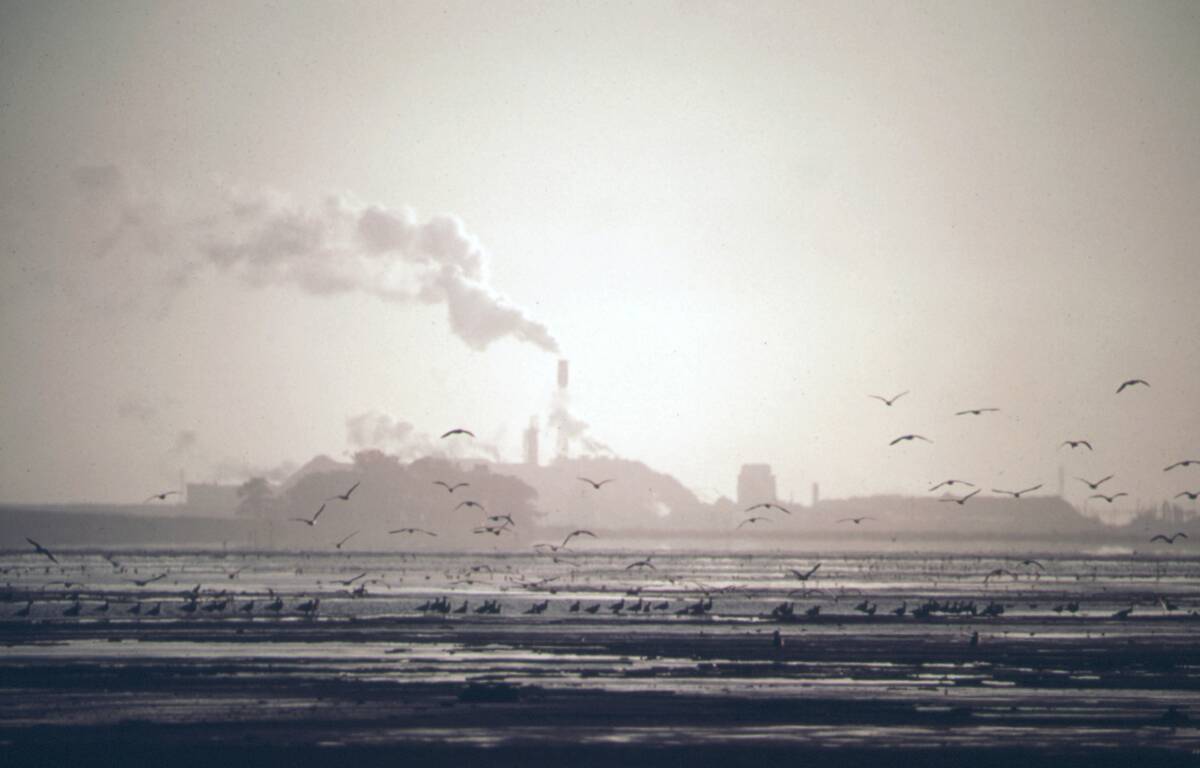
The Humboldt Current, flowing along the west coast of South America, is one of the most productive marine ecosystems in the world. It supports a vast array of marine life, including fish, birds, and mammals, thanks to its nutrient-rich waters.
This abundance has historically supported large fishing industries, particularly in Peru and Chile. The current’s productivity is vital for local economies, providing livelihoods and contributing significantly to global seafood markets.
Navigating the Roaring Forties: A Sailor’s Challenge
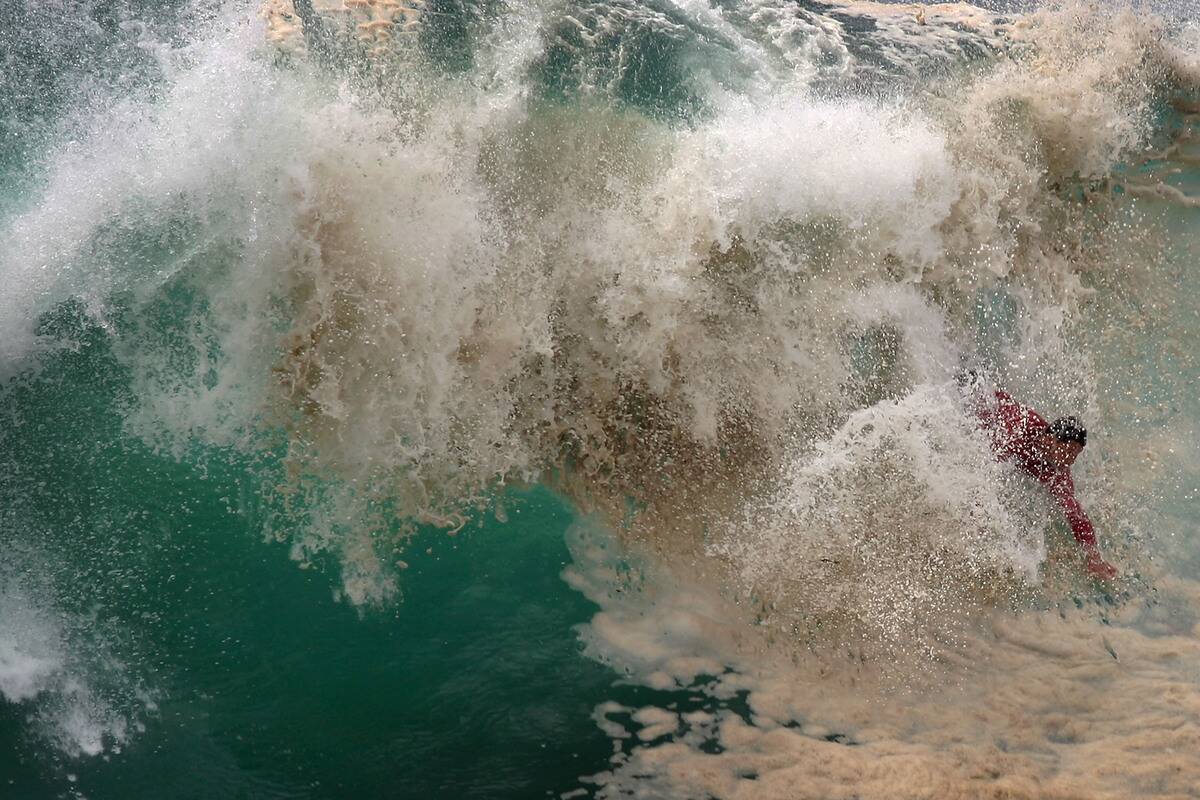
The Roaring Forties are strong westerly winds found in the Southern Hemisphere, between the latitudes of 40 and 50 degrees. These winds create powerful ocean currents and rough seas, presenting a formidable challenge to sailors.
Historically, they were a critical component of the clipper ship routes, enabling faster travel between Europe and the Far East. Navigating these treacherous waters required skill and bravery, making them legendary among mariners.
Modern Shipping Lanes and Ocean Current Knowledge
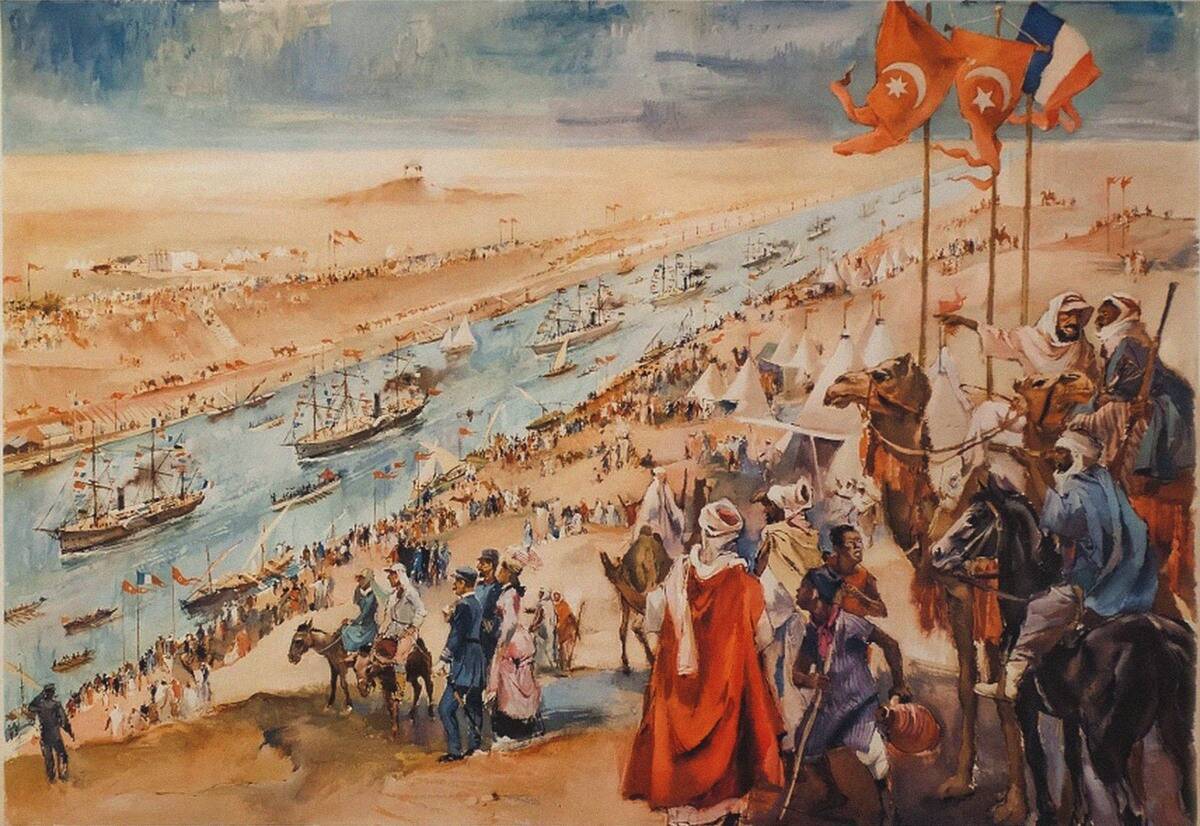
Today, understanding ocean currents is essential for modern shipping. Knowledge of these currents allows for more efficient and fuel-saving routes, reducing travel time and costs.
The Panama and Suez Canals, for instance, capitalize on natural currents to facilitate global trade. Oceanographic research and satellite technology have enhanced our ability to predict and utilize currents, making maritime transport more reliable and sustainable in an increasingly globalized economy.
Ocean Currents and Their Role in Historical Naval Battles
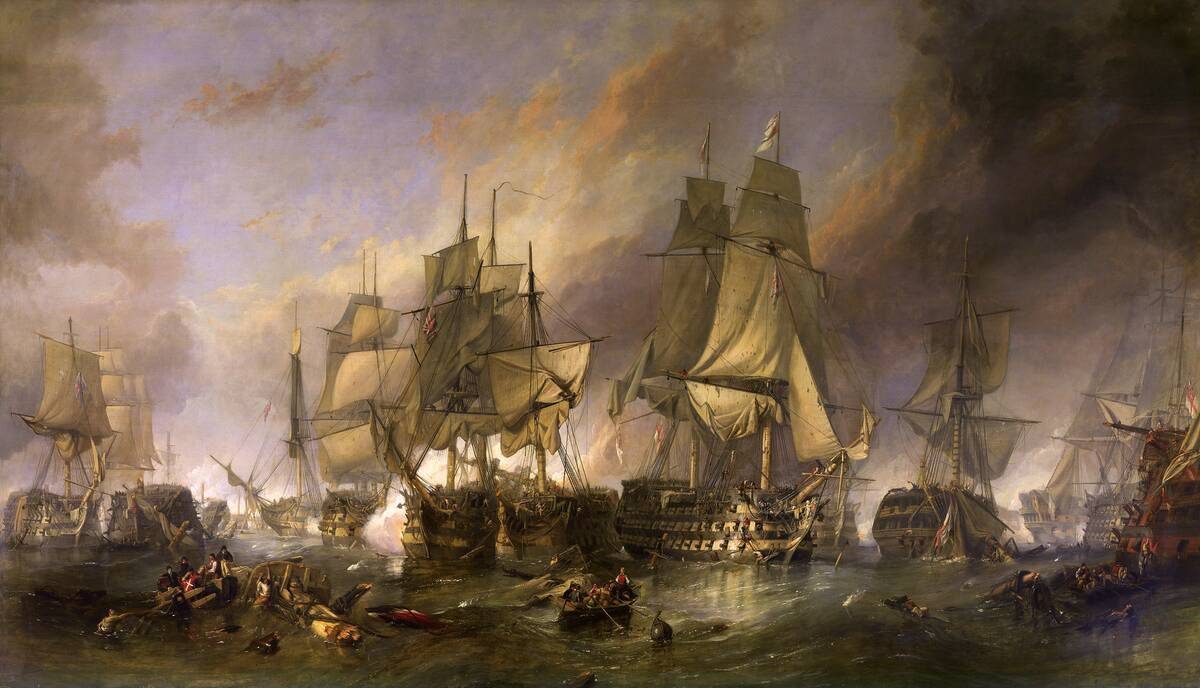
Ocean currents have played strategic roles in historical naval battles, often influencing outcomes. Commanders who understood local currents and tides could position their fleets advantageously to outmaneuver opponents.
While tactics and firepower were decisive in battles like Trafalgar, knowledge of local maritime conditions remained an important factor in naval warfare throughout history.
The Future of Ocean Currents in a Changing Climate

As the climate changes, so too do ocean currents. Scientists are studying how shifts in temperature and salinity might alter these currents, with potential impacts on global weather patterns and marine ecosystems.
Changes in major currents could affect sea levels, storm intensity, and biodiversity. Understanding these potential changes is crucial for predicting future climate scenarios and developing strategies to mitigate their effects on both natural and human systems.