A nostalgic look back at window shopping
There’s a unique charm in strolling past store windows, letting the vibrant displays capture your attention and imagination. Window shopping isn’t just about the potential purchase; it’s about the experience.
It’s a leisurely activity where you can admire the artistry of displays without the pressure of buying. For many, it’s a delightful escape from the hustle and bustle of daily life, offering a moment to pause and appreciate creativity in its purest form.
The History of Window Shopping: A Trip Down Memory Lane
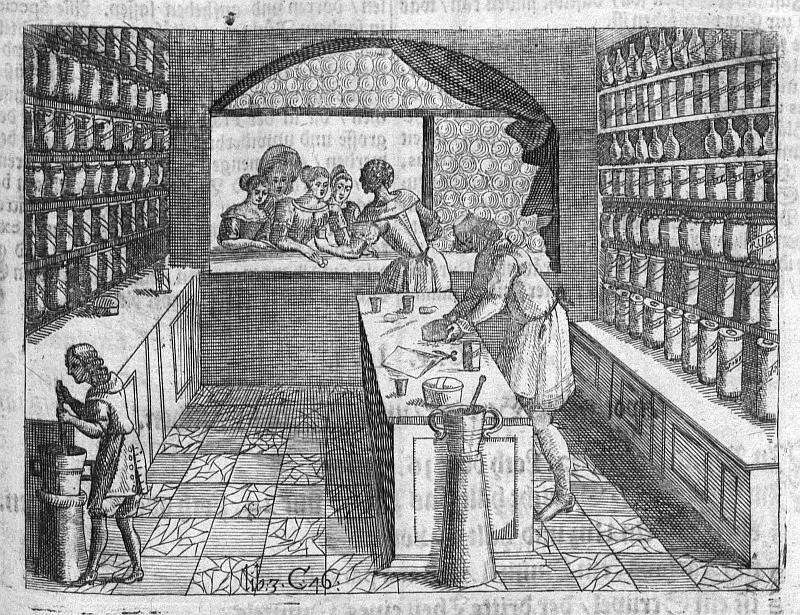
Window shopping dates back to the late 18th century when glass production advancements made large windows feasible for stores. In the 19th century, the rise of plate glass and gas lighting allowed for enchanting nighttime displays.
By the early 20th century, window shopping became a popular pastime, especially in urban areas. The concept evolved along with consumer culture, as people began to enjoy browsing and dreaming about items they might one day own.
The Art of Window Display: Visual Storytelling at Its Best
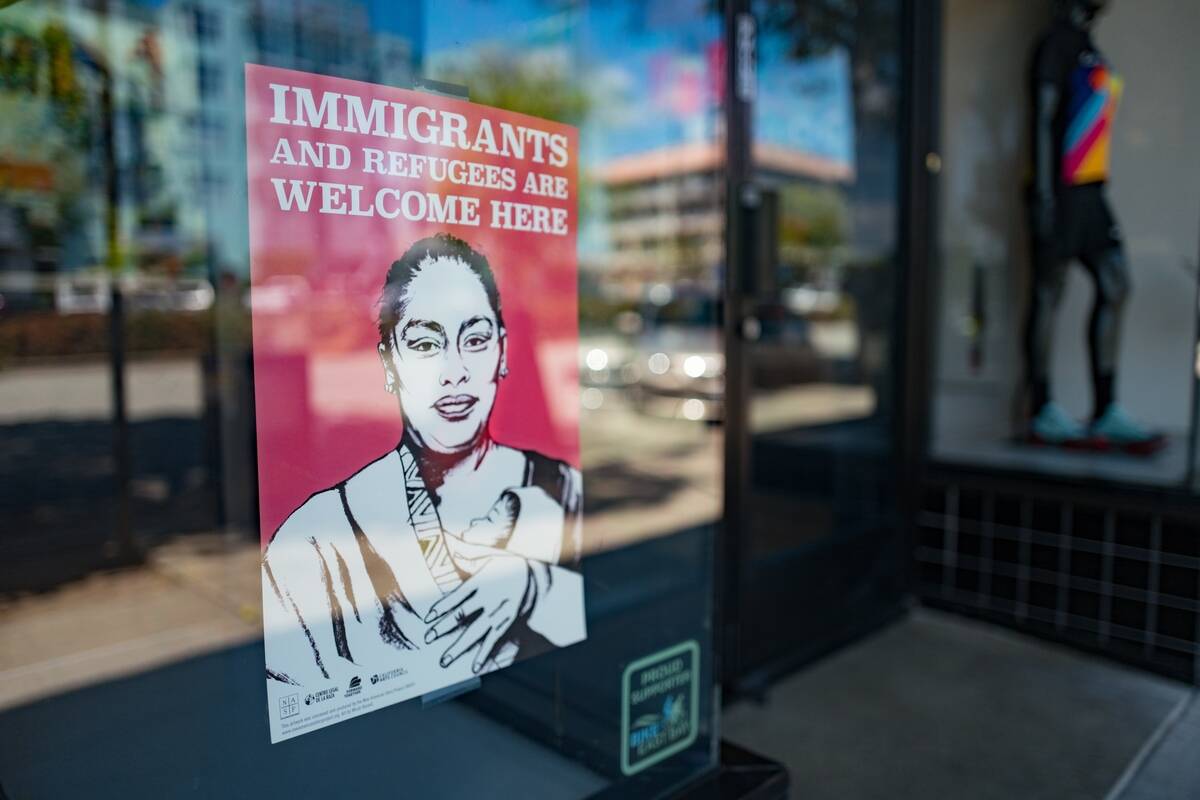
Creating an engaging window display is akin to telling a story without words. It’s about capturing a theme or emotion that resonates with passersby. A well-designed window can transport viewers to another world, using color, texture, and composition.
Display artists often draw inspiration from art, fashion, and current events, crafting scenes that are not only visually appealing but also thought-provoking. This form of visual storytelling continues to be a powerful marketing tool.
The Evolution of Storefronts Through the Decades
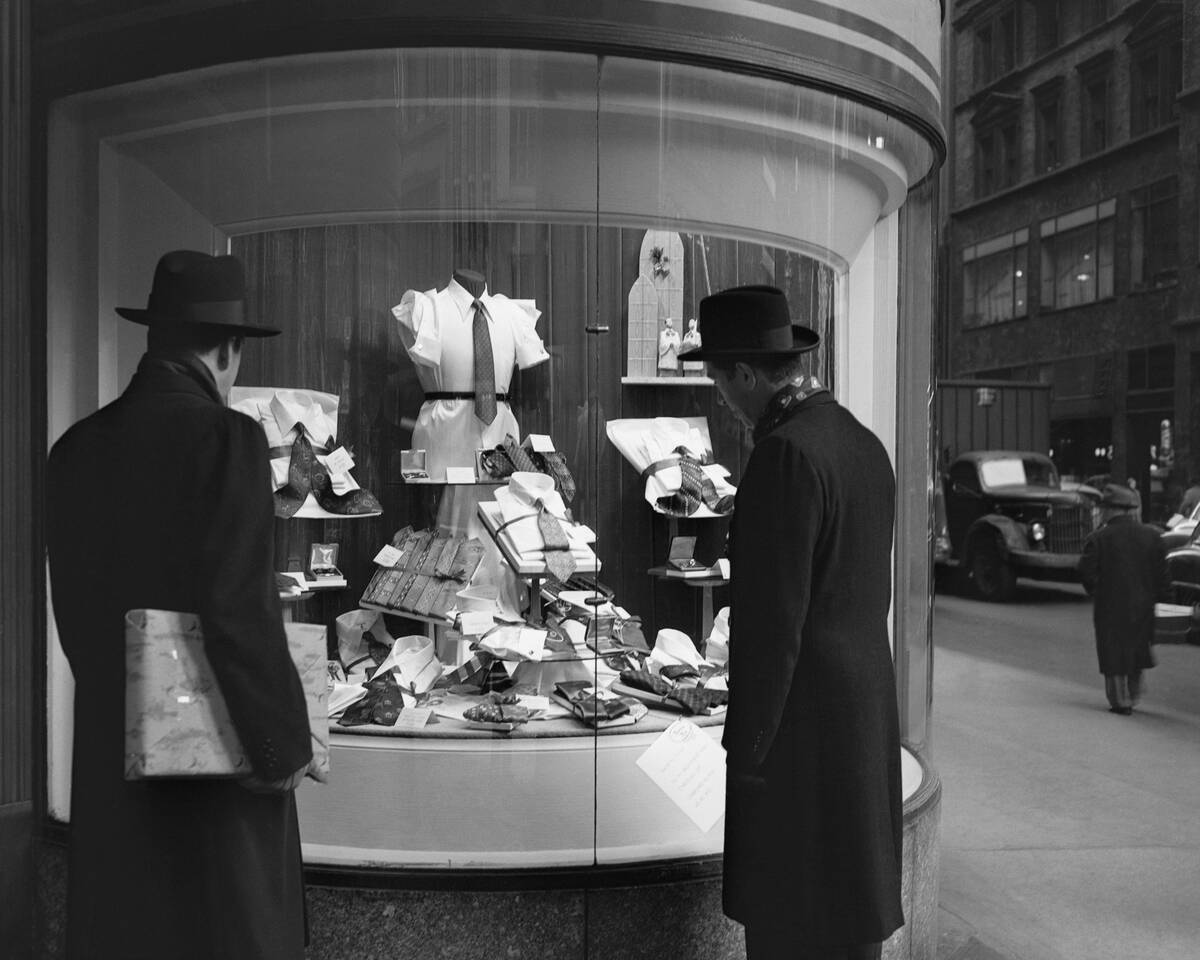
Storefronts have transformed significantly over the decades, reflecting changes in architecture and consumer preferences. In the 1950s, mid-century modern designs emerged, characterized by clean lines and large glass windows.
The 1980s saw a shift towards more eclectic and bold designs, embracing vibrant colors and unusual shapes. Today, sustainability and minimalism are key trends, with many stores opting for eco-friendly materials and simplistic, yet elegant, layouts that let their products shine.
Iconic Window Displays from Around the World
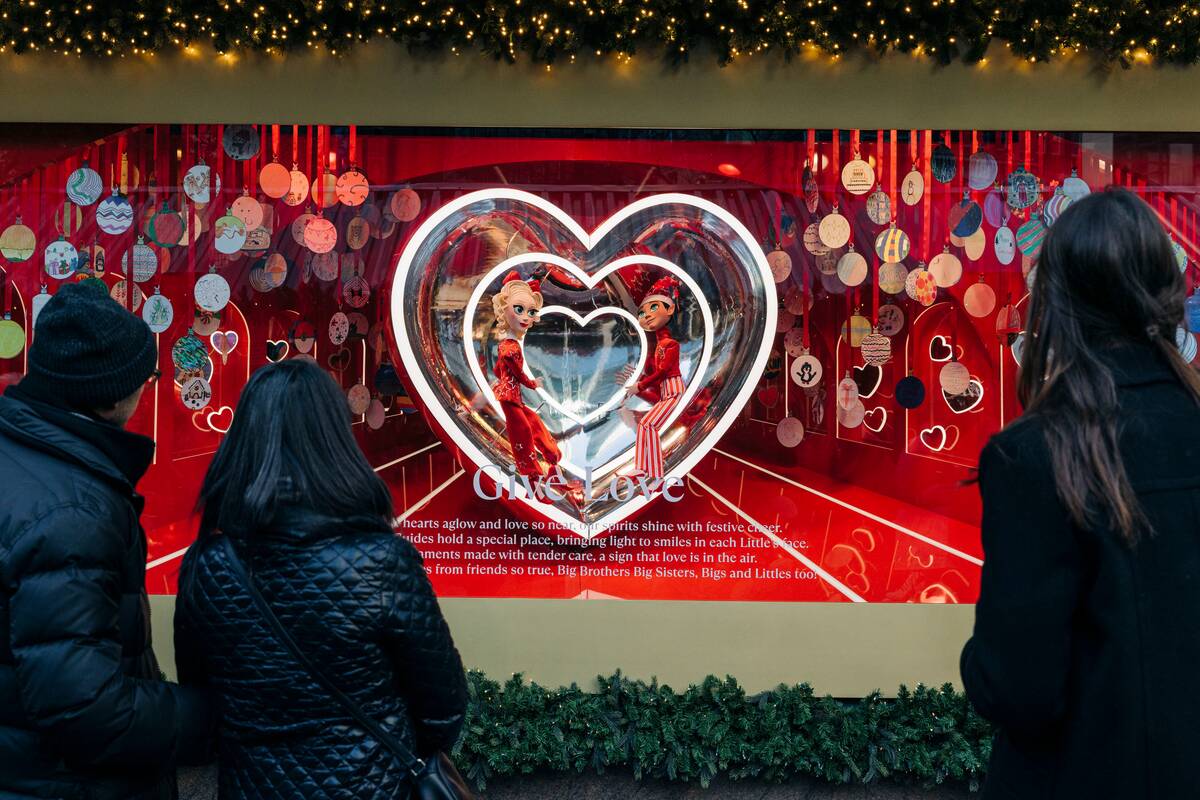
Some window displays have achieved iconic status, drawing crowds from near and far. Macy’s in New York City, for instance, is famous for its extravagant holiday windows, a tradition that started in 1889.
In Paris, the windows of Galeries Lafayette are renowned for their artistic flair and elegance. London’s Harrods also captivates with its innovative and thematic displays, making window shopping a must-do experience for both locals and tourists.
How Window Shopping Became a Social Experience
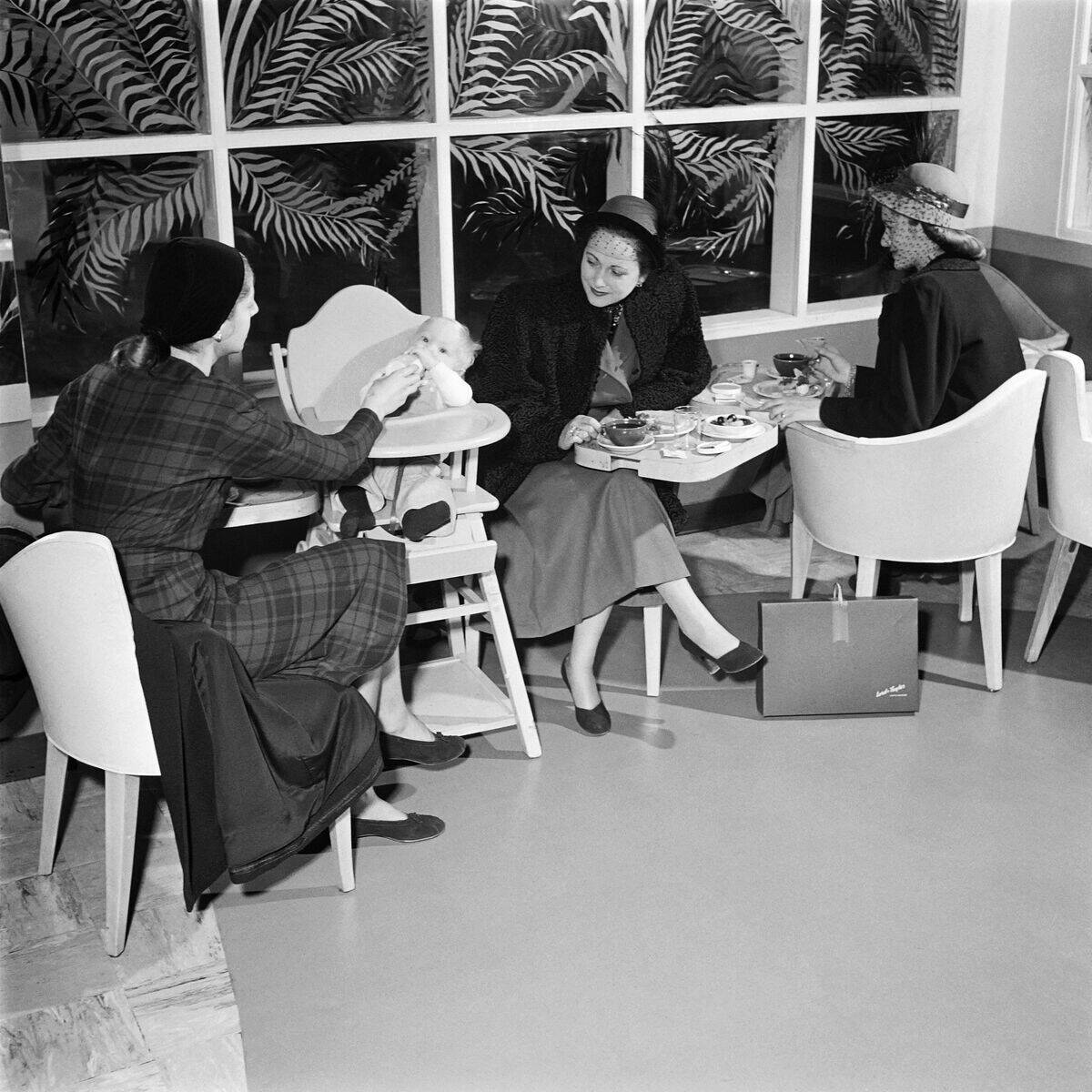
Window shopping isn’t just a solitary pursuit; it’s become a social activity too. Friends and family often engage in it together, using it as an opportunity to bond and share opinions.
In the early 1900s, department stores even encouraged this by creating inviting and comfortable spaces, complete with tea rooms and lounges. Today, window shopping remains a popular social pastime, with people flocking to shopping districts to catch up and enjoy the sights.
The Role of Window Shopping in Urban Culture
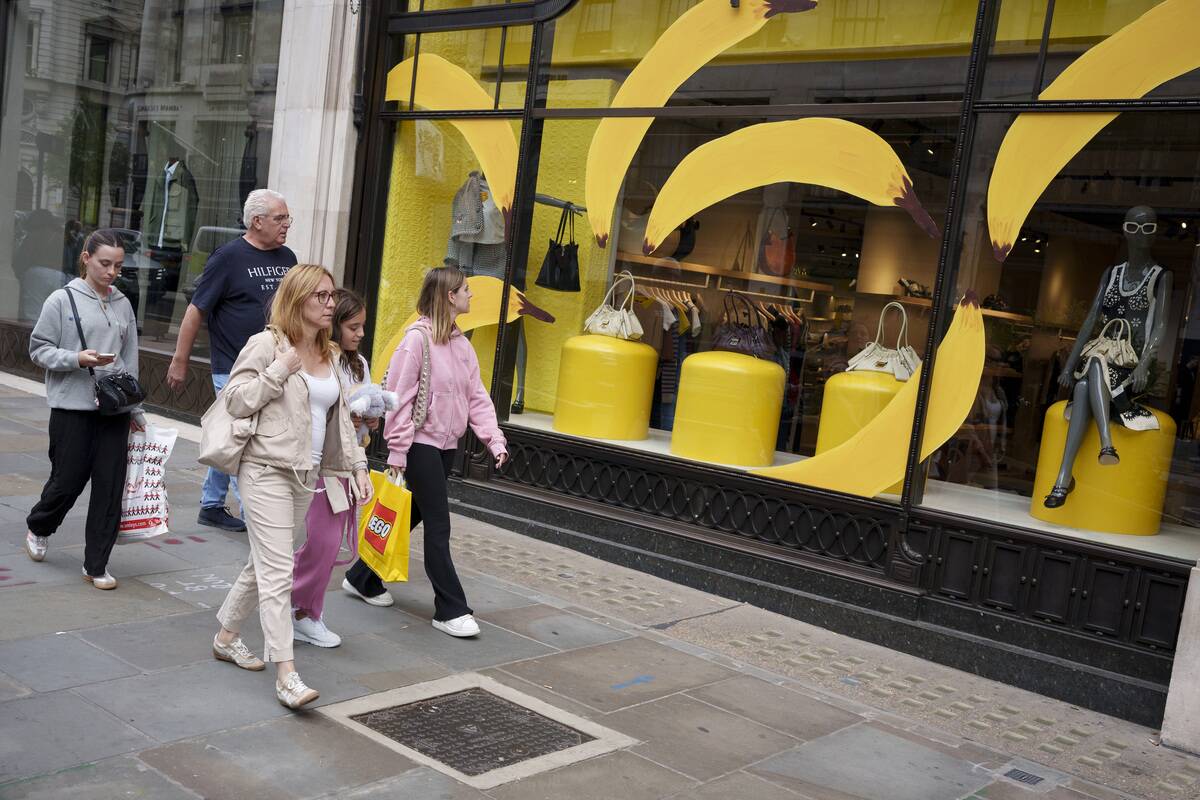
In bustling cities, window shopping is an integral part of the urban experience. It’s a way for city dwellers to connect with their environment, discovering new stores and trends along the way.
Urban planners and retailers recognize its importance, often designing pedestrian-friendly streets with wide sidewalks and ample seating. This encourages leisurely browsing and makes window shopping a vital component of city life, contributing to the vibrancy and diversity of urban culture.
Window Shopping in the Age of the Department Store
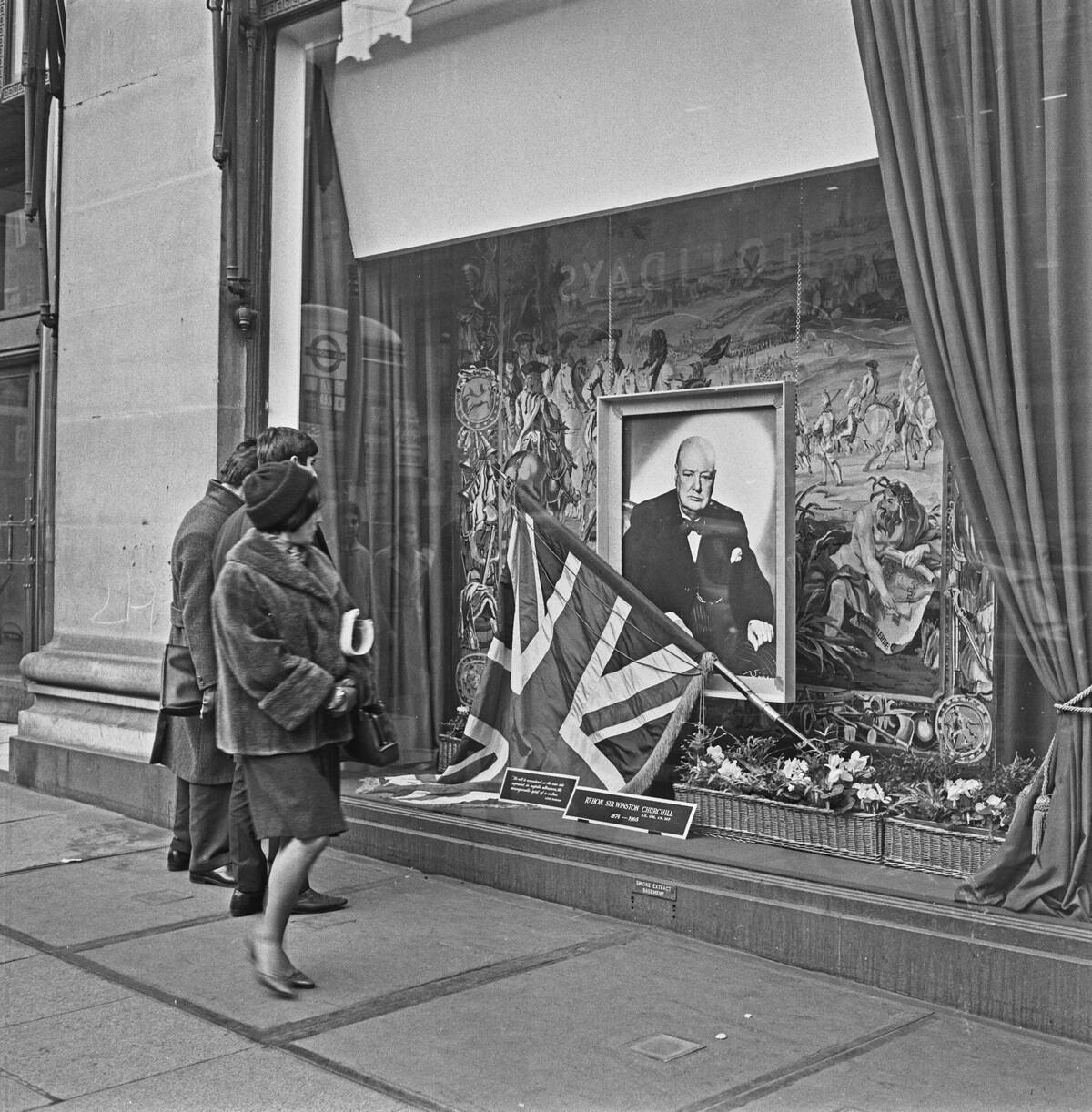
The golden age of department stores in the late 19th and early 20th centuries transformed window shopping into a grand spectacle. Stores like Selfridges in London and Macy’s in New York became known for their elaborate displays.
These windows were not just for showcasing products but were designed to entertain and captivate. The department store era elevated window shopping to an art form, making it an essential part of the shopping experience.
The Influence of Window Shopping on Fashion Trends
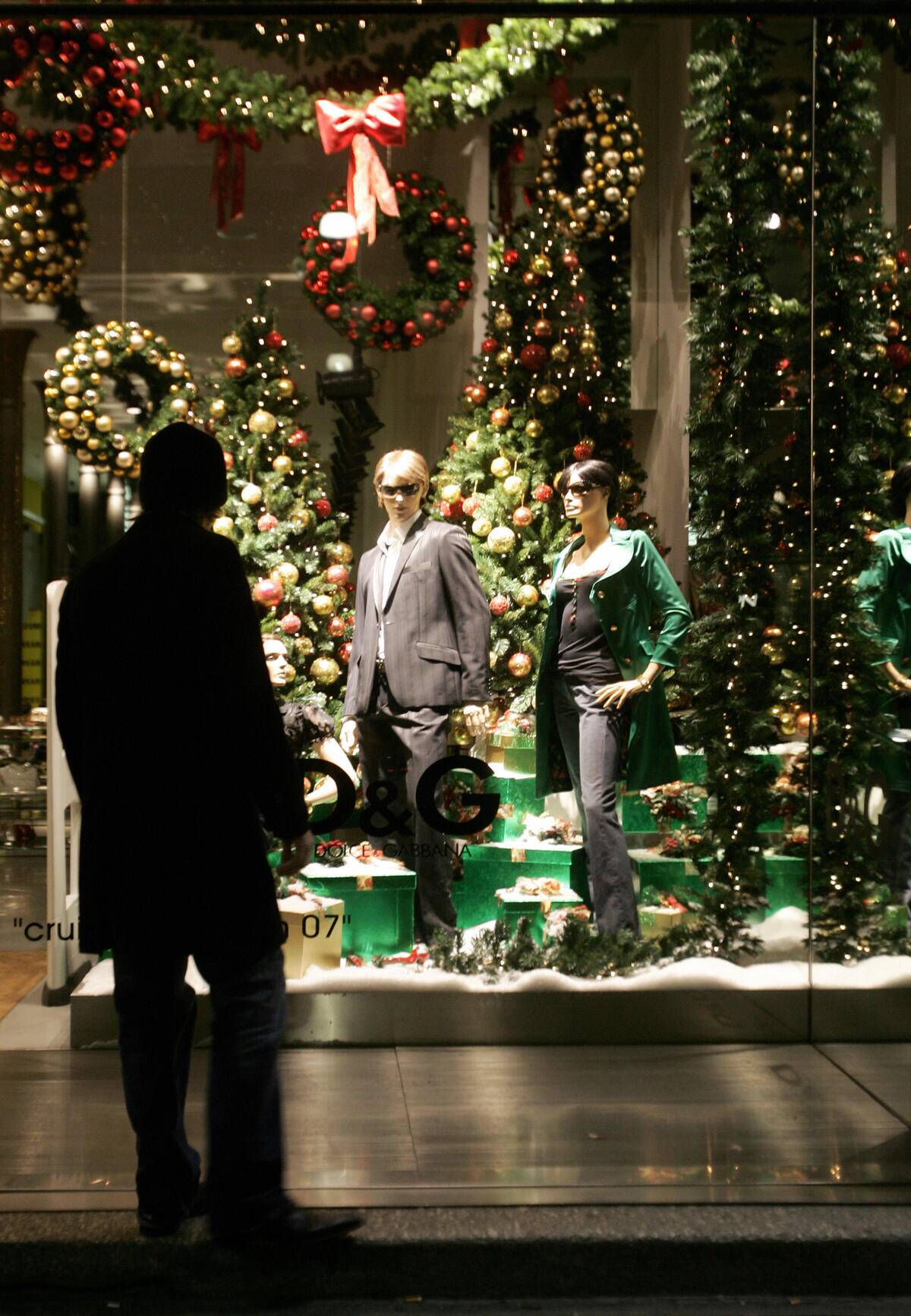
Window shopping plays a significant role in setting and spreading fashion trends. Retailers often use their displays to highlight the latest styles, influencing consumer preferences.
Fashion-forward cities like Milan, Paris, and New York use window displays to showcase new collections during fashion weeks, drawing attention from the media and fashion enthusiasts alike. As a result, window shopping has become a crucial platform for designers and brands to set trends and engage with their audience.
From Handmade to High-Tech: The Changing Face of Displays
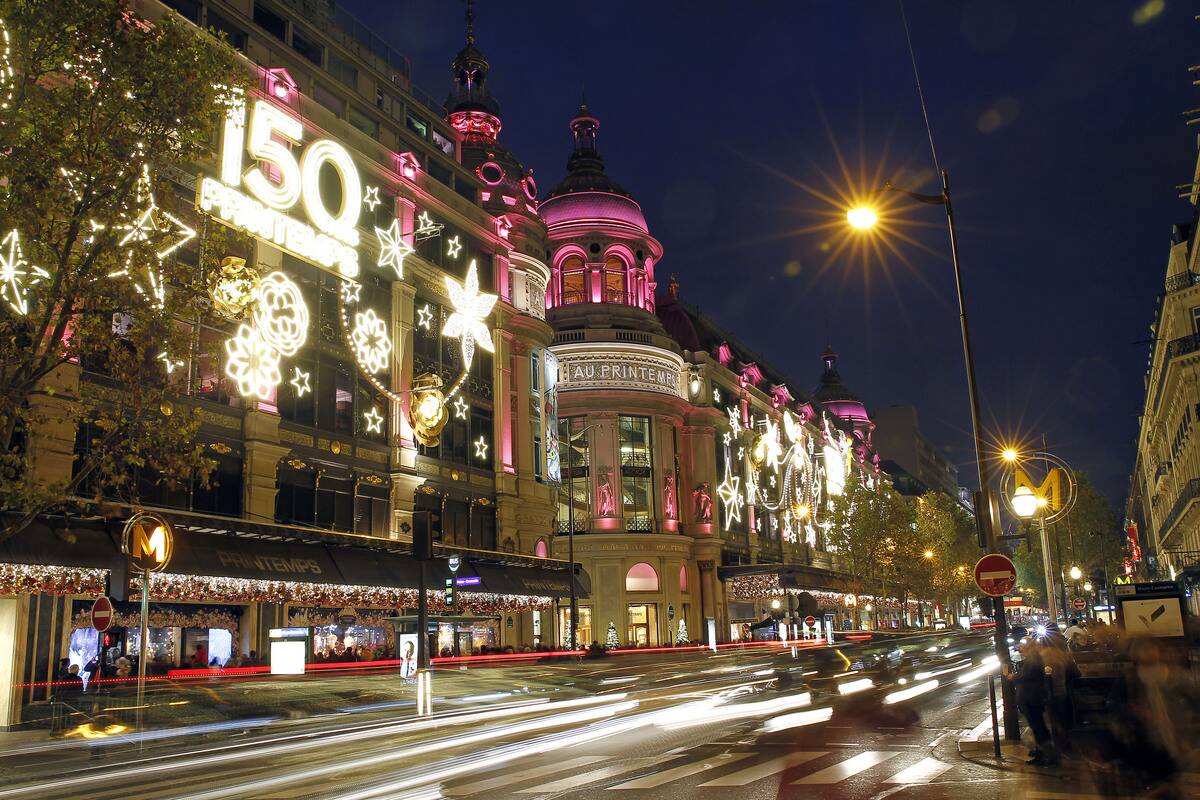
The evolution of technology has dramatically changed window displays, transitioning from handmade crafts to high-tech installations. In the past, artisans meticulously crafted displays by hand, using paper, wood, and paint.
Now, stores incorporate digital elements like LED screens and interactive components, creating dynamic and immersive experiences. Augmented reality and projection mapping are also gaining popularity, offering retailers new ways to captivate and engage passersby in an increasingly digital world.
Window Shopping in the Small Town vs. the Big City

The experience of window shopping varies greatly between small towns and big cities. In small towns, window shopping often feels more intimate, with local businesses showcasing unique, handcrafted items.
The pace is slower, allowing shoppers to take their time and enjoy the personal touches. In contrast, big cities offer a more bustling experience, with larger stores and elaborate displays that cater to a diverse audience. Each setting provides its own charm, offering something special for every window shopper.
The Psychology Behind Window Shopping: Why We Love It

There’s intriguing psychology behind why people love window shopping. It taps into our innate desire to explore and discover, stimulating curiosity and imagination. Window shopping allows people to indulge in fantasy without commitment, providing a sense of control and satisfaction.
It also offers a dopamine boost, as the act of browsing releases pleasure-inducing chemicals in the brain. This makes window shopping a rewarding experience, even if no actual purchase is made.
How Holidays and Events Transform Storefronts
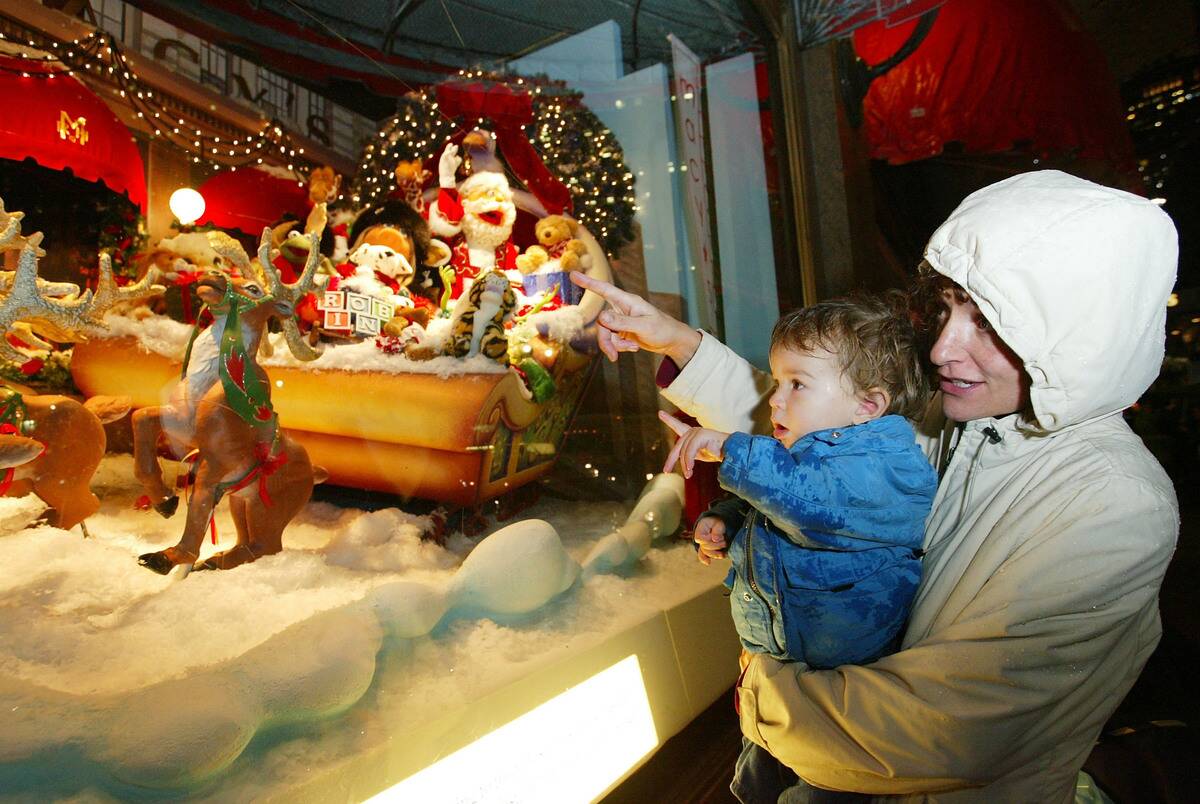
Holidays and events bring an extra layer of magic to storefronts, transforming them into festive spectacles. During Christmas, stores worldwide pull out all the stops with twinkling lights and winter wonderlands. Halloween brings spooky themes and playful elements to displays.
Retailers seize these opportunities to create memorable experiences, drawing crowds and boosting foot traffic. These seasonal transformations not only celebrate special occasions but also enhance the window shopping experience.
Virtual Window Shopping: The Digital Experience

The digital age has ushered in virtual window shopping, allowing people to browse stores from the comfort of their homes.
While it lacks the tactile element of traditional window shopping, the digital experience offers convenience and accessibility, reaching a global audience and expanding the possibilities of retail.
How Window Shopping Inspires Creativity and Imagination

Window shopping is more than just browsing; it’s a source of inspiration. It sparks creativity and imagination, encouraging people to envision new possibilities. Designers and artists often draw ideas from the inventive displays they encounter.
For many, window shopping is a form of visual brainstorming, where color combinations and innovative designs ignite creative thoughts. The artistic nature of window displays serves as a muse, inspiring people to think outside the box and embrace their creativity.
Nostalgic Stories from the Golden Age of Window Shopping
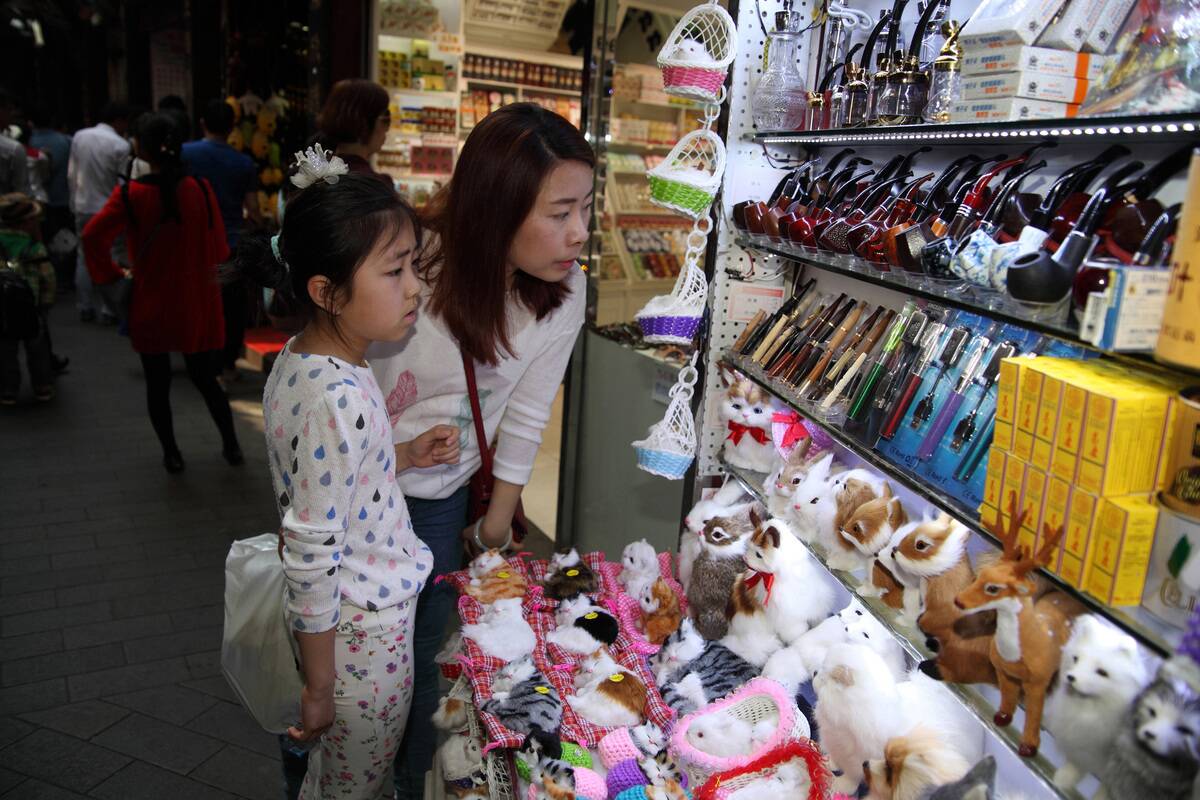
The golden age of window shopping is filled with nostalgia, evoking memories of simpler times. Stories abound of families gathering in front of department store windows during the holidays, captivated by the animated displays.
In the mid-20th century, window shopping was a social event, with people dressing up for a day out in the city. These memories underscore the cultural significance of window shopping, highlighting its role as a beloved pastime that brought people together.




