Natural wonders carved over millennia by elements
Nature has always been an artist, using its raw materials to chisel, carve, and paint landscapes across the globe. These natural masterpieces, crafted by wind, water, and other elements, offer a glimpse into the planet’s dynamic forces.
Each landscape is a testament to the power and creativity inherent in nature, showcasing unique formations that captivate the imagination and spark curiosity about the world around us.
The Grand Canyon: A Masterpiece of Erosion
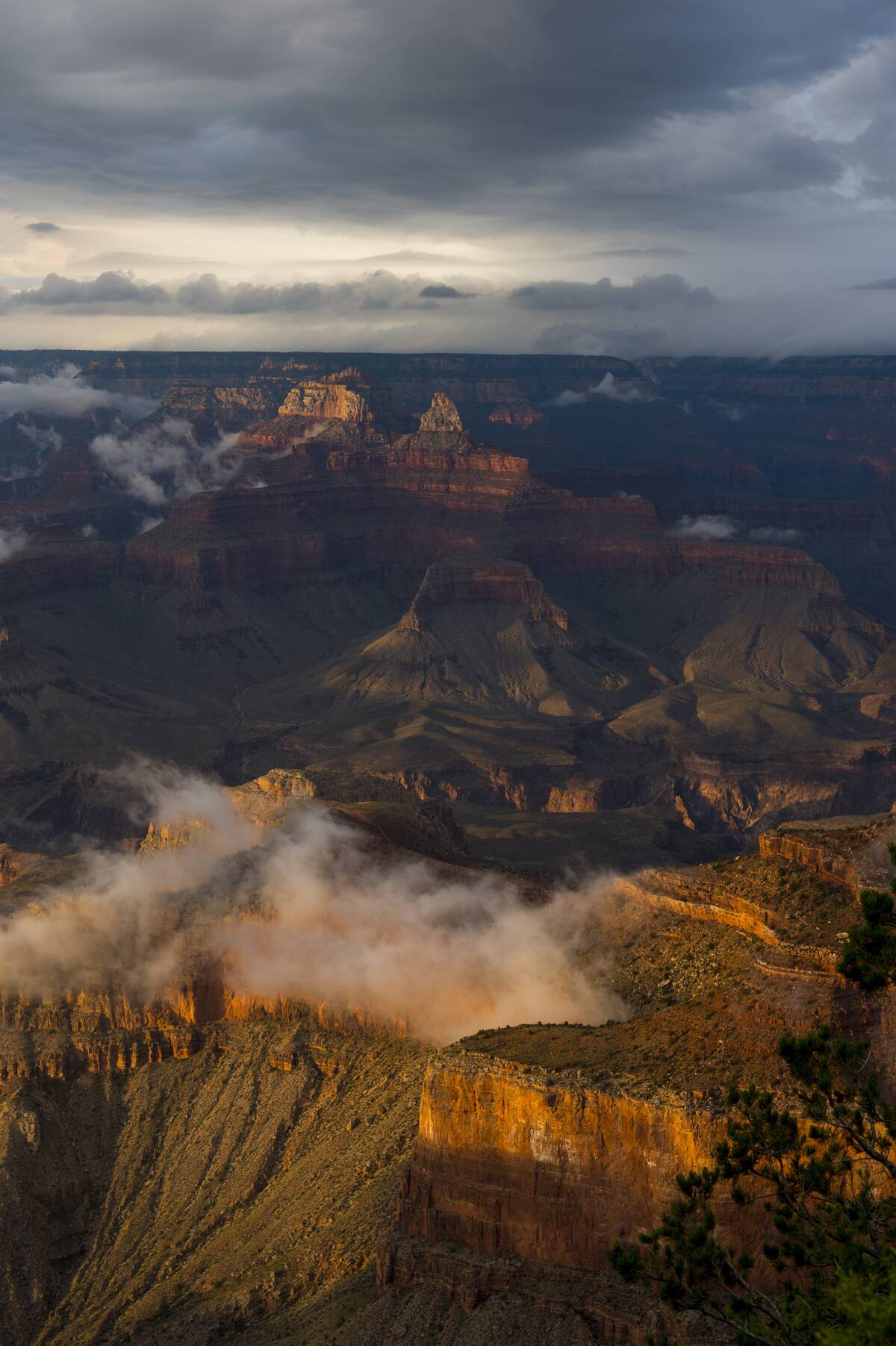
The Grand Canyon, a colossal chasm stretching 277 miles long, is a stunning example of erosion at work. The Colorado River carved this natural wonder over millions of years, exposing layers of rock that tell a geological story dating back nearly two billion years.
Its vastness and intricate rock formations draw millions of visitors each year, eager to witness the sheer magnitude of nature’s carving prowess.
The Great Barrier Reef: Underwater Wonder Formed by Coral
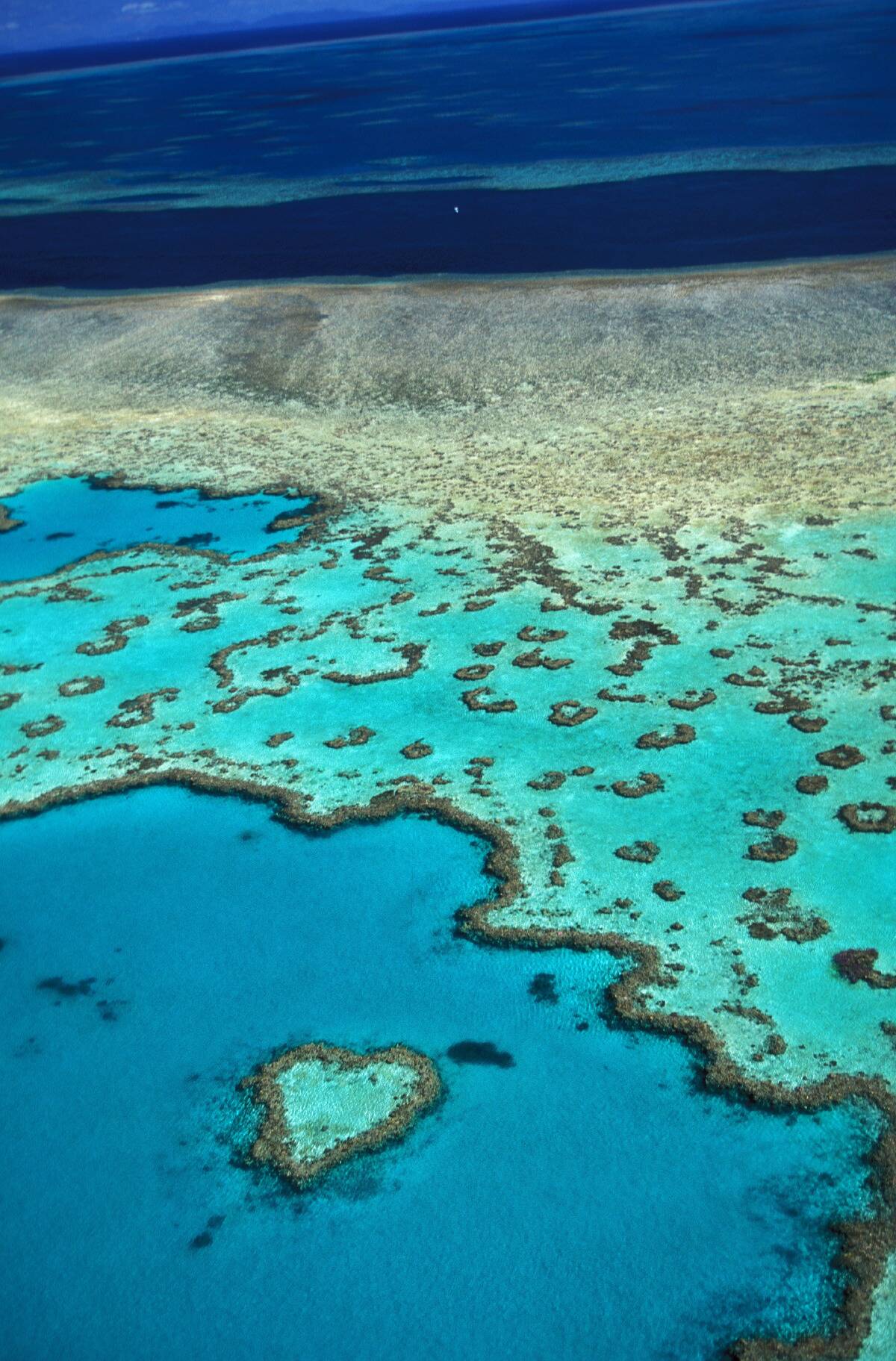
The Great Barrier Reef, the world’s largest coral reef system, spans over 1,400 miles off the coast of Australia. This vibrant underwater ecosystem is home to thousands of marine species and is primarily composed of coral polyps, small marine organisms that secrete calcium carbonate to form the reef’s structure.
The reef’s complex beauty and biodiversity make it a vital area for scientific research and a popular destination for diving enthusiasts.
Cappadocia’s Fairy Chimneys: Wind’s Whimsical Creations
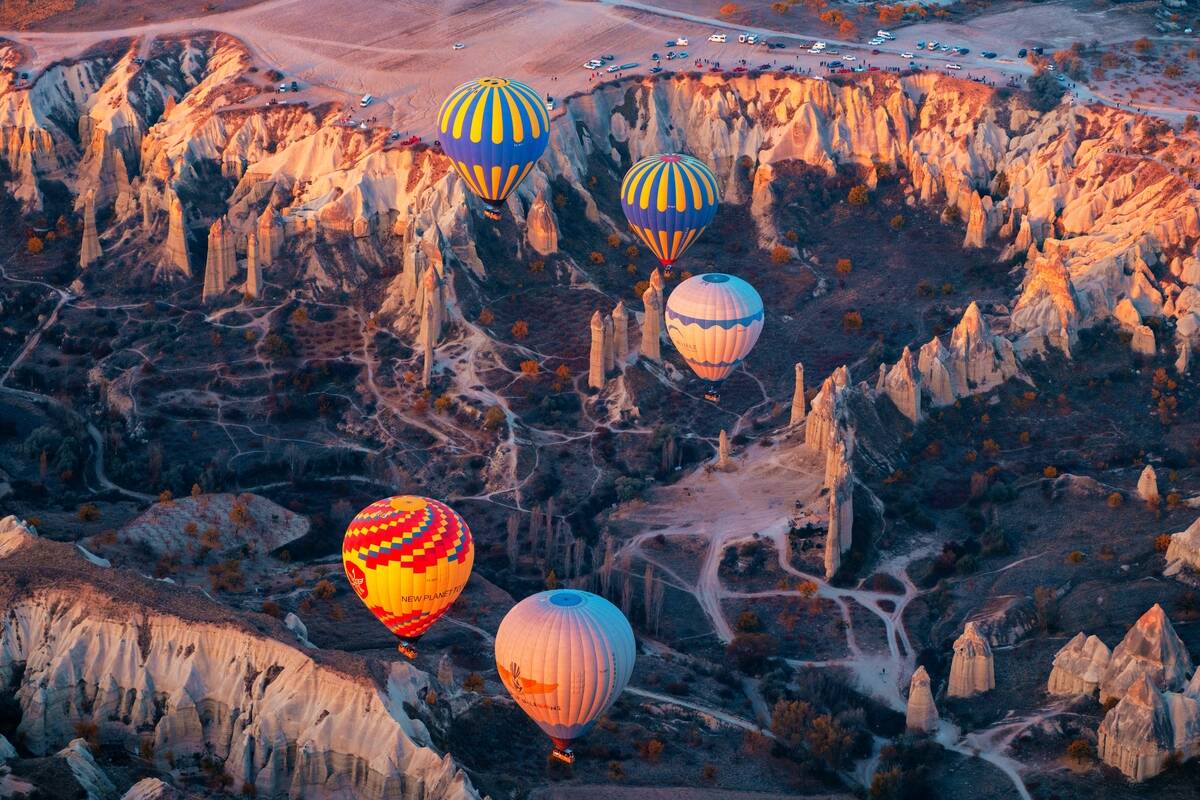
Cappadocia’s fairy chimneys, located in central Turkey, are towering rock formations shaped by millennia of wind and rain erosion. These unique structures, often resembling whimsical towers, have been further sculpted by volcanic activity that deposited layers of ash and lava.
The region’s striking landscape and historical cave dwellings carved into the chimneys create a surreal experience for visitors exploring this enchanting area.
The Delicate Arch of Utah: Wind and Water in Concert

The Delicate Arch, a natural sandstone arch located in Utah’s Arches National Park, stands as a testament to the collaborative forces of wind and water. Over millions of years, these elements wore away the surrounding rock, leaving behind this iconic structure. With its graceful curve and strikingly isolated position, the Delicate Arch has become a symbol of the American West and a popular subject for photographers and hikers alike.
The Amazon River: Shaping the Heart of a Continent
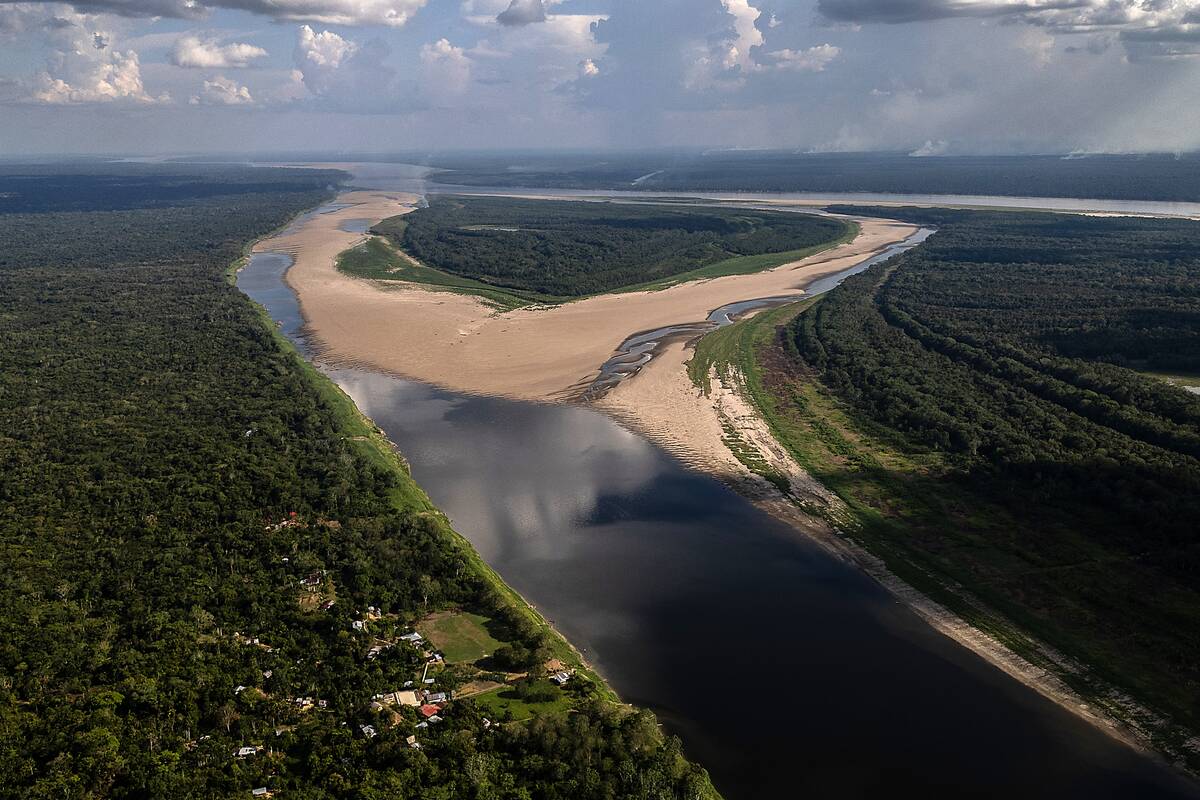
The Amazon River, winding through the heart of South America, is a vital force shaping the continent’s landscape. As one of the world’s longest and most voluminous rivers, it carves through dense rainforests, creating a vast network of waterways that support a rich diversity of life.
The river’s powerful currents and seasonal flooding continually reshape its banks, influencing the ecological and cultural landscape of the region.
The Marble Caves of Patagonia: Water’s Artistic Touch
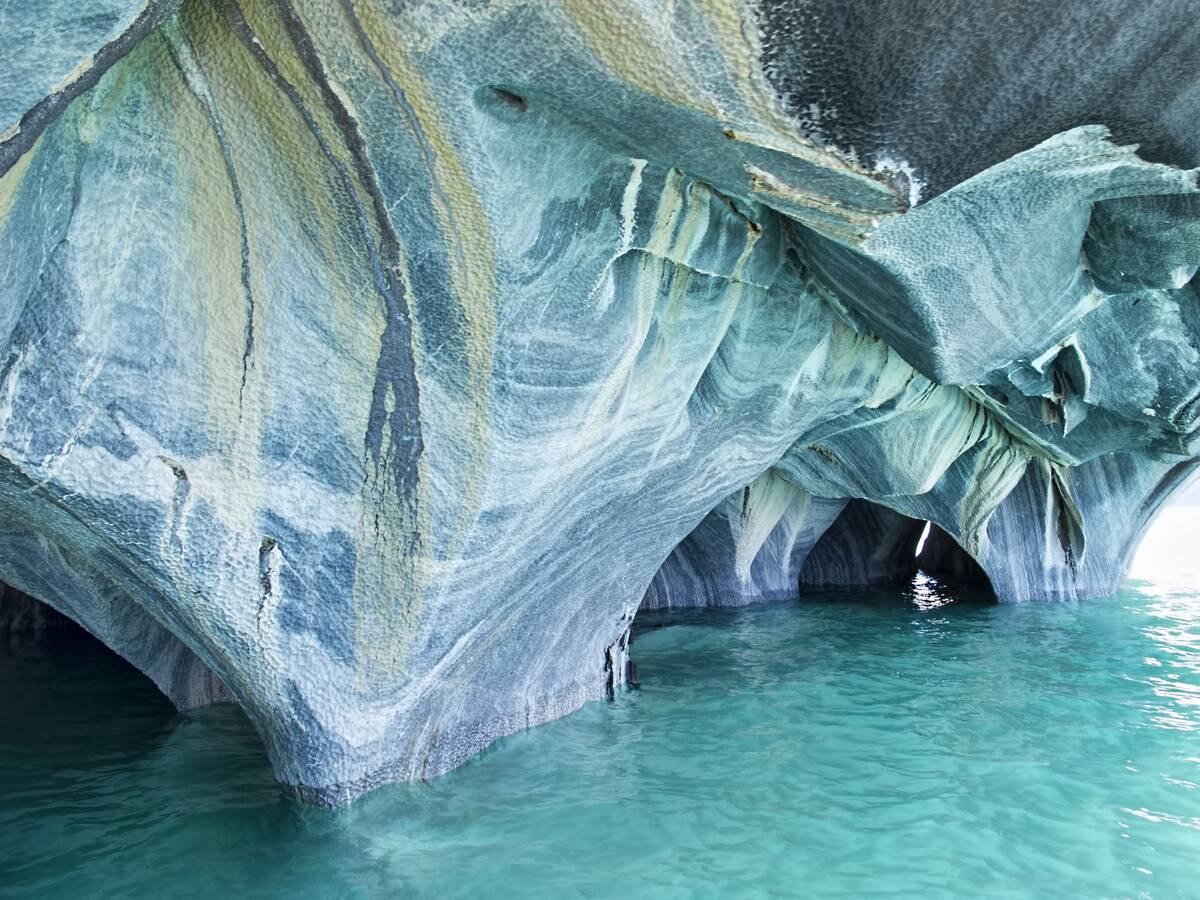
The Marble Caves, located in Chile’s Patagonia region, are a stunning example of water’s artistic influence on the landscape. Over 6,000 years, waves from Lake General Carrera have carved intricate caverns and tunnels into the marble rock.
The swirling patterns and vibrant colors of the caves are a result of mineral deposits and the reflection of the lake’s turquoise waters, creating an otherworldly spectacle for those who venture to this remote location.
The Stone Forest of Madagascar: Earth’s Limestone Pillars
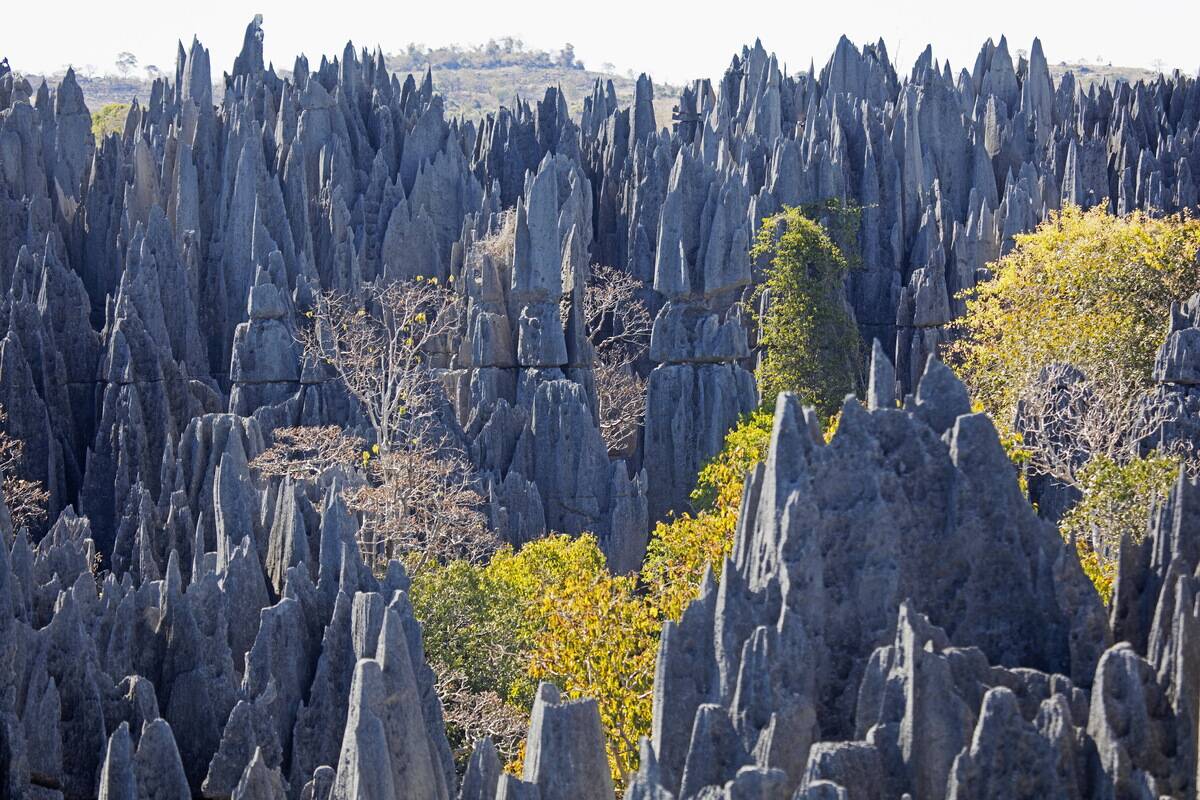
The Tsingy de Bemaraha, often referred to as the Stone Forest of Madagascar, features dramatic limestone formations that rise like jagged pillars from the ground. These natural spires were formed by the erosion of limestone over millions of years, creating a labyrinth of razor-sharp peaks and deep canyons.
This unique landscape is not only a geological wonder but also a UNESCO World Heritage Site, home to a variety of endemic species adapted to its unique environment.
The Waitomo Glowworm Caves: Nature’s Illuminated Tunnels
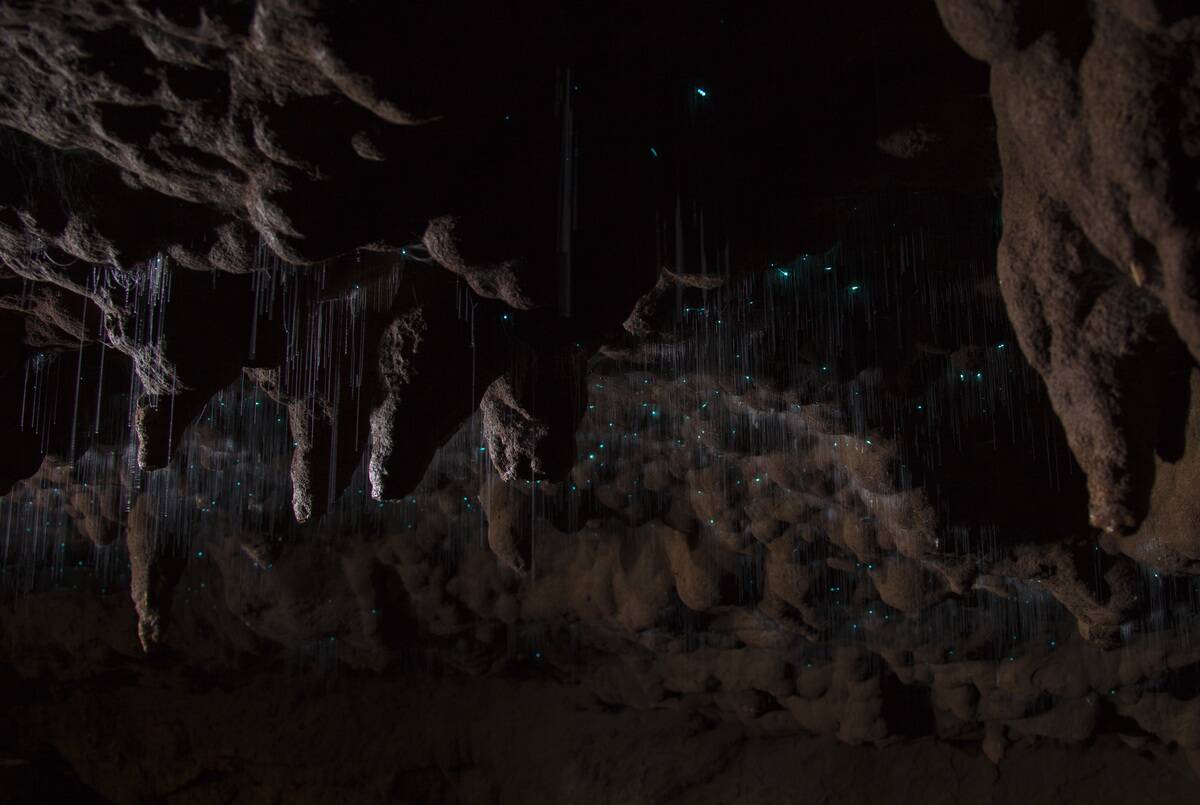
The Waitomo Glowworm Caves in New Zealand offer a magical subterranean experience, where thousands of glowworms create a starry spectacle on the cave ceilings. These bioluminescent creatures, known as Arachnocampa luminosa, emit a blue-green light that guides visitors through the dark, winding passages.
The combination of limestone formations and the ethereal glow of the worms creates an enchanting environment that feels straight out of a fairy tale.
The Moeraki Boulders of New Zealand: Mystery of the Spherical Stones

The Moeraki Boulders, scattered along Koekohe Beach in New Zealand, are large, spherical stones formed over millions of years through a process similar to the formation of pearls. These unique boulders are septarian concretions, composed of mud, fine silt, and clay, cemented by calcite.
Their almost perfect roundness and the way they emerge from the sandy beach have long fascinated scientists and visitors alike, sparking various local legends.
The Wave in Arizona: A Sandstone Symphony
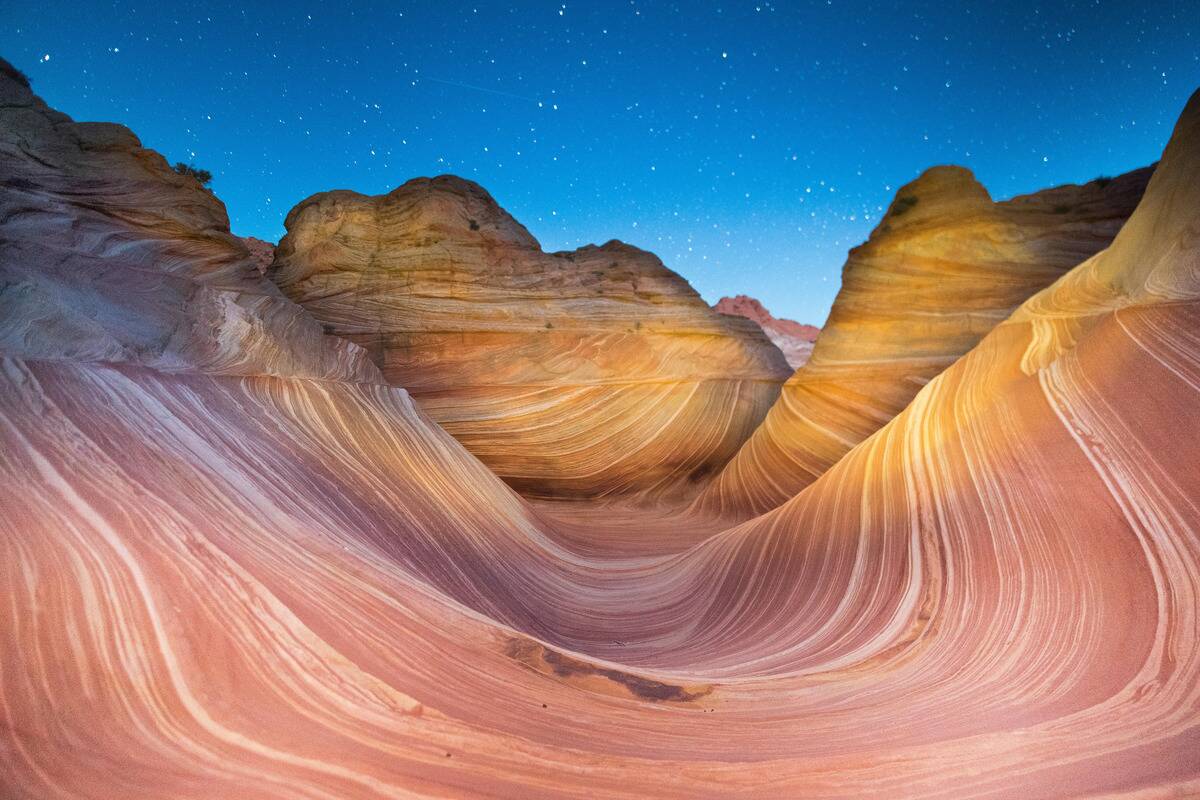
The Wave, located in the Coyote Buttes area of Arizona, is a mesmerizing sandstone rock formation renowned for its undulating patterns and vibrant colors. Formed during the Jurassic period, around 190 million years ago, these stunning swirls were created by the erosion of Navajo Sandstone.
The Wave’s striking appearance and challenging access make it a sought-after destination for photographers and adventurous hikers seeking a glimpse of nature’s artistry.
Fingal’s Cave in Scotland: Ocean Waves Crafting Hexagonal Columns
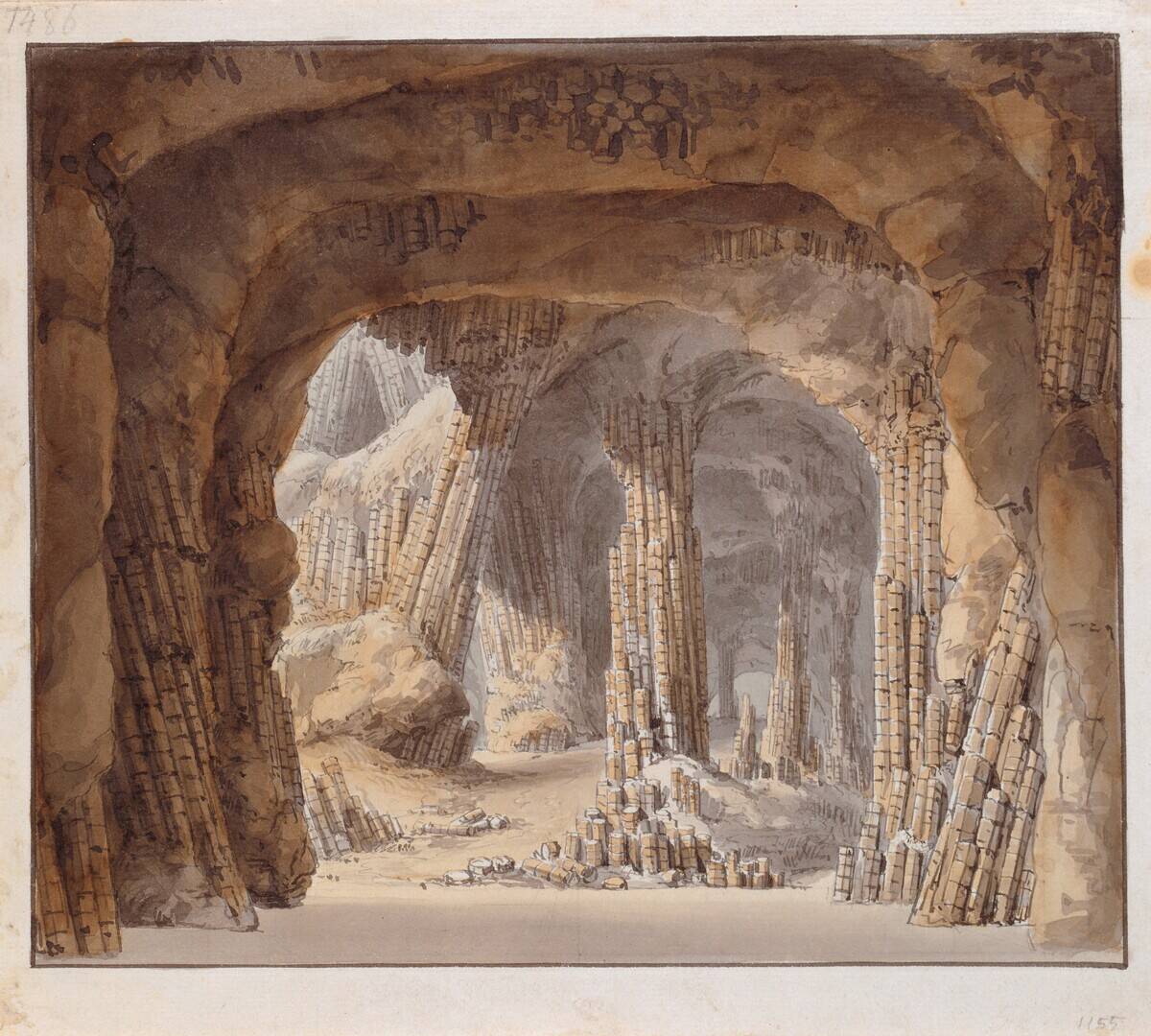
Fingal’s Cave, located on the uninhabited island of Staffa in Scotland, is famous for its unique geological structure. The cave is formed entirely of hexagonally jointed basalt columns, a result of ancient volcanic activity.
The rhythmic crashing of ocean waves against these columns creates a natural cathedral-like ambiance, drawing visitors from around the world. Its striking acoustics and visual beauty have inspired musicians and poets alike, including Felix Mendelssohn and William Wordsworth.
The Naica Crystal Caves: Mexico’s Subterranean Giant Crystals

The Naica Crystal Caves in Mexico are home to some of the largest natural crystals ever discovered. Located 980 feet below ground in the Naica Mine, these selenite crystals can reach lengths of up to 39 feet.
Formed under extremely hot and humid conditions, the cave’s crystals are a result of mineral-rich water that filled the caverns over thousands of years. This shimmering subterranean world is as treacherous as it is beautiful, with temperatures reaching 113 degrees Fahrenheit.
The Giant’s Causeway: Volcanic Activity’s Hexagonal Pathway
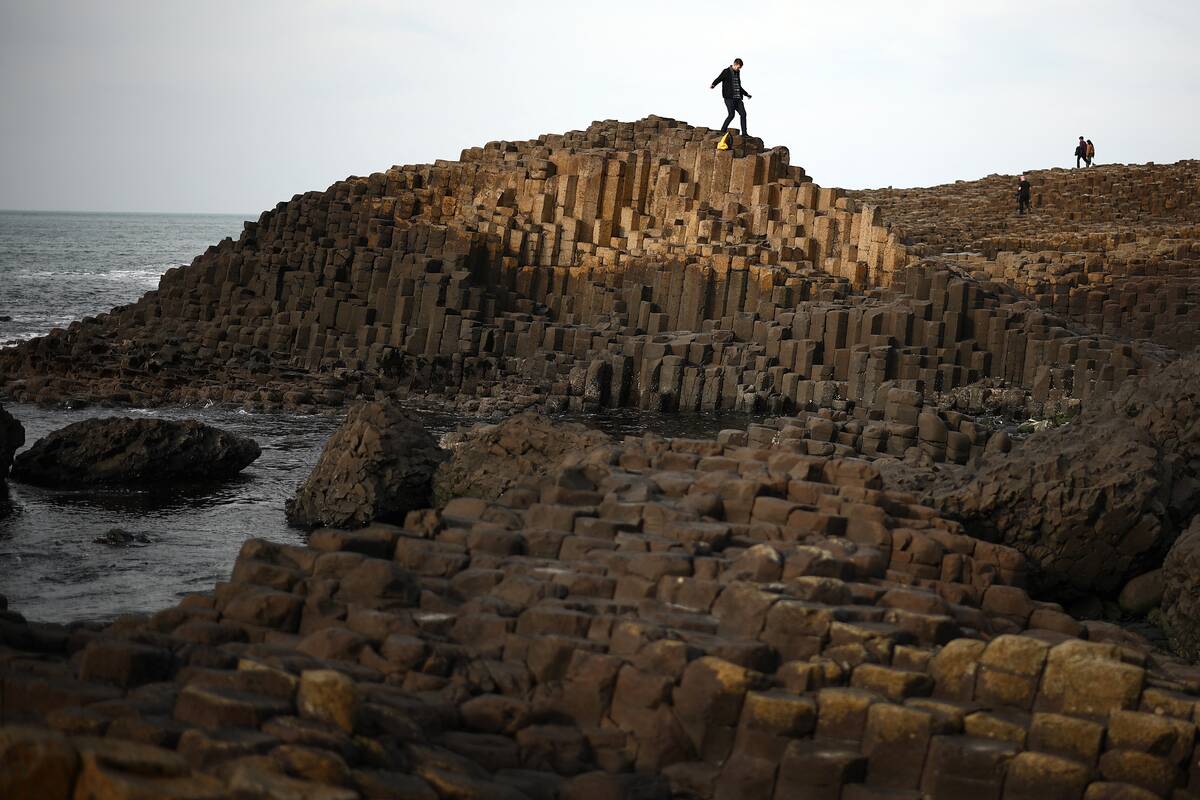
The Giant’s Causeway, located on the coast of Northern Ireland, is a geological wonder composed of about 40,000 interlocking basalt columns. Formed by volcanic activity around 60 million years ago, these columns were created as lava rapidly cooled, cracking into hexagonal shapes.
The striking landscape has inspired local folklore, with legends of giants using the causeway as a bridge to Scotland. Today, it is a UNESCO World Heritage Site, attracting visitors with its natural beauty and intriguing history.
Bryce Canyon’s Hoodoos: Frost and Rain’s Eroding Ballet
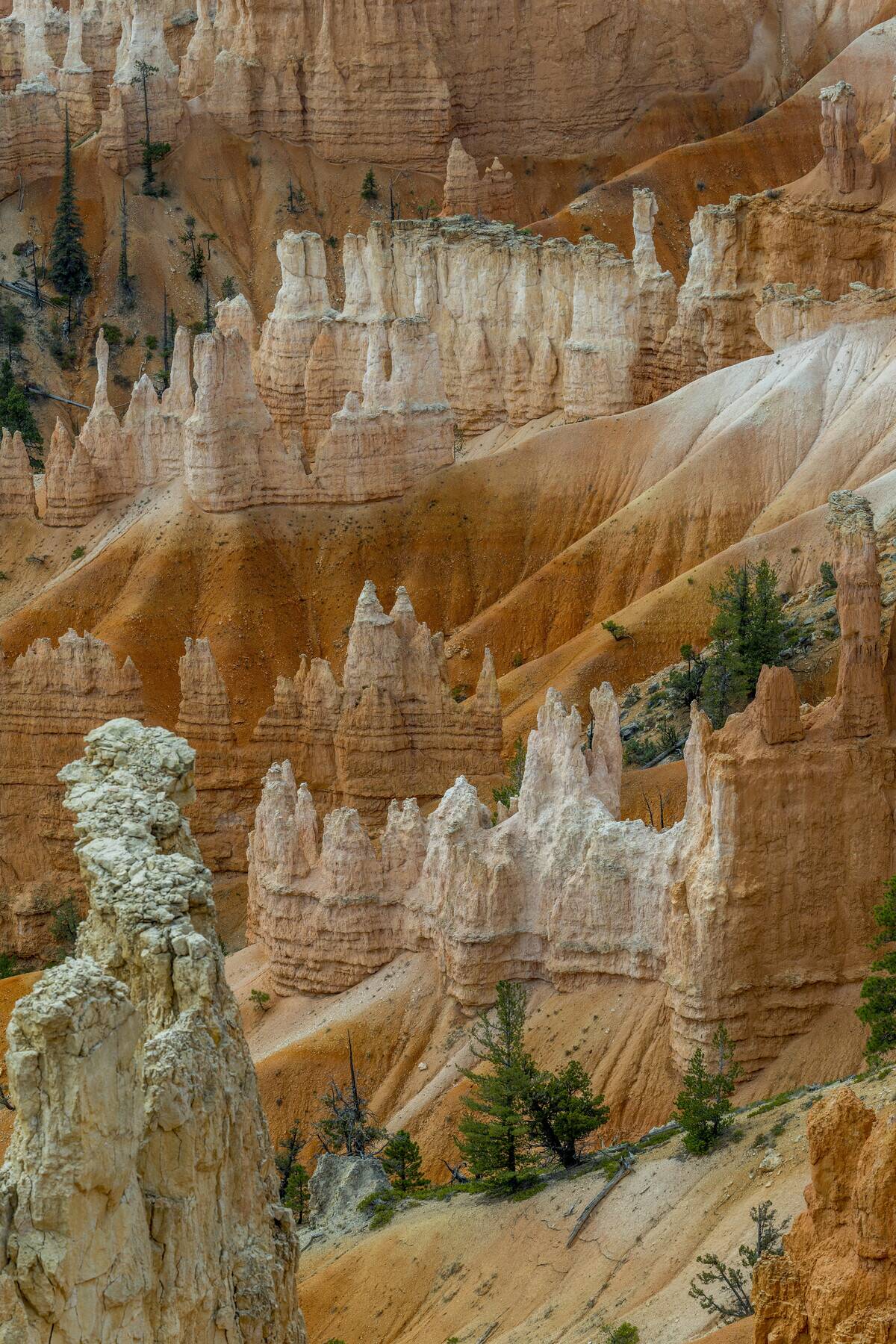
Bryce Canyon National Park in Utah is renowned for its hoodoos—tall, thin spires of rock that protrude from the basin. These formations are the result of frost weathering and stream erosion, a dynamic duo that shapes the landscape into a spectacle of vibrant colors and whimsical shapes.
Each hoodoo is unique, standing as a testament to the natural forces that continue to sculpt the terrain over time, drawing visitors to witness their eerie beauty.
The Chocolate Hills of Bohol: Nature’s Sweet Surprises
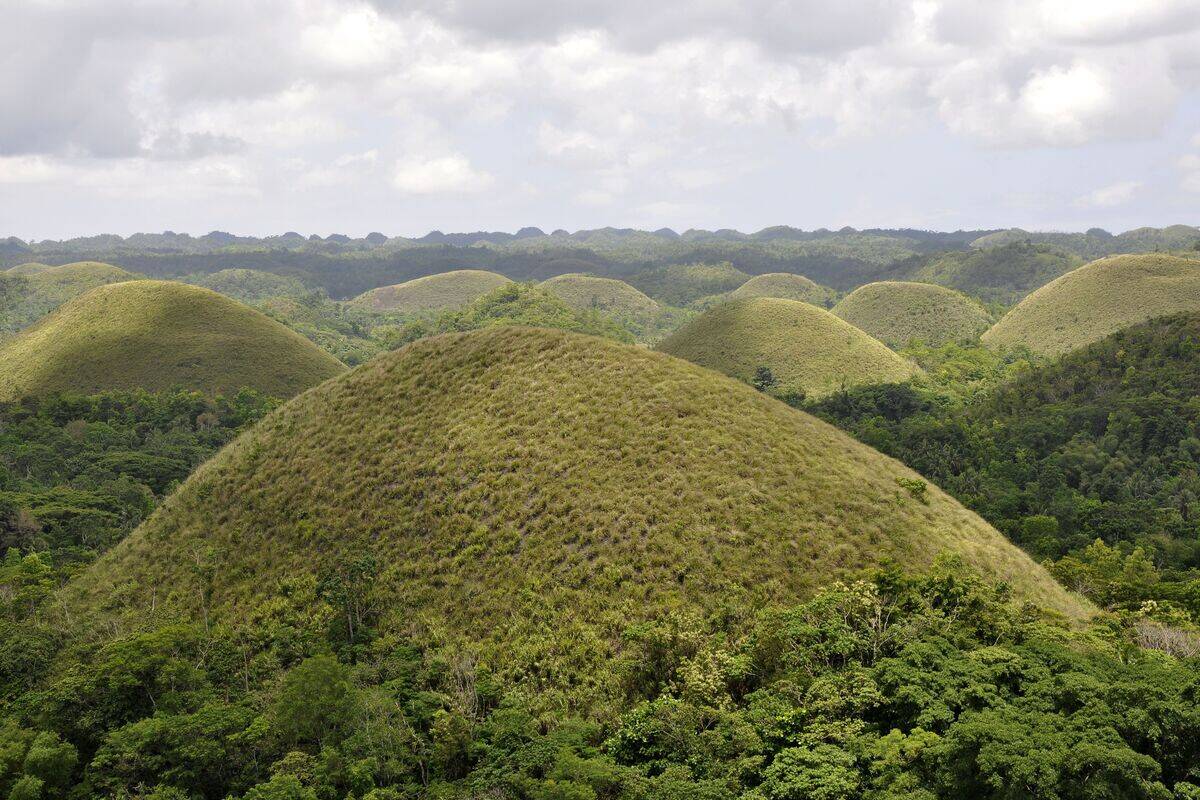
The Chocolate Hills of Bohol in the Philippines are a geological formation consisting of at least 1,260 hills spread over an area of more than 20 square miles. These grass-covered limestone hills turn brown during the dry season, resembling mounds of chocolate.
Theories on their formation range from marine limestone uplift to volcanic activity. This natural wonder is a major tourist attraction and has been declared the country’s third National Geological Monument.
The Sahara Desert: Wind’s Ever-Shifting Sands

The Sahara Desert, the largest hot desert in the world, spans across Northern Africa and is renowned for its vast stretches of sand dunes. These dunes are constantly reshaped by the relentless winds, creating ever-changing landscapes that can rise up to 500 feet high.
The Sahara’s extreme conditions and striking beauty have captivated explorers and adventurers for centuries, making it an iconic symbol of nature’s raw and untamed power.
Zhangjiajie’s Pillars: Inspiration for Celestial Landscapes
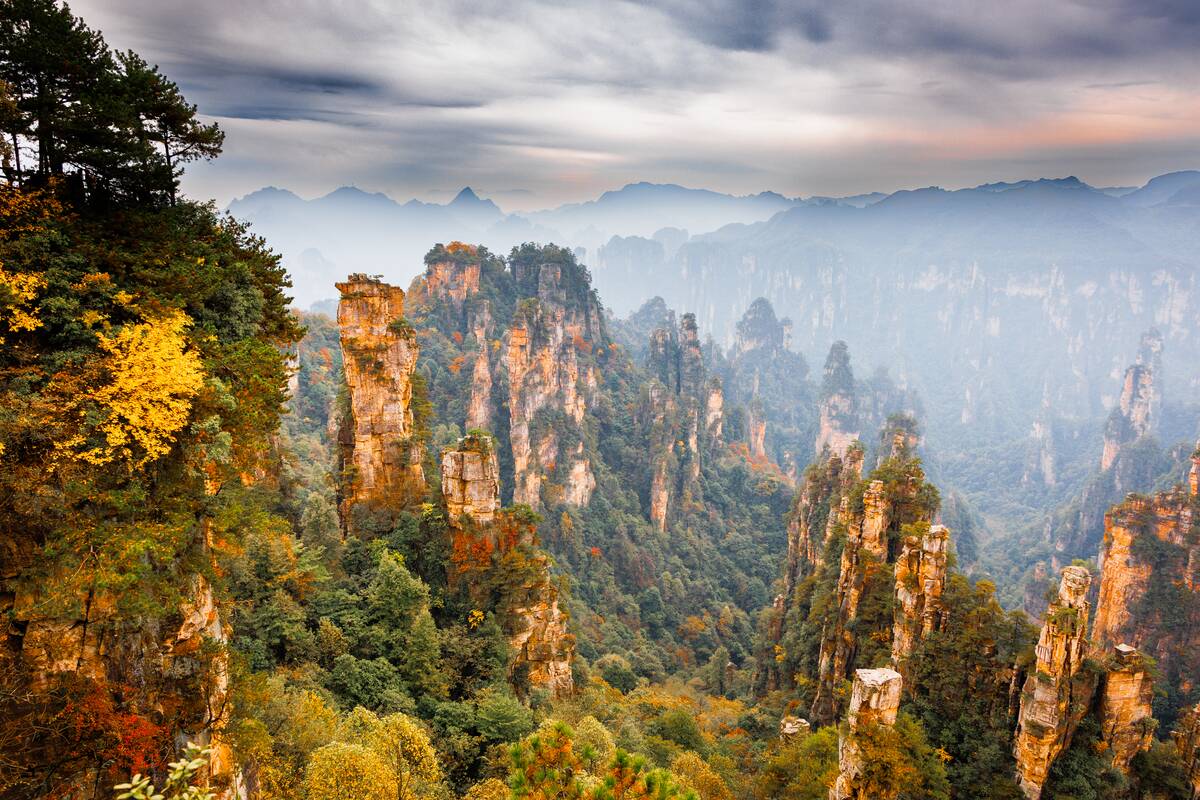
Zhangjiajie National Forest Park in China is famous for its towering sandstone pillars, which rise majestically from the forest floor. Formed mainly by physical weathering, water erosion, and vegetation-driven cracking, these pillars have a unique appearance that inspired the floating Hallelujah Mountains in the movie “Avatar.
Covered in lush vegetation, the park’s surreal landscape has become a popular destination for tourists and nature lovers seeking to experience the breathtaking beauty of these natural skyscrapers.
The Salar de Uyuni: The World’s Largest Salt Mirror
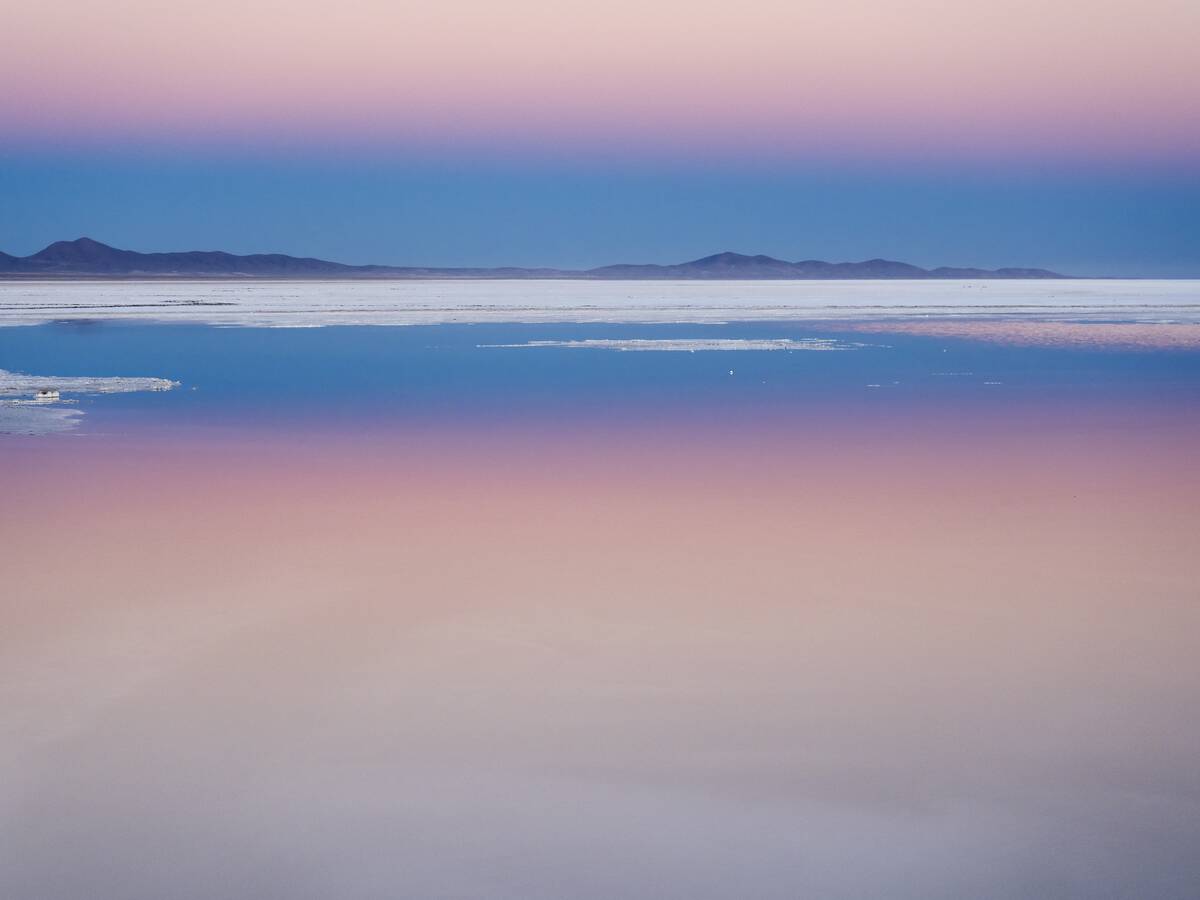
The Salar de Uyuni in Bolivia is the world’s largest salt flat, covering over 4,000 square miles. After rainfalls, a thin layer of water transforms the flat into a giant mirror, reflecting the sky and creating an illusion of infinity.
This breathtaking phenomenon, combined with the stark white landscape of salt, draws photographers and travelers from around the globe. The salt flat is also a significant source of lithium, an essential component for batteries.
The Painted Desert: Nature’s Color Palette Over Time
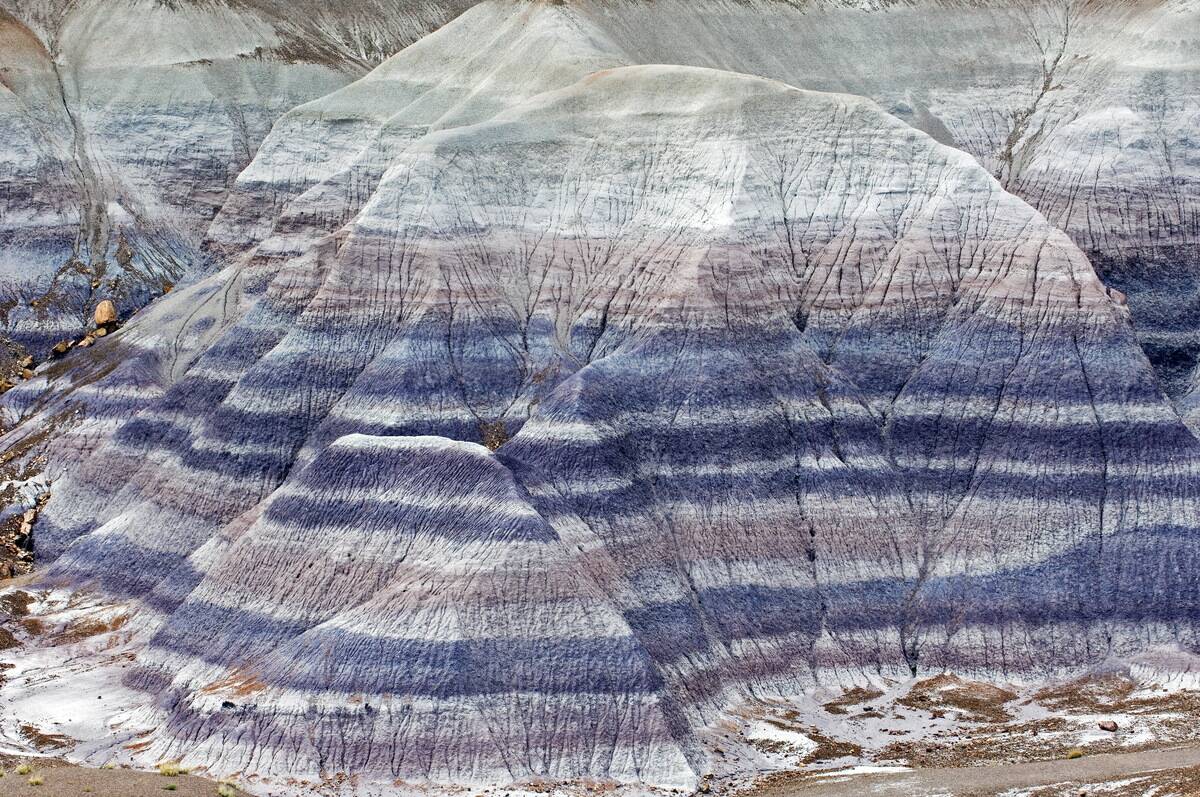
The Painted Desert in Arizona is a vibrant landscape of multicolored layers, stretching over 93,500 acres. These hues are the result of sedimentary layers of siltstone, mudstone, and shale, deposited over millions of years.
The desert’s striking colors shift with the changing light, creating a mesmerizing display that has long inspired artists and photographers. The region is also home to significant archaeological sites, providing insight into the ancient cultures that once inhabited the area.




