Natural monuments formed by ice, pressure, and time
Nature’s sculptors are always at work, carving stunning landscapes that leave us in awe. Glaciers, with their slow but unstoppable force, are among the most captivating sculptors found on Earth.
These massive ice bodies have the power to shape mountains, valleys, and even entire continents. Their work is evident in the breathtaking vistas and geological formations that tell stories of time and transformation.
The Frozen Architects: Glaciers and Their Icy Masterpieces
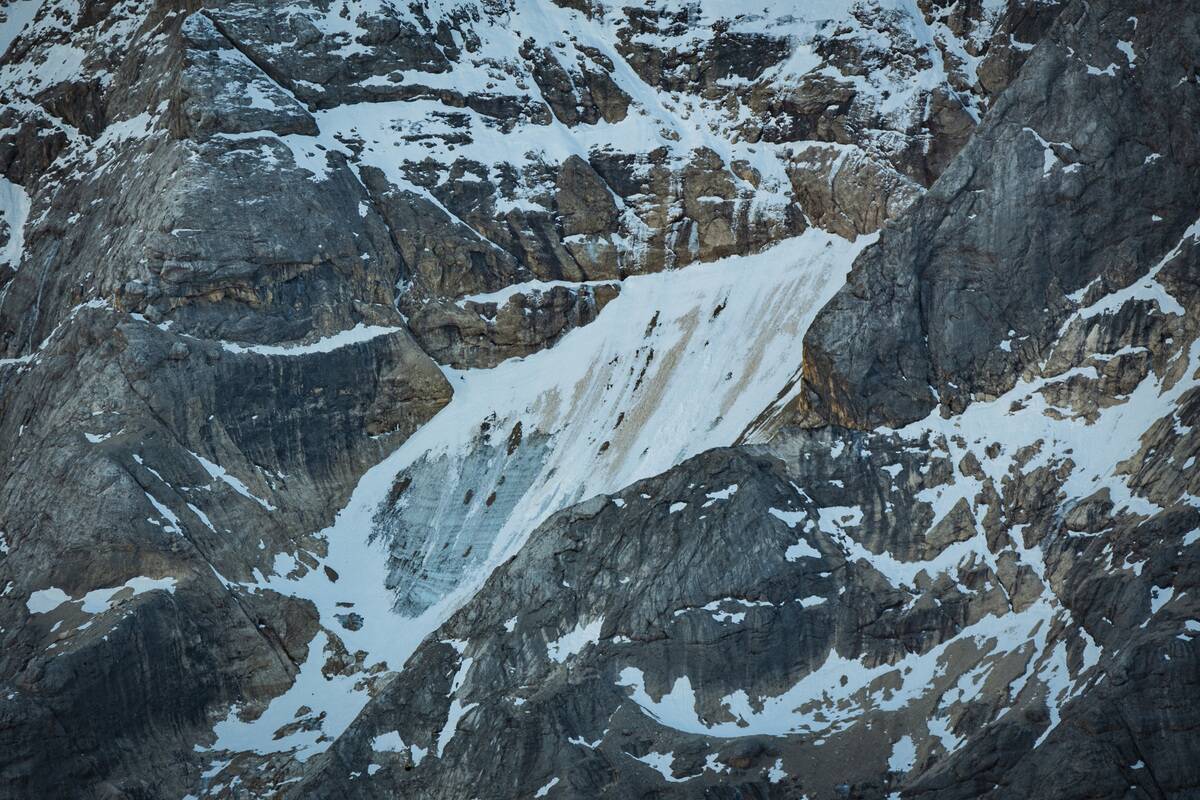
Glaciers are like slow-moving rivers of ice, constantly shaping the land beneath them. They form when snow accumulates over time, compressing into solid ice. This process creates a powerful force capable of reshaping landscapes.
Glaciers can be found on every continent, with Antarctica and Greenland hosting the largest ones. These frozen architects are responsible for some of the world’s most iconic landscapes, such as the fjords of Norway and the towering peaks of the Himalayas.
Carved by Cold: The Enigmatic Ice Caves
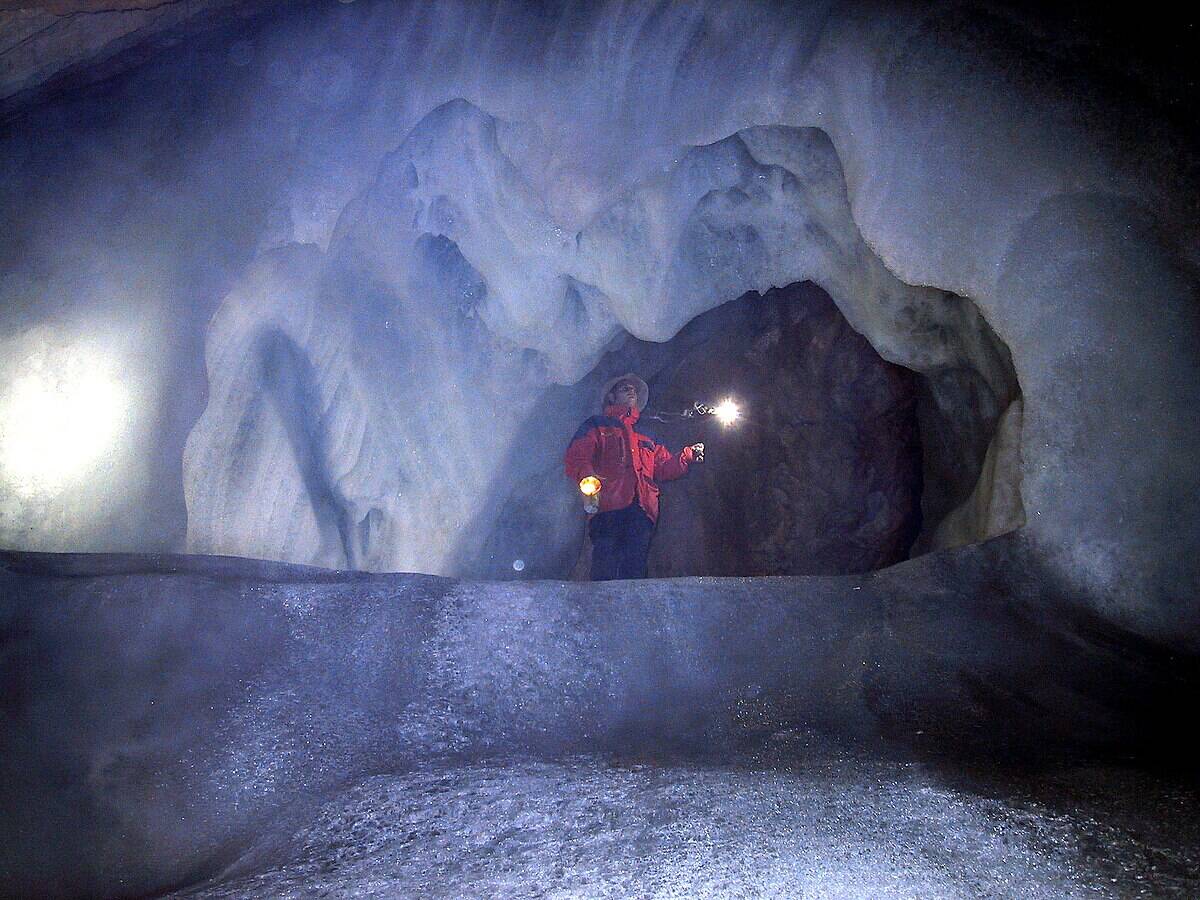
Ice caves are mesmerizing structures formed within or at the edge of glaciers. These natural wonders often feature stunning blue hues, resulting from the way light interacts with the dense ice. Ice caves can be temporary, appearing and disappearing with the changing seasons, and they’re especially threatened in modern times by climate change.
A famous example is the Eisriesenwelt in Austria, the largest ice cave in the world. Exploring these icy chambers feels like stepping into another world, where every turn reveals a new icy sculpture formed by nature.
Glacial Valleys: Nature’s Majestic U-Shaped Wonders
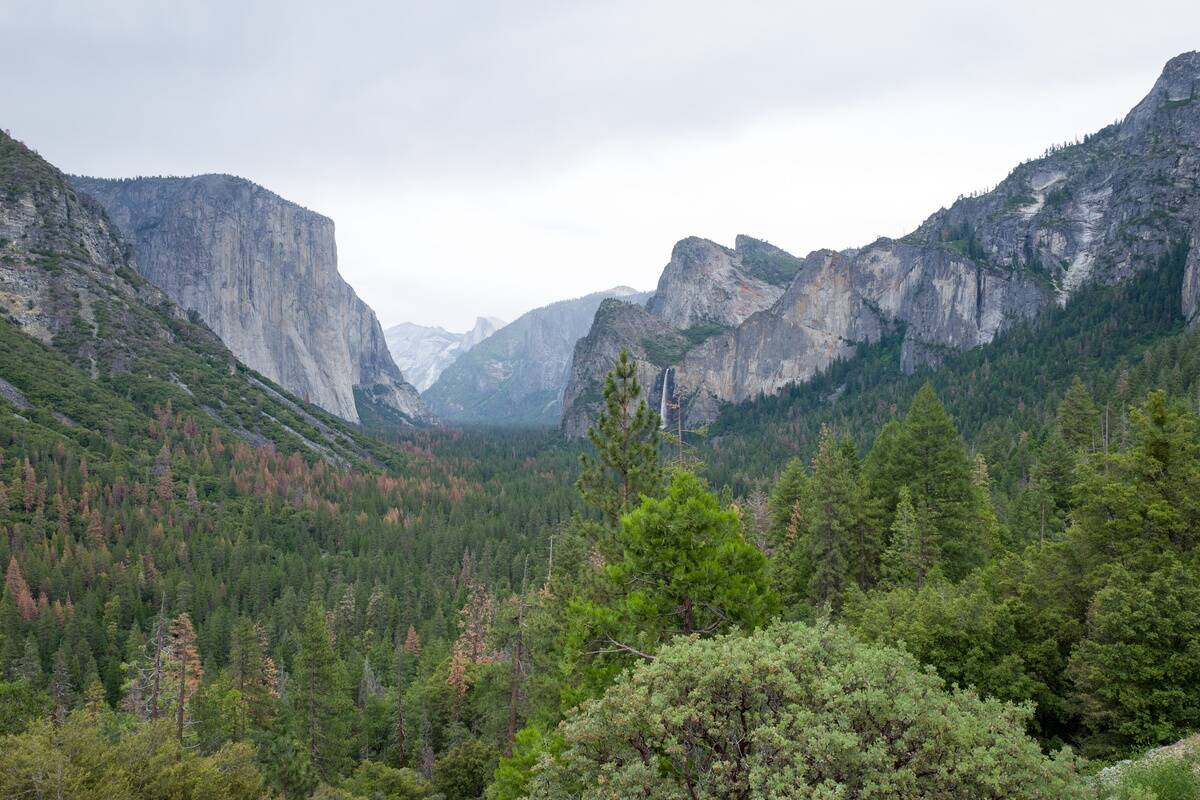
Unlike the V-shaped valleys formed by rivers, glacial valleys are distinctively U-shaped. This unique form is a result of the glacier’s immense erosive power as it moves. These valleys are wide and deep, often flanked by steep cliffs.
Yosemite Valley in California is a famous example of a glacial valley, showcasing the grandeur of nature’s work. These majestic landscapes serve as a reminder of the glaciers’ transformative power over thousands of years.
Icebergs: Floating Giants of the Frozen Seas
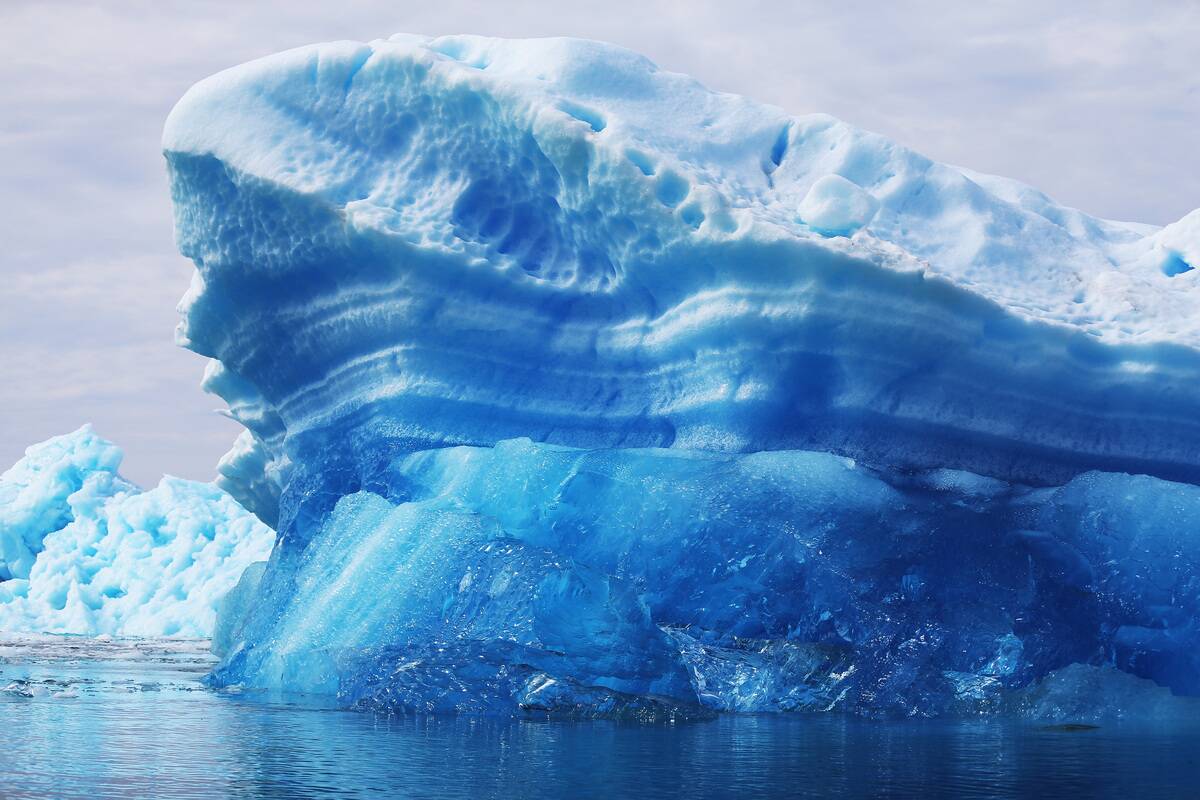
Icebergs are giant chunks of ice that break off from glaciers and float in the ocean. Most of an iceberg’s mass is hidden beneath the water’s surface, making it both beautiful and dangerous to ships.
The Titanic’s fateful encounter with an iceberg is a well-known story that highlights this danger. Icebergs can be found in the polar regions, and their striking shapes and sizes are a testament to the dynamic nature of glaciers. They continue to captivate our imagination with their serene beauty.
Cirques: The Birthplaces of Glaciers
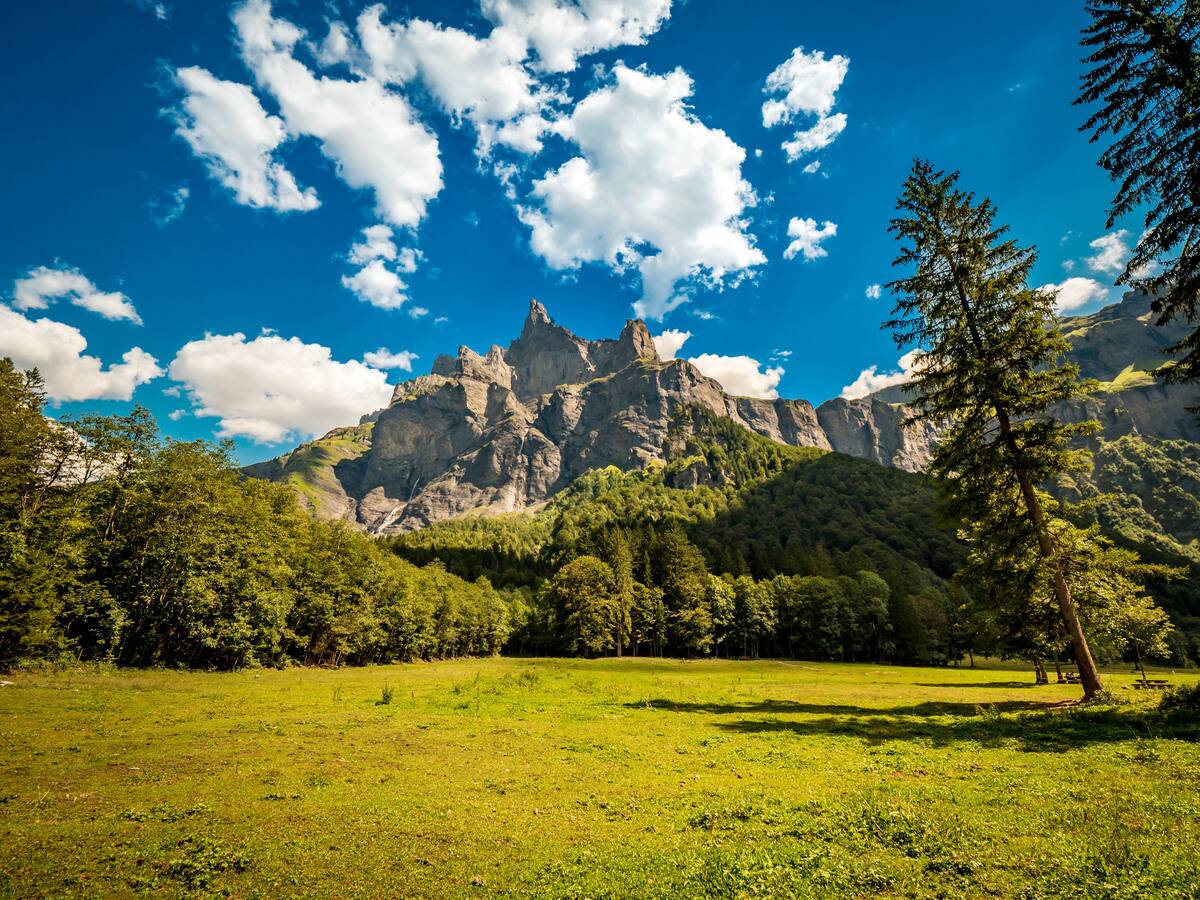
Cirques are amphitheater-like hollows found on mountainsides, often marking the origins of glaciers. These bowl-shaped depressions are carved by the erosive action of ice. Over time, snow accumulates in cirques, eventually forming glaciers that spill over their edges.
The French Alps are home to numerous cirques, where climbers and hikers can witness these natural formations. Cirques are vital components of glacial landscapes, providing a glimpse into the beginnings of these icy giants.
Fjords: Where Ice Meets Ocean
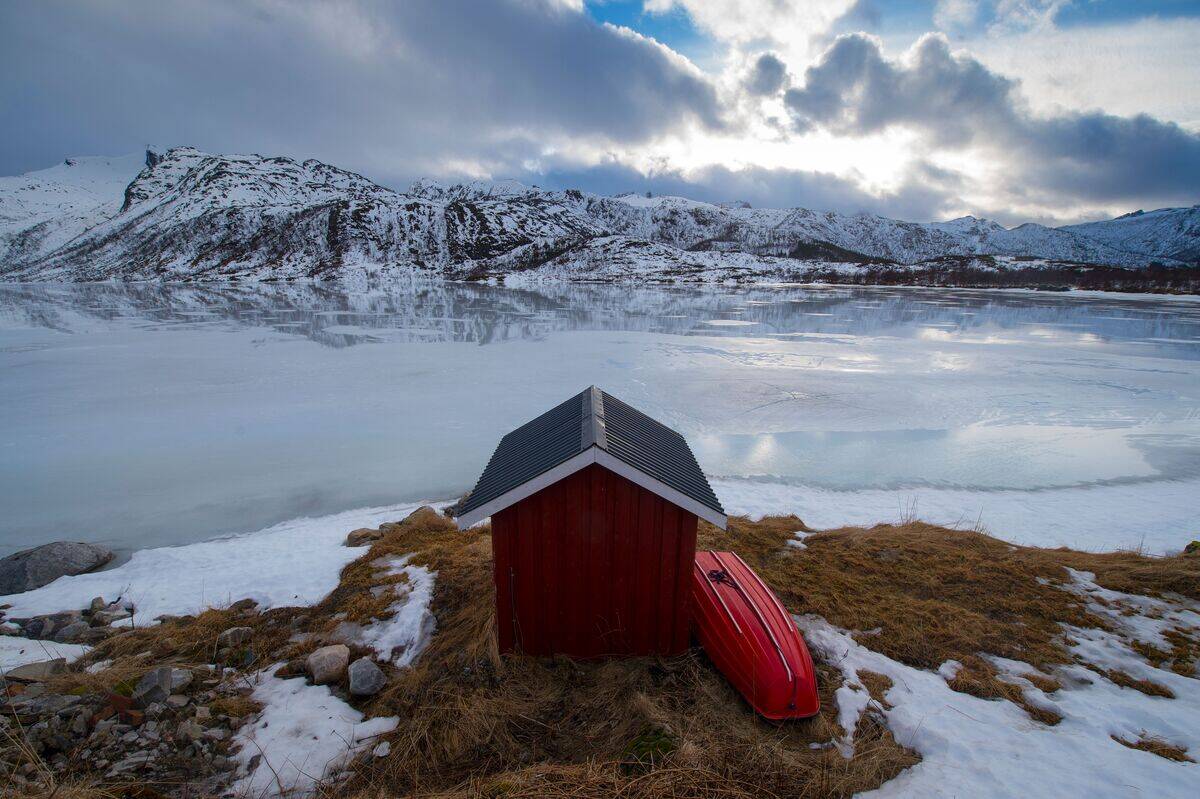
Fjords are deep, narrow inlets of the sea, flanked by steep cliffs created by glacial activity. These stunning landscapes are often associated with Norway, where some of the world’s most famous fjords are located.
The dramatic scenery is a result of glaciers carving through mountains, leaving behind these deep channels. Fjords are not only beautiful but also ecological hotspots, supporting diverse marine life. They are a testament to the powerful interplay between ice and ocean.
Moraine: The Rocky Remnants of Glacial Movement
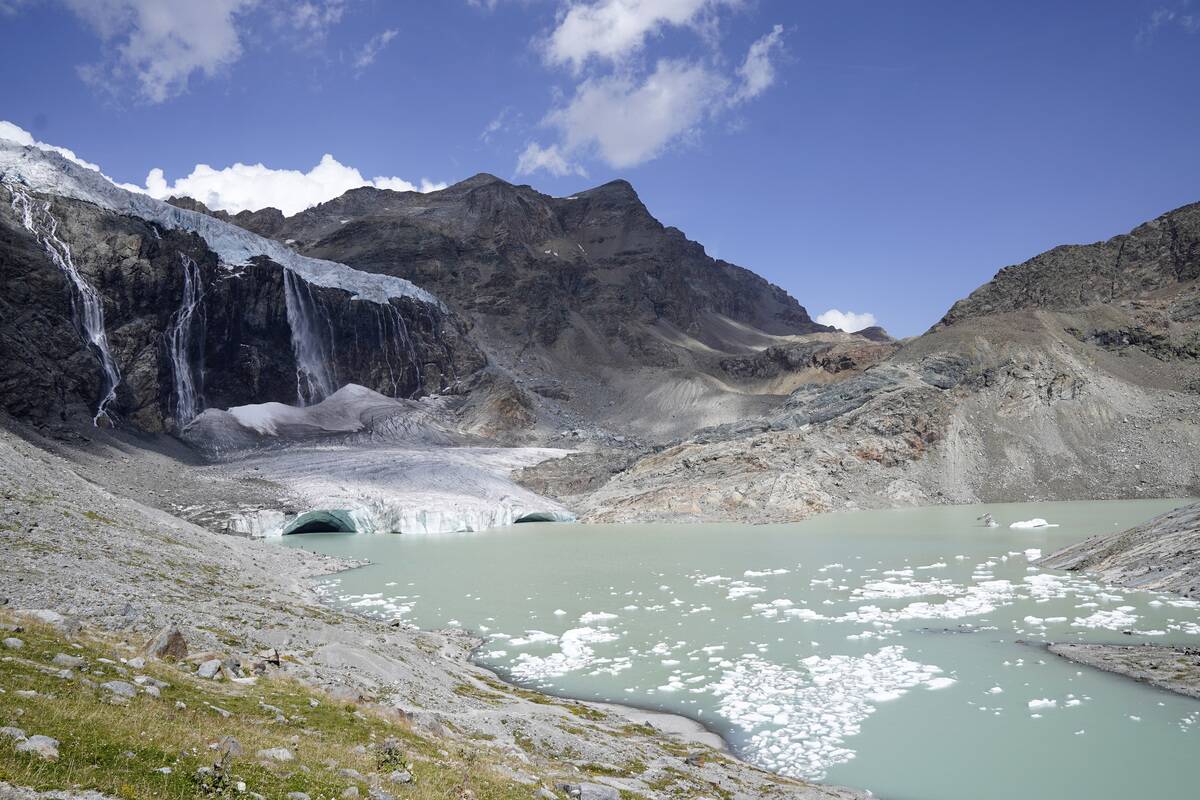
Moraines are accumulations of debris left behind by moving glaciers. These rocky formations can be found at the sides, middle, or end of a glacier, marking its path. Moraines are composed of various materials, from fine silt to large boulders.
The Great Lakes in North America were formed by glacial moraines, showcasing their significant impact on the landscape. These remnants serve as geological records, helping scientists understand past glacial movements and climate conditions.
Icefalls: The Frozen Waterfalls of the Polar Regions
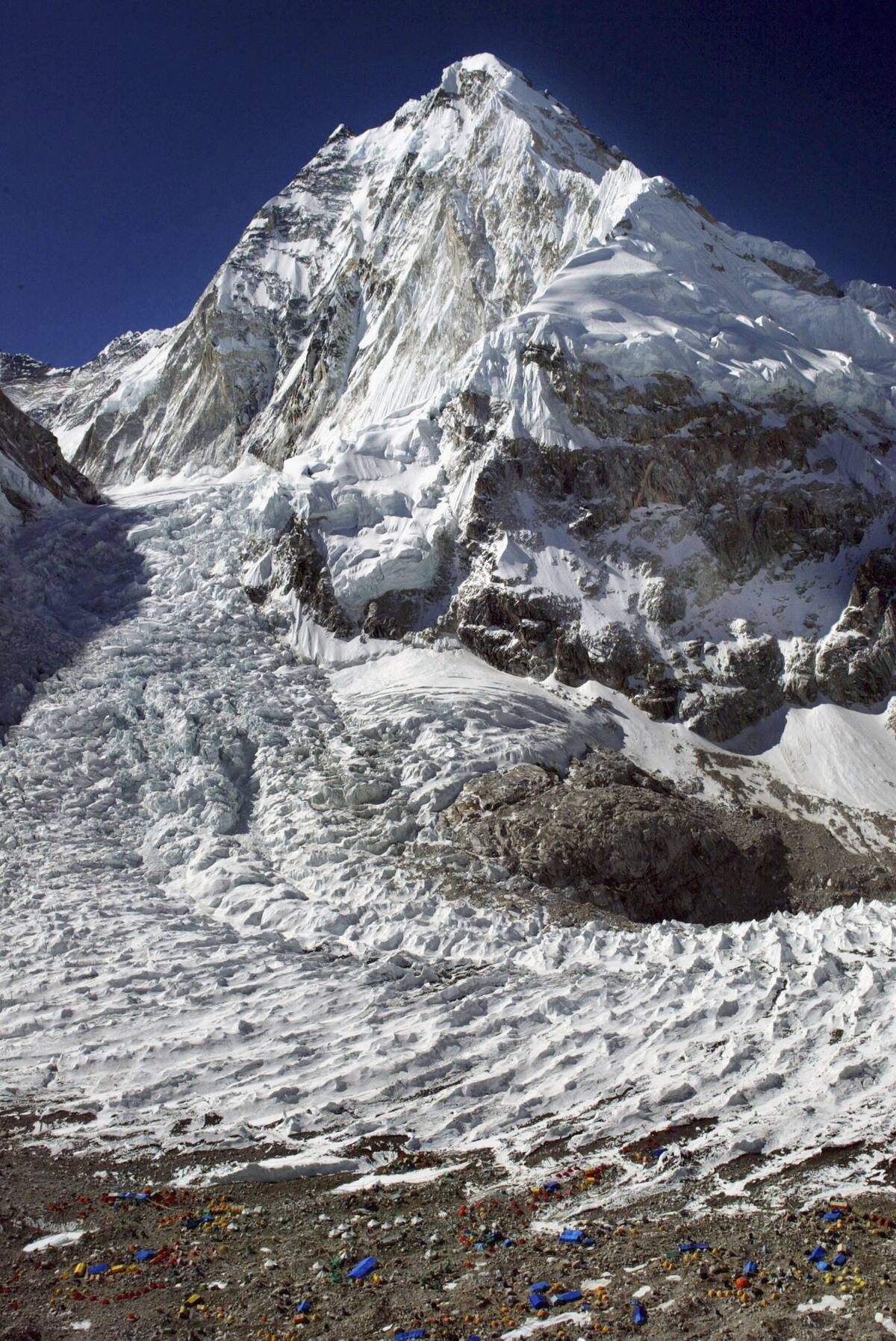
Icefalls are the frozen equivalents of waterfalls, where ice cascades down steep slopes. These striking features occur when a glacier flows over a cliff or steep incline.
The Khumbu Icefall on Mount Everest is one of the most famous, presenting a formidable challenge to climbers. Icefalls are a testament to the dynamic nature of glaciers, constantly moving and reshaping the environment. Their beauty and danger draw adventurers and scientists alike, eager to explore these frozen wonders.
Drumlin Fields: Nature’s Rolling Hills
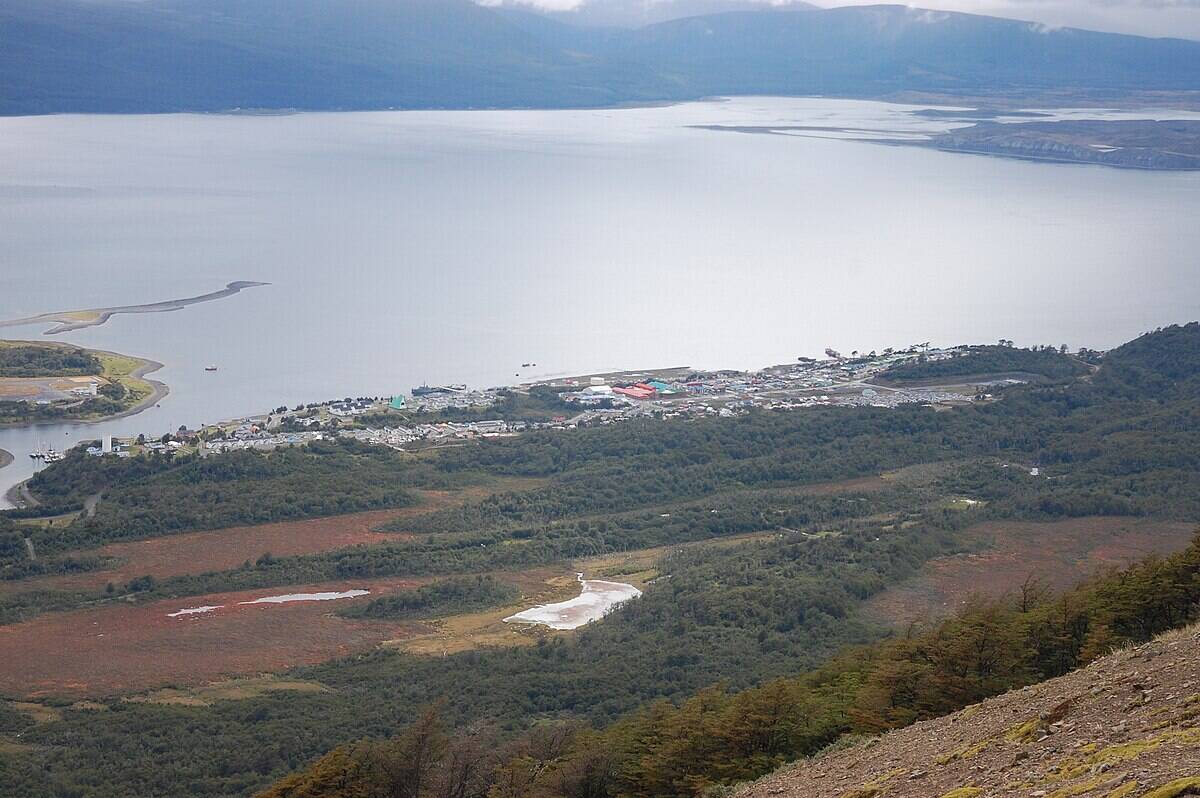
Drumlins are elongated hills formed beneath glaciers, often found in clusters known as drumlin fields. These smooth, oval-shaped mounds are composed of glacial till (which is what moraines are made of) and indicate the direction of past ice movement.
The Finger Lakes region in New York is home to numerous drumlins, offering a glimpse into the area’s glacial history. These rolling hills add a unique texture to the landscape, showcasing the subtle yet powerful influence of glaciers over time.
Ice-Capped Peaks: Towering Guardians of Nature
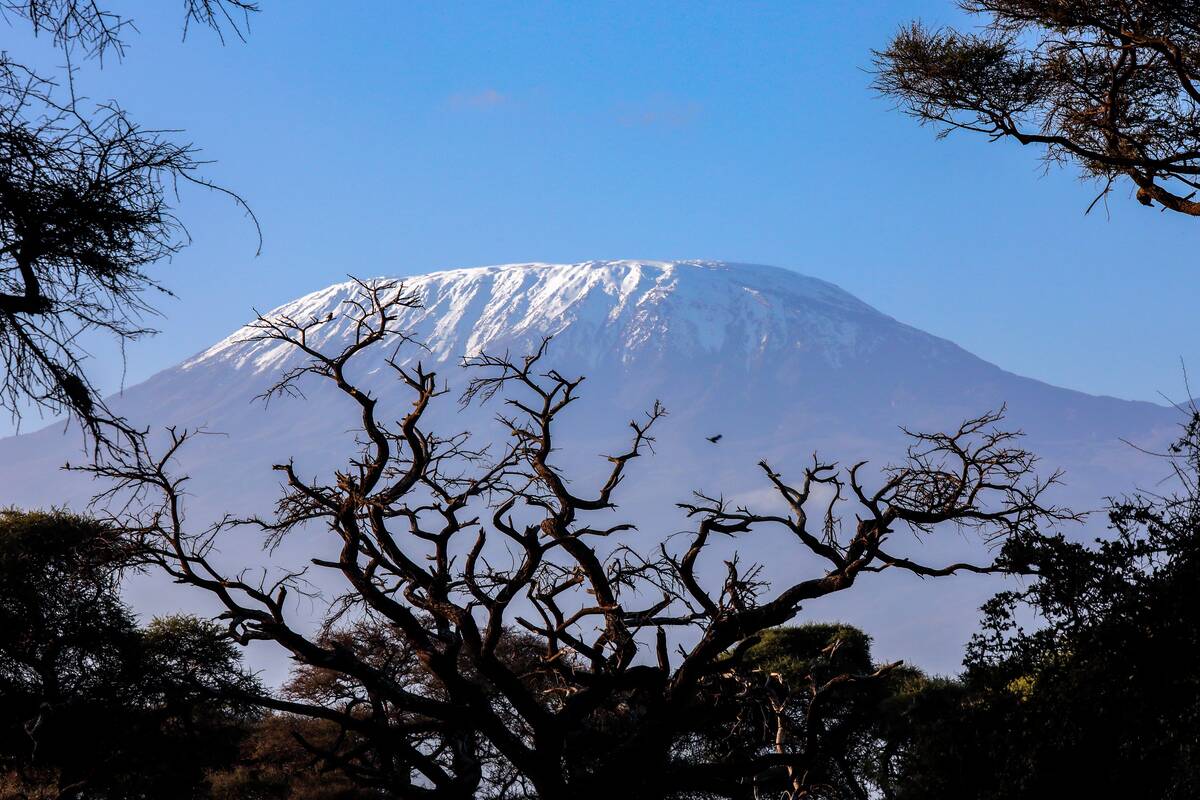
Ice-capped peaks are mountains topped with permanent ice and snow, standing as majestic sentinels over the landscape. These peaks are often found in polar regions and high-altitude areas, such as the Andes and the Himalayas.
Mount Kilimanjaro, with its iconic ice cap, is one of Africa’s most famous landmarks. These icy summits are crucial to local ecosystems, acting as water reservoirs and supporting diverse flora and fauna. They remind us of the fragility and grandeur of our planet’s natural wonders, as they’re often susceptible to climate change.
Glacial Erratics: The Wanderers of the Ice Age
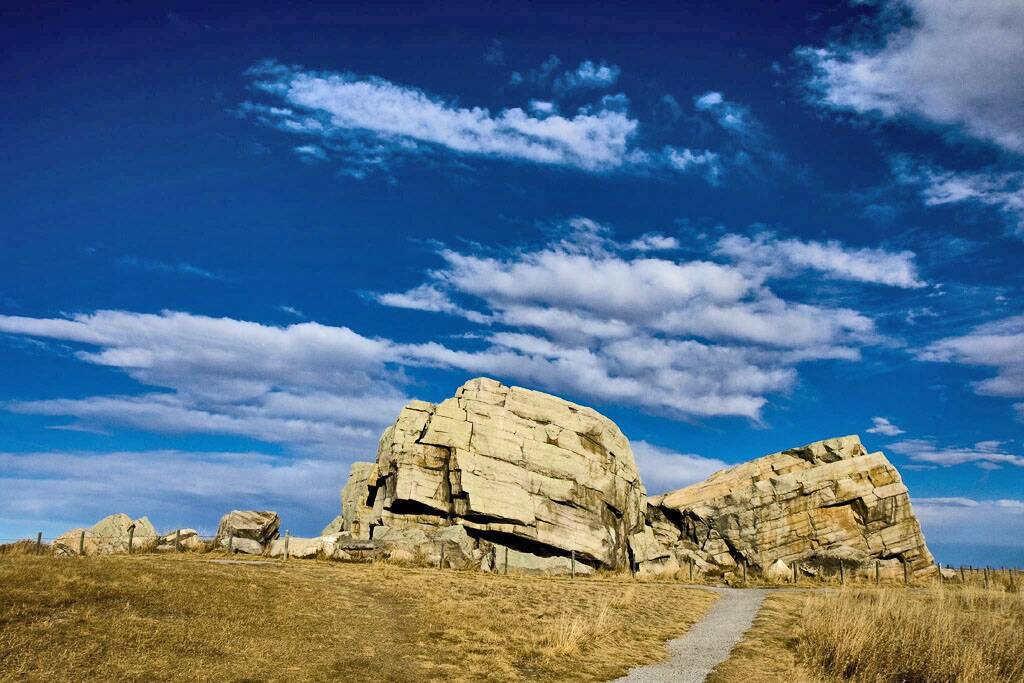
Glacial erratics are large rocks transported and deposited by glaciers, often found far from their original location. These boulders can be strikingly different from the surrounding geology, standing out in the landscape.
The Big Rock in Alberta, Canada, is one of the largest glacial erratics in the world, weighing over 16,500 metric tons. Erratics provide clues about the direction and extent of past glacial movement, offering a tangible connection to the Earth’s glacial past.
Pressure-Formed Marvels: The Tale of Ice Domes
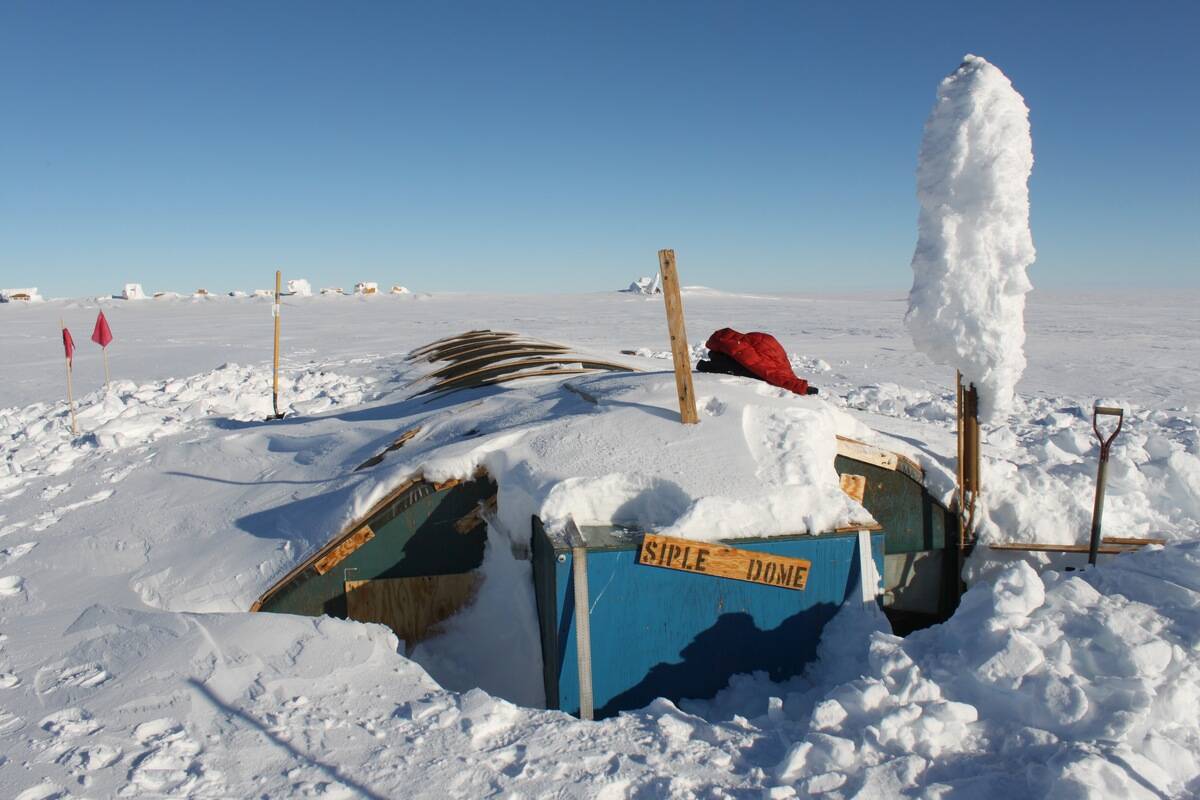
Ice domes are large, rounded formations of ice, created by the immense pressure within a glacier. These structures can be found in Antarctica and Greenland, where the ice sheets are thickest.
Ice domes play a crucial role in the dynamics of ice flow, influencing the movement of glaciers across the landscape. The central dome of the Greenland Ice Sheet is one of the most studied, providing valuable data on climate change. These domes are a testament to the power of pressure and time in shaping the natural world.
Ice Pinnacles: Nature’s Spires in the Frozen Wilderness
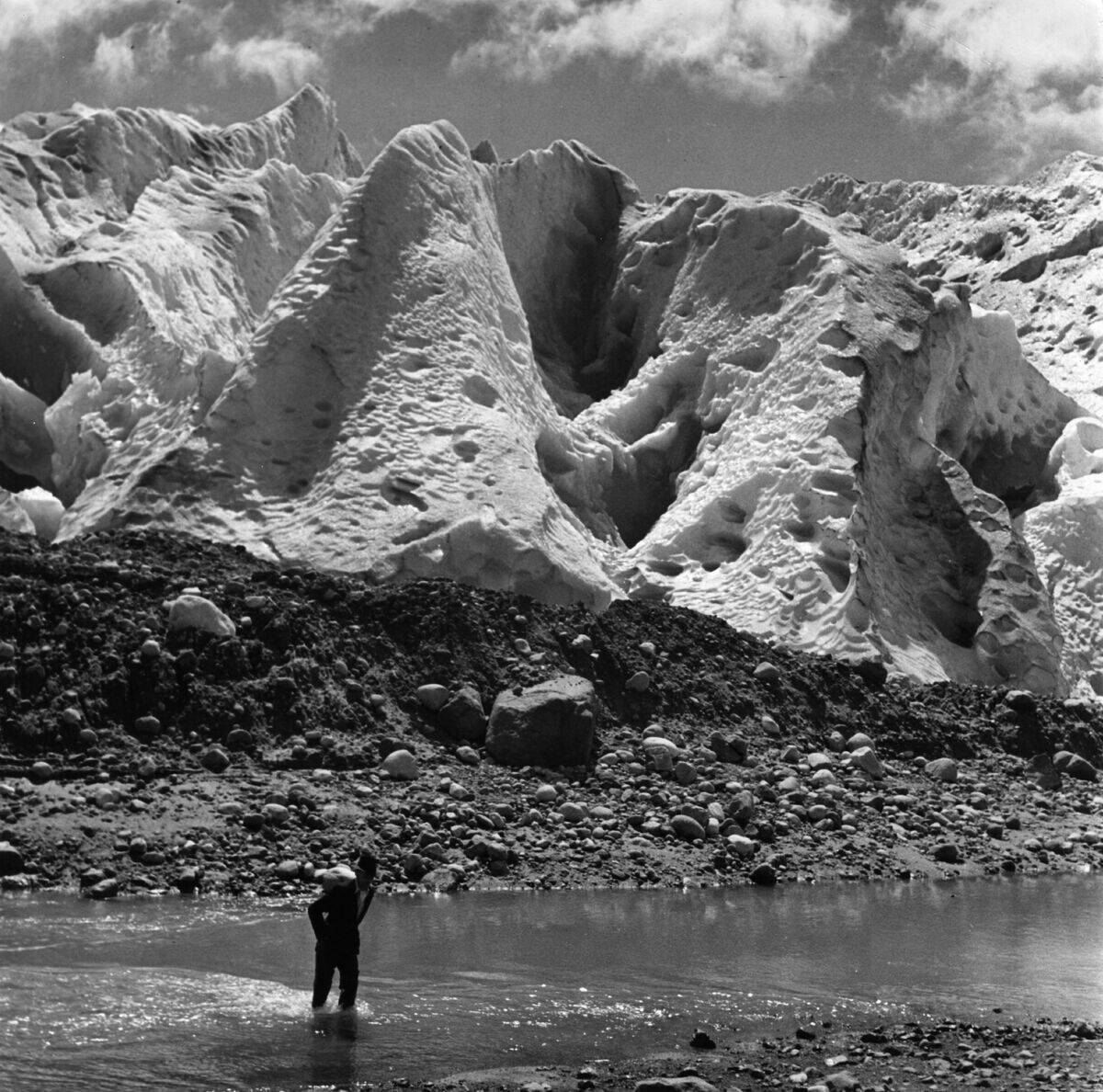
Ice pinnacles, also known as seracs, are sharp, blade-like formations found on the surface of glaciers. These towering spires can reach impressive heights, sculpted by wind and melting ice. The Rongbuk Glacier near Mount Everest is famous for its striking pinnacles.
These features are not just visually stunning but also pose significant challenges to climbers navigating glacial terrain. Ice pinnacles are a reminder of the ever-changing and unpredictable nature of glaciers, where beauty and danger coexist.




