Musical genres born from cultural fusions and migrations
Music has long been a bridge connecting diverse cultures, crafting a unique symphony of global influences. As the world grows smaller, the blending of musical traditions has given rise to captivating genres that resonate across continents.
These melodic journeys are not just about sound but about the exchange of stories, traditions, and emotions. Through the fusion of cultural elements, music becomes a universal language, uniting us all with its rhythmic tapestry.
Jazz: A Harmony of African and European Influences
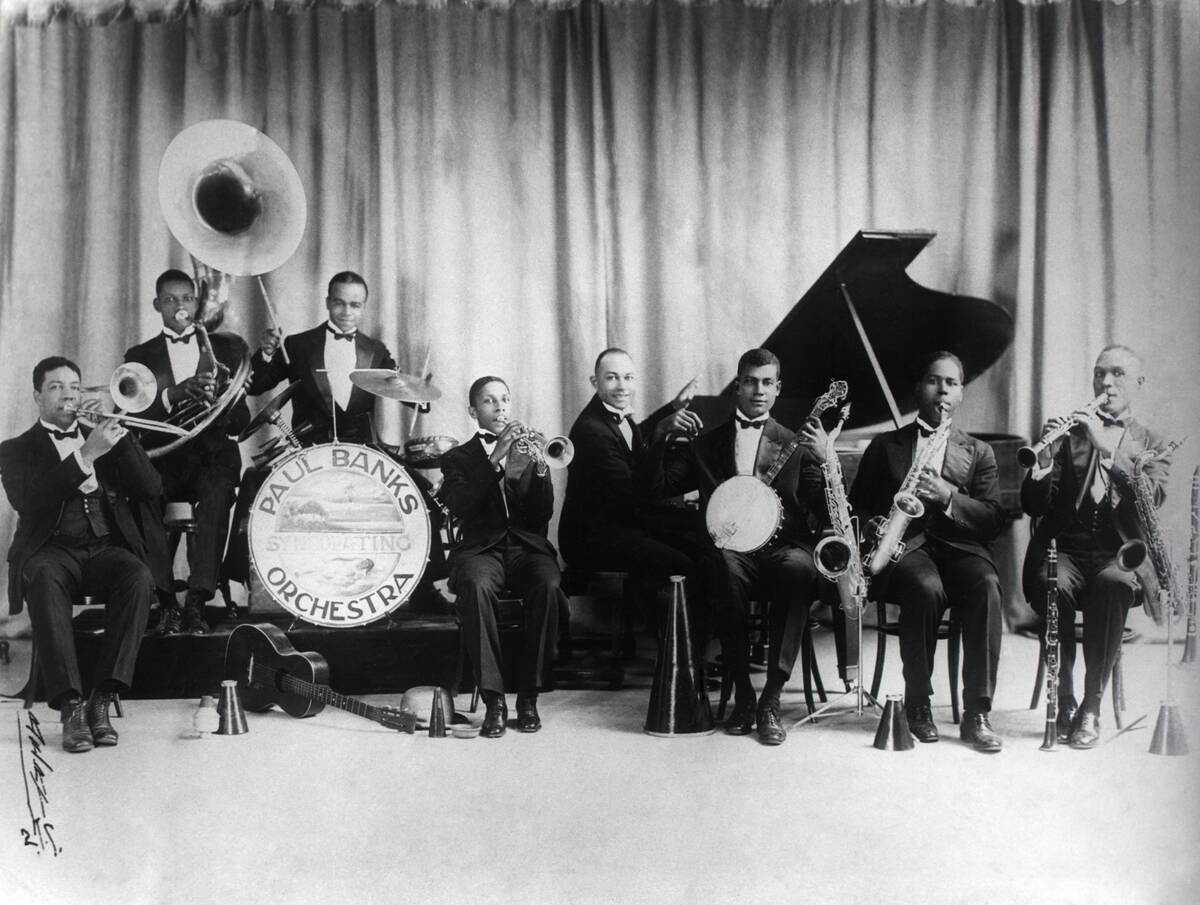
Jazz, with its roots deeply embedded in the African American communities of New Orleans, is a testament to the fusion of African rhythms and European harmonies. This genre, known for its improvisational nature, has continuously evolved since the early 20th century.
Jazz legends like Louis Armstrong and Duke Ellington introduced the world to the genre’s dynamic range and emotional depth, making it a cornerstone of American music and a global phenomenon.
Reggae: Caribbean Rhythms and Global Resonance
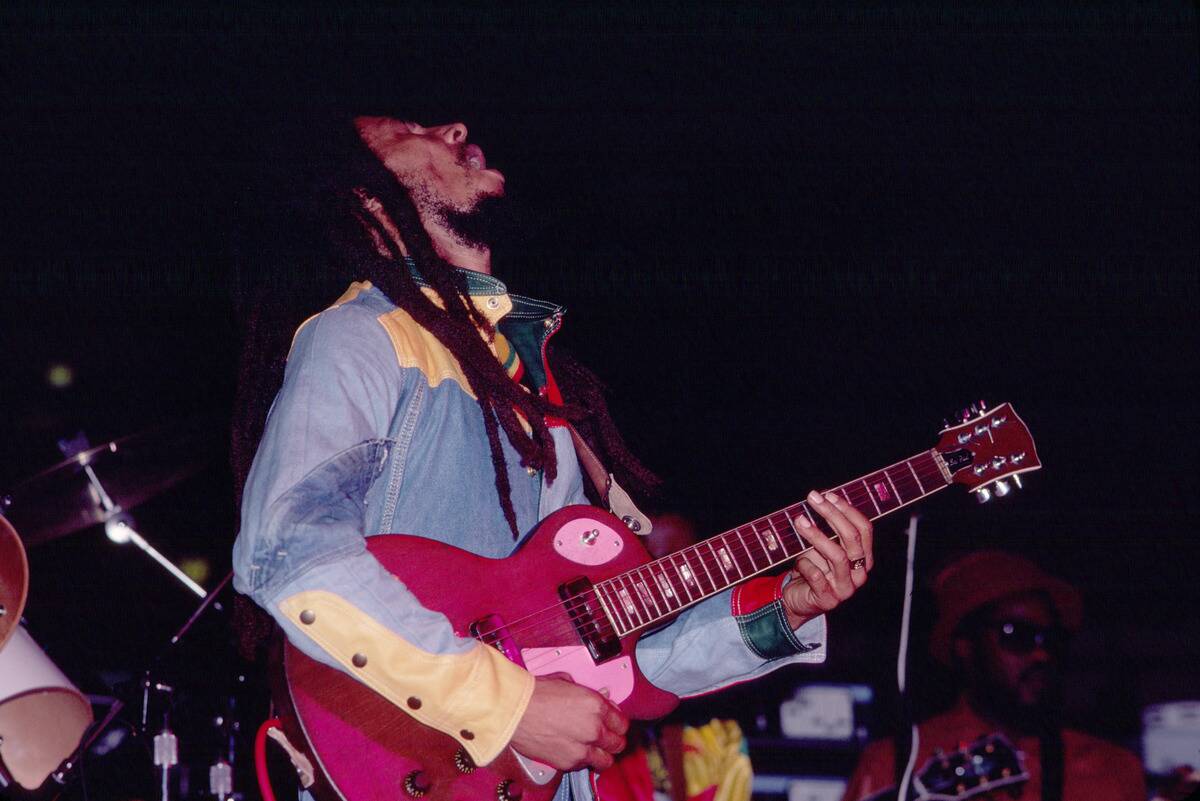
Reggae emerged from the vibrant streets of Jamaica in the late 1960s, bringing with it a message of peace and resistance. The unmistakable offbeat rhythm and socially conscious lyrics quickly gained international acclaim, largely thanks to iconic figures like Bob Marley.
Reggae’s influence extends beyond music, impacting cultural movements worldwide and inspiring genres such as hip-hop and reggaeton, making it a symbol of unity and change.
Flamenco: A Dance of Cultures in Andalusia
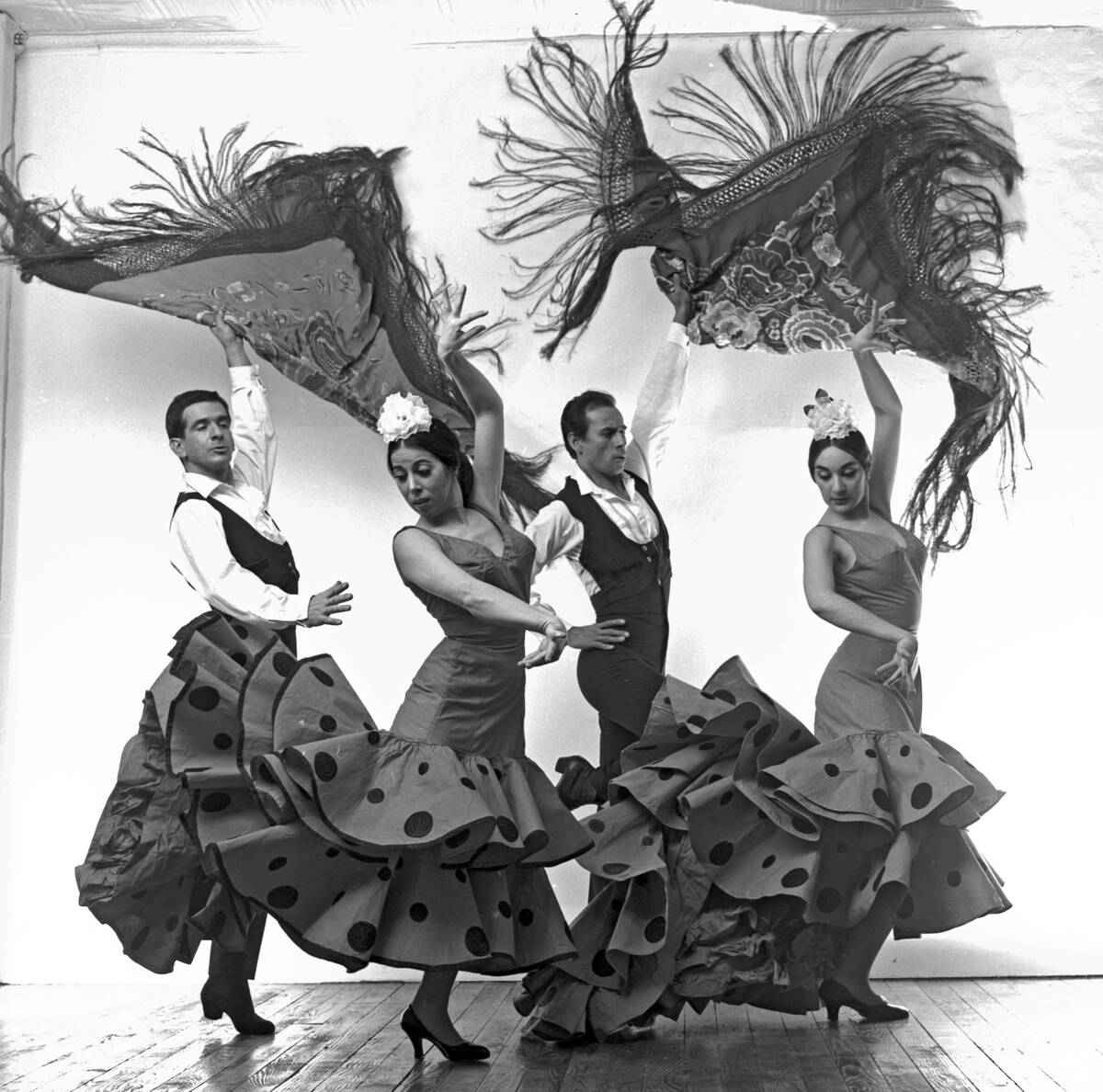
Flamenco is a passionate dance and music genre that originated in the Andalusian region of Spain. It is a rich tapestry woven from the threads of Gypsy, Moorish, and Jewish cultures.
The art form is characterized by its emotive singing, intricate guitar playing, and percussive footwork. Flamenco has evolved over centuries, yet its ability to convey profound emotion through music and movement remains undiminished, captivating audiences worldwide.
Salsa: A Spicy Blend of Afro-Cuban Beats
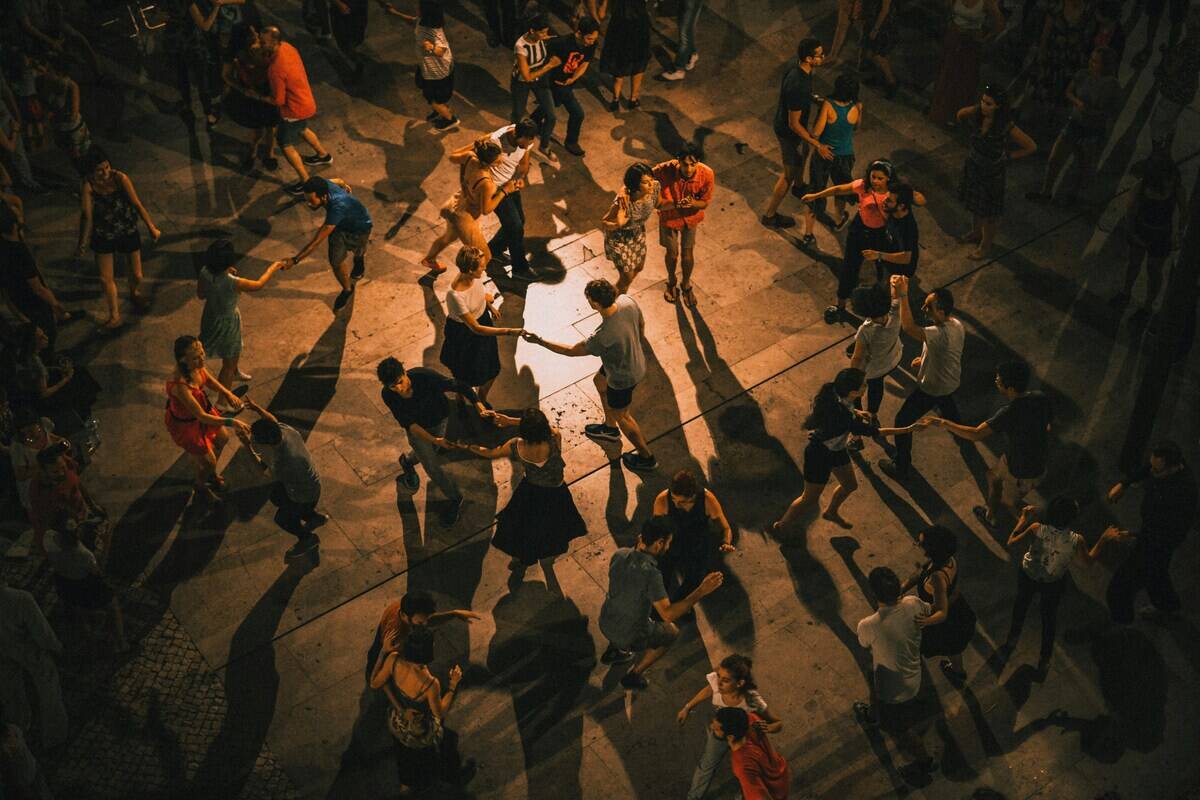
Salsa is a vibrant and energetic genre that fuses Afro-Cuban rhythms with jazz, Puerto Rican, and other Latin American influences. Originating in New York City in the 1970s, salsa quickly became a dance floor staple, known for its infectious beats and lively dance moves.
Artists like Celia Cruz and Tito Puente played pivotal roles in popularizing salsa, turning it into a global sensation that celebrates Latin culture and rhythm.
Klezmer: Jewish Traditions and Eastern European Sounds

Klezmer music, rooted in the Jewish communities of Eastern Europe, is a soulful genre that combines traditional Jewish melodies with Eastern European folk music. Characterized by its expressive clarinet and violin performances, klezmer has a distinctive sound that evokes both joy and melancholy.
Over time, it has been embraced by musicians worldwide, blending with jazz and other genres to create a dynamic and evolving musical form.
Bossa Nova: Brazilian Samba Meets Cool Jazz
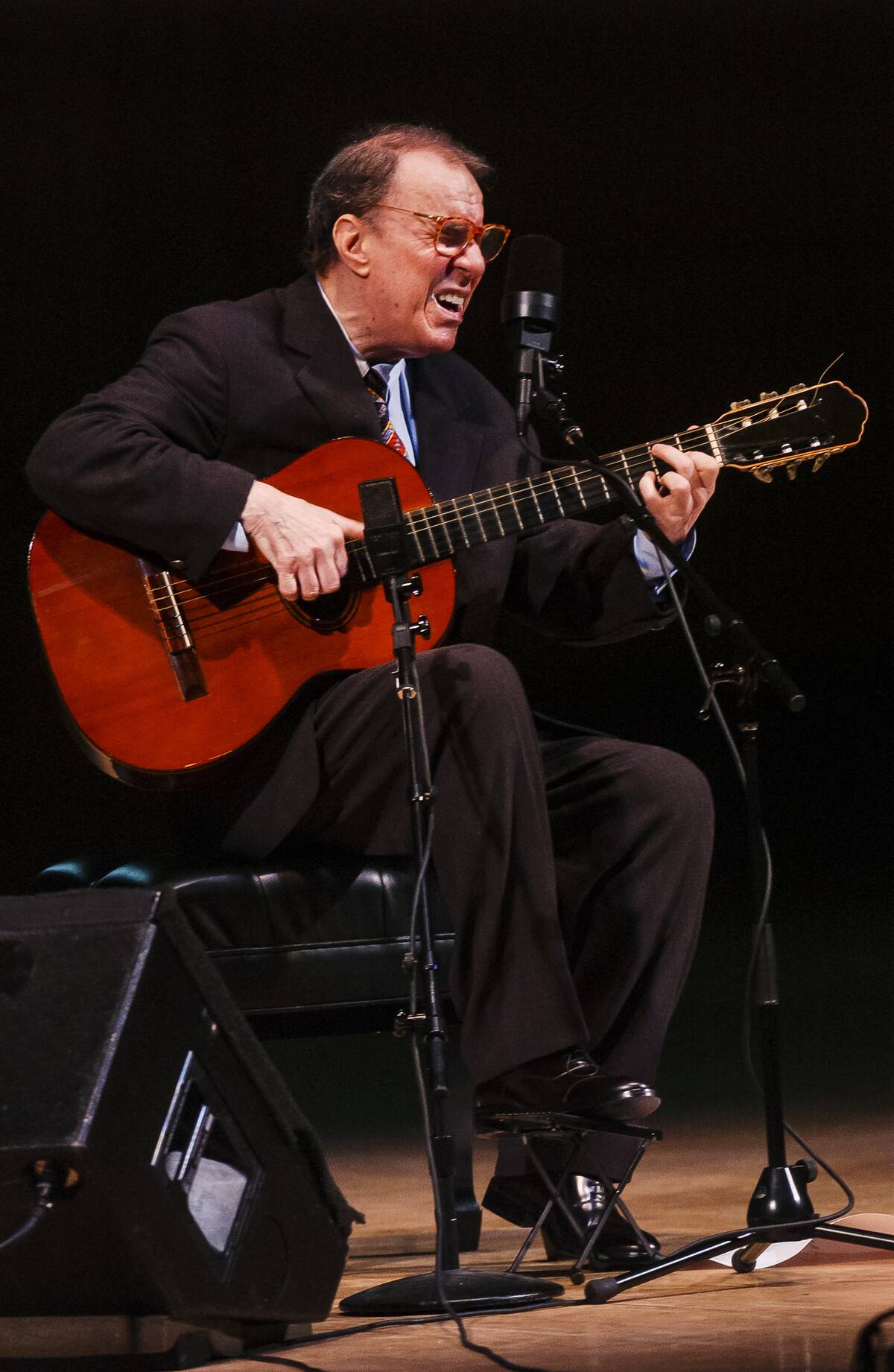
Bossa Nova, which means “new trend,” emerged in Brazil in the late 1950s as a fusion of samba and jazz. This genre is known for its smooth, soothing melodies and subtle rhythms, epitomized by the works of João Gilberto and Antonio Carlos Jobim.
Bossa Nova’s global appeal was cemented with hits like “The Girl from Ipanema,” making it a staple of international music and a symbol of Brazilian musical sophistication.
Hip Hop: Urban Voices and Diverse Origins
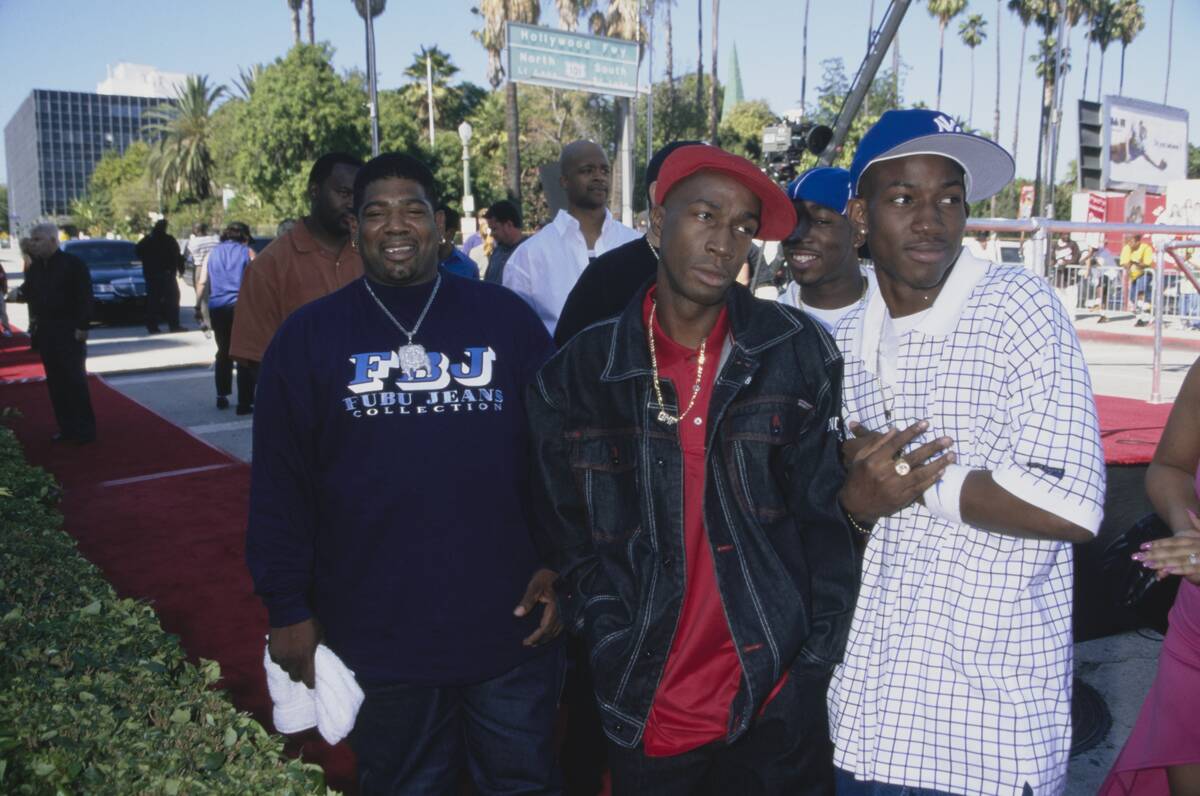
Hip hop originated in the Bronx, New York City, during the 1970s, as a cultural movement that encompassed music, dance, and art. It draws from a range of influences, including Jamaican toasting, African American rhythms, and Latin beats.
Pioneers like DJ Kool Herc and Grandmaster Flash laid the groundwork for hip hop’s explosive growth, turning it into a global phenomenon that addresses social issues and celebrates urban life.
Cumbia: Colombian Roots and Worldwide Appeal
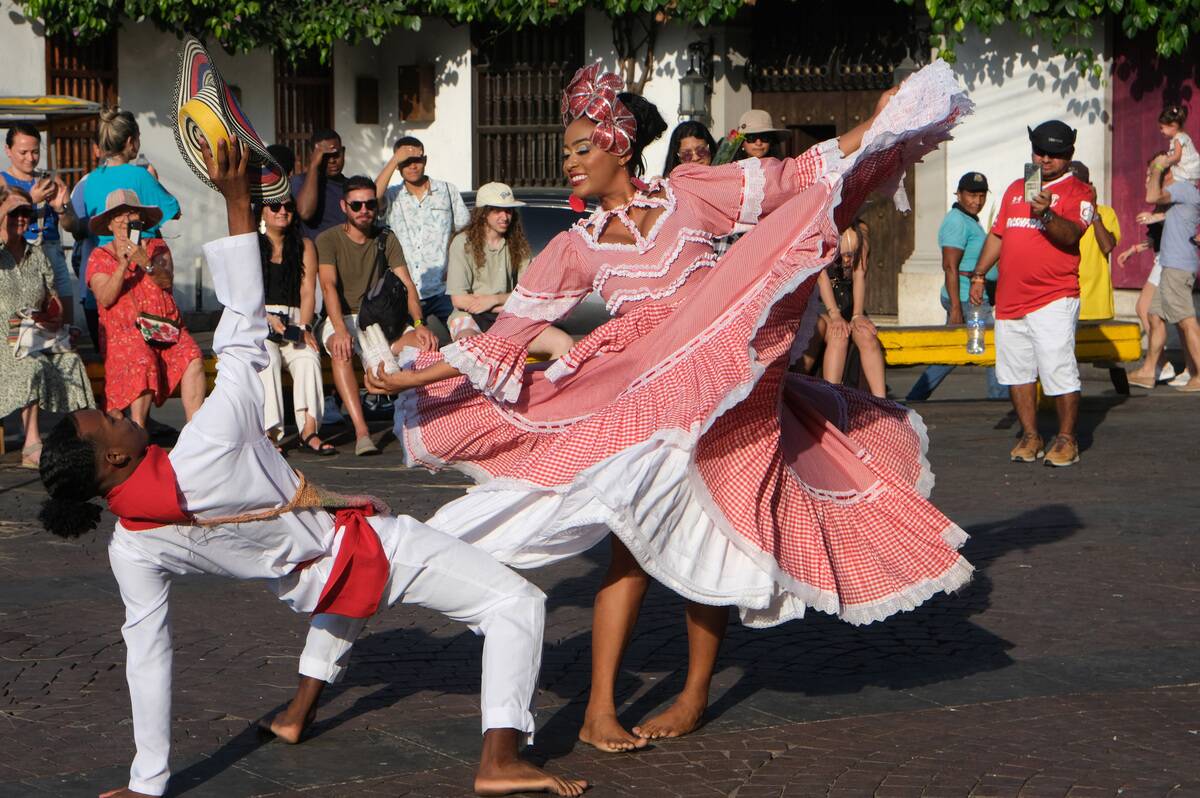
Cumbia is a lively dance and music genre that originated on the Caribbean coast of Colombia, combining Indigenous, African, and Spanish influences. Known for its distinctive rhythm and dance steps, cumbia has transcended its regional roots to become popular across Latin America and beyond.
Artists like Carlos Vives have modernized cumbia, introducing it to new audiences and ensuring its place on the global musical stage.
Tango: Passionate Steps from Argentina to the World

Tango, with its passionate and dramatic flair, originated in the working-class neighborhoods of Buenos Aires, Argentina, in the late 19th century. The genre is known for its intricate dance movements and emotive music, featuring the bandoneón, a type of accordion.
Tango’s allure quickly spread to Europe and beyond, becoming a symbol of Argentine culture. Its enduring appeal lies in its ability to express deep emotion and connection.
Zydeco: The Cajun-Creole Connection
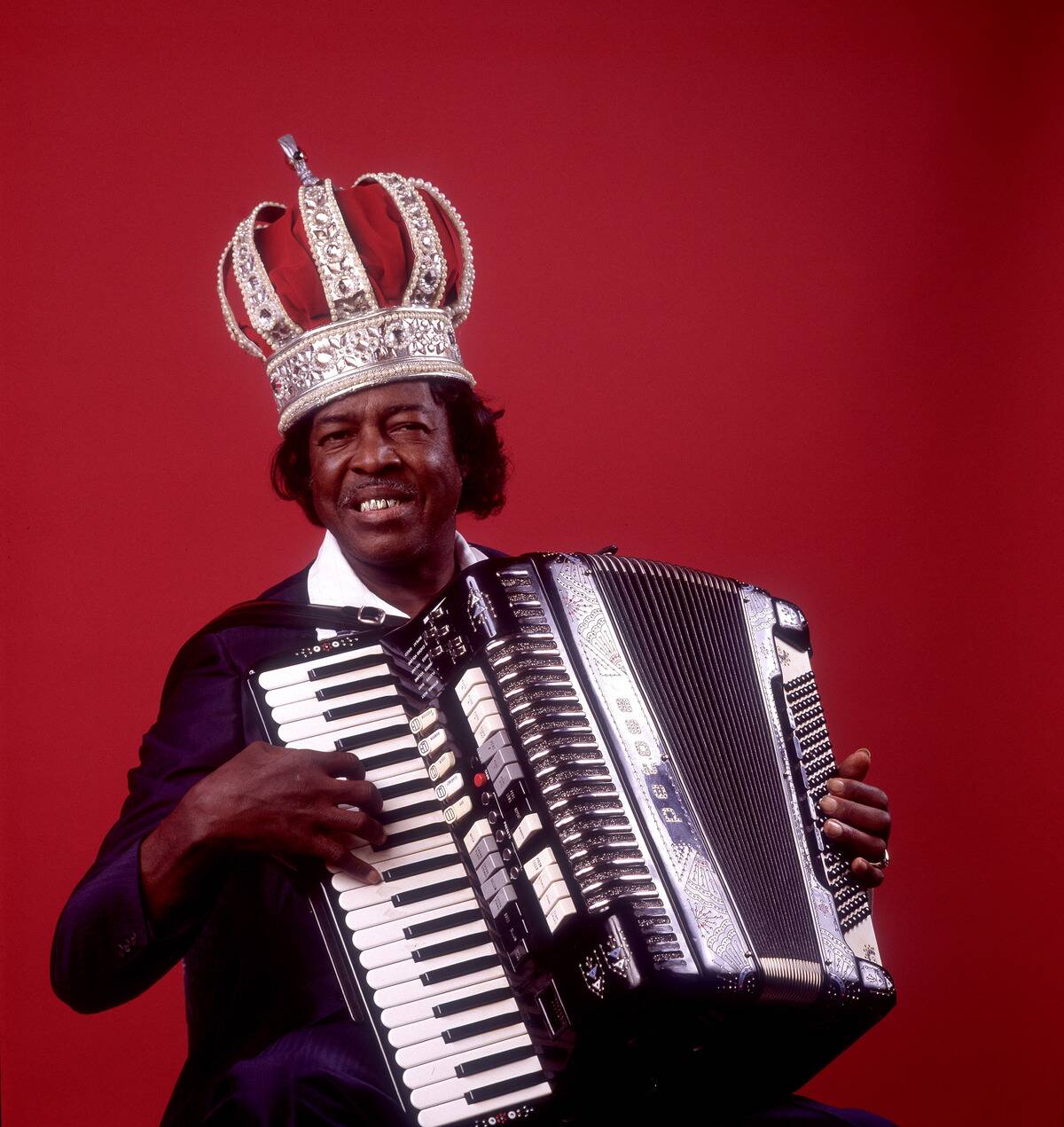
Zydeco is a lively and energetic genre that originated in Louisiana’s Creole community, blending French, African, and Caribbean influences. It is characterized by its fast tempo and use of the accordion and washboard.
Zydeco music often accompanies joyous celebrations and dances, highlighting the vibrant cultural heritage of Louisiana. Artists like Clifton Chenier, known as the “King of Zydeco,” have played a crucial role in popularizing the genre.
Rai: North African Beats with a Modern Twist
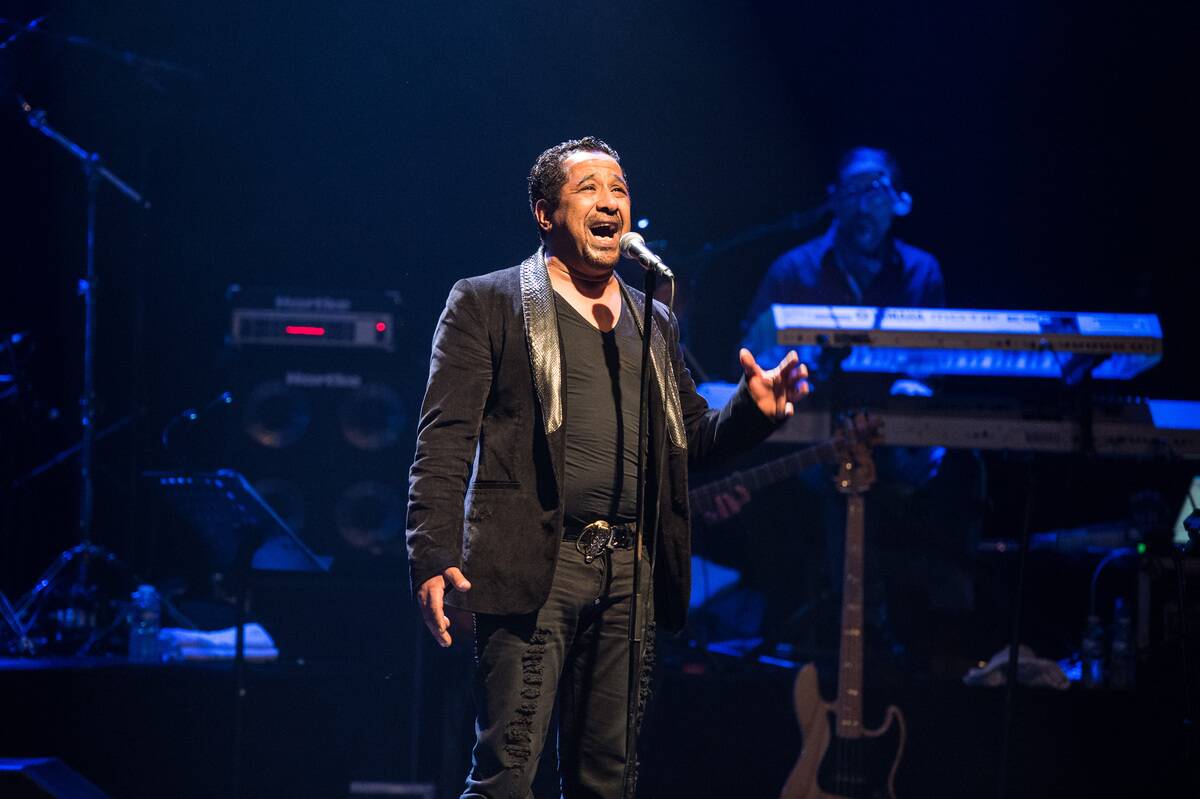
Rai music originated in the 1920s in Algeria, initially as a form of folk music that expressed the struggles and aspirations of the marginalized. Combining traditional Algerian melodies with contemporary Western influences, rai has evolved into a popular genre worldwide.
Artists like Khaled and Cheb Mami have brought rai to international audiences, blending its North African roots with elements of pop, rock, and reggae to create a unique sound.
Afrobeat: African Rhythms and Western Funk
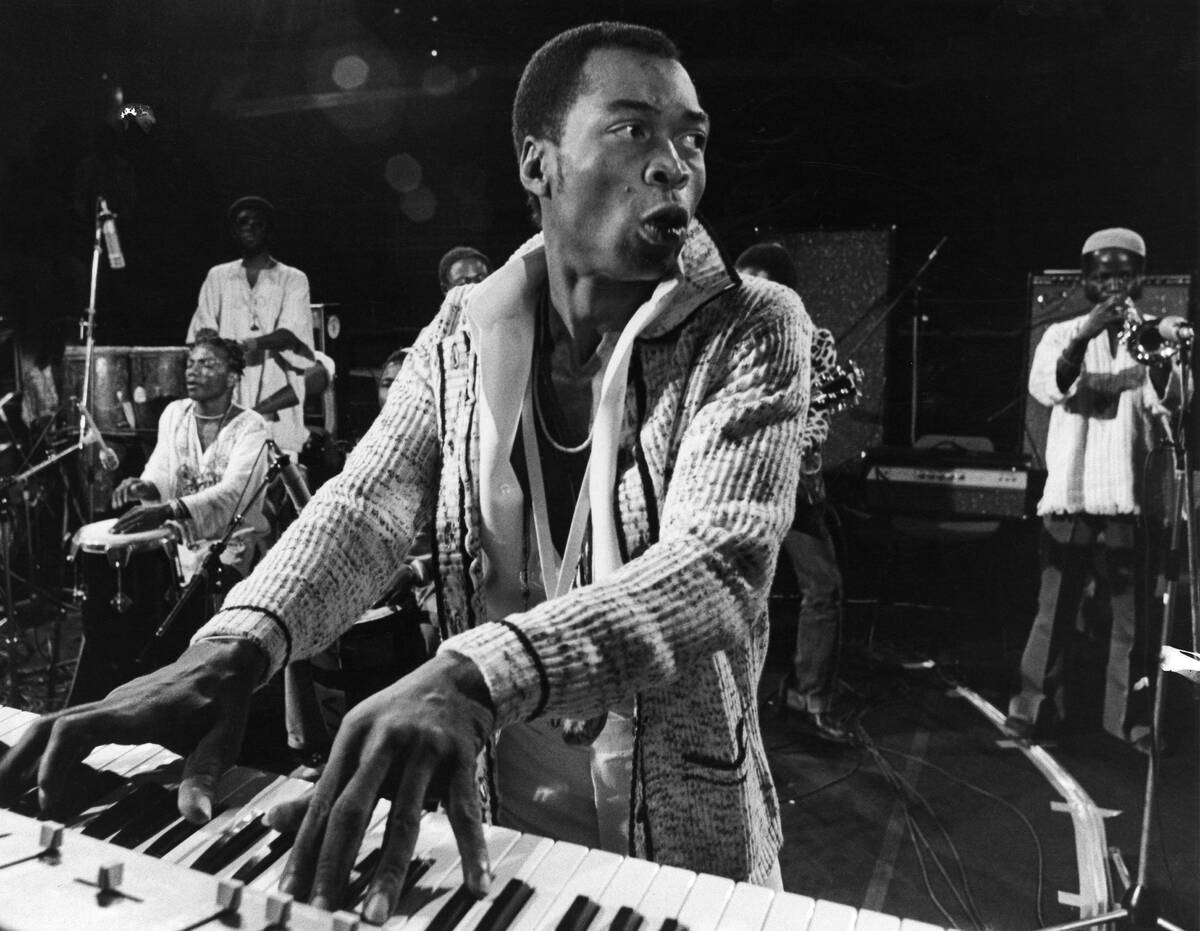
Afrobeat is a vibrant and hypnotic genre that emerged in the late 1960s from Nigeria, pioneered by the legendary Fela Kuti. This genre fuses West African musical styles with jazz, funk, and highlife.
Known for its complex rhythms and socially conscious lyrics, Afrobeat has become a powerful voice for political and cultural expression. Its influence continues to be felt globally, inspiring contemporary artists across various genres.
Bollywood Music: Indian Traditions and Western Pop
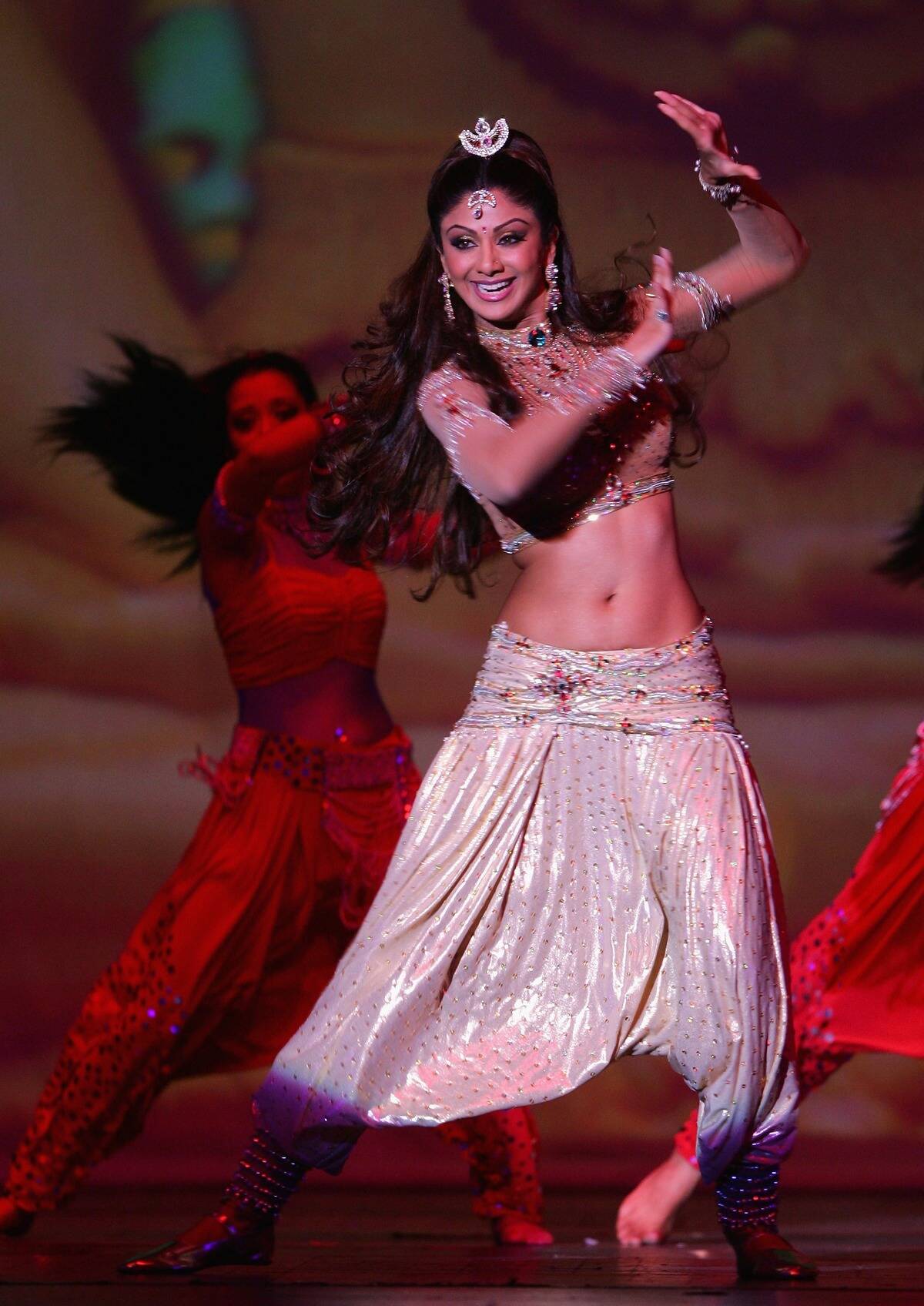
Bollywood music is a defining feature of Indian cinema, combining traditional Indian music with Western pop elements to create a unique and captivating sound. Songs are often integral to the narrative of Bollywood films, reflecting the emotional and cultural landscape of India.
Composers like A.R. Rahman have brought Bollywood music to the global stage, blending classical Indian instruments with modern technology to create memorable and timeless hits.
K-Pop: Korean Culture Meets Global Music Trends

K-Pop, short for Korean pop music, has taken the world by storm with its catchy tunes, elaborate choreography, and vibrant visuals. Emerging in South Korea in the 1990s, K-Pop combines elements of pop, hip hop, and electronic music.
Groups like BTS and BLACKPINK have achieved international fame, breaking language barriers and building a massive global fanbase. K-Pop’s cultural influence continues to grow, redefining the landscape of popular music.
Fado: Portuguese Soul and Global Influences
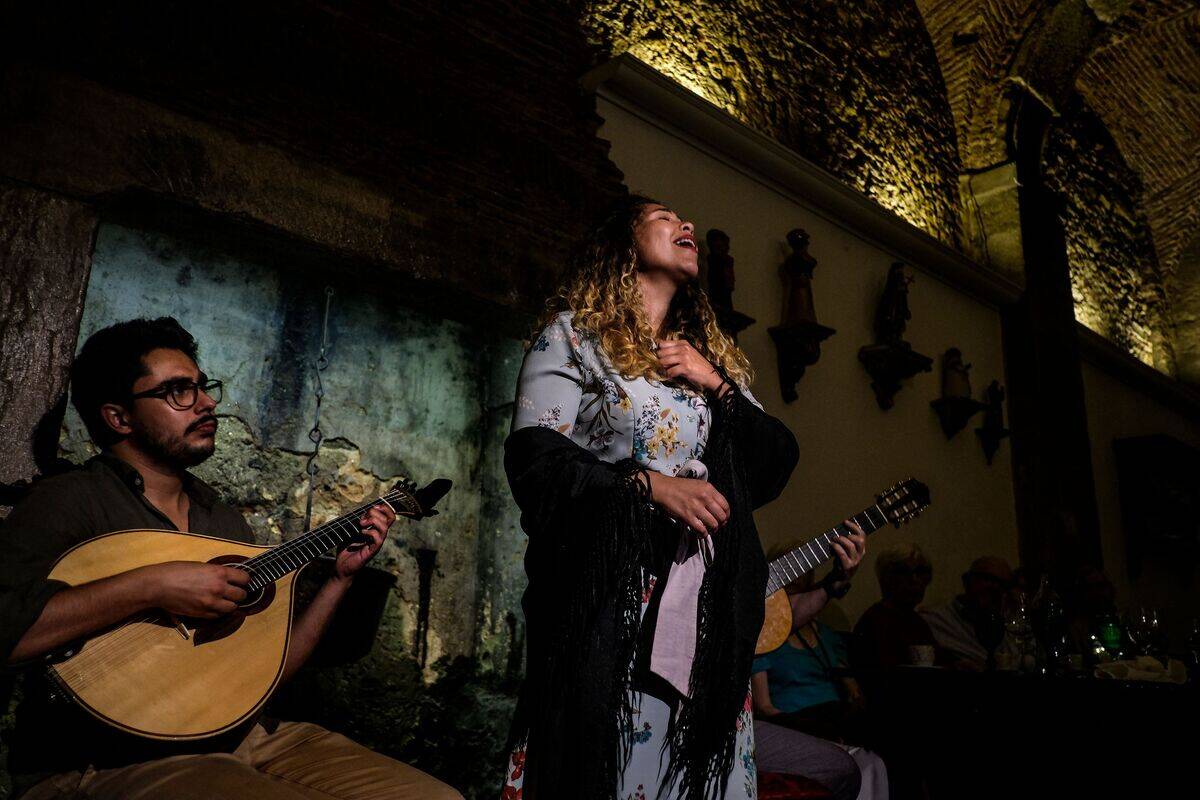
Fado is a traditional Portuguese music genre that is deeply emotional, often expressing themes of longing and nostalgia. Its origins can be traced back to the early 19th century in Lisbon’s working-class neighborhoods.
Fado is characterized by its heartfelt vocals and the use of the Portuguese guitar. Over time, it has incorporated influences from other world music forms, expanding its reach and resonating with audiences beyond Portugal’s borders.
Soukous: The Danceable Fusion from the Congo
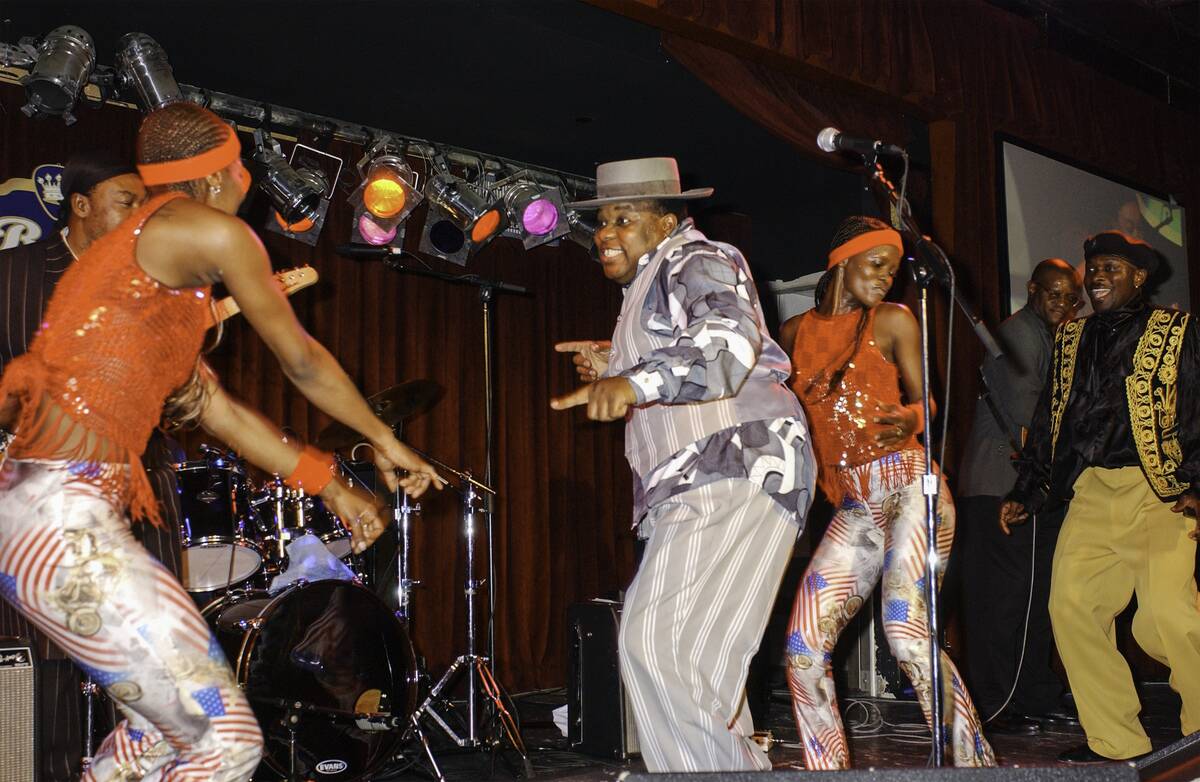
Soukous is a high-energy dance music genre that originated in the Democratic Republic of the Congo, drawing from traditional African rhythms and rumba influences. Known for its fast tempo and intricate guitar lines, soukous became popular across Africa and Europe in the 1960s and 1970s.
Artists like Franco and Tabu Ley Rochereau brought soukous to international audiences, making it a staple at dance parties and celebrations around the world.
Merengue: The Dominican Republic’s Rhythmic Export
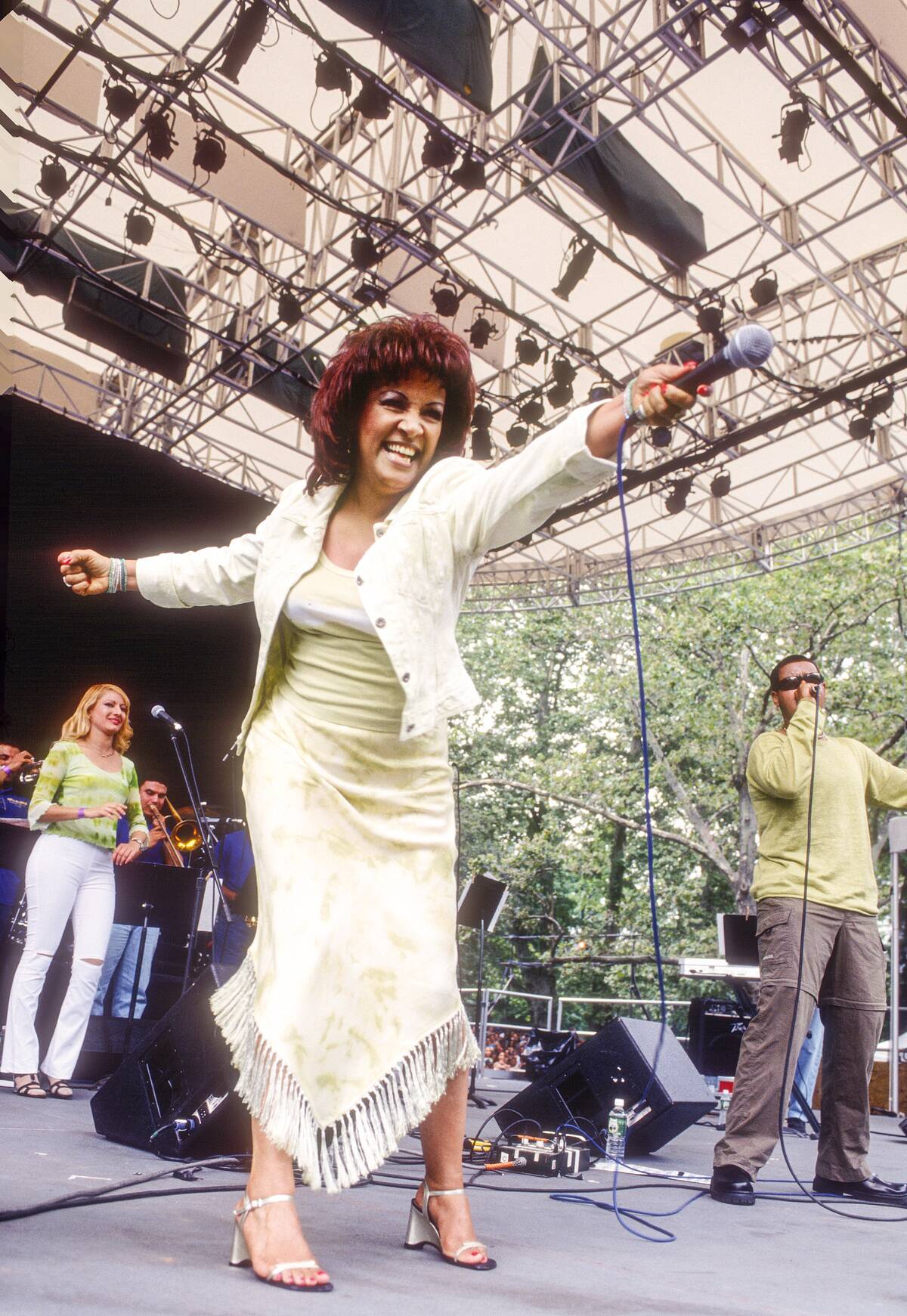
Merengue is a lively and upbeat dance music genre that hails from the Dominican Republic, characterized by its fast-paced rhythm and infectious beats. Its origins can be traced back to the mid-19th century, blending African, European, and Taino influences.
Merengue gained international popularity in the 20th century, with artists like Juan Luis Guerra bringing the genre to new audiences. Today, merengue remains a beloved symbol of Dominican culture.




