Some of the most costly delicacies in the world
Welcome to a world where food transcends the mundane and enters the realm of opulence. Luxurious cuisine isn’t just about taste; it’s an experience that tantalizes all the senses.
Imagine a dish so exquisite, it becomes a testament to culture, tradition, and prestige. From rare ingredients to meticulous preparation, luxurious foods are the epitome of culinary artistry, reserved for those who crave the extraordinary.
The Extravagance of Saffron: The Golden Spice
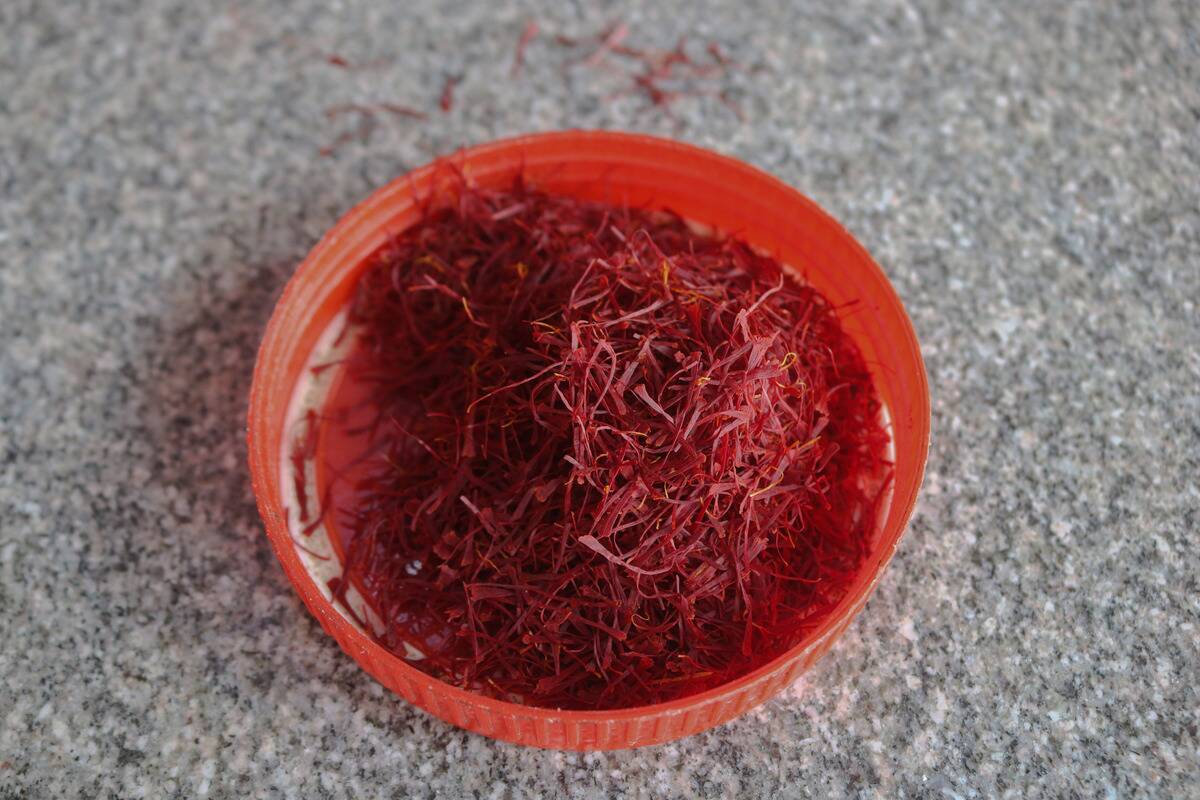
Saffron, known as the “golden spice,” is revered for its unique flavor and vivid color. Harvested from the flower of Crocus sativus, saffron threads are meticulously hand-picked often from tens of thousands of blossoms contributing to its high price.
A pound of dried saffron can require 50,000 to 75,000 flowers, depending on yield and quality. The spice is primarily cultivated in regions like Iran and parts of India, and it brightens dishes from paella to biryani, adding a touch of luxury to any meal.
White Truffles: Nature’s Culinary Gold
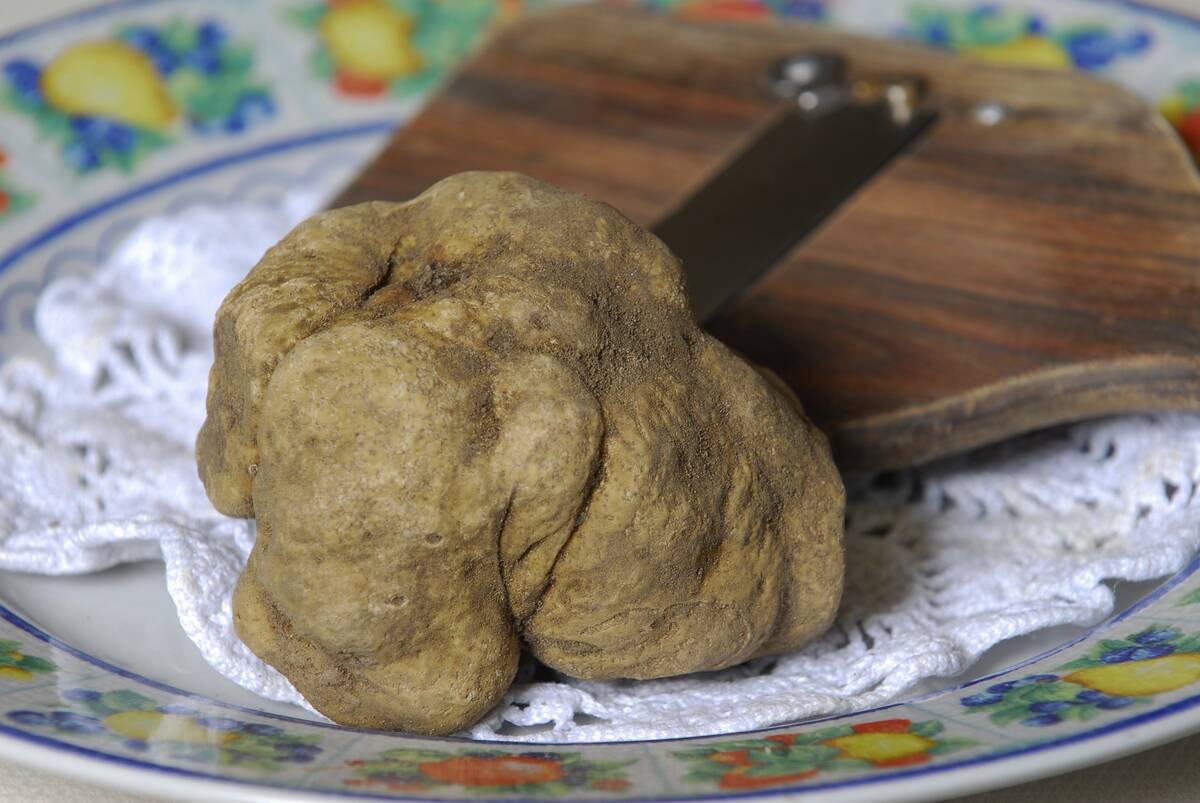
White truffles, often dubbed as ‘diamonds of the kitchen,’ are a rare and sought-after delicacy. Found primarily in the forests of Northern Italy, these aromatic fungi are famous for their intense aroma and flavor.
Truffle hunters employ trained dogs or pigs to locate these precious gems hidden beneath the earth. Their scarcity, combined with a short harvesting season, makes white truffles one of the most expensive ingredients worldwide.
The Allure of Caviar: A Taste of Luxury
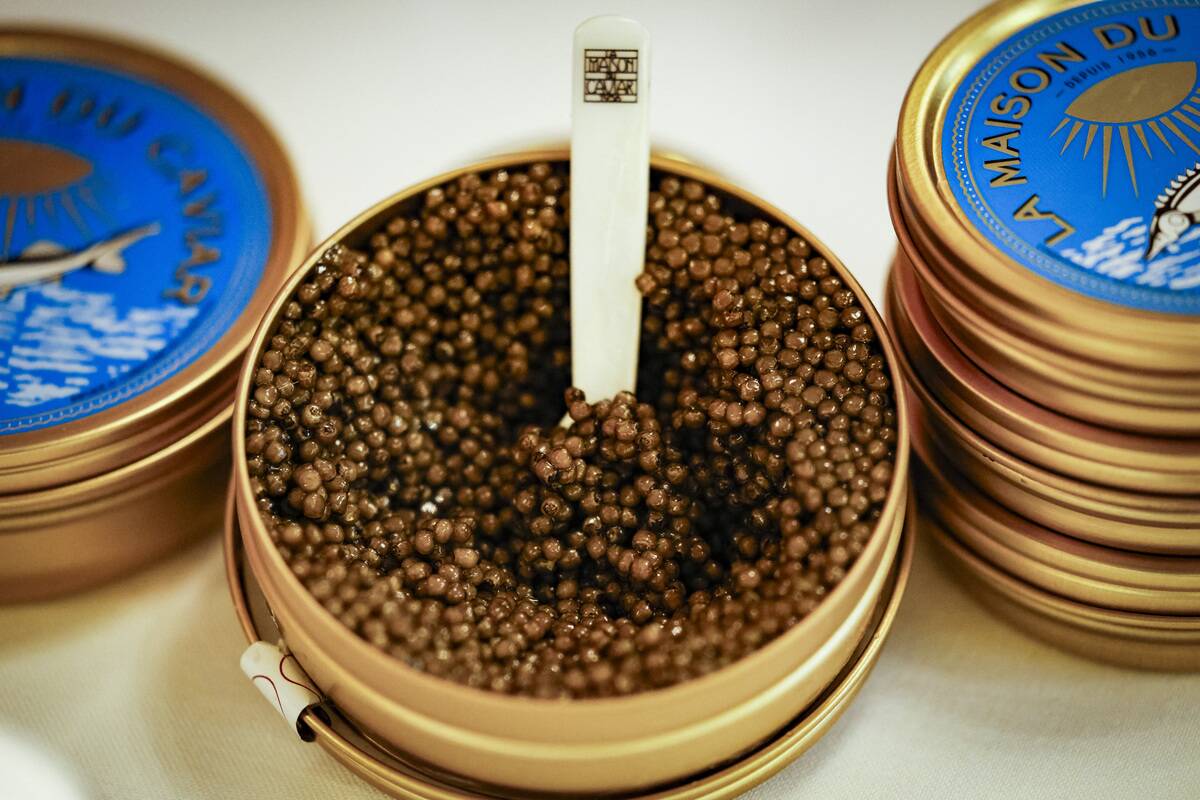
Caviar, the epitome of luxury dining, offers a taste that is both briny and rich. Traditionally harvested from the sturgeon fish, caviar has been a symbol of opulence for centuries.
The most prestigious varieties, such as Beluga and Osetra, are prized for their delicate beads and buttery flavor. This indulgent treat is often served with blinis or toast points, allowing its exquisite taste to shine through.
Kobe Beef: The Pinnacle of Premium Meat
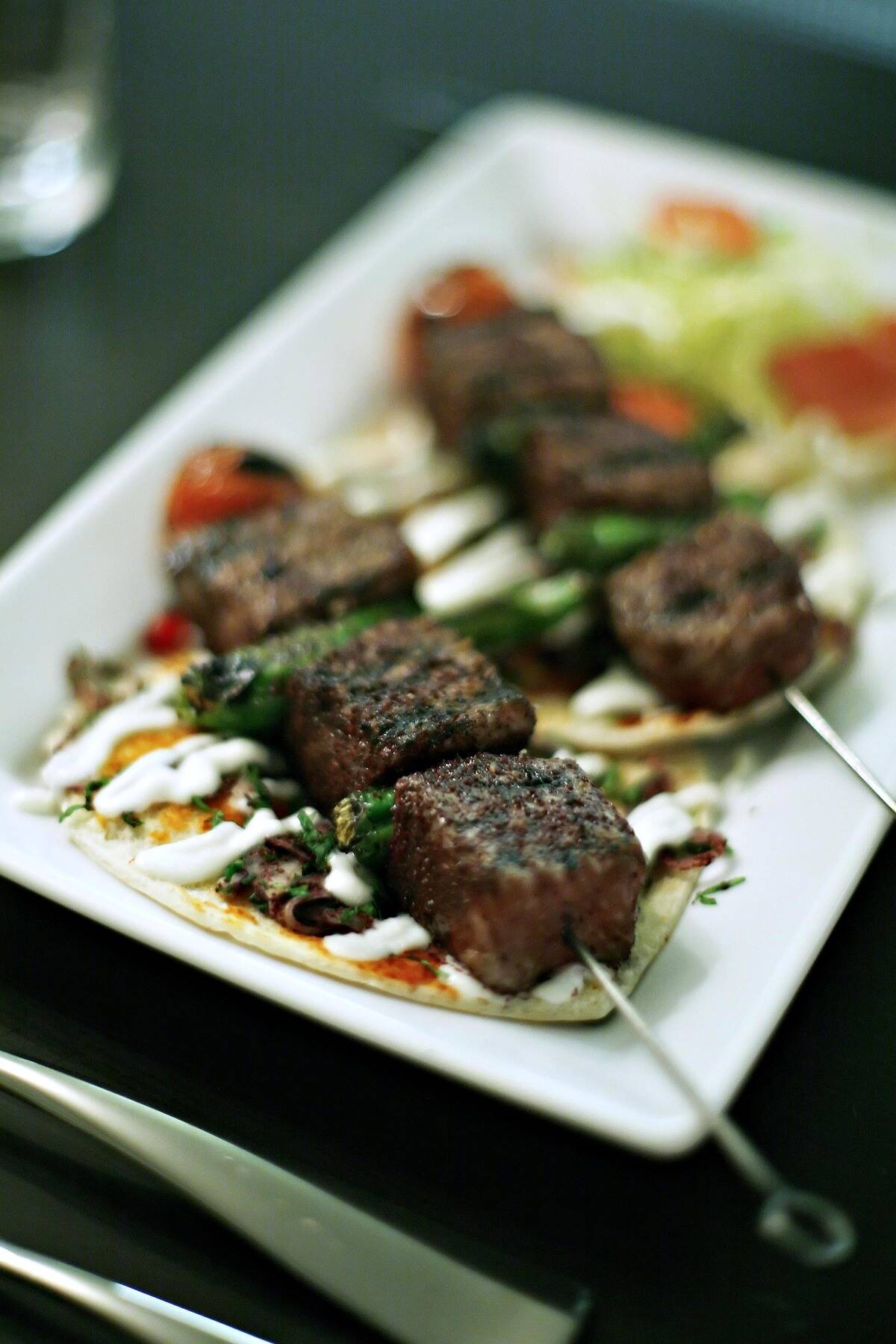
Kobe beef is synonymous with unparalleled quality and flavor in the world of meat. Originating from the Tajima strain of Wagyu cattle in Japan’s Hyogo Prefecture, these cattle are raised with meticulous care.
The beef is renowned for its marbling, tenderness, and rich taste. A strict certification process ensures that only the finest cuts can bear the Kobe name, making it a delicacy cherished by meat connoisseurs around the globe.
Bluefin Tuna: The Ocean’s Pricey Treasure
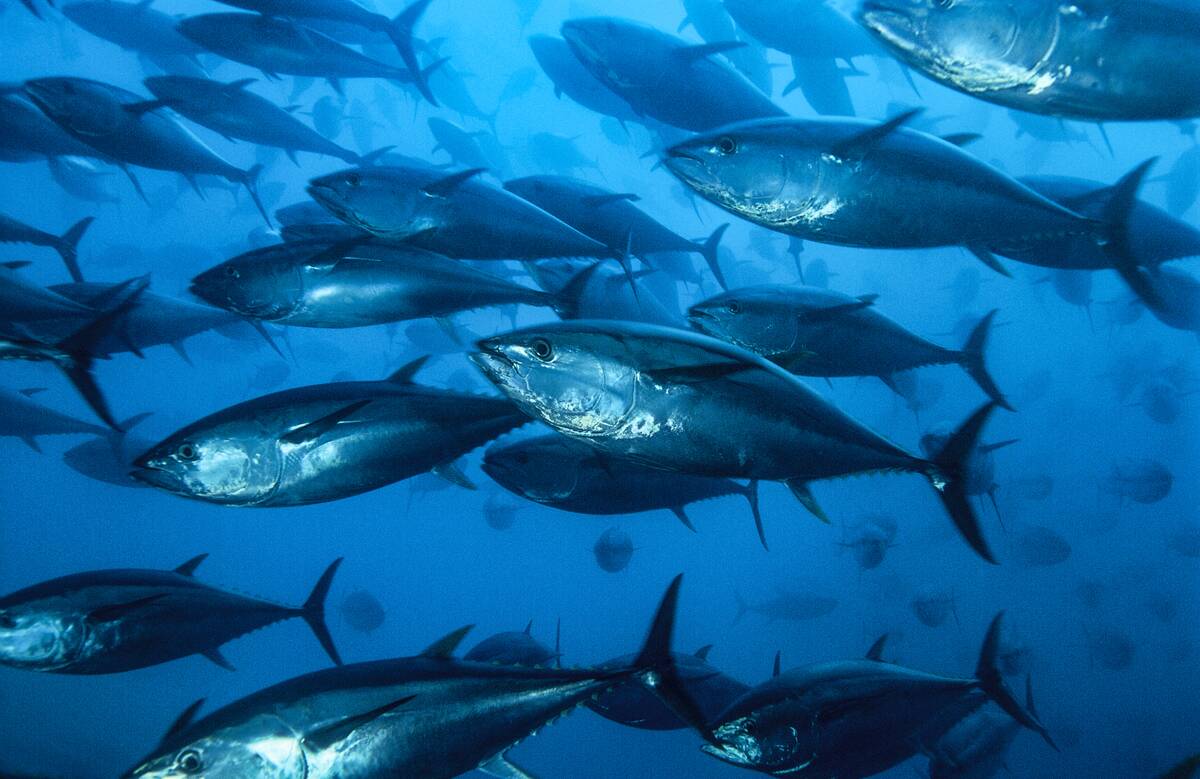
Bluefin tuna, a prized catch in the seafood world, commands astronomical prices at auction. These majestic fish can weigh over a thousand pounds, and their buttery flesh is a favorite in sushi and sashimi dishes.
The high demand, coupled with overfishing concerns, has led to conservation efforts to protect bluefin populations. Despite this, its rich flavor and delicate texture continue to captivate seafood lovers worldwide.
Matsutake Mushrooms: The Fungi Fortune
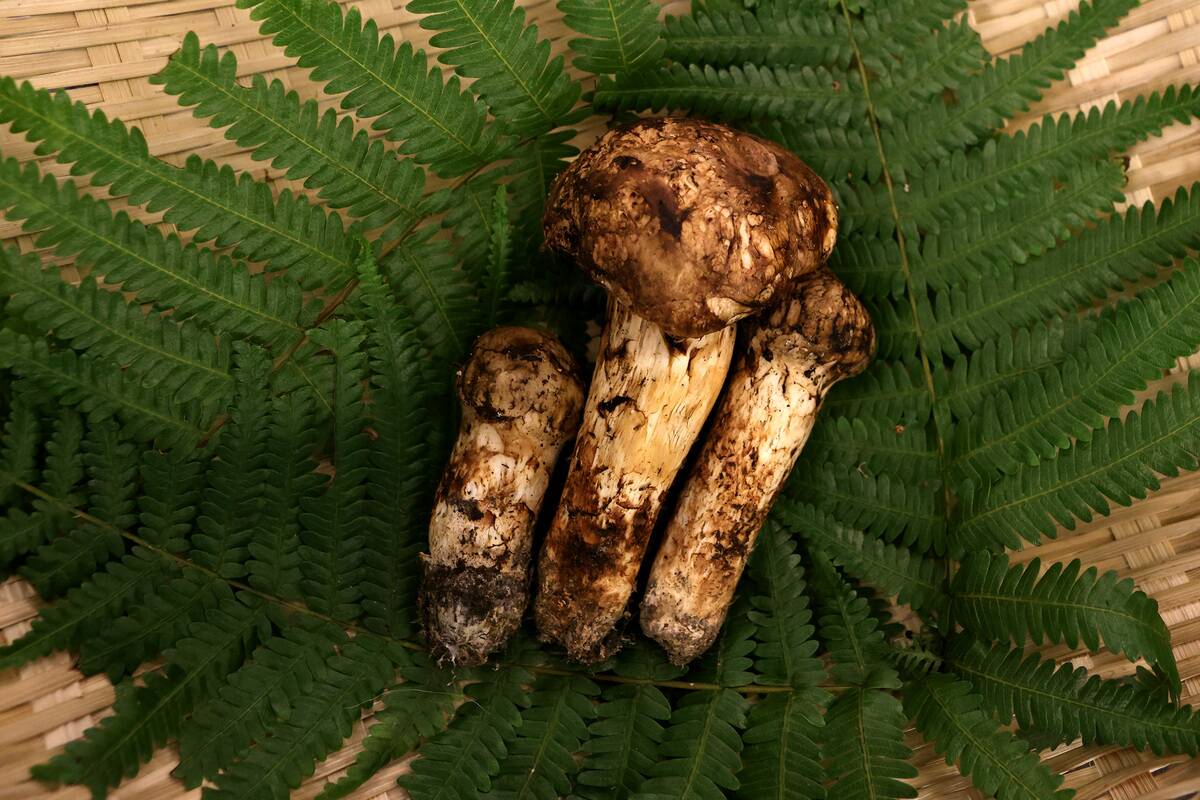
Matsutake mushrooms are a symbol of autumn in Japan and a gastronomic treasure for mushroom aficionados. These wild mushrooms grow symbiotically with trees, often in pine forests, and are harvested during a brief season each year.
Their unique spicy aroma and firm texture make them a sought-after ingredient in both Japanese and international cuisine. The rarity and labor-intensive harvesting process contribute to their high market value.
Kopi Luwak: The World’s Most Expensive Coffee
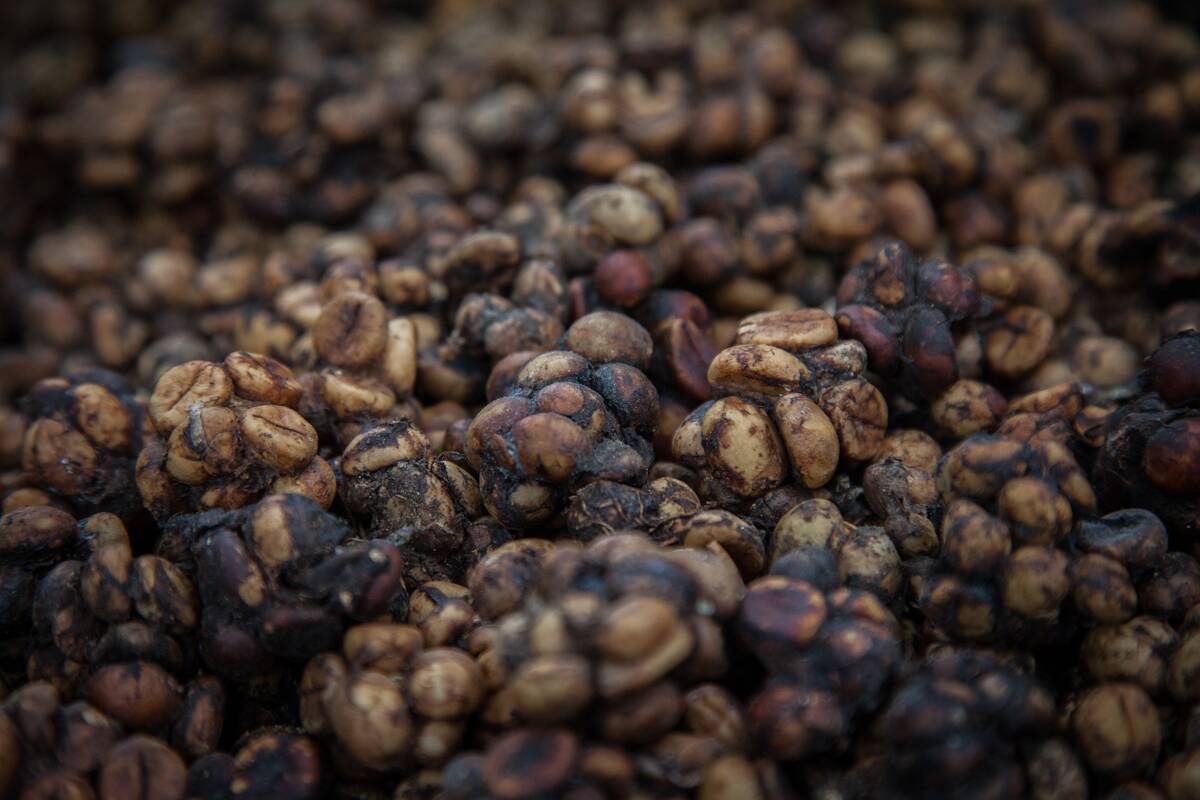
Kopi Luwak, also known as civet coffee, is a brew with an unusual origin story. Produced primarily in Indonesia, this coffee is made from beans that have been eaten and excreted by the Asian palm civet.
The fermentation process during digestion is said to enhance the coffee’s flavor profile, resulting in a smooth, rich cup. Its unique production process and limited availability make Kopi Luwak a highly coveted luxury item among coffee enthusiasts.
Edible Gold: Eating Like Royalty
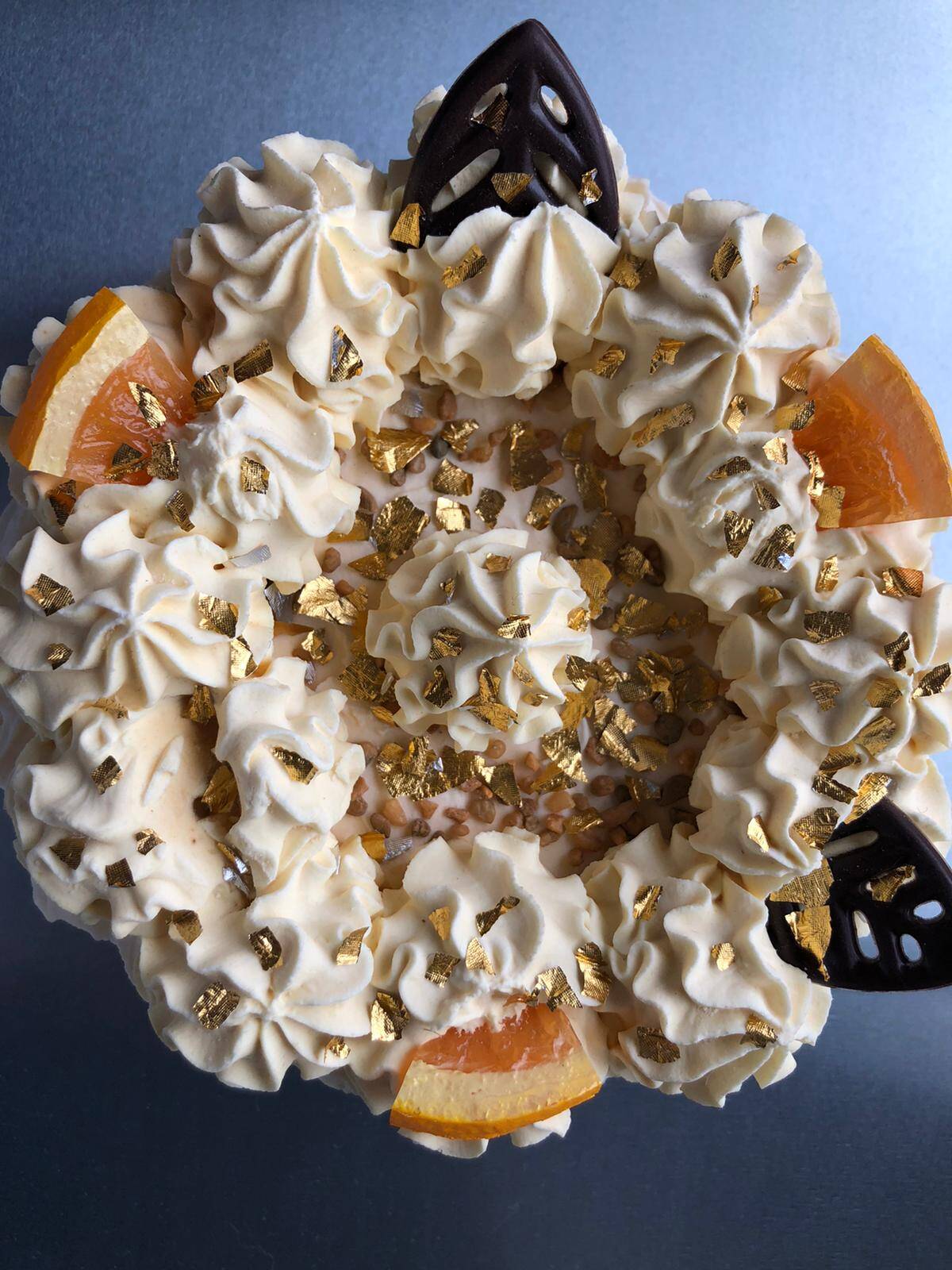
Edible gold, often seen as the ultimate symbol of luxury on a plate, adds a touch of opulence to any dish. Gold leaf or flakes can be used to garnish desserts, chocolates, and even cocktails, providing a shimmering finish.
This non-toxic metal has been used in culinary presentations for centuries, dating back to ancient civilizations. While it doesn’t impart any flavor, its visual appeal and rarity make it a favorite among chefs seeking to impress.
Bird’s Nest Soup: A Delicate Delicacy
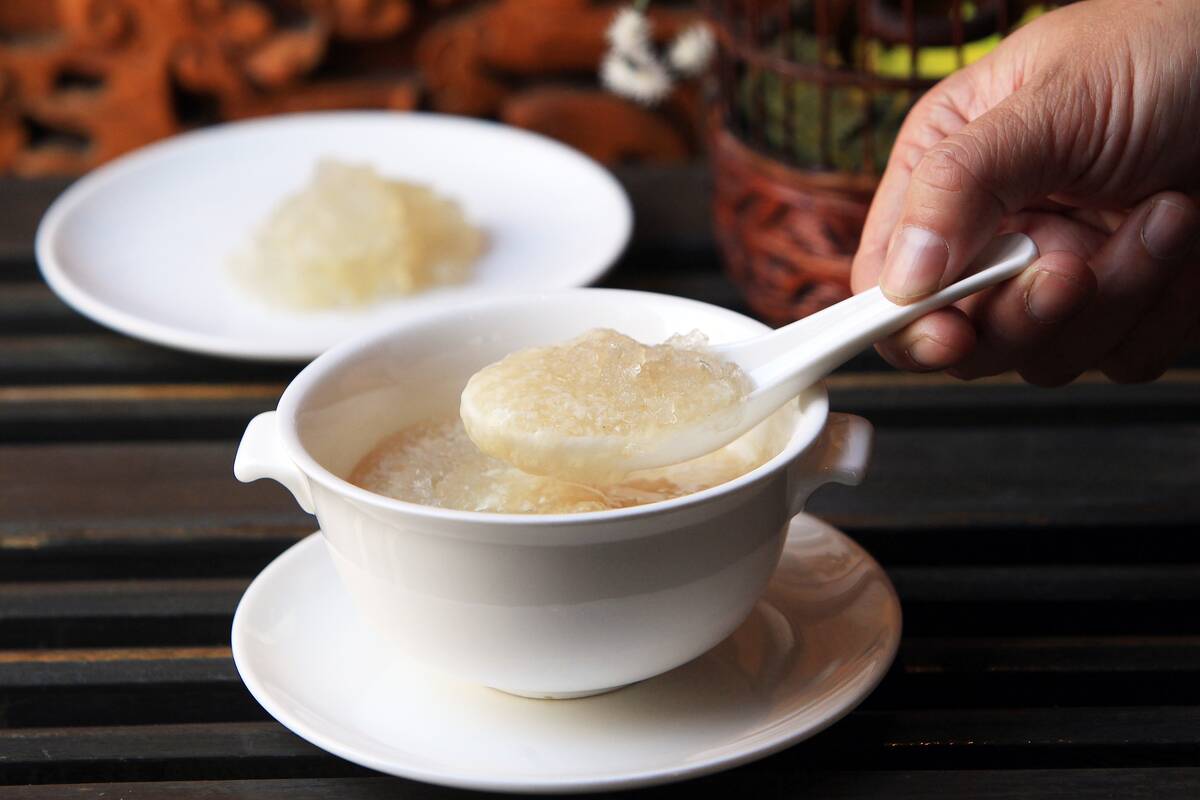
Bird’s nest soup, a delicacy in Chinese cuisine, is prized for its purported health benefits and unique texture. Made from the nests of swiftlets, these nests are constructed using the bird’s saliva, which solidifies upon exposure to air.
The nests dissolve into a gelatinous consistency when cooked, creating a soup that is both nourishing and luxurious. Harvesting these nests is an intricate process, contributing to the dish’s high cost.
Almas Caviar: The Diamond of the Dining Table
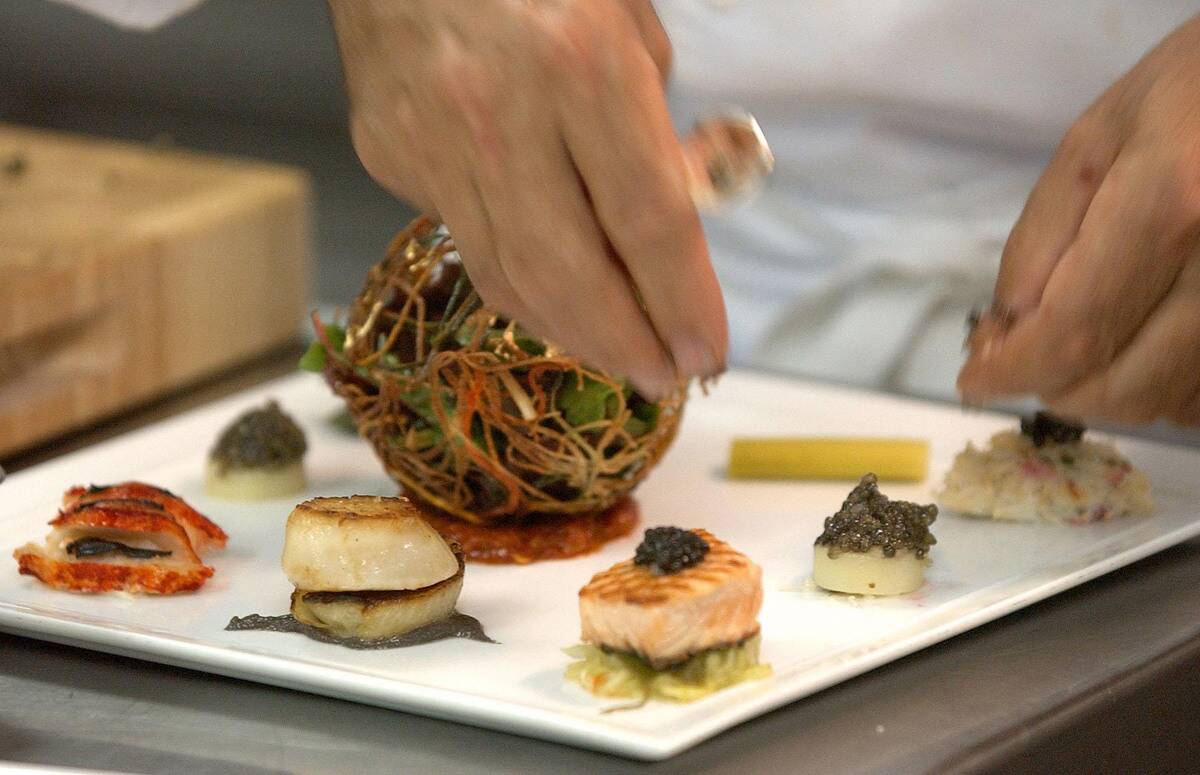
Almas caviar, the rarest and most expensive caviar in the world, is a true symbol of luxury. Harvested from the rare albino sturgeon in the Caspian Sea, its pale golden eggs are a delicacy reserved for the elite.
The scarcity of albino sturgeon, combined with the meticulous harvesting process, justifies its hefty price tag. Almas caviar is often sold in 24-karat gold tins, underscoring its status as the ‘diamond’ of the dining table.
Iberian Ham: A Slice of Spanish Opulence
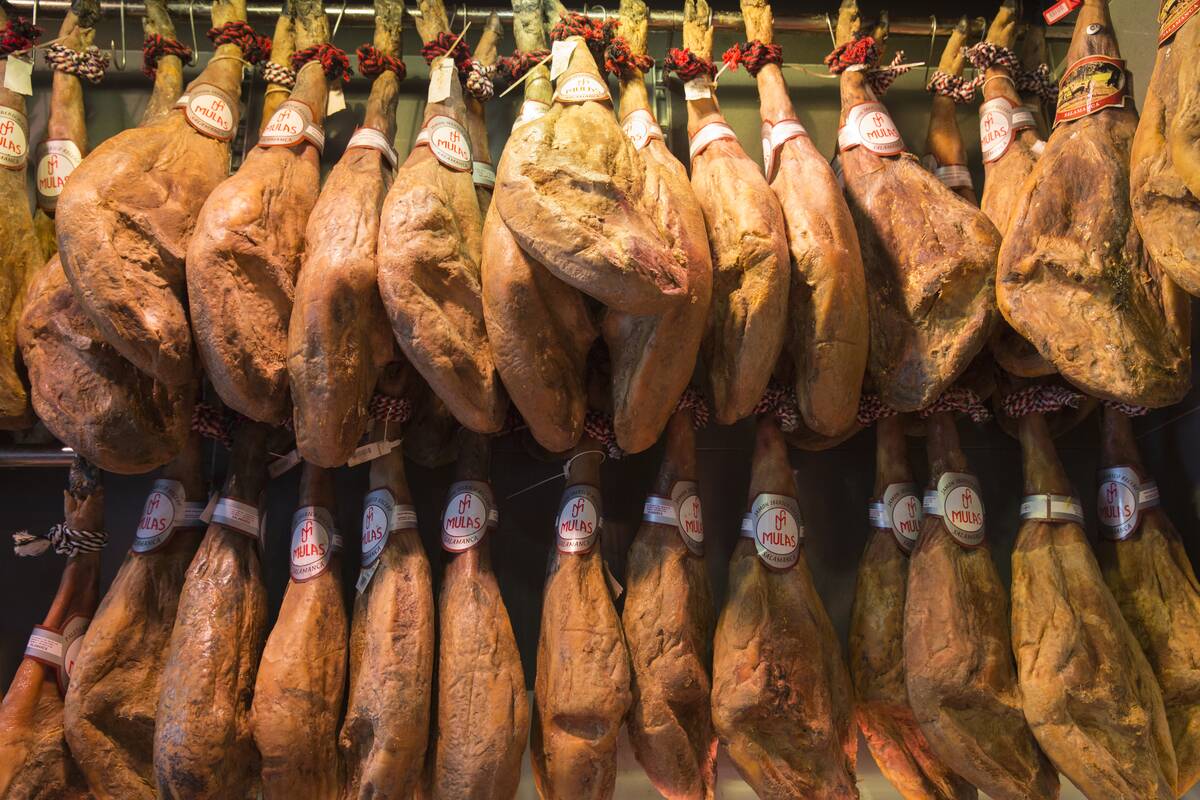
Iberian ham, or Jamón Ibérico, is a staple of Spanish gastronomy, celebrated for its rich flavor and delicate texture. Made from the native Iberian pigs, which roam freely in oak forests, this ham is cured for several years to develop its distinct taste.
The pigs’ diet of acorns contributes to the ham’s nutty flavor, making it a cherished delicacy. Often served thinly sliced, Iberian ham is a testament to Spain’s culinary heritage.
Moose Cheese: The Cream of the Crop

Moose cheese is one of the rarest cheeses in the world, produced exclusively at the Elk House in Sweden. Made from the milk of three domesticated moose, this cheese is available in limited quantities each year.
Its production requires a meticulous process, as moose only lactate for a few months annually. The cheese boasts a rich, creamy texture with a subtle, earthy flavor, making it a unique and prized find for cheese aficionados.
Yubari King Melons: Japan’s Sweet Luxury
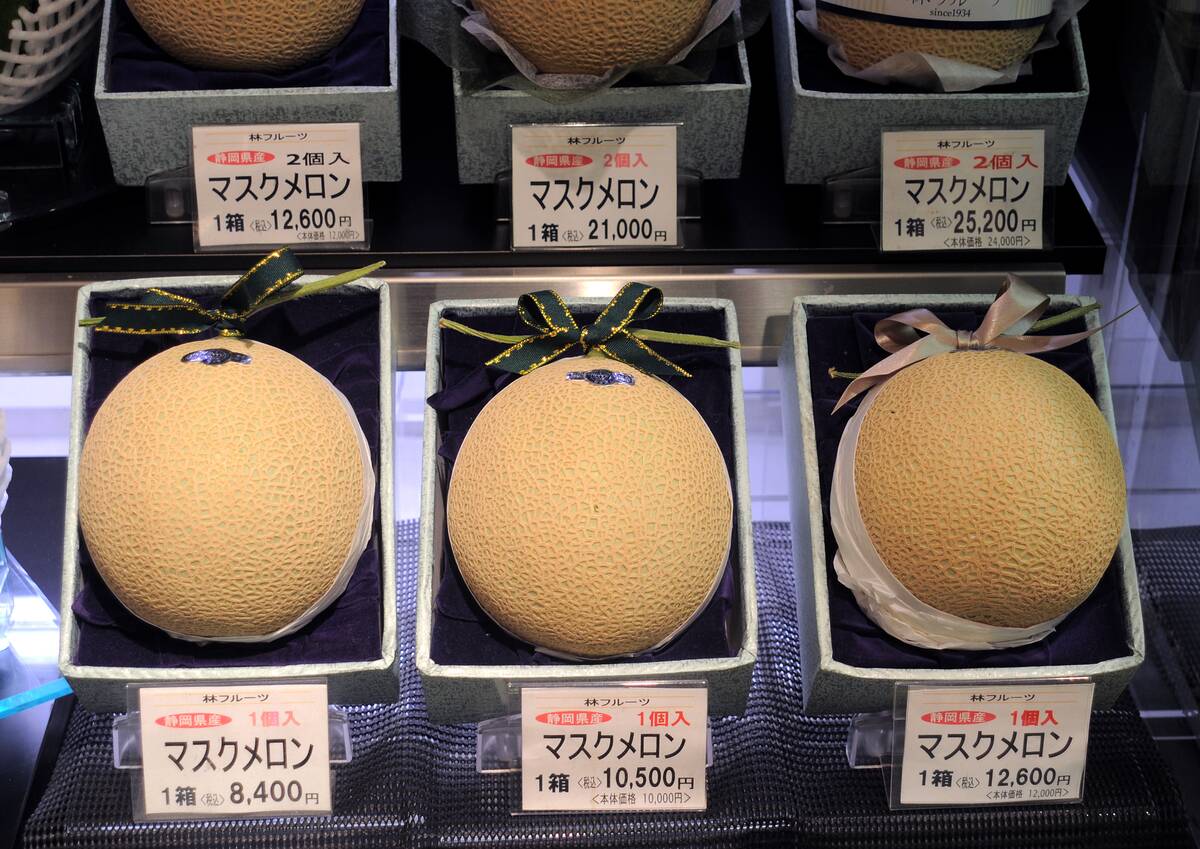
Yubari King melons, cultivated in the small town of Yubari in Hokkaido, are synonymous with luxury fruit in Japan. These melons are celebrated for their perfect spherical shape, fragrant aroma, and incredibly sweet taste.
Often given as gifts, they symbolize prosperity and good fortune. The meticulous growing conditions and limited production contribute to their sky-high auction prices, sometimes reaching thousands of dollars for a pair.
Black Watermelon: The Rare and Pricey Treat
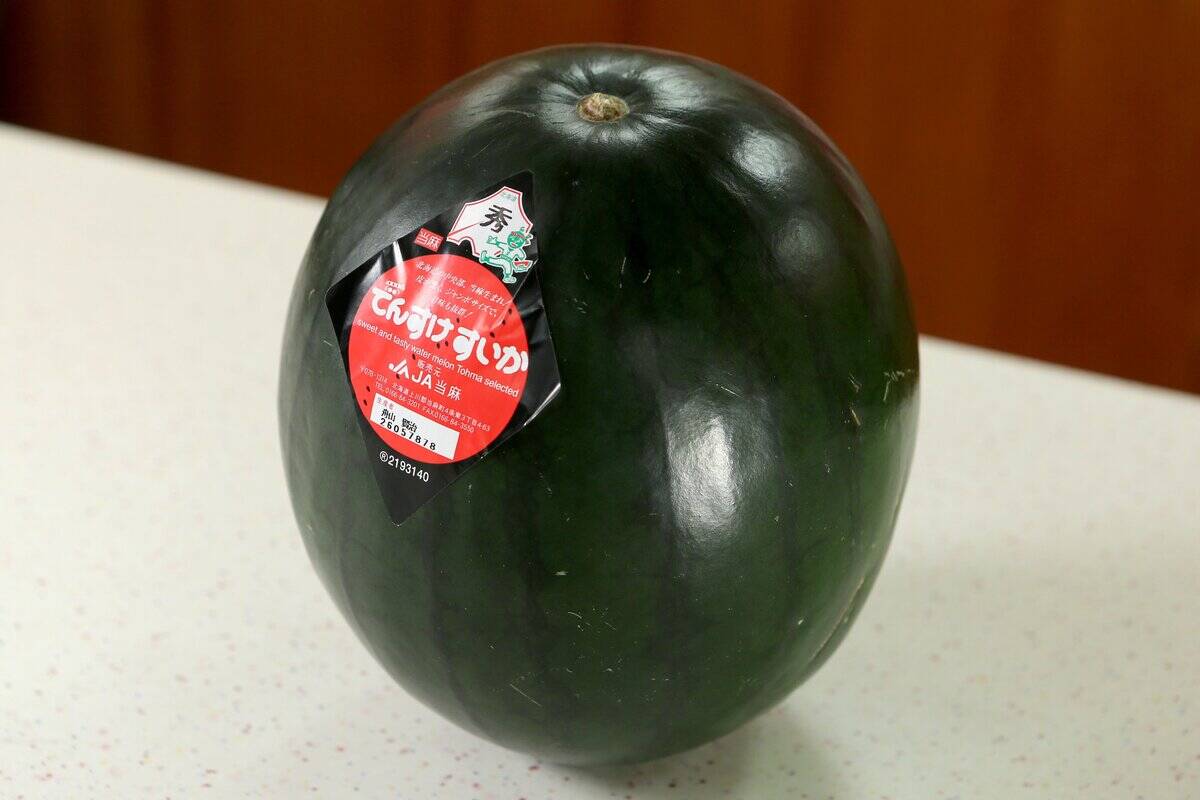
The black watermelon, also known as Densuke watermelon, is a rarity that hails from Japan’s northern island of Hokkaido. Known for its dark rind and crisp, sweet flesh, this fruit is a coveted item at auctions.
Only a few thousand are grown each year, making them an exclusive treat. The scarcity and unique flavor profile of the black watermelon make it a luxurious indulgence for fruit enthusiasts willing to pay a premium.
Foie Gras: A Rich and Decadent Delight
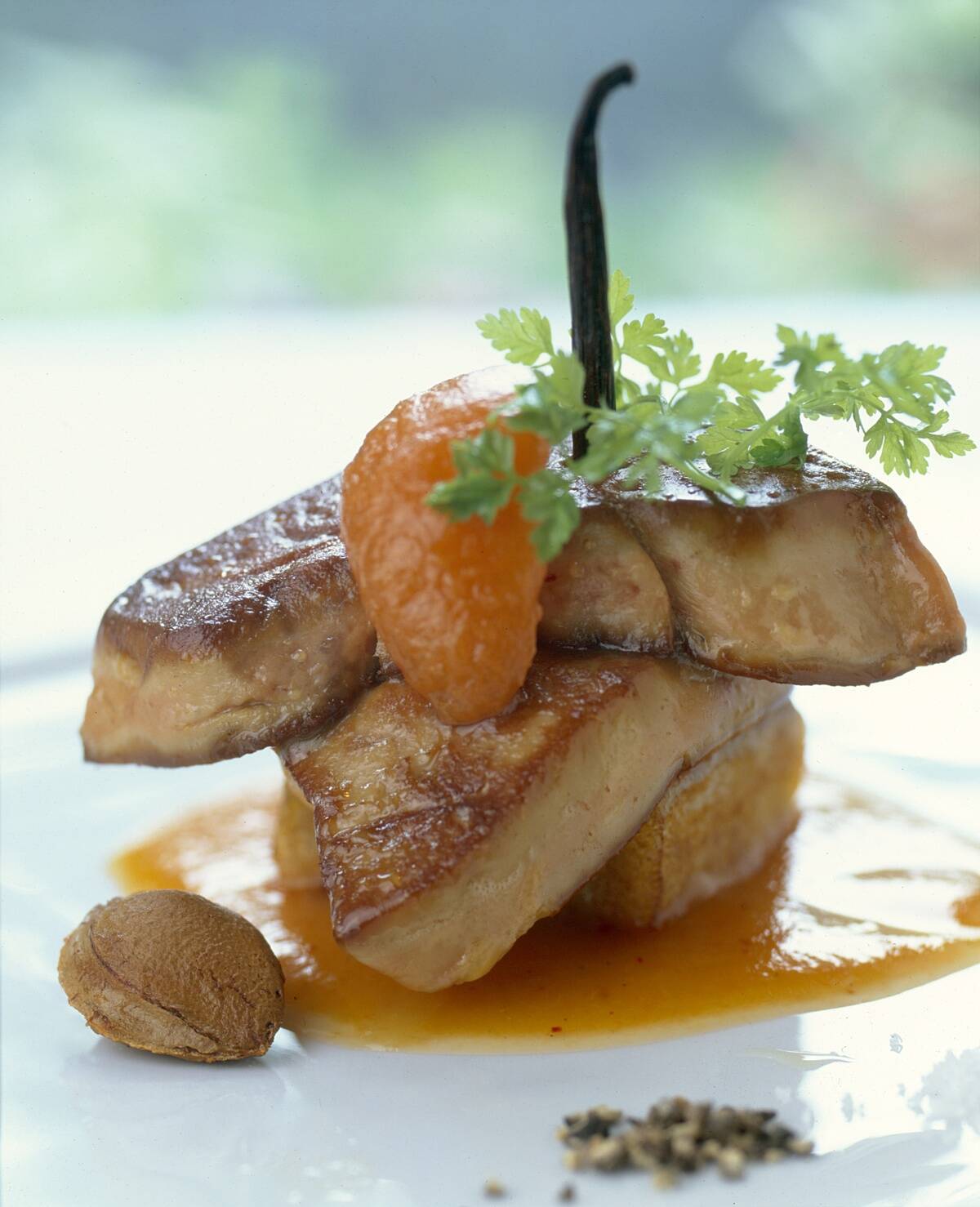
Foie gras, a French delicacy, is renowned for its rich, buttery flavor and smooth texture. Made from the liver of specially fattened ducks or geese, foie gras has been a part of French culinary tradition for centuries.
The meticulous production process, which involves careful feeding and monitoring of the birds, ensures the highest quality product. Served as a pâté or seared, foie gras is a testament to the art of indulgent dining.




